achtergrondartikelen

Mimi Pinson oftewel La bohème van Leoncavallo

Tekst: Peter Franken
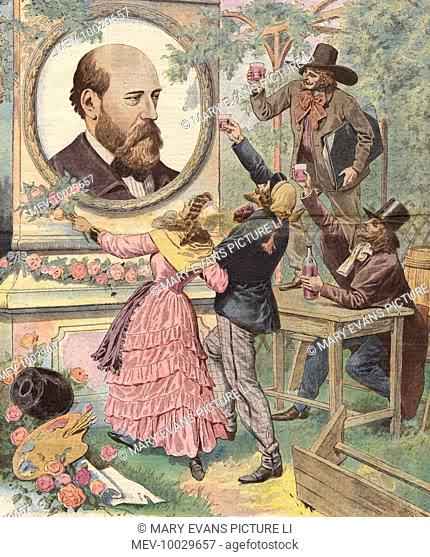
Henry Murger Illustration for the fiftieth anniversary of his death in: Le Petit Journal, France, Jan., 29, 1911

Zowel Puccini als Leoncavallo werkten eind jaren 1890 aan een opera gebaseerd op de roman Scènes de la vie de bohème uit 1849 van Henri Murger. Puccini maakte gebruik van een libretto dat was geschreven door Luigi Illica en Giuseppe Giacosa.
Leoncavallo schreef zijn eigen libretto en maakte daarbij heel andere keuzes voor zijn werk in vier aktes. Murger schreef min of meer op zichzelf staande korte verhalen, schetsen van het leven van bohemiens. In Puccini’s versie is daar wat samenhang in gebracht waardoor een doorlopende verhaallijn is ontstaan. Die is bij Leonvacallo duidelijk minder prominent.
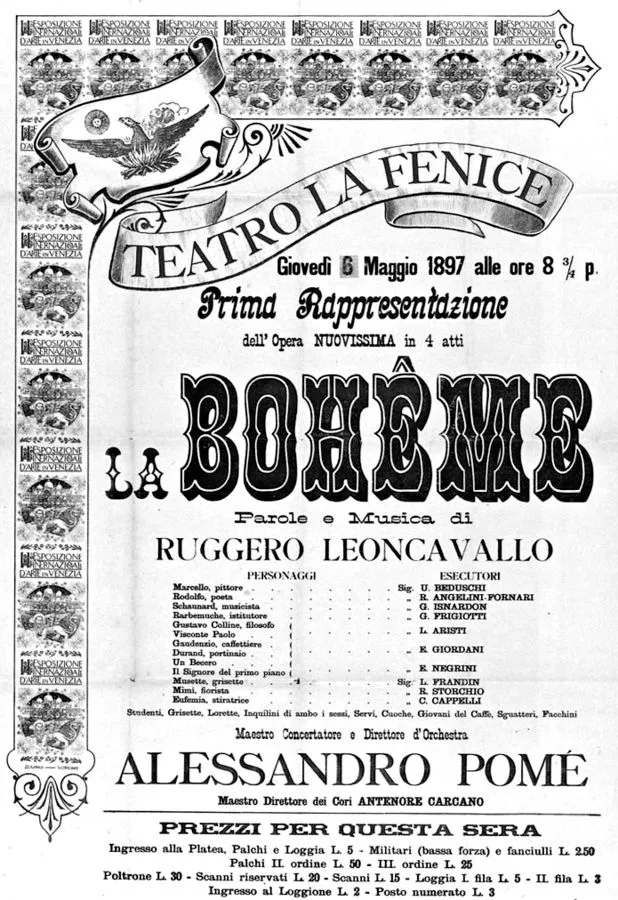
De wereldpremière vond plaats op 6 mei 1897 in het Teatro La Fenice in Venetië, een half jaar na Puccini’s première en Leoncavallo’s Bohème is nadien altijd in de schaduw van het werk van zijn concurrent blijven staan, ook nadat de componist de titel ter onderscheid had veranderd in Mimi Pinson.

Opvoeringen zijn zeldzaam en in het reguliere circuit is er geen enkele opname op dvd van beschikbaar. De bekendste opname op cd is die onder Heinz Wallberg uit 1970 met Franco Bonisolli als Marcello, Alan Titus als Schaunard, Bernd Weikl als Rodolfo, Alexandra Milcheva als Musette en Lucia Popp als Mimi.
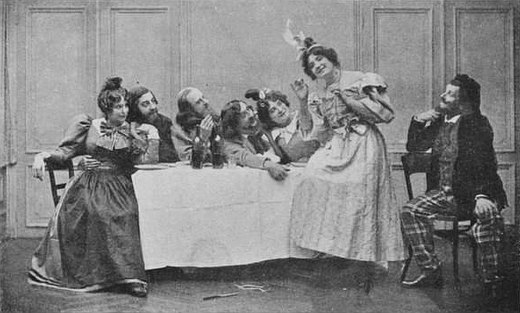
The Cafe Momus scene from an 1899 production of Leoncavallo’s La Bohème.

Uitbater Gaudenzio van cafe Momus probeert tevergeefs de bohemiens buiten te houden, aangezien ze nooit betalen en altijd de boel op stelten zetten. Marcello heeft een keer een naaktmodel meegebracht om daar te schilderen en Schaunard zingt te luidruchtig. De musicus belooft dat ze het deze keer, kerstavond, rustig zullen houden. Ze hebben geld en er komen chique dames mee.
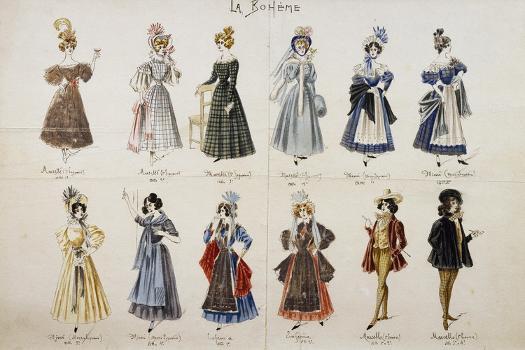
Costume sketch

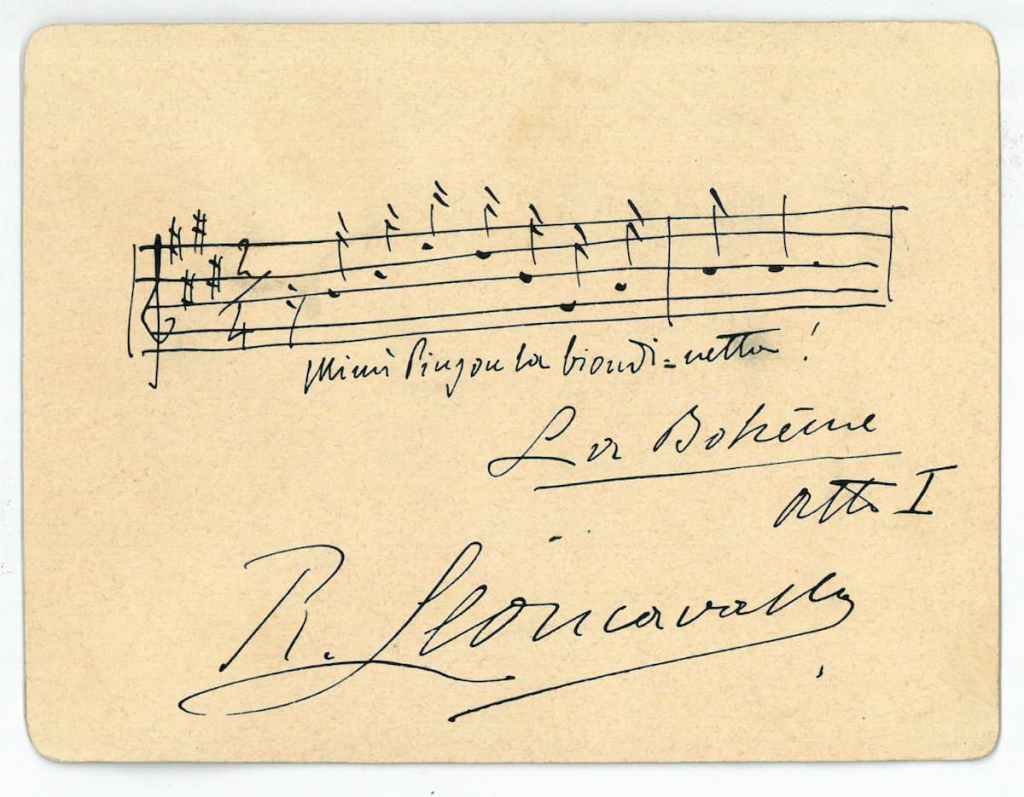
Mimi arriveert met Musette in haar kielzog, die heeft haar bankier die avond vrij gegeven. De meisjes zingen bij wijze van introductie over elkaar. Mimi hemelt Musette op die alleen maar voor de liefde leeft in ‘Ed ora, conoscetela’ en Musette bezingt de lieve blonde Mimi in ‘Mimi Pinson, biondinetta’.

Montserrat Caballé zingt ‘Ed ora, conoscetela’:

Uiteraard loopt alles uit de hand als men de aangerukte champagne, kreeft en andere luxe gerechten niet kan betalen uit een gezamenlijk vermogen van 2 francs maar de wat geheimzinnige rijkere heer Barbemuche die kennelijk uit is op enig contact met de ‘bohème’ biedt aan de rekening te betalen. Schaunard wijst dit van de hand maar om Gaudenzio toch aan zijn geld te helpen speelt hij met Barbemuche een partijtje biljart wat bij winst het benodigde bedrag moet opleveren. Barbemuche gaat in dit toneelstukje mee en verliest ‘eervol’. Iedereen tevreden.

Mimi en Rodolfo hebben bij aanvang al een relatie en in tegenstelling tot bij Puccini is zij hier nog normaal gezond. Marcello is gelijk helemaal weg van Musette en probeert haar te versieren. Later blijkt ze omwille van hem haar rijke geliefde te hebben verlaten.

Duet uit de eerste acte ‘Signorina Musette’.
Marcello: Mario Malagnini Musette: Martha Senn

Vanwege die ontrouw zet Musette’s minnaar haar aan de dijk en weigert nog langer haar te onderhouden. Met als gevolg dat Musettes meubilair is geconfisqueerd en direct door de conciërge naar de binnenplaats is gedragen. Maar die avond had ze net al haar vrienden uitgenodigd voor een feestje.

Schaunard, duidelijk het alter ego van Leoncavallo, weet daar wel raad op. Musettes piano staat inmiddels ook op de binnenplaats, zij het inmiddels een beetje ontstemd, en drank kan uit de waterput worden verkregen. Zo wordt het toch een gezellige boel, vooral dankzij de muziek natuurlijk. Een aardig detail is dat ergens een C en D tegelijkertijd worden aangeslagen om de indruk te wekken dat de D daadwerkelijk niet goed klinkt.

De buren, die uit hun slaap gehaald zijn, protesteren tevergeefs en het wordt een heel pandemonium. Barbemuche is ook aanwezig en heeft graaf Paul meegebracht. Die weet onopvallend Mimi over te halen met hem mee gaan, een luxe leven wacht haar, waarom hier blijven in armoede?

Ook Musette, die inmiddels bij Marcello is ingetrokken, houdt de armoe en vooral de honger en kou na een tijdje niet meer uit en wil bij hem weg. Mimi komt juist weer terug omdat ze nog steeds van Rodolfo houdt maar die vertrouwt haar niet meer. Zowel Marcello als Rodolfo reageren hun boosheid en frustratie op de beide meisjes af, ze kunnen maar beter vertrekken en nooit meer terugkomen. Het valt ook niet mee om als randfiguur je staande te houden, het bohemien bestaan berust grotendeels op bravoure, in werkelijkheid is het afzien.

José Cura zingt ‘Musetta! Testa adorata’ (live uit Budapest):

Dezelfde aria door Mario del Monaco:

Aan het eind staat Mimi plotseling bij Rodolfo en Marcello op de stoep. Ze was door graaf Paul verlaten en had geprobeerd haar bestaan als bloemenverkoopster weer op te pakken maar dat was niet gelukt, teveel concurrentie. Door kou en ondervoeding was ze ziek geworden en in het ziekenhuis opgenomen, maar vanwege gebrek aan geld daaruit voortijdig ontslagen.
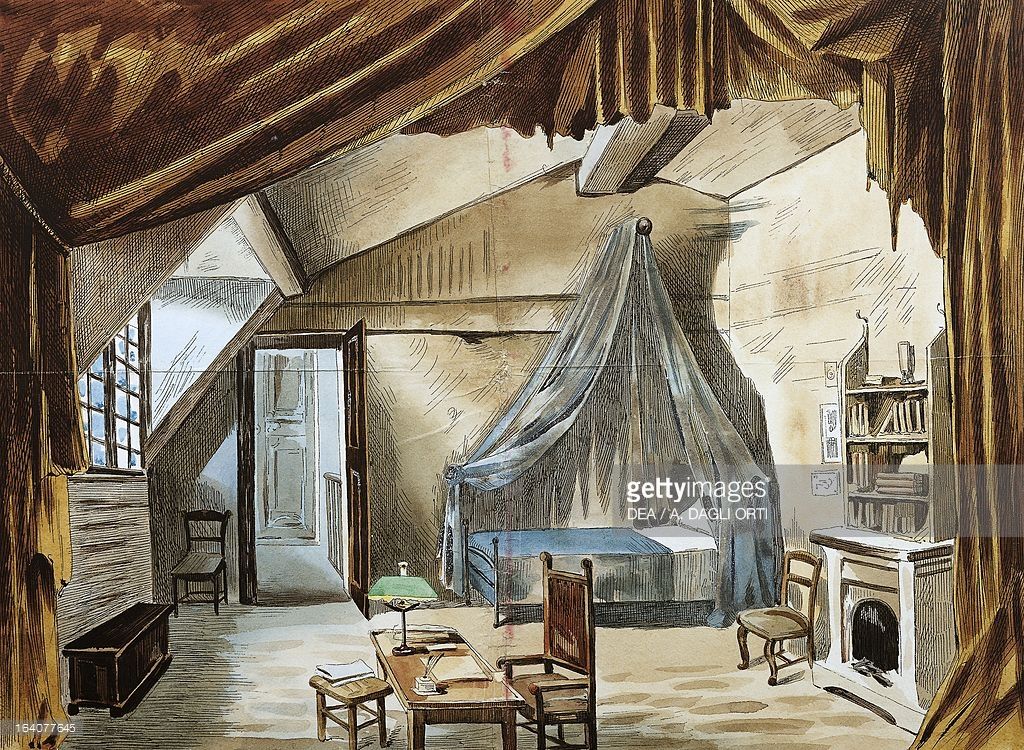
Original set design sketch for the fourth act

Musette die op deze kerstavond, een jaar na het begin van het verhaal, even langs komt ‘for old times sake’ laat direct al haar juwelen verpanden om een dokter en medicatie voor Mimi te kunnen betalen. Het mag niet baten, Mimi sterft te midden van het groepje bohemiens.

In de orkestratie en regelmatig terugkerende muzikale wendingen herken je al snel Il Pagliacci., zonder dat dit overheersend is, meer het visitekaartje van de componist. Musette heeft hier de belangrijkste rol bij de vrouwen, Mimi horen we vooral in de eerste en de vierde akte. De derde akte draait voornamelijk om het mislukken van de relatie tussen Marcello en Musette, gewoon omdat je van liefde alleen nu eenmaal niet kunt leven. Musettes ariaatje ‘Mimi Pinson, biondinetta’ klinkt als een vrolijk nummer uit een operette.

Ermonela Jaho over ‘Mimi Pinson, biondinetta’:

en hier luistert zij naar  de opname van Rosina Storchio (1911):

In de derde akte klinkt Musette zelfs als een personage dat sterk doet denken aan Franz Léhar. Dat is echter niet bepalend voor de opera als geheel die als zeer degelijk overkomt en beslist minder steunt op effectbejag dan Puccini’s gelijknamige werk. Hoewel de mezzo feitelijk de show steelt is ook de partij van sopraan Mimi heerlijk om naar te luisteren, vooral natuurlijk in de lyrische vertolking door Lucia Popp.

Ik blijf uitkijken naar een live voorstelling of op zijn minst een opname op dvd. Echter met het beluisteren van een cd kom je natuurlijk ook al een heel eind. Gewoon een klassieke productie van Puccini’s Bohème voor de geest halen geeft zonder meer een goede indruk hoe Leoncavallo’s versie er in het theater uit zou kunnen zien.

Opname uit 1963 met Angelo Lo Forese:

En hier de opname uit 1958 onder Mollinari Pradelli met o.a. Bastianini als Rodolfo:

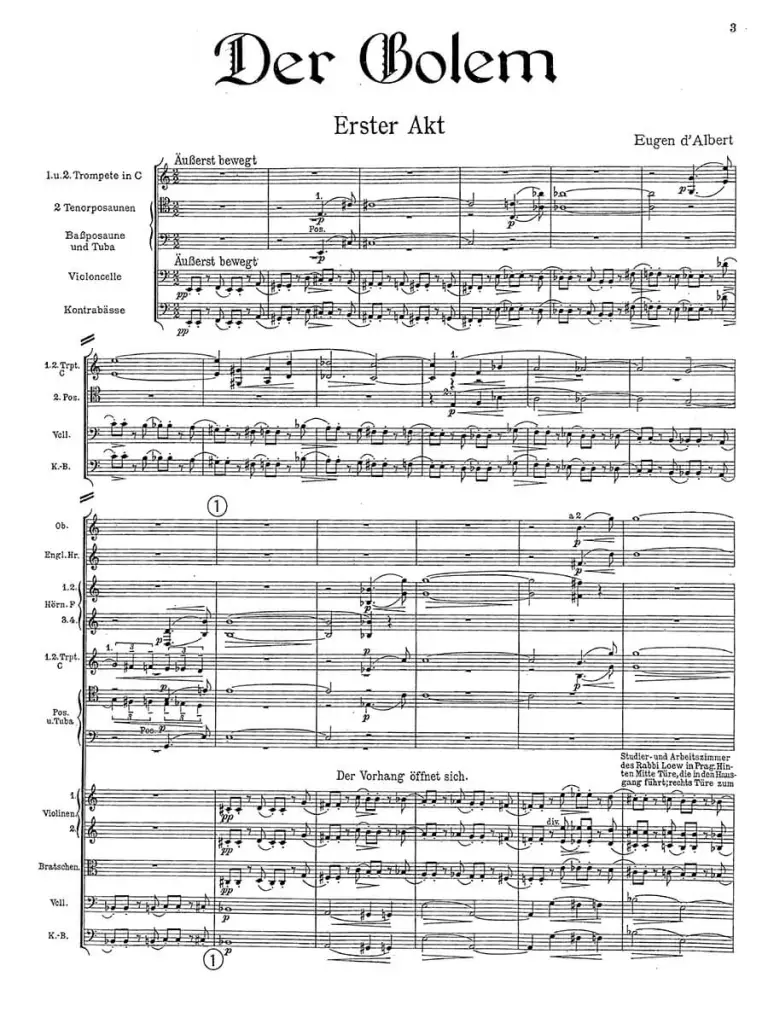
Verismo in German: Der Golem

Eugen d’Albert (1864 – 1932), the German pianist and composer of English/French/Italian origin, was born in Glasgow and died in Riga (can it get any more multiculti?). He is still  “terra incognita” for most opera-goers.

Of the 20 operas he composed, only one has kept repertoire: ‘Tiefland’, a very verist work from 1903. Occasionally you will still hear some part of ‘Die Tote Augen’, but ‘Der Golem’?


It is listed in reference works, yes, but, to my knowledge, after its 1926 premiere in Frankfurt it was never performed again.

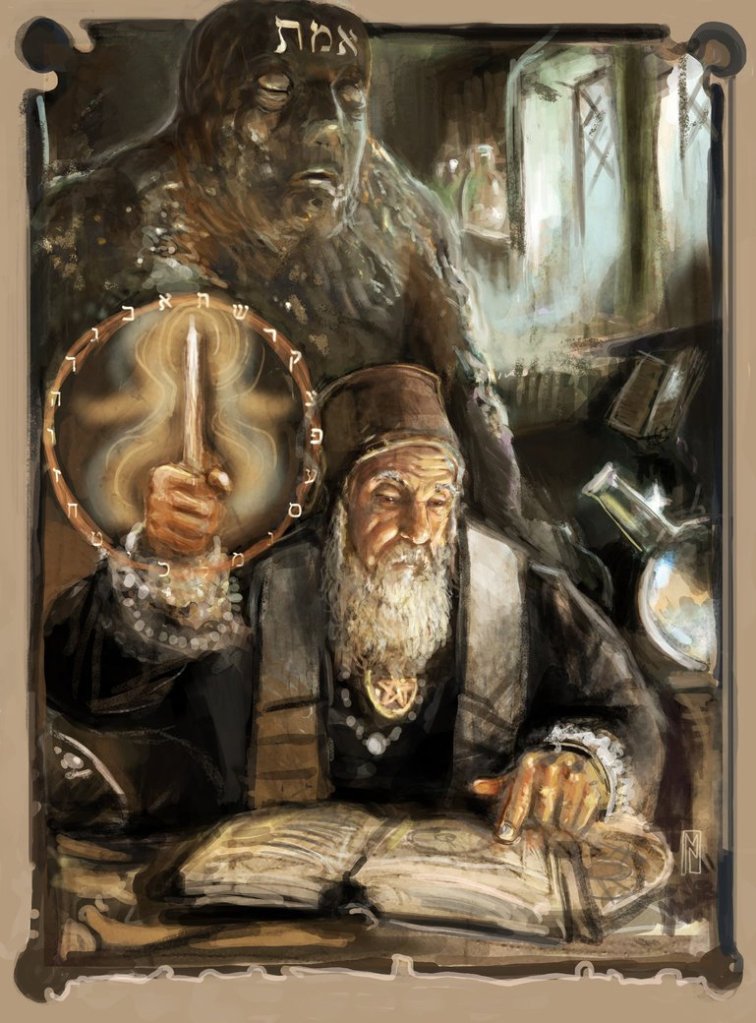
Image by Mitchellnolte

The story is based on an old Jewish legend from Prague..In a few words; Rabbi Löw  creates an artificial man (Golem) from clay, which then takes on a life of its own. Death and destruction ensue and it eventually costs the life of Lea, Löw’s daughter. Too late, the rabbi comes to the realisation that he was never allowed to play God, however good and noble his intentions.

Rabbi Löw’s grave in Prague © Basia Jaworski

Recording(s)


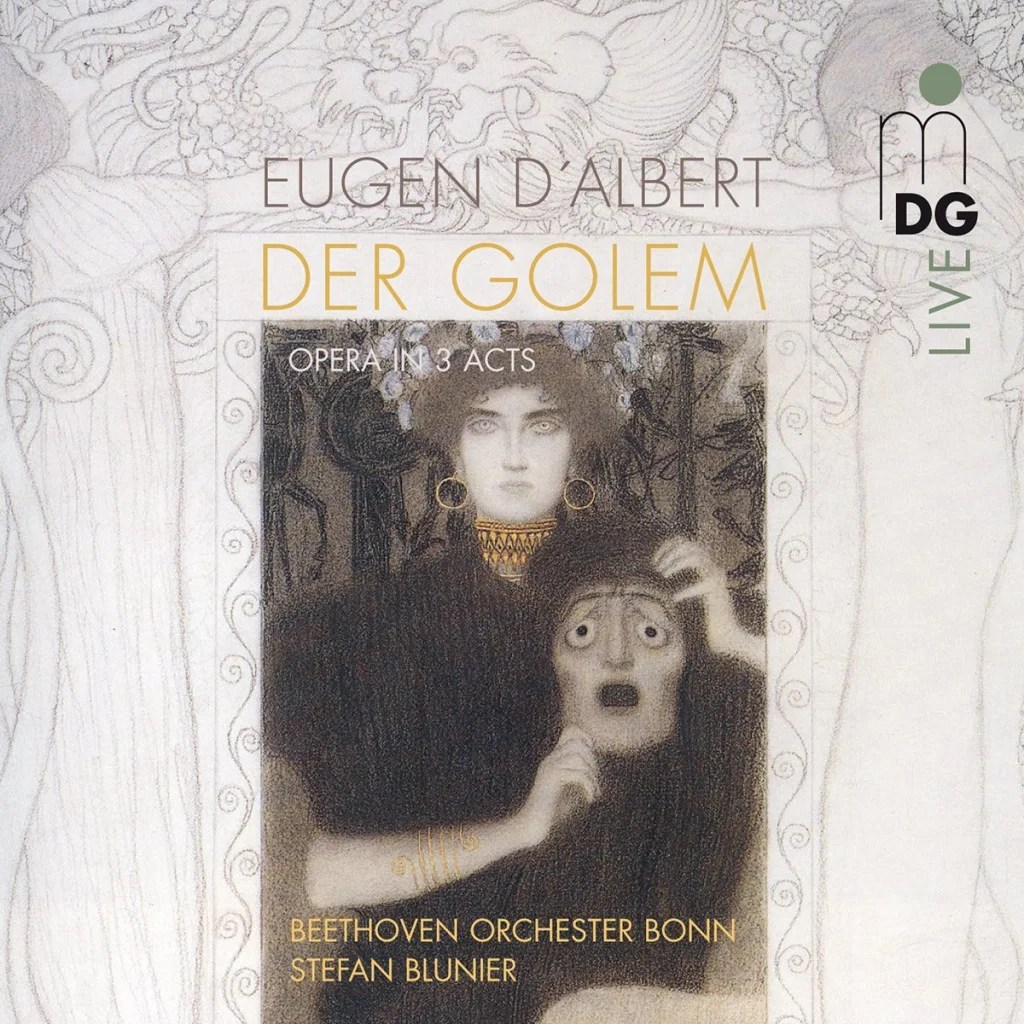
The opera house in Bonn, always up for the unknown repertoire, put it on stage in January 2010 and it was also recorded there live. Bravo


The performance is more than outstanding.
Ingeborg Greiner is a very moving Lea. With her very light, girlish soprano, she manages to evoke our pity. Adolescents, after all! Always in love with the wrong one!


American baritone Mark Morouse (Golem) possesses a very attractive (may I say erotic?) voice, which makes Lea’s passion only logical.

Trailer of the production:

The whole opera (audio)


The music is very recognisable and melodic. Think Mascagni, but in German. Then also add a touch of Richard Strauss and a droplet of Wagner.
Eclectic? Yes, but so very delightful!

The movie, made in 1920:


Eugen D’Albert
Der Golem
Mark Morouse (baritone), Alfred Reiter (bass), Tansel Akzeybek (tenor), Ingeborg Greiner(soprano) and others.
Chor des Theater Bonn (conductor: Sybille Wagner); Beethoven Orchester Bonn conducted by Stefan Blunier
MDG 937 1637-6

Andrea Chénier: de ultieme Franse revolutie opera 

Tekst : Peter Franken

Andrea Chénier, Tosca en Les dialogues des Carmélites zijn voor elke liefhebber herkenbaar als revolutie opera’s. Maar hoe zit het met bijvoorbeeld Marie Victoire en Germania? En wat maakt het thema revolutie eigenlijk zo aantrekkelijk voor gebruik in een opera? Als we de genoemde werken analyseren dan valt op dat ze allemaal zich afspelen in een politiestaat, een voor burgers manifest onveilige omgeving.

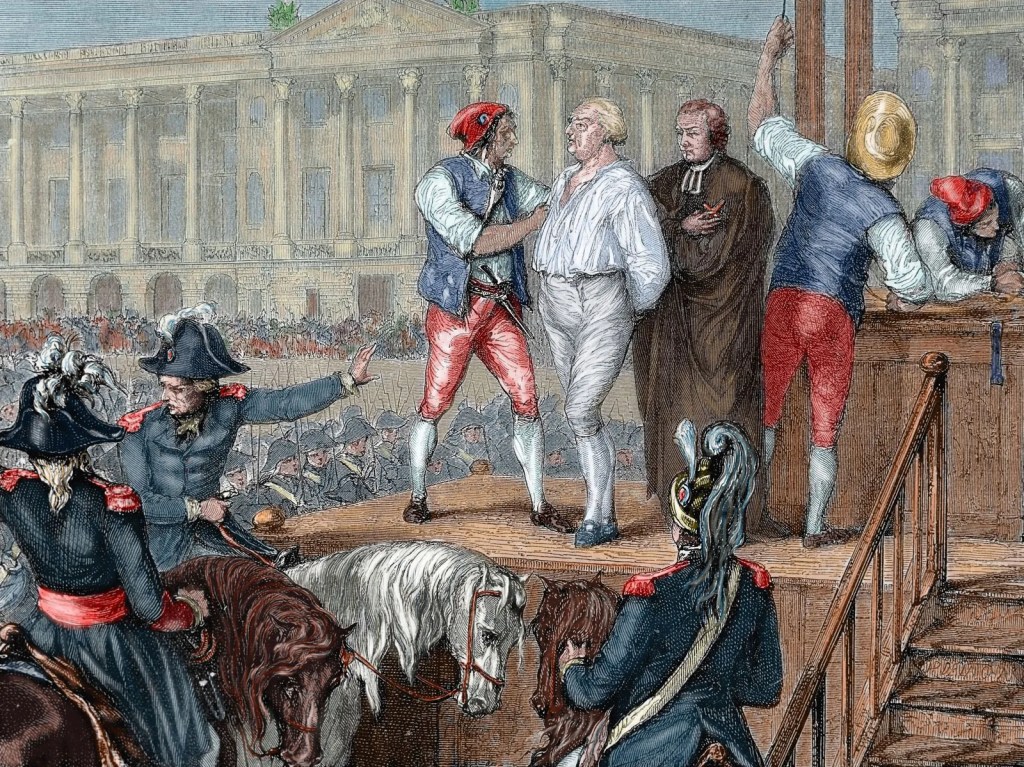
Louis XVI: execution by guillotine

In Chénier, Marie Victoire en Dialogues gaat dit nog een stap verder: daarin heerst de Terreur. In Tosca en Germania is sprake van vreemde overheersing. Tegen zo’n ontoegeeflijke achtergrond worden emoties sterk uitvergroot en problemen aangescherpt. Het gaat al gauw om leven en dood, zelfs in situaties die in normale tijden nauwelijks enige aandacht zouden krijgen. Relatieproblemen, (vermeende) ontrouw en jaloezie spelen een grote rol in alle genoemde werken, met uitzondering van Dialogues.

In die laatste opera gaat het om het onvermogen van een groep nonnen om zich aan te passen aan nieuwe leefomstandigheden. Daar waar in reguliere libretti vooral een beroep wordt gedaan op duellerende edellieden, in hun eigen gelijk verstarde vaders en jonge vrouwen die – soms maar tijdelijk – spontaan waanzinnig worden als men om emoties verlegen zit, liggen die in de revolutie opera’s voor het oprapen. De protagonisten lopen al dan niet bewust in een ‘mijnenveld’ en de kleinste stap in de verkeerde richting kan alles direct mis laten gaan.

In Andrea Chénier sterven de titelheld en zijn geliefde Maddalena op het schavot, zij gaat vrijwillig met hem de dood in. Hij is het slachtoffer van de jaloezie van Gérard, die hem ervan heeft beschuldigd een contrarevolutionair te zijn. Als Gérard zijn beschuldiging herroept, wordt hij door zijn collega’s genegeerd. Een revolutionair tribunaal komt nooit op een veroordeling terug, dat zou het geloof in het absolute karakter van de Terreur teniet doen. Door een opera te situeren in deze periode is het prijsschieten voor librettisten. Je kunt gewoon niet missen, de emoties lopen als vanzelf hoog op.

In Tosca is er een executie, een moord en een zelfmoord, voornamelijk voortkomend uit liefdesperikelen of wat daar voor door moet gaan. En de Carmélitessen moeten hun onvermogen het verstilde religieuze leven achter zich te laten met de valbijl bekopen.

Maar zo extreem hoeft het niet altijd te verlopen. In die zin zijn Respighi’s Marie Victoire en Franchetti’s Germania de buitenbeentjes in dit gezelschap. Daar lijkt alles nog op zijn pootjes terecht te komen maar ook hier heeft de politiek het laatste woord.

Andrea Chénier

Tegen de achtergrond van de Franse Revolutie laat dit werk een driehoeksverhouding zien tussen Maddalena de Coigny, Carlo Gérard en Andrea Chenier. Gérard is een lakei in het kasteel van de Comte de Coigny. Als het kleine zoontje van de majordomo mocht hij wel met zijn leeftijdgenootje Maddalena spelen maar toen hij een livrei kreeg aangemeten was hij plotsklaps een lakei die voor zijn jeugdvriendin nog slechts de deur mocht openhouden.

Aan de vooravond van de revolutie houdt hij het slaafse bestaan niet langer vol en zet tijdens een ontvangst de boel op stelten. Uiteraard wordt hij op staande voet ontslagen. De dichter Andrea Chénier was een van de gasten op die ontvangst en zijn ontmoeting met Maddalena was niet erg succesvol. Feitelijk had hij haar de les gelezen maar daarbij zoveel indruk gemaakt dat ze hem nooit is vergeten. 

Het vervolg van de opera speelt zich een jaar of zes later af, tijdens de Terreur. Gérard is een vooraanstaand revolutionair, type Danton. Hij misbruikt zijn macht om Maddalena op te laten sporen. Nu hij sociaal boven haar staat is alles anders, hij moet en zal haar krijgen na al die jaren.

Maddalena heeft Chénier benaderd in de hoop door hem in veiligheid te worden gebracht. Ze verklaren elkaar hun liefde maar raken vervolgens verstrikt in de val die Gérard voor hen heeft gezet. Chénier wordt op basis van een valse aanklacht door Gérard voor het revolutionaire tribunaal gebracht. Maddalena ruilt in de gevangenis van plaats met een andere vrouw zodat zij samen met haar geliefde de dood in gaat.

Door DG is een dvd uitgebracht van Otto Schenks productie voor de Wiener Staatsoper uit 1981. Schenk toont in zijn enscenering een toneelbeeld dat niets aan de verbeelding over laat, librettogetrouw tot in de kleinste details. Wat de dvd vooral de moeite waard maakt is de zangersbezetting met Plácido Domingo als een fenomenale Chénier.  Hij krijgt uitstekend tegenspel van Gabiela Beňačková als Maddalena en Piero Cappucilli als Gérard. Een cast om van te dromen. De productie staat nog steeds op het tableau van de Wiener Staatsoper maar recente bezettingen blijven duidelijk in de schaduw van hun beroemde voorgangers. 

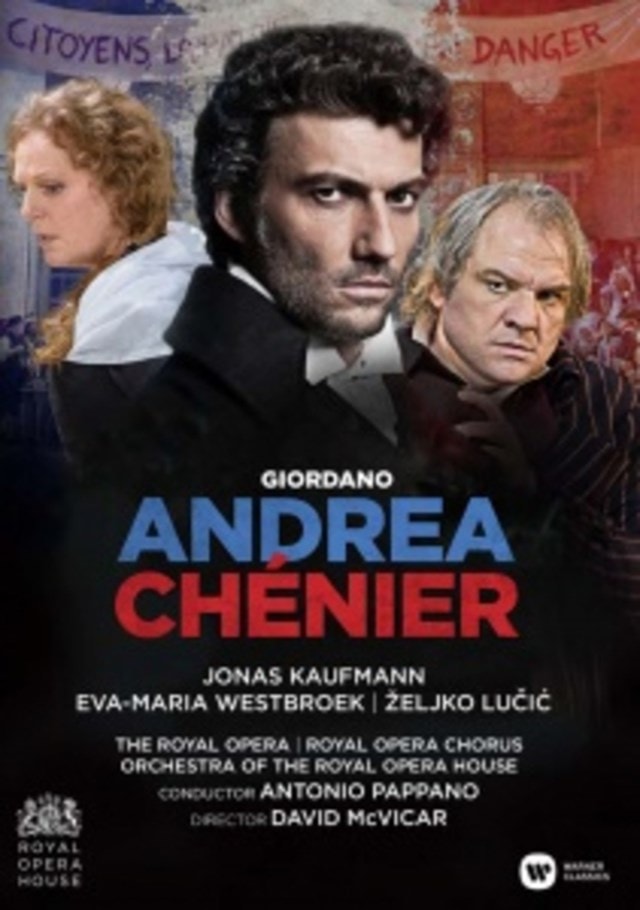
Kaufmann en Westbroek in de Royal Opera op dvd

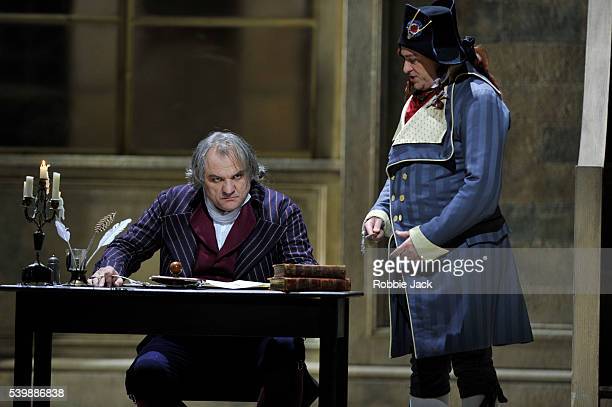
David McVicar maakte in 2015 voor ROH een productie van dit werk die tot in de kleinste details het beeld oproept van de Franse revolutie zoals dat in extenso is overgeleverd. Daar waar ik een paar kleine onjuistheden waarneem komt dat op het conto van librettist Luigi Illica. Zo verwart hij een politiespion met een Incroyable, een anti-Jacobijns personage dat pas na de Terreur zijn intrede deed in het straatbeeld.

Ach, dat is maar een klein detail. Het is een compleet kostuumdrama met schitterende decors die in elke scène volledig recht doen aan de getoonde handeling. Op een bepaald moment zien we zelfs op de achtergrond een boerenkar langsrijden met veroordeelden op weg naar de guillotine. De decors van Robert Jones en de kostuums van Jenny Tiramani maken er bijna een gedramatiseerde documentaire van die op school kan worden gebruikt tijdens de geschiedenisles.

Bariton Željko Lučić mag als Carlo Gérard het spits afbijten met een grote monoloog direct aan het begin. Zijn mooi voorgedragen ‘Compiacente a’colloqui del cicisbeo’ zet de toon voor de op handen zijnde omwenteling, eerst in huize de Coigny en later in het gehele land.

Uitgedaagd door Maddalena zingt Chénier tegen het einde van de akte zijn grote aria ‘Un di all’ azzuro spazio’ waarin hij ‘liefde’ koppelt aan scherpe maatschappijkritiek. Jonas Kaufmann maakt er een waar kunststuk van, geweldige vertolking van deze tophit.

In de tweede akte krijgt de plot snel vorm en na hun herkenningsscène zingt Maddalena haar monoloog ‘Eravate possente’ waarin ze haar lot in Chéniers handen legt. Eva-Maria Westbroek maakt hier na haar frivole gekwetter in de eerste akte duidelijk haar opwachting als de prima donna van het werk.

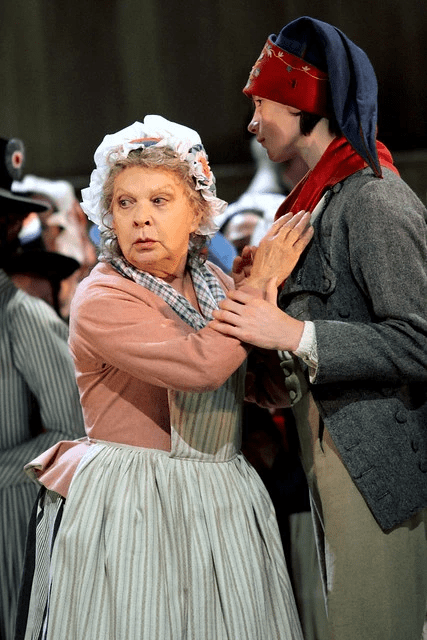
In de derde akte treden twee bijfiguren nadrukkelijk op de voorgrond, de ‘incroyable’ en de oude blinde Madelon. Tenor Carlo Bosi is een lichtvoetig acterende maar zeer vileine spion die zijn zang daar uitstekend mee in overeenstemming weet te brengen.

Elena Zilio: © : Catherine Ashmore 
Mezzo Elena Zilio weet zoals verwacht korte tijd de show te stelen met haar klaagzang over een dode zoon en kleinzoon, gestorven voor de Revolutie. En nu brengt ze haar jongste kleinzoon mee, niet te jong om de strijden en sterven voor het vaderland. Gérard accepteert hem en zodra hij weg is vraagt ze zich af wie haar nu zal begeleiden. Gelukkig zijn een paar vrouwen bereid de blinde vrouw bij de arm te nemen.

Lučić krijgt vervolgens de gelegenheid de aandacht te bepalen, eerst met zijn bedachte aanklacht en vervolgens de ontmoeting met zijn prooi Maddalena. Zijn personage Gérard heeft zich door de ‘incroyable’ laten overhalen om Chénier vals te beschuldigen van contra revolutionaire gedrag. Hij aarzelt, z’n gemoed speelt op, wat is er van hem geworden?

Vroeger was hij een slaaf maar nu nog steeds, van de liefde. Hij wordt erdoor verscheurd, moet en zal zijn jeugdliefde eindelijk bezitten. Als Maddalena binnenkomt maakt hij dat onomwonden duidelijk in een hartstochtelijk ‘Perché ti volli qui?’ Zij repliceert met haar topstuk ‘La mamma morta’, indrukwekkend mooi gezongen.

Lučić en Westbroek grijpen hier de gelegenheid om zich aan alle aandacht voor Kaufmanns Chénier te ontworstelen met beide handen aan. Het is van korte duur want direct volgt diens markante optreden tijdens de rechtszitting waarin hij stelt dat men hem kan doden maar zijn eer niet kan afnemen: ‘Si, fui soldato’.

Kaufmann kan in de laatste akte nog excelleren in ‘Come un bel di di maggio’ en met een mooi duet in de laatste akte neemt het onfortuinlijke liefdespaar afscheid van het leven onder de uitroep ‘Viva la morte insiem’. Een prachtig einde van een fenomenale voorstelling.

Het orkest van de Royal Opera onder leiding van Antonio Pappano heeft een groot aandeel in het welslagen van het geheel.

André ’Chénier:  “Quand Au Mouton Bêlant”

Quand au mouton bêlant la sombre boucherie
Ouvre ses cavernes de mort,
Pâtres, chiens et moutons, toute la bergerie
Ne s’informe plus de son sort.
Les enfants qui suivaient ses ébats dans la plaine,
Les vierges aux belles couleurs
Qui le baisaient en foule, et sur sa blanche laine
Entrelaçaient rubans et fleurs,
Sans plus penser à lui, le mangent s’il est tendre.
Dans cet abîme enseveli
J’ai le même destin. Je m’y devais attendre.
Accoutumons-nous à l’oubli.
Oubliés comme moi dans cet affreux repaire,
Mille autres moutons, comme moi,
Pendus aux crocs sanglants du charnier populaire,
Seront servis au peuple-roi.
Que pouvaient mes amis? Oui, de leur main chérie
Un mot à travers ces barreaux
Eût versé quelque baume en mon âme flétrie;
De l’or peut-être à mes bourreaux…
Mais tout est précipice. Ils ont eu droit de vivre.
Vivez, amis; vivez contents.
En dépit de Bavus soyez lents à me suivre.
Peut-être en de plus heureux temps
J’ai moi-même, à l’aspect des pleurs de l’infortune,
Détourné mes regards distraits;
A mon tour, aujourd’hui; mon malheur importune:
Vivez, amis, vivez en pai

Soile Isokoski, a star for the connoisseurs

She is quite well known but not famous like a Pavarotti or a Bartoli. She can still easily walk around incognito, but true voice lovers know better, and her fans follow her performances all over the world.


Her career began in 1987 when she won second prize in Cardiff, but it was only about four years ago that her name was really beginning to be recognized. Ignored by the big record companies, she had to make do with the success of her performances and word of mouth.


I first heard her as Donna Elvira in Paris, with Bo Skovhus as don Giovanni. It was Skovhus for whom I had undertaken the journey, and it was Soile Isokoski who made my heart beat faster. Her Elvira was heartbreaking and pitiful, yes, she made me really understand all those tears for the seducer.


She received a Grammy Award for her performance of Strauss’s Vier letzte Lieder, quite rightly,

and her recording of Finnish songs (all on Ondine) belongs in every song lover’s home.


It is also precisely Bo Skovhus, with whom Isokoski recorded Hugo Wolf’s Italienisches Liederbuch, with at the piano Marita Viitasalo, her regular accompanist.

Wolf’s miniatures have never had better protagonists, as both voices have a lot in common: perfect diction, musicality, the great art of ‘acting’ with your voice alone, and a somewhat sweet timbre.


Hugo Wolf
Italienisches Liederbuch
Soile Isokoski, Bo Skovhus, Marita Viitasalo
Ondine ODE 998-2 (2cd)

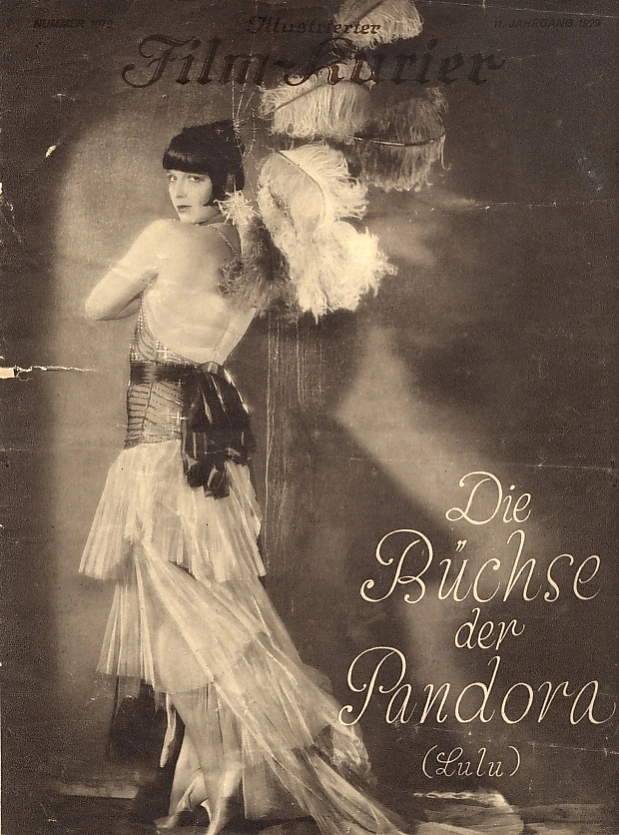
Lulu by Wedekind and Alban Berg. A mystery? A phantom?


Who is Lulu? What do we know about her? Does she really exist or is she nothing more than a fantasy?

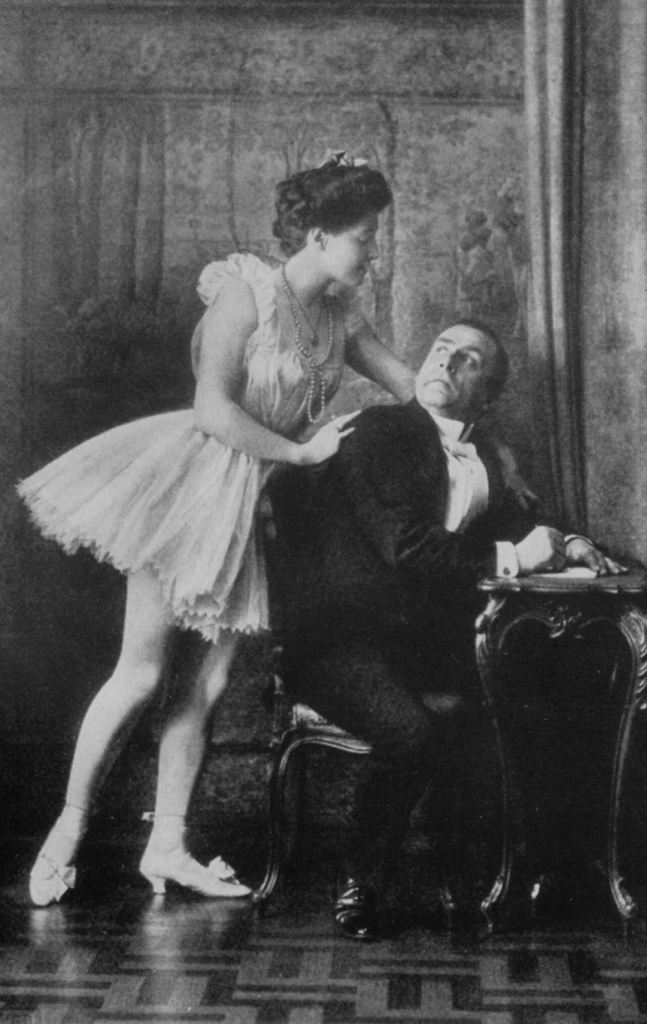
Wiedekind als Dr.Schön en zijn vrouw Tilly als Lulu in’Der Erdgeist’ ©Bildarchiv EFWFrank

A portrait of her is painted in the first act, which then runs like a thread through the whole opera, much like the portrait of Dorian Gray. Whatever happens to Lulu, her portrait remains unchanged.

Alban Berg was quite obsessed with her character, taken from Wedekind’s plays Der Erdgeist and Die Büchse der Pandora.

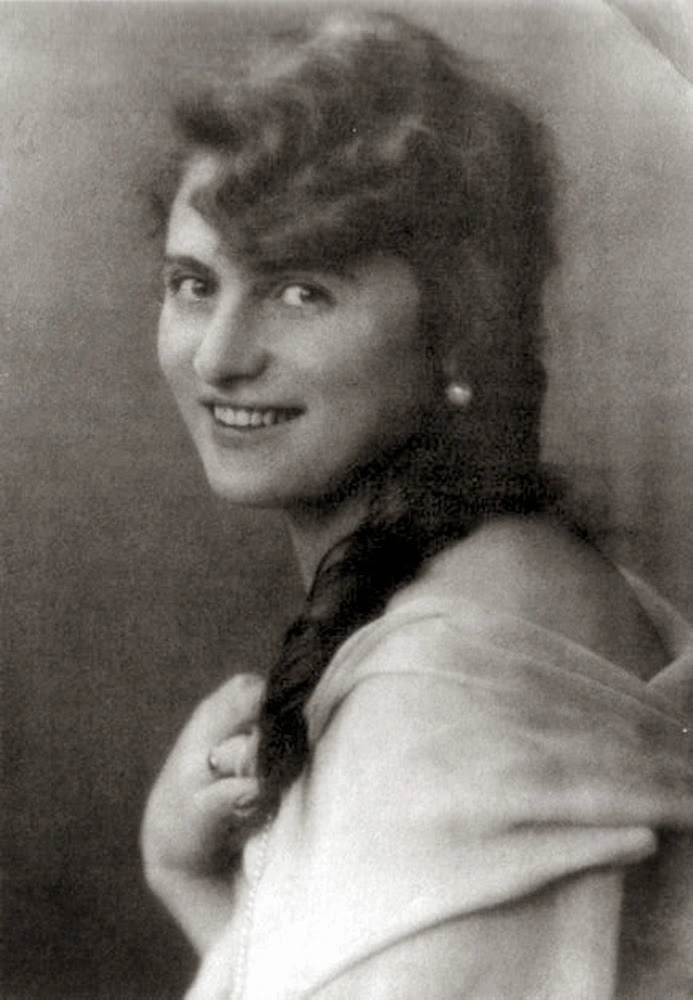
Hanna Fuchs

This may also have had to do with his personal life. She might be the personification of Czech Hanna Fuchs, Berg’s last great love. But there are also music psychologists who want to see Berg himself in Lulu

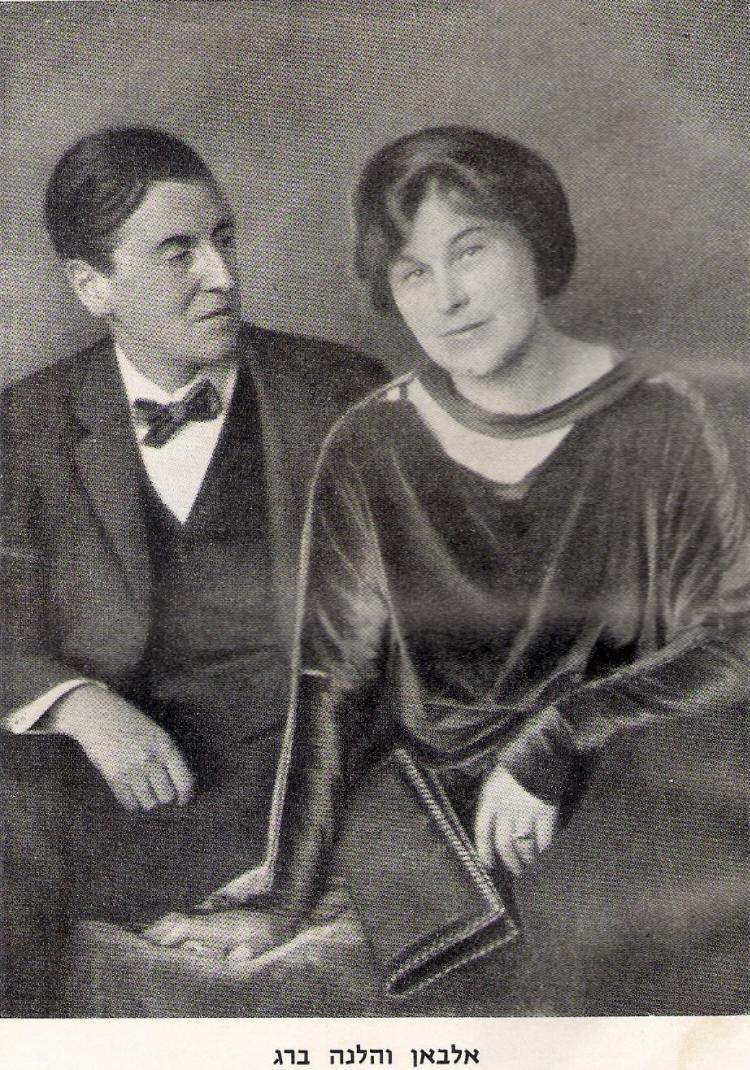
Berg and his wife

Berg did not finish his opera: when he died in 1935, the third act consisted only of sketches.

It was the Austrian composer Friedrich Cerha who orchestrated 1979’s unfinished third act; until then, only the first two acts were being performed.

CD’S

Teresa Stratas

You simply cannot live without the very first recording of the complete opera with the third act, as it was finalized by Cerha. Deutsche Grammophon made a studio recording in 1979 immediately after the Paris premiere (DG 4154892).

All fantastic Lulu’s notwithstanding, no one can match Teresa Stratas. Even without the textbook, you will not only clearly hear but also really understand every word. Robert Tear is a delightfully naive painter and Franz Mazura an unrivalled Dr Schön. Kenneth Riegel’s Alwa is a matter of taste, but his empathy is just about perfect.

Pierre Boulez’s seemingly cool and analytical approach makes the drama sizzle even more.

You can also watch the complete recording with Stratas on YouTube:

Anneliese Rothenberger

The recording made by EMI in 1968 (91233028) should really not be missing from any collection. Anneliese Rothenberger is a very light, bouncy Lulu, truly an innocent girl.

Forget about Gerhard Unger (Alwa), but Toni Blankenheim’s surprisingly light and sarcastic Dr Schön (Schigolch with Boulez) is really irrisistable.

What makes the recording extra desirable is Benno Kusche in the small role of Tierbändiger. The recording itself also sounds surprisingly good.

Ilona Steingruber

Ilona Steingruber’s name does not ring a bell these days, but in her time she was a celebrated soprano, whose repertoire included Mahler, Korngold, Strauss and Alban Berg.

On the 1949 recording directed by Herbert Häfner (including Archipel Desert Island Collection ARPCD 0540), Steingrubber sings a very sensual Lulu: erotic and exciting in her singing and remarkably childlike in the dialogues.

Otto Wiener is a very authoritarian Dr Schön and Waldemar Kmentt a not very idiomatic but very present Maler. The confrontation between the two, ‘Du hast eine halbe Million geheiratet’, is therefore particularly exciting.

DVD’S

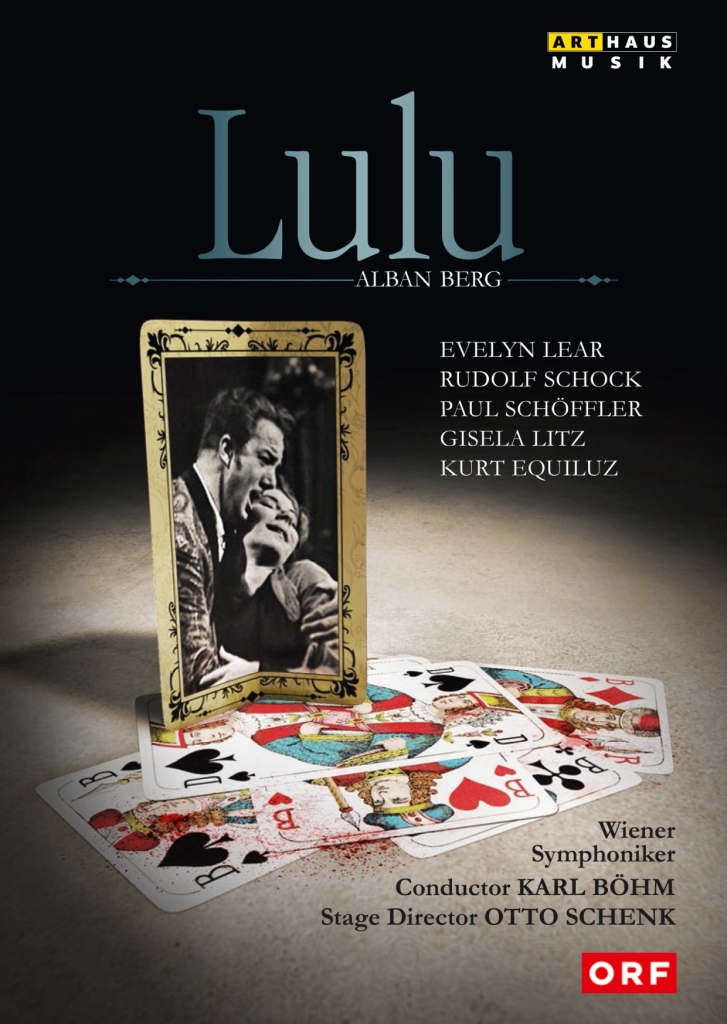
Evelyn Lear

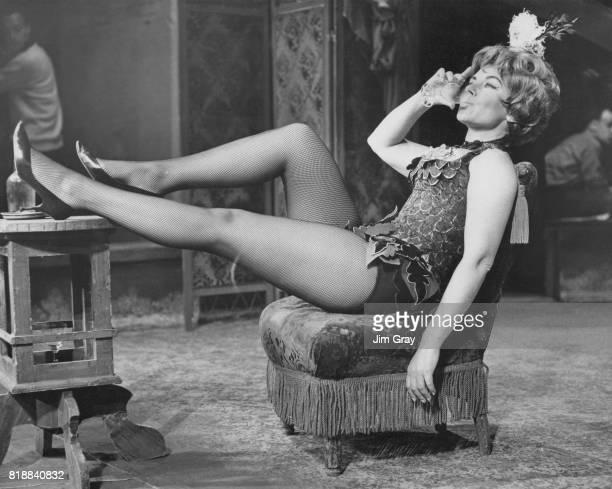
With her movie-star looks and angelic voice, Evelyn Lear has been referred to in the press as ‘Elisabeth Taylor meets Elisabeth Schwarzkof’. Personally, I find the American soprano, very popular in the 1960s to 1980s, much more interesting than her German colleague.

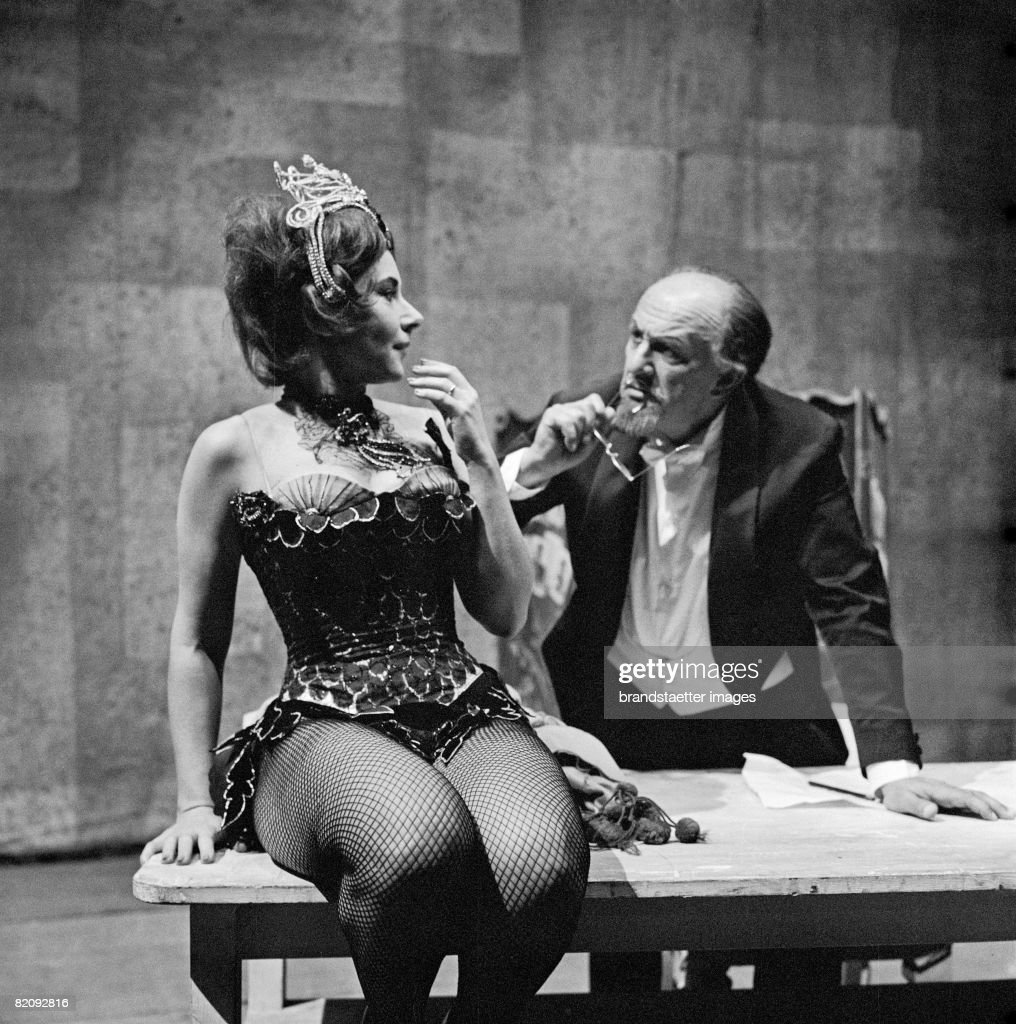
Lear was one of the greatest and best advocates of modern music. On 9 June 1962, she sang the role of Lulu in the first Austrian production of the work, at the newly reopened Theater an der Wien.

I can imagine that the posh premiere audience may have been a bit surprised to see a prima donna dressed only in a tight-fitting corset and fishnet stockings, but if so, nobody showed it.

It was directed by the then very young Otto Schenk, who followed the libretto closely. That Paul Schöffler (Dr Schön ) reminded me of Professor Unrath from Der blaue Engel is, of course, no coincidence. Nor is his resemblance to Freud.

The last scene, beginning with Geschwitz’s plea followed by images of Jack the Ripper, could just as well have been taken from one of the best Hitchcock films. Especially since Gisela Lintz, who sings the role of the Countess, looks a lot like one of the director’s beloved actresses.

Watching Karl Böhm conducting is also extremely exciting. I have never seen him gesticulating so violently. An absolute must (Arthaus Musik 101 687).

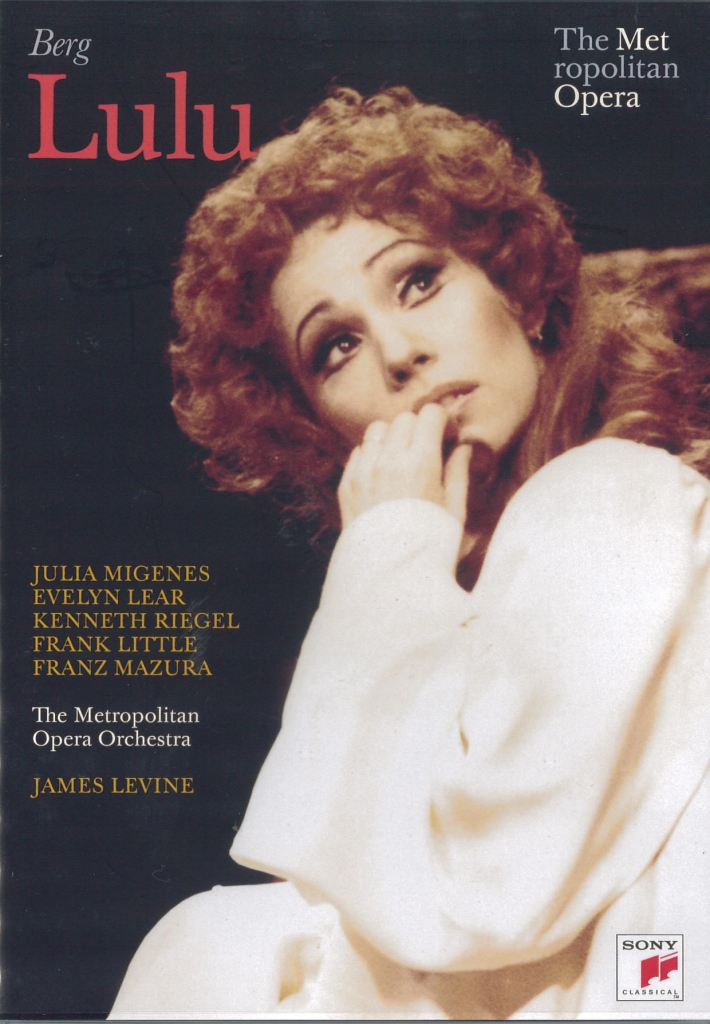
Julia Migenes


I have never understood why Julia Migenes wasn’t allowed to sing ‘real’ operas more often. She was a big star on Broadway and she triumphed in several musical films, but to my knowledge, apart from Lulu, she has performed very few other opera roles on the stage. Both her appearance and acting are so formidable that one can readily forgive her for not always singing cleanly.

Franz Mazura is a phenomenal Dr Schön. In the scene where he writes the farewell letter to his fiancée, you can almost smell his sweat. What a performanc

As Geschwitz, the now older but still gorgeous Evelyn Lear is convincing in every way. John Dexter’s very fine production was recorded at the Metropolitan Opera in 1980 (Sony 88697910099).

The complete recording can be viewed here:

https://www.operaonvideo.com/lulu-met-1985-levine-migenes-mazura-riegel-lear/

Agneta Eichenholz

This totally unadorned production by Christof Loy was recorded at London’s Royal Opera House in June 2009. Loy has stripped the opera completely and reduced it to its pure essence, something I find very fascinating.

His minimalist approach allows all attention to be paid to the characters, their motivations and their development. Whatever you think of the direction: musically it is spot on. Antonio Pappano really works wonders with the orchestra; you will rarely hear this music so transparent and at the same time so emotionally charged.

Klaus Florian Vogt cannot really convince me as Alwa, but Jennifer Larmore is an exceptionally attractive Geschwitz. And Agneta Eichenholz (with her big eyes pretty much the reincarnation of Audrey Hepburn) is a beautiful Lulu in every way. Michael Volle is for me, after Franz Mazura, the best Dr Schön (Opus Arte OA 1034 D).

Below is an excerpt from the production:

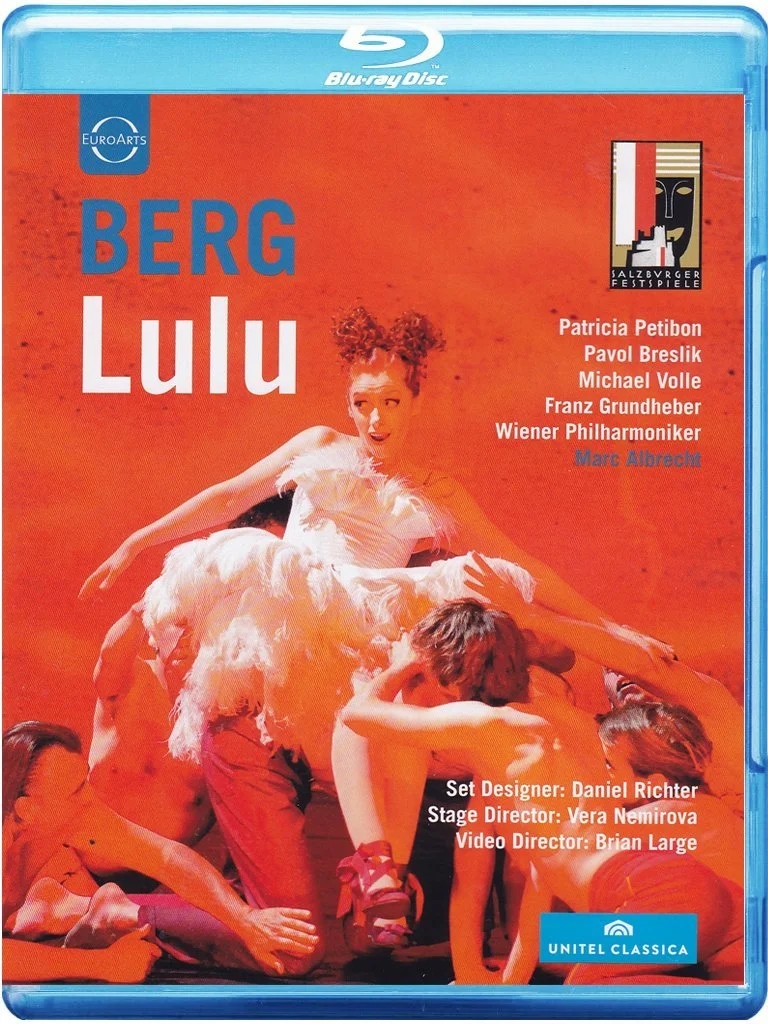
Patrizia Petibon

I am not a fan of Patrizia Petibon: I find her posturing is rather irritating. Her voice is also on the small side, so she often has to force it. Not conducive to the very high and difficult notes Berg has his lead singer sing. I also find her physically ill-suited for the role. She is not a ‘Lolita’, but an adult whore dressed like a little girl with ditto behaviour.

I also have trouble with Geschwitz (Tanja Ariane Paumfartner, an unknown to me), but the rest of the singers are more than excellent, with the unsurpassed Michael Volle as the inimitably good Dr Schön.

Thomas Piffka is an outstanding Alwa, unmistakably a composer who is constantly working on his opera. Pavol Breslik is a horny Maler, Grundhebber a fantastic Schigolch and Cora Burggraaf a sparkling Gymnasian.

Vera Nemirova’s production (Salzburg 2010) is colourful and highly expressionistic. Marc Albrecht is a perfect conductor for the work: under his direction, the Vienna orchestra shows its very best side (Euroarts 2072564).

Below the trailer:

Mojca Erdmann

Whoever came up with the unholy idea of having an unknown and unremarkable composer (have you ever heard of David Robert Coleman?) recompose Lulu for this production in Berlin in 2012, I don’t know, but I am not at all grateful.

Only the third act was adapted, because they dared not touch the real Berg. At least… the prologue has been scrapped, which totally ruins the opera. In its place we get a man, lying down quoting Kierkegaard: “Alles Erlebte tauche ich hinab.” Well well…??

Andrea Breth, by now on my no-no list of directors shows her worst side here. The production is deadly dull. Neither the ethereally singing Mojca Erdmann, nor the scorching Deborah Polaski, nor Michael Volle or Thomas Piffka can undo this cruel murder of a masterpiece (DG 0734934).


lGevloerd door Lulu van Krzysztof Warlikowski in Brussel 2012

Zandonai’s operas: too beautiful to ever forget

Riccardo Zandonai was once considered Puccini’s successor. He wrote about thirteen operas, of which actually only Conchita (1911), Francesca da Rimini (1914) and Giulietta e Romeo (1921) were ever really successful. Nowadays, they are seldom performed and the average opera lover gets no further than Francesca da Rimini. A pity, because his operas are a pure pleasure to listen to.

Francesca da Rimini

Paolo and Francesca da Rimini 1855 Dante Gabriel Rossetti 1828-1882 Purchased with assistance from Sir Arthur Du Cros Bt and Sir Otto Beit KCMG through the Art Fund 1916 http://www.tate.org.uk/art/work/N03056


Francesca da Polenta (1255 -1285), better known as Francesca da Rimini was a contemporary of Dante Alighieri, who “granted” her a place in his ‘ La Divina Commedia’, but in the fifth circle. Sad, because she did not deserve that and she must surely get a pardon.

The story: to seal the peace between the houses of da Polenta and Malatesta, Francesca must marry the eldest of the Malatesta brothers, Giovanni (Gianciotto). However, he is so hideous that the chances of her saying “no” are extremely high. To fool her, she is introduced to his younger brother, Paolo il Bello. Francesca immediately falls for the beautiful Paolo and
he too feels an all-consuming love at first sight.

The reality is gruesome: Francesca wakes up as Gianciotto’s wife. And to complicate matters further, the youngest of the Malatesta brothers, Maletestino the one-eyed, also falls in love with her.

Francesca rejects him, after which he swears revenge. He does not have  to wait long: he discovers that Francesca and Paolo are lovers, reveals this to Gianciotto, after which both lovers are killed.


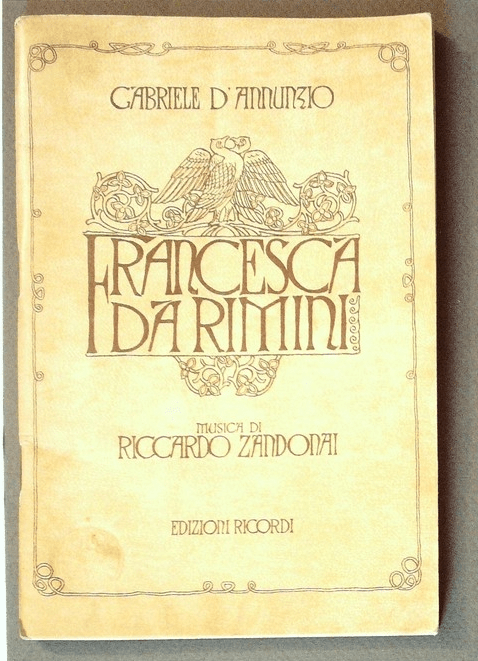
Romance at its finest, no wonder it was an inspiration for many a painter and tone poet, but literature was not left behind either. Gabriele D’Annunzio (1863 – 1938) wrote a beautiful play about it (a fun fact: the leading role was played by none other than Eleonore Duse, perhaps the greatest Italian actress ever), which was adapted for an opera by Riccardo Zandonai in 1914.


Zandonai was a pupil of Mascagni and a true verismo adept, but at the same time he was also a Wagnerian. He was also a great admirer of Debussy and Strauss, and you can hear all this in his music. The opera is sultry, sensual, but also extraordinarily lyrical.


The leading role requires not only a big, dramatic voice with plenty of lyricism (I call Francesca Isolde’s little sister), but also the ability to shape the needed all-consuming passion. The greatest Francesca’s were therefore the singers who dared to go beyond “just” singing: Magda Olivero, Raina Kabaivanska, Renata Scotto and Nelly Miriciou.


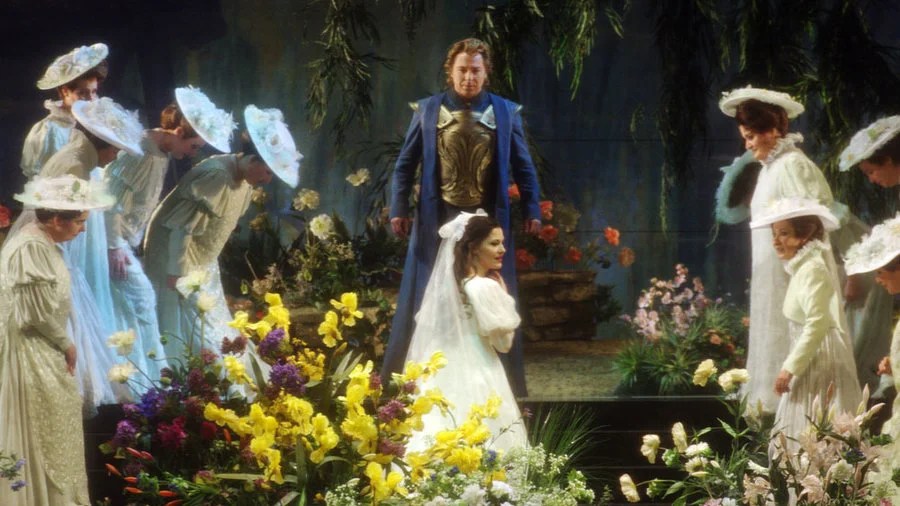
On 31 January 2011 Francesca da Rimini was performed for the first time in Paris, at the Opéra Bastille. The superb cast led by Svetla Vassileva and Roberto Alagna certainly lived up to the high expectations. Director Giancarlo del Monaco, though, had to put up with a deluge of boos.

Ontmoetingscène van Francesca (Svetla Vassileva) en Paolo (Roberto Alagna). Foto: Mirco Maglioca/Opéra National de Paris


Whether Svetla Vassileva achieves real greatness only time will tell, but at the premiere she was certainly impressive. A beautiful, slender lady with a traditionally lyrical voice with which she could reach all corners even in that immense opera house.

Roberto Alagna was a near-perfect Paolo. He has an ideal timbre for the role and as his voice has grown considerably over the years, he knows how to handle the fiercest passages. In the more lyrical moments I found him less convincing and at times he sounded downright tired, especially in the high notes. Not all notes were pure either, and at times he
seemed to overhype himself. Still, he was unquestionably credible.

George Gagnidze (Gianciottto) disappointed me. His voice is undeniably big and impressive, but woolly. And I found little substance in what he sang.

William Joyner, on the other hand, was a Malatestino out of thousands. Often the role is played by a good ‘comprimiario’, well – here a would-be great was in the starting blocks!

Beautiful also was Samaritana (Louise Callinan) and the small role of Smaragdi was beautifully performed by Cornelia Onciuiu.

Giancarlo del Monaco’s direction was actually exactly what you could expect: realistic through and through, which in itself has nothing wrong with it at all. But in his attempt to recreate d’Annunzio’s world, he created a mishmash of the Middle Ages and Art Deco.

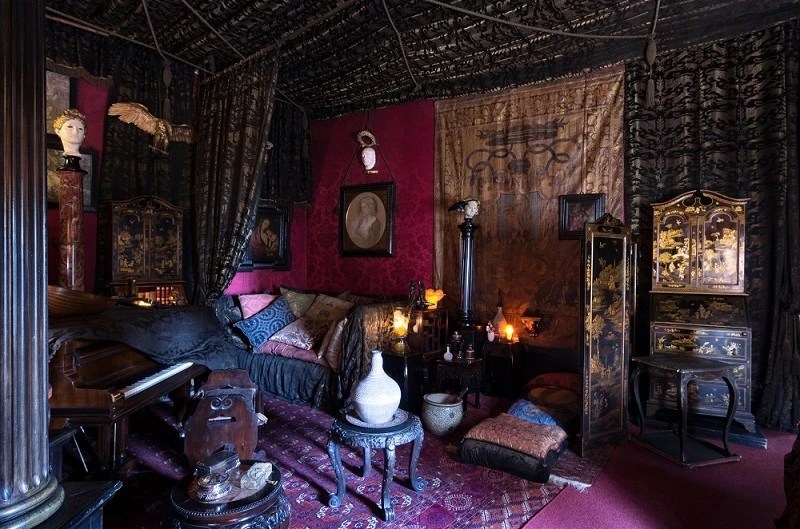
Kamer in  ‘Il Vittoriale degli Italiani’, villa van d’Annunzio. Foto courtasy Italy Magazine


The Malatesta’s palace was a literal recreation of “Il Vittoriale degli Italiani”, the poet’s last residence, and the effigy of his bald head “adorned” the front screen.

The ladies wore dresses that seemed straight out of the paintings of Klimmt or the Pre-Raphaelites and the gentlemen were wearing something of a uniform. Except Paolo, that is. In accordance with the surviving paintings, he wore a long blue robe and he went into the battles with bow and arrow.

What I also (or perhaps most?) blame the director for is that he borrowed” from his colleague Piero Faggioni; he made a weak copy really. Poor del Monaco was met with a huge “boo” shout, so that even the walls of La Bastille were shaking. He took it very well. He knelt,raised   hands to heaven and threw kissing hands to the audience. Cute.


The production is on You Tube:

And no one should miss Francesca da Rimini from the MET, with Renata Svotto and Plácido Domingo. When music says more then thousands words:


Giulietta e Romeo


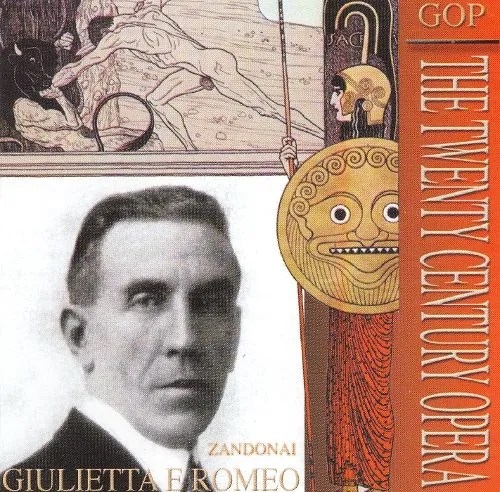
The only complete recording of Giulietta e Romeo (GOP 66352) known to me was made in 1955 in Milan. The leading roles were sung by Annamaria Rovere, a fine soprano with a voice typical for the time, and Angelo Lo Forese, who I find slightly irritating. Because of the opera itself, but also because of the phenomenal Renato Capecchi as Tebaldo, an absolute must for any opera lover.


An aria from the opera is also on Jonas Kaufmann’s ‘Verismo’  CD:


IL Bacio


Il Bacio (GOP 66351) had its very first performance in 1954 in Milan (Zandonai had died in 1944, leaving the opera unfinished). Fortunately for us, the performance was recorded by RAI and put on CD. The publisher apologises for the absence of the libretto, but there is no synopsis either, so one can only guess at the opera’s content. No problem, the music is captivating enough, and it is beautifully sung by, among others, Lina Pagliughi in the role of Mirta.

Recovered Voices: A Lost Generation’s Long-Fortgotten Masterpieces

Like no other renowned conductor, James Conlon has been an ardent advocate of the ‘Entartet composers’ for years. In his Cologne years (between 1989 and 2002 he was chief conductor of the Gürzenich-Orchester and artistic director of the opera) he performed and recorded almost all of Zemlinski’s orchestral and vocal works. I cherish his recordings on EMI (unfortunately most of them are no longer on the market) as the greatest treasures, which they probably are.

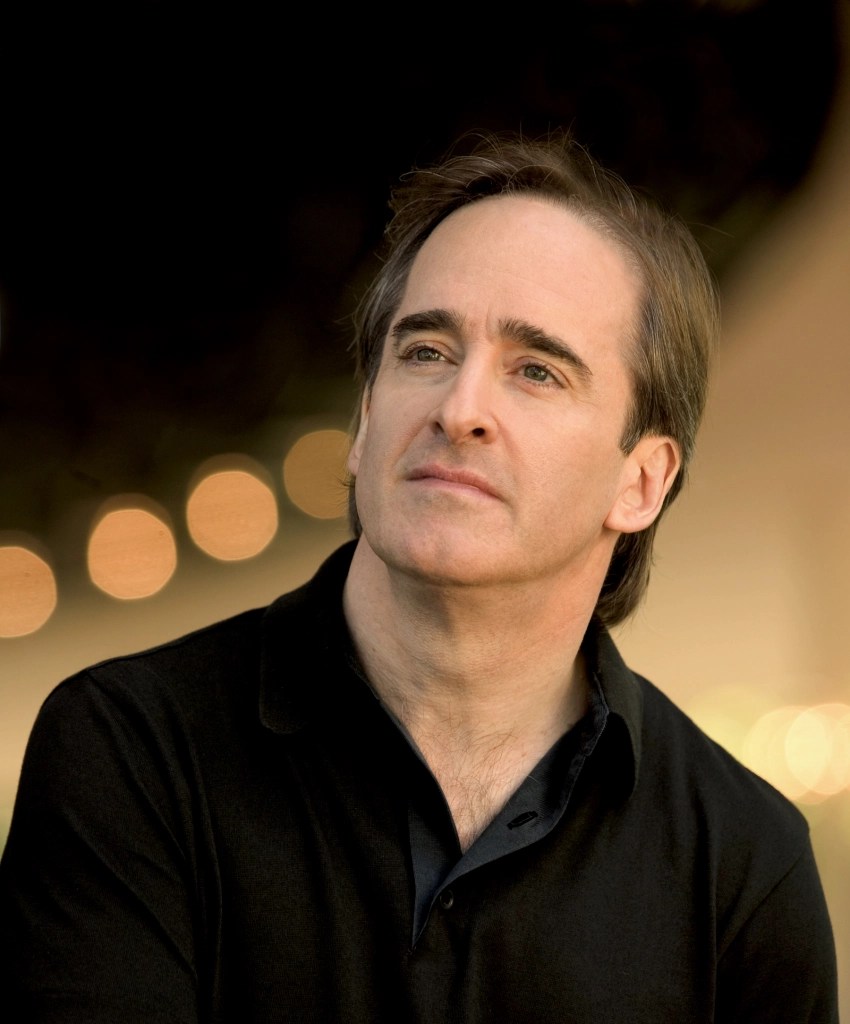
James Conlon

In 2006, Conlon was appointed musical director of the Los Angeles opera and one of his first projects was a series of ‘Recovered Voices: A Lost Generation’s Long-Fortgotten Masterpieces.

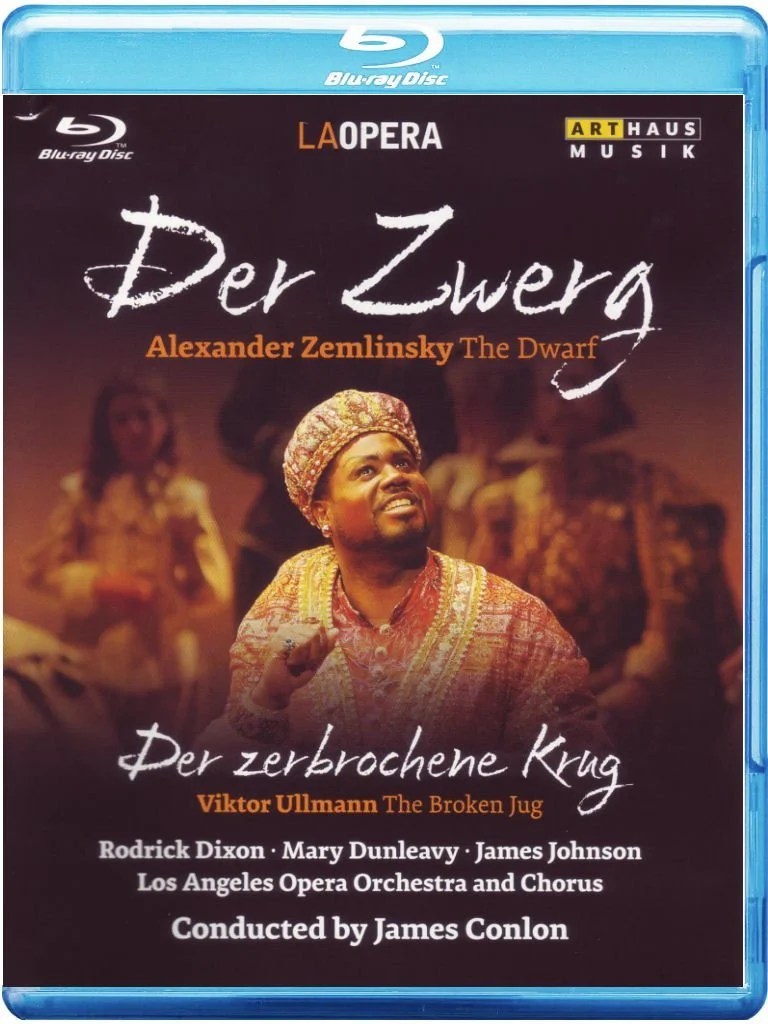
The series started in 2008 with a double-bill of Ullmann’s Der zerbrochene Krug and Zemlinsky’s Der Zwerg. (Arthaus Music 101 528)

DER ZERBROCHENE KRUG

Victor Ullmann

Der Zerbrochene Krug (1941/1942) was the last work Ullmann composed before being deported to Theresienstadt. In October 1944, he was deported to Auschwitz and gassed two days after his arrival, The libretto (written by Ullmann himself), a delightful Commedia dell’arte, is based on an 1808 classic by von Kleist.


It was the first time I saw the opera and I fell for it immediately. The music is wonderful: jazzy, occasionally atonal, but with lovely waltzes. Basically a bit of everything. Eclectic? Sure, but since when is that a dirty word?

The production stole my heart. That already happened with the overture: while maestro Conlon whips up the orchestra to unprecedented heights (can you also play comically?), we also get a performance of a ballet pantomime (choreography: Peggy Hickey), which “tells” us what happened beforehand.

The images, the shadows, the light, the choreography – everything makes that you can’t help but smile.

The highly erotically charged story is about a man who, during a night-time visit to Eve, has broken a cherished jug belonging to her mother, Frau Marthe Rull. The woman seeks justice for this from Judge Adam, but in the end it turns out that the judge himself was the perpetrator.

Set in a small village (Heisum) in Holland, it produces delightfully recognisable images. Anton Pieck, Delft Blue, Frau Antje, windmills, clogs – it is all there! And it is so beautiful! The lighting technician (David Weiner) really deserves an Oscar award.

Melody Moore (Eve) is a true discovery. With her pliant, lyrical, sparkling soprano, she manages to express the conflicting feelings of innocence and vice, flirtation and genuine love in an inimitable way. At times, she reminded me of the young Lucia Popp.

Her mother is in a enchantingly exaggerated way sung by Elisabeth Bishop and Richard Cox is excellent as her fiancé Ruppert.

But everything and everyone pales in comparison to James Johnson, who sings judge Adam. What a voice! Such diction! And what a performance! What he does with the role borders on the impossible. This is what makes a person happy.Victor Ullmann

Der Zerbrochene Krug from Los Angeles:

https://www.operaonvideo.com/der-zerbrochene-krug-ullmann-la-opera-2008/

Der Zerbrochene Krug on cd., with a.o. Michelle Breed tand Claudia Barainsky.
Gerd Albrecht conducts:

DER ZWERG

The idea of composing an opera about an ugly man who is in love with a beauty has haunted Zemlinsky all his life, and that’s how he ended up with Oscar Wilde and his The Birthday of the Infanta

.Costume design for ‘Der Zwerg’ by August Haag, Cologne 1922.

On her eighteenth birthday Donna Clara receives a remarkable gift: a dwarf, who is also hideously ugly. A delightful toy for the infante, especially since the dwarf does not know he is ugly himself – he has never seen his own reflection… Donna Clara makes him fall in love with her and makes him think that she loves him too, after which she puts him in front of mirrors. He doesn’t survive, but that doesn’t interest the spoiled princess.

A delightful toy for the infante, especially since the dwarf does not know he is ugly himself – he has never seen his own reflection… Donna Clara makes him fall in love with her and makes him think that she loves him too, after which she puts him in front of mirrors. He doesn’t survive, but that doesn’t interest the spoiled princess.

Diego Velázques: Las Meninas

The very traditional and naturalistic setting is exceptionally beautiful and the costumes are dazzling. You really think you’re at the Spanish court. The whole thing looks like a painting of Velazques, breathtaking.

The execution is also breathtaking. James Johnson sings and acts an excellent Don Esteban. Mary Dunleavy has everything it takes to perform the conceited infante: she is beautiful and capricious. Her voice is silvery and childishly light. As an actress she also knows how to convince.

Rodrick Dixon sings the leading role here in an inimitable way. The only singer I ever liked better in this part was Douglas Nasrawi, whom I heard singing it during a Saturday Matinee at the Concertgebouw.


James Conlon:

 
“The music of Alexander Zemlinsky and Viktor Ullmann remained hidden for decades by the aftermath of the destruction wrought by the policies of the Nazi regime […]. Full recognition of their works and talent is still lacking, more than 65 years after their deaths […].
Their lives and personal histories were tragic, but their music transcends it all. It is up to us to appreciate their story in its full historical and artistic context.

For Massenet on his birthday: a small survey of some of his operas

Jules Massenet was the most prolific and, artistically as well as commercially, also the most successful French opera composer between 1870/71 and World War I, the belle Epoque of the Third French Republic. He is best known for his operas, of which he wrote more than thirty. The two most frequently staged are Manon and Werther


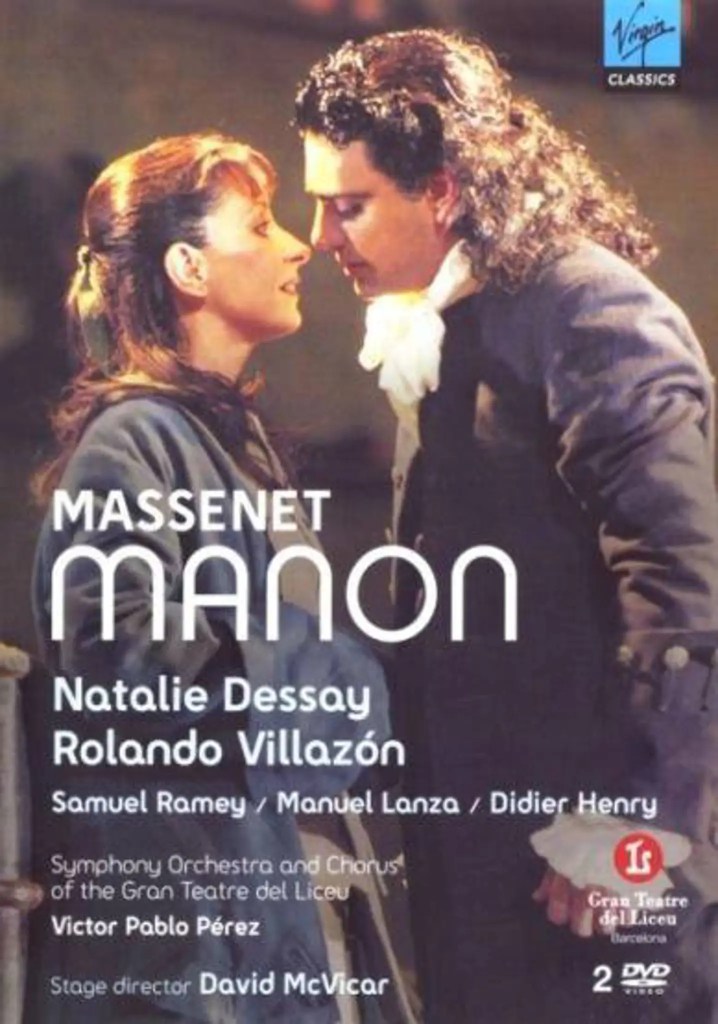
MANON


Jules Massenet’s Manon has, since its now legendary performance starring Anna Netrebko and Rolando Villazon (Berlin, April 2007), become a real hype. Anyone who had ever seen the performance could sincerely ask, like Verdi’s Ford (‘Falstaff’): ‘e sogno o realta’?


It was a reality that turned out to be a dream after all, as Netrebko found a new love, leaving Villazon with heart and voice problems. It was also not entirely clear until the last day of rehearsals whether he would sing the, scheduled for June 2007, performances of Manon in Barcelona.

He did come, and although he sang below his usual level, he managed to completely convince everyone with his acting and (sometimes a little too) intense commitment. His Manon is brilliantly portrayed by a spectacularly singing and acting, Lulu-like, Natalie Dessay.


Manuel Lanza is a fine Lescaut, but for Samuel Ramey, a singer I greatly admire, Comte des Grieux unfortunately comes too late in his career.

The mise-en-scène and character direction by David McVicar, for me still really one of the best contemporary directors, were more than excellent. The costumes were beautiful to behold and the (traditional) staging was often really surprising, all the more so as McVicar managed to give it a contemporary twist from time to time.

As a bonus, you do get a ‘peek inside’. Through a truly fascinating documentary, you can follow the stars during their rehearsals with McVicar.


WERTHER FOR BARITONE


In 1902, ten years after the premiere, Massenet produced a new version of his Werther, this at the request of Italian baritone Mattia Battistini, who was eager to sing the lead role. Massenet did not change the key, but rewrote the vocal lines of Werther’s music, making the arias, ‘Pourquoi me réveiller’ included, barely recognisable.


The “baritone version” of the opera was and remains an oddity; no original manuscript of the score even exists. In recent times, with its penchant for ever new challenges, there was also an increased interest in alternative versions of well-known operas. The baritones, tired of singing the villains, are rediscovering the repertoire, in which they can release all their lyrical melancholy.

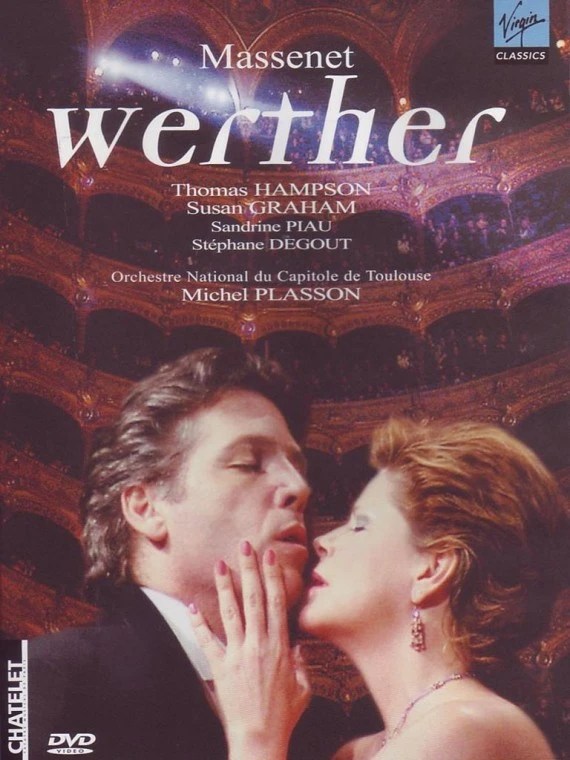
Thomas Hampson has always been an explorer of lesser-known paths and he first performed the role of Werther back in 1989. In 2004, he sang a concert performance of it at the Paris Chatelet, and that performance has been released by Virgin on two DVDs. He does an excellent job, but the manic-depressive is a bit off.

His Charlotte is sublimely sung by Susan Graham, who also performed the role in Amsterdam some years ago, where she moved the audience and press to tears. Michel Plasson has all the drama at his fingertips as you can hear.

“Pourquoi me réveiller” by three tenors

Alain Vanzo :

Sergei Lemeshev in Russian:

Jonas Kaufmann:


Piotr Beczala:

THAÏS


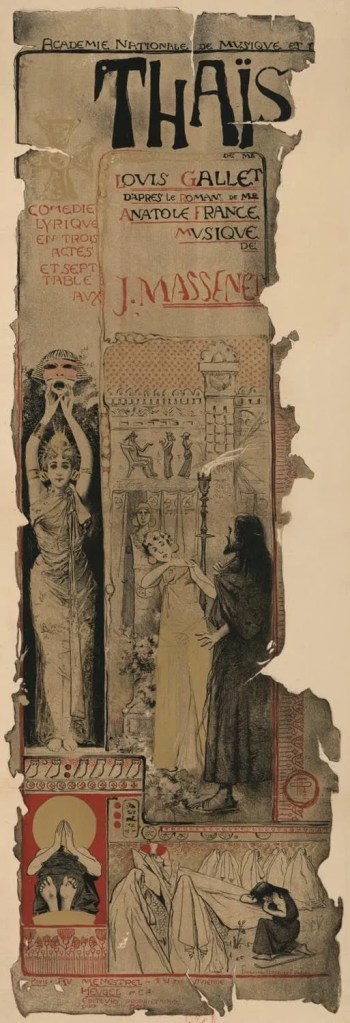
Who does not know ‘Méditation’, the sentimentally sweet but oh-so-beautiful piece of violin music? Most often it will make you cry.

Méditation in Josef Hassid’s performance:


However, not many people have ever heard, let alone seen, the opera in which this piece acts as a kind of interlude in the second act.

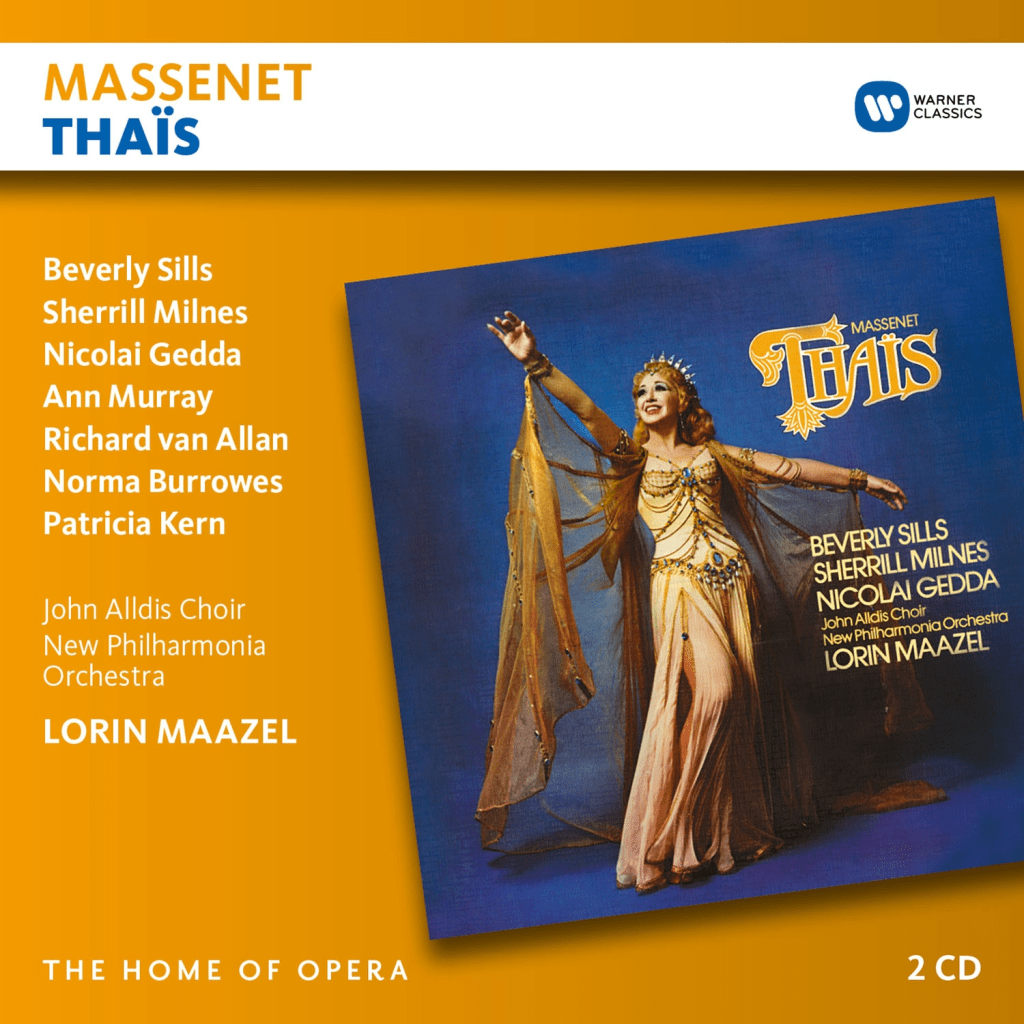
Recordings of the complete work are still scarce, I only know of three myself (with Anna Moffo, Beverly Sills and Renée Fleming), of which the one with Sills, Sherrill Milnes and Nicolai Gedda (Warner 0190295869069) is dearest to me.

Below Beverly Sills and Sherrill Milnes in the final scene of the opera:

DVD from La Fenice


Pier Luigi Pizzi’s production from La Fenice had previously been released on CD and I found it particularly strong musically and mainly vocally. I was therefore particularly curious as to whether the visuals added anything to it on Dynamic’s DVD. To which I can now say a resounding “yes”.


The sets are sparse, yet the stage seems to be completely full of them. Because of the colours (with very predominant red) perhaps, but also because of the dominant place they occupy on stage. For instance, Thaïs’ rose-covered bed, on which she – as if she were the Venus of Urbino or one of the versions of Danaë, also by Titian – lies very voluptuously. This bed is very prominently in the centre of the stage.

In the third act, when the fun life has ended and the penance begins, the roses are nowhere to be seen (a bed of thorns?) and her posture is as chaste as her white robe.


The costumes are a story apart: very opulent, oriental and barely concealing. Eva Mei doesn’t go as far as her colleague Carol Neblett, who went completely out of her clothes in New Orleans in 1973, but her see-through little nothing of a dress, from which her breasts keep escaping almost unnoticed, leaves nothing to the imagination.

Perhaps she was inspired by the very first Thaïs, Sybil Sanderson, whose breasts were also ‘accidentally’ visible during the premiere performance in 1894? Then again, it is all about the greatest (and most beautiful) courtesan in Alexandria!

Eva Mei is very virtuoso and very convincing as Thaïs . So is Michele Pertusi as Athanael. There is a lot of ballet, though. Also where it really shouldn’t be, which is very distracting at times.


Thaïs from Toronto: unearthly beautiful orchestral playing


Recordings of Thaïs are still scarce so any new releases are more than welcome. Especially if the performance is good, and this new recording on Chandos most certainly is. At least: to some extent.

The Toronto orchestra sounds so incredibly beautiful that you cannot help falling in love with it. Sir Andrew Davis truly extracts the impossible from his musicians: I have not heard the score performed so beautifully before. The pianissimi, the way they manage the quiet passages to perfection, the subcutaneous tension. Hats off! Hats off also to the violinist who manages to add new layers to the ‘Meditation’. So beautiful!

Unfortunately, the singers lag a bit behind. Erin Wall is a beautiful soprano with a crystal-clear voice, but a ‘Whore of Babylon’? More like a rather childishly naive girl.

Joshua Hopkins has the right voice for Athanael but he goes the wrong way when it comes to ‘earthly desires’. Andrew Staples is a good Nicias but he too fails to fully convince me.

CENDRILLON

A fairy tale has its own rules. Much is interchangeable, but what must never be compromised is the “happy ending”. So: the ugly duckling becomes a beautiful swan and Cinderella becomes a princess. All evil spirits are punished and we can sleep peacefully.

Sometimes I pray to those I don’t really believe in: give us back our fairy tales, because these days everything has to be totally true to nature and as realistic as possible. Fortunately, my prayers are sometimes heard and so it came to pass that I was able to enjoy an old-fashioned evening; with my cat on my lap and Cinderella on my screen.

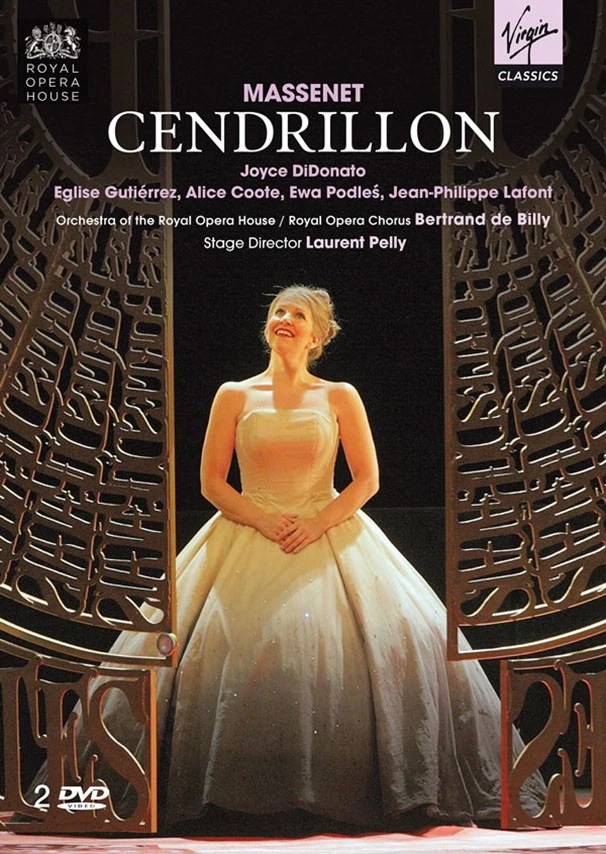
Laurent Pelly is undoubtedly one of the best contemporary directors: he puts a modern spin on everything he does, but he stays true to the libretto and the music. In the process, his staging is extraordinarily witty. As is the delightful Cendrillon, recorded at London’s Royal Opera House in 2011.


I no longer need to recommend Joyce DiDonato (Cendrillon) to anyone – she is easily the greatest ‘zwischenfach singer’ of our time. Ewa Podleś is a more than delightful stepmother and Alice Coote the most charming ‘Prince Charmant’. And to this you may add the truly idiomatic conductor (Bertrand de Billy)….
Life really can be beautiful sometimes


Trailer of the productie


HERODIADE


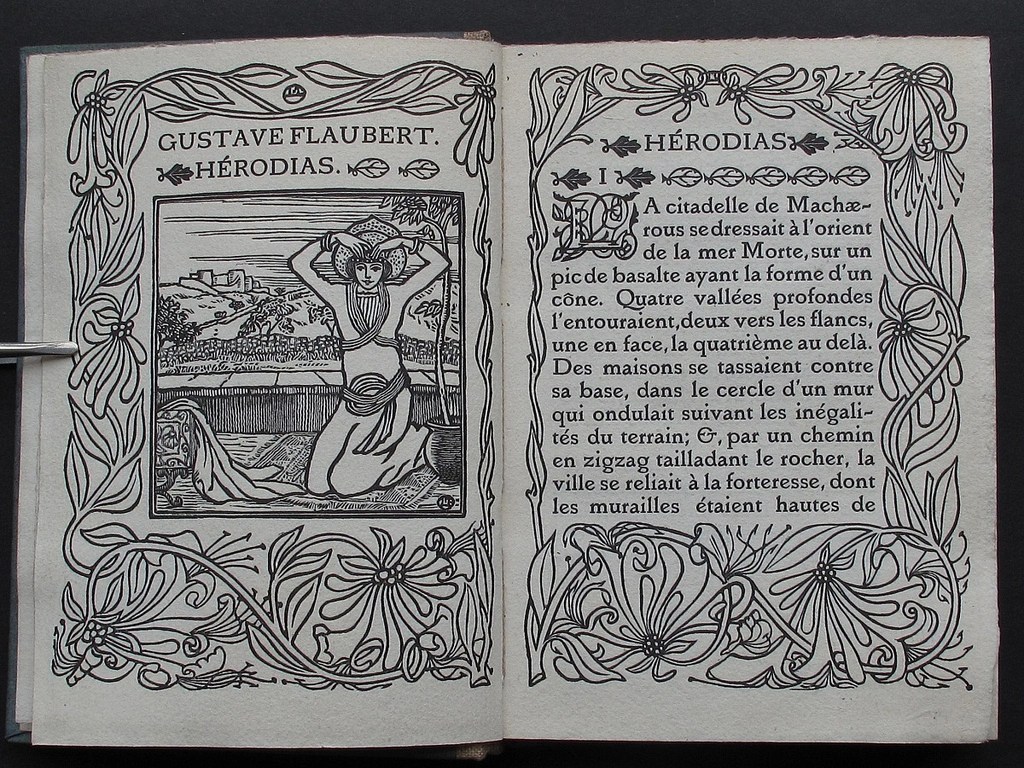
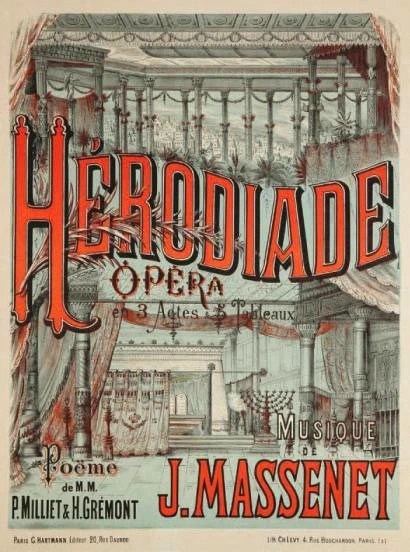
Richard Strauss composed his world hit Salome to a play by Oscar Wilde; and the latter drew his inspiration from a short story by Flaubert, ‘Herodias’. Paul Milliet and Henri Grémont also based their libretto for Massenet’s opera Herodiade on this story. Neither Wilde nor Milliet and Grémont were very faithful to Flaubert. Whereas the French novelist more or less limited himself to the biblical narrative, enriched with his poetic language and descriptions, the playwright and librettists added entirely new aspects and twists to the story.


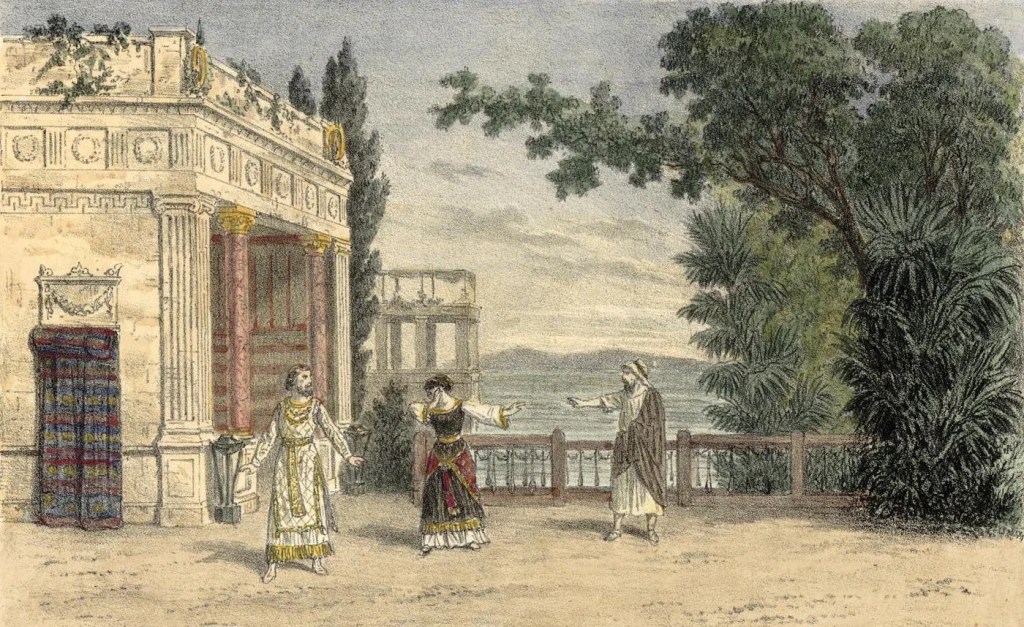
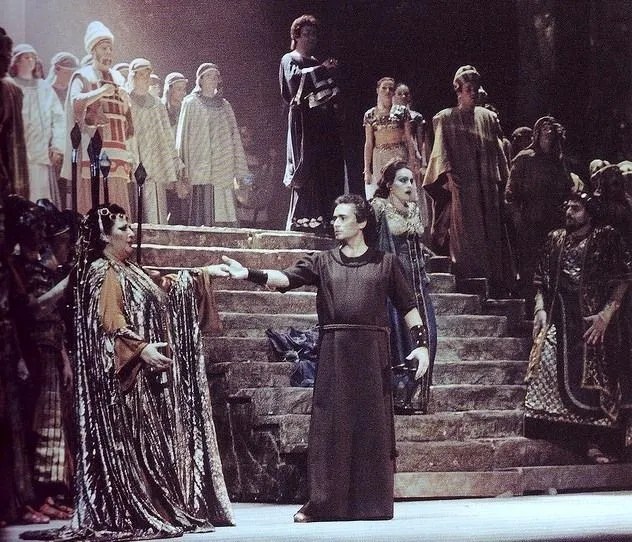
Hérodiade was first performed in the Royal Theatre of Brussels on 19 December 1881. Anyone expecting animal eroticism, blood and sweat, as with Richard Strauss, will be disappointed. Massenet’s Salome is a truly innocent and devout girl. When her mother left her to marry Hérode, she was given shelter by Jean (John the Baptist), with whom she fell in love. A love that proved to be mutual.


No opera is complete without complications: Hérode has a crush on Salome, Hérodiade becomes jealous of her and Jean is beheaded. Salome sees Hérodiade as the instigator of all evil and wants to kill her. Hérodiade whispers “I am your mother” and Salome commits suicide.

The music already exudes a hint of the perfume of Massenet’s later works, but with all those choruses, exotic Oriental scenes and elaborate ballet scenes, it is nothing less than a real Grand Opera in the best Meyerbeer tradition.

One of the earliest recorded fragments of the opera is, I think, the famous aria of Hérode ‘Vision Fusitive’ by the French baritone Maurice Renaud, made in 1908:


And from the recording Georges Thill made in 1927, we know what an ideal Jean should sound like:


Regine Crespin 1963


If you are in possession of this performance, you need look no further. It doesn’t get any better than this. There is only one problem: this recording does not exist. At least not of the complete opera.

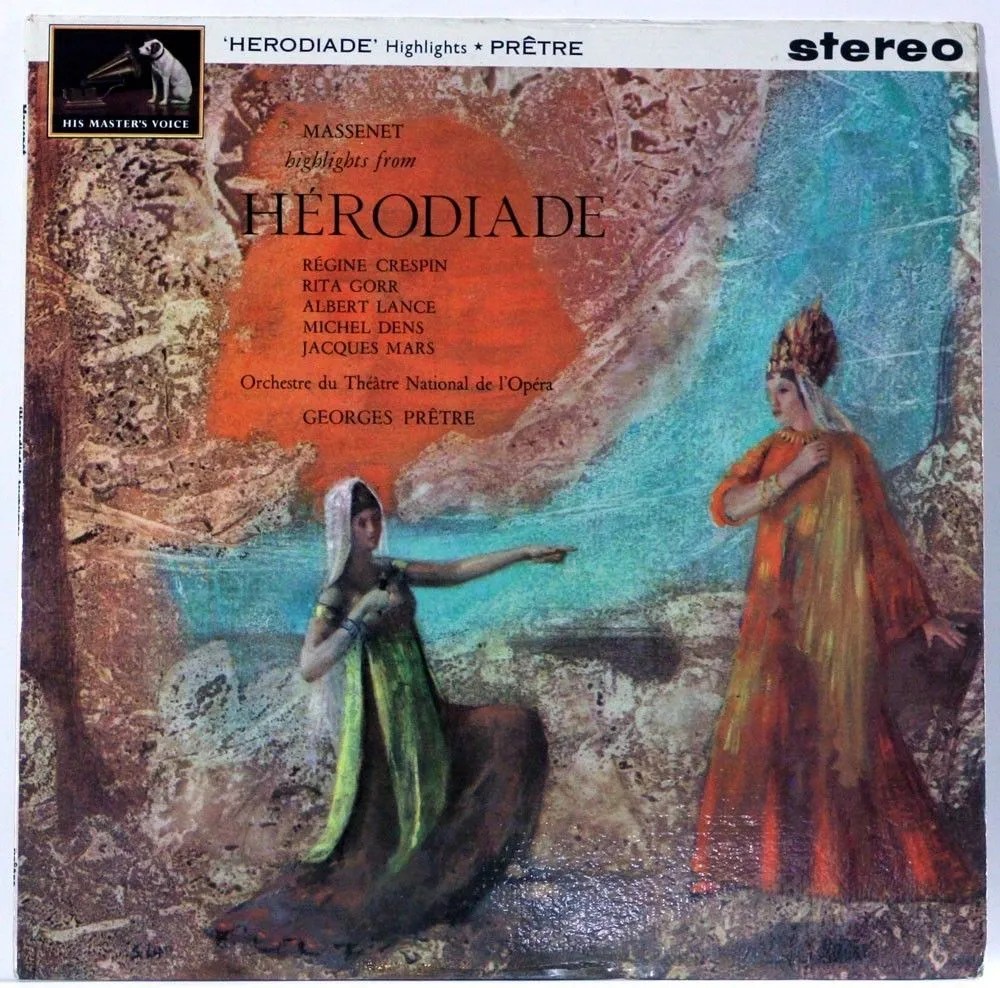
In 1963, EMI recorded the highlights of Hérodiade with the best French singers of the time (and of today, for that matter) and the answer to the “why not complete ????” will probably never be given.

Georges Prêtre conducts the orchestra of the Theater National de Paris as if his life depends upon it and every role is more than excellently cast.

Regine Crespin sings ‘Il est doux, il est bon’:


Regine Crespin’s Salomé is unequalled and so is Rita Gorr’s Hérodiade. Albert Lance (Jean) shows how that role should really be sung in the tradition of Georges Thill, and for Michel Dens as Hérode we really cannot find the right words. Such singers no longer exist.


Hopefully, Warner will one day release the recording on CD.


Montserrat Caballé (Barcelona 1984)


 This recording also may only be obtained via a pirate (or You Tube), but then it is complete and moreover with (admittedly bad) images!


Dunja Vejzovic portrays a deliciously mean Hérodiade and Juan Pons is a somewhat youthful but otherwise fine Hérode. A few years later, he will become one of the best “Hérodes” and you can already hear and see that in this recording.

Montserrat Caballé is a fantastic Salomé, the voice alone makes you believe you are in heaven and José Carreras is very moving as a charismatic Jean.


Below, Carreras sings ‘Ne pouvant réprimer les élans’:


None of the protagonists is really idiomatic, but what a pleasure it is to watch a real Diva (and Divo)! They really don’t make them like that any more

The whole opera on you tube:


Reneée Fleming 1994


In the mid-1990s, Herodiade enjoyed a short-lived revival. The opera was then performed in several opera houses and it was even recorded – officially – three times: once in the studio and twice live.

I must admit that I was a bit concerned about Gergiev as the director, but he really did an excellent job. Under his baton the opera sounds like a real Grand Opéra, grand, fiery and compelling.

Plácido Domingo (Jean) is perhaps a touch too heroic, but his voice sounds youthful and contageous, worthy of a true prophet.

Personally, I find Dolora Zajick (Hérodiade) a bit on the (too) heavy side, but her singing is undeniably excellent and there is nothing wrong with her interpretation.

Juan Pons is an excellent Hérode, but I would have liked Phanuel (Kenneth Cox) to be a bit more idiomatic. Something that also applies to the Salomé of Renée Fleming: she sings beautifully but in this role she can not totally convince me.


Nancy Gustafson 1995


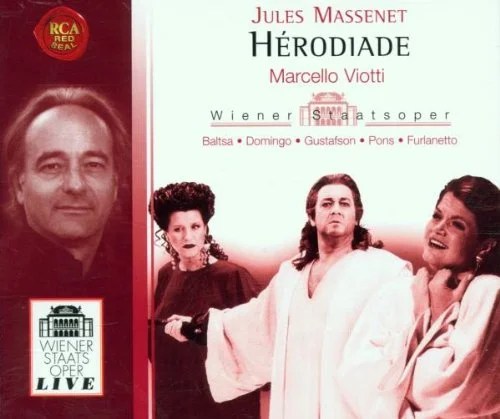
The performance in Vienna was highly praised, and that this praise was justified is proved by the recording made live in the house by ORF.

First of all, there is Agnes Baltsa’s brilliant title role: fierce and dramatic. If you ask me: apart from Rita Gorr probably the best Hérodiade ever.


Placido Domingo sings ‘Ne pouvant réprimer les élans’:


Domingo, in the role of Jean, is even more impressive here than on Sony and also Juan Pons (Hérode) actually convinces me yet more on this recording. His rendition of ‘Vision Fugitive’ is very, very moving. Unfortunately, Nancy Gustafson (Salomé) must acknowledge the superiority of Fleming (Sony), but both pale in comparison to Cheryl Studer (Warner). Not to mention Regine Crespin!

Judging by the photos in the text booklet and the sparse clips on YouTube, we should be glad that the recording appeared on CD and not on DVD.


Finale of the opera:


In any case, the sound is excellent and the Vienna Opera orchestra under the direction of Marcello Viotti plays with great passion.


Cheryl Studer 1995


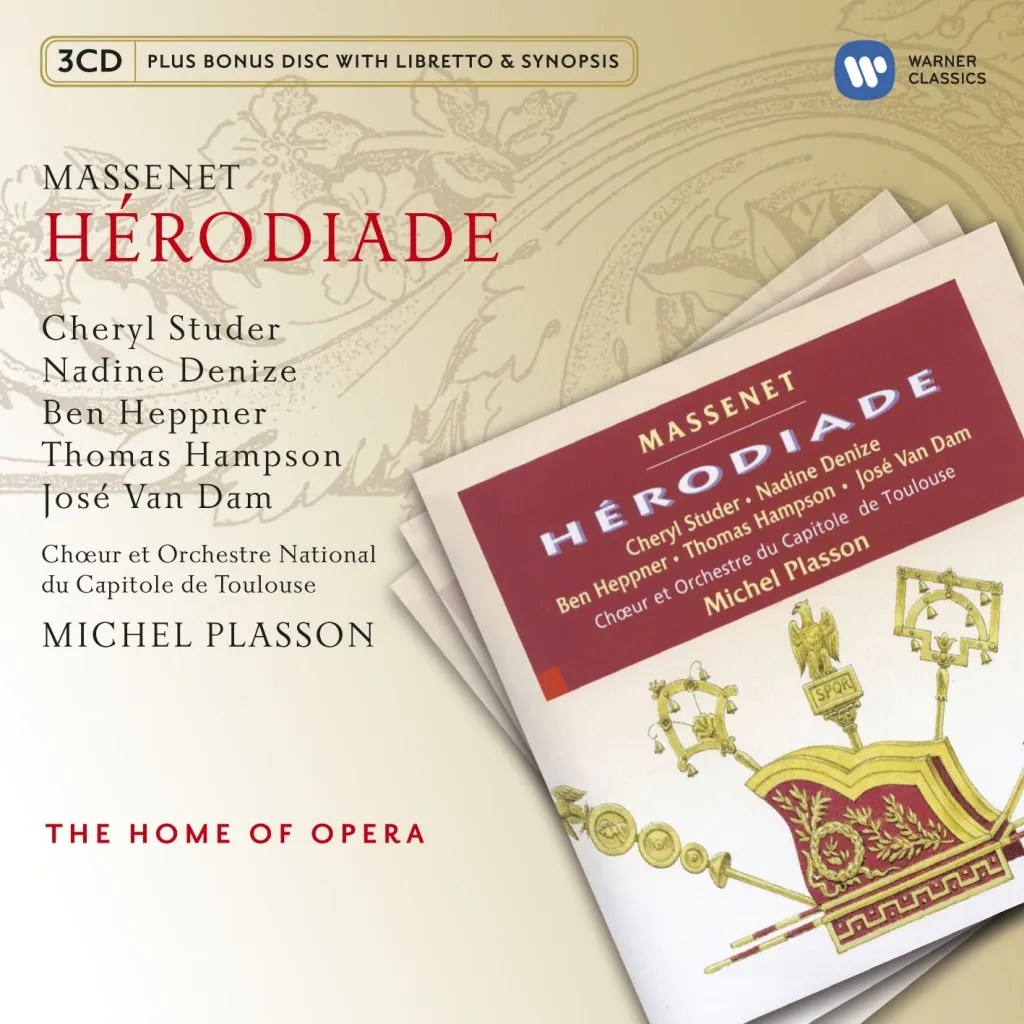
Orchestrally, this recording is really top-notch. Michel Plasson conducts the orchestra from Toulouse very energetically, with a lot of verve and drive, and he also knows how to allow space for all the subtleties. Exciting and beautiful. That is how I like to hear opera.

José van Dam is an impressive Phanuel and Nadine Denize an excellent Hérodiade., although her intonation is not always pure.

Hérode is not really a role for Thomas Hampson, but he sings it very beautifully. Something that unfortunately cannot be said of Ben Heppner’s Jean. A heroic tenor in that role is nothing but a terrible mistake.

Cheryl Studer, on the other hand, is a Salomé of everyone’s dreams: girlish, innocent and naive. Her voice shines and sways and her final words “Ah! Darned Queen, if it is true that your cursed loins have given birth to me, look! Take back your blood and my life!” leave you shuddering and desperately weeping. Brava.

NTR ZaterdagMatinee presenteert seizoen 2023/24

De ZaterdagMatinee is een begrip, een feest voor iedereen die van muziek houdt. Rots in de branding in de zo uitgeholde muziekleven in Nederland. Voor elk wat wils: opera, oude muziek, hedendaags muziek met een keur aan opdrachten en premières, Bijzondere concerten, de beste zangers en het schitterende RFO die door de beste dirigenten mag geleid worden

Bladerend door de brochure van het nieuwe seizoen wordt ik melancholisch. Het is nog steeds het seizoen van Kees Vlaardingenbroek, maar wat komt er na? Ik houd mijn hart vast en met weemoed denk ik aan al die zaterdagen die ik, jaar in, jaar uit in het Concertgebouw heb doorgebracht.

Ik ga even stilstaan bij de concerten met de werken, componisten en/of uitvoerenden die mij lief zijn of waar ik nieuwsgierig naar ben en zelf heel graag zou willen bijwonen. Ik snap wel dat niet iedereen zal blij zijn met mijn keuze want allemaal hebben we zo onze voorkeuren. Dat begrijp ik. Beschouw het maar als een selectieve en zeer subjectieve keuze van Basia Jaworski.

OPERA

9 september


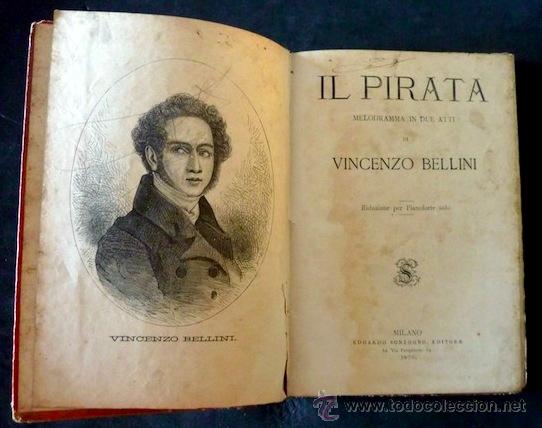
Il Pirata van Bellini. Heerlijke opera die nog steeds de erkenning niet krijgt di hij verdient. De bezetting is om te likkebaarden: Michael Spyers, Albina Shagimaturova en Franco Vassallo.

3 februari 202

Eindelijk, eindelijk! Le Rois D’ys van Lalo! Waarom we het nooit eerder hier hebben gehoord? Retorische vraag, denk ik
Judith van Wanroij zingt de rol Rozenn

23 maart 2024

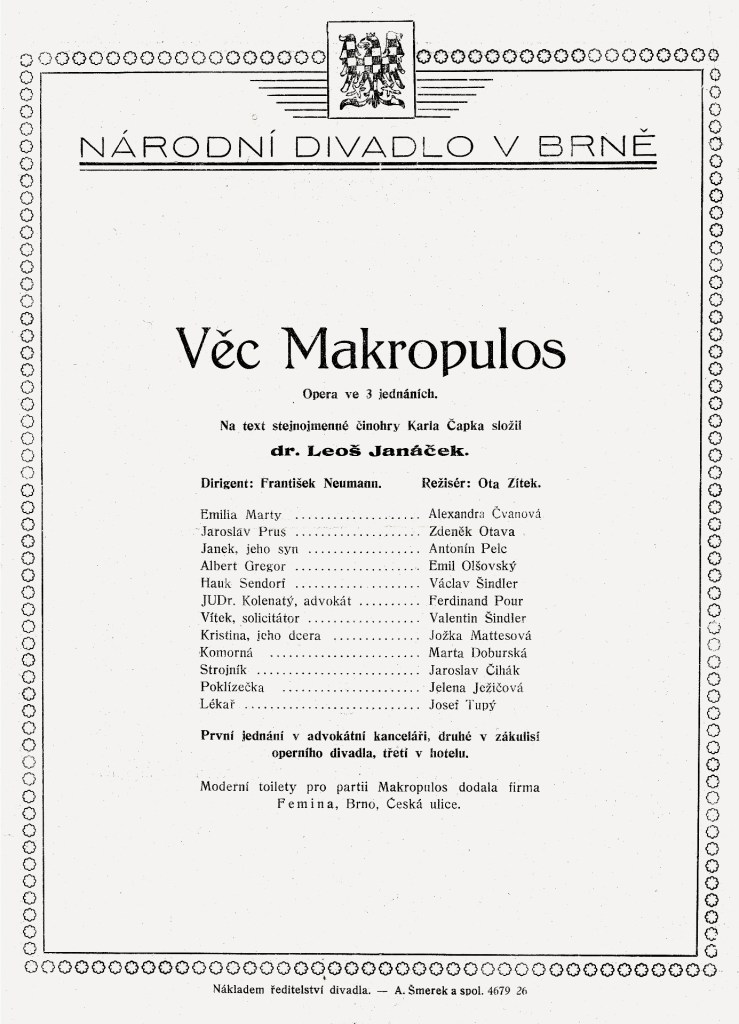
De zaak Makropulos van Janacek. Karina Cenellakis dirigeert en als Jaroslav Prus  horen we niemand minder dan Bo Skovhus, Sally Matthews zingt de 300-jarige diva en ook ons eigen Arnold Bezuyen doet weer eens mee. Het werd tijd!

.

HEDENDAAGS

Hier had ik altijd naar uitgekeken. En nog steeds…. Buitengewoon spannend, want ik wil de nieuwe werken van de (niet noodzakelijk) nieuwe componisten ontdekken. Mits… No ja, je doet mij geen plezier met Ten Holte of Stcokhausen. Maar die komen gelukkig de Matinee niet in.

Dit seizen ligt de nadruk op twee componisten:

György Ligeti, omdat hij honderd jaar geleden werd geboren


Atmosphères:

Vioolconcert:

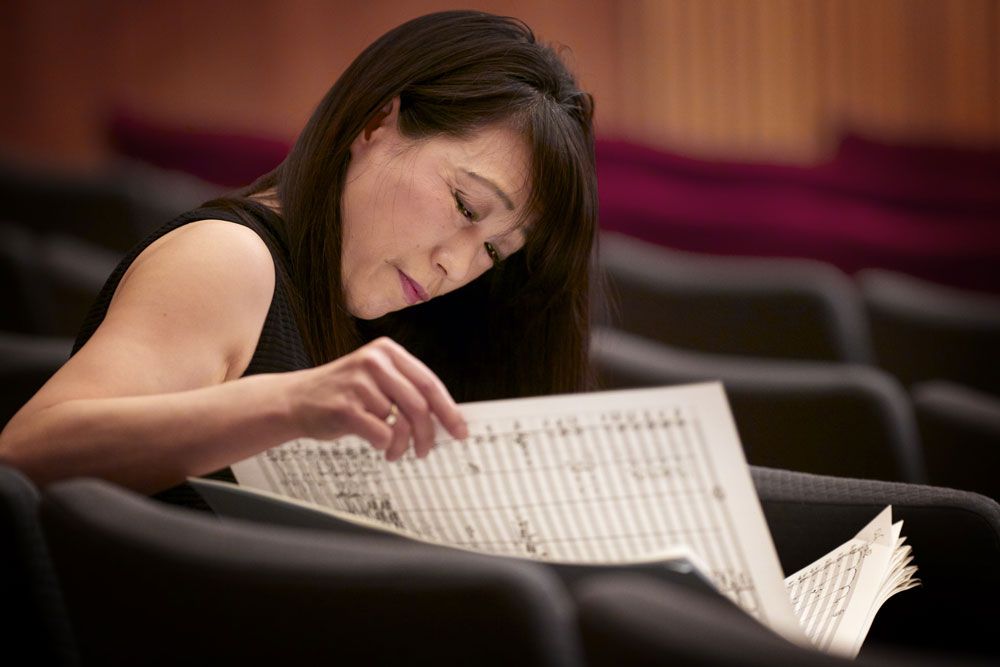
En de Koreaanse Unsuk Chin van wie ik nog nooit een noot heb gehoord en die nu in het zonnetje wordt gezet door de programmeur van de Matinee.

Unsuk Chin © Klaus Rudolph

Unsuk Chin: Graffiti

Met, als aanvulling, of beter gezegd een verrijking: werken van George Benjamin op 16 september

George Benjamin – At first light

Thomas van Dun (jaargang 1995) op op 28 oktober.

Composities van van Dun zijn hier te bekijken en te beluisteren:

https://www.youtube.com/@ThomasvanDun/videos

Hirs, Poppe en Langgaard/Abramsen op 16 december.

En als kers op de taart op 1 juni Chins opera Älice in Wonderland

Waar ik verder naar uit kijk:

21 oktober staat in de teken van Poulenc, met – eindelijk, eindelijk zijn Stabat Mater! Stéphane Denève, de nieuwe vaste gastdirigent van het RFO heeft de leiding

Op 17 februari zingt Chen Reiss liederen van Strauss, begeleid door het RSO olv Lahav Shani, die ook de Zesde Mahler voor zijn rekening neemt

Chen Reiss:

20 april dirigeert Stéphane Denève werken van Rijnvos, Roussel en Ravel

Bacchus et Ariane onder Denève

En, en dat lijkt mij echt heerlijk: op 27 april krijgen we première van Viaggio Italiano van Willem Jeths en Petite Messe Solennelle van Rossini. Met meer dan uitstekende (veelal) Nederlandse  solisten!

Rossini’s ‘Petite messe solennelle’ door het Groot Omroepkoor:

Vervolgde Nederlandse componisten in de Tweede Wereldoorlog

Mijn referentiekader

Shoa, Holocaust, de hel… Razzia’s, dorgangs kampen, “model” kampen, concentratie kampen,  vernietiging lagers…. Nergens in Europa werden – procentueel – zo veel Joden weggevoerd en vermoord als vanuit Nederland. Hoe dat kwam laat ik aan de historici en onderzoekers over. Ik wil nu even stilstaan bij degenen die het muziekleven – en meer – alleen in Nederland (maar ook buiten de grenzen) konden bepalen, veranderen, verrijken en die vernietigd werden als waren ze het ongedierte en daarna gewoon ”vergeten”. En van wie we nog steeds (te) weinig horen. Ook van degenen die de hel hebben overleefd.

Hoe en met wie zal ik beginnen? Met de jongste? De meest bekende? De vrouwelijke? Dilemma. Ook, omdat ik nog steeds niet alle namen paraat heb, en niet alles heb gehoord. Dan maar door elkaar, ook omdat ze zo van elkaar verschilden en zo de Nederlandse muziek (en de kunst)wereld bepaalden.


Dick Kattenburg

Vierentwintig is hij geworden. Vierentwintig. Meer mocht het niet van de nazi’s. Wie weet, wat hij nog meer in zijn mars had? Welke opera’s hadden we van hem kunnen verwachten? Wie weet was hij nu Wagner voorbijgestreefd, de componist die het niet zo op Joden op had? Maar misschien was hij een totaal andere richting opgegaan en werd hij een jazz gigant?
We zullen het nooit weten, want hij is maar vierentwintig geworden en toen de oorlog uitbrak was hij nog geen twintig. Wel had hij al naam gemaakt als violist. Maar ook als componist, want componeren was iets wat hij altijd deed. Ook tijdens zijn onderduik.

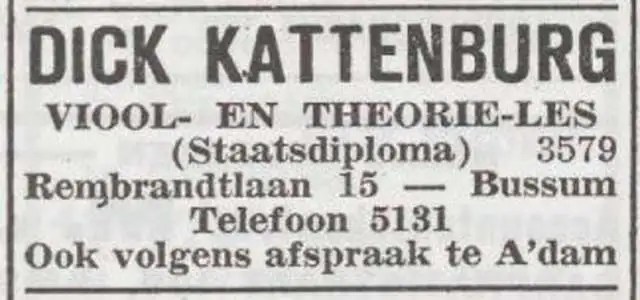
Ooit wilde hij ook een muziekleraar worden, wat blijkt uit een advertentie in Het Joodsche Weekblad (een uitgave van de Joodsche Raad) van 7 september 1941, waarin hij zich aanbood als leraar muziektheorie en vioolpedagoog. Nog maar kort daarvoor had hij bij Willem Pijper het staatsexamen in de vakken theorie en viool met succes afgelegd, waardoor hij zich ook als leraar kon vestigen, met als standplaats Naarden, waar hij inwoonde bij zijn moeder, zijn jongere broer, zijn zus en haar echtgenoot.

Kattenburg heeft nooit zijn Joodse achtergrond verloochend. Hij heeft een groot aantal Hebreeuwse melodieën gearrangeerd, verschenen in zijn manuscripten in het Hebreeuws gestelde titels en maakte hij gebruik van de datering overeenkomstig de joodse kalender. In 1942 kwam in zijn manuscripten zelfs symbolisch de Davidsster voor

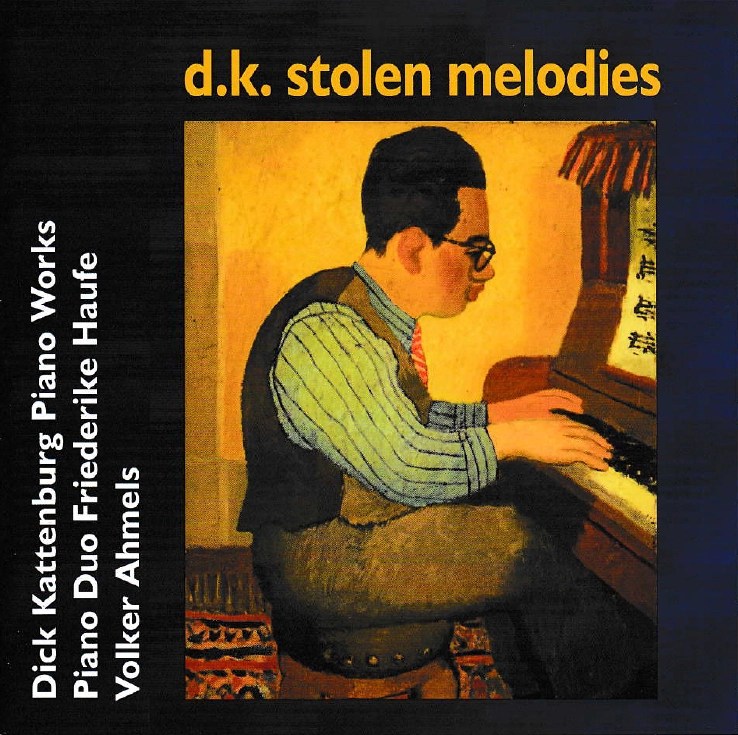
Niet zo lang geleden is er cd uitgekomen met Kattenburgs “all that jazz’, iets wat we te danken hebben aan een Duits piano duo, Friederike Haufe en Volker Ahmels.

De ‘Ouverture voor twee piano’s’ uit 1936 is het enige werk dat Kattenburg schreef voor tweepiano’s . Hij was toen 17. Uit dezelfde periode stamt ook  ‘Tap dance’ waar ook echt een tapdanser aan te pas moest komen.

Kattenburg maakt zelfs een zeer geslaagde tekening van de tapdanser in het manuscript. Deze rol is Tonio Geugelin werkelijk perfect aangemeten.

Van zijn Trio à cordes beleefde zijn wereldpremière op de waanzinnig goede cd van Het Haags Strijktrio. Het werk duurt maar vijf minuten maar wat een vijf minuten!

Maar ook de uitvoering door het Black Oak Ensemble is gewoon subliem.


Kattenburgs jazzy ‘Novolette’ is als koren op de molen in de handen van Marcel Worms. Worms speelt alsof zijn leven er van afhangt. Vol overtuiging en een echt pianistiek elan.

De altvioolsonate van Dick Kattenburg bestaat uit maar één deel, allegro moderato. De reden is simpel: vóór Kattenburg het werk kon voltooien werd hij tijdens een razzia in een bioscoop opgepakt en op 5 mei 1944 naar Westerbork gestuurd. Op 14 mei 1944 werd hij op transport naar Auschwitz gesteld. Een op 30 september 1944 gedateerde overlijdensakte vermeldt dat hij in Midden-Europa is gestorven. Daar werd hij tussen 22 mei en 30 september vermoord


Max Vredenburg

Max Vredenburg (1904 -1976) is tegenwoordig voornamelijk bekend als medeoprichter van het Nationale Jeugd Orkest. In de jaren twintig vertrok hij naar Parijs waar hij met o.a. Paul Dukas en Albert Roussel studeerde, componisten die hem zeer hebben beïnvloed.

 In 1941 vluchtte hij naar Batavia en in 1942 belandde hij in de Jappenkamp. Hij heeft de oorlog overleefd maar een groot deel van zijn familie werd vermoord in Sobibor en Auschwitz. Het Lamento componeerde hij in 1953 ter nagedachtenis van zijn zus Elsa.

Marcel Worms houdt zich een beetje schuil, zijn IJslandse collega alle eer gunnend om te brilleren. Maar ga maar goed luisteren en ervaar hoe ontzettend meevoelend zijn bijdrage is. Zoiets heet ‘partners in crime’, denk ik. Beter kan ik het niet omschrijven.


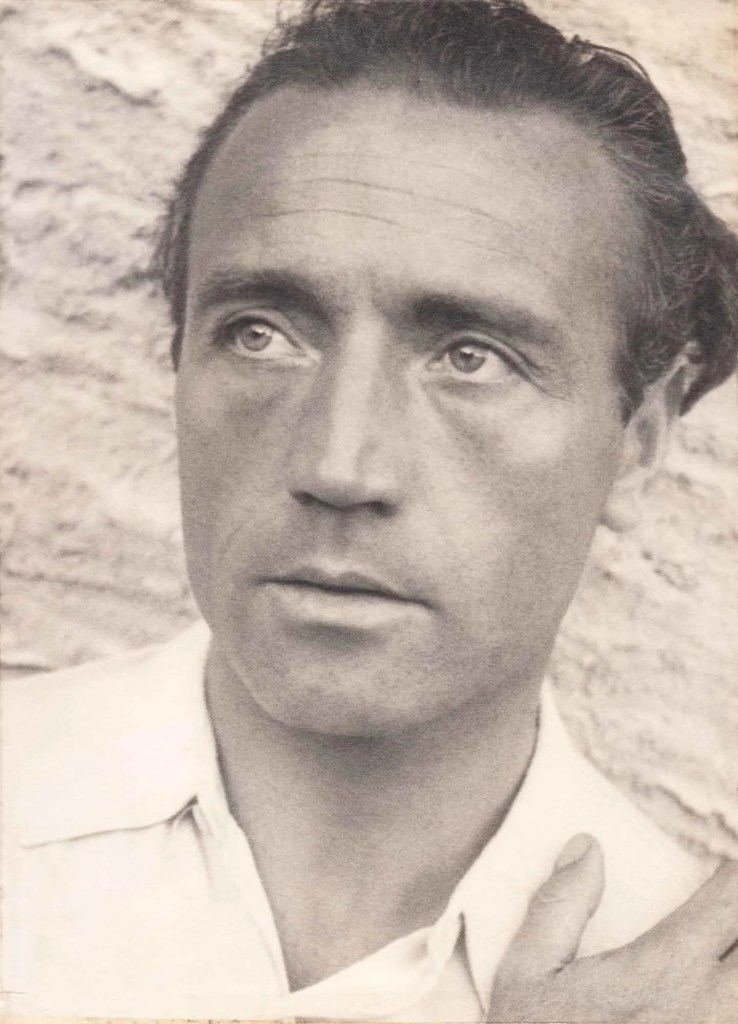
Leo Kok

© Leo Smit Stichting

Kok verloor zijn beide ouders toen hij nog maar een kind was en werd grootgebracht door zijn oma. Hij speelde piano, componeerde en … voetbalde, alle drie als een prof.

Hij zat in het verzet en overleefde de hel van Buchenwald. Na de oorlog vestigde hij zich in Ascona, waar hij een klein antiquariaat dreef.

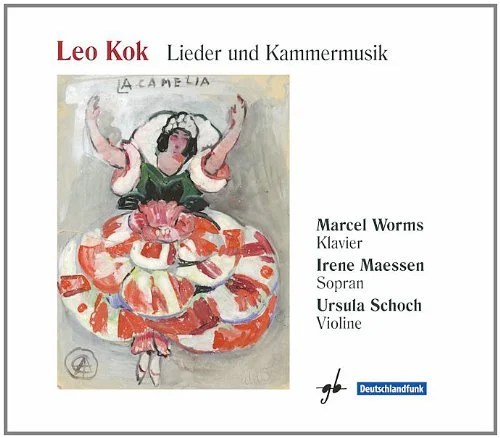
Wat kan ik u nog meer vertellen? Dat zijn stijl eigenlijk geen stijl is, want hij was van alle markten thuis?  Dat de prachtige “Mémoires” uit 1935 onder de handen van Marcel Worms je aan een aquarel of een penseeltekening doen denken en dat de ‘Trois Danses Exotiques’ het bloed in je aderen sneller doen stromen?

Marcel Worms speelt  ‘Vite, Trés Rythmée ‘

Irene Maessen is een zeer overtuigende pleitbezorgster van zijn liederen, al had ik persoonlijk wat meer expressie willen horen. Ursula Koch (viool) mist een beetje dat “smachtende”, maar is zeer ontroerend in de twee werkjes uit het “Enfence -cyclus”

‘Twee Nederlandse Gedichten’  door Irene Maessen en Marcel Worms

Alleen al het prachtige boekwerk met veel foto’s, muziekfragmenten, facsimile’s van de partituren, affiches en de begeleidende tekst in vier talen verdient meer dan lof.

Johnny & Jones

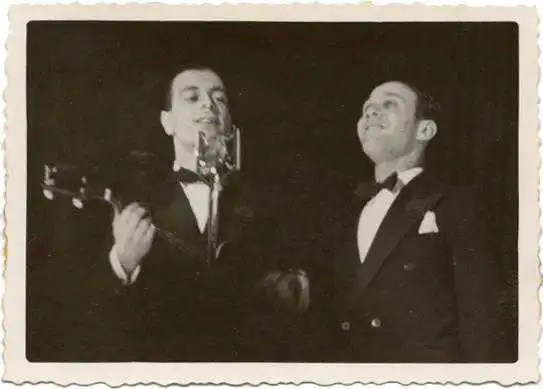
Artiestenfoto Johnny and Jones. Foto: PR © Achterhoek Nieuws b.v

In het echt heetten zij Nol van Wesel en Max Kannewasser. Max had een gitaar en Nol een goede stem en allebei hielden zij van jazz. Vóór ze ontdekt werden  – tijdens een personeelsfeestje in 1934 – werkten ze voor de Bijenkorf. Twee jaar later traden zij voor het eerst professioneel op en gaven ze definitief hun banen op. Nol (Johnny) was toen 18 en Max (Jones) 20 jaar oud.

Johnny & Jones waren de eerste echte Nederlandse tieneridolen, ze werden dan ook door hun achterban op handen gedragen. Zij traden in de beste clubs op, ook in het buitenland.

Johnny and Jones in de Dierentuin Antwerpen, fotograaf onbekend, 1932

Hun laatste optreden dateert van 24 augustus 1941. Op 9 oktober 1943 werden ze naar Westerbork gedeporteerd, waar zij bleven optreden. In augustus 1944, tijdens een kort uitstapje naar Amsterdam hebben ze een zestal nummers – allen geschreven in kamp Westerbork – voor de plaat opgenomen. Toen werd hen een onderduikadres aangeboden, maar zij weigerden. In het kamp waren hun families achtergebleven bovendien waren zij immers Johnny &Jones?! 

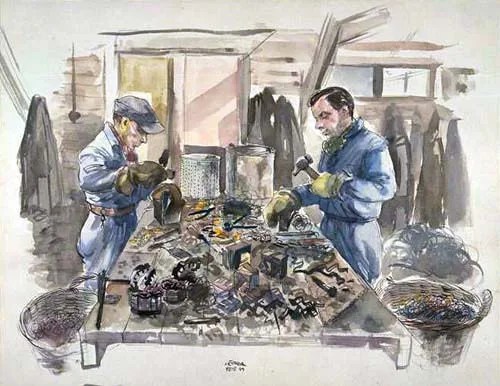
Van Wesel en Kannewasser tijdens sloopwerkzaamheden in Kamp Westerbrk, tekening van Leo Kok uit 1944

In 2001 werd hun grootste hit ‘Meneer Dinges weet niet wat swing is’ samen met nog een paar van hun populairste nummers op cd gezet (Two kids and a guitar Panachord DH 2051)

en enkele maanden later kwam een tweede cd uit met nooit eerder uitgebrachte materiaal, waaronder ook liedjes, die zij op een huwelijksfeest in maart 1942 zongen alsook de verloren gewaande opnamen van die bewuste dag in 1944 (Maak het donker in het donker NJA 0101)

Daar zit ook de Westerbork Serenade bij, een loflied op het kamp. Werden zij ertoe gedwongen? Niemand zal het ooit weten.

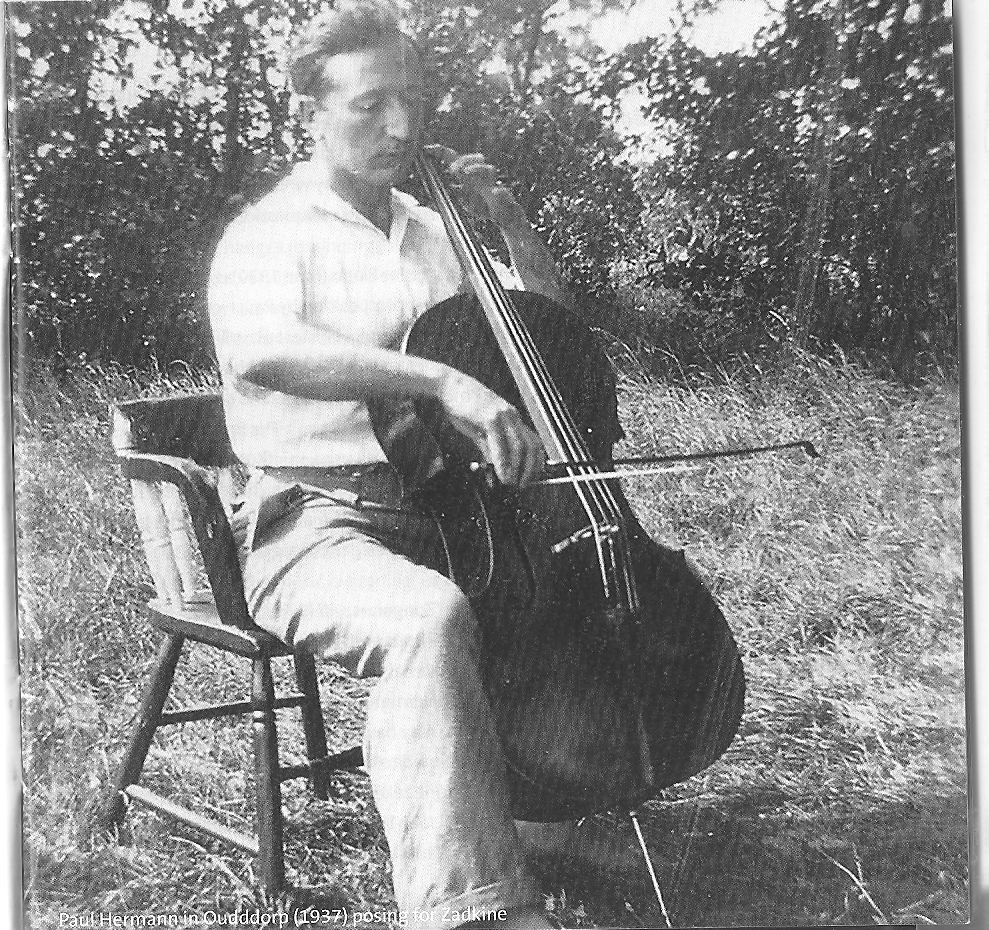
Pál (Paul)  Hermann

De exacte datum en de plaats van zijn dood zullen voor altijd onbekend blijven. Het laatste wat we van Paul Hermann (1902 – 1944) hebben vernomen is dat hij opgepakt werd tijdens een grote straatrazzia in Toulouse in april 1944 en via het doorgangskamp Drancy overgebracht werd naar Auschwitz en verder naar Litouwen. Sindsdien werd er niets meer van hem vernomen.

Hermann werd geboren in Boedapest, waar hij aan de Franz Liszt Academie studeerde bij o.a. Béla Bartók, Zoltán Kodály en Léo Weiner. Tijdens een optreden in Nederland maakte hij kennis met de Nederlandse Ada Weevers met wie hij trouwde en met wie hij tot 1933 in Berlijn woonde.

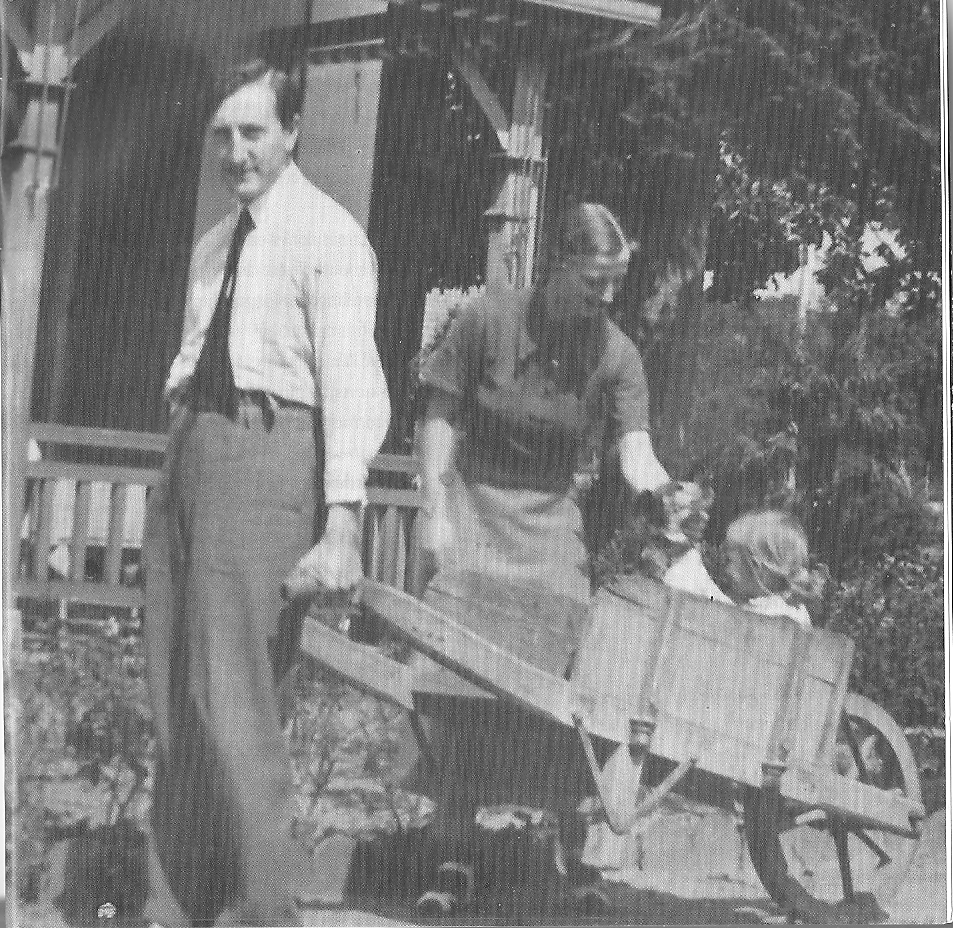
Hermann met vrouw en kind

Toen Hitler aan de macht kwam, vestigde het gezin zich in Oudorp in Nederland (leuk weetje: Hermann sprak en schreef voortreffelijk Nederlands). Na de tragische dood van zijn vrouw verhuisde Hermann eerst naar Brussel en later naar Parijs.

Hermann was voornamelijk beroemd als cellist (hij werd de ‘Hongaarse Casals’ genoemd), zo speelde hij de wereldpremière van solocellosonate van Kodaly en eind jaren dertig trad hij vaak op in het Concertgebouw in Amsterdam; maar hij was ook een begenadigd componist. Na de oorlog raakte hij – net als zovele van zijn lotgenoten – in de vergetelheid.

Zijn Grand Duo uit 1930, oorspronkelijk gecomponeerd voor en uitgevoerd met Zoltan Szekely, krijgt nu een uitstekende vertolking van Burkhard Maiss en Bogdan Jianu. Wat een ongekend prachtig werk het toch is!

De Strijktrio en de Pianotrio stammen uit het begin jaren twintig, toen Hermann nog aan het Liszt-Academie studeerde. Dat er in beide, zeer prettig in het oor klinkende werken een prominente rol aan de cello is toebedeeld is nogal wiedes.

De droevige liederen die Hermann in impressionistische stijl na de dood van zijn vrouw componeerde worden zeer ontroerend gezongen door Irene Maessen.

Rosy Wertheim

Rosy Wertheim, in 1912 geschilderd door Jan Veth. Collectie Joods Historisch Museum, Amsterdam

Rosy Wertheim (1888 -1949) was één van de eerste vrouwelijke componisten in Nederland die ook nog internationaal naam maakte. In 1929 verhuisde zij naar Parijs, in haar appartement hield zij een kunstenaarssalon, waar o.a. Milhaud, Messiaen, Jolivet en Honegger elkaar ontmoetten. Haar muziek – voornamelijk haar strijkkwartet – werd toen regelmatig en met veel succes uitgevoerd

In 1935 vertrok ze naar Wenen waar zij contrapunt studeerde bij Karl Weigl. In 1936 reisde ze naar New York om lezingen te geven en uitvoeringen van haar werken te regelen.

Naar Nederland keerde zij in 1937. Haar pianoconcert werd in 1940 werd in Den Haag uitgevoerd door Residentie Orkest olv Willem van Otterloo.

In september dook zij onder. Zij heeft de oorlog overleefd maar werd ernstig ziek en overleed vier jaar later. Haar totale oeuvre omvat ruim negentig werken, meest liederen en kamermuziek. (bron: © Eleonore Pameijer)

Zeer interessante documentaire over Rosy Wertheim:

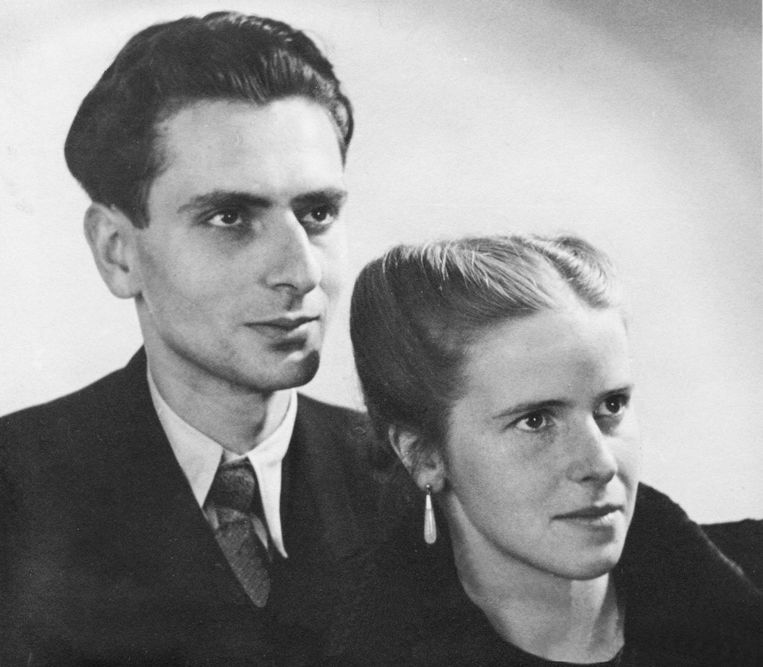
Nico Richter

Nico Richter met zijn vrouw Hetty

Nico Richter (2 december 1915 – 16 augustus 1945) was zowel arts als de componist.
Al op jonge leeftijd kreeg hij vioolles. Hij studeerde geneeskunde in Amsterdam maar onderbrak zijn studie om bij Hermann Scherchen directie te gaan studeren. In 1935 verwierf hij de Prix Henri Leboeuf  prijs met zijn Concertino voor klarinet, hoorn, trompet, piano en twee violen.

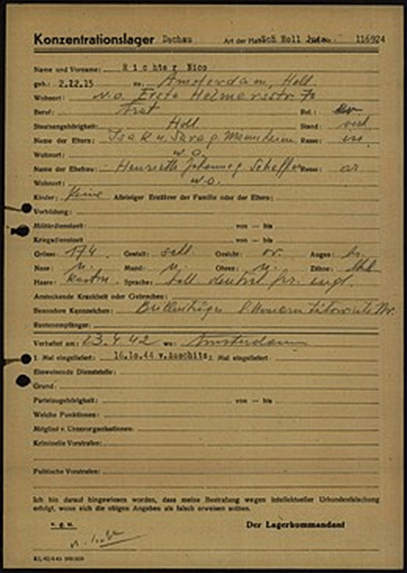
Registratieformulier van Nico Richter als gevangene in nazi-concentratiekamp Dachau

In 1941 studeerde hij  af als arts. Hij raakte betrokken bij het verzet en in 1942 werd hij opgepakt en werd naar Dachau gestuurd. In 1945 keerde hij terug, hij was toen al doodziek. Na zijn thuiskomst schreef hij nog twee delen van een Serenade voor fluit, viool en cello. Hij stierf in augustus 1945, voordat hij de overige delen had voltooid.

Leo Smit

Leo Smit (Amsterdam 14 mei 1900 – Sobibor 30 april 1943) studeerde piano en compositie bij o.a. Sem Dresden.

Eind 1936 verhuisde hij naar Brussel. In 1937 keerde hij terug naar Amsterdam, waar hij op 12 februari 1943 zijn laatste werk voltooide, de sonate voor fluit en piano.

Op 27 april 1943 werd hij op transport gesteld naar Sobibor waar hij op 30 april werd vermoord.

Daarna werd het stil, er was geen belangstelling, hij werd niet uitgevoerd. Vergeten. Voor de tweede keer vermoord. Dankzij de Leo Smit Stichting werd hij weer een beetje teruggebracht naar het landschap van het Nederlandse muziekleven, maar terug is hij niet.

Divertimento for piano 4 hands 1. Allegro ma non troppo – 2. Lento – 3. Allegro con fuoco performed by: Jorian van Nee & Jurn Tjoa:

Lucas & Arthur Jussen:

Of? In 2020 hebben de Jussen broers zich over Smits werken ontfermd  en regelmatig uitgevoerd. Zij maakten ook een documentaire over de componist, dus er is wel hoop. Hoop ik

https://www.nporadio4.nl/klassiek/75-jaar-bevrijding/78e6c145-2028-44ac-8626-571b58387605/broers-jussen-vragen-aandacht-voor-muziek-van-vervolgde-componist-leo-smit-75-jaar-bevrijding