Don Giovanni in Salzburg

TEKST: PETER FRANKEN

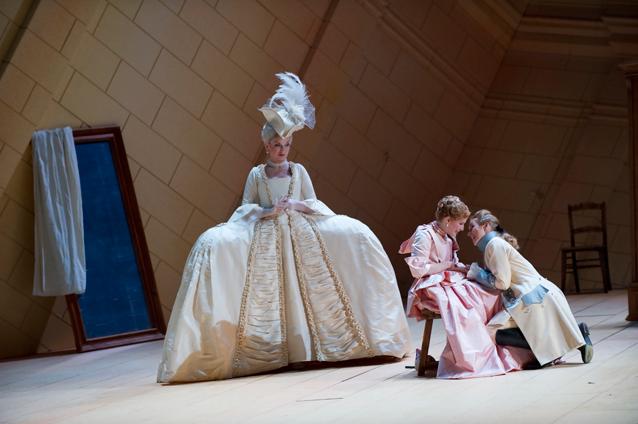
In 2008 maakte Klaus Guth een nieuwe productie van Mozarts populaire meesterwerk voor de Salzburger Festspiele. En in april 2016 ging deze controversiële Don Giovanni bij DNO. Bij die gelegenheid maakte ik een tekst voor de achterkant van het toenmalige Vrienden Bulletin waarin commentaar werd geleverd op een reisje dat Don Giovanni en Leporello gemaakt zouden kunnen hebben van Sevilla naar Burgos en weer terug. Daarbij vielen de volgende veroveringen te noteren: Soledad in Almeria (994), Mercedes in Almeria (995) Dulcinea in La Mancha (996), Raquel in Toledo (997), Pilar in Madrid (998), Esperanza in Madrid (999), Paloma in Segovia (1000), Elvira in Burgos (1001), Susanna in Sevilla (1002), Anna in Sevilla (1003).

Feruccio Furlanetto zingt de ‘Katalogus aria’tijdens de Wiener Opernfest. Soile Isokoski is Donna Elvira

‘Madamina, il catalogo è questo’ zingt Leporello nadat zijn werkgever zich uit de voeten heeft gemaakt en hem achterlaat met de ondankbare taak Donna Elvira in te lichten over de feiten. Gelet op de aantallen zal het niet de eerste keer zijn dat hij met dit klusje wordt opgezadeld. Het zijn inmiddels al 2065 namen van de meest uiteenlopende vrouwen die hij in zijn boekje heeft staan en er zal er vast wel eerder eentje om opheldering hebben gevraagd, misschien dat meisje uit La Mancha wel. Zo te zien is Don Giovanni Burgos al snel ontvlucht en in Sevilla is hij blijven steken bij een zekere Anna, Donna Anna, we kennen haar maar al te goed.

Amsterdam, December 2006. Pietro Spagnoli (Don Giovanni) and Cora Burggraaf (Zerlina)

Wordt Zerlina nummer 1004? Of dat het geval is hangt af van de regie. In het beruchte ‘beddenpaleis’ dat het duo Jossi Wieler en Sergio Morabito in 2006 voor DNO maakte werd op dit punt niets aan de verbeelding overgelaten. Zerlina werd ter plekke verkracht en de rode vlek op haar witte trouwjurk gaf aan dat het in meer dan een opzicht goed raak was geweest. Ook Guth laat de toeschouwer op dit punt niet in het ongewisse.

Trailer van Don Giovanni in de regie van Martin Kušej:

Hoezeer het hier gaat om kwantiteit wordt aanschouwelijk als we ons een beeld vormen van zijn voorkeuren. Die zijn er niet, alles telt. Moeder, dochter, kleindochter, alle generaties komen in aanmerking. In zijn productie voor de Salzburger Festspiele van 2002 laat Martin Kušej niets aan de verbeelding over door een grote groep schaars geklede vrouwen van alle leeftijden bijna permanent te laten figureren. Dan blijft er van enige romantische fascinatie met deze rondneukende edelman weinig over.

Karajan Salzburg 1987

De jaarlijkse grote Karajan productie in Salzburg betrof dat jaar Don Giovanni, een opera die daar met grote regelmaat op het programma staat. De maestro had zelf de artistieke supervisie maar liet het regisseren over aan Michael Hampe. Mauro Pagano was verantwoordelijk voor de decors en de kostuums en dat levert mooie plaatjes op.

Statige binnenruimtes, zwaar uitgevoerd met enorme zuilen en trappen, een onbekommerd vrolijk ogend stadspleintje waarop het merendeel van de buitenscènes zich afspeelt, en een impressie van een planetarium met grote bollen die planeten en andere hemellichamen voorstellen tegen een achtergrond die rood kleurt als de titelheld door het hellevuur wordt verzwolgen.

De kostumering is periodegetrouw en het libretto wordt zoals te verwachten tot in de kleinste details gevolgd. Een opname van een voostelling in juli van dat jaar is op dvd uitgebracht, eigenlijk de perfecte kennismaking met deze opera.

De inleiding van Karl Löbl:

Net als in Don Carlos een jaar eerder is er sprake van een topcast. De titelrol is in handen van Samuel Ramey, zowel visueel als qua zang een perfecte keuze. Hij oogt niet dreigend of demonisch maar is gewoon een solipsist die met charme, goud en waar nodig een klein beetje geweld de wereld naar zijn hand pleegt te zetten. Zijn sociale status helpt hem daarbij natuurlijk ook enorm.

Giovanni’s trouwe hulpje wordt vertolkt door Ferrucio Furlanetto, een rol waarin hij lijkt te wonen, zo natuurlijk gaat het hem allemaal af.

De dame waarmee ze het meeste te stellen hebben is natuurlijk Donna Elvira, feitelijk de vrouwelijk hoofdpersoon. Niet voor niets is er in Sevilla in de wijk Santa Cruz een klein pleintje naar haar vernoemd, en dat terwijl ze eigenlijk uit Burgos kwam.

Julia Varady is een goede keuze voor de getergde vrouw met schwankende emoties. Ze ziet Giovanni als haar officiële echtgenoot en kan van die gedachte gewoon niet los komen. Varady laat dit prima zien en horen, haar aria’s tonen de zozeer uiteenlopende emoties van woede, hoop en medeleven heel duidelijk en zijn vocaal om door een ringetje te halen.

Het wat suffe adellijke koppel dat maar geen koppel wil worden is in handen van Gösta Winbergh als Don Ottavio en Anna Tomowa Sintow als Donna Anna. Zeer goede zang van beiden maar het lijkt erop dat Hampe hen heeft verteld dat acteren slechts optioneel is.

Die optie wordt in elk geval beter benut door Kathleen Battle als een wispelturig dorpsmeisje dat ook nog heel aardig kan zingen. Alexander Malta komt als Masetto naast haar wel erg over als een bruidegom uit noodzaak. Je zult toch een keer moeten trouwen als je al bijna 17 bent?

Paata Burchuladze vervult de in mijn ogen nogal ondankbare rol van Commendatore. Typisch een rol waarbij je tussendoor rustig een boek kan gaan lezen of een vreemde taal leren.

Karajan had in 1986 de opera al opgenomen met zijn eigen Berliner Philharmoniker. Op deze studio opname ontbreekt Varady, daar zingt Agnes Baltsa de rol van Elvira. In Salzburg stond Karajan voor de Wiener Philharmoniker, ook een orkest waar hij goed mee vertrouwd was natuurlijk.

Mooie beelden, geen concept, gewoon Da Ponte en Mozart, de Salzburger Festspiele zijn inmiddels wel behoorlijk veranderd.
Don Giovanni; Wolfgang Amadeus Mozart

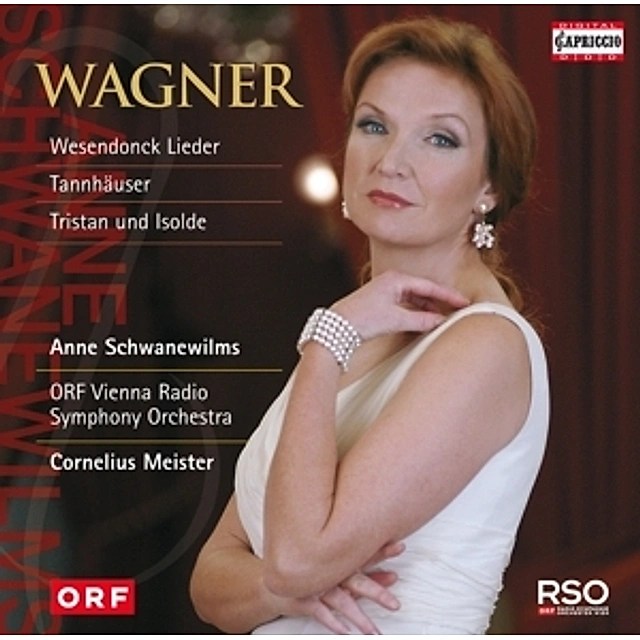
Anne Schwanewilms en Wagner

Anne Schwanewilms geldt als één van de grootste sopranen van haar tijd, zeker in het Duitse Fach. Strauss, voornamelijk, maar ook Wagner is aan haar besteed.

Ooit heeft Orfeo Schwanewilms’ lezing van de Vier letzte Lieder opgenomen, gekoppeld aan fragmenten uit Arabella, Capriccio en Der Rosenkavalier. Het was een mooie cd, die echter niet de aandacht kreeg die h

Een encore zou daarom niet misstaan. Of een opname van liederen van Franz Schreker, om in dezelfde sfeer te blijven. Daar is Schwanewilms namelijk ook goed in thuis.

Dat zij juist (in de Strauss-jaar nota bene) voor Wagner heeft gekozen vond ik een beetje vreemd. Natuurlijk kan zij ook Wagner zingen (wat eigenlijk niet?) en er is weinig op haar cd aan te merken, maar toch… Ik vind haar Elisabeth in Tannhäuser een beetje schreeuwerig, alsof de partij boven haar macht ligt, al is dat beslist niet zo. Misschien klinkt zij voor mij niet naïef genoeg?

De Wesendonck-Lieder liggen haar beter, maar het mooist vind ik haar in Isoldes Liebestod. Hier komt haar sensuele stem het beste tot zijn recht.

Het ORF Vienna Radio Symphony Orchestra speelt heel erg mooi. Wellicht iets minder mysterieus dan gebruikelijk, maar die ‘down to earth’-lezing bevalt mij zeer. De jonge Cornelius Meister, toen nog maar 34, haalt klanken en kleuren uit de partituur die ik er niet eerder in hoorde.

Hieronder de trailer van de opname:

ORF Vienna Radio Symphony Orchestra olv Cornelius Meister
Capriccio C 5174

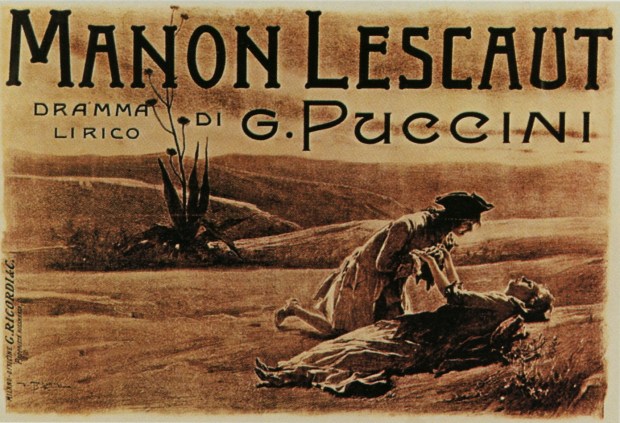
Why do we love Manon Lescaut: discography

manon-lescau

Why do we love Manon so very much? She is not really virtuous. She leaves the love of her life for an old rich man, but as soon as she gets bored, she allows her young lover to come back to her. She is willing to run away with him, but not without her jewels. A child can see that it cannot end well.

Once caught, Manon is taken prisoner and exiled to America, where she dies in the arms of her lover. The poor soul refused to leave her. Talk about real love!

It is thanks to Puccini, who captured her character in the most beautiful notes, that she never becomes one-dimensional and you must be made of stone if you do not love her.

The role of Manon was created in 1893 at the Teatro Reggio in Turin by Cesira Ferrari, an Italian soprano who made her debut as Micaëla in Carmen and three years later sang the first Mimì in La bohème. Perhaps here is an indication of the type of voice that Puccini had in mind for his Manon?

How many good Manons are there nowadays? Not many, I think. The role makes very high demands on the performer. It requires a voice that can combine the childishly naive sex appeal of the silly girl in the first three acts with the real tragédienne in act four.

But Des Grieux, too, is a role that is not easy to fill. The man himself may be a sissy, but Puccini has written such violent notes for him, challenging him with such utterly emotional outbursts, that the singer must be a would-be Calaf to survive the opera with his voice intact.


MAGDA OLIVERO


manon-olivero-domingo


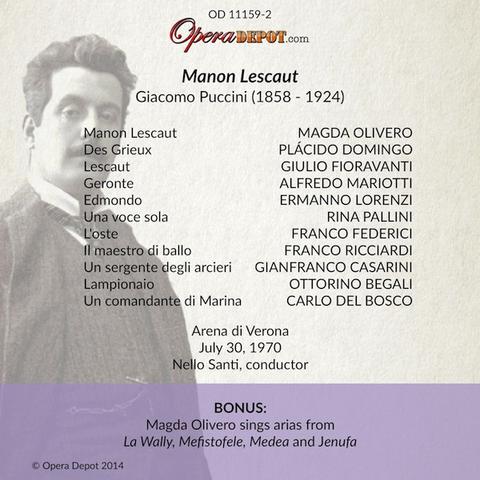
There is no doubt about it: Magda Olivero was the very best Manon Lescaut of the second half of the twentieth century. In 1970, when she was 60 (!) years old, she sang the role in Verona with the not yet 30-year-old Domingo at her side. Quite bizarre when you consider that Olivero made her professional debut eight years before Domingo was born. And yet her portrayal of the young heroine was utterly convincing. Most of her colleagues could not (and cannot) match her performance!


The role of Des Grieux was a role that could have been written for Domingo. As Renato, he was able to combine all his charm, his sehnsucht and his boyishness (something he has managed to retain to an advanced age) with a cannon-like voice. My copy was released on Foyer (2-CF 2033), but nowadays there are more releases in better sound quality and the recording can also be found on You Tube.


manon-olivero-tucker-foto


Two years later, Olivero sang the role in Caracas. The performance of 2 June 1972 was recorded by Legato Classics (LCD-113-2). The sound quality is reasonably good, but what makes the recording really desirable is Des Grieux by the then 60-year-old Richard Tucker. So yearning, so in love, so beautiful…. Sigh. Yes, folks: once upon a time, opera was made by voices, not by beautiful bodies!


Duet from the fourth act:


RAINA KABAIVANSKA


manon-kabaivanska

\

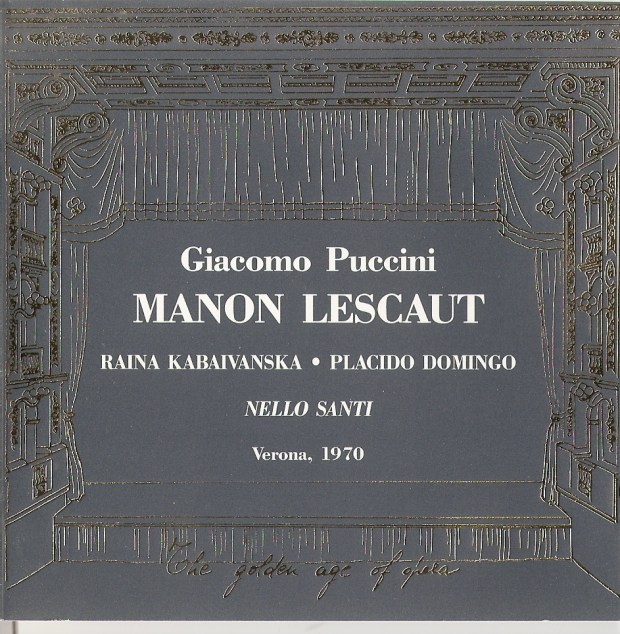
Manon was sung in Verona in 1970 not by Magda Olivero alone, but also by Raina Kabaivanska, with the same cast and the same conductor. The recording is very poor and therefore only for the diehards among us, but if you have a chance to listen to it: please do! Between Kabaivanska, who is still extremely underrated, and the young Domingo, a chemistry can be heard that, despite the poor sound quality, comes across really well.

The duet from II Tu, tu, Amore? tu?

As a bonus, you get fragments from 1953 of the live performance in Mexico, with Mario del Monaco and Clara Petrella. Not bad at all! (GAO 162/63)


MIRIAM GAUCI

manon-gauci


In 1991, the Maltese Gauci was not exactly an unknown, but her great career only took off with her role as Manon Lescaut at the Vlaamse Opera in Antwerp. The opera was the first in the Puccini cycle, created by the then fledgling Canadian director Robert Carsen. Those who were present will never forget it. Because of the magnificent production, of course, but also because of Gauci’s scorching performance.


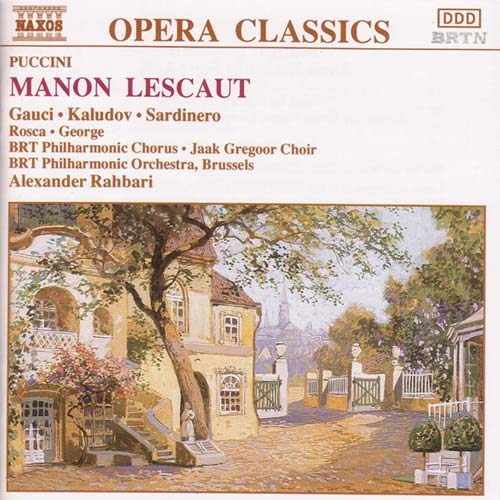
In 1992, Gauci recorded the role for Naxos (8660019-20), with Bulgarian tenor Kaludi Kaludov at her side as a very lyrical sounding Des Grieux. His “Donna non vidi mai” is very passionate, but at the same time kept within the boundaries of lyricism. To fall in love with, so beautiful. Alexander Rahbari’s direction is very intense, but also lacks many nuances. A real must because of Gauci and Kaludov.

Highlights are on Spotify:


RENATA SCOTTO

manon-scotto


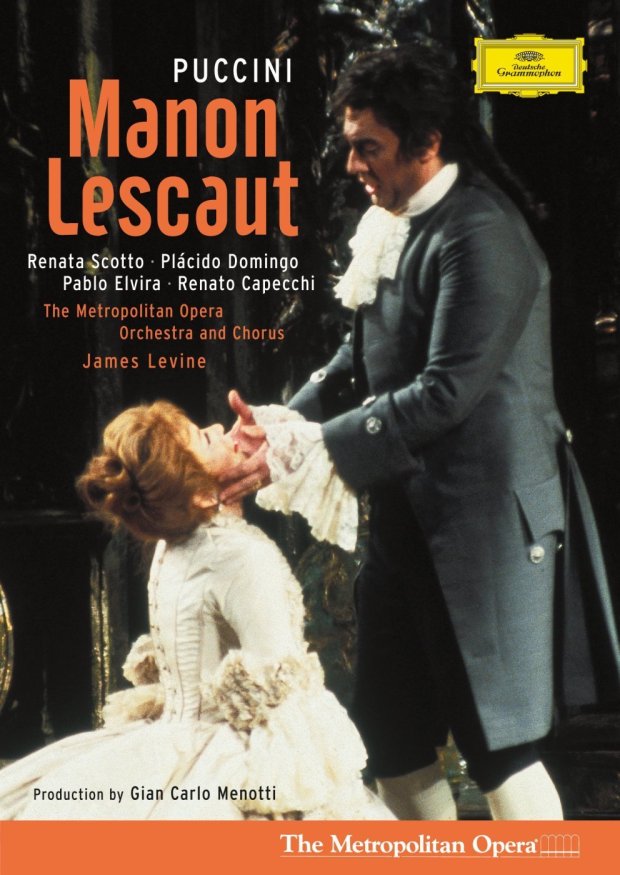
I can be very brief about the offers on DVD: buy the Menotti production with Renata Scotto and Plácido Domingo from the Metropolitan Opera (1980) and you are set for life. There is no other production that comes even close to it and I do not expect that event to happen any time soon. The compulsiveness with which many contemporary directors want to update everything can only kill the opera. Such was the case with Mariusz Trelinski’s production in Brussels a few years ago, with Eva-Maria Westbroek and Brandon Jovanovich.  And this was also the case with the latest production from the MET, directed by Richard Eyre, with Kristine Opolais and Roberto Alagna in the leading roles.

Scotto sings and acts Manon like no one else has done before, and together with Domingo she provides us with a lovely evening filled with a whole lot of old-fashioned crying. Menotti’s very realistic, true-to-nature and oh-so-exciting production could not be any better.
It is quite unique (DG 0734241).


THE VERY FIRST MANON


Back to the very first Manon. What did she sound like? There is a recording by Cesira Ferrari of “In quelle trine morbide”, made in 1905. It is on a double CD by Standing Room Only (SRO-818-2) with the title “Creators Records”. What you hear is a light, almost soubrette-like voice, but with dark undertones. And with a lot of body. You could say it’s a bit of a big-boned Lolita.

About Paul Hermann, the ‘Hungarian Casals’

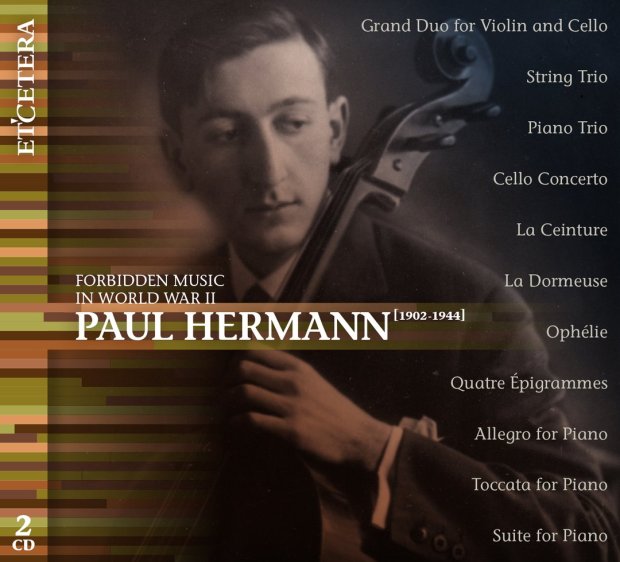
Hermann cd

The exact date and place of his death still remain unknown. The last that was heard of Paul (Pál) Hermann (1902-1944) was that he got arrested during a big street razzia in Toulouse in April 1944 and was deported from the Drancy transit camp to Auschwitz, and from there on to Lithuania.  After that, no trace of Hermann was ever found.

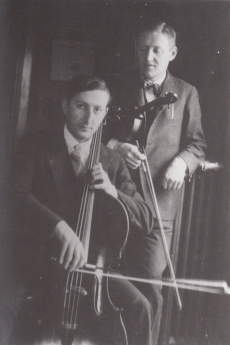
Hermann en Székely
Paul Hermann and Zoltán Székely

The Jewish Hermann was born in Budapest, where he studied at the Franz Liszt Academy with, amongst others, Béla Bartók, Zoltán Kodály and Léo Weiner. His close friendships with violinist Zoltán Székely and pianist Géza Frid originated during these years.

Hermann vrouw
Hermann wth his wife and daugher

After a concert in the Netherlands Hermann met the Dutch Ada Weevers whom he married, and with whom he lived in Berlin until 1933. After Hitler’s rise to power, the family moved to Ouddorp in the Netherlands (interesting fact: Hermann spoke and wrote excellent Dutch). After the tragic death of Hermann’s wife he first moved to Brussels, then to Paris.

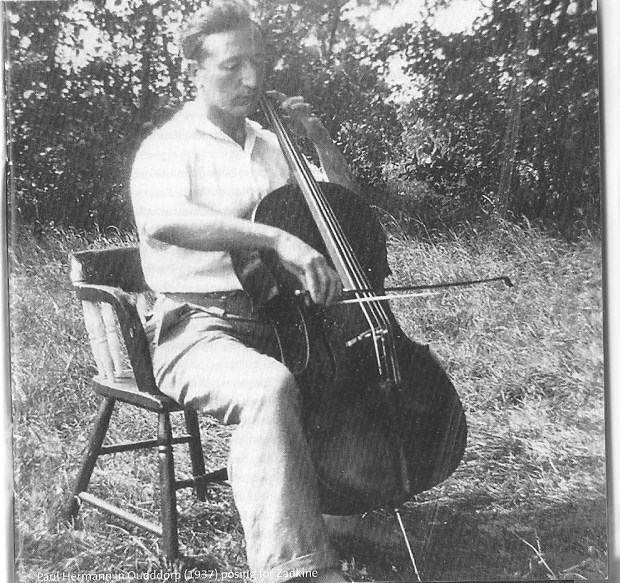
Hermann cello

Although Hermann was most widely known as a cellist he was a talented composer as well. He made his international breakthrough with Kodály’s Sonata for solo cello. Dutch newspapers would call him the ‘Hungarian Casals’ when he regularly performed at the Concertgebouw in the late 1930’s.

After the war, as so many of his fellow victims,  he was forgotten.

Portraits of composers who were persecuted and forbidden during World War II:

Thanks to the Leo Smit Foundation it is now possible to listen to his music again, for which I would like to say a big thank you!

His Grand Duo from 1930, originally composed for and performed by Zoltan Szekely, now gets an outstanding performance by Burkhard Maiss and Bogdan Jianu, What an unbelievably beautiful work this is!

The sad songs Hermann composed in an impressionistic style after his wife’s death are sung very movingly by Irene Maessen.

The String Trio and the Piano Trio date from the early 1920’s when Hermann still was a student at the Liszt-Academy. It comes as no surprise that both works, which fall easy on the ears, have a prominent role for the cello.

This String trio is also to be found on the cd Silenced Voices, beautifully played by Black Oak Ensemble (Cedile Records CDR 90000 189).

Hermann’s very rhythmic Toccata for piano for piano can be heard on the cd with piano works by Jewish composers, excellently played by Marcel Worms

English translation Remko Jas

All photos:  © courtesy Leo Smit Foundation

Robert Carsens Tosca in Zürich

TEKST: PETER FRANKEN

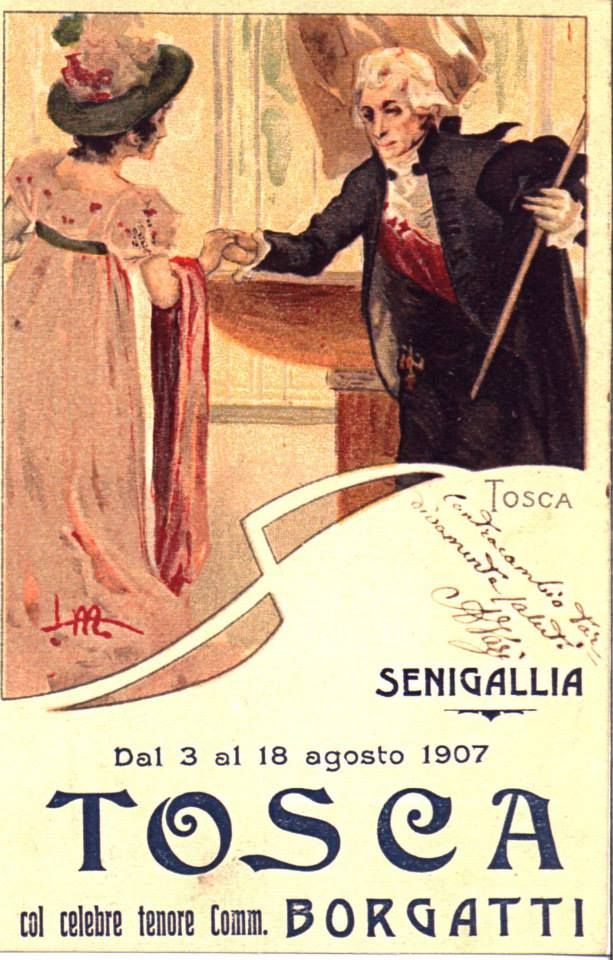
Tosca 1907

Een van de eerste Tosca’s die ik in het theater zag was die van Robert Carsen in Antwerpen, januari 1992. De productie was onderdeel van zijn inmiddels legendarische Puccini reeks voor de Vlaamse Opera.

Complete opera, opgenomen in Antwerpen op 21 november 1991:

In 2009 maakte Carsen een nieuwe Tosca voor Opernhaus Zürich waarvan een opname op BluRay is uitgebracht.

De opera speelt zich zoals bekend af op drie locaties in Rome en wel gedurende de middag, avond en nacht van 17 en 18 juni 1800. Op 17 juni ontvangt Scarpia het bericht van Napoleons nederlaag in de slag bij Marengo. Kort daarna wordt dit gecorrigeerd, Napoleon heeft alsnog de overwinning behaald en de volgende 14 jaar zal Rome onder Franse overheersing komen te staan.

Napoleon was al eerder met zijn troepen in Rome geweest en had in 1796 aldaar een republiek ingesteld.

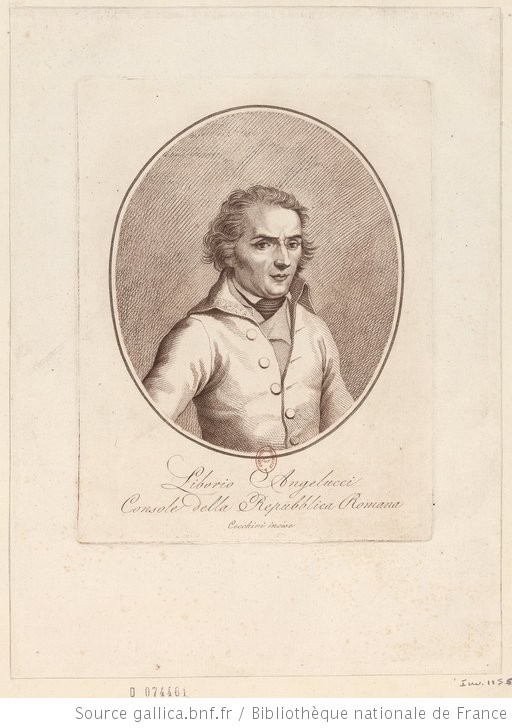
Die werd bestuurd door zeven consuls waaronder Liborio Angelucci die vermoedelijk model heeft gestaan voor het personage Angelotti. Maar toen de Fransen zich in september 1799 terugtrokken werd de stad bezet door troepen van het Koninkrijk Napels. Vandaar dat in de opera wordt gesproken over de koningin die Cavaradossi wellicht op Tosca’s verzoek gratie zou kunnen verlenen.

Tosca Giraldoni+as+Scarpia
de eerste Scarpia: Eugenio Giraldoni

Scarpia is een type zoals Fouché in Parijs, hoofd van de geheime politie en een overlever die ongetwijfeld al voor die republikeinse periode de bloedhond van het pauselijk gezag is geweest. De overige personages zijn bijkomende theatercreaties, een diva en een kunstschilder. Die heb je nodig voor een liefdesaffaire. De waaier van markiezin Attavanti is te vergelijken met het zakdoekje in Otello, dat wordt door Scarpia letterlijk zo aangegeven. Bij de pathologisch jaloerse Tosca werkt dat als een trein.

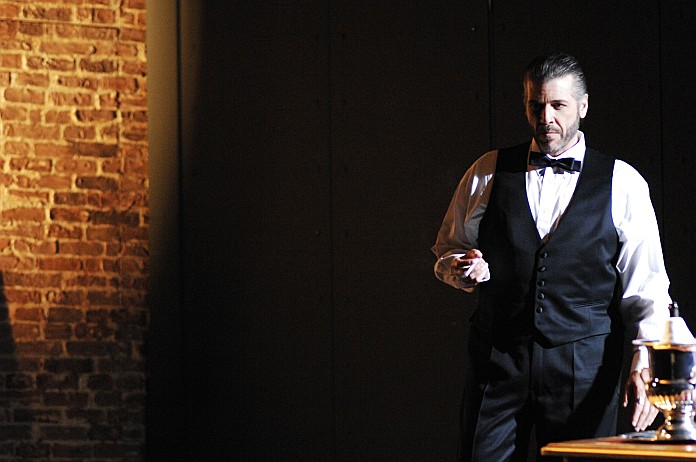
Carsen heeft de handeling op ingehouden wijze gemoderniseerd. Het tijdsbeeld is dat van een politiestaat ergens midden 20e eeuw. Om Thomas Hampson als Scarpia wat dreigender te maken heeft men hem het uiterlijk gegeven van een Fernando Rey lookalike, heel effectief. Hij weet zijn rol overtuigend te vertolken, goede zang en acterend als een gewetenloze eenling die volledig door macht is gecorrumpeerd.

Vroeger waren stoelen op het toneel zo ongeveer Carsens handelsmerk. In de kerk maakt hij dankbaar gebruik van de mogelijkheid er een flink aantal neer te zetten, old habits… Verder is alles zeer sober, bakstenen muren, een kapel achter een houten schot. Ook het schilderij van Maria Magdalena is tamelijk basaal en duikt later op in Scarpia’s vertrek. Hij vernielt het met een groot mes en laat het raamwerk op de grond kletteren. Het mes blijft daar liggen en Tosca kiest daarom juist die plek uit om zich door haar kwelgeest te laten nemen. Zodoende komt dat grote mes niet zomaar uit de lucht vallen, mooie oplossing.

Cavaradossi wordt prima gezongen door Jonas Kaufmann. Acterend worden er door Carsen geen al te hoge eisen aan hem gesteld en dat is maar goed ook. Anders is dat bij Emily Magee die vrij spel krijgt om alle facetten van Tosca’s onstuimige karakter de vrije loop te laten. Ze is onevenwichtig en onzeker ondanks haar grote reputatie als zangeres, ziet overal rivalen in de liefde. Als ze Cavaradossi in bescherming wil nemen acteert ze als een tijgerin om vervolgens als een ballon leeg te lopen wanneer dit niet helpt.

Haar ‘Vissi d’arte’ is een klaagzang aan haar god en haar schutspatroon Maria. Ze heeft hen zoveel geschonken, zeg maar verwend en is dit wrede lot nu haar beloning? Het is bijna het equivalent van Jezus’ klacht aan het kruis. Magee maakt er echt iets moois van, schitterend gezongen ook.

Paolo Carignani heeft de muzikale leiding.

Alle voorstelling foto’s © Suzanne Schwiertz.

Pelléas et Melisande uit Zurich werd door de regisseur totaal verpest

Driehoeksrelaties zijn een dagelijkse kost in de wereld van literatuur, toneel en opera. Niets is meer inspirerend dan een ongelukkige liefde, zeker als die haar protagonisten noodlottig wordt. Ieder tijdperk heeft zijn eigen Julia, en met het fin-de-siècle betrad de femme fatale het podium.

Niets nieuws onder de zon, maar die dames waren niet alleen wellustig en er op uit om mannen in het verderf te storten, ook zijzelf waren het slachtoffer van iets of iemand. Denk aan Lulu of Salome.
Melisande wordt beschouwd als de tegenpool van zulke vrouwen, maar dat is zij allerminst. Haar afkomst en verleden verbergt zij onder haar zwijgzaamheid, zoals haar lichaam onder haar haren.

Het van symboliek doordrenkte toneelstuk van Maeterlinck heeft van Debussy door middel van de prachtige muziek zowel de invulling alsook de ondersteuning gekregen. De opera is dan ook het meest gebaat bij een simpele enscenering.

Sven-Eric Bechtolf komt uit de wereld van herinterpretaties en voorziet de opera van extra lagen door een ijzig winters decor te creëren, en de gemoedstoestand van de personages met look-a-like poppen te versterken. Jammer, want er wordt meer dan voortreffelijk in gezongen en met namen als Isabel Rey, Rodney Gilfrey, Michael Volle en László Polgár heb je een waanzinnig acteertalent in huis.

Niets aan toe te voegen… 😦


Dit is, wat mij betreft (één van) de mooiste opnamen van de opera:


I Puritani: mini discography

puritani

It is said of I Puritani that it is a true soprano opera, but that is not really quite the case. Elvira may be the pivot around which everything revolves, she is also one of the most passive opera heroines I know. Everything that happens around her and to her, happens in spite of her; because apart from loving and going mad, she doesn’t seem to be able to do much of anything at all.

It is the bass (her uncle Giorgio) who devises all sorts of plans to steer the action in the desired direction, and for this he is rewarded by Bellini with a most beautiful aria (‘Cinta di fiori’).

Nicolai Ghiaurov:

In order to save the mad soprano from certain death, he asks the baritone to spare the tenor’s life, which ends in a gorgeous duet (‘Suoni la tromba’), a real show-stopper.

Samuel Ramey and Sherrill Milnes:

The tenor also, who in a fit of patriotinic frenzy seems to send the whole thing into disarray, gets to sing a lot of beautiful (and high!) notes.

John Osborn with Mariola Cantarero from Amsterdam 2009:


All these roles require an excellent bel canto technique, with good coloratura, leggiero and legato. And don’t forget a sense of pure drama, because Bellini (and his librettist!) have created a lot of havoc for the poor soprano: first she becomes delirious with joy, then she loses her mind. She then regains it, only to lose it again immediately. Are you still there? Because it’s not over yet: her mind comes back once more and immediately she’s delirious with joy again. Ouch… Fortunately, the opera stops here, because poor Elvira apparently has to repeat such tricks a few times a day


CD’S

JOAN SUTHERLAND

puritani-suth


Elvira, like Lucia, was a showpiece for Maria Callas and Joan Sutherland, both of whom recorded it several times. In 1974, Richard Bonynge (Decca 4175882) made a peerless recording of the opera, besides Sutherland, there was the sublime male trio: Luciano Pavarotti, Nicolai Ghiaurov and Piero Cappuccilli. Sutherland sounds like a little heap of misery, and her virtuosity knows no limits. Pavarotti still possessed all his glorious long high notes in those days and he pops them out with no effort at all.


MARIA CALLAS

puritani-calls

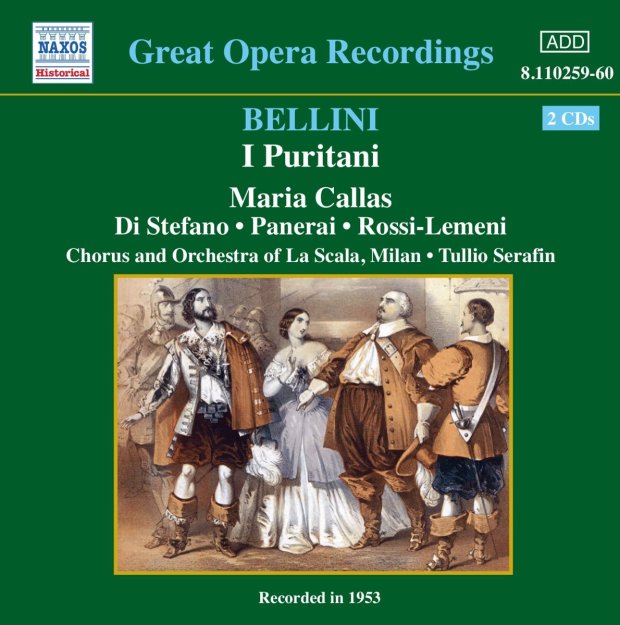
The recording with Callas from 1953 (Naxos 8110259-60) is weighed down by the fact that Giuseppe di Stefano is totally unfit to sing Arturo. But Nicola Rossi-Lemeni (Giorgio) and Rolando Panerai (Riccardo) are excellent, and Tulio Serafin conducts with verve and theatricality. Unfortunately, the score is not complete.


BEVERLY SILLS

puritani-sills

A good (and complete!) alternative is the 1973 recording under Julius Rudel (Westminster 4712072), with a very virtuoso Beverly Sills. Arturo is sung in an extraordinarily beautiful and elegant way by Nicolai Gedda. His approach to the high notes is delightful, and personally I find it very pleasant to listen to him.


Conclusion;  you are best off with the Decca and Westminster recordings. You get all the music, all the high notes and the best male voices. But since Naxos’ recording with Callas is in the budget class, why not buy it! Because of the conductor, because of the bass, but mainly because of La Divina. Because let’s be honest – nobody else can go so deliciously mad.


DVD’S

ANNA NETREBKO

puritani-nebs


It gets more difficult if you want to buy the work on DVD, because I cannot recommend either of the performances I watched without any reservations.

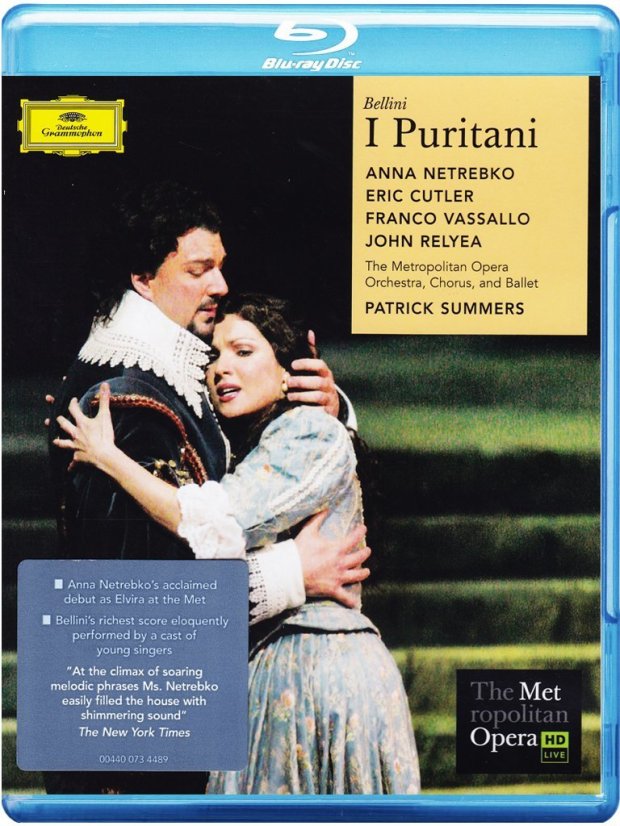
The Metropolitan Opera production, filmed in January 2007 (DG 0734421), is over 30 years old and was originally made for the Sutherland/Pavarotti duo. Perhaps this explains its total lack of personal direction?

There are these monumental tableaux-vivants , in which nobody seems to be allowed to move. The sets are ‘larger than life’ and all the costumes ‘historically accurate’. Anna Netrebko is a very imaginative Elvira. And although she lacks trills, her top notes are there and her presentation (charisma?) is more than convincing.

Both the bass (John Relyea) and the baritone (Franco Vassallo) are reasonable, but no more than that. Eric Cutler (Arturo) has a pleasant timbre and he reaches (albeit with difficulty) the high notes, but it is not really spectacular.

Netrebko sings ‘Deh Vieni al Tempio’ from the first act:

EDITA GRUBEROVA

puritani-grub


But Cutler is much better than the totally miscast José Bros in the fifteen-year-old production from Barcelona (ArthouseMusik 107267). His voice is at least a size too small for Arturo. Edita Gruberova is a matter of taste. I do not like her ‘pussy-mouthed ways’ and I do not really want to watch her, but with my eyes closed there is little to complain about, because yes, she can sing bel canto.

Carlos Álvarez is a first-class Riccardo, but the rest of the cast …. Ah, let’s not talk about it. Andrei Serban’s direction, on the other hand, is truly sublime and exciting, I enjoyed it a lot. A friend I was watching with summed it up like this: Netrebko is for straight men and Gruberova (because of Álvarez) for gays and women, but of course it is not that simple. If only we could cut and paste!


BELLINI-BOX

puritani-box


A 25-cd Bellini box set is an absolute must. For 90 euros only, you get all of Bellini’s operas, two of which (La Sonnambula, Norma) are also available in two different versions. Many well known names too: Callas, Caballé, Scotto, Ciofi, Bernstein…

Most recordings are live and the sound and performance quality vary, but who cares? Among them, of course, is I Puritani, recorded in Catania in 1989, with Mariella Devia as Elvira. In the beginning, she is a bit of a disappointment, but gradually she gets better. Not only does she have all the top notes at the ready, she also brings in a lot of (her own) embellishments, and if that is not part of the art of bel canto, then I don’t know what is.

Mariella Devia:

Unfortunately, the men are not of the same level, although Paulo Washington is a moving and very imaginative Giorgio. A special CD-ROM contains all the libretti. A MUST! (Dynamic CDS 52/1-25)

Requiem van Verdi met lange adem

Het Requiem van Verdi geldt onbetwist als een van de mooiste muziekstukken ooit geschreven. Een open deur? Beslist, en toch valt je dat telkens weer op, zeker als je het een poos niet hebt gehoord.

Op de een of andere manier was Semyon Bychkov, broer van ooit onze chef-dirigent van het Nederlands Philharmonisch Orkest en het Nederlands Kamerorkest, Jakov Kreizberg, was hier vroeger zelden gevraagd. Verbazingwekkend eigenlijk als je weet hoe hij in andere landen werd gewaardeerd.

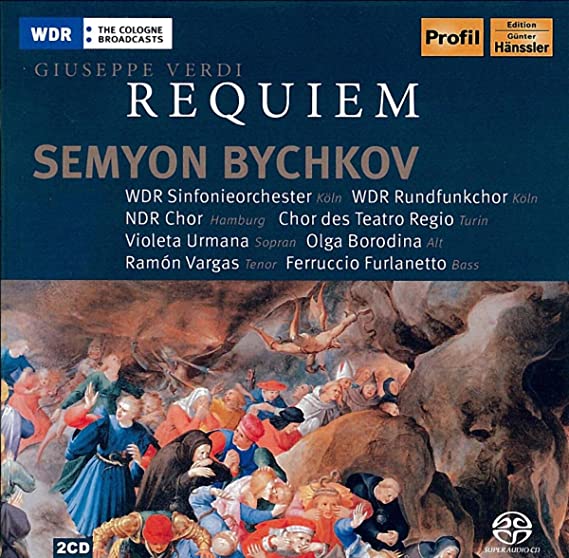
Vanaf 1998 was hij een vaste chef-dirigent van het WDR orkest in Keulen, waarmee hij ettelijke cd’s heeft opgenomen. In 2007 kwam er, live opgenomen Verdi’s Requiem er bij.

Semyon Bychkov is een man van de lange adem: hij articuleert breed en neem rustig de tijd voor. Toch doet hij er ruim acht minuten korter over dan mijn ‘ijkpunten’, Claudio Abbado en Carlo Maria Giulini. Op zijn mooist is hij als hij de noten vloeiend in elkaar laat overlopen, zoals in ‘Lacrimosa’, in een waarlijk belcanteske stijl. Ontroerend.

Van het solistenkwartet, allen zeer ervaren Verdi vertolkers, bevallen de mannen mij het best. Ferrucio Furlanetto beschikt over een sonore, zeer warme bas, waarmee hij acteert alsof zijn leven er van afhangt.

Met zijn gave om pure lyriek met gevoel voor drama te combineren weet Ramón Vargas ‘Ingemisco’ naar de bijzondere hoogten te tillen.

Violeta Urmana, Olga Borodina, Ramón Vargas, Ferrucio Furlanetto
WDR Sinfonieorchester, WDR Rundfunchor olv Semyon Bychkov
Hänssler SACD PH08036

Over Knoxville, Summer van 1915 van Samuel Barber

‘Knoxville, Summer of 1915, is misschien op Adagio na, het bekendste werk van de in Nederland nog steeds schaamteloos en schandelijk verwaarloosde Amerikaanse toondichter Samuel Barber.

Barber componeerde het stuk in 1947 naar het prozagedicht van James Agee, toen zijn vader op zijn sterfbed lag. De nostalgie en de weemoed, het verlangen naar vroeger, naar de tijd toen je nog kind was en alles vanzelfsprekend, dat alles sprak hem meteen aan. Maar er was meer. Agee, die min of meer een leeftijdsgenoot van Barber was schreef het gedicht ter nagedachtenis van zijn vader die in 1916 bij een auto-ongeluk was omgekomen waarna de familie Knoxville verliet om er nooit meer terug te keren.

‘Knoxville, Summer of 1915’ werd voor het eerst uitgevoerd door Eleanor Steber in 1948, waarna het lied nog lange tijd aan haar naam verbonden zou blijven, ondanks de – schitterende soms – vertolkingen door veel vooraanstaande sopranen zoals Leontyne Price, Dawn Upshaw en Roberta Alexander.

Eleanor Steber:

Leontyne Price:


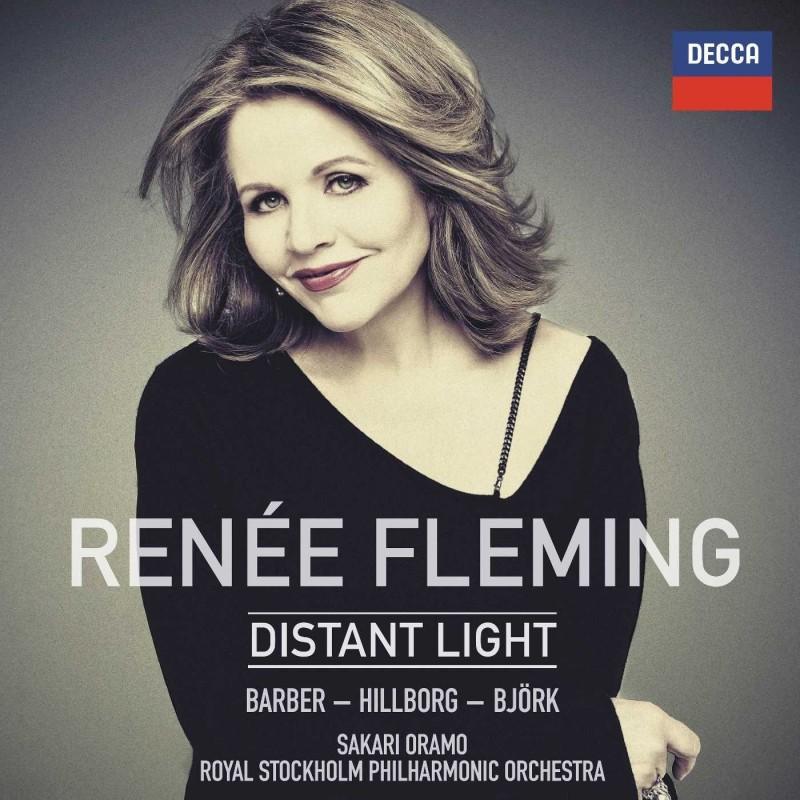
Ook Renée Fleming heeft het lied op haar repertoire staan.  Zij heeft hem 2016 voor Decca opgenomen, met het Stockholm Philharmonisch orkest onder hun Finse dirigent Sakari Oramo.

Fleming over Barber:

‘Knoxville, Summer of 1915’ stond ook op het programma van haar Amsterdamse recital op maandag 28 augustus 2017, dat zij zong onder begeleiding hetzelfde orkest en dezelfde dirigent.

Caterina Mancini, a true ‘Voce Verdiana’

Have you ever heard of Catarina Mancini (10 November 1924 – 21 January 2011)? This soprano, born at Genzano di Roma had the true ’voce Verdiana’: she combined a beautiful height and pure coloratura with a drama that even La Divina might have envied her for.

trovatore-mancini

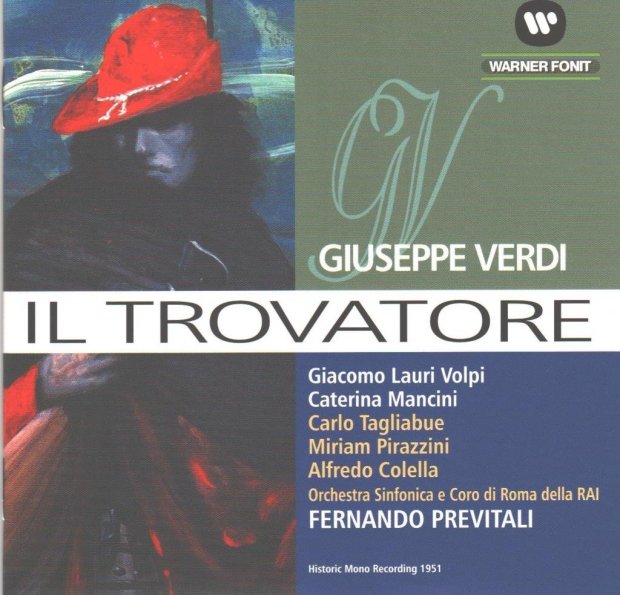
Never heard of her? Then it’s time to make up for the damage, because I promise you a voice out of thousands. And this is exactly how her Leonora sounds in the recording from 1951 Rome (Warner Fonit 2564661890). Extraordinary.

Her Manrico was sung by the very heroic sounding (then already nearly 60 years old) Giacomo Lauri-Volpi and a very charismatic Carlo Tagliabue sang the role of di Luna. Miriam Pirazzini (Azucena) completed the cast and the whole was very impressively conducted  by Fernando Previtali.


Here are Mancini, Lauri-Volpi and Tagliabue in the trio of the first act:


Highlights on Spotify:

Mancini sings “Santo di patria… Da te questo m’è concesso” from Attila by Verdi:

Mancini made her debut in 1948 in Florence, as Giselda in I Lombardi. In 1950, she appeared in Bologna and Venice, in Norma and made her at La Scala in Milan, in Lucrezia Borgia, in 1951. Donizetti, Rossini and Bellini are not lacking in her repertoire.

The Italian label Cetra has recorded a lot with her; difficult to obtain, but so very worthwhile to look for! At her best I find her as Lida in La Battaglia di Legnano by Verdi. Below a fragment of it:

Andrea Chenier with Caterina Mancini, recorded live in Dublin 1957:

Mancini’s career lasted only a short time. People talked about health problems, but what really happened? The fact is that the soprano, born in 1924, stopped working as early as 1960. Although her name can still be found in 1963, as contralto (!) at the concert in memory of Kennedy.