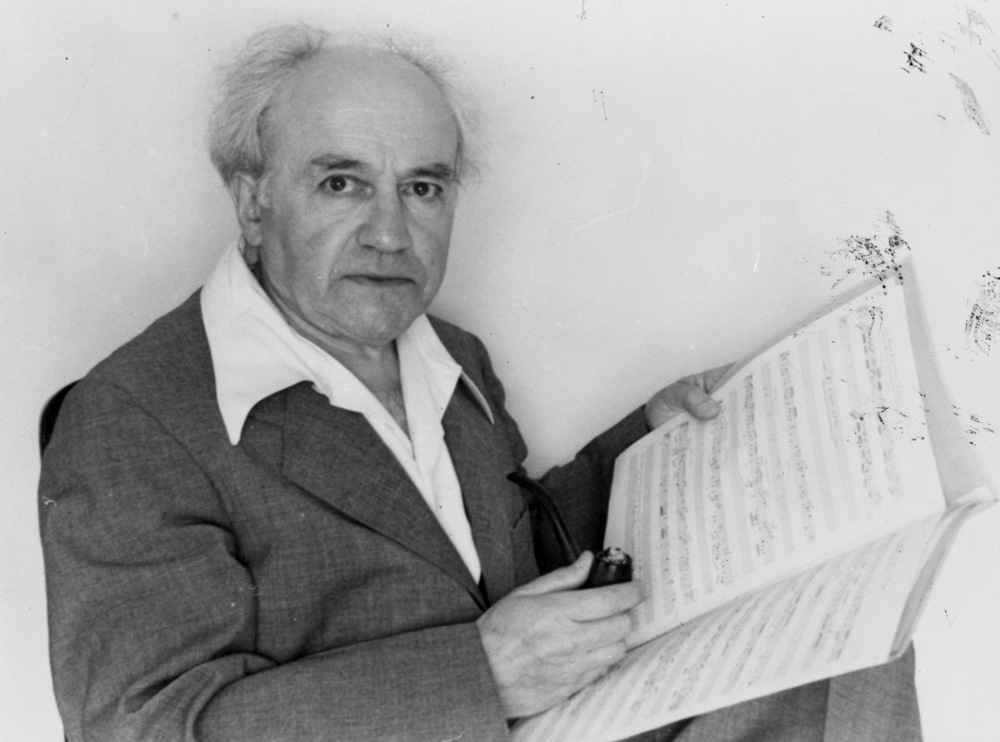
Ernest Bloch, Oct. 1948. Oreg. Hist. Soc. Research Lib., bb006122
I am often asked if there is such a thing as Jewish music ….. Well, there certainly is! Just take Ernest Bloch. He was born in 1880 in Geneva in an assimilated family. Around the age of twentyfive he became interested in everything to do with Judaism and translated it into his language – music.
“I’m interested in the Jewish soul” he wrote to Edmund Fleg, cantor and librettist of his opera Macbeth. “I want to translate all this into music.”
He developed a very personal style: his compositions reflect the atmosphere of Hebrew chant, without actually being a literal imitation of it. His intention was not to reconstruct old Hebrew music, but to write his own, good music, because, as he said, he was not an archaeologist. He succeeded.
Before the war, he was among the most played and appreciated composers. People even called him the fourth great ˜B,” after Bach, Beethoven and Brahms. It is not that people now no longer know his name, but they usually do not get any further than his cello concerto.
Baal Shem
\
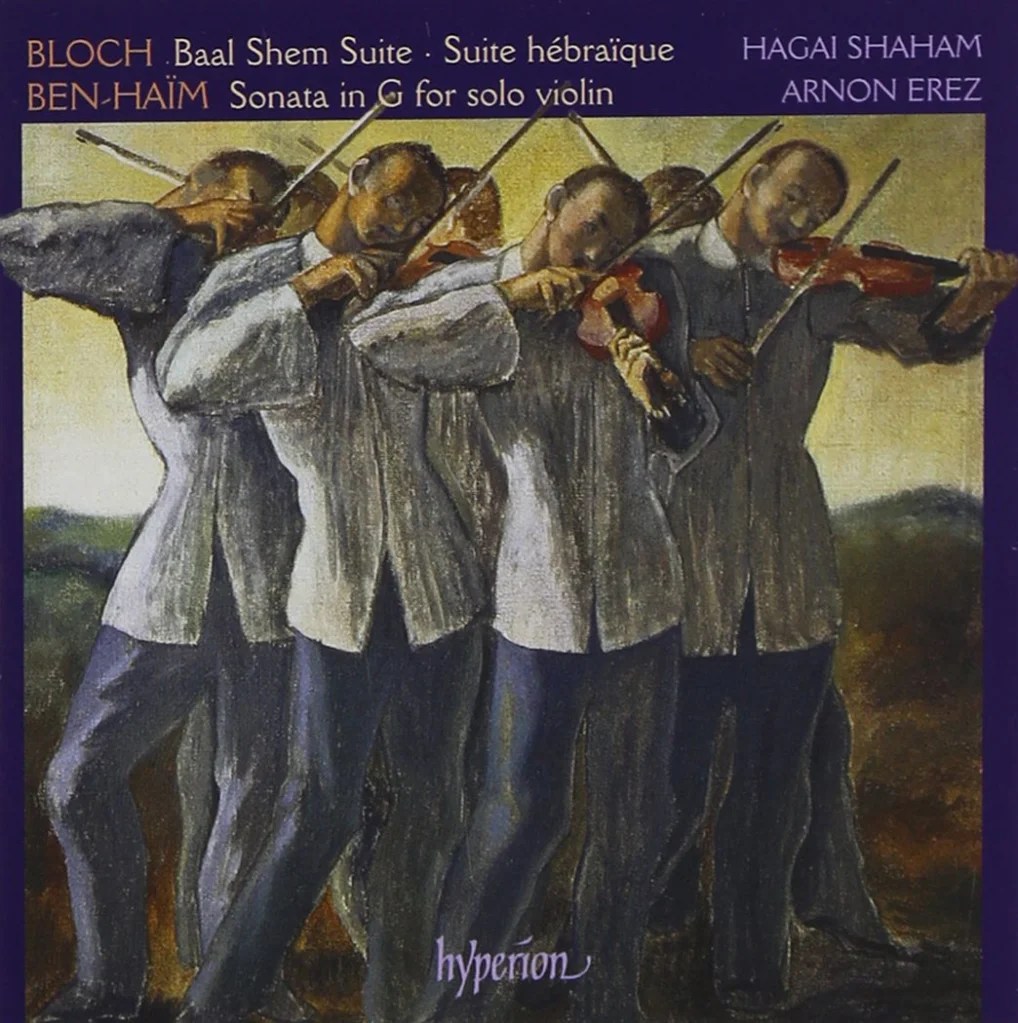
For the Baal Shem Suite (1923), one of his best-known works, he was inspired by Israel ben Eliezer (Baal Shem Tov), the founder of modern Chassidism, a movement that originated in eighteenth-century Poland and was based on mysticism, spiritualism and magical doctrines. It proclaimed a kind of bliss that could only be achieved through music, dance and song because that was the only way to achieve direct contact with God.
Of all the performances of those made of “Baal Shem” (and there are many), this one, played by Hagai Shaham and accompanied by Arnon Erez is for me one of the dearest. Shaham’s tone is round and warm with a healthy dose of “schmalz”. And though he often balances just on the edge, nowhere does he degenerate into banalities.
Seasons without the summer
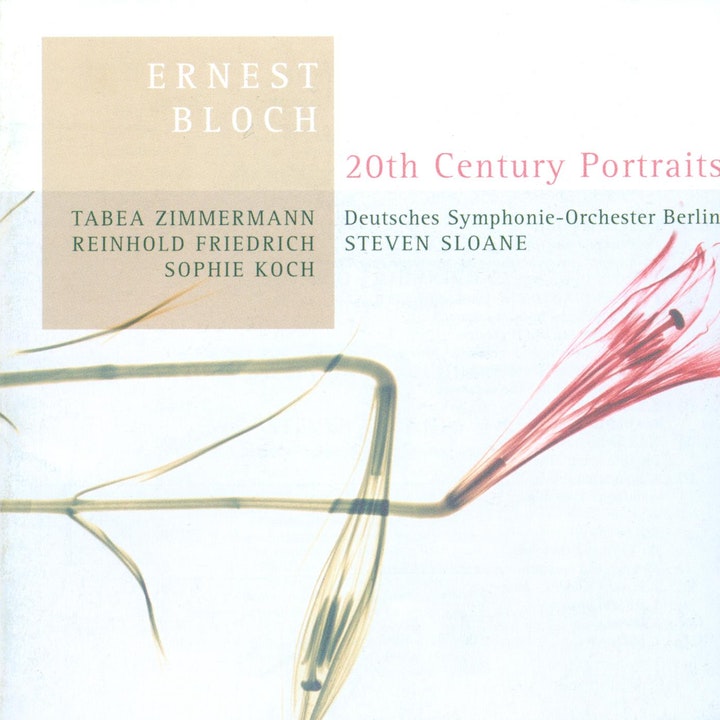
The symphonic poems Hiver-Printemps are very evocative. Together with the beautiful song cycle ‘Poèmes d’Automne’, composed for the texts of Béatrix Rodès, Bloch’s lover at the time, and sung very emotionally by Sophie Koch (Kleenex at hand?), they form, as it were, a kind of ˜Seasons”, from which only the summer is missing.
The suite for viola is among Bloch’s best compositions and one cannot imagine a better performance than Tabea Zimmermann’s.
The Deutches Symphonie-Orchester Berlin, conSloane, plays in a very animated way
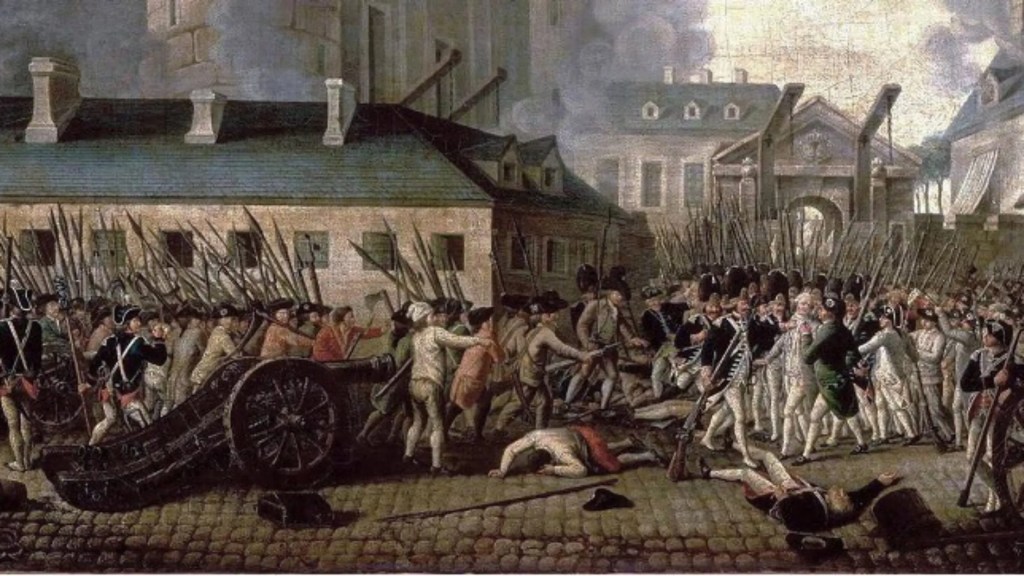
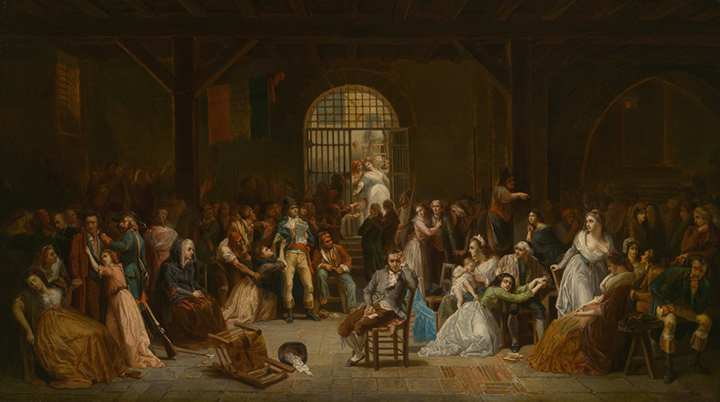
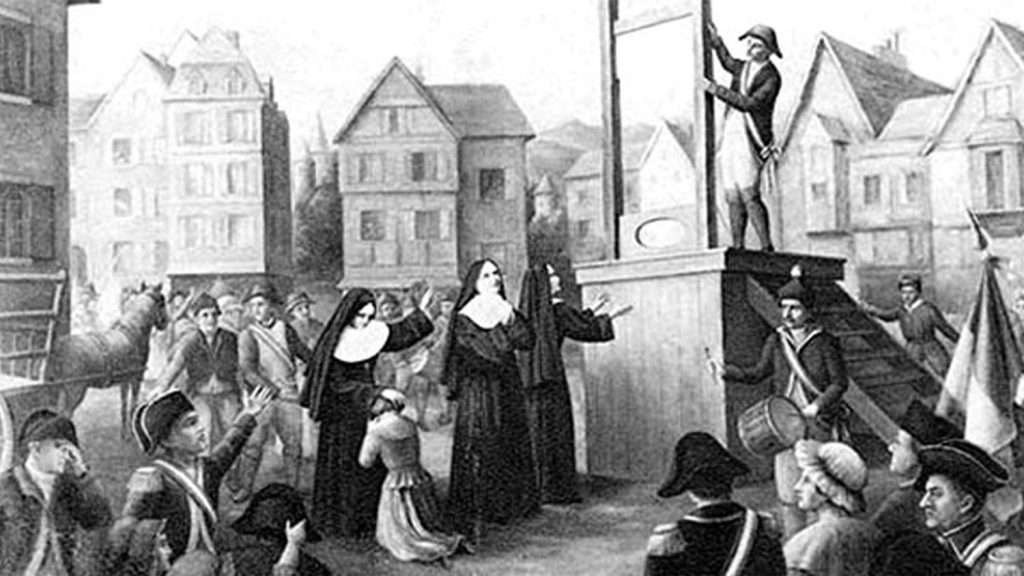
Appeal of the last victims of terror in the prison of St. Lazarus. Chénier appears seated at the foreground’s center.. Painting by Charles Louis Müller, (Musée de la Révolution française).
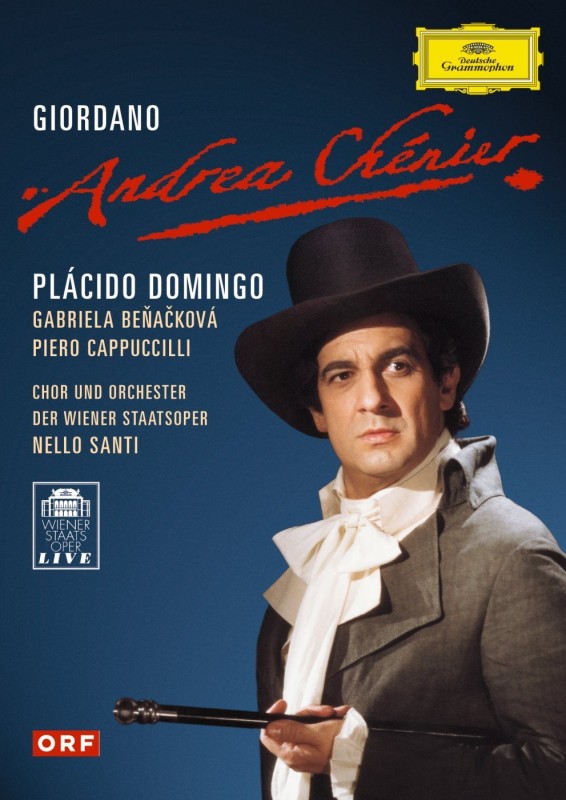
For me, Andrea Chénier is one of the best and most beautiful operas ever. I think the music is nothing less than divine and the story is timeless. It remains current, perhaps now more than ever. The tyrant must be cast off his throne and the people must take control. Surely, we all agree on that?
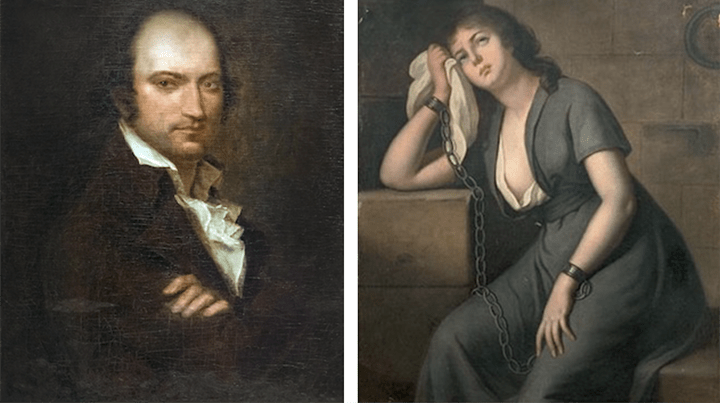
Ten days before Chénier’s death, the painter Joseph-Benoît Suvée completed this portrait of him – not exactly the romantic figure we would cast. On the right Aimée de Coigny, La Jeune Captive
If only it were that simple! Anyone who grew up in a post-revolutionary totalitarian regime knows how much horror it brings. One terror is replaced by another.
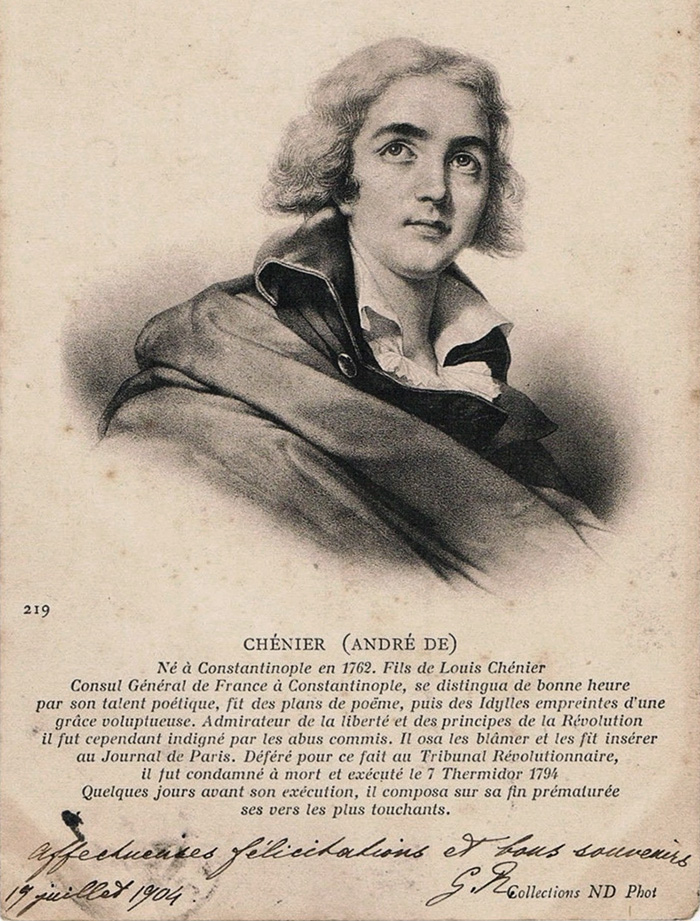
This, at least for me, is the main theme in Giordano’s biggest hit. I don’t think the real lead role is the actual poet, André Chénier (did you know that Giordano used Chénier’s poems in his arias?) nor his beloved Maddalena. It is the French Revolution, which, as Gérard (once Maddalena’s houseboy and now one of the revolutionary leaders) bitterly observes, devours its own children.
Domingo
To my great surprise, I read that Domingo didn’t much like the part of Andrea Chénier. He loved the opera, but the role, one of the toughest in the ‘lirico-spinto’ repertoire, was not really interesting for him dramatically. For him, Chénier was ‘an idealist who always has his head in the clouds’. And yet it was one of the operas he loved to sing!
I myself think the role of the poet/revolutionary fits him like a glove. Passion for love and enormous involvement in everything that happens in the world were – and still are – his trademarks.
He sang his first Cheniér in 1966 in New Orleans, as the last-minute replacement for Franco Corelli, but that was not his first performance of the opera. In the 1960/61 season he sang The Incredible and The Abbot, in Mexico.
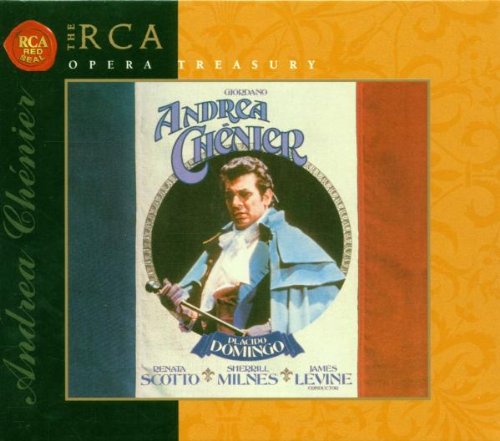
My favourite CD recording was recorded in 1976 by RCA (GD 82046). The cast is delectable. Renata Scotto sings Maddalena, Sherrill Milnes is Gérard and in the small roles we hear, among others, Jean Kraft, Maria Ewing, Michel Sénéchal and Gwendolyn Killebrew. James Levine, who conducts the National Philharmonic Orchestra, understands exactly what the opera is about. Tear jerkingly beautiful.
Scotto sings ‘La Mamma morta’:
In 1981 the opera in Vienna was recorded for TV. That recording has since been released on DVD (DG 073 4070 7). Gabriela Beňačková, one of the most underrated singers in history, sings a Maddalena of flesh and blood. Horrifyingly beautiful and moving.
Piero Cappuccilli is a Gérard among thousands and the small roles are also filled by great singers: Madelon is sung by none other than Fedora Barbieri. Otto’s Schenk’s production is a feast for the eyes.
LES DIALOGUES ES CARMÉLITES
There are those operas that you just can’t spoil and Les Dialogues des Carmélites is one of them. For Poulenc, melody is the centre of the universe. His music is so poignantly beautiful and his composition so expressive that you don’t really need a director.
The opera’s themes are sacrifice, martyrdom, revolutions and ideologies, but those are just the side lines, because the main theme is an all-devouring fear that makes it impossible to live or die: “Fear is a terrible disease. I was born of fear, in fear I live and in fear I shall die. Everyone despises fear, so I am condemned to be despised.”
Just few recordings:
Milan, 1957
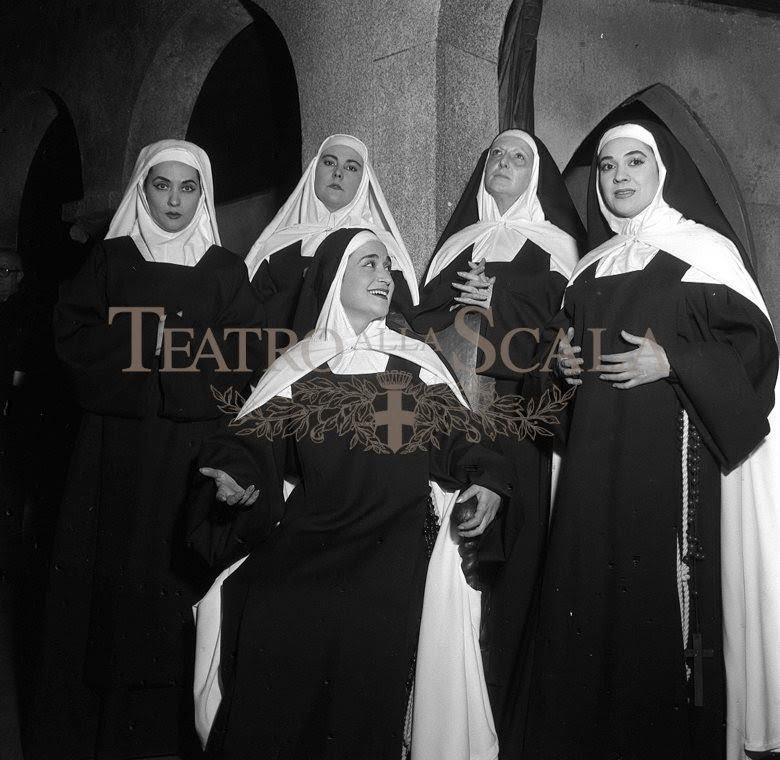
The world premiere of Dialogues des Carmélites took place on 26 January 1957 at La Scala in Milan, in an Italian translation. The cast reads like a ‘who’s who’ in the opera world, because, ask yourself: were there any bigger names in those days?
Blanche was sung by Virginia Zeani, a singer with a full, large and dramatic voice, that was suitable for both Violetta and Tosca. Marie was played by Gigliola Frazzoni, one of the best Minnies (La fanciulla del West) in history. And Madame Lidoine was given to Leyla Gencer.
With Fiorenza Cossotto, Gianna Pederzini, Eugenia Ratti and Scipio Colombo in the smaller roles, the opera sounded less lyrical than we are used to nowadays, almost veristic even. But that made the dramatic effect even more poignant.
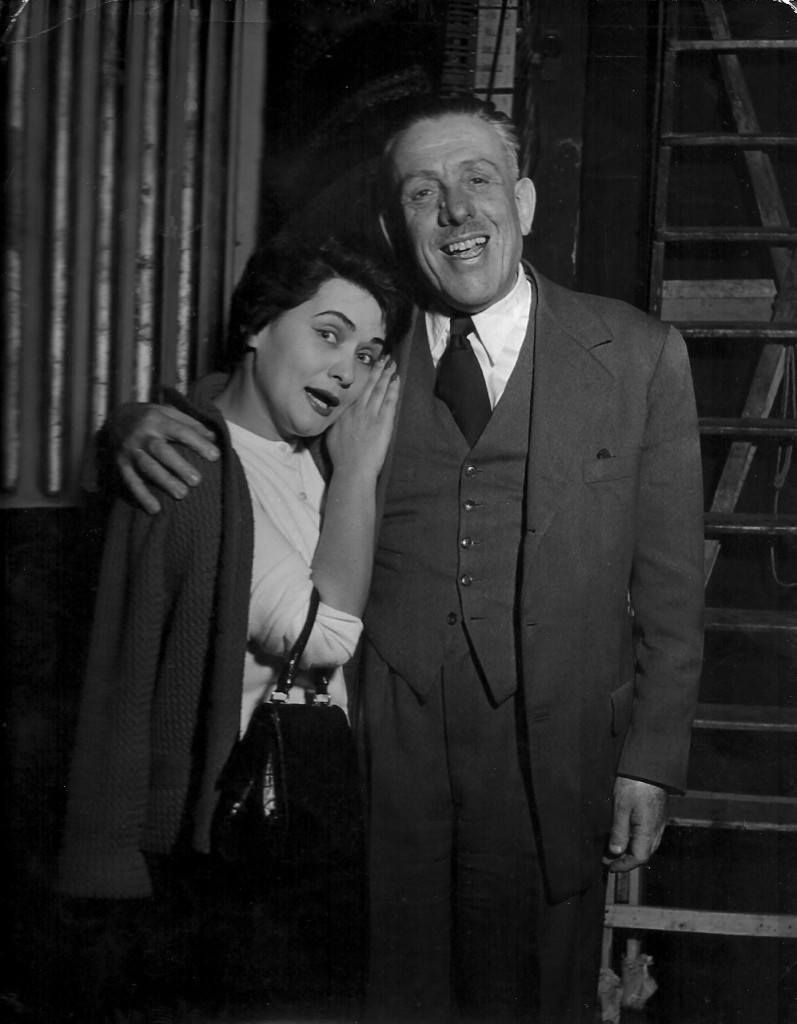
Virginia Zeani and Francis Poulenc, Milano 1957
In The Operatic PastCast, Virginia Zeani talks about Poulenc, the influence the opera has had on her life, her colleagues and the production in Milan.
The entire performance from Milan, fantastically conducted by Nino Sanzogno, is on YouTube. Do not miss it!
Paris, 1957
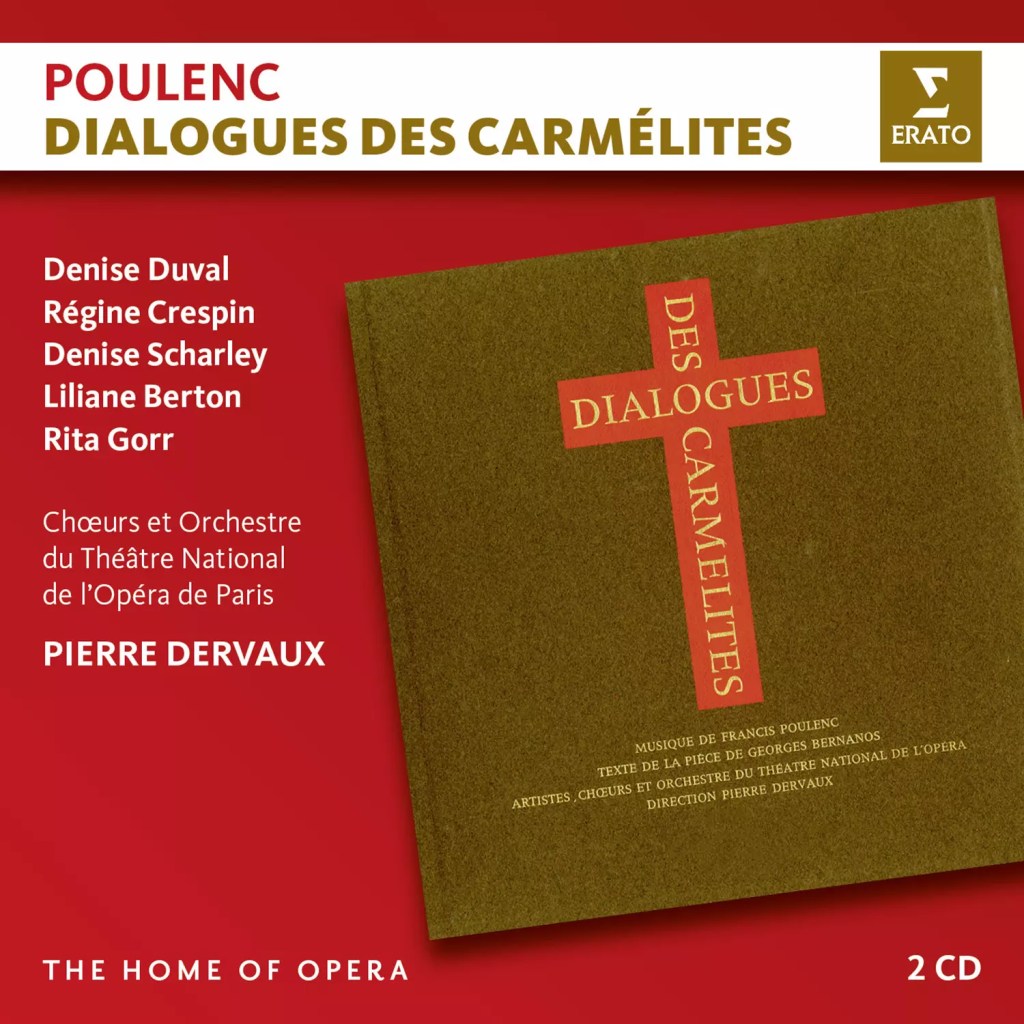
The Paris premiere of Dialogues des Carmélites followed six months later. On 21 June 1957, the opera, now in French, was presented at the Théâtre National de l’Opéra. Blanche was sung by Poulenc’s beloved soprano Denise Duval. Duval’s voice (girlishly naive, light, almost ethereal) fitted Blanche like a glove.
The rest of the cast, including Régine Crespin as Madame Lidoine and Rita Gorr as probably the best Mère Marie ever, was also chosen by Poulenc himself
Régine Crespin (Madame Lidoine) in “Mes chères filles”:
he orchestra was conducted by Pierre Dervaux and I can be very brief about him: there is no better. Full stop. (Warner 08256483211)
Milan, 2004
Robert Carsen’s production of Dialogues des Carmélites is one of the absolute highlights in the history of De Nationale Opera in Amsterdam.
Trailer from Amsterdam:
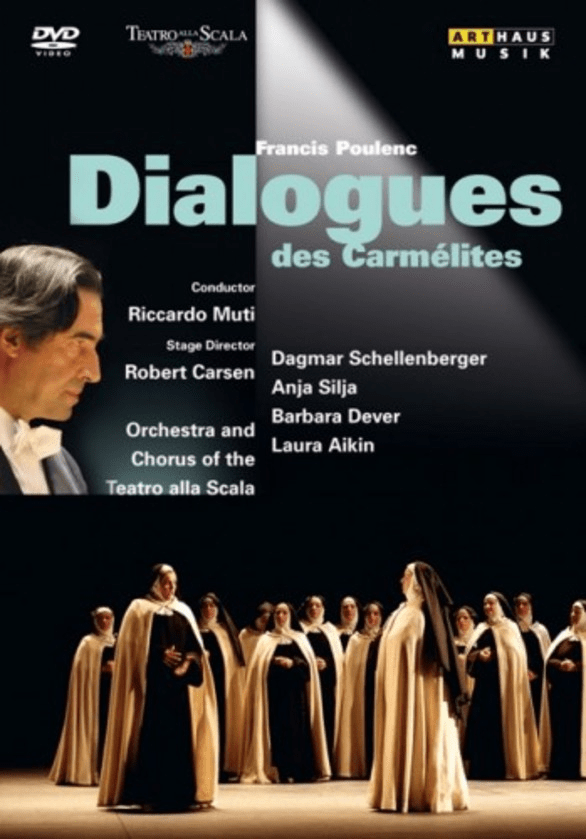
In February 2004, the production was filmed at La Scala but I am not entirely happy with it. My disappointment mainly relates to Dagmar Schellenberger’s performance as the lead role.
Admittedly, it is not easy to emulate the unforgettable Susan Chilcott (she died in 2003 of breast cancer, only 40 years old), and Schellenberger indeed cannot not do it. In the beginning her strong tremolo and her not always pure notes are irritating.. But as the opera progresses, she gains a great deal of credibility, and through her brilliant acting and complete abandonment, she makes the development of her character very tangible. And almost as a matter of course, her singing also becomes more beautiful and softer.
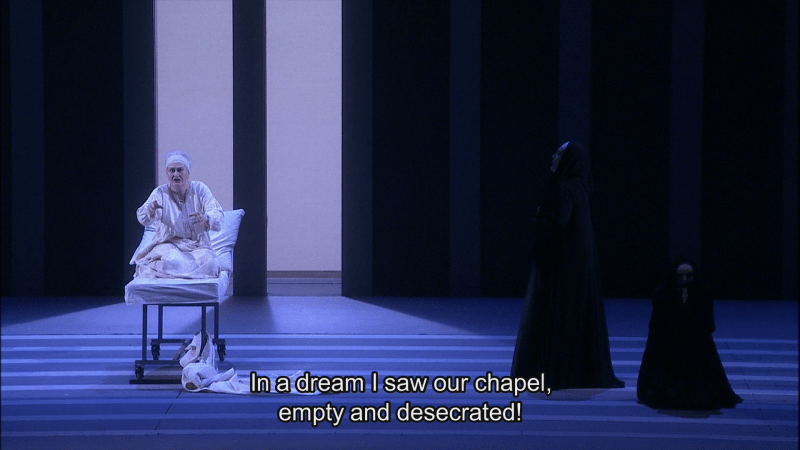
The role of Madame de Croissy is played by one of the best singing actresses of our time, Anja Silja. Her performance is truly breathtaking, and even though her voice is not that steady anymore – it suits the character of an old and mortally ill prioress very well. Her death struggle makes for unprecedentedly thrilling theatre, and it is a great credit to Carsen (and the rest of the cast) that the scenes that follow do not make us lose interest.
Muti conducts with verve and knows exactly how to strike the right tone. He really succeeds in translating the spectre of the revolution and its excesses into sound. He is at his very best, however, in the lyrical, contemplative scenes, and in his hands the chilling ending reaches a truly blood-curdling climax. Make sure you have a big bag of Kleenex within reach, because you really won’t keep it dry (Arthaus 107315).
Below is the trailer:
Hamburg, 2008
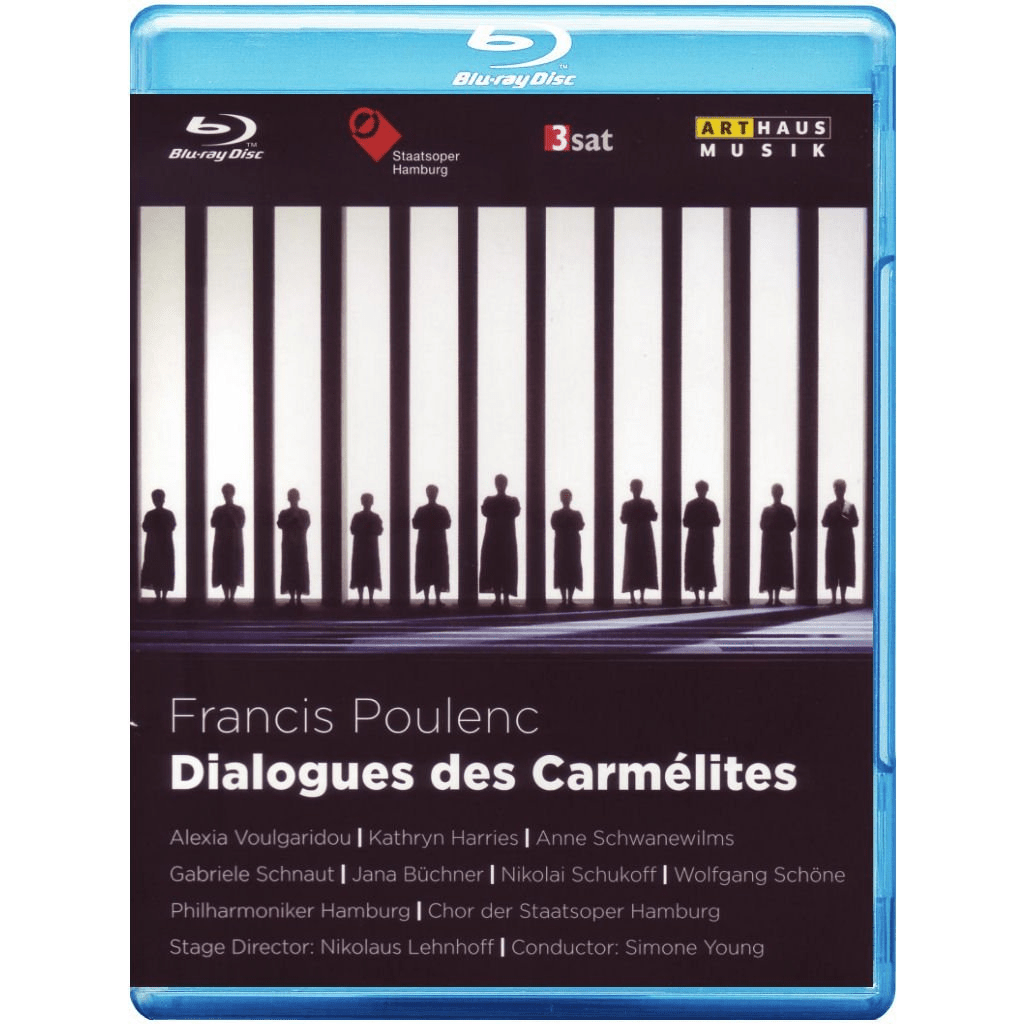
The opera came to Hamburg in 2008, it was directed by Nikolaus Lehnhoff.
His Blanche, Alexia Voulgaridou, is very much like Liu: sweet, scared but steadfast and very impressive.
Kathryn Harries as Madame de Croissy is even more impressive than Anja Silja. She acts not only with her whole body but also with her perfectly used voice. Her fear is physically palpable and her death scene cannot leave anyone unmoved.
Unfortunately, Gabrielle Schnaut’s Mère Marie is not of the same calibre. With the remnants of the once so imposing voice, she only causes irritation: not one note is pure and her terrible wobble feels like torture to your ears. How different then is warm and sweet Madame Lidoine, here sung incredibly lovely by Anne Schwanewilms!
The staging is very simple and there are hardly any sets, which is not at all disturbing. And the final scene is almost better than Carsen. (Arthouse Musik 101494)
Trailer:
Paris, 2013
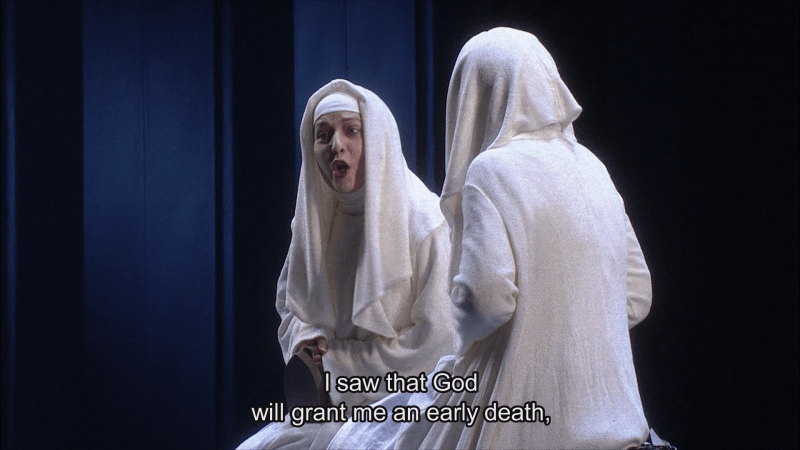
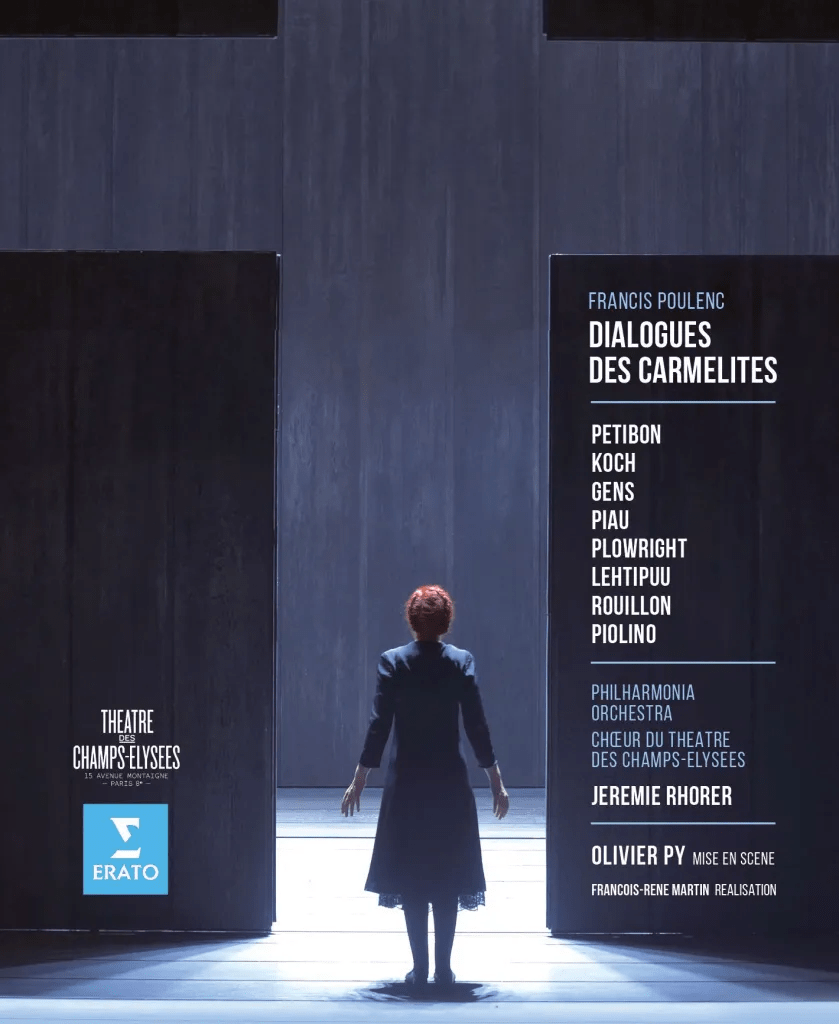
You just never know with Olivier Py, though I have to say that, apart from the awful Romeo et Juliette in Amsterdam, most of his productions are usually excellent. So too his Dialogues des Carmélites, recorded in Paris in 2013.
Patricia Petibon is a singer with a tendency to exaggerate, but here she is perfectly matched as Blanche. Watching her, I involuntarily get visions of Edith Piaf. Which of course suits the role very well: a small, skinny, frightened bird.
Her timbre is close to that of Denise Duval, but she lacks her carrying power and – mainly – her lyricism. Still, there is no denying that the role of Blanche is more or less tailor-made for her.
Sophie Koch is a strange choice for Marie. She looks far too young and lacks the confident superiority and power of persuasion so characteristic of the role. And the contrast with Lidoine (a wonderful Veronique Gens) is not great enough. Rosalind Plowright is an excellent Croissy and Sandrine Piau a delightful Constance.
Py uses the orchestral interludes to showcase religious scenes, including the evocation of the Last Supper and the Crucifixion. Sometimes a little “too much”, but the last scene, with the dark starry sky, brings a lump to my throat (Erato 0825646219537).
Here is the trailer:
Film adaptation:
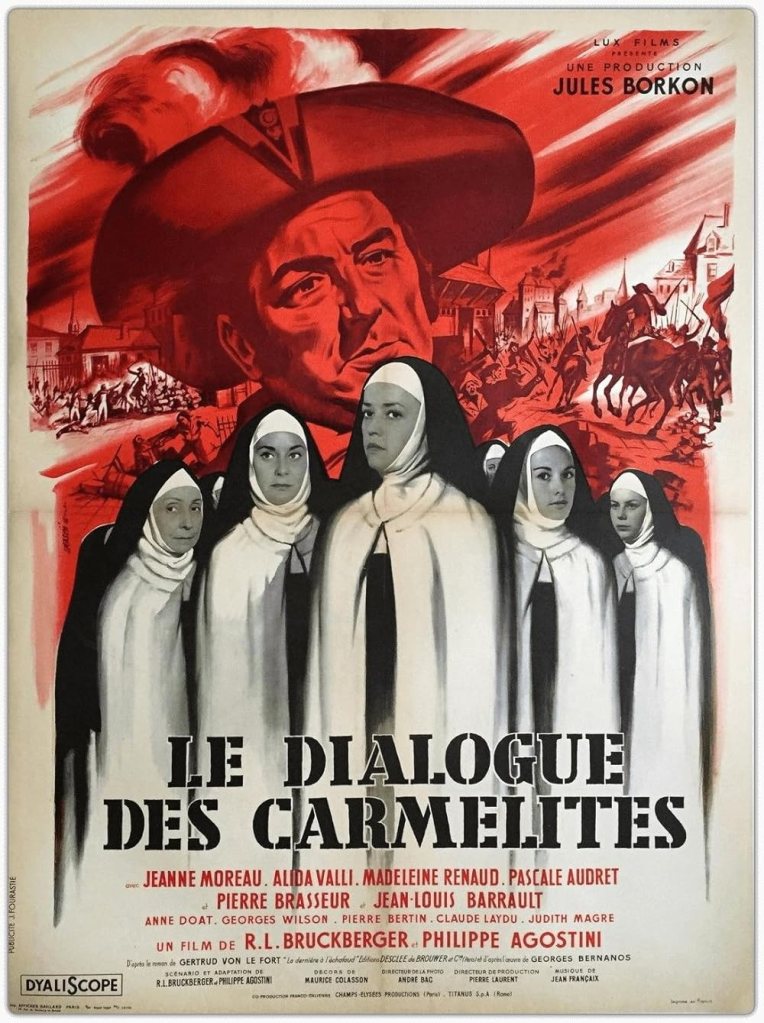
Did you know that the story of Dialogues des Carmélites was filmed in 1960? In the film you can see, among others, Jeanne Moreau as Mère Marie and Pascale Audret as Blanche.
circa 1850: A music score for the ‘Satanella Quadrille’, by Henri Laurent. (Photo by Hulton Archive/Getty Images)
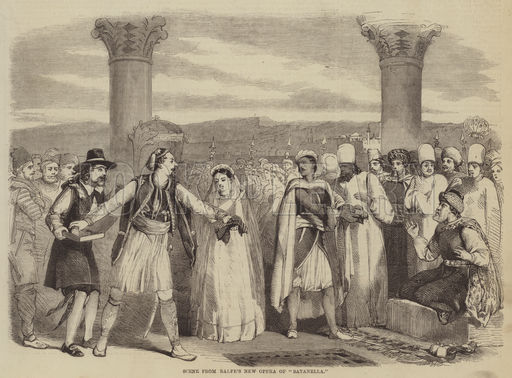
After its world premiere in London in 1858, Michael William Balfe’s opera Satanella was in the repertoire for over 60 years. After that, the piece disappeared. However, thanks to the efforts of Richard Bonynge, Satanella is now back in the spotlight. The eminent maestro leads the first-ever recording of the work
Born in Dublin in 1808, Michael William Balfe played the violin in theatre orchestras when he was just a teenager. He also made a very successful career as an opera singer. For instance, he sang Figaro in Barbiere di Sevilla at the Théâtre des Italiens and performed with none other than Maria Malibran. And all the while, he was composing. His works include 29 operas and some 250 songs.
Satanella“/ Illustration zur Uraufführung/wiki
What a career, you might say. Yet… he is not really well known. Of all his works, only one has held repertoire: The Bohemian Girl. What’s to blame? At least not his music: it sounds like a ˜Donizetti light” peppered with a touch of Meyerbeer and salted with a drop of Rossini; but in English.
Satanella is a horror tale that reminds me vaguely of Mayerbeer’s Robert le Diable, only it is less scary. It has all the elements of the horror genre: power, money, jealousy, a card game, a loss and – how could it be otherwise – an innocent love that defeats even the dark forces from hell. Satanella even goes a step further: the title heroine, overcome by pure love, turns from a devil into an angel. This is how it can be done.
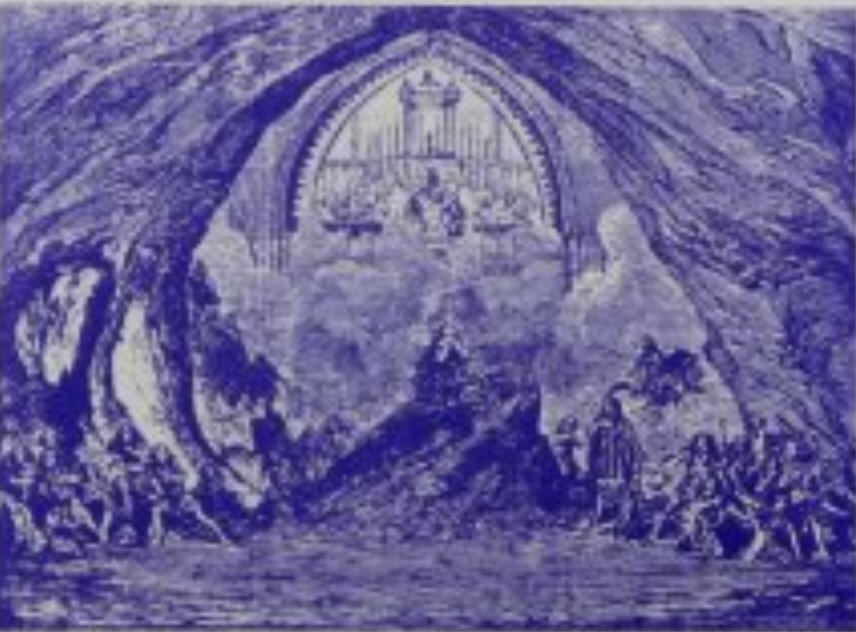
„Satanella“/ Bühnenbild zum 3. Akt/ Balfe Society
In the meantime, the innocent girl Lelia, partly due to the jealous Stella, is kidnapped by pirates, sold on the slave market and then freed again. In the process, all the women, Satanella included, fall in love with poor Count Rupert, who loses his fortune in a card game, and all the men fall for Lelia. Something that complicates the story quite a bit. But to reassure you right away: everything ends well.
The score is wonderfully simple and enjoyable, with lots of ballad-like arias, but also with many dark tones and timpani drumming accompanying the appearance of the devil Arimanes.
The cast is truly outstanding. Kang Wang is a wonderfully lyrical Rupert. His Rossinian timbre rivals the best in the business.
Catherina Carby convinces as the innocent Lelia and Sally Silver (Satanella) is a real discovery. Listen to her very emotionally sung ‘There’s a power’ (power of love) at the end of the first act: I bet you’ll fall hopelessly for her.
Richard Bonynge conducts as we have come to expect from him: with great passion. Highly recommended.
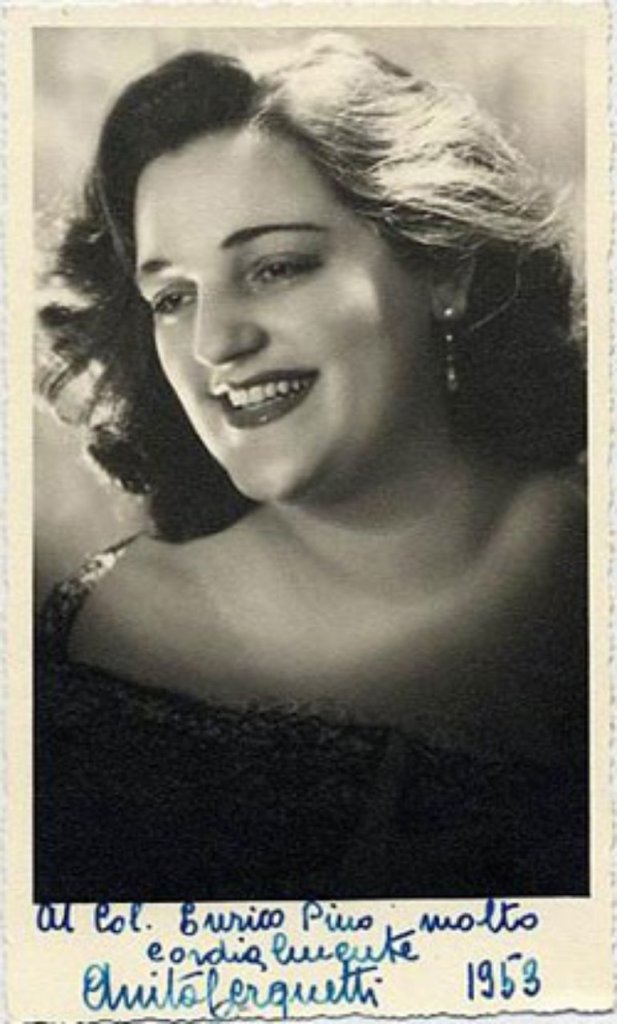
She was a dramatic soprano with a powerful voice. Born 13 April 1931 in Montecosaro, near Macerata. Studied violin first, singing came later. Made her opera debut as Aida in Spoleto as early as 1951 (!).
Cerquetti as Aida in Napels 1954:
She became – typically enough – the most famous by stepping in for a sick Callas in 1958. While she was still in a production of Norma in Naples, she sang some performances of the same opera by Bellini at the opera house of Rome, instead of La Divina. Her career, like that of Callas, didn’t last long. Why?
“This “tour de force” won her great acclaim but had serious effects on her health. Shortly afterward she started withdrawing little by little from the stage until her complete retirement in 1961 at just thirty years of age” ( Wiki)
She made only two studio recordings: a recital of Italian opera arias and a complete La Gioconda with Mario del Monaco, Ettore Bastianini, Giulietta Simionato and Cesare Siepi
On the label Bongiovanni you can hear her in the famous ‘Casta diva’ from Norma. For me this is one of the most beautiful performances of this aria ever. Goosebumps.
Cerquetti sings Norma. Recording from 1956:
Anita Cerquetti sings ‘O re dei cieli’ from Agnese di Hohenstauffen by Spontini:
Don Carlo from Florence 1956. Cerquetti as Elisabetta, with Angelo lo Forese (Carlo), Ettore Bastianini (Rodrigo), Fedora Barbieri (Eboli) and Cesare Siepi (Filippo)
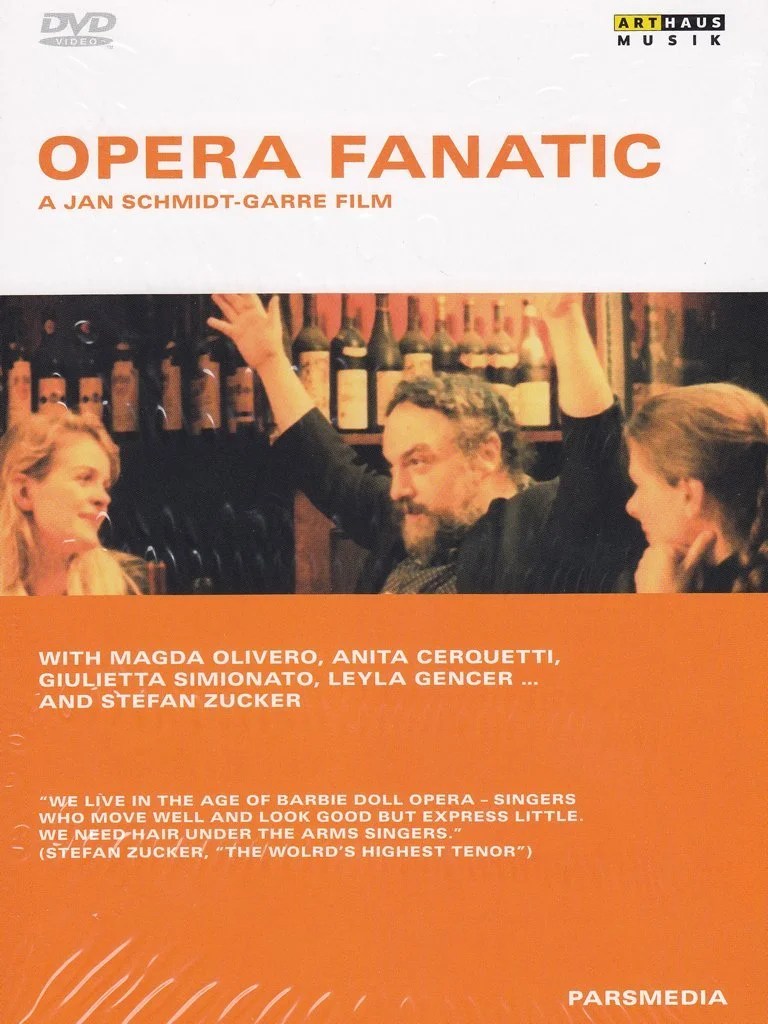
In 2008, Arthaus Musik released an extraordinary, outstanding documentary: Opera Fanatic. The eccentric Stefan Zucker travelled through Italy to visit divas of yesteryear. Quite rightly, the film won awards.
He is also a very irritating little man in search of gossip and thrills, but thanks to him we get to visit the great divas of bygone times: Anita Cerquetti, Fedora Barbieri, Giulietta Simionato, Magda Olivero, Leyla Gencer, Marcella Pobbe …
Not all ladies are keen on talking to him or answering his impertinent questions (fair’s fair: I can really enjoy those anyway), but with a few grappa’s in them, they suddenly go wild. He seduces them into the most remarkable statements and we are treated to footage and sound clips of their performances.
It happened to me in 2011, when the BBC brightened up a dull Christmas afternoon with an opera transmission from London’s Covent Garden. Carmen. I got hooked. Antonio Pappano is an impassioned conductor and whips up the Royal Opera House orchestra to unprecedented heights, but this time my knocked-out feeling was caused by the unusually exciting direction and the phenomenal lead performers.
Francesca Zambello does not shy away from a lot of sentiment and provides a blatantly realistic spectacle, without updates and concepts. The action actually takes place in Seville and the eye is treated to a beautiful choreography and stunning costumes.
Anna Caterina Antonacci is a very spunky and sexy Carmen, very defiant but also confident and proud. Her gorgeous black eyes spit fire, and her beautiful appearance and great acting talent do not hide the fact that she can also sing: her powerful voice has a range of emotions. All in all: a real tragédienne. A real Carmen.
Ildebrando D’Arcangelo is a fantastic, virile Escamillo. His entrance on the big black horse is truly spectacular.
Jonas Kaufmann is easily one of the best José’s I have ever experienced in my life. His spinto tenor sounds phenomenal in all registers, nowhere exaggerated and lyrical and whispery where necessary. He cannot be outdone as an actor either, and his more-than-attractive looks we’ll take as a bonus. You surely know by now: you must have this Carmen!
Trailer:
Adrian Noble
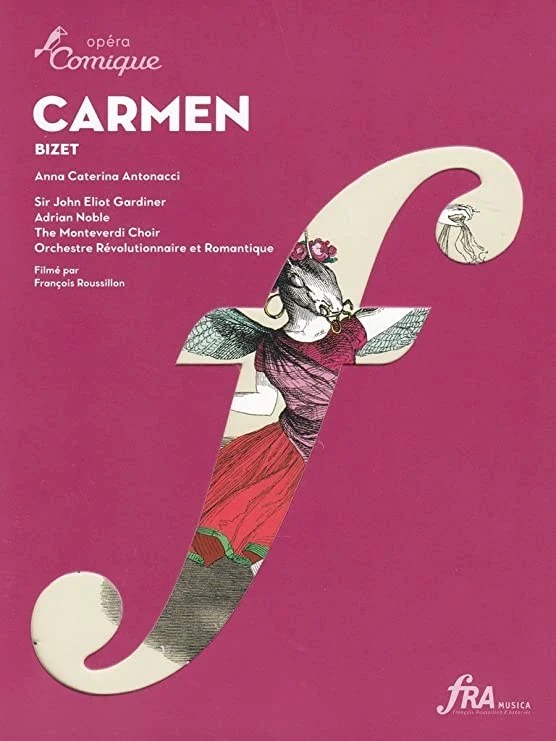
Carmen by Bizet, conducted by Sir John Eliot Gardiner Gardiner… who would have thought it possible? And yet it makes more sense than you think. Because with the 2009 performance, Gardiner brought the opera back to the site of its world premiere and the orchestra played the work with the instruments of that time.
Adrian Noble’s (brilliant!) direction is mainly focused on the characters, the staging is highly illustrative and the libretto is closely followed. It is realistic, beautiful and exciting. The unified décor is adapted to each scene, making you feel like you are actually present in all these different locations.
The voices are on the small side, but I don’t think that was a problem at the time at the Opéra Comique in Paris, let alone on DVD.
Andrew Richards is not the best José ever, but his interpretation of the role is phenomenal. He begins as a nice and very cuddly stranger and ends up as a kind of Jesus, with delusion in his eyes.
Unfortunately, Nicolas Cavallier (Escamillo) does not have enough sex appeal for a macho toreador, but he compensates a lot with his beautiful singing.
Anna Caterina Antonacci is one of the best Carmens these days. Beautiful, sexy, challenging and nowhere vulgar. Her deep, warm voice has all the colours of the rainbow. Gardiner clearly feels inspired. His tempi are dizzying at times.
HANS HEILING
It was some 20 years ago that I, somewhat hesitantly, started to watch Hans Heiling. Never before did I hear the opera, let alone see it. From Heinrich Marschner I only knew Les Vampyrs. And, besides, I was a bit afraid of the production. After all the hassle with the ballet in most of the opera’s Pier Luigi Pizzi directed, I feared the worst. Well, that was a surprise! I immediately recognized Pizzi: his predilection for colour (mainly red in all its shades), excesses and physicality was evident here too, but it really worked here.
Hans Heiling (Jan Svatos in Czech) was a legendary king of spirits; his name is often found in Czech and German legends. He falls in love with an earthly girl and swears off his magic power to marry her.
However, she is in love with an ordinary boy and rejects him. Disillusioned (“only a human can try his luck on earth”) Heiling returns to his underground kingdom. A male equivalent of Rusalka, but without the tragic end.
There is insanely good singing and acting, there is not a single weak role. I already knew how formidable Anna Caterina Antonacci can be, but the (also to the eye) very attractive Markus Werba was a true discovery. Very exciting and dazzling. Recommended.
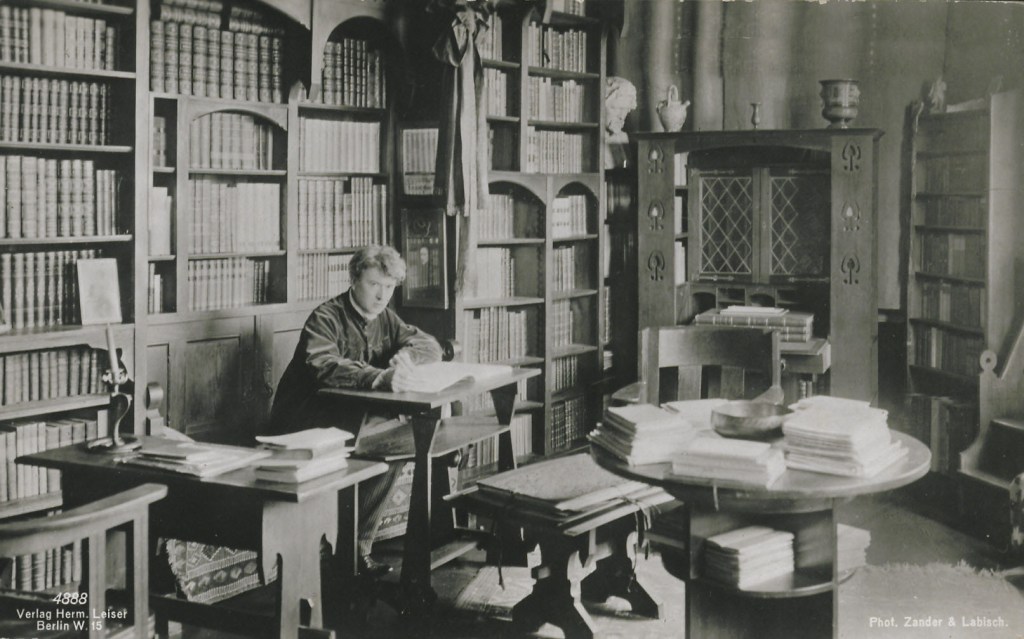
Feruccio Dante Michelangelo Benvenuto Busoni is, I think, one of the greatest cosmopolitan composers in the history of music. His father was an Italian and his mother a German. Busoni studied in Austria, married a Russian-Swedish lady and went on to live in Berlin. Well, most of the time, as he also lived in Vienna, Zurich and Bologna. And, oh yes, he also had Jewish roots. Not to mention all of those first names!
It seems he had a book collection that could have rivaled most libraries: no wonder he knew his classics! Busoni was also a great connoisseur and admirer of Carlo Gozzi, and after composing the incidental music for Gozzi’s play Turandot, Busoni decided to turn the whole into an opera.
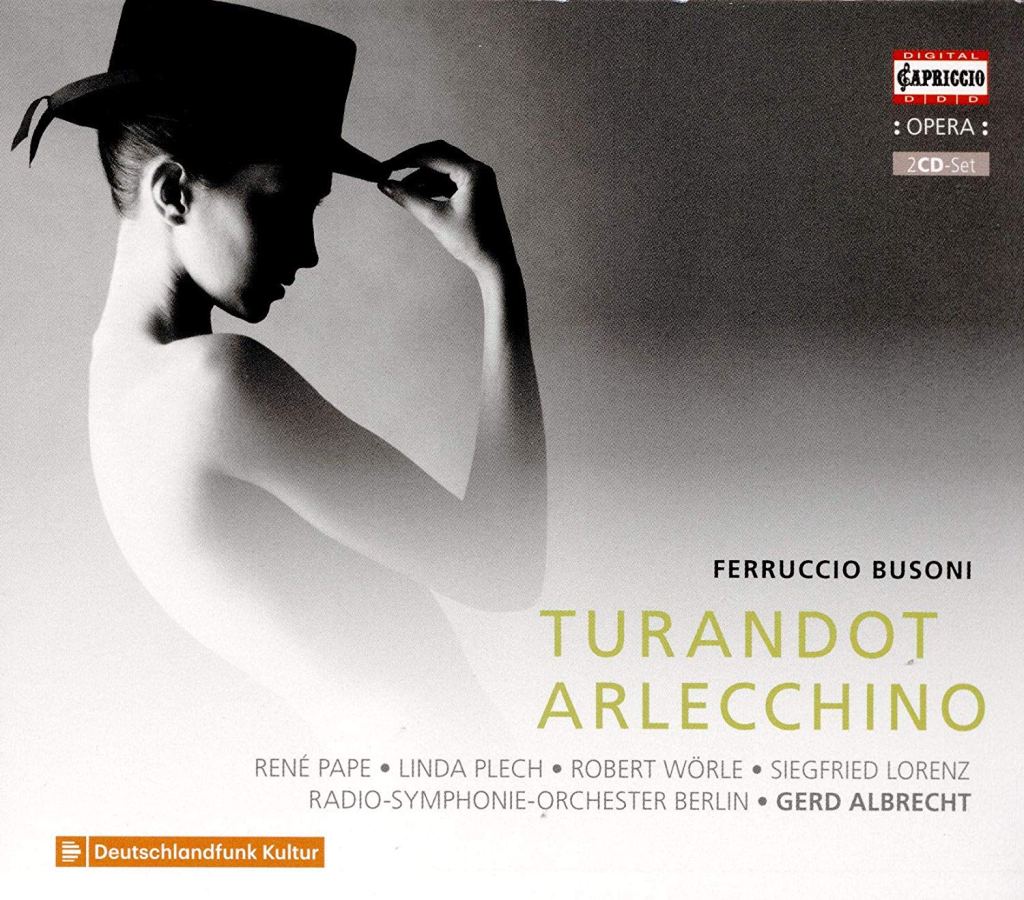
At the same time (1916), he also composed Arlecchino, an opera based on a character from the Commedia dell’ Arte. The (German-language) libretto with many spoken dialogues was written by the composer himself. Both operas, which Busoni called ‘La Nuova Commedia dell’ Arte’, had their world premiere on 11 May 1917 at Zurich’s Stadttheater, conducted by the composer himself.
In 1992, the operas were recorded in Berlin and they were now being marketed (for the first time?). Joseph Protschka is a warmly timbred Kalaf and Linda Plech excels as Turandot. Gerd Albrecht conducts very involved, paying close attention to the score.
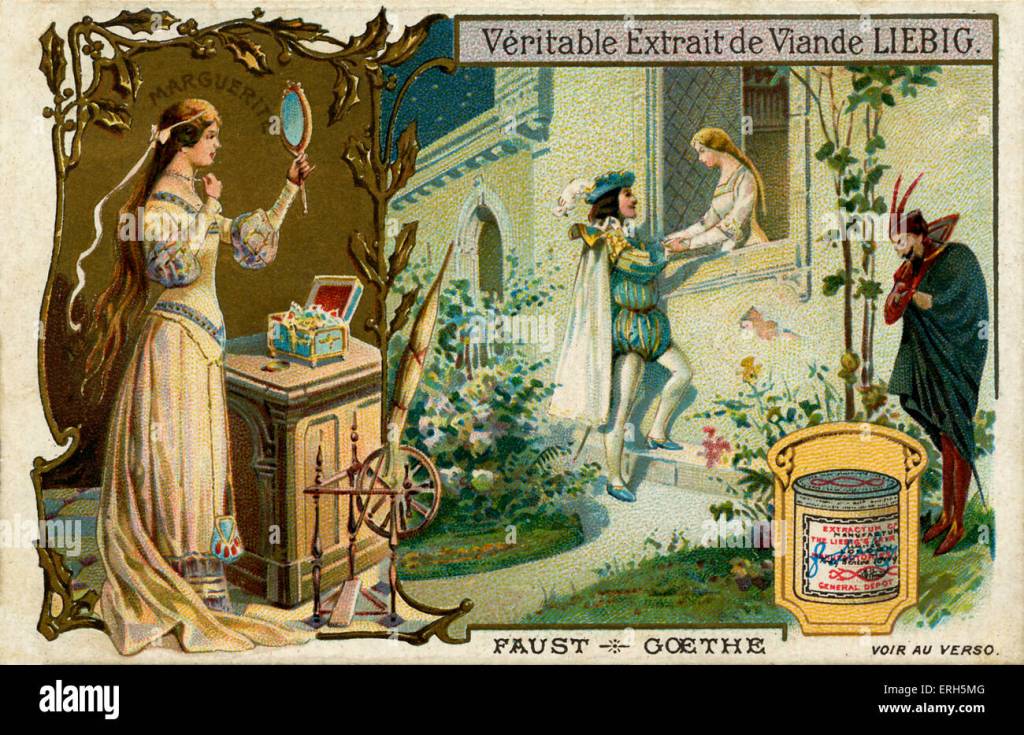
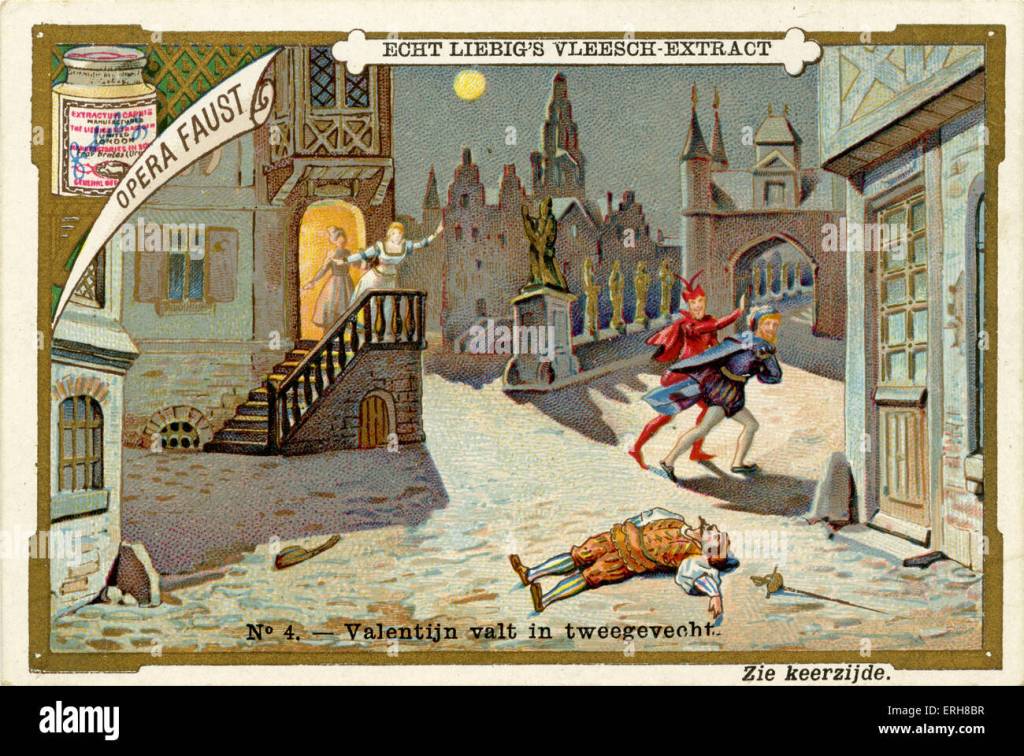
Who does not dream of being eternally young and beautiful? The wonderful story of Faust, about a scientist who sells his soul to the devil, has inspired numerous writers, poets and composers. Charles Gounod’s 1859 version is simply delightful.
If you want to see the work on screen, the choice is very limited. I myself was once absolutely blown away by Frank Van Laecke’s production at Opera Zuid, but it was not recorded. Pity.
Roberto Alagna
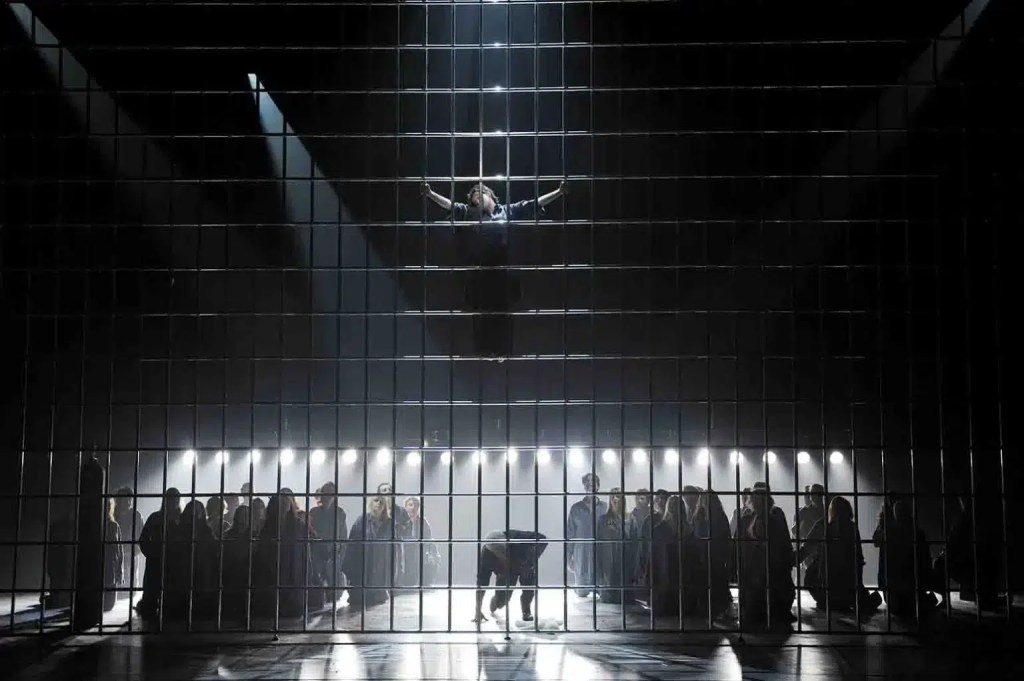
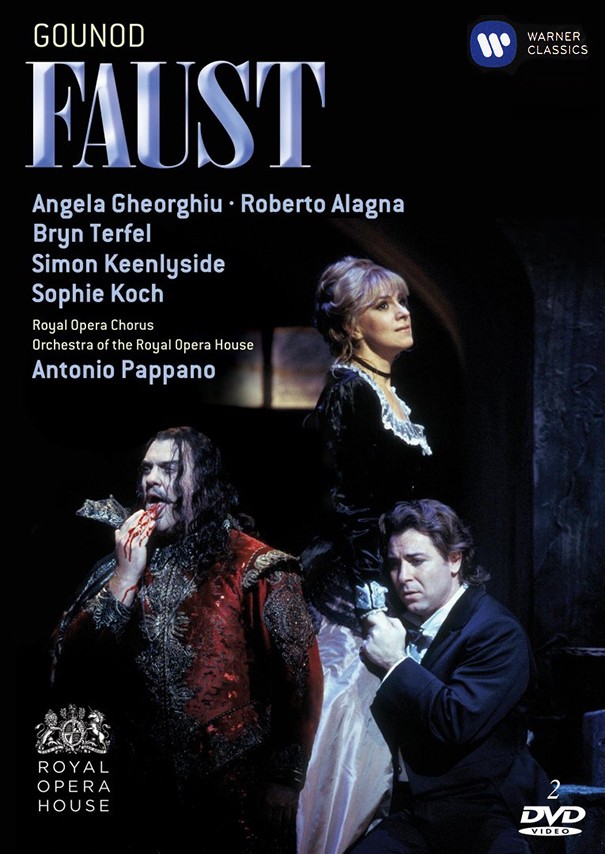
David McVicar, one of my beloved directors, staged the opera at London’s Royal Opera House. I saw it there, first with Roberto Alagna and then with Piotr Beczala. And to be honest: I was somewhat underwhelmed. There was very good singing, sure, but the direction disappointed me a bit.
The first performances, starring Roberto Alagna, Angela Gheorghiu, Bryn Terfel, Sophie Koch and Simon Keenlyside, were filmed for Warner (5099963161199) in 2004.
Below is Angela Gheorghiu as Marguerite, with a commentary by herself:
Francisco Araiza
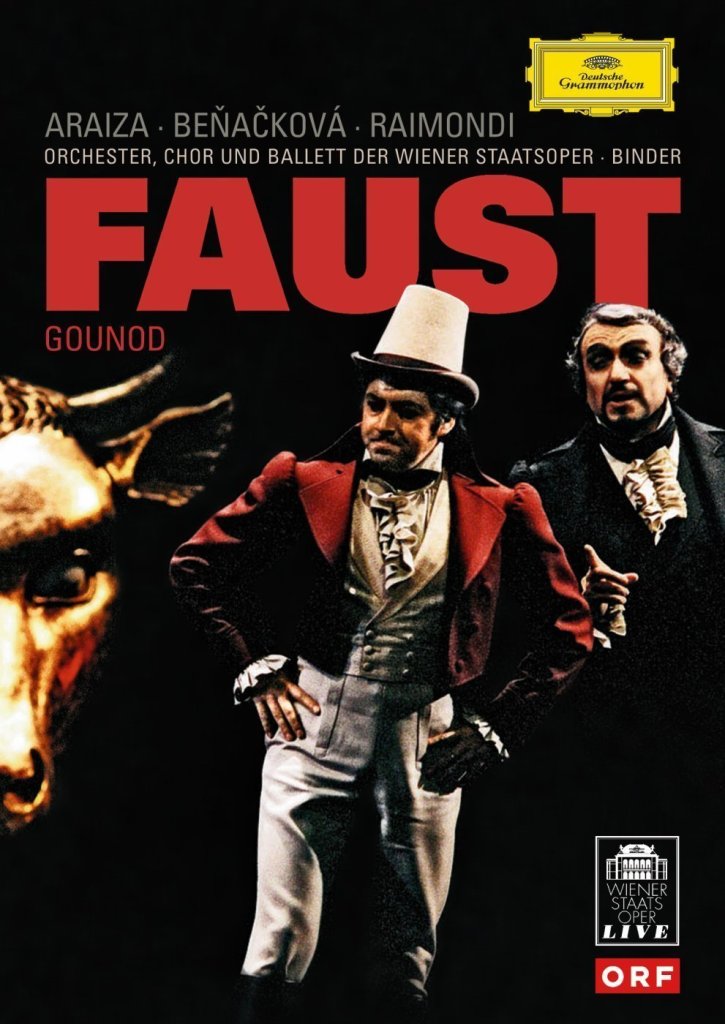
And then we have the ˜enfant terrible” of the 1980s, Ken Russell …. To be honest, I confess that I didn’t really get very far when watching this DVD (DG 0734108). I find the direction extremely irritating with all sorts of ˜inventions” and ˜symbols”, the point of which completely escapes me. Francesco Araiza was once among my favourites, and in 1983 he still sang a splendid Ferrando in ‘Cosi fan Tutte’ but in this 1985 Viennese production his voice is a fraction of what it had been. What a shame!
Alfredo Kraus
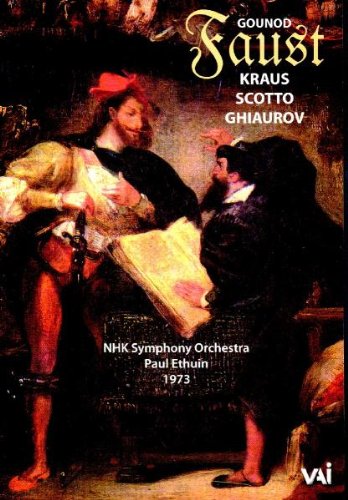
In 1973, Faust was performed in Tokyo and recorded live (VAI 4417). Renata Scotto, Alfredo Kraus, Nicolai Ghiaurov… what a cast! Mouthwatering, right? Yes and no.
Kraus is definitely ˜elegant”, but does Faust have to be elegant? Isn’t he rather a vulgar villain who just wants to cheat the pretty girl? Who wants money? And who wants to enjoy himself? Or have I misunderstood? There is also no passion in his singing and his high notes are somewhat ˜pressed”.
But Scotto is a very moving Marguerite and Ghiaurov a more than impressive Méphistophéles.
CD’s
Nicolai Gedda
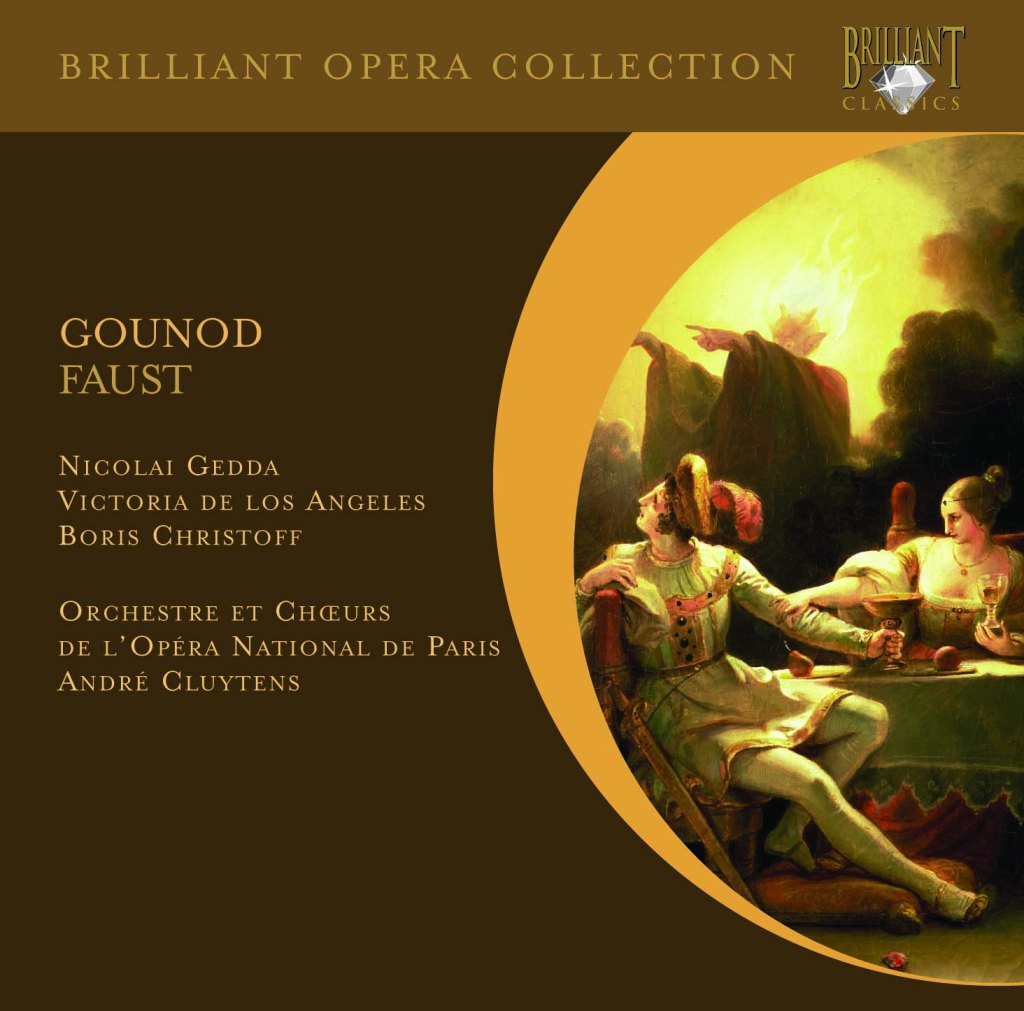
On CD, the choice is immense. How about Victoria de los Angeles and Nicolai Gedda? With Boris Christoff as the devil himself? Conducted by André Cluytens (Brilliant Classics 93964)? This makes my heart melt.
Gedda could probably be compared to Kraus, just a little, but his voice is big and his eloquence inexhaustible. And his sense of language is formidable. So please give me Gedda any day!
Gedda sings ˜Salut! Demeure chaste et pure”:
Plácido Domingo
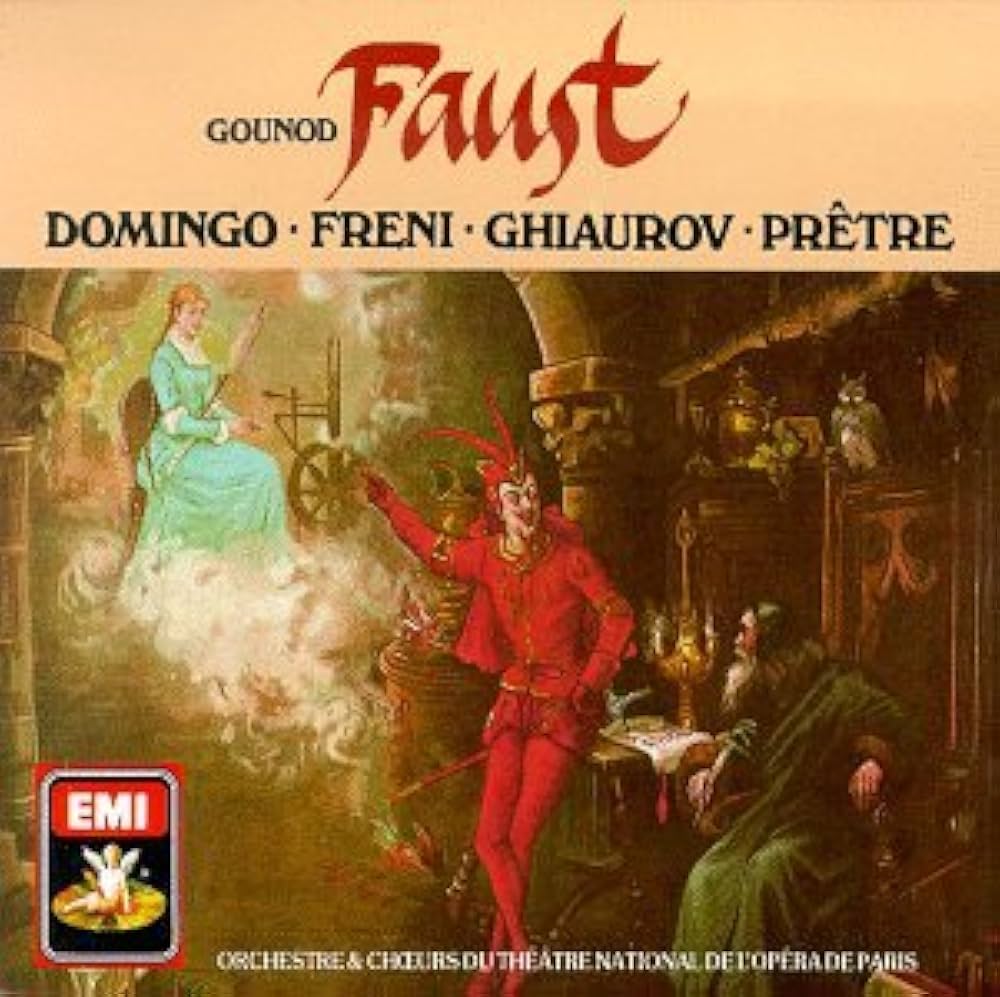
Domingo is not really the first you think of when discussing Faust, but fortunately for the aficionado, a good studio recording of him exists. Fortunately, because in this case you can safely say it is one of the best recordings of the work (once EMI ).
The Paris Opera orchestra is conducted by Georges Pretre, one of the best conductors for the French repertoire. The cast is finger-licking good: Mirella Freni is a fragile and sensual Marguerite and Nicolai Ghiaurov a very impressive Méphistophéles. .
In the small role of Valentin, we hear none other than Thomas Allen. I have never heard ‘Avant de quitter ces lieux’ sung more beautifully before (or since).
The case of Inessa Galante is a glaring example of what might be called a ˜victim of commerce”. Her first recital Debut, released in 1995, became (incidentally: quite rightly) a huge success, which was mainly due to the Ave Maria by ˜Giulio Caccini”
Pure deception, it later turned out, as the song, that became a huge hit (did you know it is in the Top 100 music for funerals?) turned out to have been composed around 1970 by one Vladimir Fyodorovich Vavilov, a Russian composer, lute player and guitarist.
Debut stayed at number one on all the charts after which Galante had to record several CDs with more of the same.
A crying shame! Anyone who witnessed her live could confirm that she was much more than just another studio product. Her Violetta’s and Lucia’s are unforgettable and I am extremely sorry that none of it has been recorded for DVD/BR. But, lucky us, there is YouTube!
La Traviata:
Galante in Pique Dame:
She made her debut at the famed Wigmore Hall in January 2000. The BBC recorded it and the (still existing?) label Campion put it on CD, for which I am very grateful to both.
At her London performance, Galante sang songs by Russian composers, all coated with melancholy and longing. Her voice lends itself perfectly to them, and with her ability to dose emotion and put the accents in the right places, she turned them into real mini chamber operas. Just listen to her sigh at the end of Glinka’s ‘Zhavaronok’ (Lark), all in complete accordance with the text. And, like me, you may barely be able to suppress your tears at Tolstoi’s poem, so brilliantly set to music by Tchaikovsky (Sred’ shumnava bala).
Inessa Galante possesses a splendour of a soprano, with a healthy dose of morbidezza. Roger Vignoles is an exemplary ˜partner in crime”. (Campion RRCD 1348)
Her album with Jewish Folksongs by Goldins and Rachmaninovs Romantic Songs is, for me, absolutely irresistible
BONUS:
Inessa Galante and Kevin Grout live in the Netherlands 2004
Mahhler: Last part of 2nd symphony: Inessa Galante, Nathalie Stutzmann; Orchestre National de France/Myung-Wun Schung
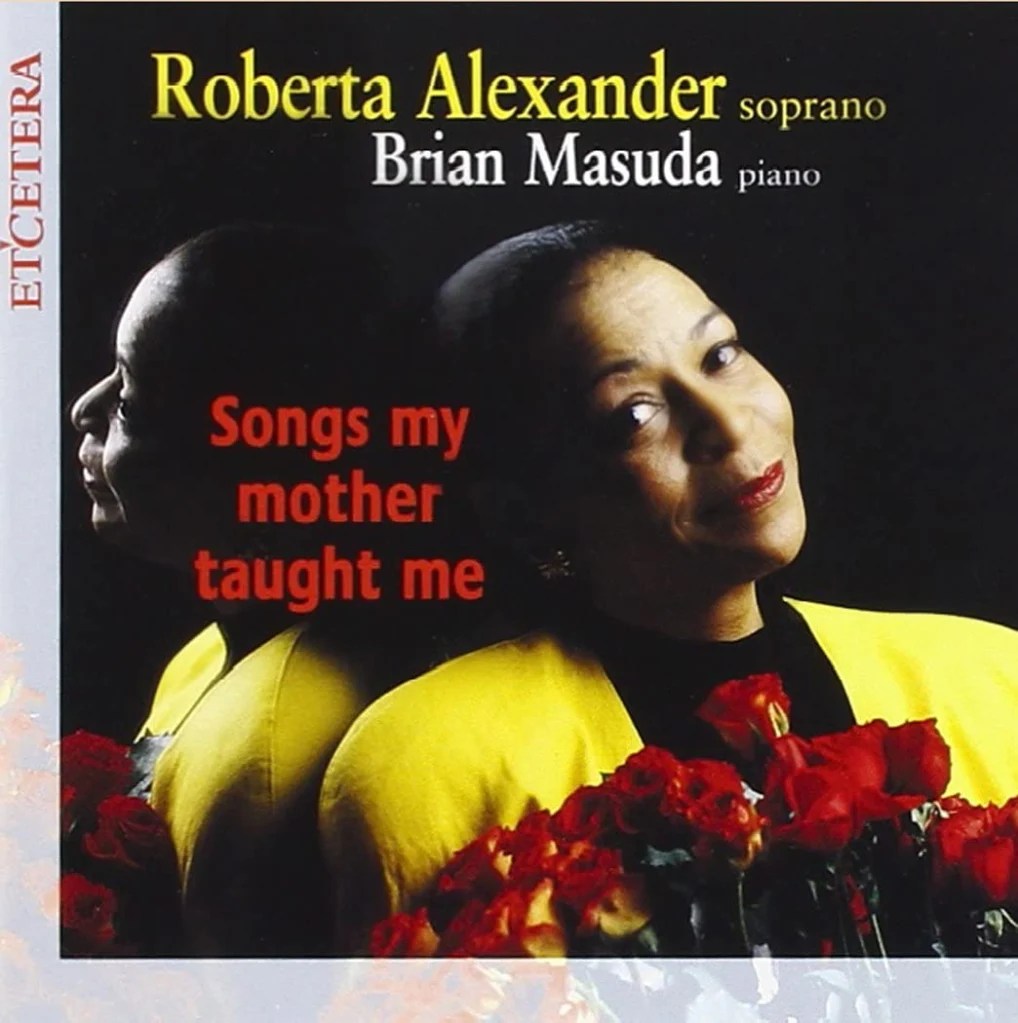
In 1998, Roberta Alexander had already been exclusively associated with the Dutch label Et’cetera for 15 years and this had to be celebrated lavishly. This, of course, also included a nice present. A present for Roberta, but also (or mainly) for us, the music lovers and her big fans.
The idea behind the CD came from Alexander herself. She collected songs that her mother, also Roberta Alexander and herself a celebrated singer, used to sing at her recitals. The daughter faced an almost impossible task: which songs to include and which not? No, not easy.
Most of the songs belong to the ˜lighter genre”: encores, spirituals and arrangements of folk songs, and most of the composers, except a few, were virtually unknown at the time. The biggest surprise for me was Richard Hageman. Born in Leeuwarden (Netherlands) he achieved great success in America as a composer (his opera Caponsacchi was performed at the Metropolitan Opera in New York in 1937), conductor and accompanist. His composition ˜Do not go, my love” on a poem by Rabindranath Tagore, is among the very best songs on this CD, and all of them are beautiful!
Actually, you should listen to this CD on your own (or with your lover), with a lit candle, a glass of red wine in your hand and your eyes closed. Roberta Alexander creates a very intimate atmosphere, she sings with restrained emotion. Moving.
Brian Masuda, her partner on the piano, joins in, leaving the listener simply spellbound. This CD can go with you to a desert island.
Because it was an anniversary, Et’cetera added another present: a CD with the highlights of the singer’s collaboration with her label: Roberta Alexander … a retrospective.
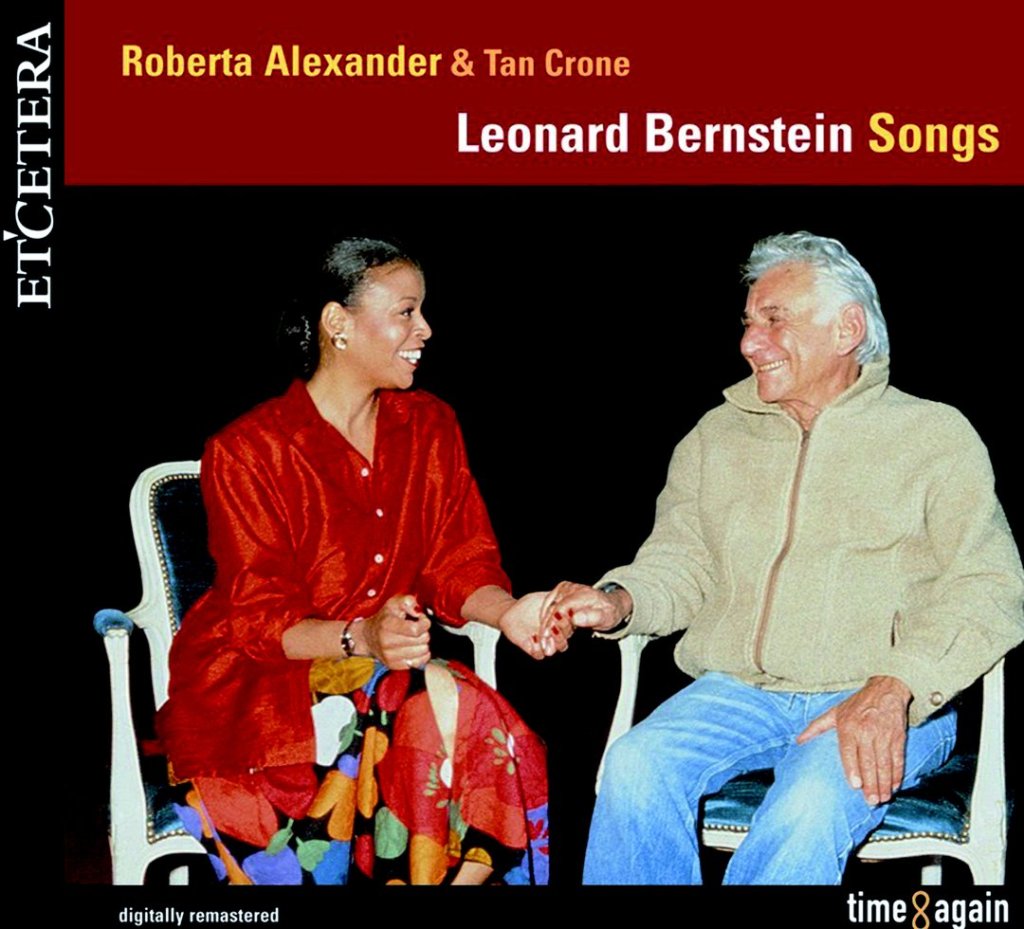
In the 15 years Roberta Alexander worked with Klaas Posthuma, who died in 2001, she recorded no fewer than 12 recitals for the company Et’Cetera, which he founded, including the one with songs by Leonard Bernstein.
It was recorded back in 1986, but almost 20 years later, in 2004, it experienced its second youth, as it was then re-released by Et’cetera as a tribute to its founder. Whatever the reason: most importantly, the CD was finally available in the shops again, because it is truly a wonderful recital.
I don’t know what the reason is (too American?), but Bernstein’s songs are still too little performed and too little recorded. A pity! They are witty and beautiful, and, if performed well and with a sense of rhythm and humour, – but isn’t that true of everything? – they give the listener tremendous pleasure.
Roberta Alexander possesses a lyrical soprano with a well- grounded core and a high dose of drama, which once made her exceptionally suited to roles such as Vitellia in La Clemenze di Tito, Elvira in Don Giovanni and Jenůfa. She had previously shown her affinity with
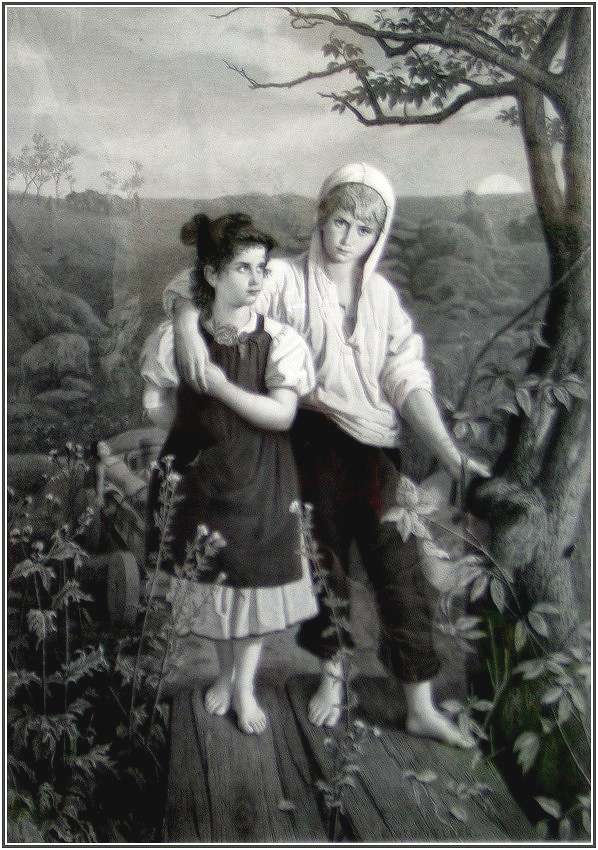
Ernst Stückelberg, Szene aus Gottfried Kellers «Romeo und Julia auf dem Dorfe», Original: Öl auf Leinwand. Reproduktion: Kupferstich von Franz Dinger, 1865 und 1867
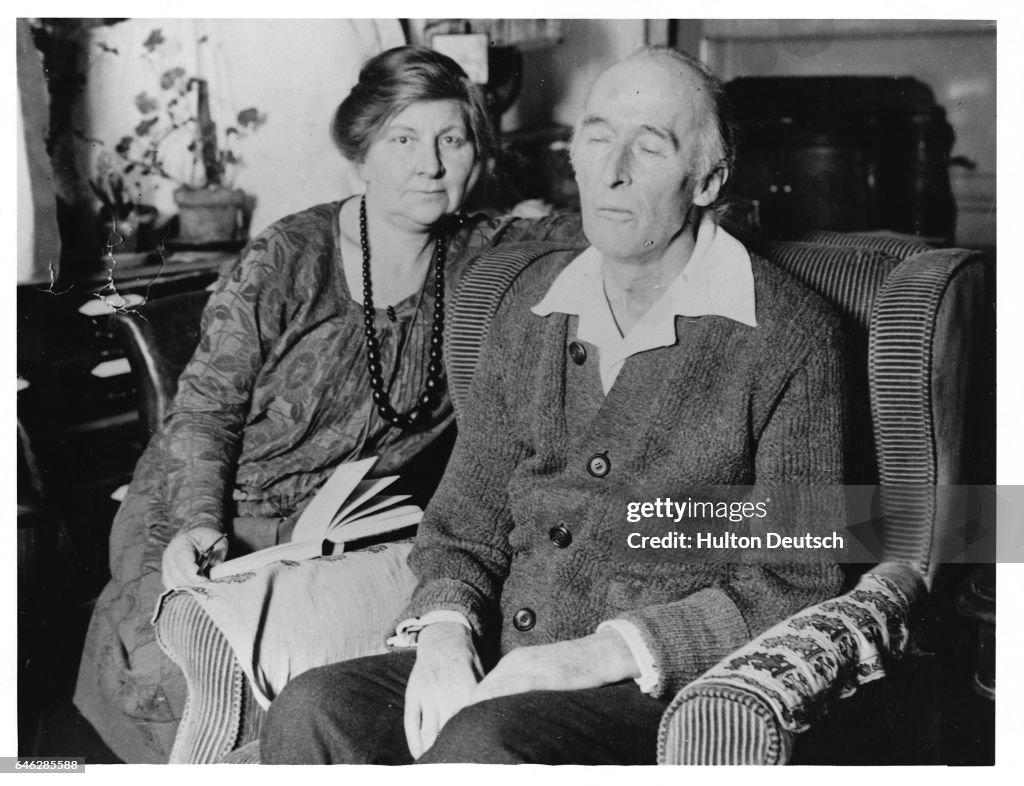
Today, Frederick Delius is considered one of the most important English composers, but was he? English, I mean? He was born in England, sure, but his parents were German immigrants. At twenty-two, he took the boat to Florida, where he took lessons in music theory, and a year and a half later he moved to Virginia. There he became acquainted with the music of black Americans. In 1886, he enrolled at the conservatory in Leipzig, where he became friends with Grieg and Sinding. Both composers were of great influence, not only on his works, but also on his life: Delius fell in love with Norway and visited that country often. After completing his studies, he moved to Paris, the city where he lived most of his life. See here the true cosmopolitan! He himself, following Nietsche who was his idol, considered himself to be a ˜good European”.
A Village Romeo and Juliet had its premiere in 1907 at the Berlin Komische Oper, with the title Romeo und Juliet auf dem Dorfe, in German. The opera is unjustly not performed very often, and the Netherlands even had to wait until 15 December 2018 to become acquainted with Delius and his moving music, which is neither English, German nor French. Personally, I find the Scandinavian influences strongest, but the opera is like the composer himself: cosmopolitan and impossible to pigeonhole.
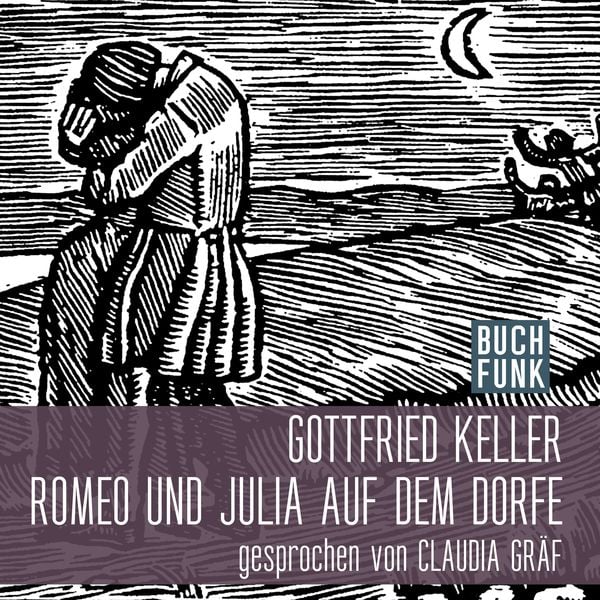
The libretto (by Delius himself and his wife Jelka) is based on Gottfried Keller’s novella, but its origins lie in a news report from the Zürcher Freitagszeitung about the suspicious deaths of young lovers whose parents would not allow them to marry.
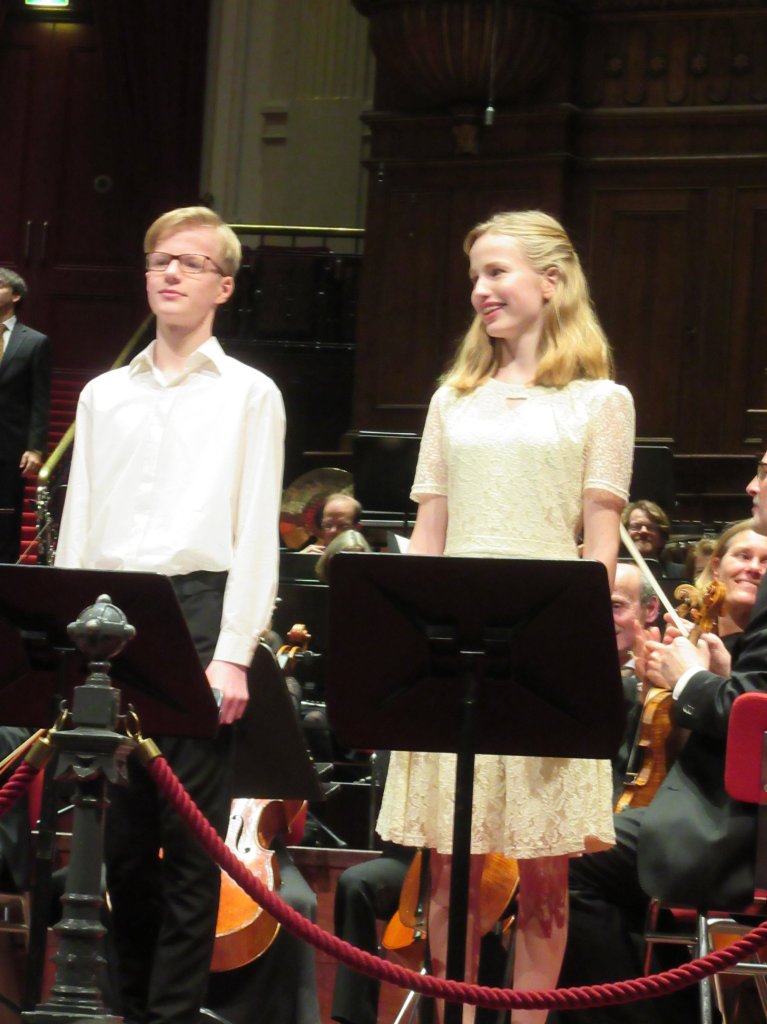
The performance presented to us by the Saturday Matinee 15 December 2018 was of a very high standard. First of all, I was very struck by the interpretation of the roles of young Sali and Vreli by 13-year-old boy soprano Rik de Jong and a barely two years older Lotte Cornel. Both singers not only brought their beautiful voices, but showed tremendous musicality and artistry. They were the only ones singing without a sheet (kudos!!!), also acting out their roles. BRAVI.
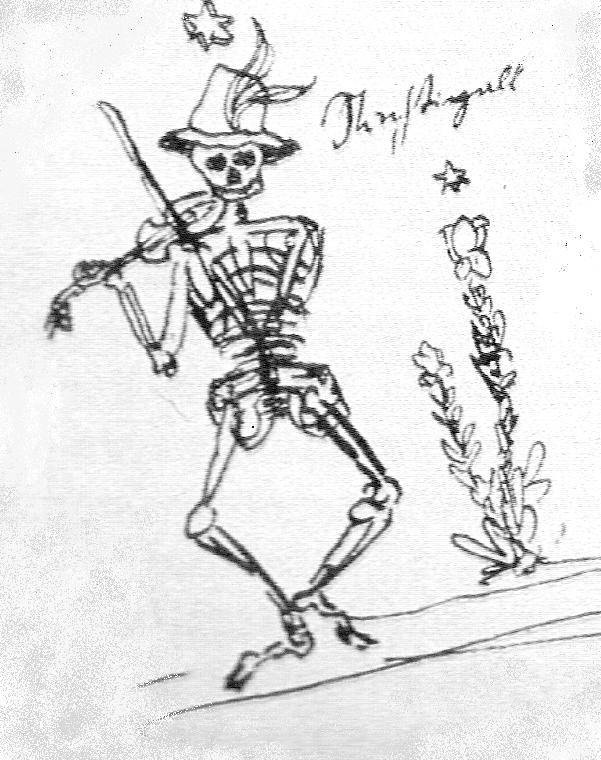
Der Tod as Geiger mit Stern, Mohn und dem Schriftzug Nachtigall. Federzeichnung auf KellerBerliner Schreibunterlage
The black fiddler, a hard-to-define figure who – to me – is somewhere between a kind of Mephisto, a hippie and a man bent on revenge (all three elements are represented) was fantastically performed by the baritone David Stout. He had the right charisma for the role and knew how to show absolutely everything. His dark baritone sounded very seductive but also ominous.
The fathers of the young lovers were excellently portrayed by baritone Tim Kuypers (Manz) and bass Callum Thorpe (Marti). Their quarrel was convincingly life-like.
One slight difficulty I had with the lead actors. Vreli was sung by soprano Marina Costa-Jackson. She looked beautiful (what a dress!) and she sang excellently, but I would have liked a little more passion. Something that was also missing from tenor Matthew Newlin (Sali). Beautiful voice, sure, but he lacked charisma.
On the other hand, _all_ the small roles were really superbly performed by young Dutch singers: Aylin Sezer, Jeannette van Schaik, Nina van Essen, Raoul Steffani, Leon van Liere, Martijn Sanders, Martin Mkhize and Lucas van Lierop. How lucky we are to have so much talent! But if I had to name one person it would be Raoul Steffani! What a voice! What a performance! Go, go, Raoul, you really are on the right way!
The Groot Omroepkoor (rehearsal: Benjamin Goodson) was, as always, irresistibly good. But what I loved most of all was the Radio Philharmonic Orchestra who, under the direction of Sir Mark Elder, provided us with a truly unforgettable afternoon. The orchestral interludes in which you can hear nature, as it were: the fields, the woods, the wind … I heard everything in their playing. Impressionistic, a little Debussy-like, but oh so very much Delius! Just think of the “Walk to the Paradise Garden” placed between the fifth and sixth scenes, perhaps the most famous thing Delius composed, and which had taken on a life of its own.
But it was mainly the ending, the almost ‘Tristan und Isolde’-like Liebestod moved me to tears. Thanks Saturday Matinee
it is a film by Czech director Petr Weigl with playback actors; only Thomas Hampson (the black fiddler) plays his part himself. The film is beautiful and the soundtrack, recorded by Decca olv Charles Mac









 Basia con fuoco