cd/dvd recensies
Roberto Alagna doet Caruso na

Wat is de zin van deze album? Alagna fans zullen er ongetwijfeld van smullen maar verder? Het is een ratjetoe van van alles, zonder enige logica bij elkaar geraapt. De ‘reden’: al die stukken werden ooit door de legendarische Caruso gezongen.
Maar zelfs dat klopt niet echt want het openingsnummer, ‘Caruso’ werd in 1986 gecomponeerd door Lucio Dalla en, gezongen door Luciano Pavarotti een wereldhit geworden.
Toen had ik een beetje zwak voor, maar nu vind ik het niks. Het ligt aan Alagna en zijn voordracht: dat lekkere schmieren, dat lukt hem niet. Bovendien zingt hij alles op dezelfde manier, met voornamelijk veel forte en fortissimo, waardoor het geheel gewoon saai is. En dat is best jammer want op de cd zijn aria’s opgenomen die je zelden of nooit hoort.
In ‘Sento una forta indomita’ uit Il Guarany van Carlos Gomez wordt Alagna bijgestaan door zijn vrouw, de sopraan Aleksandra Kurzak en in ‘Il qualuttà trascorere’ (I Lombardi van Verdi) doet ook de bas Rafal Siwek mee. De begeleiding van het Orchestre National D’ile-de-France onder leiding van Yvan Cassar is zonder meer goed, al had ik meer nuancen willen horen.
Er zit ook nog een echte rariteit bij: ‘Vecchia zimarra’ uit La Bohème van Puccini. In de opera wordt de aria gezongen door Colline, een bas, maar het schijnt dat Caruso het ooit heeft gezongen toen hij inviel voor een zieke collega.
En de titel? Ooo… maar dat is simpel verklaard: Caruso werd in 1873 geboren. Logisch, toch?
Caruso 1873
Dalla, Rossini, Händel, Pergolesi, Verdi, Puccini, Rubinstein, Gomes, Tchaikovsky, Massenet. Leoncavallo, Cilea, Rhodes, Bizet e.a.
Roberto Alagna (tenor), Aleksandra Kurzak (sopraan), Rafal Siwek (bas)
Orchestre National D’ile-de-France olv Yvan Cassar
Sony 005048219075
Une amoureuse flamme: Karine Deshayes betovert in Franse opera aria’s
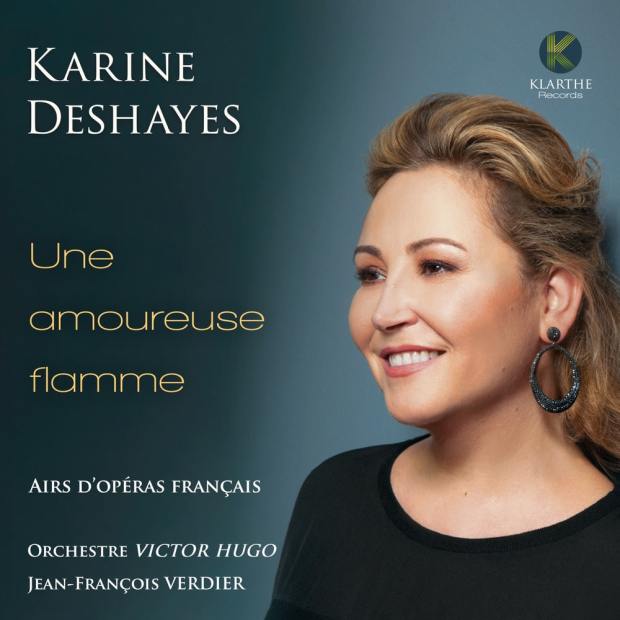
Degene die het repertoire voor deze cd samenstelde verdient een dikke pluim. Goed, er zit ook een aria uit Carmen van Bizet in, maar: let op! Het betreft de alternatieve versie van de overbekende Habanera. Voor de rest is alles wat je hier te horen krijgt niet alleen prachtig maar ook buitengewoon verrassend. Simpel gezegd: het is een verzameling van juweeltjes uit het Franse repertoire, met naast Werther en Cendrillon van Massenet ook veel minder of zelfs geheel onbekende stof. Wat dacht u van Henry VIII van Saint-Saëns? Of van Sapho of La Reine de Saba van Gounod?
De jonge Franse mezzo Karine Deshayes heeft haar visitekaartje al eerder afgegeven met aria’s van Rossini waar ik best blij mee was, maar waarvan ik dacht dat zij toch wat meer in haar mars had dan Rosina. Ik had mij niet vergist.
Het is meer dan een genoegen om haar interpretatie van Charlotte (Werther) te horen al denk ik dat zij hierin nog kan groeien. Uit Massenets Cendrillon zingt zij Assepoesters aria ’Enfin je suis ici…’; zeer verrassend, aangezien het gebruikelijk is dat de mezzo’s juist Prince Charmante vertolken.
De begeleiding door het Orchestre Victor Hugo olv Jean-François Verdier is zonder meer goed. Hier wordt een mens blij van.
Une amoureuse flamme
Jules Massenet, Camille Saint-Saëns, Hector Berlioz, Charles Gounod, Jacques Fromental Halévy
Airs d’opéras Français
Karine Deshayes, mezzo-soprano
Orchestre Victor Hugo olv Jean-François Verdier
Klarthe K064
The Divine Emma /Božská Ema …

Emílie Pavlína Věnceslava Kittlová (26 februari 1878 – 28 januari 1930) of, zoals de wereld haar kent: Emmy Destinn wordt beschouwd als één van de grootste sopranen uit de eerste twintig jaar van de twintigste eeuw. Ze vierde triomfen in Berlijn, Parijs, Londen en New York, trad op met Enrico Caruso die haar ooit een aanzoek had gedaan en samen met hem zong ze de wereldpremière van La Fanciulla del West, een opera, die Puccini met haar stem in zijn hoofd componeerde.
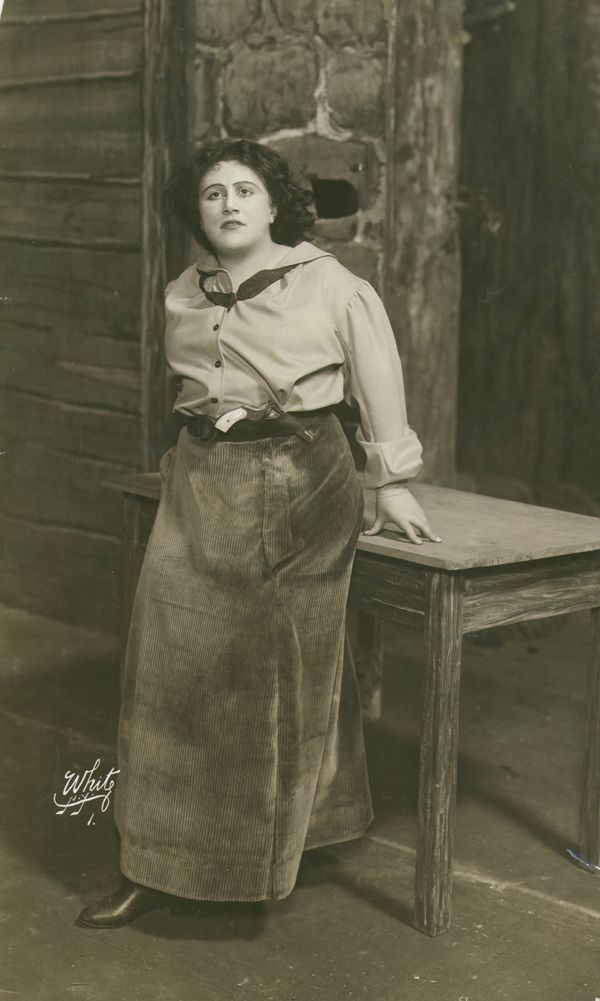
In haar vaderland, de Bohemen, was ze voornamelijk geliefd omwille van haar patriottisme, wat haar tijdens de eerste Wereldoorlog zelfs een driejarig huisarrest heeft opgeleverd. De Tsjechische documentaire over haar leven is tegelijkertijd interessant en irritant.

Interessant, want het vertelt over veel onbekende feiten uit haar leven, laat prachtige beelden, foto’s en filmfragmenten zien en bijzondere akoestische opnamen (onder andere een echte rariteit: het Tsjechische volkslied, in het Tsjechisch gezongen samen met haar toenmalige geliefde, de Algerijnse bariton, Dinh Gilly) horen:
Irritant, want opgebouwd als een zeer ouderwets, oer sentimenteel filmisch portret, vol met overvliegende meeuwen, opwaaiende korenvelden, een steeds terugkerende zandloper en gelardeerd met in scène gezette fictieve beelden. En dat alles op de klanken van de Nocturne van Chopin.
Maar het aller, allerergste is dat zij de stem van Destinn vervangen hadden door die van Gabriela Beňačková! Een geweldige zangers die zelf niet eens in beeld mag komen want de hoofdrol is – uiteraard – bedoeld voor een mooie, jonge deerne.
En hier de echte Emmy:
The Greatest Czech Soprano
Regie: Petr Skala
Supraphon, SU7006-9
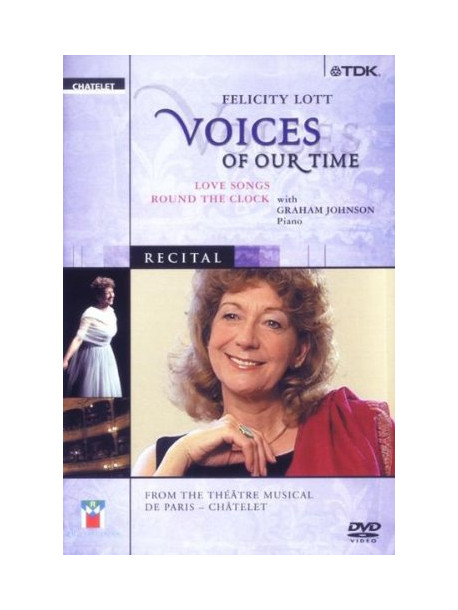
Love Songs Round the Clock oftewel een feestavond met Dame Felicity Lott
Die Engelse zangers toch! Niet alleen kunnen ze mooi zingen, ook hun acteerprestaties zijn bovengemiddeld goed. Intelligent zijn ze ook, en daarbij kunnen ze ook prachtig en geestig vertellen.
Een avond met een Engelse zanger belooft meestal een feest, en het is een feest om de hele avond naar Felicity Lott (Flott) te kijken en luisteren.
In de serie ‘Voices of our time’ heeft TDK (officieel uit de handel maar op internet nog te bestellen) haar Châtelet-recital in 2002 opgenomen. De titel Love Songs Round the Clock slaat aan op het aantal door haar vertolkte composities: 24 liederen van 24 componisten voor de 24 uren van de dag.
Het programma is een combinatie van alles wat Lott in al die jaren dat zij actief is heeft gezongen: kunstliederen uiteraard, maar net zo goed het ‘lichtere genre’. In haar eigen woorden: “gewoon dingen die mij doen glimlachen en het publiek lachen”.
Het recital wordt regelmatig onderbroken door onvoorstelbaar leuk en onderhoudend commentaar van de zangeres en haar begeleider en ‘partner in crime’, de onvolprezen Graham Jones wat het geheel een documentaire-achtig karakter geeft.
Lott is een geboren charmeur, haar glimlach is betoverend. En ze bespeelt het publiek in het theater en ons thuis) met alle geoorloofde middelen, let alleen maar op wat ze doet met haar sjaaltjes!
Night and day. Love songs round the clock
Mahler, Berlioz, Schumann, Debussy, Cole Porter e.a.
Felicity Lott (sopraan), Graham Johnson (piano)
TDK DV-VTFL
Igor Levit and his Beethoven-project: “I do not feel like a servant, but I do not feel like anybody’s master either.”
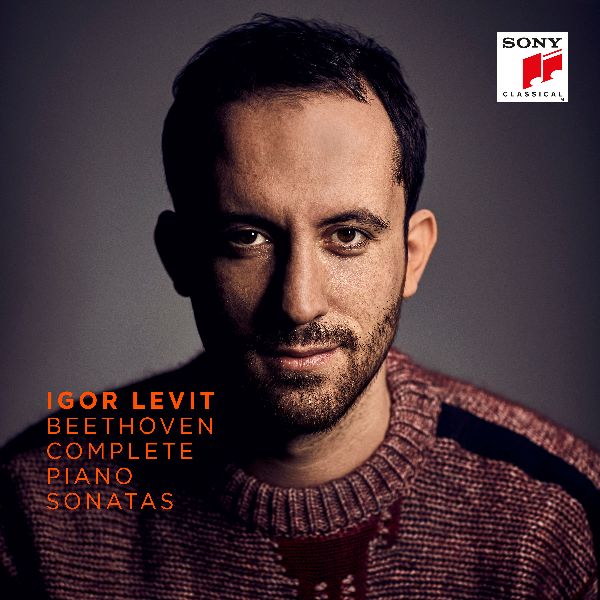
On 17 December 2019 Ludwig van Beethoven will celebrate his 250th birthday. An occasion this big calls for a big party, so that is what we will get. There will be an abundance of concerts, recitals and recordings to choose from. Of all the projects we are about to be inundated with, there is one that appeals to me personally the most: the recording of all of his piano sonatas by Igor Levit.
What do we know about Igor Levit? He was born in 1987 in Gorky (now Nizhny Novgorod) in Russia. He started piano lessons at the age of three and had already achieved enormous successes as a child. In 1995 the Levit family left for Germany, where he graduated from the Hochschule für Musik, Theater und Medien Hannover in 2009. I heard him for the first time on recordings from the Arthur Rubinstein International Piano Master Competition in Tel Aviv in 2005. At that time he was the youngest participant ever and he won the second prize, the chamber music prize, the audience prize and the prize for the best performance of a contemporary work. He looked timid and shy, but as an audience member you were not only enchanted by him but also drawn to him.
Levit plays Beethoven in Tel Aviv:
I decided to follow this young artist as much as possible. When Sony contracted him and they brought out an album with Beethoven’s late piano sonatas, I was extremely pleased! It was a huge gamble for Sony. Imagine: when you’re in your twenties choosing Beethoven’s last five piano sonatas for your debut album! You really need to have guts to do that. But it could also be conceived as arrogant. Didn’t most pianists have to wait until they reached a certain age to try their hand at the last sonatas?
The result was overwhelming. The album won several prizes in 2014, including an ECHO Klassik, when that prize was still taken seriously. And the prizes continued: in October 2015 his CD with works by Bach, Beethoven and Rzewsky was chosen as Recording of the Year at the 2016 Gramophone Classical Music Awards. In 2018 Levit received the prestigious Gilmore Award and was named the Royal Philharmonic Society’s ‘Instrumentalist of the Year’.
Levit’s interpretations of Beethoven are quite idiosyncratic, that’s true, but also greatly exciting! That is why Levit is so outspoken about the role of the interpreter. A quote from the pianist’s passionate interview with the Neue Zürcher Zeitung:
“So you are against the widespread ideal that the interpreter is first and foremost the servant of the score?
I do not feel like a servant, but I do not feel like anybody’s master either. For me, the question is not: what would we be without the composers, but instead: what would the composers be without us? The interpretation is my personal reaction to the information I receive through the notes. But this information is sometimes so full of uncertainties that I have to think about it carefully. A performance never works one-on-one. Beethoven’s case is extra complicated because he tried to escape from his time in order to create something different, something new.”
Igor Levit about ‘the project’:
“For me, this recording is the conclusion of the past fifteen years. It started with my ‘encounter’ with the Diabelli Variations when I was seventeen years old, something that changed my life and that actually continues until now, because I live with his music every day. With Beethoven’s sonatas, but also with Beethoven himself and with how all this has influenced the world in which I live and myself. Everything together led to this recording. What began in 2013 with the recording of Beethoven’s last five sonatas, I can now conclude. It fills me with great happiness and at the same time it feels like a new beginning. “
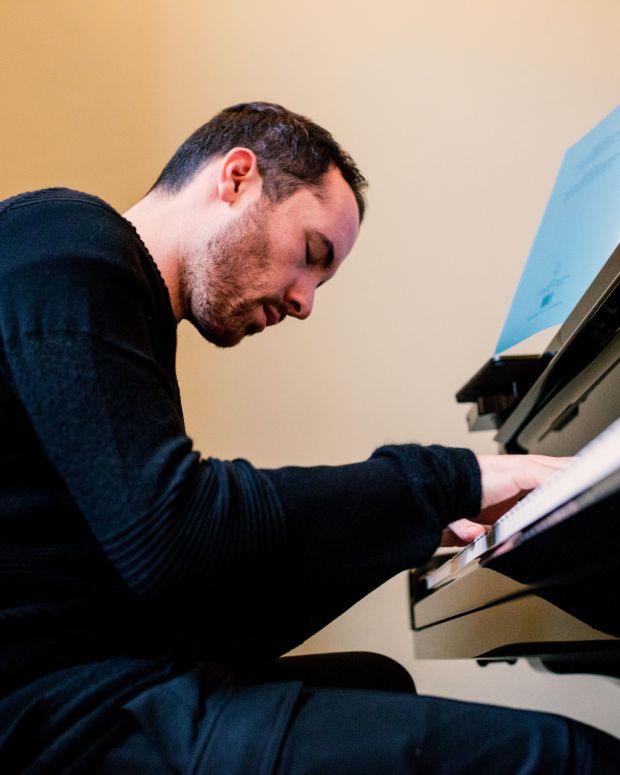
© Sony
I can only add that Igor Levits’ vision of Beethoven has also changed my world. Raised with Gulda, Kempff, Schnabel and Barenboim – all greats that are still at the top of my list – I have suddenly discovered a totally new vision. No, in interpretation there are no absolute truths. Just listen to the ‘Adagio sostenuto’ from the Monscheinsonate. You rarely hear it so sweet, so tender, but at the same time not ‘weak.’ For me it felt like hearing the sonata for the first time in my life.
On Sunday 9 February 2020 Levit will make his long-awaited debut in the Master Pianists series at the Concertgebouw. It will be a very special recital, because he will, of course, not only play Beethoven’s last two sonatas, but also an arrangement for piano of the Adagio from Mahler’s Symphony No. 10. Something to really look forward to!
Beethoven – Piano Sonatas (Complete)
Igor Levit – Piano
Sony Classical, CD 19075843182 (9cd’s)
Translated with http://www.DeepL.com/Translator
The Songs Of Reynaldo Hahn On Palazzetto Bru Zane
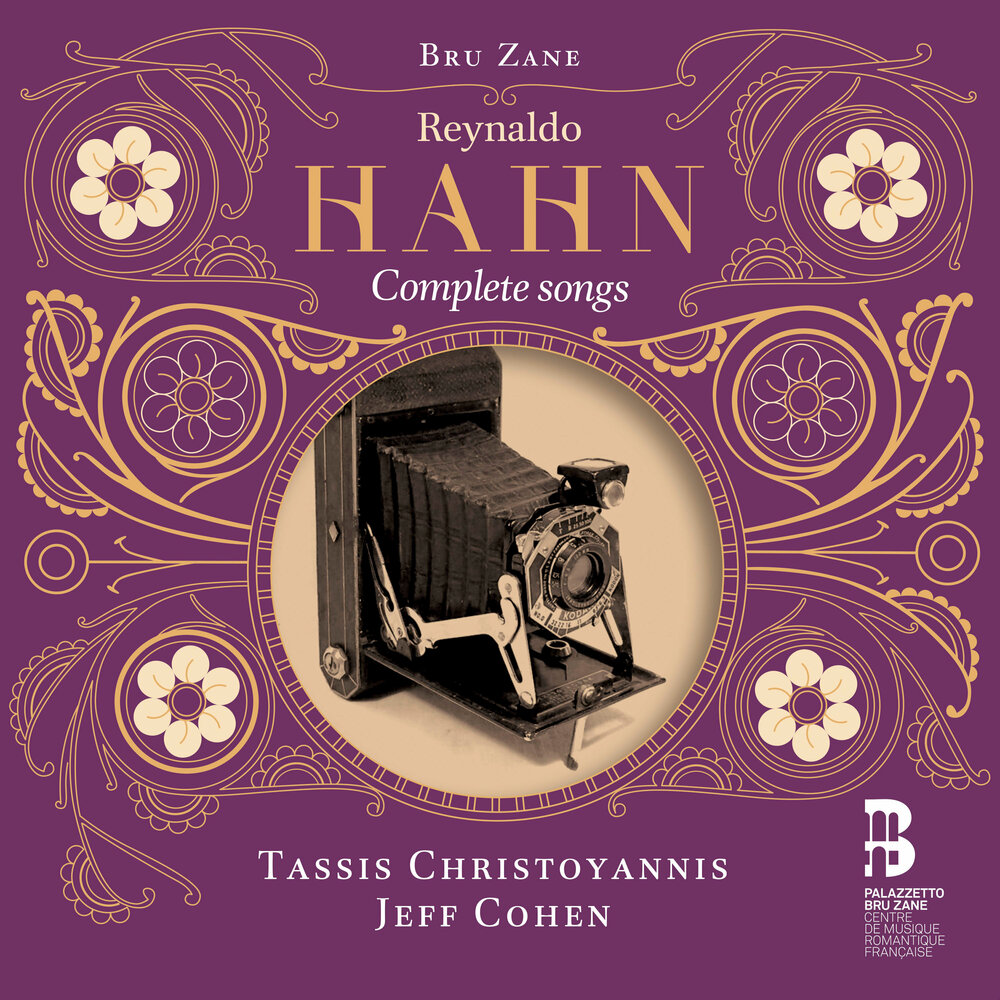
For many, he’s just another famous representative of the Belle Époque, but there are few people that really know much about him, let alone about his music. He went down in history as the lover of Marcel Proust, but Reynaldo Hahn (1874-1947) was much more than that. And here is a 4 CD set of his melodies that allows you to rediscover the man and his music afresh
Born in Caracas, Venezuela, Hahn was the son of a German-Jewish father and a Venezuelan mother of Spanish-Basque origin. Apart from being a pianist and composer, Hahn was a highly esteemed conductor; know among other things for his Mozart interpretations. He was also a critic, writing for the newspaper Le Figaro; he wrote books on music, and in 1945 he was appointed director of the Paris Opéra.
When he arrived in Paris – on his own – he was but four years old. He was sent there because his father was threatened by the politics of president Antonio Guzmán Blanco. At the age of 11 Hahn began to study music at the Paris conservatory and became a student of Jules Massenet.

Hahn’s career florished mostly in Paris and in aristocratic circles, he was a welcomed guest in the world of salons, most notably that of the eccentric Princess Mathilde (Napoleon’s niece),accompanying himself on the piano as he sang arias by Jacques Offenbach. At the age of eight, Hahn composed his first songs. And of course he sang it, too. As he did his many other songs that followed over the years.
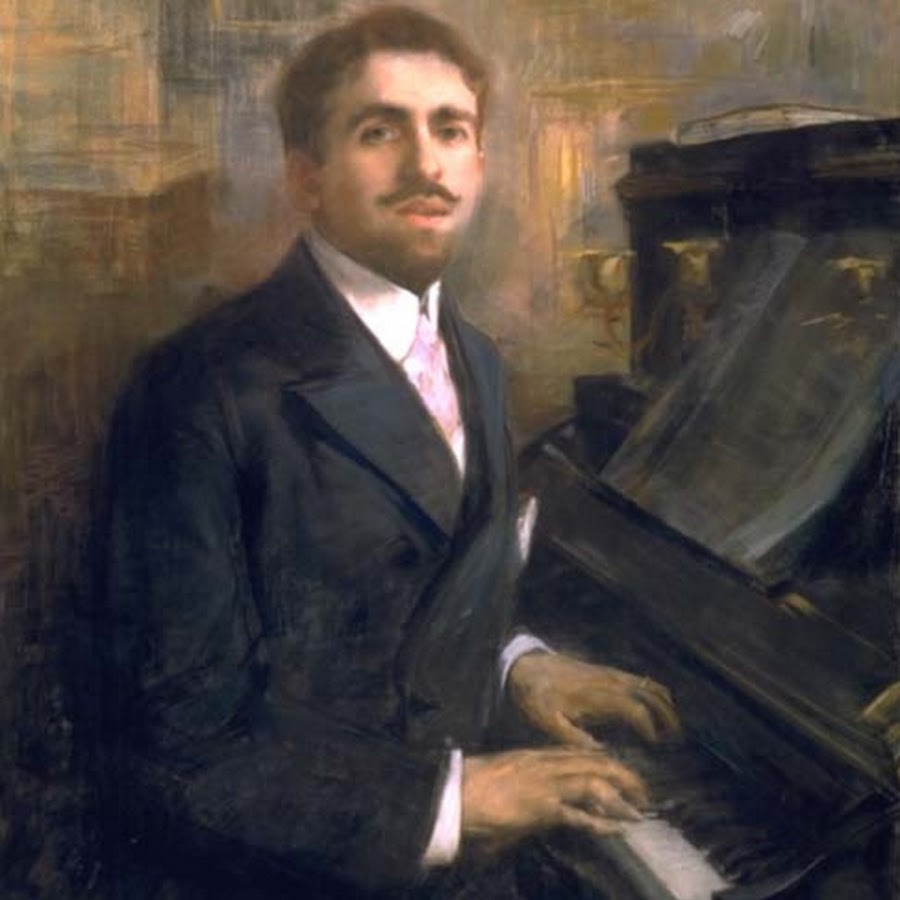
Jean Cocteau added: “He sang with a cigarette positioned in the corner of his mouth, delivering his delightful voice from the other part, the eyes painting towards the sky.”
Hahn composed more than 100 songs that are rarely performed today. Why?
Don’t ask me, because I find them wonderful. All of them. And that is something everyone can now experience thanks to Palazzetto Bru Zane who have issued them in a box set, many of them in world premiere recordings.
Just listen to the song cycle Chansons grises based on poems by Paul Verlaine. What a discovery it is to hear these for the first time!
In the beginning I was worried that the songs might become a little monotonous with just one singer all the way through. But I was surprised and easily convinced of the opposite. Greek baritone Tassis Christoyannis has precicely the right timbre to do justice to these songs: light, elegant, and very sensual in a way that made me think of Gerard Souzay, again and again.
Christoyannis’ interpretation is polished and perfect, and for every song he finds a different shading, a new tone. And my God – it is beautiful. For me, this is the CD of the year.

A caricature of Reynaldo Hahn as Beau Brummell by Rip (Georges Gabriel Thenon), 1931.
I recently read somewhere that we may expect more Hahn on disc soon. His operas L’Ile du Reve and La Carmelite are on the to-do list of Palazzetto Bru Zane, to be recorded live. All I can say about that is: please don’t forget to include his operettas Ciboulette (1923) or Brummell (1931) about the infamous British dandy Beau Brummel (1778-1840).
Not to mention Hahn’s other musical comedies, such as Mozart (1925) or O mon bel inconnu (1933), Une Revue (1925) and Malvina (1935). Some of them are available in historic French recordings, but a fresh and new interpretation would be very welcome.
English translation: Kevin Clarke
http://operetta-research-center.org/melodies-reynaldo-hahn/?fbclid=IwAR1kbpjk3refYMhiIorfhuPInm7t-Zo7c9dS6tyR9K1tKB4BAUqDLV05k7s
Ciboulette, or what happened to Rodolfo?
In Dutch:
Weergaloze liederen van Reynaldo Hahn weergaloos uitgevoerd door Tassis Christoyannis en Jeff Cohen
Verdi’s Oberto: waarom horen we die opera nooit meer?

Daar heb ik werkelijk enorm veel plezier aan beleefd! Nog nooit eerder heb ik Verdi’s eersteling (première 1839 in Milaan) op de planken gezien, en de opera van Bilbao is (was) voor mij terra incognita. Het begon meteen feestelijk. Het orkest onder de bezielende leiding van Yves Abel zette ferm in, en de ene na de andere meezinger kwam voorbij: hier een stukje Rigoletto, daar een snufje Luisa Miller, een aanzet tot Macbeth … Heerlijk.
Ook het bühnebeeld was betoverend mooi, geheel in stijl met de muziek (die toch het meeste aan Lucia di Lamermoor doet denken) en het verhaal. Het was alsof een schilderij van één van de Pre-Rafaëliten tot leven was gewekt. Een pijnlijk moment beleefde ik met de opkomst van Riccardo, de macho verleider die voor al die toestanden heeft gezorgd: de Uruguayaanse tenor Carlo Ventre beschikt weliswaar over een soepele stem, maar zijn metaalachtig timbre en geforceerde hoogte zijn niet mijn cup of tea.
De rest van de cast vond ik werkelijk adembenemend. Marianne Cornetti (Cuniza) en Evelyn Herlitius (Leonora) zongen en acteerden op een hoogst mogelijk niveau. Ildar Abdrazakov zette een fenomenale Oberto neer, alleen al voor zijn vertolking is deze DVD een must.
Giuseppe Verdi
Oberto
Ildar Abdrazakov, Evelyn Herlitzius, Carlo Ventre, Marianne Cornetti; Orquesta Sinfónica del Principado de Asturias olv Yves Abel
Regie: Ignacio Garcia
Opus Arte OA 0982 D
Death in Venice: een autobiografisch testament?

Het vocale oeuvre van Britten is vrijwel onlosmakelijk verbonden met één zanger, Peter Pears. Jarenlang waren ze partners zowel in de kunst als in het dagelijks leven. Voor Pears componeerde Britten zijn liederen en opera’s, en met diens stem in zijn hoofd maakte hij arrangementen van de Engelse volksliedjes.
Death in Venice, de laatste opera van de toen al zeer zieke Britten, werd ook voor zijn partner gecomponeerd. Zeker weten doe ik het uiteraard niet, maar ik denk dat Britten er iets meer van zijn eigen leven in gestopt heeft dan in zijn eerdere opera’s. En dat het sterk autobiografisch is.

Wat hebben we zoal om te vergelijken? Naast mijn speler liggen twee dvd’s en een cd. Nou ja, cd… Zeg maar gerust cd’s, want Decca heeft één van de grootse Britse componisten geëerd met een box met al zijn opera’s (4756029). In het acht schijfjes tellende tweede deel vindt u ook Gloriana, A Midsummer Night’s Dream, The Rape of Lucretia en The Turn of the Screw. Op Death in Venice en Gloriana na allemaal gedirigeerd door de componist zelf.

Om te zeggen dat de uit 1974 stammende opname zowat de beste is wat je je kan voorstellen, is natuurlijk een open deur intrappen. Het is niet alleen de meest voorbeeldige uitvoering (Peter Pears als Aschenbach en John Shirley-Quirk in al die baritonrollen) denkbaar, de opname zelf is ook waanzinnig goed: direct, helder en zo authentiek aandoend dat je de indruk krijgt dat het live is opgenomen. Steuart Badford dirigeert het English Chamber Orchestra.
TONY PALMER
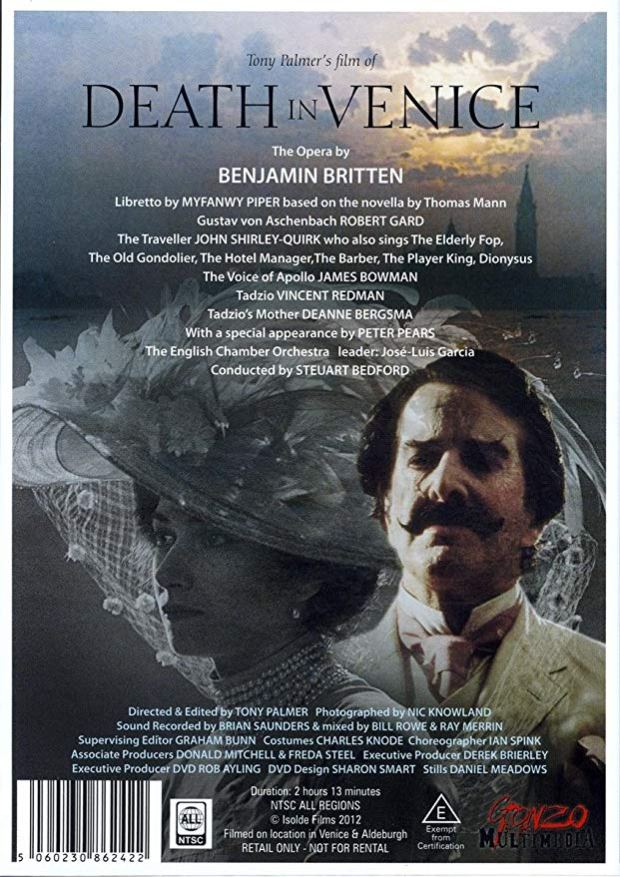
Dezelfde dirigent, het orkest en de bariton komen we ook tegen in de film van Tony Palmer (TPDVD176), gefilmd op locatie in 1980. De rol van Gustav von Aschenbach werd overgenomen door Robert Gard, een mij onbekende tenor, die het werkelijk voortreffelijk doet. Al doet hij mij Pears niet vergeten.
De film is zeer realistisch en al doet het een beetje gedateerd aan (de typische jaren zeventig sfeer is alom aanwezig), het valt niet te ontkennen dat je als genageld op je stoel blijft zitten! De beelden ven Venetië zijn mooier dan mooi, de sfeer is beklemmend en de zanger-acteurs zijn meer dan voortreffelijk. Naast Gard en Shirley-Quirk viel mijn oog (en oor!) op een niet met name genoemde zanger in de rol van de Engelse klerk.
Op het doosje staat vermeld dat ook Pears eraan meedoet. Ik kon hem niet ontdekken, al meende ik zijn stem bij één van de figuranten bij de hallucinerende Von Aschenbach te horen.
PIER LUIGI PIZZI
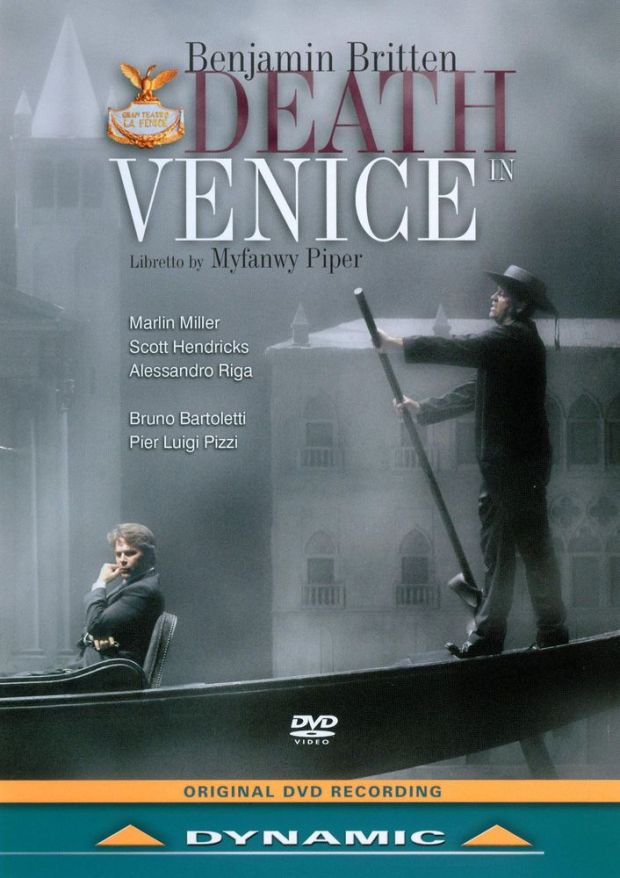
Venetië hoort bij deze opera, natuurlijk. Vandaar dat een in die stad opgenomen voorstelling meer tot verbeelding spreekt dan één uit … (vul maar in). De in juni 2008 in La Fenice opgenomen productie (Dynamic 33608) is zonder meer bijzonder.
Pier Luigi Pizzi staat altijd garant voor mooie beelden en zijn ensceneringen zijn bijna altijd semirealistisch, maar dan met een twist naar zowel surrealisme als symbolisme.
In zijn voorliefde voor ballet kan hij soms te ver gaan, wat ook hier een beetje het geval is. Het koor en alle figuranten, zeeleden en gasten van het hotel bestaan uit prachtig geklede (of, zo je wilt, prachtig ontklede) bloedmooie dansers. Als er niet gedanst wordt, dan wordt er stilistisch gelopen en esthetisch gestaan.
Het is net een film en Visconti is niet ver te zoeken – zelfs de beroemde hoed die Silvana Mangano als Tadzio’s moeder droeg in die film is hier nagemaakt. Maar de sfeer is zeer beklemmend, de hitte voelbaar en het uiteindelijke resultaat zeer ontroerend.
Marlin Miller verdient een Oscar voor zijn rol van de gekwelde Von Aschenbach. Met zijn zakdoek zwaaiend en zweet afvegend probeert hij fatsoen te houden, om zich uiteindelijk aan de totale waanzin en het ijlen te moeten overgeven. Bravissimo!
Zijn stem is anders dan die van Pears. Ronder en meer gefocust, zeker naar de zaal toe, wat zijn verstaanbaarheid alleen maar ten goede komt.
Scott Hendricks is meer dan fenomenaal in al zijn ‘duivelse’ personages. Met een sardonische glimlach en zichtbaar veel plezier helpt hij Von Aschenbach zijn ondergang tegemoet.
Bruno Bartoletti weet van het orkest uit La Fenice de mooiste klanken te ontlokken.
Mijn kleine bezwaar: Tadzio (een bloedmooie, het valt niet te ontkennen, Alessandro Riga) is optisch te oud en te zeker van zichzelf. Toch – zeer, zeer aanbevolen.
MEER BRITTEN
Bij Intens Media (nooit van gehoord, er staat ook geen enkele informatie bij) is een box met 10 cd’s van Britten verschenen (bestelnummer 60047). Veel bekend materiaal, maar ook een paar (voor mij) nieuwe dingen, zoals de opname van Serenade for Tenor, Horn and Strings uit 1953 of het ballet The Prince of the Pagodas. Dat behoort zeker niet tot Brittens bekendste werken; het is dan ook fijn om het in de box tegen te komen.
De box is niet echt iets voor een doorgewinterde Britten-verzamelaar, maar voor een beginner en/of een geïnteresseerde liefhebber zonder meer een ‘hebbeding’. Zeker voor de prijs: rond de 15 euro.


 Basia con fuoco