achtergrondartikelen

Carlo Bergonzi: from belcanto to verismo in just a few recordings

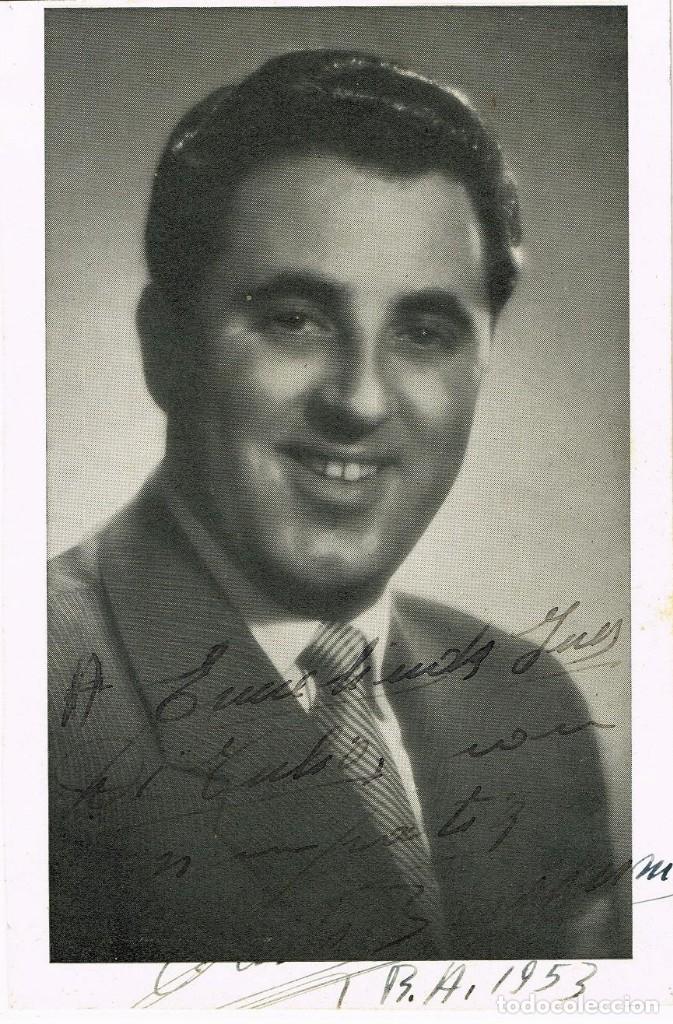
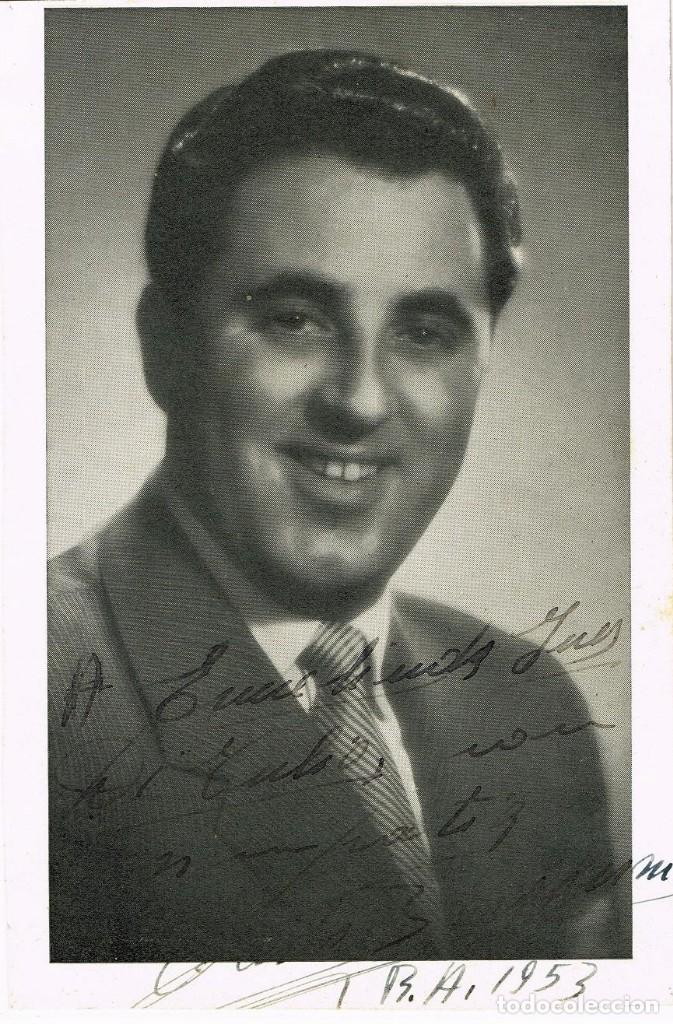
©https://cloud10.todocoleccion.online/autografos-antiguos-cantantes-musicos/tc/2021/08/05/19/279594008.jpg

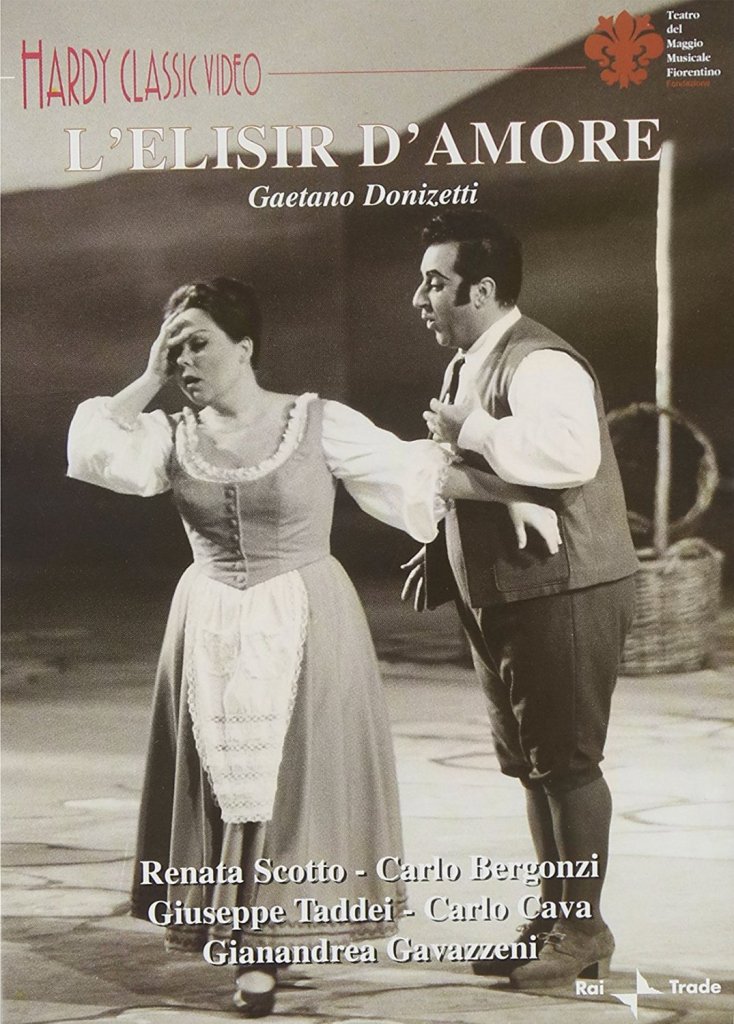
L’ELISIR D’AMORE


To the younger generation I would especially recommend the DVD with Renata Scotto, Carlo Bergonzi and Giuseppe Taddei (Hardy Classic Video HCD 4014). It is not only the beautiful voices of the past that impress (Scotto, Bergonzi, Taddei – who can still sing like them?), the eye is also given a lot to enjoy.

Do not think that they just enter the stage, sing an aria facing the audience and then take a bow. It is theatre pur sang and a better acting singer than Scotto has yet to be born.

The picture is black and white (the recording was made during Maggio Musicale Fiorentino in 1967) and the scenery is cardboard, but who cares?

LUCIA DI LAMMERMOOR

Renata Scotto 1967
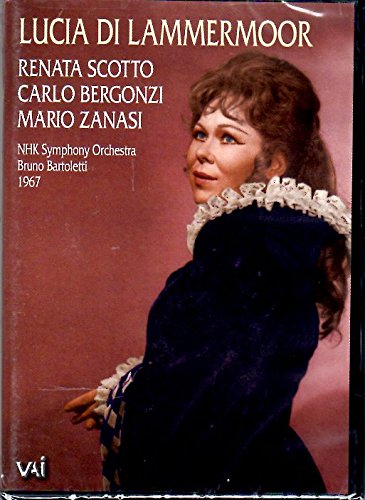

This production of Lucia di Lammermoor was recorded in Tokyo in 1967 and is available on DVD (VAI 4418). It circulated for years on pirate video, but since the sound and picture quality was particularly poor, the commercial release has made many opera lovers very happy. The sound is a little sharp, making Scotto’s high notes sound even more metallic than usual, but who cares?

Her interpretation is both vocally and scenically of an unprecedented high level. With a childishly surprised expression (my brother does this to me?) on her face, she agrees, albeit not without grumbling, to the forced marriage with Arturo (an Angelo Marchiandi who is hideous in every way).

After her mad scene, you tend to pull the plug, because everything that comes after it can only feel like a cold shower. But you are wrong about that. Edgardo’s two arias, sung by Carlo Bergonzi, will take you straight to (singer’s) heaven.


Afterwards, you can’t help but be a little sad, because where have they gone, yesterday’s singers? Small, tall, fat, skinny, with or without acting talent… None of them was a ballet dancer, but could they sing! And it was through their voices alone that they were able to convey all of the feelings that now require a whole ‘artistic team’. In spite of the cuts that were common at the time, this is an absolute must.

Below, Bergonzi sings ‘Fra poco a me ricovero’

Beverly Sills 1970
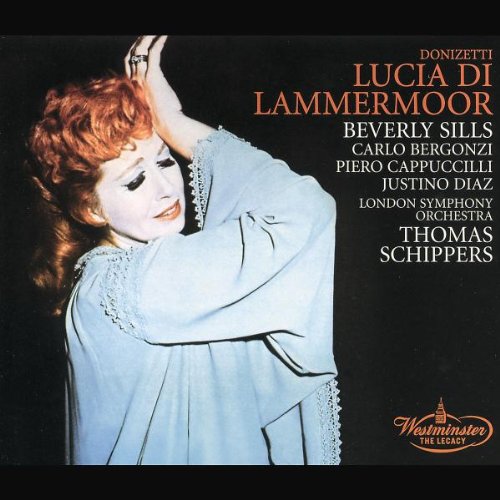


Sills’ Lucia (Westminster 4712502) for me remains one of the best interpretations ever, especially talking about studio recordings. Her portrayal unites the best of Callas and Suitherland: the virtuosity, vocal beauty and pure intonation of la Stupenda and the great acting of la Divina. Not really a great tragédienne (but then, neither is Lucia), she is more of a passive child-girl who just lets it all happen. Carlo
Sills’ Lucia (Westminster 4712502) for me remains one of the best interpretations ever, especially talking about studio recordings. Her portrayal unites the best of Callas and Suitherland: the virtuosity, vocal beauty and pure intonation of la Stupenda and the great acting of la Divina. Not really a great tragédienne (but then, neither is Lucia), she is more of a passive child-girl who just lets it all happen. Carlo Bergonzi sings an elegant and outraged Edgardo and Piero Cappuccilli a brutal and cruel Edgardo and Thomas Schippers conducts very firmly.

But what makes this recording really special is the use of a glass harmonica in the madscene, exactly as Donizetti had originally prescribed it


LA BOHEME

Renata Tebaldi 1958
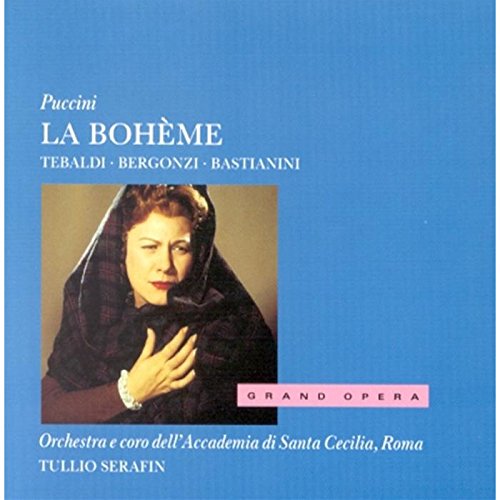


Actually, I also find Tebaldi’s voice a bit too heavy for Mimi, a tad too dramatic too, but there is no denying that her interpretation is very exciting. You have to keep listening to it.

Carlo Bergonzi is an insanely beautiful Rodolfo; secretly, I think he is the real star of the recording. Ettore Bastianini is a very charming Marcello, but Gianna d’Angelo is not a beautiful Musetta. Her singing has nothing sensual and is vulgar at times.

Tulio Serafin conducts more than superbly and the orchestral sound is brilliant. Remarkable actually how wonderful that recording still sounds! (Decca 4487252)

Licia Albanese 1958
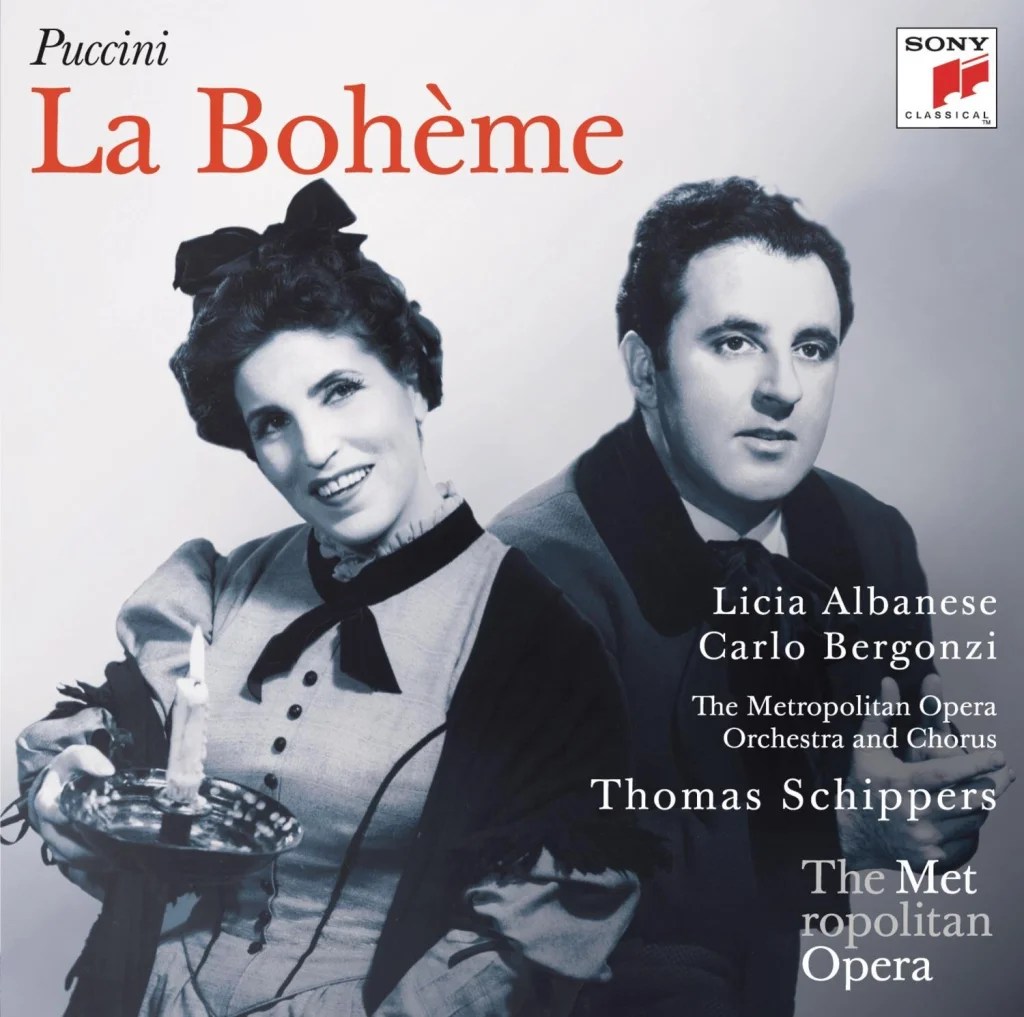
A warning is in order: the sound is not great. It is sharp and dull and occasionally the radio waves are humming rebelliously, but it also has something quite endearing. As if a time machine takes you back to the afternoons of yore, when the whole family settled down in front of the radio to listen to the latest invention, the live broadcast.

The performance, too, is old-fashionedly delicious. Not that the voices are all that exceptional, apart from Carlo Bergonzi who is at his finest, the other roles could have been better cast.

Licia Albanese (almost fifty by then, which is not at all audible) was a real crowd pleaser, especially in New York. Thomas Schippers conducts very vividly (Sony 8697804632)

MADAMA BUTTERFLY
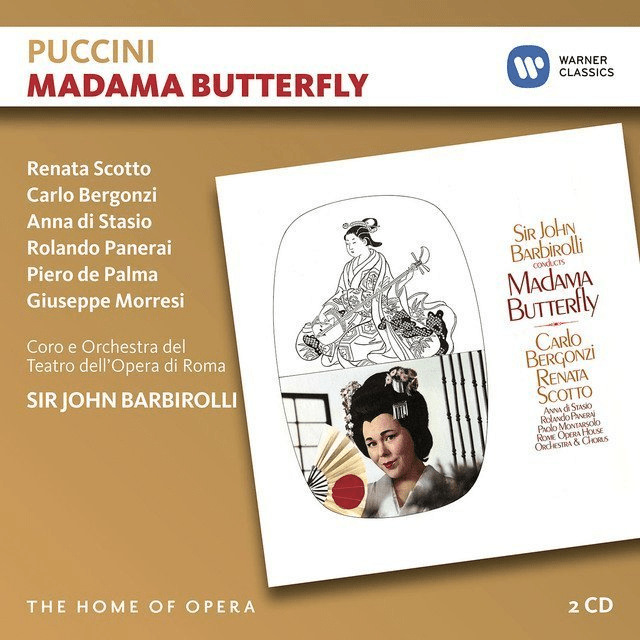
For me an absolute ‘numero uno’ is the 1966 recording by EMI (now Warner 0190295735913) under Sir John Barbirolli. One might imagine a more lyrical or alternatively a more dramatic Cio Cio San; one with less metal in her voice or maybe one with a more childlike voice. But no other singer was able to grasp the complex nature of the girl so well and to characterise her change from a naive child into an adult woman, broken by immense grief, so impressively

Carlo Bergonzi is a beautiful, lyrical Pinkerton, singing with glorious, golden ton and Rolando Panerai a very warm Sharpless.
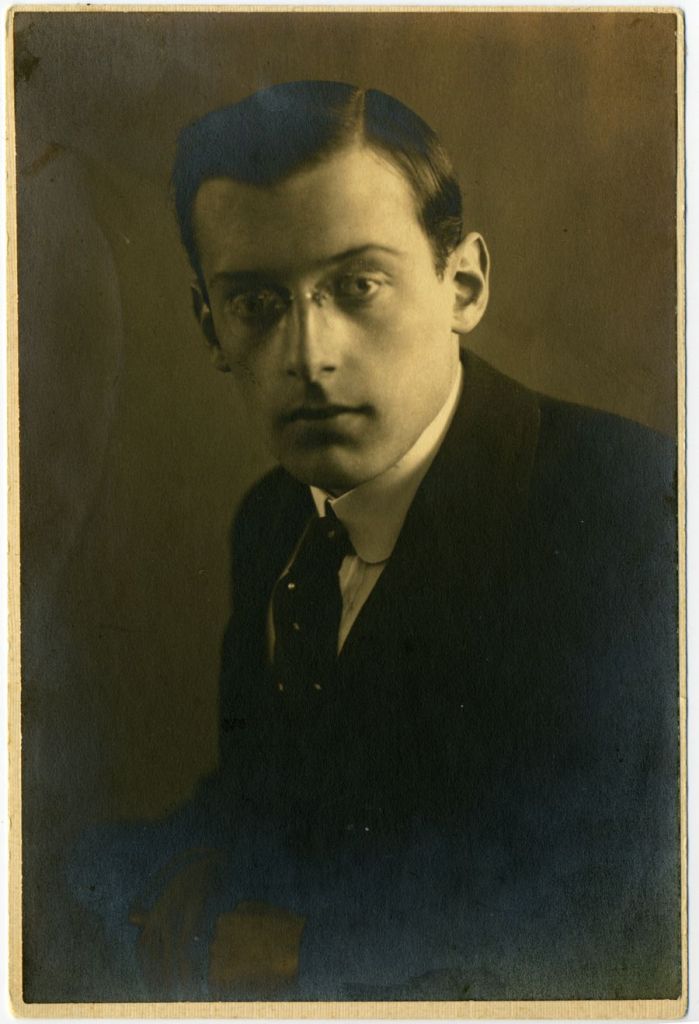
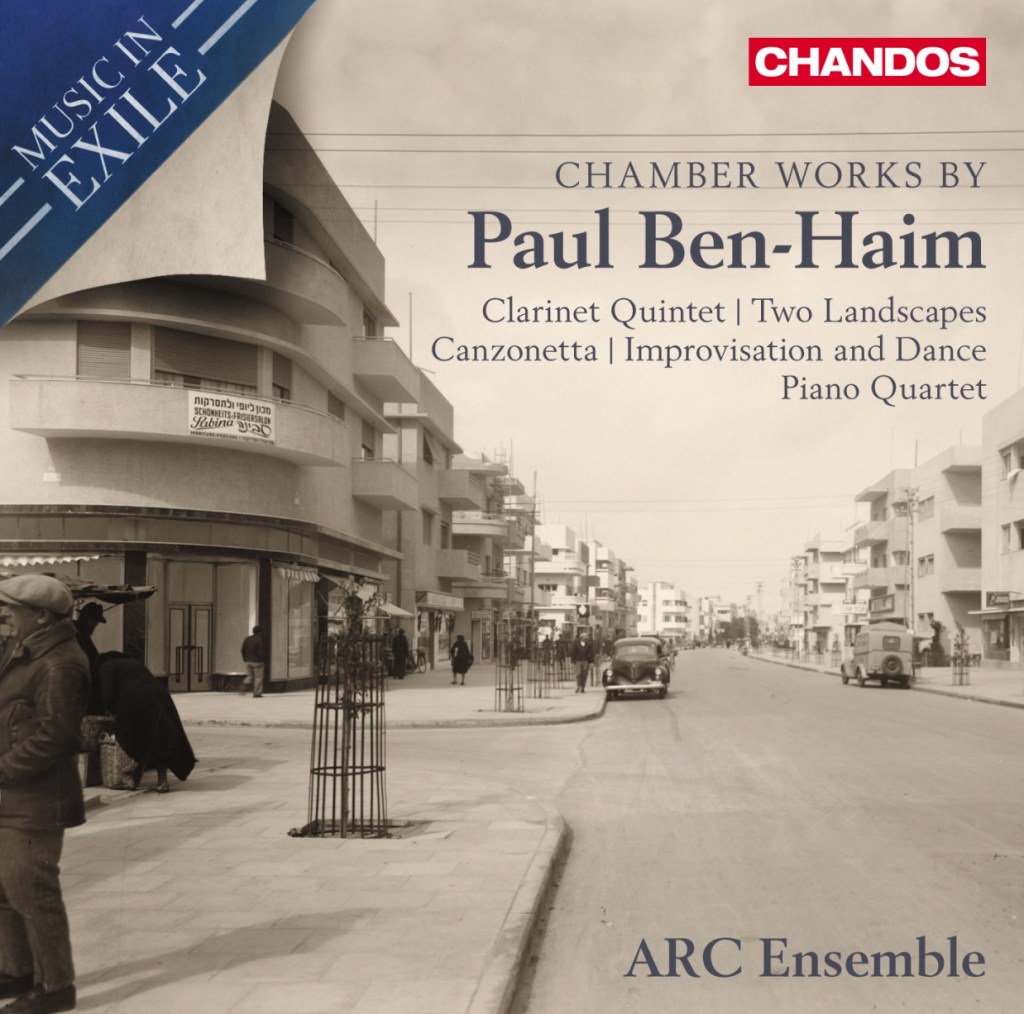
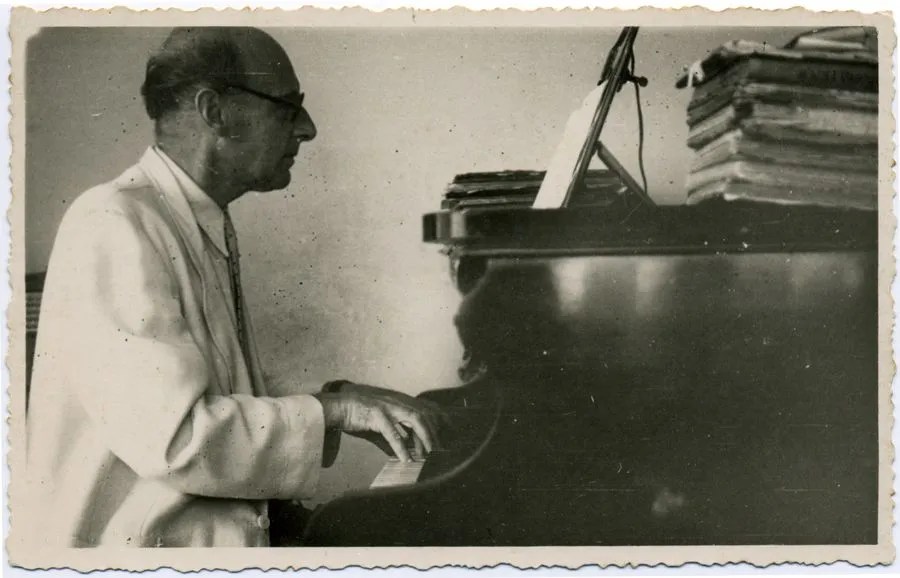
Paul Ben-Haim, sweet psalmist of Israel

Chamber works


Slowly, much too slowly and actually much too late, but the music world is waking up.
One gap after another is finally being filled and the (consciously or unconsciously) ‘forgotten’ composers are at long last coming to our CD players.


Who among you has ever heard of Paul Ben-Haim? If not, why not?
The composer was born as Paul Frankenburger in Munich in 1897 and died in Tel Aviv almost 90 years later. And he left behind a really spectacular oeuvre.

Many vocal works, orchestral pieces, chamber music…. What not, actually?
Most of his works are influenced and inspired by Jewish, Israeli and Arab melodies, so you may call his music “nationalistic”. Nothing wrong with that word.

Just take the opening of his 1941 clarinet quintet! The dancing clarinet part reminds one of swinging klezmer, but in a Brahmsian way.

The ARC Ensemble perform the opening movement of Paul Ben-Haim’s Clarinet Quintet at the Enav Center, Tel Aviv:

This is even more pronounced in his “Two Landscapes” for viola and piano, in which he sings the praises of his new homeland’s beauty.

Steven Dann and Dianne Werner prepare to record The Landscapes for viola and piano:


The “Improvisation and Dance”, dedicated to Zino Francescati, betrays influences from Yemeni folklore and only his oldest work on the CD, the Piano Quartet from 1920, does not yet have its own “face”.

The (very infectious playing!) members of the Canadian ARC Ensemble all work at the Glenn Gould Conservatory in daily life. A CD to cherish.


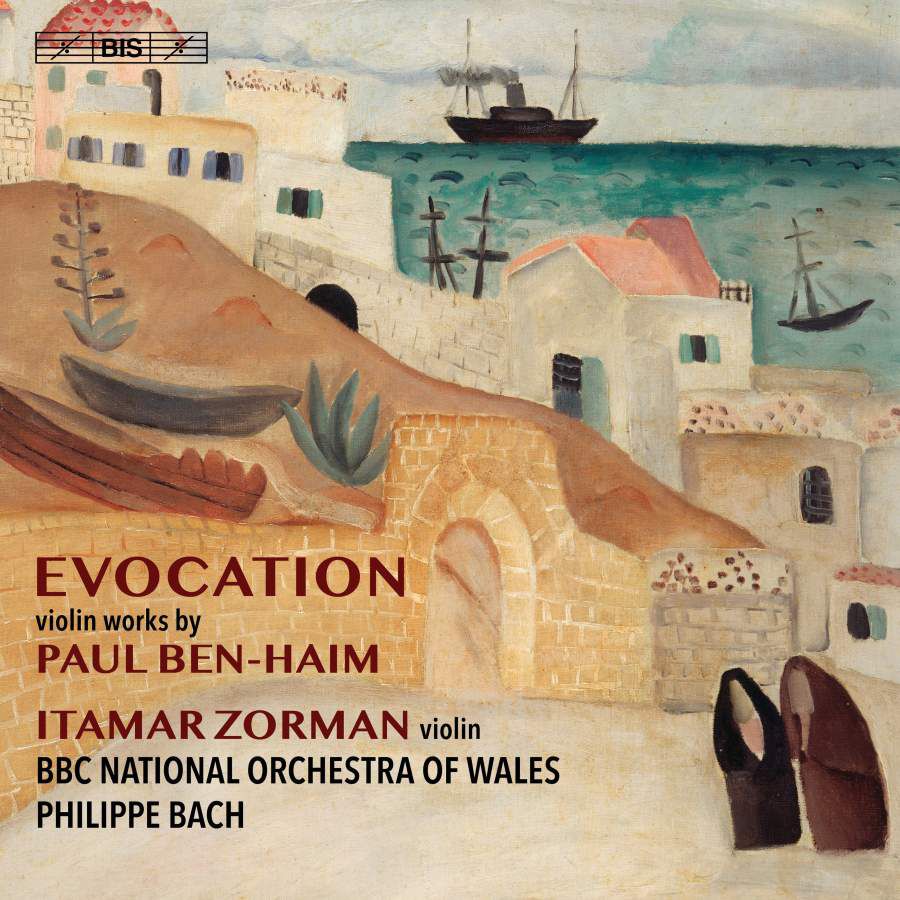
Evocation

Paul Ben -Haim, who was born in Munich in 1897 as Paul Frankenburger and died almost 90 years later in Tel Aviv, remains a great unknown to many music lovers. This is a great pity, because the oeuvre of this sadly forgotten composer is very diverse and most exciting. At one time he was totally immersed in the German Romantic tradition before he almost radically broke with it when he left his native country in 1933.

He began his new life composers life in what was then known as the British Mandate of Palestine by changing his name, after which he also adapted his compositions to his new homeland. Starting in 1933, most of his works were influenced and inspired by Jewish, Israeli and Arabic melodies.

Between 1939 and 1949 Ben-Haim accompanied the at that time extremely famous folk singer Bracha Zefira. Zefira, who was of Yemeni origin, had a great influence on the musical life in what was then Palestine. It was for her that he composed the Berceuse Sfaradite, a song which had become one of her greatest successes.

Bracha Zefira:

The Violin Concerto, which dates from 1950, is probably Ben-Haim’s best-known composition, in no small part as a result of the great recording by Itzhak Perlman. The CD is still on the market, I believe, but as far as I know the Concerto is only rarely performed. Why?

Three Studies for Solo Violin is Ben-Haim’s last violin composition, dedicated to Yehudi Menuhin in 1981. Splendid. But I was most struck by the completely unknown Evocation from 1942, a work which has its premiere here and which really gave me goose bumps. Wow.

Evocation live:

Itamar Zorman, the young Israeli violinist who won the 2011 prize in the Tchaikovsky competition, has immersed himself in the composer and his work. Thanks to him, this album was compiled and released. He plays these works as if his life depends on them. He believes in them and he communicates that belief more than convincingly.

Zorman about Ben-Haim:

The accompaniment by Amy Yang (piano) and the BBC National Orchestra of Wales conducted by Philippe Bach is first-rate as well

Works for violin

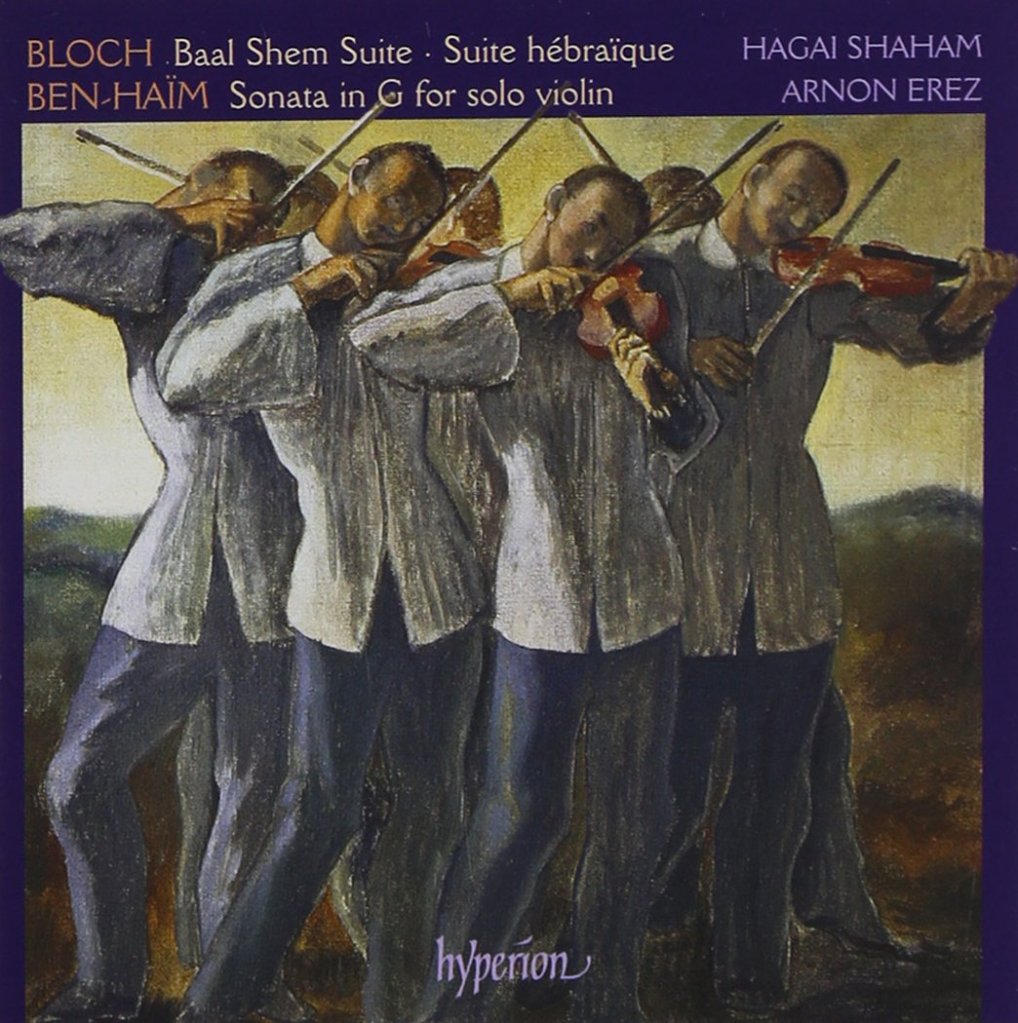
The Berceuse Sfaradite is based on a Sephardic lullaby. In Hagai Shaham’s hands, the piece sounds sultry and reassuring at the same time. And the two tone poets’ violin solo suites, composed at Yehudi Menuhin’s request, turn into forgotten masterpieces in his hands. Wonderful.

More works by  Ben-Haim

Psalm from Symphony no. 1:


Whole symphony:

From Israel

Sonata for two mandolins, guitar, harpsichord, harp and string orchestra:

Sweet Psalmist of Israel. David before Saul.:

SIMON VESTDIJK : CONCERTEN TE DOORN

Tekst: Ger Leppers

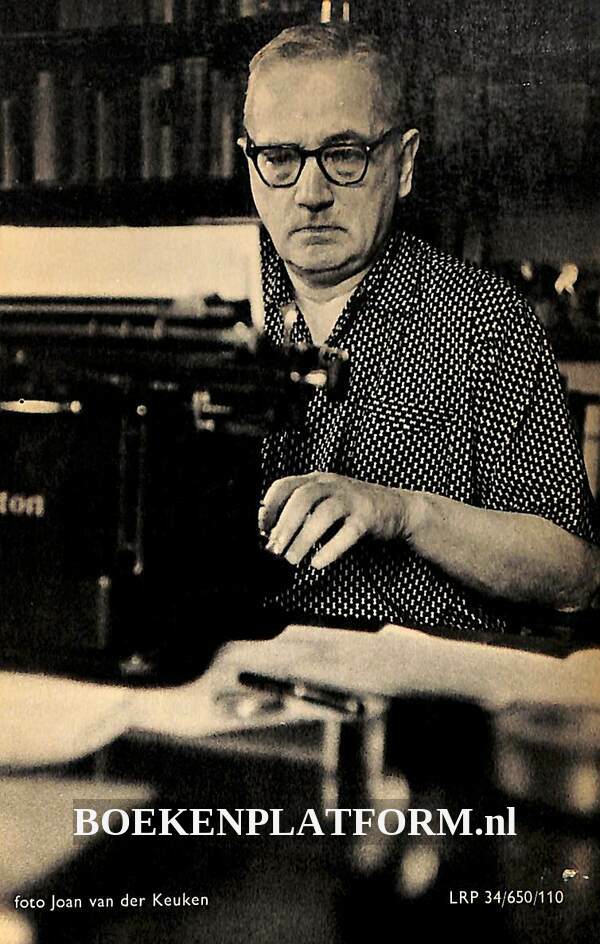
Al zo’n vijfenvijftig en een half jaar ben ik verslaafd aan het werk van Vestdijk. Inmiddels heb ik een kleine vier meter boeken van en over hem in de kast staan. Dankzij dit uitgaafje van de Haagse uitgeverij Statenhofpers zijn daar onlangs drie nu al dierbare millimeters bij gekomen.

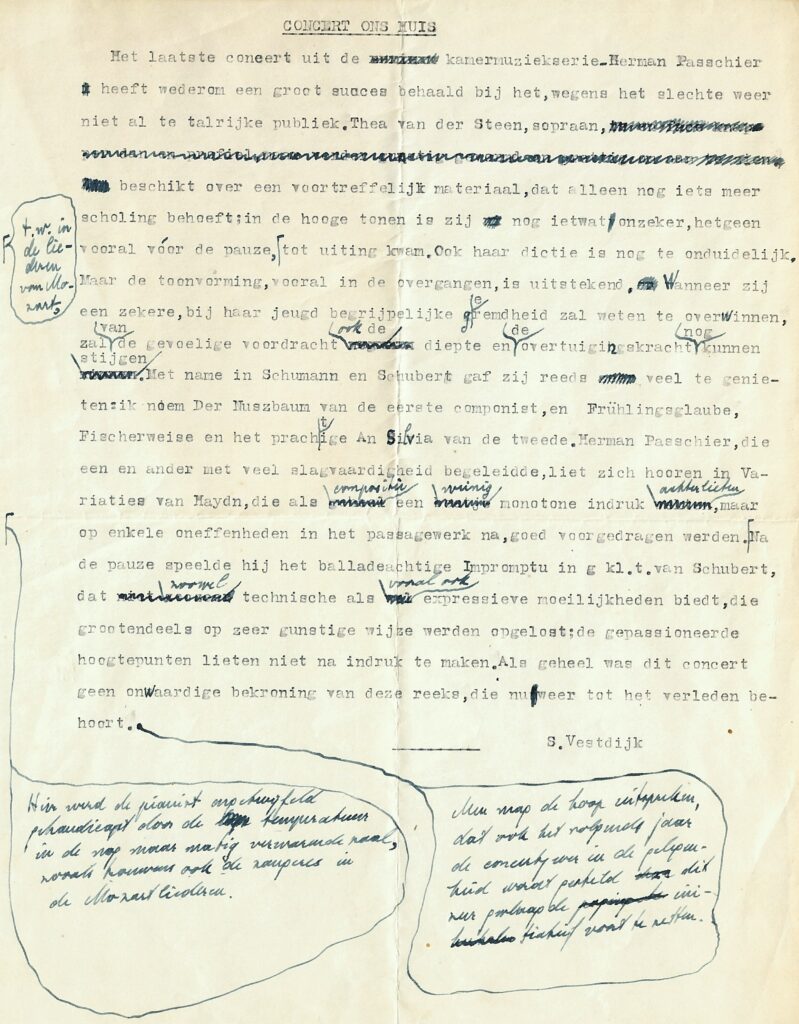
De Statenhofpers besloot namelijk kort geleden om, in een bescheiden oplage van 100 exemplaren, een mooi verzorgd bibliofiel boekje te maken met de recensies die Vestdijk, in de marge van zijn oeuvre, kort na de oorlog voor de lokale pers schreef over kamermuziek-concerten in zijn woonplaats Doorn..

Vestdijk behoort tot de Nederlandse schrijvers in wier bestaan de klassieke muziek een grote rol speelde. Tijdens zijn leven publiceerde hij tien bundels met eigenzinnige muziekessays. Boeken waarover naar verluidt de destijds dienstdoende musicologen wat ongemakkelijk-lacherig deden, maar die met het verstrijken der jaren niettemin steeds meer gezag verwierven.

Enkele jaren geleden verscheen, min of meer als toemaatje bij Vestdijks musicologisch oeuvre bij de Baarnse uitgeverij Prominent Vestdijks briefwisseling met de muziekliefhebbende dichter Jozef Eijckmans, waarin beide scribenten uit de losse pols de merites en tekortkomingen bediscussiëerden van verschillende componisten.

En nu beschikken we dan, als tweede bijvangst bij dat officiële musicologische oeuvre, over een integrale uitgave van de acht recensies die, voor zover ik kan nagaan, de allereerste muziekpublicaties van Vestdijk vormen. Bovendien verschijnen die teksten nu voor het eerst in hun integrale vorm, want Vestdijks – toch niet erg lange-  artikelen werden op de redactie van ‘De Doornse Courant’ en ‘De Stichtse Courant’ nogal gekortwiekt. Was de naoorlogse papierschaarste debet aan die bekortingen? Dat is natuurlijk goed mogelijk.

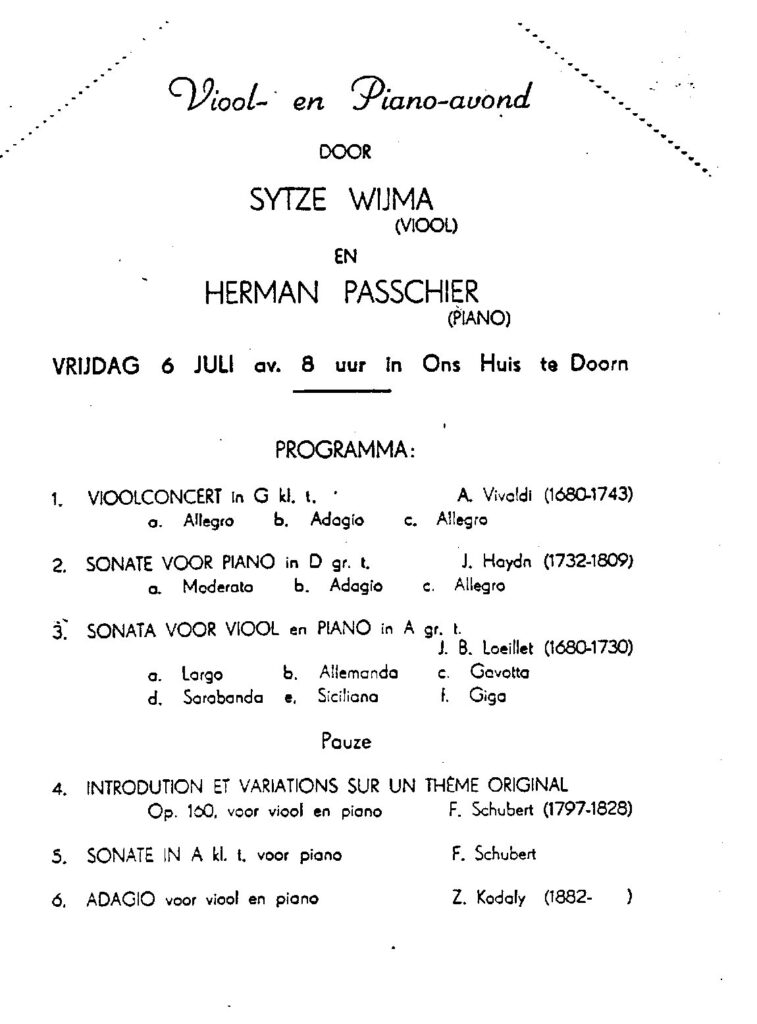
De concerten werden in de zomer van 1945 en de daaropvolgende winter georganiseerd door Herman Passchier, een Doornse onderwijzer en musicus, die steeds de pianopartij voor zijn rekening nam. Verder werd voor de concerten een beroep gedaan op onder meer verschillende zangers en violisten, een fluitist en een cellist.

De programma’s waren zeer gevarieerd, met naast werk van vertrouwde componisten als Schubert, Haydn, Chopin, Brahms, Grieg en Schumann, ook wat minder courante waar van Veracini, Pergolesi, Loeillet, Rameau, Kodaly, en, in een nog avontuurlijker geest, composities als een sonate van Jean Huré. Er werden zelfs twee reien van Vondel voorgedragen, en éen van de programma’s vermeldde de Nederlandse première van een sonate van de 18e eeuwse Italiaanse componist Giovanni Pescetti – een werk dat Vestdijk, die doorgaans een sterke voorkeur had voor het romantische repertoire, opmerkelijk genoeg buitengewoon beviel.

Vestdijks besprekingen zijn, zoals we dat van hem gewend waren, steeds genuanceerd en welwillend zonder oppervlakkig te worden, met die kenmerkende, vintage Vestdijk-zinnen waar wij, liefhebbers van zijn oeuvre, steeds weer van smullen, zoals deze, over twee violisten: “[Sytze] Wijma speelt puntiger en geserreerder dan [Han] Exel met zijn weeke, romantische streek, hetgeen, voor het samenspel misschien een nadeel, als contrast tot boeiende momenten aanleiding gaf.”

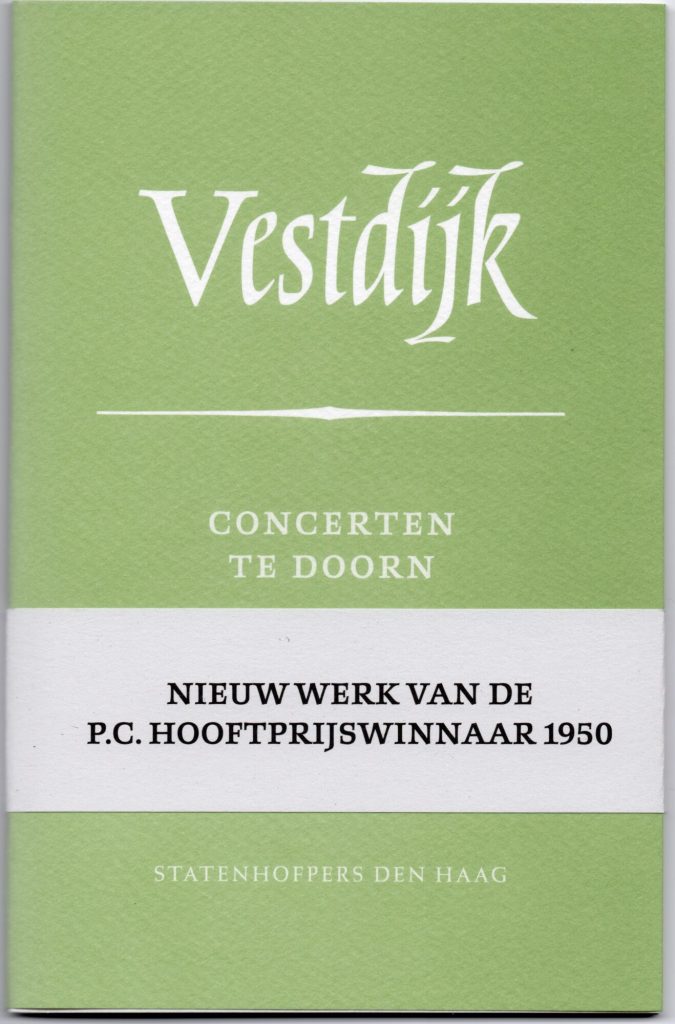
Deze uitgave is, vergeleken met de rest van het oeuvre van Vestdijk, natuurlijk niet meer dan een aardigheidje uit de archiefdozen. Maar het is met veel liefde uitgegeven, en door Peter van Schijndel voorbeeldig ingeleid. Bij het lichtvoetige karakter van het boekje past het dat de uitgever het werkje heeft voorzien van een enigszins baldadig buikbandje met de tekst ‘Nieuw werk van de winnaar van de P.C. Hooftprijs 1954’. In 1964 werd namelijk verwacht dat Vestdijk de Nobelprijs zou winnen, en de Bezige Bij had zijn nieuwe roman, ‘Juffrouw Lot’ alvast voorzien van een bandje met de tekst ‘Nieuw werk van de winnaar van de Nobelprijs 1964’. Die prijs, die Vestdijk, als wasechte literator, zoveel meer verdiende dan, bijvoorbeeld, een zekere verongelijkte Amerikaanse neuzelaar van slappe protestdeuntjes, heeft hij niet ontvangen. Maar hoe goed hij schreef, dat valt zelfs in een marginaal boekje als dit gemakkelijk te constateren.

Simon Vestdijk: Concerten te Doorn. Bezorgd en van een voorwoord voorzien door Peter van Schijndel, met een portret van de auteur door Karel Kindermans. Statenhofpers, ’s Gravenhage. 46 blz.  19,50 euro

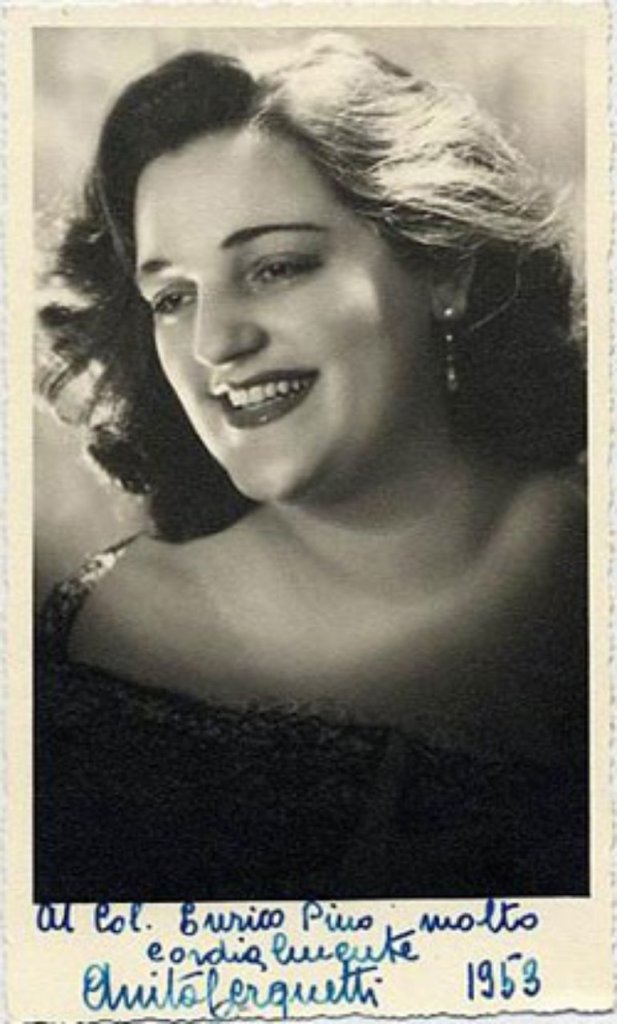
Do you remember Anita Cerquetti?  

She was a dramatic soprano with a powerful voice. Born 13 April 1931 in Montecosaro, near Macerata. Studied violin first, singing came later. Made her opera debut as Aida in Spoleto as early as 1951 (!).

Cerquetti as Aida in Napels 1954:


She became – typically enough – the most famous by stepping in for a sick Callas in 1958. While she was still in a production of Norma in Naples, she sang some performances of the same opera by Bellini at the opera house of Rome, instead of La Divina. Her career, like that of Callas, didn’t last long. Why?


“This “tour de force” won her great acclaim but had serious effects on her health. Shortly afterward she started withdrawing little by little from the stage until her complete retirement in 1961 at just thirty years of age” ( Wiki)

She made only two studio recordings: a recital of Italian opera arias and a complete La Gioconda with Mario del Monaco, Ettore Bastianini, Giulietta Simionato and Cesare Siepi

On the label Bongiovanni you can hear her in the famous ‘Casta diva’ from Norma. For me this is one of the most beautiful performances of this aria ever. Goosebumps.

Cerquetti sings Norma. Recording from 1956:

Anita Cerquetti sings ‘O re dei cieli’ from Agnese di Hohenstauffen by Spontini:

I

Don Carlo from Florence 1956. Cerquetti as Elisabetta, with Angelo lo Forese (Carlo), Ettore Bastianini (Rodrigo), Fedora Barbieri (Eboli) and Cesare Siepi (Filippo)


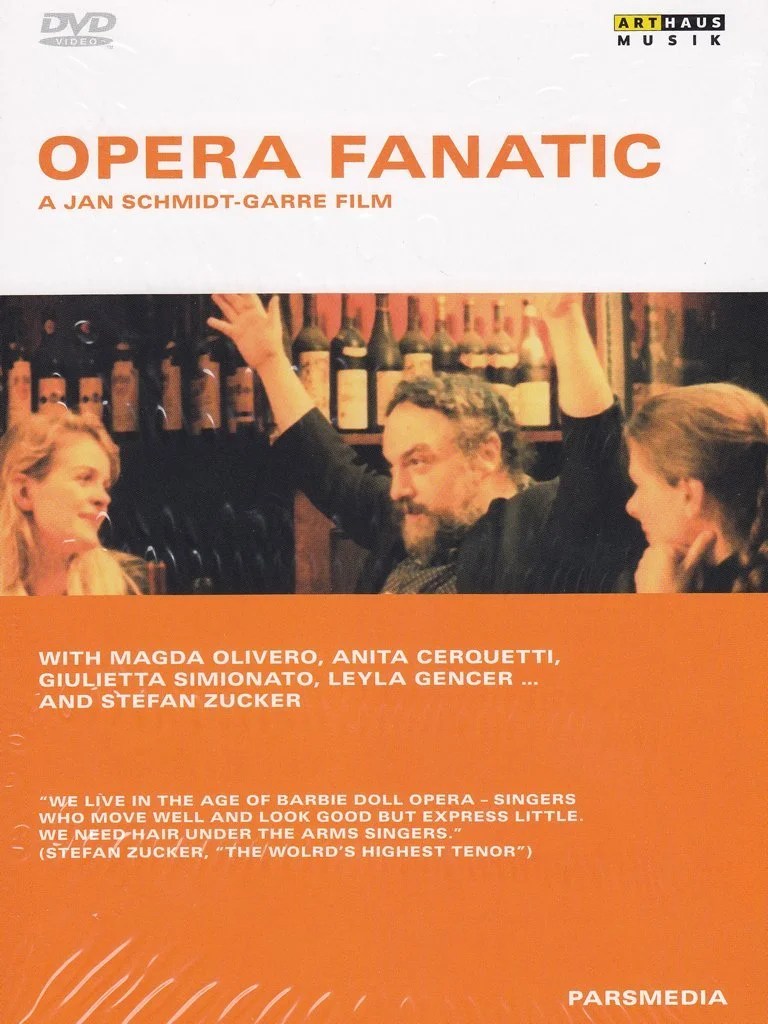
In 2008, Arthaus Musik released an extraordinary, outstanding documentary: Opera Fanatic. The eccentric Stefan Zucker travelled through Italy to visit divas of yesteryear. Quite rightly, the film won awards.

He is also a very irritating little man in search of gossip and thrills, but thanks to him we get to visit the great divas of bygone times: Anita Cerquetti, Fedora Barbieri, Giulietta Simionato, Magda Olivero, Leyla Gencer, Marcella Pobbe …

Not all ladies are keen on talking to him or answering his impertinent questions (fair’s fair: I can really enjoy those anyway), but with a few grappa’s in them, they suddenly go wild. He seduces them into the most remarkable statements and we are treated to footage and sound clips of their performances.

The whole movie:

More Cerquetti:


Feruccio Busoni and La Nuova Commedia dell’ Arte

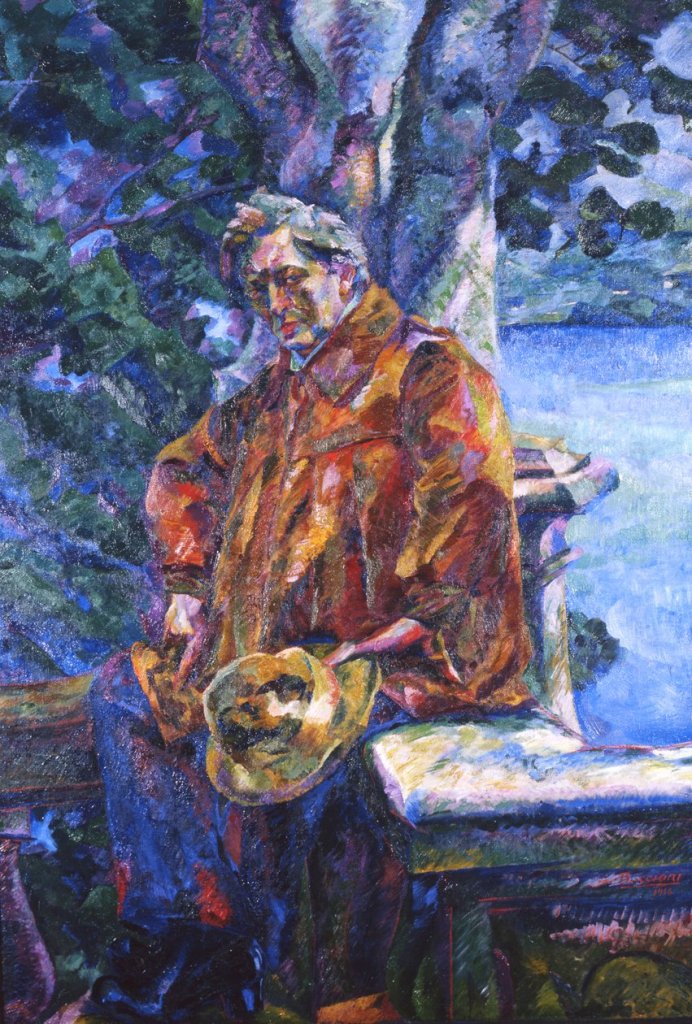
Umberto Boccioni: Portrait of Ferruccio Busoni, 1916


Feruccio Dante Michelangelo Benvenuto Busoni is, I think, one of the greatest cosmopolitan composers in the history of music. His father was an Italian and his mother a German. Busoni studied in Austria, married a Russian-Swedish lady and went on to live in Berlin. Well, most of the time, as he also lived in Vienna, Zurich and Bologna. And, oh yes, he also had Jewish roots. Not to mention all of those first names!

© Kirilll Gerstein

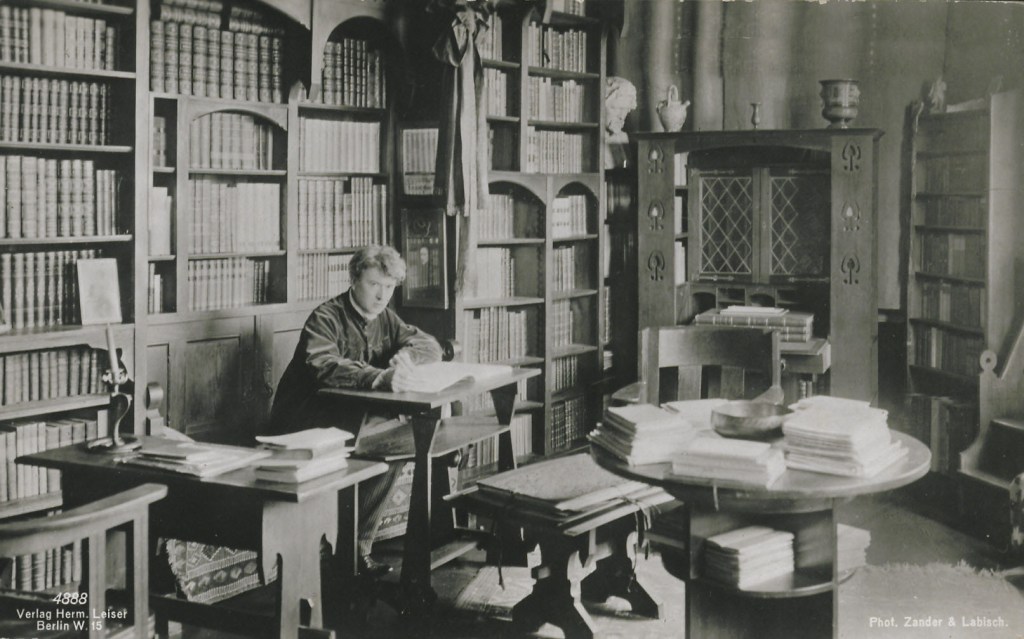
It seems he had a book collection that could have rivaled most libraries: no wonder he knew his classics! Busoni was also a great connoisseur and admirer of Carlo Gozzi, and after composing the incidental music for Gozzi’s play Turandot, Busoni decided to turn the whole into an opera.

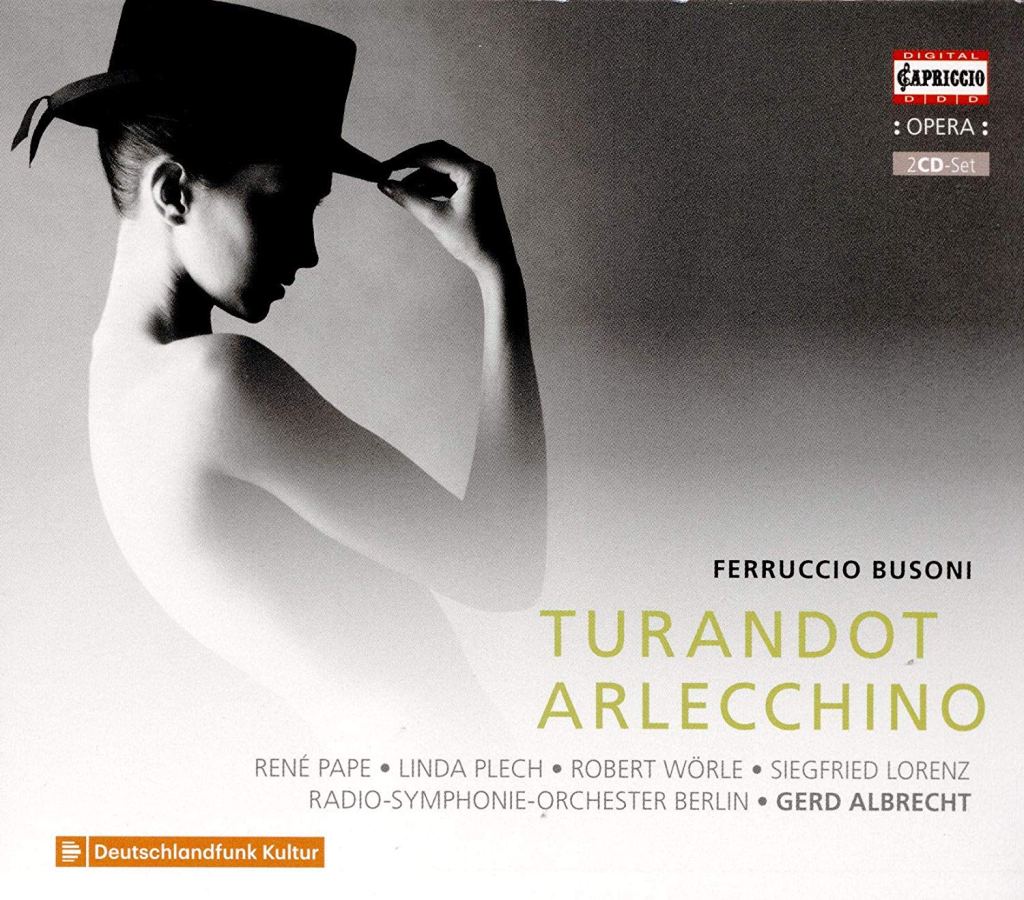
At the same time (1916), he also composed Arlecchino, an opera based on a character from the Commedia dell’ Arte. The (German-language) libretto with many spoken dialogues was written by the composer himself. Both operas, which Busoni called ‘La Nuova Commedia dell’ Arte’, had their world premiere on 11 May 1917 at Zurich’s Stadttheater, conducted by the composer himself.


In 1992, the operas were recorded in Berlin and they were now being marketed (for the first time?). Joseph Protschka is a warmly timbred Kalaf and Linda Plech excels as Turandot.  Gerd Albrecht conducts very involved, paying close attention to the score.


BONUS

Both opera’s were performed in Wexford in 1998

Turandot:

Arlecchino:

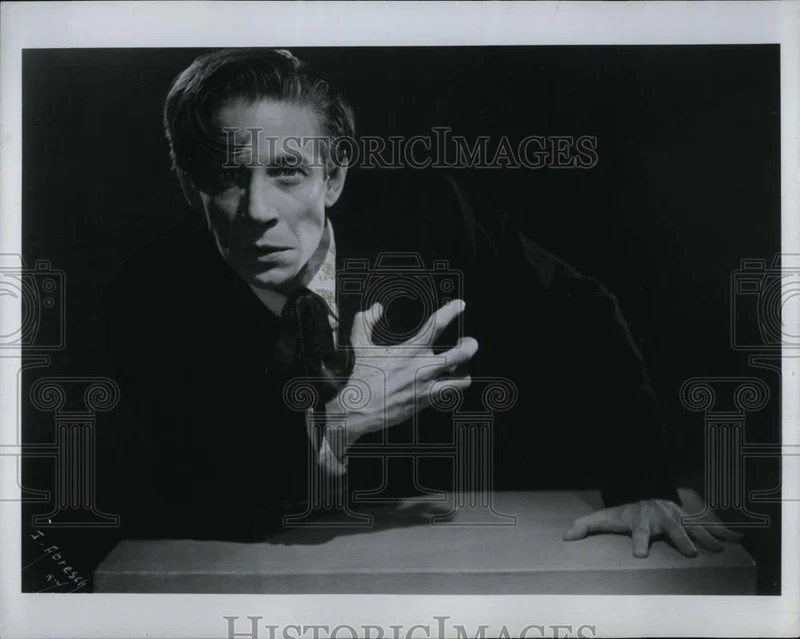
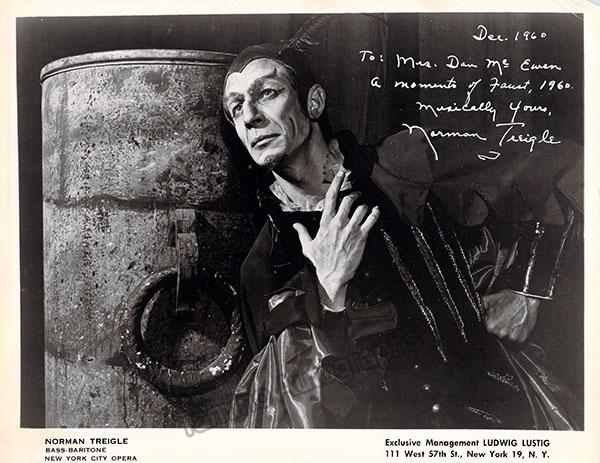
About Norman Treigle: one of the world’s leading specialists in roles that evoked villainy and terror

Norman Treigle as RevOlin Blitch in Susannah by Carlison Floyd

Norman Treigle, one of the greatest American bass-baritones was born in New Orleans March 6, 1927. In 1953 he joined the New York City Opera, making his debut there in March 1953, as Colline in La Boheme. Three years later, he scored his first great success, in the New York premiere of Floyd’s Susannah, as the Reverend Olin Blitch. In 1958, he made his European debut in this opera, at the Brussels World’s Fair.

In the fall of 1974, he made his Covent Garden debut, in Faust.


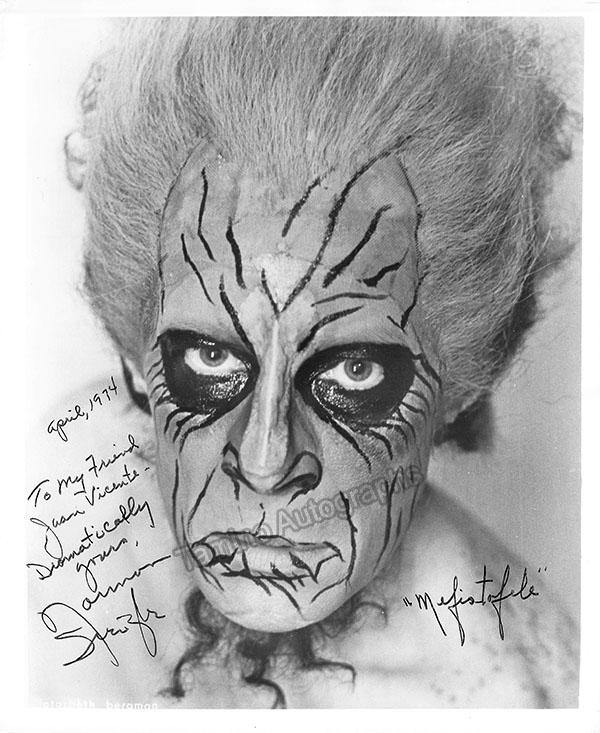
Treigle was acclaimed as one of the world’s greatest singing-actors, specialising in roles that evoked villainy and terror. Perhaps his finest roles were in Faust, Carmen, Susannah, Les contes d’Hoffmann and Mefistofele

Mefistofele

There have been several famous performers of the role: Chaliapin, for instance, who made his European debut with it (La Scala, 1901) and his American debut six years later. Or the two great basses from Bulgaria: Boris Christoff and Nikolai Ghiaurov. And yet, none left as much of a mark on the role as Norman Treigle.


The American bass, who died young (he died of an overdose of sleeping pills in 1975, not yet 48 years old), was a star at New York City Opera, and the production of Boito’s opera was created especially for him in the 1960s-’70s – this to exploit his enormous talent.


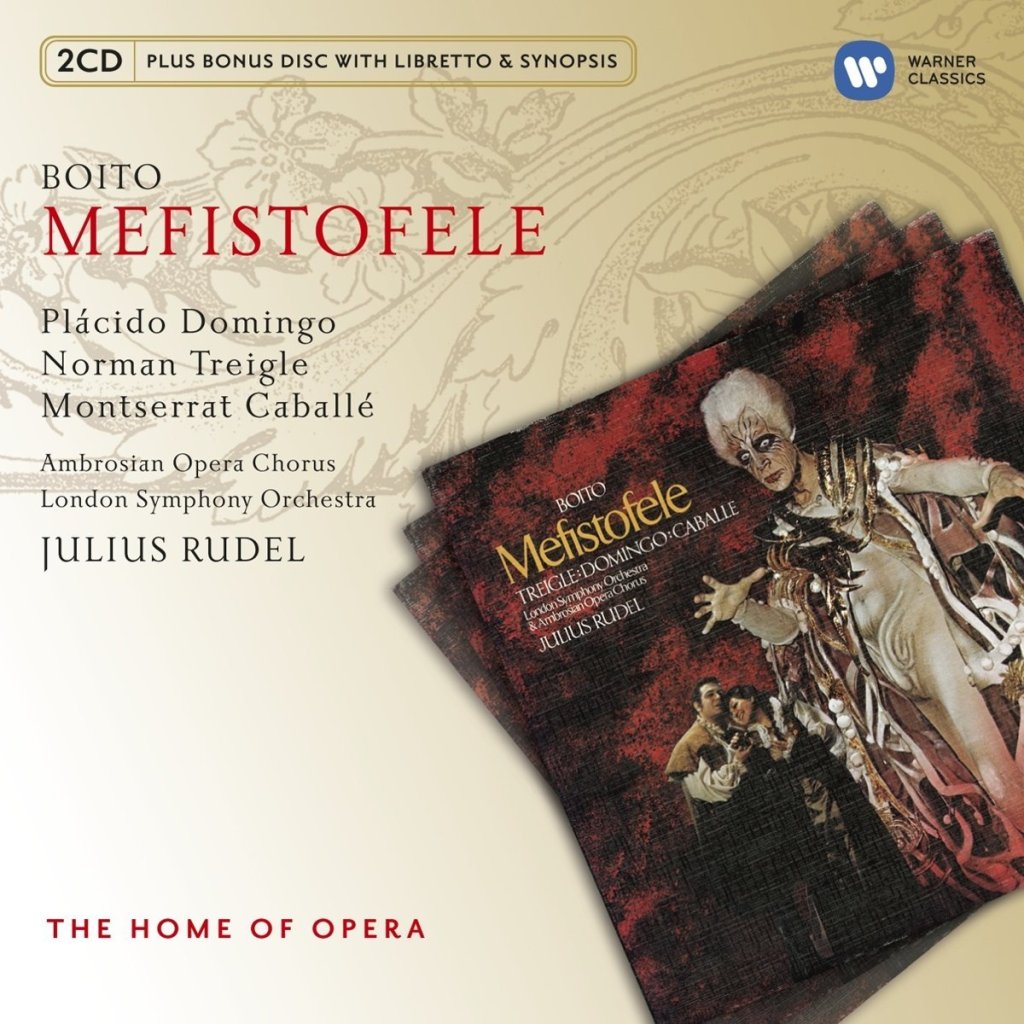
In 1973 he was also allowed to record the role in the studio under the direction of Julius Rudel, the same maestro who accompanied him at the NYCO . That the two were well matched can be heard right from the first notes of ˜Ave, Signor”, there is no mistaking it. A duet of the singer with his conductor, with the orchestra serving as a natural backdrop, a very rare experience.

˜Son lo spirito che nega”, a devilish Credo (was Boito maybe a little more involved in ‘Otello’ than is now known?), evokes reminiscences of Iago, a human devil from another opera. Treigle does not sing a devil, no; he is a devil, a chilling reincarnation of the evil genius.


Treigle sings “Ecco il monde” recorded live in 1969

For the roles of Faust and Margherita, the then very young but already world-famous singers were engaged: Montserrat Caballe and Plácido Domingo. Caballe’s Margherita is innocence itself, but with the requisite ‘spunk’. A virgin still, yet already a woman of flesh and blood. From her, you believe it, she will have done anything to spend a night with her lover. And in her madness, she moves with her colouratures – pianissimo, pianissimo, and oh so heartbreaking. Domingo’s Faust is still young and naive, he is deluded, but also enjoys it. His love for Margherita is genuine, but just as genuine is his admiration for the beautiful Helen of Troy

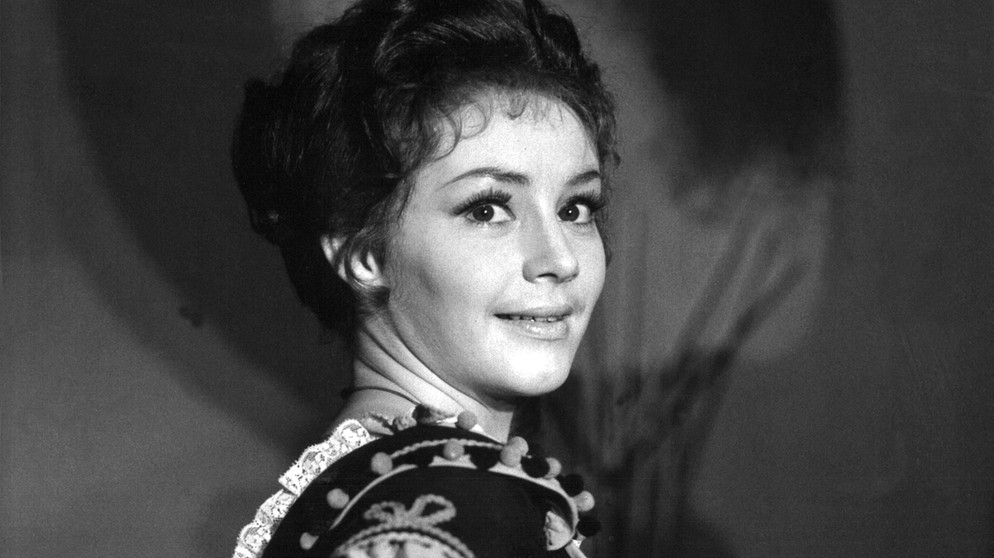
Edith Mathis as Emily, Ginevra, Pamina, Sophie, Susanna…

© picture-alliance / dpa

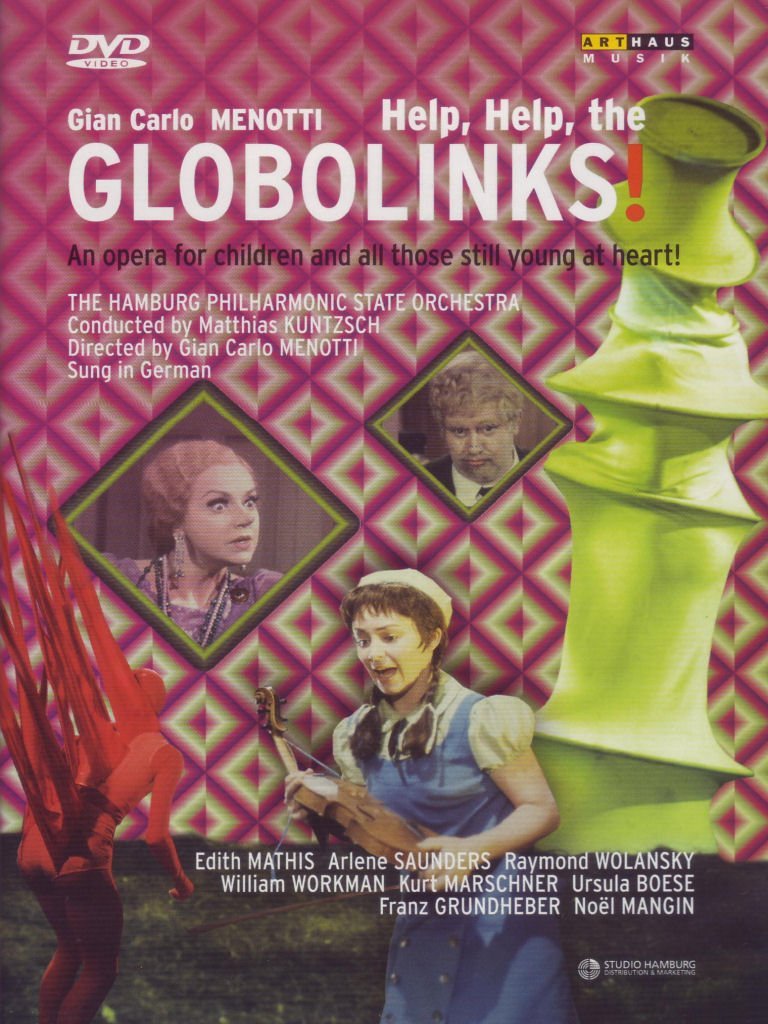
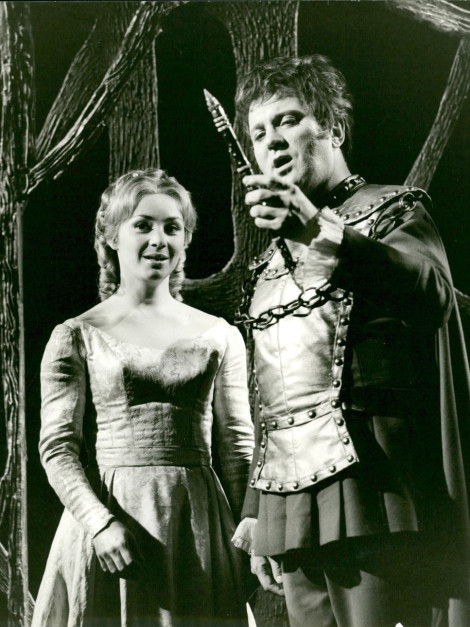
Hilfe, Hilfe Die Globolinks (Emily)

Especially for Hamburg, the Italian-American composer and director Gian Carlo Menotti composed Hilfe, Hilfe Die Globolinks!, an opera ‘for children and for those who love children’. The premiere took place in 1968 and a year later it was filmed in the studio.

I must confess that I’m not a big fan of children’s operas, but I’ve been shamelessly enjoying this one. It is an irresistible fairy tale about aliens (Globolinks) who are allergic to music and can only be defeated by means of music.

The images are very sensational for that period, full of colour and movement and the forest little Emily (the irresistible Edith Mathis) has to go through with her violet to get help is really frightening. The aliens are a bit of a let-down according to modern standards, but that doesn’t matter, it gives the whole a cuddly shine. The work is bursting with humour and irony; musical barbarians are lashed out at: the school principal who doesn’t like music turns into an alien himself.

There are also a lot of one-liners (“music leads you to the right path” or “when music dies, the end of the world is near”). It is incomprehensible a work like this is not performed all the time in every school (and I don’t mean just for the children), the subject is (and remains) very topical.

None of the roles, including the children, could be better cast, and this once again proves the high standard of the Hamburg ensemble. In which other city would you find so many great singers/actors who can perform so many different roles on such a high level?

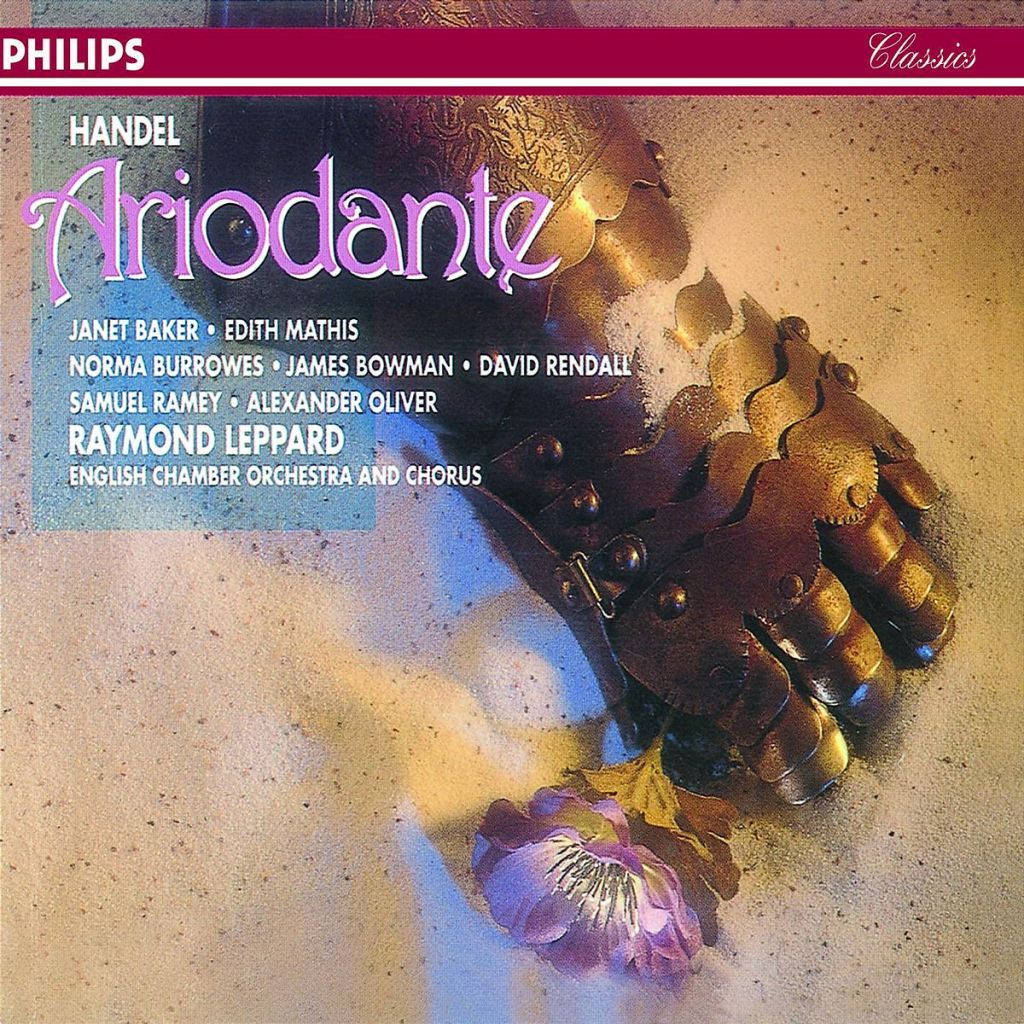
Ariodante (Ginevra)

Listening to Janet Baker is always a feast. Her Ariodante sounds old-fashioned heartwarming.

Warm-blooded too. And sopranos Edith Mathis (Ginevra) and Norma Burrowes (Dalinda) are a pure joy to listen to.

Edith Mathis sings “Si, morrò, ma l’onor mio”:

Nozze di Figaro (Susanna)


This reconstructed production of Die Hochzeit des Figaro (yes, it is sung in German) is of great historical value. But it has more to offer; the production is magnificent, the orchestra of the Hamburg Opera under conductor Hans Schmidt-Isserstedt is excellent and the singers are all idiomatic.

The American baritone Heinz Blankeburg is a droll Figaro and as Susanna, Edith Mathis is simply wonderful. I would actually like to shout it from the rooftops: this is how Susanna is meant to be! The young Tom Krause is a more than delightful Count and Arlene Saunders as the Countess, is a real match for him (and his timbre).

Cherubino

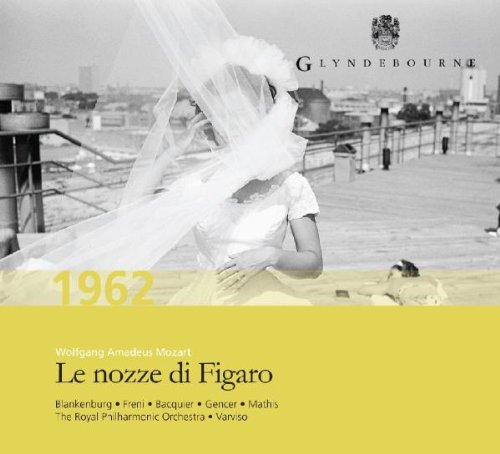
From 1960 on, all operas performed at Glyndebourne were recorded live. The more-than-valuable archive began to be polished off and transferred to CDs in 2008.

It was no coincidence that it was precisely Figaro’s Wedding that inaugurated the new series: after all, that opera gave the go-ahead to the new festival in 1934, which is now among the most prestigious in the whole world.


Gabriel Bacquier does not immediately associate you with Almaviva, and the Contessa is not the role you think of in connection with Leyla Gencer, but they both sing beautifully, with a great sense of nuance. The rest of the cast is also fantastic, headed by Mirella Freni (Susanna), then still at the beginning of her career, and the very young Edith Mathis as the ideal soprano-Cherubino

Salzburg Festival 1966 directed by Karl Böhm:

Rosenkavalier (Sophie)

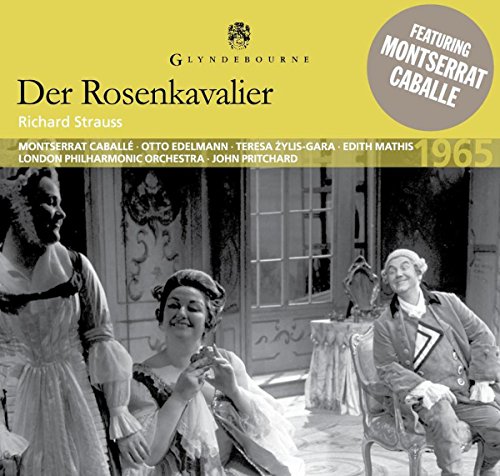
Montserrat Caballé (Marschallin) is a beautiful, young and spirited Marschallin, who enriches the role ‘at his Caballés’ with the most beautiful pianissimos and legatos.Teresa Zylis-Gara is a wonderfully light-sounding Octavian and Edith Mathis a Sophie who sounds like a 15-year-old girl. Otto Edelmann (Ochs) completes the fantastic recording

Edith Mathis as Sophie, here with Tatiana Troyanos (Octavian) in Salzburg 27 July 1969:

Zauberflöte (Pamina)

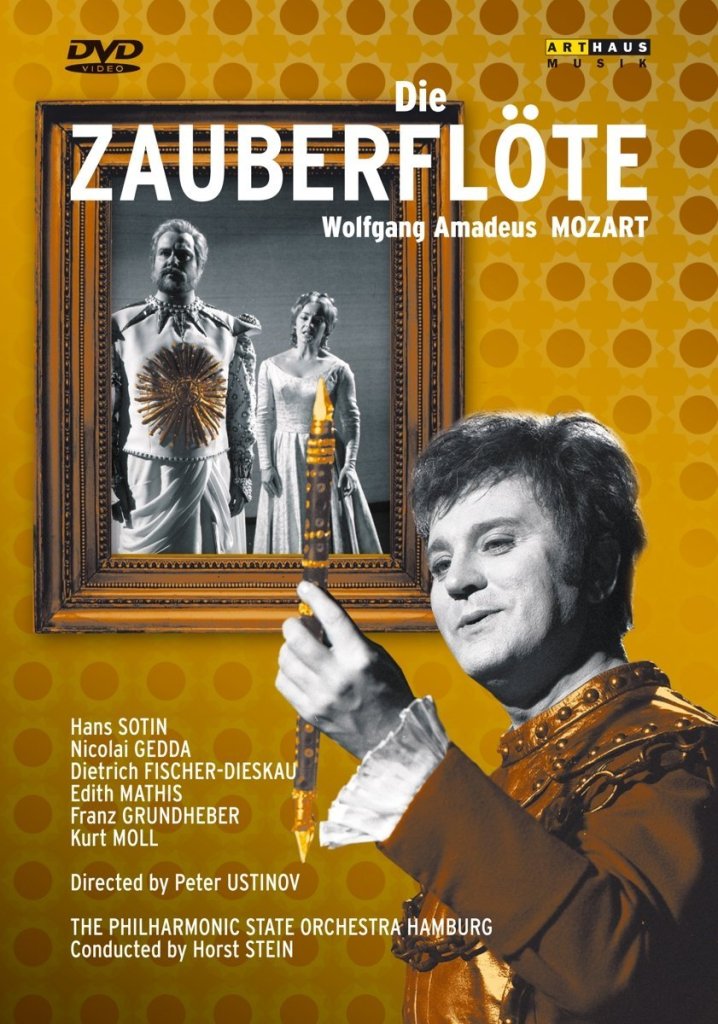
I think it’s one of the most important Magic Flutes ever, especially because of the singers! Shall I name them? Nicolai Gedda, Hans Sotin, the young Franz Grundhebber, Edith Mathis, Kurt Moll; Fischer-Dieskau, Kurt Moll , the very underrated William Workman and ….. last but not least! YES! Our ‘own’ Deutekom in her parade role.


Edith Mathis & Nicolai Gedda in „Mein, o welch ein Glück!’


Edith Mathis died 9 Februari 2025, only three days before her 86th birthday
Rest in Peace Grandiosa!

Lieneke Effern:  Mijn mooiste vijf voorstellingen van 2024

2024 was een jaar vol schitterende momenten, maar er zijn vijf voorstellingen die extra indruk hebben gemaakt.

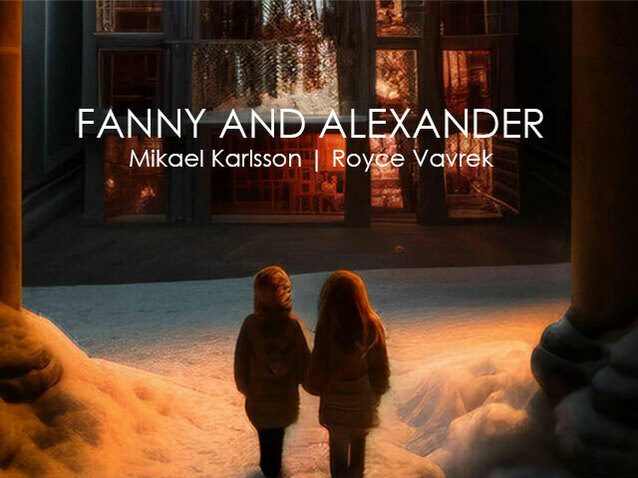
1. Fanny and Alexander – De Munt, Brussel


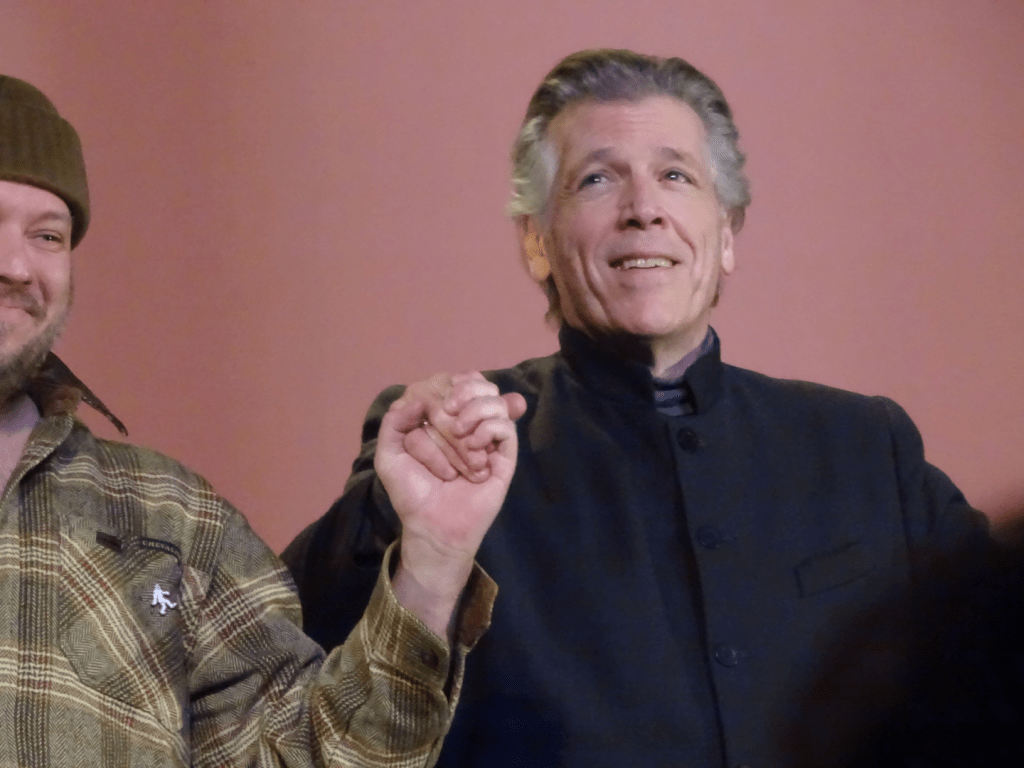
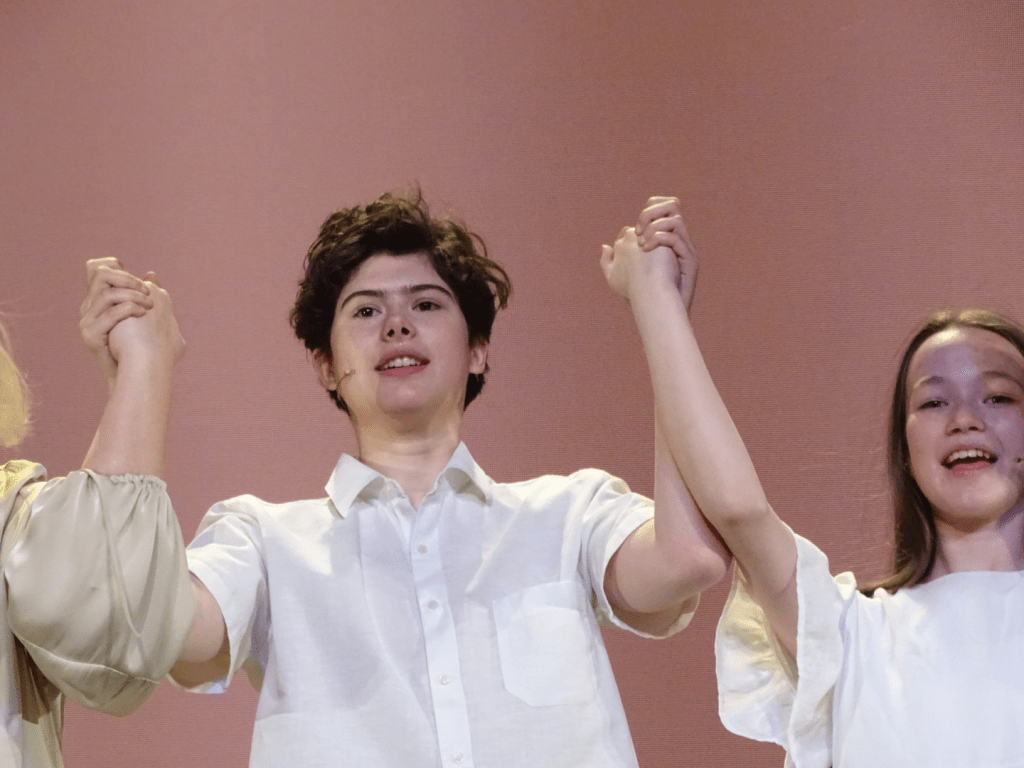
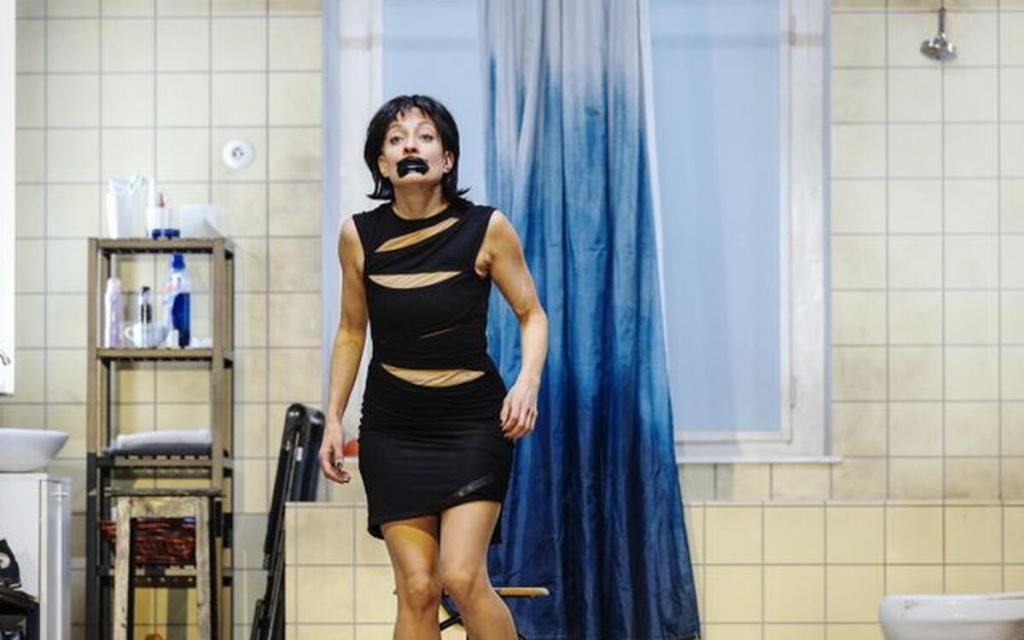
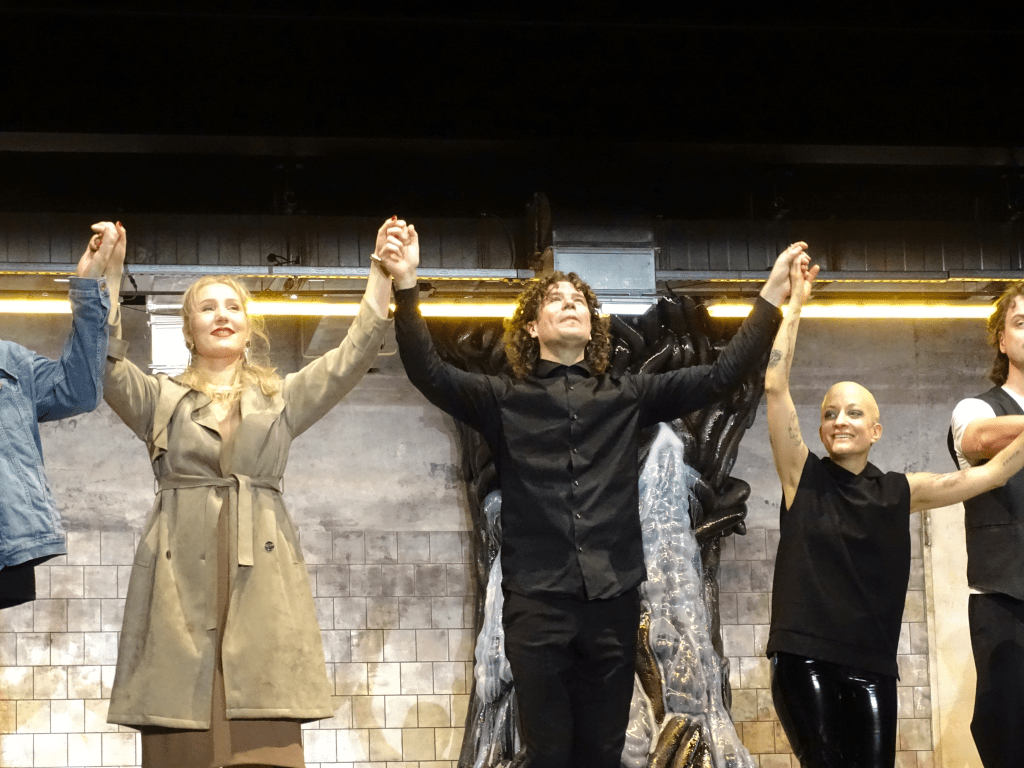
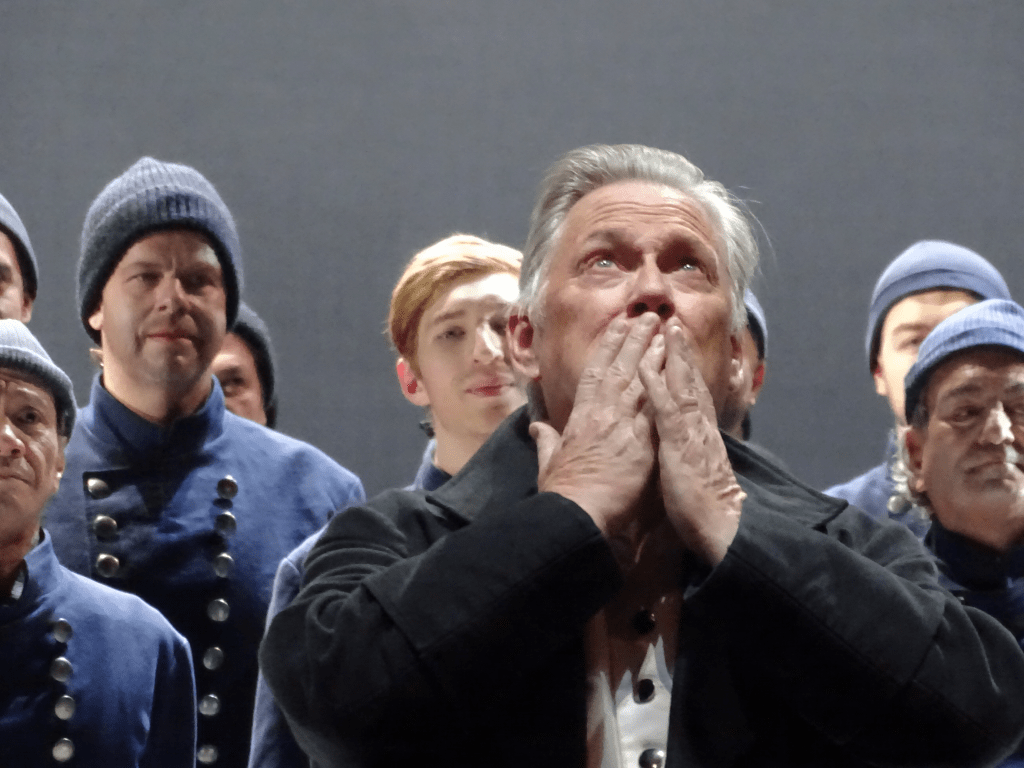
In december bezocht ik de opera Fanny and Alexander in de prachtige Muntschouwburg in Brussel. Deze productie bracht alle kunstvormen samen: zang, toneelspel, muziek en een adembenemend toneelbeeld. Ik was heel blij dat Thomas Hampson de rol van de bisschop vertolkte in een over de hele linie geweldige cast. Dit was opera in zijn meest meeslepende vorm, een ware triomf van het muziektheater.

2. Verklärte Nacht – Schönberg – Concertgebouw


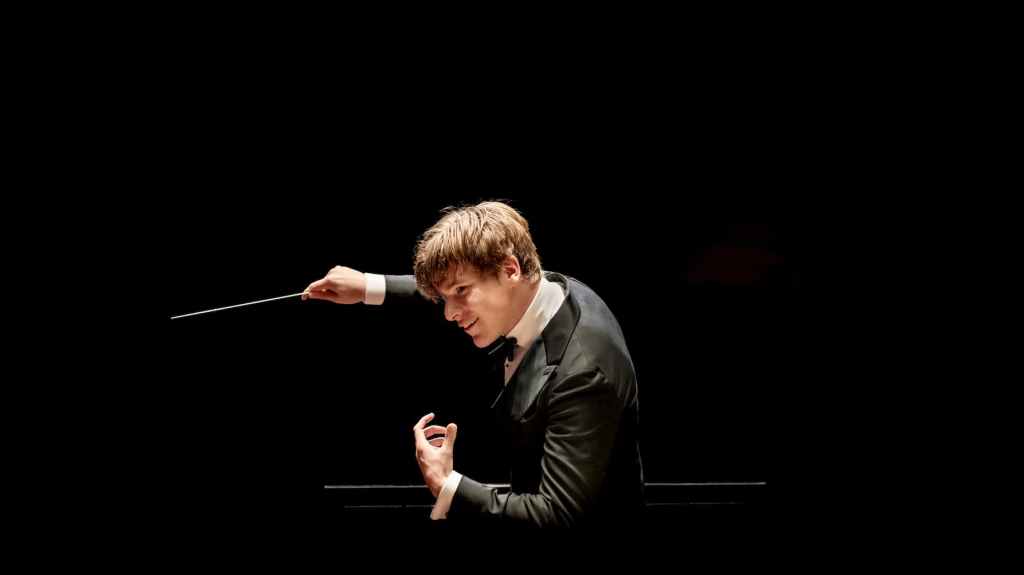
Arnold Schönbergs Verklärte Nacht is een meesterwerk op zich, maar het Concertgebouworkest bracht het naar een nieuwe hoogte onder de bezielende leiding van Klaus Mäkelä. In de zaal hing een betoverende sfeer: elke noot leek geladen met emotie, en het orkest transporteerde het publiek naar een andere wereld. Toen de laatste klanken vervaagden, bleef de zaal in een diepe stilte gehuld. Een onvergetelijke avond

https://www.concertgebouw.nl/concerten/5216512-klaus-makela-dirigeert-mahler-bij-het-concertgebouworkest

3. Rusalka – Staatsoper Berlin


In de Staatsoper Berlin beleefde ik een prachtige uitvoering van Dvořáks Rusalka. Christiane Karg blonk uit in de titelrol. Haar zang was niet alleen technisch perfect, maar vooral doorleefd en ontroerend. Elk gebaar, elke noot vertelde het tragische verhaal van de waternimf die verlangt naar de liefde van een mens. Haar fenomenale acteerprestatie maakte de ervaring extra intens. De rest van de bezetting was ook van zeer hoog niveau.

4. Billy Budd – Wiener Staatsoper


Benjamin Brittens Billy Budd zag ik in de Wiener Staatsoper. Gregory Kunde schitterde als Captain Vere, een rol die hij onvergetelijk maakte met zijn subtiele tekstbeleving en vocale kracht. De opera is een verhaal over loyaliteit en morele dilemma’s, en deze productie wist die thema’s uitstekend over te brengen. Een opera die nog lang nadreunt.

5. Alma Quartet met Santa Vizine en Klaus Mäkelä – Kamermuziekprogramma


Het Alma Quartet, samen met altvioliste Santa Vizine en cellist Klaus Mäkelä, bracht een indrukwekkend kamermuziekprogramma ten gehore. Op het programma stonden Korngolds Sextet in D en Schuberts Strijkkwintet in C, D956. De musici wisten de essentie van deze werken perfect te vangen, wat zorgde voor een avond vol muzikaal vakmanschap en intensiteit.

Foto’s “Behind the scenes” © Lieneke Effern


Otto Schenk In Memoriam

©Ian Ehm /News

Otto Schenk, one of the greatest opera directors died 9 January 2025 at the age of 94. This is brief summary of few of his many productions, arranged alphabetically

ANDREA CHÉNIER

For me, Andrea Chénier is one of the best and most beautiful operas ever. I think the music is nothing less than divine and the story is timeless. It remains current, perhaps now more than ever. The tyrant must be cast off his throne and the people must take control. Surely, we all agree on that?
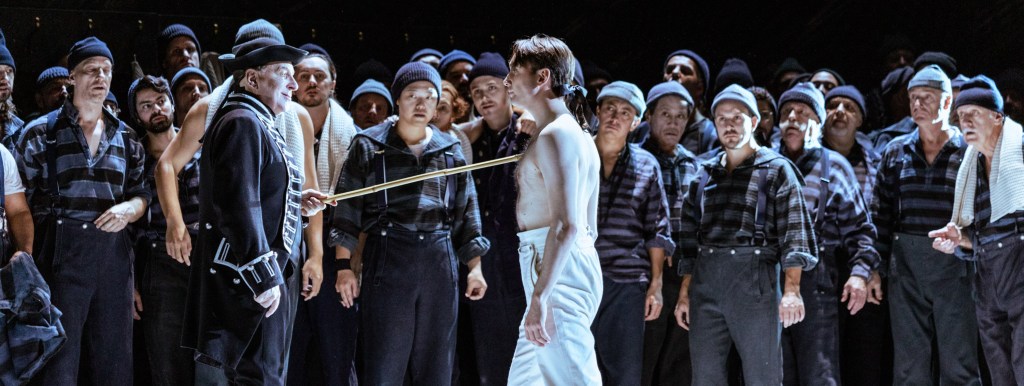
If only it were that simple! If only it were that simple! Anyone who grew up in a post-revolutionary totalitarian regime knows how much horror it brings. One terror is replaced by another. This, at least for me, is the main theme in Giordano’s biggest hit. I don’t think the real lead role is the actual poet, André Chénier It is the French Revolution, which, as Gérard (once Maddalena’s houseboy and now one of the revolutionary leaders) bitterly observes, devours its own children.
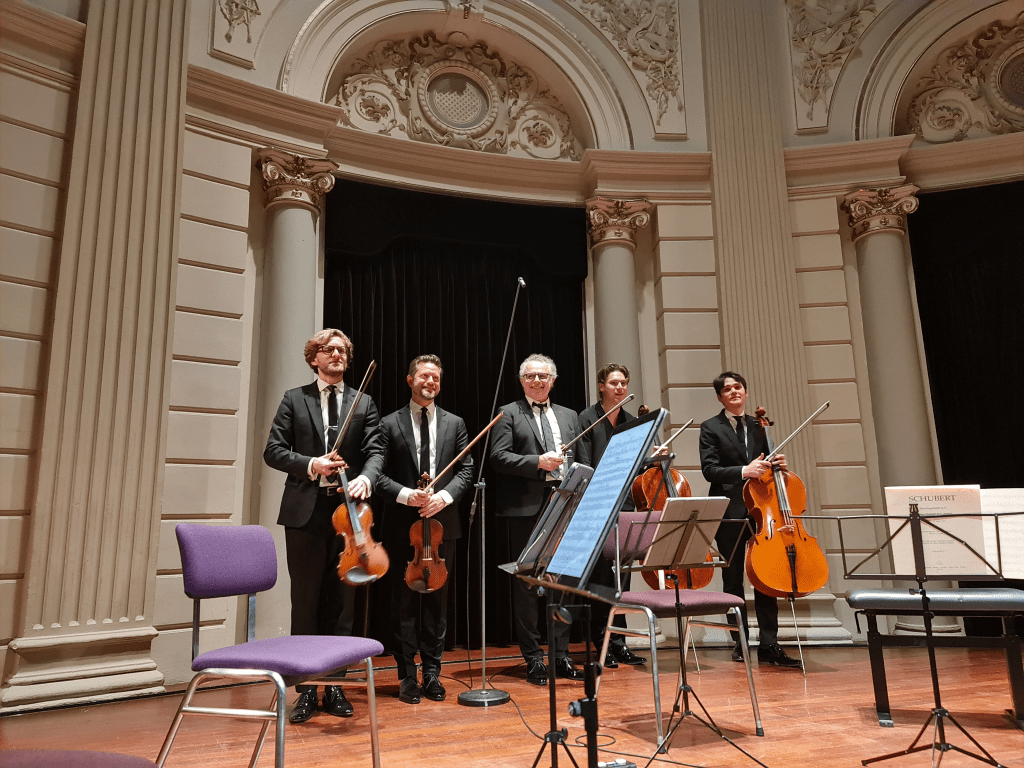
I myself think the role of the poet/revolutionary fits Placido Domingo like a glove. Passion for love and enormous involvement in everything that happens in the world were – and still are – his trademarks.

In 1981 the opera in Vienna was recorded for TV. That recording has since been released on DVD. Gabriela Beňačková, one of the most underrated singers in history, sings a Maddalena of flesh and blood. Horrifyingly beautiful and moving.

Piero Cappuccilli is a Gérard among thousands and the small roles are also filled by great singers: Madelon is sung by none other than Fedora Barbieri. Otto’s Schenk’s production is a feast for the eyes (DG 073 4070 7).

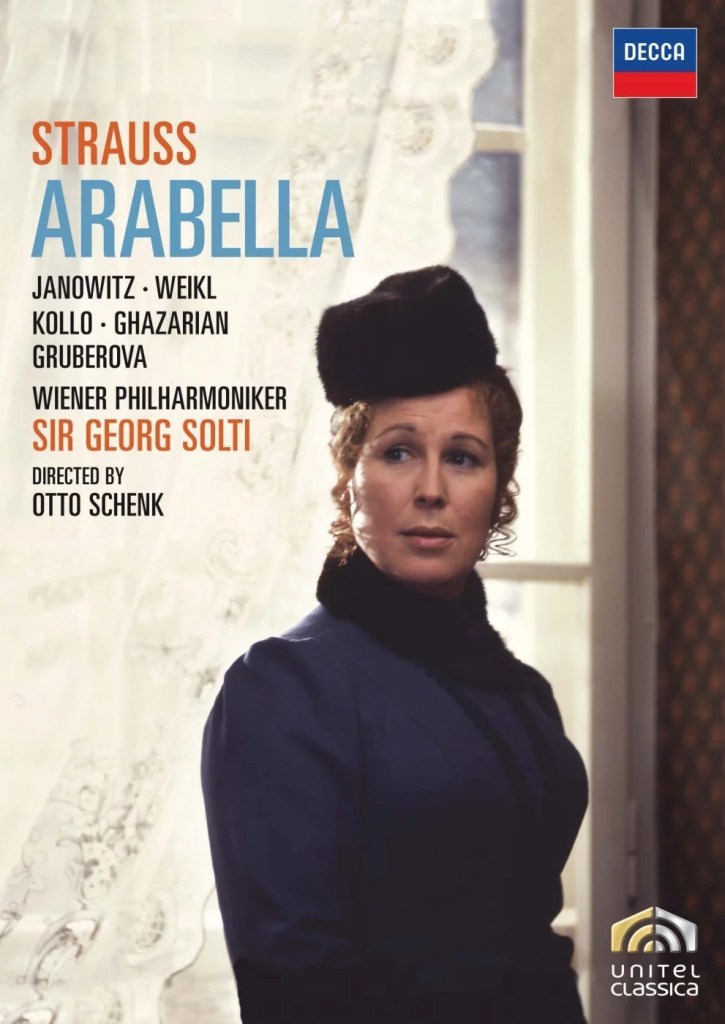
ARABELLA

Film 1977:


If you have never seen the opera, you would do well to start with Otto Schenk’s 1977 film (DG0743255). Larger than life, with lifelike sets. Of course, no ordinary live performance can compete with that.

Gundula Janowitz is a delightful Arabella. Perhaps not the best actress in the world, but her high notes are so very beautiful. Sona Ghazarian is a good Zdenka, but what really makes the recording, alongside the very erotic playing of the Wiener Philharmoniker (Solti!), more than worthwhile, is Bernd Weikl’s Mandryka. Any woman would certainly want to be kissed awake by him.

The minor roles are also fantastically cast: René Kollo is a Matteo out of thousands and I know of no better Fiakermilli than the young Gruberova. Add to this the very young (30!) Kurt Rydl as Lamoral and Margarita Lilova (Adelaide).  It is definitely very good.

Below Gundula Janowitz and Bernd Weikl in the last act:


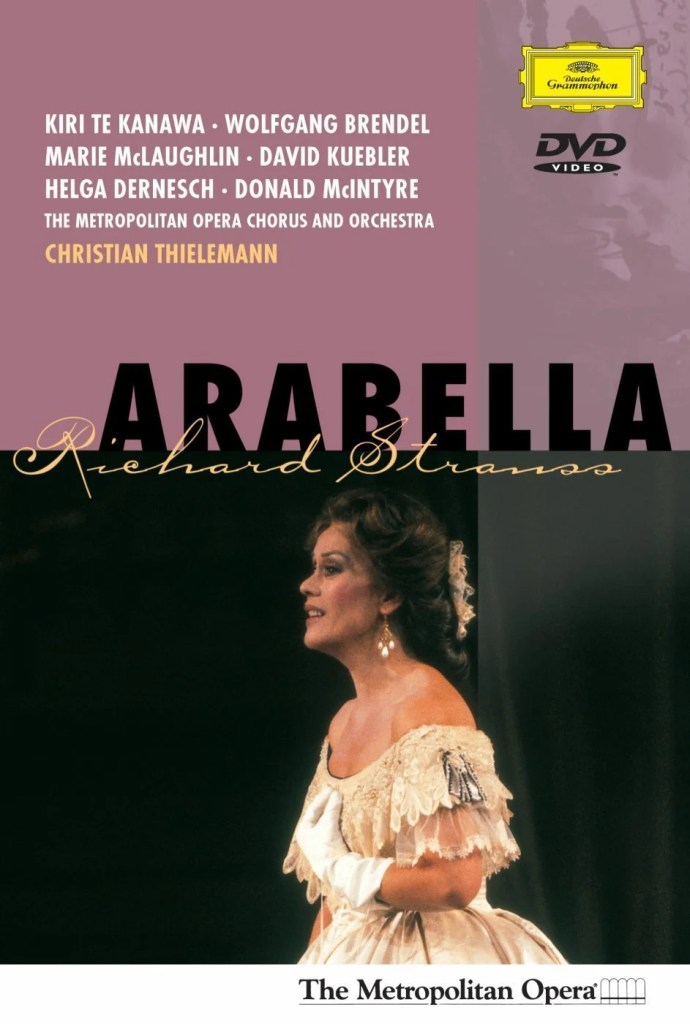
Metropolitan 1995:

Kiri te Kanawa is an exemplary Arabella; there are few singers who can match her in this role. Strauss has always been a bit like her personal composer and optically, of course, she is a dream Arabella.

Her sister Zdenka (Marie McLaughlin) is also wonderful, something that cannot be said of Wolfgang Brendel (Mandryka). He doesn’t succeed in making my female heart beat any faster. Thielemann conducts well, but he lacks the sensuality of Solti.  (DG 0730059).

Below is a scene with Kiri te Kanawa and Marie McLaughlin:


BALLO IN MASCHERA


The Royal Opera House production released by Opus Arte (OA 1236D) dates from early 1975. The sound is a little dull, but you will forget that as soon as you hear the beautiful voices of the singers.

Katia Ricciarelli is one of the most moving Amelias I know. The sound that she produces is perhaps not really ‘Verdian’, and perhaps her voice is a little too light, (she has sadly destroyed her voice by singing this type of role), but the pianissimi that she spins deserve a prize for sheer beauty, and her fragility is palpable.

The kindly anxious, loving, but also playful tenor of the young Placido Domingo fits the role of Gustavo like a glove. Piero Cappuccilli is an excellent Renato and Reri Grist an Oscar such as you do not often hear them anymore. Her performance alone is worth buying the DVD.
Claudio Abbado (how young he was then!) conducts lightly and keeps the tempi sparkling, resulting in an effervescent orchestral sound.


The direction by Otto Schenk is effective. Conventional and yet surprising. And like no other, he exposes the comic aspects of the opera.

Trailer of the production:

DIE FLEDERMAUS

For me, the performance recorded at the Wiener Staatsoper on New Year’s Eve 1980 is by far one of the best, if not THE best. The production was then one year old and it was directed by Otto Schenk, a famous Viennese actor, who himself had played the role of Frosch 29 times. In a rich and detailed setting, an intrigue full of lies unfolds, which is at once exciting, comic and sad.

The cast simply could not be better: Bernd Weikl portrays the dissolute and primal Eisenstein with the necessary wink and humour, Lucia Popp is delightful as the bored housewife Rosalinde, and Brigitte Fassbaender irresistible as Orlovsky. But the very best is the young Edita Gruberova (Adele): she coquettes, makes us laugh at her mock accent, and moves us with her naivety. And all this with perfectly sung colouratura, brava!
Theodor Guschlbauer shows already in the overture that it is going to be an evening of masterfully performed beautiful melodies. Delightful.

DIE MEISTERSINGER VON NÜRNBERG


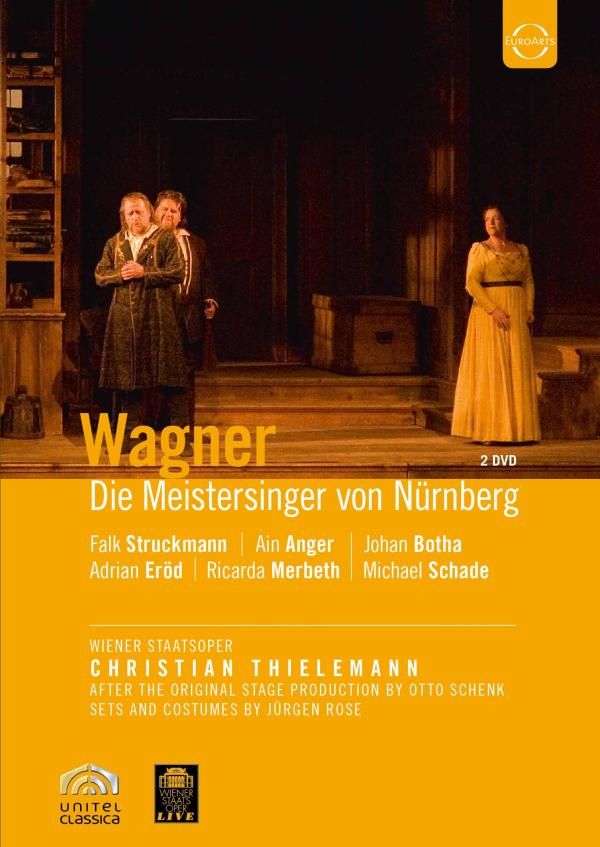
If you want a really beautiful Die Meistersinger on DVD, I can recommend Otto Schenk’s production. The wonderful performance was remade and recorded in Vienna in 2008. (Euroarts 0880242724885). HUGE! You really hardly ever get an experience like this; everything is in its context: the sets, the costumes, the story….

You may not believe it, but even Johan Botha (Walther) does some acting in this production! For that alone, the DVD is a must-see…But there is more. How about Falk Struckmann as Sachs (OK, the man can do no wrong with me)? And the deliciously vile Adrian Eröd (Beckmesser)? And if you know that the conductor’s name is Christian Thielemann … well!

Trailer:

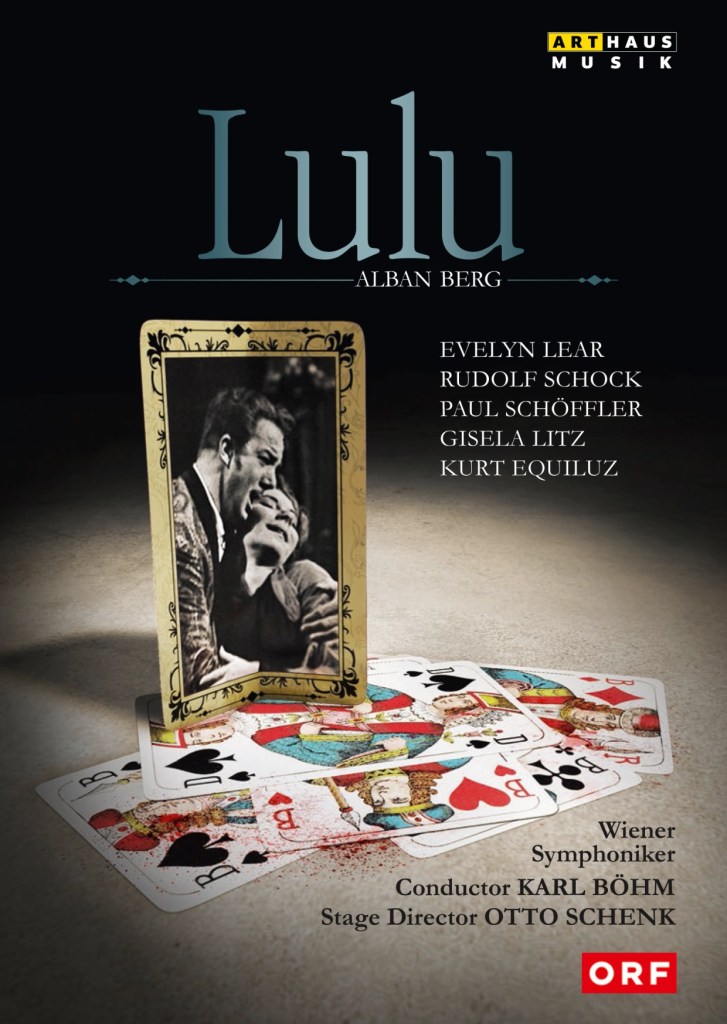
LULU

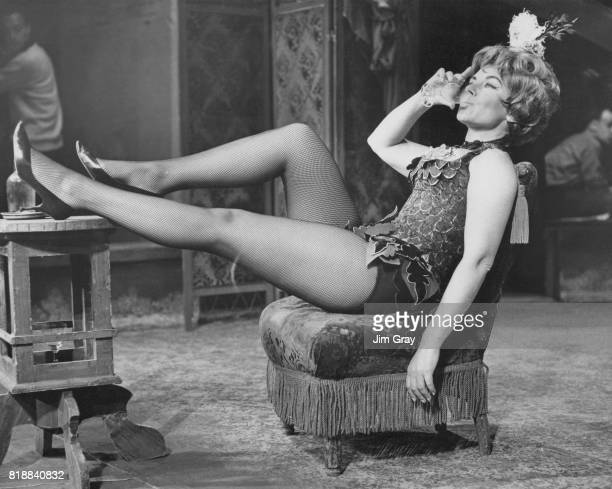
With her movie-star looks and angelic voice, Evelyn Lear has been referred to in the press as ‘Elisabeth Taylor meets Elisabeth Schwarzkof’. Personally, I find the American soprano, very popular in the 1960s to 1980s, much more interesting than her German colleague. Lear was one of the greatest and best advocates of modern music.

Opera singer Evelyn Lear of the Hamburg State Opera Company in the title role of the opera ‘Lulu’ at Sadler’s Wells in London, UK, 3rd May 1966. (Photo by Jim Gray/Keystone/Hulton Archive/Getty Images)

On 9 June 1962, she sang the role of Lulu in the first Austrian production of the work, at the newly reopened Theater an der Wien. I can imagine that the posh premiere audience may have been a bit surprised to see a prima donna dressed only in a tight-fitting corset and fishnet stockings, but if so, nobody showed it. It was directed by the then very young Otto Schenk, who followed the libretto closely.

UNSPECIFIED – CIRCA 1970: Evelyn Lear and Paul Sch?ffler in Lulu by Alban Berg in the Theater an der Wien, , Photography, 1962 (Photo by Imagno/Getty Images) [Evelyn Lear und Paul Sch?ffler in “Lulu” von Alban Berg im Theater an der Wien, Photographie, 1962]

That Paul Schöffler (Dr Schön ) reminded me of Professor Unrath from Der blaue Engel is, of course, no coincidence. Nor is his resemblance to Freud.

The last scene, beginning with Geschwitz’s plea followed by images of Jack the Ripper, could just as well have been taken from one of the best Hitchcock films. Especially since Gisela Lintz, who sings the role of the Countess, looks a lot like one of the director’s beloved actresses.

Watching Karl Böhm conducting is also extremely exciting. I have never seen him gesticulating so violently. An absolute must (Arthaus Musik 101 687).

TANNHAUSER


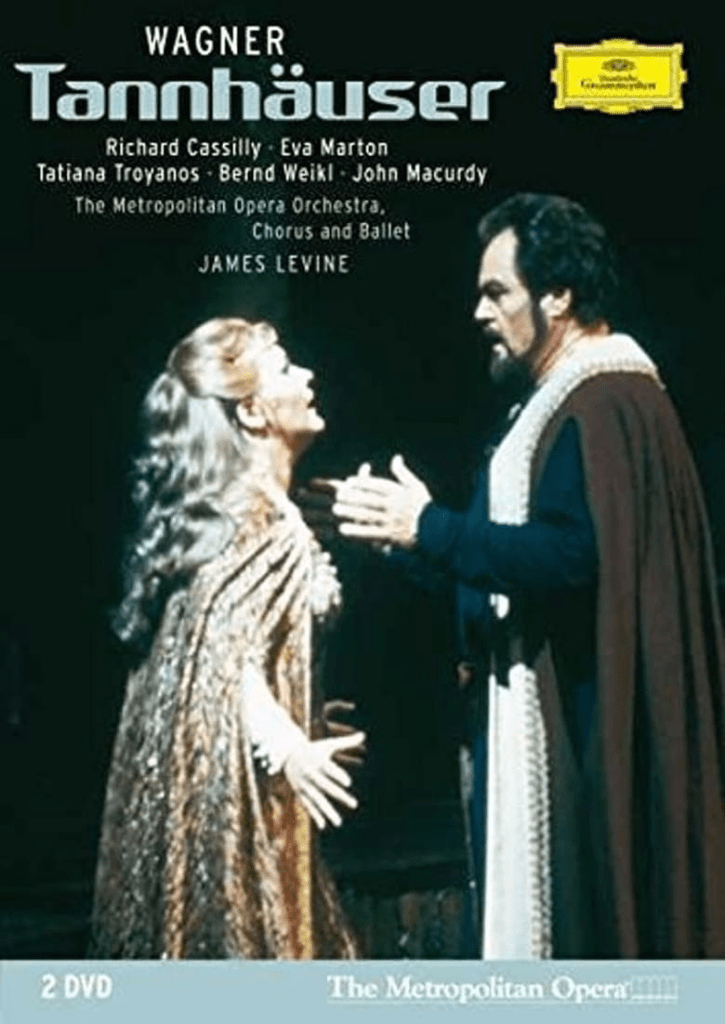
Otto Schenk’s insanely beautiful 1982 production, recorded at the Metropolitan Opera in New York (DG 0734171) dates from 1977. If you like very realistic, lavish sets and ditto costumes (I do) you can have a lot of fun with this. Just about the entire Venus grotto from Schloss Neuschwanstein was recreated for the opening scene, and the ballet presents us with a truly orgasmic Bacchanal. The orchestra, conducted by James Levine, plays mostly lyrical and light, there is nothing to criticise at all.

Eva Marton is a fine Elisabeth, Tatiana Troyanos a wonderfully sensual and seductive Venus.
Bernd Weikl, one of my favourite baritones sings an irresistible Wolfram, although he messes up his great aria by trying to give his (in principle) lyrical voice too much volume, making his voice unsteady.

And although the Landgrave (John Macurdy) is really terrible, I would not have had a problem with that recording, provided … yes … provided the tenor had not been so awful. The textbook mentions “the very highest standard”, well, I’m not so sure about that. Richard Cassilly is a physically very unattractive Tannhäuser with a pinched voice and a total lack of lyricism, giving the impression of having wandered

into the wrong opera.

Goodbye Otti! We will never forget you!


Symphonova: Forbidden Music elektronisch Regained

Tekst: Neil van der Linden

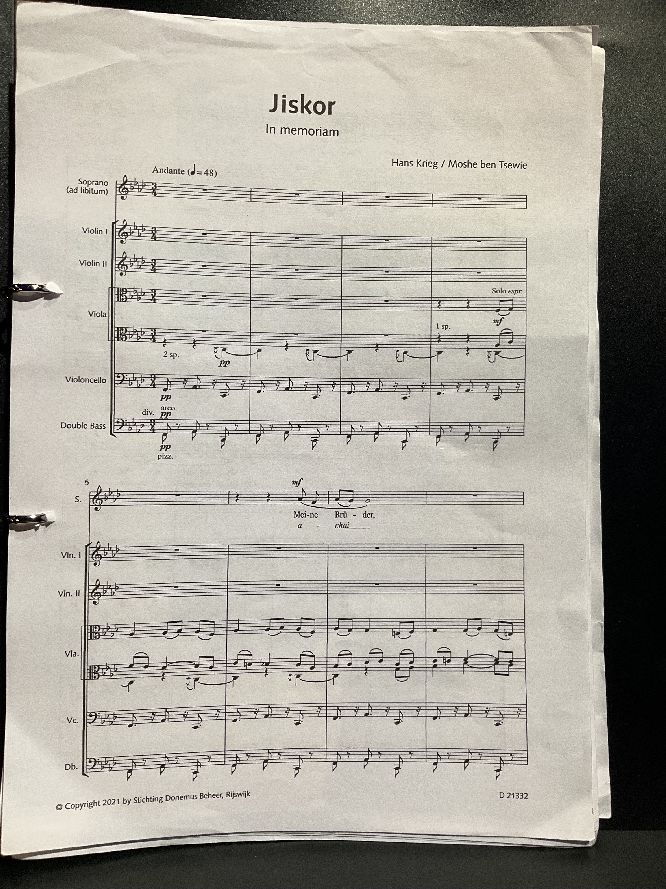
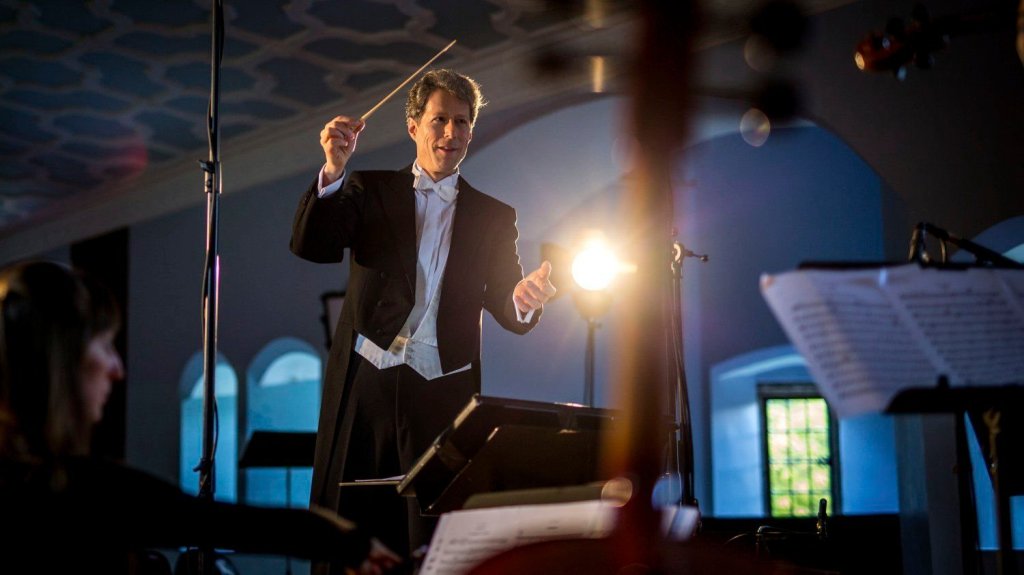
Ik kan mij voor mijn hoofd slaan omdat ik door een vergissing zeven van mijn acht eigen iPad-opnamen van dit concert heb gewist. Eén heb ik nog, en die heb ik op Youtube gezet: Jiskor (In Memoriam) van Hans Krieg (1899 – 1961; in Duitsland geboren, ondergedoken in Nederland en later in Nederland gebleven), door Symphonova onder directie van Shelley Katz met als soliste Channa Malkin.

(NB Er werd aangekondigd dat Channa Malkin een verkoudheid had opgelopen en dus niet helemaal bij stem was. Dat is misschien alleen een beetje in de hoogte te horen.)

Ik was afgekomen op het idee een symfonisch concert mee te maken en het was ook een symfonisch concert. Maar op het podium van de Theaterzaal van het Amsterdams Conservatorium, waar de 2024 editie van Forbidden Music Regained plaats vond, stond geen orkest opgesteld. Afgezien van Channa Malkin in twee stukken voor sopraan en orkest was er verder maar één persoon te zien, dirigent Shelley Katz.

Symphonova is namelijk een computer met software die op geleide van de gebaren van een dirigent symfonieorkestklanken genereert. De instrumenten zijn ‘gesampled’, ‘live’ per noot en intonatie opgenomen, en opgeslagen in een computer. De dirigent heeft een elektronische armband rond zijn rechterpols en een elektronisch element in zijn dirigeerstok. Daarmee stuurt Katz met dirigeerbewegingen de computer aan zoals je een orkest aanstuurt.

Een kruising tussen de Theremin, het nu bijna een eeuw oude elektronische instrument dat met handbewegingen in de lucht wordt bediend, “De Handen”, het principe dat Michel Waisvisz in 1984 ter wereld bracht en een mellotron (het met analoge bandjes werkende strijkorkest dat beroemd werd door King Crimson, Genesis, Yes en de Moody Blues), maar dan allemaal digitaal.

Het geluid wordt weergegeven door speakers, in dit geval vier wonderschoon vormgegeven elektrostatische luidsprekers en een stuk of wat andere speakers. Zoals Katz vertelde kan naar wens voor verschillende klankspectra worden gekozen, in dit geval de akoestiek van de Weense Konzertverein.

Dat was heel toepasselijk, want bijna alle muziek van het programma hoorde thuis bij het idioom van de Oostenrijks-Duitse muziektraditie. Zij het dat het in alle gevallen ging om componisten die door de Nazi’s verboden werden. Leo Smit en Robert Hanf zijn door de Nazi’s in Sobibor en Auschwitz vermoord, de anderen zijn direct of indirect als gevolg van de Nazipolitiek in de vergetelheid geraakt.

Nee, de Symphonova klinkt vooralsnog niet volmaakt als orkest. Dat merk je met name bij de inzetten van de strijkers en het uitsterven van noten. Dan klinken ze nog steeds een beetje als synthesizer-strings. Bij het weergeven van houtblazers en koper heeft het geluid de neiging dicht te slibben. Verder spelen de verschillende groepen ‘te’ gelijk. Ik sprak met Shelley Katz na afloop over het idee om instrumentengroepen op natuurlijke manier niet spat-synchroon te laten lopen, zoals bij een orkestuitvoering altijd wel gebeurt, ervan afgezien dat je daar te maken hebt met verschillende afstanden tussen instrumentgroepen en publiek in verschillende delen van de zaal.

Wat nu het belangrijkst is dat dankzij Symphonova werken ten gehore kunnen worden gebracht die anders niet of nauwelijks te horen zijn. Dat geldt voor elk van de werken die op het programma stonden. En wel op een manier die toch het door de componist beoogde klankbeeld benadert.

Neem het eerste stuk van het concert, de Epiloog voor Orkest van Johanna Bordewijk-Roepman, 1892-1971, die – niet Joods – weigerde lid te worden van de Kultuurkamer. Er is een Youtube opname van met Symphonova. Ik kan de lezer verzekeren dat de klank bij de uitvoering in Amsterdam en zelfs die van mijn eigen registratie daarvan nog veel mooier was dan op deze YouTube link. Het werk is in elk geval in recente jaren niet uitgevoerd.

Na de oorlog nam Bordewijk-Roepman zitting in de Ereraad voor de Muziek, waar ze de werken van ‘foute’ collega’s beoordeelde. Velen hebben haar dat kwalijk genomen en zijzelf denkt dat dat de uitvoering van haar werk na de oorlog sterk heeft beïnvloed. Hopelijk kan de aandacht van Symphonova ertoe bijdragen dat haar werk weer vaker wordt uitgevoerd. Als het al epigonistisch zou zijn luisterde Bordewijk-Roepman goed naar het geluid van haar tijd, niet ultra-modernistisch, maar zeker niet reactionair; mooi zwaar gedragen laatromantisch, toch wel eigen.

Dat eigene geldt ook voor de Suite voor Orkest van Leo Smit. Een beetje impressionistisch en post-impressionistisch Frans, maar toch eigen speels.

De klaterende passages met fluiten, piccolo’s en hoog slagwerk slibben ook hier akoestisch dicht, maar laten wel het weidse klankspectrum van Smit horen.

Prelude from Suite for Orchestra by Leo Smit
Arranged by Bob Zimmerman:

Forlane from Suite for Orchestra by Leo Smit arrangement Godefroy Devreese:

Rondeau from Suite for Orchestra by Leo Smit arrangement Godefroy Devreese:

Er was ook een deel uit de muziek van Rosy Wertheim (1888 – 1949) voor het toneelstuk Lanceloet.

Op deze opname klinkt de muziek echt tamelijk mechanisch, dat was tijdens het concert anders. Dat geldt ook voor het Andante uit de Serenade voor Orkest van Robert Hanf (Amsterdam 1894 – Auschwitz 1944), een werk ergens tussen Frans en Duits in, in de somberte ervan toch heel eigen:

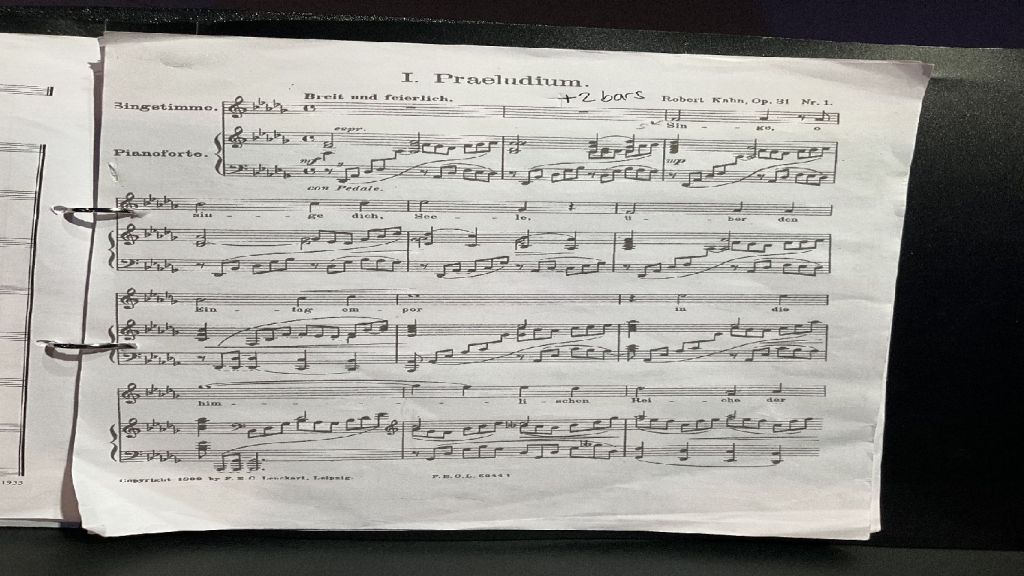
Jammer dat ik ook hiervan mijn iPad-opnamen niet meer kan delen.  En dat geldt ook voor Preludium van Robert Kahn (1865 –1951), een componist die op tijd naar Engeland wist te ontkomen. Net zo mooi als Strauss’ Vier Letzte Lieder, zoals Symphonova samen met Chana Malkin liet horen. Terwijl Kahn na zijn vlucht naar Engeland een vrijwel anoniem bestaan leefde en de wrange ironie wil dat de Vier Letzte Lieder uitgerekend in 1950 in Londen in première ging, nadat het Strauss gelukt was gerehabiliteerd te worden.

Gelukkig is er een opname van:

Maar Channa Malkin deed het echt nog veel mooier, verkouden of niet.

Hier is de eerdere ‘officiële’ opname van Hans Kriegs In Memoriam

Website met meer informatie over Symphonova en een vergelijkbaar concert in Londen:

© P. Menco

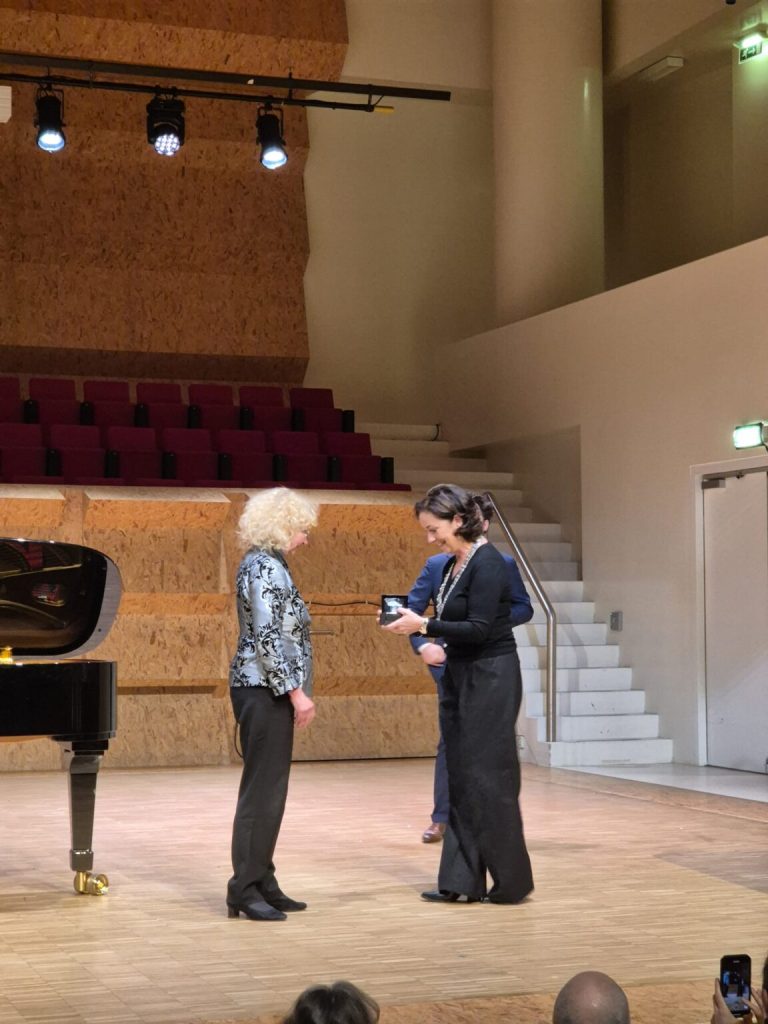
Buiten stond een bewaker. Want er was hoog bezoek, de burgemeester. Tijdens het festival kreeg Eleonore Pameijer, één van de oprichters van de Leo Smit Stichting en het Forbidden Music Regained festival, van Femke Halsema de Frans Banninck Cocqpenning van de stad Amsterdam uitgereikt, “voor haar grote inzet voor muziek van Joodse componisten die tijdens de Tweede Wereldoorlog zijn vervolgd en vermoord.”

https://www.npoklassiek.nl/klassiek/podium/08471eda-0c74-4745-b723-dc3580dd3722/frans-banninck-cocqpenning-voor-eleonore-pameijer

Gezien: 30 november, Forbidden Music Regained Festival in het Conservatorium van Amsterdam

De honderdste uitgave van de Leo Smit stichting

Vervolgde Nederlandse componisten in de Tweede Wereldoorlog

Verboden componisten komen weer uit de vergetelheid tijdens een prachtige tentoonstelling in het Stadsarchief van Amsterdam

De Leo Smit Stichting eert vier componisten.

From the bottom of my heart

Songs of Love & Exile – A Sephardic Journey