discografieën

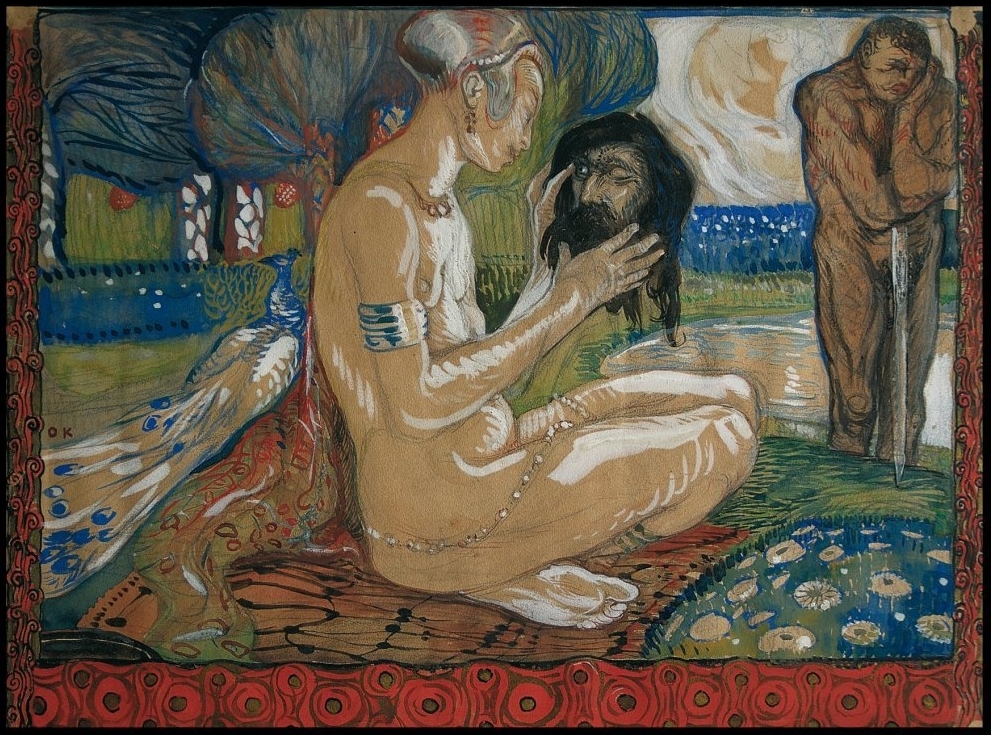
SALOME – A DANGEROUS SEDUCER OR … ?


There are certain operas that demand a great deal of the imagination from their audiences. Salome, for example. The adolescent heroine is only 15 years old, but Strauss gives her some very intense notes to sing. You need to have a voice like Isolde’s, but you also have to be able to convince the audience that you are a very attractive and very young thing.
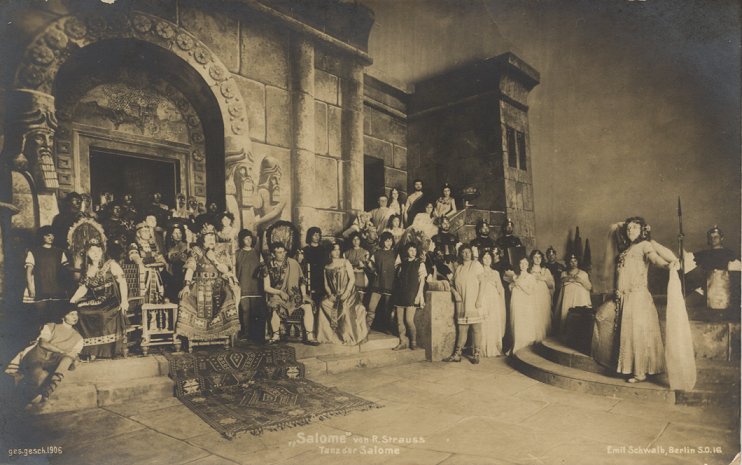


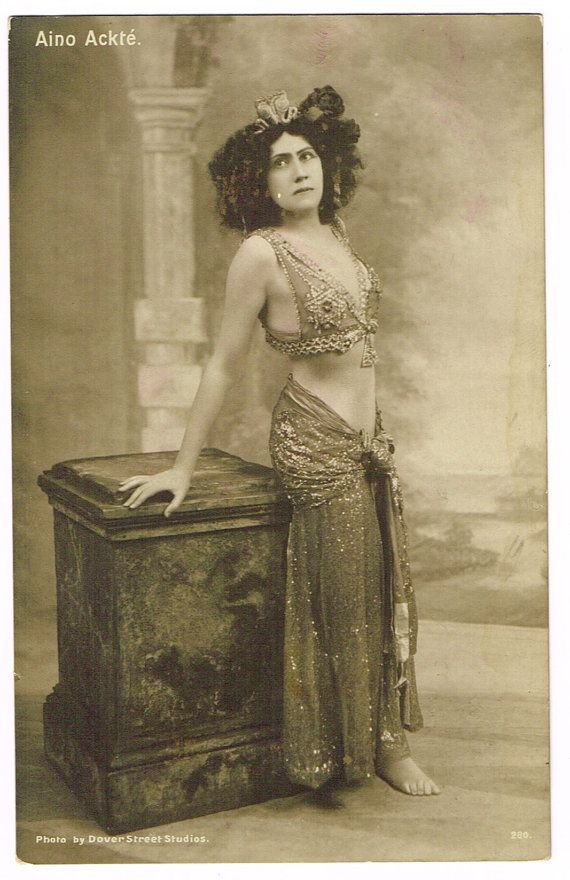
Strauss did not initially require all this – his very first Salome, who sang the premiere in Dresden(1905), Marie Wittich, was rather overweight. But Aino Ackté, a very popular Finnish soprano at the time and a very attractive woman, managed to convince Strauss that she was the only real Salome. She took ballet lessons and prepared for the role with the composer himself.
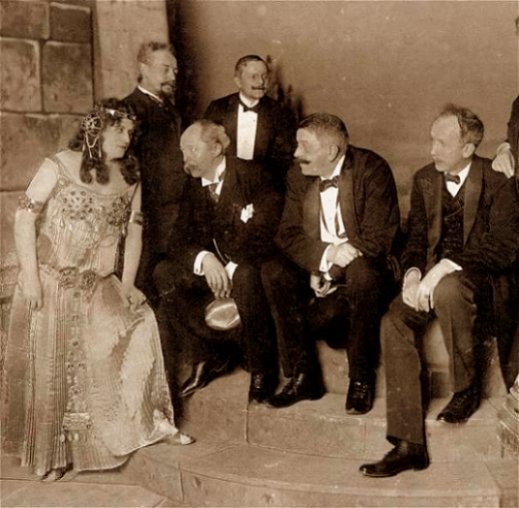


She sang her first Salome in Leipzig in 1907, becoming the first singer in history to perform the “Dance of the Seven Veils” herself. London (1910, under Beecham), Paris and Dresden (under Strauss) followed, and she set a standard that few singers would be able to match. Not that she performed the striptease in its entirety: under the veils she wore a flesh-coloured bodysuit, which suggested nudity.


The very first to emerge completely naked from under the veils, at least on stage, was probably Josephine Barstow, in 1975, first at Sadler’s Wells in London. Shortly afterwards, she repeated the role at the Deutsche Staatsoper in Berlin, in Harry Kupfer’s production, which was also performed at the DNO in Amsterda


Another problem that many directors (and the actress playing the lead role!) may struggle with, is the character herself. Is Salome really a dangerous seductress and sex-crazed nymphomaniac? Perhaps she is just a normal teenager looking for love and affection?

A spoilt girl who grows up in a loveless environment, where people care more about money and appearances than anything else? A victim of the lustful urges of her horny stepfather, who has great difficulties dealing with her own burgeoning sexuality? She, in her naivety, may believe that the “holy” man, with his mouth full of “norms and values”, can actually help her, but then she is brutally rejected. Causing her to seek revenge? Difficult.
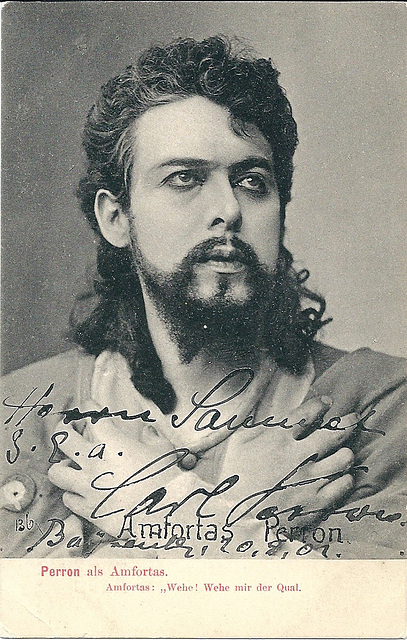


And what to do with Jochanaan? The libretto explicitly states that he must be young and attractive, but try finding a bass/baritone with a big voice and an authoritative presence who also has enough appeal for a beautiful princess, who herself is the object of intense admiration and desire. It remains a dilemma.


CDs


CHRISTEL GOLTZ (1954)
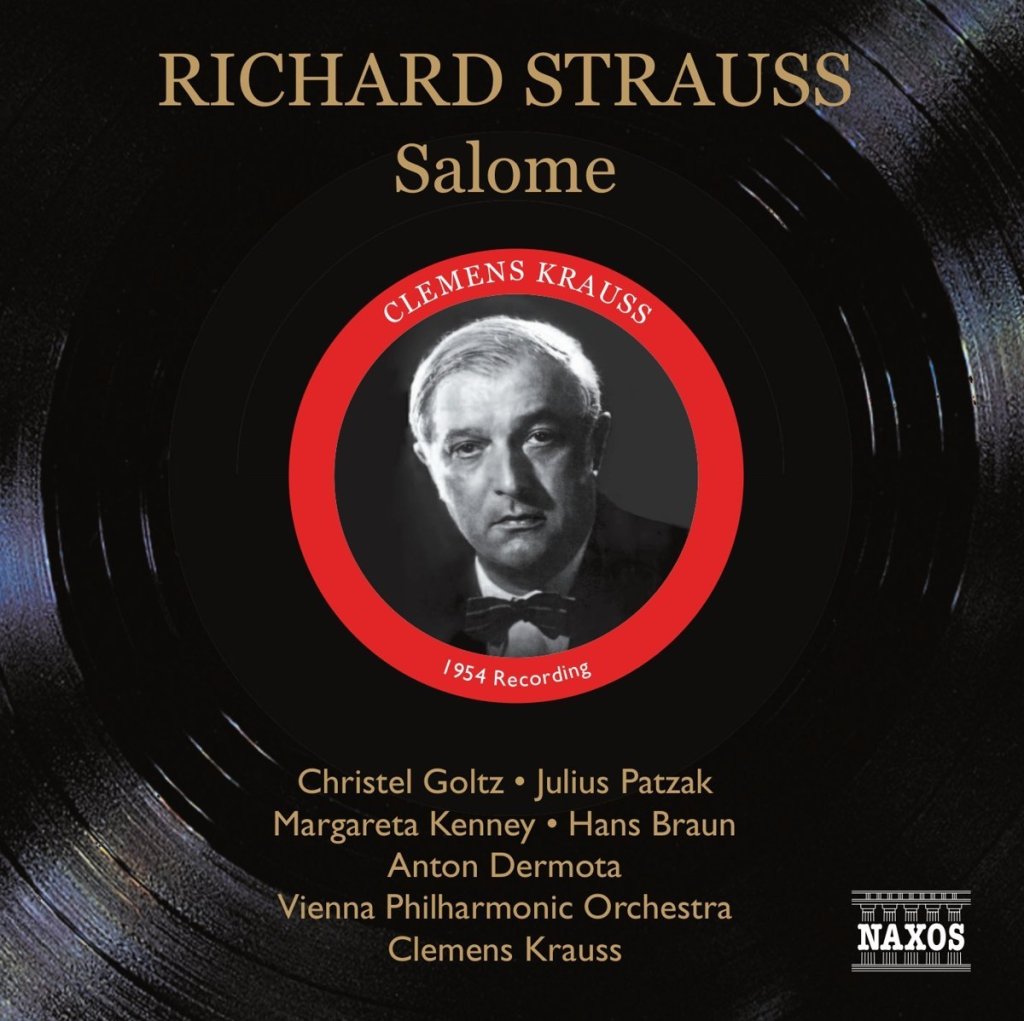

This recording may not be one of the best Salomes in history, but it is certainly special. Once you get used to the sharp mono registration, a whole new world of sound opens up to you, one that is unparalleled. The richness and colours of the Vienna Philharmonic at its best – I could
listen to this for hours. For that alone, I wouldn’t want to forgo this recording! Clemens Krauss belonged to Strauss’s inner circle; he also conducted the premieres of a few of his operas, and you can really hear that.

Christel Goltz is an excellent Salome. Self-aware, not very naive, really powerful,
and what a voice! Julius Patzak (Herod), Margareta Kenney (Herodias) and Hans Braun (Jochanaan) are not particularly remarkable, but Anton Dermota’s soulful and tearful Narrabothmakes up for it (Naxos 8111014-15).

.


BIRGIT NILSSON (1962)
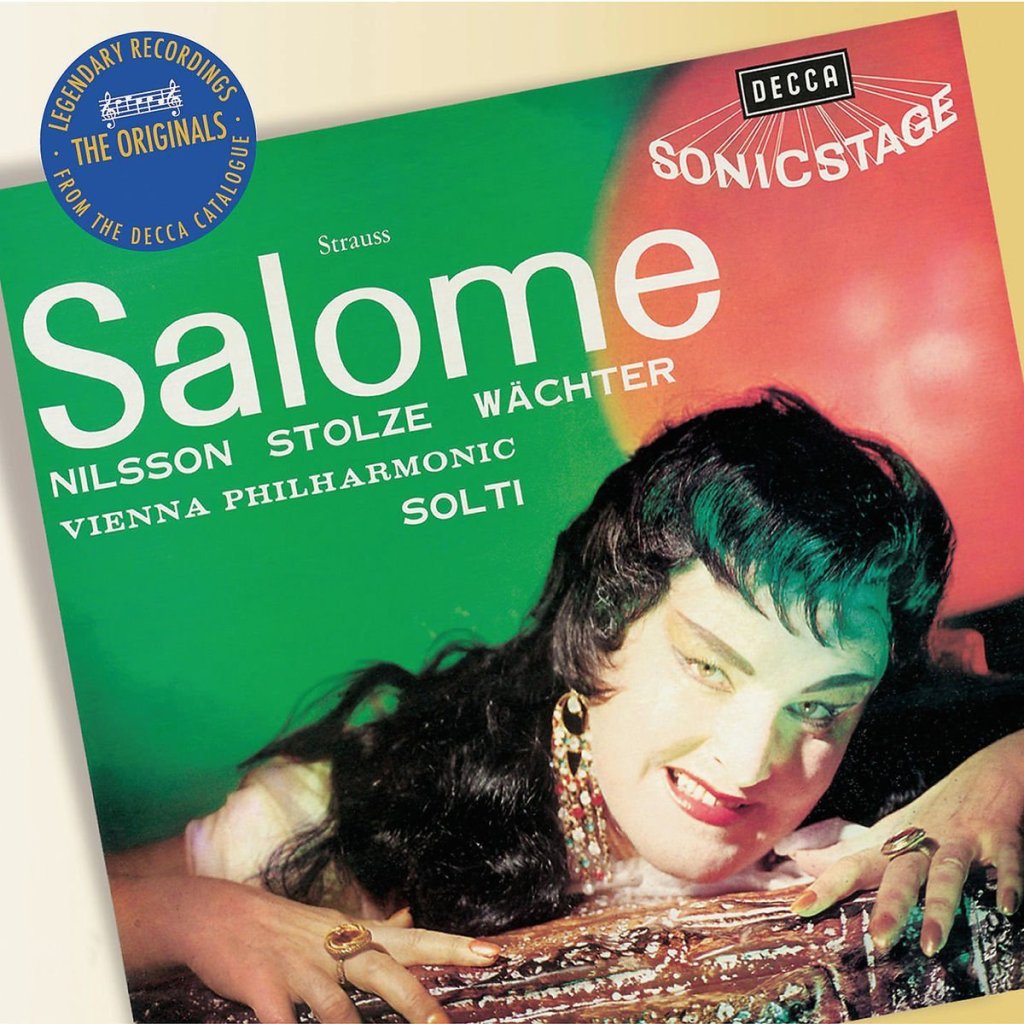

This recording is considered legendary, but it has never appealed to me. Nor have I ever been impressed by Birgit Nilsson’s interpretation of the title role. Nilsson has a powerful voice, but she is neither seductive, nor erotic or naive.

Eberhard Wächter shouts himself hoarse as Jochanaan and Waldemar Kmennt as Narraboth is nothing short of a huge mistake. What remains is Georg Solti’s exciting conducting

(Decca 4757528).


MONTSERRAT CABALLE (1969)


Montserrat Caballé? Really? Yes, really. Caballé sang her first Salome in Basel in 1957, when she was only 23 years


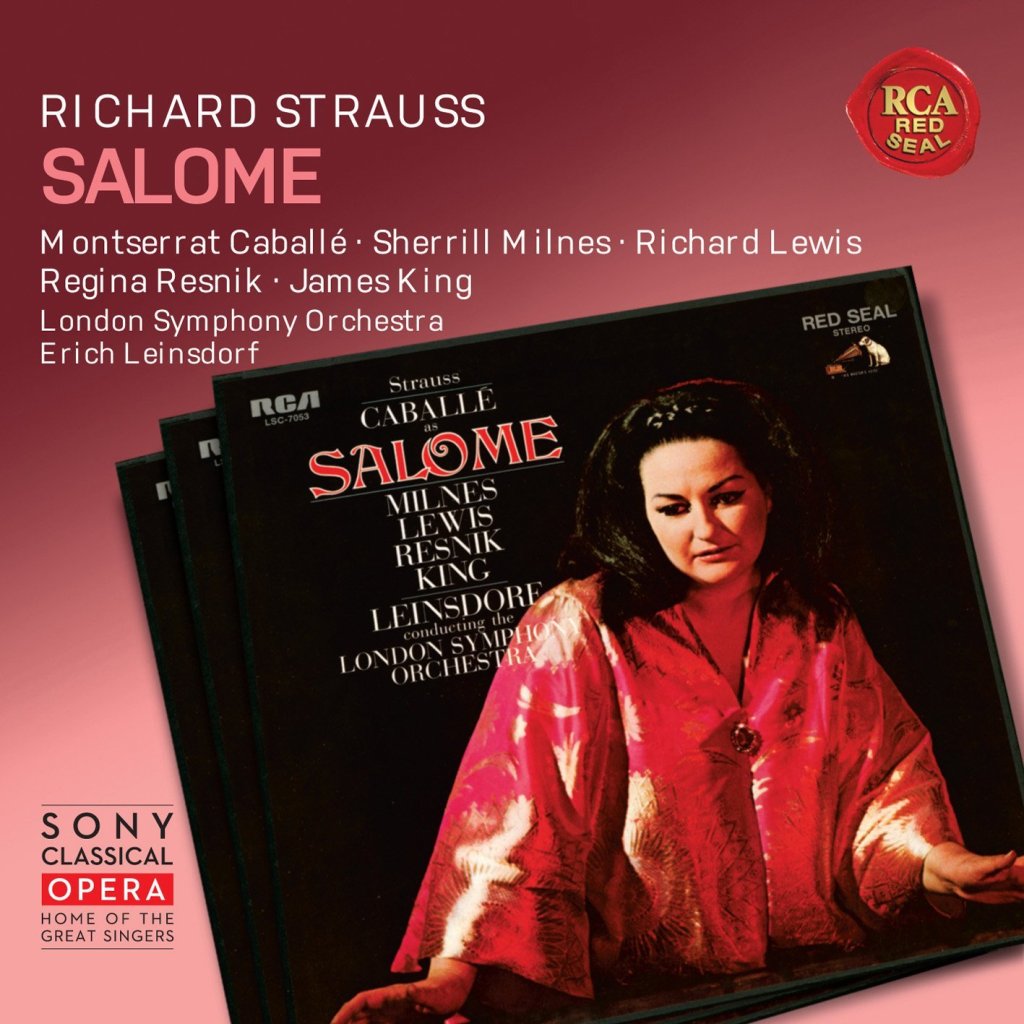
Salome was also the first role she sang in Vienna in 1958, and I can assure you that she was one of the very best Salomes ever. Certainly on the recording she made in 1969 under the thrilling baton of Erich Leinsdorf. Her beautiful voice, with its whisper-soft pianissimi and velvety high notes, sounded not only childlike but also very deliberately sexually charged, like a true Lolita.

Sherrill Milnes’s very charismatic Jochanaan has the aura of a fanatical cult leader, and Richard Lewis (Herod) and Regina Resnik (Herodias) complete the excellent cast

(Sony 88697579


Caballé as Salome in 1979:


HILDEGARD BEHRENS (1978)

This recording is worth buying mainly because of Narraboth. Wieslaw Ochman sounds so madly in love and so terribly desperate that you really feel sorry for him. Agnes Baltsa’s Herodias is also wonderful: her interpretation of the role is one of the best I know. José van Dam is a very authoritarian Jochanaan: a true preacher and missionary, with very little appeal.

I find Hildegard Behrens’ Salome not very erotic. With her then still slightly lyrical voice, she sounds more like a spoilt child who gets angry when she doesn’t get her way. There is something to be said for his, especially since Behrens is an incredibly good voice actress and
everything she sings can be followed literally. You don’t need a libretto here.

But the real eroticism can be found in the orchestra pit: Herbert von Karajan conducts very sensually

(Warner Classics 50999 9668322).


CHERYL STUDER (1991)
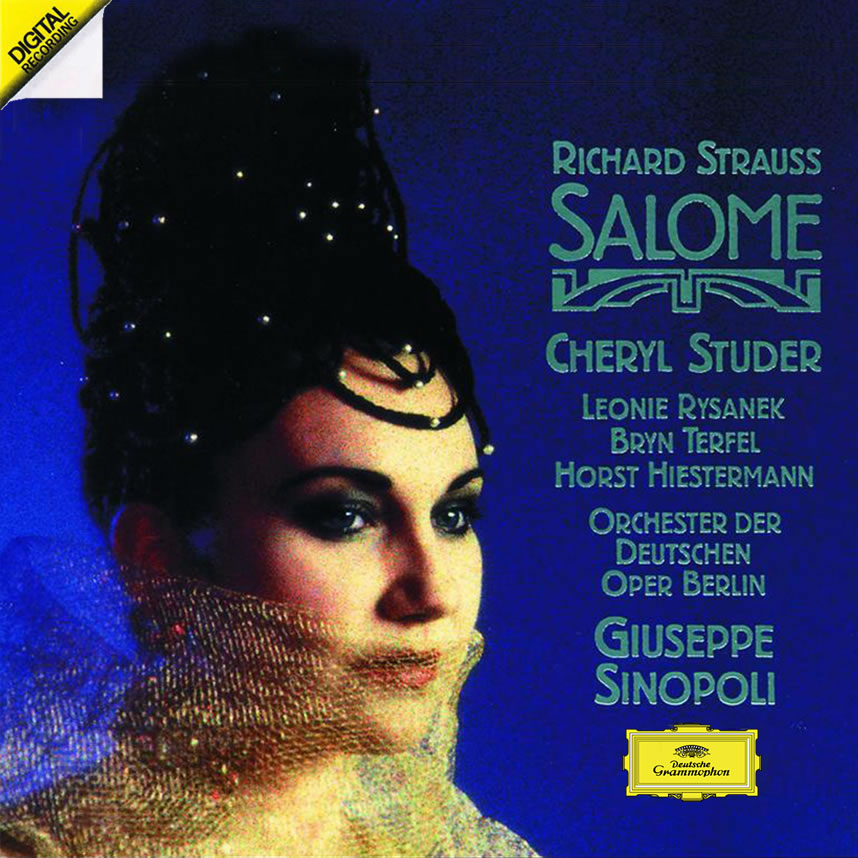

I realise that many of you will disagree with me, but for me Cheryl Studer is the very best Salome of the last fifty years. At least on CD, because she never sang the role in its entirety on stage

(DG 4318102).


Like few others, she knows how to portray the complex character of alome’s psyche. Just listen to her question “Von wer spricht er?”, after which she realises that the prophet is talking about hermother and sings in a surprised, childishly naive way: “Er spricht von meiner Mutter”. Masterful.

Bryn Terfel is a very virile, young Jochanaan (I think it was the first time he sang the role), but the most beautiful thing is Giuseppe Sinopoli erotic connductING


MARIA EWING (1992)
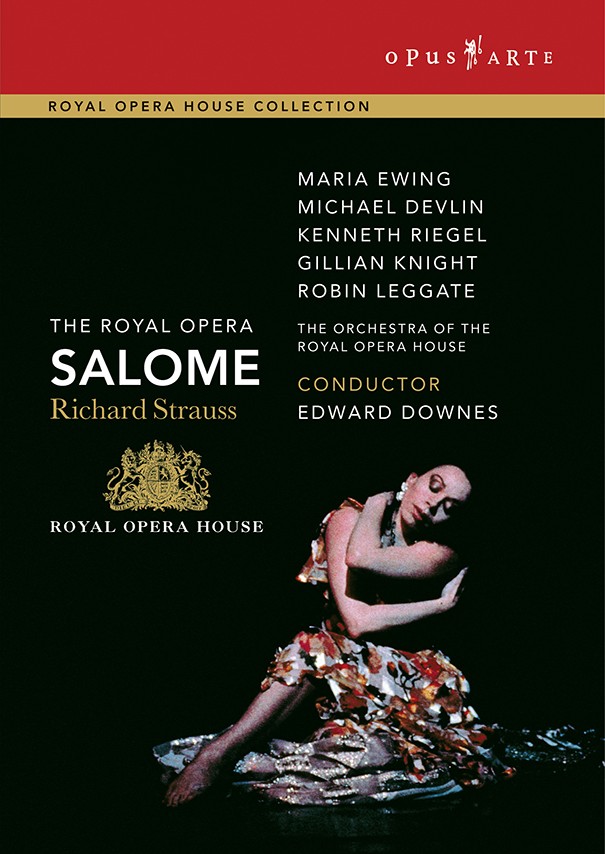

Maria Ewing also is a very good Salome. She too has the looks, and with her aggrieved expression, pouting mouth and wide-open eyes, she could easily be mistaken for a teenager. And she can sing too.

Jochanaan is sung by a very attractive American baritone, Michael Devlin, dressed only in tiny briefs. I am particularly impressed by his muscles, less so by his voice. Nevertheless, the erotically charged tension between him and Salome is palpable – that’s theatre!

Kenneth Riegel is perhaps the best Herod in history. His looks are lecherous and his voice sounds lustful, but his fear of the prophet is also almost physically palpable. Breathtaking.


NADJA MICHAEL (2007 & 2008)
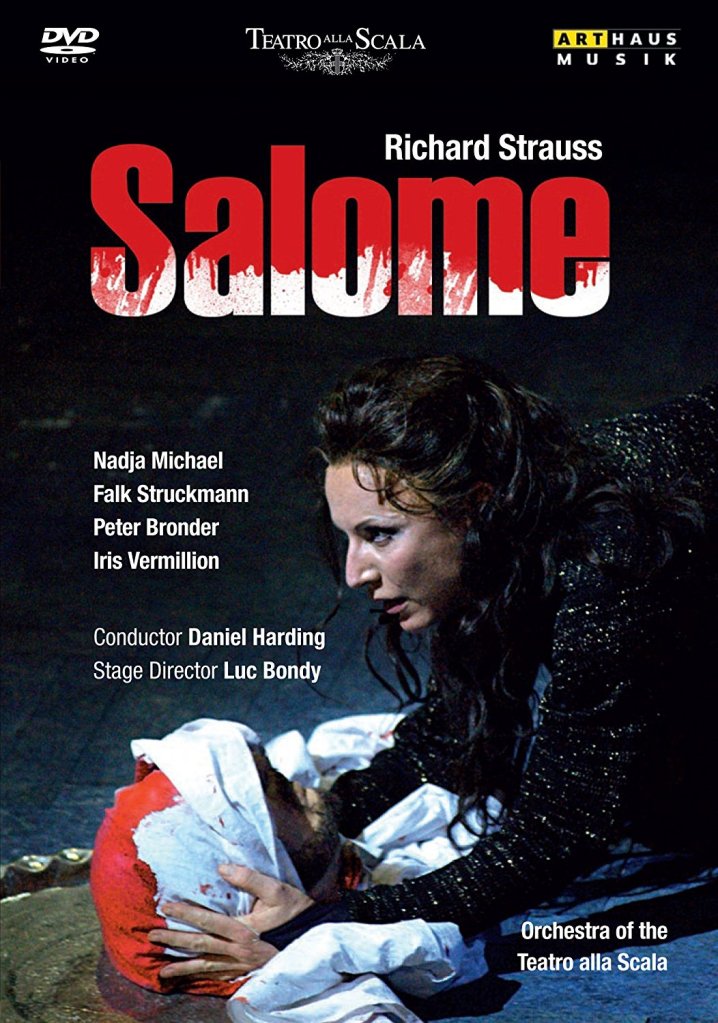

No fewer than two different DVDs starring Nadja Michael have recently been released: from La Scala (2007, directed by Luc Bondy) and from Covent Garden (2008, directed by David McVicar). Both productions are undoubtedly good, although I personally find McVicar’s version much more
exciting. good, although I personally find McVicar’s version much more exciting.
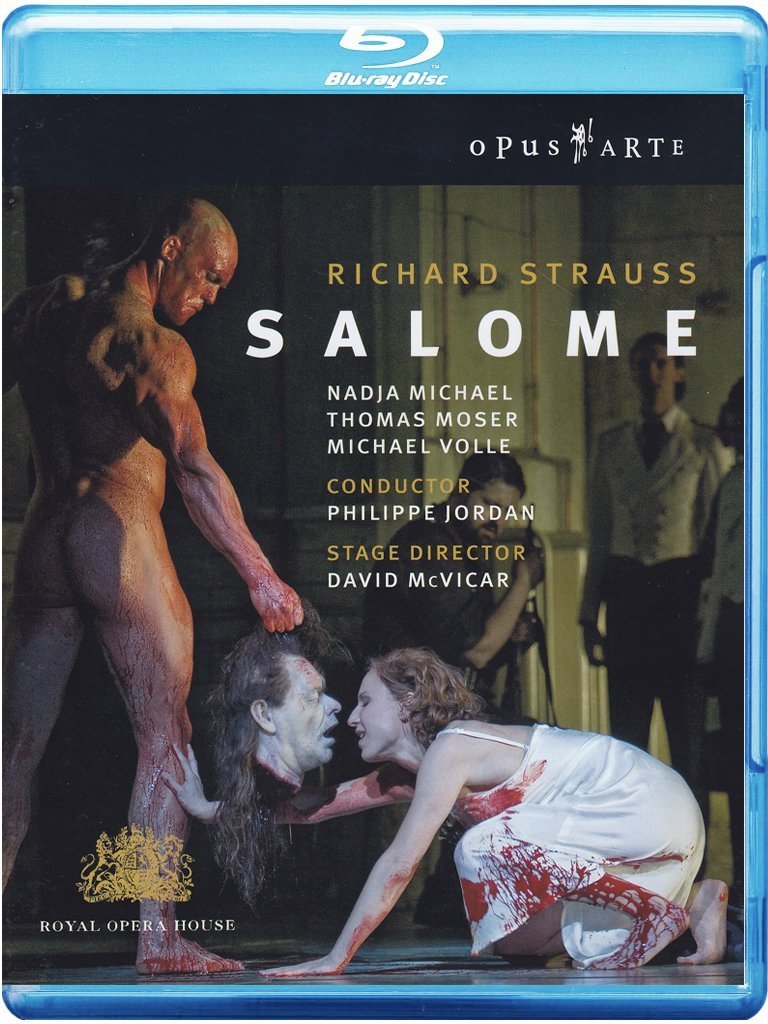


Luc Bondy’s direction (Arthaus Musc 107323) is rather traditional and actually very simple. His setting is minimalist, the colours dark, but the light shining in from the ever-present moon is simply beautiful. Iris Vermillion is a very attractive Herodias, both vocally and visually, and Herod
(a truly excellent Peter Bronder) is portrayed as a really small and miserable little man. Falk Struckmann (Jochanaan) certainly impresses with his voice, but looks too old and too sluggish.


Ljuba Welitch (1949)
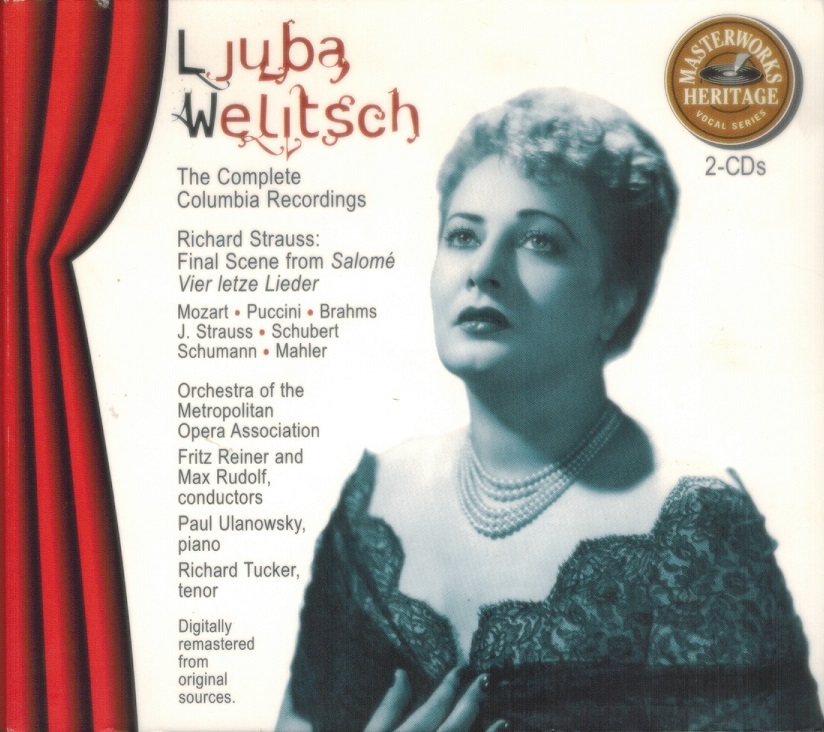

Whichever Salome you choose, there is one you absolutely cannot ignore:
Ljuba Welitsch. The recording she made in 1949 under Fritz Reiner,
immediately after her sensational debut at the MET in the role (Sony MHK
262866), has never been equal


On YouTube, you can also hear Welitsch in the final scene of the opera
in the 1944 recording under Lovro von Matacic

Bellini’s Romeo and Juliet

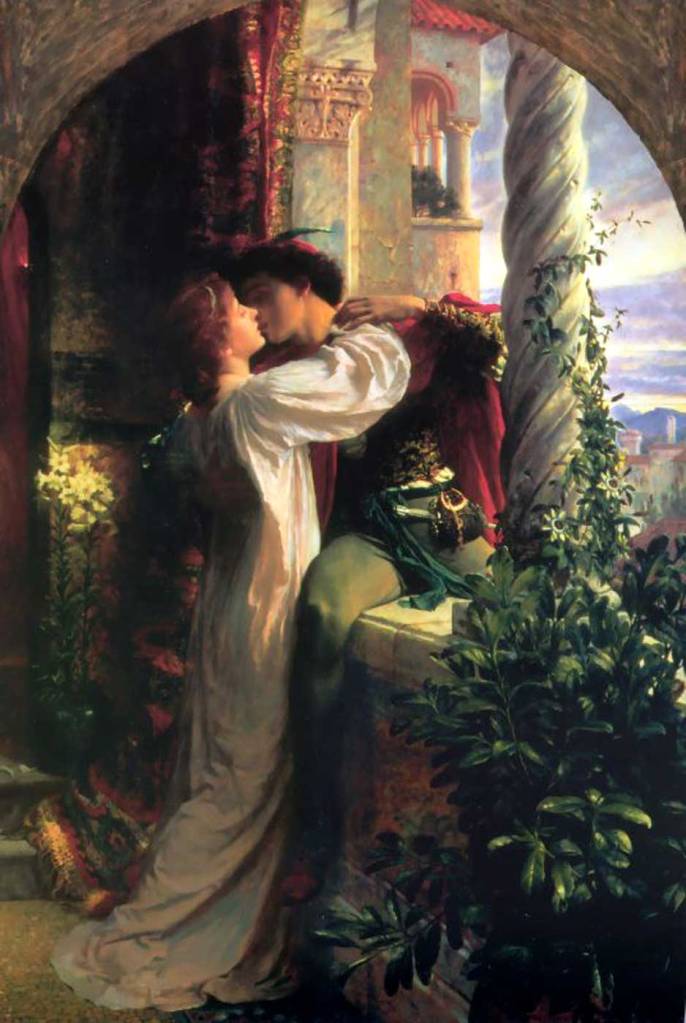
     Romeo and Juliet, painting by Frank Bernard Dicksee, 1884

Throughout the centuries, unhappy love stories have been the greatest source of inspiration for writers, poets, painters and composers. This is logical, because what could be more moving than the sad fate of two people who, out of love for each other, choose death over life? It is the height of romance, and most people enjoy a good cry.


Shakespeare’s Romeo and Juliet are perhaps the most famous lovers of hem all. Plays, films and ballets have been based on and/or inspired by hem. And operas, of course.


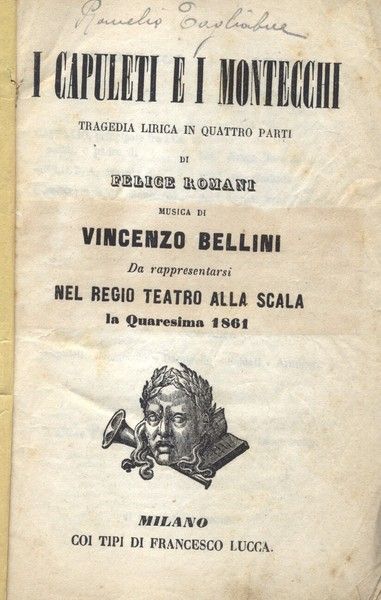
Everyone knows Gounod’s Romeo et Juliette. Berlioz also makes an appearance here and there. But did you know that Bellini also wrote an opera about it? No? And why not? Because it is hardly ever performed anymore? And this while his I Capuletti e i Montecchi is so breathtakingly beautiful!


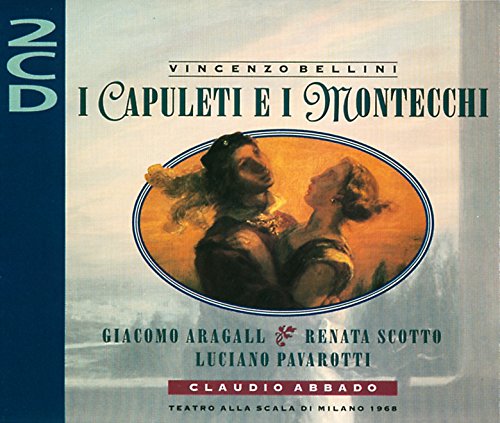
My favourite performance was recorded live at La Scala in Milan in 1968, with a tenor (Giacomo Aragal at his best!) as Romeo and Renata Scotto as Giulietta. Tebaldo was sung by (what a treat!) a young Luciano Pavarotti And Claudio Abbado conducted (Gala GL 100.517)


Aragall and Scotto in ‘Si, fuggire!… Vieni ah! vieni, e in me riposa:


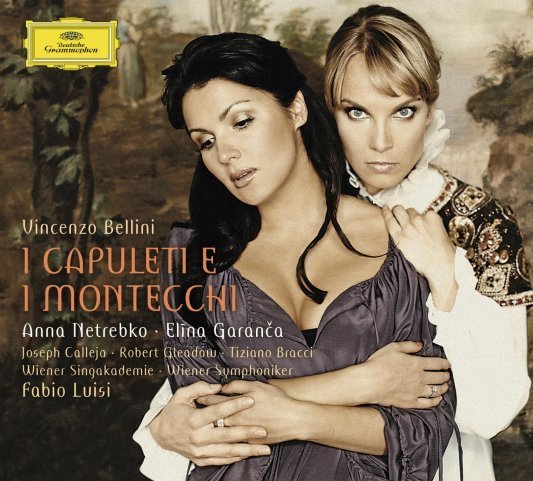
In 2009, a new recording was released featuring none other than Anna Netrebko and Elina Garanca in the leading roles. As Tebaldo, you will hear Joseph Calleja (DG 4778031), at the time a newname, now a famous tenor. Definitely worth listening to.


In the Dynamic box set (CDS 552/1-25) containing all Bellini’s operas (if you don’t already own it, go out and get it right away!), Julia is sung by Patricia Ciofi. What a singer! Not only does she hit all the notes and deliver all the witty remarks (and all “a punto”), she is also a particularlyconvincing voice actress. The recording was made in Martina Franca in 2005.
Patrizia Ciofi in “Oh! quante volte” from the production of I Capuleti e i Montecchi in Barcelona in 2016:

Romeo et Juliet by Gounod:

Romeo and Juliet by Delius

Romeo et Juliette by Berlioz:

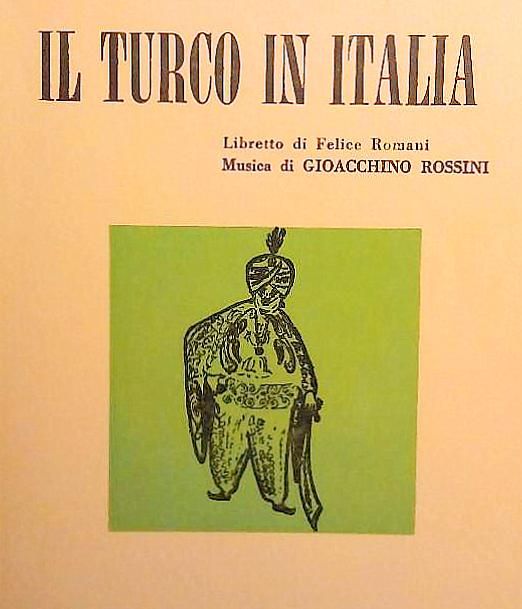
Five recordings of Rossini’s Il Turco in Italia

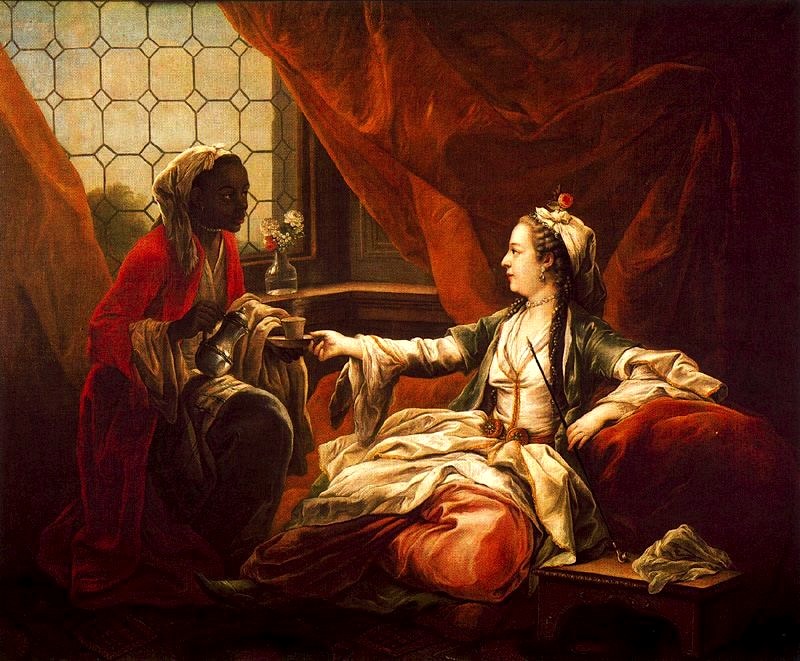
Madame de Pompadour portrayed as a Turkish lady in 1747 by Charles-André van Loo;

The Orient! What did we know about it in those far gone days? It was exotic, adventurous and exciting. All the men there were macho, super attractive and potent. And they smoked opium. All the women were beautiful, graceful, mysterious and seductive. It smelled of amber and wild jasmine….

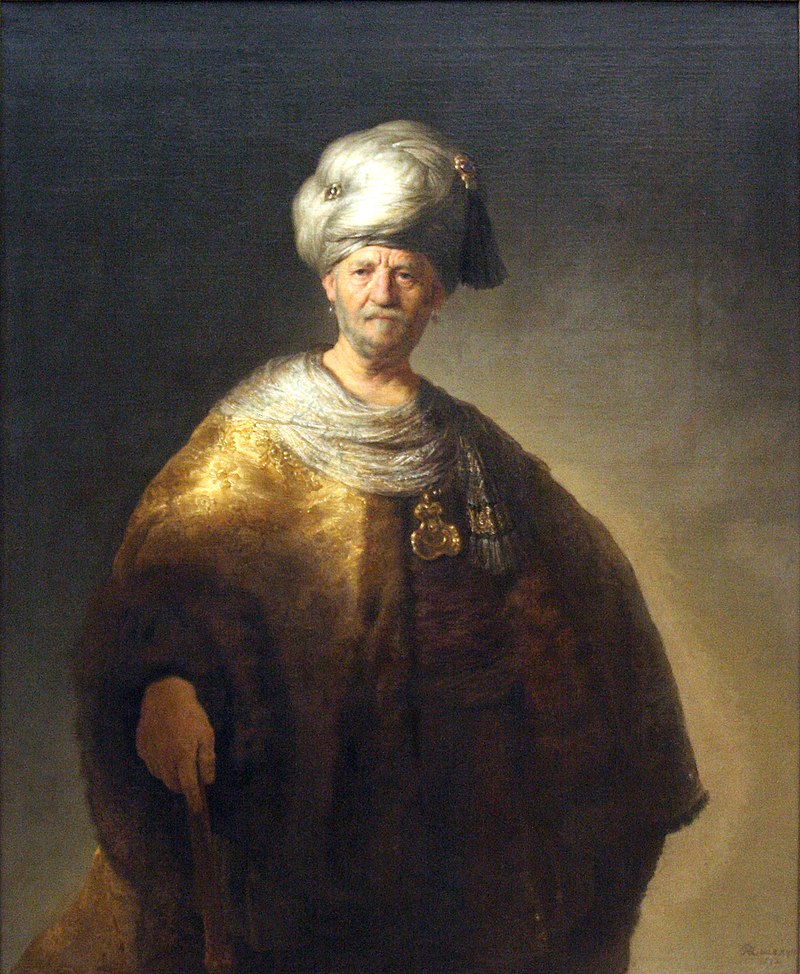
Man In Oriental Costume (“The Noble Slav”), oil on canvas, by Rembrandt, 1632. A significant example of European emulation of Ottoman dress for the purpose of portraying a dignified, elite appearance.


It was so incredibly far away and unknown – no wonder we were enchanted by it. No wonder, too, that our dreams sometimes ran wild. But the dreams turned out to be good for something, because they gave us the most beautiful works of art, including operas. Rossini’s Il Turco in Italia is one of them.

Believe it or not (believe it!), Turco is very similar to Mozart’s Cosi van tutte. Even the music is often reminiscent of it. The story: a Don Alfonso-like poet without inspiration, a kind of evil genius really, devises an intrigue in which he then manipulates all the characters as if they were puppets, so that everyone ends up with (almost) everyone else, but in the end everything does turn out well. Or not. In any case, our Prosdocimo tells a wonderful story.
I wonder what the ideal Fiorilla should sound like. On the recordings known by me, she is sung by all voice types: from a super light coloratura soprano to a dark coloratura mezzo with chest tones. Somehow, none of the ladies really appeal to me, not even Maria Callas, although she comes close to what I would like to hear in this role.

DVD’S

Zurich, 2002


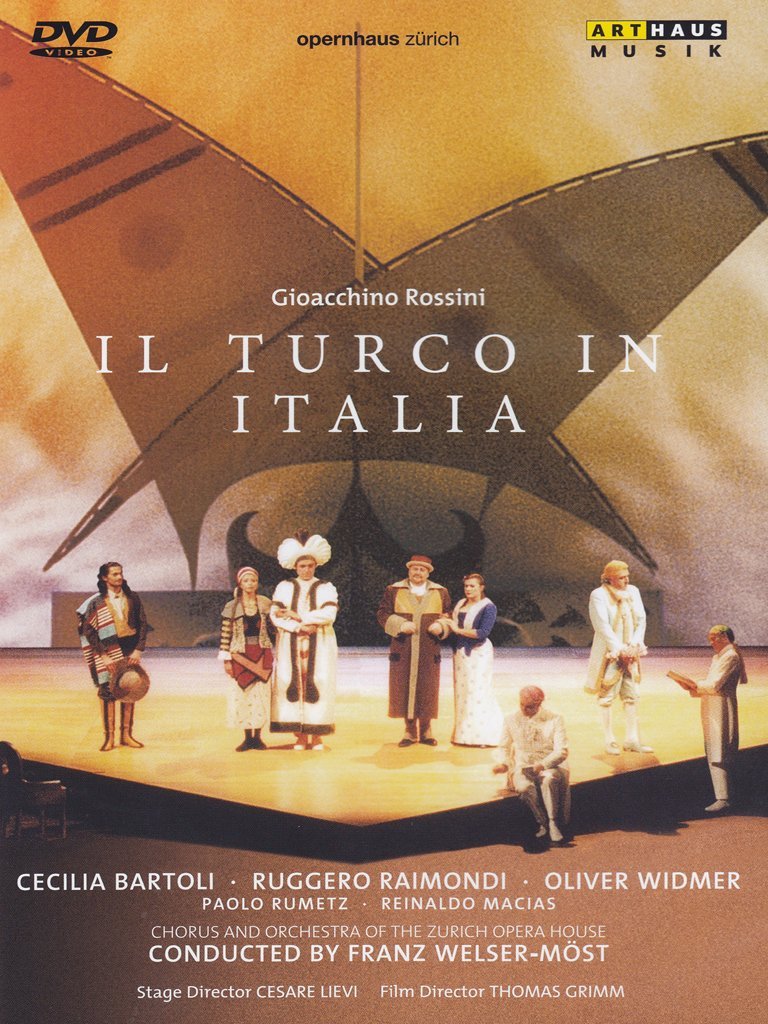
In 2002, Il Turco was staged in Zurich. The lead role was played by an old hand, Ruggiero Raimondi. His Selim is undoubtedly exciting and erotic, and he compensates for the wear and tear of his voice with overwhelming acting and tremendous charisma.

Oliver Widmer is in fine form as the cynical poet Prosdocimo, and Paolo Rumetz plays a delightfully dim-witted Geronio. The problem is Cecilia Bartoli. (Please don’t hit me, it’s just my opinion!) She is undoubtedly a virtuoso, but I find her mannerisms very irritating and her dark timbre completely unsuitable for the role.

The whole thing is cheerful, with bright colours and crazy costumes: the gypsies look like a combination of Volendam people and Peruvians (Arthaus Musik 100 369).


Pesaro 2007

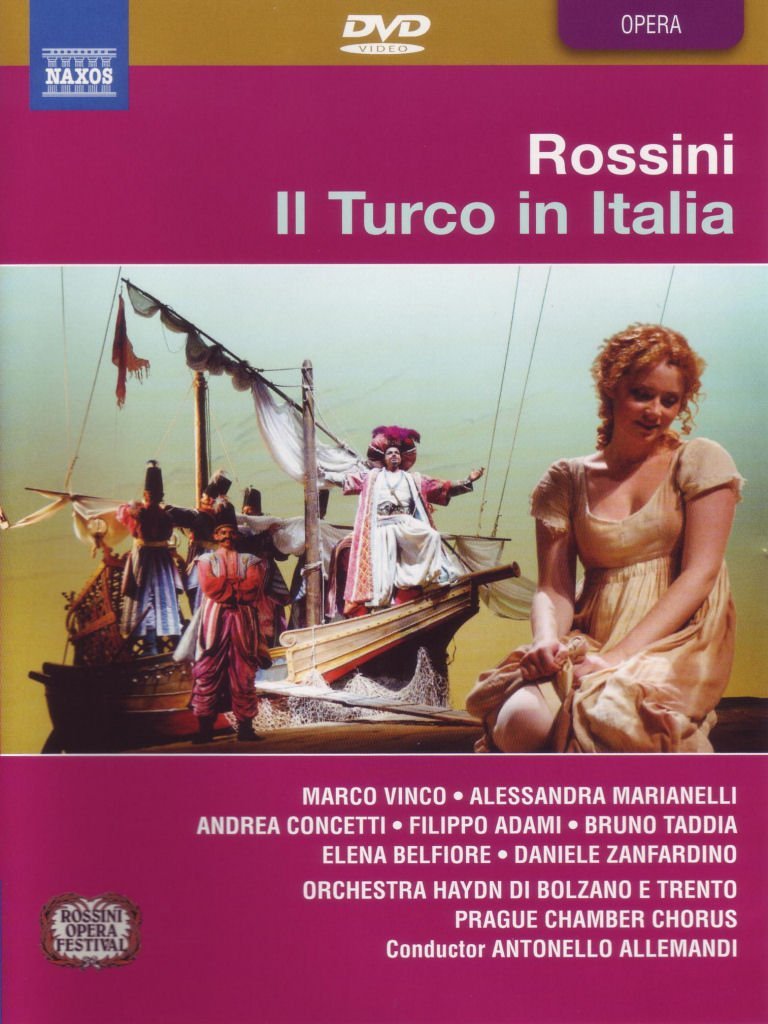
In Pesaro in 2007, a very naturalistic-looking Turco was recorded, with only young, unknown singers in the leading roles. The fact that they, with the possible exception of Marco Vinco (Selim), have remained unknown, does not say everything, but it does say a lot.

Nevertheless, there is much to enjoy. The characters are wonderfully recognisable, the colours are beautiful and the action follows the libretto closely. Definitely enjoyable! (Naxos 2.110259)

Genoa, 2009

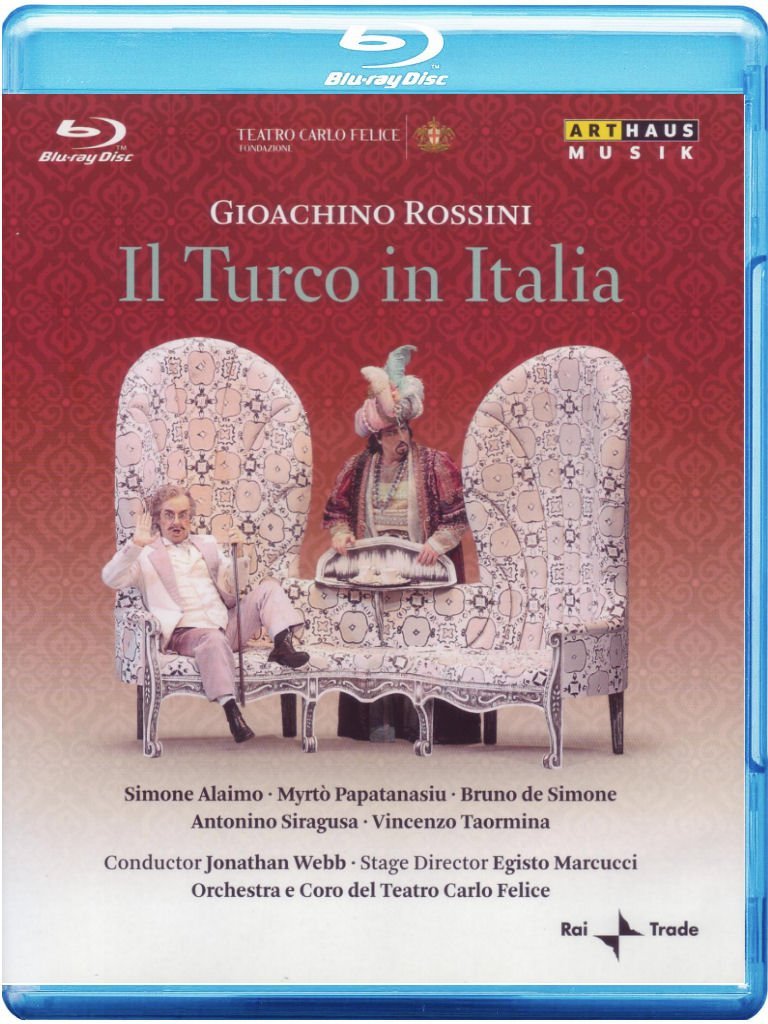
One of the newer recordings on DVD is from 2009 at the Teatro Carlo Felice in Genoa. Well, new… the production is more than 40 years old and was first seen in 1983. 

That’s okay, because it’s still very entertaining, although I must admit that I sometimes feel a little dizzy from everything that’s happening on the stage: acrobats, fire-eaters, ballerinas, Arlecchinos and so on. Commedia dell’Arte at its best. 

Myrtò Papatanasiu is a beautiful Fiorilla and Simone Alaimo a delightful Selim, although I think he is performing slightly below his usual high standard. Antonino Siragusa is also a tiny bit disappointing as Narciso (Arthaus Musik 101 39).

CD’s

Milan, 1954

.


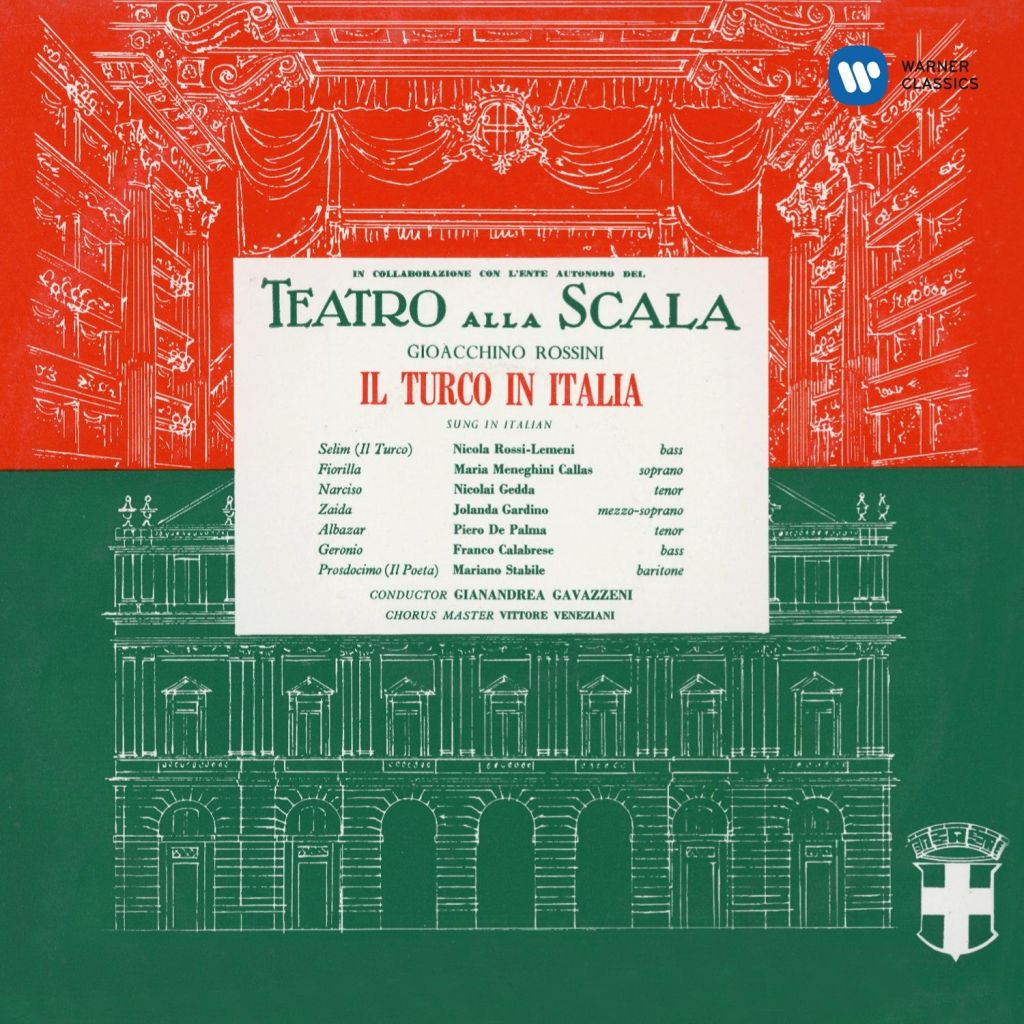
Maria Callas sang the role of Fiorilla in Rome in 1950 and four years later recorded it in the studio with La Scala in Milan. Gianandrea Gavazzeni conducted an “all-star cast” – most of the names make our mouths water today. But, apart from the fact that they were all truly fantastic, we have to ask ourselves whether it still sounds adequate to our ears. 

Yes, Nicola Rossi-Lemeni would still be able to do it today, but the rest, including La Divina? With her, I often get the feeling that I am in the wrong opera and that I’m really listening to Anna Bolena. (Warner 0825646340880)

Milan, 1958


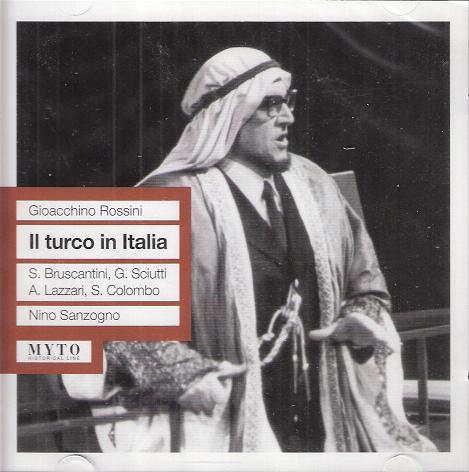
I absolutely cannot ignore Sesto Bruscantini who is a truly irresistible Selim. Scipio Colombo is delightful as the (in his interpretation) comic villain Prosdocino, and as Donna Fiorilla we hear one of the most delightful light sopranos of the time: Graziella Sciutti. A little soubrette-like, but so agile, and with such a wonderful timbre! The rest of the voices are good, but not exceptional, but Nino Sanzogno’s conducting – light and sparkling – does the opera justice. The live recording from 1958 (Milan) is rather dull. Nevertheless, it is a special document of a time that is now truly gone (Myto 00193).

Sesto Bruscantini and Graziella Sciutti in “Credete alle femmine”:

Mozart’s Orient Express: Die Entführung aus dem Serail in three recordings

Szenenbilder aus “Die Entführung aus dem Serail”, 1914, © Foto: Julia Teresa Friehs

CD

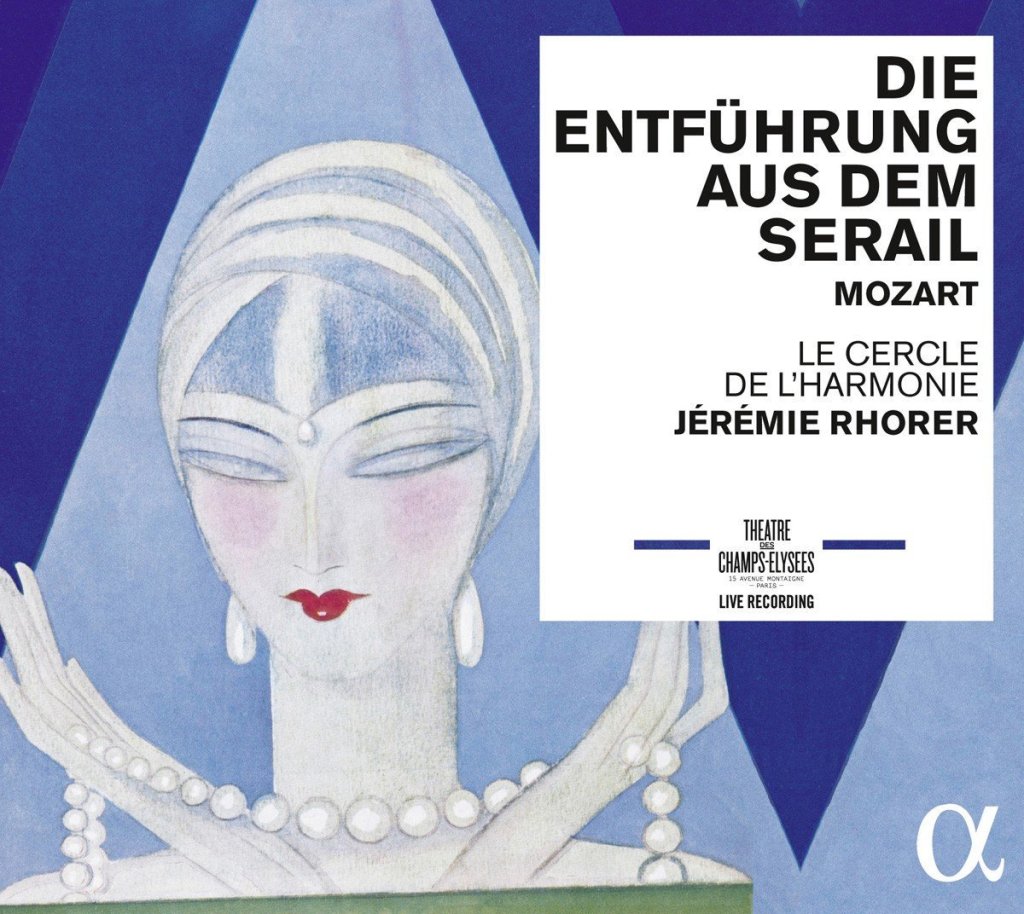
There is no shortage of recordings of Die Entführung aus dem Serail, but really good ones may be counted on the fingers of one hand. Moreover,you often have to go quite far back in time to find the real gems. But the performance recorded live at the Théâtre des Champs-Élysées on 21 September 2015 – and conducted very vividly by Jérémie Rhorer – is, for me, among the very best.

David Portillo is an extraordinarily fine Pedrillo. Light and airy,entertaining and amusing; and meanwhile singing utterly brilliantly…. Superb.

Rachelle Gilmore is a delightful Blonde. Just listen to “Welche Wonne,welche Lust”, which she sings with impeccable height and crystal-clearcolouratura! Breathtaking.

Mischa Schelomianski shines as Osmin. That he sings the role with a thick Russian accent is anything but disturbing here. It is quite right for Osmin. Jane Archibald (Konstanze) sounds a bit shrill at times, but as soon asshe starts singing “Ach ich liebte” I surrender completely.

Only Belmonte (Norman Reinhardt) I have heard better. His voice iscreamy and his timbre pleasant, but he lacks a bit of suppleness, which prevents him from being really satisfying in his “Wenn der Freude Tränen liessen”. Fortunately, “Ich baue ganz auf deine Stärke” succeeds much better, but I continue to have trouble with his ornamentation.

It’s not perfect, no, but live performances never are. It is one of the reasons why they are so much fun; after all, nothing beats live theatre! The tempi are on the brisk side but nowhere rushed, and the orchestra sparkles like a cosy fire. And there is no director to ruin it for me. This is how I want my opera’s (Alpha 242)

DVD

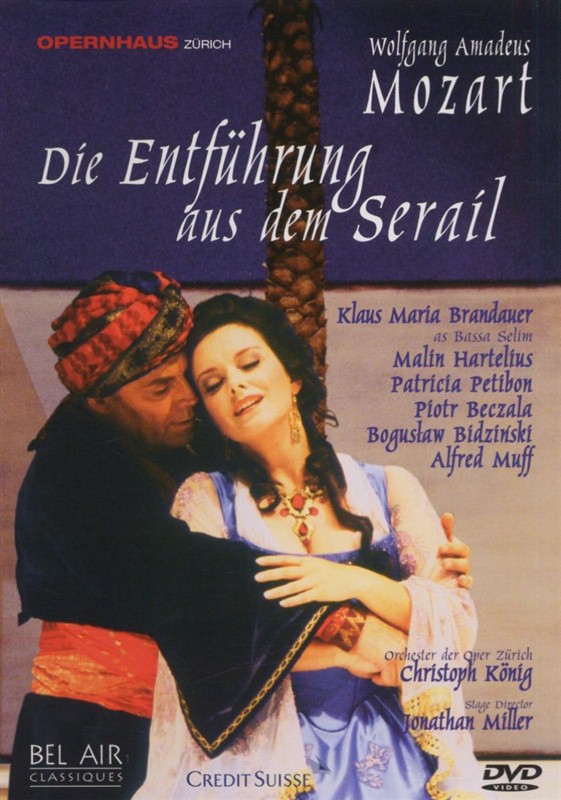
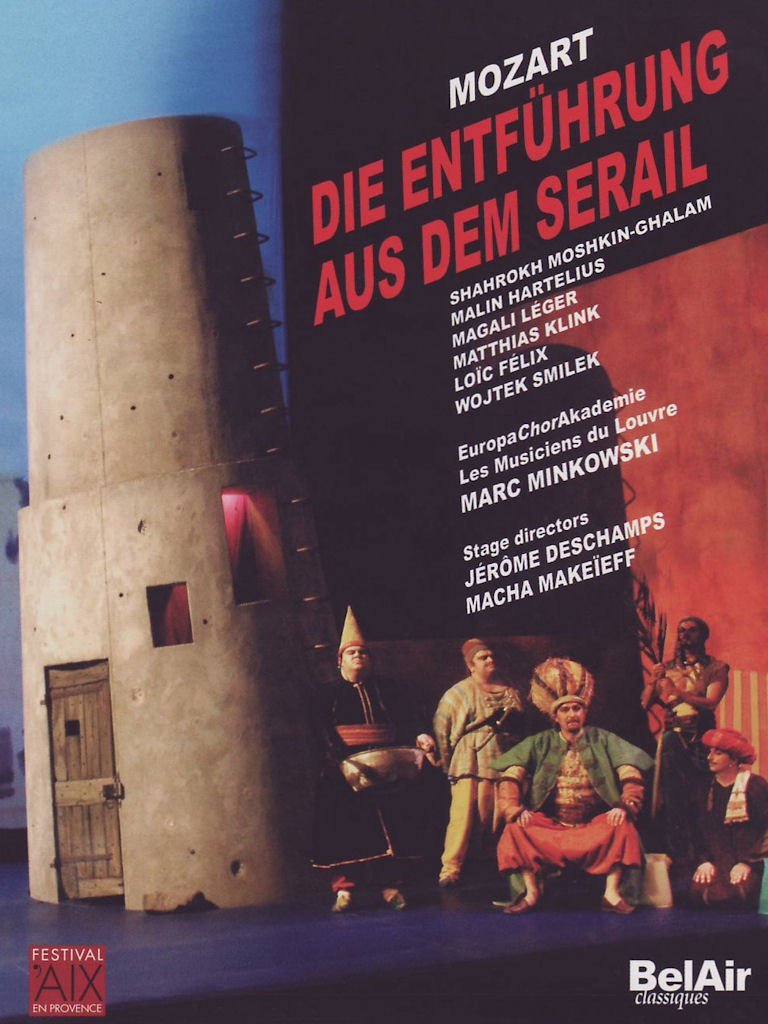
The ways of record companies are sometimes inscrutable and so it couldhappen that two different performances of Entführung aus de Serail were released within a short space of time by the same company, BelAirClassics. These are respectively a production by Jonathan Miller made for the Zürcher Festspiele in 2003 (BAC007) and a performance filmed in Aix-en-Provence in 2004, directed by Jérome Deschamps and Macha Makeïeff and conducted by Marc Minkowski (BAC028). There is aworld of difference between the two productions, it just goes to show what good (or, if you like, bad) direction can do to an opera.

Zürcher Festspiele 2003

Jonathan Miller, normally a pretty big deal, simply fails. Nothing happens. There is a palm tree in the middle and the singers come up, lean against it and sing their aria.They are totally left to their own devices, which for most results in clichéd gestures and gestures. With Patricia Petibon (Blonde), just the opposite happens: she exaggerates like her life is depending on it and she is overacting. In short: here are six characters looking for a director.

Patricia Petibon sings “Durch Zartlichkeit und Schmeicheln”:

I am not enthusiastic about the singing either, as even Piotr Beczala (Belmonte) and Malin Hartelius (Konstanze) perform far below their level.

There is one plus though: Klaus Maria Brandauer in the speaking role of Bassa Selim. Every scene with him in it turns into pure theatre. He doesn’t act, no, he just gives a masterclass in acting.

https://www.srf.ch/play/tv/tagesschau/video/mozarts-entfuehrung-aus-dem-serail-im-opernhaus-zuerich?urn=urn:srf:video:e04bd1c3-523a-4944-a440-004dd187a6a4

Aix-en-Provence 2004

The production from Aix-en-Provence can be described in one word: precious. As soon as you see the orchestra (all wearing turbans and other exotic headgear) and the entrance of a broadly smiling Minkowski, you know you are going to be amused.

The stage is populated by a motley collection of rather weird characters in oriental costumes, one joke follows another, with no cliché shunned. It is no longer comedy, it is slapstick. And why not? Mozart can take it, especially when it comes to a singspiel.

The dancing emergence on the stage of Bassa Selim (a fantastic Shahrokh Moshkin-Ghalam, a dancer and actor very famous in France) is a story in itself. His German is abominable, but he must be forgiven, because everything else he does with the role (including a spectacular disappearing act at the end) is breathtaking

Malin Hartelius shows what a fantastic Kostanze she is. Magali Léger (Blonde), Matthias Klink (Belmonte), Loïc Félix (Pedrillo) and Wojtek Smilek (Osmin) are all fine, the orchestra fierce and Minkowski on target. But be warned: it is packed with Mohammed jokes.

Entführung aus dem Serail in Antwerpen: Islamitische Staat avant la lettre?

Strehlers Entführung uit La Scala uitgebracht op BluRay

Revolutions!

ANDREA CHÉNIER

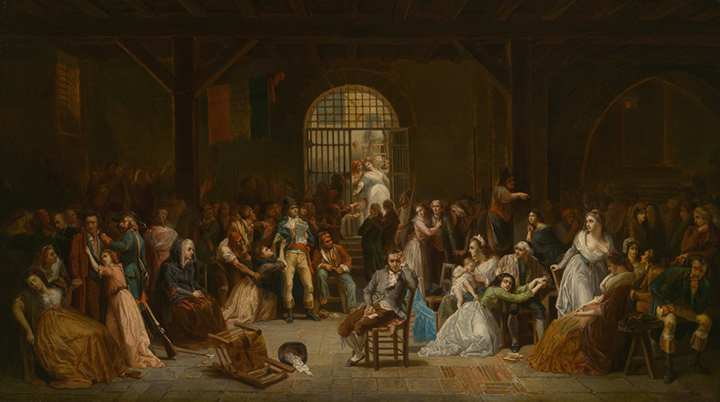
Appeal of the last victims of terror in the prison of St. Lazarus. Chénier appears seated at the foreground’s center.. Painting by Charles Louis Müller, (Musée de la Révolution française).

For me, Andrea Chénier is one of the best and most beautiful operas ever. I think the music is nothing less than divine and the story is timeless. It remains current, perhaps now more than ever. The tyrant must be cast off his throne and the people must take control. Surely, we all agree on that?

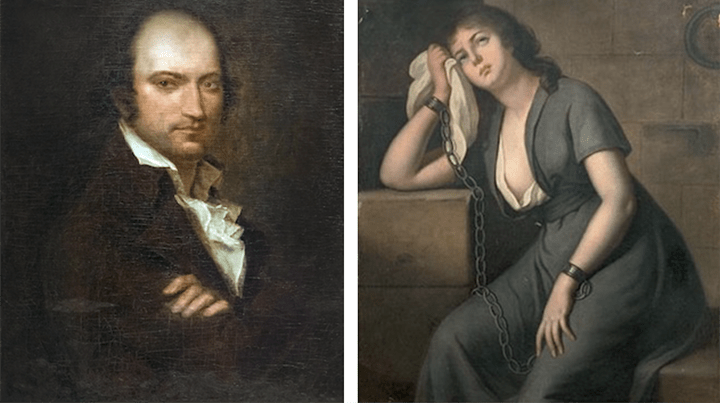
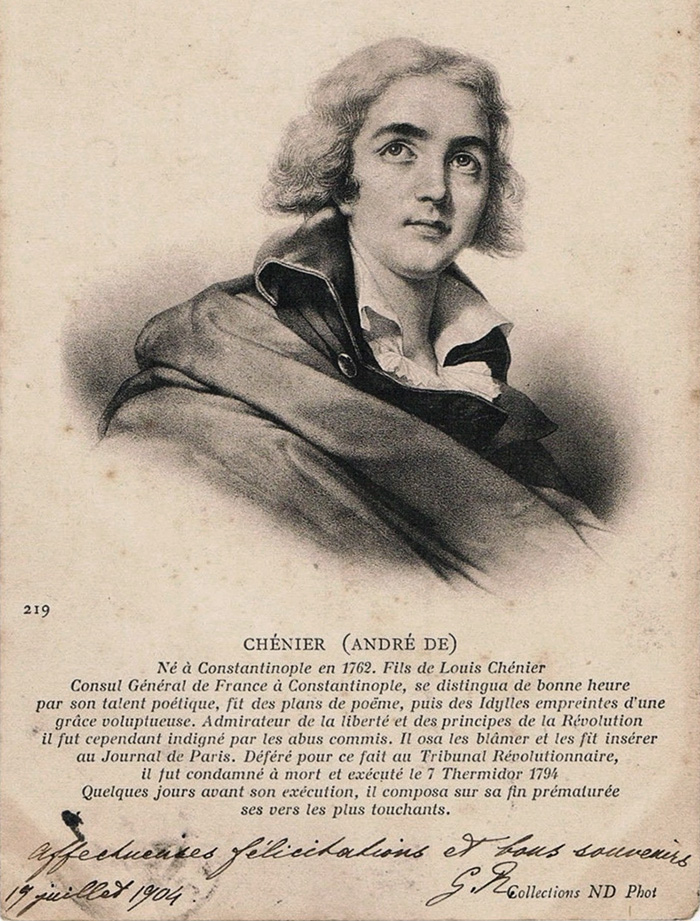
Ten days before Chénier’s death, the painter Joseph-Benoît Suvée completed this portrait of him – not exactly the romantic figure we would cast. On the right Aimée de Coigny, La Jeune Captive

If only it were that simple! Anyone who grew up in a post-revolutionary totalitarian regime knows how much horror it brings. One terror is replaced by another.

This, at least for me, is the main theme in Giordano’s biggest hit. I don’t think the real lead role is the actual poet, André Chénier (did you know that Giordano used Chénier’s poems in his arias?) nor his beloved Maddalena. It is the French Revolution, which, as Gérard (once Maddalena’s houseboy and now one of the revolutionary leaders) bitterly observes, devours its own children.

Domingo

To my great surprise, I read that Domingo didn’t much like the part of Andrea Chénier. He loved the opera, but the role, one of the toughest in the ‘lirico-spinto’ repertoire, was not really interesting for him dramatically. For him, Chénier was ‘an idealist who always has his head in the clouds’. And yet it was one of the operas he loved to sing!

I myself think the role of the poet/revolutionary fits him like a glove. Passion for love and enormous involvement in everything that happens in the world were – and still are – his trademarks.

He sang his first Cheniér in 1966 in New Orleans, as the last-minute replacement for Franco Corelli, but that was not his first performance of the opera. In the 1960/61 season he sang The Incredible and The Abbot, in Mexico.

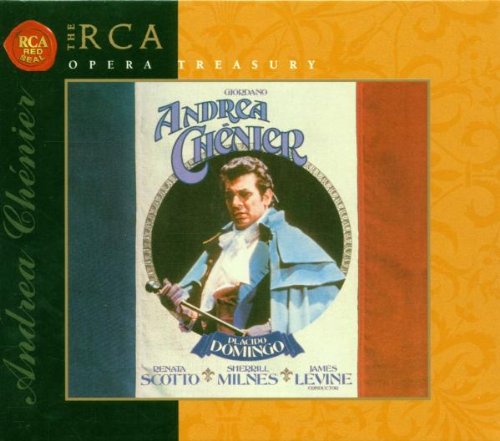
My favourite CD recording was recorded in 1976 by RCA (GD 82046). The cast is delectable. Renata Scotto sings Maddalena, Sherrill Milnes is Gérard and in the small roles we hear, among others, Jean Kraft, Maria Ewing, Michel Sénéchal and Gwendolyn Killebrew. James Levine, who conducts the National Philharmonic Orchestra, understands exactly what the opera is about. Tear jerkingly beautiful.

Scotto sings ‘La Mamma morta’:

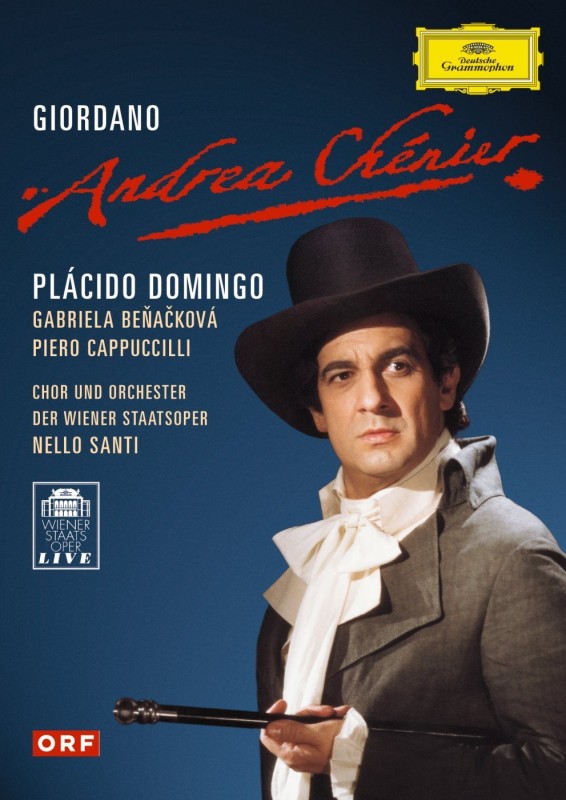
In 1981 the opera in Vienna was recorded for TV. That recording has since been released on DVD (DG 073 4070 7). Gabriela Beňačková, one of the most underrated singers in history, sings a Maddalena of flesh and blood. Horrifyingly beautiful and moving.

Piero Cappuccilli is a Gérard among thousands and the small roles are also filled by great singers: Madelon is sung by none other than Fedora Barbieri. Otto’s Schenk’s production is a feast for the eyes.

LES DIALOGUES ES CARMÉLITES

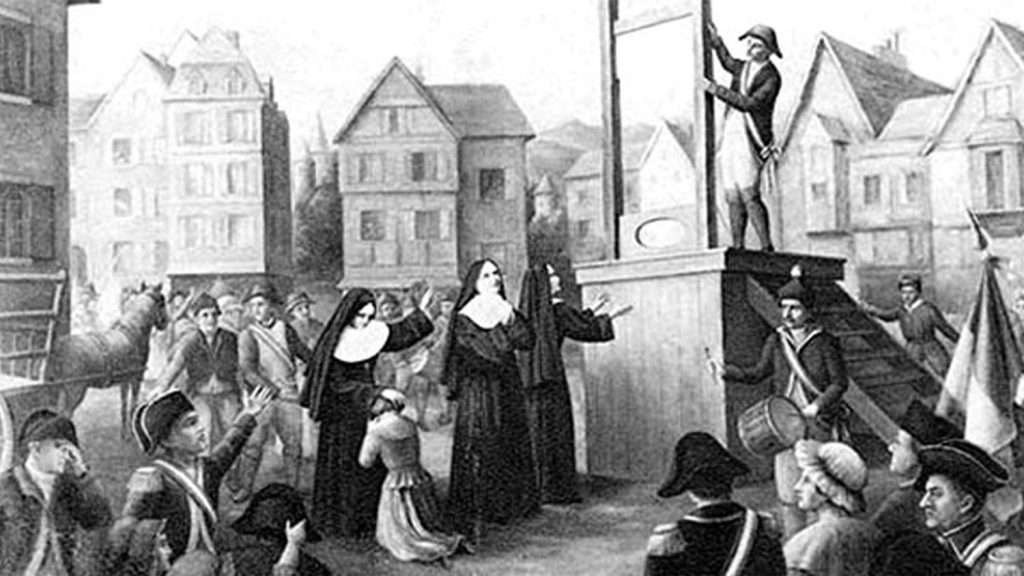
There are those operas that you just can’t spoil and Les Dialogues des Carmélites is one of them. For Poulenc, melody is the centre of the universe. His music is so poignantly beautiful and his composition so expressive that you don’t really need a director.


The opera’s themes are sacrifice, martyrdom, revolutions and ideologies, but those are just the side lines, because the main theme is an all-devouring fear that makes it impossible to live or die: “Fear is a terrible disease. I was born of fear, in fear I live and in fear I shall die. Everyone despises fear, so I am condemned to be despised.”

Just few recordings:

Milan, 1957


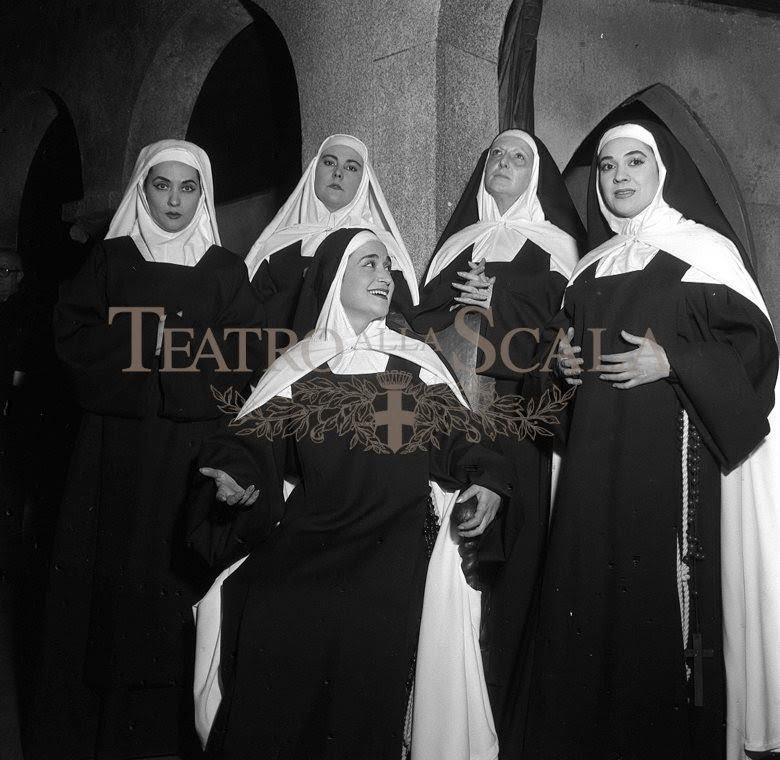
The world premiere of Dialogues des Carmélites took place on 26 January 1957 at La Scala in Milan, in an Italian translation. The cast reads like a ‘who’s who’ in the opera world, because, ask yourself: were there any bigger names in those days?

Blanche was sung by Virginia Zeani, a singer with a full, large and dramatic voice, that was suitable for both Violetta and Tosca. Marie was played by Gigliola Frazzoni, one of the best Minnies (La fanciulla del West) in history. And Madame Lidoine was given to Leyla Gencer.

With Fiorenza Cossotto, Gianna Pederzini, Eugenia Ratti and Scipio Colombo in the smaller roles, the opera sounded less lyrical than we are used to nowadays, almost veristic even. But that made the dramatic effect even more poignant.

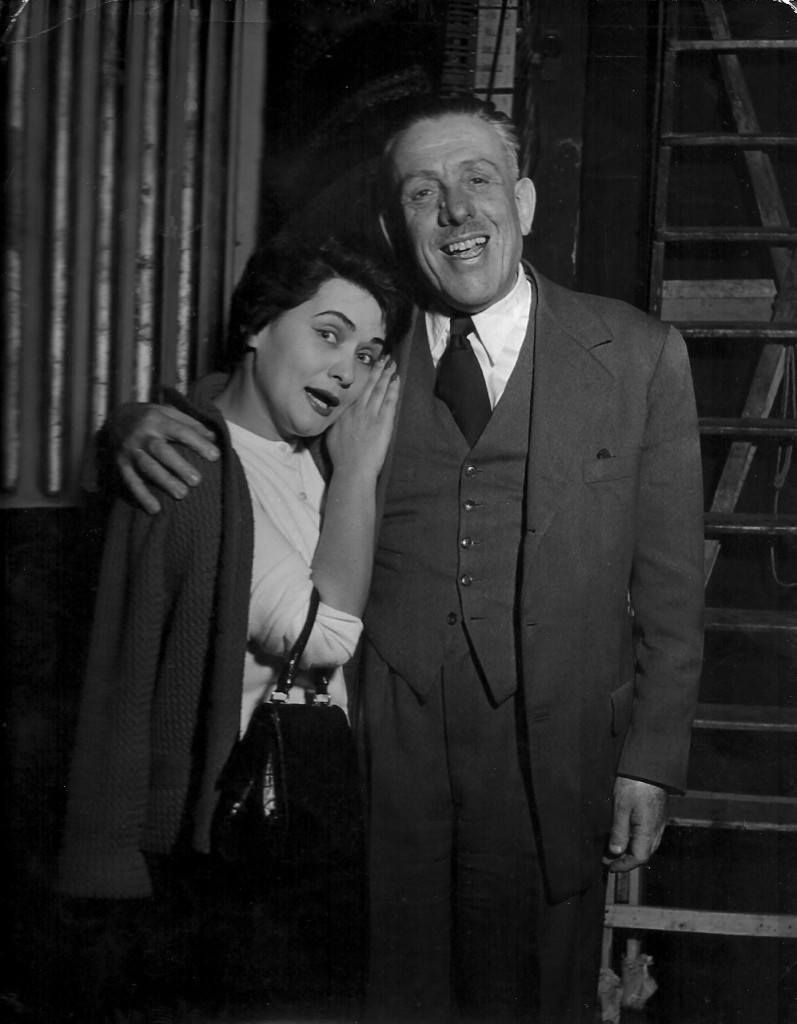
Virginia Zeani and Francis Poulenc, Milano 1957

In The Operatic PastCast, Virginia Zeani talks about Poulenc, the influence the opera has had on her life, her colleagues and the production in Milan.

The entire performance from Milan, fantastically conducted by Nino Sanzogno, is on YouTube. Do not miss it!


Paris, 1957


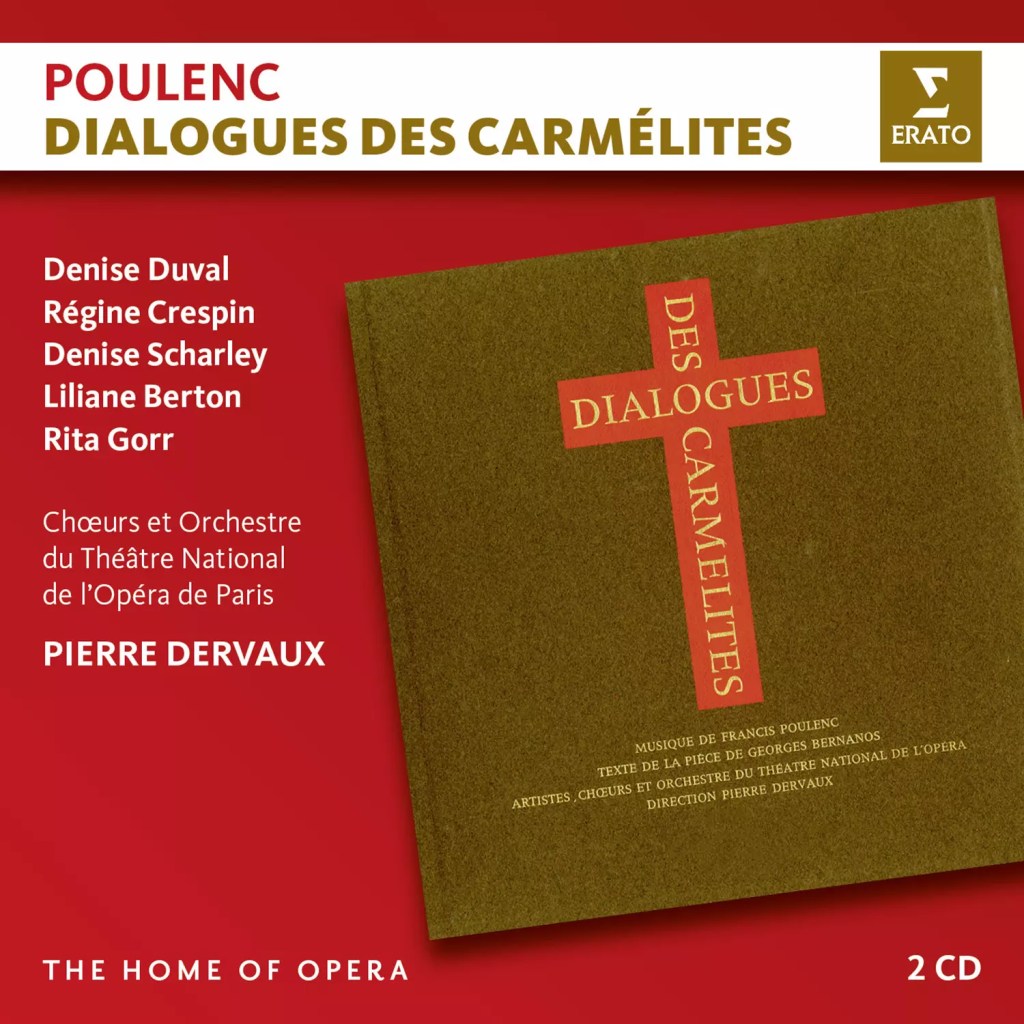
The Paris premiere of Dialogues des Carmélites followed six months later. On 21 June 1957, the opera, now in French, was presented at the Théâtre National de l’Opéra. Blanche was sung by Poulenc’s beloved soprano Denise Duval. Duval’s voice (girlishly naive, light, almost ethereal) fitted Blanche like a glove.


The rest of the cast, including Régine Crespin as Madame Lidoine and Rita Gorr as probably the best Mère Marie ever, was also chosen by Poulenc himself


Régine Crespin (Madame Lidoine) in “Mes chères filles”:


he orchestra was conducted by Pierre Dervaux and I can be very brief about him: there is no better. Full stop. (Warner 08256483211)


Milan, 2004


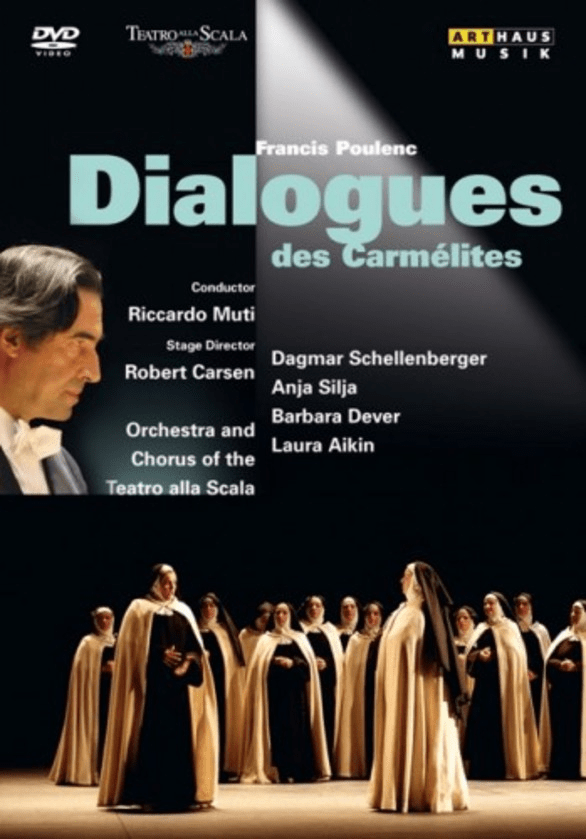
Robert Carsen’s production of Dialogues des Carmélites is one of the absolute highlights in the history of De Nationale Opera in Amsterdam.

Trailer from Amsterdam:


In February 2004, the production was filmed at La Scala but I am not entirely happy with it. My disappointment mainly relates to Dagmar Schellenberger’s performance as the lead role.

Admittedly, it is not easy to emulate the unforgettable Susan Chilcott (she died in 2003 of breast cancer, only 40 years old), and Schellenberger indeed cannot not do it. In the beginning  her strong tremolo and her not always pure notes are irritating.. But as the opera progresses, she gains a great deal of credibility, and through her brilliant acting and complete abandonment, she makes the development of her character very tangible. And almost as a matter of course, her singing also becomes more beautiful and softer.

The role of Madame de Croissy is played by one of the best singing actresses of our time, Anja Silja. Her performance is truly breathtaking, and even though her voice is not that steady anymore – it suits the character of an old and mortally ill prioress very well. Her death struggle makes for unprecedentedly thrilling theatre, and it is a great credit to Carsen (and the rest of the cast) that the scenes that follow do not make us lose interest.

Muti conducts with verve and knows exactly how to strike the right tone. He really succeeds in translating the spectre of the revolution and its excesses into sound. He is at his very best, however, in the lyrical, contemplative scenes, and  in his hands the chilling ending reaches a truly blood-curdling climax. Make sure you have a big bag of Kleenex within reach, because you really won’t keep it dry (Arthaus 107315).

Below is the trailer:

Hamburg, 2008


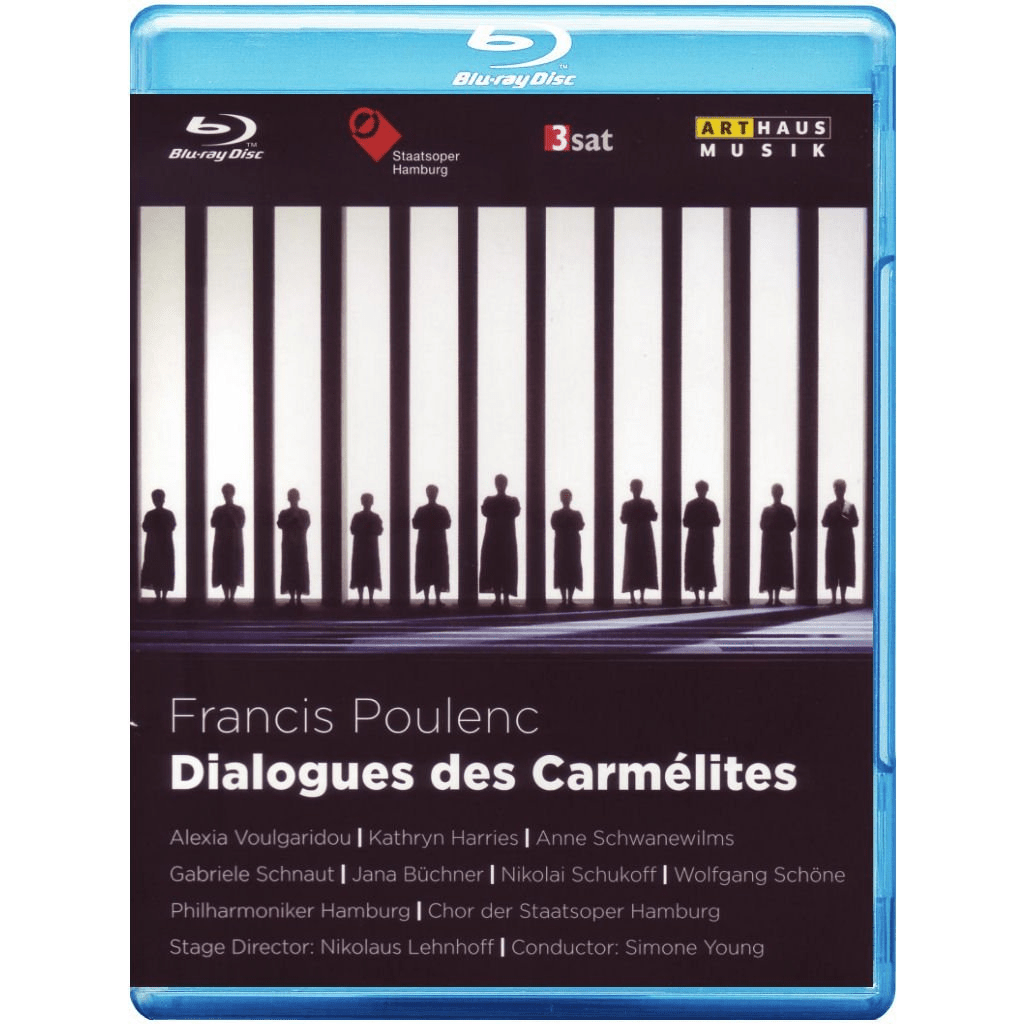
The opera came to Hamburg in 2008, it was directed by Nikolaus Lehnhoff.

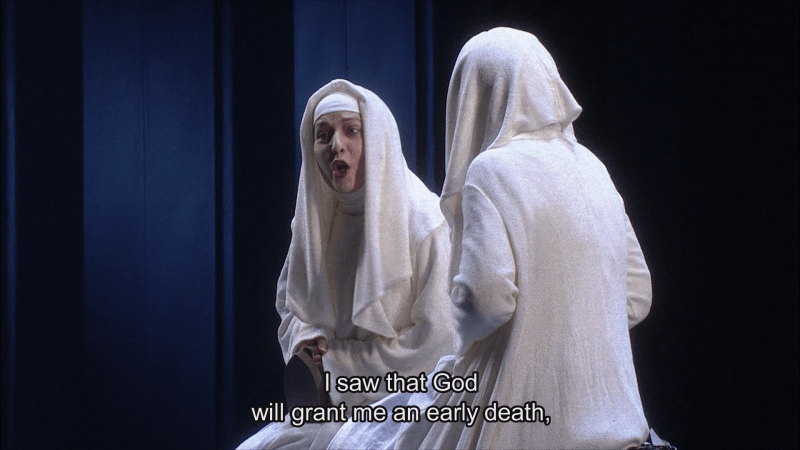
His Blanche, Alexia Voulgaridou, is very much like Liu: sweet, scared but steadfast and very impressive.


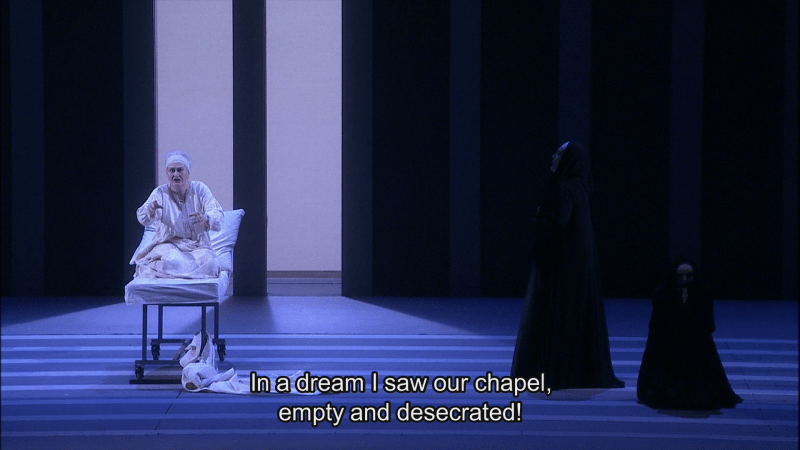
Kathryn Harries as Madame de Croissy is even more impressive than Anja Silja. She acts not only with her whole body but also with her perfectly used voice. Her fear is physically palpable and her death scene cannot leave anyone unmoved.

Unfortunately, Gabrielle Schnaut’s Mère Marie is not of the same calibre. With the remnants of the once so imposing voice, she only causes irritation: not one note is pure and her terrible wobble feels like torture to your ears. How different then is warm and sweet Madame Lidoine, here sung incredibly lovely by Anne Schwanewilms!

The staging is very simple and there are hardly any sets, which is not at all disturbing. And the final scene is almost better than Carsen. (Arthouse Musik 101494)

Trailer:

Paris, 2013

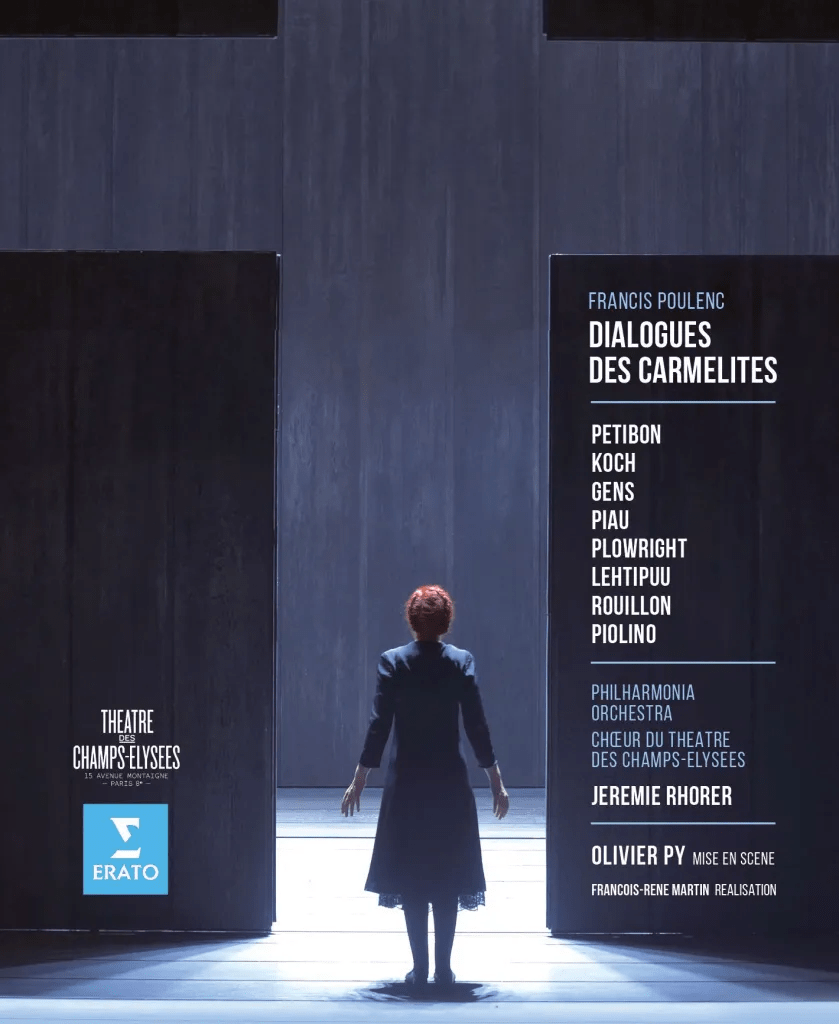
You just never know with Olivier Py, though I have to say that, apart from the awful Romeo et Juliette in Amsterdam, most of his productions are usually excellent. So too his Dialogues des Carmélites, recorded in Paris in 2013.

Patricia Petibon is a singer with a tendency to exaggerate, but here she is perfectly matched as Blanche. Watching her, I involuntarily get visions of Edith Piaf. Which of course suits the role very well: a small, skinny, frightened bird.


Her timbre is close to that of Denise Duval, but she lacks her carrying power and – mainly – her lyricism. Still, there is no denying that the role of Blanche is more or less tailor-made for her.

Sophie Koch is a strange choice for Marie. She looks far too young and lacks the confident superiority and power of persuasion so characteristic of the role. And the contrast with Lidoine (a wonderful Veronique Gens) is not great enough. Rosalind Plowright is an excellent Croissy and Sandrine Piau a delightful Constance.

Py uses the orchestral interludes to showcase religious scenes, including the evocation of the Last Supper and the Crucifixion. Sometimes a little “too much”, but the last scene, with the dark starry sky, brings a lump to my throat (Erato 0825646219537).

Here is the trailer:


Film adaptation:


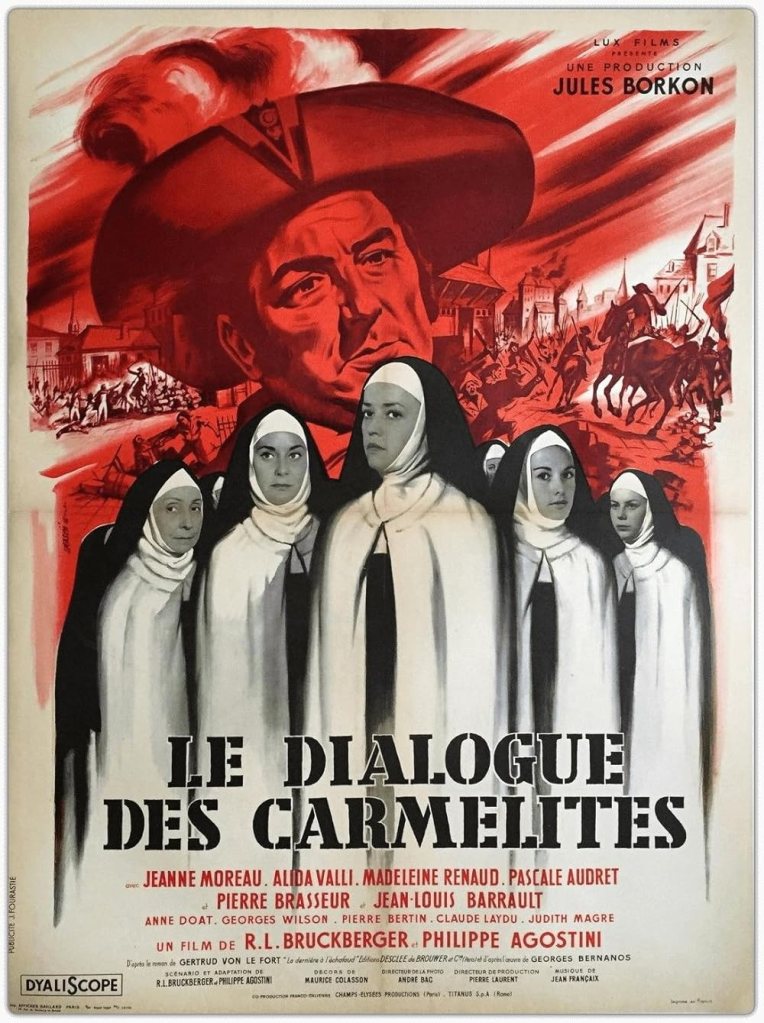
Did you know that the story of Dialogues des Carmélites was filmed in 1960? In the film you can see, among others, Jeanne Moreau as Mère Marie and Pascale Audret as Blanche.


Below is the last scene:


The whole film:


Spannende Andrea Chénier uit Bologna
DIALOGUES DES CARMÉLITES bij Deutsche Oper am Rhein in Düsseldorf, oktober 2010


Il Viaggio a Reims: EU avant la lettre ?

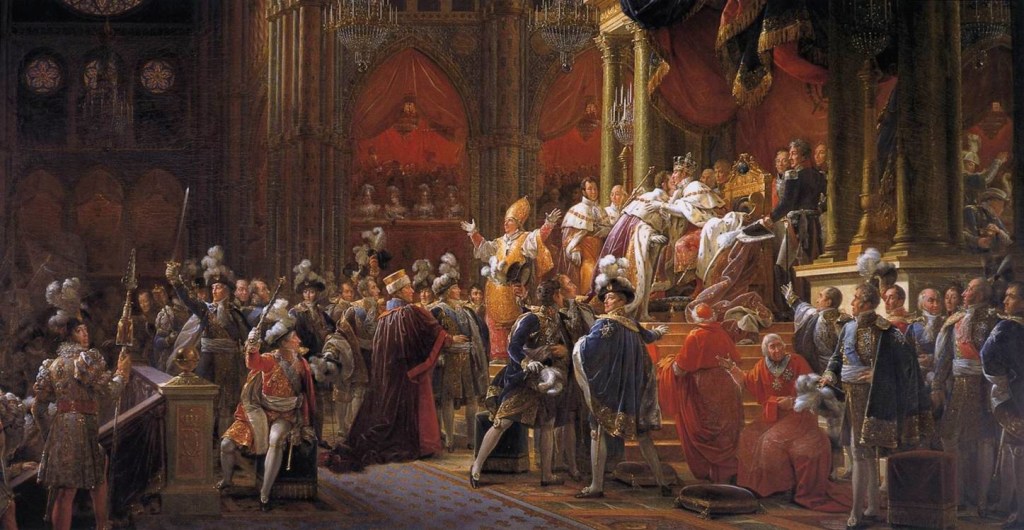
Coronation of Charles X of France by François Gérard, circa 1827

Was it ever Rossini’s real intention? To perform it and then throw it away?
Rossini considered his opera Il viaggio a Reims an occasional piece, created for the coronation of Charles the X in 1825. The opera was first  performed in Paris, with Giuditta Pasta as Corinna. It was a great success, but the composer pulled the plug after only three performances.

He reused much of the music in Le Comte Ory, the rest disappeared into  various drawers in different countries (how appropriate, don’t you think?) and was only recovered in the late 1970s.


CLAUDIO ABBADO:
Pesaro 1984


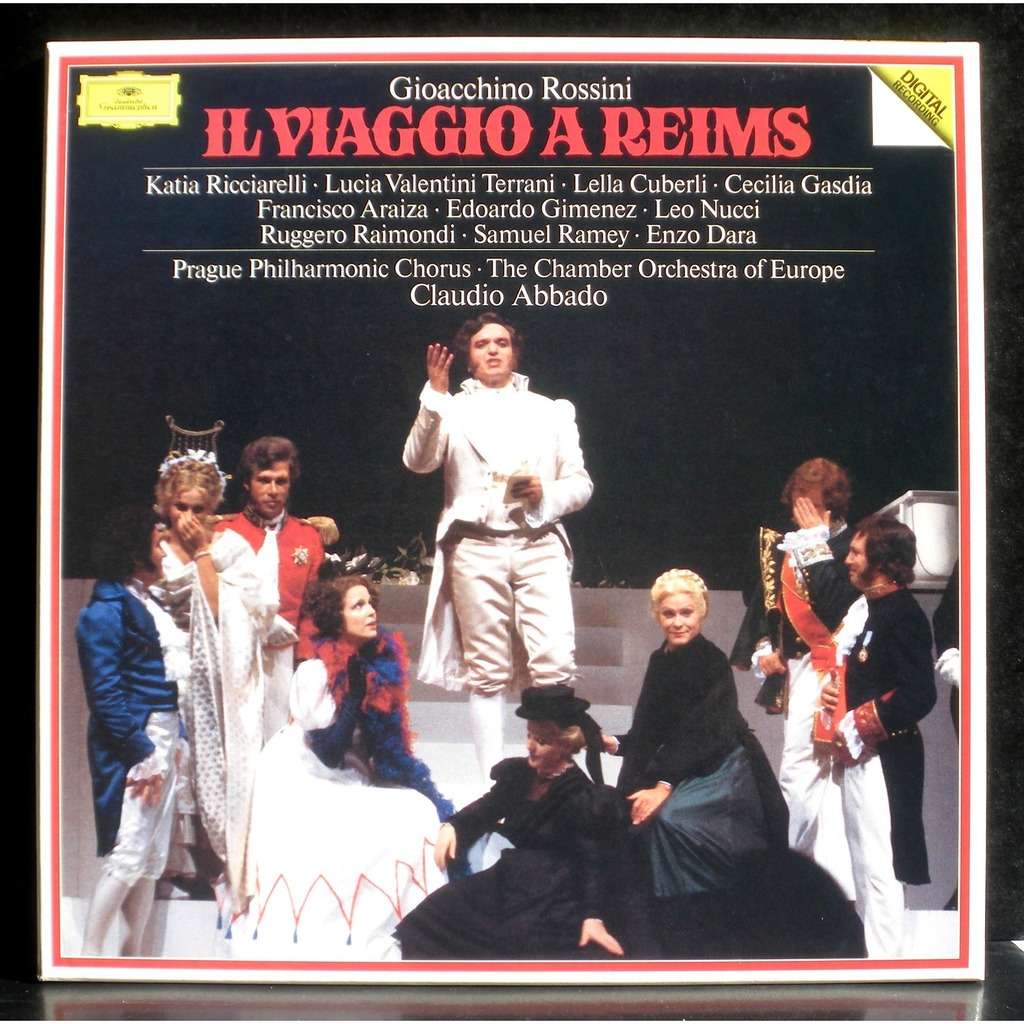
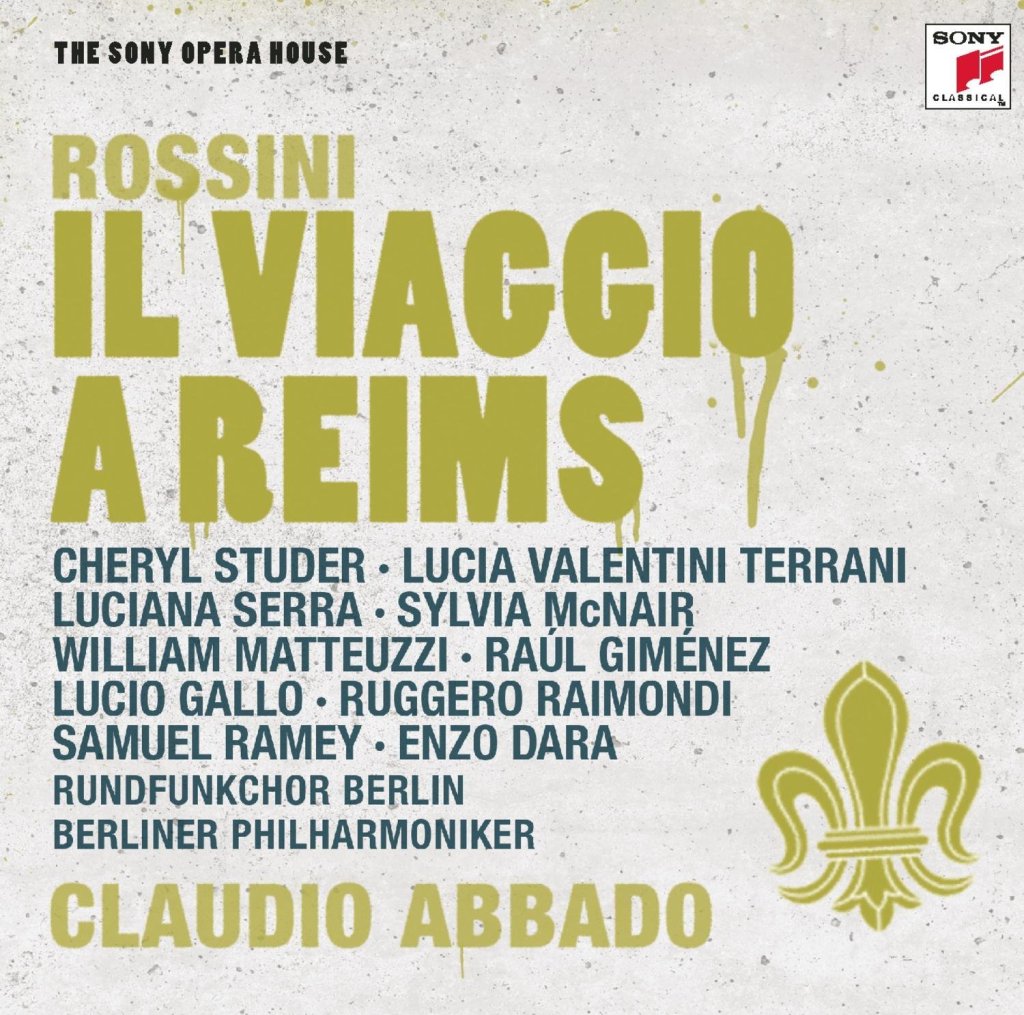
The first “modern” performance of Il viaggio took place in Pesaro, in 1984. Claudio Abbado conducted an absolute star-studded cast, which had been brought together just for this occasion… In alphabetical order: Francisco Araiza, Lella Cuberli, Enzo Dara, Cecilia Gasdia, Eduardo Gimenez, William Matteuzzi, Leo Nucci, Ruggero Raimondi, Samuel Ramey, Katia
Ricciarelli and Lucia Valentini Terrani.


Youtube also offers the entire recording from Pesaro – on screen! – :


And Berlin 1992


Eight years later, Abbado conducted the opera in Berlin with mostly the same singers. Both performances were recorded live and both are very good. Personally, I prefer Cheryl Studer (Madama Cortese) on Sony (53336) to Katia Ricciarelli (DG 4777435), but that is entirely personal.


Encore from Berlin 1992


BARCELONA 2003


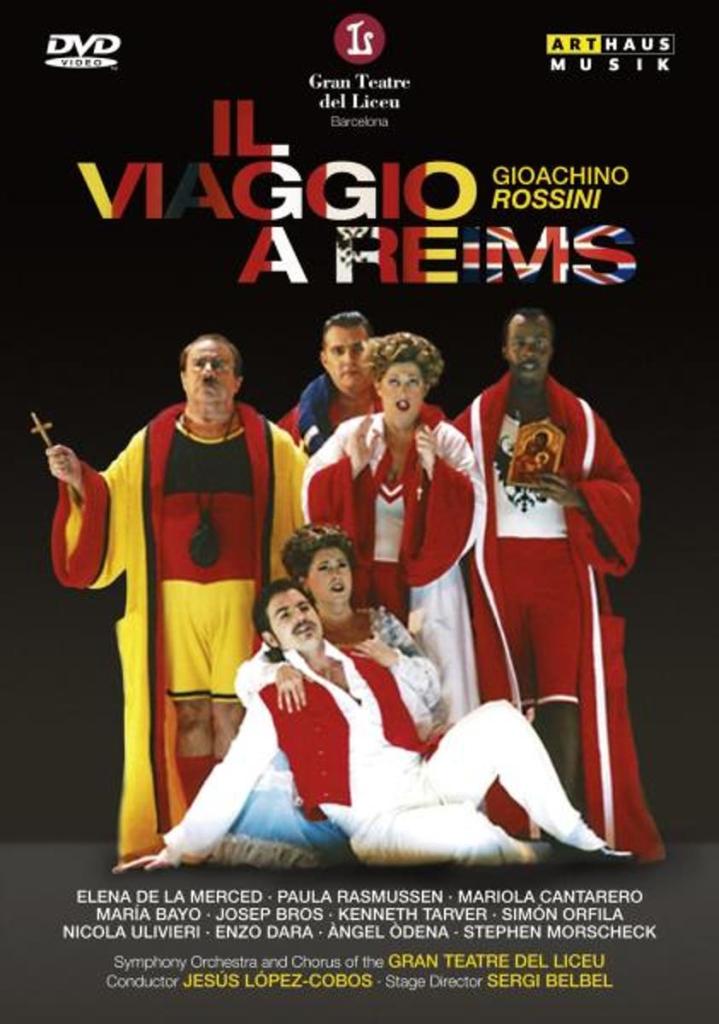
A visually arresting performance of Il viaggio was recorded at Barcelona’s Gran Teatre del Liceu in 2003 (Arthouse Musik 107 135). The action is set in a spa resort at the beginning of the 20th century, and the guests in bathing suits are being pampered by a variety of masseurs, nurses and beauticians. Everyone wears clothes with their country’s colours and the director has Corinna, dressed in an EU flag, solve every problem between them. Obvious? Definitely, but also very entertaining.


It’s just a shame that the singing is not that great. Apart from veteran Enzo Dara (Il Barone di Trombonok) and Josep Bros (Belfiore), the cast is mediocre, with the low point being the totally miscast Maria Bayo (Madama Cortese) and Simón Orfila (Lord Sydney). The latter looks very attractive in his swimming costume, but barely manages to sing a clean note.

https://www.operaonvideo.com/il-viaggio-a-reims-barcelona-2003-bayo-cantarero-bros-orfila-dara/


PARIS 2005


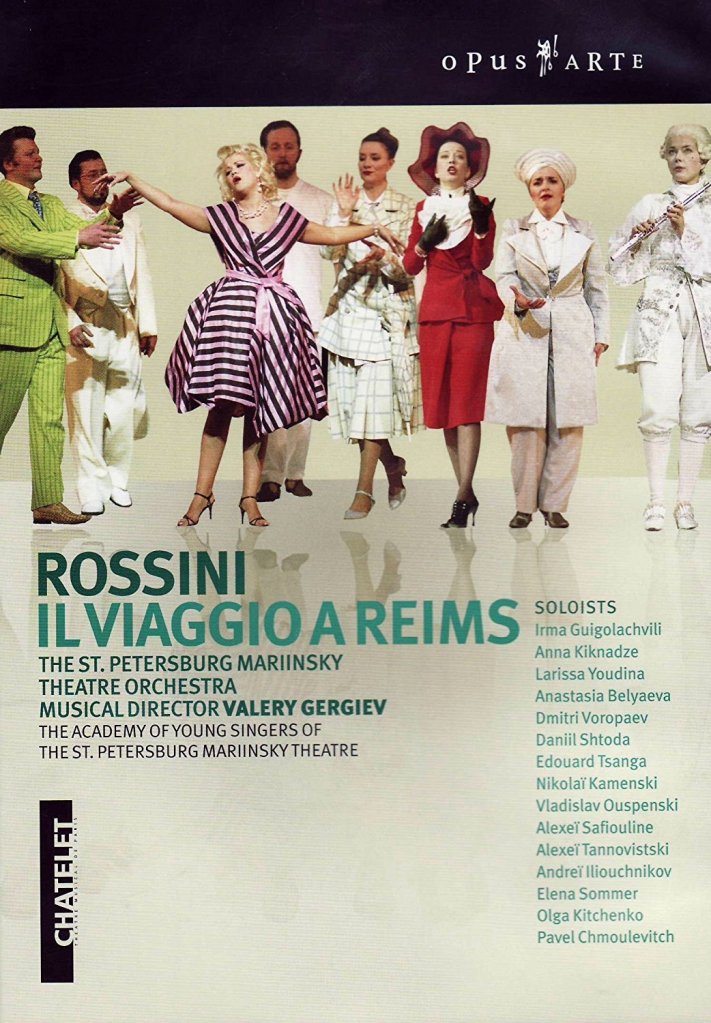
Valery Gergiev is not easily associated with Rossini’s music. Yet it was he who conducted a highly spectacular Il viaggio at the Théâtre du Châtelet in 2005, presenting young Russian singers to international audiences.


The orchestra sits at the back of the stage, forming, together with the conductor, a part of the
dazzling show which really takes place everywhere, even among (and with) the audience. Props and colourful costumes also play an important role, and there is even a real horse.
The singers are mostly young and, apart from Daniil Shtoda (Count Libenskof), unknown. It is clear that they still have a lot to learn, including proper pronunciation, but their performance is really very nice (Opus Arte OA 0967 D).


Below is an excerpt:

Antwerp:

Herinneringen aan een zeer geslaagde Il Viaggio a Reims in Antwerpen

Faust: the ultimate dream of eternal youth?

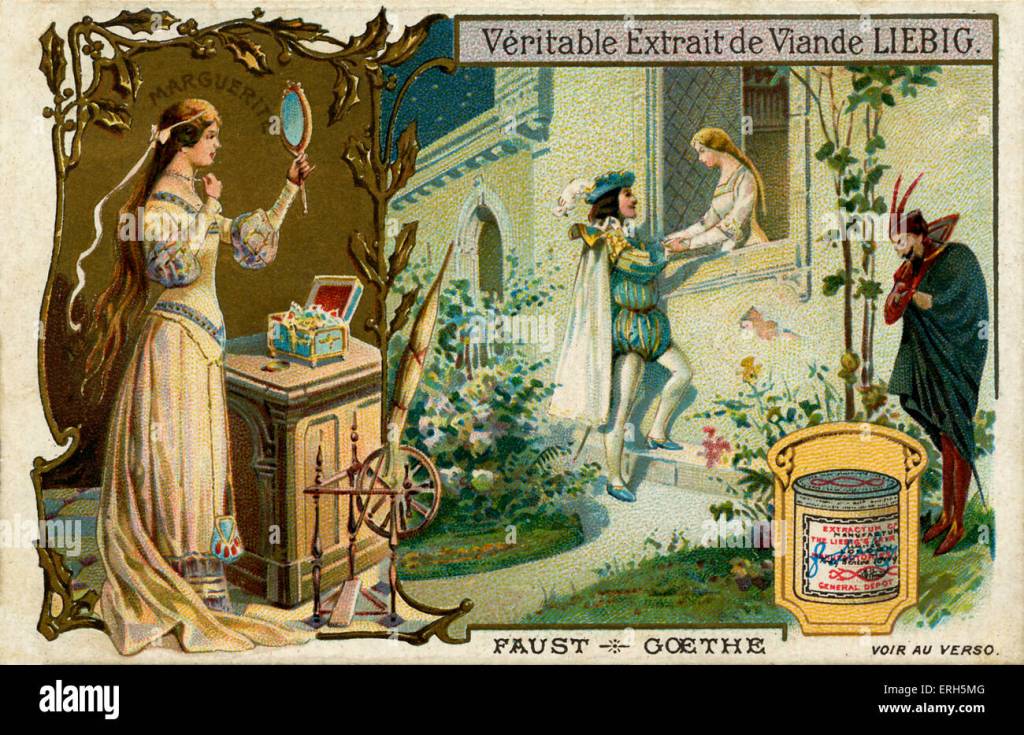
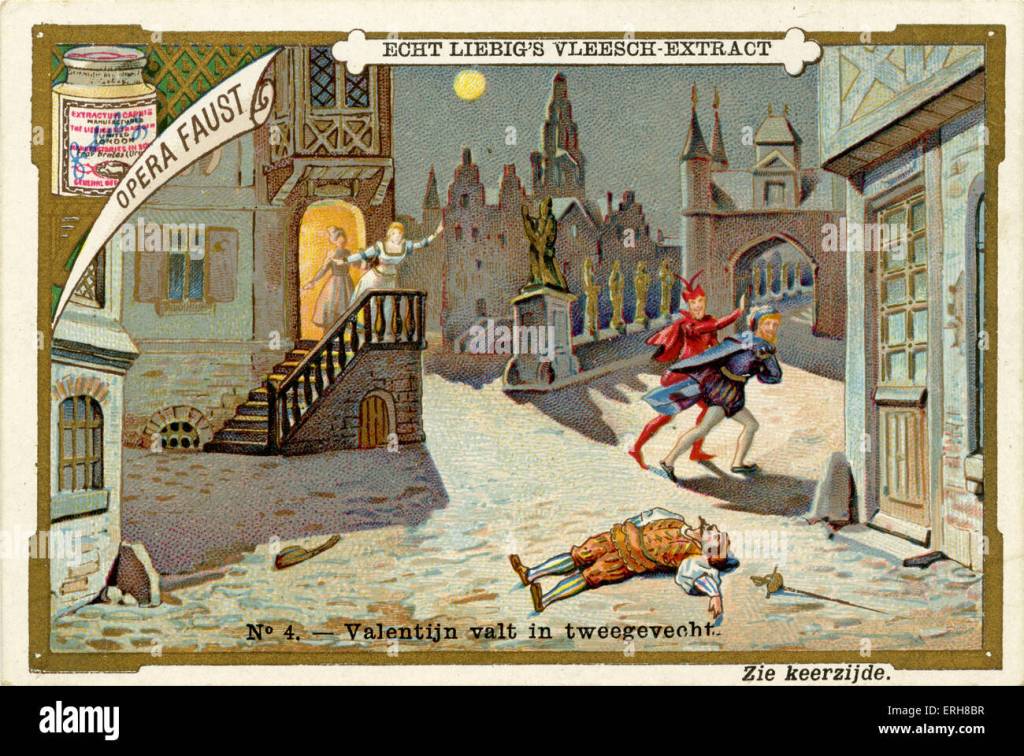
Who does not dream of being eternally young and beautiful? The wonderful story of Faust, about a scientist who sells his soul to the devil, has inspired numerous writers, poets and composers. Charles Gounod’s 1859 version is simply delightful.


DVD’s

©: Deen van Meer


If you want to see the work on screen, the choice is very limited. I myself was once absolutely blown away by Frank Van Laecke’s production at Opera Zuid, but it was not recorded. Pity.


Roberto Alagna


David McVicar, one of my beloved directors, staged the opera at London’s Royal Opera House. I saw it there, first with Roberto Alagna and then with Piotr Beczala. And to be honest: I was somewhat underwhelmed. There was very good singing, sure, but the direction disappointed me a bit.

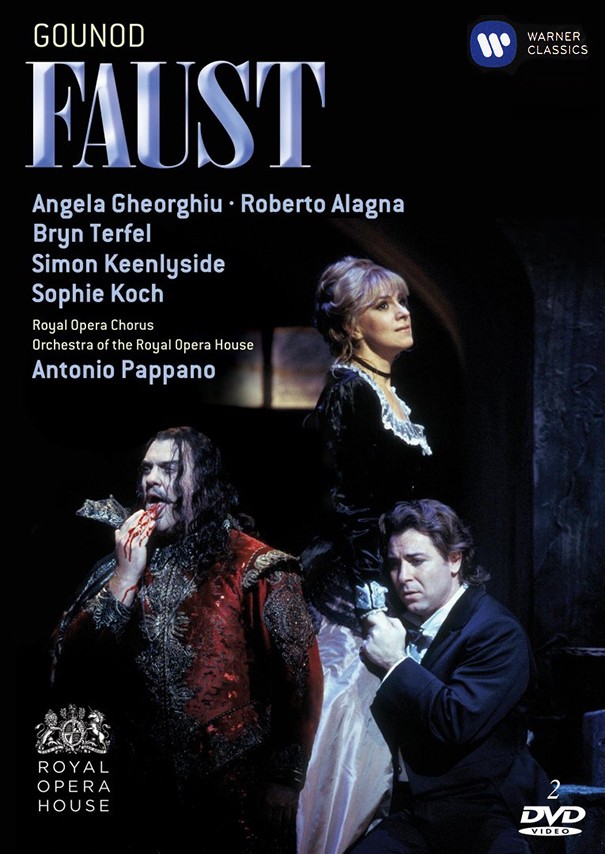
The first performances, starring Roberto Alagna, Angela Gheorghiu, Bryn Terfel, Sophie Koch and Simon Keenlyside, were filmed for Warner (5099963161199) in 2004.

Below is Angela Gheorghiu as Marguerite, with a commentary by herself:


Francisco Araiza


And then we have the ˜enfant terrible” of the 1980s, Ken Russell ….
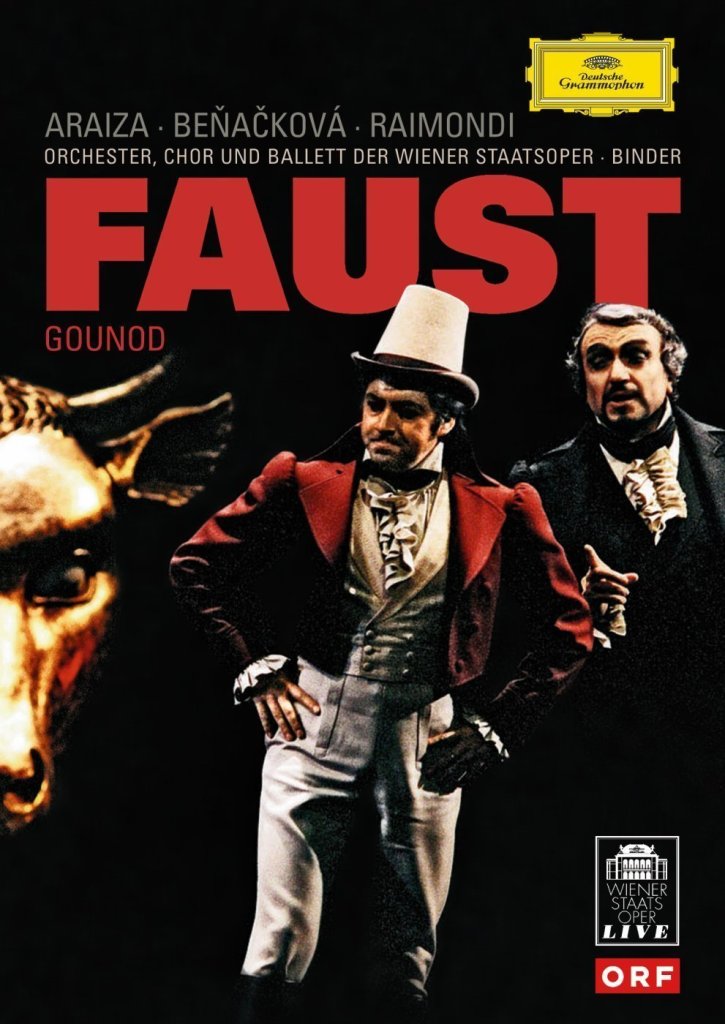
To be honest, I confess that I didn’t really get very far when watching this DVD (DG 0734108). I find the direction extremely irritating with all sorts of ˜inventions” and ˜symbols”, the point of which completely escapes me. Francesco Araiza was once among my favourites, and in 1983 he still sang a splendid Ferrando in ‘Cosi fan Tutte’ but in this 1985 Viennese production his voice is a fraction of what it had been. What a shame!


Alfredo Kraus


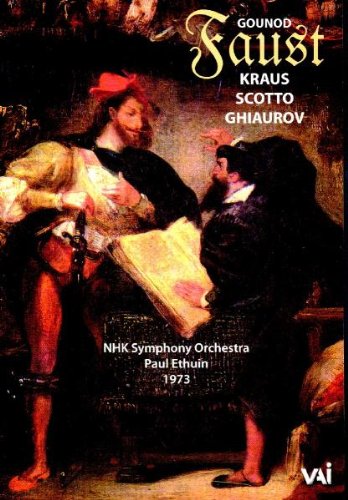
In 1973, Faust was performed in Tokyo and recorded live (VAI 4417). Renata Scotto, Alfredo Kraus, Nicolai Ghiaurov… what a cast! Mouthwatering, right? Yes and no.


Kraus is definitely ˜elegant”, but does Faust have to be elegant? Isn’t he rather a vulgar villain who just wants to cheat the pretty girl? Who wants money? And who wants to enjoy himself? Or have I misunderstood? There is also no passion in his singing and his high notes are somewhat ˜pressed”.

 But Scotto is a very moving Marguerite and Ghiaurov a more than impressive Méphistophéles.


CD’s


Nicolai Gedda


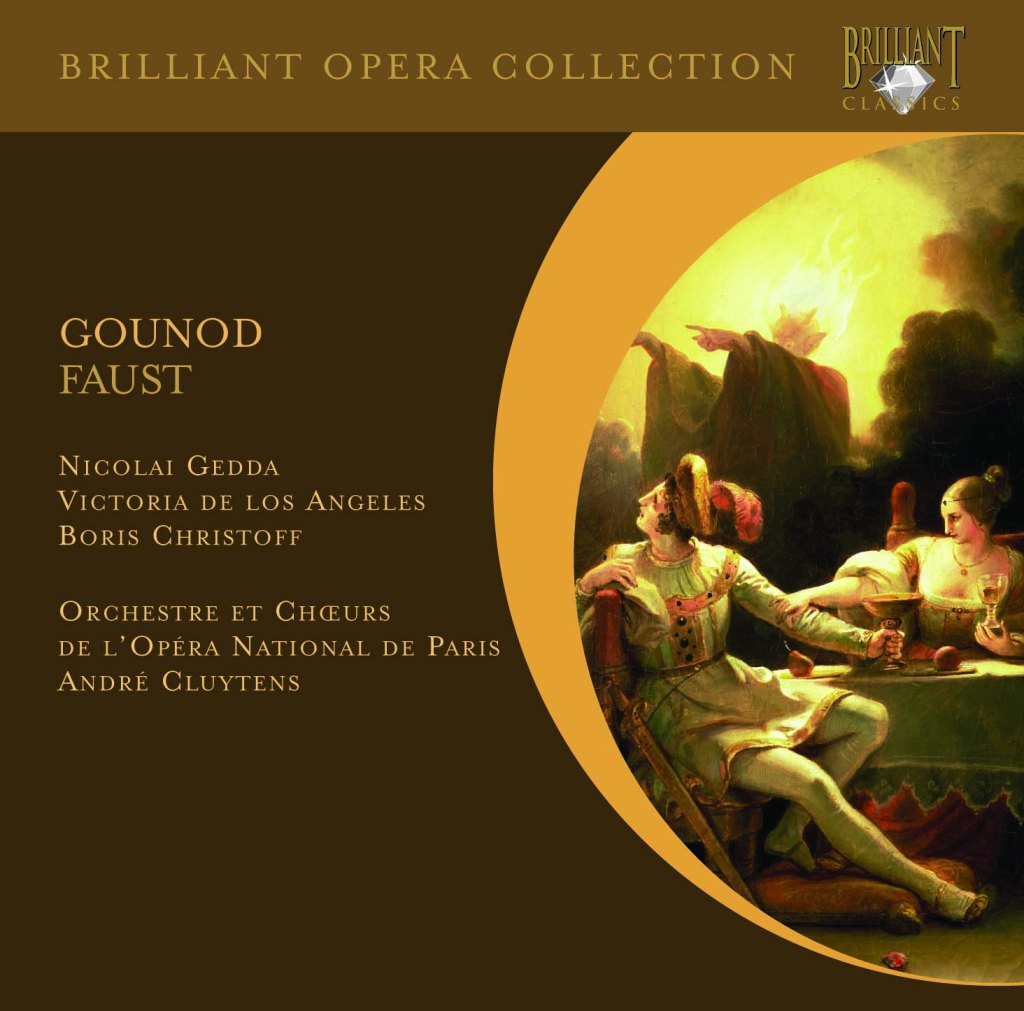
On CD, the choice is immense. How about Victoria de los Angeles and Nicolai Gedda? With Boris Christoff as the devil himself? Conducted by André Cluytens (Brilliant Classics 93964)? This makes my heart melt.

Gedda could probably be compared to Kraus, just a little, but his voice is big and his eloquence inexhaustible. And his sense of language is formidable. So please give me Gedda any day!

Gedda sings ˜Salut! Demeure chaste et pure”:


Plácido Domingo


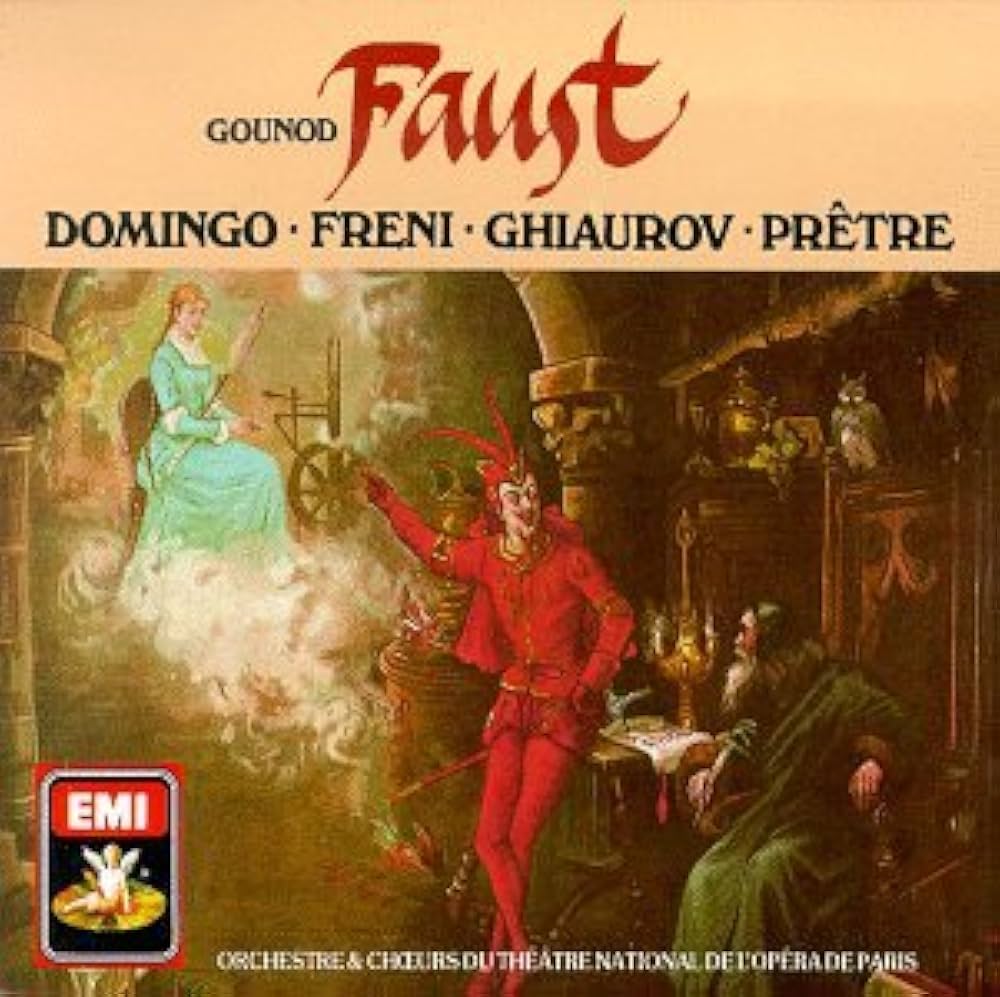
Domingo is not really the first you think of when discussing Faust, but fortunately for the aficionado, a good studio recording of him exists. Fortunately, because in this case you can safely say it is one of the best recordings of the work (once EMI ).

The Paris Opera orchestra is conducted by Georges Pretre, one of the best conductors for the French repertoire. The cast is finger-licking good: Mirella Freni is a fragile and sensual Marguerite and Nicolai Ghiaurov a very impressive Méphistophéles. .


In the small role of Valentin, we hear none other than Thomas Allen. I have never heard  ‘Avant de quitter ces lieux’ sung more beautifully before (or since).


— 

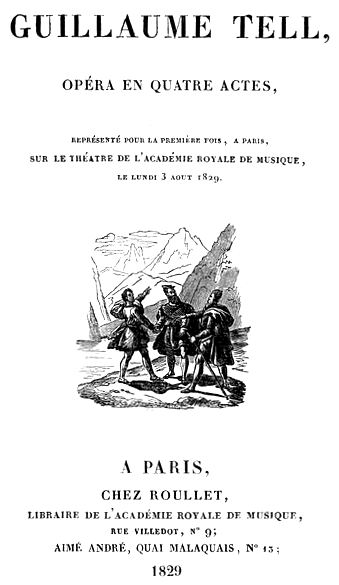
Rossini’s Guillaume Tell in two CD recordings. And a missed opportunity

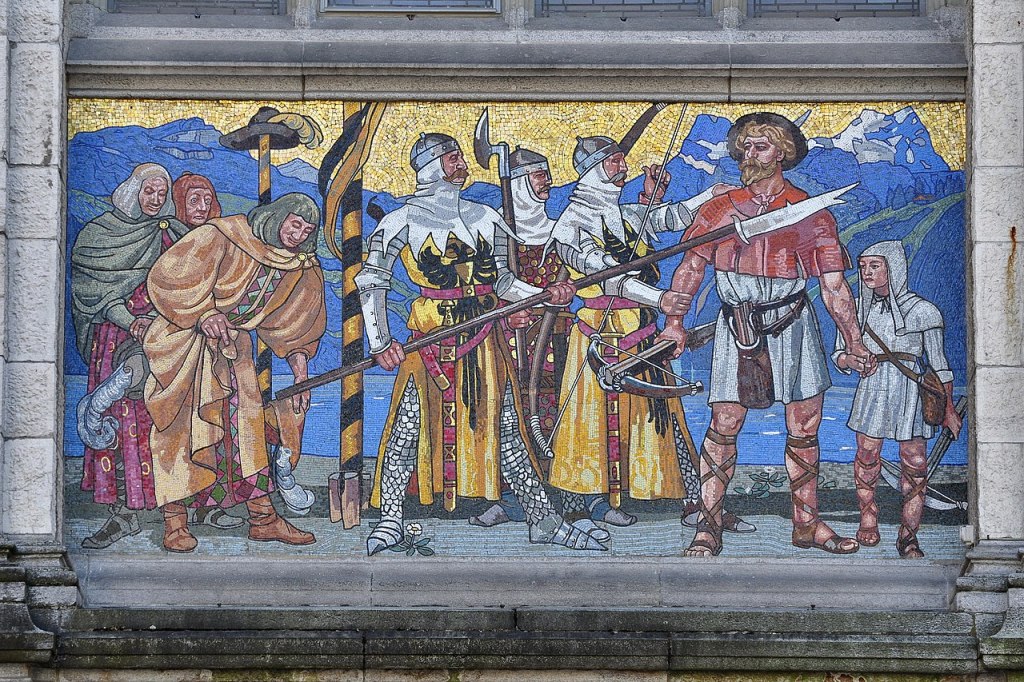
Tell is arrested for not saluting Gessler’s hat (mosaic at the Swiss National Museum, Hans Sandreuter, 1901)

For most people, Switzerland is a beautiful, but boring country. Everything is perfectly regulated there and even the cows’ udders produce real chocolate- milk right away. Right? Anything and everything will always thrive there and nothing ever really happens.


But even the Swiss have experienced something of an uprising, and they too have their national hero, although it is not entirely certain that he ever existed (take it from me: he did not).


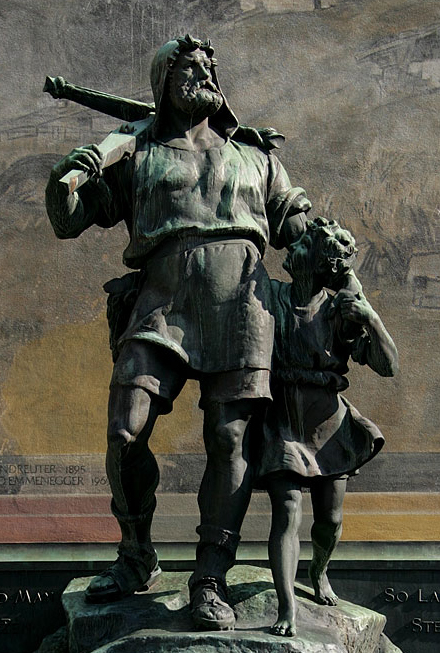
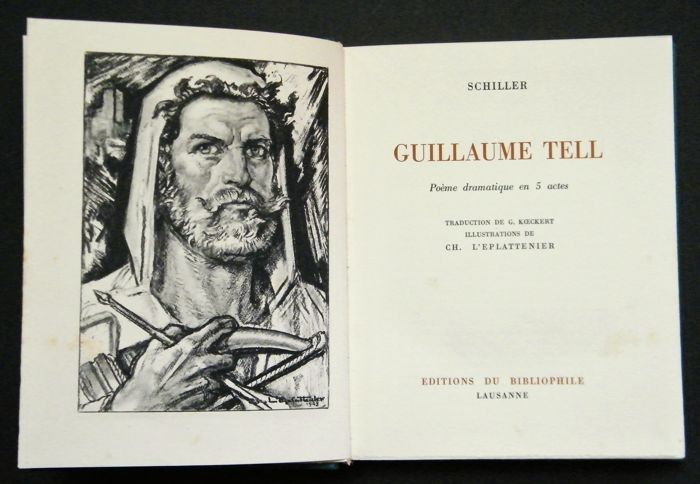
William Tell, the Swiss national pride and freedom fighter, owes his fame mainly to the play by Friedrich Schiller, who, as we might expect from a Romantic poet, did not take the truth very seriously.


William Tell became even more famous because of an opera by Rossini. Although…. The opera wasn’t really well known until recently but: who doesn’t know the overture? Even my cat can meow it.


CDs


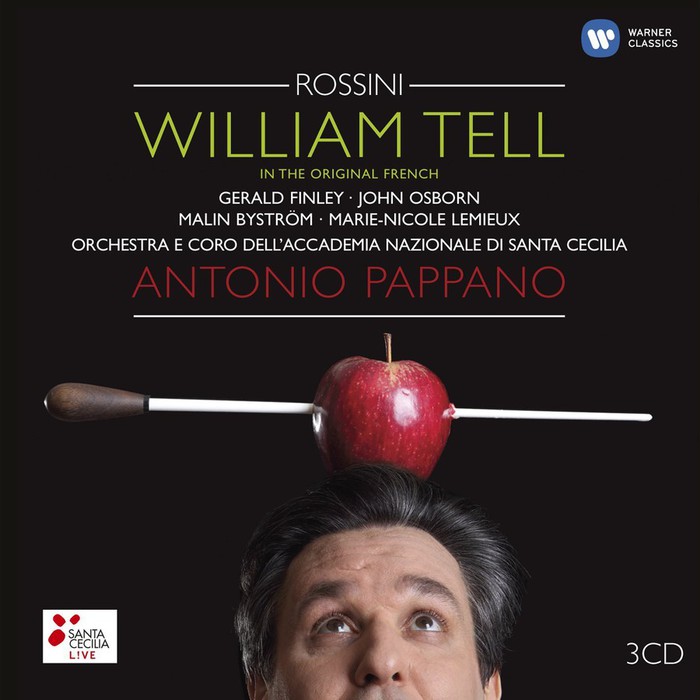
Antonio Pappano’s 2011 recording with the Orchestra e Coro dell’ Accademia Nazionale di Santa Cecilia Roma is far from complete. A shame and a missed opportunity, especially since the performance is really good.

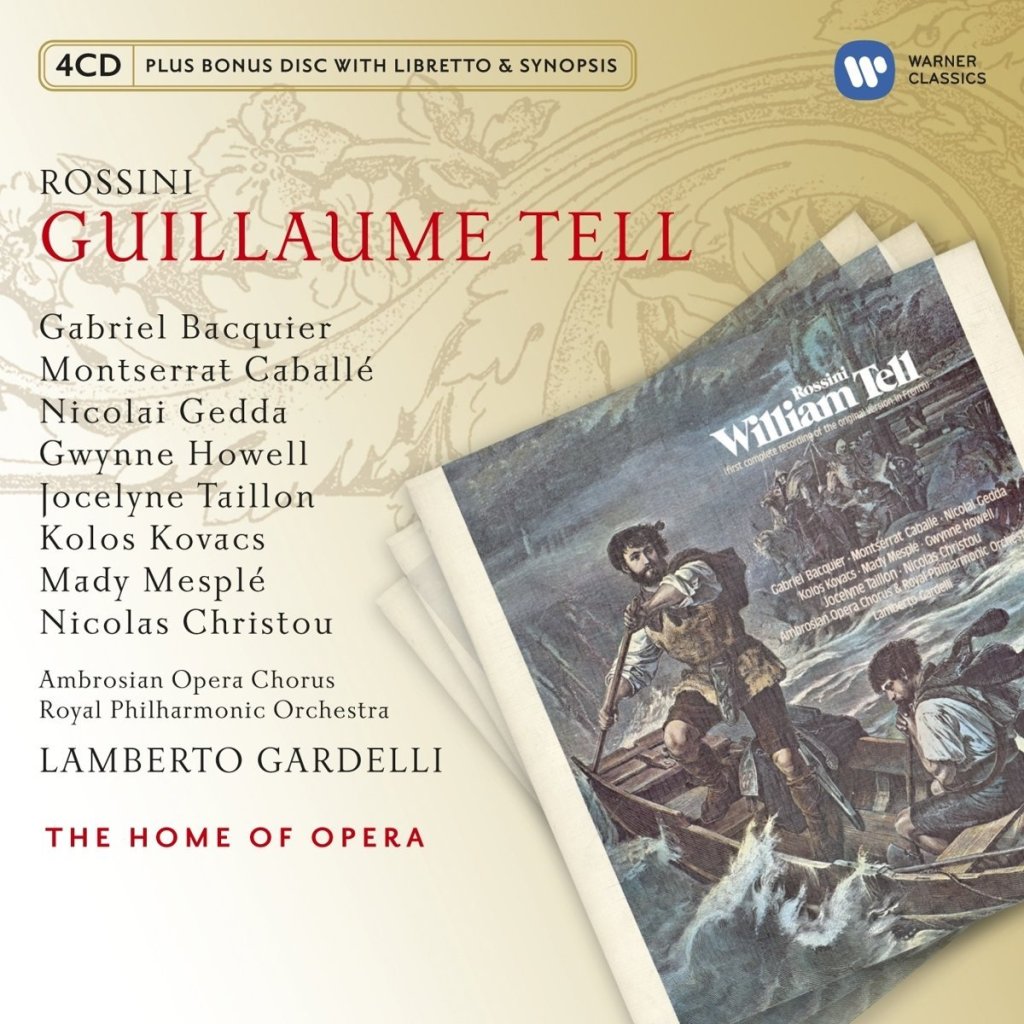
Gerald Finley is a very good Tell (is there anything he can’t sing?), yet something is lacking. For me, at least. I can’t describe it, it’s more like an instinctive response, but I do get that ˜something” when I listen to Gabriel Baquier, on the old 1973 EMI recording.


The cast of that recording, led by the very spirited Lamberto Gardelli, has even more ˜plusses”. The biggest is Montserrat Caballé’s Mathilde. I suppose I don’t need to tell you how beautiful and flowing her notes are, how she ˜waves” through them, as it were, and how whispery her pianissimo is. No, Malin Byström (Pappano,) although good enough, really can’t compete with that! Her colouratures may be pure, but that’s all there is to it.


Another big plus is Mady Mesplé’s Jemmy, the real ˜veteran” in the ˜birdsong profession”. So incredibly beautiful! And Nicolai Gedda of course, a singer once called ˜a chameleon among singers” by one of my colleagues (do you know any other tenor who managed to sing so many different roles with so much talent?). And to all that you can add the playing time of almost 238 minutes versus Pappano’s ramshackle 208 minutes.

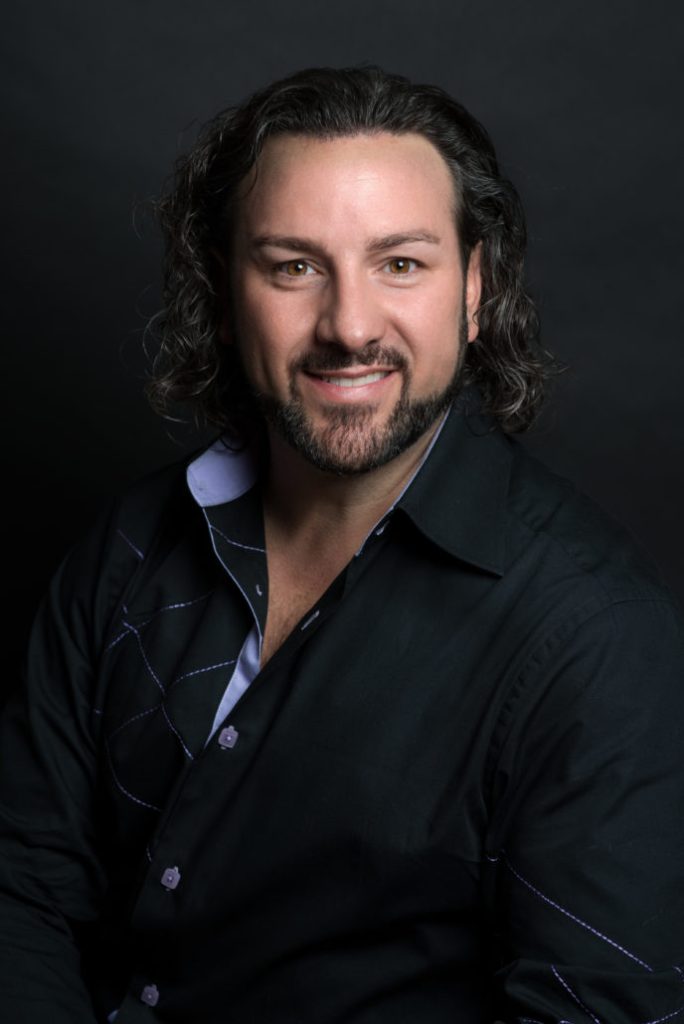
But if you think I am rejecting Pappano, you are wrong! Orchestrally, he is definitely superior to Gardelli. His choir sounds more beautiful and subtle, and on top of that comes the sound quality. The greatest asset of the Pappano recording, however, is John Osborn, a tenor who throws out the very highest notes as if they were child’s play. It was he who helped make the Saturday Matinee performance unforgettable. The (concertante) recording was done live, which heightens the atmosphere, especially with all those ˜bravos”.


Saturday Matinee 2009

John Osborn © Zemsky/Green Artists Management


What never came out on CD (shame!) is the absolutely complete performance in the unsurpassed NTR ZaterdagMatinee. Without cuts. A long sitting of almost five hours, but such  unforgettable hours! The audience was delirious and just about broke down the Concertgebouw.

The power of the performance lay in the fact that every role was brilliantly cast, right down to the smallest. Paolo Olmi conducted a great cast of really fantastic singers: Michele Pertusi, Marina Poplavskaya, Ilse Eerens and John Osborn. The Groot Omroepkoor performed its leading role in the opera with verve. So, there is no CD (cursing softly for a moment), but many fond memories.


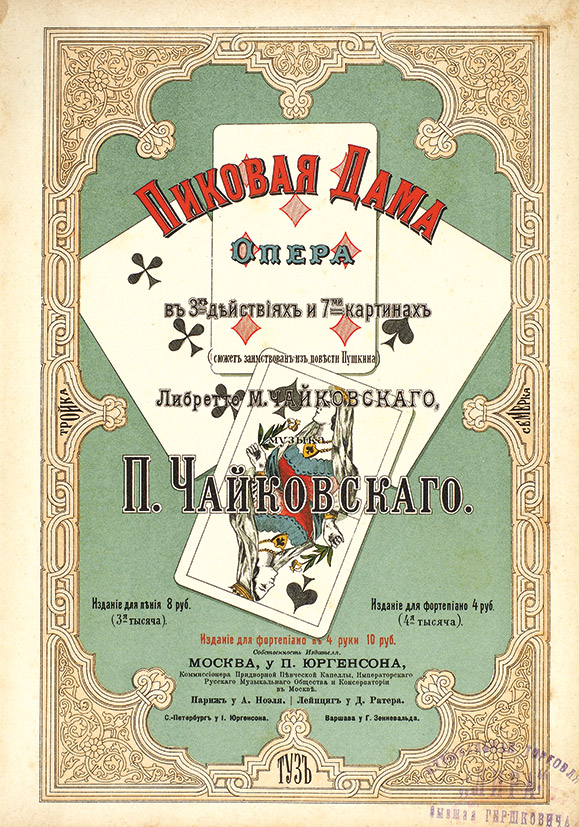
Pique Dame or the secret of the three cards


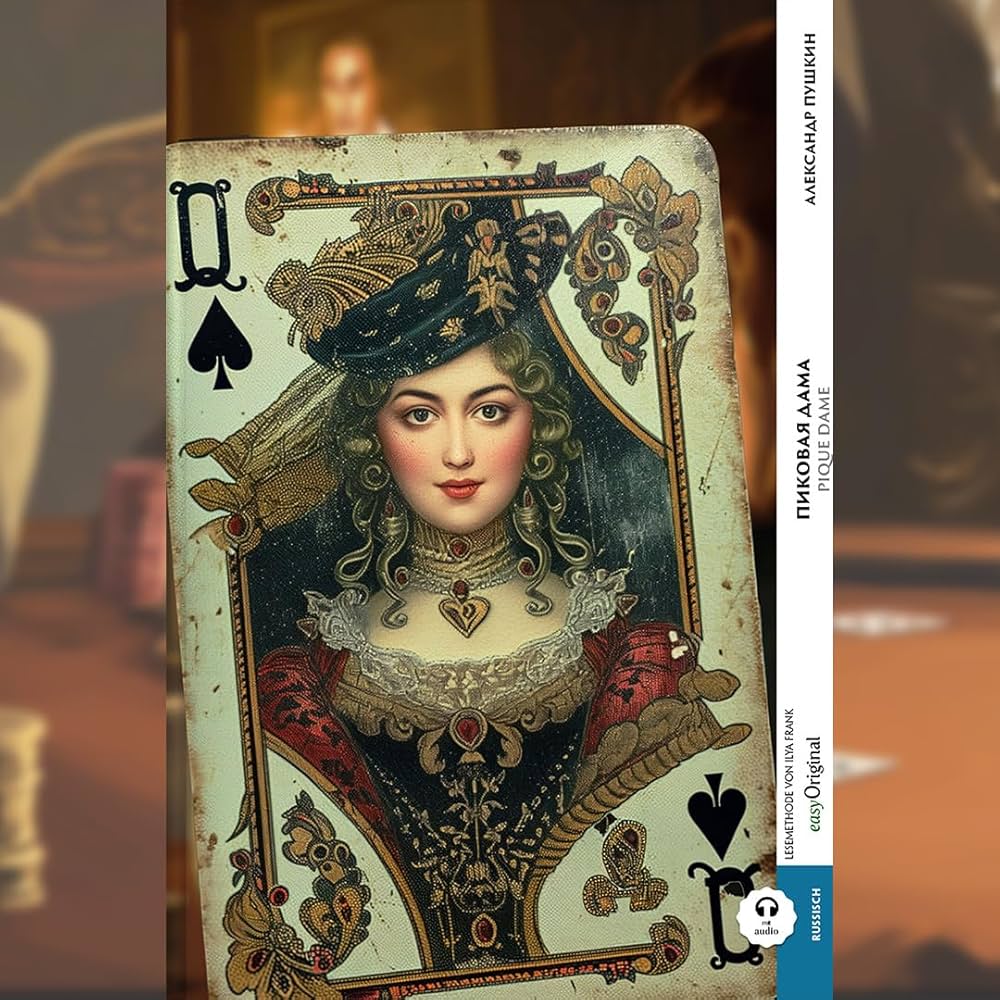
The Queen of Spades has always had something unsettling for me. I did not trust her. After all, she lacked the sweetness of Hearts, the wisdom of Diamonds and the sadness of Clubs. I experienced her as threatening

In Tchaikovsky’s opera, she symbolises the once blood-loving countess who, as legend has it, lost her entire fortune in a card game in her youth and regained it with the help of black magic.

The opera may be named after the countess’s ˜card alter ego”, but the real leading role belongs to Herman. A rather strange young man with obsessive eyes, of whom we know little to nothing. Fortunately, I would say, because this only adds to the suspense and mystery.


In Pushkin’s novel, on which the Tchaikovsky brothers based their opera, Herman is a German who at the end does not commit suicide but goes insane and is admitted to a mental institution.

Lisa (in the book not a granddaughter but companion of the countess) survives her misspent affair and marries a rich man.
Do you need to know it all before going to the opera?

No, you do not! Hence also why I always sincerely hope that the directors who take Pique Dame in hand ignore the novel and stick to what the opera is about: a musical dissection of obsessions.

 It is about an addiction carried to the utmost absurdum; to gambling, to love, to money, to power, to everything really. And about an all-pervading madness to which Lisa too falls prey, making her behave as if she were possessed by the devil. This is what the score also says.


GEGAM GRIGORIAN


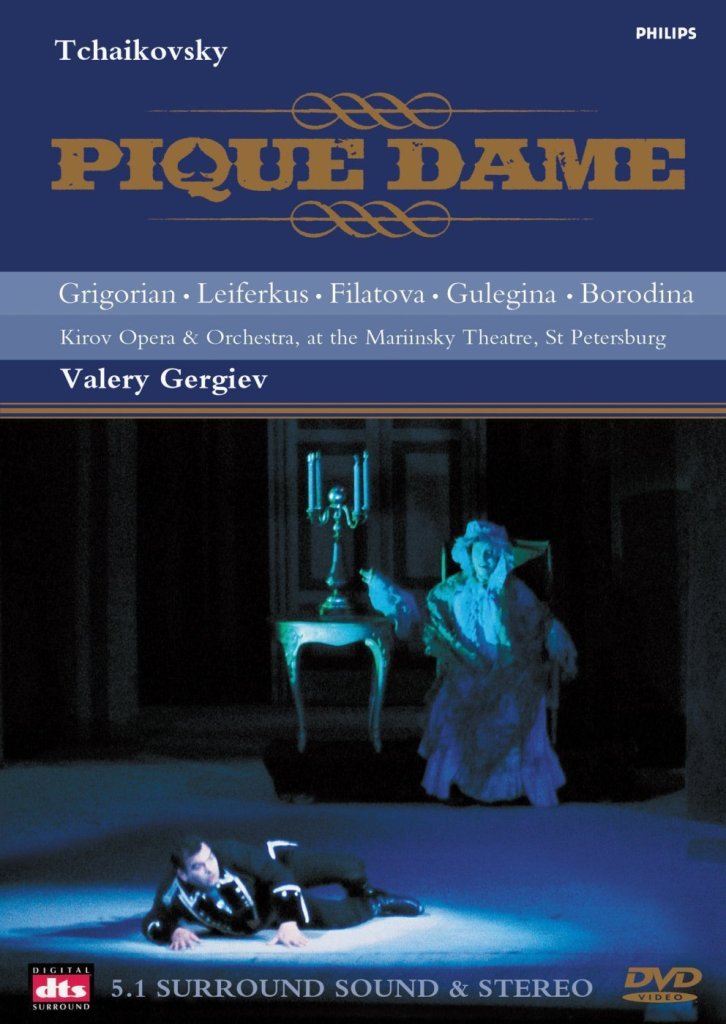
This 1992 Mariinsky production is a feast for the lover of traditional staging, where there is no room for updating and searching for hidden intentions. All the sets are super realistic, extensive attention has been paid to all the details and the costumes too seem to have been pulled out from under the dust.

That the whole thing nevertheless does not come across as very corny is due not so much to the director (Yuri Temirkanov, the renowned conductor and former artistic director of the Kirov), but to the truly superior team of singers.

Armenian tenor Gegam Grigorian, who died in March 2016, makes Herman a little brother to Otello, a true achievement.

Maria Gulegina, despite minor intonation problems, is a brilliant Lisa: tearful and heartbreaking.

Sergei Leiferkus puts on a solid Tomsky and Ludmila Filatova impresses as the old countess. Only Alexander Gergalov’s understated Yeletsky is not up to par, but he is soon forgiven, after all he has only the one aria to ruin.

Gergiev conducts animatedly, though he is not the subtlest. (Philips 070434-9)


VLADIMIR GALOUZINE


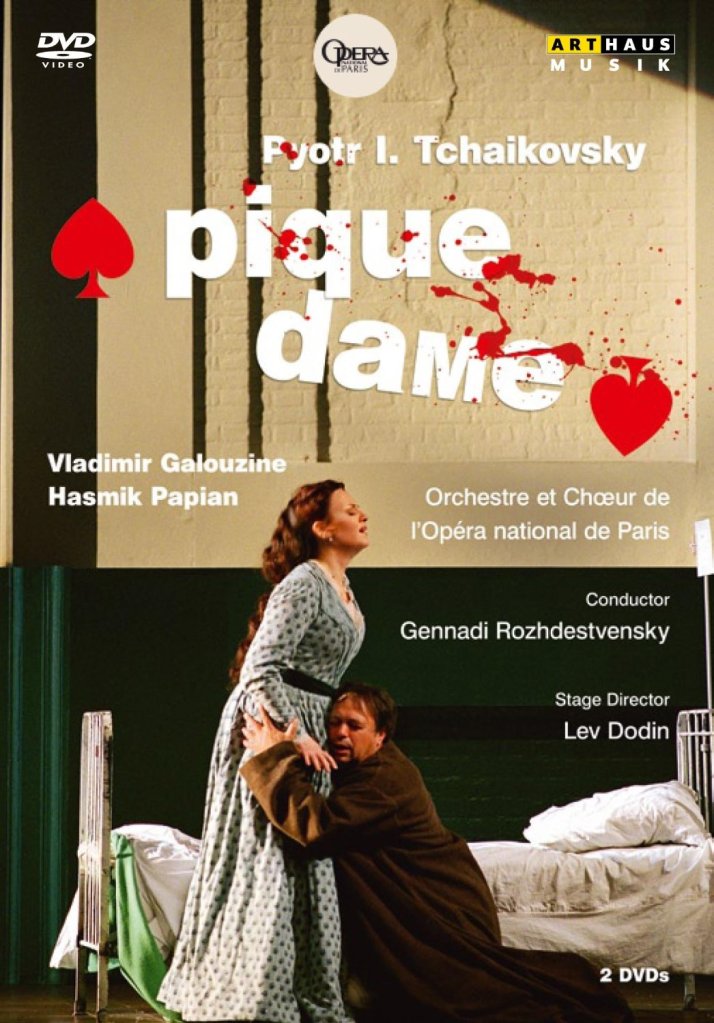
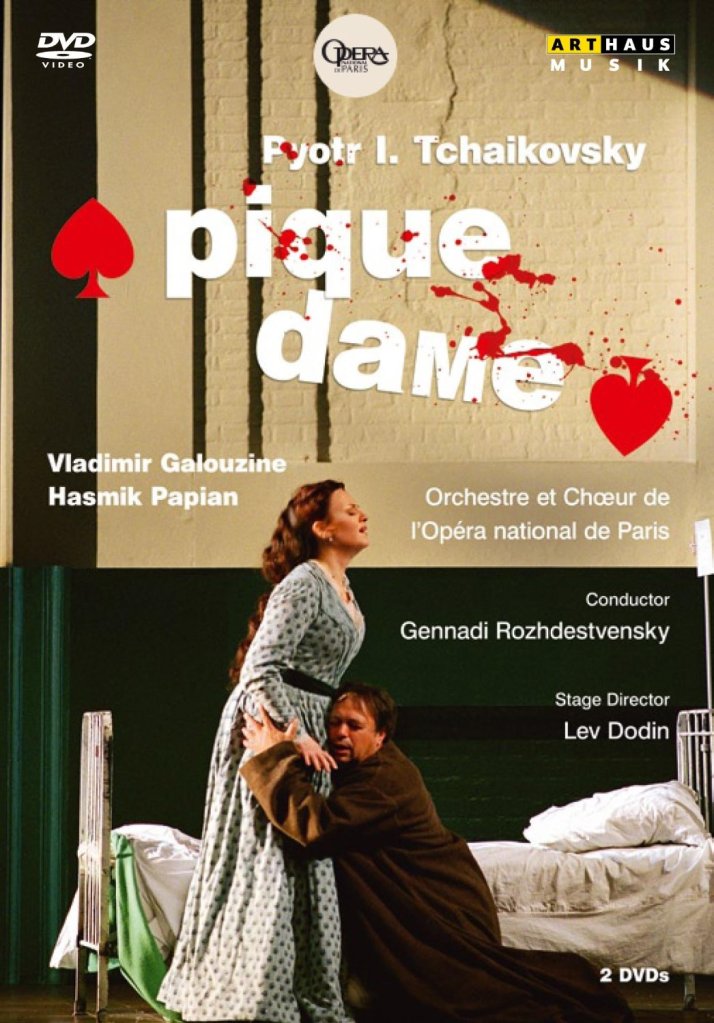
We experienced Lev Dodin’s recorded in Paris production of 2005 a few years earlier in Amsterdam: DNO staged it back in 1998.

Lev Dodin is a renowned playwright and a great Pushkin enthusiast, which is why he wanted to return to the original story (here we go again!), which he felt was thoroughly botched by the Tchaikovsky brothers.

He came up with a formula that was ˜logical” in itself, in which the whole story exists only in the memories of the mentally ill Herman. I think I could probably live with it if Dodin had not subordinated the music to his concept and had not cut into the score: he deleted some 20 minutes of Tchaikovsky’s music and added a spoken text. I consider this a real crime.

The music that remains, however, is spot on. Rozhdestvensky has the score in his fingertips and there is also a lot of excellent singing, mainly by Vladimir Galouzine as Herman. He seems utterly fused with the role and commands admiration for his brilliant performance, both vocally and theatrically.

Hasmik Papian is a moving Lisa and as Polina we hear the young Christianne Stotijn (Arthouse Music 107317)


MISHA DIDYK.

This made me really go quiet
This because of the unimaginably beautiful traditional production directed by Gilbert Deflo, which faithfully follows both the libretto and the score in every detail, while also being challenging and unusually exciting (Barcelona 2010).

The conductor (Michael Boder) handles the music with velvet gloves, steering it in the right direction and creating an atmosphere where pastoral scenes, sweet songs and folk dances alternate with horror, fear and death.

I fall silent too when hearing the singers, who give everything that even the most discerning person can desire. Micha Didyk ís Herman. He looks like Herman, he acts like Herman and he sings the role as only the real Herman can: passionate, obsessed and driven to madness. Truly: I don’t think there is any singer these days who can match him in the role. Peerless.

Nor can I imagine a better countess than Ewa Podleś : impressive. Superb also are the two baritones Lado Atanelli (Tomsky) and Ludovic Tézier (Yeletsky) and the warm Russian mezzo Elena Zaremba (Polina). Add the veteran but certainly not forgotten Stefania Toczyska in the small role of the governess…. Top.

I dó have a little bit of trouble with Emily Magee: she looks and sounds a little too old for the role. When I think of Lisa, I think of Natasha (War and Peace) or Tatyana (Yevgeny Onjegin): an excited young girl and not a mature woman.

Nevertheless: an absolute must-see. (Opus Arte OA BD 7085)
an excerpt:


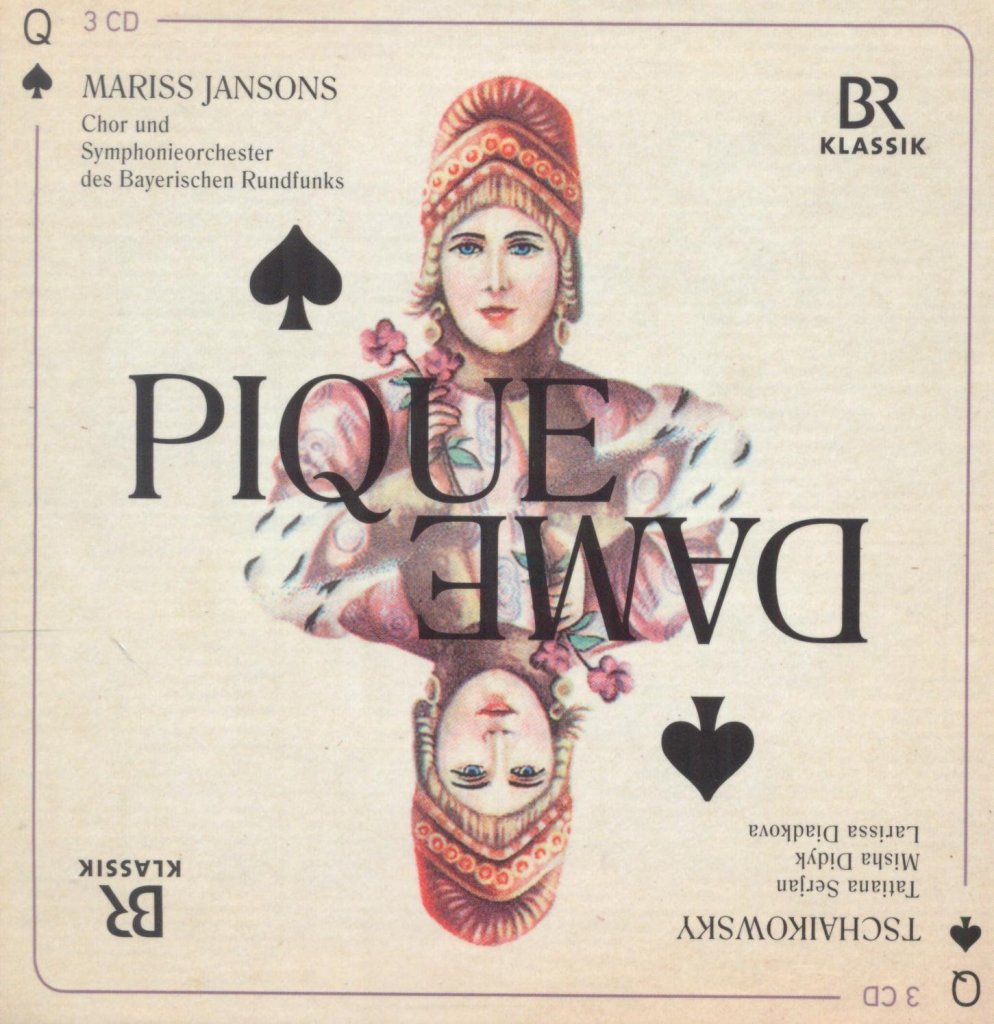
With the images of the production in your mind, you can sit back and listen to the recording under Mariss Jansons. In a manner of speaking, then, because even with Jansons the tension is cutting edge.
Larissa Diadkova is an outstanding countess, very moving in her great aria ‘Je crains de lui parler la nuit’. Tatiana Suryan is a firm yet fragile Lisa and in the duet with Polina (beautiful Oksana Volkova) their two voices melt into a harmonic unity, worthy of sisters. Even without vision, Mischa Didyk is the best Herman around.
The recording, recorded live in Munich in October 2014, sounds more than excellent (BR Klassik 900129)


VLADIMIR ATLANTOV


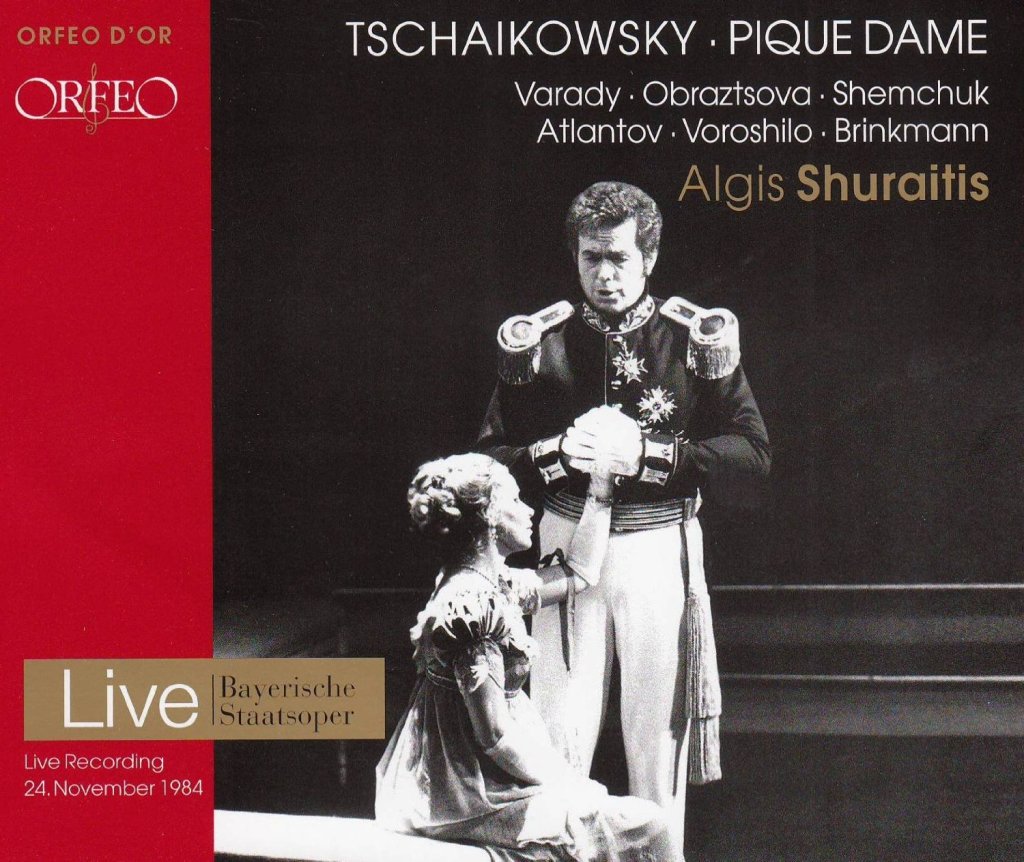
Julia Varady and Vladimir Atlantov were once a ˜match made in heaven”. In Munich in November 1984, they sang just about the most ideal Lisa and Herman in history, although I also have my reservations about Atlantov.

Atlantov has a cannon of a voice, which makes everything seem so unimaginably easy with him. Very beautiful, but his Herman sounds a bit too heroic and under-tormented for me.

Varady is a perfect Lisa in every way: vulnerable, insecure and in love. Lisa’s aria ‘Otkúda eti slyózy’ and the subsequent duet with Herman ‘Ostanovítes’ is breathtaking and of a touching beauty. Elena Obraztsova is a very impressive countess.

Algis Shuraitis conducts with little subtlety, but his reading is extremely exciting with a very cinematic ending (Orfeo D’Or C8111121).


Atlantov in ‘What is our life’
Recording from a performance at Mariinsky (not on DVD to my knowledge):


LEYLA GENCER

Version 1.0.0


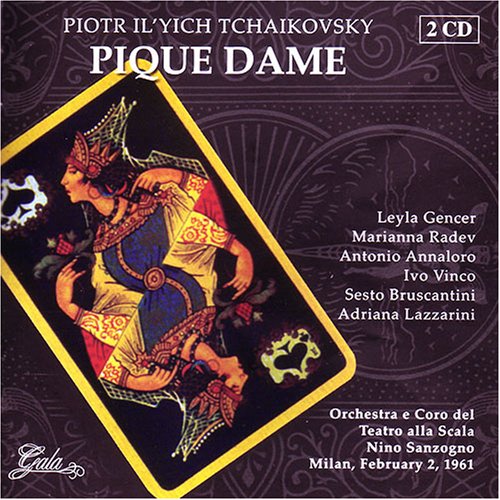
You really should have this recording, of course, because of the Turkish Diva. It is in Italian and the 1961 recording sounds pretty dull, but a collector takes it all for granted.

A totally unknown for me, Antonio Annaloro, does what he can and that, unfortunately, is very little. His uninspired Herman is a real crier and sounds like a Domenico Modugno in a mini format. Soon forgotten.

But Marianna Radev’s Countess is worthy of note. And ‘Da quando il core mi donasti’ aka ‘Ya vas lyoublyu’ by Sesto Bruscantini (Yeletski) is delightful and is rewarded with a very deserved ovation.

Nino Sonzogno revives a verist heaven, though not quite rightly so here (Gala GL 100.792)


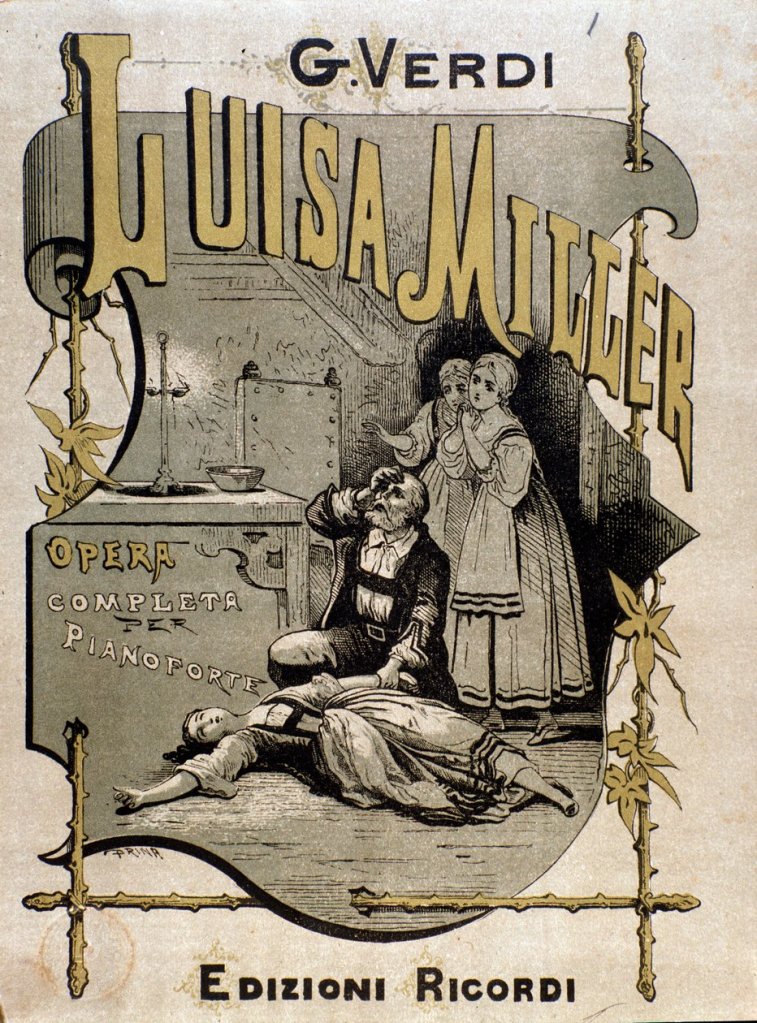
Two Luisa Miller’s worth watching

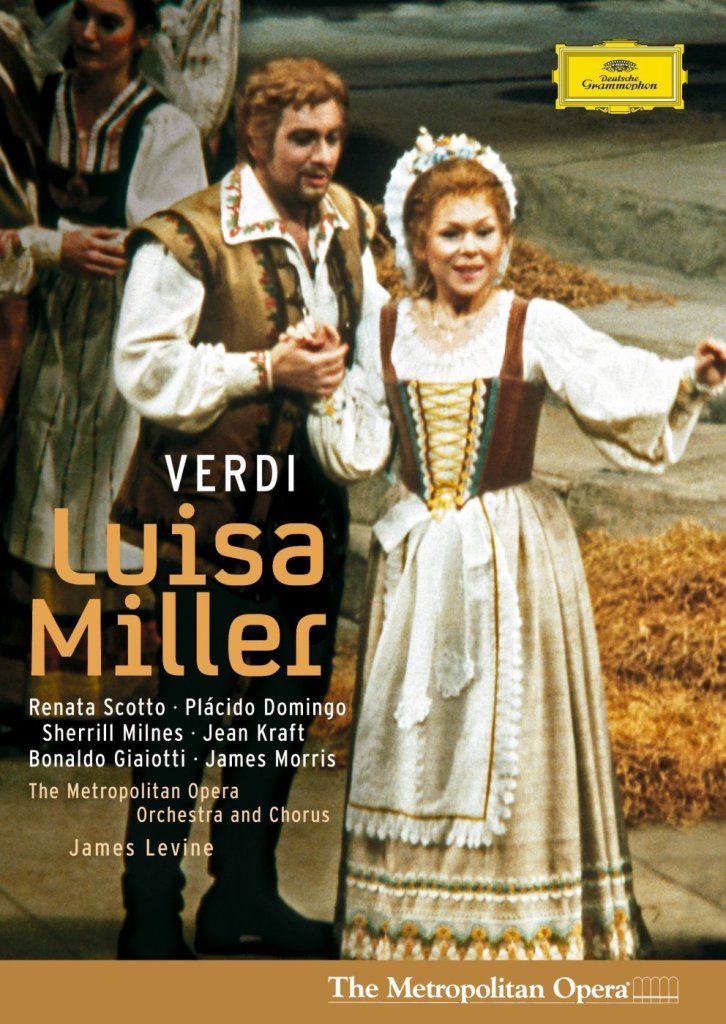
RENATA SCOTTO


In 1979, Renata Scotto sang her first Luisa at the Metropolitan Opera and she did so with her usual devotion. But before she could start her first big aria, a ‘joker’ caused a scandal by shouting ‘brava Maria Callas’ at the top of his lungs.

Sherrill Milnes, here in the guise of Luisa’s father, took the emotional Scotto in his arms and so saved her concentration. And the performance. And the day.

All this was broadcast live on TV and thus it ended up on the pirate videos in circulation. I had been cherishing mine for years, and now the performance has been released on DVD by Deutsche Grammophon, with the necessary cuts, including that famous incident. A pity, but after all it is not about the incidents but about the opera and the performance. And there is absolutely nothing wrong with that.

Nathaniel Merrill’s staging is a bit old-fashioned and Domingo looks like hell with his blonde hair, but you quickly forget that because the singing and acting are of absolute top quality and maestro James Levine conducts masterfully (DG 0734027


In the video below, the main actors (Scotto, Domingo, Milnes and Levine) discuss Verdi’s opera and the 1979 production:

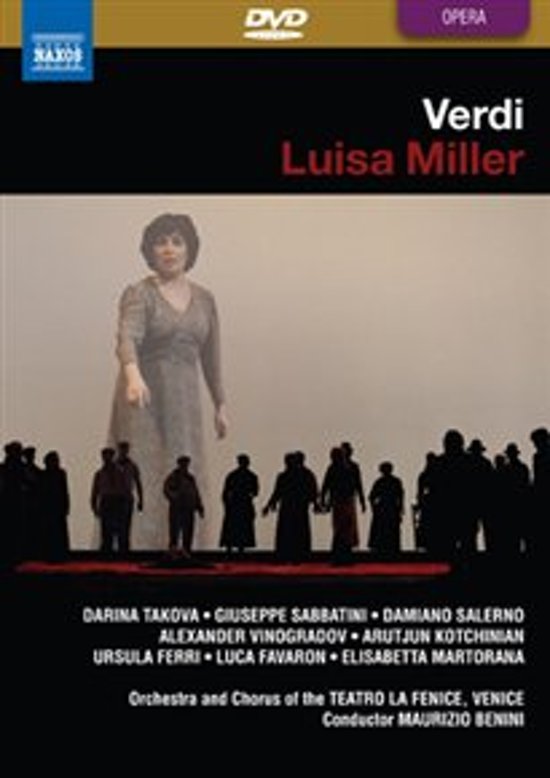
DARINA TAKOVA


For his production of Luisa Miller (originally performed at the Nationale Reisopera in 2004, recorded for this DVD in Venice in 2006), director Arnaud Bernard was inspired by Bertolucci’s Novocento. But the influence of the Italian neorealists is also unmistakably present.

Bernard situates the action in the Italian countryside in the 1920s, giving ample coverage not only of class divisions but also of rising fascism. The stage setting is abstract and apart from a few realistic props and metre-high photographs of women, the stage is almost bare.

Luisa Miller was the third of the four operas Verdi based on a play by Schiller. Like all his operas from his ˜middle period”, the work is bursting with wonderful arias and ensembles, and it possesses perhaps the most beautiful overture ever written – a challenge for conductors.

Mauricio Bennini is on fine form with the Teatro La Fenice’s orchestra, although I find his tempi a bit on the slow side at times.


The – mostly young – cast is fine, but I think Ursula Ferri is an irritating Frederica. Her voice is flat and wobbly and her acting is completely off.

Giuseppe Sabbatini (Rodolfo) has an old-fashioned beautiful, slender tenor with good top notes and Darina Takova is a moving, highly imaginative Luisa (Naxos 2110225-26).