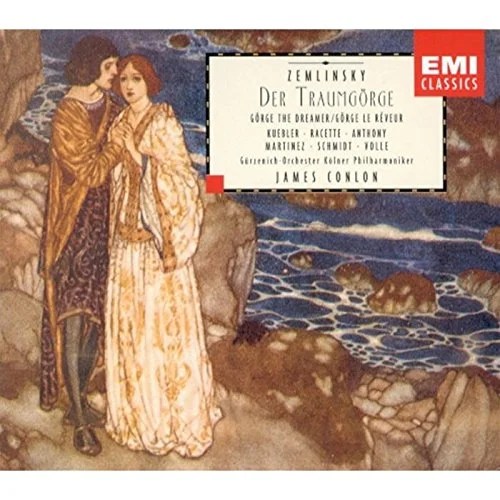
Set design by Alfred Roller for ‘Der Traumgörge’. Vienna Court Opera 1907
“The fairy tales must become reality,” sings Görge, after his dream has been laughed at by the farmers and his fiancée Grete. And so it happens: Görge finds his dreamed princess in the form of Gertraud, cast out by the farmers, and his dream comes true.
Zemlinski has provided the story of Görge the dreamer and his search for the unattainable ideal with music of touching beauty. Sehnsucht, shimmering eroticism, symbolism …. You name it and you’ll find it. The work reminds me strongly of Szymanowski’s Król Roger, the same long, spun-out lines in the soprano aria, the same overwhelming choral parts, swelling orchestra. I love it.
Josef Protschka as Geörge:
Der Traumgörge (Leo Feld’s libretto after Richard von Volkmann-Leander’s fairytale ‘Vom unsichtbaren Königreich’ and Heine’s poem ‘Der arme Peter’) was meant by Zemlinsky as a tribute to his then beloved Alma. Due to circumstances, the opera was never performed during his lifetime; the first – considerably shortened – performance only took place in 1980.
The first complete recording from 1999 proves that the music is not to blame. The Cologne orchestra conducted by James Conlon alone deserves an A-plus and the soloists are absolutely sublime.
David Kuebler plays a beautiful Görge with a radiant height. His voice mixes the right amount of metal with sottovoce, which is necessary for this role.
Patricia Racette, then still a great unknown, is unearthly beautiful as Gertraud (her velvet tones in ‘Oh! Ich wil zu dir in die Welt’ are of a Korgoldian beauty) and Andreas Schmidt has enough of a peasant to be a convincing Hans. The live recording sounds excellent.
Just imagine: The world premiere of Der Traumgörge took place in Nuremberg in 1980 – almost 80 years after it was written. Find out more in this documentary by Staatsoper Hannover:
Le Rossignol ofwel De nachtegaal is een korte opera in drie aktes van Igor Stravinsky. Het is een muzikaal sprookje naar het verhaal van Hans Christian Andersen. De eerste uitvoering vond plaats op 26 mei 1914 door de Ballets Russes in de opera van Parijs o.l.v. Pierre Monteux.
Het verhaal gaat in grote lijnen als volgt:
Een Visser (tenor) in zijn boot aan het strand zingt dat hij de Nachtegaal (sopraan) nog niet heeft gehoord. Een groep hovelingen van het keizerlijk hof arriveert, geleid door een Kokkin (sopraan). Ze zoeken de Nachtegaal omdat de Keizer (bas) haar wil horen. De Nachtegaal accepteert de uitnodiging om mee te gaan naar het hof.
De Nachtegaal betovert de Keizer met haar zang, maar krijgt concurrentie van een speeldoos die door de Keizer van Japan aan de Keizer van China is gestuurd. De Keizer wil de zang van de echte Nachtegaal vergelijken met die van de mechanische waarop de Nachtegaal beledigd wegvliegt. De Keizer verbant haar als straf uit het rijk omdat zij zo onbehouwen is vertrokken en laat de speeldoos in de keizerlijke slaapkamer plaatsen als eerste zanger.
De Dood (mezzosopraan) verschijnt aan het keizerlijk bed. De speeldoos is stuk en de Keizer verkeert in doodsnood door de stemmen van de geesten die langs zijn bed sluipen en hem niet alleen herinneren aan zijn goede, maar ook slechte daden. Angstig roept hij om zijn muzikanten. Dan verschijnt de Nachtegaal die de Keizer opvrolijkt met haar zang. Ze haalt de Dood over haar prooi te laten gaan. Het leven van de Keizer is gespaard en hij smeekt de Nachtegaal voor altijd te blijven. Die ziet dat niet zitten maar belooft elke nacht terug te komen om voor de Keizer te zingen. De opera eindigt met de Visser die de Nachtegaal prijst en haar dankt dat ze naar hem is teruggekeerd.
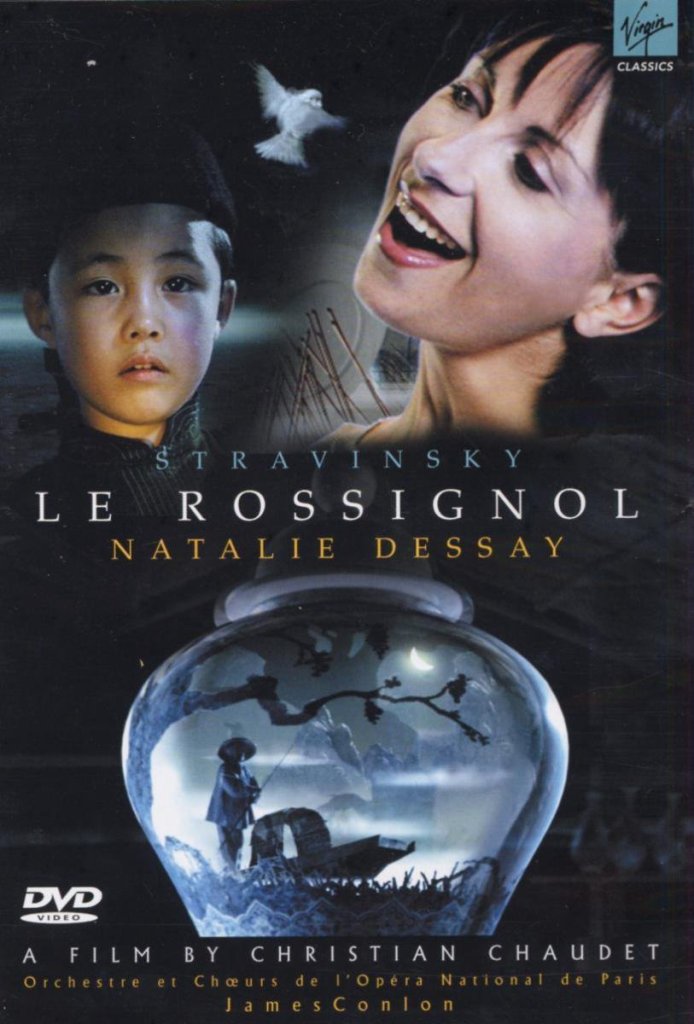
Een eerdere cd opname van dit werk is gebruikt voor het maken van een filmversie. De Nachtegaal wordt prachtig vertolkt door coloratuur sopraan Natalie Dessay. Ze zingt de Franse tekst zodanig dat het bijna echte vogelzang lijkt, heel hoog ‘kwetterend’ met het grootste gemak.
De Kokkin komt voor rekening van Marie McLauglin en Violeta Urmana vertolkt de Dood. Als de Visser horen we Vsevolod Grivnov, de Keizer komt voor rekening van Albert Schagidullin en Laurent Naouri is de Kamerheer. Het Orkest van de Opera National de Paris staat onder leiding van James Conlon.
De film waarin deze gebeurtenissen worden getoond is gemaakt door Christian Claudet. Hij heeft gekozen voor een raamvertelling waarbij gebruik wordt gemaakt van alle technische middelen die de computertechnologie in 2014 te bieden had. Het levert bij vlagen surrealistische beelden op maar soms ook weer heel herkenbare situaties.
Een jongetje loopt ’s avonds laat de pottenbakkers werkplaats van zijn grootvader binnen en ziet daar een ongebruikelijk groot object dat nog steeds een beetje warm is. Als hij dit aanraakt verandert de ruwe aardewerken pot in een rijk gedecoreerde half doorschijnende porseleinen vaas. Als de jongen erin kijkt ontwaart hij een visser in zijn bootje en dan begint het muzikale gedeelte.
De kamerheer heeft feitelijk de macht in handen omdat hij beter weet om te gaan met computertechnologie dan de keizer. De Nachtegaal wordt getransformeerd tot virtual reality object en moet deelnemen aan een talentenshow. De Keizer raakt zo onder de indruk van de Nachtegaal dat de Kamerheer vreest zijn invloed op hem te verliezen. Hij manipuleert de tv show door een speelgoedvogeltje te laten zingen en laat de applausmeters nu sterker uitslaan. De echte vogel vliegt beledigd weg.
Als jaren later de Keizer op sterven ligt in een isolatie bubbel onder permanent cameratoezicht krijgt de Nachtegaal medelijden en komt weer terug. Uiteindelijk wordt ook de porseleinen vaas weer een ruw aardewerken pot. Het jongetje loopt met zijn grootvader de hut uit.
Het ziet er prachtig uit allemaal en Natalie Dessay is een plaatje van een zangeres. Tussen alle flitsende beelden door ontwaren we de Verboden Stad en andere Chinese clichés. Alle Chinese personages zijn herkenbaar ‘folkloristisch’ gekostumeerd met uitzondering van Dessay die naturel rondloopt in een kort wit slaapjurkje: zij is geen mens maar een dier en die dragen geen kleding. Een aanrader dit korte werk.
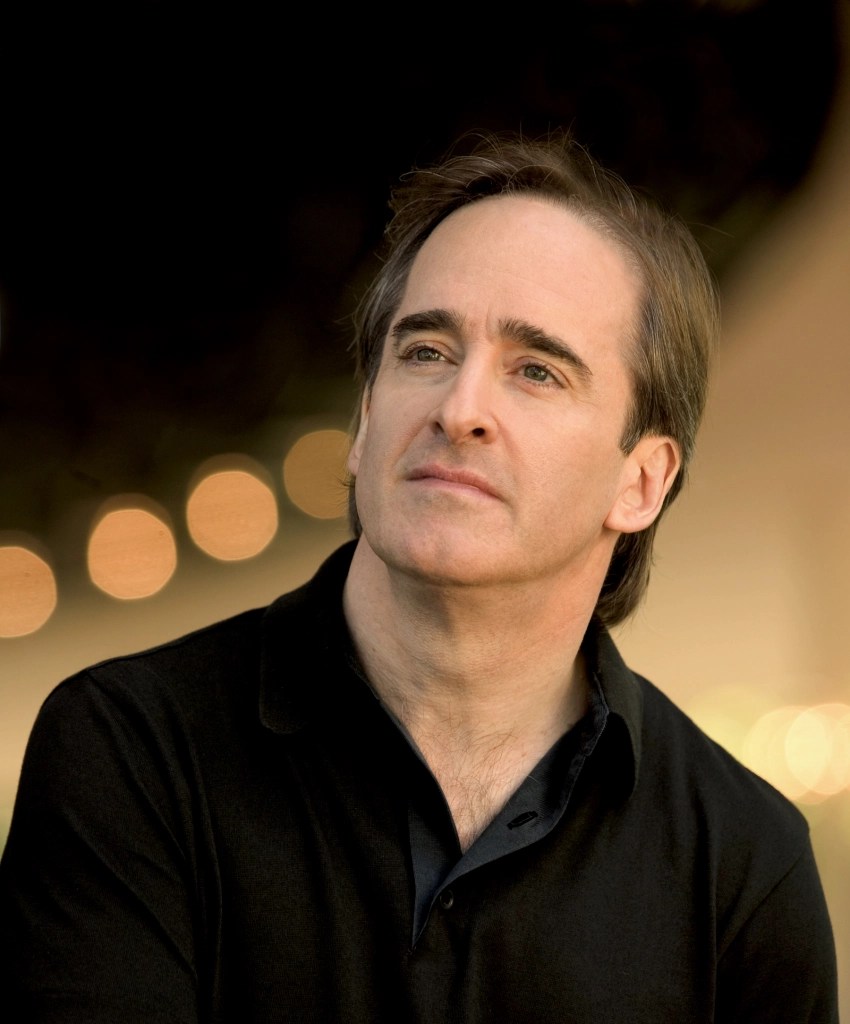
Like no other renowned conductor, James Conlon has been an ardent advocate of the ‘Entartet composers’ for years. In his Cologne years (between 1989 and 2002 he was chief conductor of the Gürzenich-Orchester and artistic director of the opera) he performed and recorded almost all of Zemlinski’s orchestral and vocal works. I cherish his recordings on EMI (unfortunately most of them are no longer on the market) as the greatest treasures, which they probably are.
James Conlon
In 2006, Conlon was appointed musical director of the Los Angeles opera and one of his first projects was a series of ‘Recovered Voices: A Lost Generation’s Long-Fortgotten Masterpieces.
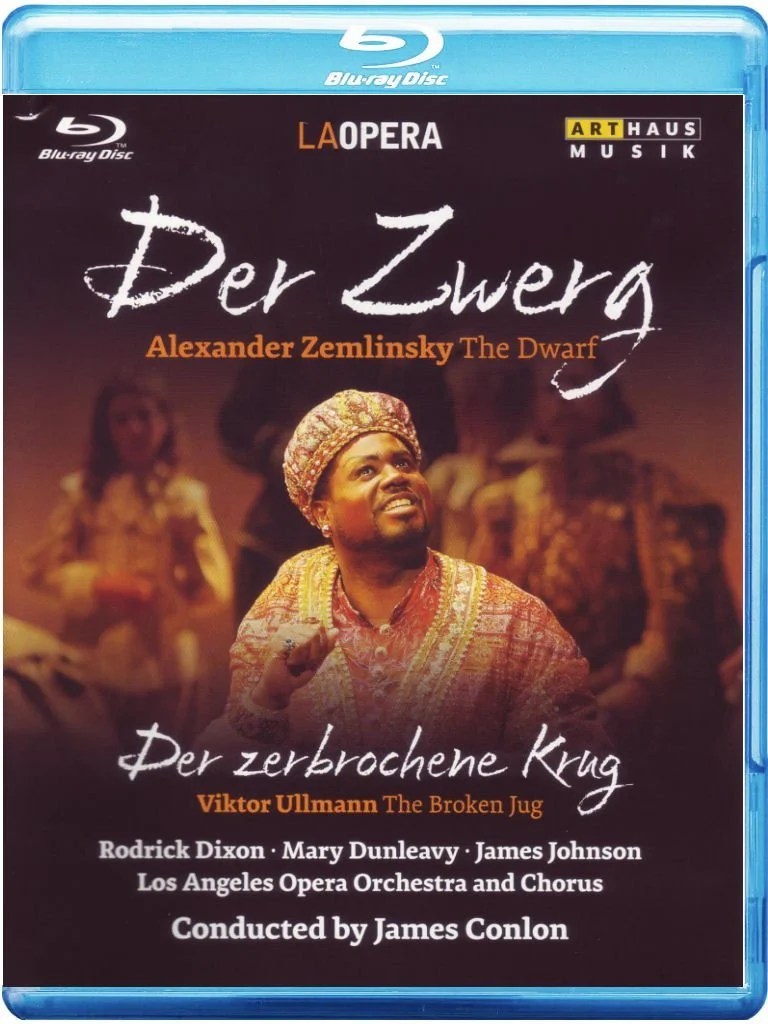
The series started in 2008 with a double-bill of Ullmann’s Der zerbrochene Krug and Zemlinsky’s Der Zwerg. (Arthaus Music 101 528)
DER ZERBROCHENE KRUG
Victor Ullmann
Der Zerbrochene Krug (1941/1942) was the last work Ullmann composed before being deported to Theresienstadt. In October 1944, he was deported to Auschwitz and gassed two days after his arrival, The libretto (written by Ullmann himself), a delightful Commedia dell’arte, is based on an 1808 classic by von Kleist.
It was the first time I saw the opera and I fell for it immediately. The music is wonderful: jazzy, occasionally atonal, but with lovely waltzes. Basically a bit of everything. Eclectic? Sure, but since when is that a dirty word?
The production stole my heart. That already happened with the overture: while maestro Conlon whips up the orchestra to unprecedented heights (can you also play comically?), we also get a performance of a ballet pantomime (choreography: Peggy Hickey), which “tells” us what happened beforehand.
The images, the shadows, the light, the choreography – everything makes that you can’t help but smile.
The highly erotically charged story is about a man who, during a night-time visit to Eve, has broken a cherished jug belonging to her mother, Frau Marthe Rull. The woman seeks justice for this from Judge Adam, but in the end it turns out that the judge himself was the perpetrator.
Set in a small village (Heisum) in Holland, it produces delightfully recognisable images. Anton Pieck, Delft Blue, Frau Antje, windmills, clogs – it is all there! And it is so beautiful! The lighting technician (David Weiner) really deserves an Oscar award.
Melody Moore (Eve) is a true discovery. With her pliant, lyrical, sparkling soprano, she manages to express the conflicting feelings of innocence and vice, flirtation and genuine love in an inimitable way. At times, she reminded me of the young Lucia Popp.
Her mother is in a enchantingly exaggerated way sung by Elisabeth Bishop and Richard Cox is excellent as her fiancé Ruppert.
But everything and everyone pales in comparison to James Johnson, who sings judge Adam. What a voice! Such diction! And what a performance! What he does with the role borders on the impossible. This is what makes a person happy.Victor Ullmann
Der Zerbrochene Krug on cd., with a.o. Michelle Breed tand Claudia Barainsky. Gerd Albrecht conducts:
DER ZWERG
The idea of composing an opera about an ugly man who is in love with a beauty has haunted Zemlinsky all his life, and that’s how he ended up with Oscar Wilde and his The Birthday of the Infanta
.Costume design for ‘Der Zwerg’ by August Haag, Cologne 1922.
On her eighteenth birthday Donna Clara receives a remarkable gift: a dwarf, who is also hideously ugly. A delightful toy for the infante, especially since the dwarf does not know he is ugly himself – he has never seen his own reflection… Donna Clara makes him fall in love with her and makes him think that she loves him too, after which she puts him in front of mirrors. He doesn’t survive, but that doesn’t interest the spoiled princess.
A delightful toy for the infante, especially since the dwarf does not know he is ugly himself – he has never seen his own reflection… Donna Clara makes him fall in love with her and makes him think that she loves him too, after which she puts him in front of mirrors. He doesn’t survive, but that doesn’t interest the spoiled princess.
Diego Velázques: Las Meninas
The very traditional and naturalistic setting is exceptionally beautiful and the costumes are dazzling. You really think you’re at the Spanish court. The whole thing looks like a painting of Velazques, breathtaking.
The execution is also breathtaking. James Johnson sings and acts an excellent Don Esteban. Mary Dunleavy has everything it takes to perform the conceited infante: she is beautiful and capricious. Her voice is silvery and childishly light. As an actress she also knows how to convince.
Rodrick Dixon sings the leading role here in an inimitable way. The only singer I ever liked better in this part was Douglas Nasrawi, whom I heard singing it during a Saturday Matinee at the Concertgebouw.
James Conlon:
“The music of Alexander Zemlinsky and Viktor Ullmann remained hidden for decades by the aftermath of the destruction wrought by the policies of the Nazi regime […]. Full recognition of their works and talent is still lacking, more than 65 years after their deaths […]. Their lives and personal histories were tragic, but their music transcends it all. It is up to us to appreciate their story in its full historical and artistic context.
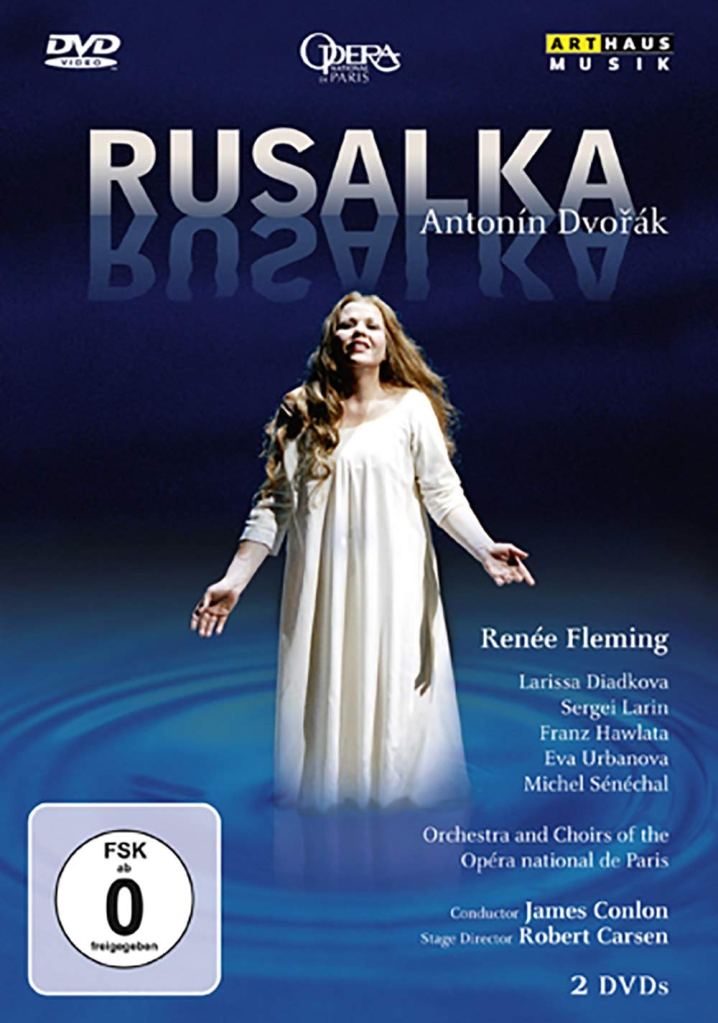
Je ontkomt er niet aan, natuurlijk heeft ook Carsen een productie van deze prachtige opera op zijn naam staan. Zijn Rusalka zag ik in 2005 in de Bastille, een herneming van de premièrereeks uit 2002. Om het later nog eens op mijn gemak te bekijken heb ik vervolgens een opname op dvd van zo’n eerdere voorstelling aangeschaft. Bij die gelegenheid zong Renée Fleming de titelrol met Sergei Larin als haar tegenspeler.
Carsen brengt het verhaal zonder daar zelf inhoudelijk iets aan toe te voegen, zoals eigenlijk altijd. Hij is geen concepten regisseur maar een klassieke vakman die de enscenering ten volle gebruikt om er zijn eigen stempel op te drukken.
In een andere recensie vergeleek ik het lot van Rusalka met dat van Moravische plattelands meisjes die worden teruggestuurd na in de grote stad te zijn bezwangerd door hun werkgever. Een andere vergelijking is die van een hopeloos verliefde vrouw die tijdelijk niet in staat is tot enig rationeel denken in haar handelen. En die dan de pech heeft dat haar liefdesobject afkomstig is uit een volledig andere cultuur die door haar sociale omgeving niet wordt geaccepteerd, op straffe van levenslange uitsluiting. Ze emigreert, komt in een omgeving waar ze de taal niet spreekt en kan daar niet assimileren. Terug naar huis betekent een bestaan als outcast. Zo heftig gaat het er bij Rusalka ook aan toe.
Carsen heeft met vormgever Michael Levine een toneelbeeld gecreëerd waarin de verschillen tussen de waterwereld en het paleis goed worden uitgelicht. Een enorm bassin wordt op halve hoogte gemarkeerd door een rand met uitstekende elementen die verticaal gedubbeld worden waardoor de suggestie van een waterspiegel wordt gegeven. Voor de vorm is er op de toneelvloer ook nog een ondiep klein bassin waarin de zangers kunnen rondhupsen. Er gaat immers niets boven echt water op het toneel in een opera over een waternimf.
Die spiegeling wordt voortgezet in de paleisscène. Alles speelt zich af in twee enorme slaapkamers, nu met de spiegeling links en rechts. Verder wordt een uniforme kostumering aangehouden: alle vrouwen gaan in prachtige witte bruidsjurken en alle mannen in double breast suits. Met dezelfde pruiken op lijken de Vreemde Prinses en Rusalka zo eveneens elkaar spiegelbeeld. Wellicht wordt hiermee gedoeld op de uitwisselbaarheid van het lot van de betrokkenen.
Het ballet in de feestscène eindigt met de gedeeltelijke ontkleding van de dames, nu in zwarte onderjurken. Voorspelbaar dragen de Prinses en Rusalka die ook onder hun bruidsjurk en in de derde akte verschijnt Jezibaba eveneens in zo’n onderjurk.
Het ziet er schitterend uit allemaal en houdt de aandacht prima vast. De productie is dan ook een blijvertje geworden in Parijs, nadien nog hernomen in 2015 en 2019.
Fleming schittert in de titelrol. Haar zang is van hoog niveau maar ze acteert ook zeer innemend waardoor je als toeschouwer je erg bij haar betrokken voelt ook al gedraagt ze zich feitelijk als een kip zonder kop. Wie gaat er nu akkoord met de voorwaarde dat je je stem moet opgeven om ‘aan land‘ te kunnen gaan.? Haar tegenspeler Sergei Larin doet nauwelijks voor haar onder, mooi gecast.
Eva Urbanova is als Rusalka lookalike zeer effectief in haar wraakneming. Als ik hem niet kan krijgen, dan zij ook niet. Franz Hawlata is een heel overtuigende vaderlijke Watergeest, een van zijn glansrollen.
In de kleinere rol van de Houtvester zien we niemand minder dan Michel Sénéchal,mooi typetje. Larissa Diadkova is als Jezibaba minder onaangenaam dan veelal het geval is, goede vertolking.
“Music should primarily bring physical pleasure, even ecstasy, to the listener. It is not philosophy, its origin lies in ecstatic situations and its expression in rhythm” Erwin Schulhoff wrote in 1919.
From his earliest youth, Schulhoff was fascinated by everything new. His music transcended borders and genres – sometimes even those of ‘good decency’. He was a man of extremes, heartily embracing dada and jazz, and he also had a particular liking for the grotesque. No wonder that the synthesis of jazz and classical music, of everything in fact, became for him not only a challenge, but ultimately his artistic credo.
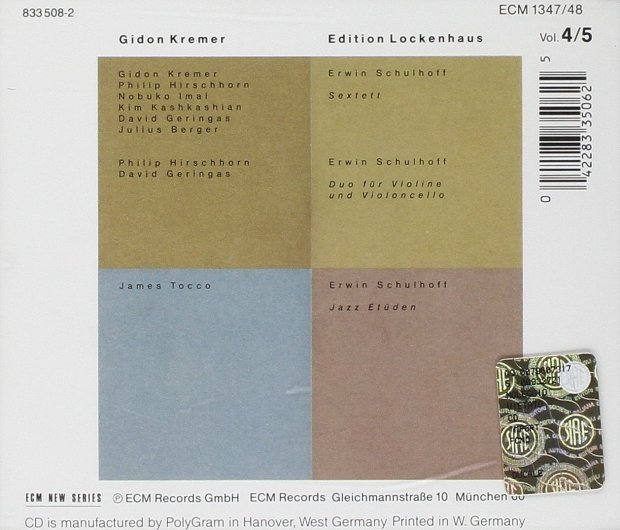
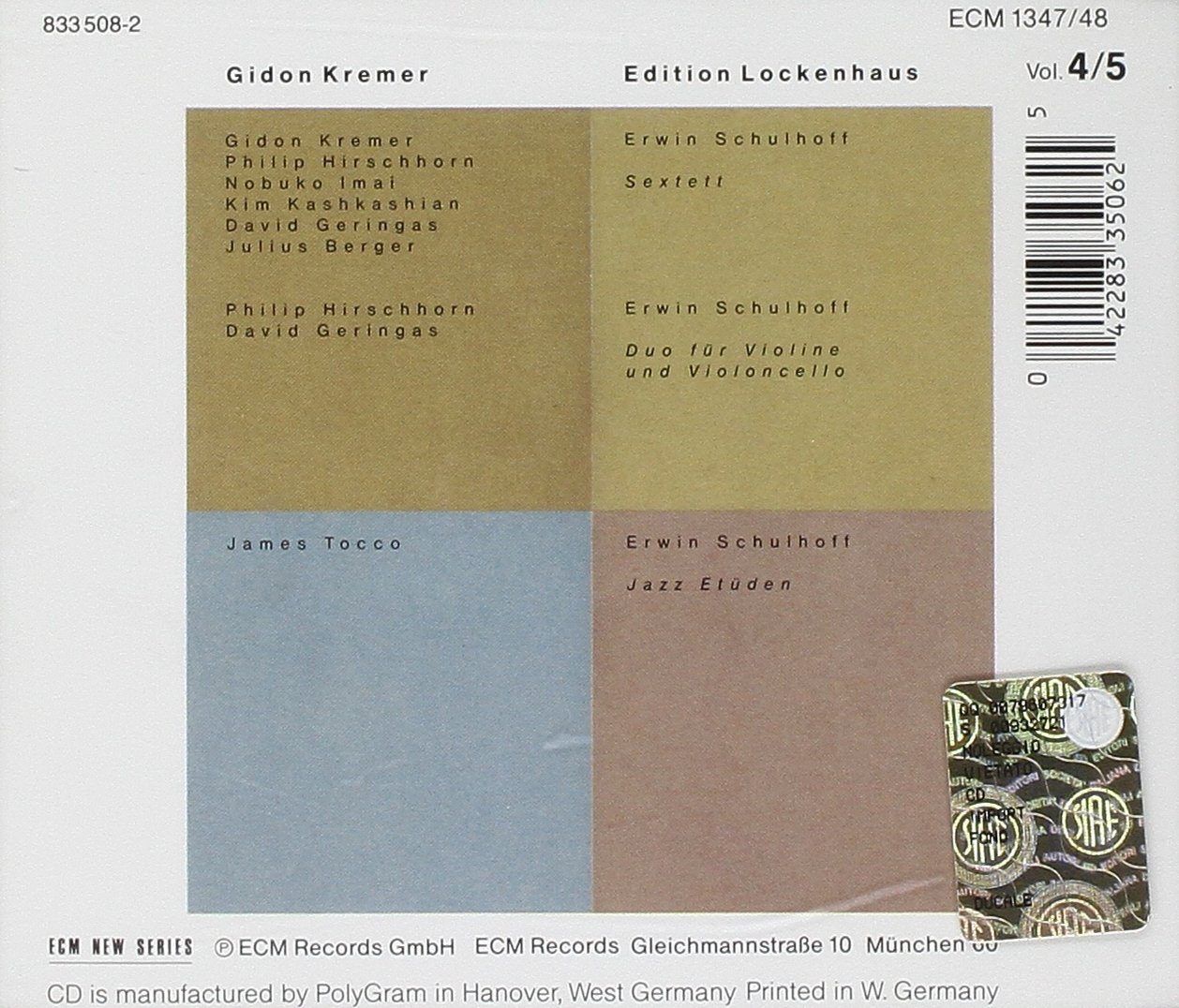
My first acquaintance with the composer and his music was thirty years ago, at the Lockenhaus chamber music festival, led by Gidon Kremer. It was mainly his string sextet, with its strong Janaček influences, that made me gasp for air. Since that day I was hooked. It took a long time, but in the meantime Schulhoff has found his way to the concert stages and recording studios. Especially the latter, because he is still too rarely programmed at concerts.
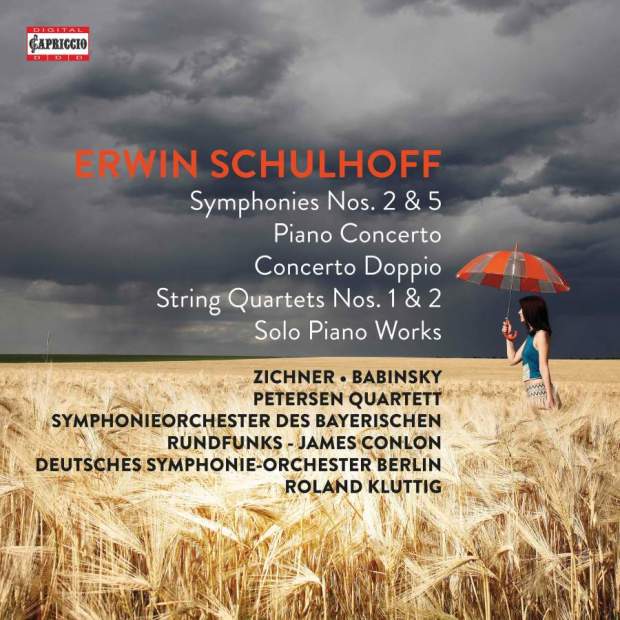
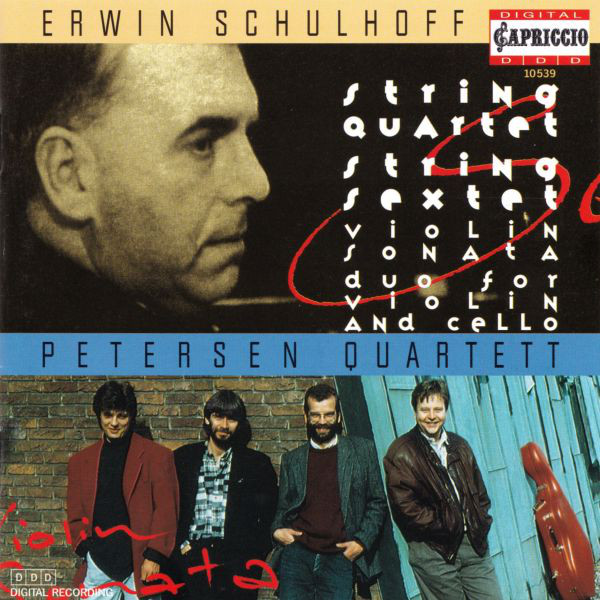
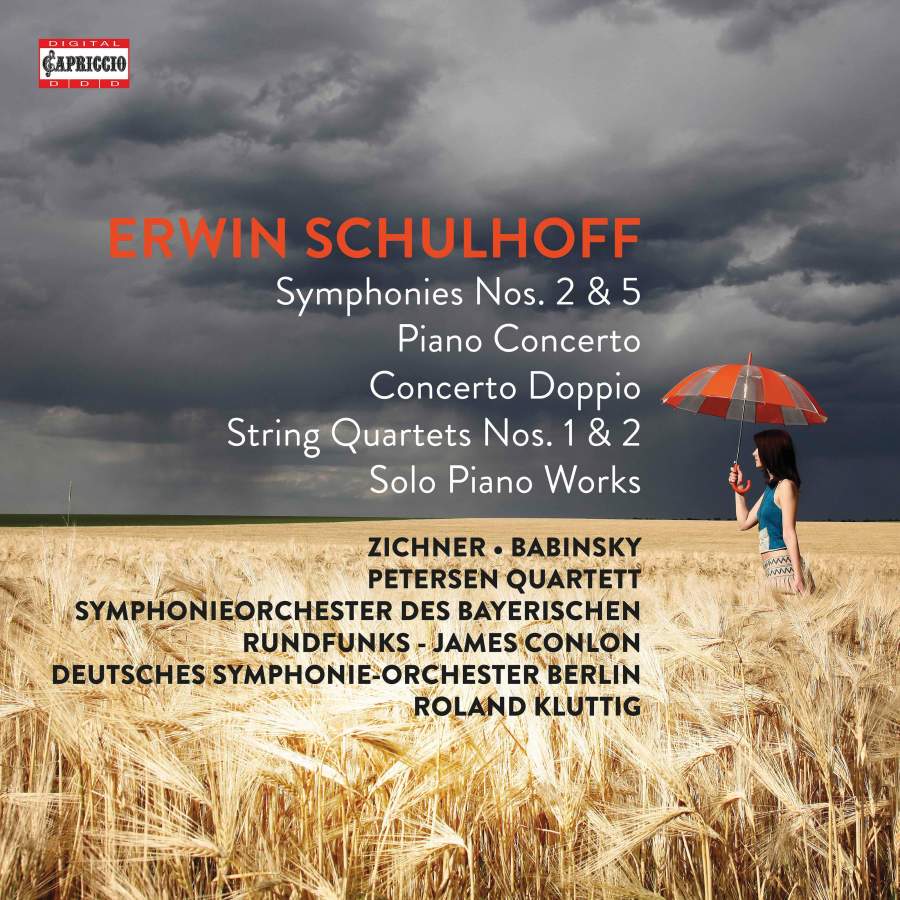
My very first record encounter with the composer was the recording of his complete string quartets by the Petersen Quartet, in 1992. To my delight, the string quartets are also in the six-CD box set recently released by the Capriccio label. These are recordings of many of his works (dear Capriccio: there is more!) made by Deutschlandfunk Kultur between 1992 and 2007. Most of these recordings have already appeared on Capriccio (but also on other, often no longer existing labels).
The 2007 recording of the Double Concerto for flute and piano, with Dutch flutist Jacques Zoon as soloist, is new to me. And it is so beautiful! Also new to me is the recording of the Second and Fifth Symphonies, in which the Symphonieorchester des Bayerischen Rundfunks is conducted by the greatest advocate of ‘entartete composers’, James Conlon.
ERWIN SCHULHOFF Symphonies no. 2 & 5, Piano Concerto op. 34, Concerto Doppio, Concert for string quartet and winds, String quartets no. 1 & 2, String sextet, Sonata for violin solo, Duo for violin and cello, Piano sonatas no. 1 & 3, Piano works Jacques Zoon (flute); Frank-Immo Zichner, Margarete Babinsky (piano); Petersen Quartet; Leipzicher Streichquartett; Symphonieorchester des Bayerischen Rundfunks conducted by James Conlon; Deutscher Symphonie-Orchester Berlin conducted by Roland Kluttig Capriccio C7297
In maart stond Kurt Weils Mahagonny geprogrammeerd bij DNO maar de coronacrisis gooide roet in het eten. Voorlopig zal een uitvoering van deze productie uit Aix en Provence in regie van Ivo van Hove er wel niet van komen. Bij wijze van substituut belicht ik daarom een oude opname onder leiding van James Conlon. Het betreft de productie van John Doyle voor LA Opera in 2007, op dvd uitgebracht door EuroArts.
De opera Mahagonny heeft als voorloper het Mahagonny Songspiel, een concertante eenakter die in 1927 in première ging. Hieruit zijn de twee Engelstalige nummers afkomstig die ook buiten het werk grote bekendheid hebben gekregen: de ‘Benares Song’ en vooral de ‘Alabama Song’. In 1930 ging de ‘grote’ opera in première, afgezien van die twee songs geheel in het Duits op teksten van Berthold Brecht.
De productie in Los Angeles gebruikt Engels als voertaal en daarmee gaat veel van de sfeer verloren. Met name het topnummer ‘Denn wie man sich bettet, so liegt man‘ wordt in mijn beleving volledig onherkenbaar. Iedere liefhebber van Weil en Brecht kijkt uit naar de volgende tekst:
‘Meine Herren, meine Mutter prägte auf mich einst ein schlimmes Wort:
Ich würde enden im Schauhaus oder an einem noch schlimmern Ort.
Ja, so ein Wort, das ist leicht gesagt, aber ich sage euch: Daraus wird nichts!
Das könnt ihr nicht machen mit mir! Was aus mir noch wird, das werdet ihr schon sehen!
Ein Mensch ist kein Tier!
Denn wie man sich bettet, so liegt man, es deckt einen da keiner zu
Und wenn einer tritt, dann bin ich es, und wird einer getreten, dann bist’s du.
Audra McDonald heeft als operasopraan en toneelactrice geen enkele moeite met de vertolking van dit lied maar het doet me niets. De rauwe sfeer ontbreekt die de technisch onvolkomen interpretatie van Lotte Lenya kenmerkt. Net als de ‘Alabama Song’ moet ook dit nummer meer cabaretesk gebracht worden, vind ik. Denk aan Ute Lemper.
De decors van Mark Bailey en de kostuums van Ann Hould-Ward zijn inventief en goed verzorgd, ze sluiten uitstekend aan bij de inhoud van het stuk. Dat laatste geldt ook de casting van de voornaamste rollen. Zo wordt Fatty the Bookkeeper vertolkt door een zeer omvangrijke Robert Wörle en Trinity Moses door de zwaargewicht Donny Ray Albert.
Patti LuPone is op zich goed gecast als de Weduwe Begbick maar vertolkt de rol naar mijn smaak iets teveel als Norma Desmond in Sunset Boulevard. Haar bravoure is te gekunsteld, echte hardheid en sarcasme ontbreken. Hier was een ervaren Klytemnestra beter op haar plaats zijn geweest.
De tenor Anthony Dean Griffey is zeer goed op dreef als Jimmy Mahoney, hier Jimmy MacIntyre. Zijn vertolking van ‘When the sky turns brighter’ waarin hij de zon vraagt niet op te komen om zodoende de dag van zijn proces uit te stellen, is een hoogtepunt in Griffey’s optreden. Het nummer doet enigszins denken aan ‘E lucevan le stelle’ uit Tosca.
De hoer Jenny, hier alomtegenwoordig op het toneel, is in goede handen bij Audra McDonald. Ze is een absolute blikvanger, een effect dat nog wordt versterkt door haar ‘scanty costume’, en zet al haar acteertalent in om Jenny zoveel als mogelijk in de pas te laten lopen met wat men zich bij een ervaren professional in het Wilde Westen voorstelt. Maar betaalde liefde is geen liefde, ze laat Jim als een baksteen vallen en verklaart zich nader met ‘Meine Herren…. und wird einer getreten, dann bist’s du’.
Overigens is zij niet de enige. Jim heeft zich schuldig gemaakt aan de grootste misdaad die men in Mahagonny kan begaan: hij heeft geen geld en kan zijn whisky niet betalen. Daarvoor wordt hij ter dood veroordeeld, niemand springt voor hem in de bres.
Mahagonny is een politieke satire maar de inhoud is zo weinig eenduidig dat men er zeer verschillende interpretaties aan kan geven. De kritiek op de oppermacht van het geld in de maatschappij is echter duidelijk genoeg.
James Conlon heeft de muzikale leiding en is verantwoordelijk voor een muzikaal smetteloze vertolking van dit weinig gespeelde stuk, een opera die naar mijn smaak echter beter gespeeld kan worden als cabareteske musical. Alleen zo kan recht worden gedaan aan de tijd en sfeer waarin het stuk is ontstaan.
Bianca, the attractive wife of the merchant Simone is having an affair with the beautiful prince Guido Bardi. Simone catches them and challenges Guido to a duel with swords and eventually strangles him with his bare hands. His wife looks at him admirably: “Why didn’t you tell me that you were so strong?” In turn, Simone becomes aware of the beauty of his wife: “Why didn’t you tell me that you were so beautiful…”
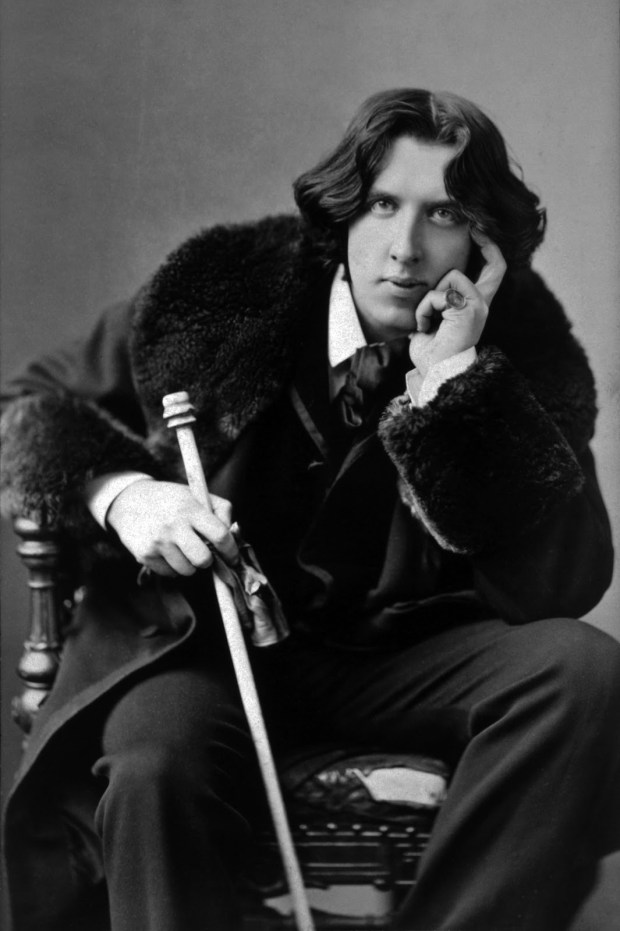
Oscar Wilde
Eine Florentinische Tragödie is based on the last play by Oscar Wilde. The beginning of the play is missing: the manuscript was stolen when Wilde went to prison. Zemlinsky solved the problem by composing a prologue to suggest the love scene between Bianca and Guido.
The opera, which premiered in 1917, provided a lot of gossip. “Eine autobiografische Tragödie” (An autobiographical Tragedy) was the headline of the Vienna Zeitung article by Edwin Baumgartner. Alma Mahler was not amused. She was certain that Zemlinsky had depicted her affair with Walter Groppius.
Mathilde Schönberg Zemlinsky with child
and with her husband
The Viennese public, on the other hand, thought it was about Schönberg and his wife Mathilde, Zemlinsky’s sister. Mathilde had left her husband for the young painter Richard Gerstl.
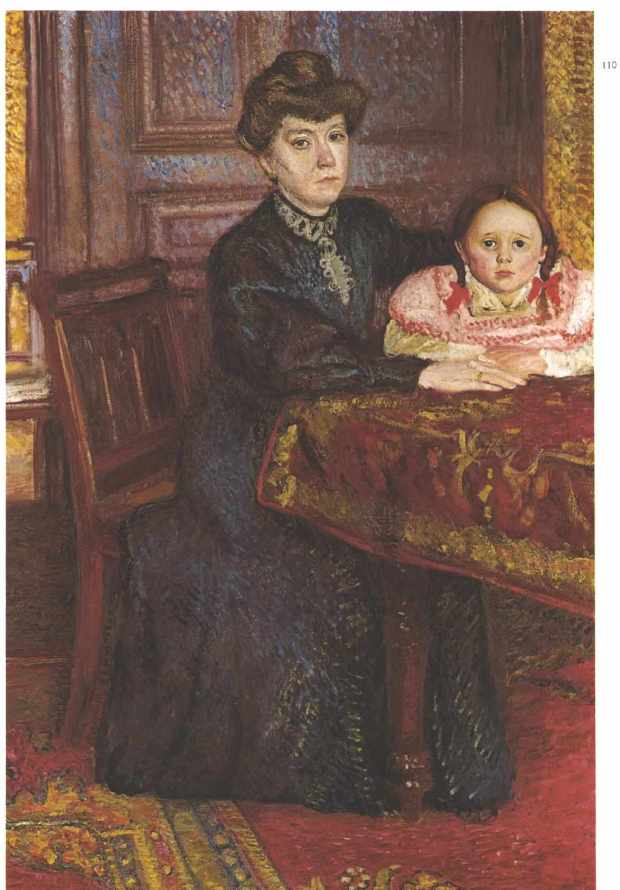
Mathilde Schönberg with child. Painting by Gerstl
When she returned to her husband, Gerstl committed suicide, he was only 25 years old
Richard Gerstl: ‘Selbstbildnis (“Akt in ganzer Figur’) from 1908. Courtesy Leopold Museum / Neue Galerie
All in the family in the best tradition, so to speak.
But what do you think: can you consider a fictional character in a work of art as the alter ego of its creator? Do you want to project a composer’s course of life onto the opera he has composed? How far do you involve life in art?
In a letter to Alma Mahler, Zemlinsky wrote that “a life had to be sacrificed in order to save the lives of two others.” But does this immediately make this the central theme of this opera, as many critics write? I don’t know.
One thing is certain: Eine Florentinische Tragödie can be listened to as an exciting, dark thriller, in which you do not sympathize with any of the characters.
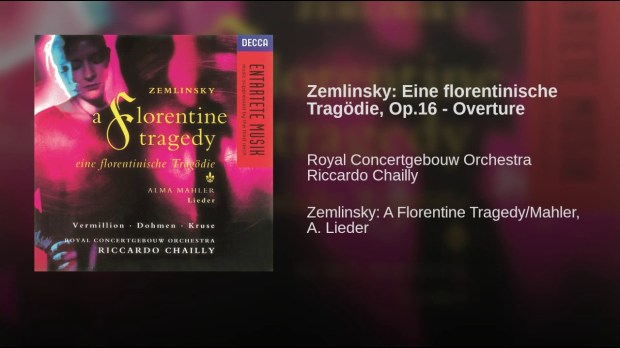
In 1997 Decca included the opera in their now expired series ‘Entartete Musik’. Riccardo Chailly conducted the Royal Concertgebouw Orchestra (Decca 4551122).
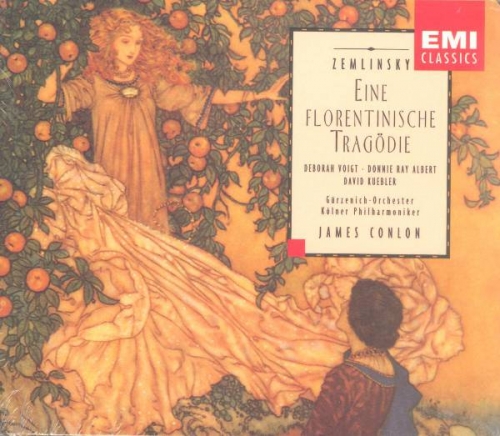
In the same year there was also a (live) recording of the Cologne Gürzenich-Orchester conducted by their then chief conductor James Conlon (once on EMI).
Both recordings are good and I wouldn’t know which one to choose. Chailly’s orchestral sound is fuller and the strings sound more pleasant, but Conlon is undeniably more exciting, perhaps because it was recorded live.
The sound of the Cologne orchestra is more sensual, the sound of the RCO is darker. The singers are equally good in both recordings, although I find David Kuebler (Guido at Conlon) much more pleasant than the slightly shrill Heinz Kruse for Chailly.
Iris Vermillion for Chailly sounds nicer and warmer than Deborah Voigt for Conlon, but the latter has more sex appeal. In the role of Guido, Albert Dohmen (Chailly) is by far preferable to the not entirely idiomatic Donnie Ray Albert.
In 2010 Eine Florentinische Tragödie was recorded by the London Philharmonic Orchestra under the very inspiring leadership of Vladimir Jurowsky (LPO-0078). Albert Dohmen is back: his Simone sounds even more impressive than on Decca.
Sergey Skorokhodov’s Guido is a wimp and no match for the macho Dohmen. A Don Ottavio who will take on Hunding, so to speak. Heike Wessels (Bianca) is a mistake.
On YouTube you can find many (fragments) of live performances of the opera, among others from Lyon:
Frühlingsbegräbnis, the cantata that brought Zemlinsky into contact with Alma Mahler.
This cantata is (was?) available on CD, performed very well by the Gürzenich-Orchester in Cologne, conducted by James Conlon, with the soprano Deborah Voigt and the baritone Donnie Ray Albert as soloists. I love this work, it reminds me a little of Brahms’s Ein Deutsches requiem. The cantata was once coupled with several other unknown works by Zemlinsky, who all had their record premieres here: “Cymbeline”-Suite, after lyrics of Shakespeare and Ein Tanzpoem. Unfortunately…. Even YouTube has removed this recording, so second hand (or asking a friend who owns it for a copy) remains the only option.
Strangely enough Frühlingsbegräbnis by Conlon is on Spotify, but in combination with Psalms and Hochzeitgesang in a totally different performance:
On Spotify you can also listen to the recording under Antony Beaumont. The performance is less beautiful than that of Conlon but certainly not bad:
Cymbeline by Conlon can be found on You Tube:
James Conlon about Zemlinsky (and Ullmann):
“The music of Alexander Zemlinsky and Viktor Ullmann remained hidden for decades by the aftermath of the destruction caused by the Nazi regime […] Full recognition of their works and talent is still lacking, more than 70 years after their death […] Their lives and personal histories were tragic, but their music transcends it all. It is up to us to appreciate their story in its full historical and artistic context.”
Literature consulted: Antony Beaumont: Zemlinsky Michael Haas: Forbidden Music. The Jewish Composers banned by the Nazis
It is very hard to believe, but the first post-war performance of the Lyrische Symphonie dates from the late 1970s. This absolute masterpiece was composed between 1922-23 and premiered in Prague on 4 June 1924. Like Mahler’s Das Lied von der Erde, it is a kind of cross between an orchestral song cycle and a symphony.
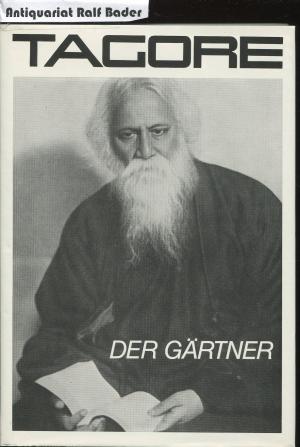
Zemlinsky wrote the work on the text of the Bengal poet Rabindranath Tagore ‘The Gardener’, in a German translation by Hans Effenberger. The seven love poems are cast in the form of a dialogue between a prince (baritone) and a girl in love (soprano). Many musicologists consider the work to be autobiographical and there is certainly an element of truth in that.
Or was it the (still?) raw break with Alma Schindler, as some critics would have us believe? I don’t think so, I’m much more inclined to believe Antony Beaumont (the Zemlinsky connoisseur and biographer) that the work was about his relationship with Louise Sachsel, which had just begun at the time.
Alban Berg and Hanna Fuchs
Seen in this context, it is perhaps interesting to know that Alban Berg quoted the third movement of the symphony (‘Du bist mein Eigen’) in the ‘Adagio Apassionato’ of his Lyrical Suite for string quartet. As you know, Berg had a secret love affair at the time with Hanna Fuchs, for whom he composed the work.
Below is the Adagio appassionato performed by the Galimir String Quartet. The recording dates from 1935:
There are quite a few performances of Zemlinsky’s once so mercilessly forgotten but now best-known and most frequently performed work. Two by James Conlon and Riccardo Chailly immediately stand out.
Chailly wins, mainly because of the unparalleled sound of the RCO, but in the fourth movement Conlon manages to elicit such sweet tones from the orchestra that I am totally won over by his performance.
Recording under Riccardo Chaillly:
The soloists are also better for Conlon. Bo Skovhus convinces me much more than Håkan Hagegård. The latter has a warm, round baritone with something soothing in his timbre and I find that a disadvantage here. The restlessness in the voice of Skovhus gives his words more impact.
I also find Skovhus’s interpretation more transparent and his pronunciation better. Listen how he sings the words “Du bist mein Eigen, mein Eigen, du, die meinen endlosen Träumen wohnt”… !
Soile Isokoski is also preferable to Chailly’s soprano, Alexandra Marc, however beautifully she sings.
Recording with James Conlon:
Bo Skovhus has always been an artist with a more than warm heart for ‘Entartete Musik’. He showed this by, among other things, the choices he made for the works he sang.
Lyrische Symphonie was often featured in his concert programmes all over the world, including in Amsterdam (March 2007, with Hillevi Martinpelto and the Royal Concertgebouw Orchestra conducted by Donald Runnicles). In addition to the EMI recording with Conlon, Skovhus recorded the work also for RCA, this time with the incredibly beautiful lyrical soprano Luba Orgonasova.
The conducting of Claus Peter Flor is a bit unbalanced, but the six extra songs, sung by Skovhus and beautifully accompanied on the piano by Helmut Deutsch, make up for a lot.
Below is a recording with Bo Skovhus, Maria Bengtsson and the Staatskapelle Berlin conducted by Kirill Petrenko, recorded in the Berlin Philharmonic on 30 December 2011:
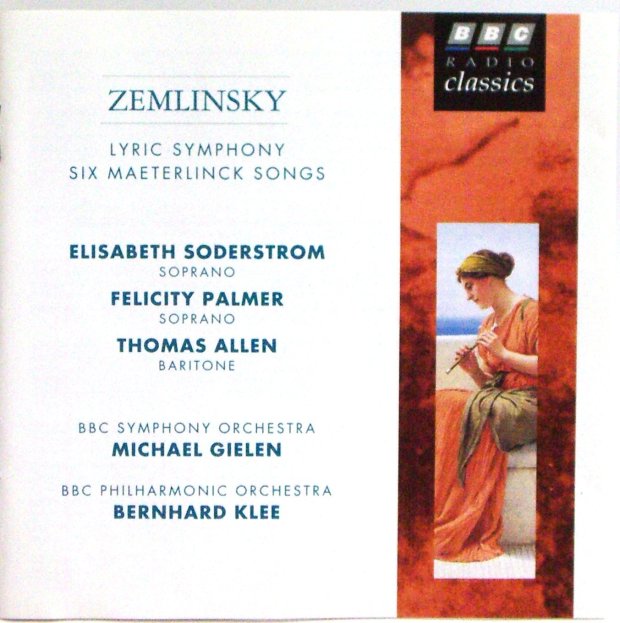
In the recording on BBC Classics from 1996 the vocal parts are sung with great understanding and even more nuances by Thomas Allen and Elisabeth Söderström. Michael Gielen shows an enormous affinity for the score.
On the 11th of February 1900, during the world premiere of the Frühlingsbegräbnis, a cantata in memory of Brahms, Alexander Zemlinsky and Alma Schindler met for the first time.
She thought his appearance was terrible (in her autobiography she talks about a ‘hideous gnome’), but as a future composer she was only too eager to meet him: Zemlinsky was not only admired for his compositions, he also had the reputation of being the best composition and harmony teacher. By the end of that year Schindler was not only his pupil but also his lover.
It was not an obvious choice, as Zemlinsky was not really what we could call an attractive man. He himself felt quite badly about it: “Short and skinny (weak points: inadequate). Face and nose: impossible; every other part of the face: ditto. Hair too long, but something can be done about that. I looked more closely at myself in the bath ( with your permission!!): no excesses or deformities, muscles not too weak, amazingly well developed potential! Everything else as mentioned above. Hence the conclusion: hideous.”*
Does the description remind you of Der Zwerg, the ugly, deformed person from the opera of the same name who does not recognise his own reflection?
And yet Zemlinsky had the reputation of a real womaniser and his many mistresses cannot be counted. In 1907 he married Ida Guttmann, the younger sister of his former fiancée Melanie. It was not a happy marriage, Zemlinsky was a passionate philanderer.
Louise Sachsel
Around 1914 he met the then fourteen-year-old Louise Sachsel. A twenty-nine year younger girl, who was not only an aspiring singer but also a gifted painter, came to him to take singing lessons. Six years later they became lovers and in 1930, one year after Ida’s death, they got married.
Multicultural background
Alexander Zemlinsky was born in Vienna in 1871 into a highly multicultural family. His Slovakian grandfather and the Austrian grandmother on his father’s side were both Roman Catholics. His other grandmother was a Bosnian Muslim and his grandfather a Sephardic Jew. When his parents married the whole family converted to the Jewish faith. Alexander was born as a Jew and was raised as such, he also played the organ in his synagogue. In 1884 he started his studies at the Conservatory of Vienna. He studied piano with Anton Door, music theory with Robert Fuchs and composition with Johann Nepomuk Fuchs and Anton Bruckner. It was also at that time that he began to compose.
In addition to being a composer, Zemlinsky was also appreciated as one of the best conductors of his time, and his remarkable interpretations of Mozart were widely praised.
Zemlinski conducts the overture from Don Giovanni. The recording probably dates from 1926:
He was a great advocate of the compositions of Gustav Mahler and his brother-in-law Arnold Schoenberg, and was regarded as a champion of contemporary music. His compositions can best be regarded as a kind of bridge between late romanticism and modernism.
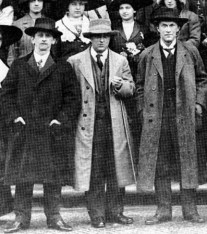
Philharmonic Chorus in 1912 in Praag tijdens de uitvoering van de achtste symfonie van Mahler. Zemlinsky, Schönberg en Schreker staan vooraan links op de foto
Zemlinsky was also a great lover and connoisseur of literature. That his origins and upbringing influenced him in this is quite obvious: both his grandfather and his father were journalists and his mother’s family counted several publishers. His father had written the history of the Sephardic community in Vienna. Zemlinsky based many of his compositions on literary works, which resulted in Der König Kandaules after André Gide and in Eine florentinische Tragödie and Der Zwerg after Oscar Wilde.
Entartet
After the rise of the Nazis in 1933, Alexander Zemlinsky was declared ‘Entartet’ and his works were banned and forbidden. In 1936 he fled Berlin: first to Vienna and after the Anschluss in 1938 on to the United States, where he had great difficulty assimilating. He died on March 15, 1942 near New York, and no one paid any attention to his death.
Zemlinsky’s Memorial at the Zentralfriedhof in Vienna
And then he was forgotten, a fate he shared with most of the Jewish composers who were banned by the Nazis. His music disappeared from the concert and opera programs, and his name dissolved in the fog, as if he had never existed. It was only at the end of the 1980s that it became clear that Korngold was more than a composer of Hollywood scores; that without Schreker and Zemlinski there would probably not have been a Strauss either, and that Boulez and Stockhausen were not the first to experiment with serialism.
After a brief renaissance in the nineties, mainly thanks to James Conlon and Riccardo Chailly, things have become a little quiet around one of the greatest Jugendstil composers of the fin de siècle. Just ask the average music lover: he won’t get any further than the Lyrical Symphony. If he knows the name Zemlinsky at all.
But: who knows? His brother-in-law, friend and colleague Arnold Schönberg already said “Zemlinsky can wait.” In recent years, it seems as if Schönberg is gradually starting to prove himself right in this assertion.
*This quote is taken from the article by Ronald Van Kerckhoven in Erfgoedklassiek.
“Muziek moet voornamelijk fysiek plezier, zelfs een extase bij de luisteraar teweegbrengen. Zij is geen filosofie, haar oorsprong ligt in de extatische situaties en haar uiting in het ritme” schreef Erwin Schulhoff in 1919.
Vanaf zijn prille jeugd werd Schulhoff gefascineerd door alles wat nieuw was. Zijn muziek was genres en grenzen – soms zelfs die van een ‘goed fatsoen’ – overschrijdend. Hij was een man van uitersten, hartelijk omarmde hij dada en jazz, had ook een bijzondere voorkeur voor het groteske. Geen wonder, dat de synthese van jazz en klassieke muziek, van alles eigenlijk voor hem niet alleen een uitdaging, maar zelfs zijn artistieke credo werd.
Mijn eerste kennismaking met de componist en zijn muziek was dertig jaar geleden, in het door Gidon Kremer geleide kamermuziekfestival in Lockenhaus. Het was voornamelijk zijn strijksextet, met zijn sterke Janaček-invloeden, dat mij naar adem deed happen. Sinds die dag was ik verslaafd.
Het heeft lang geduurd, maar inmiddels heeft Schulhoff zijn weg naar de concertpodia en opnamestudio’s gevonden. Voornamelijk dat laatste, want op concerten wordt hij nog steeds te weinig geprogrammeerd. Waar het aan ligt? Niet aan zijn muziek. Ik vind het buitengewoon pervers dat de vermoorde componisten nog steeds vaak doodgezwegen worden. Voor de tweede keer vermoord.
Mijn allereerste ‘platen-encounter’ met de componist betrof de opname van de complete strijkkwartetten door het Petersen Quartet, in 1992. Tot mijn vreugde zitten die strijkkwartetten ook in de box met zes cd’s die het label Capriccio onlangs op de markt gebracht. Het betreft opnamen van veel van zijn werken (beste Capriccio: er bestaat meer!) door Deutschlandfunk Kultur tussen 1992 en 2007 gemaakt. De meeste van die opnamen zijn al eerder op Capriccio (maar ook andere, vaak niet meer bestaande labels) verschenen.
De opname uit 2007 van het Dubbelconcert voor fluit en piano, met als solist de Nederlandse fluitist Jacques Zoon is voor mij nieuw. En mooi dat het is! Nieuw voor mij is ook de opname van de tweede en de vijfde symfonie, waarin de Symphonieorchester des Bayerischen Rundfunks onder leiding staat van de grootste pleitbezorger voor de ‘entartete componisten’, James Conlon.
ERWIN SCHULHOFF
Symfonieën nr. 2 & 5, Pianoconcert op. 34, Concerto Doppio, Concert voor strijkkwartet en blazers, Strijkkwartetten nr. 1 & 2, Strijksextet, Sonate voor viool solo, Duo voor viool en cello, Pianosonates nr. 1 & 3, Pianowerken
Jacques Zoon (fluit); Frank-Immo Zichner, Margarete Babinsky (piano); Petersen Quartett; Leipzicher Streichquartett; Symphonieorchester des Bayerischen Rundfunks olv James Conlon; Deutscher Symphonie-Orchester Berlin olv Roland Kluttig
Capriccio C7297























 Basia con fuoco