De titel van deze cd is ontleend aan het gelijknamige boek van Auschwitz- overlevende Elie Wiesel, ‘After the Darkness: Reflections on the Holocaust’.
Gideon Klein en Hans Krása
Hans Krása(1899-1944) en Gideon Klein (1919-1945) belandden in het concentratiekamp Terezín (Theresienstadt) waarvandaan ze naar Auschwitz werden gedeporteerd en daar vermoord. Maar voor het zo ver was zijn ze, zo goed als het ging blijven componeren. In Terezín, ja. Daar zijn zowel Passacaglia & Fuga en Tanec (Dans) van Krása ontstaan, alsook het waanzinnig mooie Strijktrio van Gideon Klein.
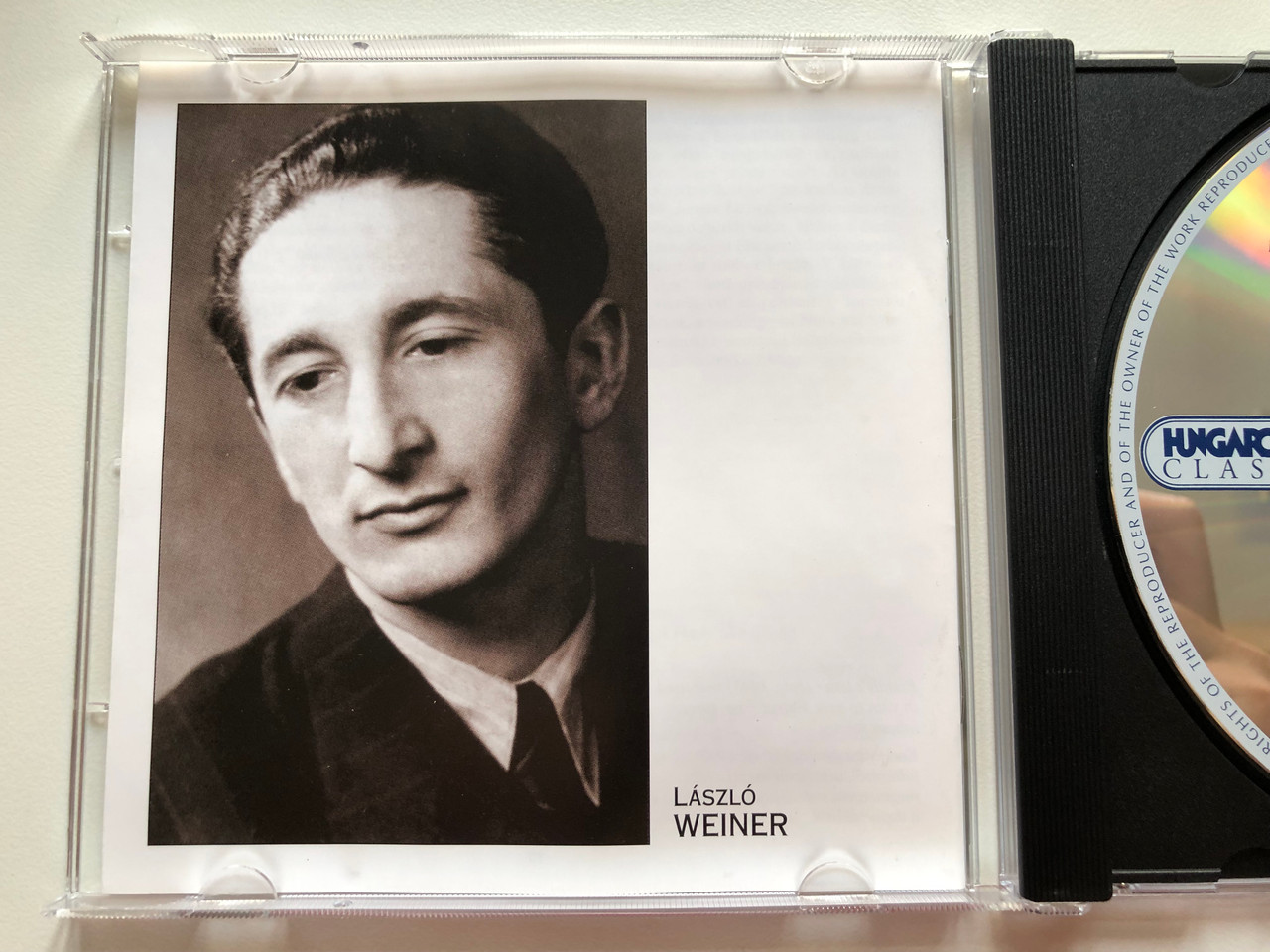
De Hongaarse Lászlo Weiner (1916-1944) werd in februari 1943 gedeporteerd naar het werkkamp in Lukov (Slovakije), waar hij een jaar later werd vermoord. Zijn Serenade voor strijktrio uit 1938 heb ik niet eerder gehoord. Waarom eigenlijk? Het is gewoonweg prachtig!
Ook de Nederlander Dick Kattenburg (1919-1944) overleefde de oorlog niet: op 19 mei 1944, werd hij naar Auschwitz gedeporteerd. Zijn Trio à cordes beleeft hier zijn wereldpremière. Ik kan hier niet met droge ogen naar luisteren. Ja, ik weet het, ik weet het, men moet zich tot de muziek sec beperken, maar soms is het zo verdomd moeilijk! Maar neem van mij aan dat de kwaliteit van het gebodene van de grootste kwaliteit is en dat het nog steeds zo weinig wordt uitgevoerd ligt aan… Aan wat eigenlijk? Onwil? Schuldgevoel?
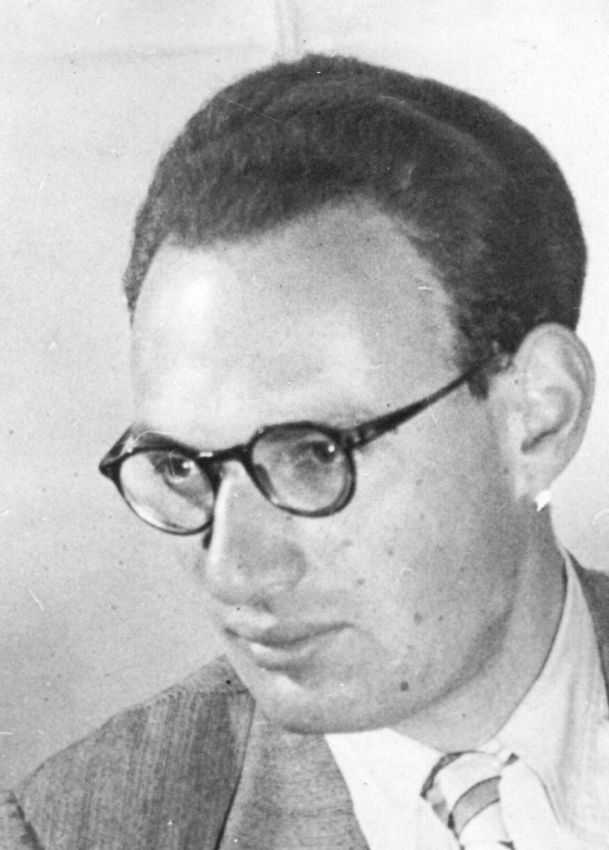
In 2019 was het precies honderd jaar geleden dat Klein, Weiner, Kattenburg en Weinberg werden geboren. Je zou toch minstens iets van (kleine) herdenkingsconcerten verwachten?
Het Haags Strijktrio (Justyna Briefjes, Julia Dinerstein en Miriam Kirby) werd opgericht in 2006. In het tekstboekje vertellen ze dat After The Darkness een project is dat ze na aan het hart ligt en dat is te horen. “Wij voelen het als een voorrecht de muziek van deze componisten te laten horen en een blijvende nalatenschap te creëren, zodat hun stemmen nooit vergeten worden.” Bedankt!
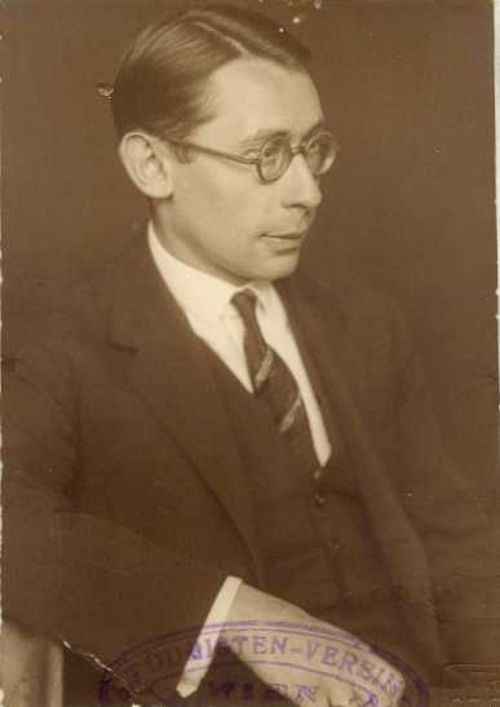
Karl Ignaz Weigl werd in 1881in Wenen geboren in een geassimileerd Joods gezin. In 1938 vluchtte hij naar New York waar hij tien jaar later overleed. De componist én zijn muziek werden ‘even vergeten’, iets wat we echt niet alleen aan de nazi’s te danken hebben.
In 1938 schreef Arnold Schönberg; ‘Ik heb Dr. Weigl altijd als één van de beste componisten van de oude school beschouwd; één van degenen die de glinsterende Weense traditie hebben voortgezet ‘. Beter zou niemand het kunnen formuleren.
De ‘glinsterende Weense tradities’ zijn Weigls voornaamste handelsmerk. Oneerbiedig gezegd kun je zijn muziek als een soort doorgeefluik beschouwen. Een soort corridor, die van een klassieke Beethoven via een zielknijpende Schubert en onderaards erotische Zemlinsky loopt om uiteindelijk in een rustig vaarwater van Weigl te belanden, en vandaar uit zijn weg naar onze harten te vinden.
Weigl is niet een componist van wie ik veel heb gehoord (nee, het ligt niet aan mij) en behalve zijn, overigens prachtige liederen en een paar van zijn kamermuziekcomposities kende ik hem niet zo goed. Deze cd is dus meer dan welkom, zeker ook omdat er zo waanzinnig goed wordt gemusiceerd.
Het meest ben ik gecharmeerd van de violist David Frühwirth. Zijn toon is zeer zoet, net zo zoet als de Weense Sachertarte. Het best hoor je het in het zeer Schubertiaans pianotrio, maar vergis je niet! Luister even naar het allegro molto, het derde deel van de tweede vioolsonate uit1937 en ontdek het complexe van het ‘Weens-geluid’.
En ik voel mij vrij om nog een citaat te gebruiken, nu van Pablo Casals: “Zijn muziek zal niet verloren gaan, na de storm komen we er weer op terug. Ooit komen we terug naar degenen die echte muziek hebben geschreven.” Het heeft even geduurd en we zijn er nog lang niet, maar het begin is al gemaakt.
KARL WEIGL
Violin Sonata No.2, Two pieces for violin, Two pieces for cello, Piano Trio
David Frühwirth (viool), Benedict Kloeckner (cello), Florian Krumpöck (piano)
Capriccio C5318
Regelmatig hoor ik de heren en dames cellisten klagen dat het repertoire voor hun instrument niet zo groot is, vandaar dat ze min of meer steeds dezelfde stukken (moeten) spelen en/of opnemen. Maar is het waar?
Wel, als je je alleen tot de min of meer bekende componisten beperkt. En zeker als je nog steeds ‘vergeet’ terug te kijken naar de zwarte periode in de geschiedenis, toen boeken in de vlammen op gingen en kunst, inclusief hun scheppers ‘entartet’ werd verklaard. Gelukkig hebben we nog voldoende musici die er alles aan doen om de ooit verboden werken aan de vergetelheid te onttrekken.
In 2016 heeft Raphael Wallfisch, één van de grootste pleiters van het ‘vergeten repertoire’, twee tot dan toe onbekende celloconcerten opgenomen: die van de van oorsprong Oostenrijk-Hongaarse Hans Gál en de Italiaanse Mario Castelnuovo–Tedesco. Beide componisten hebben de oorlog overleefd: Castelnuovo-Tedesco in Hollywood en Gál in Schotland. Beiden worden amper nog gespeeld, al kan een beetje gitarist niet om het oeuvre van de Italiaan heen.
Hans Gál
Met de composities van Hans Gál is het droeviger gesteld, nog steeds kom je ze zelden tegen op de concertpodia. Zijn in 1944 gecomponeerde celloconcert laat zich niet makkelijk ontleden. Of, anders gezegd: je krijgt hem niet vanzelfsprekend ‘under your skin’. Ik moest er een paar keer naar luisteren voordat ik mij aan over gaf. Gáls taal lijkt stug en al is het werk nergens atonaal, je moet er werkelijk moeite voor doen. Maar misschien hoort het ook zo? Want gauw vergeten doe je het niet meer!
Mario Castemnuocvo-Tedesco
Geen groter contrast dan met de voornamelijk virtuoze compositie van Castelnuovo-Tedesco! Zijn celloconcerto schreef de componist voor de grote cellist Gregor Piatigorsky, de première vond plaats in 1935, Arturo Toscanini dirigeerde het New York Philharmonic. En dat was het dan. Sindsdien werd het concerto totaal vergeten, tachtig jaar lang. Totdat Raphael Wallfisch zich daarover ontfermde.
Raphael Wallfisch geeft beide concerten een uitstekende vertolking, met voldoende aandacht voor de diverse schrijfstijlen van de componisten. Het concerto van Gál klinkt onder zijn handen bijna classicistisch nuchter, voor Castelnuoco-Tedesco heeft hij voldoende virtuositeit en romantiek in huis om de luisteraar te enthousiasmeren.
Hans Gál: Celloconcert in b, op. 67
Mario Castelnuovo-Tedesco: Celloconcert in F
Raphael Wallfisch (cello), Konzerthausorchester Berlin o.l.v. Nicholas Milton
CPO 555 074-2
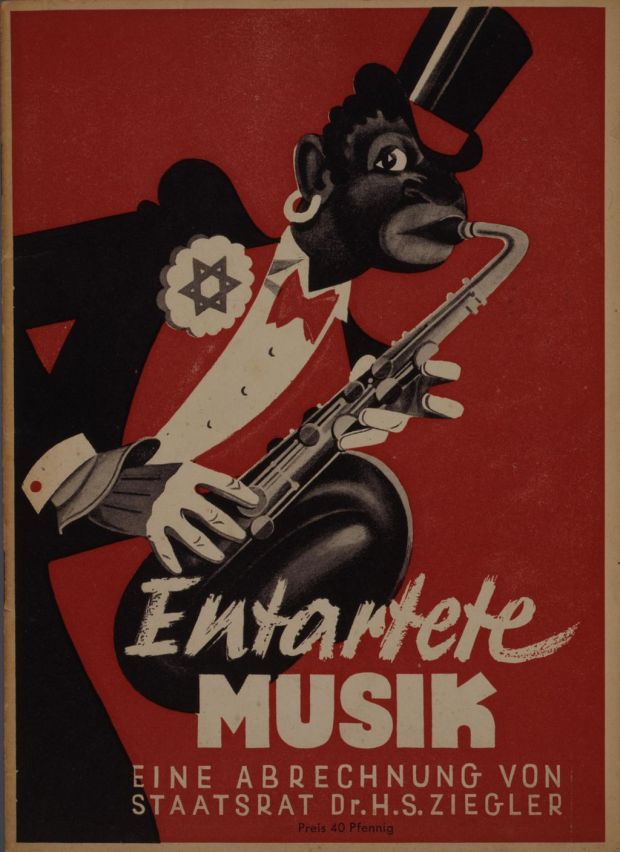
At the end of the 1980s the music-loving world (and here I mean not only listeners, but also publicists, reviewers and music experts) found out that there was more between heaven and earth, or, since we are talking about music: between Strauss and Stockhausen. People began to realise that an entire generation of composers had been deleted from the history books and concert halls. Just like that. And it was not _only_ the fault of the Nazis.
In 1988, the exhibition ‘Entartete Musik’ was put on in Düsseldorf, exactly 50 years after the original event held by the Nazis. The exhibition also traveled to other cities, including Amsterdam, and became the occasion of much discussion.
The term ‘entartet’ (degenerate) was not invented by the Nazis. Already in the nineteenth century it was used in criminology, meaning something like ‘biologically degenerated’. The term was eagerly borrowed by the rulers of the Third Reich to prohibit the expressions of art that they considered ‘non-Aryan’. Modernism, expressionism, jazz … And everything that had to do with Jews, because they were already seen as a degenerate race.
What had begun as a ban soon developed into exclusion and resulted in murder. Those who had managed to flee to America or England have survived the war. Those who stayed in Europe were doomed.
Many, mainly Czech composers were deported via Terezín to the extermination camps, many ended up there directly. After the war they were totally forgotten, and thus murdered for the second time. Those who survived were found hopelessly old-fashioned and no longer played.
It was only at the end of the 1980s that it became clear that Korngold was more than a composer of Hollywod scores; that without Schreker and Zemlinski there would probably have been no Strauss either and that Boulez and Stockhausen were not the first to experiment with serialism. The turnaround came too late for most of the survivors …
In Germany the foundation Musica Reanimata was established, but the Netherlands did not stay behind either. Under the name Musica Ritrovata a few enthusiasts have tried to bring the music back to the concert halls.
That this succeeded was partly thanks to Channel Classics. The Dutch CD label, founded by Jared Sachs was the very first to record the music of forgotten composers.
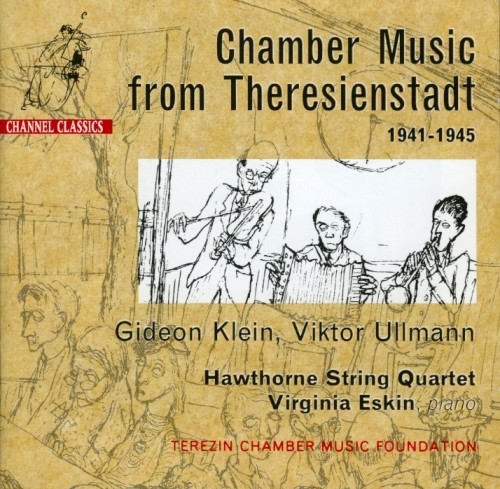
Already in 1991 and 1992 they released four CD’s with music of the ‘Theresienstadt – Composer’ of whom one had almost never heard before: Gideon Klein, Hans Krása, Pavel Haas, Viktor Ullman… Even though the last three were really household names before the war. Gideon Klein had not had the chance – he was murdered in the gas chambers at the age of 24.
HANS KRÁSA
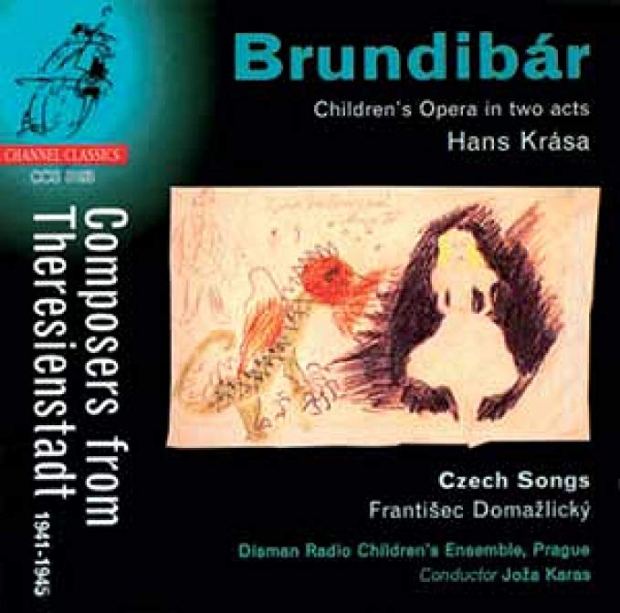
The first four Channel Classics CDs were truly pioneering. Hans Krása’s child opera Brundibar was recorded in Prague. Brundibar was actually composed before the war, but its premiere took place in Terezín, in 1943.
The CD (CCS 5198) was combined with songs by Domažlicky. Not a high-flyer, but certainly interesting.
On the other hand, the recording of Krása’s chamber music by the La Roche Quartet (CCS 3792) is great, probably the best performance of it.
PAVEL HAAS
Of all Janácek’s students, Pavel Haas succeeded best in combining the influences of his teacher with his own musical language. At the request of the bass Karel Berman, he wrote Four Songs on Chinese Poetry in 1944. Berman, who survived the war, recorded them together with his own songs (CCS 3191).
Karel Berman sings ‘Far Away Is The Moon Of Home’:
GIDEON KLEIN
But the best thing, in my opinion, is the recording with four works by 24-year-old Gideon Klein and Victor Ulmann’s third string quartet,. Listen to Klein’s Trio and shiver (CCS 1691)
SCHULHOFF, WOLPE AND KOFFLER. AND MORE
Channel Classics continues, now in collaboration with the acclaimed Werner Herbers and his Ebony Band. Thanks to Herbers many composers have become more than just a Wikipedia entry. Think of Schulhoff: you do know his CD with Dada-inspired works, with Otto Griebel’s drawings, don’t you?
The Ebony Band plays H.M.S.Royal Oak, Schulhoff’s jazz oratorio:
Think of Stefan Wolpe, of whom Herbers performed the opera Zeus und Elida during the Holland Festival in 1997 and whose music he still records: the latest CD is called Dancing.
Ebony Band plays ‘Tanz (Charleston)’ by Wolpe:
Besides compositions by Wolpe, Milhaud and Martinů it inlcudes works by Emil František Burian and Mátyás Seiber.
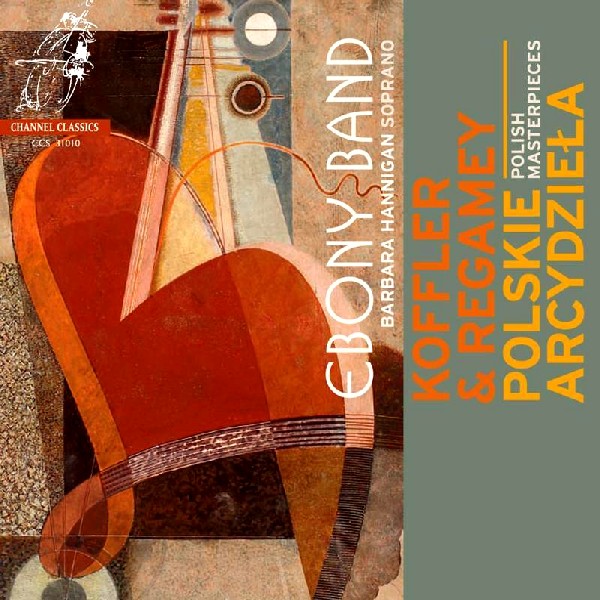
And think of the Polish composer Józef Koffler, the first Polish composer who used the dodecaphony. Koffler, together with his family, was murdered by the Nazis, probably in the city of Krosno. His String Trio and the beautiful cantata Die Liebe (sung by Barbara Hannigan) are combined with the Quintet of the other unknown Pole, Konstanty Regamey (CCS 31010).
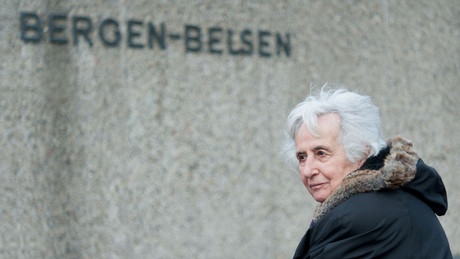
Music can save your life. Literally. Anita Lasker-Wallfisch has survived Auschwitz. And also Bergen Belsen. She knows for sure that music was the cause of this. She was 16 when she was arrested. Her parents were already dead, but she didn’t know that yet.
Young Anita played the cello and once in Auschwitz she was deployed in the Women’s Orchestra, which was conducted by Alma Rosé, Gustav Mahler’s niece. After the war she came to London, married pianist Peter Wallfisch and was a co-founder of the English Chamber Orchestra.
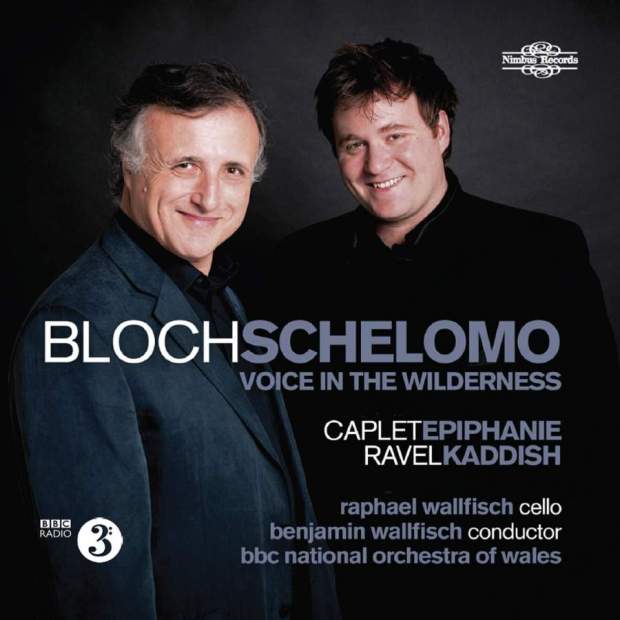
Her son, Raphael, is also a cellist. A famous one too, with many recordings to his name. And his son, Benjamin, is a conductor. Father and son Wallfisch made a recording together, which they dedicated to their relatives who were killed in the camps. The CD was released just before Holocaust Memorial Day on 27 January 2014.
It has become a surprising CD, because besides Bloch’s almost inevitable Schelomo also his rarely played Voice in the Wilderness is included and Ravel’s Kaddish follows André Caplet’s Epiphanie (d’après une légende éthiopienne). The latter escapes me a bit, it feels like the odd one out. I have to admit that I have no affinity with the work whatsoever. It just ripples on.
Instead I would have preferred to hear Baal-Shem by Bloch. Or something from Joseph Achron. Or Alexander Krein. Or the other two Mélodies hébraiques by Ravel. And even if I prefer the sung version of ‘Kaddish’ (can I make a recommendation? Gerard Souzay!) I have to admit that Raphael Wallfisch with his cello stole my heart. But the most beautiful thing is the orchestra. Soft. Dear. Loving.
Raphael Wallfisch discusses his Jewish music release:
ERNEST BLOCH
I am often asked if there is such a thing as Jewish music ….. Well, there certainly is! Just take Ernest Bloch. He was born in 1880 in Geneva in an assimilated family. Around the age of twentyfive he became interested in everything to do with Judaism and translated it into his language – music. “I’m interested in the Jewish soul” he wrote to Edmund Fleg, cantor and librettist of his opera Macbeth. “I want to translate all this into music.”
He developed a very personal style: his compositions reflect the atmosphere of Hebrew chant, without actually being a literal imitation of it. His intention was not to reconstruct old Hebrew music, but to write his own, good music, because, as he said, he was not an archaeologist. He succeeded.
Ernest Bloch – Voice in the Wilderness; Schelomo. Rhapsody hébraïque
André Caplet – Epiphany (d’après une légende éthiopienne)
Maurice Ravel – Mélodie hébraïque, Kaddish
Raphael Wallfisch, cello
BBC National Orchestra of Wales conducted by Benjamin Wallfisch
Nimbus NI 5913
De liederen die Anne Sofie von Otter, bijgestaan door de bariton Christian Gerhaher zingt op de in 2008 op Deutsche Gramophon (DG 4776546) uitgekomen cd Terezín – Theresienstadt behoren tot verschillende muziekgenres. Één ding hebben ze echter gemeen: alle werden ze gecomponeerd in het concentratiekamp Terezín en hun daar naartoe gedeporteerde scheppers werden later in Auschwitz vermoord.
Het initiatief kwam van von Otter zelf: voor de Holocaustherdenking in Stockholm heeft ze een ruime selectie van de ‘Terezín-liederen’ verzameld en daar een recital van samengesteld. Dit programma werd vervolgens op cd vastgelegd, “opdat we het nooit vergeten”.
Ilse Weber
Het is geen cd om tussendoor te draaien, al zijn veel van de liederen afkomstig van het lichtere genre. Het meest ontroerend vind ik de liederen van Ilse Weber.
Probeer het maar droog te houden bij ‘Wiegala’, het slaapliedje dat Weber de kinderen toezong tot in de gaskamers. Of bij de huiveringwekkende woorden “ ik wil zo graag naar huis”, afkomstig uit Webers ‘Ich wandre durch Theresienstadt”.
Hieronder ‘Wiegala’ van Ilse Weber, gezongen door Anne Sofie von Otter:
Erwin Schulhoff
De prachtige vioolsolosonate van Erwin Schulhoff hoort hier eigenlijk niet thuis, Schulhoff is nooit in Terezín geweest. Hij werd op 23 juni 1941 in Praag opgepakt en naar het concentratiekamp Würzburg gedeporteerd, waar hij in 1942 overleed aan tuberculose. Dat Daniel Hope al jarenlang aan muziek van Schulhoff is verknocht dat hoor je, hij vertolkt het werk op een onnavolgbare manier.
Hieronder speelt Daniel Hope ‘Andante Cantabile’, tweede deel van de sonate van Schulhoff. Het is een opname van de cd ‘Forbidden Music’, uitgebracht door Nimbus:
Ilse Weber, Hans Krása, Viktor Ullmann, Pavel Haas, Karel Svenk, Erwin Schulhoff
Terezín – Theresienstadt
Anne Sofie von Otter (mezzosopraan), Christian Gerhaher (bariton), Daniel Hope (viool), Bengt Forsberg (piano), Bebe Risengf (accordeon, gitaar en contrabas) e.a.
In de jaren negentig van de vorige eeuw heeft de (ooit zeer gerenommeerde) klassieke muziek label Decca een onvolprezen serie ‘Entartete Musik’ opgestart. Onder supervisie van de producer Michael Haas werden er werken opgenomen van de door nazi’s vervolgde componisten van wie velen in de concentratiekampen werden vermoord en daarna decennialang werden genegeerd en zelfs vergeten.
Lang heeft het niet geduurd. De verkoopcijfers vielen tegen, Haas werd ontslagen, en de meeste van die cd’s zijn inmiddels uit de catalogus.
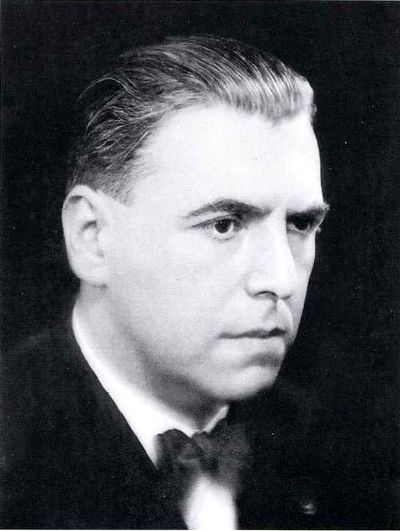
Franz Waxman
Franz Waxman
Elke oprechte liefhebber van filmklassiekers kent de muziek van Franz Waxman. Zijn composities voor o.a. Rebecca, Sunset Boulevard en A Place in the Sun hebben hem ettelijke Oscar nominaties bezorgd en twee keer mocht hij het beeldje ook daadwerkelijk in ontvangst nemen.
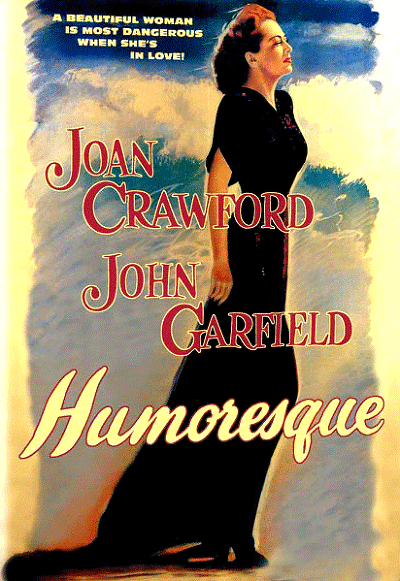
Voor Humoresque van Jean Negulesco, met in de hoofdrollen Joan Crawford en John Garfield componeerde hij een regelrechte kraker: ‘Carmen Fantasie’ (in de film gespeeld door Isaac Stern), een niet uit de concertzalen en opnamen weg te krijgen virtuoze stuk voor viool en orkest.
Weinig mensen weten echter dat hij ook ‘serieuze’ muziek heeft gecomponeerd. Het wordt gewoon genegeerd.
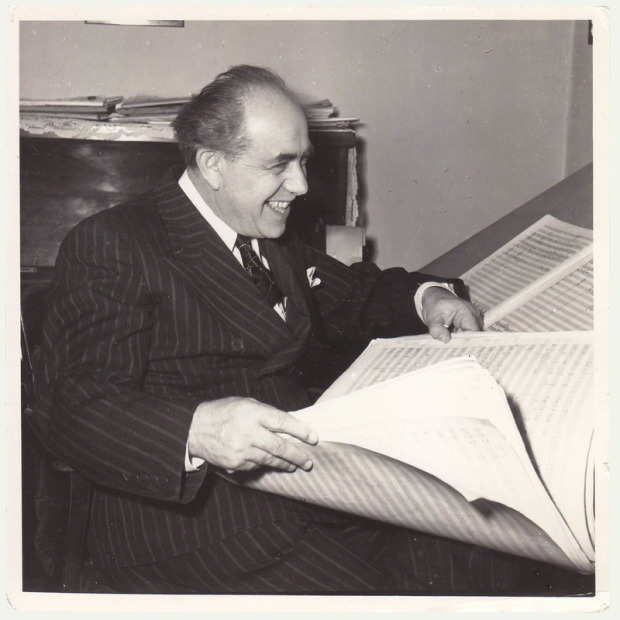
Eric Zeisl
Eric Zeisl
Zeisls naam is tegenwoordig vrijwel helemaal vergeten. Ooit heeft Harmonia Mundi een paar van zijn kamermuziekwerken opgenomen, maar ook die opnamen is inmiddels uit de catalogus verdwenen. Beide componisten waren generatie- en lotgenoten, die op de vlucht voor de nazi’s in Hollywood belandden. Mochten hun beider lotgevallen op elkaar lijken, hun muziek doet het allerminst.
De liederencyclus Das Lied von Terezín bestaat uit acht gedichten, geschreven door Tsjechische kinderen in de leeftijd van 12 tot 16 jaar tijdens hun verblijf in de concentratiekamp Theresienstadt.
Hevig aangedaan door het lot van deze kinderen componeerde Waxman in 1965 een zeer aangrijpende muziekstuk dat qua uitdrukkingskracht valt te vergelijken met Schönbergs Overlevende uit Warschau. Het gros is geschreven in twaalftoonstechniek, maar er valt ook een duidelijke invloed van Zemlinsky te bespeuren (‘Der Garten’) en in ‘Dachbodenkoncert in einer alten Schule’ wordt een motief uit de Mondscheinsonate van Beethoven geciteerd. Het geheel wordt zeer ontroerend vertolkt door de beide koren en de mezzosopraan Della Jones.
Het Requiem Ebraico van Eric Zeisl heeft als basis Psalm 92 en is opgedragen aan de vader van de componist en ‘alle slachtoffers van de Joodse tragedie in Europa’. Zeisls muziek is zeer melodieus en sterk beïnvloed door de Joodse en Hebreeuwse thema’s. Onvoorstelbaar, dat het niet vaker wordt uitgevoerd!
Franz Waxman: The Song of Terezín
Eric Zeisl: Requiem Ebraico
Deborah Riedel, Della Jones, Michael Kraus Rundfunk-kinderchor Berlin, Rundfunkchor Berlin, Rundfunk-Sinfonieorchester Berlin olv Lawrence Foster (Decca 4602112)
The viola sonata by Dick Kattenburg (1919-1944) consists of only one movement, allegro moderato. The reason is simple: before Kattenburg could complete the work, he was arrested during a raid in a cinema and sent to Westerbork on 5 May 1944. Two weeks later, on 19 May 1944, he was deported to Auschwitz, where he was murdered. Kattenburg was only 24 years old.
Max Vredenburg (1904 -1976) is now mainly known as co-founder of the National Youth Orchestra. In the 1920s he left for Paris where he studied with Paul Dukas and Albert Roussel, composers who influenced him greatly. In 1941 he fled to Batavia and in 1942 he ended up in a Japanese camp. He survived the war but a large part of his family was murdered in Sobibor and Auschwitz. He composed the Lamento in 1953 in memory of his sister Elsa.
The sonata by Mieczysław Weinberg, originally composed for clarinet and piano, is perhaps the most complex of all the other works on this CD. It is also the only composition that is not only sad: you can also recognize fragments of klezmer and Jewish folklore in it.
And if you think you recognize the opening measures of Beethoven’s Mondscheinsonate in ‘Adagio’, you are right. Those notes are indeed in it. Just as in the adagio, the final movement of Dmitri Shostakovich’s sonata. The work, dating from 1975, was his last composition, and shortly after the completion of the sonata he died of lung cancer.
I can only be brief about the performance: the absolute TOP! The sound that Ásdís Valdimarsdóttir elicits from her viola is of a rare beauty. It is so beautiful that it hurts. Listen to the Adagio of Weinberg’s sonata. Terrifying.
Marcel Worms, surely one of the greatest pianists/accompanists of our time, keeps himself a bit in the background, giving his Icelandic colleague all the honour of wearing glasses. But just listen carefully and experience how compassionate his contribution is. That’s what I think is called ‘partners in crime’. I can’t describe it any better.
Mieczysław Weinberg, Dick Kattenburg, Max Vredenburg, Dmitri Shostakovich
The voice of the Viola in Times of Opression
Ásdís Valdimarsdóttir (viola), Marcel Worms (piano)
Zefir Records ZEF 9657
Is the music world finally waking up? Not if it’s up to the big record companies. With them we are still condemned to Bachs, Beethovens and Wagners. Fortunately, smaller labels like Chandos still exist. A while ago they surprised us with a CD with chamber works by Paul Ben-Haim, now they know how to make me overjoyed with Jerzy Fitelberg.
While Ben-Haim’s name was still a little known here and there, Fitelberg’s name was not. At least not Jerzy’s, because there are still enough old recordings of his father Grzegorz, who was a famous conductor.
Jerzy Fitelberg (1903 – 1951) was born in Warsaw and first studied with his father who had him play as a percussionist in the orchestra of the National Theatre in order to gain experience. From 1922 he studied composition with Franz Schreker in Berlin, among others. In 1927 he made a name for himself by re-orchestrating Sullivan’s Mikado for Erik Charell’s operetta-revue in the Grosses Schauspielhaus in Berlin. In 1933 he fled first to Paris and from there to New York.
Fitelberg was one of the favourite composers of Copland and Artur Rubinstein, among others. He himself described his compositional style as “full of the energy and high tension of Stravinski combined with the harmonic complexity of Hindemith and the colours of Milhaud’s French music. Plus the much-needed satire”.
Below an arrangement, made by Stefan Frenkel, of a Tango from Fitelberg’s opera ‘Der schlechgefesselte Prometheus’,played by Marleen Asberg (violophone) and Gerard Bouwhuis (piano) at a concert given by the Ebony Band, April 25, 2013 in Amsterdam,
His works were often performed until his death, after which they disappeared from the stage. Until more than sixty years later the ARC Ensemble (yes, the same ensemble that recorded the Ben-Haim CD) picked up the thread.
The first string quartet from 1926 starts with a resolute Presto, which reminds me a lot of Mendelssohn, but not for long. Soon Slavic themes pass by to make way for the melancholic Meno mosso. Beautiful.
The second string quartet , overloaded with prizes in 1928, sounds a bit like Janaček, but with Polish instead of Moravian dances in the background. The sonatine for two violins mixes all the contradictions of the late 1930s: entertainment, jazz and a (cautious) atonality.
Fisches Nachtgesang, a night music for clarinet, cello and celesta is so beautiful that it hurts. It reminds me of a night candle, which goes out carefully. Covered with the soothing words “go to sleep, but don’t worry about it”, but you’re not really reassured.
The members of the Canadian ARC Ensemble, who play contagiously well, all work at the Glenn Gould School at the Royal Conservatory of Music. What a CD! Ten out of ten!
Jerzy Fitelberg
Chamber Works
String Quartets Nos 1 and 2
Serenade; Sonatine; Night musik “Fisches Nachtgesang”.
ARC Ensemble
Chandos CHAN 10877
Als het waar is, dat Gideon Klein het Divertimento al in 1940 heeft gecomponeerd dan is hier sprake van een hele belangrijke muzikale ontdekking. Tot nu toe werd er namelijk aangenomen dat alle werken die Klein voor zijn internering in Terezín componeerde verloren zijn gegaan. Helaas, het summier ogende boekje met alleen een kort verhaaltje over de componisten en de uitvoerenden laat ons in het ongewisse. Klopt het jaartal dan wel? Het werk(je) zelf is aangenaam en makkelijk in het gehoor liggend.
Het blaaskwintet van Pavel Haas stamt uit 1929. Het is zeer sterk beïnvloed door Janácek, sinds 1920 zijn leermeester en grote voorbeeld. Het tweede deel van het kwintet is van een ontroerende schoonheid. Het zal me niet verbazen als het ‘Preghiera’ een eigen leven ging leiden op een compilatie cd.
Hieronder ‘La Preghiera’, uitgevoerd door het Belfiato Quinten:
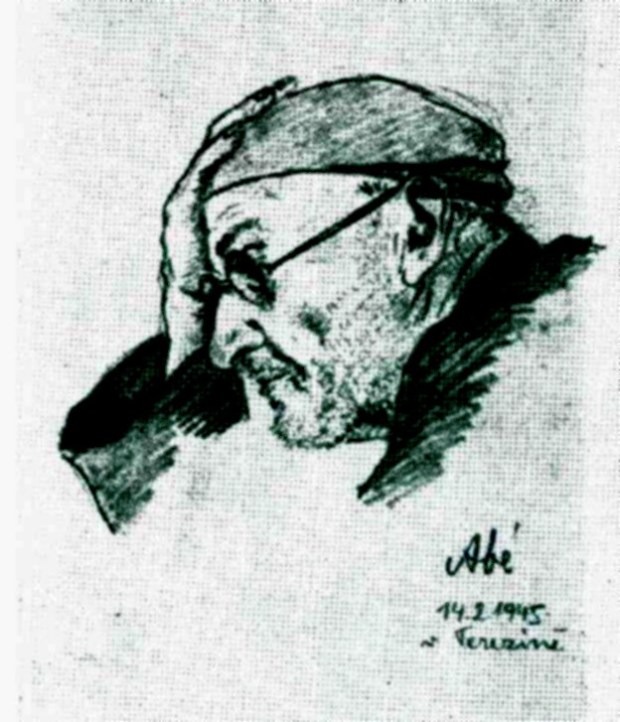
De grootste ontdekking voor mij echter is het nonet van Rudolf Karel (1880 – 1945). De minst bekende van de ‘Theresienstadt componisten’ blijkt beslist niet de minst begaafde te zijn! Het werk is ontstaan toen Karel in de ziekenbarak van een Praagse gevangenis verbleef. Op de binnengesmokkelde stukjes toiletpapier voorzien van notenbalken schreef hij zijn composities, die dan onmiddellijk naar buiten werden gebracht.
Hieronder het Nonet van Rudolf Karel, uitgevoerd door Orquesta de Cámara del Auditorio de Zaragoza “Grupo Enigma” – OCAZEnigma:
Gideon Klein (toen 24 jaar oud) en Pavel Haas zijn in Auschwitz vergast. Rudolf Karel is in Theresienstadt gestorven. Štepan Lucký hoort er niet echt bij. Zijn Divertimento gecomponeerd in 1974 is van een andere tijd, stijl en kwaliteit. Waarom hij erbij moest is mij een raadsel.
De uitvoeringen zijn meer dan voorbeeldig. Het nonet van Karel waarin het Academia Wind Quintet versterkt wordt door de leden van het befaamde Panocha Quartet vormt het hoogtepunt.
Het Nonet van Rudolf Karel, plus nog wat composities van Haas, Klein en Schulhoff kunt u ook op Spotify beluisteren, in de uitvoering van het Bayerische Kammerphilharmonie olv Israel Yinon:
Gideon Klein, Pavel Haas, Rudolf Karel, Štêpán Lucký
Chamber compositions
Academia Wind Quintet Prague, Panocha Quartet olv Vladimír Válek
Supraphon SU 3339-2131





 At the end of the 1980s the music-loving world (and here I mean not only listeners, but also publicists, reviewers and music experts) found out that there was more between heaven and earth, or, since we are talking about music: between Strauss and Stockhausen. People began to realise that an entire generation of composers had been deleted from the history books and concert halls. Just like that. And it was not _only_ the fault of the Nazis.













 Basia con fuoco