Entartete Musik
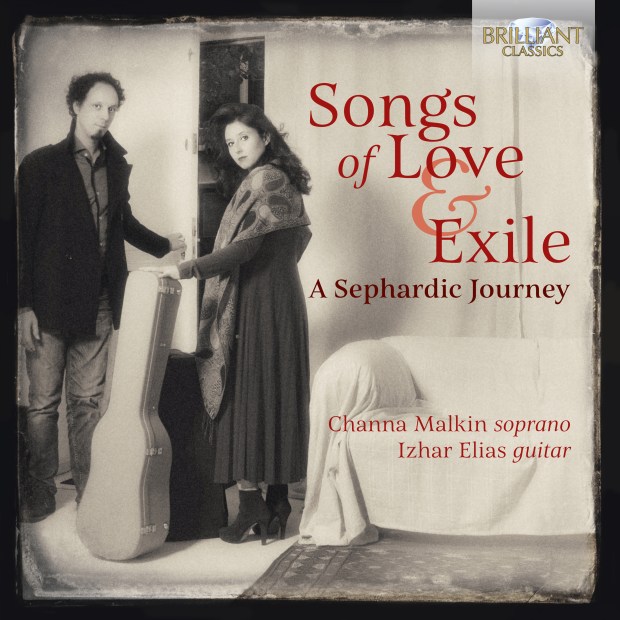 Mario Castelnuovo–Tedesco (Florence, 3 april 1895 – Beverly Hills, 16 maart 1968) werd geboren in de Joodse familie van Sefardische afkomst (Joden die in 1492 werden verdreven uit Spanje). Hij was buitengewoon creatief, op zijn naam staat van alles: pianowerken, concerten, opera’s…. Zijn composities werden gespeeld door de grootsten: Gieseking, Piatigorski, Heifetz, Casella. Tegenwoordig kennen we hem voornamelijk van zijn gitaarwerken, bijna honderd in totaal, veelal geschreven voor Andres Segovia.
The Yiddish Cabaret: Jerusalem Quartet’s tribute to their grandparents
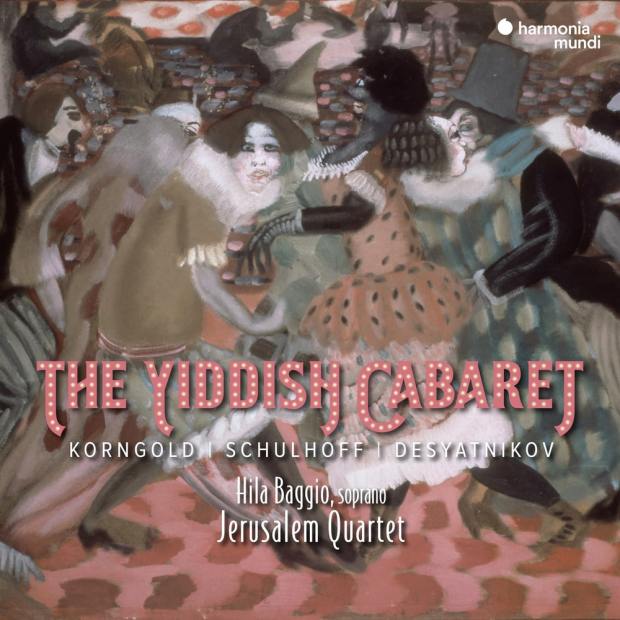 The Jerusalem String Quartet never disappoints. Never. Whatever they play. It’s not just about perfection, but also, or perhaps mainly, about their attention to the story behind the notes. For their involvement in the pieces they play. And their search for the truth that may not even exist. But with this album they have gone far above themselves and their own standards. Something that might have to do with the fact that they were allowed to choose the works themselves, none of which are commonplace?
With their choice they have also made a statement. Something we all know but still don’t want to admit out loud because we feel uncomfortable about it? About the influence of Jews and their contribution to our Western culture?
These days, Schulhoff and certainly Korngold are no longer curiosities, although of the latter mostly his operas are performed these days. Yet his chamber music compositions are not to be sneezed at. Listen his second string quartet, for example! At the first notes you get the nostalgic feeling of an unattainable lover and an intense desire. Beautiful and painful at the same time. Not only are the notes divinely beautiful, it is also the performance. Yearning and full of desire.
The five pieces for Erwin Schulhoff’s string quartet are a link to the title of the album: the Jewish Cabaret. Leonid Desyatnikov composed his ‘Yiddish’ in 2018. These five songs are based on the Yiddish songs from the Polish interbellum, the period between the two world wars, which were sung in the cabarets in Warsaw and Lódz. The soprano Hila Baggio manages to strike the right tone in the songs. Light-footed. Think of the very young Lotte Lenya.
The album is dedicated to the grandparents of the members of the quartet. I allow myself to include my own grandparents that I have never known.
The Yiddish Cabaret
Erich Wolfgang Korngold: String quartet no. 2 on. 26
Erwin Schulhoff: 5 Pieces for string quartet
Leonid Desyatnikov: Yiddish – 5 Lieder for Stem and Stem Quarter (2018)
Hila Baggio (soprano), Jerusalem Quartet
Harmonia Mundi HMM 902631
Translated with http://www.DeepL.com/Translator
The Yiddish Cabaret: Jerusalem Quartet’s hommage aan hun grootouders
Het Jerusalem Strijkkwartet stelt nooit teleur. Nooit. Wat ze ook spelen. Het gaat niet alleen om de perfectie maar ook, of misschien voornamelijk om hun aandacht voor het verhaal achter de noten. Voor hun betrokkenheid bij de stukken die ze spelen. En hun zoektocht naar de waarheid die wellicht niet eens bestaat. Maar met deze album zijn ze ver boven zichzelf en hun eigen norm gestegen. Wat wellicht te maken kan hebben dat ze de stukken zelf mochten kiezen, stukken die geen van allen alledaags zijn?
Met hun keuze hebben ze ook een statement gemaakt. Iets wat we eigenlijk allemaal weten maar nog steeds niet hardop willen toegeven want daar voelen we ons ongemakkelijk over? Over de invloed van Joden en hun aandeel in onze Westerse cultuur?
Nu zijn Schulhoff en zeker Korngold niet zo’n rariteit meer, al worden van de laatste tegenwoordig voornamelijk zijn opera’s uitgevoerd. En dat, terwijl zijn kamermuziekcomposities echt niet te versmaden zijn. Neem alleen zijn tweede strijkkwartet! Bij de eerste noten al krijg je het nostalgische gevoel van een onbereikbare geliefde en een intens verlangen. Mooi en pijnlijk tegelijk. Het zijn niet alleen de goddelijk mooie noten, het is ook de uitvoering. Smachtend en vol verlangen.
De vijf stukken voor het strijkkwartet van Erwin Schulhoff zijn een soort brug richting de titel van het album: het Joodse Cabaret. Leonid Desyatnikov componeerde zijn ‘Jiddisch’ in 2018. Die vijf liederen zijn gebaseerd op de Jiddische liedjes uit het Poolse interbellum, de periode tussen de twee wereldoorlogen, die gezongen werden in de cabarets in Warschau en Lódz. De sopraan Hila Baggio weet in de liedjes de juiste toon te treffen. Lichtvoetig. Denk aan de zeer jonge Lotte Lenya.
Het album is opgedragen aan de grootouders van de leden van het kwartet. Ik permiteer mij om ook mijn eigen grootouders die ik nooit heb gekend erbij te betrekken.
The Yiddish Cabaret
Erich Wolfgang Korngold: Strijkkwartet nr. 2 op. 26
Erwin Schulhoff: 5 Stukken voor strijkkwartet
Leonid Desyatnikov: Jiddisch – 5 Lieder für Stimme und Streichquartett (2018)
Hila Baggio (sopraan), Jerusalem Quartet
Harmonia Mundi HMM 902631
Perzische gedichten over de geneugten van de wijn, door een Tsjechische Jood op muziek gezet

De Perzische dichter Hafiz heeft ook behoorlijk veel westerlingen beïnvloed. Zijn ghazels (korte gedichten die voornamelijk over liefde en wijn gaan) waren de inspiratiebron voor Goethe’s West-östlichen Divan. Maar ook veel componisten hebben zijn gedichten op muziek gezet, onder anderen Karol Szymanowski en Victor Ullmann.
Ullmann componeerde zijn Liederbuch des Hafis in 1940. De heerlijk lichtvoetige, humoristische en lyrische liederen zijn een lust voor het oor en zouden een zeer aangename uitbreiding van het liedrepertoire kunnen zijn. Het kan bij mij dan ook niet in waarom ze niet vaker gezongen worden. Ullmann is tenslotte één van de grootste componisten van de twintigste eeuw en zo onbekend is hij toch ook niet meer?
In 1942 werd Ullmann naar Terezín (Theresienstadt) gedeporteerd. Hij schreef er veel van zijn belangrijkste werken, o.a. zijn derde strijkkwartet en de opera Der Kaiser von Atlantis. Uit die tijd stammen ook de liederen Der Mensch und sein Tag op.47 en de Drei Chinesische Lieder.
De Tsjechische bariton Petr Matuszek beschikt over een zeer fraai en warm timbre, hij zingt verstaanbaar en met veel gevoel. Zijn repertoire is zeer gevarieerd: behalve Schubert, Schumann, Brahms en Zelenka (!) zingt hij ook veel hedendaagse composities. Bovendien heeft hij zowat alle liederen van de ‘Theresienstadt componisten’ opgenomen.
Hij wordt uitstekend begeleid door Aleš Kanka op de piano en in het lied ‘Herbst’ (hier onterecht aangeplakt bij de cyclus Der Mensch und sein Tag) wordt hij bijgestaan door een strijktrio.
Victor Ullmann
Songs
Petr Matuszek bariton
Aleš Kanka piano, Pavel Eret viool, Libor Kanka altviool, Vladan Kocí cello
Supraphon SU 3284-2 231
Paul Ben-Haim’s Evocation: what a discovery

Paul Ben -Haim, who was born in Munich in 1897 as Paul Frankenburger and died almost 90 years later in Tel Aviv, remains a great unknown to many music lovers. This is a great pity, because the oeuvre of this sadly forgotten composer is very diverse and most exciting. At one time he was totally immersed in the German Romantic tradition before he almost radically broke with it when he left his native country in 1933.

He began his new life composers life in what was then known as the British Mandate of Palestine by changing his name, after which he also adapted his compositions to his new homeland. Starting in 1933, most of his works were influenced and inspired by Jewish, Israeli and Arabic melodies.
Between 1939 and 1949 Ben-Haim accompanied the at that time extremely famous folk singer Bracha Zefira. Zefira, who was of Yemeni origin, had a great influence on the musical life in what was then Palestine. It was for her that he composed the Berceuse Sfaradite, a song which had become one of her greatest successes.
Bracha Zefira:
The Violin Concerto, which dates from 1950, is probably Ben-Haim’s best-known composition, in no small part as a result of the great recording by Itzhak Perlman. The CD is still on the market, I believe, but as far as I know the Concerto is only rarely performed. Why?
Three Studies for Solo Violin is Ben-Haim’s last violin composition, dedicated to Yehudi Menuhin in 1981. Splendid. But I was most struck by the completely unknown Evocation from 1942, a work which has its premiere here and which really gave me goose bumps. Wow.
Evocation live:
Itamar Zorman, the young Israeli violinist who won the 2011 prize in the Tchaikovsky competition, has immersed himself in the composer and his work. Thanks to him, this album was compiled and released. He plays these works as if his life depends on them. He believes in them and he communicates that belief more than convincingly.
Zorman about Ben-Haim:
The accompaniment by Amy Yang (piano) and the BBC National Orchestra of Wales conducted by Philippe Bach is first-rate as well
Paul Ben-Haim
Evocation. Poem for violin and orchestra, op. 32, Three Songs without Words, Violin Concerto, Three studies, Berceuse sfaradite, Toccata from Five Pieces for Piano.
Itamar Zorman (violin), Amy Yang (piano), BBC National Orchestra of Wales conducted by Philippe Bach.
BIS-239
Translated with http://www.DeepL.com/Translator
In Dutch: Evocation van Paul Ben-Haim is een ware ontdekking
More Ben-Haim: PAUL BEN-HAIM
Karol Rathaus herontdekt
IDENTITEIT

Karol Rathaus, circa 1952 (from Rathaus’ family archive)
Zijn fascinerende muziek in zijn geheel vond weinig weerklank. Hij voelde zich miskend, was eigenlijk nergens thuis en ook in het landschap van muzikale stijlen raakte hij tussen wal en schip. Nu zijn pianowerken van Rathaus voor het eerst op cd verschenen

Wat weten we van Karol Rathaus (1895–1954)? Hij werd geboren in 1895 in Ternopol, een stad dat nu in West Oekraïne ligt maar toen een onderdeel was van de Oostenrijks-Hongaarse monarchie. Bij hem thuis werd er Pools gesproken, maar zijn opleiding volgde hij in het Duits, een taal die hij beter beheerste dan de ‘native speakers’. Hij studeerde in Wenen, emigreerde in 1926 naar Berlijn, in 1932 naar Frankrijk en daarvandaan naar de Verenigde Staten. Geen wonder dat zijn eerste biograaf zich openlijk afvroeg of Karol Rathaus, een Poolse, Oostenrijkse of Amerikaanse componist was. Hij baseerde zich niet alleen op zijn levensloop maar ook op de brieven die Rathaus schreef aan zijn vrienden, waarin hij vertelde dat hij het moeilijk vond zich aan zijn nieuwe landen aan te passen en vaak in een identiteitscrisis belandde. Zijn composities werden amper opgevoerd, iets waar hij zeer verbitterd over was.

In 1950 schreef Rathaus aan dirigent Jascha Horestein: “Mijn probleem is dat van de genegeerde, eigengereide componist. Mijn naam is bekend, maar niemand voert mijn werken uit. Ik heb geen ambassades, geen consulaten die achter me staan, geen propagandamachine en in het land waar ik heel gelukkig leef, word ik beschouwd als een buitenlander. “
Jascha Horenstein dirigeert Rathaus. Deel 1:
Vierde deel:
ENTARTETE MUSIK
Dat Rathaus zo in vergetelheid is geraakt is niet alleen de schuld van de Nazi’s. Michael Haas, de voormalige producent van de ‘Entartete Musik’-serie van Decca, één van de eersten die een cd met werken van Rathaus heeft opgenomen, met o.a. zijn ballet Der Letzte Pierrot, had hiervoor een duidelijke verklaring: “De jonge generatie componisten bleef na de oorlog met schuldgevoelens zitten. Het mocht nooit meer gebeuren, dus hebben zij daar een remedie voor gevonden. Er moest gewerkt worden aan het bouwen van objectieve muziek, gespeend van ieder sentiment en onderworpen aan strenge regels. Muziek moest universeel worden. Het serialisme werd geboren. In Darmstadt werd afgerekend met het verleden, dus ook met componisten uit de jaren dertig”.
Dance from Uriel Acosta from 1930, played by Orquesta Filarmonica Cuidad de Mexico conducted by Jascha Horenstein (live, Mexico City, 28 March 1951). The orchestra on this recording included Sally van den Berg (oboe) and Louis Salomons (bassoon), who played in the Concertgebouw before the war:
LIFE CHANGING EXPERIENCE
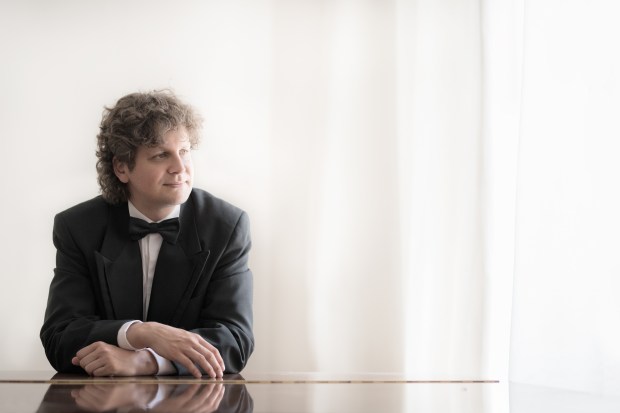
Daniel Wnukowski, photo by Claudia Zadory
Het is door Michael Haas dat de jonge Canadese pianist Daniel Wnukowski in aanraking kwam met de muziek van ‘Entartete componisten’ (Haas spreekt liever van ‘Forbidden composers’). Hoe het allemaal begon?
Wnukowski: “Haas bracht mij in contact met een zeer bijzondere man, de componist Walter Arlen. Arlen was op zoek naar een pianist die voor hem zijn piano- vocale en kamermuziekwerken kon opnemen. Het eerste deel van zijn project nam hij op met de Oostenrijkse pianist Danny Driver, die wegens andere verplichtingen niet meer beschikbaar was. In oktober namen we de cd op en ik kan alleen maar zeggen dat de ontmoeting met die fascinerende man voor mij een ‘levens veranderende ervaring’ was.”
Wnukowski speelt ‘Der Letzte Pierrot’:
“Ik ben Joods. Mijn familie van zowel mijn moeders als vaderskant komt oorspronkelijk uit Lublin (Polen). Het is de ouders van mijn vader gelukt om in 1945 naar Canada te vluchten. Tot hun negentigste wilden ze nooit over hun oorlogservaringen spreken, zij wilden mijn vader een ‘normale’ Noord-Amerikaanse opvoeding geven. Mijn andere grootouders bleven na de oorlog in Polen waar ze hun Joodse identiteit krampachtig verzwegen. Het was een taboe. Tot 1968, toen als gevolg van een antisemitische campagne de meeste nog in Polen levende Joden gedwongen werden om het land te verlaten. Mijn moeder was toen 17. Mijn Joodse identiteit speelt een grote rol in mijn leven. Het is een drijvende kracht achter mijn loopbaan van een concertpianist en ik doe mijn best om de verhalen over de overlevenden van de Holocaust levend te houden. “
Voor zo ver ik weet is deze cd de allereerste opname van pianowerken van Rathaus. Al deze composities werden geschreven tussen 1924 en 1931. Behalve de Fünf Klavierstücke, de tweede pianosonate en drie Mazurka’s staan er ook – door de componist zelf voor de piano gearrangeerde – twee fragmenten uit het ballet Der Letzte Pierrot en drie stukken uit de filmmuziek uit Der Mörder Dimitri Karamasoff. Het zijn fascinerende werken met zeer geprononceerde ritmes. Harmonisch, maar wel met nodige dissonanten. Oneerbiedig gezegd: Bartók meets Szymanowski. Nee, Rathaus is noch Pools, noch Oostenrijks, noch Amerikaans. Zijn muziek is uniek, anders, gewoon… Rathaus.
Karol Rathaus
5 Klavierstücke. Piano Sonata No. 2. 3 Mazurkas. 3 Stücke aus dem ballet “Der letzte Pierrot.” 3 Excerpts from the Film Music for “The Murderer Dimitri Karamazov”
Daniel Wnukowski, piano
Toccata Classics TOCC 0451
in English:
De bedwelmende klank van Franz Schreker

DE KLANK
Sight & Sound Experience of Gustav Klimt – Atelier des lumières Paris
Op de drempel van de twintigste eeuw lieten veel kunstenaars zich in hun werk leiden door het verlangen – en het zoeken – naar een volmaakte wereld. Het had, onder anderen met de tijdgeest te maken en heeft veel schilders, schrijvers, dichters en componisten in hun werk beïnvloed. Maar bij niemand was dat zo prominent aanwezig als bij Franz Schreker (1878-1934). De zoektocht naar ‘de’ klank beheerste zijn hele leven, daar was hij door gefascineerd en geobsedeerd. Een klank die vanzelf afstierf, maar dan niet heus, want die moest nog na blijven klinken – al was het alleen maar in je gedachten. Het moest een pure klank zijn, maar dan één met orgastisch verlangen en vervlochten met visioenen. Narcotiserend. In zijn muziek hoor ik de zo door hem verlangde volmaakte klank echt en dat maakt mij intens gelukkig.
Voor Schreker kan je mij midden in de nacht wakker maken. De samensmelting van de onbeschaamde emoties met de onverholen erotiek en intense schoonheid maakt van mij een ‘Alice in wonderland’. Daar wil ik steeds meer en meer van. Noem mij maar een junkie. Zijn opera’s vind ik, naast die van Puccini en Korngold het mooiste wat er bestaat.
DIE GEZEICHNETEN

Het idee kwam van Zemlinsky: hij wilde graag een opera componeren over – zijn obsessie -een lelijke man en het libretto bestelde hij bij Schreker. Eenmaal klaar met zijn werk viel het Schreker zwaar om afstand te doen van zijn tekst. Gelukkig zag Zemlinsky van de opera af en zo sloeg Schreker zelf aan het componeren.

Zemlinsky, Schoenberg and Schreker in Prague 1912
Net als Der Ferne Klang, wellicht zijn bekendste werk, gaat ook De Gezeichneten over de zoektocht naar onbereikbare idealen. Alviano, een mismaakte rijke edelman uit Genua droomt van schoonheid en volmaaktheid. Op een eiland laat hij ‘Elysium’ bouwen, een plek waar hij zijn idealen hoopt te verwezenlijken. Wat hij niet weet, is dat de edelen zijn eiland misbruiken: zij houden er zich bezig met orgieën, verkrachtingen en zelfs met moorden.

De titel van de opera is dubbelzinnig. Niet alleen zijn de hoofdpersonen ‘getekend’ (Alviano door zijn monsterlijke uiterlijk en Carlotta door een dodelijke ziekte), ook maakt Carlotta een tekening van Alviano, waarin zij zijn ziel probeert te vangen

Alviano: foto uit de première in Frankfurt 1918
Deze prachtige opera, rijk aan duizenden kleuren en zwoele klanken (luister alleen maar naar de ouverture, kippenvel!) wordt de laatste tijd steeds vaker op de planken gebracht.
ENTARTETE MUSIK

Toen de nazi’s aan de macht kwamen werd Schreker bestempeld als ‘entartet’. Zijn werken werden verboden en nergens meer uitgevoerd. In 1933 werd hij van al zijn betrekkingen ontslagen en op non-actief gesteld. Schreker was gebroken. In december dat jaar kreeg hij een hartaanval dat hem fataal werd. Maar ook na de oorlog werd Schreker nog amper gespeeld. Hem wachtte hetzelfde lot als (o.a.) Korngold, Braunfels, Goldschmidt, Zemlinsky, Waxman…. Een onnoemelijk aantal componistennamen. Ooit door de Nazi’s als ‘Entartet’ bestempeld en verboden, verguisd, verdreven, vermoord. Vergeten. En dat was niet alleen de schuld van de Nazi’s.
Na de oorlog wilde de jonge generatie componisten niet meer van emoties weten. Muziek moest gespeend zijn van ieder sentiment en aan strenge regels worden onderworpen. Muziek moest universeel worden: het serialisme werd geboren. Er werd afgerekend met het verleden, dus ook met componisten uit de jaren dertig.
Het is pas de laatste dertig jaar dat de ooit verboden componisten hun stem hebben teruggekregen. Daar heeft ZaterdagMatinee een grote rol in gespeeld en daar dank ik ze op mijn blote knieën voor.
DIE GEZEICHNETEN. Discografie
SCHREKER: Irrelohe, Der Schmied von Gent en nog meer…
SCHREKER: DER SCHATZGRÄBER. Amsterdam september 2012
The intoxicating sound of Franz Schreker
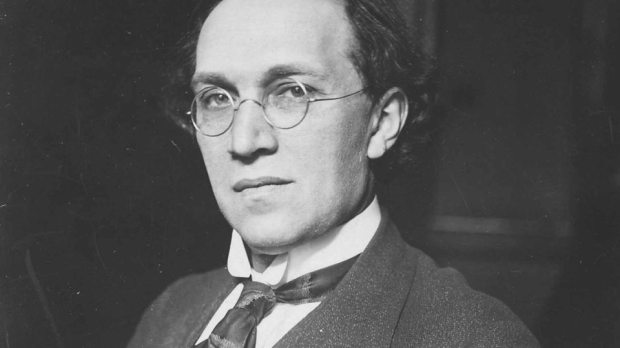
THE SOUND
On the threshold of the twentieth century, many artists were guided in their work by the desire – and the search – for a perfect world. It had to do with the spirit of the times, among other things, and it influenced many painters, writers, poets and composers in their work. But with no other artist it was as prominent as with Franz Schreker (1878-1934). The search for ‘the’ sound dominated his entire life, he was fascinated and obsessed with it. A sound that would die of its own accord, but not really, because it had to continue to be heard – if only in your thoughts. It had to be a pure sound, but one with orgasmic desire and interwoven with visions. Intoxicating. Narcotic. In his music I really hear the perfect sound that he so desired which makes me intensely happy.
For Schreker you can wake me up in the middle of the night. The fusion of shameless emotions with undisguised eroticism and intense beauty turns me into an ‘Alice in wonderland’. I want more and more of it. Call me a junkie. I consider his operas to be the most beautiful in existence, alongside those of Puccini and Korngold.
DIE GEZEICHNETEN
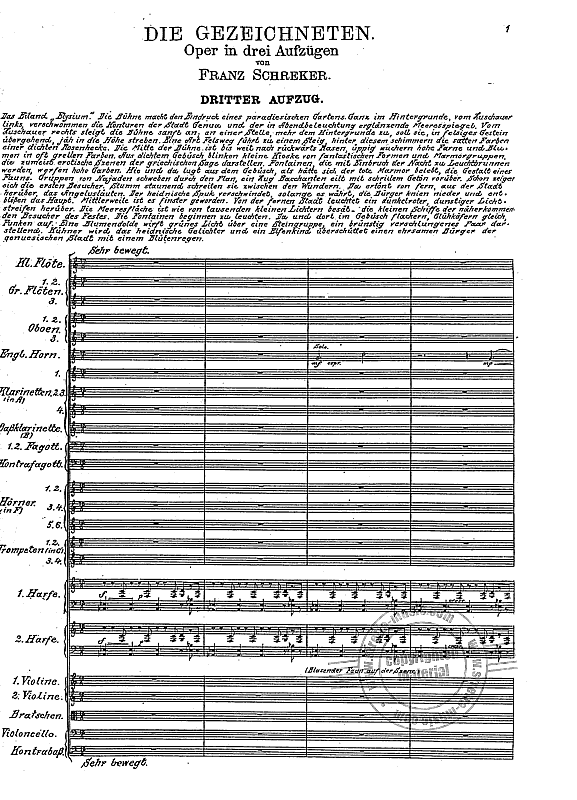
The idea came from Zemlinsky. He wanted to compose an opera about an ugly man – his obsession – and commissioned the libretto from Schreker. After finishing his work, it was hard for Schreker to give up his text. Fortunately, Zemlinsky abandoned the opera so Schreker started to compose himself.
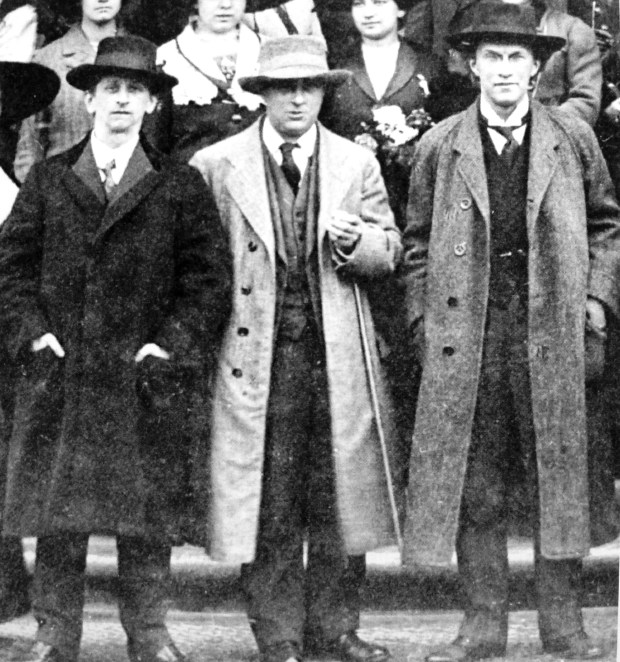
Zemlinsky, Schoenberg and Schreker in Prague 1912
Like Der Ferne Klang, perhaps his best-known work, Die Gezeichneten also deals with the search for unattainable ideals. Alviano, a deformed rich nobleman from Genoa, dreams of beauty and perfection. On an island he has ‘Elysium’ built, a place where he hopes to realize his ideals. What he doesn’t know is that the noblemen abuse his island: they are engaged in orgies, rapes and even murders.

The title of the opera is ambiguous. Not only are the main characters ‘marked’ (Alviano by his monstrous appearance and Carlotta by a deadly illness), Carlotta also makes a drawing of Alviano, in which she tries to capture his soul.
Alviano: photo from the premiere in Frankfurt 1918 via Green Integer Blog
This beautiful opera, with its thousands of colours and sensual sounds (just listen to the overture, goosebumps!), is being staged more and more nowadays. In 1990 it was performed at the Saturday Matinee, with an ugly singing but very involved and therefore very vulnerable William Cochran as Alviano and a phenomenal Marilyn Schmiege as Carlotta (Marco Polo 8.223328-330).

ENTARTETE MUSIC
When the Nazis came to power, Schreker was labelled an ‘entartet’. His works were banned and no longer performed. In 1933 he was dismissed from all his engagements and suspended. Schreker was devastated. In December of that year he suffered a heart attack which became fatal to him. But even after the war Schreker was hardly ever performed. The same fate awaited him as (among others) Korngold, Braunfels, Goldschmidt, Zemlinsky, Waxman …. An unprecedented number of names of composers. They were once labeled ‘Entartet’ by the Nazis and banned, reviled, expelled and murdered. Forgotten. And that was not just the fault of the Nazis.
After the war, the young generation of composers did not want to know about emotions anymore. Music had to be devoid of any sentiment and subject to strict rules. Music had to become universal: serialism was born. The past was dealt with, including composers from the 1930s. It is only in the last twenty years that the once forbidden composers have regained their voices. The Saturday Matinee has played a major role in this and I thank them on my bare knees for that.
LISTENING SUGGESTIONS:
Vorspiel zu einem Drama’, a Prelude created by the composer himself for ‘Die Gezeichneten’:
Evelyn Lear (Carlotta) and Helmut Krebs (Alviano), scene from the second act:
On Spotify you can find several performances of the complete opera.
If you want to have images as well: below you will find the recording from Salzburg 2005.
Translated with http://www.DeepL.com/Translator
After the Darkness: the Hague String Trio brings suppressed composers back to life

The title of this CD is taken from the book with the same name by Auschwitz survivor Elie Wiesel, ‘After the Darkness: Reflections on the Holocaust’.
Gideon Klein and Hans Krása:


Hans Krása (1899-1944) and Gideon Klein (1919-1945) ended up in the Terezín concentration camp (Theresienstadt), before being deported to Auschwitz where they were murdered. But until that time they continued to compose as well as they could. In Terezín, yes. That is where both Krása’s Passacaglia & Fugue and Tanec (Dance) were composed, as well as Gideon Klein’s incredibly beautiful String Trio.
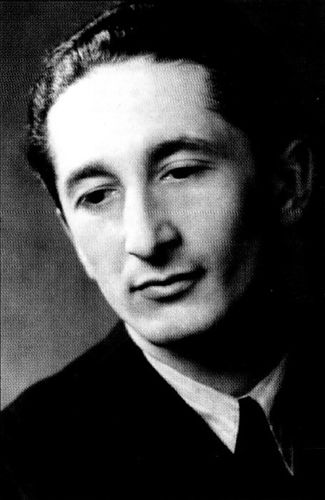
The Hungarian Lászlo Weiner (1916-1944) was deported in February 1943 to the labour camp in Lukov (Slovakia), where he was murdered a year later. I had not heard his Serenade for string trio from 1938 before. Why is that? It’s just beautiful!
Dick Kattenburg
The Dutchman Dick Kattenburg (1919-1944) did not survive the war either: on May 19, 1944, he was deported to Auschwitz. His Trio à cordes sees its world premiere here. I can’t listen to this with dry eyes. Yes, I know, I know, one has to limit oneself to the music, but sometimes it is so damn difficult! But trust me, the standard of what is on offer is of the highest quality and that the work is still performed so infrequently is due to… What actually? Uwillingness? Guilt?
This year it is exactly seventy nine years ago that Klein, Weiner, Kattenburg and Weinberg were murdered. You would expect at least something in the form of (small) memorial concerts, wouldn’t you?

The Hague String Trio (Justyna Briefjes, Julia Dinerstein and Miriam Kirby) was founded in 2006. In the booklet they tell us that After The Darkness is a project close to their heart, which certainly can be heard. “We feel it is a privilege to bring the music of these composers to life and to create a lasting legacy, so that their voices are never forgotten”. Thank you!
Hans Krása: Passacaglia & Fugue – Tanec (Theresienstadt 1944)
Gideon Klein: String trio (Theresienstadt 1944)
Lászlo Weiner: Serenade (1938)
Dick Kattenburg: String Trio (1937/39)
Mieczyslaw Weinberg: String trio on. 48 (1950)
The Hague String Trio
Cobra Records 0065
After the Darkness
Translated with http://www.DeepL.com/Translator
Discovering Karol Rathaus
A forgotten composer, and not just because of the Nazis
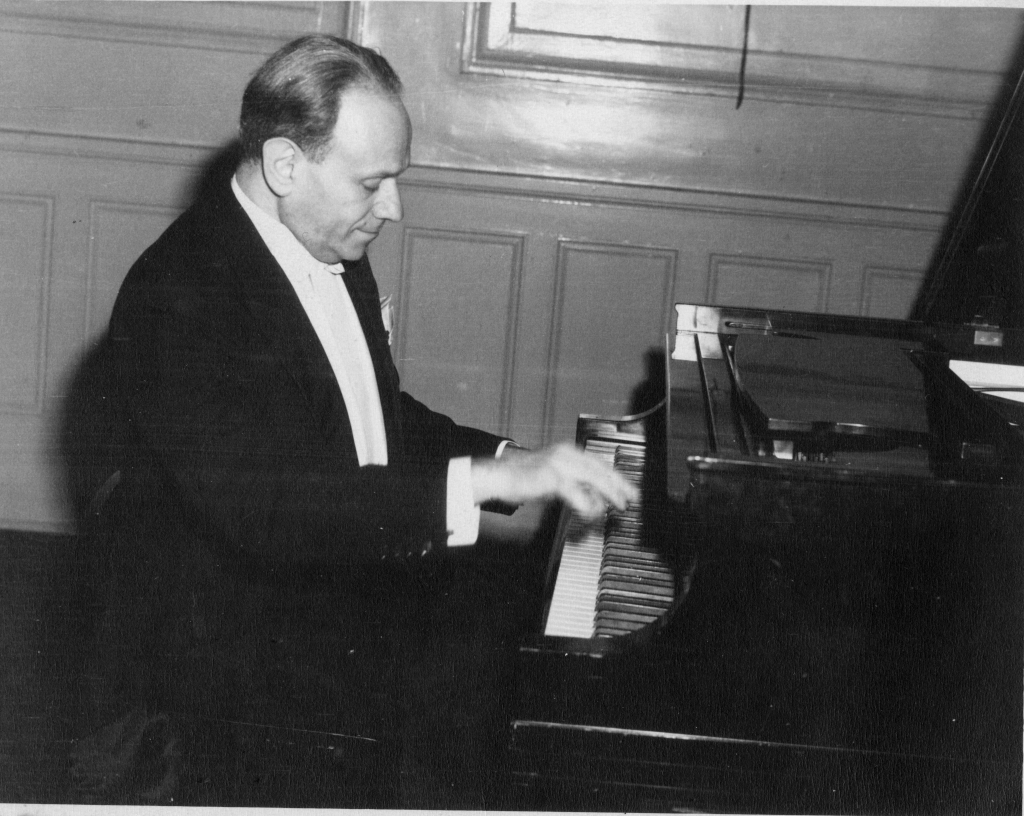
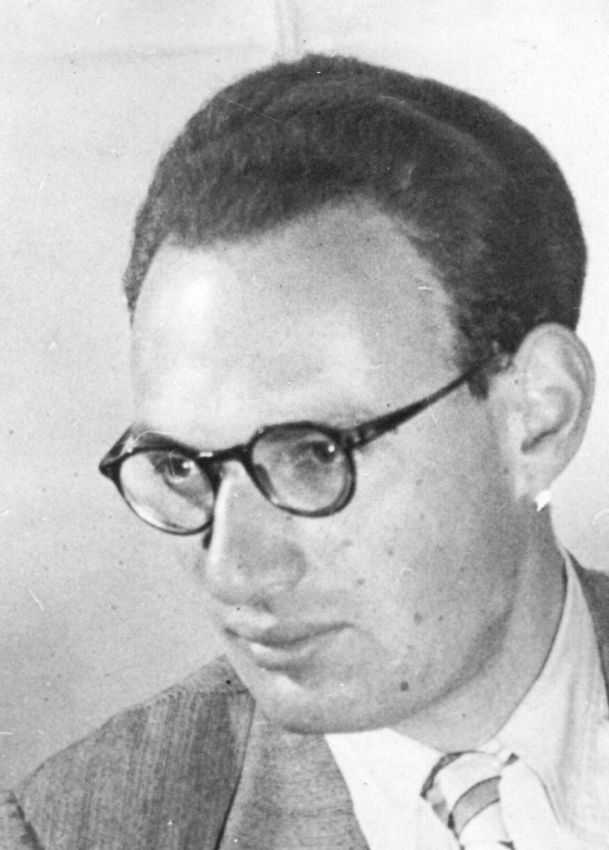
Karol Rathaus, circa 1952 (from Rathaus’ family archive
A demo/promo/proof-of-concept video for documentary film ‘Discovering Karol Rathaus’:
With his equally fascinating and individual music, Karol Rathaus met with little approval. He felt misunderstood, was actually nowhere at home, and also in the musical landscape surrounding him he sat between all chairs – and styles. His piano works have been now released on CD, for the first time.
What do we know about Karol Rathaus (1895-1954)? He was born in 1895 in Ternopol, a city now in Western Ukraine but then part of the Austro-Hungarian monarchy. He spoke Polish at home and German at school, a language he mastered better than the native speakers. He studied in Vienna, emigrated to Berlin in 1926, to France in 1932 and from there to the United States. No wonder that his first biographer openly wondered whether Karol Rathaus was a Jewish, Polish, Austrian or American composer. He based himself not only on Rathaus’s life but also on the letters he wrote to his friends, in which he said that he found it difficult to adapt to his new countries and often ended up in an identity crisis. His compositions were rarely performed, something he was very bitter about.

Dance from Uriel Acosta from 1930, played by Orquesta Filarmonica Cuidad de Mexico conducted by Jascha Horenstein (live, Mexico City, 28 March 1951). The orchestra on this recording included Sally van den Berg (oboe) and Louis Salomons (bassoon), who played in the Concertgebouw before the war:
As he wrote in a letter to Jascha Horenstein in 1950: “My problem is that of the ignored independent and individual composer. My name is known, but nobody performs my works. I have no embassies, no consulates that stand behind me – no propaganda machine – in the country where I live very happily, I’m considered a non-native.“
Jascha Horenstein conducts Rathaus. World premiere, recorded on March 13, 1956 in “Farringdon” studio, BBC
The fact that Rathaus has been so forgotten is not just the fault of the Nazis. Michael Haas, the former producer of the ‘Entartete Musik’ series by Decca, one of the first to record a CD with works by Rathaus, including his ballet Der Letzte Pierrot, had a clear explanation for this: “The young generation of composers was left with feelings of guilt after the war. It was never to happen again, so they found a cure for it. We had to work on building objective music, devoid of any sentiment and subject to strict rules. Music had to become universal. Serialism was born. In Darmstadt, the past was dealt with, including composers from the 1930s”.
It is because of Michael Haas that the young Canadian pianist Daniel Wnukowski came into contact with the music of ‘Entartete composers’ (Haas prefers to speak of ‘Forbidden composers’). How did it all start?

Daniel Wnukowski, photo by Claudia Zadory
Wnukowski: “Michael Haas introduced me to a fascinating person he had met in his role as a senior researcher on the topic Holocaust music – Walter Arlen. Walter was apparently looking for a pianist to record his complete solo piano and vocal works, together with one small work for violin and piano. He had already recorded one CD set with another Viennese-based pianist Danny Driver, but for a variety of reasons beyond the scope of this note, Danny was no longer available to record the remainder of Walter’s works. “
“It was a life changing experience to learn about this man’s unique story of survival, his harrowing journey of escape to America. It was an exceptionally inspiring and moving experience to have had the composer present at all times during the entire session. I can only say that the encounter with this fascinating man was a ‘life-changing experience’ for me.”

Daniel Wnukowski, photo by Claudia Zadory
“My paternal grandparents were from Lublin. They became forced labourers on workers camps but escaped to Canada at the end of WWII in 1945, as the camps were liberated by allied forces. They kept quiet about their WWII experiences until they were well over 90 years of age. Even then, trying to pull out any details of their life experiences was a moot point. They simply wanted my father and the rest of the family to have a ‘traditional’ North American upbringing – a spacious suburban home and hockey played out on the street.
My maternal grandparents, on the other hand, remained in Lublin after the war and were much more secretive, strongly discouraging any discussion on the topic of the war in the household. My mother mentioned that it was strictly taboo to discuss any aspect of the family’s origins, throughout her entire upbringing. The situation became particularly tense in 1968, when state-backed anti-semitism launched a massive campaign to depart all Jews to Israel. My mother was only 17 at the time.
My Jewish identity plays a huge role in my current work as a pianist. I honor every drop of my Jewish blood, which has been a passionate, driving force in my overall musical activities as a concert pianist. I want to continue my efforts to keep the stories of Holocaust survivors alive at a crucial time when many of them are approaching 100 years of age and dying off at alarming rates.”
Daniel Wnukowski plays ‘Der Letzte Pierrot’:
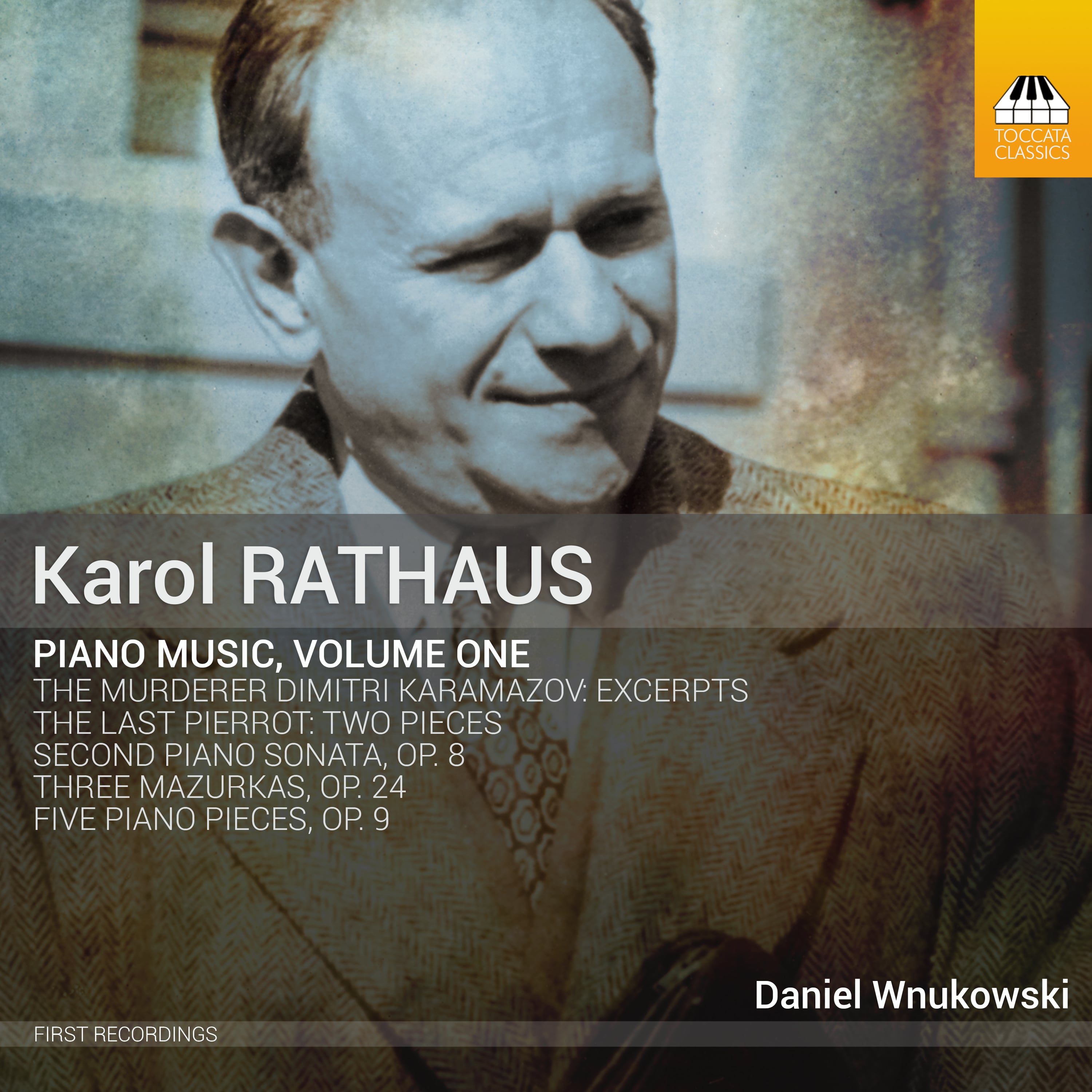
As far as I know, this CD is the very first recording of Rathaus’s piano works. All these compositions were written between 1924 and 1931. Besides the Fünf Klavierstücke, the second piano sonata and three Mazurka’s there are also – arranged for the piano by the composer himself – two fragments from the ballet Der Letzte Pierrot and three pieces from the film music from Der Mörder Dimitri Karamasoff. These are fascinating works with very pronounced rhythms. Harmonious, but with some dissonances. Irrespectfully said: Bartók meets Szymanowski. No, Rathaus is neither Polish, nor Austrian, nor American. His music is unique, different, just… Rathaus.
Karol Rathaus
5 Klavierstücke, Piano Sonata No. 2, 3 Mazurkas, 3 Stücke aus dem ballet Der letzte Pierrot, 3 Excerpts from the Film Music for The Murderer Dimitri Karamazov
Daniel Wnukowski, piano
Toccata Classics TOCC 0451
BETWEEN TWO WORLDS
More about Rathaus:
 Basia con fuoco