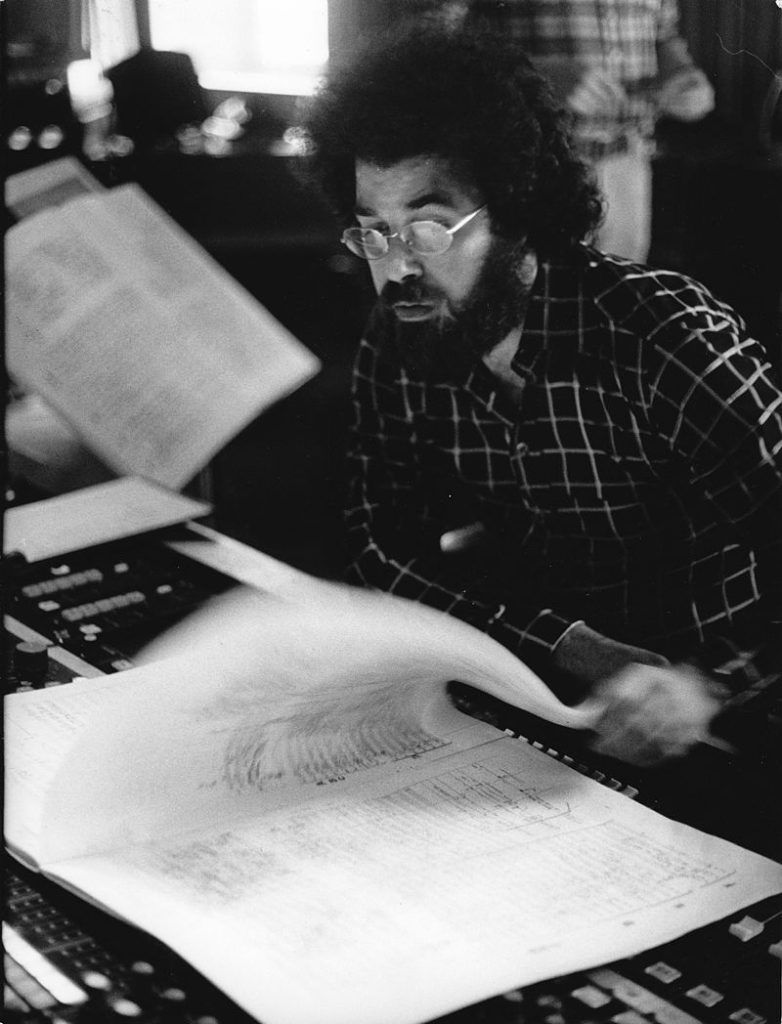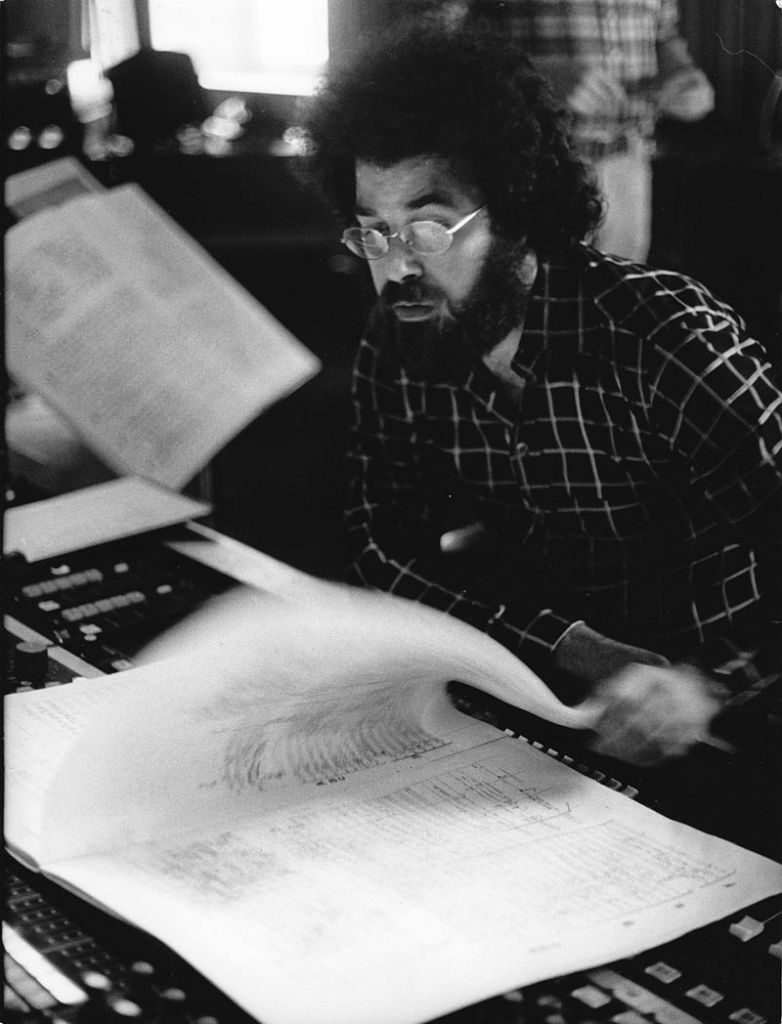
Giuseppe_Sinopoli

SALOME – A DANGEROUS SEDUCER OR … ?


There are certain operas that demand a great deal of the imagination from their audiences. Salome, for example. The adolescent heroine is only 15 years old, but Strauss gives her some very intense notes to sing. You need to have a voice like Isolde’s, but you also have to be able to convince the audience that you are a very attractive and very young thing.
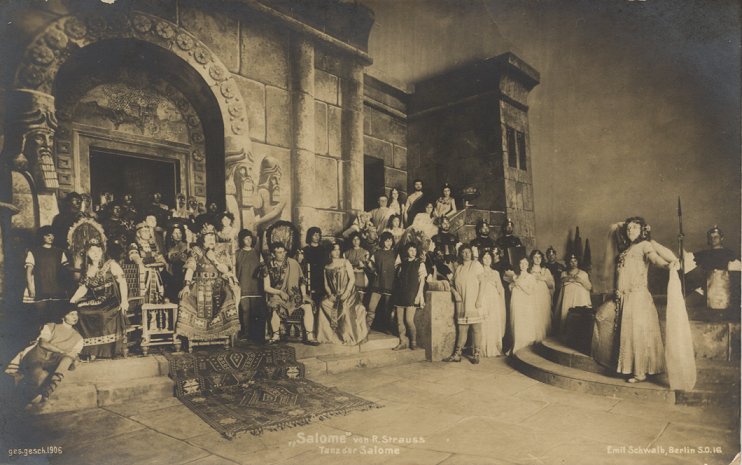


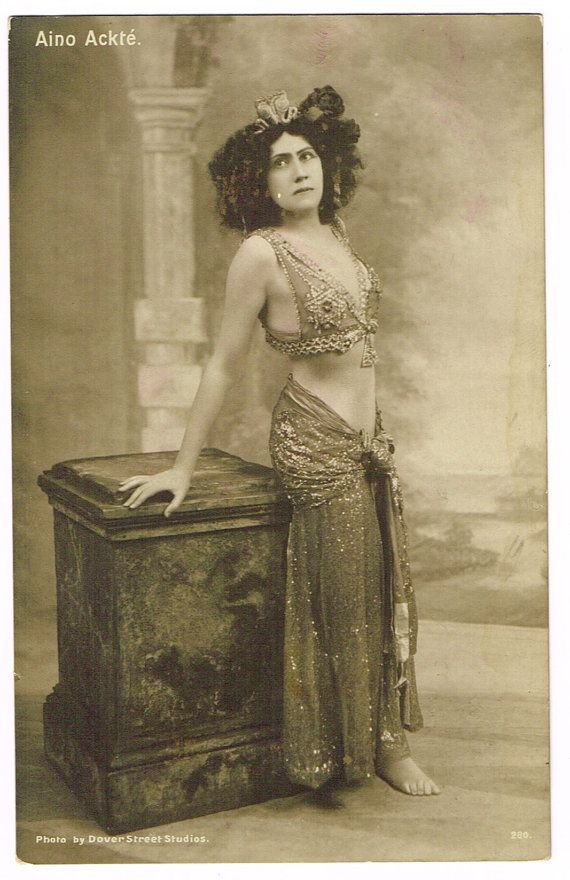
Strauss did not initially require all this – his very first Salome, who sang the premiere in Dresden(1905), Marie Wittich, was rather overweight. But Aino Ackté, a very popular Finnish soprano at the time and a very attractive woman, managed to convince Strauss that she was the only real Salome. She took ballet lessons and prepared for the role with the composer himself.
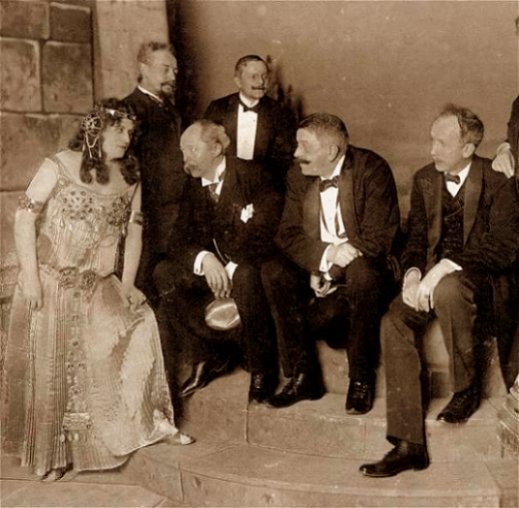


She sang her first Salome in Leipzig in 1907, becoming the first singer in history to perform the “Dance of the Seven Veils” herself. London (1910, under Beecham), Paris and Dresden (under Strauss) followed, and she set a standard that few singers would be able to match. Not that she performed the striptease in its entirety: under the veils she wore a flesh-coloured bodysuit, which suggested nudity.


The very first to emerge completely naked from under the veils, at least on stage, was probably Josephine Barstow, in 1975, first at Sadler’s Wells in London. Shortly afterwards, she repeated the role at the Deutsche Staatsoper in Berlin, in Harry Kupfer’s production, which was also performed at the DNO in Amsterda


Another problem that many directors (and the actress playing the lead role!) may struggle with, is the character herself. Is Salome really a dangerous seductress and sex-crazed nymphomaniac? Perhaps she is just a normal teenager looking for love and affection?

A spoilt girl who grows up in a loveless environment, where people care more about money and appearances than anything else? A victim of the lustful urges of her horny stepfather, who has great difficulties dealing with her own burgeoning sexuality? She, in her naivety, may believe that the “holy” man, with his mouth full of “norms and values”, can actually help her, but then she is brutally rejected. Causing her to seek revenge? Difficult.
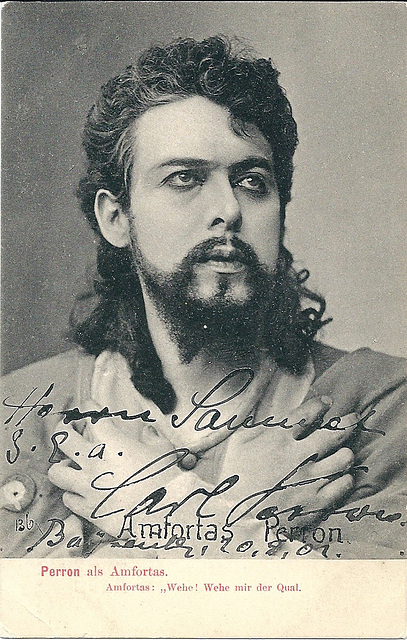


And what to do with Jochanaan? The libretto explicitly states that he must be young and attractive, but try finding a bass/baritone with a big voice and an authoritative presence who also has enough appeal for a beautiful princess, who herself is the object of intense admiration and desire. It remains a dilemma.


CDs


CHRISTEL GOLTZ (1954)
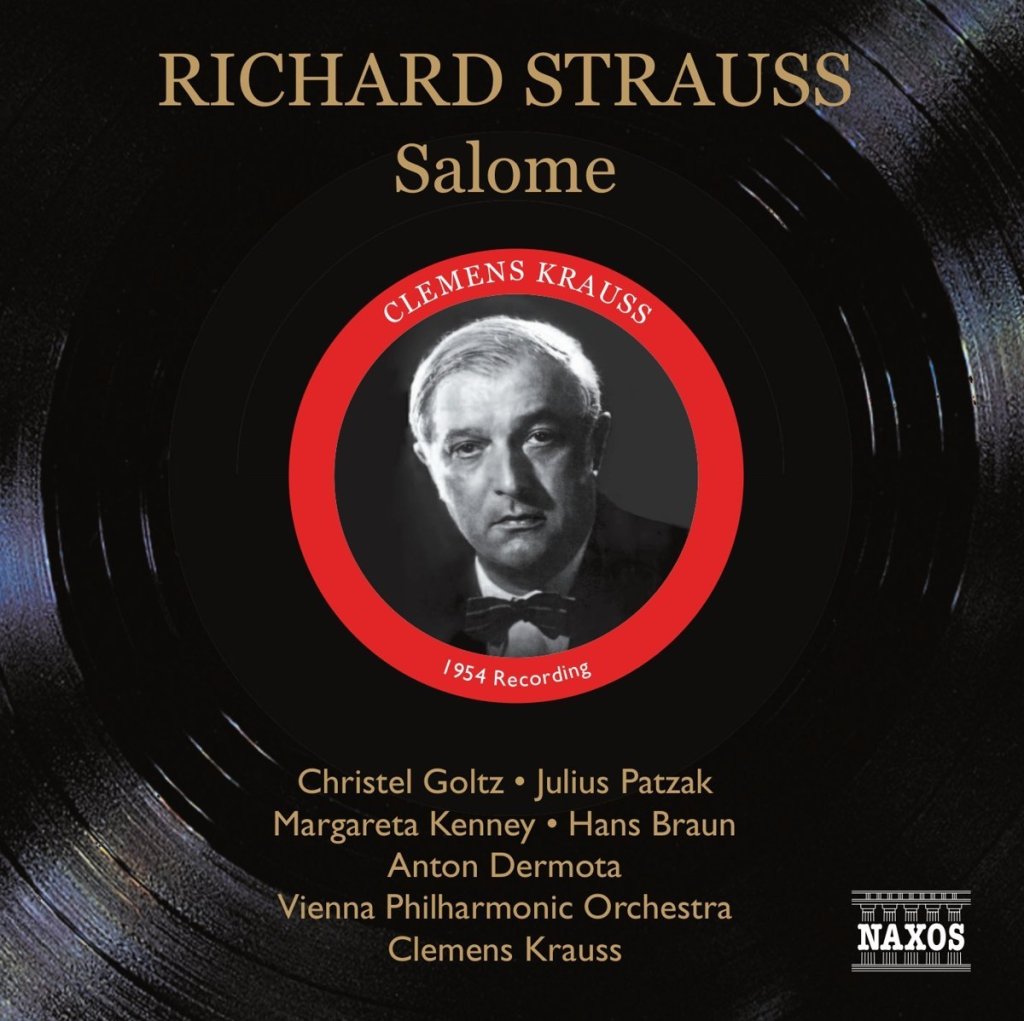

This recording may not be one of the best Salomes in history, but it is certainly special. Once you get used to the sharp mono registration, a whole new world of sound opens up to you, one that is unparalleled. The richness and colours of the Vienna Philharmonic at its best – I could
listen to this for hours. For that alone, I wouldn’t want to forgo this recording! Clemens Krauss belonged to Strauss’s inner circle; he also conducted the premieres of a few of his operas, and you can really hear that.

Christel Goltz is an excellent Salome. Self-aware, not very naive, really powerful,
and what a voice! Julius Patzak (Herod), Margareta Kenney (Herodias) and Hans Braun (Jochanaan) are not particularly remarkable, but Anton Dermota’s soulful and tearful Narrabothmakes up for it (Naxos 8111014-15).

.


BIRGIT NILSSON (1962)
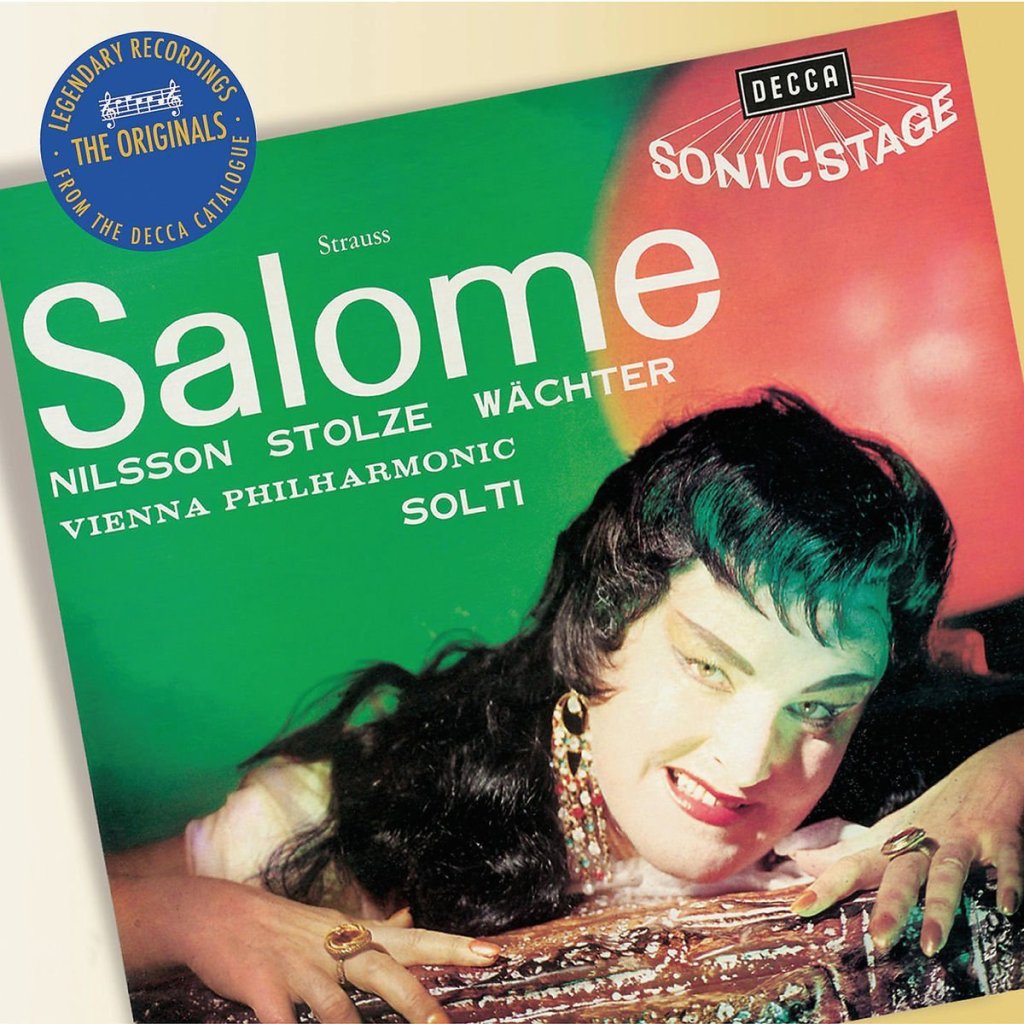

This recording is considered legendary, but it has never appealed to me. Nor have I ever been impressed by Birgit Nilsson’s interpretation of the title role. Nilsson has a powerful voice, but she is neither seductive, nor erotic or naive.

Eberhard Wächter shouts himself hoarse as Jochanaan and Waldemar Kmennt as Narraboth is nothing short of a huge mistake. What remains is Georg Solti’s exciting conducting

(Decca 4757528).


MONTSERRAT CABALLE (1969)


Montserrat Caballé? Really? Yes, really. Caballé sang her first Salome in Basel in 1957, when she was only 23 years


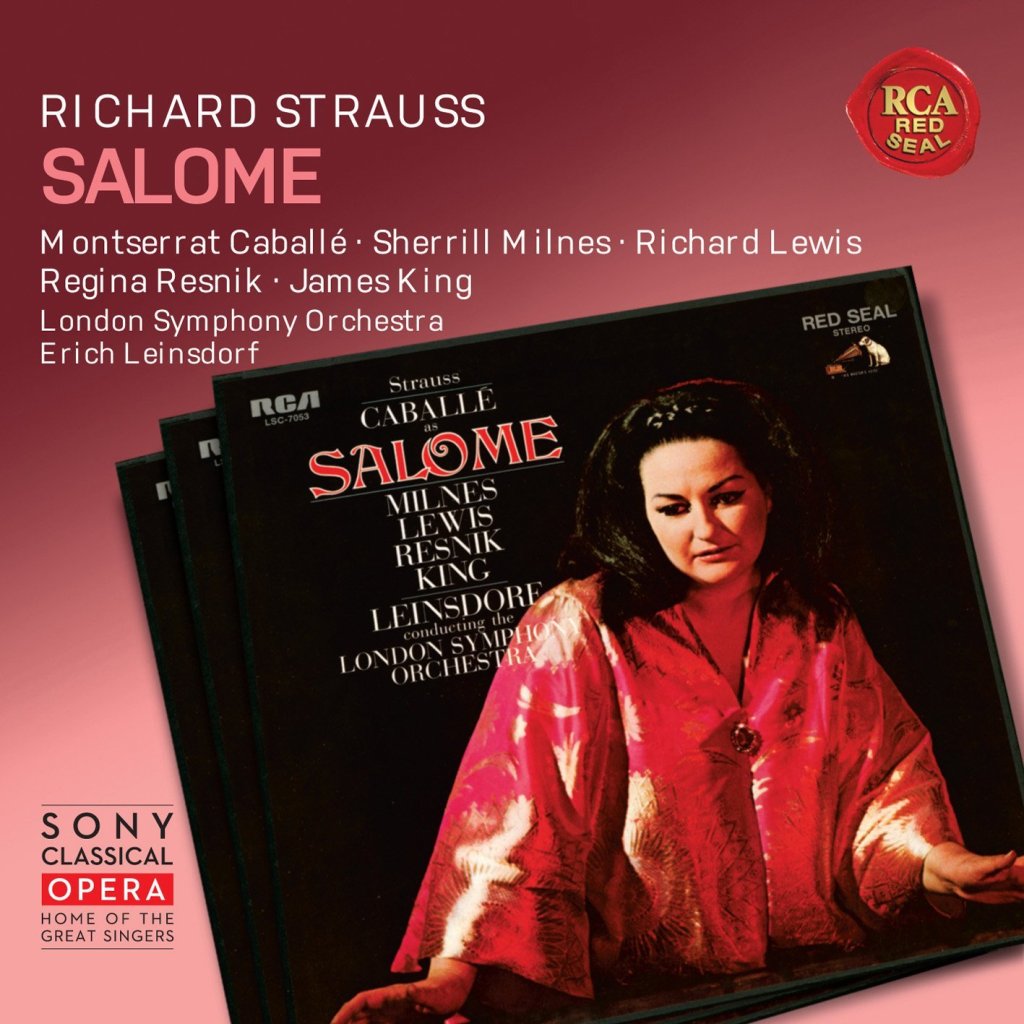
Salome was also the first role she sang in Vienna in 1958, and I can assure you that she was one of the very best Salomes ever. Certainly on the recording she made in 1969 under the thrilling baton of Erich Leinsdorf. Her beautiful voice, with its whisper-soft pianissimi and velvety high notes, sounded not only childlike but also very deliberately sexually charged, like a true Lolita.

Sherrill Milnes’s very charismatic Jochanaan has the aura of a fanatical cult leader, and Richard Lewis (Herod) and Regina Resnik (Herodias) complete the excellent cast

(Sony 88697579


Caballé as Salome in 1979:


HILDEGARD BEHRENS (1978)
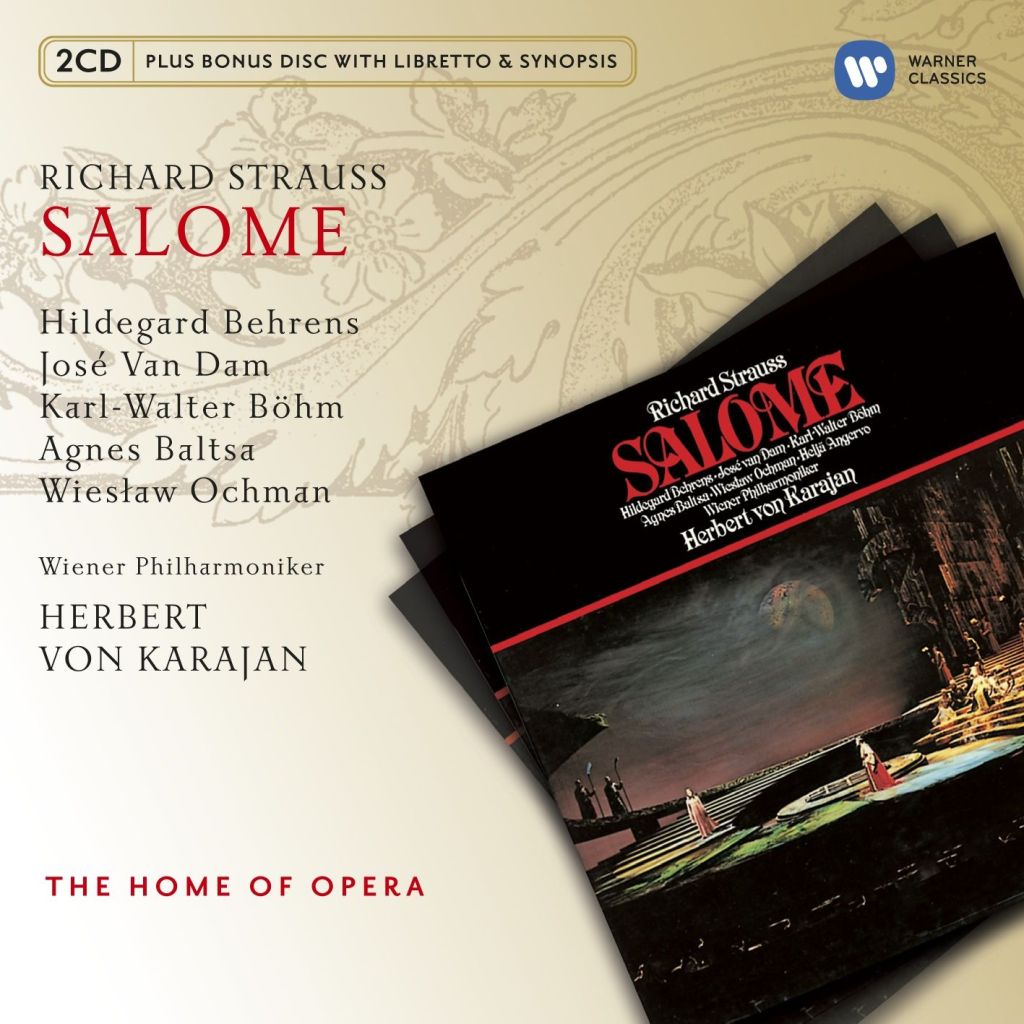

This recording is worth buying mainly because of Narraboth. Wieslaw Ochman sounds so madly in love and so terribly desperate that you really feel sorry for him. Agnes Baltsa’s Herodias is also wonderful: her interpretation of the role is one of the best I know. José van Dam is a very authoritarian Jochanaan: a true preacher and missionary, with very little appeal.

I find Hildegard Behrens’ Salome not very erotic. With her then still slightly lyrical voice, she sounds more like a spoilt child who gets angry when she doesn’t get her way. There is something to be said for his, especially since Behrens is an incredibly good voice actress and
everything she sings can be followed literally. You don’t need a libretto here.

But the real eroticism can be found in the orchestra pit: Herbert von Karajan conducts very sensually

(Warner Classics 50999 9668322).


CHERYL STUDER (1991)
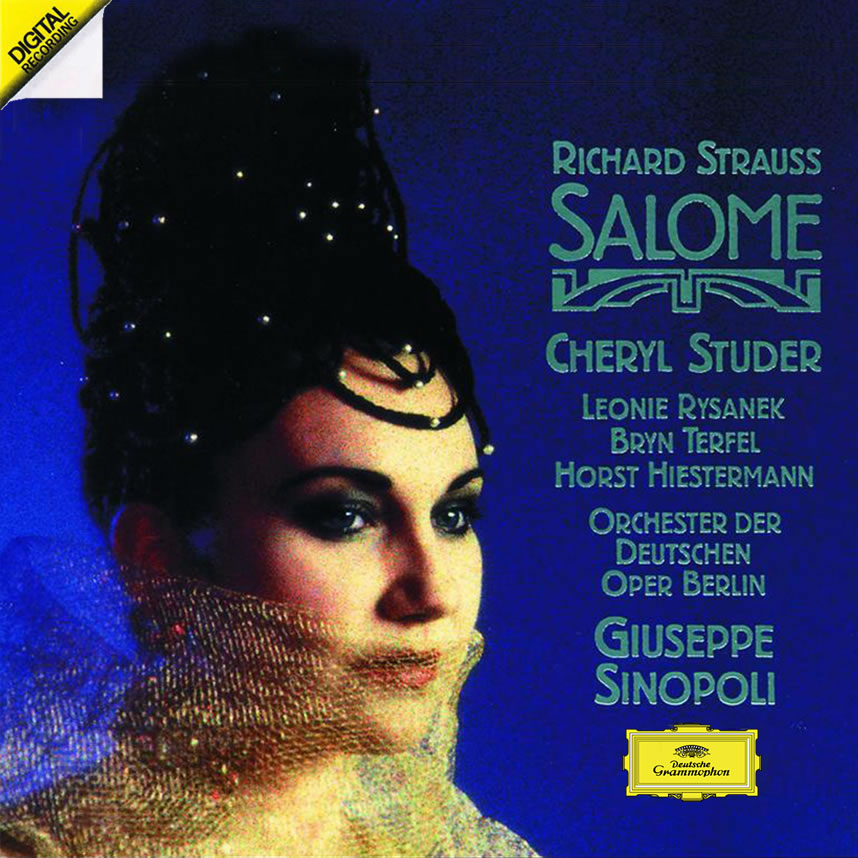

I realise that many of you will disagree with me, but for me Cheryl Studer is the very best Salome of the last fifty years. At least on CD, because she never sang the role in its entirety on stage

(DG 4318102).


Like few others, she knows how to portray the complex character of alome’s psyche. Just listen to her question “Von wer spricht er?”, after which she realises that the prophet is talking about hermother and sings in a surprised, childishly naive way: “Er spricht von meiner Mutter”. Masterful.

Bryn Terfel is a very virile, young Jochanaan (I think it was the first time he sang the role), but the most beautiful thing is Giuseppe Sinopoli erotic connductING


MARIA EWING (1992)
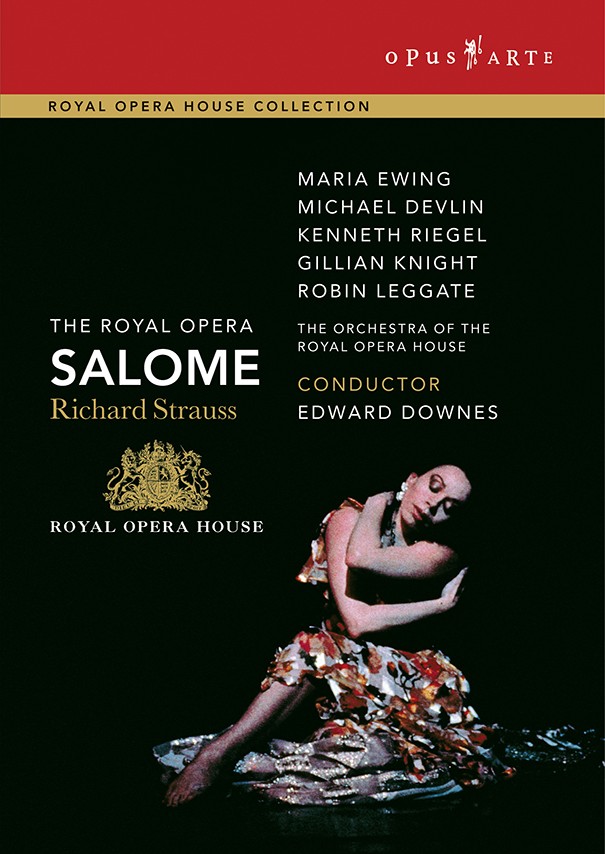

Maria Ewing also is a very good Salome. She too has the looks, and with her aggrieved expression, pouting mouth and wide-open eyes, she could easily be mistaken for a teenager. And she can sing too.

Jochanaan is sung by a very attractive American baritone, Michael Devlin, dressed only in tiny briefs. I am particularly impressed by his muscles, less so by his voice. Nevertheless, the erotically charged tension between him and Salome is palpable – that’s theatre!

Kenneth Riegel is perhaps the best Herod in history. His looks are lecherous and his voice sounds lustful, but his fear of the prophet is also almost physically palpable. Breathtaking.


NADJA MICHAEL (2007 & 2008)
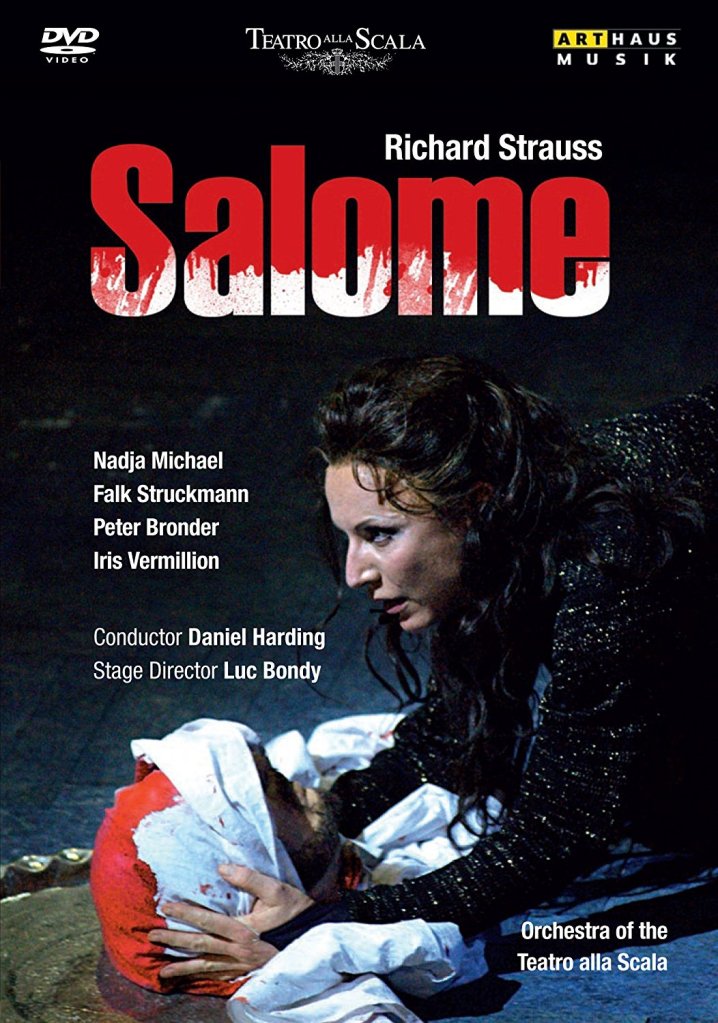

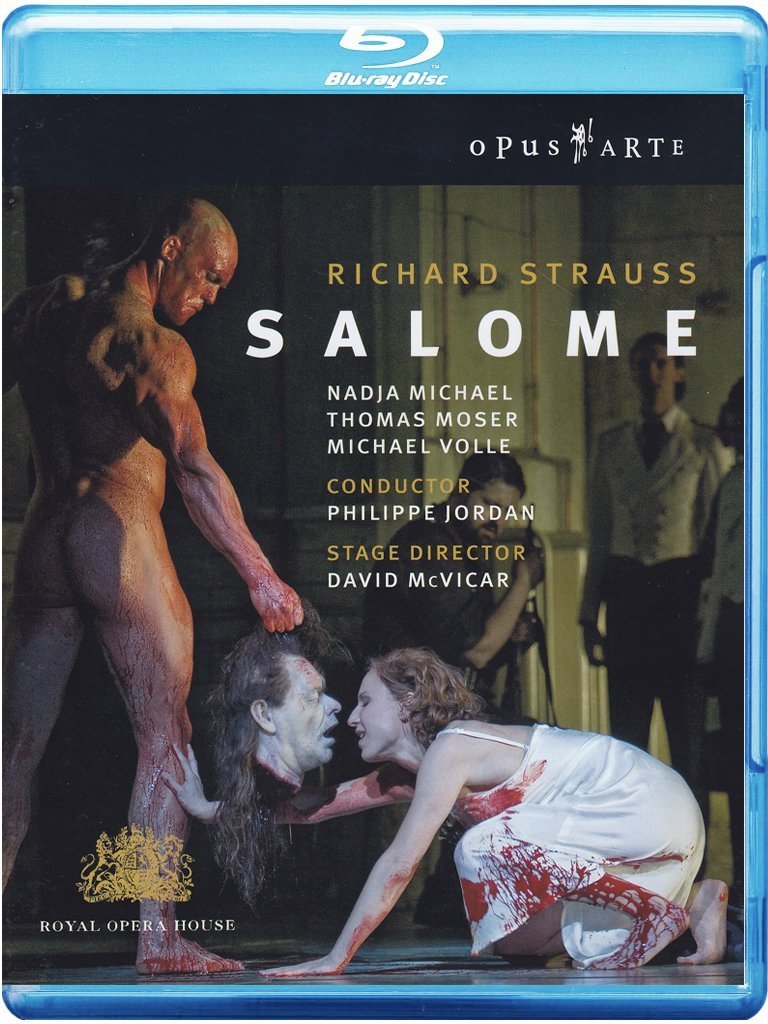
No fewer than two different DVDs starring Nadja Michael have recently been released: from La Scala (2007, directed by Luc Bondy) and from Covent Garden (2008, directed by David McVicar). Both productions are undoubtedly good, although I personally find McVicar’s version much more
exciting. good, although I personally find McVicar’s version much more exciting.


Luc Bondy’s direction (Arthaus Musc 107323) is rather traditional and actually very simple. His setting is minimalist, the colours dark, but the light shining in from the ever-present moon is simply beautiful. Iris Vermillion is a very attractive Herodias, both vocally and visually, and Herod
(a truly excellent Peter Bronder) is portrayed as a really small and miserable little man. Falk Struckmann (Jochanaan) certainly impresses with his voice, but looks too old and too sluggish.


Ljuba Welitch (1949)
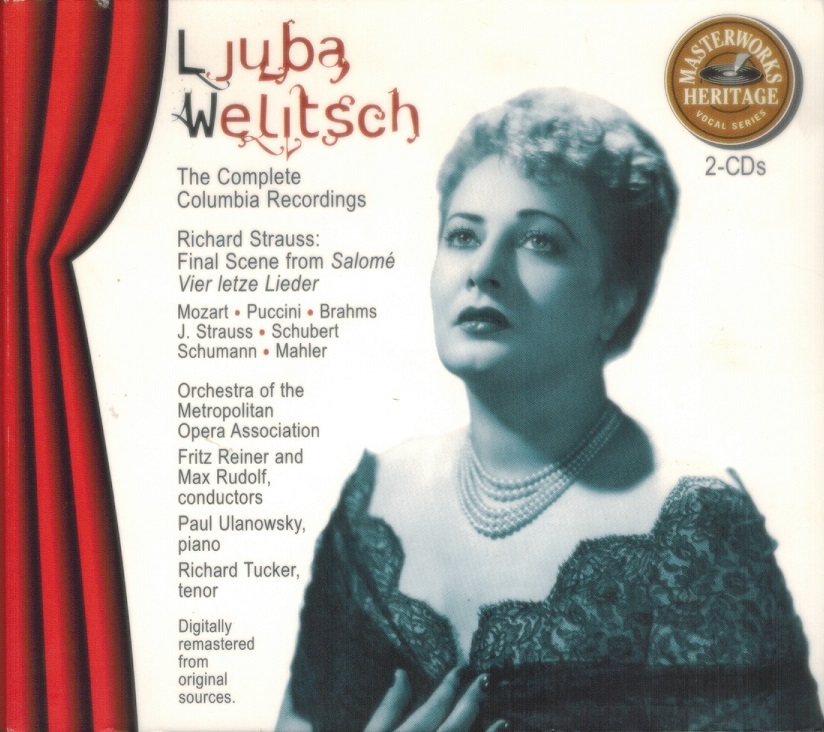

Whichever Salome you choose, there is one you absolutely cannot ignore:
Ljuba Welitsch. The recording she made in 1949 under Fritz Reiner,
immediately after her sensational debut at the MET in the role (Sony MHK
262866), has never been equal


On YouTube, you can also hear Welitsch in the final scene of the opera
in the 1944 recording under Lovro von Matacic
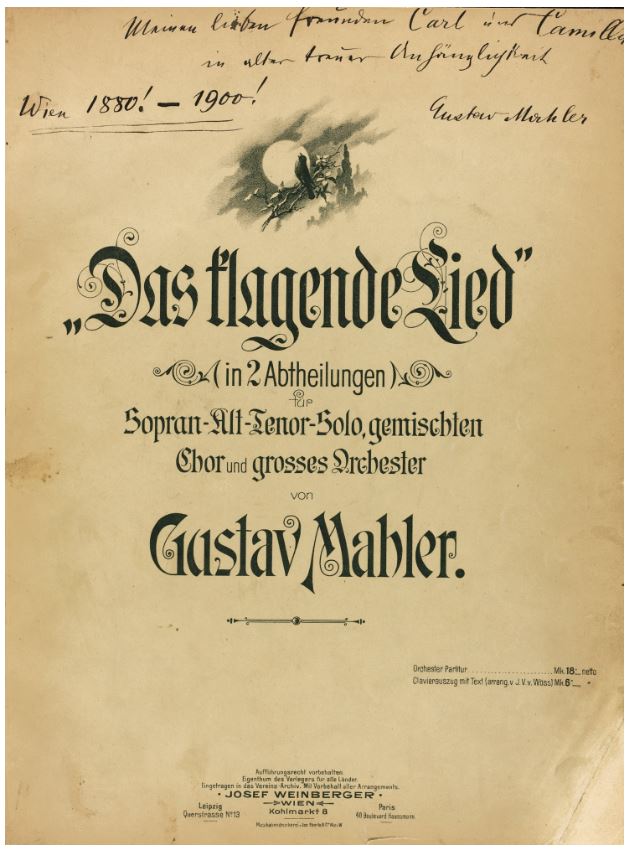


Gennady Rozhdestvensky conducts the original version of Mahler’s Das Klagende Lied. A must

Year 1902: Vocal score of Das klagende Lied, version in two movements, signed and inscribed by Gustav Mahler

Sometimes you just don’t know. You think you understand a work well, very well indeed. You have a soft spot for it, so you’ve collected quite a few recordings and you think there cannot be any secrets left. And then an old, mastered recording drops on your doormat and it leaves you totally flabbergasted.

Until recently, you were still of the opinion that there is nothing better than Giuseppe Sinopoli and that MTT gets you carried away so nicely and completely, if only because of its very grueling tempi. But then your whole world goes haywire, because suddenly it feels as if you have awakened from a long sleep and only now everything is falling into place.

1901 Concert Vienna 17-02-1901 – Das klagende Lied (Premiere).


Mahler was barely 20 when he completed Das klagende Lied, the highly romantic and oh so sad fairy tale about a king’s son who murders his brother in a struggle for power and love. The composer himself considered it his opus 1 and the first work in which he found himself as “Mahler”.


Gennady Rozhdestvensky was the first to conduct Das Klagende Lied in its original, three-part version. For that alone, he deserves more than praise. I am really at a loss for words to describe the performance, because I have never heard the work performed so dramatically and at the same time
so incredibly lyrical and loving.

Rozhdestvensky manages to elicit the most beautiful sounds from the BBC orchestra, most reminiscent of first the awakening and then the ending of the day, the world and the universe. You hear the birds chirping softly and the wind blowing through the trees. And then the sun sets. No, fairy tales were not always cheerful, even when the world still believed in them.

Janacek’s The Fiddler’s Child (recorded in 1979 in Prague) has never before been released on CD. I must confess that I, a big Janácek fan, did not yet know this magnificent work, and I am quite ashamed of that.

Sinopoli:

Michael Tilson Thomas London live

First recording of the version in three movements by Pierre Boulez in 1970:

History of the composition:

https://mahlerfoundation.org/mahler/compositions/das-klagende-lied/das-klagende-lied-versions-and-premieres/


A few words about Mara Zampieri, one of the greatest soprano’s of the last thirty years of the 20th century

© Tamino autographs

IL GIURAMENTO


Some forty years ago, I paid a real fortune for those two badly copied cassette tapes of Saverio Mercadante’s Il Giuramento, recorded live in Vienna on September 9, 1979. And now that the Austrian broadcaster ORF is digging up one after the other live recorded opera from their archives and transferring them to CDs, this splendid opera also came on the market – for little money and in an excellent sound quality (Orfeo C 6800621).

Il Giuramento is, just like La Gioconda, based on Victor Hugo’s play ‘Angelo, Tyrant de Padoue’, but there is a world of difference between the two works. La Gioconda is a very passionate, at times overwhelming, opera and contains a selection of (over)famous arias. Think of ‘Suicidio’ or ‘Cielo e mare’. Il Giuramento is smaller and more intimate. Think of Bellini with a touch of early Verdi.

The whole opera is really nothing but a succession of the most beautiful melodies, which force you to listen without even wanting to sing along. Or it must be ‘Compita è ormai la giusta e terribil vendetta’, a beautiful aria sung with much melancholy and elan by Domingo.


Domingo rehearsed the role, which was completely new to him, in four days (!) and stepped in – after only one rehearsal – for the sick Peter Dvorsky. Who else would be capable of pulling this off?

Mara Zampieri, unlike many of her contemporary colleagues, had a very individual sound that you may or may not like, but you cannot not possibly confuse her with anyone else. Her silver-coloured, sensuous soprano blends in beautifully with the golden velvet of Agnes Baltsa (then still without the ugly register break that marred her later performances so much) and in ‘Oh! Qual nome pronunziaste’ their voices melt together into a wonderful unity that is so beautiful it hurts.


ATTILA


There are those performances where everything is just in perfect harmony and you get the feeling that it could not be any better. People keep talking about them and they become legends.

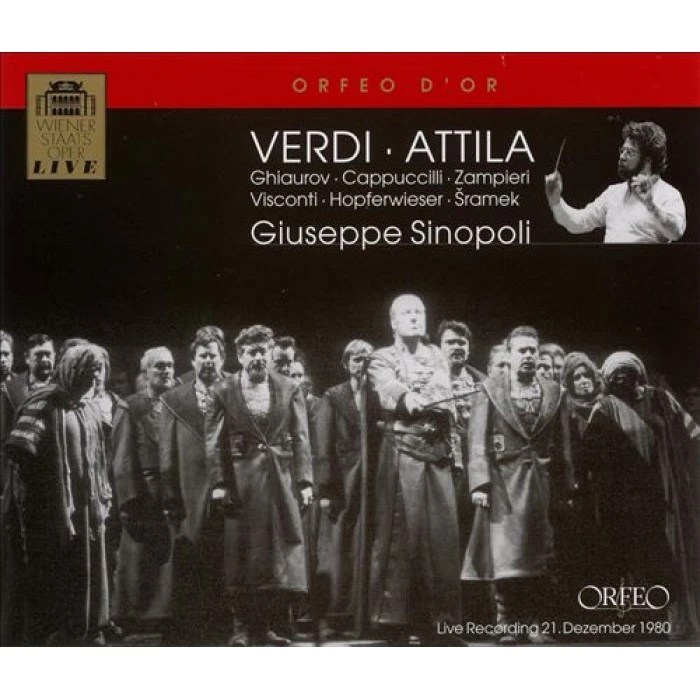
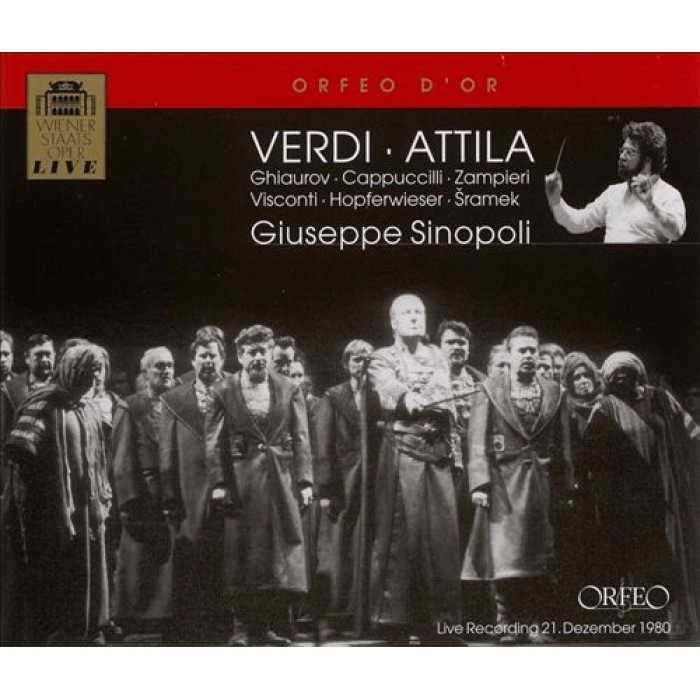
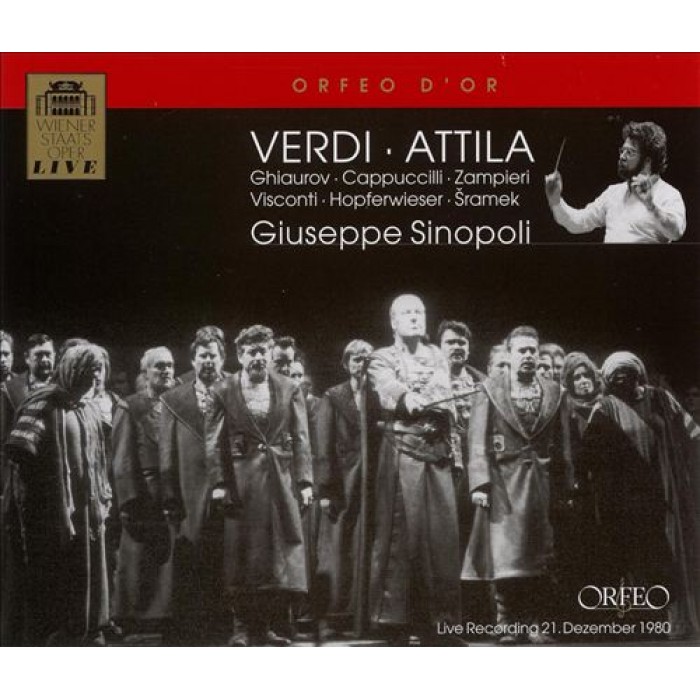
Verdi’s Attila was such a performance, at the Vienna State Opera on 21 December 1980. It was Giuseppe Sinopoli’s debut in the house, his name was still virtually unknown, but the initial reluctance of the audience turned into frenzied enthusiasm from the very first bars. Verdi’s score – not the strongest – has never been heard before with such warmth, fervour and tenderness.

Nicolai Ghiaurov was a great Attila. With his sonorous bass, he gave the character not only the allure of a general but also the gentleness of a loving man.

In her role as Odabella, Mara Zampieri proved that she is not only a fantastic singer with a radiant height and a dramatic attack, but also a great actress.

The stretta ‘E gettata la mia sorte’ in the second act requires the baritone to sing the high b flat. Piero Cappuccilli hit it with ease and suppleness, and then was forced to encore by the frenzied audience, something one seldom experiences in opera. A rare occurrence.


Met Plácido Domingo in La Fanciulla del West

Mara Zampieri sings verismo

And try to find this one, You can’t live without this recording, believe me!
Just  few examples


A brief summary about Cheryl Studer in some of her best roles

SALOME BY MASSENET: HERODIADE


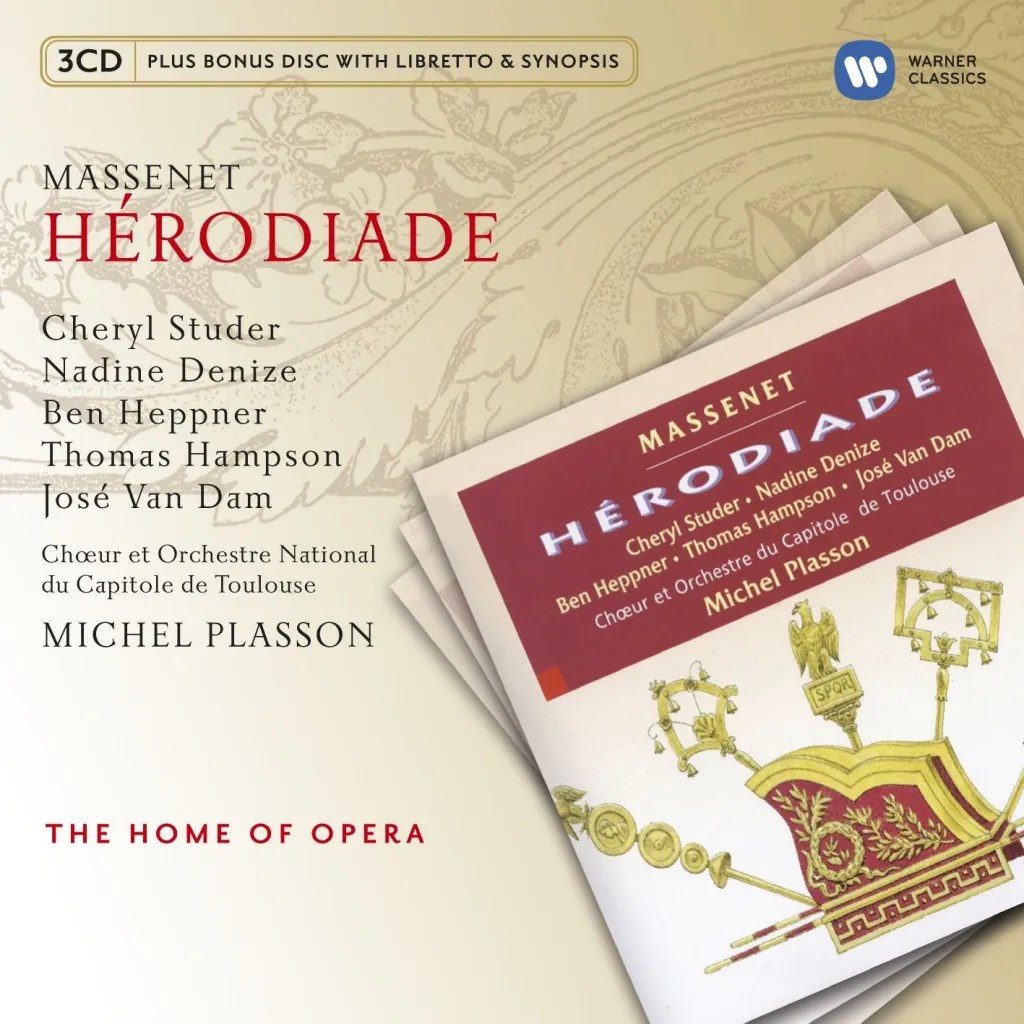
Orchestrally, this recording is really top-notch. Michel Plasson conducts the orchestra from Toulouse very energetically, with a lot of verve and drive, and he also knows how to allow space for all the subtleties. Exciting and beautiful. That is how I like to hear opera.

José van Dam is an impressive Phanuel and Nadine Denize an excellent Hérodiade., although her intonation is not always pure.

Hérode is not really a role for Thomas Hampson, but he sings it very beautifully. Something that unfortunately cannot be said of Ben Heppner’s Jean. A heroic tenor in that role is nothing but a terrible mistake.

Cheryl Studer, on the other hand, is a Salomé of everyone’s dreams: girlish, innocent and naive. Her voice shines and sways and her final words “Ah! Darned Queen, if it is true that your cursed loins have given birth to me, look! Take back your blood and my life!” leave you shuddering and desperately weeping. Brava.

STRAUSS:

SALOME


I realise that many of you will not agree with me, but for me Cheryl Studer is the very best Salome of the last fifty years. At least on CD, because she has never sung the complete role on stage (DG 4318102). Like few others, she knows how to portray the complex character of Salome’s psyche. Just listen to her question ‘Von wer spricht er?’ after which she realises that the prophet is talking about her mother and then she sings in a surprised, childishly naive way: ‘Er spricht von meiner Mutter’. Masterly.

Bryn Terfel is a very virile young Jochanaan (it was, I think, the first time he sang the role), but most beautiful of all is Giuseppe Sinopoli’s very sensual, wide- sounding conducting.


ELEKTRA


This stage production from Vienna (Arthaus Musik 100 048) 1989 is more than extraordinary. Harry Kupfer’s direction is extremely gripping and terrifying, and although he is very realistic in his approach, he limits himself to the directions in the libretto.

The scene is dominated by grey in all its shades and is particularly dark. The only colour in the performance looms when Chrysotemis, at her heartfelt cry that she wants to live and bear children, rips open her blouse and reveals a red vest.

Eva Marton (Elektra) is exceptionally convincing: moving in her longing for her father, repulsive in her contempt for her sister and terrifying during her confrontation with her mother.

Cheryl Studer is a splendid Chrysothemis. With her slightly sweet, lyrical, yet still exceptionally powerful soprano, she can portray a very strong character: her Chrysotemis is a girl disappointed in life with a strong desire to escape, but without the decisiveness to actually bring it about.
Also phenomenal is Brigitte Fassbänder in her portrayal of the mentally ill queen, plagued by nightmares and guilt. Both the mother and her two daughters would be on Freud’s couch in no time – talk about hysterical women!
Franz Grundheber is an exemplary Orest and Claudio Abbado conducts with an intensity that borders on the impossible.


FRAU OHNE SCHATTEN


In 1992, Solti conducted a complete performance of the work in Salzburg. Götz Friedrich’s direction was considered particularly strong at the time, but I do not find it entirely satisfactory. The mise-en-scène is undoubtedly excellent, but it fails with the direction of the characters, causing the singers to run from place to place in a rather awkward way.

The stage design is beautiful with very minimalist but realistic sets, but the costumes are a bit bizarre at times. There is a lot of use of strobe lighting, which combined with violent musical passages may come across as rather violent.

Cheryl Studer is a dream of an Empress. Her voice, with its very recognisable timbre and beautiful pitch, is soaring, transparent almost, innocent and erotic at the same time. Thomas Moser is an attractive Emperor, perhaps a tad too light for the role, causing him occasional breathlessness and pressed notes, but his singing is fine.

Marjana Lipovšek is a truly phenomenal Amme. What that woman has at her disposal in terms of colour nuances and how she handles her (very warm) mezzo borders on the miraculous. In the process, she is also a gifted actress; I couldn’t take my eyes off her. (Decca 0714259)

WAGNER

TANNHÄUSER


I have never been a ‘Wagnerian’. I could never muster the patience to sit through hours of his operas. I found them bombastic. Pathetic. And even though I had to admit that there were some beautiful melodies, I felt that I really needed a pair of scissors and radically shorten them

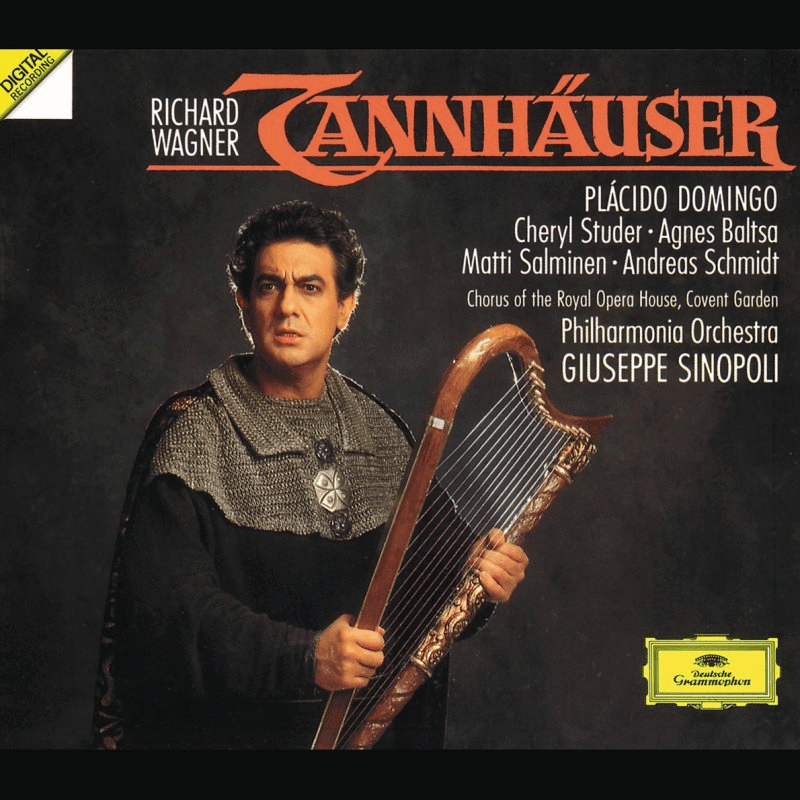
That this feeling has totally changed, I owe to Domingo. In my collector’s mania (I had to have everything he had done), I bought Tannhäuser (DG 4276252) in 1989. And then it happened: I became addicted.

Later, I learned to appreciate the music for itself and to this day, Tannhäuser is not only a very beloved Wagner opera, but also one of my absolute favourites.

I still consider this recording, conducted very sensually by Giueseppe Sinopoli, to be one of the best ever. Also because all the roles (Cheryl Studer as Elisabeth and Agnes Baltsa as Venus, such wealth!) are excellently cast. At the time, in the eighties and early nineties, this was not necessarily a given.


DER FLIEGENDE HOLLÄNDER


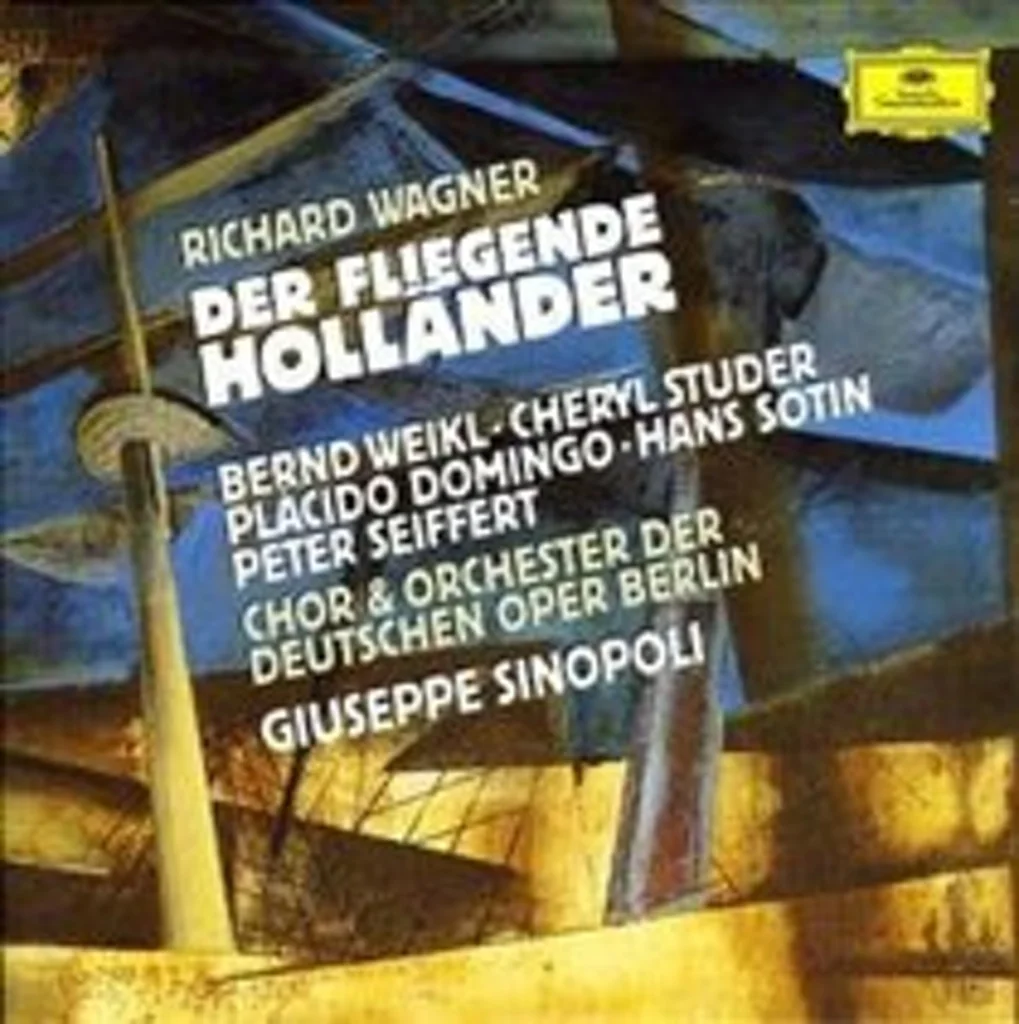
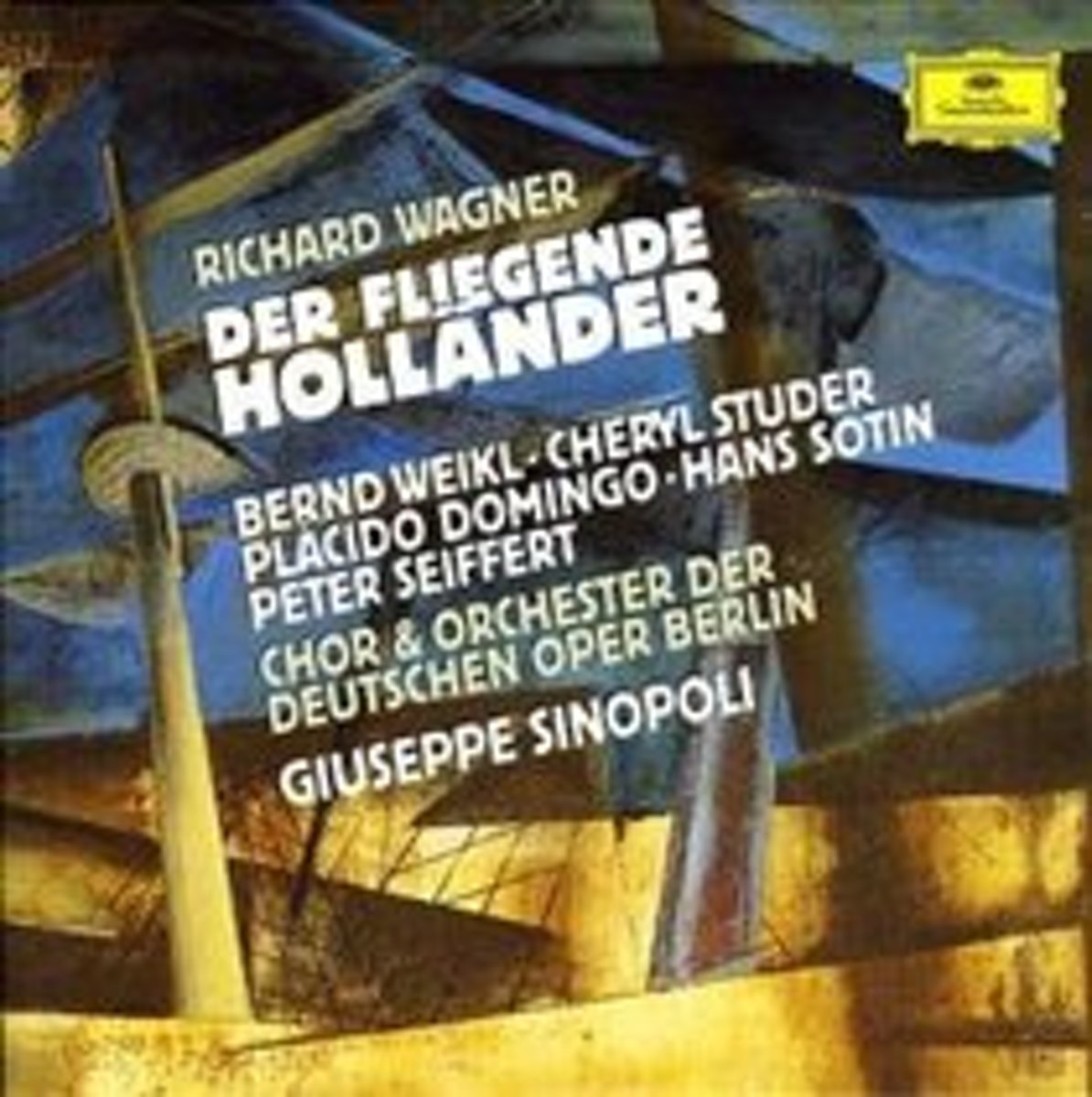
This CD recording from 1998 (DG 4377782) is particularly dear to me. First of all because of Cheryl Studer, at the time probably the most beautiful Senta one could imagine. Her wonderfully lyrical soprano with its easy and sensual height seemed made for the role.

The Holländer is sung here by Bernd Weikl. Not really the youngest anymore and you can really tell, but still very suitable for the role. Peter Seiffert is a splendid Steuerman, and in the role of Erik we hear none other than Plácido Domingo, a luxury!

But best of all is the orchestra: under the truly inspired leadership of Giuseppe Sinopoli, the Orchester der Deutsche Oper Berlin performs in a really magnificent way.


Giuseppe Sinopoli in memoriam

On 20 April 2001 Giuseppe Sinopoli died of a heart attack while conducting Aida in Berlin. He had just started the third act when he lost consciousness……
Sinopoli was 54 years old.


ATTILA


There are those performances where everything is just in perfect harmony and you get the feeling that it could not be any better. People keep talking about them and they become legends.

Verdi’s Attila was such a performance, at the Vienna State Opera on 21 December 1980. It was Giuseppe Sinopoli’s debut in the house, his name was still virtually unknown, but the initial reluctance of the audience turned into frenzied enthusiasm from the very first bars. Verdi’s score – not the strongest – has never been heard before with such warmth, fervour and tenderness.

Nicolai Ghiaurov was a great Attila. With his sonorous bass, he gave the character not only the allure of a general but also the gentleness of a loving man.

In her role as Odabella, Mara Zampieri proved that she is not only a fantastic singer with a radiant height and a dramatic attack, but also a great actress.


The stretta ‘E gettata la mia sorte’ in the second act requires the baritone to sing the high b flat. Piero Cappuccilli hit it with ease and suppleness, and then was forced to encore by the frenzied audience, something one seldom experiences in opera. A rare occurrence.


TANNHÄUSER


I have never been a ‘Wagnerian’. I could never muster the patience to sit through hours of his operas. I found them bombastic. Pathetic. And even though I had to admit that there were some beautiful melodies, I felt that I really needed a pair of scissors and radically shorten them

That this feeling has totally changed, I owe to Domingo. In my collector’s mania (I had to have everything he had done), I bought the recently released Tannhäuser (DG 4276252) in 1989. And then it happened: I became addicted.

At first, it was mainly Domingo who was to ‘blame’, whose deeply human interpretation of the title role gave me the goose bumps. His words:  “Wie sagst du, Wofram? Bist du denn nicht mein Feind?” (sung with emphasis on ‘mein’ and ‘Feind’ and with a childish question mark at the end of the phrase) caused me to burst into tears.

Later, I learned to appreciate the music for itself and to this day, Tannhäuser is not only a very beloved Wagner opera, but also one of my absolute favourites.

I still consider this recording, conducted very sensually by Giueseppe Sinopoli, to be one of the best ever. Also because all the roles (Cheryl Studer as Elisabeth and Agnes Baltsa as Venus, such wealth!) are excellently cast. At the time, in the eighties and early nineties, this was not necessarily a given.


DER FLIEGENDE HOLLÄNDER


This CD recording from 1998 (DG 4377782) is particularly dear to me. First of all because of Cheryl Studer, at the time probably the most beautiful Senta one could imagine. Her wonderfully lyrical soprano with its easy and sensual height seemed made for the role.

The Holländer is sung here by Bernd Weikl. Not really the youngest anymore and you can really tell, but still very suitable for the role. Peter Seiffert is a splendid Steuerman, and in the role of Erik we hear none other than Plácido Domingo, a luxury!

But best of all is the orchestra: under the truly inspired leadership of Giuseppe Sinopoli, the Orchester der Deutsche Oper Berlin performs in a really magnificent way.


SALOME


I realise that many of you will not agree with me, but for me Cheryl Studer is the very best Salome of the last fifty years. At least on CD, because she has never sung the complete role on stage (DG 4318102). Like few others, she knows how to portray the complex character of Salome’s psyche. Just listen to her question ‘Von wer spricht er?’ after which she realises that the prophet is talking about her mother and then she sings in a surprised, childishly naive way: ‘Er spricht von meiner Mutter’. Masterly.

Bryn Terfel is a very virile young Jochanaan (it was, I think, the first time he sang the role), but most beautiful of all is Giuseppe Sinopoli’s very sensual, wide- sounding conducting.

Giuseppe Sinopoli in memoriam

Op 20 april 2001 is Giuseppe Sinopoli tijdens het dirigeren van Aida in Berlijn overleden. Hij was net met de derde akte begonnen….. Sinopoli was 54 jaar oud.

Attila

Attila

Er zijn van die voorstellingen waar alles perfect op elkaar afgestemd is en waarbij je het gevoel krijgt dat het niet beter kan. Er wordt nog lang over nagepraat en ze verworden tot een legende.
Zo’n voorstelling was Verdi’s Attila in de Weense Staatsoper op 21 december 1980. Het was Giuseppe Sinopoli’s debuut in het huis, zijn naam was nog vrijwel onbekend, maar de aanvankelijke terughoudendheid bij het publiek veranderde in een uitzinnig enthousiasme al bij de eerste maten. Zo warmbloedig, vurig en teder tegelijk heeft men de – toch niet sterkste – score van Verdi niet eerder gehoord.

Nicolai Ghiaurov was een grootse Attila. Met zijn sonore bas gaf hij zijn personage niet alleen de allure van een veldheer maar ook de zachtheid van een liefhebbend man.

In haar rol als Odabella bewees Mara Zampieri dat ze niet alleen een fantastische zangeres is met een stralende hoogte en een dramatisch attaque, maar ook een actrice van formaat.

De stretta ‘E gettata la mia sorte’ in de tweede acte verlangt van de bariton de hoge bes. Piero Cappuccilli haalde die met gemak en souplesse, en werd door het uitzinnige publiek gedwongen tot bisseren, iets wat je maar zelden meemaakt in de opera. Een zeldzame ervaring.


Fliegende Holländer

Fliegende Hollander Sinopoli

Deze cd-opname uit 1998 (DG 4377782) is mij bijzonder dierbaar. Allereerst vanwege Cheryl Studer, toen wellicht de mooiste Senta die men zich kon voorstellen. Haar heerlijk lyrische sopraan met makkelijke en sensuele hoogte leek geschapen voor die rol.

De Holländer wordt hier gezongen door Bernd Weikl. Niet echt de jongste meer en dat hoor je, maar voor die rol zeer passend. Peter Seiffert is een pracht van Der Steuerman, en in de rol van Erik hoor je niemand minder dan Plácido Domingo, een luxe!

Maar het allermooist is het orkest: onder de werkelijk bezielde leiding van Giuseppe Sinopoli speelt het Orchester der Deutsche Oper Berlin sterren van de hemel.


Salome

Salome Studer

Ik realiseer mij wel dat velen van u het niet met mij eens zullen zijn, maar voor mij is Cheryl Studer één van de allerbeste Salome’s van de laatste vijftig jaar. Althans op cd, want zij heeft de rol nooit compleet op de bühne gezongen (DG 4318102). Als weinig anderen weet zij het complexe karakter van Salome’s psyche weer te geven. Luister alleen maar naar haar vraag ‘Von wer spricht er?’ waarna zij zich realiseert dat de profeet het over haar moeder heeft en op een verbaasde, kinderlijk naïeve manier zingt: ‘Er spricht von meiner Mutter’. Meesterlijk.

Bryn Terfel is een zeer viriele, jonge Jochanaan (het was, denk ik, de eerste keer dat hij de rol zong), maar het allermooiste is de zeer sensuele, breedklankige directie van Giuseppe Sinopoli.

Legendarische Attila uit Wenen

AttilaEr zijn van die voorstellingen waar alles perfect op elkaar afgestemd is en waarbij je het gevoel krijgt dat het niet beter kan. Er wordt nog lang over nagepraat en ze verworden tot een legende.
Zo’n voorstelling was Verdi’s Attila in de Weense Staatsoper op 21 december 1980.Het was Giuseppe Sinopoli’s debuut in het huis, zijn naam was nog vrijwel onbekend, maar de aanvankelijke terughoudendheid bij het publiek veranderde in een uitzinnig enthousiasme al bij de eerste maten. Zo warmbloedig, vurig en teder tegelijk heeft men de – toch niet sterkste – score van Verdi niet eerder gehoord.

Nicolai Ghiaurov was een grootse Attila. Met zijn sonore bas gaf hij zijn personage niet alleen de allure van een veldheer maar ook de zachtheid van een liefhebbend man.

In haar rol als Odabella bewees Mara Zampieri dat ze niet alleen een fantastische zangeres is met een stralende hoogte en een dramatisch attaque, maar ook een actrice van formaat

De stretta ‘E gettata la mia sorte’ in de tweede acte verlangt van de bariton de hoge bes. Piero Cappuccilli haalde die met gemak en souplesse, en werd door het uitzinnige publiek gedwongen tot bisseren, iets wat je maar zelden meemaakt in de opera. Een zeldzame ervaring.


Giuseppe Verdi
Attila
Nicolai Ghiaurov, Piero Cappuccilli, Mara Zampieri, Piero Visconti
Chor und Orchester der Wiener Staatsoper olv Giuseppe Sinopoli
Orfeo C 601 0321

Der Fliegende Holländer op twee cd’s en twee dvd’s

Fliegende Hollander Dresden

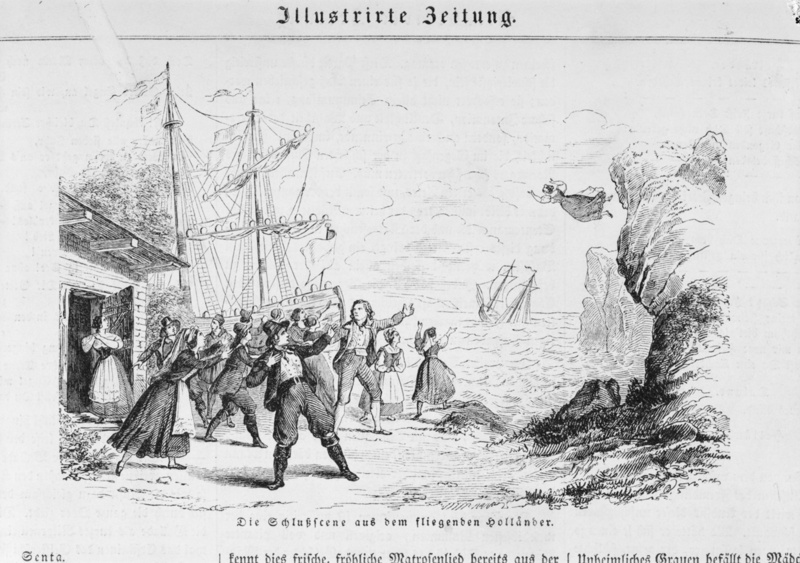
Schlußszene aus “Der fliegende Holländer” von Richard Wagner. Bühnenbild der Uraufführung 1843 in Dresden. Reproduktionsholzschnitt
SLUB/Deutsche Fotothek; Deutsche Fotothek

CD’S

GIUSEPPE SINOPOLI 1998

Fliegende Hollander Sinopoli

Deze cd-opname uit 1998 (DG 4377782) is mij bijzonder dierbaar. Allereerst vanwege Cheryl Studer, toen wellicht de mooiste Senta die men zich kon voorstellen. Haar heerlijk lyrische sopraan met makkelijke en sensuele hoogte leek geschapen voor die rol.

De Holländer wordt hier gezongen door Bernd Weikl. Niet echt de jongste meer en dat hoor je, maar voor die rol zeer passend. Peter Seiffert is een pracht van Der Steuerman, en in de rol van Erik hoor je niemand minder dan Plácido Domingo, een luxe!

Maar het allermooist is het orkest: onder de werkelijk bezielde leiding van Giuseppe Sinopoli speelt het Orchester der Deutsche Oper Berlin sterren van de hemel.


ANDRIS NELSONS 2013

Fliegende Hollandedr Nelsons KCO

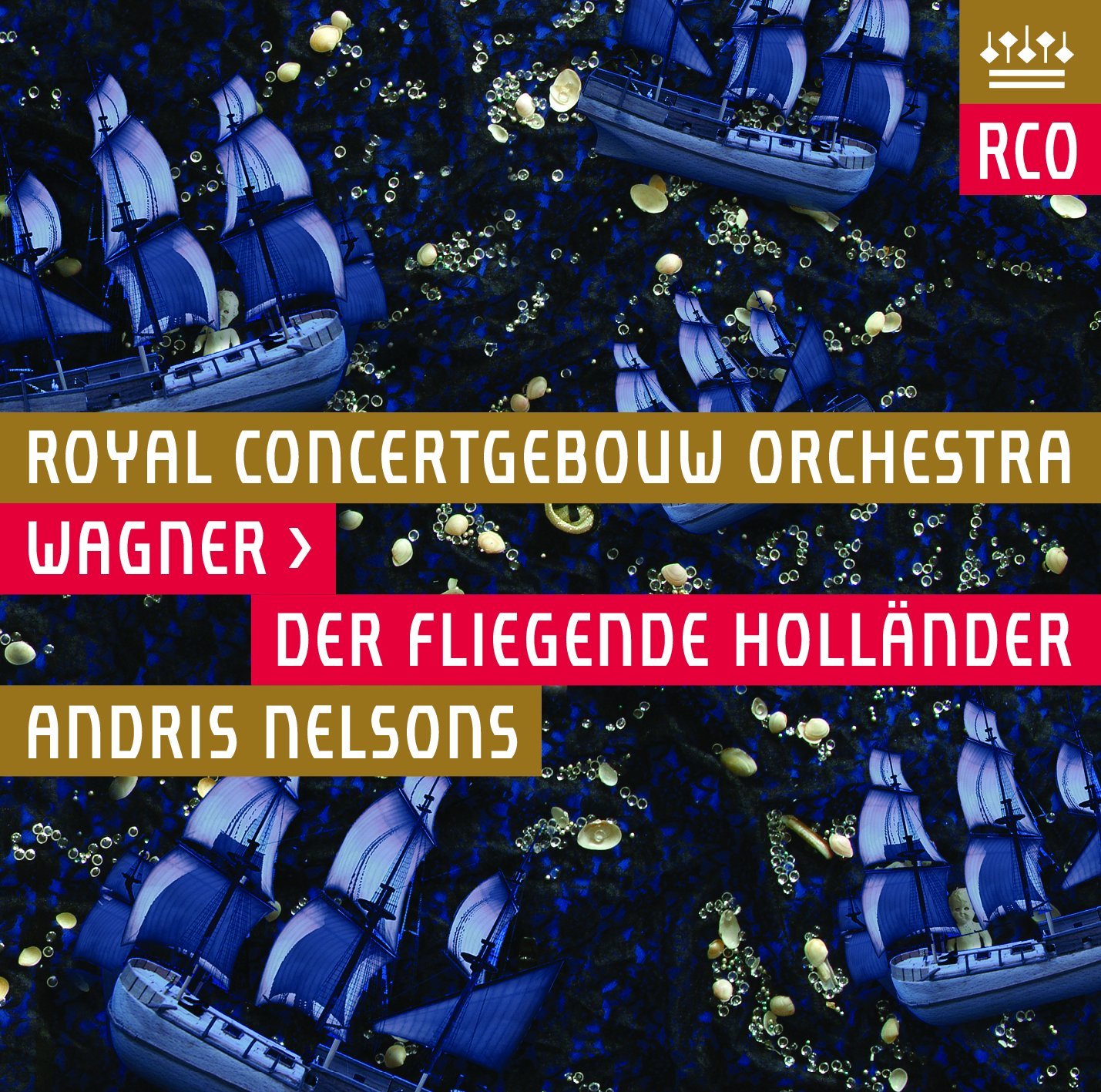
Na de semiconcertante uitvoeringen van Der Fliegende Holländer in het Amsterdamse Concertgebouw (24 en 26 mei 2013) waren de meningen van zowel de recensenten als het publiek dermate verdeeld dat het tot felle discussies op de operaforums heeft geleid. Het leek net oorlog.

De opera-uitvoering werd door het eigen label van het Concertgebouworkest vastgelegd en is inmiddels op de markt gebracht. Iedereen kan nu dus zijn eigen oordeel vormen. Nu is een opname, zelfs als het live is gerealiseerd niet te vergelijken met wat je in de zaal hoort, maar het resultaat is voor mij meer dan bevredigend.

Echt moeite heb ik alleen met Anja Kampe (Senta). Het ligt aan haar manier van zingen, met te weinig legato en te veel uithalen. Haar klank kan bij luidere passages onaangenaam scherp worden, iets wat haar ballade bij vlagen ontsiert. Als Senta hoor ik toch liever een stem die lichter en lyrischer is, minder scherp.

Christopher Ventris vind ik een mooie Erik. Hij benadert zijn rol vanuit het belcanto, vanzelfsprekend eigenlijk, zeker voor de vroege Wagner.

Kwangchul Youn is een beetje onstabiel als Daland, maar zijn interpretatie staat als een huis, daarvoor wil ik een min of meer wankele noot voor lief nemen. Hetzelfde geldt ook de oudgediende Terje Stensvold als de Hollander

Over het orkest kan ik kort zijn: adembenemend. Nelsons schuwt het overweldigende geluid niet (de ouverture!), maar weet het, waar nodig tot de mooiste pianissimi te dimmen. (RCO 14004 )


DVD

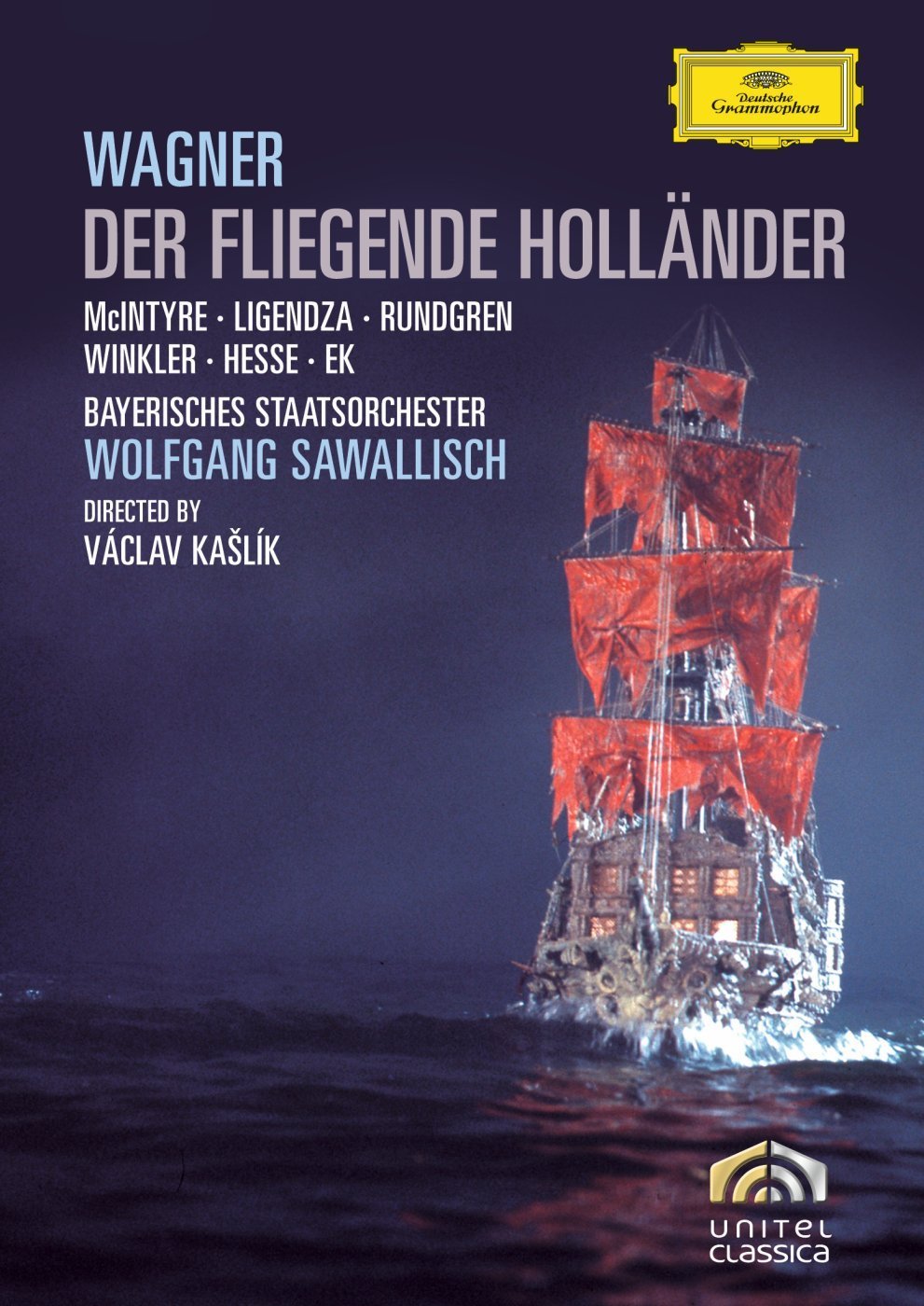
WOLFGANG SAWALLISCH 1975

Fliegende Hollander Sawallisch dvd

Eind jaren zeventig en tachtig, toen de opera nog (een beetje) een main stream was, werden veel opera’s ook voor de bioscoop of de tv opgenomen, als film dan.

Ook de door de Tsjechische regisseur Václav Kašlík in 1975 gemaakte verfilming is eigenlijk een speelfilm met muziek. Niets op tegen, zeker als het resultaat zo verbluffend is. Er valt veel te genieten van de opzienbarende stormscènes en de goed opgebouwde spanning. De regisseur volgt de aanwijzingen van Wagner nauwkeurig op, waardoor het zonder meer _ook_ ‘een goede kennismaking met …’ kan zijn.

De Zweedse Catarina Ligendza was in de jaren zeventig één van de grootste Wagner-zangeressen. Behalve de meer lyrische rollen zoals Senta, zong zij ook Isolde en dat deed zij zeer overtuigend. Ook Donald McIntyre was gepokt en gemazeld in het ‘Wagner-fach’, en alleen al voor die twee hoofdrolvertolkers is de dvd meer dan moeite van het aanschaffen waard.

Wolfgang Sawallisch was meer dan 20 jaar de vaste dirigent van het Bayerischer Staatsorchester, en dat hoor je: ze zijn als het ware met elkaar vergroeid.

De complete opname staat op You Tube:

CHRISTIAN TIELEMANN 2013

Fliegende Hollander Glogger Bayreuth

Allemaal weten wij waar Der Fliegende Holländer over gaat. Toch? De legende over de door de woeste zeeën dolende ziel op zoek naar verlossing is alom bekend. Er zijn boeken over geschreven, schilderijen over gemaakt, muziek over gecomponeerd… Ook de psychiaters hebben zich er mee bemoeid, want alles moet verklaarbaar zijn, dus ook de drang naar zelfopoffering.

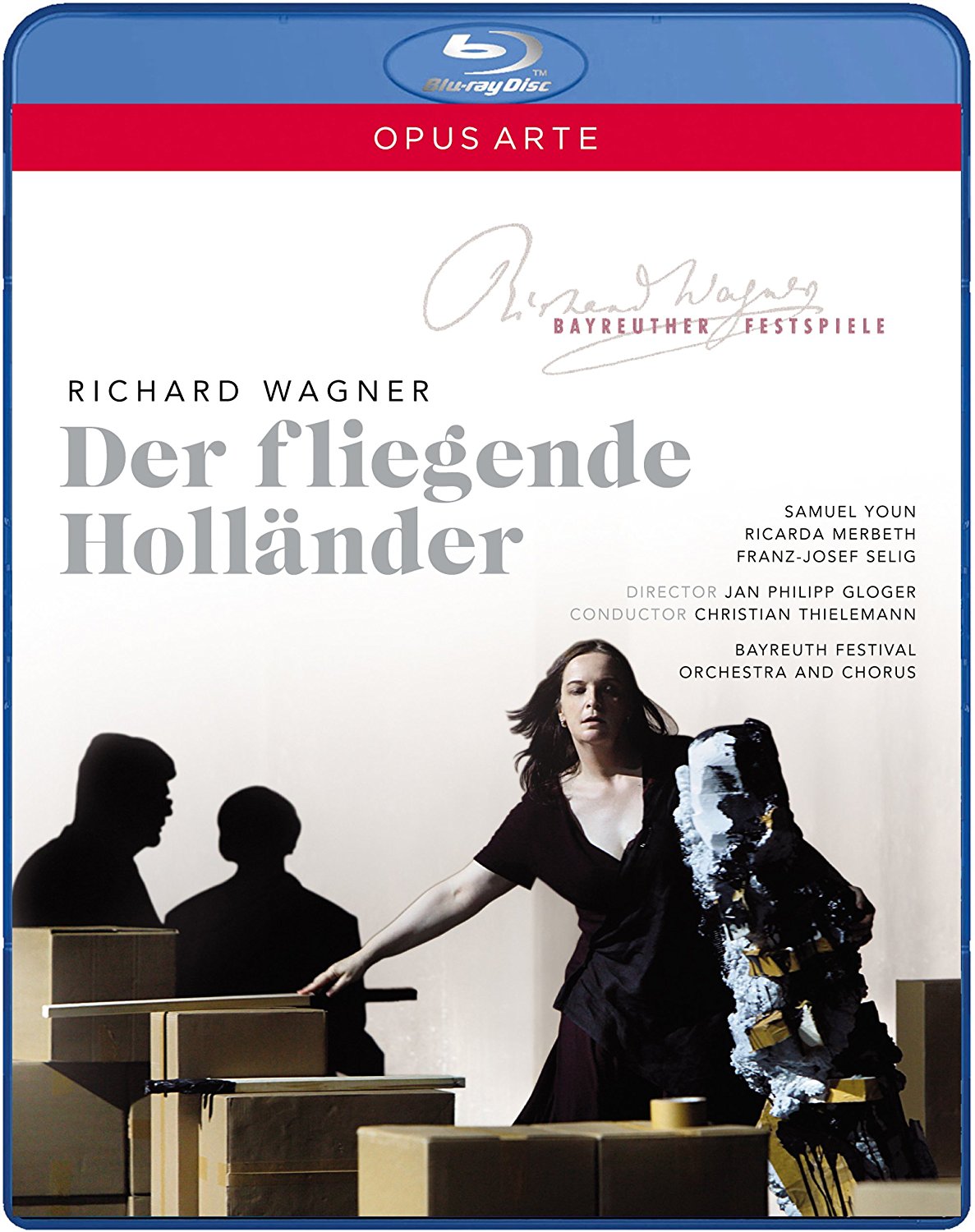
Mis. Allemaal hadden en hebben wij het verkeerd begrepen. De woeste zeeën staan symbool voor “business as usual”, dus speelt de door  Jan Philipp Gloger productie van de Hollander (Bayreuth, 2013) zich in een soort door stratosferische lichten verlichte Wall Street met heren in driedelig grijs, met een boekhouder aan het ‘stuur’.

Tegenwoordig mag alles, zeker in Bayreuth, dus echt verbaasd ben ik niet. Ik zet alleen het beeld uit en luister verder naar wat een meer dan een fatsoenlijke uitvoering is van de eerste ‘volwassene’ opera van Wagner.

Ricarda Merbeth is een formidabele Senta, met een kanon van een stem en een vleugje metaal in haar topnoten, wat ik als zeer plezierig ervaar. Samuel Youn is een prima, al een beetje lichtgewicht Holländer, Tomislav Mužek een zeer betrokken Erik en Franz-Josef Selig een imponerende Daland.

Maar het meest werd ik getroffen door de jonge Benjamin Bruns (Steuermann), van hem gaan wij nog zeer zeker horen! (Opus Arte OA 1140D)

Een kort fragment: