The intoxicating sound of Franz Schreker
THE SOUND
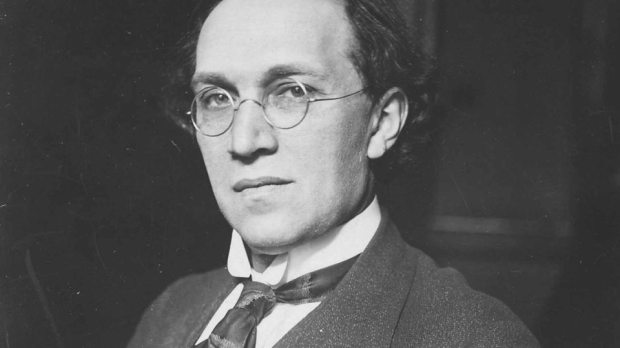
On the threshold of the twentieth century, many artists were guided in their work by the desire – and the search – for a perfect world. It had to do with the spirit of the times, among other things, and it influenced many painters, writers, poets and composers in their work. But with no other artist it was as prominent as with Franz Schreker (1878-1934). The search for ‘the’ sound dominated his entire life, he was fascinated and obsessed with it. A sound that would die of its own accord, but not really, because it had to continue to be heard – if only in your thoughts. It had to be a pure sound, but one with orgasmic desire and interwoven with visions. Intoxicating. Narcotic. In his music I really hear the perfect sound that he so desired which makes me intensely happy.
For Schreker you can wake me up in the middle of the night. The fusion of shameless emotions with undisguised eroticism and intense beauty turns me into an ‘Alice in wonderland’. I want more and more of it. Call me a junkie. I consider his operas to be the most beautiful in existence, alongside those of Puccini and Korngold.
DIE GEZEICHNETEN
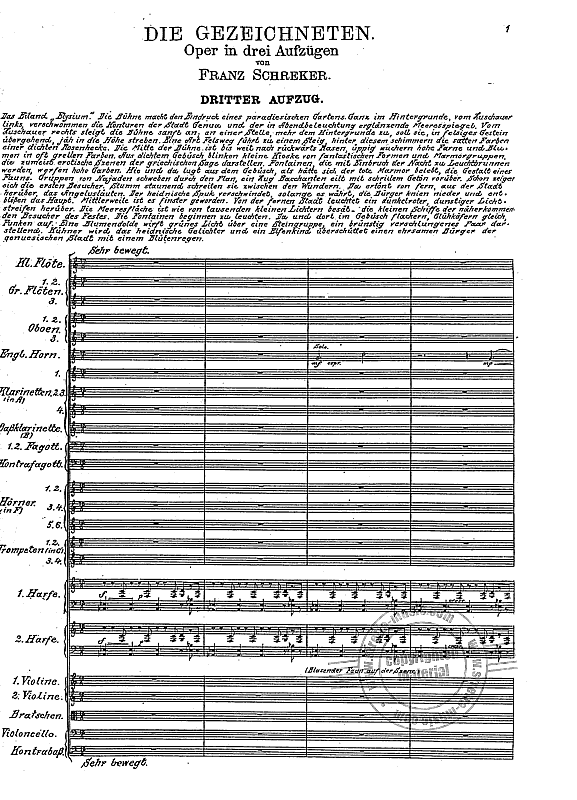
The idea came from Zemlinsky. He wanted to compose an opera about an ugly man – his obsession – and commissioned the libretto from Schreker. After finishing his work, it was hard for Schreker to give up his text. Fortunately, Zemlinsky abandoned the opera so Schreker started to compose himself.
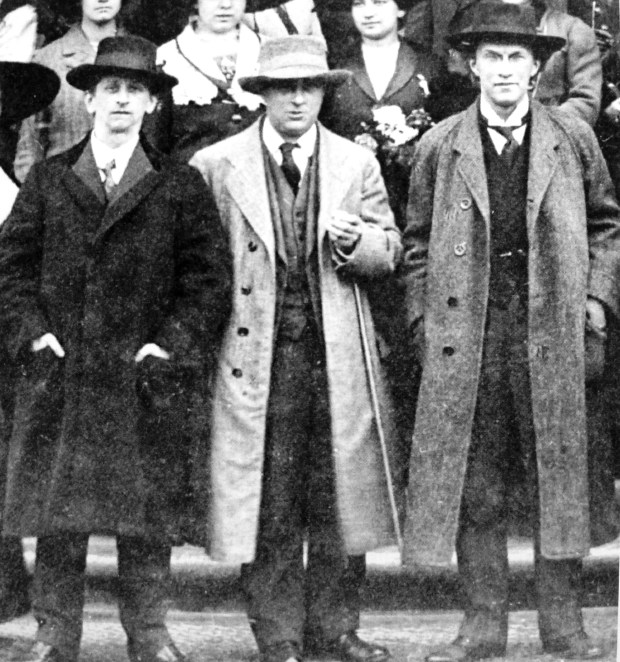
Zemlinsky, Schoenberg and Schreker in Prague 1912
Like Der Ferne Klang, perhaps his best-known work, Die Gezeichneten also deals with the search for unattainable ideals. Alviano, a deformed rich nobleman from Genoa, dreams of beauty and perfection. On an island he has ‘Elysium’ built, a place where he hopes to realize his ideals. What he doesn’t know is that the noblemen abuse his island: they are engaged in orgies, rapes and even murders.

The title of the opera is ambiguous. Not only are the main characters ‘marked’ (Alviano by his monstrous appearance and Carlotta by a deadly illness), Carlotta also makes a drawing of Alviano, in which she tries to capture his soul.

Alviano: photo from the premiere in Frankfurt 1918 via Green Integer Blog
This beautiful opera, with its thousands of colours and sensual sounds (just listen to the overture, goosebumps!), is being staged more and more nowadays. In 1990 it was performed at the Saturday Matinee, with an ugly singing but very involved and therefore very vulnerable William Cochran as Alviano and a phenomenal Marilyn Schmiege as Carlotta (Marco Polo 8.223328-330).

ENTARTETE MUSIC
When the Nazis came to power, Schreker was labelled an ‘entartet’. His works were banned and no longer performed. In 1933 he was dismissed from all his engagements and suspended. Schreker was devastated. In December of that year he suffered a heart attack which became fatal to him. But even after the war Schreker was hardly ever performed. The same fate awaited him as (among others) Korngold, Braunfels, Goldschmidt, Zemlinsky, Waxman …. An unprecedented number of names of composers. They were once labeled ‘Entartet’ by the Nazis and banned, reviled, expelled and murdered. Forgotten. And that was not just the fault of the Nazis.
After the war, the young generation of composers did not want to know about emotions anymore. Music had to be devoid of any sentiment and subject to strict rules. Music had to become universal: serialism was born. The past was dealt with, including composers from the 1930s. It is only in the last twenty years that the once forbidden composers have regained their voices. The Saturday Matinee has played a major role in this and I thank them on my bare knees for that.
LISTENING SUGGESTIONS:
Vorspiel zu einem Drama’, a Prelude created by the composer himself for ‘Die Gezeichneten’:
Evelyn Lear (Carlotta) and Helmut Krebs (Alviano), scene from the second act:
On Spotify you can find several performances of the complete opera.
If you want to have images as well: below you will find the recording from Salzburg 2005.
Translated with http://www.DeepL.com/Translator
Groot, groter, grootst. Antonio Pappano dirigeert de Grande messe des morts van Berlioz
Indrukwekkend, ontzagwekkend, dramatisch. Het Grande messe des morts van Berlioz is dat allemaal. Groter dan groot, grootst. Overweldigend. Maar is het ook mooi? Ik heb er niets mee en als ik eerlijk mag zijn dan vind ik het werk gewoon bombastisch en megalomaan. Goed: er zijn momenten van verstilling en contemplatie, maar: te weinig, te schaars. Het ligt zonder meer aan mij, want veel van mijn collega’s beschouwen het werk als het beste requiem ooit gecomponeerd.
Berlioz componeerde zijn Dodenmis op verzoek van een Franse minister voor de herdenking van de soldaten die tijdens de Juli-revolutie van het jaar 1830 waren gesneuveld. Iets wat zonder meer een grote eer was voor de toen 33-jarige componist
Ik heb het werk, dat door veel mensen als Berlioz’ opus magnum wordt beschouwd nog nooit _live_ gehoord. Het staat ook niet al te vaak op het repertoire want het is geen sinecuur om de vereiste – ik citeer – “50 violen, 20 altviolen, 20 cello’s, 18 contrabassen, en een grote batterij hout- en koperblazers (met onder meer 12 hoorns en 8 fagotten. Daarnaast veel slagwerk (waaronder 10 spelers voor vier pauken) én vier extra koperensembles”. Tel nog 220 zangers er bij … Ik zei het al: megalomaan.
Dat was ook mijn voornaamste indruk na de – eerlijk is eerlijk – fantastische uitvoering door het Koninklijk Concertgebouworkest, twee top koren en een zoetgevooisde top tenor onder leiding van één van ’s werelds beste dirigenten, Antonio Pappano. Ik werd er onder bedolven, onder de klankmassa, waar de samenhang voor mij moeilijk te doorgronden was.
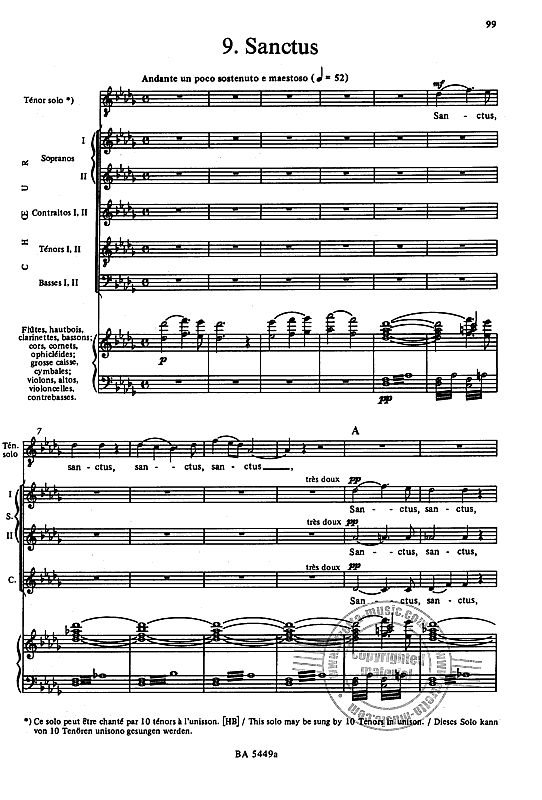
Niet, dat er geen momenten van bezinning in zitten. Zo werd ik zeer gegrepen door de het ‘Sanctus’, een van de weinig tere momenten die Berlioz in zijn werk heeft ingelast. En waarin de tenor evenzeer teer werd begeleid door zachte fluitklanken. Lang heeft het niet geduurd want al gauw kwamen de vrouwenstemmen en het ging weer donderen.
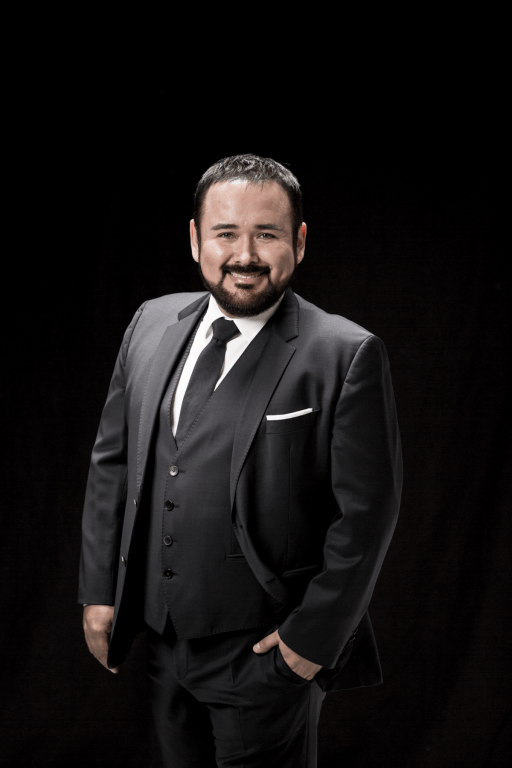
© Centre Stage Artist Management (CSAM)
De tenor van dienst was niemand minder dan de Mexicaanse startenor Javier Camarena. Iemand die ik alleen maar kende van de uitvoeringen van belcanto opera’s. Verrassend genoeg was hij hier uitstekend op zijn plaats, zijn waanzinnig mooi lyrisch geluid voelde als een balsem voor de door het lawaai aan flarden gescheurde ziel. Bij wijze van spreken dan. Verrassend genoeg wist hij ook nog eens boven het lawaai van het orkest en het koor uit te komen. Hulde!
Het Groot Omroepkoor en het Koor van de Accademia Nazionale di Santa Caecilia uit Rome waren een super de luxe mix. Het klonk alsof ze altijd al samen met elkaar hadden gezongen, zo homogeen en zo zuiver hadden ze geklonken. Petje af.
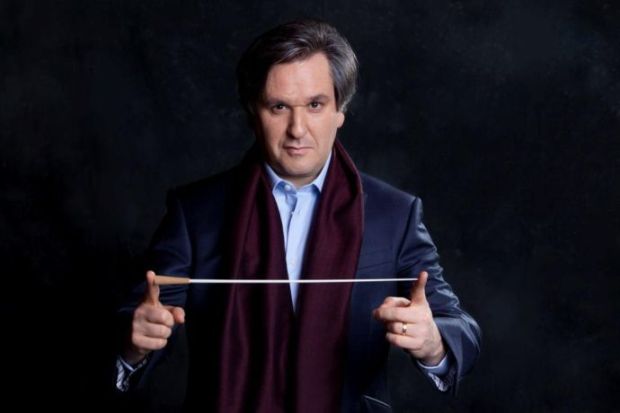
© Concertgebouw
Het moet gezegd: Antonio Pappano voelde zich in het werk als vis in het water. Het was duidelijk dat hij er feeling mee had en zo begeleidde hij het KCO naar ongekende hoogten. Ik vond het alleen best jammer dat de vier blaasbanda’s niet in de vier hoeken van de zaal stonden, zoals voorgeschreven. Wat voor mensen die op de balkon en op het podium zaten tot een raar balans had kunnen leiden. Gelukkig zat ik in de zaal.
De Grande messe des morts wordt zondagmiddag op Radio 4 uitgezonden.
Koninklijk Concertgebouworkest olv Antonio Pappano
Javier Camarena (tenor)
Groot Omroepkoor, Koor van de Accademia Nazionale di Santa Cecilia (instudering: Ciro Visco)
Gehoord op 3 mei 2019 in het Concertgebouw in Amsterdam
After the Darkness: the Hague String Trio brings suppressed composers back to life

The title of this CD is taken from the book with the same name by Auschwitz survivor Elie Wiesel, ‘After the Darkness: Reflections on the Holocaust’.
Gideon Klein and Hans Krása:


Hans Krása (1899-1944) and Gideon Klein (1919-1945) ended up in the Terezín concentration camp (Theresienstadt), before being deported to Auschwitz where they were murdered. But until that time they continued to compose as well as they could. In Terezín, yes. That is where both Krása’s Passacaglia & Fugue and Tanec (Dance) were composed, as well as Gideon Klein’s incredibly beautiful String Trio.
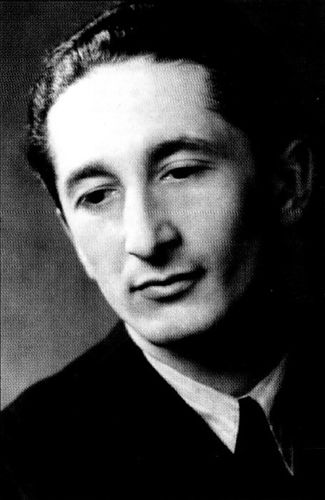
The Hungarian Lászlo Weiner (1916-1944) was deported in February 1943 to the labour camp in Lukov (Slovakia), where he was murdered a year later. I had not heard his Serenade for string trio from 1938 before. Why is that? It’s just beautiful!
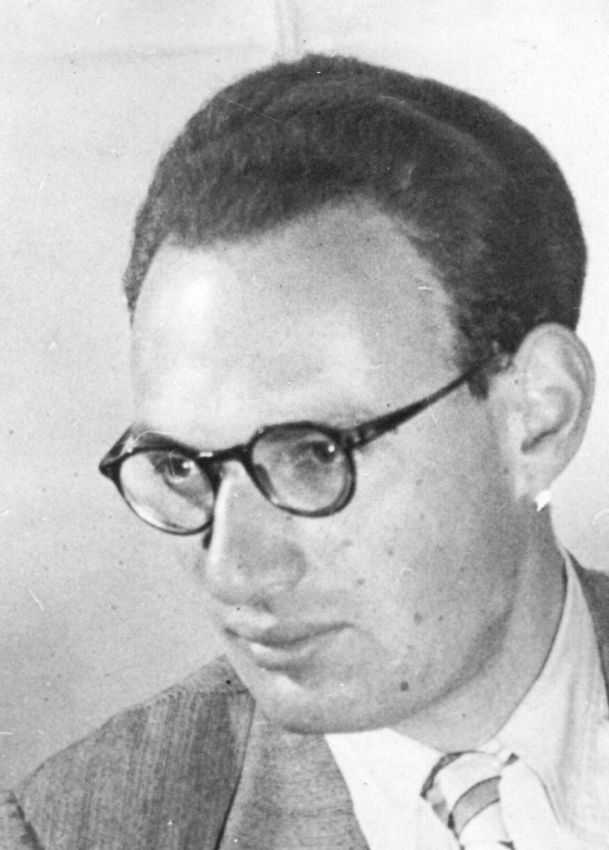
Dick Kattenburg
The Dutchman Dick Kattenburg (1919-1944) did not survive the war either: on May 19, 1944, he was deported to Auschwitz. His Trio à cordes sees its world premiere here. I can’t listen to this with dry eyes. Yes, I know, I know, one has to limit oneself to the music, but sometimes it is so damn difficult! But trust me, the standard of what is on offer is of the highest quality and that the work is still performed so infrequently is due to… What actually? Uwillingness? Guilt?
This year it is exactly seventy nine years ago that Klein, Weiner, Kattenburg and Weinberg were murdered. You would expect at least something in the form of (small) memorial concerts, wouldn’t you?

The Hague String Trio (Justyna Briefjes, Julia Dinerstein and Miriam Kirby) was founded in 2006. In the booklet they tell us that After The Darkness is a project close to their heart, which certainly can be heard. “We feel it is a privilege to bring the music of these composers to life and to create a lasting legacy, so that their voices are never forgotten”. Thank you!
Hans Krása: Passacaglia & Fugue – Tanec (Theresienstadt 1944)
Gideon Klein: String trio (Theresienstadt 1944)
Lászlo Weiner: Serenade (1938)
Dick Kattenburg: String Trio (1937/39)
Mieczyslaw Weinberg: String trio on. 48 (1950)
The Hague String Trio
Cobra Records 0065
After the Darkness
Translated with http://www.DeepL.com/Translator
Discovering Karol Rathaus
A forgotten composer, and not just because of the Nazis
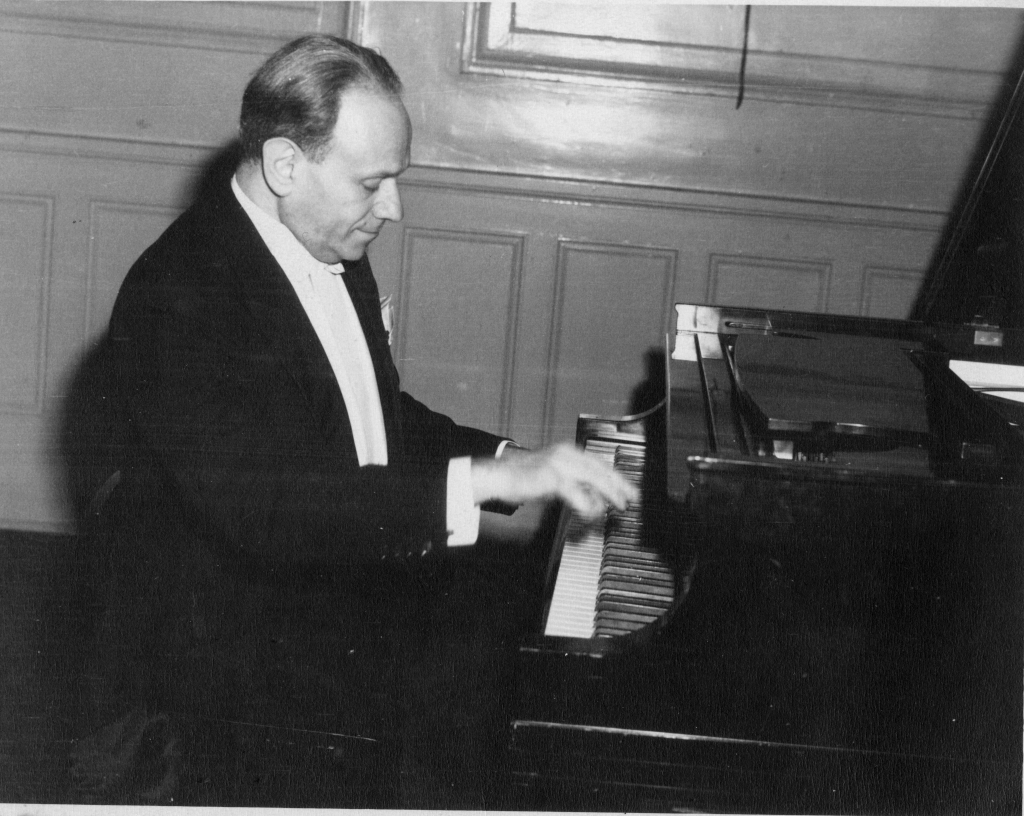
Karol Rathaus, circa 1952 (from Rathaus’ family archive
A demo/promo/proof-of-concept video for documentary film ‘Discovering Karol Rathaus’:
With his equally fascinating and individual music, Karol Rathaus met with little approval. He felt misunderstood, was actually nowhere at home, and also in the musical landscape surrounding him he sat between all chairs – and styles. His piano works have been now released on CD, for the first time.
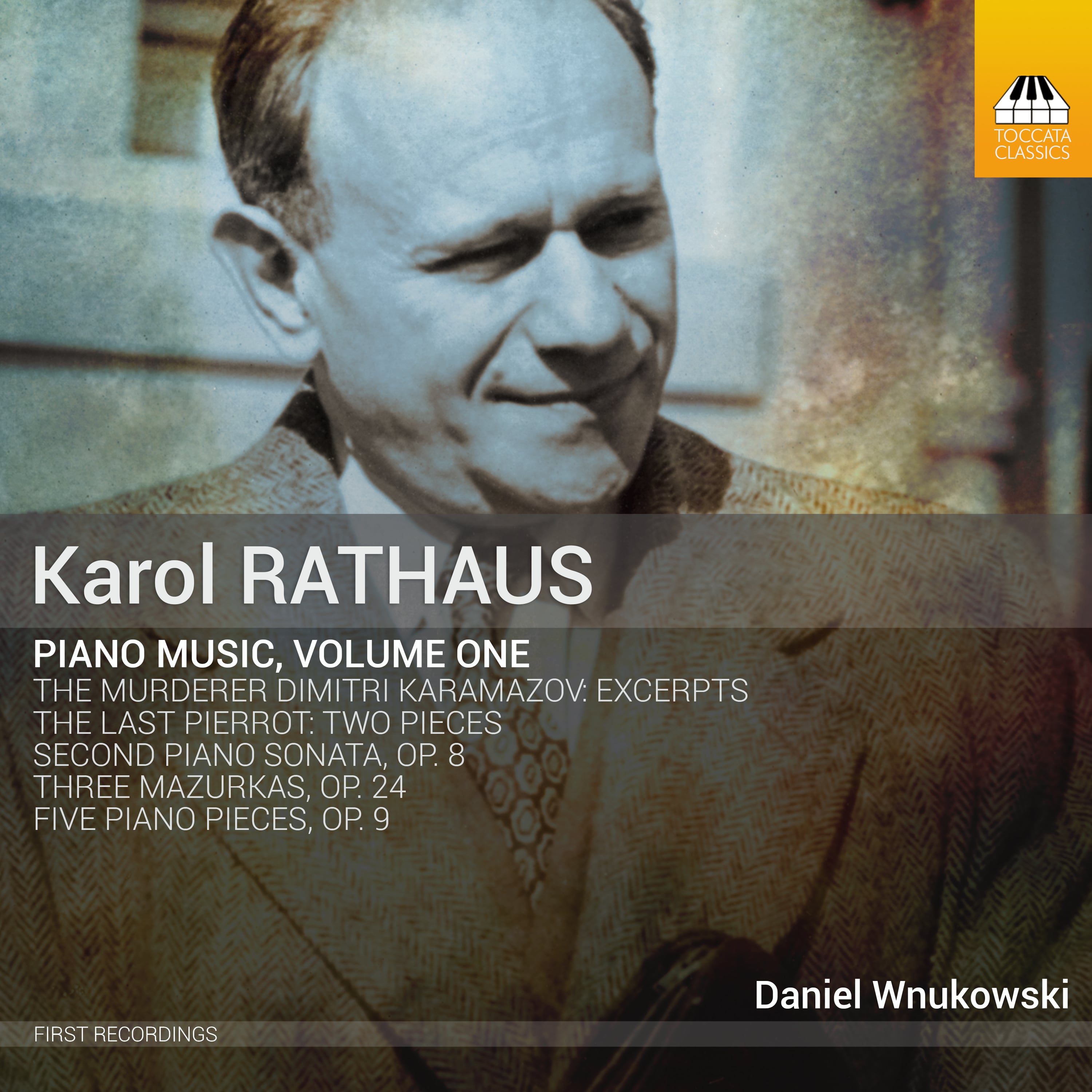
What do we know about Karol Rathaus (1895-1954)? He was born in 1895 in Ternopol, a city now in Western Ukraine but then part of the Austro-Hungarian monarchy. He spoke Polish at home and German at school, a language he mastered better than the native speakers. He studied in Vienna, emigrated to Berlin in 1926, to France in 1932 and from there to the United States. No wonder that his first biographer openly wondered whether Karol Rathaus was a Jewish, Polish, Austrian or American composer. He based himself not only on Rathaus’s life but also on the letters he wrote to his friends, in which he said that he found it difficult to adapt to his new countries and often ended up in an identity crisis. His compositions were rarely performed, something he was very bitter about.

Dance from Uriel Acosta from 1930, played by Orquesta Filarmonica Cuidad de Mexico conducted by Jascha Horenstein (live, Mexico City, 28 March 1951). The orchestra on this recording included Sally van den Berg (oboe) and Louis Salomons (bassoon), who played in the Concertgebouw before the war:
As he wrote in a letter to Jascha Horenstein in 1950: “My problem is that of the ignored independent and individual composer. My name is known, but nobody performs my works. I have no embassies, no consulates that stand behind me – no propaganda machine – in the country where I live very happily, I’m considered a non-native.“
Jascha Horenstein conducts Rathaus. World premiere, recorded on March 13, 1956 in “Farringdon” studio, BBC
The fact that Rathaus has been so forgotten is not just the fault of the Nazis. Michael Haas, the former producer of the ‘Entartete Musik’ series by Decca, one of the first to record a CD with works by Rathaus, including his ballet Der Letzte Pierrot, had a clear explanation for this: “The young generation of composers was left with feelings of guilt after the war. It was never to happen again, so they found a cure for it. We had to work on building objective music, devoid of any sentiment and subject to strict rules. Music had to become universal. Serialism was born. In Darmstadt, the past was dealt with, including composers from the 1930s”.
It is because of Michael Haas that the young Canadian pianist Daniel Wnukowski came into contact with the music of ‘Entartete composers’ (Haas prefers to speak of ‘Forbidden composers’). How did it all start?

Daniel Wnukowski, photo by Claudia Zadory
Wnukowski: “Michael Haas introduced me to a fascinating person he had met in his role as a senior researcher on the topic Holocaust music – Walter Arlen. Walter was apparently looking for a pianist to record his complete solo piano and vocal works, together with one small work for violin and piano. He had already recorded one CD set with another Viennese-based pianist Danny Driver, but for a variety of reasons beyond the scope of this note, Danny was no longer available to record the remainder of Walter’s works. “
“It was a life changing experience to learn about this man’s unique story of survival, his harrowing journey of escape to America. It was an exceptionally inspiring and moving experience to have had the composer present at all times during the entire session. I can only say that the encounter with this fascinating man was a ‘life-changing experience’ for me.”

Daniel Wnukowski, photo by Claudia Zadory
“My paternal grandparents were from Lublin. They became forced labourers on workers camps but escaped to Canada at the end of WWII in 1945, as the camps were liberated by allied forces. They kept quiet about their WWII experiences until they were well over 90 years of age. Even then, trying to pull out any details of their life experiences was a moot point. They simply wanted my father and the rest of the family to have a ‘traditional’ North American upbringing – a spacious suburban home and hockey played out on the street.
My maternal grandparents, on the other hand, remained in Lublin after the war and were much more secretive, strongly discouraging any discussion on the topic of the war in the household. My mother mentioned that it was strictly taboo to discuss any aspect of the family’s origins, throughout her entire upbringing. The situation became particularly tense in 1968, when state-backed anti-semitism launched a massive campaign to depart all Jews to Israel. My mother was only 17 at the time.
My Jewish identity plays a huge role in my current work as a pianist. I honor every drop of my Jewish blood, which has been a passionate, driving force in my overall musical activities as a concert pianist. I want to continue my efforts to keep the stories of Holocaust survivors alive at a crucial time when many of them are approaching 100 years of age and dying off at alarming rates.”
Daniel Wnukowski plays ‘Der Letzte Pierrot’:
As far as I know, this CD is the very first recording of Rathaus’s piano works. All these compositions were written between 1924 and 1931. Besides the Fünf Klavierstücke, the second piano sonata and three Mazurka’s there are also – arranged for the piano by the composer himself – two fragments from the ballet Der Letzte Pierrot and three pieces from the film music from Der Mörder Dimitri Karamasoff. These are fascinating works with very pronounced rhythms. Harmonious, but with some dissonances. Irrespectfully said: Bartók meets Szymanowski. No, Rathaus is neither Polish, nor Austrian, nor American. His music is unique, different, just… Rathaus.
Karol Rathaus
5 Klavierstücke, Piano Sonata No. 2, 3 Mazurkas, 3 Stücke aus dem ballet Der letzte Pierrot, 3 Excerpts from the Film Music for The Murderer Dimitri Karamazov
Daniel Wnukowski, piano
Toccata Classics TOCC 0451
BETWEEN TWO WORLDS
More about Rathaus:
Het leven is kort! Over La vida breve van Manuel de Falla
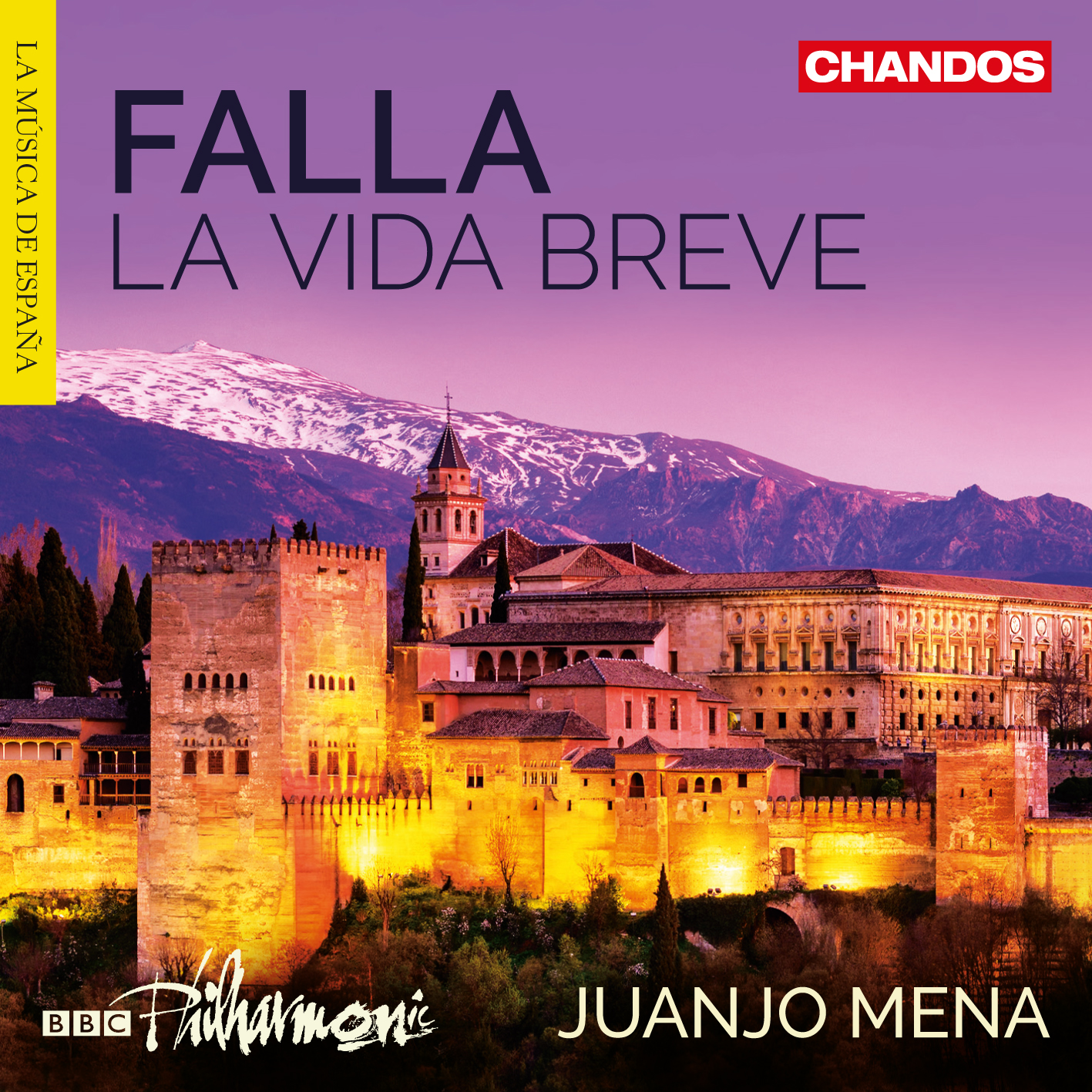
Hij heeft maar één opera geschreven, maar: wat voor één! La Vida Breve van Manuel de Falla verenigt alles waar een echte kunstliefhebber van kan dromen. Klassieke noten worden gecombineerd met rauwe gitaarklanken en flamenco gaat hand in hand met het Italiaanse verisme. Wat je krijgt is een Spaanse Cavalleria Rusticana, alleen de in de steek gelaten Santuzza heet nu Salud en zij is het die het verraad van haar geliefde met de dood moet bekopen.
Ik kende de opera van de oude opname onder Rafael Frühbeck de Burgos met Victoria de los Angeles als Salud. Een uitvoering de ik altijd als de ultieme vertolking van de opera heb beschouwd.
Daar brengt de nieuwe uitgave op Chandos niet echt verandering in mee. Toegegeven: geluidskwaliteit is waanzinnig goed, de gitarist (Vicente Coves) onnavolgbaar, de koren rauw en het orkest meer dan meeslepend. Maar …
Maar Salud is geen Santuzza. Salud zij is in feite een klein en broos meisje en de werkelijk fantastisch zingende Nancy Fabiola Herrera heeft te veel kracht in haar stem. Waardoor het kwetsbare naar de achtergrond verdwijnt.
Aquiles Machado is geen subtiele tenor, veel van wat hij zingt ontaardt in schreeuwerig ‘machismo’, maar in de rol van Paco is hij voortreffelijk op zijn plaats.
MANUEL DE FALLA
La Vida Breve
Nancy Fabiola Herrera, Aquiles Machado, Cristina Faus, José Antonio López, Raquel Lojendio, Josep Miquel Ramon
Vicente Coves (gitaar)
RTVE Symphony Chorus, BBC Philharmonic olv Juanjo Mena
Chandos CHAN 20032
After the Darkness

De titel van deze cd is ontleend aan het gelijknamige boek van Auschwitz- overlevende Elie Wiesel, ‘After the Darkness: Reflections on the Holocaust’.
Gideon Klein en Hans Krása


Hans Krása(1899-1944) en Gideon Klein (1919-1945) belandden in het concentratiekamp Terezín (Theresienstadt) waarvandaan ze naar Auschwitz werden gedeporteerd en daar vermoord. Maar voor het zo ver was zijn ze, zo goed als het ging blijven componeren. In Terezín, ja. Daar zijn zowel Passacaglia & Fuga en Tanec (Dans) van Krása ontstaan, alsook het waanzinnig mooie Strijktrio van Gideon Klein.
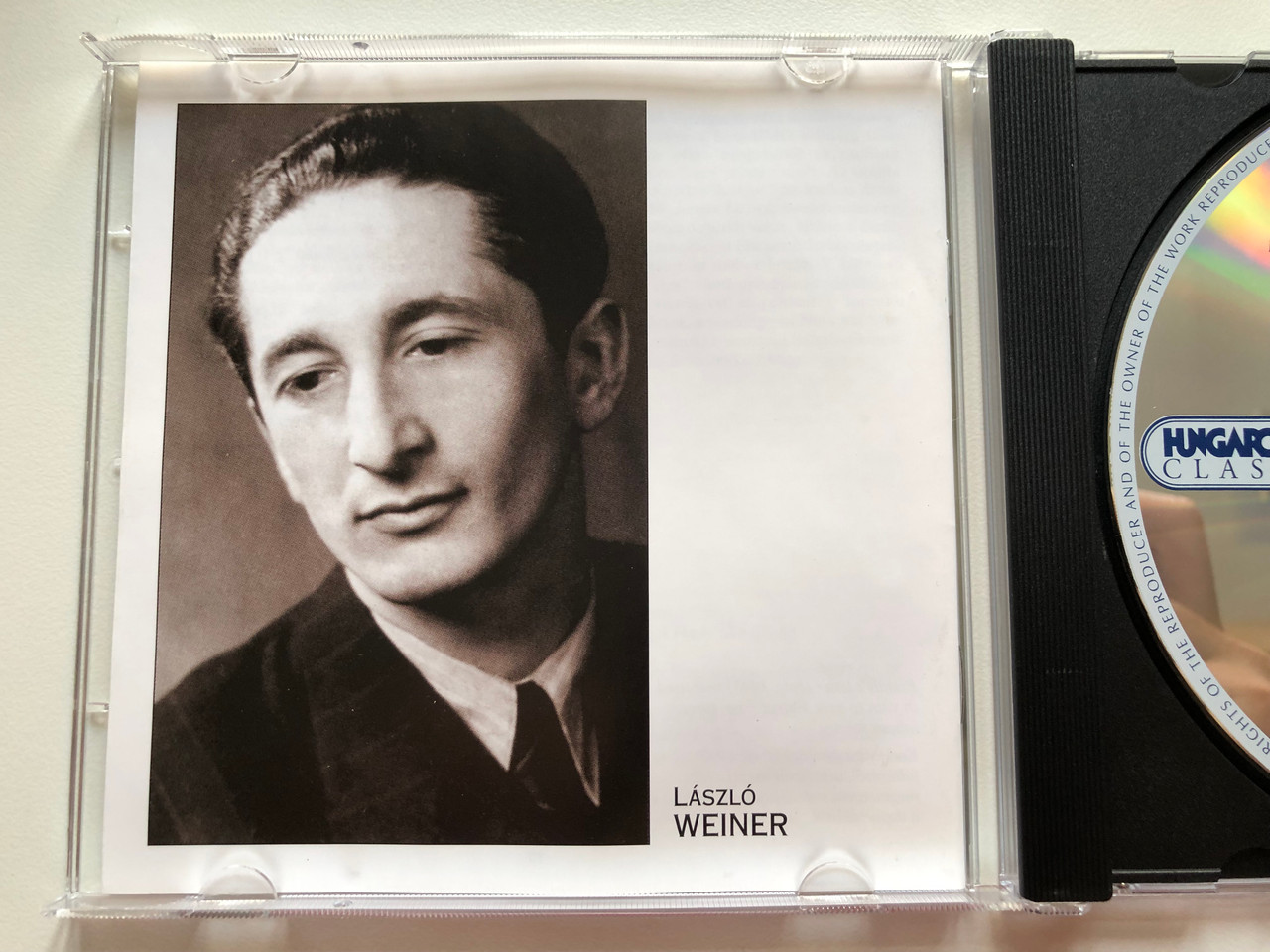
De Hongaarse Lászlo Weiner (1916-1944) werd in februari 1943 gedeporteerd naar het werkkamp in Lukov (Slovakije), waar hij een jaar later werd vermoord. Zijn Serenade voor strijktrio uit 1938 heb ik niet eerder gehoord. Waarom eigenlijk? Het is gewoonweg prachtig!
Ook de Nederlander Dick Kattenburg (1919-1944) overleefde de oorlog niet: op 19 mei 1944, werd hij naar Auschwitz gedeporteerd. Zijn Trio à cordes beleeft hier zijn wereldpremière. Ik kan hier niet met droge ogen naar luisteren. Ja, ik weet het, ik weet het, men moet zich tot de muziek sec beperken, maar soms is het zo verdomd moeilijk! Maar neem van mij aan dat de kwaliteit van het gebodene van de grootste kwaliteit is en dat het nog steeds zo weinig wordt uitgevoerd ligt aan… Aan wat eigenlijk? Onwil? Schuldgevoel?
In 2019 was het precies honderd jaar geleden dat Klein, Weiner, Kattenburg en Weinberg werden geboren. Je zou toch minstens iets van (kleine) herdenkingsconcerten verwachten?
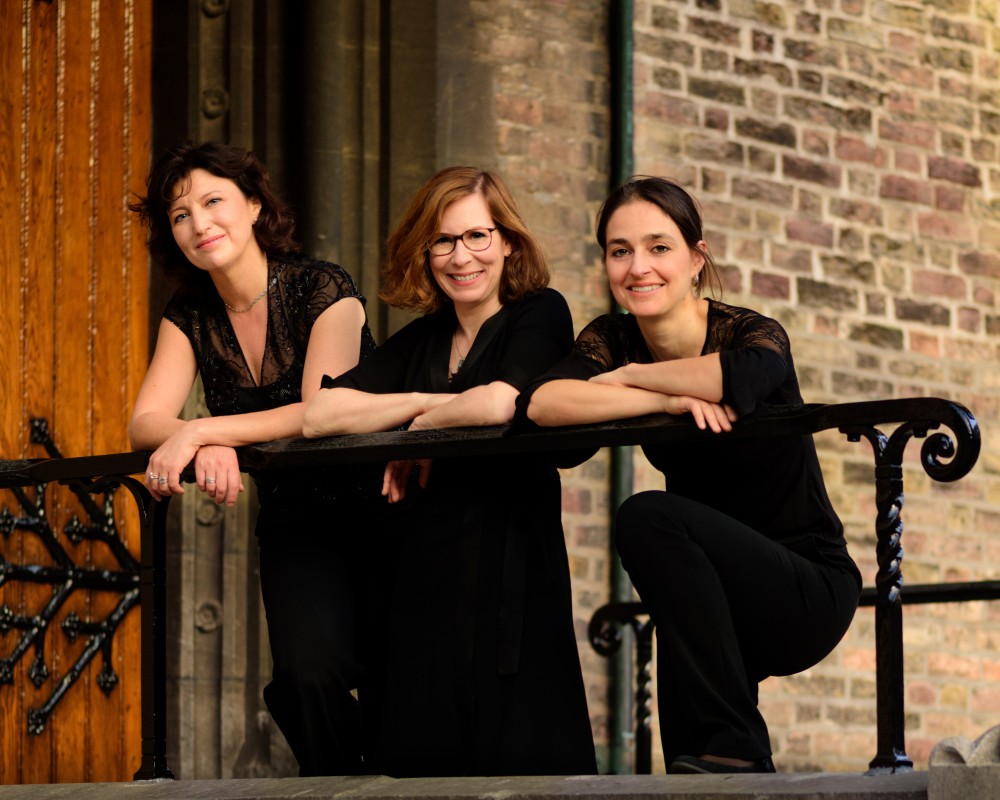
Het Haags Strijktrio (Justyna Briefjes, Julia Dinerstein en Miriam Kirby) werd opgericht in 2006. In het tekstboekje vertellen ze dat After The Darkness een project is dat ze na aan het hart ligt en dat is te horen. “Wij voelen het als een voorrecht de muziek van deze componisten te laten horen en een blijvende nalatenschap te creëren, zodat hun stemmen nooit vergeten worden.” Bedankt!
Krása: Passacaglia & Fuga – Tanec (Theresienstadt 1944)
Klein: Strijktrio (Theresienstadt 1944)
Weiner: Serenade (1938)
Kattenburg: Strijktrio (1937/39)
Weinberg: Strijktrio op. 48 (1950)
The Hague String Trio
Cobra Records 0065
The voice of the Viola in Times of Opression: de altviool als stem voor de vervolgden
Why don’t we see Martinů’s Greek Passion more often?

Once, years ago I begged the gods (and the staff of DNO) to put by Bohuslav Martinů’s The Greek Passion on the repertoire list. In vain. It doesn’t even have to be a new production, on the contrary! There is a beautiful staging made by David Pountney. It was first performed in 1999 in Bregenz (this was the first version of the opera), and a few years later at the Royal Opera House in London.
I saw the production in London and was very moved by it. In the performance I attended, the main parts were played by Christopher Ventris as Manolios (Christ) and Douglas Nasrawi as Panait (Judas), and since then I have hoped that one day a DVD will be released. In vain, so it seems …
‘Christ was crucified again’
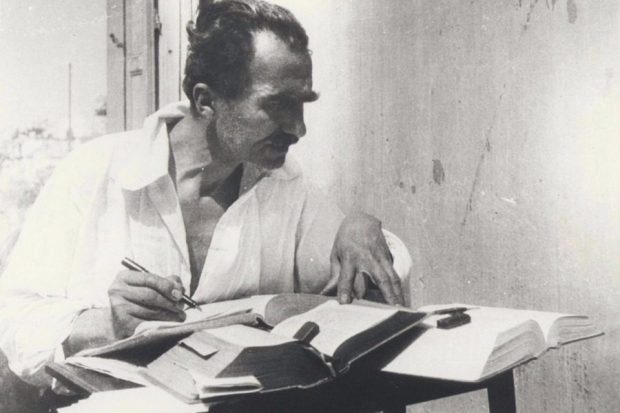
Nikos Kazantzakis © Universal Edition Magazine
The subject: refugees, corruption, religious fanaticism, humanism and the search for identification was, is and will always remain topical. Bitter, tragic, but also beautiful and very humane. Martinů himself wrote the libretto for it, based on the novel ‘Ο Χριστός ξανασταυρώνεται’ (Christ was crucified again) by Nikos Kazantzakis. The book (and the opera) tells a story of the survivors of a Turkish massacre who seek shelter in a Greek village where the local population is preparing for their annual ‘Passion performances’.
FILM

There are two versions of the opera. The original version was rejected by the then management of the Royal Opera House in 1957. The score, which was drastically adapted by Martinů, was not performed until 1961 in Zurich, after the composer’s death. This ‘revision’ was recorded by Supraphon in 1981 and filmed for television in 1999 (Supraphon SU 7014-9).
For the time being, we should be satisfied with that, at least as far as the image is concerned. Not that it’s bad, on the contrary, because there’s a lot to enjoy, but it’s a film and the roles are played by professional actors who really do their best to make us believe that they’re singing too.
The film is strongly reminiscent of Zeffirelli. If you have seen his Cavalleria Rusticana, you know what I mean. There are beautiful images of the arid landscape and the heat and drought are almost palpable.
The soundtrack comes from the recording by the Brno Philharmonic Orchestra conducted by Charles Mackerras (need I say more?) with a cast including John Tomlinson as the priest Grigoris, John Mitchinson as Manolios, Helen Field as Katerina and the soloists of the Welsh National Opera.
CD


 Basia con fuoco