biografieën

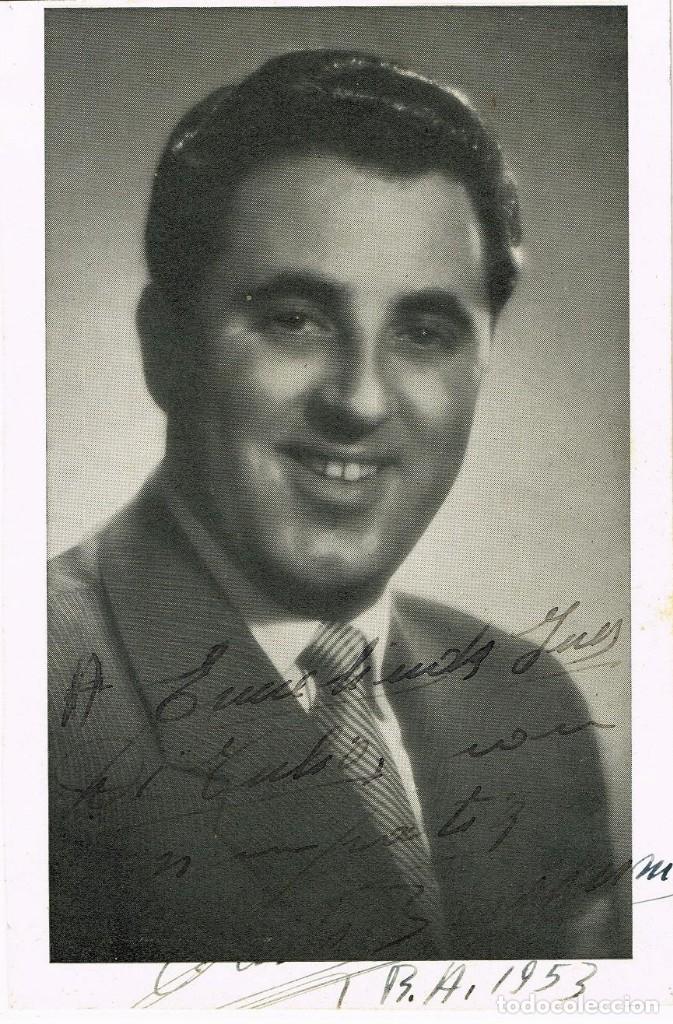
Carlo Bergonzi: from belcanto to verismo in just a few recordings

©https://cloud10.todocoleccion.online/autografos-antiguos-cantantes-musicos/tc/2021/08/05/19/279594008.jpg

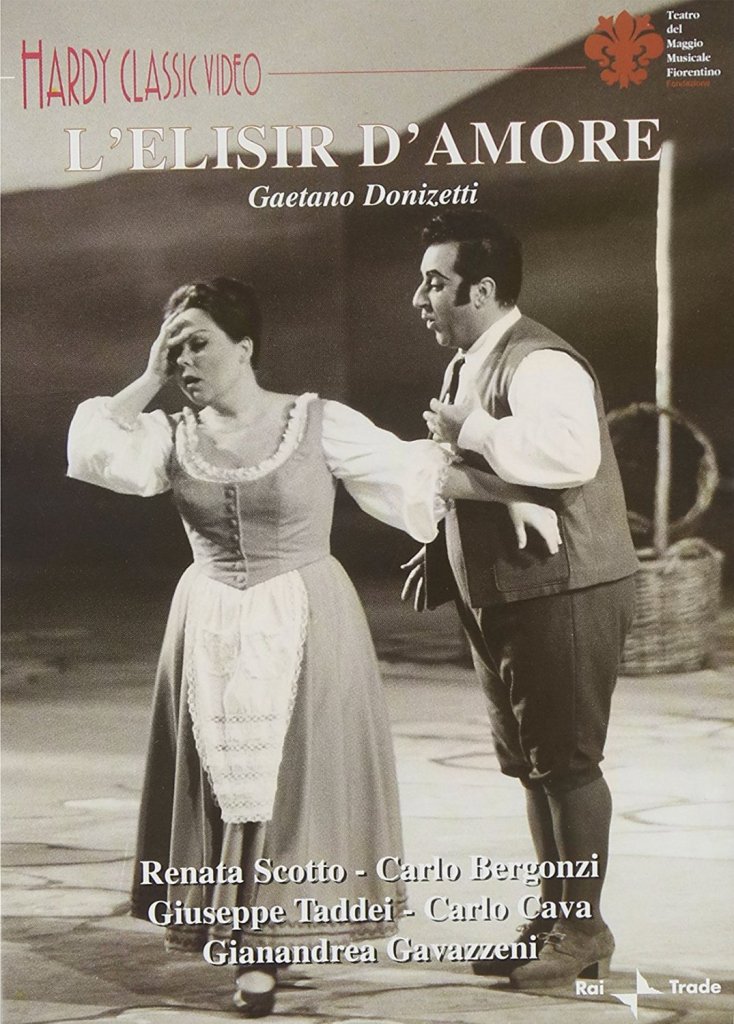
L’ELISIR D’AMORE


To the younger generation I would especially recommend the DVD with Renata Scotto, Carlo Bergonzi and Giuseppe Taddei (Hardy Classic Video HCD 4014). It is not only the beautiful voices of the past that impress (Scotto, Bergonzi, Taddei – who can still sing like them?), the eye is also given a lot to enjoy.

Do not think that they just enter the stage, sing an aria facing the audience and then take a bow. It is theatre pur sang and a better acting singer than Scotto has yet to be born.

The picture is black and white (the recording was made during Maggio Musicale Fiorentino in 1967) and the scenery is cardboard, but who cares?

LUCIA DI LAMMERMOOR

Renata Scotto 1967
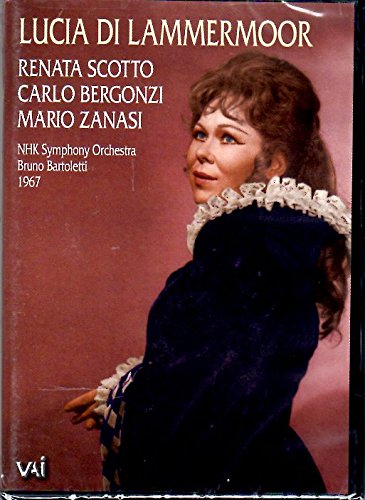

This production of Lucia di Lammermoor was recorded in Tokyo in 1967 and is available on DVD (VAI 4418). It circulated for years on pirate video, but since the sound and picture quality was particularly poor, the commercial release has made many opera lovers very happy. The sound is a little sharp, making Scotto’s high notes sound even more metallic than usual, but who cares?

Her interpretation is both vocally and scenically of an unprecedented high level. With a childishly surprised expression (my brother does this to me?) on her face, she agrees, albeit not without grumbling, to the forced marriage with Arturo (an Angelo Marchiandi who is hideous in every way).

After her mad scene, you tend to pull the plug, because everything that comes after it can only feel like a cold shower. But you are wrong about that. Edgardo’s two arias, sung by Carlo Bergonzi, will take you straight to (singer’s) heaven.


Afterwards, you can’t help but be a little sad, because where have they gone, yesterday’s singers? Small, tall, fat, skinny, with or without acting talent… None of them was a ballet dancer, but could they sing! And it was through their voices alone that they were able to convey all of the feelings that now require a whole ‘artistic team’. In spite of the cuts that were common at the time, this is an absolute must.

Below, Bergonzi sings ‘Fra poco a me ricovero’

Beverly Sills 1970
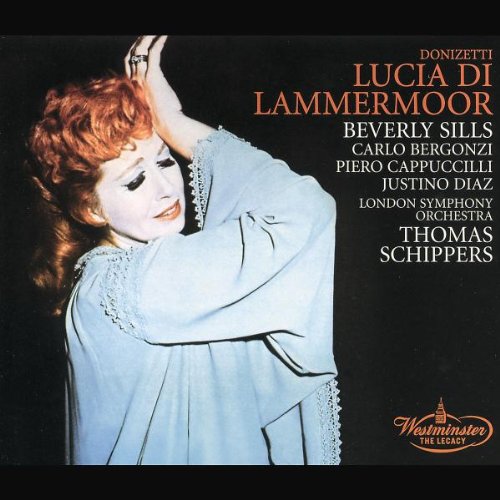


Sills’ Lucia (Westminster 4712502) for me remains one of the best interpretations ever, especially talking about studio recordings. Her portrayal unites the best of Callas and Suitherland: the virtuosity, vocal beauty and pure intonation of la Stupenda and the great acting of la Divina. Not really a great tragédienne (but then, neither is Lucia), she is more of a passive child-girl who just lets it all happen. Carlo
Sills’ Lucia (Westminster 4712502) for me remains one of the best interpretations ever, especially talking about studio recordings. Her portrayal unites the best of Callas and Suitherland: the virtuosity, vocal beauty and pure intonation of la Stupenda and the great acting of la Divina. Not really a great tragédienne (but then, neither is Lucia), she is more of a passive child-girl who just lets it all happen. Carlo Bergonzi sings an elegant and outraged Edgardo and Piero Cappuccilli a brutal and cruel Edgardo and Thomas Schippers conducts very firmly.

But what makes this recording really special is the use of a glass harmonica in the madscene, exactly as Donizetti had originally prescribed it


LA BOHEME

Renata Tebaldi 1958
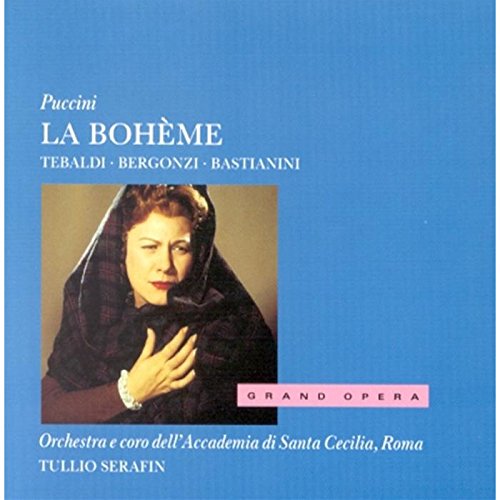


Actually, I also find Tebaldi’s voice a bit too heavy for Mimi, a tad too dramatic too, but there is no denying that her interpretation is very exciting. You have to keep listening to it.

Carlo Bergonzi is an insanely beautiful Rodolfo; secretly, I think he is the real star of the recording. Ettore Bastianini is a very charming Marcello, but Gianna d’Angelo is not a beautiful Musetta. Her singing has nothing sensual and is vulgar at times.

Tulio Serafin conducts more than superbly and the orchestral sound is brilliant. Remarkable actually how wonderful that recording still sounds! (Decca 4487252)

Licia Albanese 1958
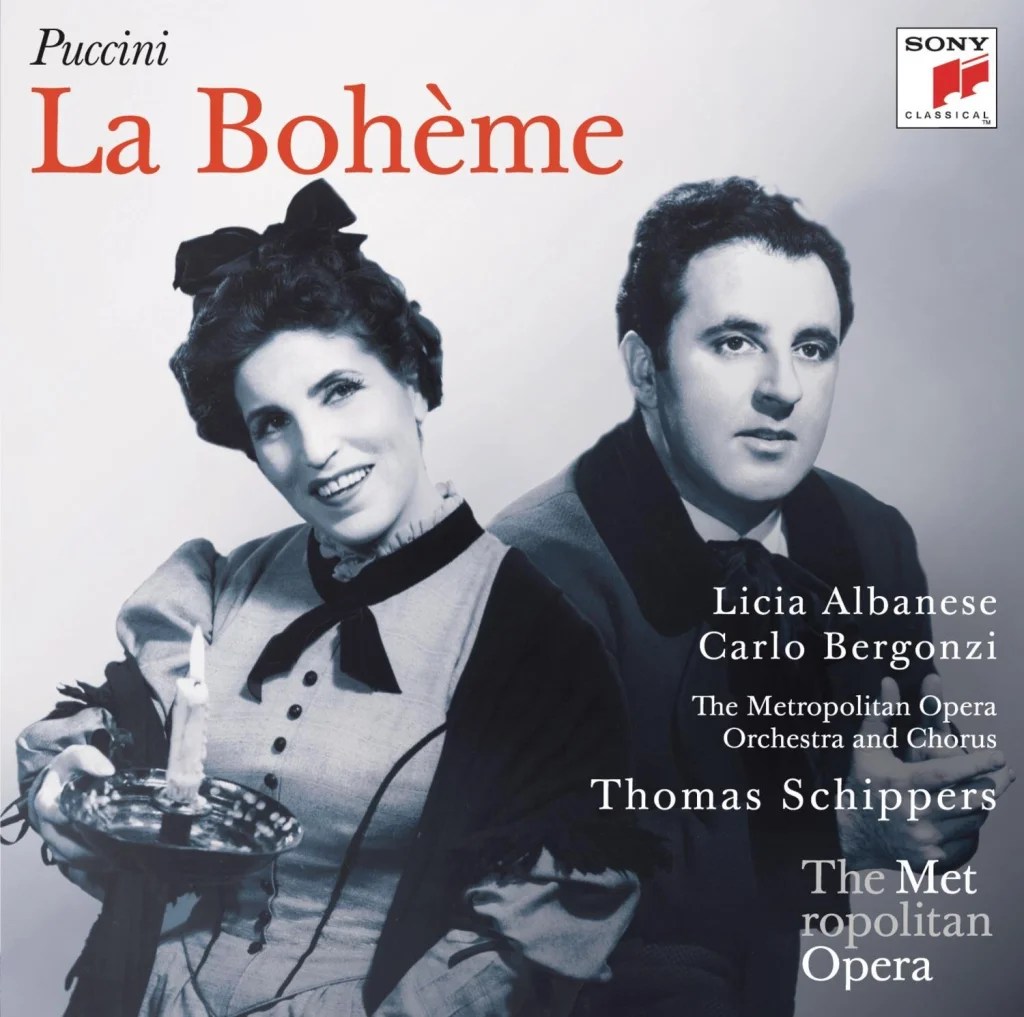
A warning is in order: the sound is not great. It is sharp and dull and occasionally the radio waves are humming rebelliously, but it also has something quite endearing. As if a time machine takes you back to the afternoons of yore, when the whole family settled down in front of the radio to listen to the latest invention, the live broadcast.

The performance, too, is old-fashionedly delicious. Not that the voices are all that exceptional, apart from Carlo Bergonzi who is at his finest, the other roles could have been better cast.

Licia Albanese (almost fifty by then, which is not at all audible) was a real crowd pleaser, especially in New York. Thomas Schippers conducts very vividly (Sony 8697804632)

MADAMA BUTTERFLY
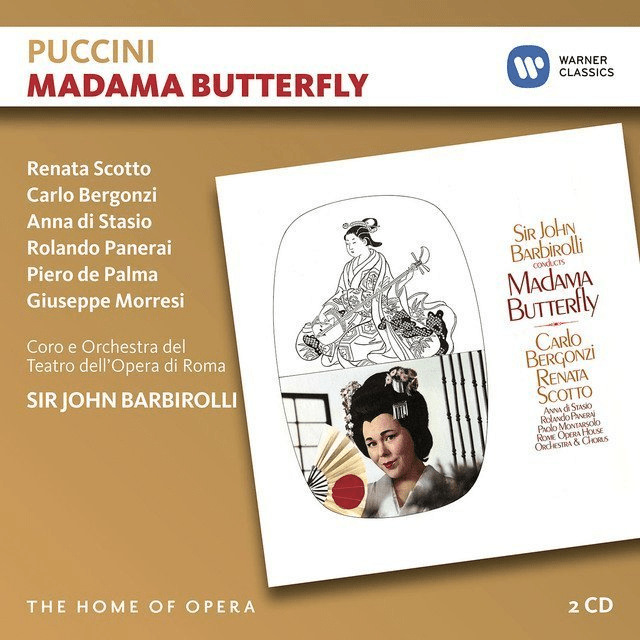
For me an absolute ‘numero uno’ is the 1966 recording by EMI (now Warner 0190295735913) under Sir John Barbirolli. One might imagine a more lyrical or alternatively a more dramatic Cio Cio San; one with less metal in her voice or maybe one with a more childlike voice. But no other singer was able to grasp the complex nature of the girl so well and to characterise her change from a naive child into an adult woman, broken by immense grief, so impressively

Carlo Bergonzi is a beautiful, lyrical Pinkerton, singing with glorious, golden ton and Rolando Panerai a very warm Sharpless.
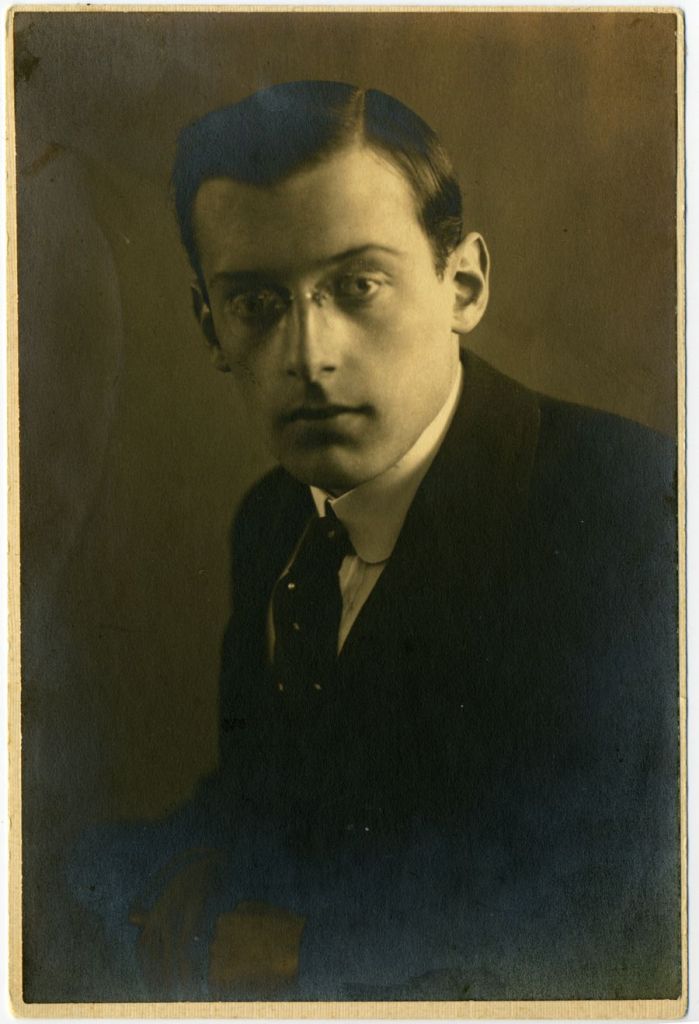
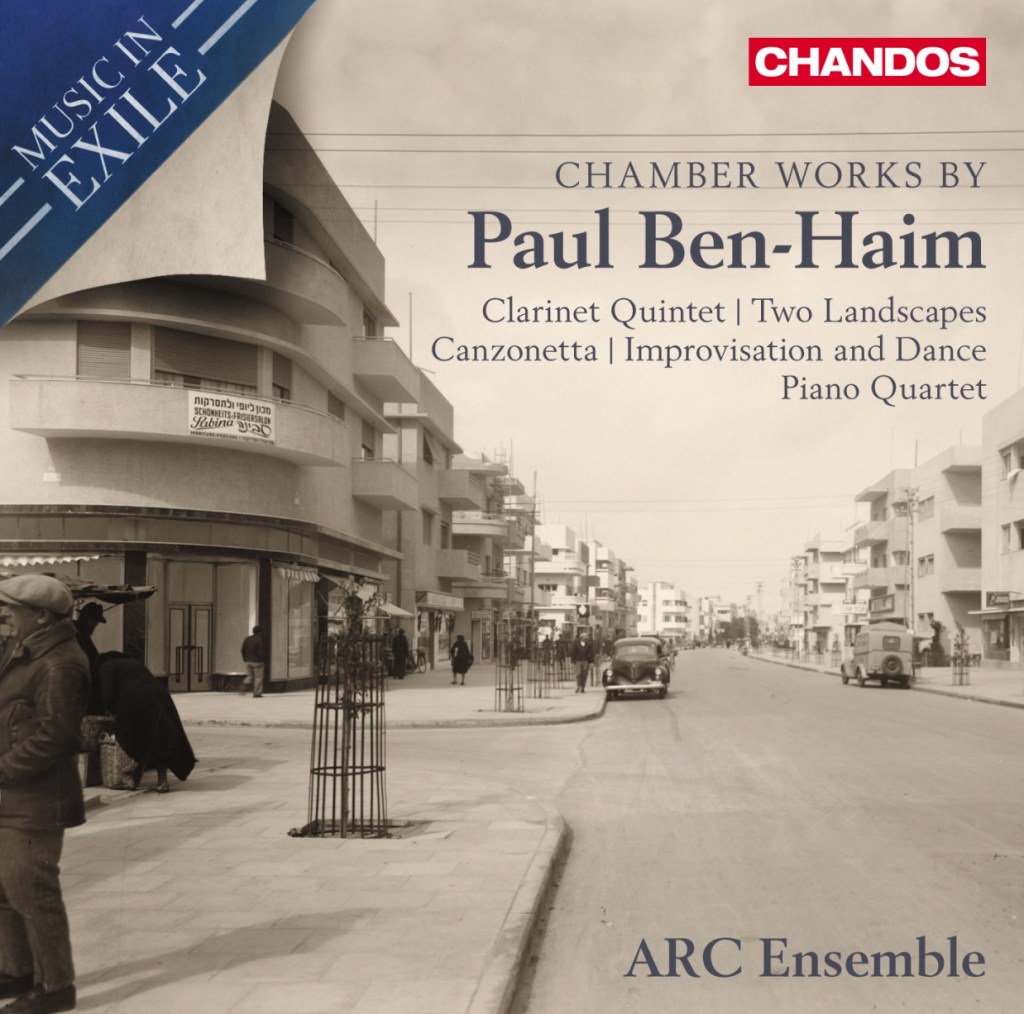
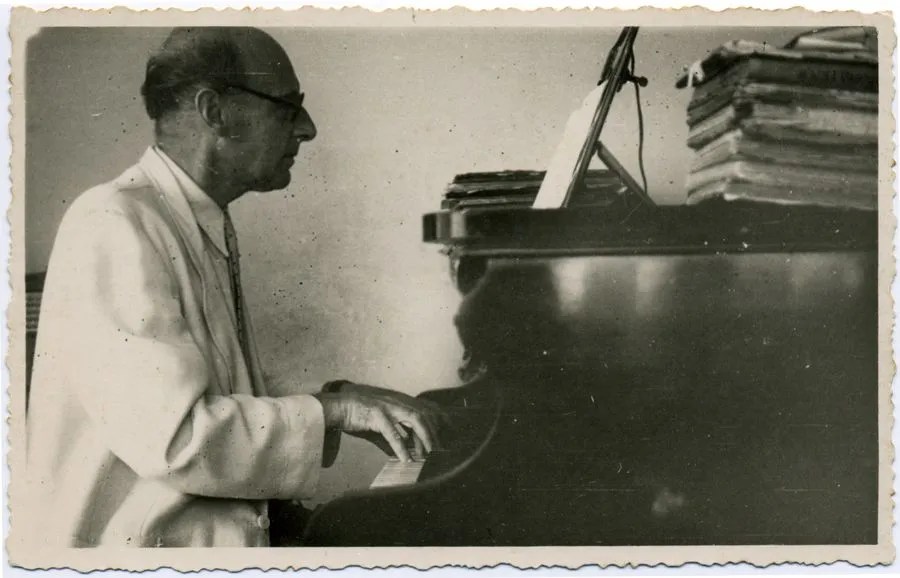
Paul Ben-Haim, sweet psalmist of Israel

Chamber works


Slowly, much too slowly and actually much too late, but the music world is waking up.
One gap after another is finally being filled and the (consciously or unconsciously) ‘forgotten’ composers are at long last coming to our CD players.


Who among you has ever heard of Paul Ben-Haim? If not, why not?
The composer was born as Paul Frankenburger in Munich in 1897 and died in Tel Aviv almost 90 years later. And he left behind a really spectacular oeuvre.

Many vocal works, orchestral pieces, chamber music…. What not, actually?
Most of his works are influenced and inspired by Jewish, Israeli and Arab melodies, so you may call his music “nationalistic”. Nothing wrong with that word.

Just take the opening of his 1941 clarinet quintet! The dancing clarinet part reminds one of swinging klezmer, but in a Brahmsian way.

The ARC Ensemble perform the opening movement of Paul Ben-Haim’s Clarinet Quintet at the Enav Center, Tel Aviv:

This is even more pronounced in his “Two Landscapes” for viola and piano, in which he sings the praises of his new homeland’s beauty.

Steven Dann and Dianne Werner prepare to record The Landscapes for viola and piano:


The “Improvisation and Dance”, dedicated to Zino Francescati, betrays influences from Yemeni folklore and only his oldest work on the CD, the Piano Quartet from 1920, does not yet have its own “face”.

The (very infectious playing!) members of the Canadian ARC Ensemble all work at the Glenn Gould Conservatory in daily life. A CD to cherish.


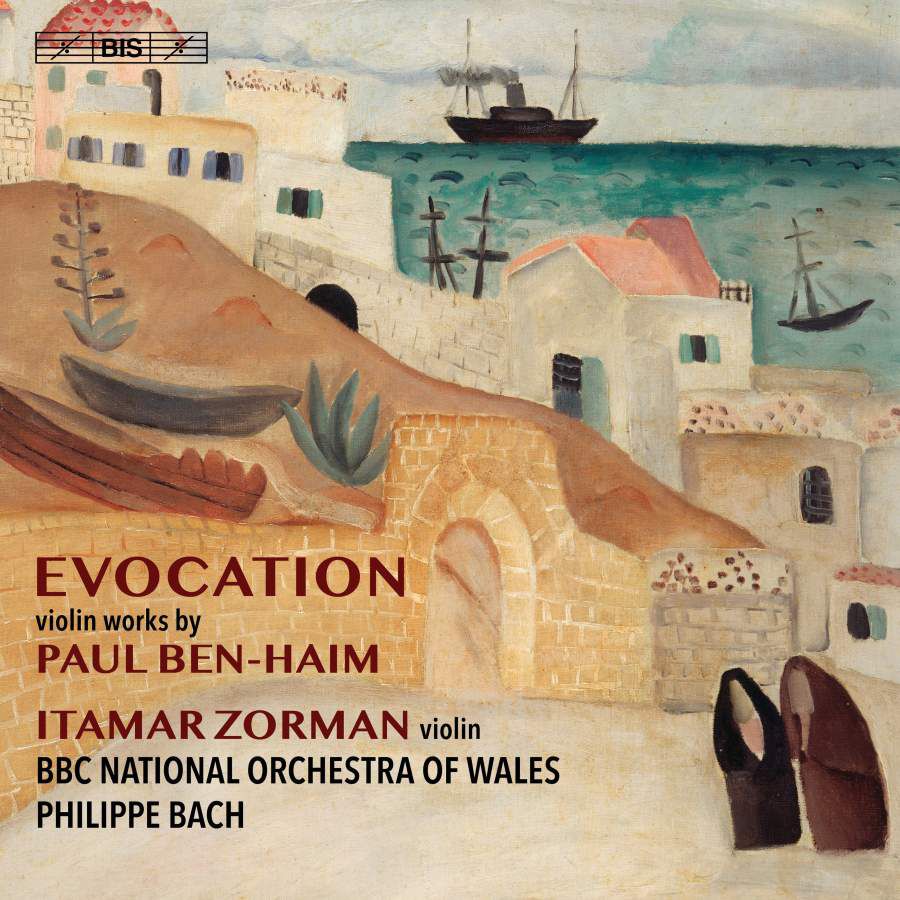
Evocation

Paul Ben -Haim, who was born in Munich in 1897 as Paul Frankenburger and died almost 90 years later in Tel Aviv, remains a great unknown to many music lovers. This is a great pity, because the oeuvre of this sadly forgotten composer is very diverse and most exciting. At one time he was totally immersed in the German Romantic tradition before he almost radically broke with it when he left his native country in 1933.

He began his new life composers life in what was then known as the British Mandate of Palestine by changing his name, after which he also adapted his compositions to his new homeland. Starting in 1933, most of his works were influenced and inspired by Jewish, Israeli and Arabic melodies.

Between 1939 and 1949 Ben-Haim accompanied the at that time extremely famous folk singer Bracha Zefira. Zefira, who was of Yemeni origin, had a great influence on the musical life in what was then Palestine. It was for her that he composed the Berceuse Sfaradite, a song which had become one of her greatest successes.

Bracha Zefira:

The Violin Concerto, which dates from 1950, is probably Ben-Haim’s best-known composition, in no small part as a result of the great recording by Itzhak Perlman. The CD is still on the market, I believe, but as far as I know the Concerto is only rarely performed. Why?

Three Studies for Solo Violin is Ben-Haim’s last violin composition, dedicated to Yehudi Menuhin in 1981. Splendid. But I was most struck by the completely unknown Evocation from 1942, a work which has its premiere here and which really gave me goose bumps. Wow.

Evocation live:

Itamar Zorman, the young Israeli violinist who won the 2011 prize in the Tchaikovsky competition, has immersed himself in the composer and his work. Thanks to him, this album was compiled and released. He plays these works as if his life depends on them. He believes in them and he communicates that belief more than convincingly.

Zorman about Ben-Haim:

The accompaniment by Amy Yang (piano) and the BBC National Orchestra of Wales conducted by Philippe Bach is first-rate as well

Works for violin

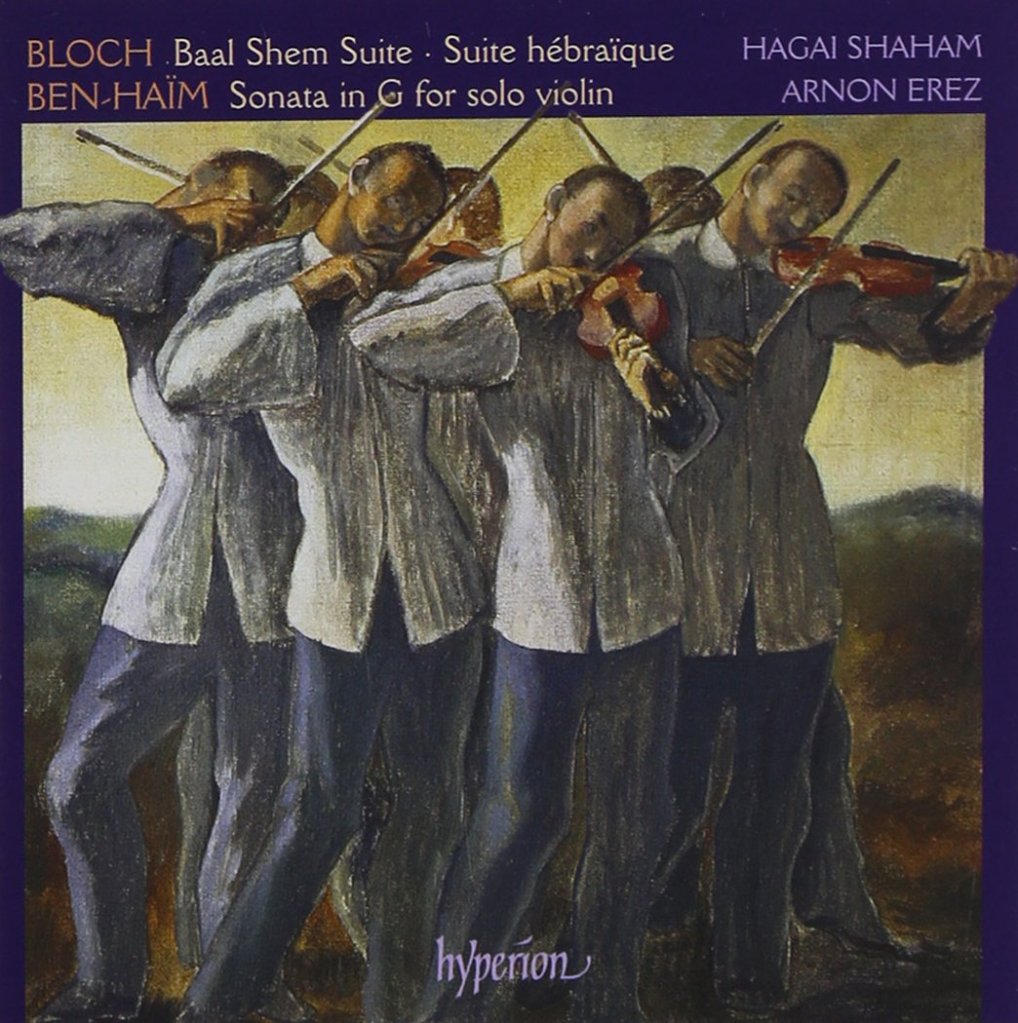
The Berceuse Sfaradite is based on a Sephardic lullaby. In Hagai Shaham’s hands, the piece sounds sultry and reassuring at the same time. And the two tone poets’ violin solo suites, composed at Yehudi Menuhin’s request, turn into forgotten masterpieces in his hands. Wonderful.

More works by  Ben-Haim

Psalm from Symphony no. 1:


Whole symphony:

From Israel

Sonata for two mandolins, guitar, harpsichord, harp and string orchestra:

Sweet Psalmist of Israel. David before Saul.:

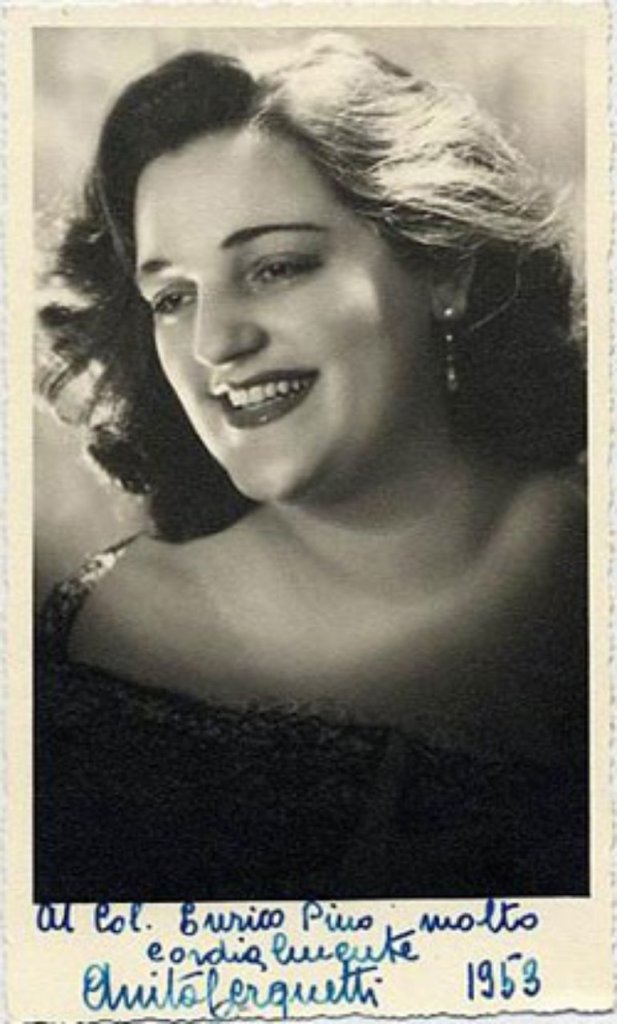
Do you remember Anita Cerquetti?  

She was a dramatic soprano with a powerful voice. Born 13 April 1931 in Montecosaro, near Macerata. Studied violin first, singing came later. Made her opera debut as Aida in Spoleto as early as 1951 (!).

Cerquetti as Aida in Napels 1954:


She became – typically enough – the most famous by stepping in for a sick Callas in 1958. While she was still in a production of Norma in Naples, she sang some performances of the same opera by Bellini at the opera house of Rome, instead of La Divina. Her career, like that of Callas, didn’t last long. Why?


“This “tour de force” won her great acclaim but had serious effects on her health. Shortly afterward she started withdrawing little by little from the stage until her complete retirement in 1961 at just thirty years of age” ( Wiki)

She made only two studio recordings: a recital of Italian opera arias and a complete La Gioconda with Mario del Monaco, Ettore Bastianini, Giulietta Simionato and Cesare Siepi

On the label Bongiovanni you can hear her in the famous ‘Casta diva’ from Norma. For me this is one of the most beautiful performances of this aria ever. Goosebumps.

Cerquetti sings Norma. Recording from 1956:

Anita Cerquetti sings ‘O re dei cieli’ from Agnese di Hohenstauffen by Spontini:

I

Don Carlo from Florence 1956. Cerquetti as Elisabetta, with Angelo lo Forese (Carlo), Ettore Bastianini (Rodrigo), Fedora Barbieri (Eboli) and Cesare Siepi (Filippo)


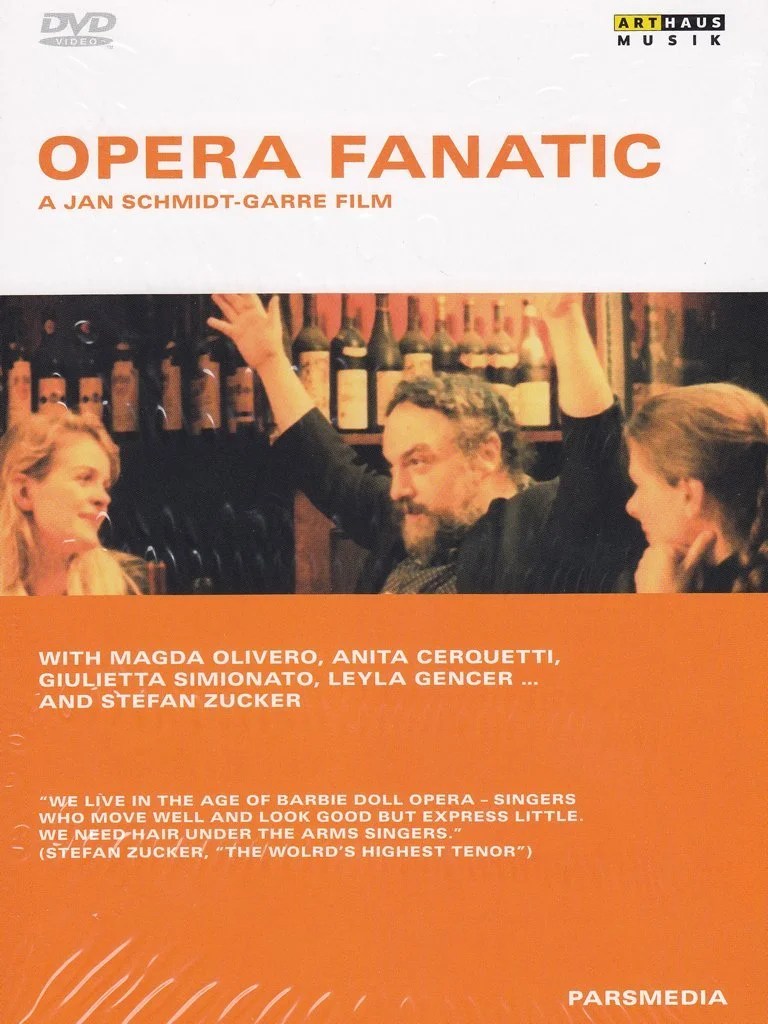
In 2008, Arthaus Musik released an extraordinary, outstanding documentary: Opera Fanatic. The eccentric Stefan Zucker travelled through Italy to visit divas of yesteryear. Quite rightly, the film won awards.

He is also a very irritating little man in search of gossip and thrills, but thanks to him we get to visit the great divas of bygone times: Anita Cerquetti, Fedora Barbieri, Giulietta Simionato, Magda Olivero, Leyla Gencer, Marcella Pobbe …

Not all ladies are keen on talking to him or answering his impertinent questions (fair’s fair: I can really enjoy those anyway), but with a few grappa’s in them, they suddenly go wild. He seduces them into the most remarkable statements and we are treated to footage and sound clips of their performances.

The whole movie:

More Cerquetti:


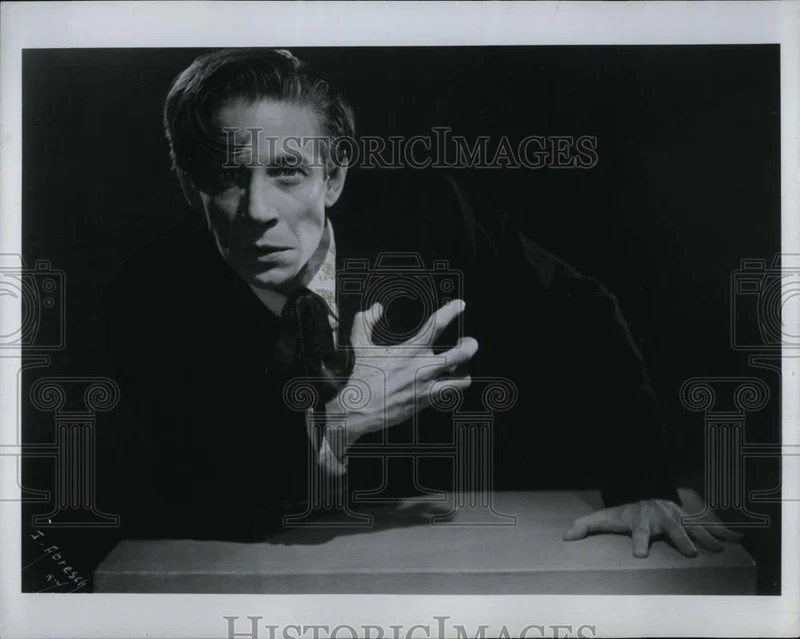
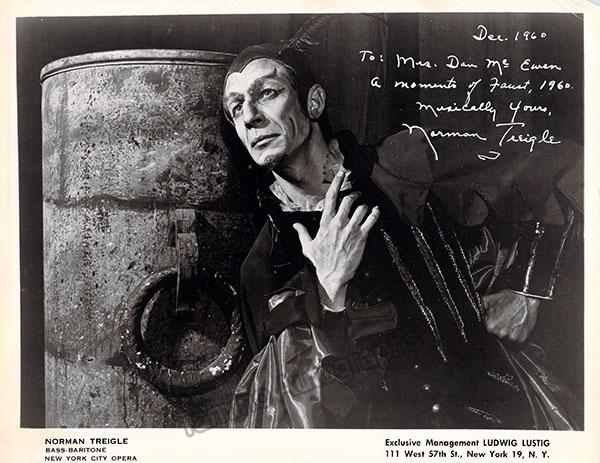
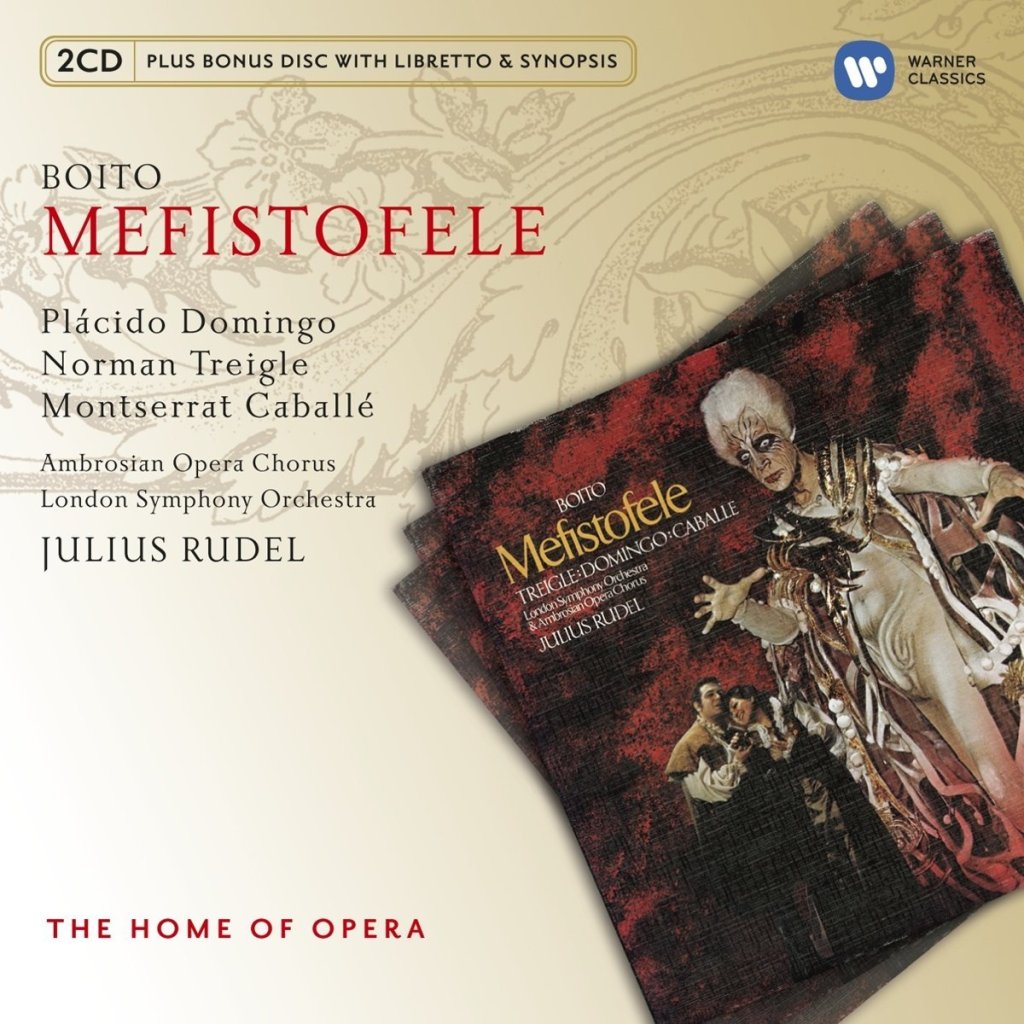
About Norman Treigle: one of the world’s leading specialists in roles that evoked villainy and terror

Norman Treigle as RevOlin Blitch in Susannah by Carlison Floyd

Norman Treigle, one of the greatest American bass-baritones was born in New Orleans March 6, 1927. In 1953 he joined the New York City Opera, making his debut there in March 1953, as Colline in La Boheme. Three years later, he scored his first great success, in the New York premiere of Floyd’s Susannah, as the Reverend Olin Blitch. In 1958, he made his European debut in this opera, at the Brussels World’s Fair.

In the fall of 1974, he made his Covent Garden debut, in Faust.


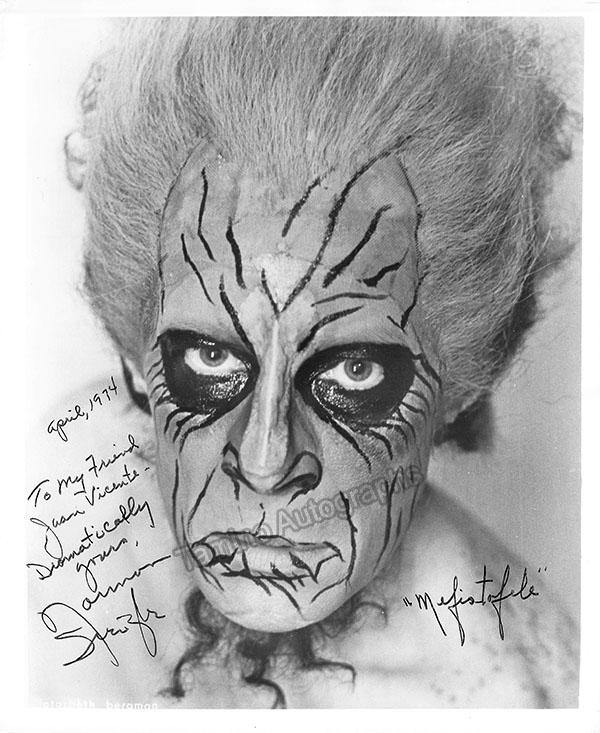
Treigle was acclaimed as one of the world’s greatest singing-actors, specialising in roles that evoked villainy and terror. Perhaps his finest roles were in Faust, Carmen, Susannah, Les contes d’Hoffmann and Mefistofele

Mefistofele

There have been several famous performers of the role: Chaliapin, for instance, who made his European debut with it (La Scala, 1901) and his American debut six years later. Or the two great basses from Bulgaria: Boris Christoff and Nikolai Ghiaurov. And yet, none left as much of a mark on the role as Norman Treigle.


The American bass, who died young (he died of an overdose of sleeping pills in 1975, not yet 48 years old), was a star at New York City Opera, and the production of Boito’s opera was created especially for him in the 1960s-’70s – this to exploit his enormous talent.


In 1973 he was also allowed to record the role in the studio under the direction of Julius Rudel, the same maestro who accompanied him at the NYCO . That the two were well matched can be heard right from the first notes of ˜Ave, Signor”, there is no mistaking it. A duet of the singer with his conductor, with the orchestra serving as a natural backdrop, a very rare experience.

˜Son lo spirito che nega”, a devilish Credo (was Boito maybe a little more involved in ‘Otello’ than is now known?), evokes reminiscences of Iago, a human devil from another opera. Treigle does not sing a devil, no; he is a devil, a chilling reincarnation of the evil genius.


Treigle sings “Ecco il monde” recorded live in 1969

For the roles of Faust and Margherita, the then very young but already world-famous singers were engaged: Montserrat Caballe and Plácido Domingo. Caballe’s Margherita is innocence itself, but with the requisite ‘spunk’. A virgin still, yet already a woman of flesh and blood. From her, you believe it, she will have done anything to spend a night with her lover. And in her madness, she moves with her colouratures – pianissimo, pianissimo, and oh so heartbreaking. Domingo’s Faust is still young and naive, he is deluded, but also enjoys it. His love for Margherita is genuine, but just as genuine is his admiration for the beautiful Helen of Troy

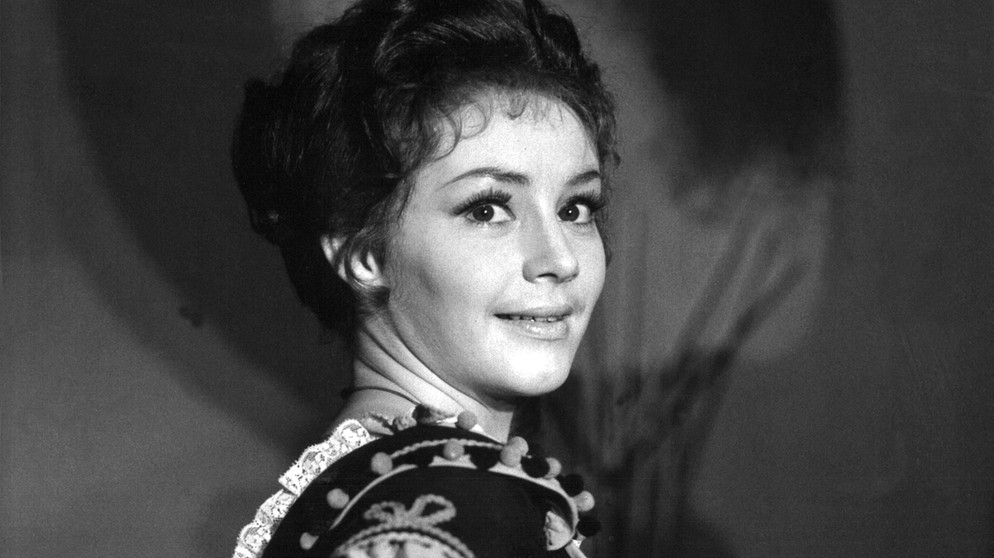
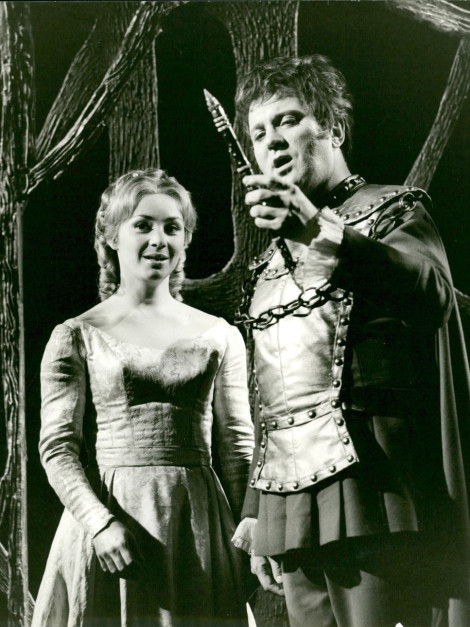
Edith Mathis as Emily, Ginevra, Pamina, Sophie, Susanna…

© picture-alliance / dpa

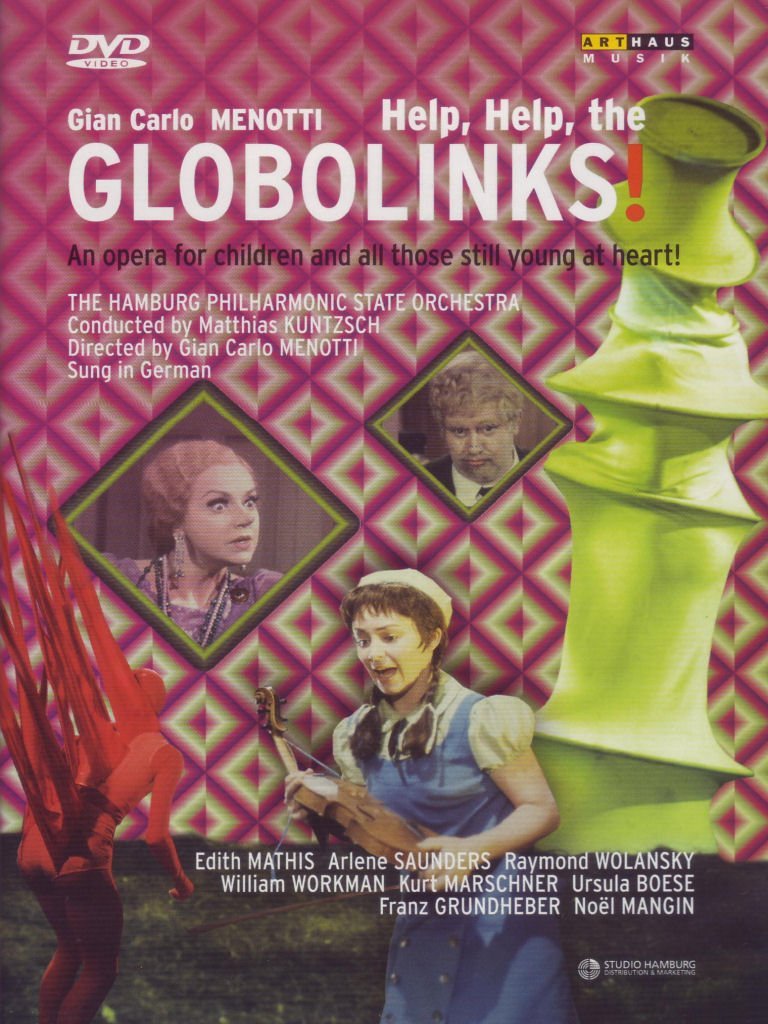
Hilfe, Hilfe Die Globolinks (Emily)

Especially for Hamburg, the Italian-American composer and director Gian Carlo Menotti composed Hilfe, Hilfe Die Globolinks!, an opera ‘for children and for those who love children’. The premiere took place in 1968 and a year later it was filmed in the studio.

I must confess that I’m not a big fan of children’s operas, but I’ve been shamelessly enjoying this one. It is an irresistible fairy tale about aliens (Globolinks) who are allergic to music and can only be defeated by means of music.

The images are very sensational for that period, full of colour and movement and the forest little Emily (the irresistible Edith Mathis) has to go through with her violet to get help is really frightening. The aliens are a bit of a let-down according to modern standards, but that doesn’t matter, it gives the whole a cuddly shine. The work is bursting with humour and irony; musical barbarians are lashed out at: the school principal who doesn’t like music turns into an alien himself.

There are also a lot of one-liners (“music leads you to the right path” or “when music dies, the end of the world is near”). It is incomprehensible a work like this is not performed all the time in every school (and I don’t mean just for the children), the subject is (and remains) very topical.

None of the roles, including the children, could be better cast, and this once again proves the high standard of the Hamburg ensemble. In which other city would you find so many great singers/actors who can perform so many different roles on such a high level?

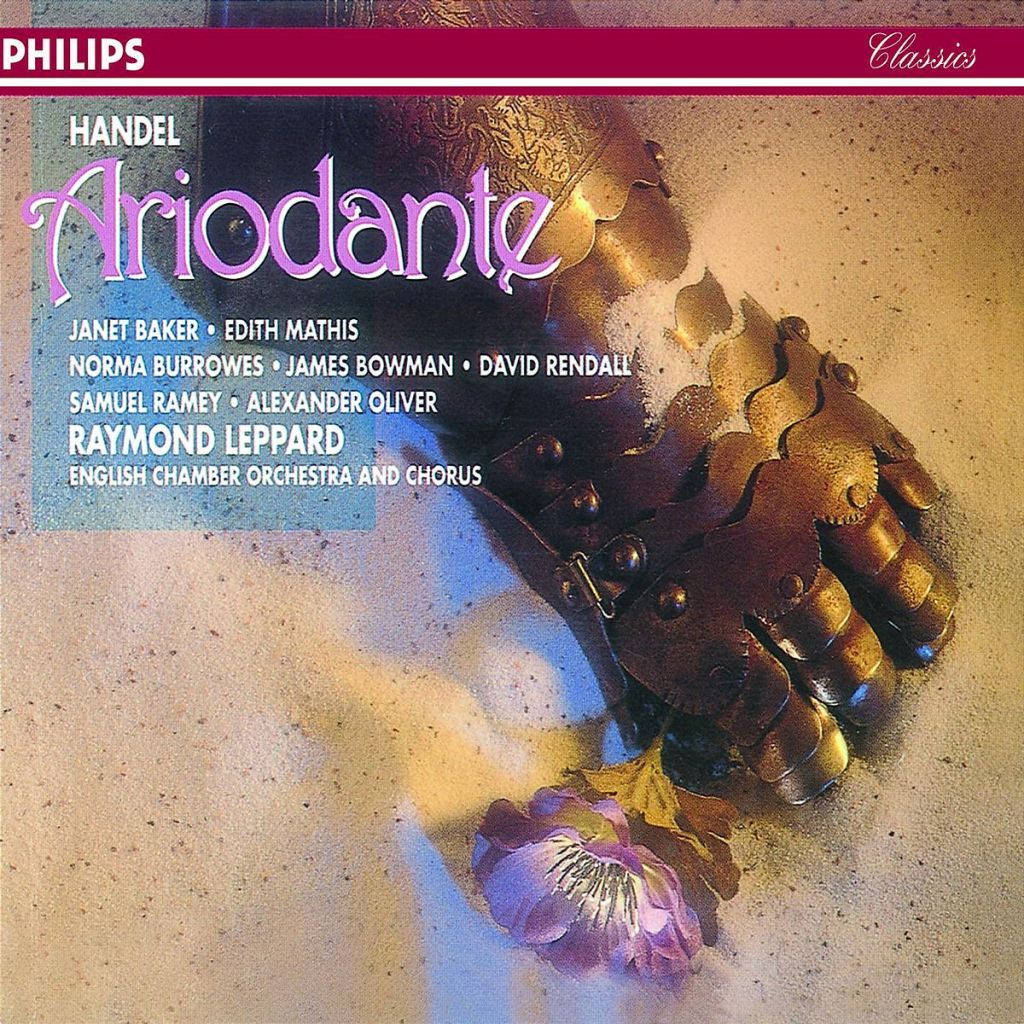
Ariodante (Ginevra)

Listening to Janet Baker is always a feast. Her Ariodante sounds old-fashioned heartwarming.

Warm-blooded too. And sopranos Edith Mathis (Ginevra) and Norma Burrowes (Dalinda) are a pure joy to listen to.

Edith Mathis sings “Si, morrò, ma l’onor mio”:

Nozze di Figaro (Susanna)


This reconstructed production of Die Hochzeit des Figaro (yes, it is sung in German) is of great historical value. But it has more to offer; the production is magnificent, the orchestra of the Hamburg Opera under conductor Hans Schmidt-Isserstedt is excellent and the singers are all idiomatic.

The American baritone Heinz Blankeburg is a droll Figaro and as Susanna, Edith Mathis is simply wonderful. I would actually like to shout it from the rooftops: this is how Susanna is meant to be! The young Tom Krause is a more than delightful Count and Arlene Saunders as the Countess, is a real match for him (and his timbre).

Cherubino

From 1960 on, all operas performed at Glyndebourne were recorded live. The more-than-valuable archive began to be polished off and transferred to CDs in 2008.

It was no coincidence that it was precisely Figaro’s Wedding that inaugurated the new series: after all, that opera gave the go-ahead to the new festival in 1934, which is now among the most prestigious in the whole world.


Gabriel Bacquier does not immediately associate you with Almaviva, and the Contessa is not the role you think of in connection with Leyla Gencer, but they both sing beautifully, with a great sense of nuance. The rest of the cast is also fantastic, headed by Mirella Freni (Susanna), then still at the beginning of her career, and the very young Edith Mathis as the ideal soprano-Cherubino

Salzburg Festival 1966 directed by Karl Böhm:

Rosenkavalier (Sophie)

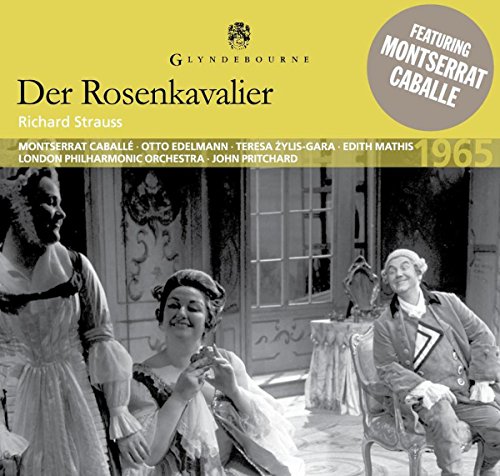
Montserrat Caballé (Marschallin) is a beautiful, young and spirited Marschallin, who enriches the role ‘at his Caballés’ with the most beautiful pianissimos and legatos.Teresa Zylis-Gara is a wonderfully light-sounding Octavian and Edith Mathis a Sophie who sounds like a 15-year-old girl. Otto Edelmann (Ochs) completes the fantastic recording

Edith Mathis as Sophie, here with Tatiana Troyanos (Octavian) in Salzburg 27 July 1969:

Zauberflöte (Pamina)

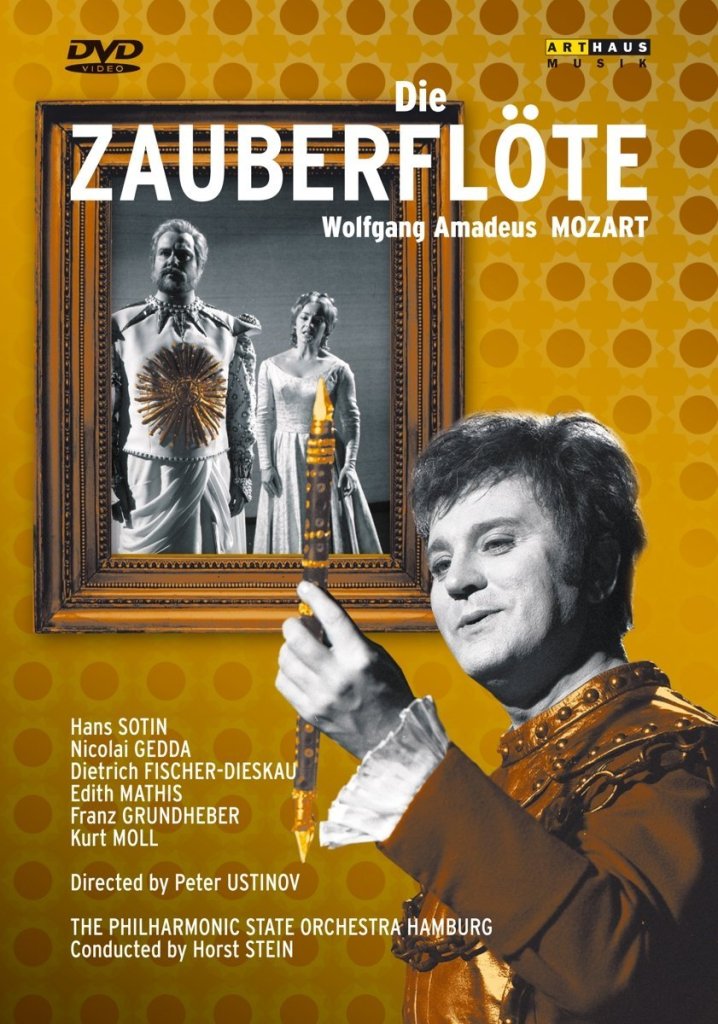
I think it’s one of the most important Magic Flutes ever, especially because of the singers! Shall I name them? Nicolai Gedda, Hans Sotin, the young Franz Grundhebber, Edith Mathis, Kurt Moll; Fischer-Dieskau, Kurt Moll , the very underrated William Workman and ….. last but not least! YES! Our ‘own’ Deutekom in her parade role.


Edith Mathis & Nicolai Gedda in „Mein, o welch ein Glück!’


Edith Mathis died 9 Februari 2025, only three days before her 86th birthday
Rest in Peace Grandiosa!

Over Max Vredenburg, een Nederlandse componist die bijna niemand meer kent

Max Vredenburg  (1904 -1976) werd geboren in Brussel en groeide op in een Nederlands-Joods gezin. Door de dreigende oorlog vluchtten ze naar Den Haag.

1922, na de middelbare school, ging hij werken voor een importbedrijf in gedroogd fruit, maar hij nam al snel ontslag. Zijn hart lag bij de muziek. Hij studeerde theorie en compositie aan het Haags Conservatorium bij Henri Geraedts, die hem adviseerde naar de École Normale de Musique in Parijs te gaan.

In 1926 en 1927 studeerde hij bij Paul Dukas en Albert Roussel, componisten die hem zeer hebben beïnvloed en die hem bij een van de belangrijkste uitgeverijen van die tijd, Editions Maurice Senart hetbben geïntroduceerd

In 1941 vluchtte hij naar Batavia en in 1942 belandde hij in de Jappenkamp. Hij heeft de oorlog overleefd maar een groot deel van zijn familie werd vermoord in Sobibor en Auschwitz.

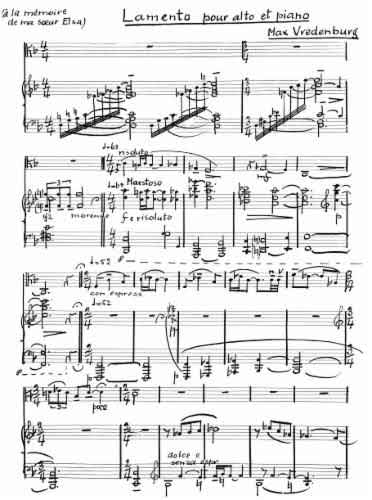
Als componist liet hij een gevarieerd oeuvre na.  Het Lamento componeerde hij in 1953 ter nagedachtenis van zijn zus Elsa.

Marcel Worms houdt zich een beetje schuil, zijn IJslandse collega alle eer gunnend om te brilleren. Maar ga maar goed luisteren en ervaar hoe ontzettend meevoelend zijn bijdrage is. Zoiets heet ‘partners in crime’, denk ik. Beter kan ik het niet omschrijven.

Vredenburg heeft ook muziek gecomponeerd voor de films van Bert Haanstra
Spiegel van Holland:

En Panta Rhei:

Na de oorlog werkte Vredenburg als muziekrecensent voor bijna alle Nederlandse kranten maar tegenwoordig is hij voornamelijk bekend als medeoprichter van het Nationale Jeugd Orkest.

Bron (o.a.):
©  https://www.forbiddenmusicregained.org/search/composer/id/101245

Hans Werner Henze: aesthetic-theatrical do-gooder in three operas and a biography

Curious man, that Henze. Once flirting with communism and dreaming of a world revolution, he was also an aesthete and an erudite which – in part – made him decide to bid farewell to Germany and move to Italy in 1953.

His music has always been highly theatrical: he never liked the strict rules of serialism and felt a close connection with opera, which, unlike the hardliners of the avant-garde at the time, he had never labelled as obsolete. His discography therefore lists more than 20 musical theatre works, performed with great regularity.

DIE BASSARIDEN

Die Bassariden is among Henze’s finest and most important compositions. The English Language libretto, after ‘The Bacchantes’ by Eurypides, was written by W.H.Auden (does anyone remember the ‘Funeral Blues’ from Four Weddings and a Funeral?) and Charles Kallman.

It became a massive, through-composed score, anchored in the Wagnerian tradition (it is whispered that the librettists insisted that Henze, before turning to composing, study the ‘Götterdammerung’) and constructed as a four-movement symphony with voices.

The story of King Pentheus, who, by wanting to banish all sensuality, comes into conflict with Dionysus and his adepts and is ultimately torn apart by his own mother, serves as a metaphor for the conflict between Eros and Ratio.

The opera premiered (in the German translation) at the Salzburg Festival in August 1966. It became a huge success, even prompting one of the reviewers to cry that Richard Strauss had finally got a successor. Henze laughingly and rightly dismissed this with a simple “where are the man’s ears?!”

A few years ago, the live-recorded premiere performance (in German translation) was released by Orfeo (C 605 032 1). The highly emotional playing of the Wiener Philharmoniker, under the inspired direction of Christoph von Dohnányi, reaches unprecedented heights.

Kostas Paskalis is very credible in his role of Pentheus and Kerstin Meyer moves as Agave.

It’s just a pity no libretto was included, after all, it’s not everyday fare.

[Editorial: A later performance of the English Language version was released on the Musica Mundi label, conducted by Gerd Albrecht, but this revised edition omits the interlude]

Das Urteil der Kalliope, interlude from Die Bassariden :

L’UPUPA

Almost forty years later, a new (and also the last, the then almost 80-year-old composer claimed) [Ed: He would produce two more after this, in spite of ill health] opera by Henze was performed in Salzburg: L’Upupa und der Triumph der Sohnesliebe. It was a commissioned work by the Salzburg Festival, and its premiere at the Kleines Festspielhaus in August 2003 was recorded live for DVD (EuroArts 2053929).

The libretto, a fairy tale based on Syrian-Persian tales, was written by Henze himself. The three sons of The Old Man go in search of L’Upupa (a hop), a bird lost by the man with the golden feathers. The two eldest drop out immediately and amuse themselves by drinking and playing cards. The youngest, Kasim (an excellent role by Mattias Goerne), assisted by a Papageno-like ‘Demon’ endures all kinds of adventures, including an attempt on his life by his brothers. But he finds the bird and, in passing, a lover in the guise of a Jewish Princess (Laura Aikin) and returns to his old father. Only to leave again immediately, this time to fulfil a promise made. An open-ended ending, then, that also makes for beautiful imagery and moving music.

The text is at times very comic, but also very poetic. Jürgen Rose’s sets and costumes are truly dazzling, and Dieter Dorn’s direction very intelligent. There is also more than excellent singing and acting, especially by the truly inimitable John Mark Ainsley as the Demon.

DER PRINZ VON HOMBURG

On Arthaus Musik (100164) you will find another superb opera by Henze: Der Prinz von Homburg. It was recorded at Bayerischer Staatsoper in Munich in 1994 and Nikolaus Lehnhoff’s direction is truly inimitable.

The story of a daydreaming prince, who fails to follow orders properly during the war and is sentenced to death but is exonerated as soon as he accepts his punishment, is based on a play by Heinrich von Kleist.

François Le Roux seems cut out for the lead role, but the rest of the cast: William Cochran, Helga Dernesch, and Marianne Häggander is also particularly strong.

MEMOIRS OF AN OUTSIDER

I also warmly recommend the documentary about Henze made by Barrie Gavin in 1994 (Arthaus Musik 100360). It features – apart from the composer himself and his Italian friend – Simon Rattle and Oliver Knussen, who candidly confesses that his own music would never have become anything without Henze’s influence. All this is interspersed with music excerpts and with beautiful archive footage. As an encore, you get a stunning performance of Henze’s absolute masterpiece, his Requiem.

Hans Werner Henze. Das Floss der Medusa

Der junge Lord van Henze. Satire? Of meer?

From Tragédiennes to Visions. Véronique Gens, a mini portrait

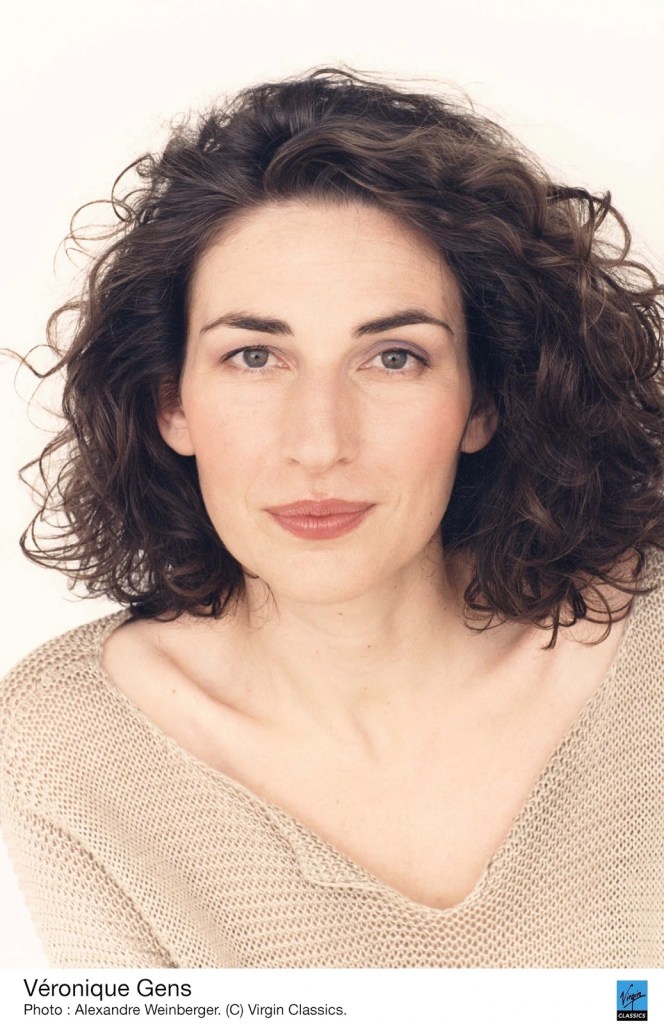
In 1999, Véronique Gens was named singer of the year by the French ‘Victoires de la Musique’, but her career began 13 years earlier, when she was introduced to William Christie.


Her voice was not yet trained and that was exactly what he was looking for. In 1986, she made her debut as a member of his famous baroque ensemble Les Arts Florissants. Very quickly she became an established singer of baroque music and she worked with the biggest names in the circuit: Marc Minkowski, Philippe Herreweghe, René Jacobs, Christophe Rousset and Jean-Claude Malgoire.


Gens sings ´Ogni vento´ from Hàndel’s Agrippina, conducted by Malgoire


It was Malgoire who gave her her first Mozart roles: Cherubino (Le Nozze di Figaro) and Vitellia (La Clemenza di Tito), but if anyone had predicted to her 20 years ago that she would one day sing the Contessa from Le Nozze or Elvira (Don Giovanni), she would surely not have believed it.


Véronique Gens as Donna Elvira in Barcelona:


She always wanted to sing, but her family of almost exclusively doctors and pharmacists didn’t like it. No steady income, no pension… So she studied English in her hometown Orléans, and then at the Sorbonne.


Since then, she has made hundreds of recordings – many of them award-winning – and her repertoire is constantly expanding: after Mozart came Berlioz – she sang the role of Marie in L’enfance du Christ, for instance – and for her recording of Les Nuits d’été she was chosen as the ´Editor’s Choice´ by English Gramophone.

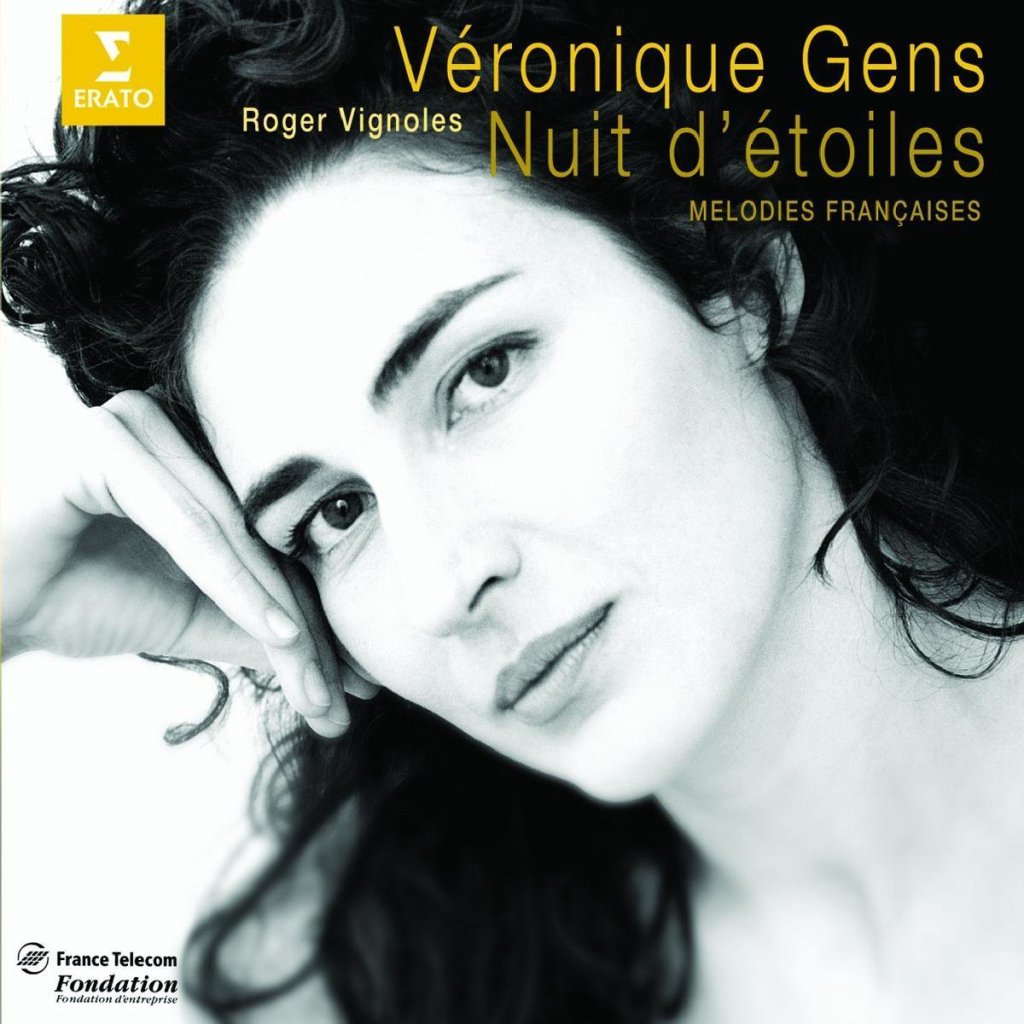
Her CD titled Nuit d’étoiles with songs by Fauré, Poulenc and Debussy was also very enthusiastically received everywhere.


Tragédiénnes


For Virgin, she had embarked on a voyage of discovery through the mostly unknown treasures of the French Baroque in 2006, and the result is quite something.

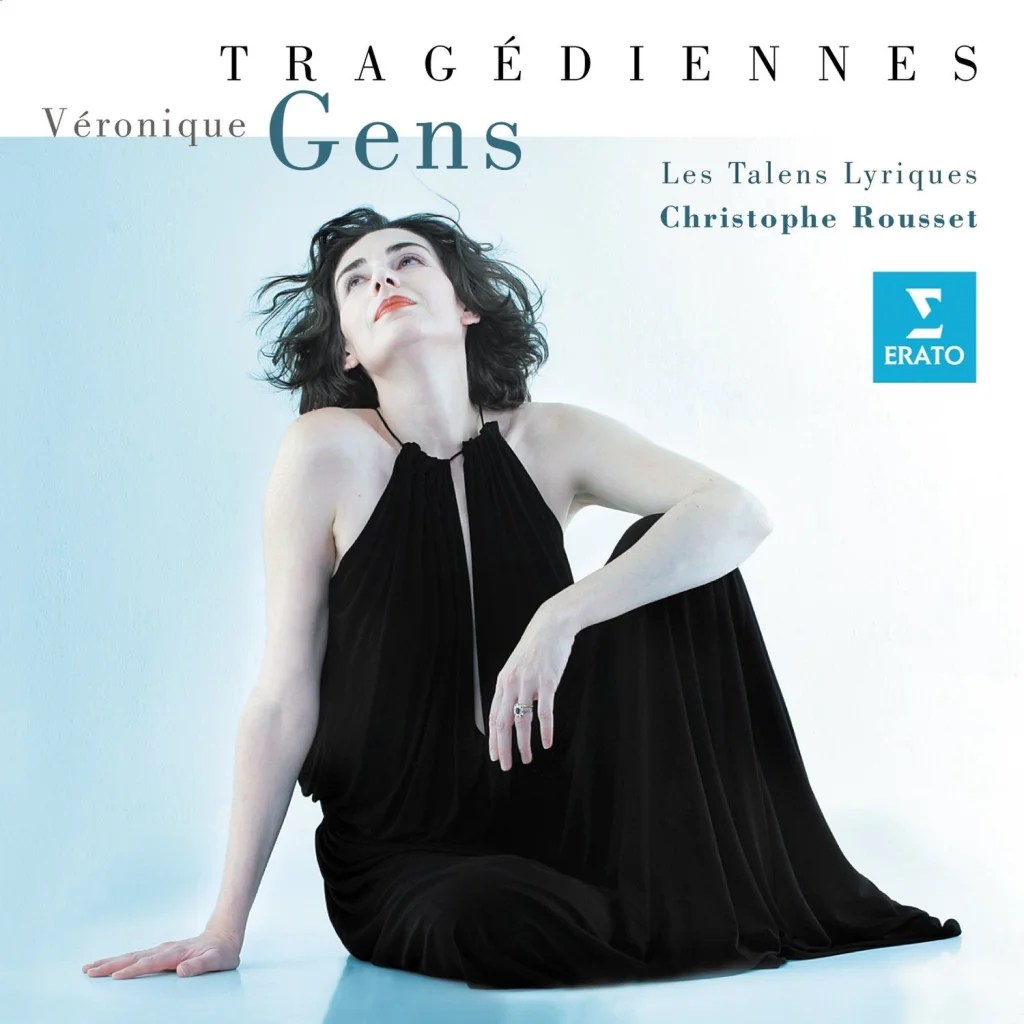
Accompanied by the Ensemble Les Talens Lyriques, conducted by Christophe Rousset, she recorded arias from the operas of Lully, Campra, Rameau, Leclair, de Mondonville, Royer and Gluck. The so-called “tragédie-lyrique” was inspired by the great classical plays, in which the tragic element was considered the most important. It also contained long dramatic scenes, which allowed the divas of the time to display the whole range of emotions.


It fits her all like a glove. She takes us on a journey of discovery, in which a lot of forgotten gems provide immense pleasure. But however wonderful they all are, she reaches the absolute climax in ‘Dieux puissants que j’atteste…’, Clytamnestra’s poignant cry of the heart for her daughter, from Gluck’s Iphigénie and Aulide.

There she soars with the speed of a rollercoaster to enormous heights, leaving the listener gasping and palpitating. Brava.


Tragédiennes
Arias from early French operas by Lully, Campra, Rameau, Mondonville, Leclair, Royer, Gluck; Les Talens Lyriques conducted by Christophe Rousset. Virgin 346.762


Néère


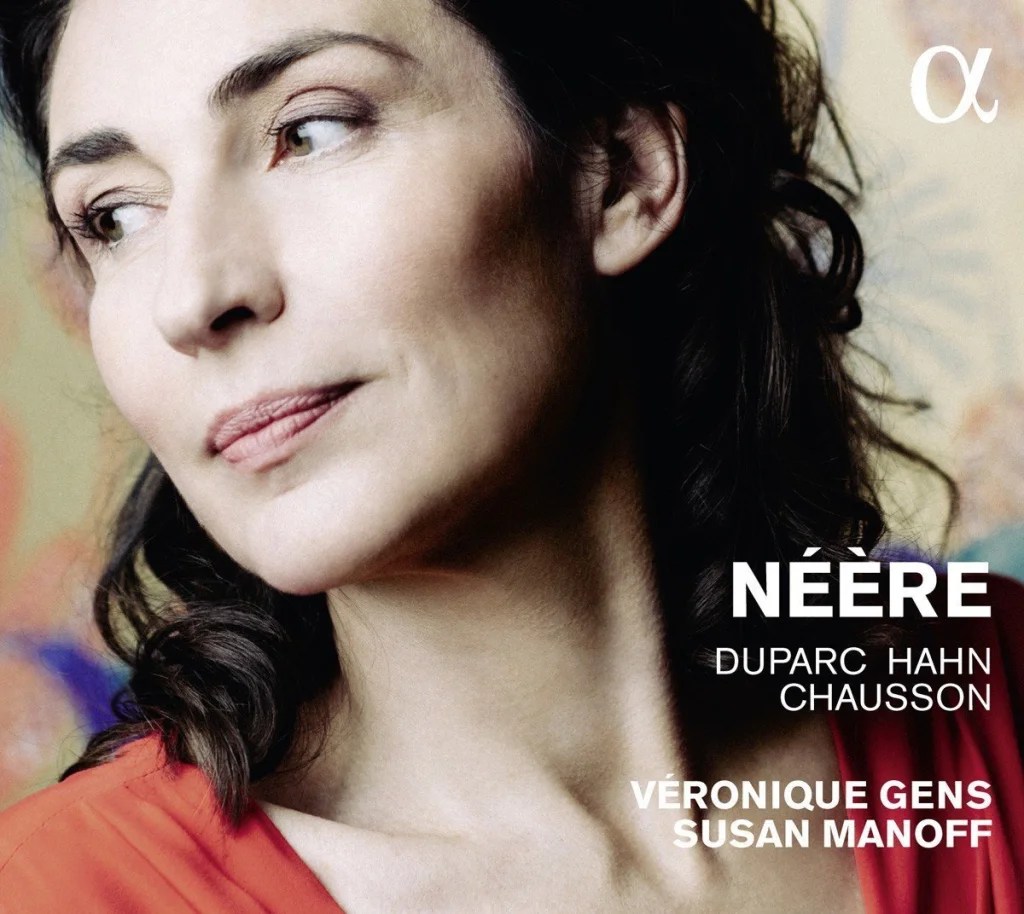
For her album Néère, named after the title of Reynaldo Hahn’s opening song, Veronique Gens has made a more than brilliant selection of the most beautiful songs by Reynaldo Hahn, Henri Duparc and Ernest Chausson.

They cannot be called cheerful: they all exude a very wistful and melancholic atmosphere and are – how could it be otherwise when the French talk about ‘amour’? –  all ‘tristesse’.

The beautiful mélodies fit Gens’s dark-toned and slightly-veiled voice with its sensual undertones like a velvet glove.

Trailer:


Nothing but praise too for the pianist. Susan Manoff plays more than sublime and in her accompaniment she sounds like Gens’ twin sister: the perfection with which she manages to transpose the rich colours so present in the singer’s voice (and there are many!) to the keys is truly unimaginable.


Rare beauty.


Néère; Songs by Reynaldo Hahn, Henri Duparc and Ernest Chausson, Alpha 215


Visions


No one can possibly ignore this CD. Palazetto Bru Zane is long overdue for a fame that transcends all countries and borders! Just look at their programming and all their releases! They are so very special!

Not only is their repertoire extremely rare and extraordinarily fascinating, their releases are done to perfection. Something that deserves not just kudos but the highest awards.

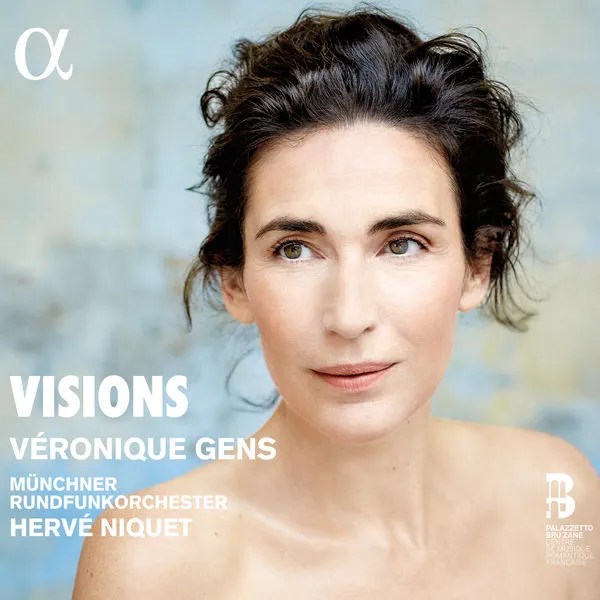
Their latest project, Visions, also exceeds all expectations and desires. At least mine. The CD is bursting with unknown arias from unknown operas and oratorios by largely lesser-known and/or forgotten composers. All the pieces collected here have the motto ‘religious visions’ and exude an atmosphere bordering on sanctuary and martyrdom but served up with the extremely grand gesture that only opera can offer.


Trailer of the recording:


Véronique Gens sings the arias with a great élan and an enormous empathy. Her delivery is dramatic, sometimes even a tad too much. That the arias call for a healthy dose of hysteria is rather obvious, but a little more devotion and piety would have made the result even better, even more impressive.


There is no point in speculating what a singer like Montserrat Caballé could have done with all this material: first, she has never sung it (apart from Massenet’s La Vierge) to my knowledge, and second, singers of her calibre really don’t exist anymore.


Montserrat Caballé sings ‘Rêve infini, divine ecstasy’ from Massenet’s La Vierge:


In this context, Véronique Gens is more than up to the task. Not only because of her exemplary diction and intelligibility, but also because her voice has developed into a true ‘Falcon soprano’ and has reached a level that more than lends itself to this repertoire.


Visions; Arias from the operas by Alfred Bruneau, César Franck, Louis Niedermeyer, Benjamin Godard, Félicien David, Henry Février, Camille Saint-Saëns, Jules Massenet, Frometal Halévy, Georges Bizet; Munich Radio Orchestra conducted by Hervé Niquet; Alpha 279

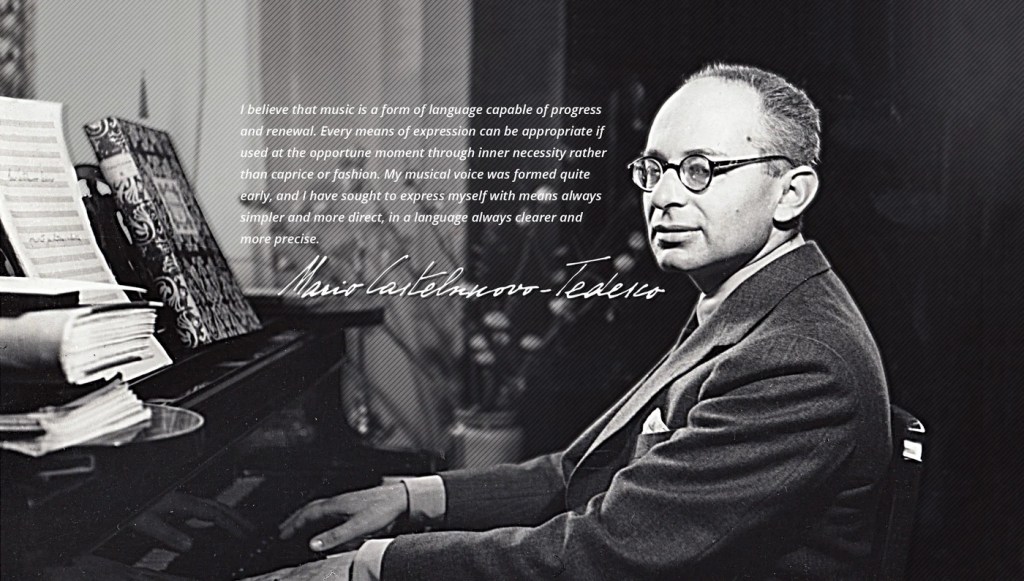
Mario Castelnuovo-Tedesco: more than just a composer of guitar works

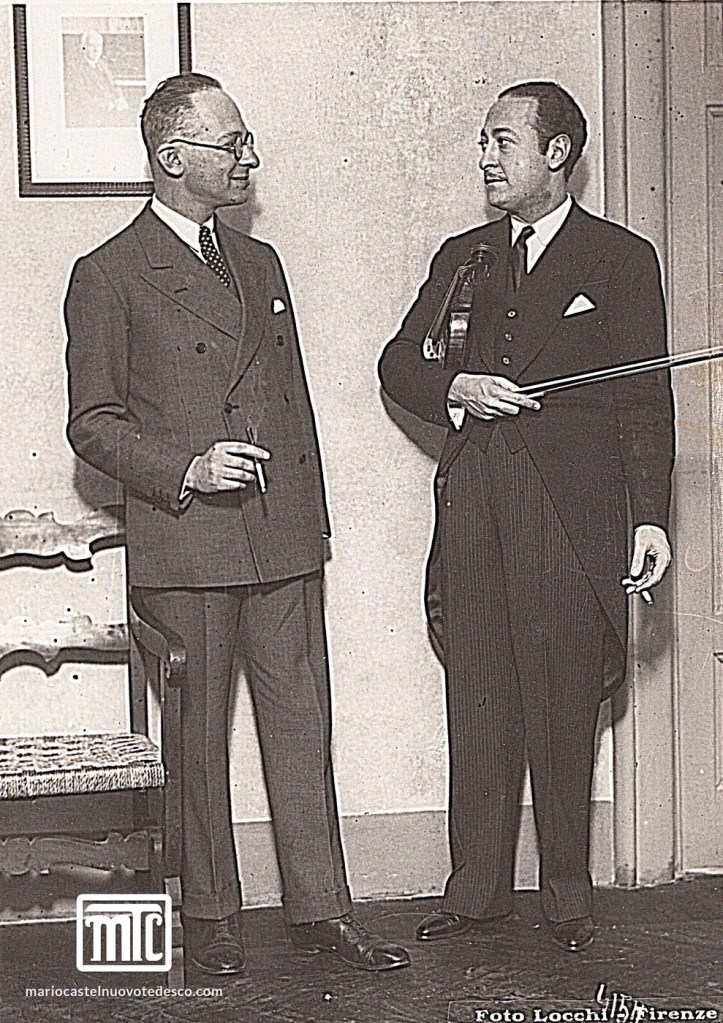
Mario Castelnuovo-Tedesco (Florence, 3 April 1895 – Beverly Hills, 16 March 1968) was born into a Jewish family of Sephardic descent (Jews expelled from Spain in 1492). He was extraordinarily creative, to his credit he worked on all sorts of things: piano works, concertos, operas…. His compositions were played by the great: Walter Gieseking, Gregor Piatigorsky, Jascha Heifetz, Casella.


Heifetz plays Mario Castelnuovo-Tedesco’s second violin concerto: ‘I Propheti’. Recording from 1954:


Today, we know him mainly for his guitar works, nearly a hundred in all, mostly written for Andres Segovia.
Segovia plays the Guitar Concerto No.1 in D major, Op. 99; live recording from 1939:


In the beginning of the 1930s the composer began to explore his “Jewish Roots”, which was intensified by the rising of fascism and the racial laws. His music was not performed anymore. Helped by Arturo Toscanini, Castelnuovo-Tedesco and his family were able to leave Italy just before the beginning of World War 2.


Like most Jewish composers who fled Europe, Castelnuovo-Tedesco ended up in Hollywood. Where, thanks to Jascha Heifetz, he was appointed composer of film music by Metro-Goldwyn-Mayer.


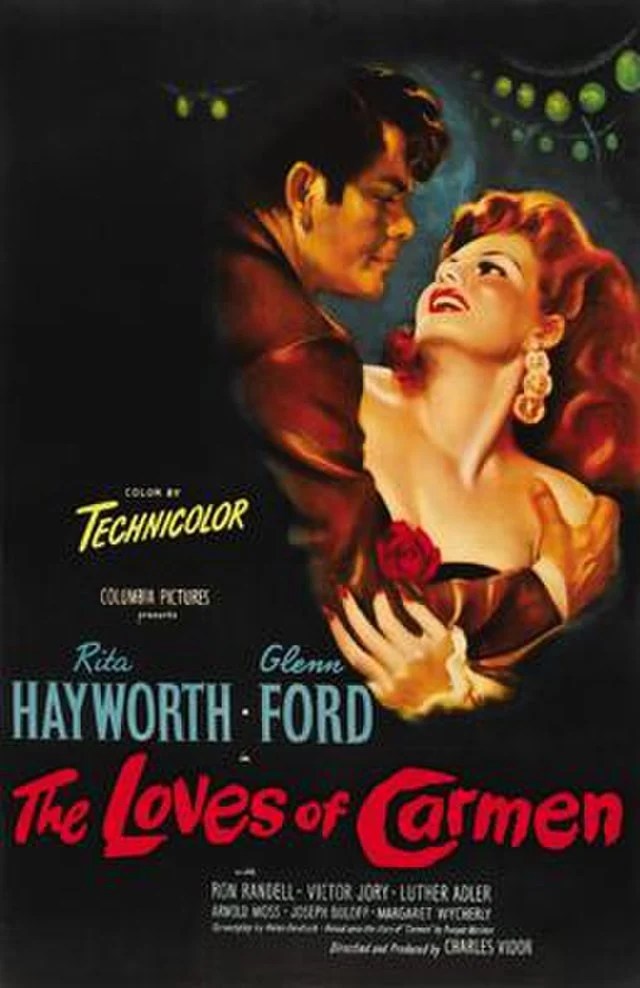
At Rita Hayworth’s special request, he composed music for the film The Loves of Carmen starring Hayworth and Glenn Ford. Below is the dance scene from the film:


During this time, Castelnuovo-Tedesco also composed new operas and vocal works inspired by American poetry, Jewish liturgy and the Bible: America offered him opportunities to deepen and develop his Italian musical heritage and his Jewish spirituality. He dreamed of hearing his Sacred Service “once in the synagogues of Florence”. It was premiered in 1950, at New York’s Park Avenue Synagogue.


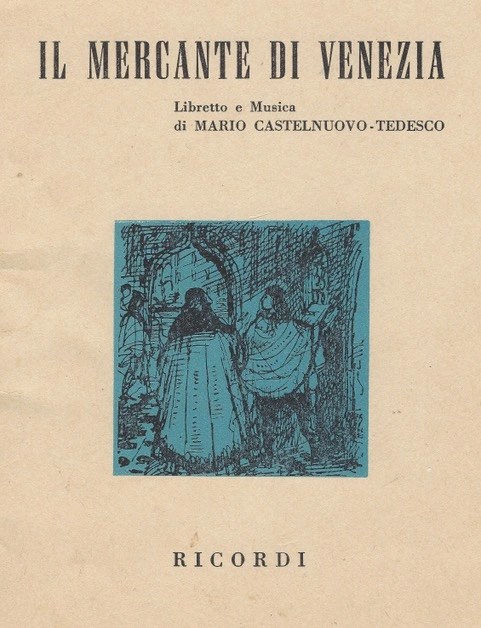
Dating from 1956, the opera Il Mercante di Venezia after Shakespeare’s The Merchant of Venice (Castelnuovo-Tedesco was a great Shakespeare lover) was performed at Maggio Musicale in Florence in 1961. Toscanini conducted and the leading roles were sung by Renato Capecchi (Shylock) and Rosanna Carteri (Portia).


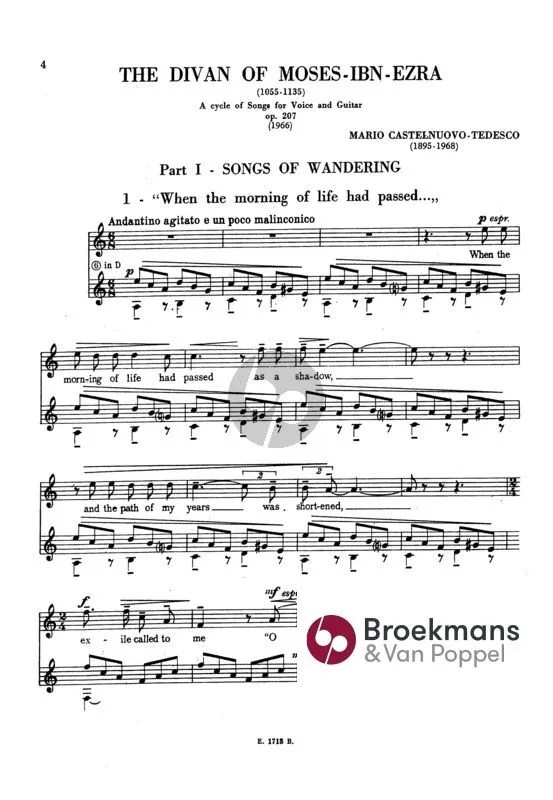
In 1966, he composed The Divan of Moses Ibn Ezra. It is a setting of nineteen poems by Rabbi Moses ben Jacob ibn Ezra, also known as Ha-SallaḠ(‘writer of penitential prayers’).


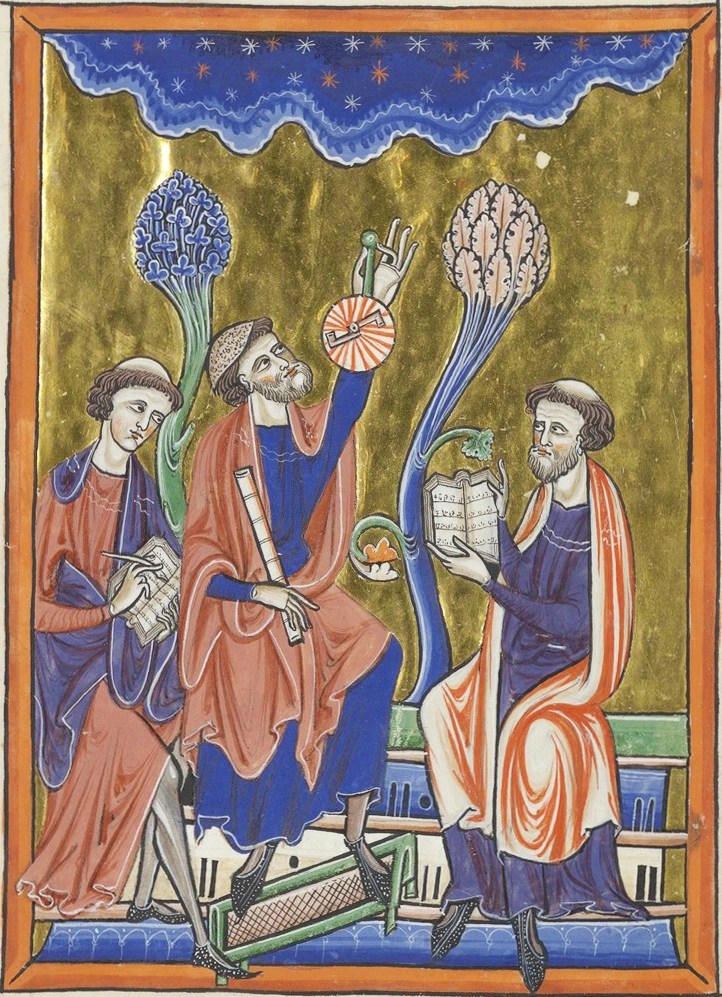
An illustration of Ibn Ezra (centre) using an astrolabe


Born in Granada around 1055 – 1060, Ibn Ezra died after 1138 and is considered one of Spain’s greatest poets. He also had a huge influence on Arabic literature. Castelnuovo-Tedesco composed the ‘Divan’ (meaning; a collection of poems) to the modern English translation.


Roberta Alexander sings The Divan of Moses Ibn Ezra


Channa Malkin and Izhar Elias in ‘Fate has blocked the way’:


The composer wrote his Cello Concerto for Gregor Piatigorsky, the premiere took place in 1935, with Arturo Toscanini conducting the New York Philharmonic. And that was it. Since then, the concerto was totally forgotten for all of eighty years. Until Raphael Wallfisch took it on.


Raphael Wallfisch plays the Allegro Moderato from Castelnuovo-Tedesco’s Cello Concerto


After World War II, Castelnuovo-Tedesco, like several Jewish composers who were forced to flee and seek refuge in Hollywood, was accused of conservatism and sentimentality. That he was inspired by Spanish folklore in many of his works, was not appreciated either.

Song of Songs


In 2022, in celebration of Castelnuovo-Tedesco’s birthday on 3 April his official website presented a long-buried treasure: a recording of the world-premiere of The Song of Songs, which took place in Los Angeles on 7 August 1963

More information:

https://mariocastelnuovotedesco.com/song-of-songs-a-hidden-treasure/?fbclid=IwAR1VjUytiv8h9TnAxMbUwlffBlgU-YeLaXRxeD-XUVJbf6bXAxVmewBhyMc


Castelnuovo-Tedesco:
“In my life I have written many melodies for voice and published 150 of them (many others remaining unpublished) on texts in all the languages I know: Italian, French, English, German, Spanish and Latin. My ambition and, indeed, my deep motivation has always been to unite my music with poetic texts that stimulated my interests and feelings, to express its lyricism.”


In 2019, his biography was filmed in the movie Maestro. Below is the trailer:


Official website of Mario Castelnuovo -Tedesco:

https://mariocastelnuovotedesco.com/

:

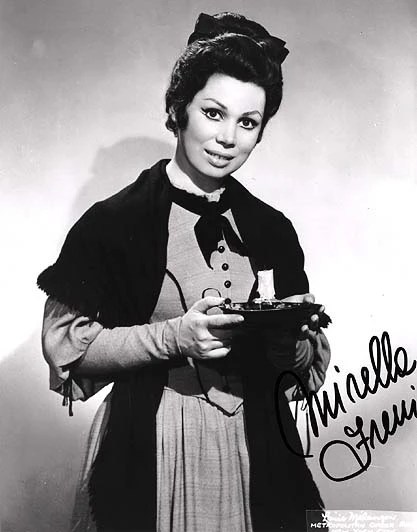
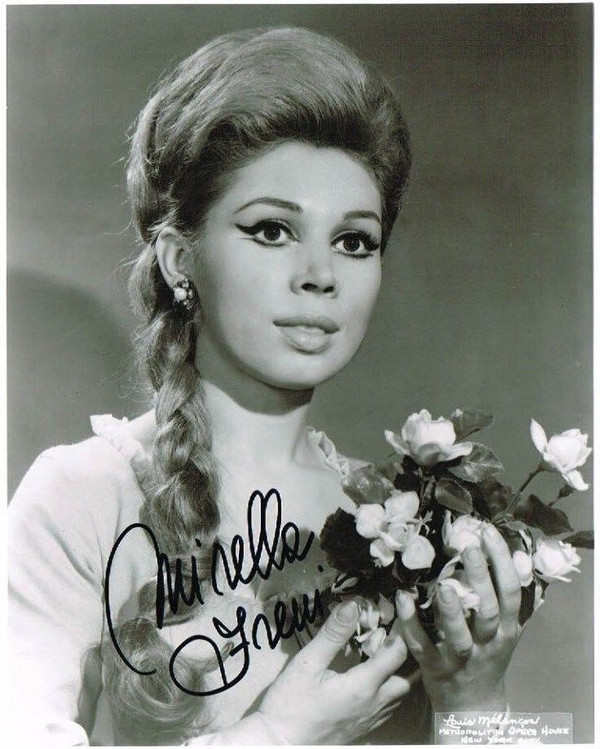
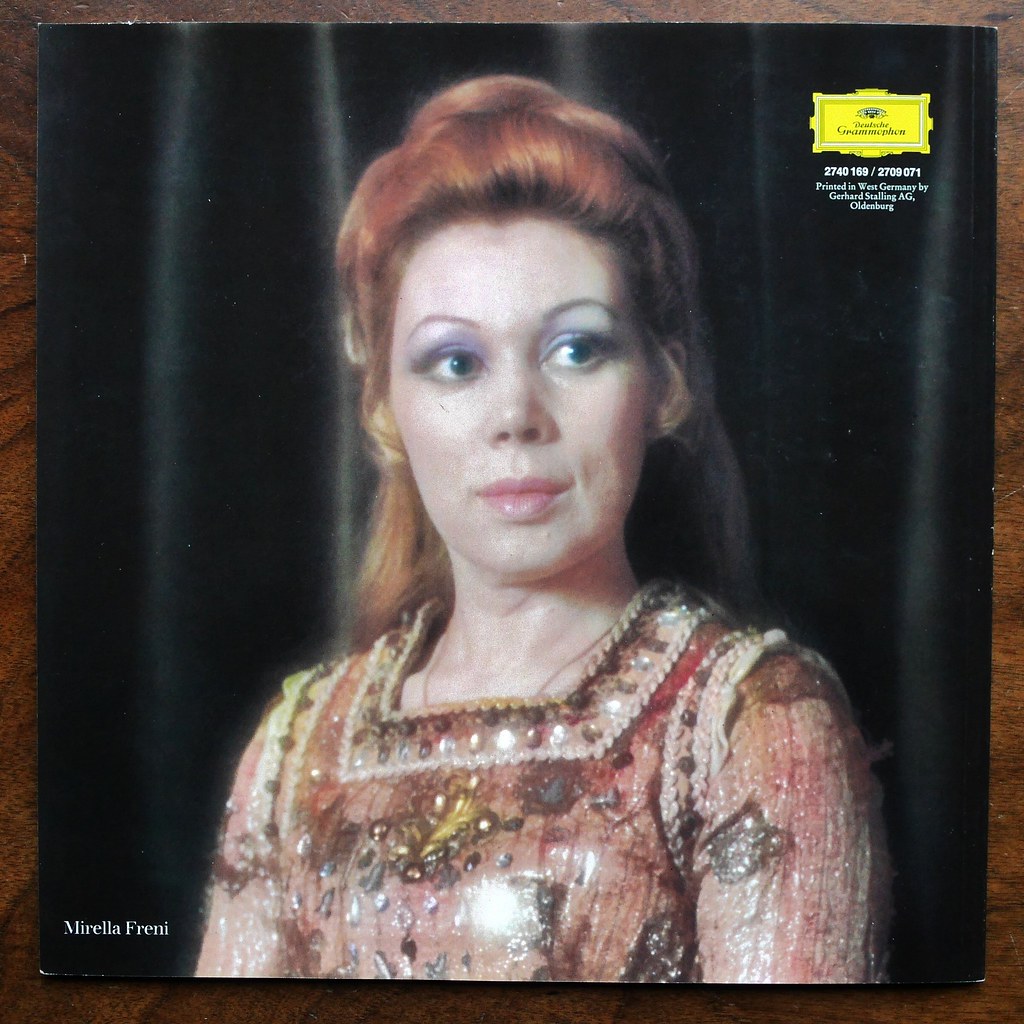
Mirella Freni as Susanna, Mimi, Adina, Amelia, Marguerite and Fedora

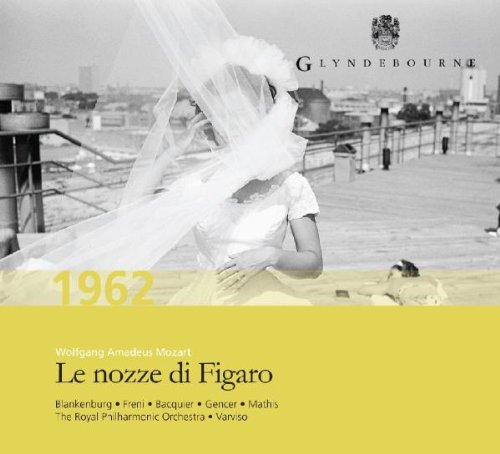
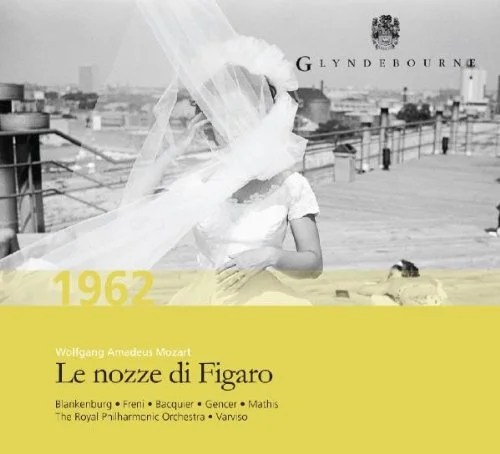
Le Nozze di Figaro Glyndebourne 1962

From 1960 on, all operas performed at Glyndebourne were recorded live. The more-than-valuable archive began to be polished off and transferred to CDs in 2008.

It was no coincidence that it was precisely Figaro’s Wedding that inaugurated the new series: after all, that opera gave the go-ahead to the new festival in 1934, which is now among the most prestigious in the whole world.

photo © Houston Rogers


Gabriel Bacquier does not immediately associate you with Almaviva, and the Contessa is not the role you think of in connection with Leyla Gencer, but they both sing beautifully, with a great sense of nuance. The rest of the cast is also fantastic, headed by Mirella Freni (Susanna), then still at the beginning of her career, and the very young Edith Mathis as the ideal soprano-Cherubino. (GFOCD 001-62))


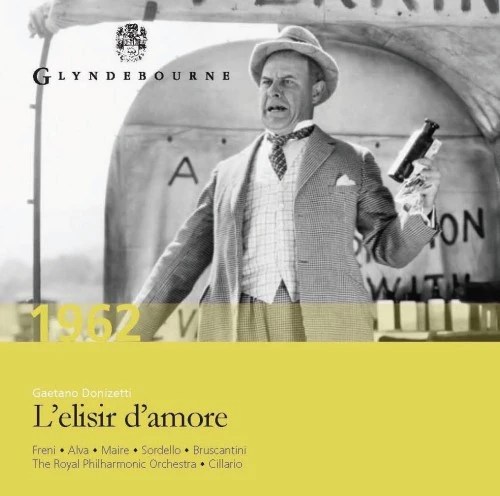
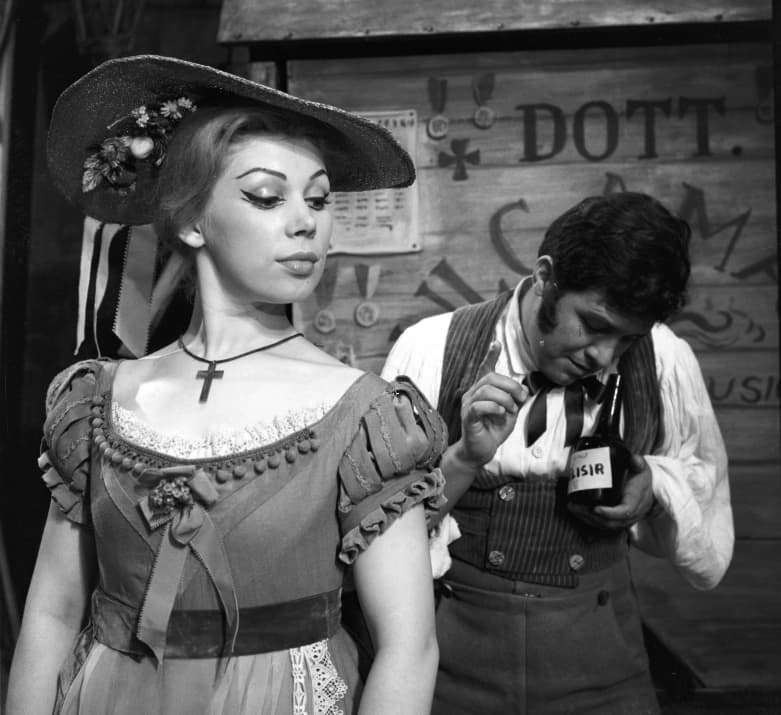
Elisir d’Amore Glyndebourne 1962


Adina marked Mirella Freni’s international breakthrough. Understandable, when you hear how beautifully she gives shape to the role: charmingly and wittily she lets her beautiful lyrical young girl soprano blossom and her height is radiant.


Luigi Alva’s velvety timbre and perfect coloratura technique made him a Mozart and Rossini tenor who was much in demand at the time, and Donizetti also fits him like a glove. His ‘Una furtiva lagrima’ may sound slightly less sweet-voiced than Tagliavini’s or Schipa’s, but his interpretation of the character of Nemorino is formidable.

Sesto Bruscantini is easily one of the best Dulcamaras in history and Enzo Sordello a very masculine Belcore.

La Bohème

MET 1965


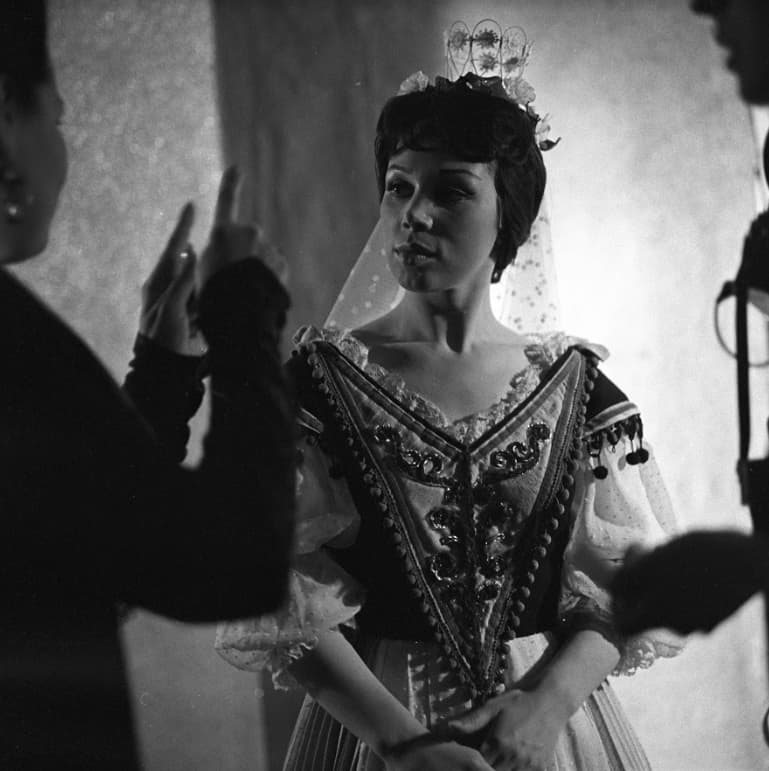
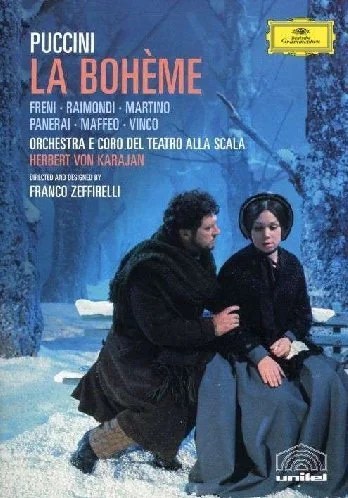
Mirella Freni made her debut as Mimì at the Metropolitan Opera in September 1965. Her Rodolfo was another debutant: the (how unfair!) nowadays almost completely forgotten Italian tenor Gianni Raimondi. For me, he is preferable to Pavarotti. I find his voice more pleasant and elegant. And he could act!


Freni’s and Raimondi’s renditions were captured on a wonderful film, directed by Franco Zeffirelli and conducted by Herbert von Karajan. An absolute must (DG 0476709).


“O Soave Fanciulla” with Freni and Raimondi:

MET 1973


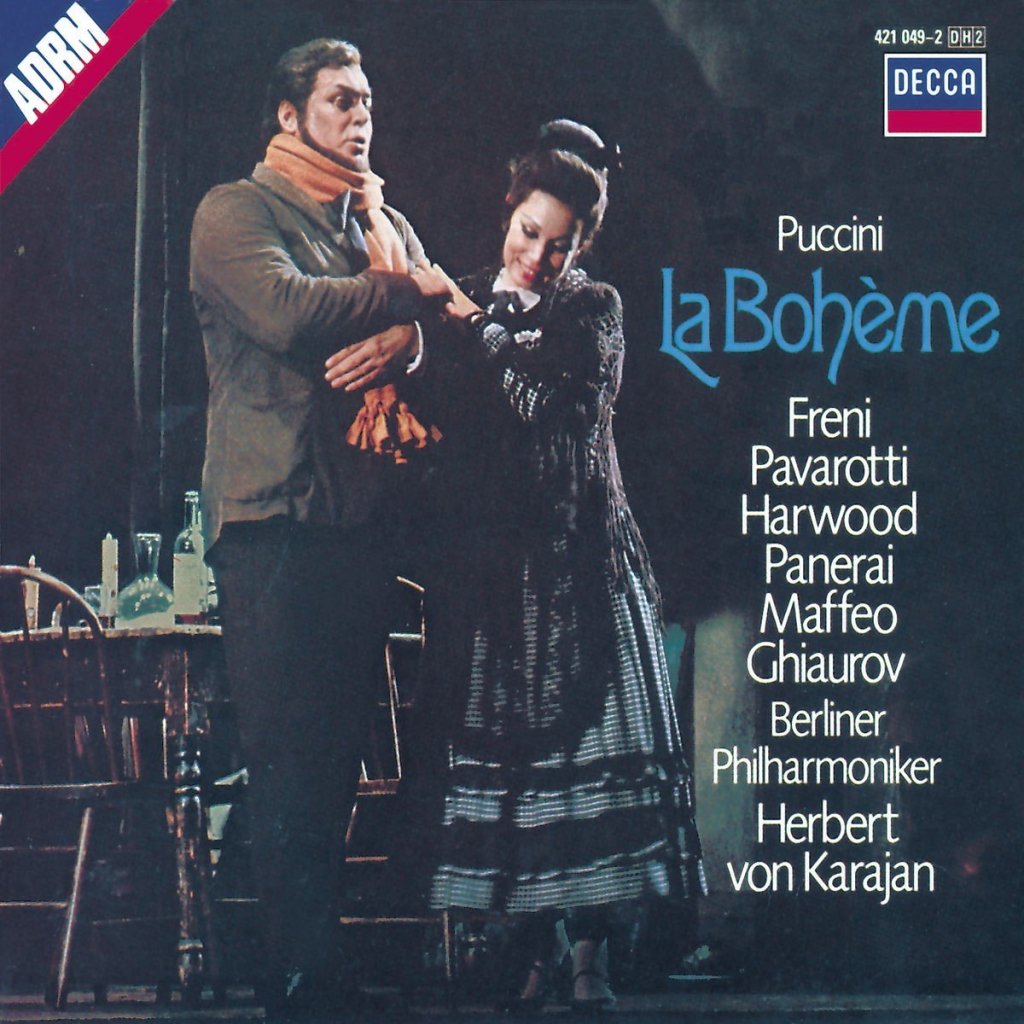
Many opera lovers will probably agree on one thing: one of the best Bohèmes ever is the 1973 version recorded by Decca under von Karajan. With Mirella Freni and Luciano Pavarotti.


Rodolfo has always been Pavarotti’s calling card. For years he was considered the best interpreter of the role – his fantastic legato, the smoothness and naturalness with whih he sang the high notes are truly exemplary. Incidentally, as befitted a typical Italian tenor of the time, he sang the end of “O soave fanciulla” at the same height as the soprano. Not prescribed, but it was tradition!


Freni was undoubtedly one of the most beautiful Mimi’s in history. Tender and fragile, with her heartbreaking pianissimi and legato arches she managed to move even the greatest cynics to tears.

Von Karajan conducted theatrical and passionate way, with ample attention to the sonic beauty of the score. As the Germans would say “das gab’s nur einmal.”


In 2008 we celebrated not only Puccini’s 150th birthday, but also von Karajan’s 100th. Moreover, it was 35 years since the famed conductor recorded La Bohème: a cause for celebration! And lo and behold – Decca has released the opera in a limited deluxe edition (Decca 4780254). On the bonus CD, Mirella Freni talks, among other things, about her relationship with von Karajan and about singing Puccini roles. It is really fascinating.


SIMON BOCCANEGRA 1977

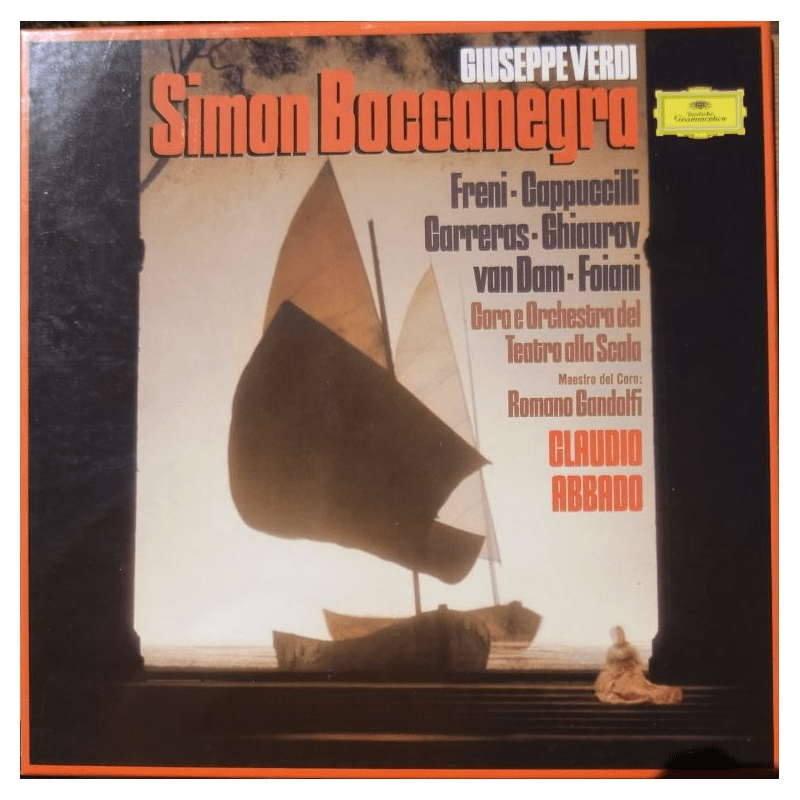
In 1971, Claudio Abbado conducted a magisterial and now legendary performance of Boccanegra at La Scala. It was directed by Giorgio Strehler and the beautiful sets were designed by Ezio Frigerio. In 1976, the production was shown at the ROH in Covent Garden. Unfortunately, no official (there are ‘pirates’ in circulation) video of it was made, but the full cast did fortunately go into the studio, and thus the ultimate ‘Simone’ was recorded in 1977 (DG 4497522).

Abbado treats the score with such love and such reverence as if it were the greatest masterpiece of all time, and under his hands it really does transform into a masterpiece without parallel. Such tension, and with all those different nuances! It is so, so beautiful, it will make you cry.


The casting, too, is the best ever. Piero Cappuccilli (Simon) and Nicolai Ghiaurov (Fiesco) are evenly matched. Both in their enmity and reconciliation, they are deeply human and always convincing, and in their final duet at the end of the opera, their voices melt together in an almost supernatural symbiosis:

Before that, they had already gone through every range of feeling and mood, from grievous to hurtful, and from loving to hating. Just hear Cappuccilli’s long-held ‘Maria’ at the end of the duet with his supposedly dead and now found daughter (‘Figlia! A tal nome palpito’).

José van Dam is an exquisitely vile Paolo and Mirella Freni and Jose Carreras are an ideal love couple. The young Carreras had a voice that seems just about created for the role of Adorno: lyrical with a touch of anger, underlining Gabriele’s brashness. Freni is more than just a naive girl; even in her love for Adorno, she shows herself to be a flesh-and-blood woman
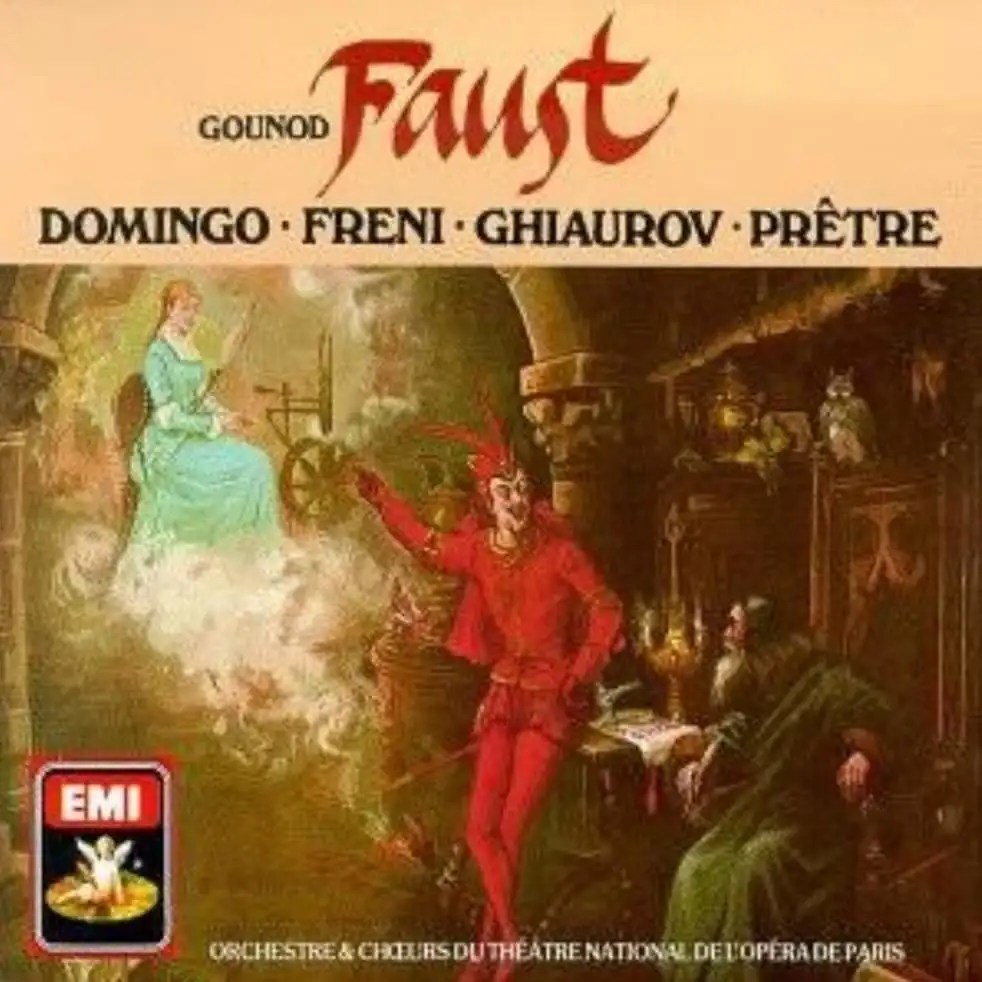
Gounod: Faust


Gounod’s Faust with Plácido Doming, Mirella Freni and Nicolai Ghiaurov was recorded in 1979 by EMI (now Warner) and it is easily one of the best recordings of the work. The orchestra of the Paris Opera is conducted by Georges Prêtre, one of the best conductors of French repertoire.

The cast is finger-licking gorgeous: Mirella Freni is a fragile and sensual Marguerite and Nicolai Ghiaurov a very impressive Méphistophélès. In the small role of Valentin we hear none other than Thomas Allen.

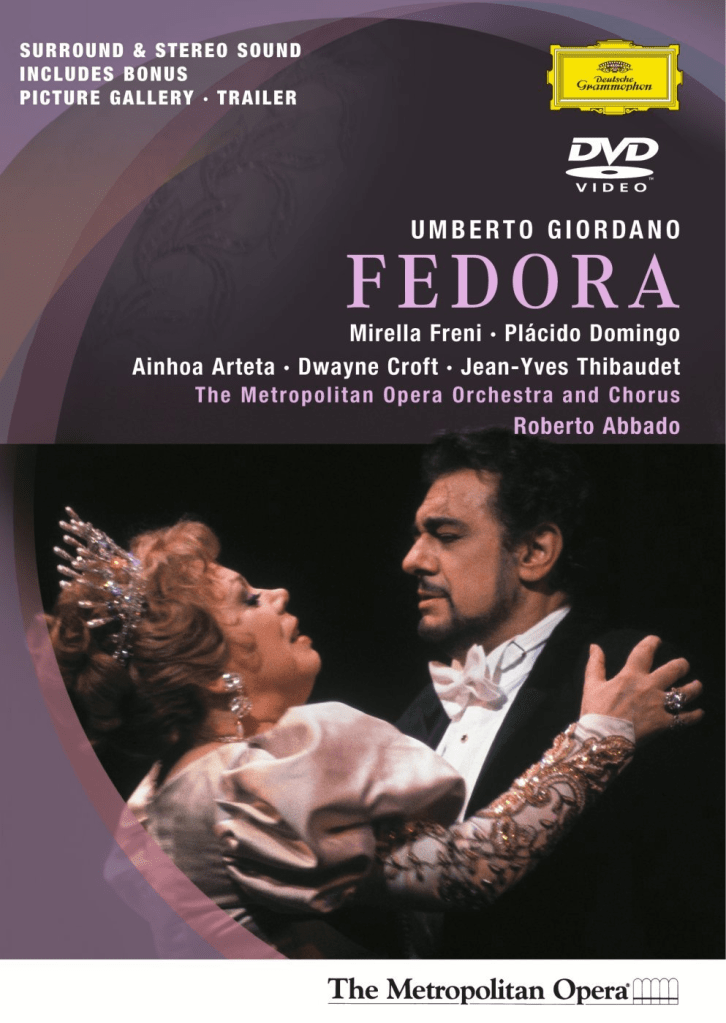
Fedora 1996

When she was sixty, Mirella Freni included Fedora in her repertoire and she gave a series of performances in Italy and Spain, finally coming to the Met in 1996. It became an enormous success. No wonder, because La Freni’s voice was extraordinary. I have never before seen her act with such intensity; it is a performance of the highest level.


Ainhoa Arteta is truly delightful as the flirtatious, spirited Olga; her performance provides the necessary comic note. As the Polish pianist, Boleslao Lazinski, the real piano virtuoso appears: Jean-Yves Thibaudet. Not only can he play the piano very well, but throughout his performance he convinces as a real primadonna, it is very entertaining to watch.
Domingo also portrays a perfect Loris: tormented and oh so charming!

The staging is conventional, with lavish, larger-than-life sets and real snow behind the stage-sized windows. It is just beautiful (DG 0732329).

—