Set design by Alfred Roller for ‘Der Traumgörge’. Vienna Court Opera 1907
“The fairy tales must become reality,” sings Görge, after his dream has been laughed at by the farmers and his fiancée Grete. And so it happens: Görge finds his dreamed princess in the form of Gertraud, cast out by the farmers, and his dream comes true.
Zemlinski has provided the story of Görge the dreamer and his search for the unattainable ideal with music of touching beauty. Sehnsucht, shimmering eroticism, symbolism …. You name it and you’ll find it. The work reminds me strongly of Szymanowski’s Król Roger, the same long, spun-out lines in the soprano aria, the same overwhelming choral parts, swelling orchestra. I love it.
Josef Protschka as Geörge:
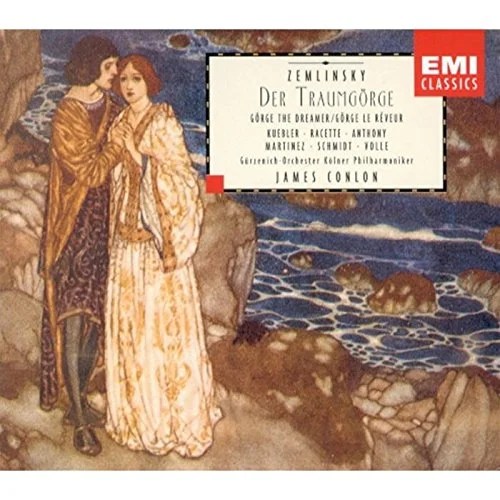
Der Traumgörge (Leo Feld’s libretto after Richard von Volkmann-Leander’s fairytale ‘Vom unsichtbaren Königreich’ and Heine’s poem ‘Der arme Peter’) was meant by Zemlinsky as a tribute to his then beloved Alma. Due to circumstances, the opera was never performed during his lifetime; the first – considerably shortened – performance only took place in 1980.
The first complete recording from 1999 proves that the music is not to blame. The Cologne orchestra conducted by James Conlon alone deserves an A-plus and the soloists are absolutely sublime.
David Kuebler plays a beautiful Görge with a radiant height. His voice mixes the right amount of metal with sottovoce, which is necessary for this role.
Patricia Racette, then still a great unknown, is unearthly beautiful as Gertraud (her velvet tones in ‘Oh! Ich wil zu dir in die Welt’ are of a Korgoldian beauty) and Andreas Schmidt has enough of a peasant to be a convincing Hans. The live recording sounds excellent.
Just imagine: The world premiere of Der Traumgörge took place in Nuremberg in 1980 – almost 80 years after it was written. Find out more in this documentary by Staatsoper Hannover:
For me an absolute ‘numero uno’ is the 1966 recording by EMI (now Warner 0190295735913) under Sir John Barbirolli. One might imagine a more lyrical or alternatively a more dramatic Cio Cio San; one with less metal in her voice or maybe one with a more childlike voice. But no other singer was able to grasp the complex nature of the girl so well and to characterise her change from a naive child into an adult woman, broken by immense grief, so impressively
CLARA PETRELLA
At number two on my list is a 1953 Italian Rai recording (Urania URN22.311) starring Clara Petrella. This terribly underrated soprano is a very dramatic Butterfly, with an intensity that just makes you ache on listening. Feruccio Tagliavini’s sweet, lyrica
l voice evokes an atmosphere of songs by Tosti: this is a Pinkerton to fall in love with.
VICTORIA DE LOS ANGELES
At number three, another oldie: a recording recorded by EMI in 1954 and now reissued on Regis (RRC 2070) featuring Victoria de los Angeles and Giuseppe di Stefano. De los Angeles is a Butterfly with a childlike warmth, brittle, fragile. Hurting her feels like hurting the Madonna herself. This is where Giuseppe di Stefano with his very macho tenor fits wonderfully.
“The” sound. That is what Schreker was obsessed and fascinated by. A sound that died off on its own, but not really, because it had to keep resounding – if only in your mind. It had to be a pure sound, but one containing orgasmic desire and it should be intertwined with visions.
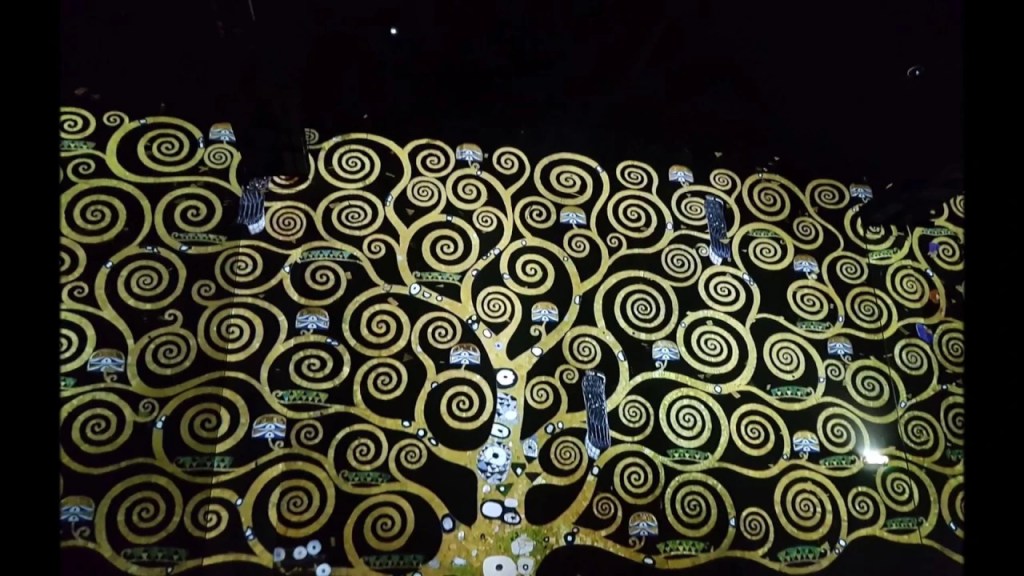
Sight & Sound Experience of Gustav Klimt – Atelier des lumières Paris
Of course, it also had to do with the spirit of that time; other artists too were experimenting with it, though perhaps not so fanatically. “The” sound, Schreker never let go of it, even when, at the end of his short life, he seemed to be going in a different direction.
This sound, which according to our chief conductor Marc Albrecht is “narcotic”, is abundant in Der Schatzgräber. It was Albrecht’s deepest wish to conduct the opera one day, a dream that came true in September 2012.
The making of Der Schatzgräber in Amsterdam:
And Albrecht is good at it, at creating the perfect sound. It still needs to be perfected, though, as the sound at the premiere was, especially at the beginning, far too loud. Fortunately, after the intermission it became more lyrical and softer, gently guiding you through the music, just like in Els’s stunning lullaby at the beginning of the third act.
About the staging, I can be brief: it sucks. In the first two acts I was still able to somewhat relate to the neglected, aggressive cult members (?). The beautiful Els resembled Catherine Deneuve in Belle de Jour, with her blonde wig and the very high heels under her short, sexy dresses. Something that was also a bit true for the Queen (good silent role by Basja Chanowski).
But the geriatric hospital/nursing home, with stumbling old people with walkers? Sorry, that didn’t even make me reflect; I found it ugly and unnecessary. And speaking of films, I was reminded a bit of Lars von Trier’s Breaking the Waves. The ultimate sacrifice.
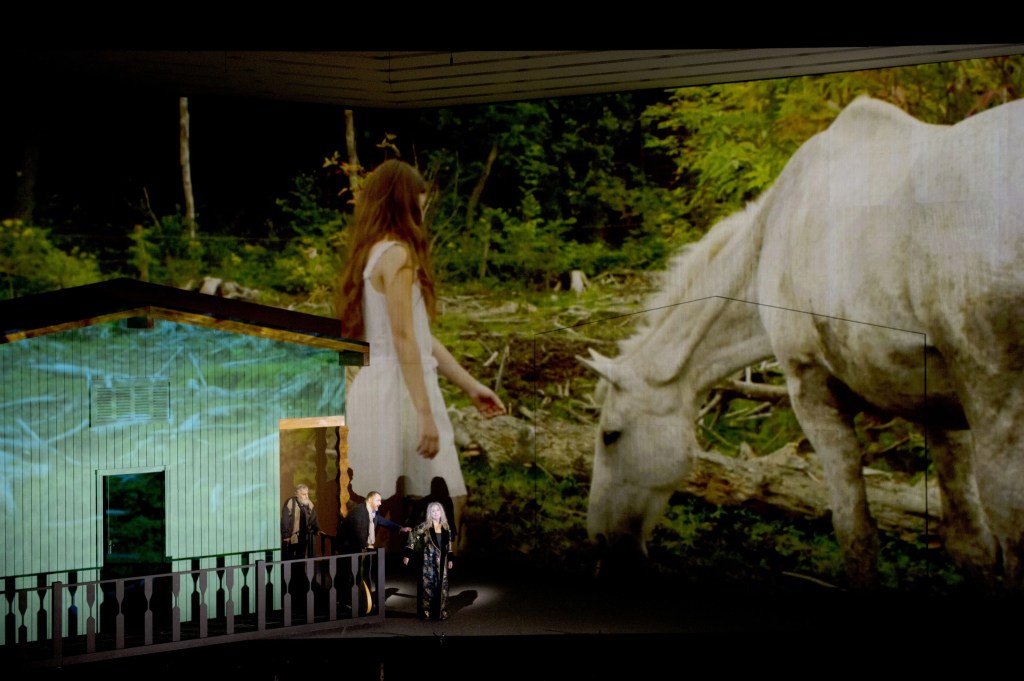
The video projections were too much of a good thing for me. A lot of them also didn’t add anything at all or were just too obvious (white horse, children being born or a twinkling starry sky during the love night – Kubrick’s ‘2001 Odyssey’?). It made me restless. Schreker’s music has to be experienced, then the images will come naturally.
I do have to admit that van Hove kept reasonably to the libretto, there were very few discrepancies between what you saw and what you read. What he did do is translate the medieval fairy tale into our contemporary (hyper)realism, and that is alright. In his introduction, he said he did not want to start from a concept, what he wanted was to create a universal drama.
It was a first for everyone. For the director, for the conductor and for the orchestra. And for all the, more than outstanding singers. Hats off!
First of all, the interpreter of the title role, Raymond Very. His tenor is lyrical and agile, he just throws his high notes into the air as if they are very easy to sing, and he manages not to overpower himself with the, at times, very intense music. What a relief to enjoy the long Schrekerian arcs so completely in style. You may notice that he is struggling towards the end, but try to walk in his shoes! Three times BRAVO!
Manuela Uhl (Els) was also a bit spent towards the end. But her performance before that borders on the impossible. Beautiful woman with above-average acting skills and with a voice that went from whispery-soft to bellows and from very low to very high, chapeau.
Kay Stieferman made a particularly strong impression. His baritone is of an immense size and blessed with thousands of colour nuances. He certainly needed all those for Der Vogt, because there were so many emotions in this character. He managed to convey them all clearly, even allowing you to have some sympathy for his actions. Very impressive.
About Graham Clark (the Jester), I can be short. He was exactly what was expected of him – nothing but really wonderful!
Max Vredenburg (1904 -1976) werd geboren in Brussel en groeide op in een Nederlands-Joods gezin. Door de dreigende oorlog vluchtten ze naar Den Haag.
1922, na de middelbare school, ging hij werken voor een importbedrijf in gedroogd fruit, maar hij nam al snel ontslag. Zijn hart lag bij de muziek. Hij studeerde theorie en compositie aan het Haags Conservatorium bij Henri Geraedts, die hem adviseerde naar de École Normale de Musique in Parijs te gaan.
In 1926 en 1927 studeerde hij bij Paul Dukas en Albert Roussel, componisten die hem zeer hebben beïnvloed en die hem bij een van de belangrijkste uitgeverijen van die tijd, Editions Maurice Senart hetbben geïntroduceerd
In 1941 vluchtte hij naar Batavia en in 1942 belandde hij in de Jappenkamp. Hij heeft de oorlog overleefd maar een groot deel van zijn familie werd vermoord in Sobibor en Auschwitz.
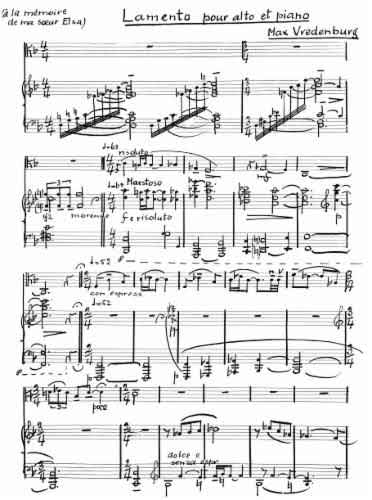
Als componist liet hij een gevarieerd oeuvre na. Het Lamento componeerde hij in 1953 ter nagedachtenis van zijn zus Elsa.
Marcel Worms houdt zich een beetje schuil, zijn IJslandse collega alle eer gunnend om te brilleren. Maar ga maar goed luisteren en ervaar hoe ontzettend meevoelend zijn bijdrage is. Zoiets heet ‘partners in crime’, denk ik. Beter kan ik het niet omschrijven.
Vredenburg heeft ook muziek gecomponeerd voor de films van Bert Haanstra Spiegel van Holland:
En Panta Rhei:
Na de oorlog werkte Vredenburg als muziekrecensent voor bijna alle Nederlandse kranten maar tegenwoordig is hij voornamelijk bekend als medeoprichter van het Nationale Jeugd Orkest.
My dear readers: you should know how important you all are. We music reviewers, we too are ego-trippers, just as much as novelists or psychologists. We do what we do because it helps us get rid of our problems. Or not.
Because you are all so faithful and take the trouble to read me (I hope), I am going to tell you a bit about myself. Also because I received ‘death threats’ following an interview (am I a BN now?) and got a bit ‘unheimlich’ about it.
Music is not a science, certainly not in the strict sense. There are no mathematical rules for it, although there were (and still are) plenty of ‘pioneers’ who claimed so. The result of their mathematical calculations was cacophony or just the opposite: the endlessly repeating sequence of three notes. I know there are plenty of enthusiasts for it and I grant them their pleasure. But now I want to talk to you about something that is still a taboo subject: sentiment.
When I was a 4-year-old girl, my parents ‘separated’. My violin-playing father took me to see Sviatoslav Richter, which naturally resulted in piano lessons. My mother loved operetta and since there was no one else to accompany her, I was taken along. I went along and I enjoyed myself. Still, more than 60 years later, I know most operettas by heart. In Polish, that is, because everything was translated back then.
Jan Kiepura and Martha Eggerth in the duet from Lehár’s Lustige Witwe. In Polish:.
Why am I telling you about it? Because I want to share with you what I call ‘my little sentimental journey’. On New Year’s Eve – sitting on the sofa in my heated home, with my cat beside me and glass of bubbles in hand – I listened and watched the operetta night from Dresden and I was overcome with melancholy and, well, longing for the old days. I felt like the four-year-old girl again and all I wished was that my mother could sit next to me and experience it too. Too bad there is no phone connection to the afterlife, otherwise I could call her: ‘Mom, you have to hear this!’
Below, Beczala sings ‘Freunde, das Leben ist lebenswert’ from Giuditta. Live recording from 2007:
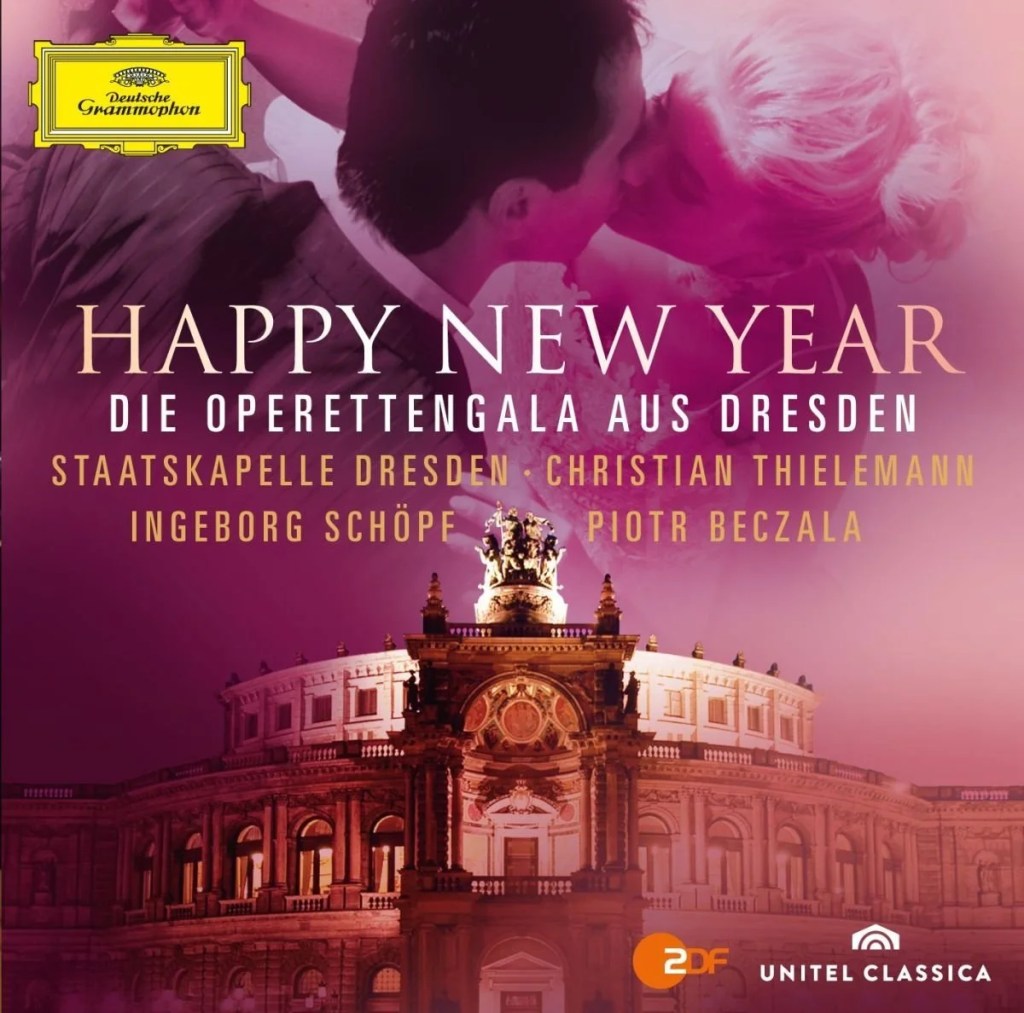
Anyway. Now we’ll leave the sentiments and confine ourselves to the ‘product’. The annual ‘Christmas Operette Galas’ in Dresden are now famous and achieve high viewing figures. The Staatskapelle Dresden is conducted by none other than Christian Thielemann, and apart from Piotr Beczała, a soprano (or two) also take part.
In 2011, Angela Denoke and Ana Maria Labin were featured; in 2012, the scheduled Diana Damrau had to cancel at the last minute due to illness and was replaced by Ingeborg Schlöpff. Both Galas were released by DG in 2013: Kalmán (2012) on CD with a bonus Lehár from 2011 on DVD.
Angela Denoke & Piotr Beczala – Warum hat jeder Fruhling, ach, nur einen Mai (Franz Lehar):
That I rate the CD (why not on DVD?) slightly higher than the DVD has everything to do with my own preferences: I love Lehár insanely, but Kalmán has long since more than stolen my heart. ‘Weisst du es noch’ from the Csárdásfürstin did not leave my CD player (and my head) for days (and nights!).
Do you think it’s a weird review? So do I. But if you like operetta, no, if you like music and don’t shy away from sentiment, then go buy the box set. I assure you it will warm your heart.
De Maxim Shalygin concerten in Splendor en het Muziekgebouw aan ’t IJ.
De heropgeleefde oorlog in Oekraïne was nog relatief ‘vers’, en het concert met muziek van de in Nederland gevestigde Oekraïense componist Shalygin door Ekaterina Levental en Antonii Baryshevskyi dreunde dan ook hoofd en lichaam in, met onder meer virtuoos door Ekaterina Levental liederen de tekst ‘Koterhuil teer gekreun vrouwenroep liedgelui wondepijn galmgegil klanken’ uit The Songs of Holy Fools uit 2009/2010 en beukend spel door Antonii Baryshevskyi in enkele van Shalygins solo-pianowerken.
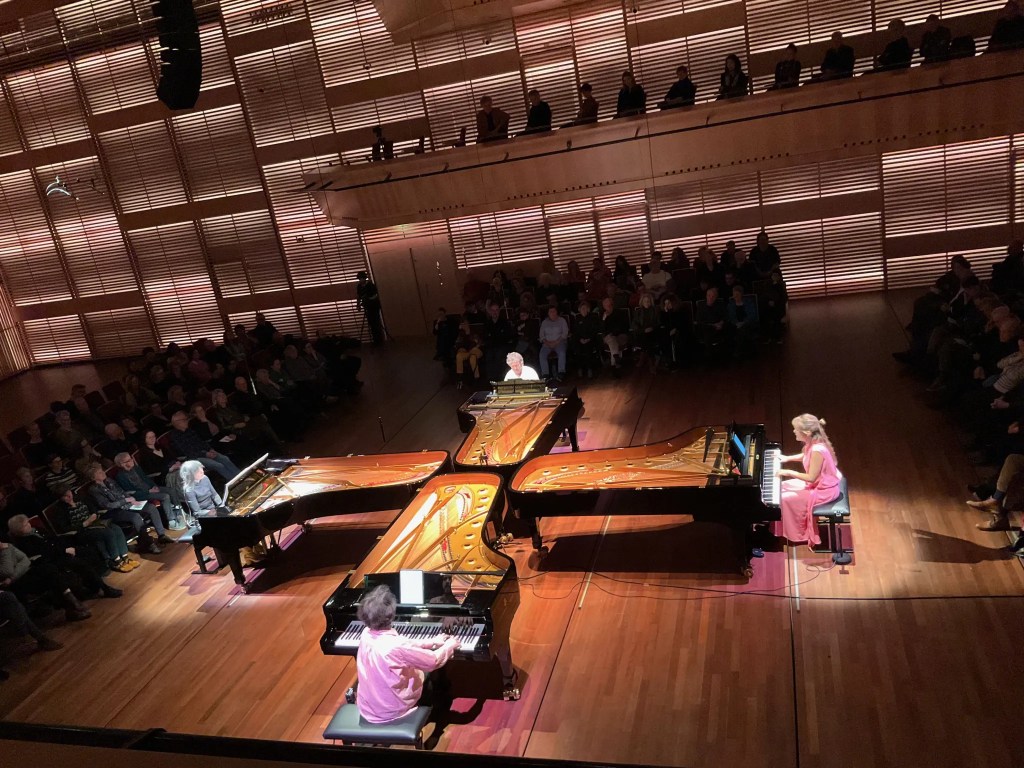
Twee maanden later was er in het Muziekgebouw aan ’t IJ een herneming van zijn Severade ofwel S I M I L A R uit 2021 en de première van Delirium ofwel S I M I L A R 4 voor 4 pianos. Ook al zo imponerend.
Beeldschoon was ook de uitvoering van de Missa Ecce Terrae Motus (de ‘aardbevingsmis’) van Antoine Brumel in een spectaculaire theatrale versie inclusief elektrische basgitaar door Graindelavoix in het Festival Oude Muziek, met plastische beelden, inclusief de verbeelding van het uiteenscheuren van de voorhang in het Heilige der Heiligen van de Jeruzalemse Tempel op het moment dat de steen voor het graf van Jezus spontaan wegrolt.
Recensie volgt.
Ook fraai was de reconstructie van het door hemzelf vlak voor zijn dood geprogrammeerde begrafenisritueel van ‘onze’ Karel V, uitgevoerd door het Franse ensemble La Tempête, ‘artists in residence’ van het festival.
Tannhäuser, regie Tobias Kratzer, gedirigeerd door Nathalie Stutzmann in de Bayreuther Festspiele, een ‘inclusieve’, hilarische en ontroerende opvoering. Stutzmann is een aanwinst als dirigent, misschien de geslaagdste transformatie van zanger(es) naar orkestleiding. Intussen een liefdevolle blik op de protagonist en Venus als ‘misfits’ tussen een rondreizende groep gelijkgezinde circusartiesten, waarbij uiteindelijk ook Elisabeth zich het meest thuisvoelt, temidden van een maatschappij vol beklemmende normen.
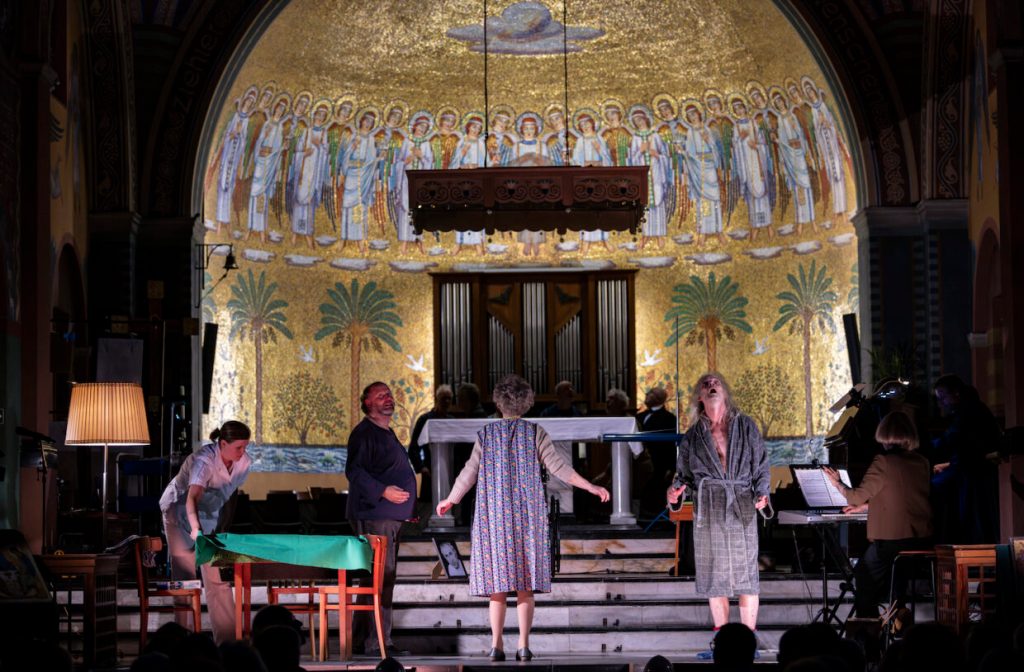
Parsifal derde acte, Heilige Landstichting Nijmegen, regie Marc Pantus en Merlijn Runial, muzikale leiding Andrea Friggi, bewerking: Hugo Bouma. Atmosferische opvoering van helaas alleen de derde acte in één van de meest Wagneriaanse kerken van Nederland, de art-deco en neo-orientalistische kerk van de Heilige Landstichting, met niet alleen Marc Pantus als een mooie Gurnemanz en Amfortas, maar ook een gloedvolle Frank van Aken in de titelrol. Hopelijk mag dit team zich ooit ergens aan het geheel wagen.
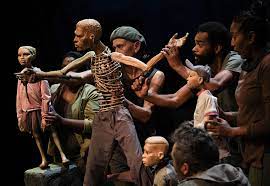
In Kaapstad zag ik Life & Times of Michael K door het Handspring Puppet Theatre, gebaseerd op de gelijknamige roman van J M Coetzee uit 1983. Deze voorstelling heeft ook al succesvol in de Ruhr-Triennale gestaan. Fraaie, subtiel gespeelde, half-nostalgische mengvorm van theater met levensgrote poppen en fysiek-menselijke acteurs, het handelsmerk van het Handspring Puppet Theatre.
Ik was ook onder de indruk van Dr Atomic door het studentenorkest uit Utrecht, de derde in hun serie grootschalige operavoorstellingen op een bijzondere locatie. Een enorme prestatie met een geweldig spelend orkest, passende solisten en een ‘gratis’ decor in een voormalige treinenfabriek, die toevallig net uitkwam vlak vóór de bioscoopfilm Oppenheimer, en die zich gemakkelijk staande hield tegen het Hollywood-vertoon en het budgetgeweld van de film.
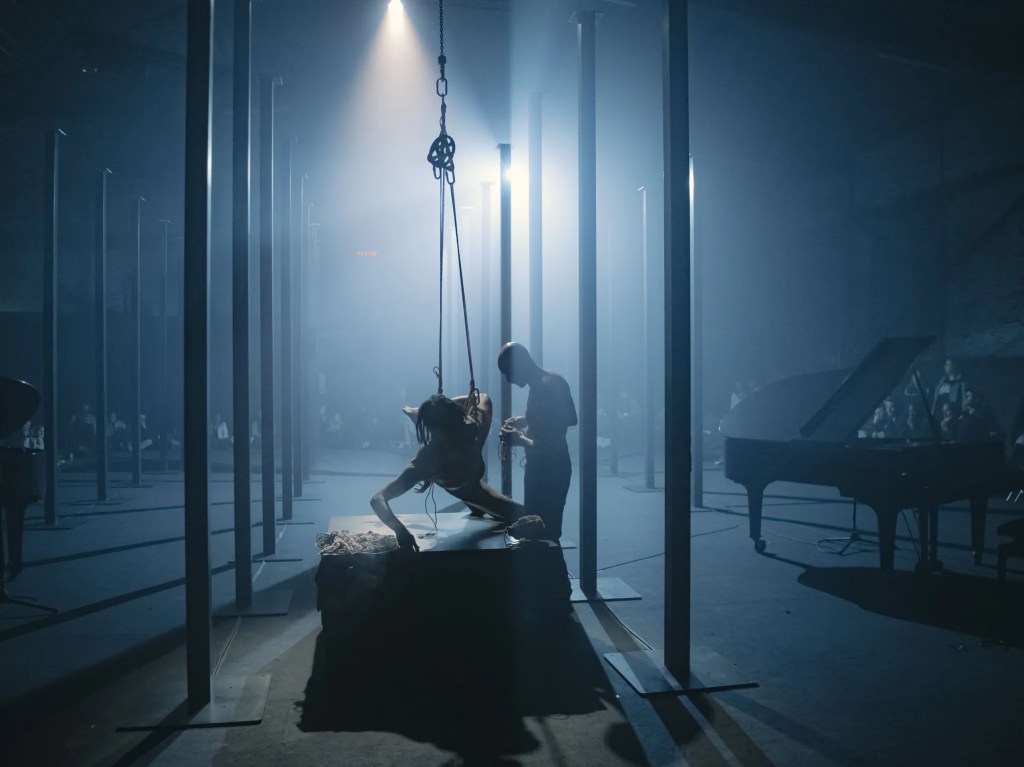
Er was dit jaar een welkome explosie van uitvoeringen van de ‘black queer activist’ componist Julius Eastman, eerst in het Minimal Music Festival, en daarna in het Re:ply to all festival onder meer in een voormalige machinebouwloods in Amsterdam Noord. Onder meer indrukwekkend was de uitvoering van Gay Guerilla uit 1980 door Helena Basilova en Vivianne Cheng met een lichtontwerp van Boris Acket gecombineerd met elektronisch geluidsdecor van Danny van der Lugt in combinatie met een mime-act geïnspireerd door thema’s uit Eastmans werk, gevolgd door een hallucinante versie in het publiek tussen het lichtontwerp kon doorlopen, naast een versie van Femenine uit 1974 voor kamerensemble door het Doelen Ensemble.
Ik was erg onder de indruk van Das Rheingold, door het Royal Opera House Londen, in de streaming-versie voor bioscopen, regie Barrie Kosky, dirigent Antonio Pappano.
Ook al had hij de verfilming en streaming van opera-uitvoeringen artistiek in de ban gedaan, zijn enscenering van Das Rheingold bleek aan het aan Wagner toegeschreven (maar nooit door hem als zodanig benoemde) idee van het Gesammtkunstwerk een nieuwe dimensie toe te voegen, bijna als de ontdekking van de superpositie in de atomaire fysica. We zaten de treurige zwoegers van een Wotan, Erda, Freya, Fafner en Fasolt, Alberich, Mime en het gehele Nibelungenvolkje, prachtig om de tuin geleid door Loge Sean Panikkar, per close-up op millimeterafstand direct op de huid.
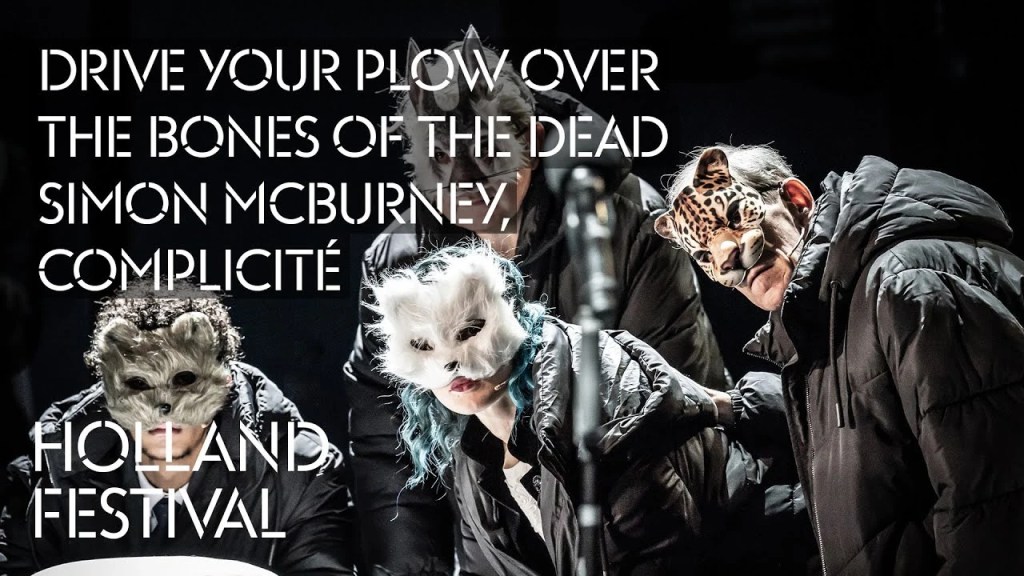
Drive Your Plow Over the Bones of the Dead was de prachtige openingsvoorstelling van het Holland Festival, regie Simon McBurney, naar de roman van Olga Tokarczuk.
Een transcendente ervaring was er ook bij Euphoria, Julian Rosenfeldt, installatie in het Holland Festival. Video-documentaire annex spraak en muziektheater op 10 schermen.
Er zaten trouwens ook slechte voorstellingen in het Holland Festival, maar je weet het niet altijd van tevoren, maar van Bachae en Toshi Okada zou ik achteraf spijt hebben gehad als programmeur en bij Exotica waren de gekozen personages, ‘vergeten’ grootheden van niet-Westerse komaf uit de danswereld, interessanter dan de uitwerking. Maar dat werd goed gemaakt.
In de voorstelling Asinamali, te zien in het Grahamstown theater festival, Zuid-Afrik, spelen zes jonge vrouwen een oorspronkelijk door mannen uitgevoerde tekst uit de tijd van de Apartheid, over de wederwaardigheden van mannen en jongens in de townships en gesegregeerd Johannesburg, op zoek naar werk en, ja, bestaanszekerheid.
Het stuk uit 1988 is gebaseerd op gebeurtenissen rond een huurdersstaking in 1983 in de zwarte wijken van de gemeente Lamontville, waar geen werk was maar waar de door het regime vastgestelde huren exorbitant waren. Asinamali was de strijdkreet van het landelijk protest dat daarop volgde, Zulu voor “We hebben geen geld!”.
Er was nog veel meer moois in dat festival, zoals de prachtige drie-vrouwenshow, Text me when you arrive, Seventeen ways to prevent getting raped and killed as a woman in South Africa. Drie ongelooflijk energieke comédiennes die ook weer perfect messcherp meerstemmig zingen.
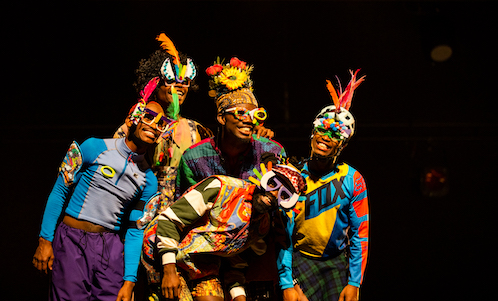
In het Afrovibesfestival in Amsterdam zat ook veel prachtigs zoals An Africa Bolero, maar vooral Afrikan Party, een uitermate energiek dans-theaterstuk met vier jonge mannen uit Nigeria, Ivoorkust en Zuid-Afrika, die hun ‘urban’ dansstijl gebruiken om hun verhaal te vertellen met humor, poëzie en levenskracht, en daarmee de rijkdom en diversiteit van het continent willen tonen.
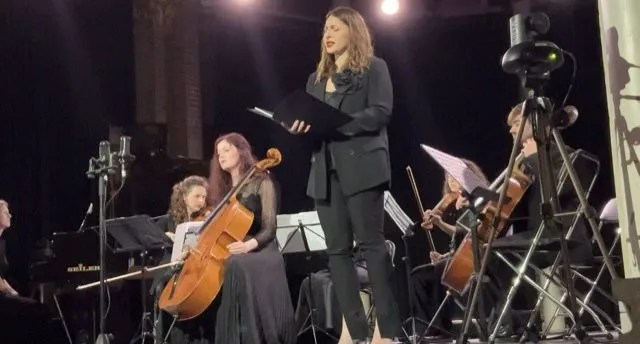
Celliste Maya Fridman was weer te horen en zien in Into Eternity in de Posthoornkerk in Amsterdam, een eerbetoon aan de in Auschwitz vermoorde Vilma Grunwald, gebaseerd op de brief die zij kort voor haar dood schreef aan haar echtgenood, die Auschwitz overleefde, met componiste/pianiste Marion von Tilzer en verder onder meer alt Bella Adamova, Maya Fridman en het Belinfante Quartet. Bij het concert werd ook een CD gepresenteerd.
En in het Slot Zeist was er een bijzonder concert rond de Hongaars-Joodes Auschwitz-overlevende Éva Fahidi met bariton Benjamin Appl. Ze kon er zelf niet bij zijn. Naast liederen van componisten die in concentratiekampen verbleven en deels ook stierven was er ook muziek te horen van componisten die Éva Fahidi’s leven muzikaal hebben vormgegeven, zoals een wonderschoon ‘O du, mein holder Abendstern’ uit Tannhäuser, in een huiveringwekkend mooie bewerking door de pianist, Daan Boertien, met het Viride strijkkwartet.
Op de valreep was er in de Zaterdag Matinee de uitvoering van Mendelssohns Elias door het ‘authentieke uitvoeringspraktijk’ensemble Pygmalion, een uitvoering die over een jaar nog zal doorresoneren.
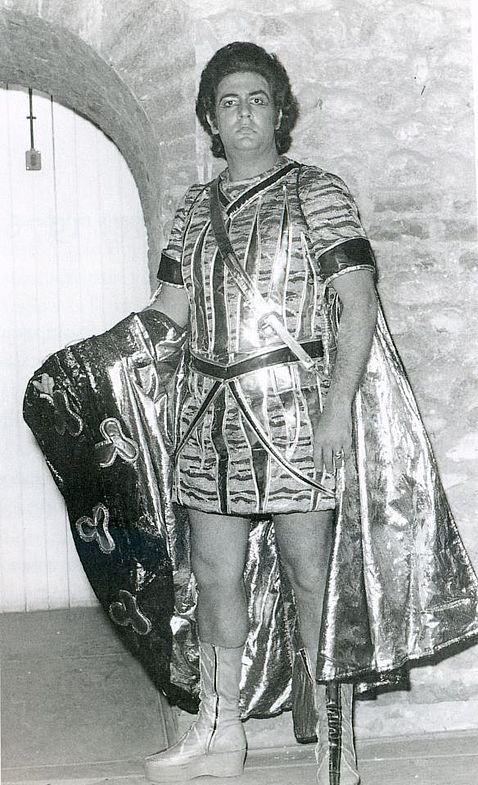
Radames was among Domingo’s favourite roles. No wonder. Here he could really ‘show it all’, because the hero is very complex. He is a ‘macho with a lot of muscles’ and a vulnerable boy at the same time, and he is torn between duty and passion. Unfortunately, the two are not compatible.
To sing Radames well you need not only a cannon of a voice but also an intellectual ability. And he has both.
He made his debut with Aida in 1968 in Hamburg and he has since sung the opera thousands of times. There are many recordings on the market, both studio and live. I would like to dwell on a recording that will not evoke an ‘aha’ moment for most of you – also because at first glance the cast is not idiomatically perfect.
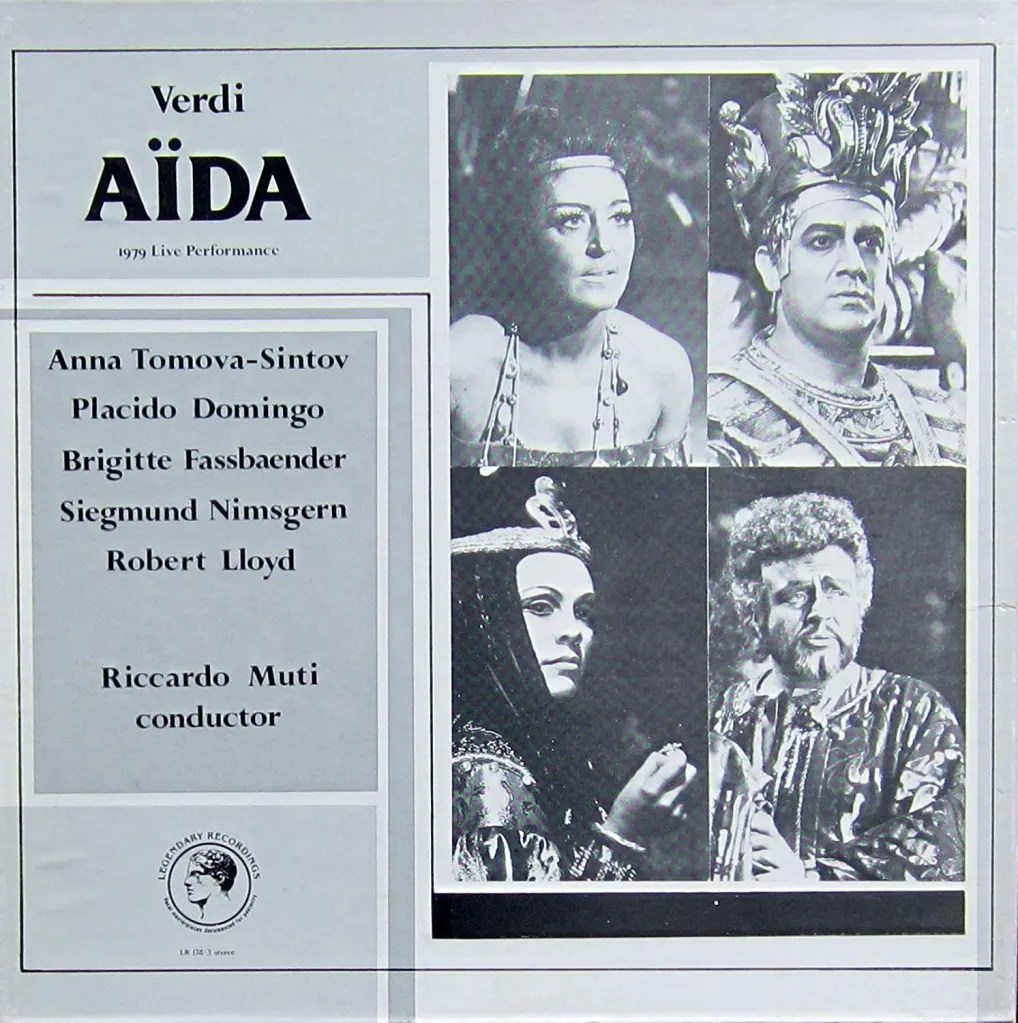
The fact that Anna Tomowa-Sintow was one of Karajan’s favourite singers had its advantages and disadvantages. She was a welcome guest in Salzburg and her name appears on many recordings conducted by the maestro. But it also meant that she was primarily rated as a Mozart and Strauss singer, while she had so much more to offer. Her Desdemona and Amelia were legendary and after her Munich Aida, Leonie Rysanek praised her performance for its pure beauty.
Fassbaender is really surprising and particularly convincing as Amneris. Just listen to what she does with the single word ‘pace’ at the end of the opera. The opera was recorded by Bayeriche Rundfunk on 22 March 1979 and released on Orfeo (C583 022).
Also noteworthy is the recording from Munich 1972, with a now almost forgotten Verdi singer, Martina Arroyo. As Amneris, we hear Fiorenza Cossotto and Cappuccilli and Ghiaurov complete the excellent cast conducted by Claudio Abbado.
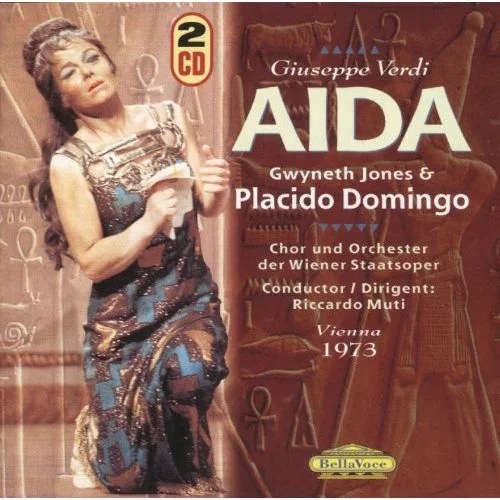
The recording from Vienna 1973 (Bela Voce BLV 107.209), under Riccardo Muti, is also of particular interest. In the leading role we meet Gwyneth Jones and Amneris is sung by an exceptional mezzo: Viorica Cortez.
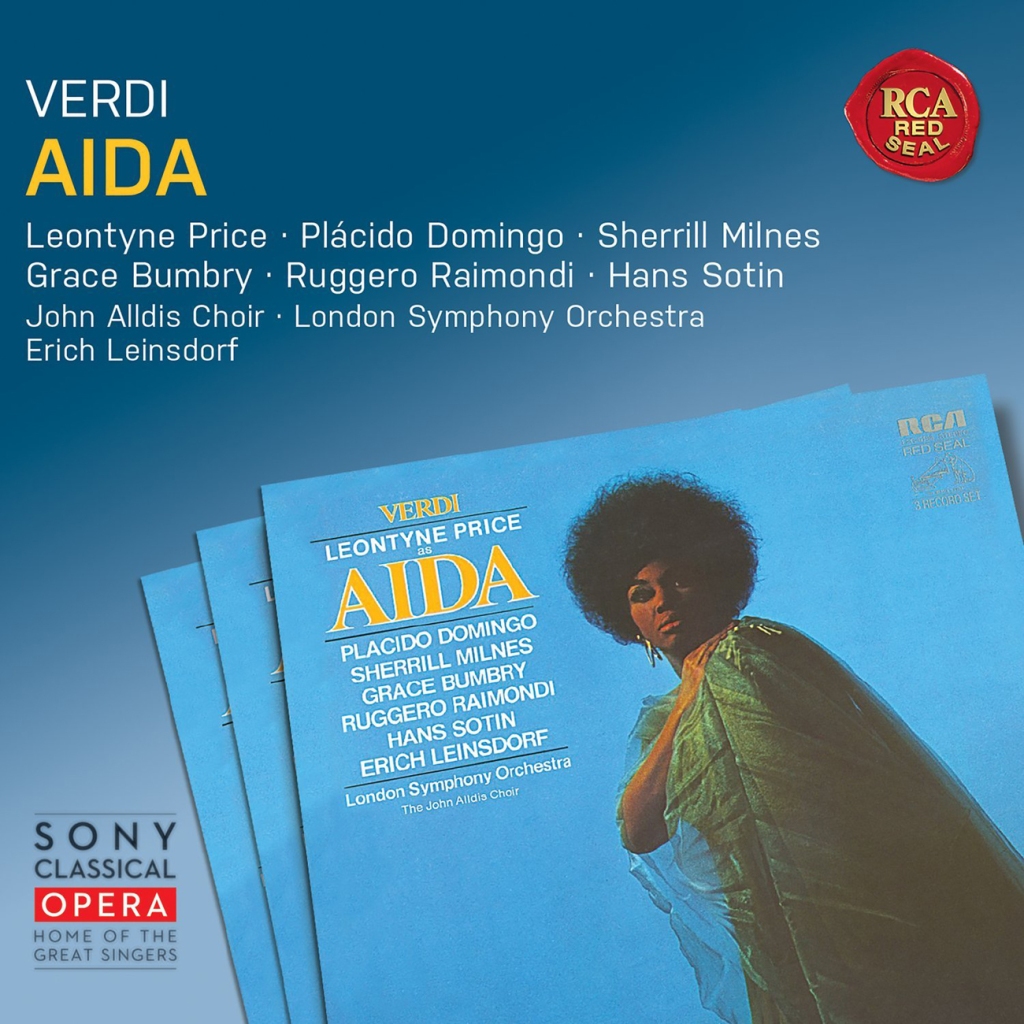
Of Domingo’s studio recordings the 1970 RCA release (probably from the catalogue), is probably the best. How could it be otherwise, when you know that the conductor is Erich Leinsdorf and the other roles are sung by Leontyne Price, Sherrill Milnes, Grace Bumbry and Ruggero Raimondi. The whole thing almost pops out of your speakers.
Curious man, that Henze. Once flirting with communism and dreaming of a world revolution, he was also an aesthete and an erudite which – in part – made him decide to bid farewell to Germany and move to Italy in 1953.
His music has always been highly theatrical: he never liked the strict rules of serialism and felt a close connection with opera, which, unlike the hardliners of the avant-garde at the time, he had never labelled as obsolete. His discography therefore lists more than 20 musical theatre works, performed with great regularity.
DIE BASSARIDEN
Die Bassariden is among Henze’s finest and most important compositions. The English Language libretto, after ‘The Bacchantes’ by Eurypides, was written by W.H.Auden (does anyone remember the ‘Funeral Blues’ from Four Weddings and a Funeral?) and Charles Kallman.
It became a massive, through-composed score, anchored in the Wagnerian tradition (it is whispered that the librettists insisted that Henze, before turning to composing, study the ‘Götterdammerung’) and constructed as a four-movement symphony with voices.
The story of King Pentheus, who, by wanting to banish all sensuality, comes into conflict with Dionysus and his adepts and is ultimately torn apart by his own mother, serves as a metaphor for the conflict between Eros and Ratio.
The opera premiered (in the German translation) at the Salzburg Festival in August 1966. It became a huge success, even prompting one of the reviewers to cry that Richard Strauss had finally got a successor. Henze laughingly and rightly dismissed this with a simple “where are the man’s ears?!”
A few years ago, the live-recorded premiere performance (in German translation) was released by Orfeo (C 605 032 1). The highly emotional playing of the Wiener Philharmoniker, under the inspired direction of Christoph von Dohnányi, reaches unprecedented heights.
Kostas Paskalis is very credible in his role of Pentheus and Kerstin Meyer moves as Agave.
It’s just a pity no libretto was included, after all, it’s not everyday fare.
[Editorial: A later performance of the English Language version was released on the Musica Mundi label, conducted by Gerd Albrecht, but this revised edition omits the interlude]
Das Urteil der Kalliope, interlude from Die Bassariden :
L’UPUPA
Almost forty years later, a new (and also the last, the then almost 80-year-old composer claimed) [Ed: He would produce two more after this, in spite of ill health] opera by Henze was performed in Salzburg: L’Upupa und der Triumph der Sohnesliebe. It was a commissioned work by the Salzburg Festival, and its premiere at the Kleines Festspielhaus in August 2003 was recorded live for DVD (EuroArts 2053929).
The libretto, a fairy tale based on Syrian-Persian tales, was written by Henze himself. The three sons of The Old Man go in search of L’Upupa (a hop), a bird lost by the man with the golden feathers. The two eldest drop out immediately and amuse themselves by drinking and playing cards. The youngest, Kasim (an excellent role by Mattias Goerne), assisted by a Papageno-like ‘Demon’ endures all kinds of adventures, including an attempt on his life by his brothers. But he finds the bird and, in passing, a lover in the guise of a Jewish Princess (Laura Aikin) and returns to his old father. Only to leave again immediately, this time to fulfil a promise made. An open-ended ending, then, that also makes for beautiful imagery and moving music.
The text is at times very comic, but also very poetic. Jürgen Rose’s sets and costumes are truly dazzling, and Dieter Dorn’s direction very intelligent. There is also more than excellent singing and acting, especially by the truly inimitable John Mark Ainsley as the Demon.
DER PRINZ VON HOMBURG
On Arthaus Musik (100164) you will find another superb opera by Henze: Der Prinz von Homburg. It was recorded at Bayerischer Staatsoper in Munich in 1994 and Nikolaus Lehnhoff’s direction is truly inimitable.
The story of a daydreaming prince, who fails to follow orders properly during the war and is sentenced to death but is exonerated as soon as he accepts his punishment, is based on a play by Heinrich von Kleist.
François Le Roux seems cut out for the lead role, but the rest of the cast: William Cochran, Helga Dernesch, and Marianne Häggander is also particularly strong.
MEMOIRS OF AN OUTSIDER
I also warmly recommend the documentary about Henze made by Barrie Gavin in 1994 (Arthaus Musik 100360). It features – apart from the composer himself and his Italian friend – Simon Rattle and Oliver Knussen, who candidly confesses that his own music would never have become anything without Henze’s influence. All this is interspersed with music excerpts and with beautiful archive footage. As an encore, you get a stunning performance of Henze’s absolute masterpiece, his Requiem.
Na het daverende succes van de première bij de Reisopera van Das Wunder der Heliane wordt als vanzelf ook het verhaal achter de wereldpremière in 1927 opgerakeld. Erich Korngolds vader Julius was een gevreesd criticus die zijn positie bij de Neue Freie Presse gebruikte om componisten die in een stijl schreven die niet aansloot bij zijn muzikale wereldbeeld volledig de grond in te boren. Dat gold in die tijd ook Ernst Křenek die hij verafschuwde. Om de nieuwste creatie van zijn zoon ruim baan te geven begon Korngold senior niet alleen ongevraagd een promotiecampagne voor Das Wunder der Heliane maar tegelijkertijd een strijd tegen de nieuwe opera Jonny spielt auf van Krenek die hij als schoolvoorbeeld zag van de uitwassen van de moderne muziek.
Dat viel niet in goede aarde bij een deel van het Weense publiek waardoor al snel een tegencampagne op gang kwam die zich nadrukkelijk ook tegen Erich Korngold en diens Heliane keerde. Uiteindelijk werd Jonny spielt auf een enorm succes, het werk werd al snel na de première overal in Europa gespeeld.
Waldemar Staegemann als Jonny Kostümfoto von Usula Richter 1927
Met Korngolds Europese carrière ging het na de relatieve mislukking van zijn Heliane bergafwaarts. Het publiek had zich van hem afgewend, mede door toedoen van zijn vader die zich als een dolle stier had gedragen. Hij verloor zijn interesse in het schrijven van opera’s en ging al snel in op een uitnodiging om in Hollywood filmmuziek te gaan schrijven. Dat werd zijn nieuwe carrière en leverde hem twee Oscars op.
Na 1933 werden uitvoeringen van de Joodse Korngold door de nazi’s verboden waardoor hij tot ver na de oorlog vrijwel onbekend is gebleven. Maar voordien had zijn eigen vader feitelijk zijn carrière al de das om gedaan. Nu we een eeuw verder zijn is het aardig om die twee werken weer eens naast elkaar te leggen.
Jonny spielt auf
Křenek (1900-1991) schreef 20 opera’s in de periode tussen 1922 en 1973, de laatste twee speciaal voor het nieuwe medium televisie. Zijn vierde opera Jonny spielt auf ging in 1927 in première en was zoals gezegd de grootste concurrent voor de aandacht van het publiek van Korngolds Das Wunder der Heliane. Jonny spielt auf zag ik in 2005 in Oper Köln. Een opname van dit werk werd in 1993 door Decca op cd uitgebracht in de serie ‘Entartete Musik’.
De opera werd na de première zeer enthousiast ontvangen en binnen de kortste keren overal in Duitsland en daar buiten geprogrammeerd. De vele honderden voorstellingen genereerden veel inkomen voor de componist die zijn leven op slag zag veranderen.
Krenek schreef zelf het libretto voor Jonny waarin de hoofdrol is weggelegd voor de romantische geëxalteerde componist Max die zich in zijn ambities geremd denkt door Anita, een opera zangeres. In werkelijkheid schrikt Max ervoor terug om zijn lot in eigen handen te nemen, hij is afwachtend en verwart dat met stabiliteit.
De violist Daniello en de zwarte jazz musicus Jonny zijn Max’ rivalen in de liefde voor Anita. Verder speelt de viool van Daniello een belangrijke rol. Jonny probeert die te stelen en het instrument maakt tijdens de opera een hele reis verstopt in een banjo kist. Rond dit gegeven volgen korte scènes elkaar in snel tempo op waarbij expressionistische beelden, filmische elementen, slapstick comedy en misdaad door Krenek tot een dynamisch geheel zijn verweven.
Jonny als leider van een jazzband in een hotel in Parijs brengt als vanzelf jazzy klanken met zich mee. Maar in andere scènes laat Krenek zich van een uitgesproken neo-romantische kant horen, en zo’n beetje alles daar tussenin. Het slot van de opera ziet Max met Anita naar Amerika vertrekken, Daniello komt onder een trein en Jonny mag de gestolen viool houden.
Het begin van het Derde Rijk betekende direct het einde van Jonny’s succesreeks. Het werk voldeed volledig aan de typologie van Entarte Musik die de nazi’s hadden bedacht. De poster waarop Jonny te zien is werd zelfs in karikaturale vorm, een neger met dikke lippen die saxofoon speelt, tot het beeldmerk van de in 1937 opgezette tentoonstelling over Entartete Kunst. Het werk raakte in vergetelheid maar is tegenwoordig wel weer eens te zien. Zo ook in 2016 in Theater Hagen.
De muzikale richtingenstrijd die Korngold senior meende te moeten voeren ligt ver achter ons en speelt geen rol meer als we beide werken beluisteren en op waarde schatten. De dag na de première van Heliane in Enschede waarover ik eerder op deze site berichtte speelde ik in de auto op weg naar huis Jonny af. Wat ik hoorde maakte weinig indruk en wist hoegenaamd niet te beklijven, afgezien van de slotopmerking aan het einde van de eerste akte: ‘You forgot the banjo’.
De muziek mag dan wel aansluiten bij de tijdgeest van de jaren ’20, het zijn niet de huidige twintiger jaren. Dat neemt niet weg dat een live theateruitvoering in een leuk opgetuigde productie zoals ik in Keulen zag een zeer geslaagde opera ervaring kan zijn. Ik denk er met genoegen aan terug en was graag naar Hagen gegaan om het stuk nog eens te zien. Helaas is dat niet gelukt. Om kort te gaan: Heliane en Jonny met elkaar willen vergelijken heeft in de huidige tijd geen enkele meerwaarde, het is sneeuw van eergisteren. Und das ist gut so.
Opname uit Wenen 2002 met (o.a) Tortsen Kerl, Nancy Gustafson en Bo Skovhus.
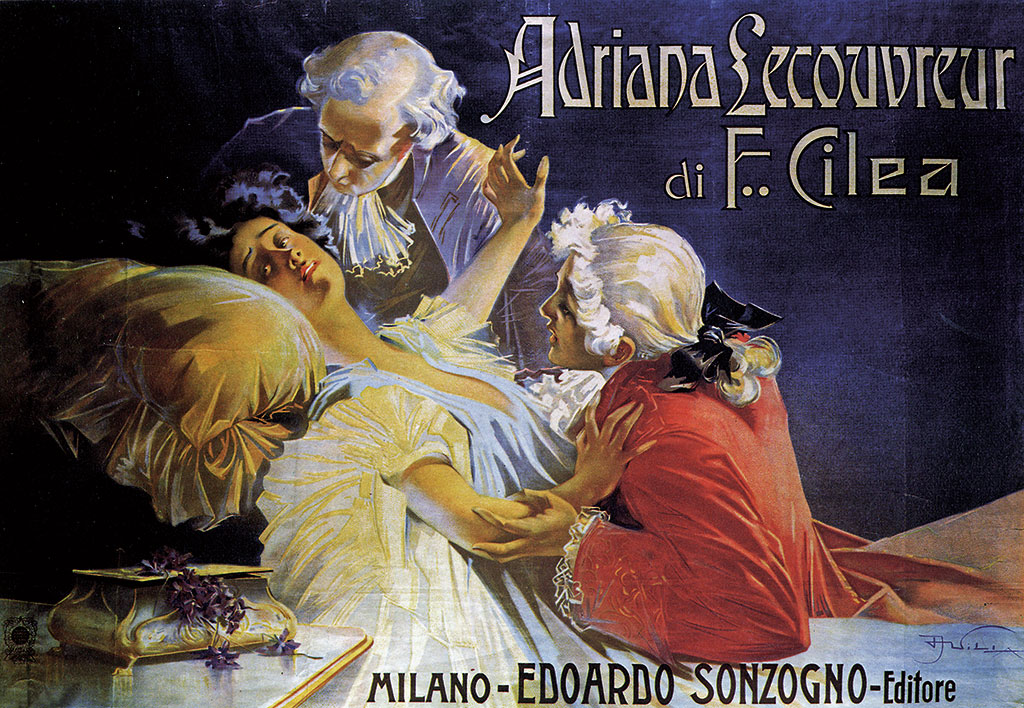
‘Poveri fiori’ (poor flowers), Adriana sings in one of the most moving arias in the history of opera, smelling the bunch of wilted violets. If only we could warn her, because those violets are poisoned, you can smell the contamination even from your armchair in front of the TV. And indeed they prove fatal. She launches into a big monologue, and that was it! Tutto e finito.
The orchestra plays a few more bars, and then there is the final chord. Pian-pianissimo, and so movingly beautiful that my tears, which had already begun to flow at the beginning of the last act, turn into a veritable flood.
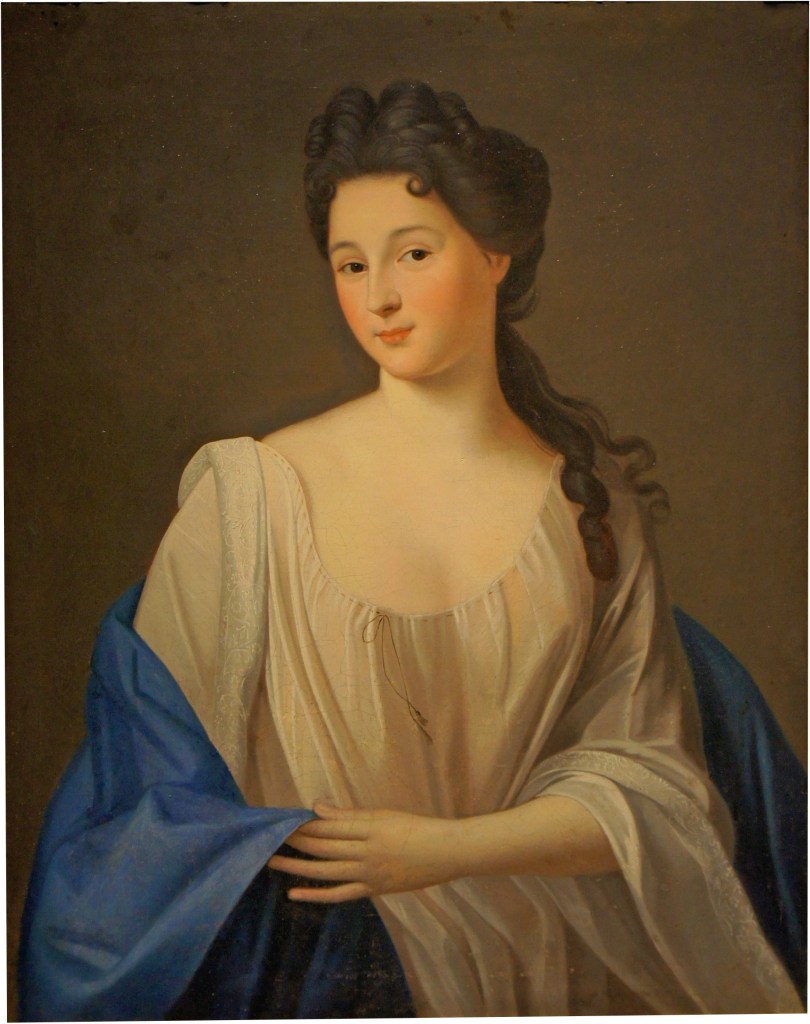
Portrait of Lecouvreur (ca. 1725), by anonymous artist, based on her first appearance at the Comédie-Française, and located in the Musée des Beaux-Arts, Châlons-en-Champagne
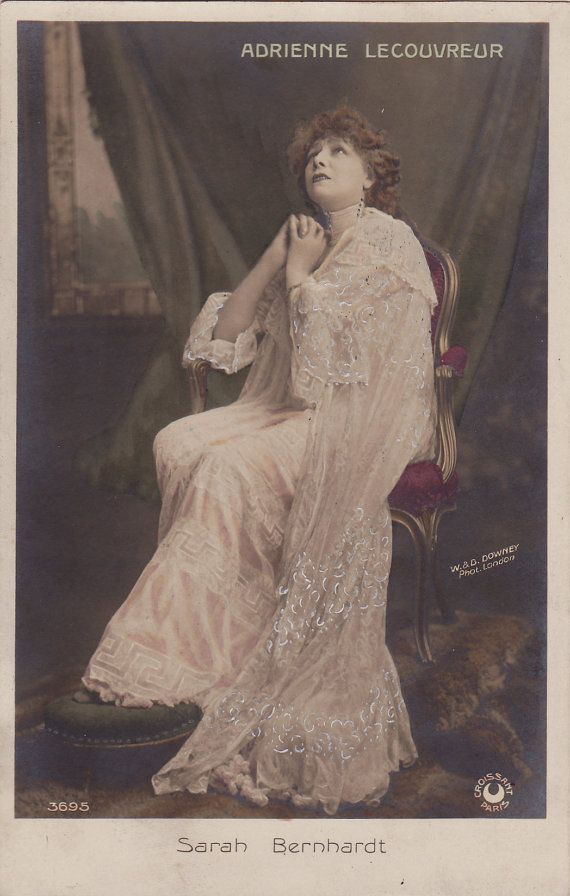
The real Adriana, a star of the Comédie Française, died in Voltaire’s arms in 1730. Eugene Scribe made her immortal by creating a play about her life and her role was played by the greatest actresses of the time: Sarah Bernhardt, Eleonora Duse, Helena Modjeska.
The opera, which Francesco Cilea based on the play, thus requires a singer with the greatest acting skills, such as a Mafalda Favero, Magda Olivero or Renata Scotto.
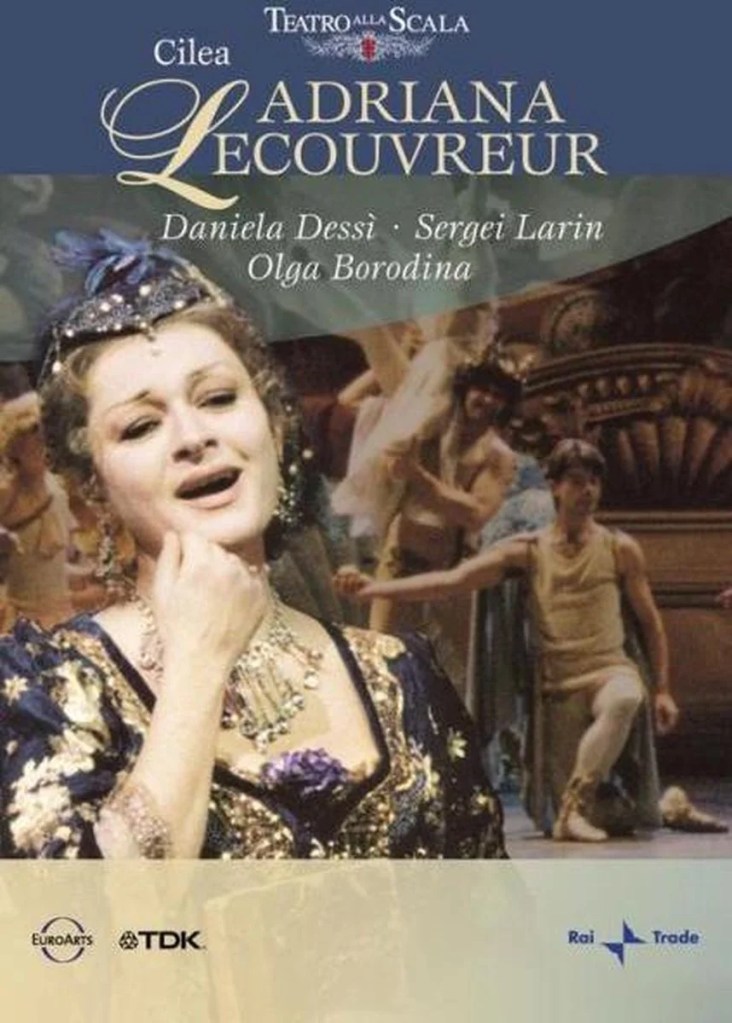
Daniela Dessi, by the way, can do both the singing and the acting. 21 years ago (the recording was made at La Scala in January 2000), her sound was still lyrical, but already well developed dramatically. A true lirico-spinto, even if it was still a bit ‘in spe’ then.
Maurizio was one of Sergei Larin’s favourite roles, he also sang it in 2006 in Amsterdam (Saturday Matinee) alongside Nelly Miricioiu. The much-lamented Latvian tenor (he died in January 2008 at the age of 51) presents a beautiful and elegant sound, not devoid of passion, but still without the ‘roar’ that marred his last performances.
Olga Borodina is a deliciously mean Principessa di Bouillon and Carlo Guelfi a sonorous Michonnet, although his voice lacks ‘that certain something’, that made Sherrill Milnes one of the best interpreters of the role.
Roberto Rizzi Brignoli elicits from the orchestra all the colours of the rainbow and then some more. Here he is at the very beginning of his career (I once wrote: remember that name, we will be hearing more from him). Now he has become one of the greatest.
For those who appreciate it: the direction and the stage setting are traditional.
Dessì and Borodina in the finale of the third act:
EuroArts 2050098
Mafalda Favero:
Magda Olivero:
Renata Scotto:
L’Arlesiana (rediscovered!)
There are more operas that derive their fame from just one aria: just think of La Wally. Or even Andrea Chenier or La Gioconda. But there can only be one winner and that is undoubtedly Cilea’s L’Arlesiana.
The aria “E’ la solita storia del pastore”, better known as Lamento di Federico is among the most beautiful and best-loved tenor arias in all opera history. Just about every tenor sings it; it is also very often found on compilation CDs or opera recitals. No wonder: who among us can keep dry eyes listening its languorous tones? And: who among us actually knows what it is about? And who has ever heard the opera in its entirety?
L’Arlesiana is still performed only sparsely, even its recordings are scarce. Strange really, but the intendants of most opera houses don’t like verism. Is there too little honour to be gained for directors?
Not that L’Arlesiana is a masterpiece. That the opera is unbalanced, Cilea himself knew that very well. He also continued to tinker with it from its premiere in 1897 until his death in 1950. He went from four acts to three, and his finest and best move was undoubtedly adding the famous interlude “La notte di Sant’Egilio”, in 1937.
Curiously, the heroine, the girl from Arles, is not even present in the opera. Well, not fysically. She is being talked about, gossiped about also and she is the cause of the ensuing drama, of which she is probably not even aware, we will never know it.
Clearly present, though, is Rosa Mamai, Federico’s mother. I read somewhere that if Santuzza (Cavalleria rusticana) had ever left Sicily and started a family of her own, she would surely have become Rosa Mamai. I was reminded of this when listening to Iano Tamar’s fantastic, highly dramatic Rosa Mamai.
Iano Tamar. Foto: Picus online
In her own “lamento” (‘Esser madre è un inferno’), she defies the limits of beautiful singing, but nowhere crosses them and she really makes us share her grief. In doing so, she proves what we actually already knew: the opera is not about silly shepherd Federico and his desperate love for the adulterous Arlesienne. No, it is about the boundless love of a mother who wants to save her son from a fatal fate at any cost and who even goes so far as to give her consent to the marriage with “the bitch”. To no avail: in a moment of madness, Frederico plunges himself from the hayloft
Foto: Arielle Doneson
Giuseppe Filianotti has the ideal timbre for Federico: beautifully lyrical, but with enough power to meet the heavy demands of the complex role, with its many changes of mood. I truly would not know who else, perhaps apart from Beczala or Fabiano, could sing the role with as much feeling and languor. It is a real “Caruso role”; lyricism alone would not be enough.
Mirella Buonoaica’s light and agile soprano is sometimes like quicksilver: bouncy and fascinatingly beautiful. But her Vivetta also possesses enough power: should the need arise, the girl is ready to fight. It is not her fault that her lover has gone mad, remember Micaela!
Francesco Landolfi is a beautiful Baldassare, authoritarian but also very fatherly. His ‘Come due tozzi accesi’ moves me greatly. He phrases with a perfection you don’t often come across anymore and his messa di voce is astounding..
All the minor roles are also more than adequately cast and the orchestra under Fabrice Bollon plays very animatedly.
But this recording has even more to offer. It contains a lost aria by Federico: a “Una mattina m’apriron nella stanza”. We owe the discovery to Giuseppe Filianotti, who found the piece at the Museo Francesco Cilea, in a manuscript belonging to the composer. “Una mattina” was heard for the first time during this performance in Freiburg.
The original 1897 version of Lamento di Federico (note the end):
The rediscovered aria “Una mattina m’apriron nella stanza”:
CPO 7778052; recorded live juli 2012 in Freiburg
Bonus: Tito Schipa sings Il Lamento di Federico
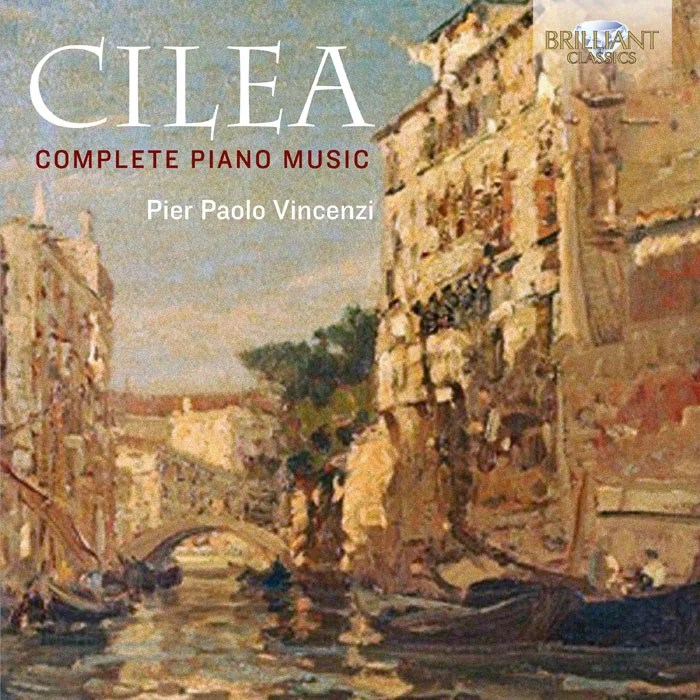
A pleasant introduction to Cilea’s piano works
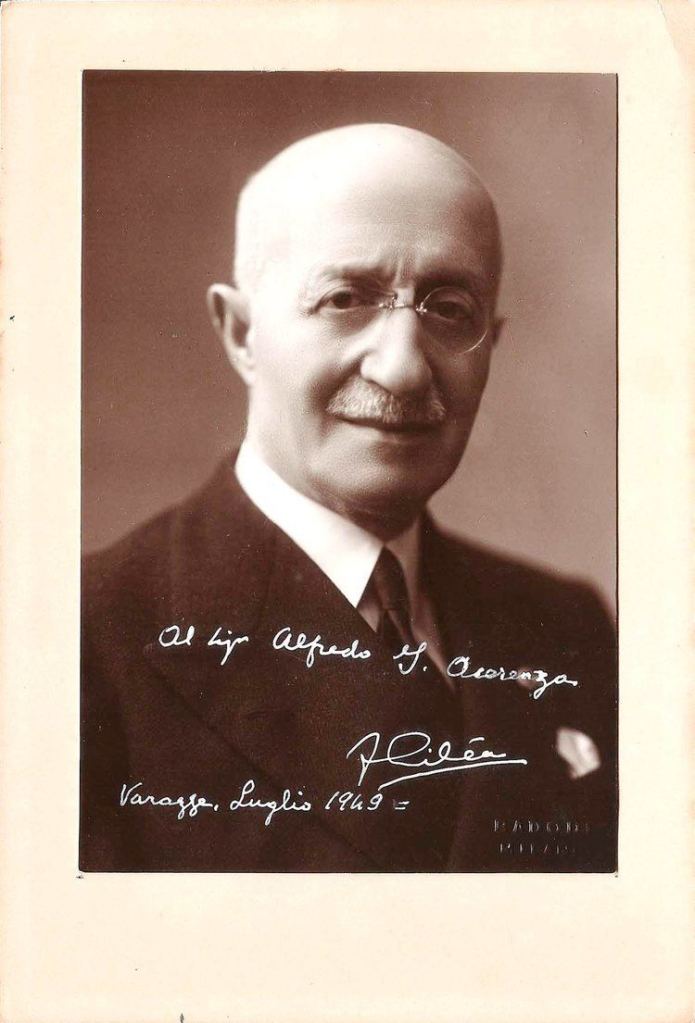
Francesco Cileais today particularly known for his opera’s Adriana Lecouvreur and L’Arlesiana, but did you know that he, himself a great pianist also composed for the piano?
I didn’t. Not that I think I missed much. It’s all very pleasant, no more. Wonderful to have in the background but the music has too little going for it. It does not sink in.
And yet I am glad someone took the trouble to record the music. It sheds a totally different light on the composer and takes him out of the shadows in which (music) history has cast him. No, Puccini he was not, and in his day piano music was already much more than just an entertaining ‘salon music’, but fair is fair: I must confess that I found it an extremely enjoyable introduction. Not least because of pianist Sandro De Palma’s very strong advocacy of his music.
In the very Schubertian-looking sonata for cello and piano, De Palma is assisted by the not particularly virtuoso Ferdinando Calcaviello.
























 Basia con fuoco