opera/operette/oratorium/koorwerken

Mozart’s Orient Express: Die Entführung aus dem Serail in three recordings

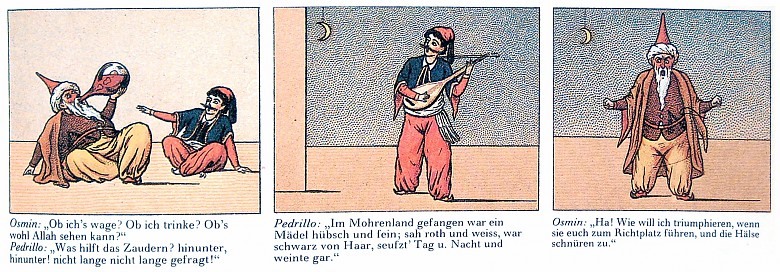
Szenenbilder aus “Die Entführung aus dem Serail”, 1914, © Foto: Julia Teresa Friehs

CD
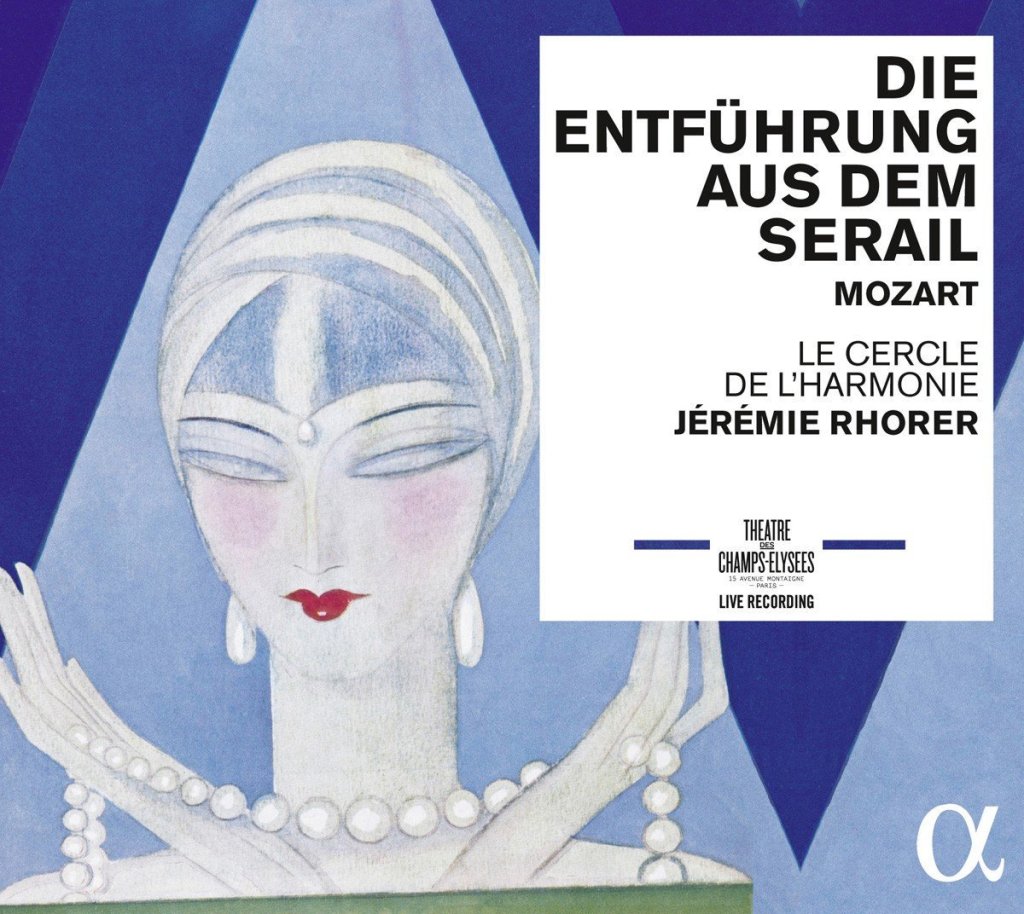
There is no shortage of recordings of Die Entführung aus dem Serail, but really good ones may be counted on the fingers of one hand. Moreover,you often have to go quite far back in time to find the real gems. But the performance recorded live at the Théâtre des Champs-Élysées on 21 September 2015 – and conducted very vividly by Jérémie Rhorer – is, for me, among the very best.

David Portillo is an extraordinarily fine Pedrillo. Light and airy,entertaining and amusing; and meanwhile singing utterly brilliantly…. Superb.

Rachelle Gilmore is a delightful Blonde. Just listen to “Welche Wonne,welche Lust”, which she sings with impeccable height and crystal-clearcolouratura! Breathtaking.

Mischa Schelomianski shines as Osmin. That he sings the role with a thick Russian accent is anything but disturbing here. It is quite right for Osmin. Jane Archibald (Konstanze) sounds a bit shrill at times, but as soon asshe starts singing “Ach ich liebte” I surrender completely.

Only Belmonte (Norman Reinhardt) I have heard better. His voice iscreamy and his timbre pleasant, but he lacks a bit of suppleness, which prevents him from being really satisfying in his “Wenn der Freude Tränen liessen”. Fortunately, “Ich baue ganz auf deine Stärke” succeeds much better, but I continue to have trouble with his ornamentation.

It’s not perfect, no, but live performances never are. It is one of the reasons why they are so much fun; after all, nothing beats live theatre! The tempi are on the brisk side but nowhere rushed, and the orchestra sparkles like a cosy fire. And there is no director to ruin it for me. This is how I want my opera’s (Alpha 242)

DVD

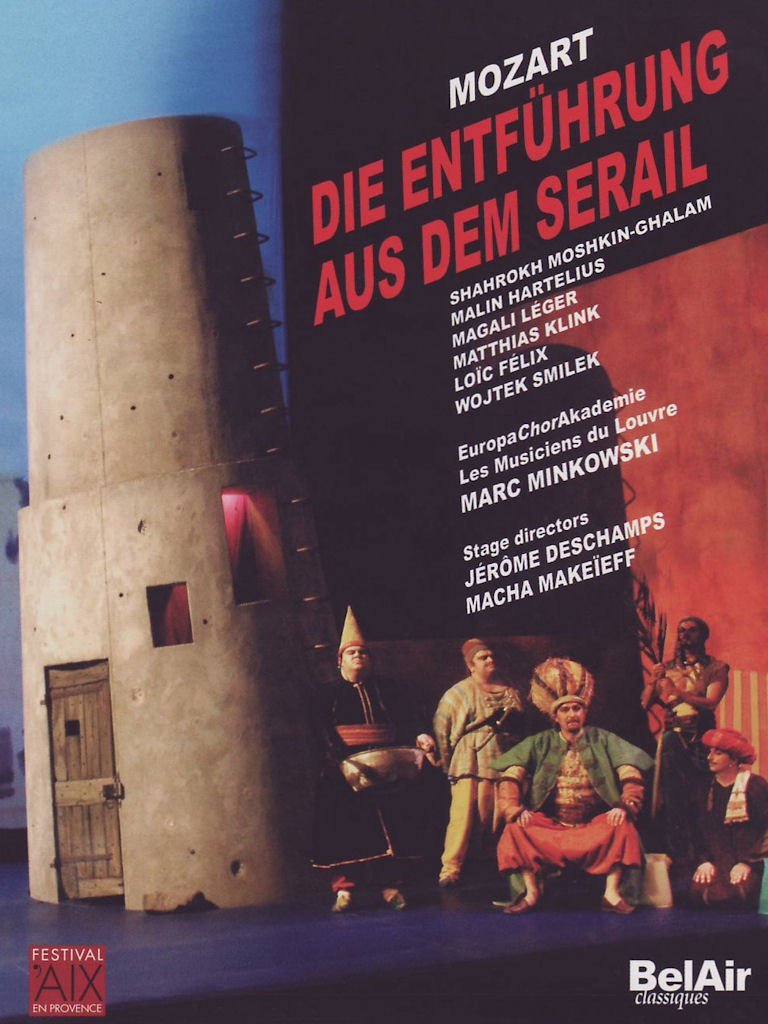
The ways of record companies are sometimes inscrutable and so it couldhappen that two different performances of Entführung aus de Serail were released within a short space of time by the same company, BelAirClassics. These are respectively a production by Jonathan Miller made for the Zürcher Festspiele in 2003 (BAC007) and a performance filmed in Aix-en-Provence in 2004, directed by Jérome Deschamps and Macha Makeïeff and conducted by Marc Minkowski (BAC028). There is aworld of difference between the two productions, it just goes to show what good (or, if you like, bad) direction can do to an opera.

Zürcher Festspiele 2003
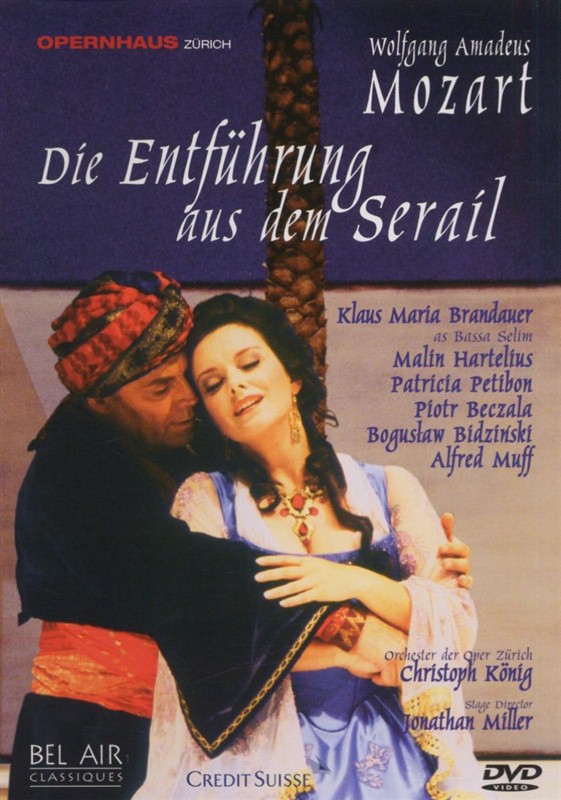
Jonathan Miller, normally a pretty big deal, simply fails. Nothing happens. There is a palm tree in the middle and the singers come up, lean against it and sing their aria.They are totally left to their own devices, which for most results in clichéd gestures and gestures. With Patricia Petibon (Blonde), just the opposite happens: she exaggerates like her life is depending on it and she is overacting. In short: here are six characters looking for a director.

Patricia Petibon sings “Durch Zartlichkeit und Schmeicheln”:

I am not enthusiastic about the singing either, as even Piotr Beczala (Belmonte) and Malin Hartelius (Konstanze) perform far below their level.

There is one plus though: Klaus Maria Brandauer in the speaking role of Bassa Selim. Every scene with him in it turns into pure theatre. He doesn’t act, no, he just gives a masterclass in acting.

https://www.srf.ch/play/tv/tagesschau/video/mozarts-entfuehrung-aus-dem-serail-im-opernhaus-zuerich?urn=urn:srf:video:e04bd1c3-523a-4944-a440-004dd187a6a4

Aix-en-Provence 2004

The production from Aix-en-Provence can be described in one word: precious. As soon as you see the orchestra (all wearing turbans and other exotic headgear) and the entrance of a broadly smiling Minkowski, you know you are going to be amused.

The stage is populated by a motley collection of rather weird characters in oriental costumes, one joke follows another, with no cliché shunned. It is no longer comedy, it is slapstick. And why not? Mozart can take it, especially when it comes to a singspiel.

The dancing emergence on the stage of Bassa Selim (a fantastic Shahrokh Moshkin-Ghalam, a dancer and actor very famous in France) is a story in itself. His German is abominable, but he must be forgiven, because everything else he does with the role (including a spectacular disappearing act at the end) is breathtaking

Malin Hartelius shows what a fantastic Kostanze she is. Magali Léger (Blonde), Matthias Klink (Belmonte), Loïc Félix (Pedrillo) and Wojtek Smilek (Osmin) are all fine, the orchestra fierce and Minkowski on target. But be warned: it is packed with Mohammed jokes.

Entführung aus dem Serail in Antwerpen: Islamitische Staat avant la lettre?
Strehlers Entführung uit La Scala uitgebracht op BluRay

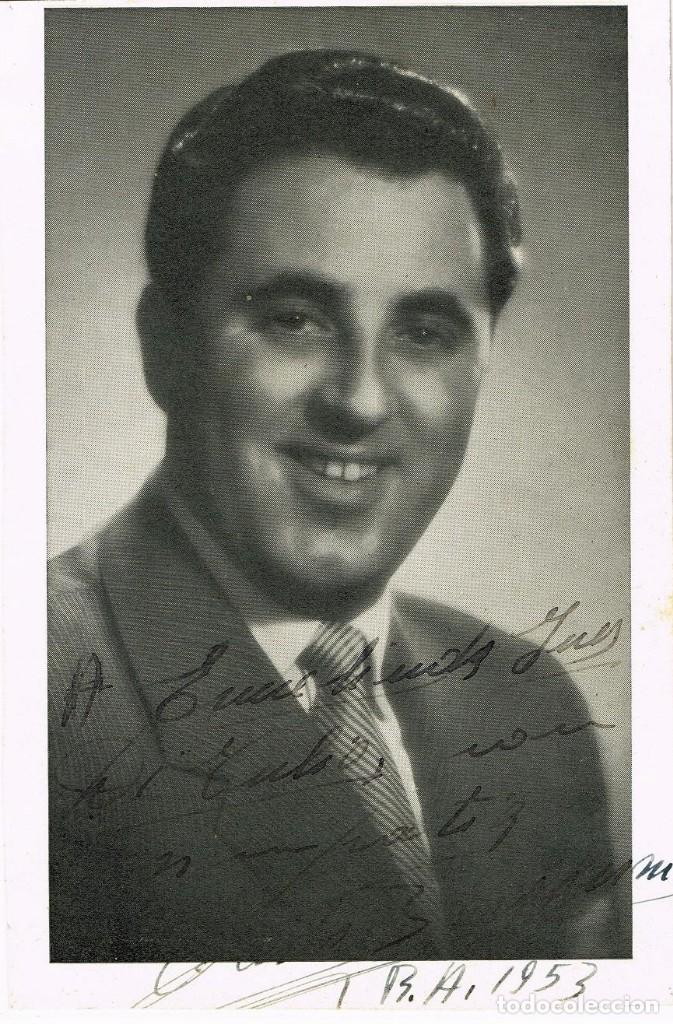
Carlo Bergonzi: from belcanto to verismo in just a few recordings

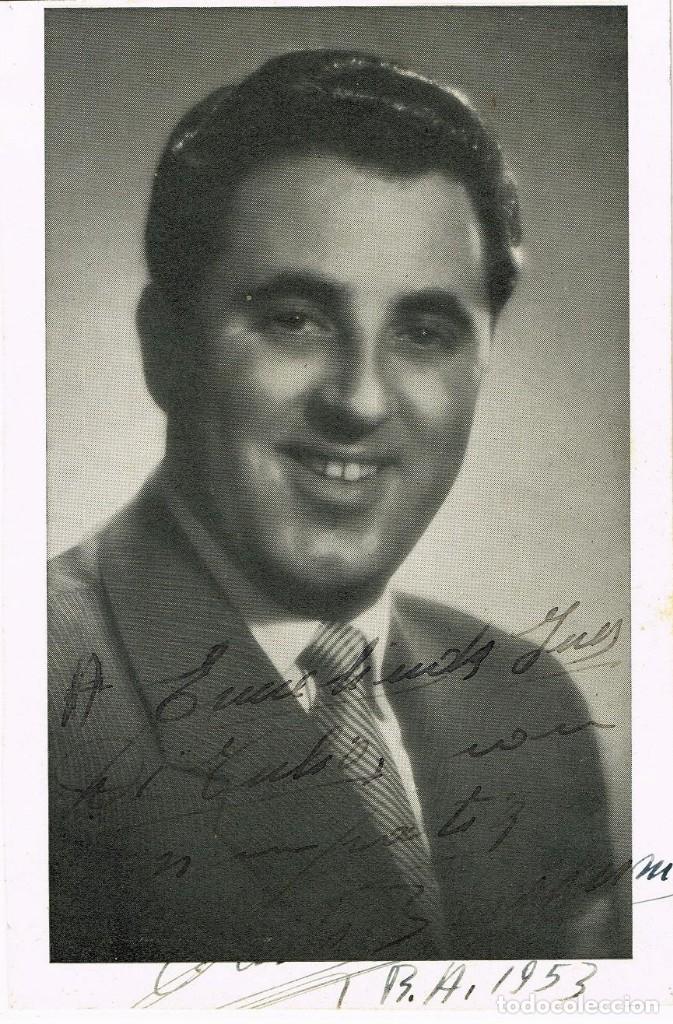
©https://cloud10.todocoleccion.online/autografos-antiguos-cantantes-musicos/tc/2021/08/05/19/279594008.jpg

L’ELISIR D’AMORE


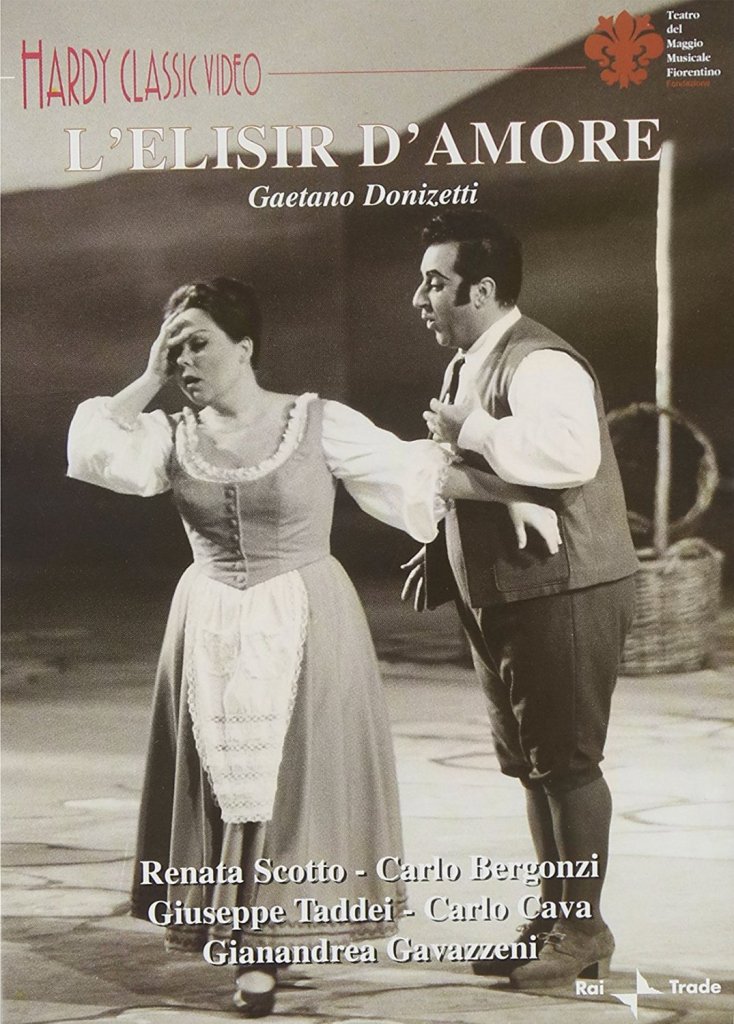
To the younger generation I would especially recommend the DVD with Renata Scotto, Carlo Bergonzi and Giuseppe Taddei (Hardy Classic Video HCD 4014). It is not only the beautiful voices of the past that impress (Scotto, Bergonzi, Taddei – who can still sing like them?), the eye is also given a lot to enjoy.

Do not think that they just enter the stage, sing an aria facing the audience and then take a bow. It is theatre pur sang and a better acting singer than Scotto has yet to be born.

The picture is black and white (the recording was made during Maggio Musicale Fiorentino in 1967) and the scenery is cardboard, but who cares?

LUCIA DI LAMMERMOOR

Renata Scotto 1967


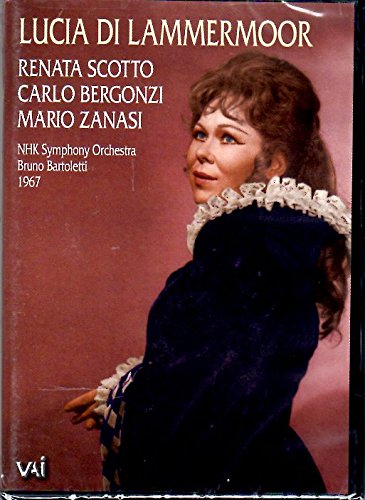
This production of Lucia di Lammermoor was recorded in Tokyo in 1967 and is available on DVD (VAI 4418). It circulated for years on pirate video, but since the sound and picture quality was particularly poor, the commercial release has made many opera lovers very happy. The sound is a little sharp, making Scotto’s high notes sound even more metallic than usual, but who cares?

Her interpretation is both vocally and scenically of an unprecedented high level. With a childishly surprised expression (my brother does this to me?) on her face, she agrees, albeit not without grumbling, to the forced marriage with Arturo (an Angelo Marchiandi who is hideous in every way).

After her mad scene, you tend to pull the plug, because everything that comes after it can only feel like a cold shower. But you are wrong about that. Edgardo’s two arias, sung by Carlo Bergonzi, will take you straight to (singer’s) heaven.


Afterwards, you can’t help but be a little sad, because where have they gone, yesterday’s singers? Small, tall, fat, skinny, with or without acting talent… None of them was a ballet dancer, but could they sing! And it was through their voices alone that they were able to convey all of the feelings that now require a whole ‘artistic team’. In spite of the cuts that were common at the time, this is an absolute must.

Below, Bergonzi sings ‘Fra poco a me ricovero’

Beverly Sills 1970


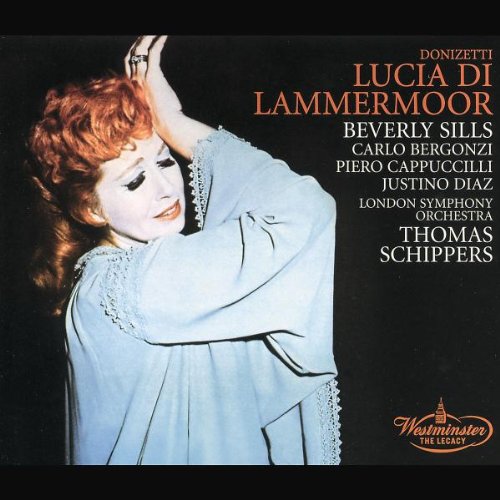
Sills’ Lucia (Westminster 4712502) for me remains one of the best interpretations ever, especially talking about studio recordings. Her portrayal unites the best of Callas and Suitherland: the virtuosity, vocal beauty and pure intonation of la Stupenda and the great acting of la Divina. Not really a great tragédienne (but then, neither is Lucia), she is more of a passive child-girl who just lets it all happen. Carlo
Sills’ Lucia (Westminster 4712502) for me remains one of the best interpretations ever, especially talking about studio recordings. Her portrayal unites the best of Callas and Suitherland: the virtuosity, vocal beauty and pure intonation of la Stupenda and the great acting of la Divina. Not really a great tragédienne (but then, neither is Lucia), she is more of a passive child-girl who just lets it all happen. Carlo Bergonzi sings an elegant and outraged Edgardo and Piero Cappuccilli a brutal and cruel Edgardo and Thomas Schippers conducts very firmly.

But what makes this recording really special is the use of a glass harmonica in the madscene, exactly as Donizetti had originally prescribed it


LA BOHEME

Renata Tebaldi 1958


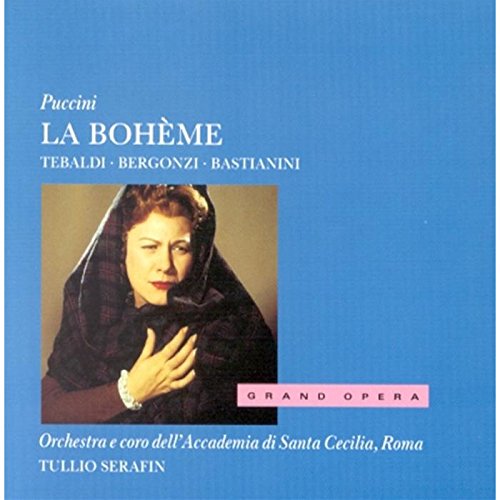
Actually, I also find Tebaldi’s voice a bit too heavy for Mimi, a tad too dramatic too, but there is no denying that her interpretation is very exciting. You have to keep listening to it.

Carlo Bergonzi is an insanely beautiful Rodolfo; secretly, I think he is the real star of the recording. Ettore Bastianini is a very charming Marcello, but Gianna d’Angelo is not a beautiful Musetta. Her singing has nothing sensual and is vulgar at times.

Tulio Serafin conducts more than superbly and the orchestral sound is brilliant. Remarkable actually how wonderful that recording still sounds! (Decca 4487252)

Licia Albanese 1958

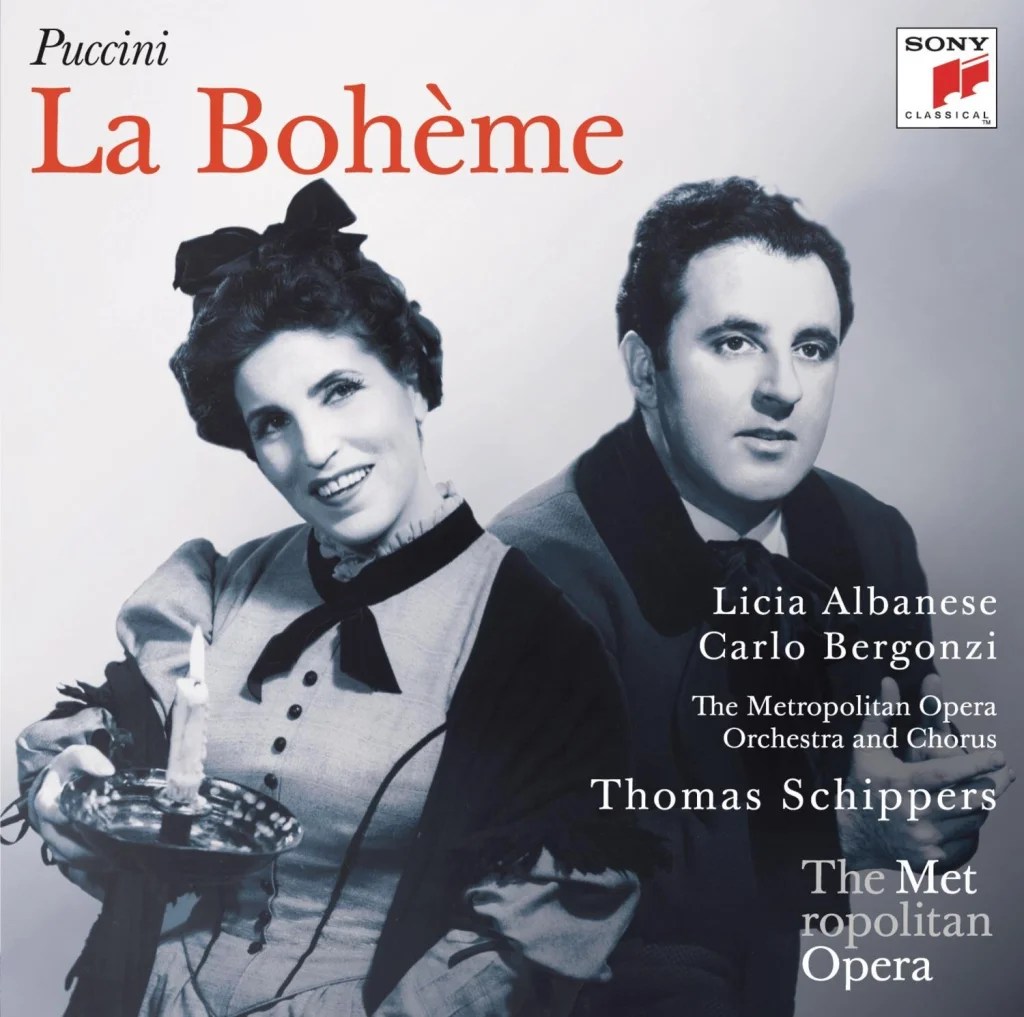
A warning is in order: the sound is not great. It is sharp and dull and occasionally the radio waves are humming rebelliously, but it also has something quite endearing. As if a time machine takes you back to the afternoons of yore, when the whole family settled down in front of the radio to listen to the latest invention, the live broadcast.

The performance, too, is old-fashionedly delicious. Not that the voices are all that exceptional, apart from Carlo Bergonzi who is at his finest, the other roles could have been better cast.

Licia Albanese (almost fifty by then, which is not at all audible) was a real crowd pleaser, especially in New York. Thomas Schippers conducts very vividly (Sony 8697804632)

MADAMA BUTTERFLY

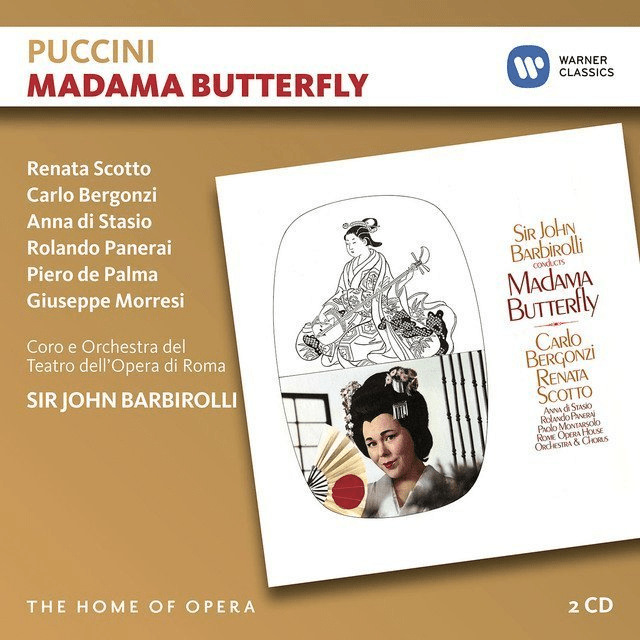
For me an absolute ‘numero uno’ is the 1966 recording by EMI (now Warner 0190295735913) under Sir John Barbirolli. One might imagine a more lyrical or alternatively a more dramatic Cio Cio San; one with less metal in her voice or maybe one with a more childlike voice. But no other singer was able to grasp the complex nature of the girl so well and to characterise her change from a naive child into an adult woman, broken by immense grief, so impressively

Carlo Bergonzi is a beautiful, lyrical Pinkerton, singing with glorious, golden ton and Rolando Panerai a very warm Sharpless.

An unmissable Don Pasquale from La Scala

Almost immediately, within the first bars of the overture, I spring to my feet: this will be a delight! Muti starts firmly and immediately afterwards the mood changes into an unparalleled lyricism. His tempi are generally on the high side, but nowhere do they degenerate into panting.

Stefano Vizioli’s direction is a textbook example of what an opera should look like. His conventional, 1994 staging is truly sparkling, exciting, innovative and inspiring. Comical and sentimental at the same time and with great attention to detail.

The costumes are dazzlingly beautiful and correspond to the characters of all the characters. The emergence of the good-for-nothing Ernesto (phenomenally played by Gregory Kunde) is truly precious: in slippers and a silk dressing gown, he lies down on the sofa, sipping his espresso, waiting for the luck to come by itself or with the help of Malatesta (Lucio Gallo at his best).

Ferruccio Furlanetto is a Don Pasquale in a thousand and Nuccia Focile a delightful Norina. Everyone sings and acts at an all-time high and the orchestra could charm the stars from heaven.

No sooner has it happened to me that I couldn’t find a minus point anywhere: for me it is one of the best opera’s on DVD I have ever seen, don’t miss it!

Gennady Rozhdestvensky conducts the original version of Mahler’s Das Klagende Lied. A must

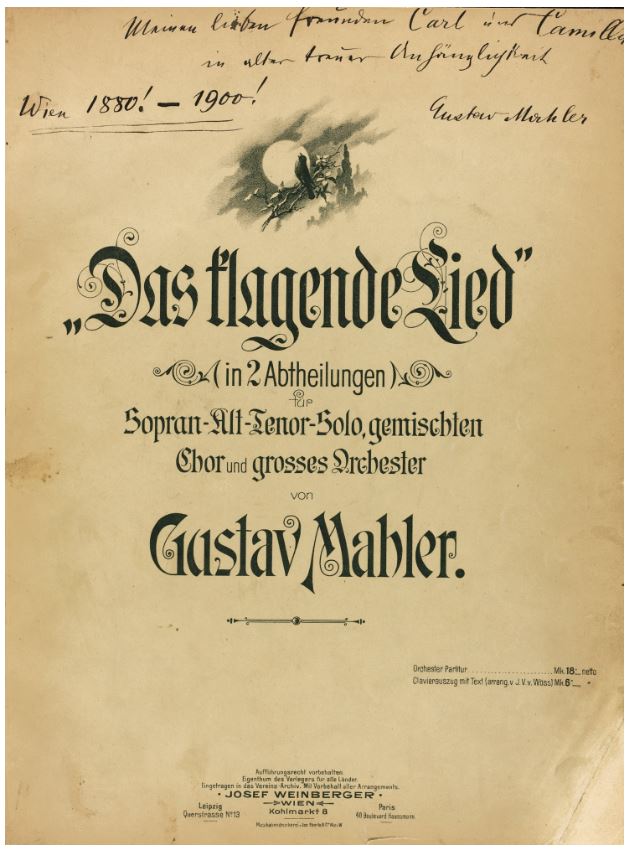
Year 1902: Vocal score of Das klagende Lied, version in two movements, signed and inscribed by Gustav Mahler

Sometimes you just don’t know. You think you understand a work well, very well indeed. You have a soft spot for it, so you’ve collected quite a few recordings and you think there cannot be any secrets left. And then an old, mastered recording drops on your doormat and it leaves you totally flabbergasted.

Until recently, you were still of the opinion that there is nothing better than Giuseppe Sinopoli and that MTT gets you carried away so nicely and completely, if only because of its very grueling tempi. But then your whole world goes haywire, because suddenly it feels as if you have awakened from a long sleep and only now everything is falling into place.

1901 Concert Vienna 17-02-1901 – Das klagende Lied (Premiere).


Mahler was barely 20 when he completed Das klagende Lied, the highly romantic and oh so sad fairy tale about a king’s son who murders his brother in a struggle for power and love. The composer himself considered it his opus 1 and the first work in which he found himself as “Mahler”.


Gennady Rozhdestvensky was the first to conduct Das Klagende Lied in its original, three-part version. For that alone, he deserves more than praise. I am really at a loss for words to describe the performance, because I have never heard the work performed so dramatically and at the same time
so incredibly lyrical and loving.

Rozhdestvensky manages to elicit the most beautiful sounds from the BBC orchestra, most reminiscent of first the awakening and then the ending of the day, the world and the universe. You hear the birds chirping softly and the wind blowing through the trees. And then the sun sets. No, fairy tales were not always cheerful, even when the world still believed in them.

Janacek’s The Fiddler’s Child (recorded in 1979 in Prague) has never before been released on CD. I must confess that I, a big Janácek fan, did not yet know this magnificent work, and I am quite ashamed of that.

Sinopoli:

Michael Tilson Thomas London live

First recording of the version in three movements by Pierre Boulez in 1970:

History of the composition:

https://mahlerfoundation.org/mahler/compositions/das-klagende-lied/das-klagende-lied-versions-and-premieres/


Door computer gegenereerde Parsifal in Bayreuth 2023

Tekst: Peter Franken

In de aanloop naar de première van Jay Scheibs nieuwe productie van Parsifal ging de aandacht vooral uit naar een technologisch nieuwigheidje: het gebruik van AR brillen door het publiek. AR staat voor Augmented Reality wat inhoudt dat degene die zo’n bril opheeft naast de werkelijkheid ook nog veel computer gegenereerde beelden te zien krijgt. De toeschouwer ziet planeten, bomen, doodshoofden, vuur, ganzen, slangen en zo meer voorbijkomen. Het enige moment dat AR echt iets toevoegt is wanneer Klingsor de Speer naar Parsifal gooit. Dan ervaart men dat alsof die recht op je af komt. Overigens had slechts een select deel van het publiek zo’n bril op, ongeveer 300 personen gezeten in de Loge en de achterste zaalrijen. Voor de overige bezoekers was het business as usual.

Interview met Scheib:

Scheib is een toneelregisseur en heeft weinig tot geen ervaring met opera. Dat merk je direct aan de statische wijze waarop hij het koor positioneert: als een zingende muur. Verder is de aandacht kennelijk zozeer uitgegaan naar de visuele effecten dat de personenregie grotendeels is overgelaten aan de zangers zelf. Dat was indertijd ook nadrukkelijk het geval in de Ring van Castorf. De wijze waarop Andreas Schager zijn handen en armen beweegt in de dialoog met Kundry is ronduit knullig. Daar laat Scheib het duidelijk afweten en dat is helaas niet het enige moment.

Laten we alle hype en hooplah even voor wat het is dan valt op dat Scheib het libretto tamelijk volledig heeft gevolgd. Een scène tijdens de ouverture doet aanvankelijk anders vermoeden. Een figurant die dubbelt als Kundry verleidt de op de grond liggende Gurnemanz en na afloop zie je hem opschrikken. Laten we het er maar op houden dat hij het heeft gedroomd maar echte seks of niet, de chef van Montsalvat heeft duidelijk onkuise gedachten.

Dat is natuurlijk symptomatisch voor de treurige staat waarin de Graalgemeenschap verkeert sinds Amfortas de Speer is kwijt geraakt aan Klingsor en nu uitsluitend nog maar kan verlangen naar zijn einde. Zijn plicht is echter het onthullen van de Graal omdat de ridders en vooral zijn vader Titurel daar nieuwe levenskracht uit putten. Een Graalkoning die zich aan die plicht onttrekt is als Freia die het vertikt om de goden van appels te voorzien. En onder die teloorgang van de gemeenschap heeft ook het kuisheidsideaal te lijden.

Scheib heeft de verleiding niet kunnen weerstaan om dit breder te treken door een vergelijking te maken met de uitputting van de aarde door toedoen van haar bewoners die blijven graven op zoek naar steeds weer nieuwe essentiële bodemschatten om hun door technologie bepaalde cultuur in stand te houden.

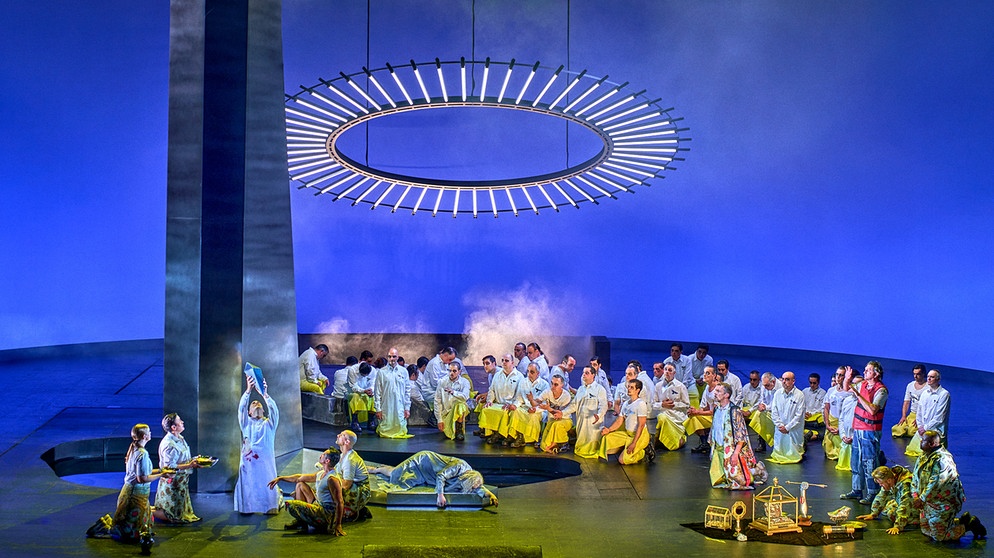
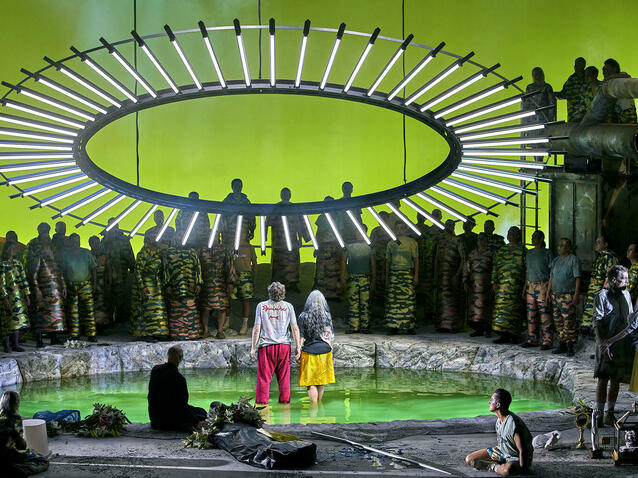
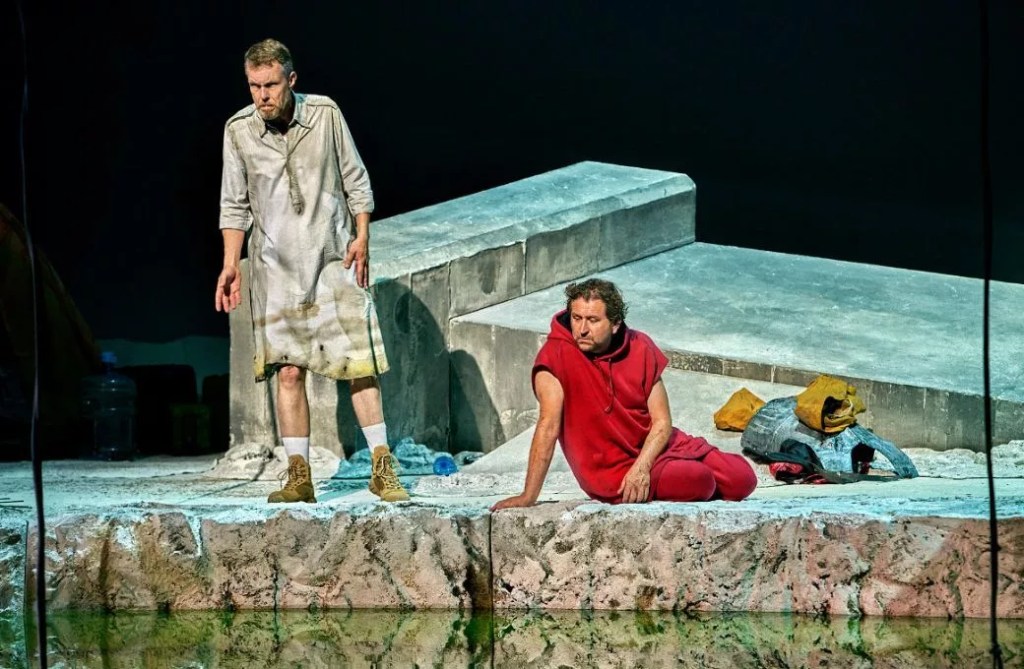
In de derde akte hoeft hij het alleen nog maar in te koppen. De Graalridders zijn vervallen tot dierlijk gedrag, van de gemeenschap als ‘gevechtscentrum op religieuze grondslag’ is niets meer over. Op het toneel zien we een vijver met blauwgroen water, overblijfsel van de kobaltwinning, en het wrak van een enorme combine die grond afgraaft en verwerkt. Dat alles staat de gebruikelijk afhandeling van het verhaal echter niet in de weg.

Die schaduw Kundry blijft de rest van de avond in beeld al heeft ze weinig te doen. Haar enige klusje (behalve dan dat prettige samenzijn met Gurnemanz) is het verzorgen van de wond van Amfortas, gezeten aan de rand van een bad dat in de toneelvloer is uitgespaard. De wond blijft zichtbaar dankzij een ronde uitsparing in zijn kleding. Zo kan hij die gemakkelijker laten bloeden als Titurel hem heeft weten te pressen de Graal te onthullen. Dit object wordt getoond als een overmaats zwartblauw kristal dat aanvankelijk onder een geel lapje verborgen is. Bloed uit de wond komt aan Amfortas’ handen en hij wast ze in een kom water. Dat wordt over het kristal gegoten en opgevangen in een ander bakje waaruit iedereen vervolgens een druppeltje mag ontvangen. Als iedereen weer zijn ‘appeltje’ heeft gekregen kan de gemeenschap er weer even een beetje tegen, vooral Titurel natuurlijk.

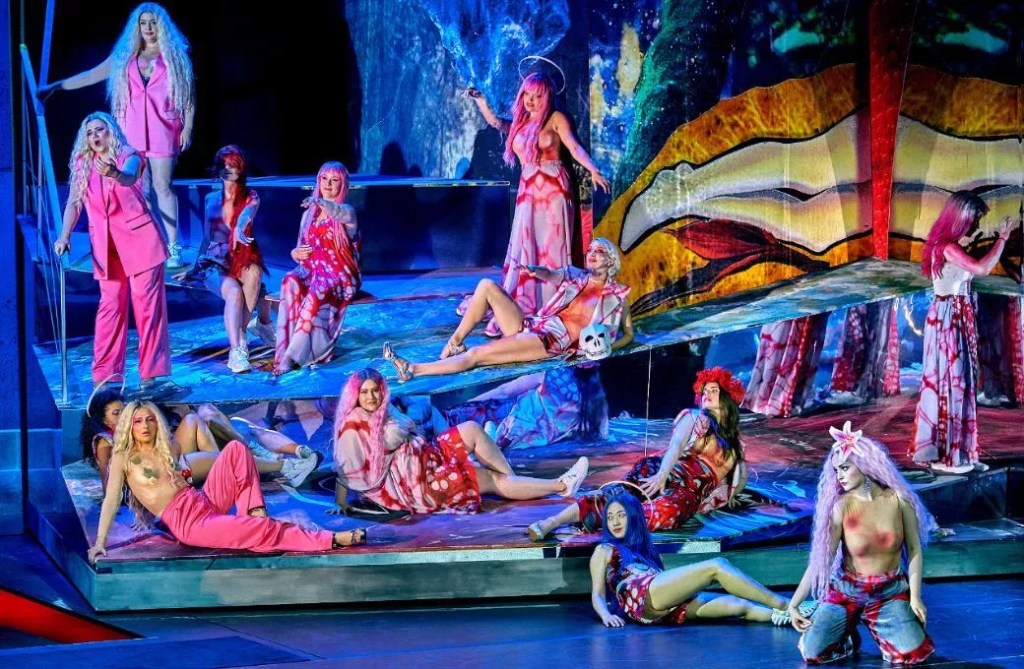
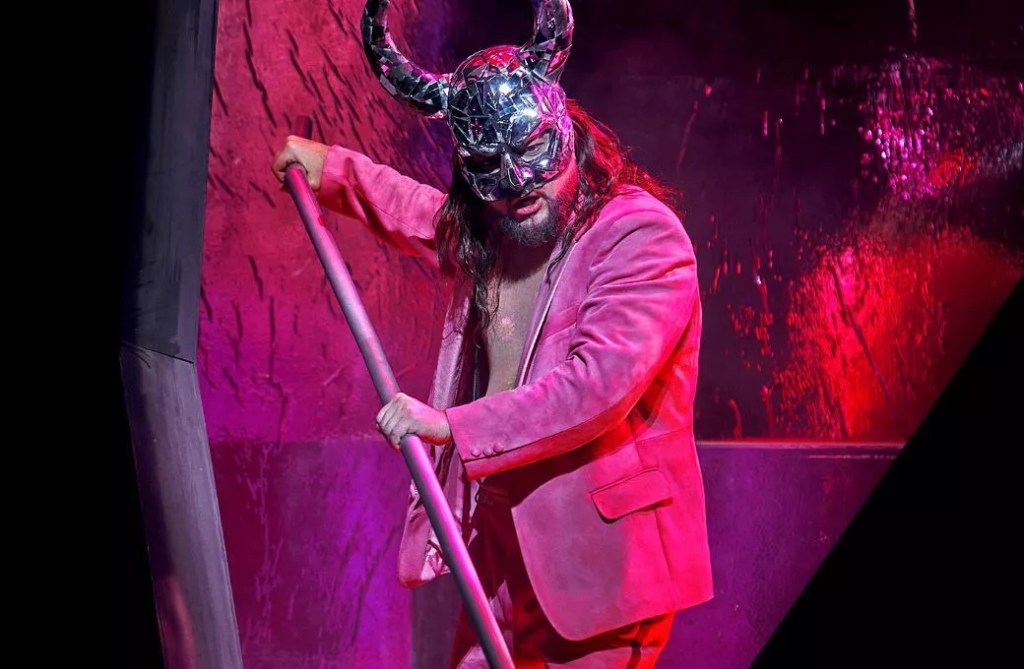
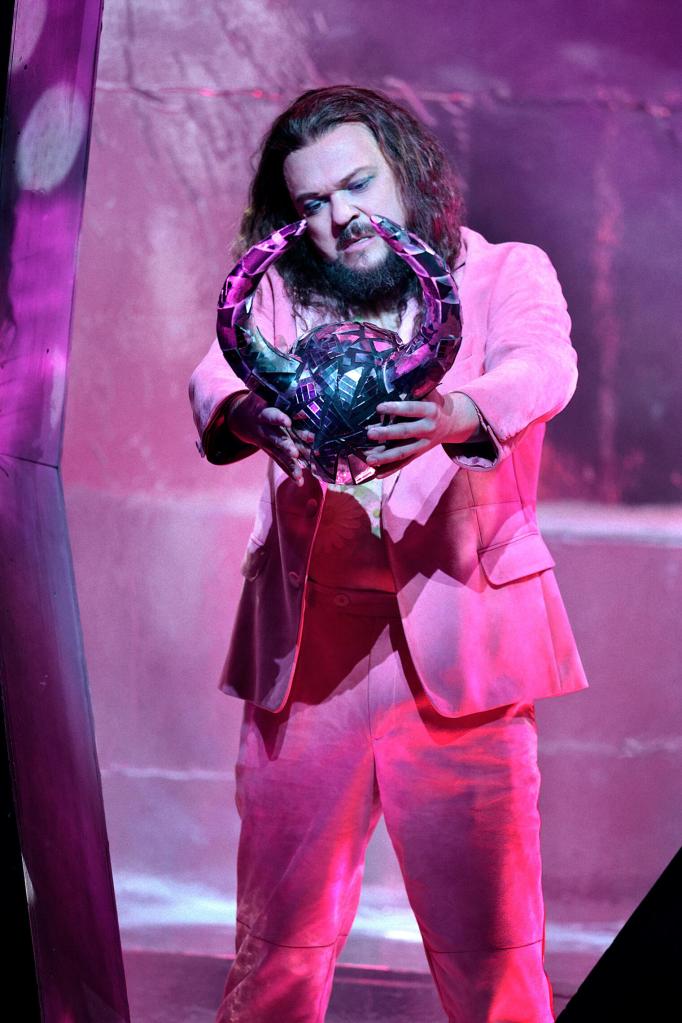
De Bloemenmeisjes worden getoond als een roze Barbieharem en Klingsor draagt een helm met hoorns op zijn hoofd. Kundry gaat in een donkere lange jurk en doordat ze nu een zwarte pruik op heeft is ze vrijwel onherkenbaar na haar optreden ervoor toen ze lange blonde haren had en een lichte jurk droeg. Amfortas pakt de Speer eenvoudig van hem af, de AR gebruikers zien dat anders.

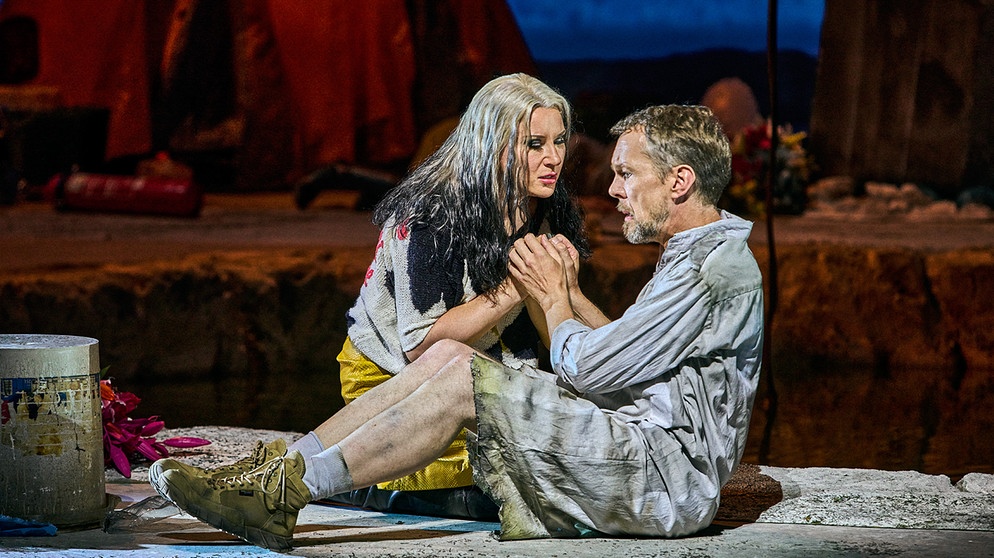
Wat opvalt in de derde akte is de wijze waarop Kundry door Gurnemanz tot leven wordt gewekt. Hij masseert langdurig haar hand en arm en is teleurgesteld als ze ‘geen woord voor hem heeft’. Kundry is echter al weer verdergegaan: zij en Parsifal blijven aan elkaar plakken na het doopritueel. Ze knuffelen wat af en Parsifal geeft haar zelfs een kusje.

Met het opnieuw onthullen van de Graal, ditmaal door de nieuwe koning Parsifal, grijpt Scheib ten tweede male in het libretto in. Parsifal gooit het kristal met kracht op de grond waardoor het in stukken uiteen valt. Het symboliseert het einde der tijden, niet alleen van de wereld getuige dat enorme wrak op het toneel, maar natuurlijk ook van de selectieve gemeenschap die het alleenrecht koestert op een onuitputtelijke energiebron en eeuwigdurend leven. Het is een nivelleringsmoment, van nu af wordt er niet meer door de lucht gevlogen om ergens reddend op te treden en leeftijden van meer dan honderd jaar worden een hoge uitzondering.

In de slotscène lopen Parsifal en Kundry samen de kobaltgroene vijver in, als waren ze een liefdespaar. Zien we hier Kundry als toekomstige incarnatie van Condviramour, de moeder van Lohengrin. Zal wel niet, bijna niemand heeft ooit van die vrouw gehoord. Gurnemanz kijkt besmuikt naar het stel en krijgt gelukkig gezelschap van de schaduw Kundry die zich liefdesvol tegen hem aanvlijt.

Alles overziend: redelijk librettogetrouw, geen concept dat sterk ingrijpt in de handeling, veel irrelevante bewegende beelden voor een klein deel van het publiek dat het in meerderheid moet doen met het in overdadige kleureffecten vormgegeven kasteel van Klingsor

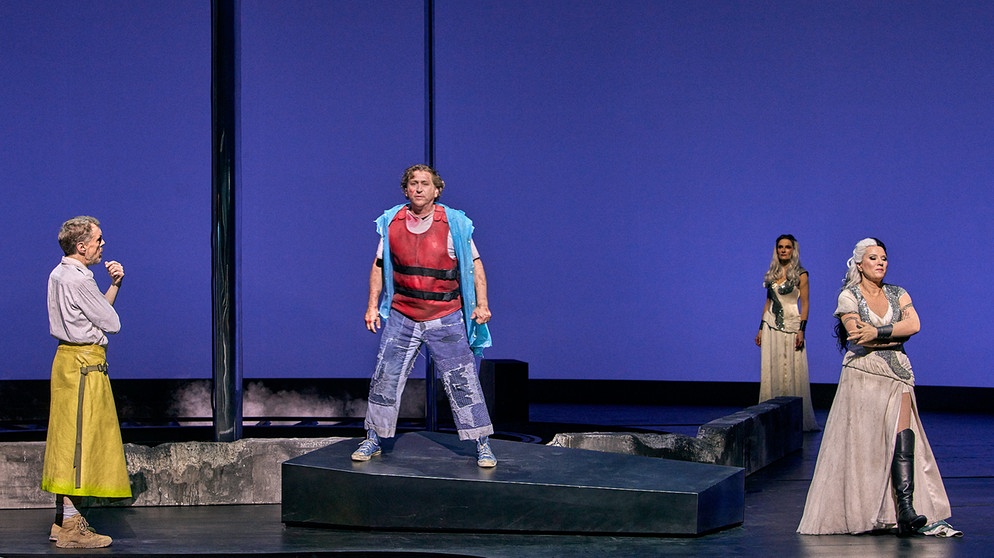
Het decorontwerp kwam voor rekening van Mimi Lien en is geslaagd in zoverre dat Scheids concept ermee wordt vormgegeven. De kostumering van Meentje Nielsen is een kwestie van smaak: vreemde kleureffecten, rommelig. Parsifal onverzorgd met kapotte broek. Gurnemanz in een gele wikkelrok, van die dingen. De belichting laat te wensen over, althans voor de videolijker. Hele kwartieren gaan voorbij waarin alles in het donker is gehuld. En natuurlijk zijn er ook videobeelden maar die heeft de videregisseur gelukkig vrijwel volledig weten te vermijden.

Derek Welton (Amfortas)

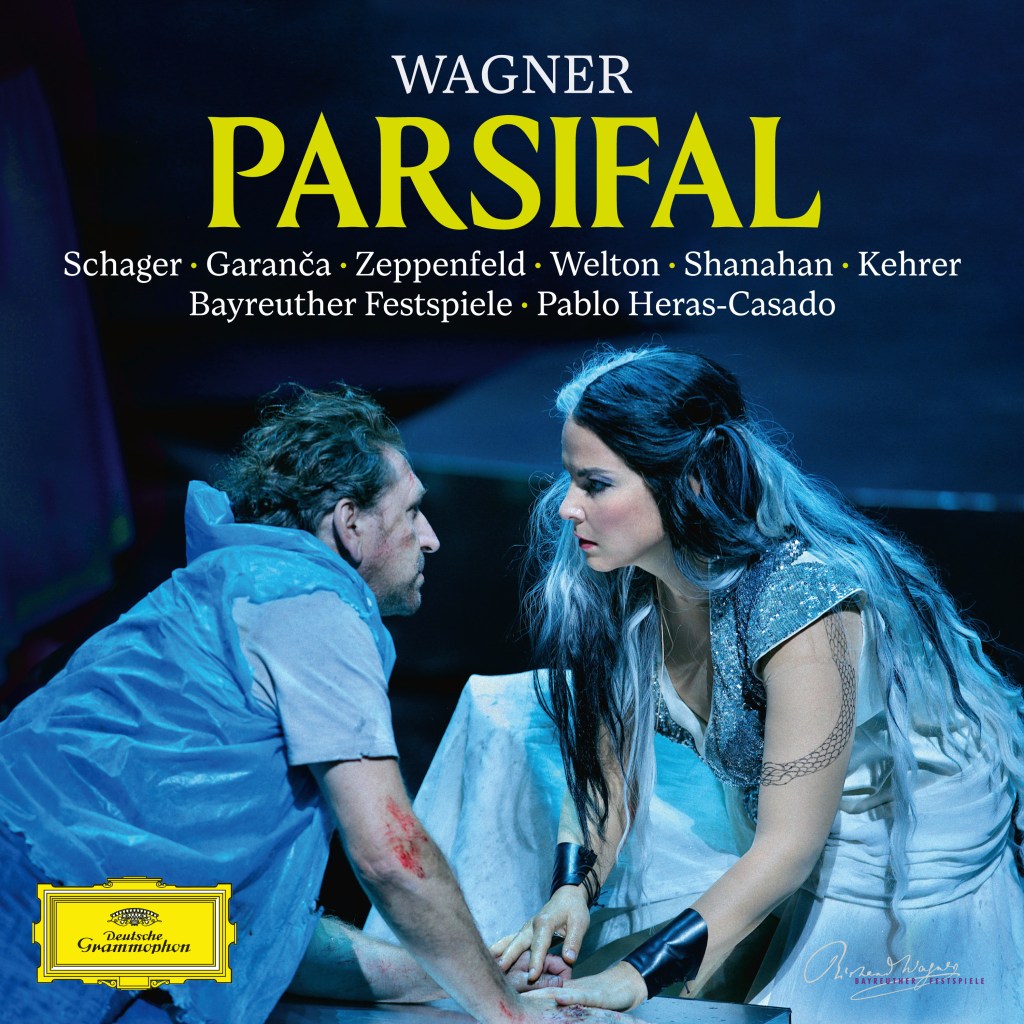
Muzikaal is dit een geweldige Parsifal met een schitterend spelend orkest onder leiding van Pablo Heras-Casado. Over de gehele linie wordt zeer goed gezongen. Derek Welton is een prachtige Amfortas en Tobias Kehrer weet zowaar iets moois uit zijn kleine rol als Titurel te halen.

Zeppenfeld (Gurnemanz) en Scgager (Parsifal)

GeorgDerek_ Zeppenfeld is sinds hij Günther Groisböck in deze is opgevolgd uitgegroeid tot de ‘eigenaar’ van de rol. Hij woont erin en dat staat garant voor een uitnemende vertolking. Zijn Gurnemanz is tamelijk goedmoedig, iemand die alles al vele malen eerder heeft gezien en beleefd en met zijn mimiek weet hij de handeling zo nu en dan haarfijn te becommentariëren.

De Klingsor van Jordan Shanahan is heel behoorlijk maar in deze rol vind ik hem uitwisselbaar met vele anderen.

Gurnemanz, Parsifal, Kundry en schaduw Kundry

Andreas Schager hoorde ik in 2018 live in de vorige Parsifal en bij die gelegenheid vond ik hem wat te luid, op het schreeuwerige af. Vooral na zijn kreet ‘Amfortas’ in de tweede akte was dat storend omdat hij dat voorgeschreven geluidsniveau vervolgens volhield tot het einde. Op dit punt heeft Schager zich enorm verbeterd en vooral in de derde akte zingt hij uitgesproken lyrisch.

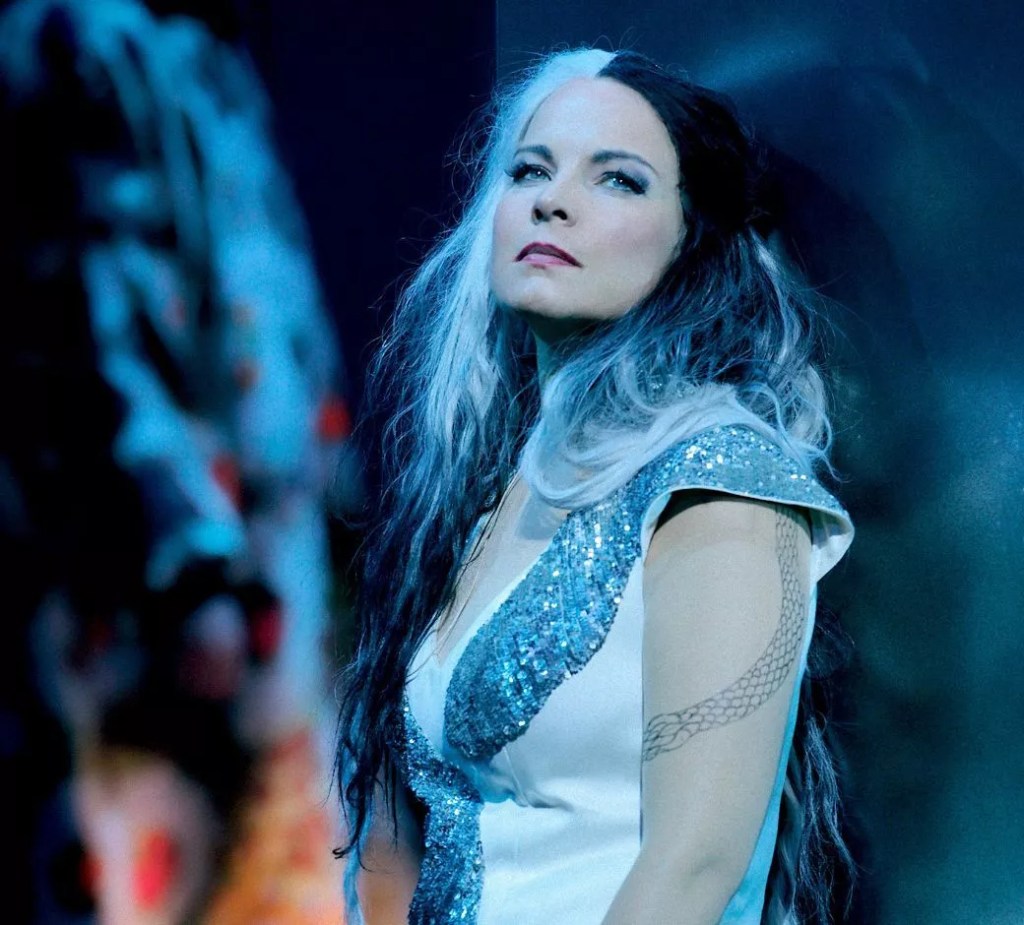
Elina Garanca is een mooie Kundry zonder dat ze iets bijzonders toevoegt. Ze brengt haar beroemdheid in en dat mag ze etaleren door als laatste te verschijnen tijdens het individuele slotapplaus.

Productiefoto’s: © Enrico Nawrath

Zie ook:

Multimediale Karfreitagszauber zonder betovering

Thomas Hampson: always a hiker of the lesser-known paths,

TIDES OF LIFE: exciting arrangements of songs by Wolf, Schubert, Brahms
and Barber


In the winter of 2014, Amsterdam Sinfonietta and American baritone Thomas Hampson toured Europe. In a fortnight, they gave 12 concerts in six different European countries.

Especially for this tour and commissioned by Amsterdam Sinfonietta, British composer David Matthews arranged songs by Wolf, Schubert and Brahms. Schubert’s ‘Ständchen’ was given a new arrangement by Bob Zimmerman. Only Samuel Barber’s “Dover Beach” was not given a real ‘make over’ and remained close to the original composition.


The songs are sometimes barely recognisable, but I don’t mind. It’s quite exciting to hear what an arrangement can do with familiar melodies.

The text remains the same, of course, but the melody line – and ertainly the tone – does change. In the new arrangements, Brahms’ “Vier ernste Gesänge” sound a little less sombreand Wolf’s songs (“Der Rattenfänger”!) actually become much more serious in tone and less ironic.

In Bob Zimmerman’s setting, the lovely “Ständchen” sounds a little unheimlich. A feeling reinforced by the reversal of the ‘roles’: it is now not a girl assisted by a male choir, it is now the women who accompany the man. It takes some getting used to, but beautiful it most certainly is. In any case, the National Women’s Youth Choir knows it well.

Hampson’s voice is not as beautiful and cultured as it used to be, which is only a plus here.Thus, the songs sound sort of spicy, with plenty of punch. Nice!

Amsterdam Sinfonietta proves yet again that they are one of the best chamber music ensembles in the world.


TO THE SOUL: AMERICAN SONGBOOK


For decades, Thomas Hampson has been a tireless ambassador for art songs by American
composers, as well as American poetry. In 1991, he recorded a CD for Teldec with “German” songs by Charles Ives, Charles Tomlinson Griffes and Edward MacDowell

Griffes’ “Mein Herz ist wie die dunkle Nacht”:


To the Soul was released by EMI in 1997, featuring songs on texts by Walt Whitman.


Those names were therefore not missing from the recitals he gave in Salzburg in 2001, part of what was called a “Hampson Project”.

The theme of this mini-festival (there was also a symposium) was American poetry, set to music by various, not only American, composers. Hampson did more than just sing. He introduced the songs, commented on them and talked
about the composers, poets, writers and traditions.

Thomas Hampson on “American Songbook” :


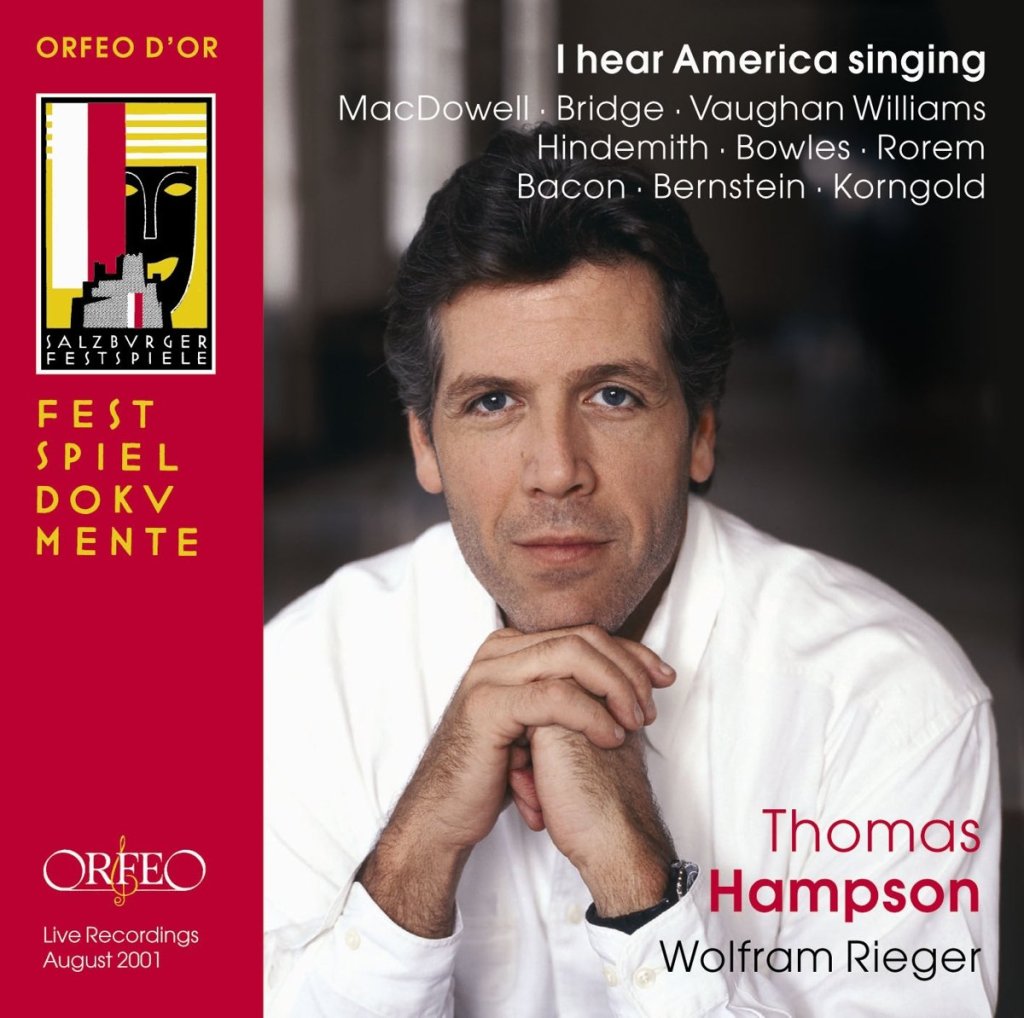
To the delight of anyone who cares about American music and poetry, three of those recitals, from 12 (and not 15), 17 and 22 August 2001 respectively, were released on two CDs a few years ago. Hampson sings as we have come to expect: cultured and beautiful, and his diction
and text handling are exemplary.

This clip is not from the CDs (neither found on You Tube nor Spotify), but it illustrates Hampson’s commitment to the music and poetry of his homeland:


As a bonus, we get three songs by Korngold, taken from the project Forbidden and Exiled, from Salzburg 2005.


WERTHER : Can a baritone be a convincing Werther?


In 1902, ten years after the premiere, Massenet made a new version of his Werther, this at the request of Italian baritone Mattia Battistini, who was eager to sing the lead role. Massenet did not change the key, but rewrote the vocal lines of Werther’s music, making the arias, “Pourquoi me réveiller” included, barely recognisable.


The “baritone version” of the opera was and remains an oddity; no original manuscript of the score even exists. In recent times, with its penchant for ever new challenges, there was also an increased interest in the alternative versions of well-known operas.

Thomas Hampson has always walked the lesser-known paths, and he first performed the role of Werther back in 1989. In 2004, he sang a concert performance of it at the Paris Chatelet, and that performance has been released by Virgin on two DVDs. He does an excellent job, but
the manic-depressive is a bit off.

His Charlotte is sublimely sung by Susan Graham, who also performed the role in Amsterdam some years ago, where she had moved the audience and press to tears. Michel Plasson has drama in his fingertips and you can hear it.

Satanella or how a female demon turned into an angel

circa 1850: A music score for the ‘Satanella Quadrille’, by Henri Laurent. (Photo by Hulton Archive/Getty Images)

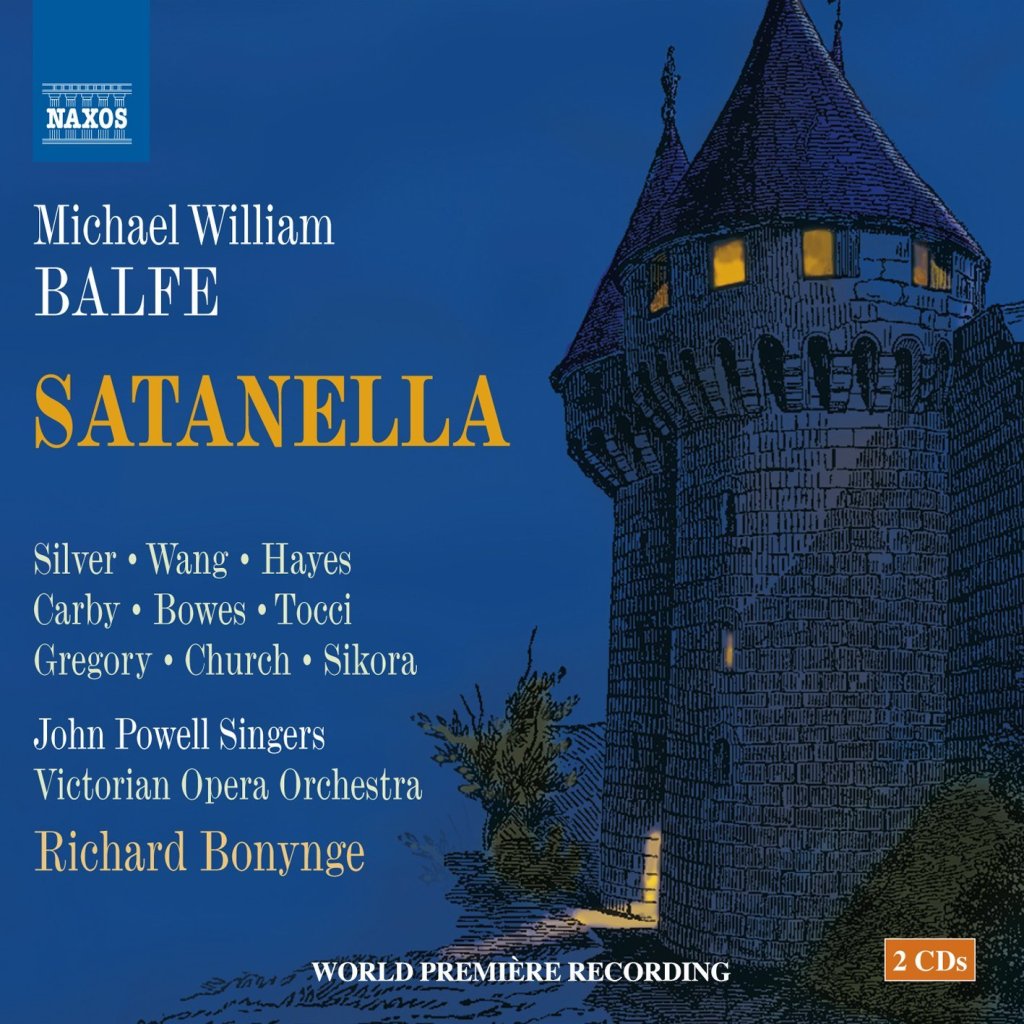
After its world premiere in London in 1858, Michael William Balfe’s opera Satanella was in the repertoire for over 60 years. After that, the piece disappeared. However, thanks to the efforts of Richard Bonynge, Satanella is now back in the spotlight. The eminent maestro leads the first-ever recording of the work

© National Portrait Gallery, London


Born in Dublin in 1808, Michael William Balfe played the violin in theatre orchestras when he was just a teenager. He also made a very successful career as an opera singer. For instance, he sang Figaro in Barbiere di Sevilla at the Théâtre des Italiens and performed with none other than Maria Malibran. And all the while, he was composing. His works include 29 operas and some 250 songs.

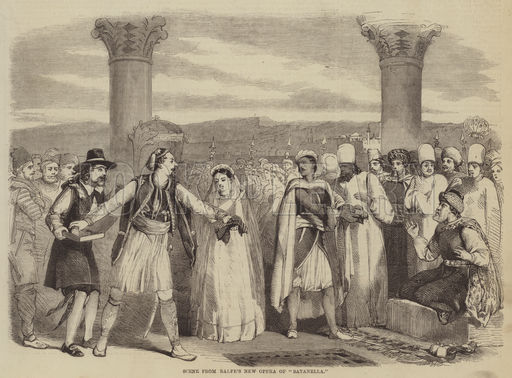
Satanella“/ Illustration zur Uraufführung/wiki


What a career, you might say. Yet… he is not really well known. Of all his works, only one has held repertoire: The Bohemian Girl. What’s to blame? At least not his music: it sounds like a ˜Donizetti light” peppered with a touch of Meyerbeer and salted with a drop of Rossini; but in English.


Satanella is a horror tale that reminds me vaguely of Mayerbeer’s Robert le Diable, only it is less scary. It has all the elements of the horror genre: power, money, jealousy, a card game, a loss and – how could it be otherwise – an innocent love that defeats even the dark forces from hell. Satanella even goes a step further: the title heroine, overcome by pure love, turns from a devil into an angel. This is how it can be done.

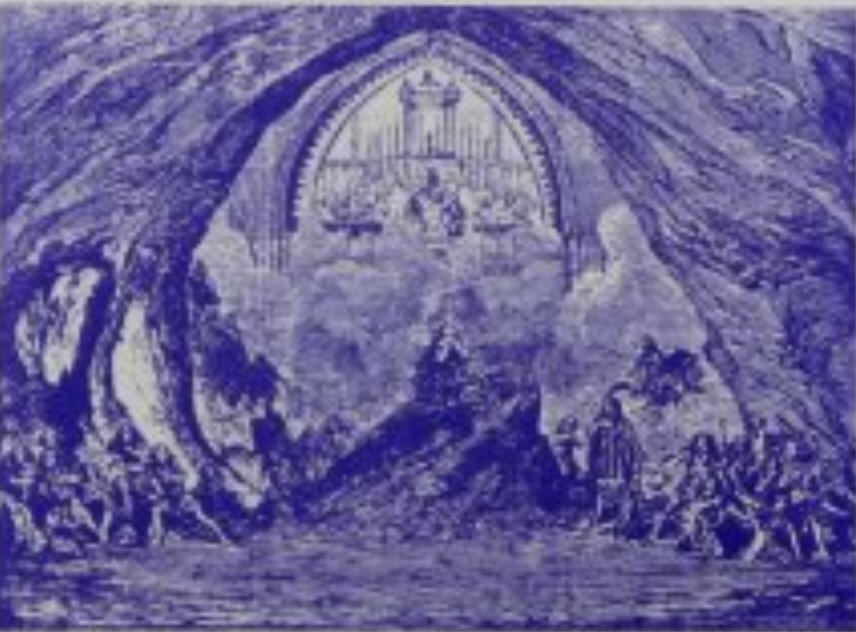
„Satanella“/ Bühnenbild zum 3. Akt/ Balfe Society


In the meantime, the innocent girl Lelia, partly due to the jealous Stella, is kidnapped by pirates, sold on the slave market and then freed again. In the process, all the women, Satanella included, fall in love with poor Count Rupert, who loses his fortune in a card game, and all the men fall for Lelia. Something that complicates the story quite a bit. But to reassure you right away: everything ends well.

The score is wonderfully simple and enjoyable, with lots of ballad-like arias, but also with many dark tones and timpani drumming accompanying the appearance of the devil Arimanes.

The cast is truly outstanding. Kang Wang is a wonderfully lyrical Rupert. His Rossinian timbre rivals the best in the business.

Catherina Carby convinces as the innocent Lelia and Sally Silver (Satanella) is a real discovery. Listen to her very emotionally sung ‘There’s a power’ (power of love) at the end of the first act: I bet you’ll fall hopelessly for her.

Richard Bonynge conducts as we have come to expect from him: with great passion.
Highly recommended.

Boito’s Nerone: een onvoltooide opus magnum?
Test : Peter Franken

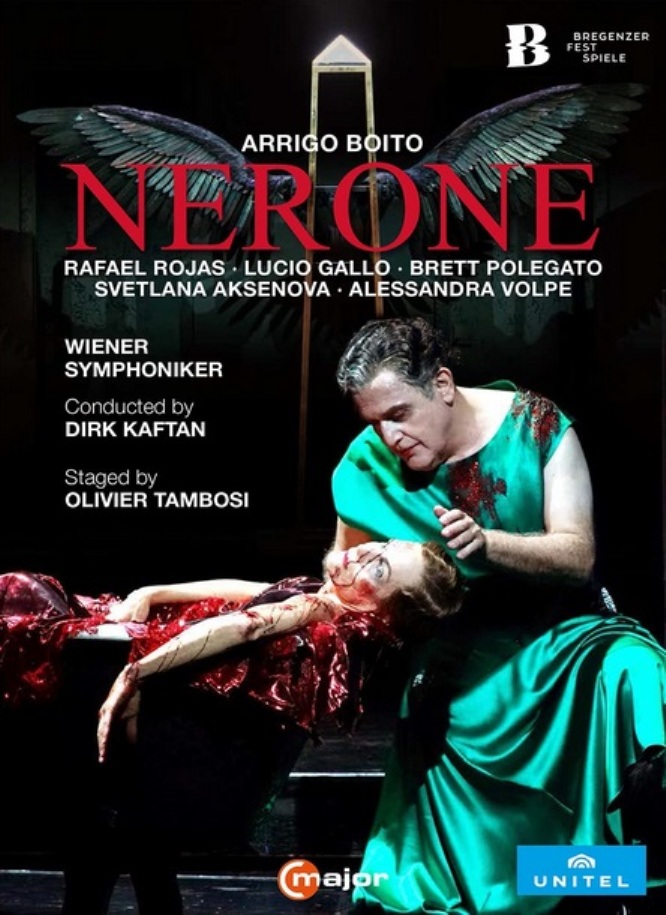
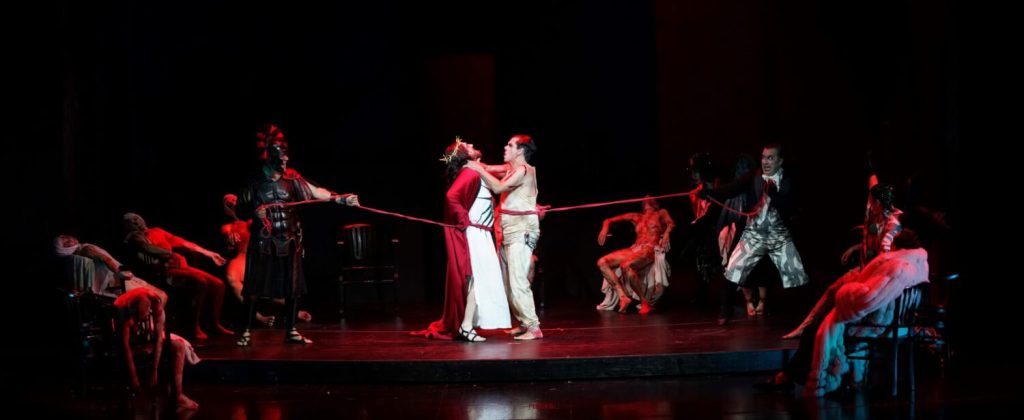
In 2021 stond in Bregenz Arrigo Boito’s onvoltooide opera Nerone op het programma. Een opname hiervan is recent op dvd uitgebracht door het label Cmajor. De productie van Olivier Tambosi geeft een goed beeld van wat Boito’s magnum opus had moeten worden.

Boito vatte reeds in 1860 het plan op een opera te schrijven over Nero tegen de achtergrond van de conflicten tussen het ‘heidense’ Rome met zijn veelgodendom en de joodse Jezussekte die aldaar voet aan de grond had gekregen. Toch zou het tot 1901 duren voor er eindelijk een libretto werd gepubliceerd, bestaande uit vijf aktes.

Bij Boito’s dood in 1918 waren de eerste vier aktes vrijwel voltooid en dankzij de inbreng van Toscanini kon een volwaardige versie uiteindelijk in 1924 in La Scala in première gaan. Door toedoen van de maestro bleef het werk daar een tiental jaren op het programma, elders werd het slechts zelden uitgevoerd.

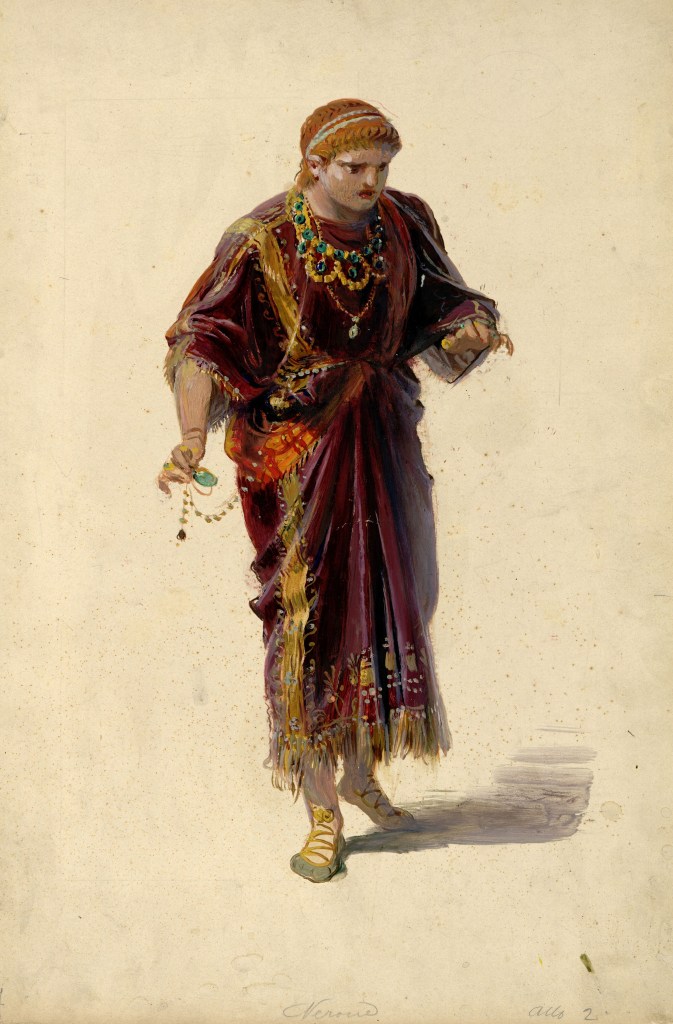
Nerone, costume design for Nerone act 2 (1924)

Nerone paste uitstekend in de Bregenz traditie om vergeten en verwaarloosde grote werken nieuw leven in te blazen en na het succes van Alfano’s Amleto, waarvoor Boito het libretto schreef, heeft Tambosi zich nu ook aan Boito’s moeilijk uitvoerbare eigen compositie gewaagd. Het werd een qualified success.

Boito schetst het klassieke Rome aan de hand van Nero’s reactie op de door hem gepleegde moord op zijn moeder Agrippina. Hij vergelijkt zichzelf met Orestes en wentelt in zelfmedelijden en angst voor de reactie van de goden en vooral van het volk. Wat staat hem te wachten als hij na de begrafenis in de stad terugkeert? Gelukkig voor hem wordt hij glorieus ingehaald in een koorscène die muzikaal kan wedijveren met de opening van Mefistofele.

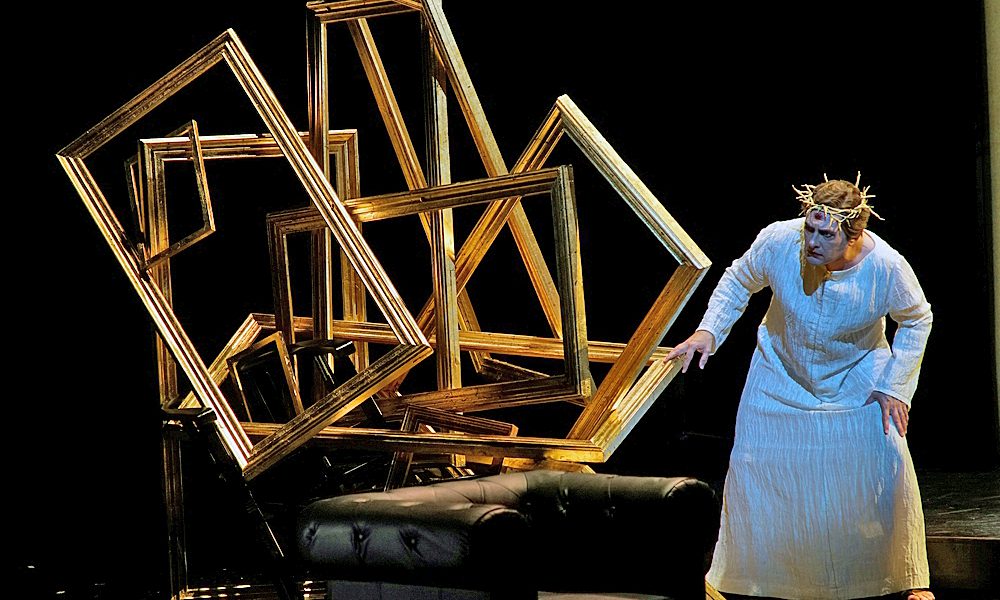
De Jezussekte krijgt gestalte in de persoon van de prediker Fanuèl die zich gemakshalve presenteert als Jezus zelve, compleet met doornenkroontje. Hij citeert uitspraken die in de evangeliën aan Jezus worden toegeschreven waaronder een lange passage uit de ‘Bergrede’.

Zijn concurrent is Simon Magus, uiterlijk nauwelijks van hem te onderscheiden door gelijke kleding en eveneens een doornenkroontje. Deze Simon was een succesvolle magiër die de apostelen veel wind uit de zeilen nam. Hij leeft nog slechts voort in het begrip ‘simonie’ maar in zijn tijd had hij veel volgelingen. In het ‘relilab’ van de eerste eeuw was zijn beweging zeker zo prominent als die van wat later de christenen werden genoemd.

Simon speelt ook iets na uit het Nieuwe Testament, hij wil zich als apostel aansluiten bij de sekte van Fanuèl. Net als door Petrus eertijds wordt hem dat geweigerd waarna Simon definitief de kant van Nero’s Rome kiest. De vrouwelijke inbreng komt van de Vestaalse maagd Rubria die in het geheim ook Fanuèls volgeling is. Met haar loopt het niet goed af. Boito verwijst hier onopvallend naar de parabel over de wijze en de dwaze maagden met hun olielampjes, wachtend op de bruidegom.

De vrouwelijke tegenhanger van Simon, als tweede stoorzender, is Asteria. Haar rol is dermate complex dat je er alle kanten mee uit kan. Ze twijfelt welke god ze zal kiezen als levensvervulling en na een korte aarzeling kiest ze voor de god Nerone. Zijn brute wreedheid trekt haar aan, zonder lijden en dood kan er geen liefde zijn. Aangezien de opera stopt na de vierde akte krijgen we haar einde niet te zien.

De feitelijke plot is onsamenhangend en kan verder buiten beschouwing blijven. Aardig detail is de wijze waarop Magus aan zijn einde komt. Hij moet in het circus van een grote hoogte springen om te laten zien dat hij kan vliegen, vergelijkbaar met de anekdote uit het evangelie van Petrus. Fanuèl ontkomt zodat hij elders zijn sekte kan blijven verbreiden.

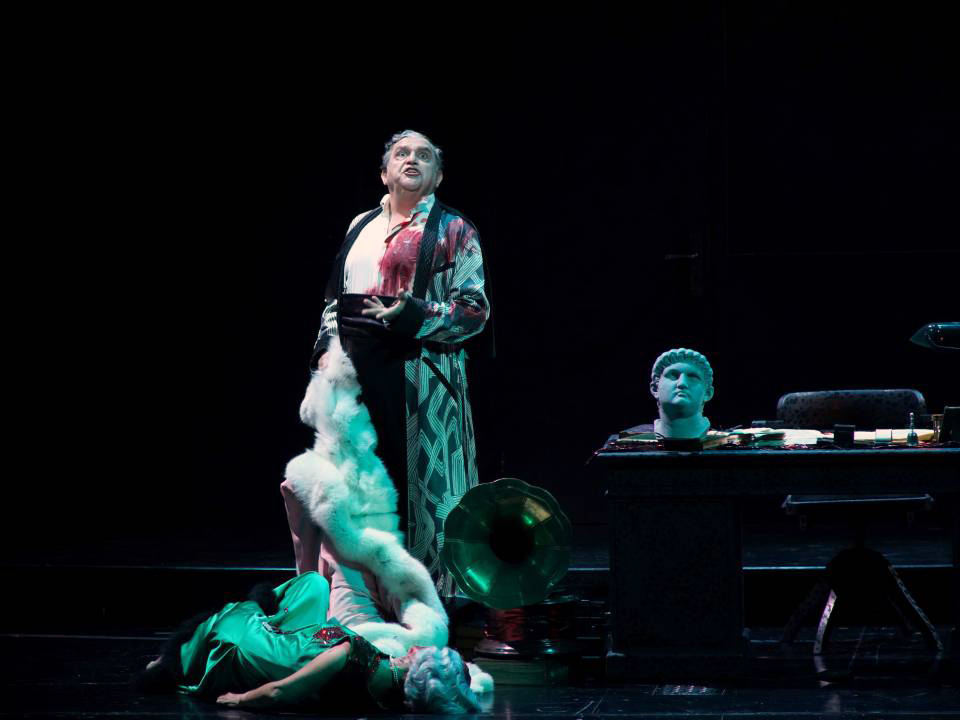
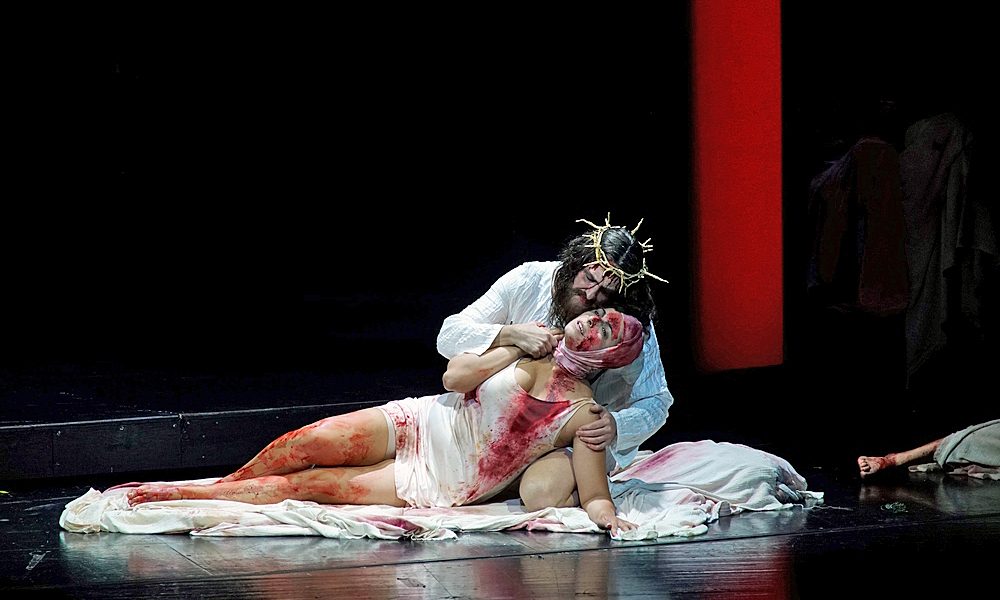
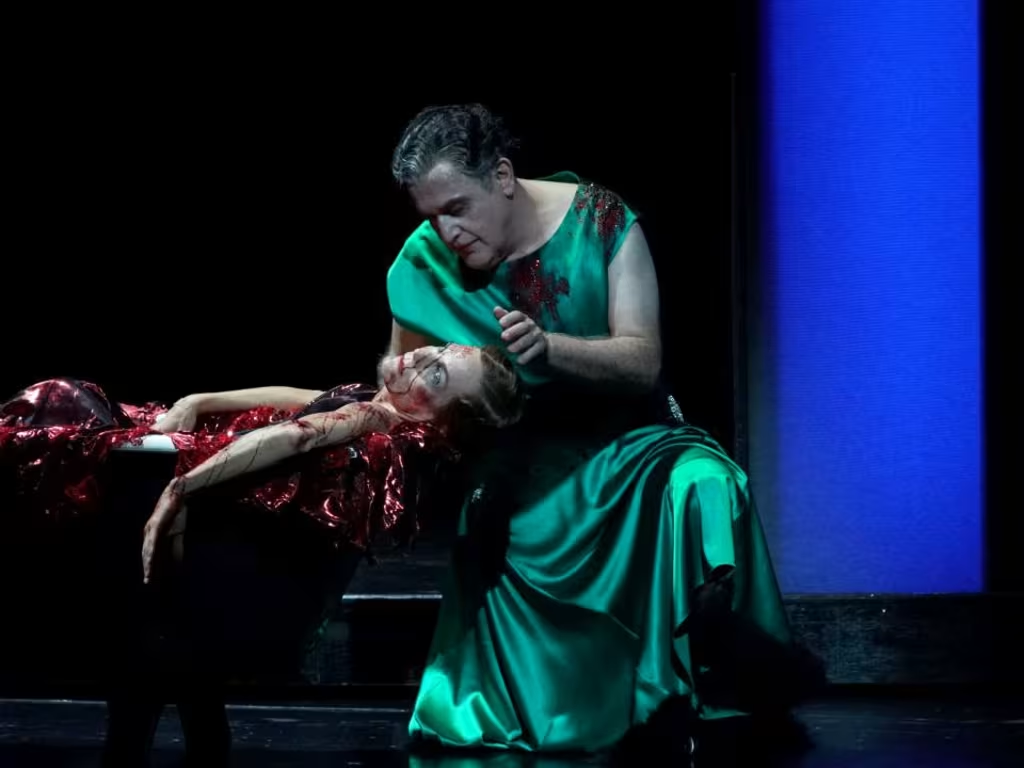
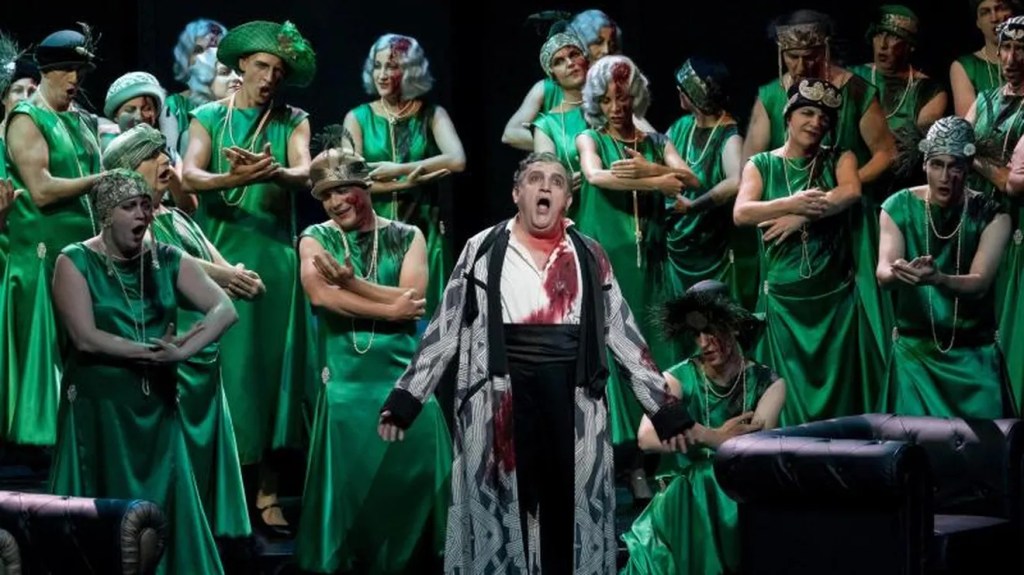
Het decor van Frank Philipp Schlößmann is sober: een draaitoneel en erboven lichtzuilen in wisselende kleuren. Een biljart fungeert als altaar en als toevallige zetel voor Nerone, als er tenminste niet gewoon op gespeeld wordt. Iedereen loopt met ‘bloedvlekken’ rond op kleding en gezicht. Nerone’s heerschappij is een bloederige hel.

Om onderscheid te maken met Nerone’s volgelingen die hem zo enthousiast inhalen aan het einde van de eerste akte, loopt het vrouwenkoor later rond in heuse habijten, komt een paar eeuwen te vroeg. Veel meer valt er niet over de enscenering te zeggen.

Muzikaal is het werk moeilijk te duiden. Veel Sprechgesang maar ook de nodige breed uitgesponnen lyrische passages. Als het erom spant laat Boito het orkest flink donderen. Feitelijk is het van alles wat, eigenlijk net zoals in zijn Mefistofele. Wel is soms hoorbaar dat hij componeerde in een tijd dat ook iemand als Richard Strauss furore maakte maar wellicht is dat een persoonlijke preoccupatie.

De Mexicaanse tenor Rafael Rojas groeit in zijn rol en weet vooral in de laatste twee aktes te overtuigen in de titelrol. Goed beschouwd komt het werk qua zang pas tot leven tegen het einde van de eerste akte en dat bepaalt ook de indruk die de andere protagonisten weten te maken.

De Italiaanse bariton Lucio Gallo neemt als Simon gemakkelijk bezit van het podium wanneer hij maar even iets te zingen heeft, de beste man van het veld. Hij heeft ook de meest aansprekende rol. Dat neemt niet weg dat hij ook als zanger behoorlijk veel concurrentie krijgt van de Canadese bariton Brett Polegato als Fanuèl. En zodra Simon zijn hielen licht haalt deze pseudo Jezus met gemak alle aandacht naar zich toe. Beide kemphanen leveren een schitterende vocale prestatie.

Svetlana Aksenova stelt me een beetje teleur als Asteria. De partij ligt hoorbaar buiten haar comfortzone en kent sowieso maar weinig echt aansprekende momenten. Acterend is ze voortdurend in de weer maar qua zang stelt Boito zijn Asteria duidelijk achter bij Rubria, ‘torn between two religions’. Dat is een mooie rol van de Italiaanse mezzo Alessandra Volpe. De kleinere rollen zijn over het geheel genomen goed bezet.

Mooie inbreng van het Prague Philharmonic Choir onder leiding van Lukas Vasilek. De Wiener Symphoniker staan onder leiding van Dirk Kaftan. Hij weet zijn orkest goed af te stemmen op de gebeurtenissen op het toneel, niet eenvoudig gelet op de onbekendheid met dit stuk en de bij vlagen bijna chaotische handeling.

Alles overwegend is dit een redelijk geslaagde poging een rariteit uit het operarepertoire enige bekendheid te geven. Tot veel nieuwe voorstellingen zal het niet leiden maar gelukkig kan iedereen er nu kennis van nemen dankzij deze dvd.

Kostuums Gesine Völlm. Belichting Davy Cunningham.

La Gioconda in twee niet de beste opnamen maar met veel bonussen

Maddalena Mariani Masi (1850-1916) en Gioconda au deuxième acte de l’opéra lors de la création en 1876 (Alfredo Edel, Archivio storico Ricordi)

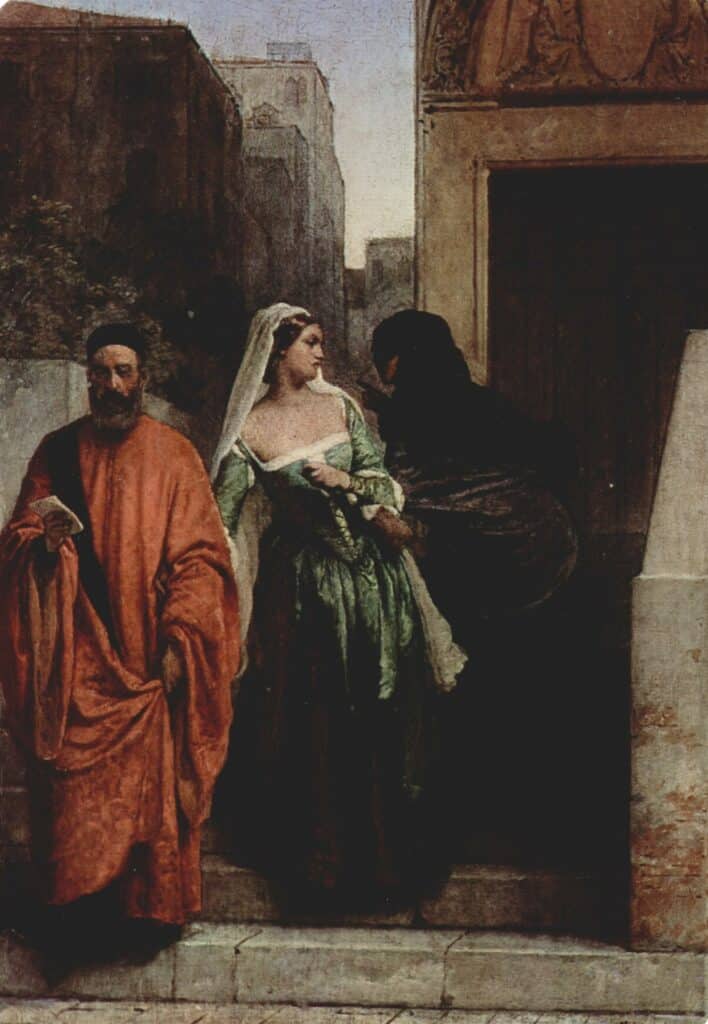
Een vrouw verscheurd tussen de liefde voor haar moeder en haar minnaar, die haar nota bene ontrouw is en eigenlijk nooit van haar heeft gehouden. Nee, het is geen alledaags thema voor een opera.

Francesco_Hayez, La vendetta di una rivale (Le Veneziane), après 1853, avant 1860

Dat zij uiteindelijk voor haar moeder kiest (na eerst haar minnaar geholpen te hebben om samen met zijn geliefde – haar rivale – te ontsnappen) wordt haar fataal, maar heeft ons met ‘Suicidio’ wel één van de mooiste aria’s uit de operageschiedenis gegeven.

Gioconda d’Amilcare Ponchielli
Estampe Jieben [sig.]; H. Ngerer & Goschl [sig.]
Date d’édition: 1876-1899

Ondertussen krijgen we passie, bedrog, moord en zelfmoord, voor elk wat wils. Melodrama? Me dunkt, van het beste kaliber!

Angelo, tyran de Padoue, costumes et décors de la création en 1835 au Théâtre Français, Gallica / BnF


La Gioconda van Amilcare Ponchielli is gebaseerd op Angelo, tyran de Padoue van Victor Hugo en het libretto is door niemand minder dan Arrigo Boito vervaardigd. Het is een zeer gepassioneerde, bij vlagen bombastische opera en bevat een keur aan (over)bekende aria’s. En natuurlijk het ballet, want wie ken de ‘urendans’ niet?

Toch wordt ‘La Gioconda’, al staat zij zeer hoog bij opera liefhebbers aangeschreven, tegenwoordig nog maar zelden opgevoerd. Het is inderdaad buitengewoon lastig om al die zes hoofdrollen goed te bezetten, maar zou het alleen daar aan liggen?

Violetta Urmana

Ik had mijn twijfels over Violetta Urmana’s Gioconda, maar zij zet een uitstekende straatzangeres neer. Zij klinkt betrokken en doorleefd, al is zij minder dramatisch dan haar illustere voorgangsters: Callas, Cerquetti, Milanov, Tebaldi of Scotto *…  Om maar een paar te noemen.:

Violetta Urmana zingt ‘Suicidio’

Luciana D’Intino is een mooie, lyrische Laura en Lado Ataneli een goede Barnaba, al mist hij de vileine trekjes (kwestie van goed acteren?) van een Milnes of Mittelmann.

Dat Plácido Domingo de rol van Enzo altijd al wilde opnemen is evident. Hij zong hem voor het eerst in 1970 in Madrid, met Angeles Gulin als Gioconda, en vertolkte hem later ook in Berlijn, London, New York en Wenen. 

Plácido Domingo zingt ‘Cielo e mar’ in Madrid 1970:

En nu dus ook op de cd en  het resultaat is zonder meer goed. Zijn vocale kracht is niet verminderd en zijn warme tenor, wonderlijk genoeg minder baritonal van timbre klinkt nog steeds als een klok.

Hui He

De Chinese Hui He (Gioconda) maakte haar Met debuut in 2010 als Aida, een rol die haar naar de grootste en belangrijkste podia ter wereld heeft gebracht. Zij beschikt over een bijzonder sterk spinto sopraan, met een enorme draagkracht en perfecte hoge noten. Haar Italiaans is uitstekend en haar inleving in de personage werkelijk adembenemend. Haar ‘Suicidio’ is vol passie, verdriet en twijfel en wordt – uiteraard – beloond met een open doekje.

Hugh Smith (Enzo) kennen we (?) nog uit Amsterdam, waar hij in 2004 een zeer sterke debuut bij ZaterdagMatinee maakte als Des Grieux in Manon Lescaut, met in de hoofdrol Charlotte Margiono. Daarna kwam hij nog één keer terug, voor de “disaster” ‘Norma’ bij DNO.

Hij is een echte “Italiaanse” (Smith is een Amerikaan) spinto, niet de subtielste ter wereld, maar zijn geluid mag er wezen: groot en rinkelend. In ‘Cielo e mar’ wil hij wel eens zijn hoge noten knijpen, maar de aria op zich staat als een huis. Mij doet hij een beetje aan Richard Tucker denken. Die rol van Enzo heeft hij al vaker gezongen, onder andere bij de New Israeli Opera:

In het duet met Laura (Luciana d’Intino) “Stella del marinar!”, gaat het een beetje mis, niet in laatste instantie door de dirigent – zijn tempi vind ik hier te langzaam. Bovendien mengen de twee stemmen hier niet echt. Best jammer, want d’Intino is ook zo’n ouderwetse mezzo met mooie borsttonen, warme laagte en een makkelijke hoogte. Haar stem geeft ook iets van een resonans, wat mij zeer prettig klinkt in de oren.

In ‘E un anatema’, Laura’s duet met Gioconda, gaat het er veel spannender aan toe: beide dames zijn aan elkaar gewaagd en het drama spuit er vanaf. Hier neemt de dirigent een zeer geslaagde revanche: de spanning is om te snijden en houdt het aan tot de laatste noten van de tweede akte.

Aan het einde van III bereikt Steckler een echte climax (vergeet het aandeel van het koor niet!) en in IV pakt hij echt uit en sleurt alles en iedereen mee, zowel in het zeer lyrisch gehouden trio ‘Ah, il cor mi si ravviva’ als in de zeer dramatische confrontatie van Gioconda met Barnaba. OPERA!

Lado Atanelli is misschien niet de beste, maar zeker een prima Barnaba, er zijn tegenwoordig zo weinig baritons die de rol nog kunnen zingen!

  • Over Scotto gesproken: vergeet haar La Gioconda uit San Francisco 1979 niet! Voor haar interpretatie van die rol heeft Scotto Emmy award gekregen. Het betekende ook een heftige ruzie met Luciano Pavarotti, die zij in haar autobiografie “More then a diva” niet eens bij de naam noemde. Hij werd “A certain tenor” genoemd.
    Het kwam allemaal goed.

Bonus 1 : 14 jaar oude Scotto (hier nog studerend als mezzo) in 1948!

Bonus 2: mijn geliefde Gioconda’s:


Callas (een van de vele):

Rosa Poncelle:

Anita Cerquetti:

Leila Gencer:

Montserrat Caballe:

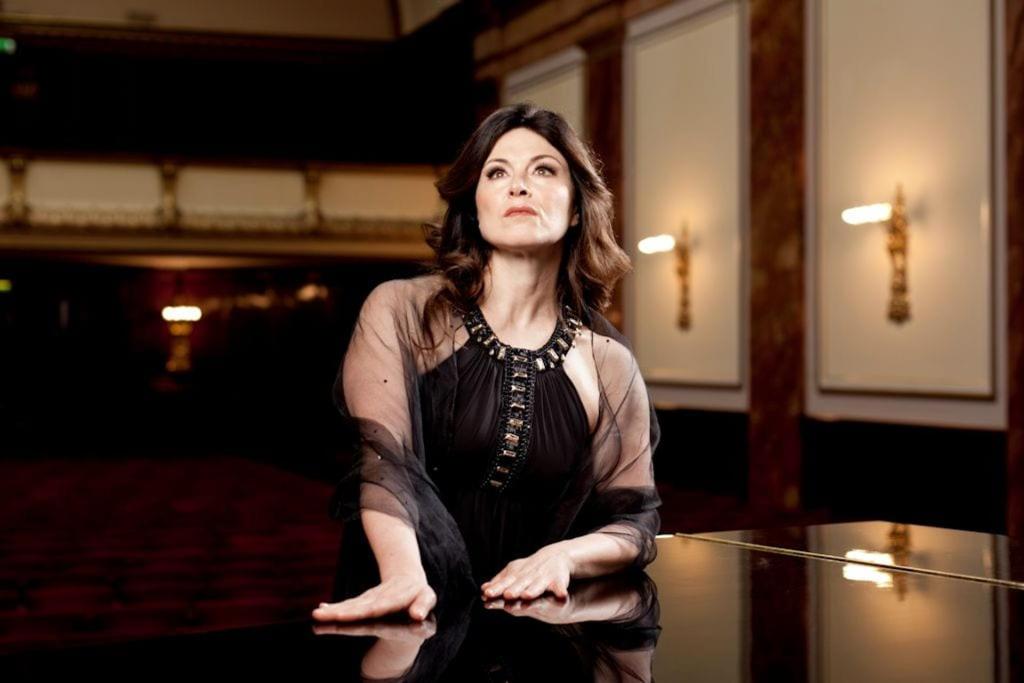
Anna Caterina Antonacci: more then a diva in just two of her roles

© Askonaz Holt

CARMEN

Francesca Zambello


It happened to me in 2011, when the BBC brightened up a dull Christmas afternoon with an opera transmission from London’s Covent Garden. Carmen.  I got hooked. Antonio Pappano is an impassioned conductor and whips up the Royal Opera House orchestra to unprecedented heights, but this time my knocked-out feeling was caused by the unusually exciting direction and the phenomenal lead performers.

Francesca Zambello does not shy away from a lot of sentiment and provides a blatantly realistic spectacle, without updates and concepts. The action actually takes place in Seville and the eye is treated to a beautiful choreography and stunning costumes.

Anna Caterina Antonacci is a very spunky and sexy Carmen, very defiant but also confident and proud. Her gorgeous black eyes spit fire, and her beautiful appearance and great acting talent do not hide the fact that she can also sing: her powerful voice has a range of emotions. All in all: a real tragédienne. A real Carmen.


Ildebrando D’Arcangelo is a fantastic, virile Escamillo. His entrance on the big black horse is truly spectacular.


Jonas Kaufmann is easily one of the best José’s  I have ever experienced in my life. His spinto tenor sounds phenomenal in all registers, nowhere exaggerated and lyrical and whispery where necessary. He cannot be outdone as an actor either, and his more-than-attractive looks we’ll take as a bonus. You surely know by now: you must have this Carmen!

Trailer:


Adrian Noble


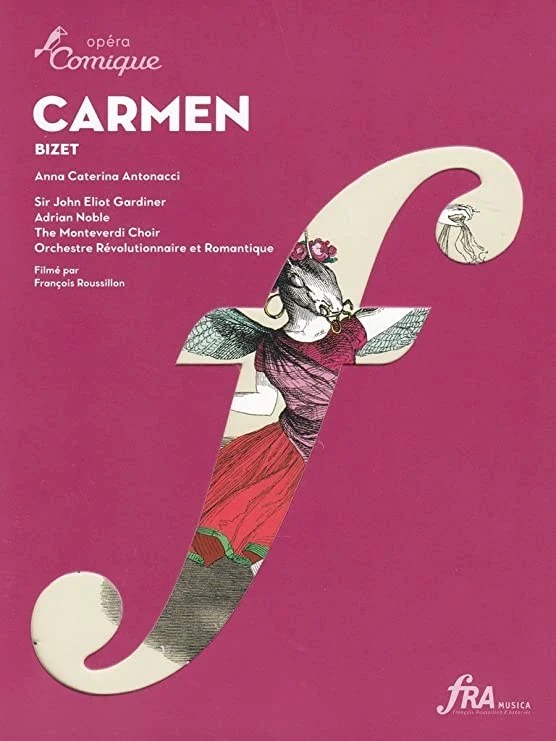
Carmen by Bizet, conducted by Sir John Eliot Gardiner Gardiner… who would have thought it possible? And yet it makes more sense than you think. Because with the 2009 performance, Gardiner brought the opera back to the site of its world premiere and the orchestra played the work with the instruments of that time.

Adrian Noble’s (brilliant!) direction is mainly focused on the characters, the staging is highly illustrative and the libretto is closely followed. It is realistic, beautiful and exciting. The unified décor is adapted to each scene, making you feel like you are actually present in all these different locations.

The voices are on the small side, but I don’t think that was a problem at the time at the Opéra Comique in Paris, let alone on DVD.

Andrew Richards is not the best José ever, but his interpretation of the role is phenomenal. He begins as a nice and very cuddly stranger and ends up as a kind of Jesus, with delusion in his eyes.

Unfortunately, Nicolas Cavallier (Escamillo) does not have enough sex appeal for a macho toreador, but he compensates a lot with his beautiful singing.


Anna Caterina Antonacci is one of the best Carmens these days. Beautiful, sexy, challenging and nowhere vulgar. Her deep, warm voice has all the colours of the rainbow.
Gardiner clearly feels inspired. His tempi are dizzying at times.


HANS HEILING


It was some 20 years ago that I, somewhat hesitantly, started to watch Hans Heiling. Never before did I hear the opera, let alone see it. From Heinrich Marschner I only knew Les Vampyrs. And, besides, I was a bit afraid of the production. After all the hassle with the ballet in most of the opera’s Pier Luigi Pizzi directed, I feared the worst. Well, that was a surprise! I immediately recognized Pizzi: his predilection for colour (mainly red in all its shades), excesses and physicality was evident here too, but it really worked here.

Hans Heiling (Jan Svatos in Czech) was a legendary king of spirits; his name is often found in Czech and German legends. He falls in love with an earthly girl and swears off his magic power to marry her.

However, she is in love with an ordinary boy and rejects him. Disillusioned (“only a human can try his luck on earth”) Heiling returns to his underground kingdom. A male equivalent of Rusalka, but without the tragic end.

There is insanely good singing and acting, there is not a single weak role. I already knew how formidable Anna Caterina Antonacci can be, but the (also to the eye) very attractive Markus Werba was a true discovery. Very exciting and dazzling. Recommended.