
Alle liederen van Alma Mahler

Tekst Peter Franken
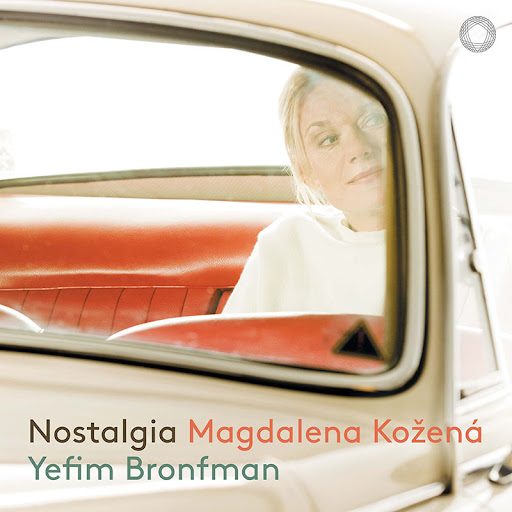
Dit is een werkelijk schitterende cd en dat niet alleen vanwege de mooie stem van Magdalena Kožená. Ook niet vanwege het repertoire, want de liederen van Mussorgsky (laat staan Brahms) zijn al honderden keren opgenomen.
Het is ook niet de eerste keer dat Kožená samen met de meesterpianist Yefim Bronfman werkt: ze hebben al die liederen al eerder op verschillende recitals samen uitgevoerd en dat hoor je. Ze zijn goed op elkaar ingespeld en dat maakt dat de opname klinkt als een perfect huwelijk. Beide partners weten wat ze aan elkaar hebben, ze verrassen elkaar niet echt maar maken de luisteraar getuige van iets bijzonders.
Wat de cd echter zeer interessant maakt zijn de liederen van Béla Bartók, want die hoor je niet vaak. Bartók was een verzamelaar en arrangeur van volksmuziek uit Midden- en Oost-Europa en de inspiratie voor zijn cyclus ‘Dedinské scény’ (Dorpstafeleren) deed hij rond 1915 in de tegenwoordig Slovaakse provincie Zólyom. De liederen zijn in het Slovaaks en dat kunnen we aan Kožená overlaten. Dat zij haar talen kent dat weten we van al haar eerdere opnamen, dus ik kijk er niet van op dat ook haar Russisch en Duits werkelijk perfect zijn.
Nostalgia
Liederen van Béla Bártok, Modest Mussorgsky en Johannes Brahms
Magdalena Kožená (mezzosopraan), Yefim Bronfman (piano)
Pentatone PTC5186777
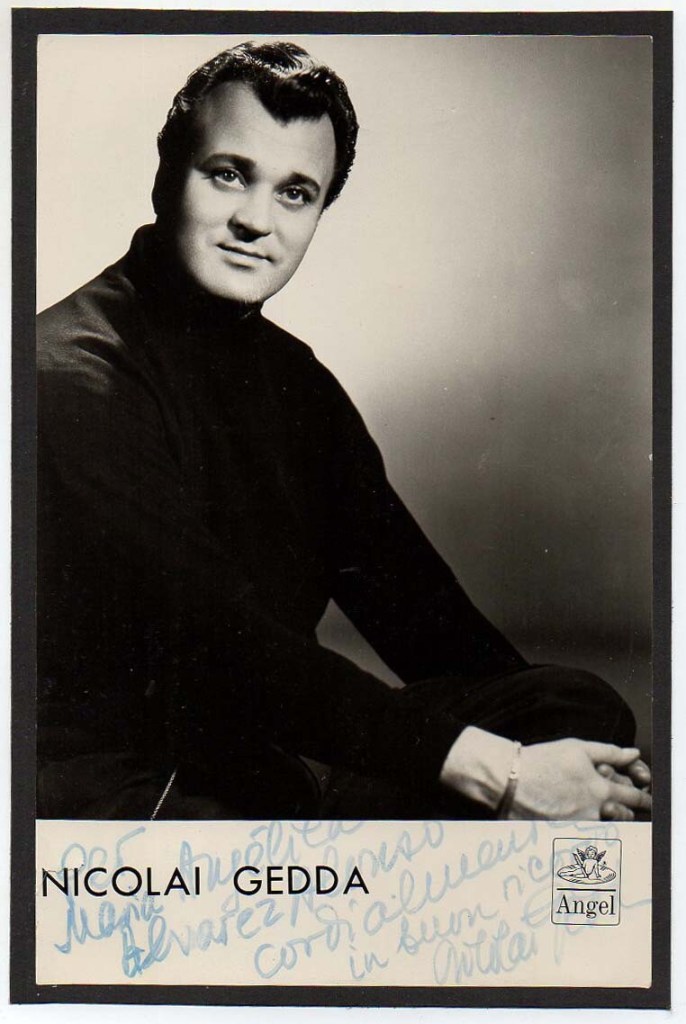
Scandinavia is a cradle of good voices. They have a singing culture that we can only dream of. No wonder, then, that many world-famous singers come from there. Nicolai Gedda is one of them. The Swede born on July 11, 1925 spent the first nine years of his life in Leipzig, where his Russian father was appointed cantor of the Russian Orthodox Church. From childhood he was fluent in Swedish, Russian and German, to which he added a lot more languages later in life.
Gedda was an exceptionally musical and intelligent singer with a healthy technique, which allowed him to have a very long singing career. I myself heard him for the first time when he was well over seventy, but his voice was still young and fresh.
His repertoire included, apart from the heroic roles, basically everything: opera, operetta, oratorios, songs, old and modern. Bach, Mozart, Haydn, Schubert, but also Massenet and Puccini, Bernstein and Barber. The latter composed the role of Anatol (Vanessa) especially for him.
Below: Nicolai Gedda sings ‘Outside this house the world has changed’ from Barber’s Vanessa
In 2010, it was fifty years since Gedda made his first recording for EMI, and to celebrate this, 11 CDs were compiled with anything and everything from his rich repertoire. An absolute must for anyone who loves the art of singing.
Below: Nicolai Gedda and Maria Callas in ‘Vogliatemi Bene’ from Madama Butterfly
Gedda sings Rachmaninov in Salzburg 1974:

In 2010, it was fifty years since Gedda made his first recording for EMI, and to celebrate this, 11 CDs were compiled with anything and everything from his rich repertoire. An absolute must for anyone who loves the art of singing.
Here is a small selection of his many capabilities:



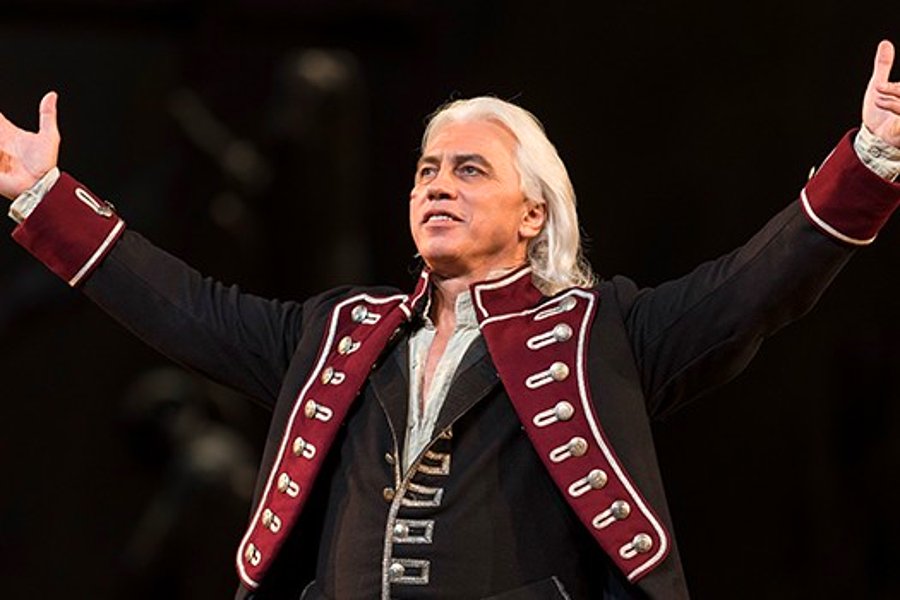


The young Polish baritone Mariusz Kwiecień (Difficult to pronounce? I am going to help you! It is, in Dutch: Marjush Kfjetsjenj) is hot, really hot. The ‘Barihunks’ site was created especially for him. Still ….. no matter how much I admired the young Pole’s acting skills and charisma – the voice usually left me cold. But little boys grow up and the truth must now be told: I was mistaken.
When I saw his Onjegin directed by Dmitri Tcherniakov (Bel Air BAC046), I was already won over, but now, with his first (sic!) solo CD, I can only deeply bow my head in admiration. First of all, it is the choice of repertoire. Along with his greatest starring roles: Yevgeny Onegin and Krol Roger by Szymanowski, he sings mainly unknown treasures from the Slavonic operas.
As an opera lover, you may know the baritone aria from Sadko by Rimsky-Korsakov and perhaps ‘Oh Mariya, Mariya’ from Tchaikovsky’s Mazeppa. But have you ever heard of Smetana’s Čertova stěna? Or Verbuum Nobile by Stanislaw Moniuszko? That is what I mean!
Apart from the choice of repertoire, we are dealing with a voice and – it must be said – his voice sounds like a bell! Beautiful, warm and very attractive. The Polish Radio Orchestra, conducted by Łukasz Borowicz, also sounds excellent.
Mariusz Kwiecień
Slavic Heroes
Arias by Tchaikovsky, Moniuszko, Szymanowski, Rachmaninov, Dvorak, Smetana and others.
Polish Radio Symphony Orchestra conducted by Łukasz Borowicz
Harmondia Mundi HMW906101


 Basia con fuoco