Gerd_Albrecht

Hans Werner Henze and The Bacchantes: Die Bassariden

Curious man, that Henze. Once flirting with communism and dreaming of a world revolution, he was also an aesthete and an erudite which – in part – made him decide to bid farewell to Germany and move to Italy in 1953.

His music has always been highly theatrical: he never liked the strict rules of serialism and felt a close connection with opera, which, unlike the hardliners of the avant-garde at the time, he had never labelled as obsolete. His discography therefore lists more than 20 musical theatre works, performed with great regularity.
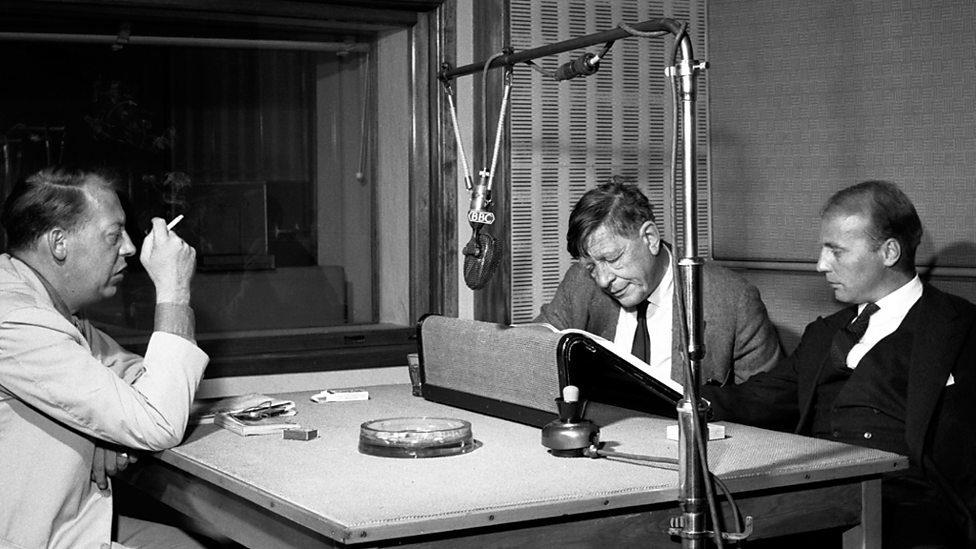
L-R: Chester Kallman, W. H. Auden and Hans Werner Henze

Die Bassariden is among Henze’s finest and most important compositions. The English Language libretto, after ‘The Bacchantes’ by Eurypides, was written by W.H.Auden (does anyone remember the ‘Funeral Blues’ from Four Weddings and a Funeral?) and Charles Kallman.

It became a massive, through-composed score, anchored in the Wagnerian tradition (it is whispered that the librettists insisted that Henze, before turning to composing, study the ‘Götterdammerung’) and constructed as a four-movement symphony with voices.
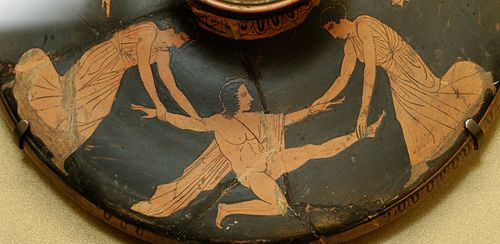
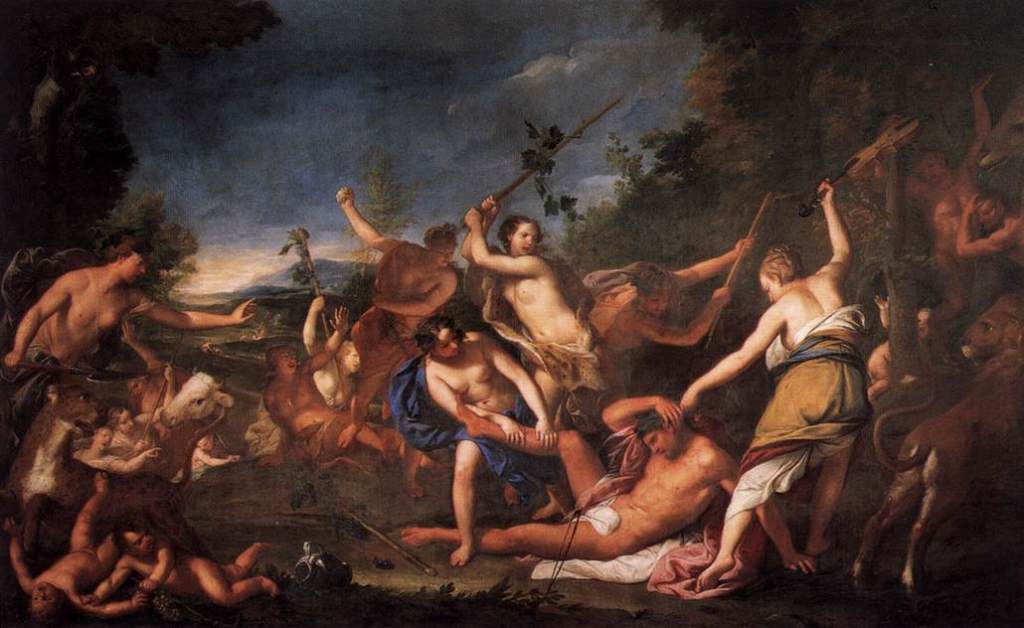
Pentheus being torn apart by Agave and Ino, Attic red-figure vase painting, c. 450-425 BC

The story of King Pentheus, who, by wanting to banish all sensuality, comes into conflict with Dionysus and his adepts and is ultimately torn apart by his own mother, serves as a metaphor for the conflict between Eros and Ratio.
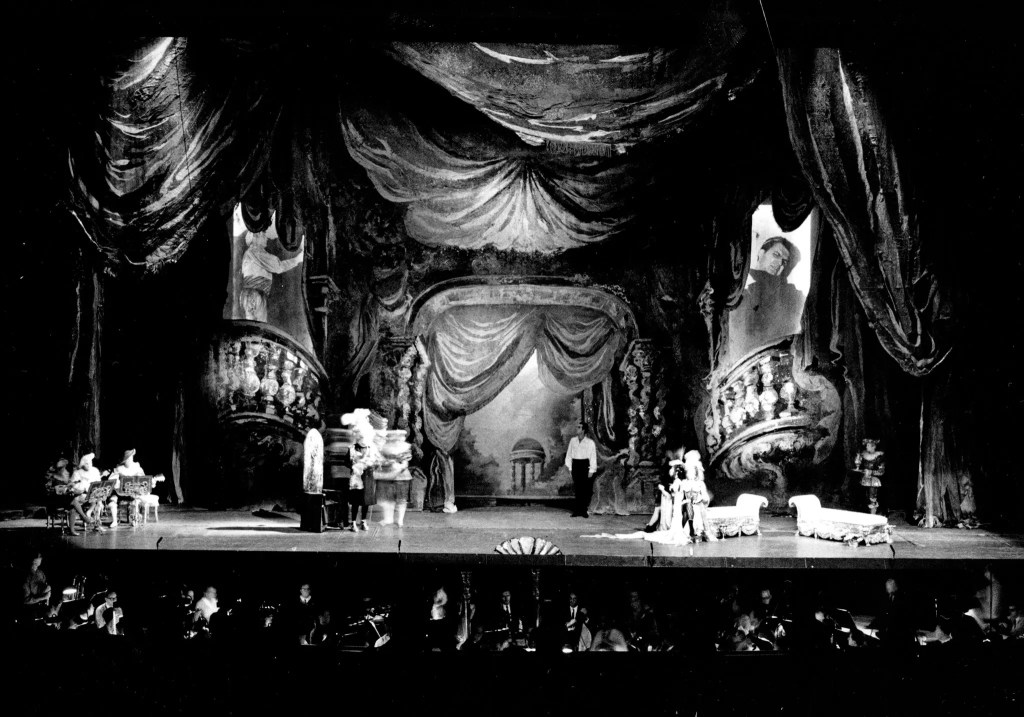
©Credit…Anny Madner/Archive of the Salzburg Festival

The opera premiered (in the German translation) at the Salzburg Festival in August 1966. It became a huge success, even prompting one of the reviewers to cry that Richard Strauss had finally got a successor. Henze laughingly and rightly dismissed this with a simple “where are the man’s ears?!”
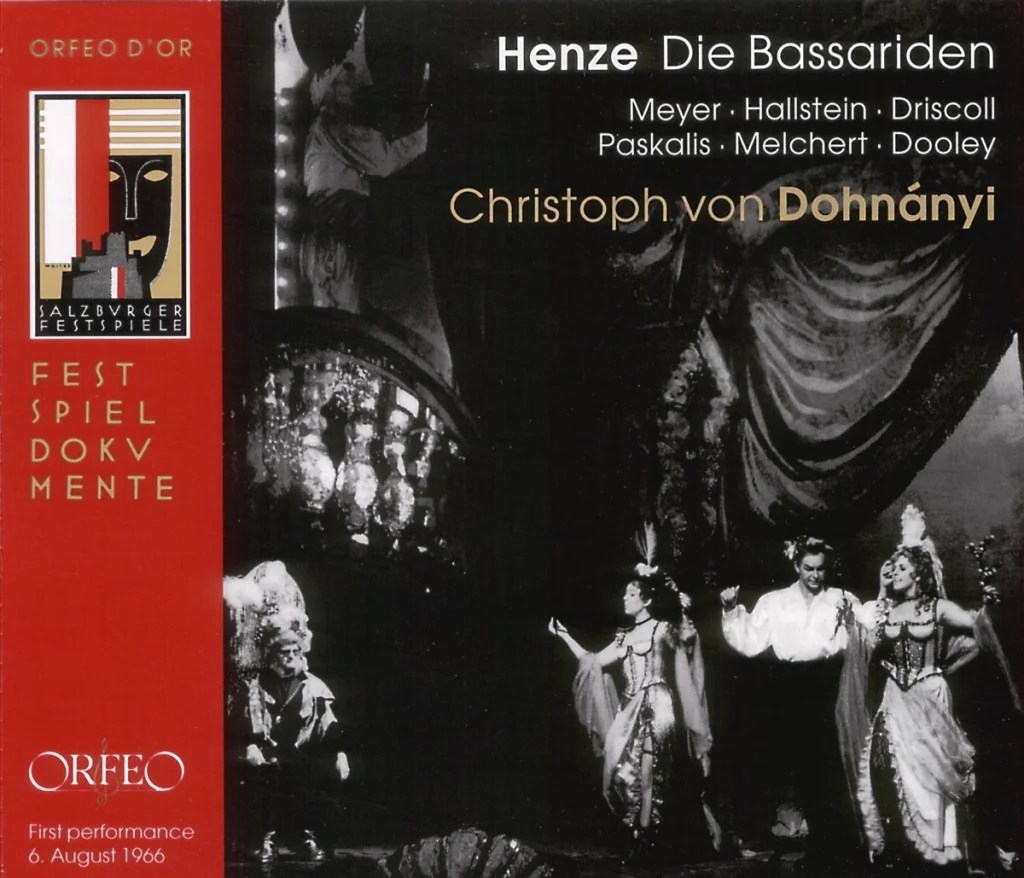
A few years ago, the live-recorded premiere performance (in German translation) was released by Orfeo (C 605 032 1). The highly emotional playing of the Wiener Philharmoniker, under the inspired direction of Christoph von Dohnányi, reaches unprecedented heights.

Kostas Paskalis is very credible in his role of Pentheus and Kerstin Meyer moves as Agave.It’s just a pity no libretto was included, after all, it’s not everyday fare.

[Editorial: A later performance of the English Language version was released on the Musica Mundi label, conducted by Gerd Albrecht, but this revised edition omits the interlude]

Das Urteil der Kalliope, interlude from Die Bassariden :
Feruccio Busoni and La Nuova Commedia dell’ Arte

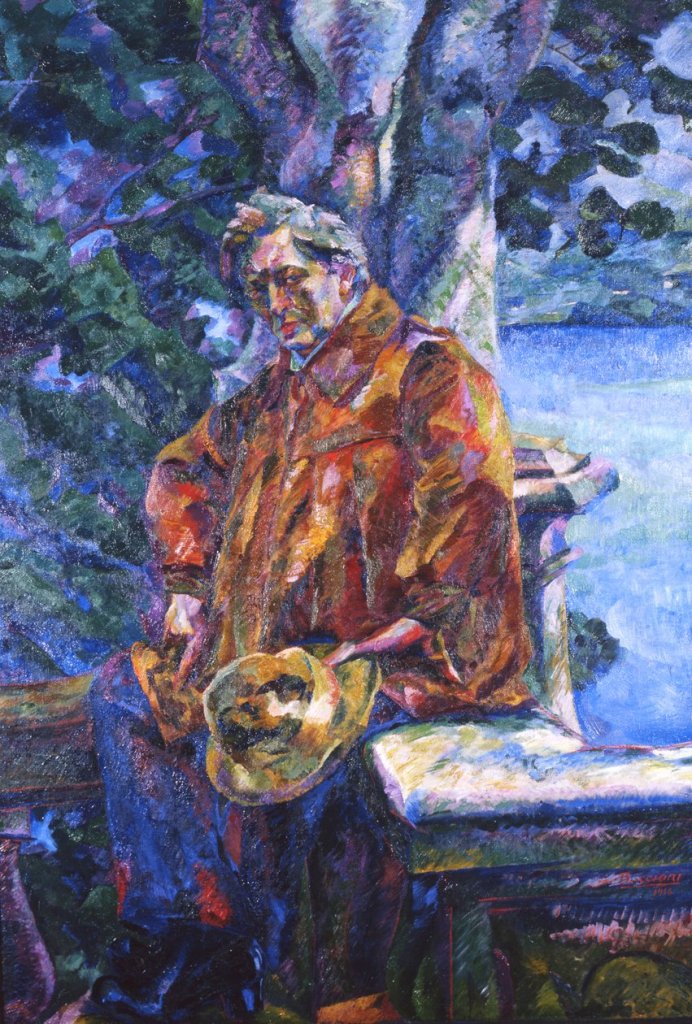
Umberto Boccioni: Portrait of Ferruccio Busoni, 1916


Feruccio Dante Michelangelo Benvenuto Busoni is, I think, one of the greatest cosmopolitan composers in the history of music. His father was an Italian and his mother a German. Busoni studied in Austria, married a Russian-Swedish lady and went on to live in Berlin. Well, most of the time, as he also lived in Vienna, Zurich and Bologna. And, oh yes, he also had Jewish roots. Not to mention all of those first names!

© Kirilll Gerstein

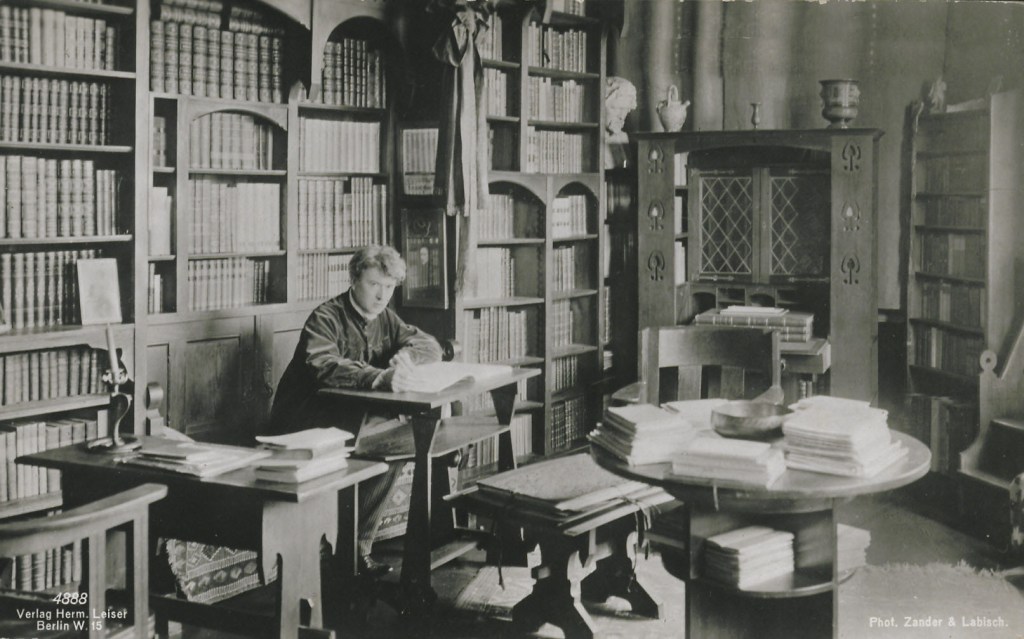
It seems he had a book collection that could have rivaled most libraries: no wonder he knew his classics! Busoni was also a great connoisseur and admirer of Carlo Gozzi, and after composing the incidental music for Gozzi’s play Turandot, Busoni decided to turn the whole into an opera.

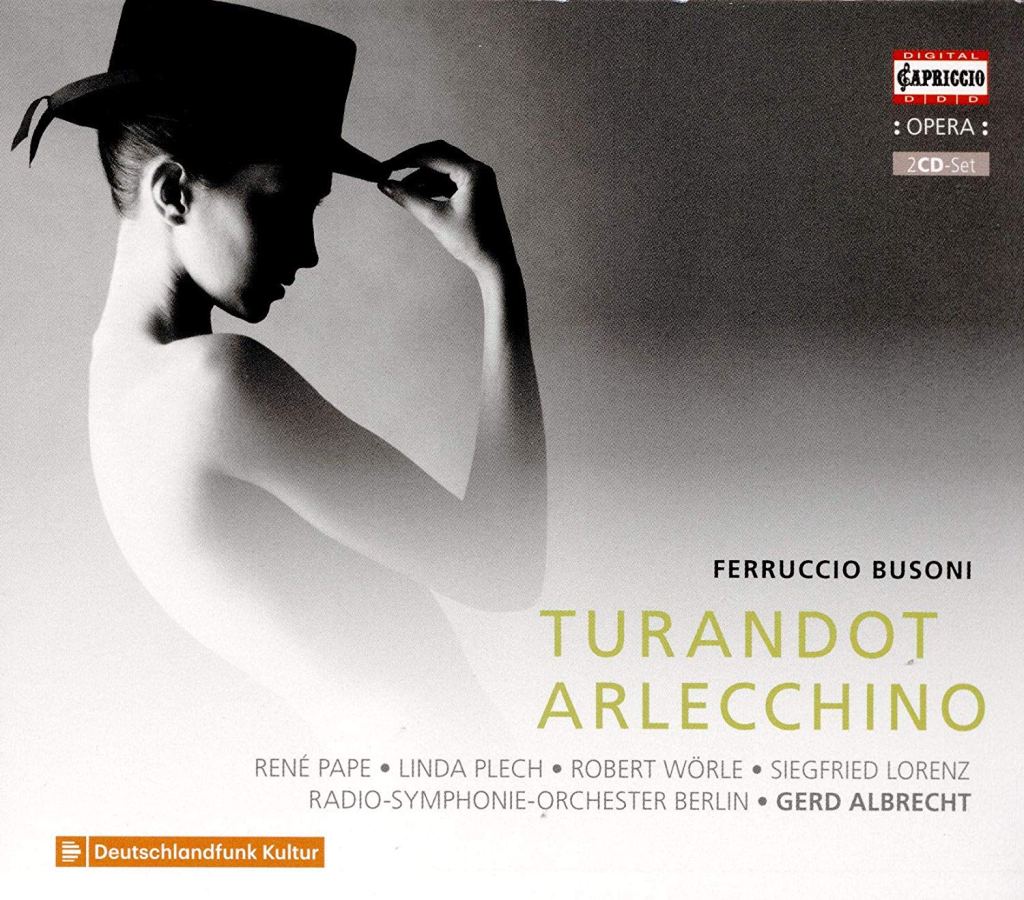
At the same time (1916), he also composed Arlecchino, an opera based on a character from the Commedia dell’ Arte. The (German-language) libretto with many spoken dialogues was written by the composer himself. Both operas, which Busoni called ‘La Nuova Commedia dell’ Arte’, had their world premiere on 11 May 1917 at Zurich’s Stadttheater, conducted by the composer himself.


In 1992, the operas were recorded in Berlin and they were now being marketed (for the first time?). Joseph Protschka is a warmly timbred Kalaf and Linda Plech excels as Turandot.  Gerd Albrecht conducts very involved, paying close attention to the score.


BONUS

Both opera’s were performed in Wexford in 1998

Turandot:

Arlecchino:

Der Köning Kandaules or the lesson not to share your happiness with everyone

In 1938, Zemlinsky fled to New York. In his suitcase was the unfinished opera Der Köning Kandaules. Once in New York, he hoped it would be performed at the Metropolitan Opera.

André Gide


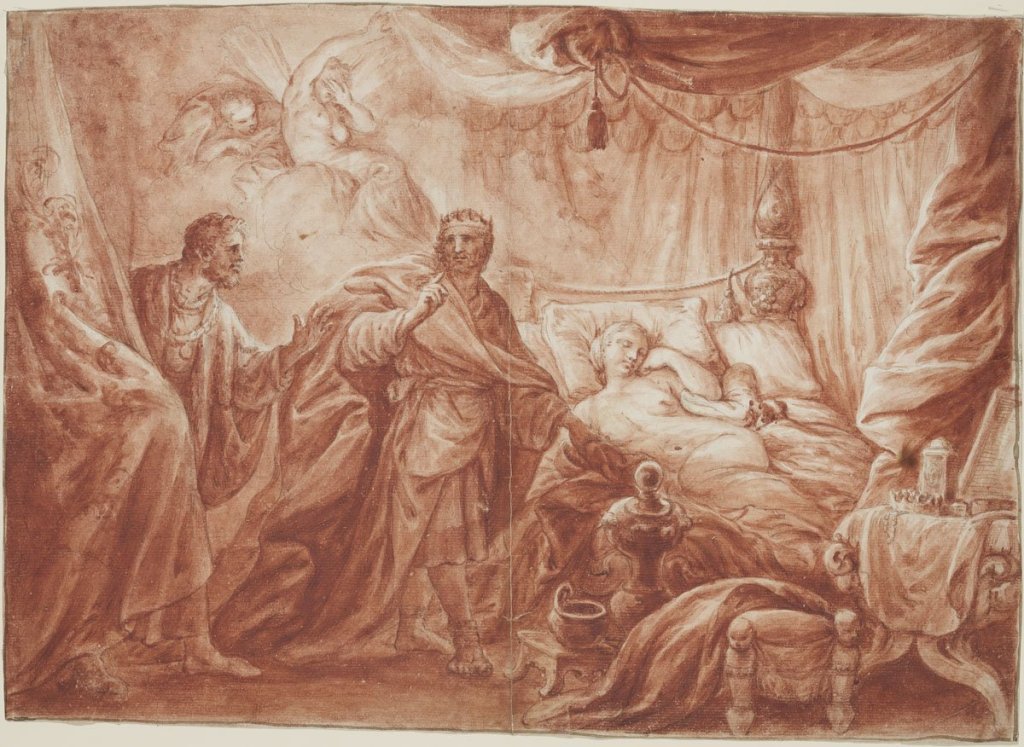
The libretto, based on André Gide’s play, was about a sex scandal that shook an entire royal house and meant the end of an entire dynasty. According to the Greek historian Herodotus, it happened in Lydia in the 7th century BC, when King Kandaules widely spread the word of his wife’s utter beauty as he wanted to share his happiness and also his wife’s loveliness with everyone.


Encouraged by the king and aided by an invisibility ring, Gyges, his beloved bodyguard spends a night with the queen. When she finds out the true facts, she urges Gyges to kill the king after which he himself is crowned king.


Herodotus:

“Gyges,” The queen said, as soon as he presented himself, “there are two courses open to you, and you may may take your choice between them. Kill Candaules and seize the throne, with me as your wife; or die yourself on the spot, so that never again may your blind obedience to the king tempt you to see what you have no right to see. One of you must die: either my husband, the author of this wicked plot; or you, who have outraged propriety by seeing me naked.” (Livius.org)

Antony Beamont


The libretto proved too daring for American audiences, and when Zemlinsky died in 1942, his opera was still unfinished.

Much later the English musicologist and Zemlinsky biographer Antony Beaumont completed the score. In October 1996, the opera was performed in Hamburg, with enormous success. The performance was recorded live and released on the Capriccio label (600712).


The performance conducted by Gerd Albrecht is undoubtedly excellent, and the leading roles are very adequately cast with James O’Neal (Kandaules), Monte Pederson (Gyges) and Nina Warren (Nyssia). In the minor role of Nicomedes, we hear a young debutant, Mariusz Kwiecień.


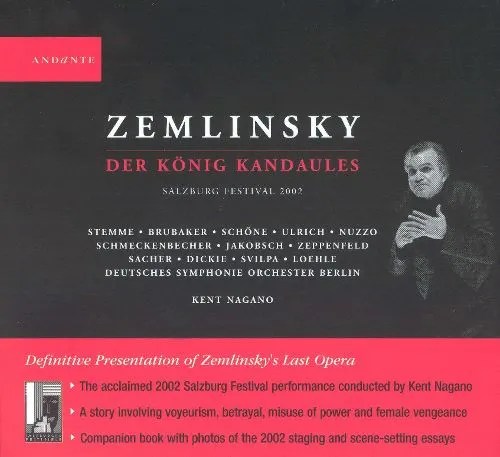
Salzburg staged the opera in 2002 and the phenomenally cast, live-recorded, performance was released in a very well-crafted edition on 2 CDs (Naïve 3070). The role of Kandaules was sung assiduously by Robert Brubacker and Wolfgang Schöne   was an excellent Gyges. Sweden’s Nina Stemme, then still in the lyrical ˜fach”, sang a fine Nyssia. The Deutsche Symphonie Orcherst conducted by Kent Nagano sounds very exciting.

Part 1:


Part 2:


Our unsurpassed Saturday Matinee performed the opera concertante in November 2007, unfortunately no recording of it exists. A pity, because the conductor Bernhard Kontarsky conducted with great abandon and Stuart Skelton and Jeanne- Michèle Charbonnet were unforgettable as the royal couple.

Gyges (or was it Zemlinsky himself?): ˜Der, der ein Glück hält, soll sich gut verstecken! Und besser noch, sein Glück vor Andern”.


Zemlinsky vs. Zemlinsky

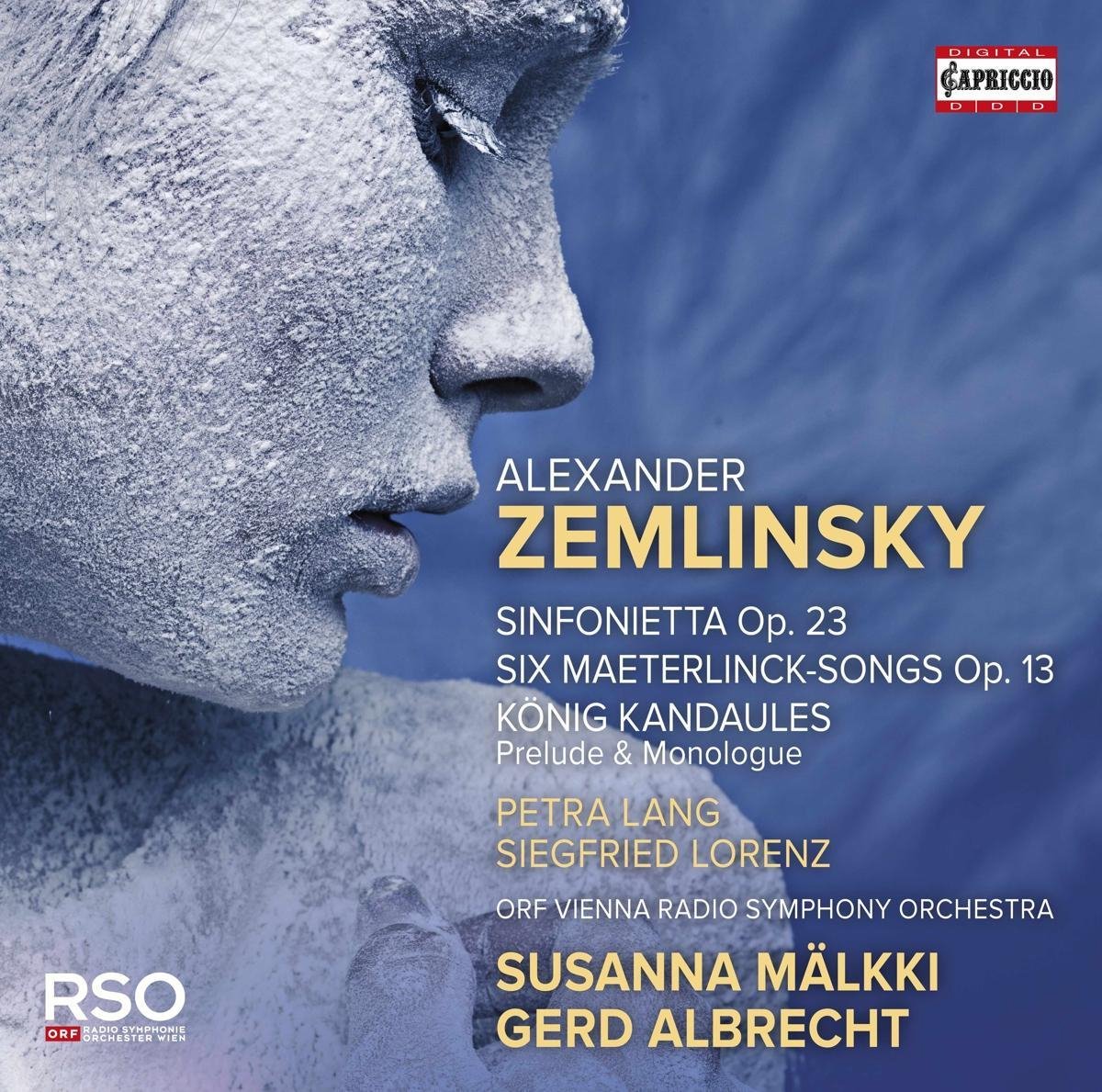
Don’t be alarmed! It is not a rather weird performance of – or a variation on – Beethoven’s fifth symphony but the beginning of Zemlinsky’s 1934 Sinfonietta, a work in which the composer is barely recognizable. I read somewhere that he wanted to prove to his greatest critics that, in the symphonic genre, he was not inferior to the three big Bs: Beethoven, Brahms and Bruckner.

Zemlinsky’s Sinfonietta played Gürzenich-Orchester Köln/ James Conlon

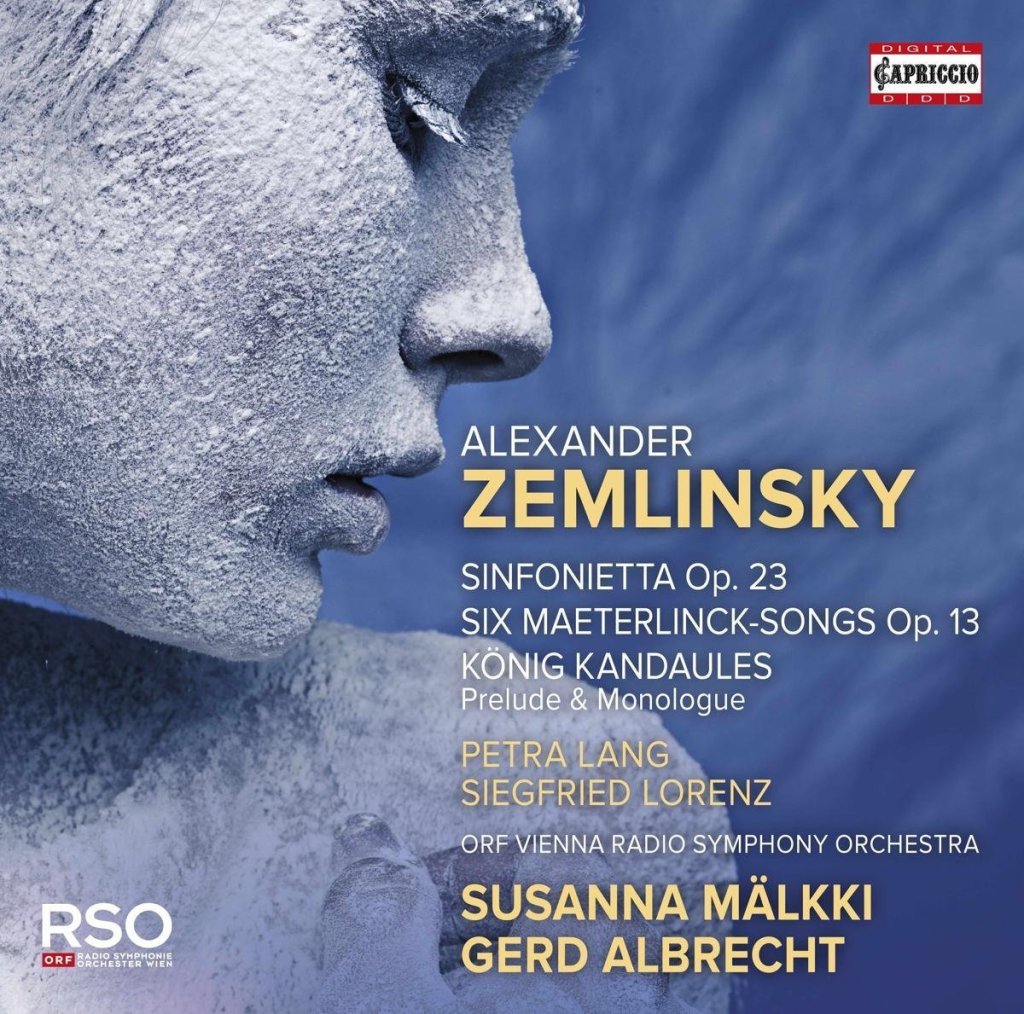
Total nonsense, of course, because his greatest appeal greatly depends on his very own idiom: a sultry, barely-there erotic tension. And the Sinfonietta lacks, precisely, those essential elements. I had not heard the work before and I don’t think I will often listen to it again, but that is not down to the excellent performance: Finnish conductor Susanna Mälkki clearly has an affinity with it.

Unfortunately, the performance of the “Sechs Maeterlinck Gesänge” is not on the same level. This is mainly because of Petra Lang. I have never been a big fan of hers but here she sounds, how shall I put it… anything but erotic? Too bad.

And for ˜dessert” we get the prelude and monologue from the third act of ” König Kandaules”, an opera Zemlinsky never finished. The monologue is very impressively sung by Siegfried Lorenz and the orchestra conducted by Gerd Albrecht, who died in 2014, sounds simply heavenly. The recording dates from 1992.


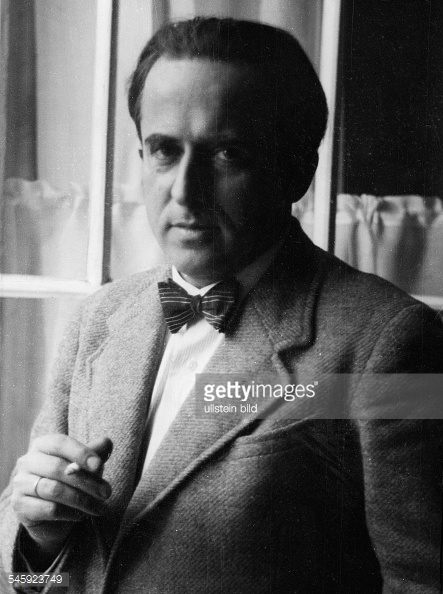
Alexander Zemlinsky
Sinfonietta, op. 23, Six Maeterlinck-Songs Op. 13
Petra Lang (soprano)
ORF Vienna Radio Symphony Orchestra olv Susanna Mälkki

Der König Kandaules (two excerpts)
Siegfried Lorenz (baritone),
ORF Vienna Radio Symphony Orchestra conducted by Gerd Albrecht

Il Giuramento: a succession of such very beautiful melodies that you can’t help but listen

Giuramento

Some forty years ago, I paid a real fortune for those two badly copied cassette tapes of Saverio Mercadante’s Il Giuramento, recorded live in Vienna on September 9, 1979. And now that the Austrian broadcaster ORF is digging up one after the other live recorded opera from their archives and transferring them to CDs, this splendid opera also came on the market – for little money and in an excellent sound quality (Orfeo C 6800621).

Giuramento HUgo


Il Giuramento is, just like La Gioconda, based on Victor Hugo’s play ‘Angelo, Tyrant de Padoue’, but there is a world of difference between the two works. La Gioconda is a very passionate, at times overwhelming, opera and contains a selection of (over)famous arias. Think of ‘Suicidio’ or ‘Cielo e mare’. Il Giuramento is smaller and more intimate. Think of Bellini with a touch of early Verdi.

The whole opera is really nothing but a succession of the most beautiful melodies, which force you to listen without even wanting to sing along. Or it must be ‘Compita è ormai la giusta e terribil vendetta’, a beautiful aria sung with much melancholy and elan by Domingo.


Domingo rehearsed the role, which was completely new to him, in four days (!) and stepped in – after only one rehearsal – for the sick Peter Dvorsky. Who else would be capable of pulling this off?

Mara Zampieri, unlike many of her contemporary colleagues, had a very individual sound that you may or may not like, but you cannot not possibly confuse her with anyone else. Her silver-coloured, sensuous soprano blends in beautifully with the golden velvet of Agnes Baltsa (then still without the ugly register break that marred her later performances so much) and in ‘Oh! Qual nome pronunziaste’ their voices melt together into a wonderful unity that is so beautiful it hurts.

Manfred Gurlitt and the forgotten Wozzeck

Gurlitt
Manfred Gurlitt

LIFE

The arbitrariness that exists in music history can sometimes be quite confusing. Why did one composer become famous and another did not? We know all too well that it is not always based on an objective value judgement; all too many really good composers (and/or their works) have totally disappeared from our stages.

Why is Alban Berg’s Wozzeck so often performed and recorded and why has almost nobody heard of Manfred Gurlitt’s Wozzeck? Both operas, based on the unfinished play by Büchner, were premiered in quick succession. Berg’s in December 1925 in Berlin and Gurlitt’s in April 1926 in Bremen.

Masterpiece versus craftsmanship, you say? Not quite. There is absolutely nothing wrong with Gurlitt’s music. Both composers use a new musical language and they are – each in his own way –  both progressive.

The immense popularity that Berg’s opera enjoyed from the very first day obviously contributed to Gurlitt’s work falling into oblivion. But: is this the only reason, or is it more complicated?

Manfred Gurlitt’s biography raises many questions. He was born in 1890 as the son of the prominent Berlin art dealer Fritz Gurlitt and his wife Annarella; yet he claimed that his real father was Fritz Waldecker, for many years the lover, (and after his father’s death, husband) of his mother.

Whether his father’s suspicious ancestry (according to the Nazis, he had Jewish blood) had anything to do with this claim, we do not know, but it certainly cannot be ruled out. Especially since young Manfred was a great supporter of the Nazi regime and he signed up as a member of the party as early as 1933.

That did not really help him and in 1937 he was expelled from the party and dismissed from all his positions, after which he fled to Tokyo. Under pressure from the Germans he had to resign from teaching at the Conservatory in 1942, but he did not suffer real persecution. What happened between 1933 and 1937 remains a mystery.

Gurlitt Wozzeck 1951 Tokyo (scene uit een film)
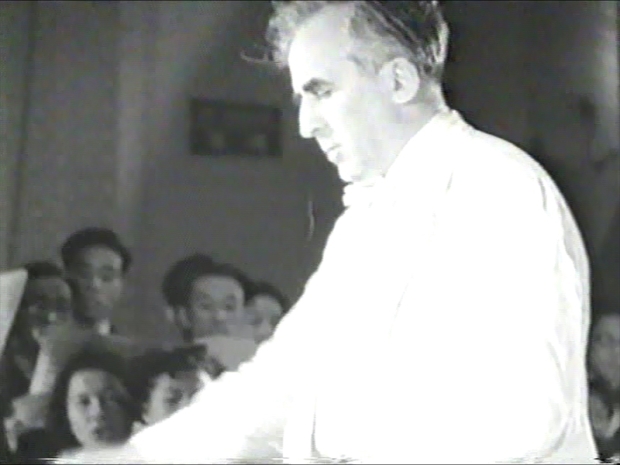
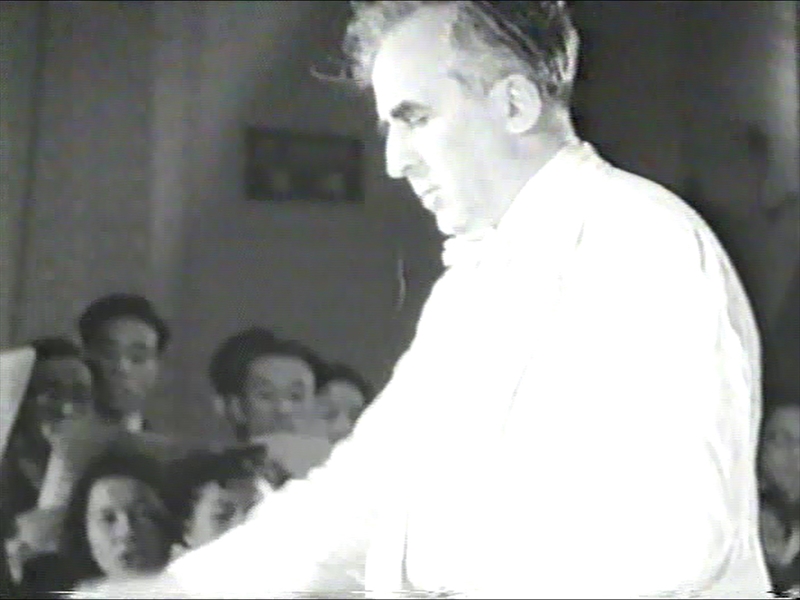
Gurlitt conducting his orchestra in Tokyo, 1951 (still from a Japanese film)

In 1953, he founded his own opera company, “Gurlitt Opera Company”, in Tokyo. Gurlitt never returned to Germany, he died in Tokyo in 1972.

OPERA

Gurlitt Wozzeck

It is not easy to compare Berg’s opera with Gurlitt’s: the proverbial apples and pears are nothing to it.

This already begins with Büchner’s play, the starting point for both operas. For his opera, Gurlitt selected eighteen scenes, two more than Berg. To this he added an orchestral epilogue, ‘Klage um Wozzeck’, with “Wir arme Leut” sung by an off-stage choir at the end.

Gurlitt’s Wozzeck is much less bullied than his alter ego in Berg’s work; he is more of a victim of his own delusions. This becomes very clear in the scene with the imaginary  predictions of the future, which Berg skipped.

Unlike Berg, Gurlitt did not compose interludes between the scenes. His opera is more chamber-like and intimate, but also more theatrical and less atonal: in other words, more Weill and less Schönberg. The murder scene, which has a very late romantic feel to it, would not be out of place even in Verismo.

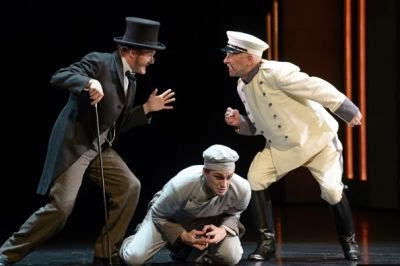
It was only in the 1990s that Gurlitt’s Wozzeck started with a cautious comeback. In 2016, after ninety years of absence, the opera returned to Bremen, the city where it had had its premiere. There were also performances in Bremenhaven and Berlin; and in 2013, Darmstadt dared to programme both Wozzecks in the same evening.

Gurlitt wozeck darmstadt
Wozzeck between Doktor and Hauptmann ©Satstheater Darmstadt

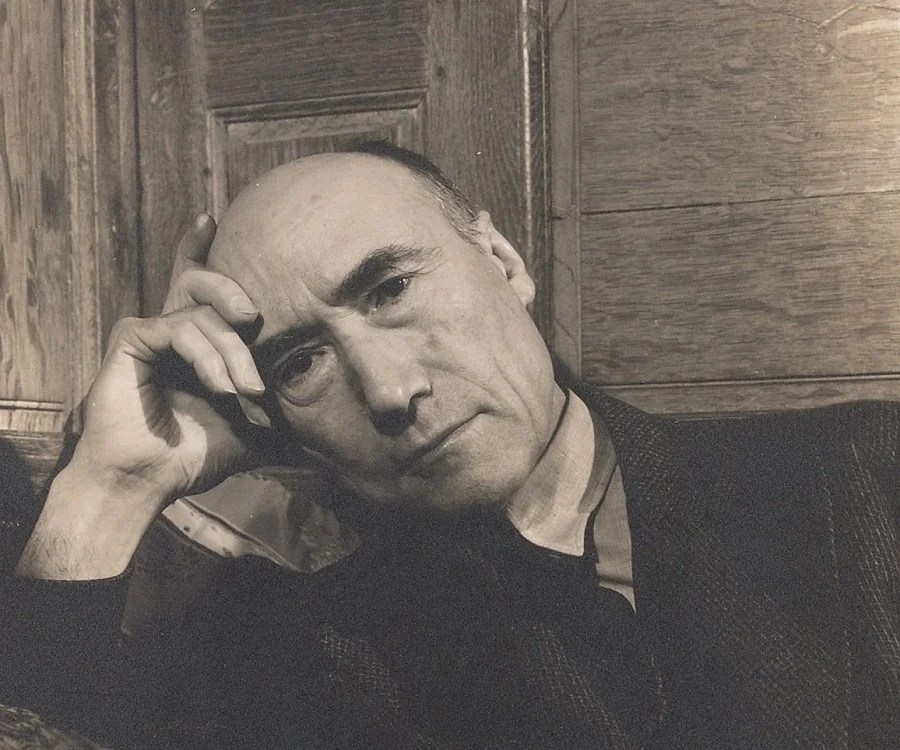
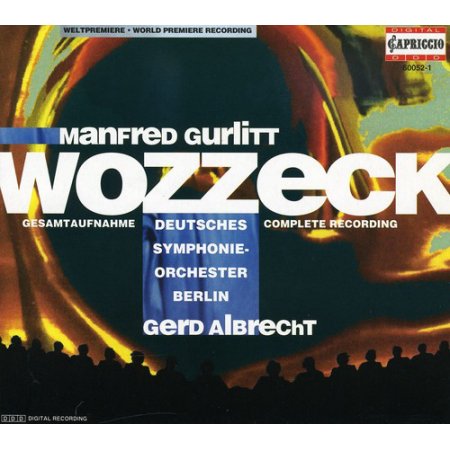
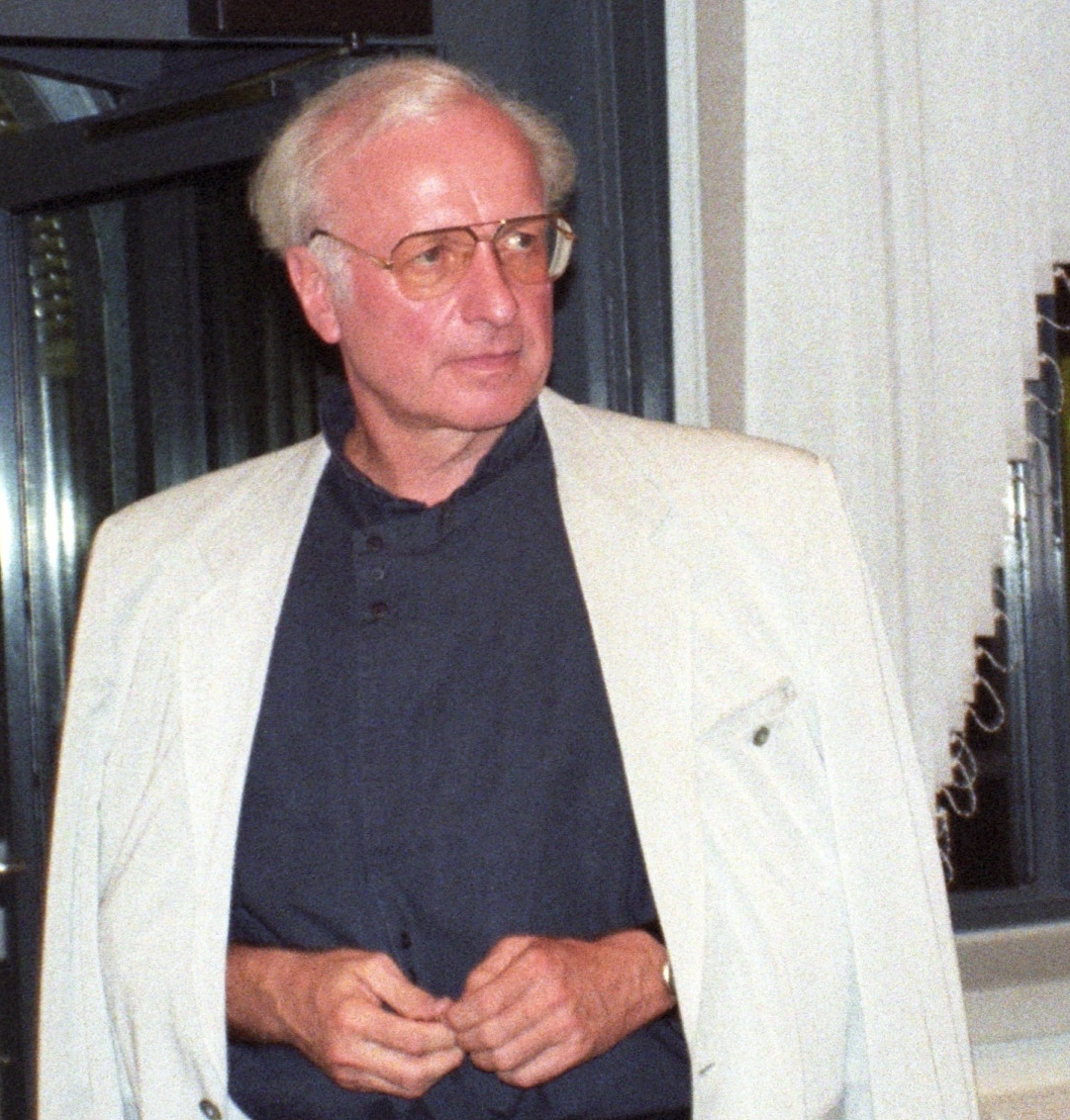
The recording I listened to was made in 1995 by the German company Capriccio. Gerd Albrecht, the conductor, with his heart in the right place for everything that has ever been declared “entartet” and the greatest advocate of music from the interwar period, leads the superbly playing Deutsches Symphonieorchester Berlin.

Dirigent Gerd Albrecht
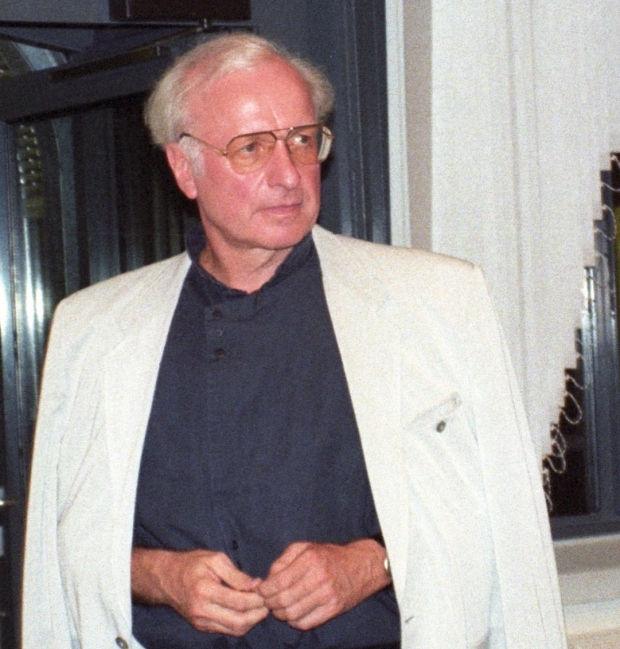
Gerd Albrecht

The main roles are impressively played by Roland Hermann (Wozzeck) and Celina Lindsley (Marie).
Unlike in Berg, the Hauptmann is sung here by a solid bass baritone (Anton Scharinger at his best), making the role sound less caricatural. The baritone Jörg Gottschick is a very macho Tambourmajor. (Capriccio 60052-1)


And what did Alban Berg think of the ‘other’ Wozzeck?
In a letter to Erich Kleiber, he wrote: “I am objective enough to be able to say that it’s not bad or unoriginal-but I’m also objective enough to see that the broth in the kettle of this opera, that is, in the orchestra, is too watered down, even for ‘poor folks’ [arme Leut]…” (Christoph Hailey: Alban Berg and His World)

Zemlinsky versus Zemlinsky

Zemlinsky Malkki

Niet schrikken! Het is geen vreemde uitvoering van – of een variatie op – de vijfde symfonie van Beethoven maar het begin van de uit 1934 stammende Sinfonietta van Zemlinsky, een werk waarin je de componist amper kunt herkennen. Ergens las ik dat hij met dat werk zijn grootste critici wilde bewijzen dat hij het in het symfonische genre niet onderdoet voor de drie grote B’s: Beethoven, Brahms en Bruckner.

Totale onzin natuurlijk want zijn grootste aantrekkingskracht ligt in zijn eigen idioom: de broeierige, nauwelijks te betamen erotische spanning. En laat de Sinfonietta nou juist die wezenlijke elementen te ontberen. Ik heb het werk niet eerder gehoord en ik denk niet dat ik er vaker naar ga luisteren, wat niet aan de uitstekende uitvoering ligt: de Finse dirigente Susanna Mälkki heeft er duidelijk affiniteit mee.

Jammer genoeg is de uitvoering van de Sechs Maeterlinck Gesänge niet van hetzelfde niveau. Het ligt voornamelijk aan Petra Lang. Ik ben nooit een groot fan van haar geweest, maar nu klinkt zij, hoe zal ik het zeggen… alles behalve erotisch? Jammer.

Als een soort ‘toetje’ krijgen we het voorspel en de monoloog uit de derde acte van König Kandaules, een opera die Zemlinsky heeft nooit afgemaakt. De monoloog wordt zeer indrukwekkend gezongen door Siegfried Lorenz en het orkest onder leiding van de in 2014 gestorven Gerd Albrecht klinkt gewoon hemels. De opname dateert uit 1992.


Alexander Zemlinsky
Sinfonietta, op. 23, Six Maeterlinck-Songs Op. 13
Petra Lang (sopraan)
ORF Vienna Radio Symphony Orchestra olv Susanna Mälkki

Der König Kandaules (twee fragmenten)
Siegfried Lorenz (bariton),
ORF Vienna Radio Symphony Orchestra olv Gerd Albrecht
Capriccio C5377

EINE (AUTO)BIOGRAFISCHE TRAGÖDIE: ALEXANDER ZEMLINSKY. Deel 1: de man

EINE (AUTO)BIOGRAFISCHE TRAGÖDIE: ALEXANDER ZEMLINSKY. Deel 2: ‘Du bist mein Eigen’

EINE (AUTO)BIOGRAFISCHE TRAGÖDIE: ALEXANDER ZEMLINSKY. Deel 3: dromen en het geluk dat verborgen dient te worden

EINE (AUTO)BIOGRAFISCHE TRAGÖDIE : ALEXANDER ZEMLINSKY. Deel 4: ‘Warum hast du mir nicht gesagt..’

Busoni en La Nuova Commedia dell’ Arte

Busoni Turandot Arlecchino

Feruccio Dante Michelangelo Benvenuto Busoni is, denk ik, één van de grootste kosmopolitische componisten uit de muziekgeschiedenis. Zijn vader was een Italiaan en zijn moeder een Duitse. Busoni studeerde in Oostenrijk, trouwde met een Russisch-Zweedse en ging in Berlijn wonen. Voornamelijk dan, want hij woonde ook in Wenen, Zürich en Bologna. En, o ja, hij had ook nog eens Joodse wortels. En dan al die voornamen!

Het schijnt dat hij een boekencollectie had die had kunnen concurreren met de meeste bibliotheken: geen wonder dat hij zijn klassieken kende! Busoni was ook een groot kenner en bewonderaar van Carlo Gozzi en na het componeren van de incidentele muziek voor zijn toneelstuk Turandot besloot hij het gegeven tot een opera te verwerken. In dezelfde tijd (1916) componeerde hij ook Arlecchino, een opera gebaseerd op een figuur uit Commedia dell’Arte. De (Duitstalige) libretto’s met veel gesproken dialogen zijn van de hand van de componist zelf.

Busoni Turandot-Arlechino_Premier_Poster_600391

Beide opera’s, die Busoni ‘La Nuova Commedia dell’ Arte’ noemde beleefden hun wereldpremière op 11 mei 1917 in het Stadttheater van Zürich onder leiding van de componist zelf.

In 1992 werden de opera’s in Berlijn opgenomen en nu (voor het eerst?) op de markt gebracht. Joseph Protschka is een warm getimbreerde Kalaf en Linda Plech excelleert als Turandot.  Gerd Albrecht dirigeert zeer betrokken, met veel aandacht voor de partituur.


Feruccio Busoni
Turandot; Arlecchino
Rene Pape, Linda Plech, Joseph Protschka, Celina Lindsley, Peter Matic, Robert Wörle, Siegfried Lorenz e.a.
Radio-Sinfonie-Orchester Berlin olv Gerd Albrecht
Capriccio C5398

Dietrich Fischer-Dieskau zingt liederen van Wolf en Reger

Wolf Reger fiDi

Liederen van Hugo Wolf behoren nog steeds niet tot de dagelijkse kost, en georkestreerd hoor je ze eigenlijk bijna nooit. De componist zelf heeft 24 van zijn liederen gearrangeerd, maar voor deze live opname is een selectie gemaakt van maar zeventien, waarvan er drie door resp. Günter Raphael, Max Reger en de Finse bas Kim Borg zijn georkestreerd. Ik vind het zonder meer mooi, maar gek genoeg wordt de angel, de bitterheid en de ernstige satire, de componist zo eigen, er iets minder voelbaar door.

Het ligt zeker niet aan de dirigent: Stefan Soltész heeft er duidelijk affiniteit mee. In 1990 was Dietrich Fischer-Dieskau al lang over zijn hoogtepunt heen en zijn – voor mij – hinderlijke manier om alles over te articuleren vind ik gewoon storend.

Op de tweede cd, met de orkestliederen van Max Reger (opname 1989) vind ik het minder hinderlijk, maar echt mooi? Reger behoorde niet tot Fischer-Dieskaus standaardrepertoire en ik denk niet dat hij erin geloofde. Op de een of andere manier komt het niet overtuigend over. Althans niet op mij.

Die liederen zijn eigenlijk geen liederen. Denk meer richting cantates, zeker ook omdat er in twee van de werken, ‘Der Einsiedler’ en ‘Het Requiem’ een groot aandeel is aan de – uitstekende, overigens – koren toebedeeld. Gerd Albrecht verricht wonderen met zijn Philharmonisches Staatsorchester uit Hamburg.

Beide cd’s zijn al eerder op de markt geweest, maar de combinatie van de twee componisten bij – en naast – elkaar biedt een verfrissende kijk op de manier hoe ze elkaar hebben beïnvloed.


HUGO WOLF
MAX REGER
Orkestliederen
Dietrich Fischer-Dieskau (bariton)
Münchner Rundfunkorchester olv Stefan Soltész
St. Michaelis-Chor en Monteverdi-Chor Hamburg
Philharmonisches Staatsorchester Hamburg olv Gerd Albrecht
Orfeo MP 1902

Manfred Gurlitt en de vergeten Wozzeck

Gurlitt

Manfred Gurlitt


LEVEN

De willekeur van de muziekgeschiedenis kan soms behoorlijk verwarrend zijn. Want, waarom is de ene componist beroemd geworden en de andere niet? Dat het niet altijd op een objectieve waardeoordeel is gebaseerd weten we maar al te goed, daarvoor zijn er te veel werkelijk goede componisten (en/of hun werken) van onze podia verdwenen.

Waarom wordt Wozzeck van Alban Berg zo vaak uitgevoerd en opgenomen en waarom heeft bijna niemand van Wozzeck van Manfred Gurlitt gehoord? Beide opera’s, met als basis het onvoltooide toneelstuk van Büchner, zijn kort achter elkaar in première gegaan. Die van Berg in december 1925 in Berlijn en die van Gurlitt in april 1926 in Bremen.

Meesterwerk versus vakwerk, roept u? Niet helemaal. Ook aan de muziek van Gurlitt mankeert helemaal niets. Beide componisten hanteren een nieuwe muzikale taal en zijn – ieder op zijn manier – vooruitstrevend.

De immense populariteit die de opera van Berg vanaf de eerste dag genoot heeft er uiteraard toe bij gedragen dat het werk van Gurlitt uit het zicht verdween. Maar: zou het alleen daar aan liggen of zit het ingewikkelder in elkaar?

Manfred Gurlitts biografie roept veel vraagtekens op. Hij werd in 1890 geboren als zoon van de prominente Berlijnse kunsthandelaar Fritz Gurlitt en zijn vrouw Annarella; toch beweerde hij dat zijn echte vader Fritz Waldecker was, jarenlang de minnaar (en na de dood van zijn vader echtgenoot) van zijn moeder.

Of de verdachte afkomst van zijn vader (volgens de nazi’s had hij Joods bloed) daar iets mee te maken zou kunnen hebben weten we niet, maar uitgesloten is het zeer zeker niet. Zeker ook omdat jonge Manfred een groot aanhanger was van het naziregime en al in 1933 meldde hij zich als lid van de partij aan.

Echt geholpen heeft het niet en in 1937 werd hij uit de partij geroyeerd en van al zijn posities ontslagen, waarna hij naar Tokyo vluchtte. Onder druk van de Duitsers moest hij in 1942 zijn docentschap aan het conservatorium neerleggen, maar echt vervolgd werd hij niet. Wat er tussen 1933 en 1937 gebeurde blijft een mysterie.

Gurlitt Wozzeck 1951 Tokyo (scene uit een film)

Gurlitt dirigeert zijn orkest in Tokyo, 1951 (still uit een Japanse film)

In 1953 richtte hij in Tokyo zijn eigen operagezelschap op, ‘Gurlitt Opera Company’. Gurlitt keerde nooit naar Duitsland terug, hij stierf in Tokyo in 1972.

OPERA

Gurlitt Wozzeck

Het valt niet mee om de opera van Berg met die van Gurlitt te vergelijken: de spreekwoordelijke appels en peren zijn er niets bij.

Neem alleen het uitgangspunt oftewel Büchners toneelstuk. Voor zijn opera heeft Gurlitt een selectie van achttien scènes gemaakt, twee meer dan Berg. Daar voegde hij nog een orkestrale epiloog aan toe, ‘Klage um Wozzeck’, met aan het eind door een off-stage koor gezongen “Wir arme Leut”.

Gurlitts Wozzeck wordt veel minder gepest dan zijn alter ego bij Berg, hij is meer slachtoffer van zijn eigen wanen. Zeer duidelijk wordt het in de – door Berg overgeslagen – scène met de imaginaire toekomstvoorspellingen.

Anders dan Berg componeerde Gurlitt geen interludes tussen de scènes. Zijn opera is kameraler en intiemer, maar ook theatraler en minder atonaal: zeg maar meer Weill en minder Schönberg. De zeer laatromantisch aandoende moordscène zou zelfs in een veristische opera niet misstaan.

Het is pas sinds de jaren negentig van de vorige eeuw dat Gurlitts Wozzeck aan een voorzichtige comeback is begonnen. In 2016, na negentig jaar van afwezigheid keerde de opera naar Bremen, de stad waar hij zijn première beleefde. Er waren ook uitvoeringen in Bremenhaven en Berlijn; en in 2013 heeft Darmstadt het aangedurfd om beide Wozzecks op dezelfde avond te programmeren.

Gurlitt wozeck darmstadt

Wozzeck tussen Doktor en Hauptmann ©Satatstheater Darmstadt

De door mij beluisterde opname werd in 1995 gemaakt door de Duitse firma Capriccio. Gerd Albrecht, de dirigent met het hart op de juiste plaats voor alles wat ooit “entartet” is verklaard en de grootste voorvechter van de muziek uit het interbellum, leidt het voortreffelijk spelende Deutsches Symphonieorchester Berlin.

Dirigent Gerd Albrecht

Gerd Albrecht

De hoofrollen worden indrukwekkend vertolkt door Roland Hermann (Wozzeck) en Celina Lindsley (Marie).

Anders dan bij Berg wordt de Hauptmann hier gezongen door een stevige basbariton (Anton Scharinger op zijn best), waardoor de rol minder karikaturaal klinkt. De bariton Jörg Gottschick is een zeer macho Tambourmajor. (Capriccio 60052-1)


En wat heeft Alban Berg van de ‘andere’ Wozzeck gevonden?
In een brief aan Erich Kleiber schreef hij: “I am objective enough to be able to say that it’s not bad or unoriginal—but I’m also objective enough to see that the broth in the kettle of this opera, that is, in the orchestra, is too watered down, even for ‘poor folks’ [arme Leut’]..” (Christoph Hailey: Alban Berg and His World)

Wozzeck van Alban Berg:  ALBAN BERG: Wozzeck. Discografie.