Entartete Musik

Verboden componisten komen weer uit de vergetelheid tijdens een prachtige tentoonstelling in het Stadsarchief van Amsterdam

Tekst: Neil van der Linden
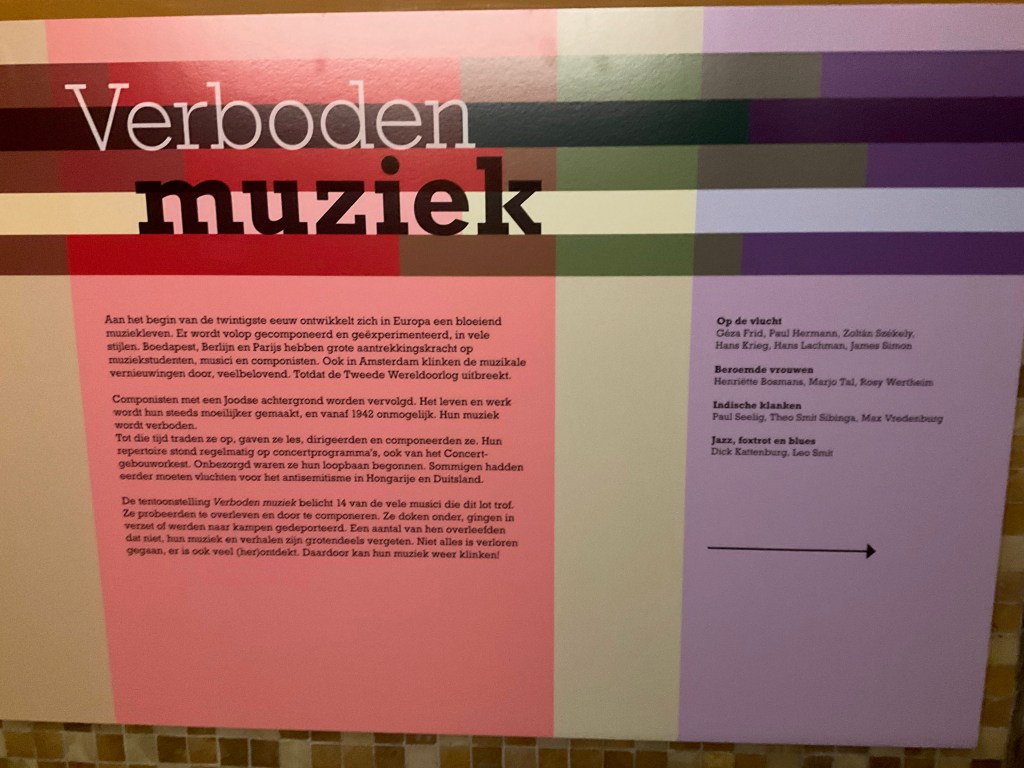
Leo Smit, Henriette Bosmans, Rosie Wertheim, Marjo Tal, Dik Kattenburg, Pál Hermann, Paul Seelig en Theo Smit Sibinga zijn componisten en uitvoerenden uit Nederland en Nederlands Indië die aan bod kwamen tijdens de opening gisteren 14 april van de wonderschone aangrijpende tentoonstelling ‘Verboden muziek’ in de kelderverdieping van het Amsterdamse Stadsarchief. 

De tentoonstelling staat verspreid over de kluizen van het gebouw van de voormalige Nederlandsche Handel-Maatschappij, een gebouw de jaren twintig van de vorige eeuw, toen de meeste van deze musici nog jong waren en een prachtige toekomst voor zich leken te hebben. 


De onvolprezen mede-initiator van de Leo Smit Stichting, fluitist Eleonore Pameijer, speelde bij de opening een fluitsonate van Smit, uit februari 1943. Zij memoreerde dat werk dateert van twee maanden voordat Smit in Sobibor werd vermoord, op 30 april 1943.

Eleonore Pameijer en Frans van Ruth spelen de fluitsonate van Leo Smit:

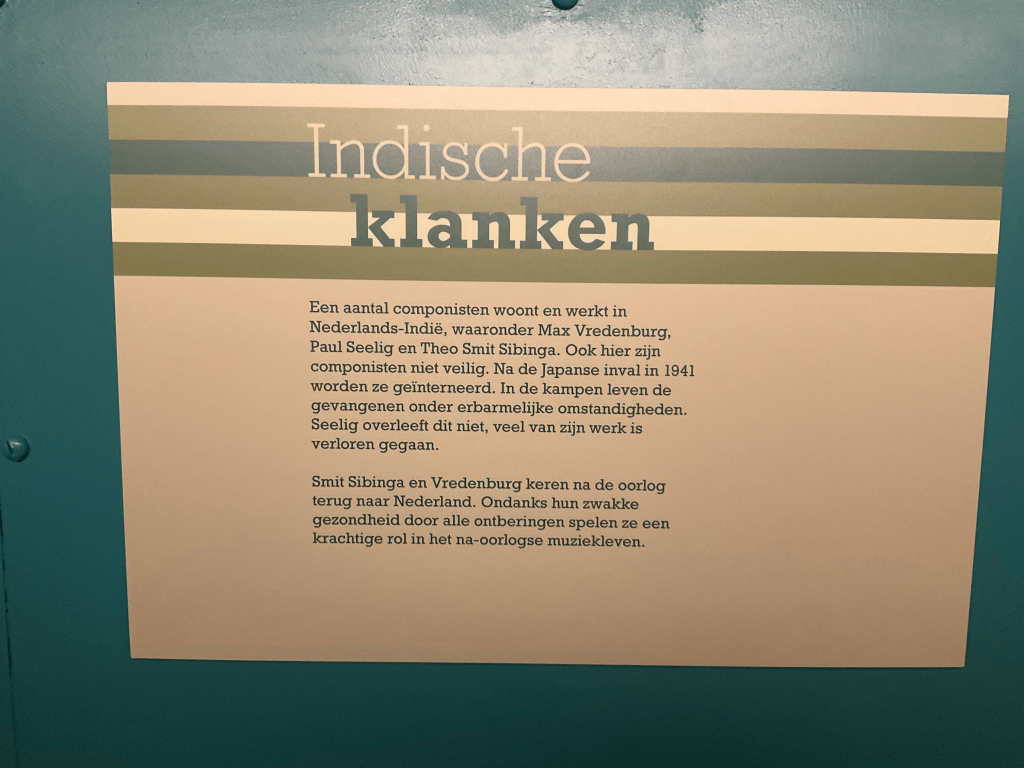
De Leo Smit Stichting, die deze tentoonstelling heeft opgezet, documenteert ook componisten die werkzaam waren in de Indonesische koloniën. Eleonore Pameijer speelde een stuk van Theo Smit Sibinga (1899-1958), die op Java werd geboren en een Japans concentratiekamp overleefde. Hij was een leidende muziekpersoonlijkheid in de kolonie, maar verhuisde meteen na de Tweede Wereldoorlog naar Nederland. Eleonore Pameijer wees op de Javaanse invloeden die in het stuk zijn te horen. Een zoon van Smit Sibinga was aanwezig bij de opening.
Schrijver Jan Brokken gaf een inleiding waarin hij uitdrukte wat een schande hij het vindt dat zoveel van deze muziek en zoveel van deze componisten tot op de dag van vandaag verborgen zijn gebleven of worden genegeerd. Eerder liet hij in de concertlezingen muziek van Henriëtte Bosmans,  Rosy Wertheim, Pál Hermann, Dick Kattenburg en Leo Smit horen.

Jan Brokken schreef ook het voorwoord bij het door Eleonore Pameijer en Carine Alders samengestelde standaardwerk ‘Vervolgde componisten in Nederland’ uit 2015.
Hij begon met een lofprijzing aan het adres van de Leo Smit Stichting, zonder wie de onder het Nazi-regime verboden en deels vermoorde componisten misschien nog steeds geheel vergeten zouden zijn. Hij memoreerde dat Smit één van de grootste componisten van zijn tijd was en nog groter zou zijn geworden, roemde ook het vernieuwende oeuvre van Kattenburg, die dankzij het werk van de stichting inmiddels al weer enigszins bekend zijn.

De tentoonstelling bevat ook een sectie gewijd aan drie vrouwen: Henriette Bosmans, Rosie Wertheim en Marjo Tal. Brokken beschouwde deze aparte afdeling voor vrouwelijke componisten wel als een overgangssituatie. Ooit zal het niet meer uitmaken, hoopt hij; de cellosonate van Bosmans is immers één van de beste twintigste-eeuwse werken voor cello.

Sonate voor cello en piano van Henriette Bosmans:

Marjo Tal zingt haar chanson A Paris:

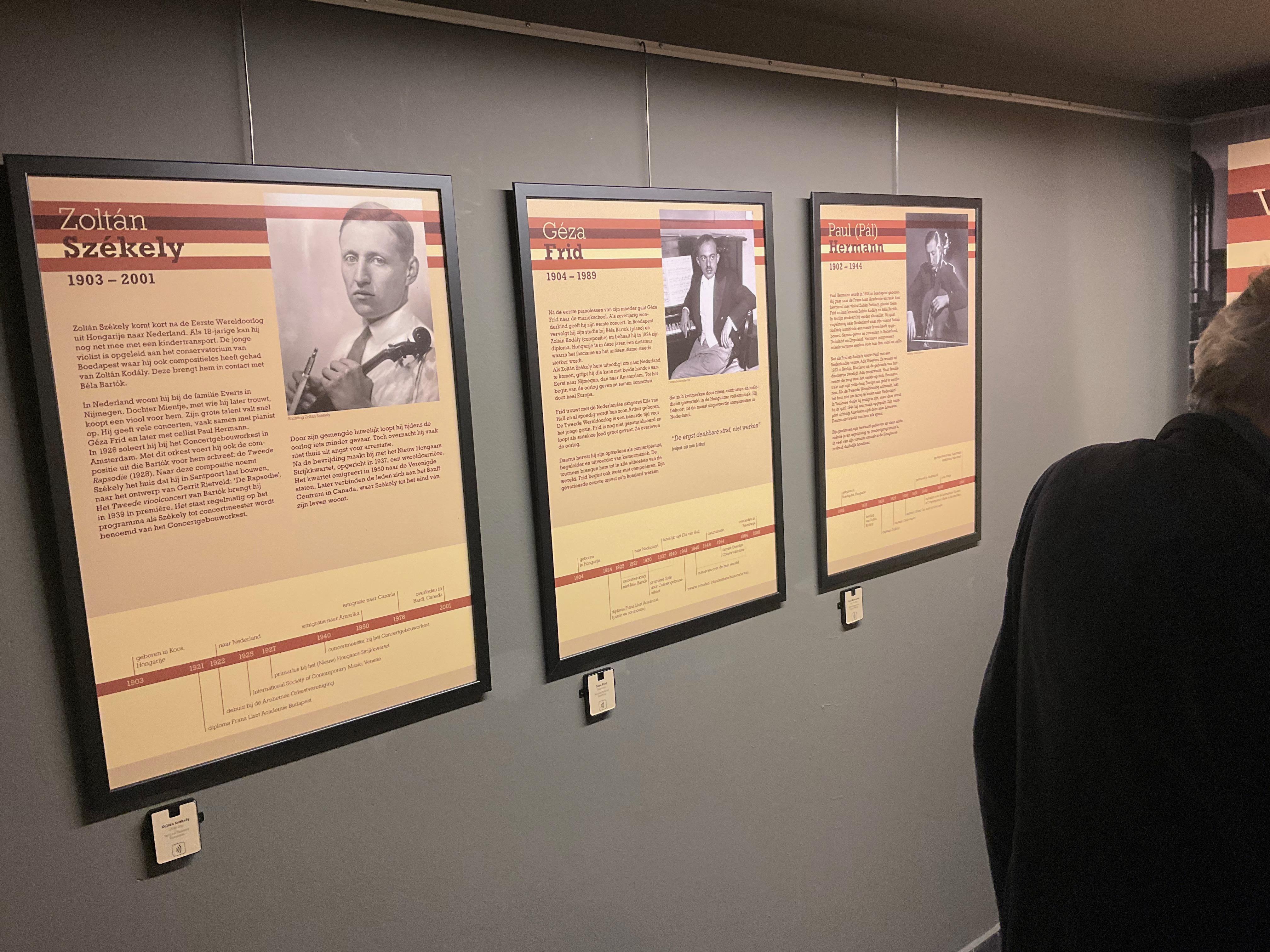
Jan Brokken ging ook uitgebreid in op Pál Hermann, van Hongaarse komaf, die zich achtereenvolgens in Berlijn, Brussel en Frankrijk vestigde, geregeld in Nederland optrad, onder meer ook samen met Geza Frid. Hij trouwde met Ada Weevers, een Nederlandse, vandaar de band met Nederland, en hij had ook Nederlands leren spreken. Na tijdens een zwempartij door een zeestroming meegesleept te zijn overleed Ada op 25 jarige leeftijd aan een longinfectie.

Vanaf 1937 vestigde hij zich definitief in Frankrijk, waar hij in 1938 een concert voor de Franse radio gaf met werk van Pijper, Andriessen, Van Lier, Julius Hijman en Max Vredenburg, Joodse componisten die na de oorlog zijn vergeten, en Badings, de NSB-sympathisant.

Paul Hermann – Grand Duo for Violin and Cello:


Hermann dook onder maar werd tijdens een razzia in Toulouse toch opgepakt en vermoedelijk op transport gesteld naar een werkkamp in Litouwen, waarna niets meer over hem bekend is. Zijn dochter Corrie was aanwezig bij de opening van de tentoonstelling.

Met veel empathie sprak Jan Brokken ook over de in Duitsland geboren Paul Seelig (1876- 13 juni 1945). Paul Seeligs vader vestigde zich in Bandoeng, waar hij een succesvolle muziekwinkel zou opzetten. Paul Seelig zou de zaak overnemen maar studeerde ook cello in Leipzig. Terug in Indonesië verdiepte hij zich ook in Javaanse muziek en begon hij met het vastleggen van gamelanthema’s in westers notenschrift.

Paul Seelig: Wireng:

Na het overlijden van zijn vader zette Paul de muziekhandel voort en maakte die tot een pleisterplaats voor internationaal bekende musici op tournee in de archipel. Hij schreef een pianoconcert voor de moeder van Hella Haasse, een in Nederlandse Indië gevierde concertpianiste.

Hij kwam in contact met de Russisch-Litouws-Joods-Amerikaanse klaviervirtuoos en componist Leopold Godowsky toen deze in de jaren twintig Java bezocht. De kennismaking via Seelig met authentieke Javaanse muziek inspireerde Godowsky tot één van zijn bekendste stukken, de Java Suite. Deze geschiedenis kom ook allemaal voor in Brokkens boek De Tuinen van Buitenzorg.

Leopold Godowsky speelt ‘The Gardens of Buitenzorg’ uit de Java Suite. Opname is gemaakt rond 1935.

Seelig kwam terecht in een Japans interneringskamp. Hij overleefde het maar was na de bevrijding zodanig zodanig verzwakt dat hij een paar weken later toch overleed, op 12 juni 1945. Veel van zijn manuscripten waaronder de uitgebreide Indische muziekgeschiedenis uniek foto- en documentatiemateriaal en composities gingen verloren, en ook de orkestpartijen van dat pianoconcert voor de Hella Haasses moeder.
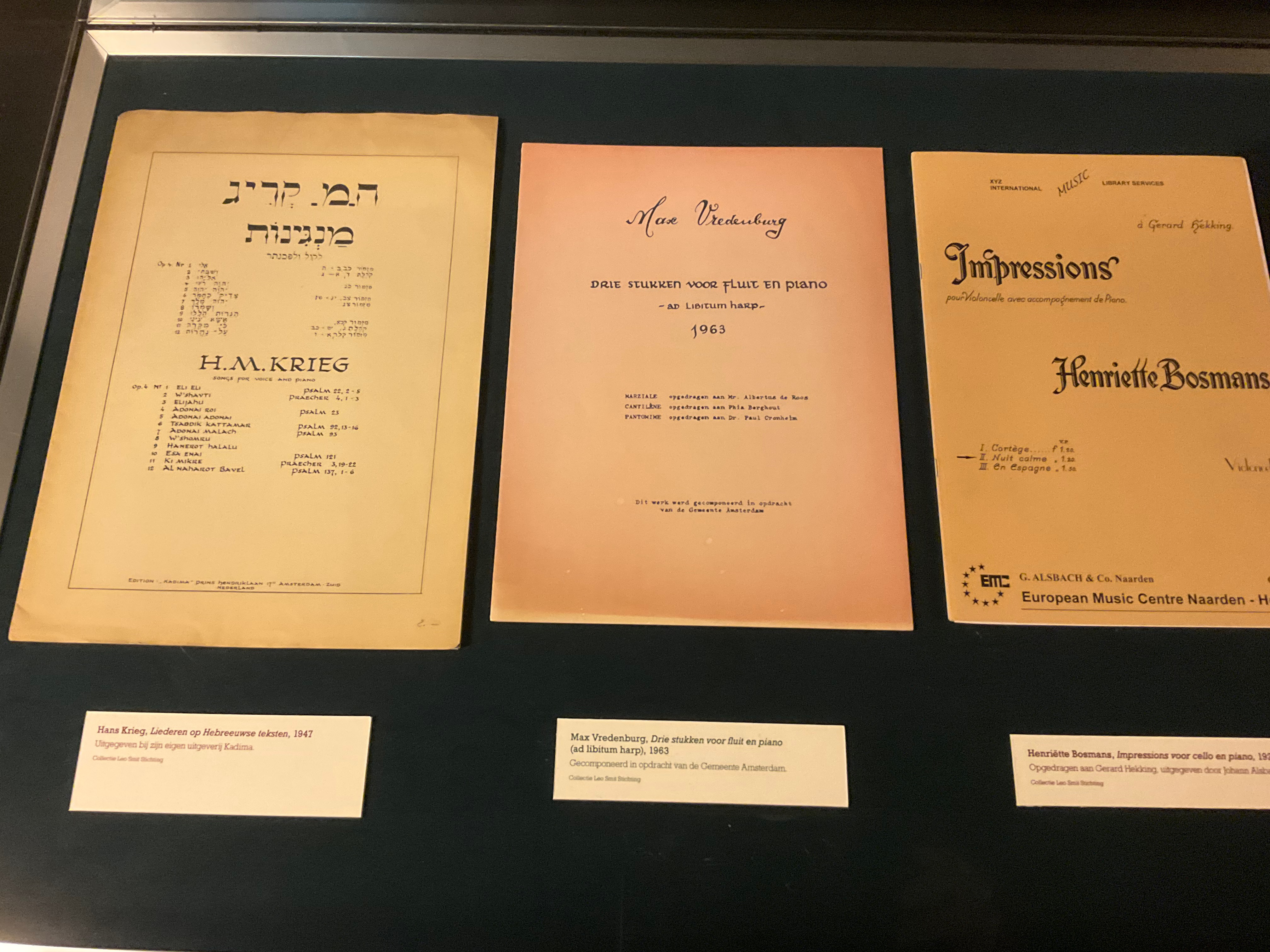
De tentoonstelling is prachtig verzorgd. Unieke foto’s, partituren en documentatie, onder meer ook filmmateriaal, met een in warme kleuren uitgevoerde grafische vormgeving, wat allemaal geweldig tot uiting komen in het in art-deco kleuren uitgevoerde interieur van de zogeheten ‘kofferkluizen’ van het gebouw.

De tentoonstelling is opgebouwd volgens vier thema’s: vluchtelingen, met documentatie over Géza Frid, Pál Hermann, Zoltán Székely, Hans Krieg, Hans Lachman en James Simon, beroemde vrouwen met Henriëtte Bosmans, Marjo Tal en Rosy Wertheim, Indonesië, over Paul Seelig, Theo Smit Sibinga en Max Vredenburg en Jazz, Blues & Foxtrot over Dick Kattenburg en Leo Smit.

Ik zou niet alleen vinden zoals Jan Brokken dat het thema over vrouwen eigenlijk betrekkelijk is, maar dat de ook de categorie waarbij Kattenburg en Smit ook relatief is. Maar een andere indeling zou dan misschien geen recht doen aan het feit dat beiden de jazz serieus namen, en dat jazz de Nazi’s ook een gruwel was.

Extra indringend is dat je de tentoonstelling bereikt via een zaal vol draperieën met tientallen foto’s en familiegeschiedenis van Joodse inwoners van Amsterdam, waarbij je bij negen van de tien leest dat ze in een Nazi-kamp of op onbekende bestemming zijn opgekomen, en bij niet meer dan één op de tien dat ze de oorlog hebben overleefd.

Samenstelling tentoonstelling: Eleonore Pameijer en Anne Houk de Jong
Vormgeving RO ontwerpers: Monique Rietbroek en Josephine Oudijn
Grafisch ontwerp: Tijl Akkermans
Films: Patricia Werner Leanse
Foto’s: © Neil van der Linden

Gezien: 14 april
Kofferkluizen Stadsarchief Amsterdam
Vijzelstraat 32
1017 HL Amsterdam

De tentoonstelling is gratis te bezichtigen van 15 april tot en met 3 juli 2022

https://www.amsterdam.nl/stadsarchief/agenda/verboden-muziek/

https://leosmitfoundation.org/

https://www.forbiddenmusicregained.org/search/composer/id/100027

https://www.theosmitsibinga.nl/over-theo-smit-sibinga/

https://leosmitfoundation.org/paul-seelig

Over Pál Hermann:
https://basiaconfuoco.com/2018/03/09/paul-hermann/

Mario Castelnuovo-Tedesco: meer dan componist van gitaarwerken

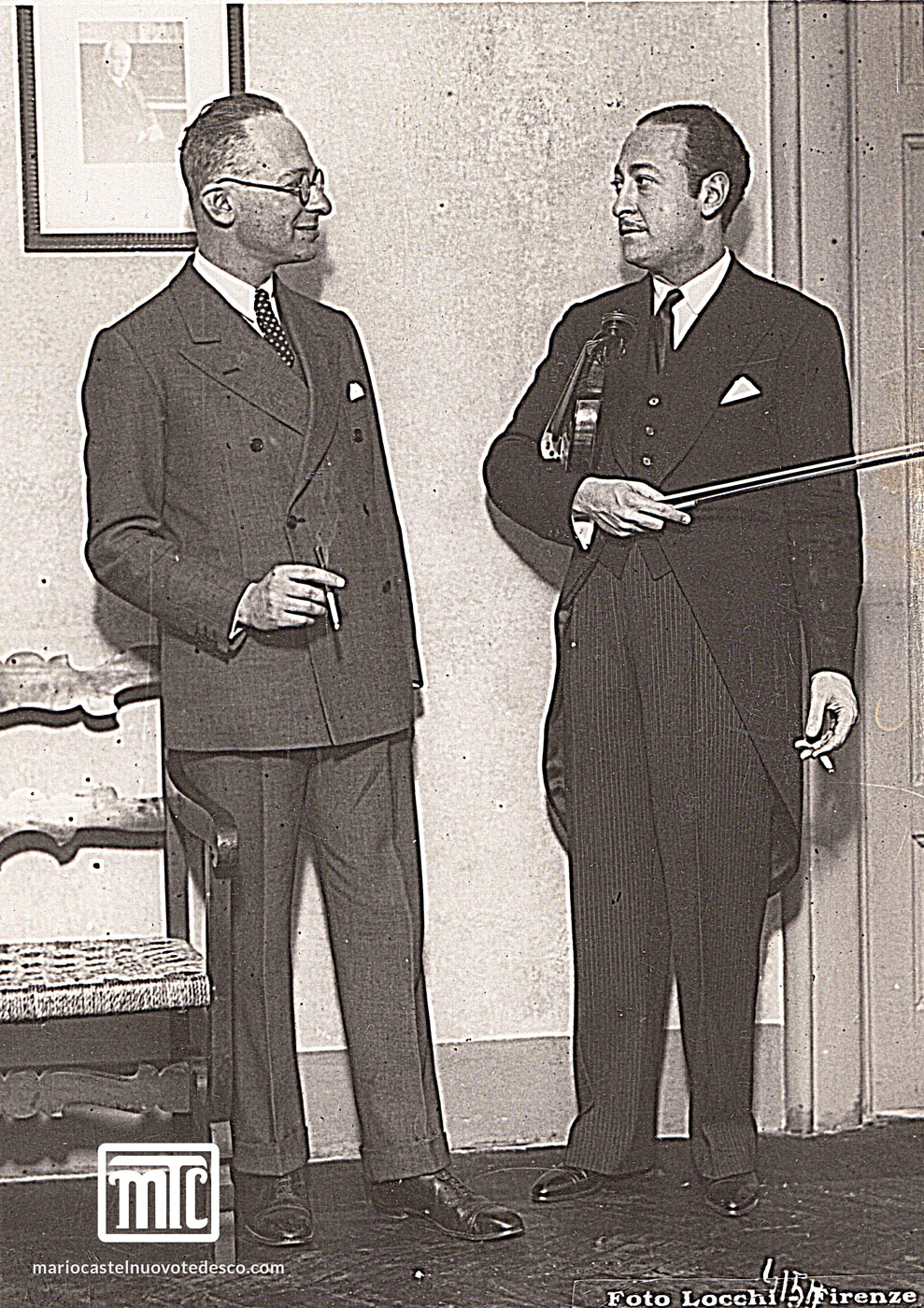
Mario Castelnuovo–Tedesco (Florence, 3 april 1895 – Beverly Hills, 16 maart 1968) werd geboren in de Joodse familie van Sefardische afkomst (Joden die in 1492 werden verdreven uit Spanje). Hij was buitengewoon creatief, op zijn naam staat van alles: pianowerken, concerten, opera’s…. Zijn composities werden gespeeld door de grootsten: Walter Gieseking, Gregor Piatigorsky, Jascha Heifetz, Casella.

Heifetz spelt het tweede vioolconcert van Mario Castelnuovo-Tedesco: ‘I Propheti’. Opname uit 1954:

Tegenwoordig kennen we hem voornamelijk van zijn gitaarwerken, bijna honderd in totaal, veelal geschreven voor Andres Segovia.

Segovia speelt het Gitaarconcert No.1 in D majeur, Op. 99; live opname uit 1939:

Het was begin jaren dertig van de vorige eeuw dat de componist zijn ‘Joodse roots’ is gaan ontdekken, iets wat versterkt werd door het opkomend fascisme en de rassenwetten. Zijn muziek werd niet meer uitgevoerd. Geholpen door Arturo Toscanini heeft Castelnuovo-Tedesco, samen met zijn gezin vlak voor het uitbreken van de tweede wereldoorlog Italië weten te verlaten

Zoals de meeste Joodse componisten die Europa ontvluchtten belandde ook Castelnuovo-Tedesco in Hollywood. Waar hij dankzij Jascha Heifetz door Metro-Goldwyn-Mayer werd aangesteld als componist van filmmuziek.

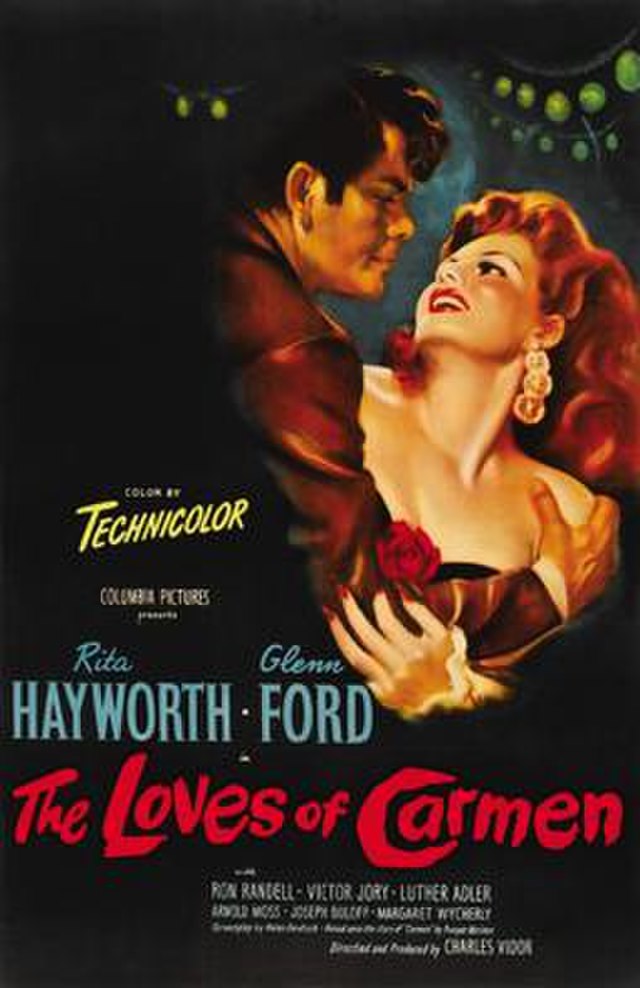
Op speciale verzoek van Rita Hayworth componeerde hij muziek voor de film The Loves of Carmen met Hayworth en Glenn Ford. Hieronder de dansscène uit de film:

In die tijd componeerde Castelnuovo-Tedesco ook nieuwe opera’s en vocale werken geïnspireerd door Amerikaanse poëzie, Joodse liturgie en de Bijbel: Amerika bood hem mogelijkheden om zijn Italiaanse muzikale erfenis en zijn Joodse spiritualiteit te verdiepen en te ontwikkelen. Hij droomde ervan zijn Sacred Service “once in the synagogues of Florence” te horen. De première vond plaats in 1950, in de New Yorkse Park Avenue Synagogue.


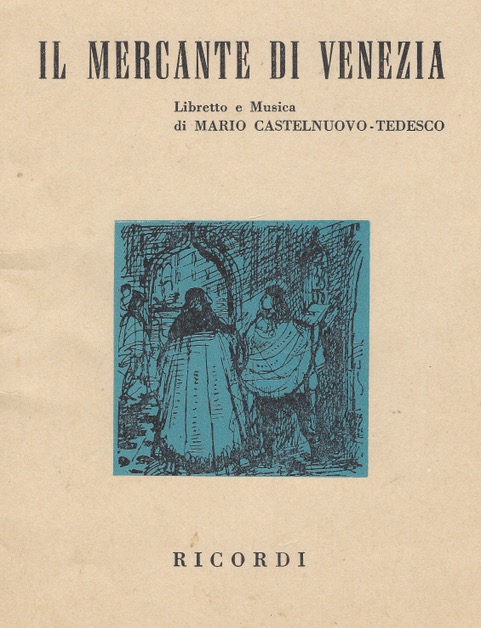
Uit 1956 dateert de opera Il mercante di Venezia naar Shakespeare’s The Merchant of Venice (Castelnuovo-Tedesco was een grote Shakespeare liefhebber) werd in 1961 uitgevoerd tijdens Maggio Musicale in Florence. Franco Capuana dirigeerde en de hoofdrollen werden gezongen Renato Capecchi (Shylock) en Rosanna Carteri (Portia). De voorstelling werd opgedragen aan Arturo Toscanini

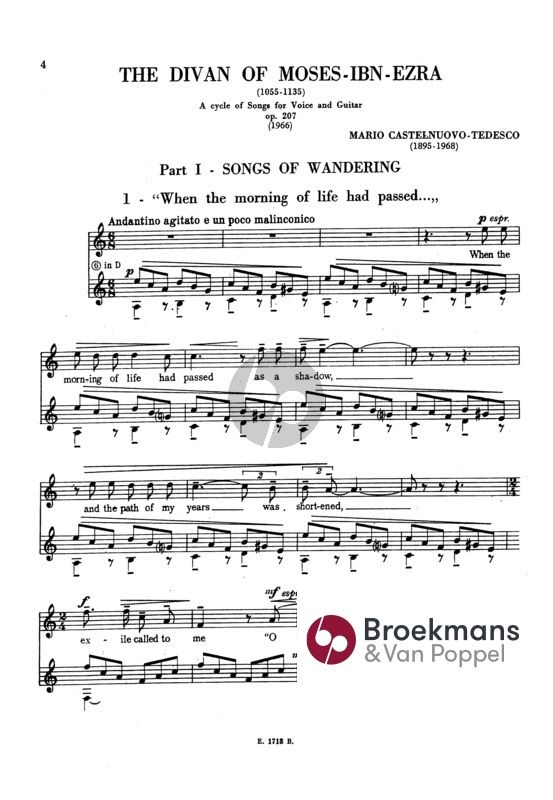
In 1966 componeerde hij The Divan of Moses Ibn Ezra. Het is een setting van negentien gedichten van Rabbi Moses ben Jacob Jacob ibn Ezra, ook bekend als Ha-Sallaḥ (‘schrijver van boetvaardige gebeden’).

Ibn Ezra werd geboren in Granada rond 1055 – 1060, en overleed na 1138 en hij wordt beschouwd als één van de grootste dichters van Spanje. Die ook nog eens een enorme invloed op de Arabische literatuur heeft gehad. Castelnuovo-Tedesco componeerde de ‘divans’ (gedichten) op de moderne Engelse vertaling

Roberta Alexander zingt The Divan of Moses Ibn Ezra

Channa Malkin en Izhar Elias in ‘Fate has blocked the way’:

Zijn celloconcerto schreef de componist voor Gregor Piatigorsky, de première vond plaats in 1935, Arturo Toscanini dirigeerde het New York Philharmonic. En dat was het dan. Sindsdien werd het concerto totaal vergeten, tachtig jaar lang. Totdat Raphael Wallfisch zich daarover ontfermde

Raphael Wallfisch speelt het Allegro Moderato uit het celloconcert van Castelnuovo-Tedesco

Na de Tweede Wereldoorlog werd Castelnuovo-Tedesco, net als meerdere Joodse componisten die noodgedwongen moesten vluchten en hun heil haddenn gezocht in Hollywood beschuldigd van conservatisme en sentimentaliteit. Dat hij in veel van zijn werken geïnspireerd  werd door De Spaanse folklore werd hem evenmin niet in dank afgenomen.

Castelnuovo-Tedesco:

“Ik heb in mijn leven veel melodieën voor zangstem geschreven en er 150 van uitgegeven (in mijn la bleef veel liggen) op teksten in alle talen die ik ken: Italiaans, Frans, Engels, Duits, Spaans en Latijn. Mijn ambitie en sterker nog, mijn diepe drijfveer is altijd geweest om mijn muziek te verenigen met poëtische teksten die mijn belangstelling en gevoel prikkelden, om de lyriek ervan tot uitdrukking te brengen”.

In 2019 werd zijn biografie verfilmd in de film Maestro. Hieronder de trailer:

Officiëele website van Mario Castelnuovo-Tedesco:

https://mariocastelnuovotedesco.com/

‘Stolen melodies’ by Dick Kattenburg, as a kind of metaphor for his short life

Dick Kattenburg, painting Theo Kroeze 1916-1988


He was twenty-four. Twenty-four. That was all the Nazis allowed him. Who
knows what he would have been capable of? What operas could we have had
from him? Who knows, maybe he would have surpassed maybe he would have surpassed Wagner, the composer who
was not so keen on Jews? Or he might have gone in a totally different
direction and become a jazz giant?

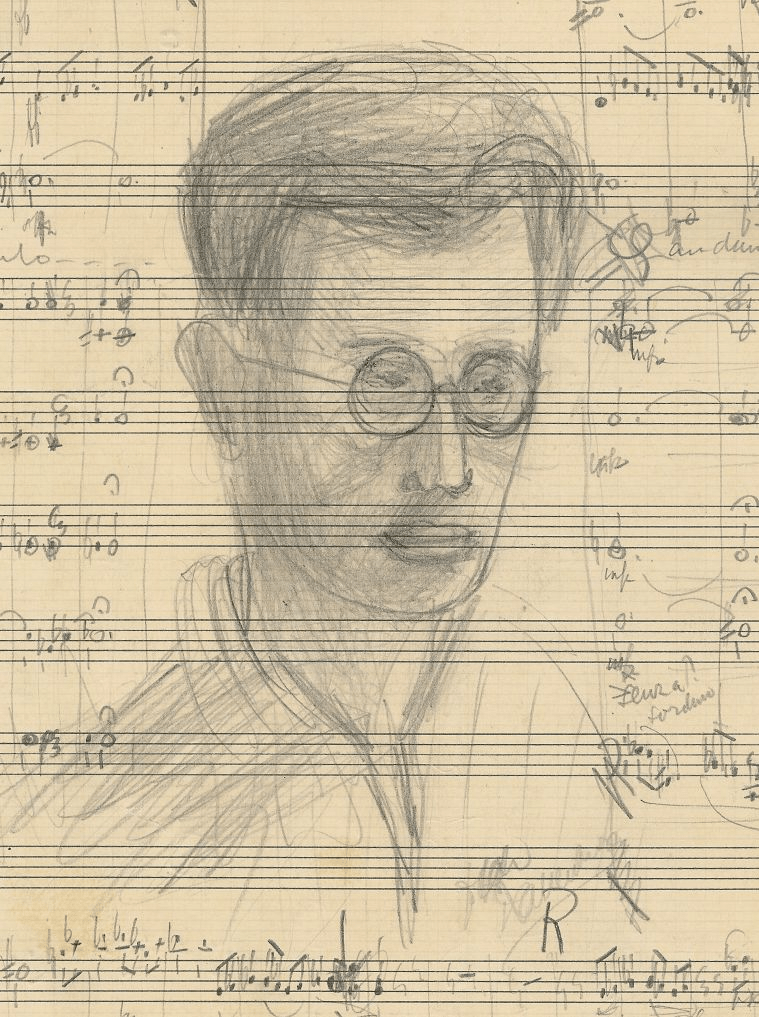
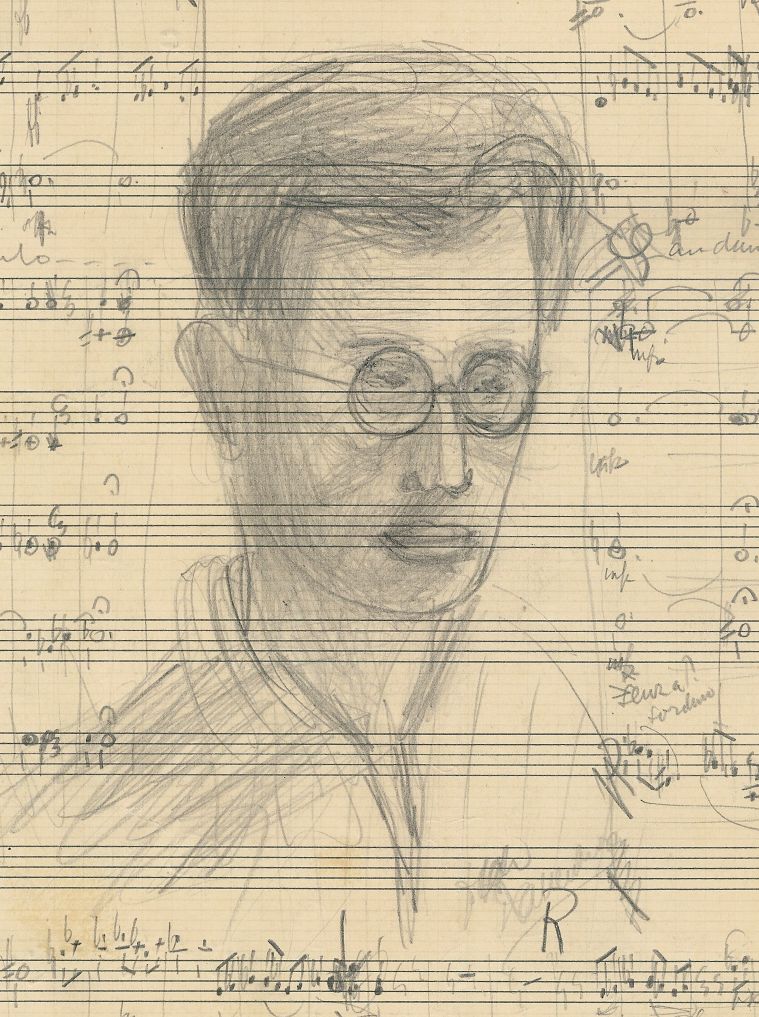
Kattenburg: self portrait made in 1937


We will never know, because he only lived to be 24 and when the war
broke out he was not even 20 yet. But he had already made a name for himself
as a violinist. But also as a composer, because composing was his true love and something
he did on a daily base. Even while he was in hiding.

Kattenburg by GregorySinger


He had to move often because he was in danger of being betrayed, but he
continued to compose. How he was arrested is not entirely clear. Perhaps
during a raid? What we do know is that on 14 May 1944 he was put on a
transport to Auschwitz. A death certificate, dated 30 September 1944,
states that he died in Central Europe. That is all we have to go on.


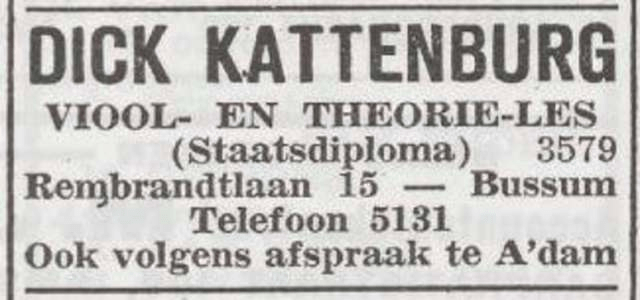
At one time he also wanted to become a music teacher, as is shown by an
advertisement in Het Joodsche Weekblad (a publication of the Jewish
Council) of 7 September 1941, in which he offered himself as a teacher
of music theory and violin pedagogy. Only recently, he had successfully
passed the state examination of theory and violin with Willem Pijper,
which enabled him to establish himself as a teacher. He lived in
Naarden with his mother, his younger brother, his sister and her husband.

Kattenburg never denounced his Jewish background. He arranged a large
number of Hebrew melodies, which appeared in his manuscripts with titles
written in Hebrew and he also used dating according to the Jewish calendar. In
1942, the Star of David even appeared symbolically in his manuscripts.


Not long ago, a CD was released with Kattenburg’s “All that jazz”,
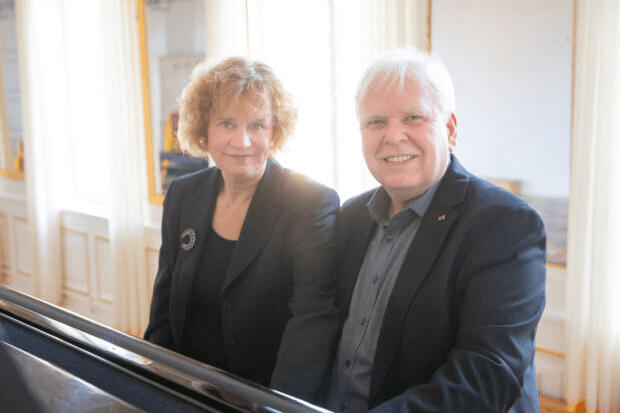
something we owe to a German piano duo, Friederike Haufe and Volker Ahmels.

The ‘Overture for two pianos’ from 1936 is the only work Kattenburg
wrote for two pianos (i.e. not for piano four hands). Tap dance’ also
dates from the same period and for this a tap dancer was actually needed to perform.


Kattenburg even made a very successful drawing of the tap dancer in the
manuscript. On this new album, Tonio Geugelin has been perfectly fitted
to this special role.

You really have to buy this CD. Please do. It is insanely good. And so incredibly
important!
That this CD has a short playing time, a little over 21 minutes is not
important. There is simply nothing more.

Friederike Haufe: “We wondered if it would be possible to market a CD of
such short duration, especially when most people want quantity next to
quality… but Donemus and Medien Kontor, labels we worked with, asked
us to leave it this way. So it has become a kind of metaphor for the
tragedy of his short life …


Stolen Melodies
Works for two pianos and piano four hands by Dick Kattenburg
Piano duo Friederike Haufe and Volker Ahmels (piano) with Tonio Geugelin
(tap dance)

More information:

https://www.klavierduo-haufe-ahmels.de/

This cd can be ordered here. You can also download the booklet here

https://www.medien-kontor-hamburg.de/cds/kattenburg.php

‘Stolen melodies’ van Dick Kattenburg als een soort metafoor voor zijn korte leven

Vierentwintig is hij geworden. Vierentwintig. Meer mocht het niet van de nazi’s. Wie weet, wat hij nog meer in zijn mars had? Welke opera’s hadden we van hem kunnen verwachten? Wie weet was hij nu Wagner voorbijgestreefd, de componist die het niet zo op Joden op had? Maar misschien was hij een totaal andere richting opgegaan en werd hij een jazz gigant?


We zullen het nooit weten, want hij is maar vierentwintig geworden en toen de oorlog uitbrak was hij nog geen twintig. Wel had hij al naam gemaakt als violist. Maar ook als componist, want componeren was iets wat hij altijd deed. Ook tijdens zijn onderduik.

Vaak moest hij vanwege het verraad van adressen wisselen, maar componeren bleef hij. Hoe hij opgepakt is, is niet helemaal duidelijk. Wellicht tijdens een razzia? Wat we wel weten is dat hij op 14 mei 1944 op transport werd gesteld naar Auschwitz. Een op 30 september 1944 gedateerde overlijdensakte vermeldt dat hij in Midden-Europa is gestorven. Daar kunnen we het mee doen.

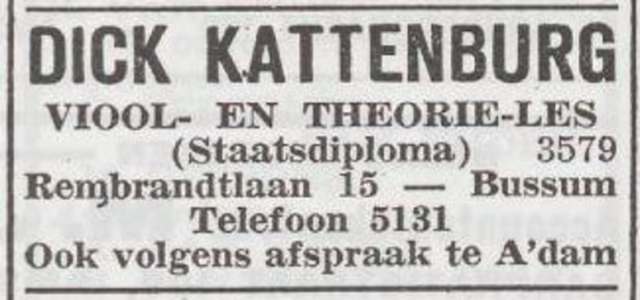
Ooit wilde hij ook een muziekleraar worden, wat blijkt uit een advertentie in Het Joodsche Weekblad (een uitgave van de Joodsche Raad) van 7 september 1941, waarin hij zich aanbood als leraar muziektheorie en vioolpedagoog. Nog maar kort daarvoor had hij bij Willem Pijper het staatsexamen in de vakken theorie en viool met succes afgelegd, waardoor hij zich ook als leraar kon vestigen, met als standplaats Naarden, waar hij inwoonde bij zijn moeder, zijn jongere broer, zijn zus en haar echtgenoot.

Kattenburg heeft nooit zijn Joodse achtergrond verloochend. Hij heeft een groot aantal Hebreeuwse melodieën gearrangeerd, verschenen in zijn manuscripten in het Hebreeuws gestelde titels en maakte hij gebruik van de datering overeenkomstig de joodse kalender. In 1942 kwam in zijn manuscripten zelfs symbolisch de Davidsster voor

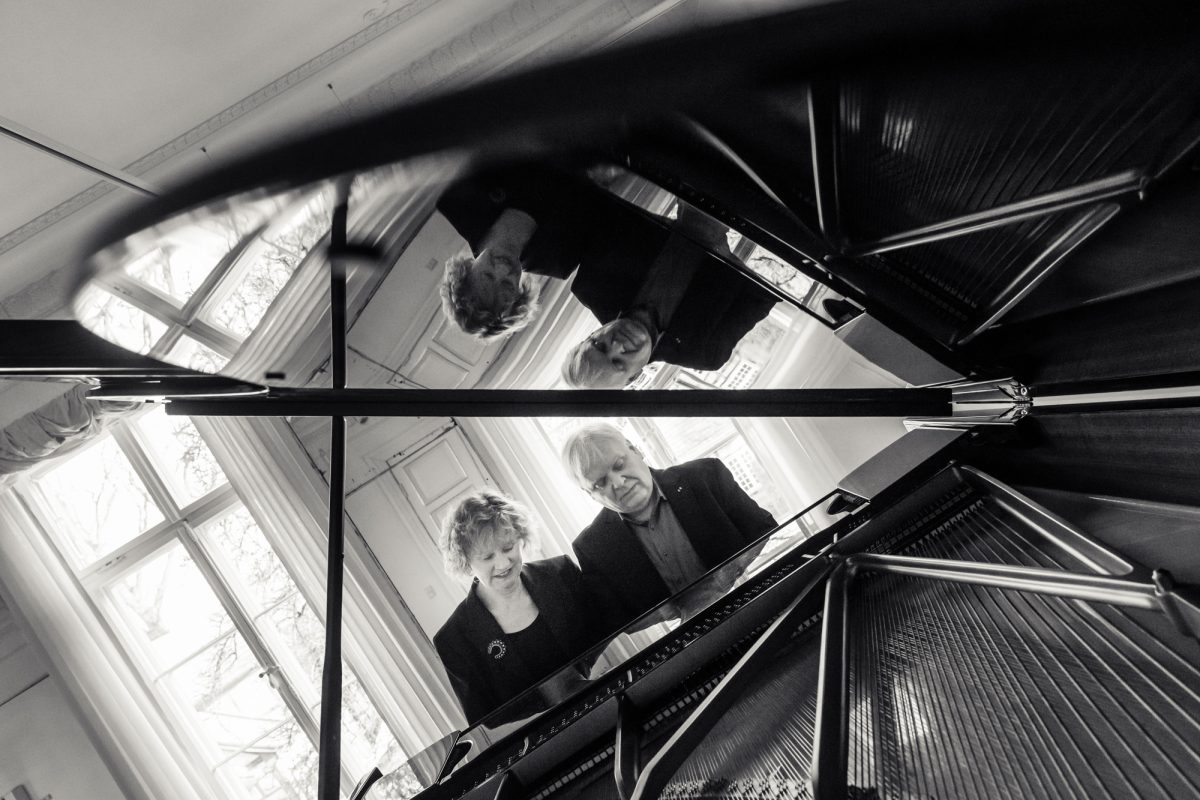
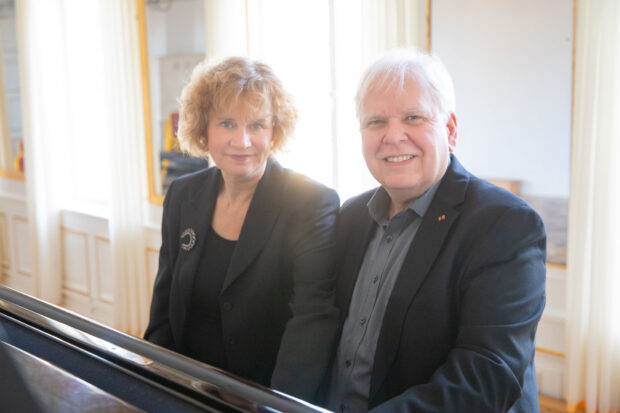
Niet zo lang geleden is er cd uitgekomen met Kattenburgs “all that jazz’, iets wat we te danken hebben aan een Duits piano duo, Friederike Haufe en Volker Ahmels.

De ‘Ouverture voor twee piano’s’ uit 1936 is het enige werk dat Kattenburg schreef voor twee piano’s (dus niet voor piano vierhandig). Hij was toen 17. Uit dezelfde periode stamt ook  ‘Tap dance’ waar ook echt een tapdanser aan te pas moest komen.

Kattenburg maakte zelfs een zeer geslaagde tekening van de tapdanser in het manuscript. Op dit nieuwe album is deze bijzondere rol Tonio Geugelin werkelijk perfect aangemeten.

Mensen: koop de cd. Alsjeblieft. Het is zo waanzinnig goed. En zo ontzettend belangrijk!
Dat deze cd een korte speelduur heeft, iets meer dan 21 minuten is niet van belang. Meer is er gewoon niet.

Friederike Haufe: “We vroegen we ons af of het mogelijk is om cd van zo’n korte duur op de markt te brengen, zeker wanneer de meeste mensen kwantiteit willen naast kwaliteit… maar Donemus en Medien Kontor, labels waar wij mee samenwerkten hebben ons gevraagd om het hierbij te houden. Zo is het een soort metafoor voor de tragedie van zijn korte leven geworden ..  “

Stolen Melodies
Werken voor twee piano’s en pianovierhandig van Dick Kattenburg
Pianoduo Friederike Haufe en Volker Ahmels (piano) m.m.v. Tonio Geugelin (tapdans)

Meer informatie:

Liszt, Schubert, Rihm: Klavier vierhändig

Deze cd kan o.a. hier besteld worden. Hier kan tevens ook het booklet gedownload worden

https://www.medien-kontor-hamburg.de/cds/kattenburg.php

Ein Stern fällt vom Himmel: the short life of Joseph Schmidt


On 16 November 1942, Joseph Schmidt died, only 38 years old. On his grave is written, “Ein Stern fällt”, a reference to one of his most successful films.

The whole film:


Schmidt was born on 4 March 1904 in the village of Davydivka in the Duchy of Bukovina (today Ukraine), which was then part of Austria-Hungary. He was blessed with a beautiful tenor voice and soon he was singing in the synagogue of Czernovitz where his family had moved after the First World War.

Below, Schmidt sings ‘Ano Avdoh’, an Aramaic prayer (1934 recording)

In 1924, he moved to Berlin, dreaming of a career as an actor. And dreaming of the opera. Unfortunately, his short height (Schmidt was only 1.54m) stood in the way of his dream. At his many auditions, his voice was considered exceptional, but his height… Luckily for him, a new medium was discovered at that time: the radio.


In 1929, Schmidt made his debut as Vasco da Gama in Meyerbeers L’Africaine on Berlin’s Rundfunk

The success that followed is indescribable: Schmidt became a world star. In total, he sang in 37 operas, including many Mozart and, mainly, Verdi.

Below, Schmidt sings ‘Di quella pira’ from Il Trovatore:

In May 1933, his first film, Ein Lied geht um die Welt, premiered with great success

But already in February 1933, Schmidt performed for a German broadcasting company for the last time. One week later, he was denied access to the studios. In December of that year, he moved to Vienna, where his film career really took off.


In 1937, he made his debut at Carnegie Hall in New York

https://www.youtube.com/watch?v=qc22f6Oh3wI


His success was immense. He performed with the greatest singer-actors of the time, Maria Jeritza, Grace Moore to name but a few.


Joseph Schmidt and Grace Moore in La Bohème


In those days, he earned 3000 dollars for just a few minutes of his singing. Why did he go back to Vienna? What possessed him? Was he so naive that he did not believe what was coming? Did he really think that his fame and stardom would protect him? Or was it just homesickness? Who knows?

After the Anschluss, he fled to Belgium. There his greatest dream came true, a performance on the operatic stage; he sang Rodolfo in La Bohème. Could that be the reason for not fleeing when it was still possible?

He had a particularly warm place in his heart for the Netherlands, where he first performed for Vara Radio in 1936 (he sang in Verdi’s I Masnadieri).


And he also sang in Dutch!


In 1940 he fled to Paris and then to the South of France. From there, he made unsuccessful attempts to reach America. Alas. Now desperate, he tried to go to Switzerland, which he finally managed to reach in the night of 7 to 8 March 1942. Less than three years before, he had celebrated triumphs as a world star there; now he was locked up in an internment camp. He contracted pneumonia and developed a heart condition. Totally penniless, not making any money and unable to pay for a good doctor, he was admitted to a hospital. After two weeks he was discharged there, his medical state was not taken seriously at all.


Two days later he died, 38 years old. He was buried in the Jewish cemetery. On his grave is written: “Ein Stern fällt”, Joseph Schmidt – “Kammersänger”

The grave of Joseph Schmidt at the Israelite Cemetery Unterer Friesenberg in District 3 of Zurich-Wiedikon, Switzerland. – Photo: Jakob Vetsch, 24 May 2010.

Joseph Schmidt zum 50. Todestag (ORF 1992):

Chamber works by Paul Ben-Haim

ben-haim

Slowly, much too slowly and actually much too late, but the music world is waking up.
One gap after another is finally being filled and the (consciously or unconsciously) ‘forgotten’ composers are at long last coming to our CD players.

Paul Ben-Haim's Evocation: what a discovery | Basia con fuoco
Paul Ben-Haim

Who among you has ever heard of Paul Ben-Haim? If not, why not?
The composer was born as Paul Frankenburger in Munich in 1897 and died in Tel Aviv almost 90 years later. And he left behind a really spectacular oeuvre.

Many vocal works, orchestral pieces, chamber music…. What not, actually?
Most of his works are influenced and inspired by Jewish, Israeli and Arab melodies, so you may call his music “nationalistic”. Nothing wrong with that word.

Just take the opening of his 1941 clarinet quintet! The dancing clarinet part reminds one of swinging klezmer, but in a Brahmsian way.

The ARC Ensemble perform the opening movement of Paul Ben-Haim’s Clarinet Quintet at the Enav Center, Tel Aviv:

This is even more pronounced in his “Two Landscapes” for viola and piano, in which he sings the praises of his new homeland’s beauty.

Steven Dann and Dianne Werner prepare to record The Landscapes for viola and piano:


The “Improvisation and Dance”, dedicated to Zino Francescati, betrays influences from Yemeni folklore and only his oldest work on the CD, the Piano Quartet from 1920, does not yet have its own “face”.

The (very infectious playing!) members of the Canadian ARC Ensemble all work at the Glenn Gould Conservatory in daily life. A CD to cherish.

Paul Ben-Haim
Clarinet Quintet, Two Lanscapes, Canzonetta, Improvisation and Dance,
Piano Quartet
ARC Ensemble
Chandos CHAN 10769

Erwin Schulhoff: genres and music crossing borders

Schulhoff box

“Music should primarily bring physical pleasure, even ecstasy, to the listener. It is not philosophy, its origin lies in ecstatic situations and its expression in rhythm”  Erwin Schulhoff wrote in 1919.

From his earliest youth, Schulhoff was fascinated by everything new. His music transcended borders and genres – sometimes even those of ‘good decency’. He was a man of extremes, heartily embracing dada and jazz, and he also had a particular liking for the grotesque. No wonder that the synthesis of jazz and classical music, of everything in fact, became for him not only a challenge, but ultimately his artistic credo.

Schulhoff Lockenhaus


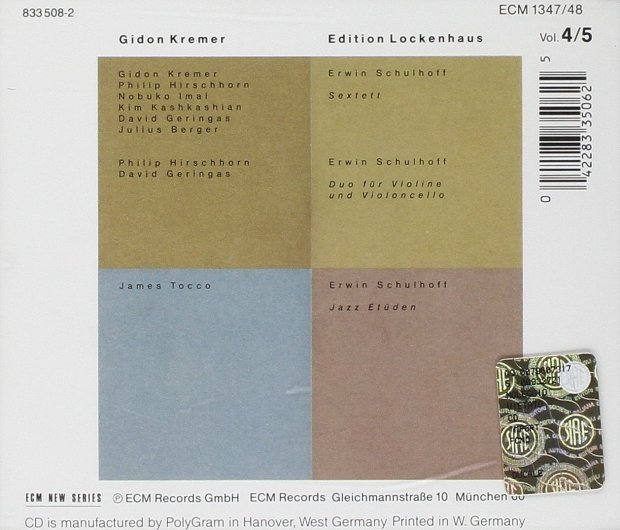
My first acquaintance with the composer and his music was thirty years ago, at the Lockenhaus chamber music festival, led by Gidon Kremer. It was mainly his string sextet, with its strong Janaček influences, that made me gasp for air. Since that day I was hooked. It took a long time, but in the meantime Schulhoff has found his way to the concert stages and recording studios. Especially the latter, because he is still too rarely programmed at concerts.

Schulhoff etersen


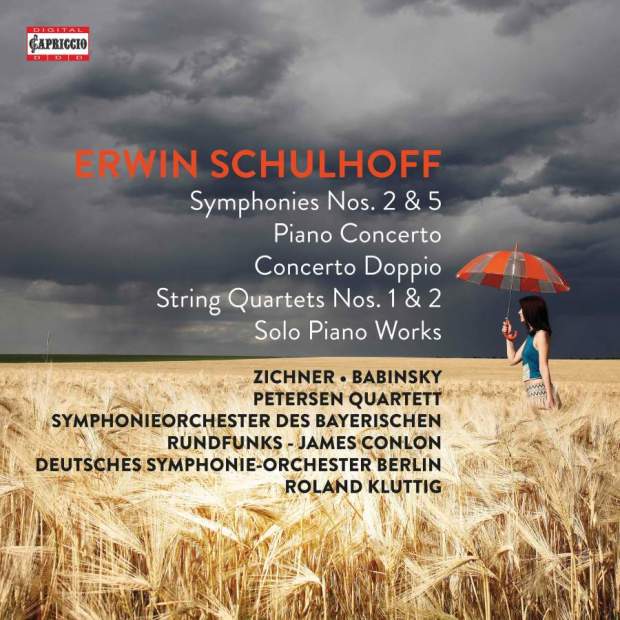
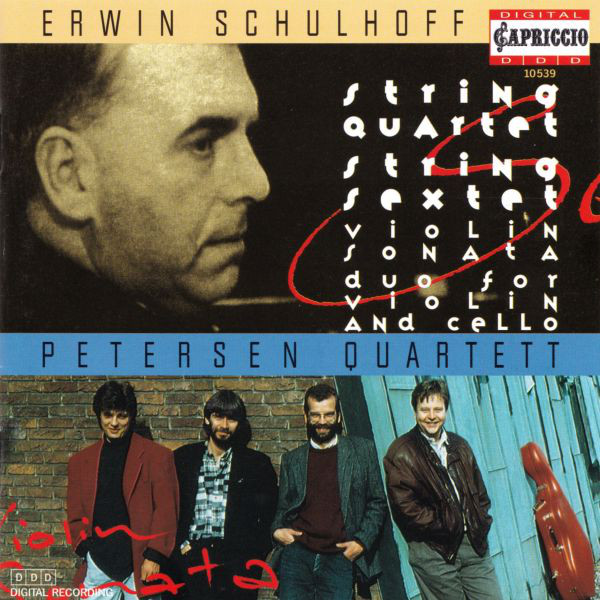
My very first record encounter with the composer was the recording of his complete string quartets by the Petersen Quartet, in 1992. To my delight, the string quartets are also in the six-CD box set recently released by the Capriccio label. These are recordings of many of his works (dear Capriccio: there is more!) made by Deutschlandfunk Kultur between 1992 and 2007. Most of these recordings have already appeared on Capriccio (but also on other, often no longer existing labels).

The 2007 recording of the Double Concerto for flute and piano, with Dutch flutist Jacques Zoon as soloist, is new to me. And it is so beautiful! Also new to me is the recording of the Second and Fifth Symphonies, in which the Symphonieorchester des Bayerischen Rundfunks is conducted by the greatest advocate of ‘entartete composers’, James Conlon.


ERWIN SCHULHOFF
Symphonies no. 2 & 5, Piano Concerto op. 34, Concerto Doppio, Concert for string quartet and winds, String quartets no. 1 & 2, String sextet, Sonata for violin solo, Duo for violin and cello, Piano sonatas no. 1 & 3, Piano works
Jacques Zoon (flute); Frank-Immo Zichner, Margarete Babinsky (piano); Petersen Quartet; Leipzicher Streichquartett; Symphonieorchester des Bayerischen Rundfunks conducted by James Conlon; Deutscher Symphonie-Orchester Berlin conducted by Roland Kluttig
Capriccio C7297

More Schulhoff:

Alma Quartet records all of Schulhoff’s string quartets. And how!

Music as ecstasy: Kathryn Stott plays Erwin Schulhoff


War… there is no word more cruel

Weinberg 18

Mieczyslaw Weinberg, or at least his music, is making an accelerated catch-up. After years of being completely ignored, his works are being programmed more and more often, and one composition after another by the great master (for that is what he undoubtedly was,) is being recorded and released on CD.

Many of his compositions are strongly influenced by his teacher and intimate friend, Dmitri Shostakovich, but never before have I perceived this influence so strongly as in his trumpet concerto composed in 1966. Of course, this is also due to the choice of instrument. Like no other, the trumpet is perfectly suited to express irony, the favourite form of expression of both composers. No wonder that Shostakovich’s Concerto for Piano, Trumpet and Strings comes to mind.

The orchestration is also ‘des Sjostakovichs’: think of his Lady Macbeth of Mstsensk. The essential difference lies in its overall refinement and in the development and solution of the main theme. Where the teacher still set his own limit, the pupil takes it a step further, into the wide world.

Part two, Episodes, strongly reminds me of Ives and in the third part, the Fanfares, Weinberg explores atonality. In doing so, he freely makes use of improvisations and free jazz.

Andrew Balio is, I think (I do not know him), one of the greatest virtuosos among trumpet players. His melancholic sound in the second movement contrasts sharply with his fantastic improvisations in the third.

The 18th symphony is, as the title suggests, nothing less than a major indictment of war. Composed in the for the Soviet Union turbulent 1980s, it does not fail to impress with its unconventional division of the movements. It starts with an adagio and it also ends with an adagio but this time with Aleksandr Tvardovsky’s poem sung pianissimo by the choir


“War – there is no word more cruel.
War – there is no word more sad.
War – there is no word more holy
In the sorrow and the glory of these years.
There is and there could not be
Any other word on our lips.”

Very impressive.

About music that was banned

The term “entartet” (degenerate) was already in use in criminology in the 19th century, it meant something like “biologically degenerate”. The Nazis made grateful use of this idea; that it was something to be wary of, a bad influence that had to be banned. Modernism, Expressionism, jazz … and Jews of course, they were degenerated from the start, they could make Aryan souls sick. They all had to be banned.

What had started as prohibition soon developed into exclusion and resulted in murder. Those who managed to flee to America or England usually survived the war, but at what cost?

Those who stayed in Europe were doomed. Many composers were deported via Theresienstadt to the concentration and extermination camps, many ended up there directly. After the war they were totally forgotten and thus murdered a second time. Those who survived were called hopelessly old-fashioned and therefore their works were not performed. The turnaround finally came in the 1990s, too late for most.


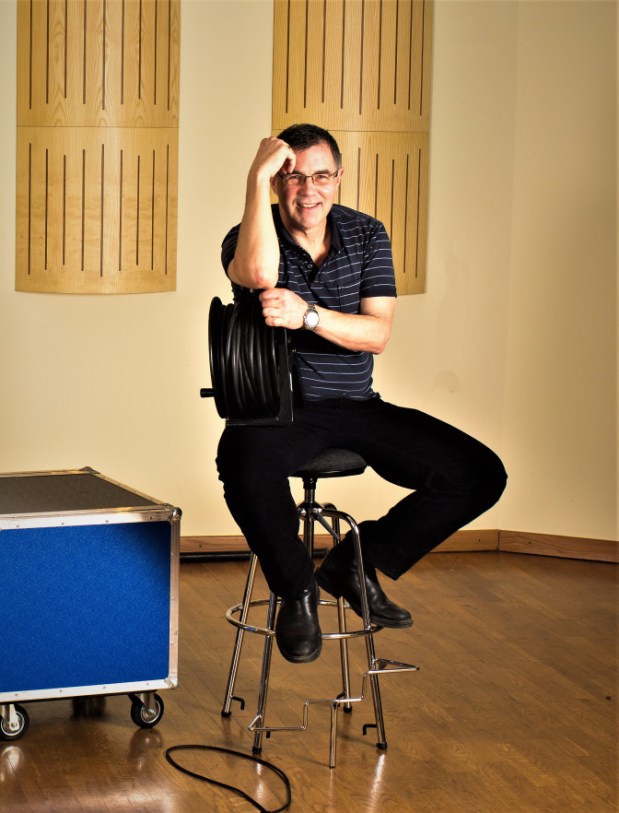
Michael Haas, then a very efficient producer for Decca, started an unsurpassed series called ‘Entartete Musik’. Unfortunately, it did not last: it did not sell. Haas was fired and most of those CDs are now out of the catalogue.


Michael Haas at Tonzauber Studios Vienna, photo Georg Burdicek


In 2004, Michael Haas was back, in Amsterdam of all places: together with Jan Zekveld and Mauricio Fernandez (respectively artistic director and head of casting of the Matinee) he put together a beautiful series for the Saturday Matinee in the Amsterdam Concertgebouw, starting with a magnificent performance of Schreker’s Die Ferne Klang.


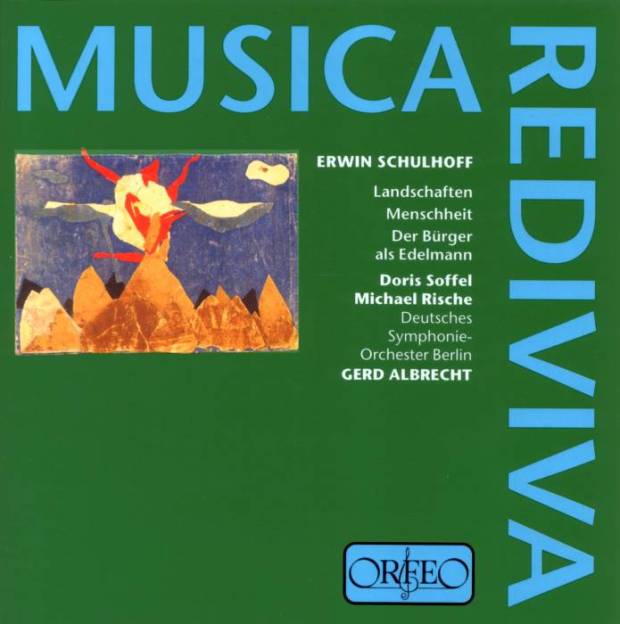
But the small German firms CPO, Cappricio and Orfeo assiduously continued to record special treasures of forgotten works. Orfeo even devoted a special series to that music, called ‘Musica Rediviva’. This included the opera Die Bakchantinen by Egon Wellesz (Orfeo C136 012H), which was also performed at the Matinee.


Schulhoff’s vocal symphonies (Orfeo C056031 A) are not to be despised either. Composed in the years 1918/19, they breathe the unadulterated atmosphere of the fin de siècle: dark and heavily melancholic they show us another Schulhoff, the romantic pur sang. The warm, dark timbre of Doris Soffel fits the melancholic melodies like a glove.


An absolute must is the DVD entitled ‘Verbotene Klange. Komponisten in Exil’ (Capriccio 93506). It is a documentary on German and Austrian composers who, as the commentator puts it, “instead of being revered, were despised”. And who, thanks to emigration, survived. With interviews with, among others, Ernst Krenek and Berthold Goldschmidt: the latter we meet at the very first recording (after 50 years!) of his string quartets. And the almost centenarian Krenek says something that could be called typical for that generation: “I am caught between continents. In America I don’t really feel ‘heimisch’, but I would never consider going back to Europe. There is no home for me anywhere. Not anymore.

Over muziek die verboden werd

De term ‘entartet’ (ontaard) werd al in de negentiende eeuw gebruikt in de criminologie, het betekende zoiets als ‘biologisch gedegenereerd’. Daar hebben de nazi’s dankbaar gebruik van gemaakt, want daar moest men voor oppassen, daar ging een slechte invloed van af, dat moest verboden worden. Modernisme, expressionisme, jazz … en Joden natuurlijk, die waren bij voorbaat al gedegenereerd, daar konden Arische zieltjes ziek van worden.

Wat als verbod was begonnen ontwikkelde zich algauw tot uitsluiting, en resulteerde in moord. Degenen die het gelukt was om naar Amerika of Engeland te vluchten, hebben de oorlog meestal overleefd, maar tot welke prijs?

Wie in Europa was gebleven werd gedoemd. Vele componisten werden via Theresienstadt naar de concentratie- en vernietigingskampen gedeporteerd, velen belandden daar rechtstreeks. Na de oorlog werden ze totaal vergeten en zo voor de tweede keer vermoord. Wie het overleefde werd voor hopeloos ouderwets uitgemaakt en dus niet gespeeld. De kentering kwam pas in de jaren negentig, voor de meesten te laat.

Michael Haas, een toen zeer verdienstelijke producer van Decca, startte een onvolprezen serie de ‘Entartete Musik’ op. Helaas, lang heeft het niet geduurd: het verkocht niet. Haas werd ontslagen en de meeste van die cd’s zijn inmiddels uit de catalogus.


Michael Haas at Tonzauber Studios Vienna, photo Georg Burdicek

In 2004 was Michael Haas terug, in Amsterdam nota bene: samen met Jan Zekveld en Mauricio Fernandez (resp. artistiek leider en hoofd casting van de Matinee) heeft hij prachtige series voor de ZaterdagMatinee in het Amsterdamse Concertgebouw samengesteld, die met een schitterende uitvoering van Die Ferne Klang van Schreker was aangevangen.

Maar de kleine Duitse firma’s CPO, Cappricio en Orfeo gingen onvermijdelijk door met het opnemen van bijzondere schatten aan vergeten werken. Orfeo heeft zelfs een speciale serie aan die muziek gewijd, genaamd ‘Musica Rediviva’. Met o.a. de opera Die Bakchantinen van Egon Wellesz (Orfeo C136 012H), die ook tijdens de Matinee werd uitgevoerd.

Ook de Vocale symfonieën van Schulhoff (Orfeo C056031 A) zijn niet te versmaden. Gecomponeerd in de jaren 1918/19 ademen ze onvervalste sfeer van het fin de siècle: donker en zwaar melancholisch tonen ons een andere Schulhoff, de romanticus pur sang. Het warme, donkere timbre van Doris Soffel past de zwaarmoedige melodieën als een handschoen.


Als een absolute must beschouw ik de DVD getiteld ‘Verbotene Klange. Komponisten in Exil’ (Capriccio 93506). Het betreft een documentaire over de Duitse en Oostenrijkse componisten, die, zoals de commentator het zegt “in plaats van vereerd te zijn, veracht werden”. En die, dankzij de emigratie, in leven zijn gebleven. Met interviews met o.a. Ernst Krenek en Berthold Goldschmidt: de laatste maken we mee bij de allereerste opname (na 50 jaar!) van zijn strijkkwartetten. De bijna honderdjarige Krenek zegt iets, wat je typerend voor die generatie zal kunnen noemen: “Ik zit gevangen tussen de continenten. In Amerika voel ik me niet ‘heimisch’, maar ik pieker er niet over om terug naar Europa te gaan. Nergens ben ik meer thuis”.