Leonard Bernstein with Felicia Cohn Montealegre at their wedding on Sept. 9, 1951. Bernstein’s suit had previously belonged to Serge Koussevitzky. (Courtesy Music Division/Library of Congress
During his honeymoon in 1951 Bernstein started composing his first opera, Trouble in Tahiti. He wrote not only the music, but also the libretto, which, according to his biographer Humphrey Burton, was highly autobiographical and based on his parents’ marriage. Bernstein himself described it as a “light work, inspired by popular songs” and dedicated the piece to his good friend Marc Blitzstein, who had taught him the basics of musical theatre.
Bernstein with composer and friend Marc Blitzstein. Photographer unidentified. (Music Division)
The work may be light, but it is certainly not light-hearted. Consider it a satirical caricature of the life of an average American couple in the suburbs in the 1950s. To the outside world, they appear to be a happy couple, but in reality they are deeply unhappy, both with each other and with the life they lead, despite achieving prosperity.
The opera begins with – and is commented on by – a vocal trio singing about the idyllic life of the American middle class. A kind of contemporary Greek chorus that is reminiscent of the Andrews Sisters, or the radio commercials of that era.
British director Tom Cairns filmed the opera for television in 2001 in the style so characteristic for the 1950s comedies starring Doris Day.
Karl Daymond is not to be dismissed as a vocally and scenically inimitable Sam, and Stefanie Novacek is a more than convincing Dinah.
Tom Randle, Toby Stafford-Allen and Mary Hegarty (the Greek chorus) sing and act at the highest possible level.
In 1991, Hyperion launched a new, exceptionally enjoyable, project, the Romantic Piano Concerto.
The series opened with a recording of Moszkowski’s piano concerto, which was, in those days, considered to be his only piano concerto.
At the time, no one knew that another, earlier concerto existed; it was only discovered in 2008.
Is it any good? Yes and no. It’s actually a bit of fluff, but how beautiful it is! Really something to listen to with your eyes closed, preferably in the garden in the sun (in front of the burning stove in winter is also fine), your mind switched off and… sweet dreams will come.
With its almost 54 minutes, the concerto is quite long and part four, allegro sostenuto, should really have been left out, but hey… sometimes it’s nice not to have to think and just surrender to pure romance.
Very little is known about Adolf Schulz-Ever; even his name is spelled in different ways. The Pole, who was a student of Stanislaw Moniuszko, must have been an extraordinary piano virtuoso, because his eleven-minute work really needs a master pianist. But also one who just knows how to tease out the famous “Russian soul” (the work is not called Russian Rhapsody for nothing!) and how to fill it with unabashed longing.
The Bulgarian Ludmil Angelov can do that. Together with the BBC Scottish Symphony Orchestra conducted by Vladimir Kiradjiev, he makes my heart beat a little faster.
Thank you, Hyperion. I will cherish this CD as a beautiful memory.
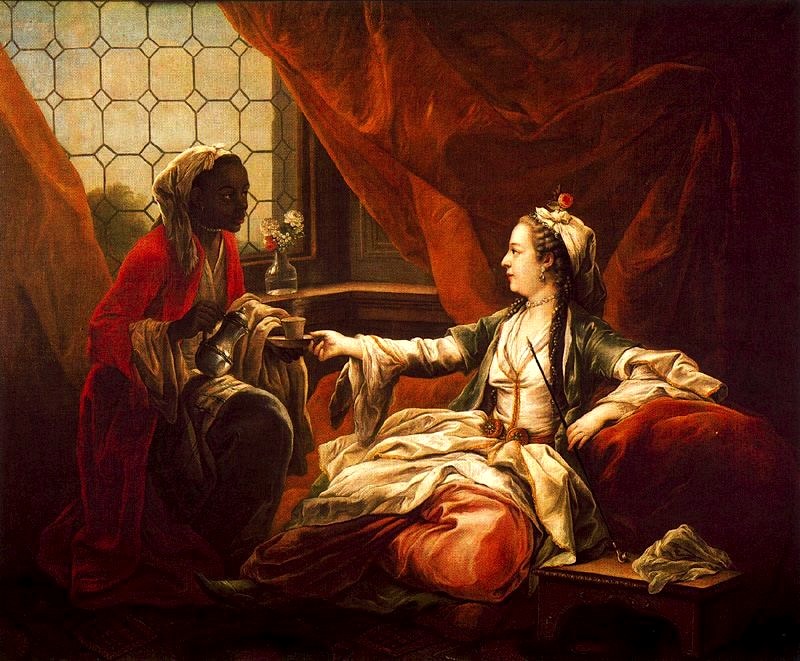
The Orient! What did we know about it in those far gone days? It was exotic, adventurous and exciting. All the men there were macho, super attractive and potent. And they smoked opium. All the women were beautiful, graceful, mysterious and seductive. It smelled of amber and wild jasmine….
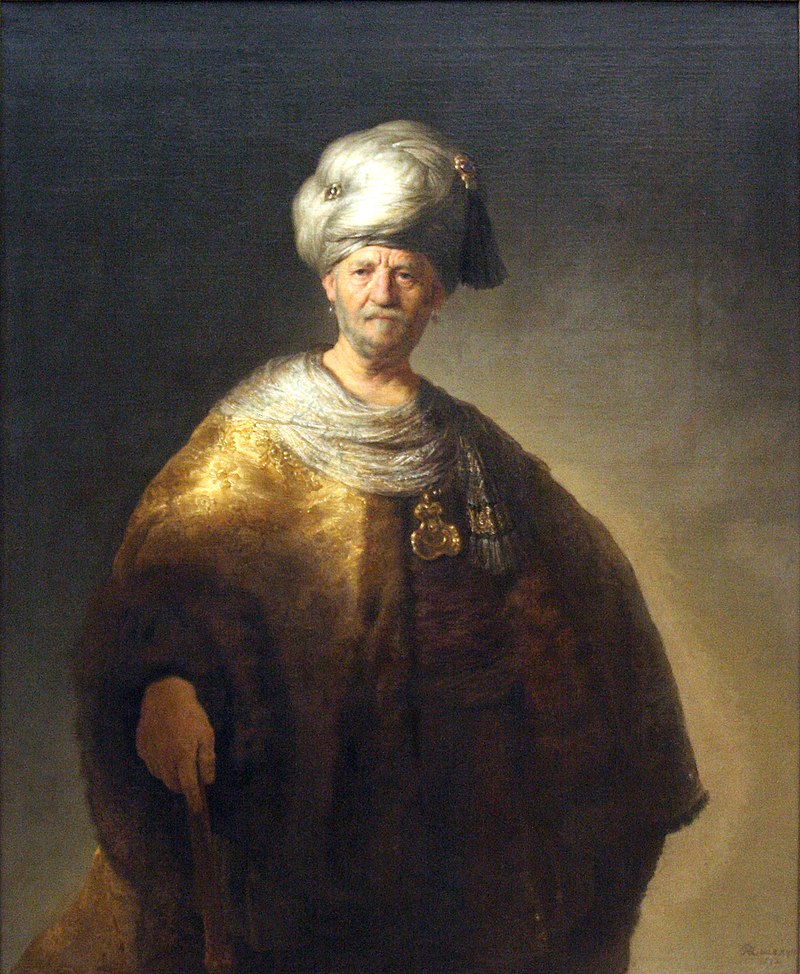
Man In Oriental Costume (“The Noble Slav”), oil on canvas, by Rembrandt, 1632. A significant example of European emulation of Ottoman dress for the purpose of portraying a dignified, elite appearance.
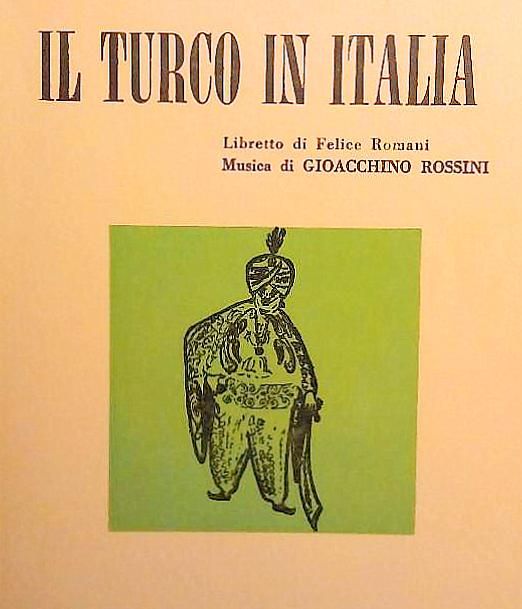
It was so incredibly far away and unknown – no wonder we were enchanted by it. No wonder, too, that our dreams sometimes ran wild. But the dreams turned out to be good for something, because they gave us the most beautiful works of art, including operas. Rossini’s Il Turco in Italia is one of them.
Believe it or not (believe it!), Turco is very similar to Mozart’s Cosi van tutte. Even the music is often reminiscent of it. The story: a Don Alfonso-like poet without inspiration, a kind of evil genius really, devises an intrigue in which he then manipulates all the characters as if they were puppets, so that everyone ends up with (almost) everyone else, but in the end everything does turn out well. Or not. In any case, our Prosdocimo tells a wonderful story.
I wonder what the ideal Fiorilla should sound like. On the recordings known by me, she is sung by all voice types: from a super light coloratura soprano to a dark coloratura mezzo with chest tones. Somehow, none of the ladies really appeal to me, not even Maria Callas, although she comes close to what I would like to hear in this role.
DVD’S
Zurich, 2002
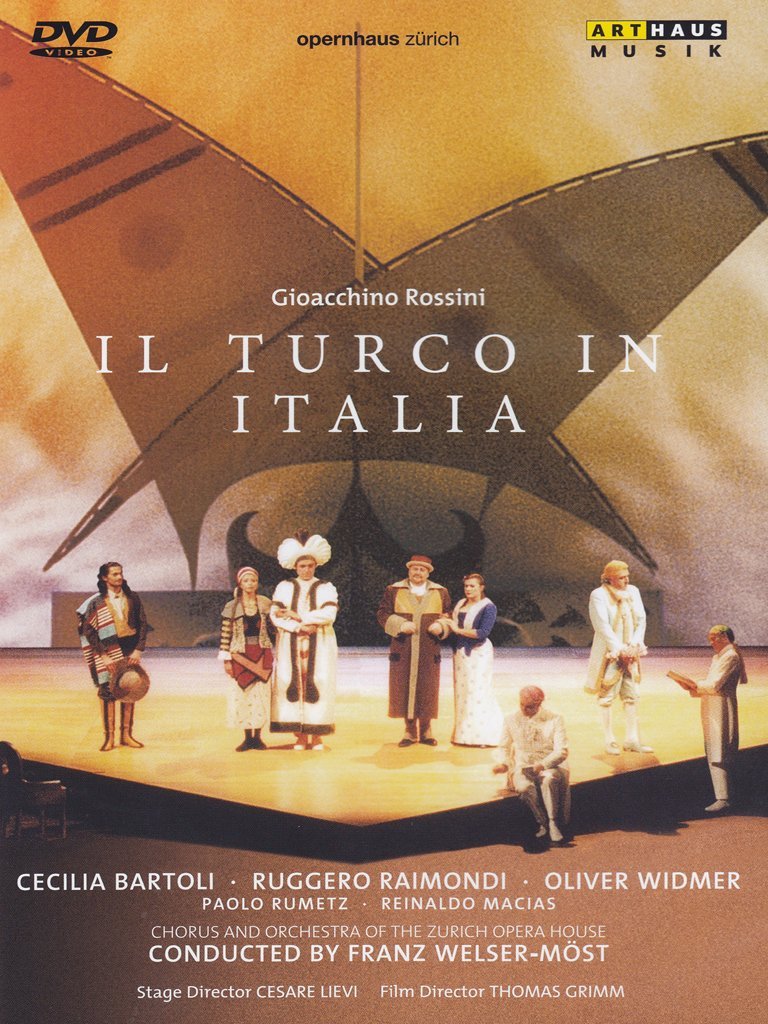
In 2002, Il Turco was staged in Zurich. The lead role was played by an old hand, Ruggiero Raimondi. His Selim is undoubtedly exciting and erotic, and he compensates for the wear and tear of his voice with overwhelming acting and tremendous charisma.
Oliver Widmer is in fine form as the cynical poet Prosdocimo, and Paolo Rumetz plays a delightfully dim-witted Geronio. The problem is Cecilia Bartoli. (Please don’t hit me, it’s just my opinion!) She is undoubtedly a virtuoso, but I find her mannerisms very irritating and her dark timbre completely unsuitable for the role.
The whole thing is cheerful, with bright colours and crazy costumes: the gypsies look like a combination of Volendam people and Peruvians (Arthaus Musik 100 369).
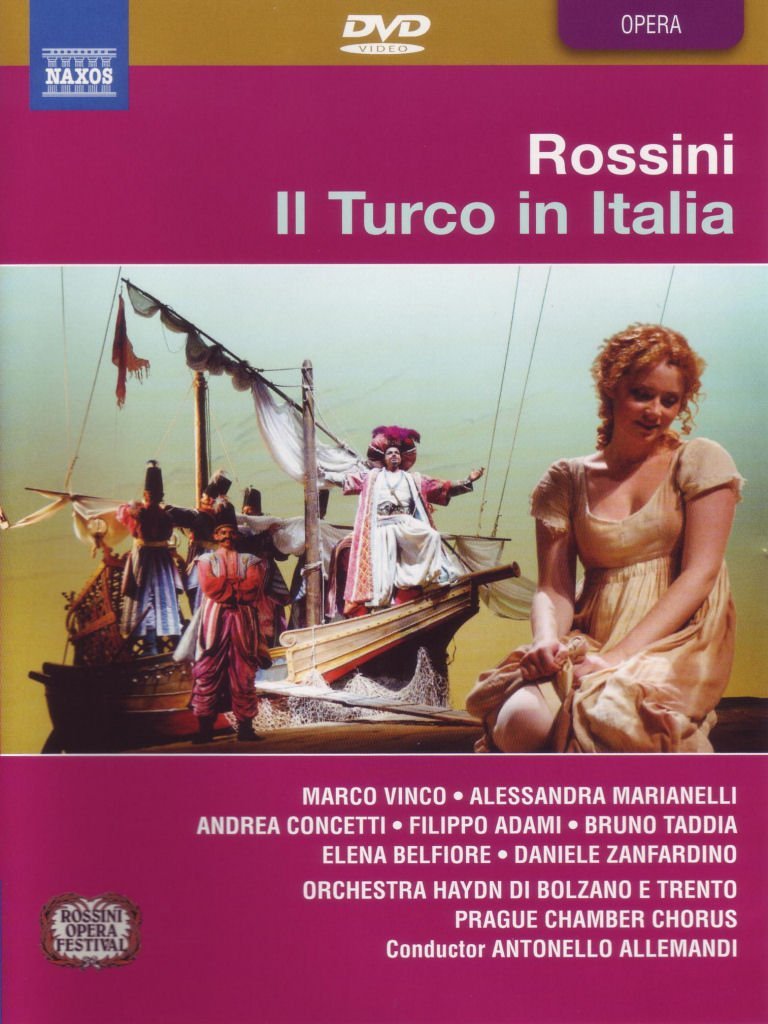
Pesaro 2007
In Pesaro in 2007, a very naturalistic-looking Turco was recorded, with only young, unknown singers in the leading roles. The fact that they, with the possible exception of Marco Vinco (Selim), have remained unknown, does not say everything, but it does say a lot.
Nevertheless, there is much to enjoy. The characters are wonderfully recognisable, the colours are beautiful and the action follows the libretto closely. Definitely enjoyable! (Naxos 2.110259)
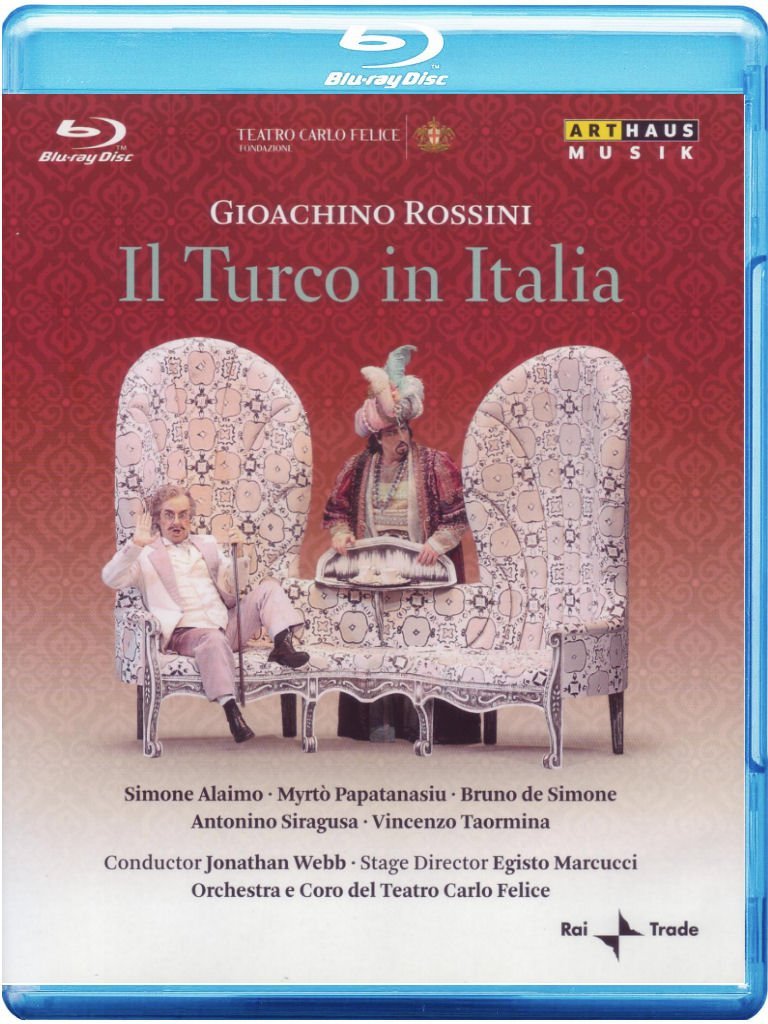
Genoa, 2009
One of the newer recordings on DVD is from 2009 at the Teatro Carlo Felice in Genoa. Well, new… the production is more than 40 years old and was first seen in 1983.
That’s okay, because it’s still very entertaining, although I must admit that I sometimes feel a little dizzy from everything that’s happening on the stage: acrobats, fire-eaters, ballerinas, Arlecchinos and so on. Commedia dell’Arte at its best.
Myrtò Papatanasiu is a beautiful Fiorilla and Simone Alaimo a delightful Selim, although I think he is performing slightly below his usual high standard. Antonino Siragusa is also a tiny bit disappointing as Narciso (Arthaus Musik 101 39).
CD’s
Milan, 1954
.
Maria Callas sang the role of Fiorilla in Rome in 1950 and four years later recorded it in the studio with La Scala in Milan. Gianandrea Gavazzeni conducted an “all-star cast” – most of the names make our mouths water today. But, apart from the fact that they were all truly fantastic, we have to ask ourselves whether it still sounds adequate to our ears.
Yes, Nicola Rossi-Lemeni would still be able to do it today, but the rest, including La Divina? With her, I often get the feeling that I am in the wrong opera and that I’m really listening to Anna Bolena. (Warner 0825646340880)
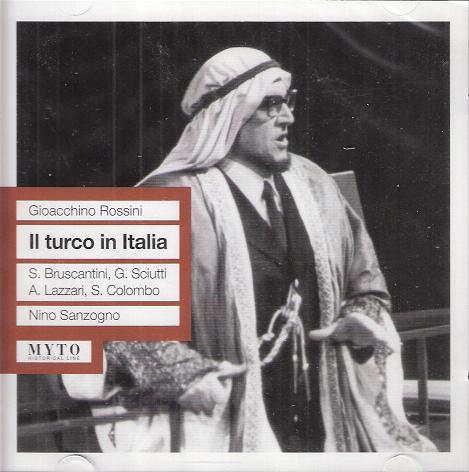
Milan, 1958
I absolutely cannot ignore Sesto Bruscantini who is a truly irresistible Selim. Scipio Colombo is delightful as the (in his interpretation) comic villain Prosdocino, and as Donna Fiorilla we hear one of the most delightful light sopranos of the time: Graziella Sciutti. A little soubrette-like, but so agile, and with such a wonderful timbre! The rest of the voices are good, but not exceptional, but Nino Sanzogno’s conducting – light and sparkling – does the opera justice. The live recording from 1958 (Milan) is rather dull. Nevertheless, it is a special document of a time that is now truly gone (Myto 00193).
Sesto Bruscantini and Graziella Sciutti in “Credete alle femmine”:
The good news: the overture is played with the curtain closed! The overture is the best-known piece of the entire opera, so it goes without saying that it is given plenty of space. Otherwise, Béatrice et Bénédict is not exactly what you would call a box office hit. No wonder: the opera is not particularly exciting, which is partly due to the endless stretches of spoken text.
The story (Berlioz himself wrote the libretto based on Shakespeare’s Much Ado About Nothing) is insignificant, but the music is at times enchantingly beautiful.
The 2016 Glyndebourne production is very disappointing to me. Laurent Pelly is one of my favourite opera directors, but he has overreached himself here. He has taken the main characters’ “thinking outside the box ” too literally, and the end result is as dull and grey as the colours of the sets, the costumes and even the singers’ make-up.
Fortunately, the singers are all excellent. In her first aria, “Je vais le voir”, Sophie Karthäuser (Héro) still sounds a little heavy, but her duet with the excellent Katarina Bradic (Ursule), “Nuit paisible et sereine!”, sounds just as it should, like a real gem.
Stephanie D’Oustrac is a fantastic Béatrice, and the sexual attraction between her and Paul Appleby (Bénédict) is palpable from the start.
But it is the young baritone Philippe Sly who really steals the show as the gangly Claudio.
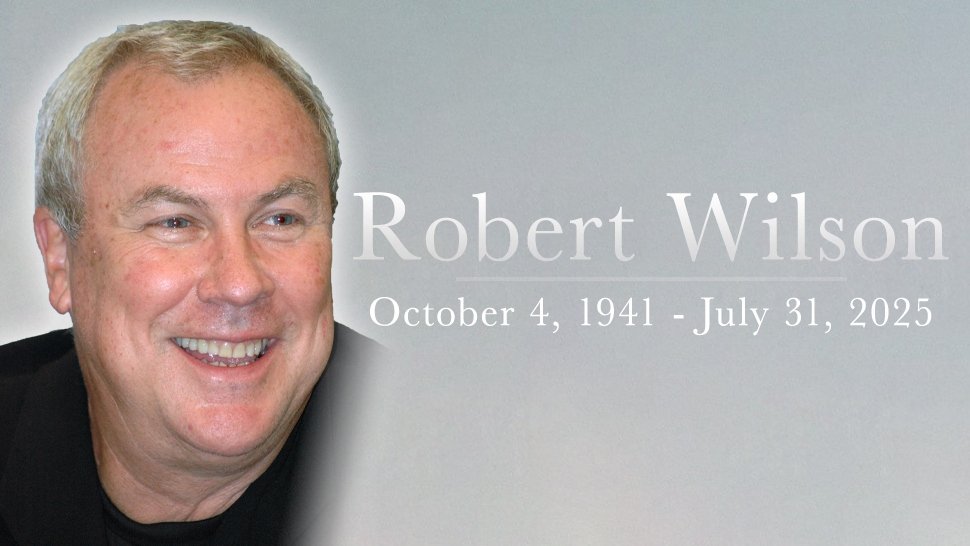
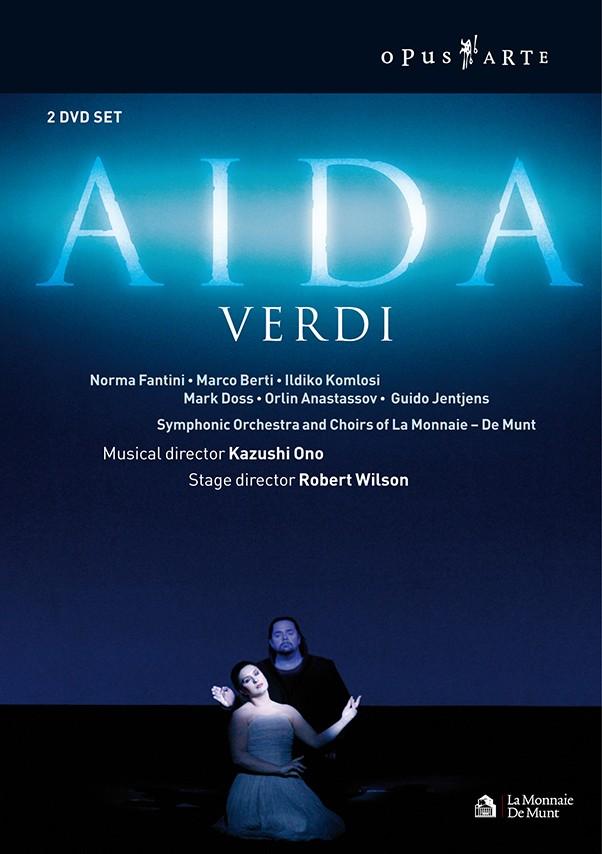
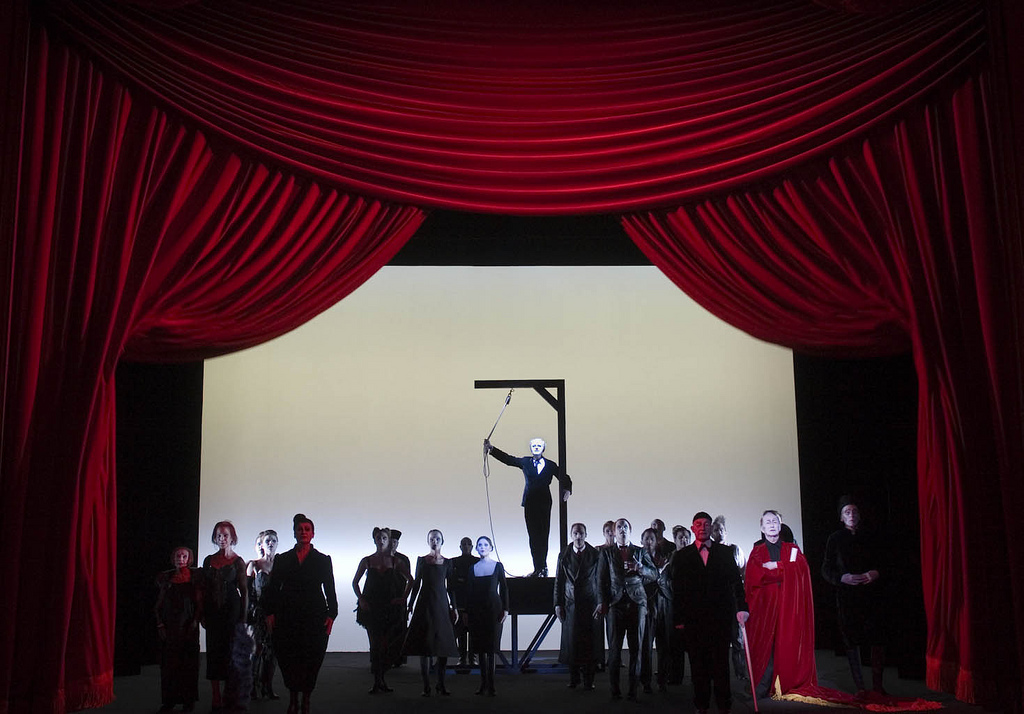
Don’t expect any elephants in this Aida from Brussels. Also, no big mass scenes and – mainly – don’t expect emotions. With Robert Wilson, everything has to be minimalist and aesthetically pleasing, which undeniably makes for nice pictures but it makes for a very large discrepancy with the music. The singers move very slowly, almost in slow motion, and their (sparse) gestures are stylised after ancient Egyptian drawings.
No one touches anyone and no one is even looking at anyone else. All the characters are mainly preoccupied with themselves and their own suffering, which, according to the director, may be the key to the drama. For me it is too far-fetched.
The staging is dominated by the colours black and blue, there are hardly any sets and/or props. Deadly dull.
The truly amazing singers seem to be trapped in a straitjacket of emotionless acting, although Ildiko Komosi (Amneris) occasionally manages to sneak in a gesture. Together with Norma Fantini (Aida), she provides most of the tension and emotion, and their duet in the first act is a vocal highlight.
Marco Berti is an excellent Radames with beautiful high notes and a touch of “Pavarotti” in his timbre, and the rest of the cast is also first-rate. Kazushi Ono conducts calmly, with great attention to detail.
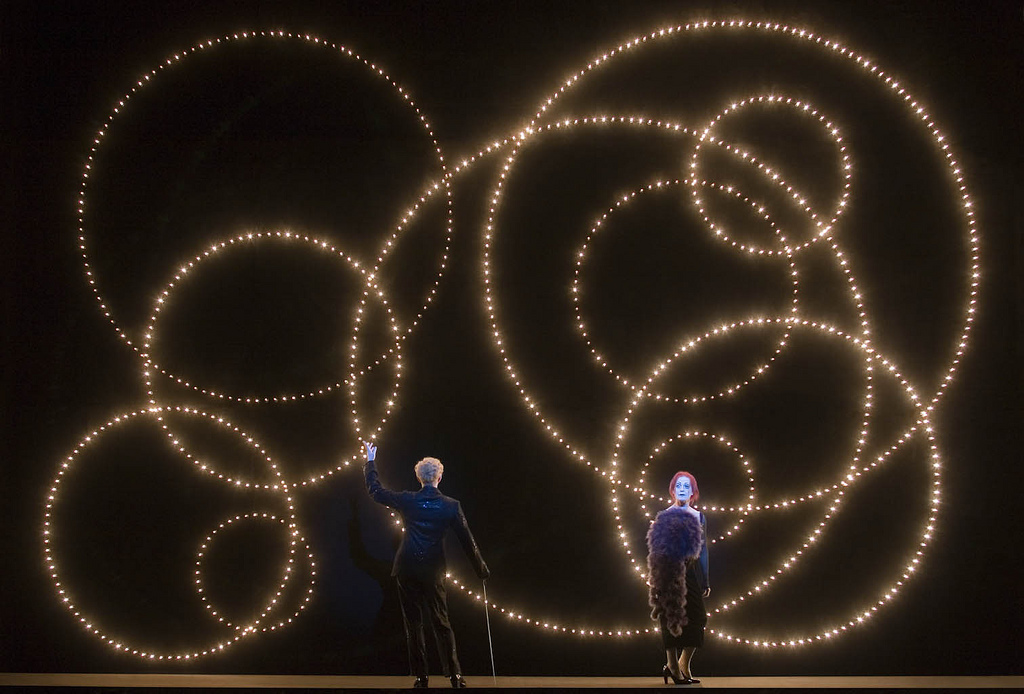
Returning to the director: Robert Wilson seems to repeat himself over and over again. If you have seen one of his productions, you have seen them all. Almost..
But then……
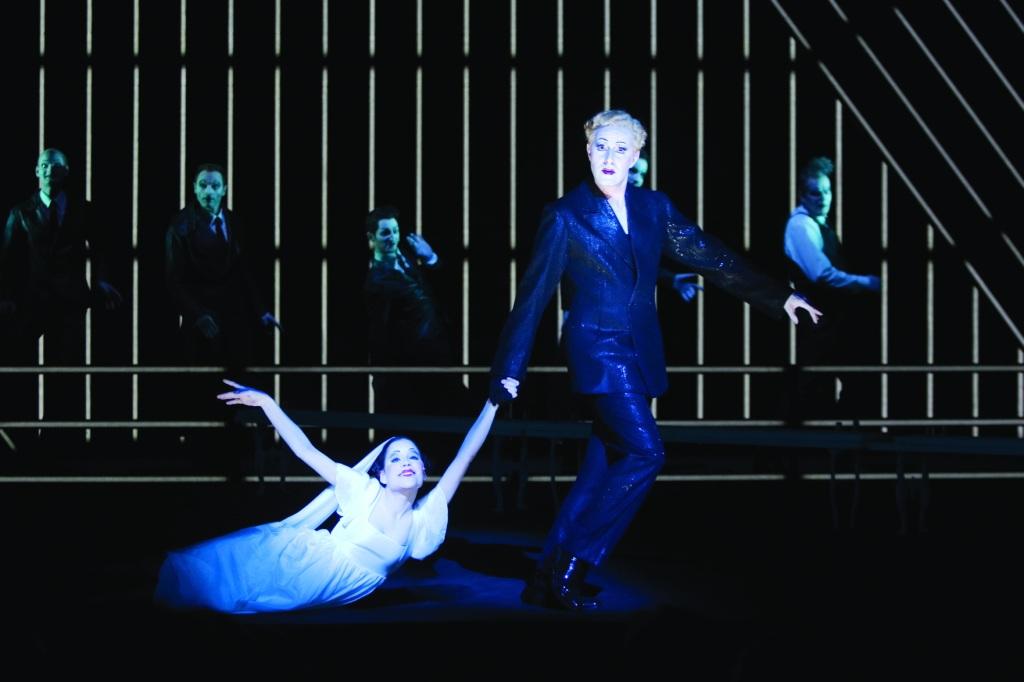
Nothing less than phenomenal: Die Dreigroschen in Amsterdam 2009
At the end of April 2009, the renowned Berliner Ensemble visited Amsterdam. They brought with them Die Dreigroschenoper, in the magnificent staging Robert Wilson had given to the company two years earlier. Worth knowing: the Berliner Ensemble is based in the Theater am Schiffbauerdam where the work was premiered in 1928.
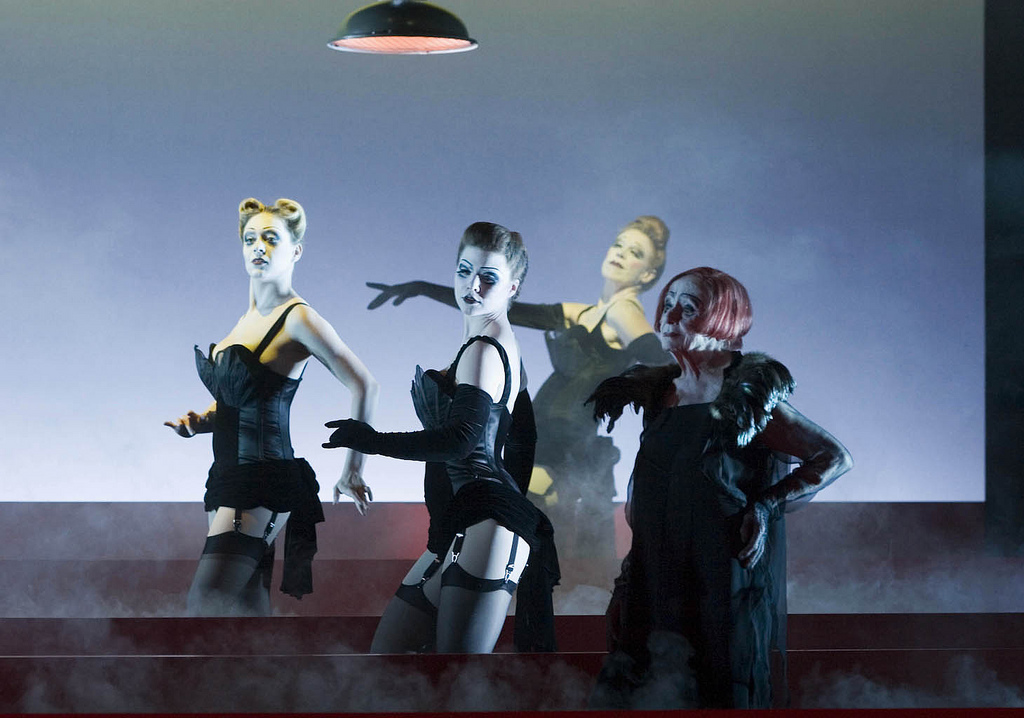
All four performances at the Muziektheater were sold out and audiences responded with frenzied enthusiasm. Perfectly justified because everything was just great. The production, the direction, the lighting, the costumes, the movements…. And the performance, of course, because isn’t that why we go to the music theatre?
The performance was very cabaret-like, in the good sense of the word. It was grotesque and vaudeville-like with lots of slapstick, (film) quotes and whatnot without it becoming a complete farce. Occasionally I was reminded of Otto Dix.
In a word: breathtaking. And of course it was a treat to be able to hear all those well-known and still oh-so-current songs again, but now as part of a whole.
The performance did take a long time (yes folks, it was not only Wagner who took his time), over three hours, but then also you got a lot. For a start, the complete dialogues.
Stefan Kurt was a formidable, androgynous dandy Macheath and Angela Winkler a very moving Jenny. Also great were Jürgen Holtz as J.J. Peachum and Axel Werner as Tiger Brown, and Christina Drechsler was a terrific Polly.
Curious man, that Henze. Once flirting with communism and dreaming of a world revolution, he was also an aesthete and an erudite which – in part – made him decide to bid farewell to Germany and move to Italy in 1953.
His music has always been highly theatrical: he never liked the strict rules of serialism and felt a close connection with opera, which, unlike the hardliners of the avant-garde at the time, he had never labelled as obsolete. His discography therefore lists more than 20 musical theatre works, performed with great regularity.
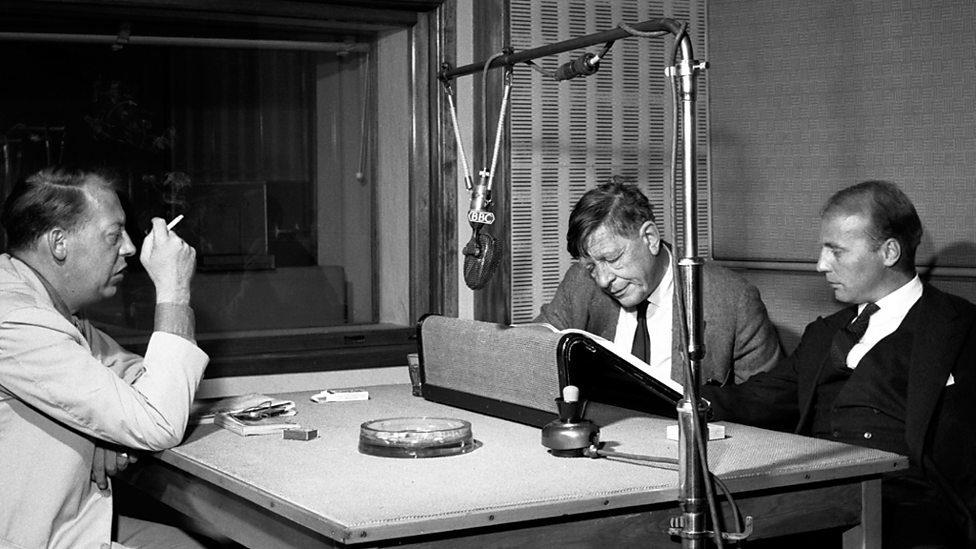
L-R: Chester Kallman, W. H. Auden and Hans Werner Henze
Die Bassariden is among Henze’s finest and most important compositions. The English Language libretto, after ‘The Bacchantes’ by Eurypides, was written by W.H.Auden (does anyone remember the ‘Funeral Blues’ from Four Weddings and a Funeral?) and Charles Kallman.
It became a massive, through-composed score, anchored in the Wagnerian tradition (it is whispered that the librettists insisted that Henze, before turning to composing, study the ‘Götterdammerung’) and constructed as a four-movement symphony with voices.
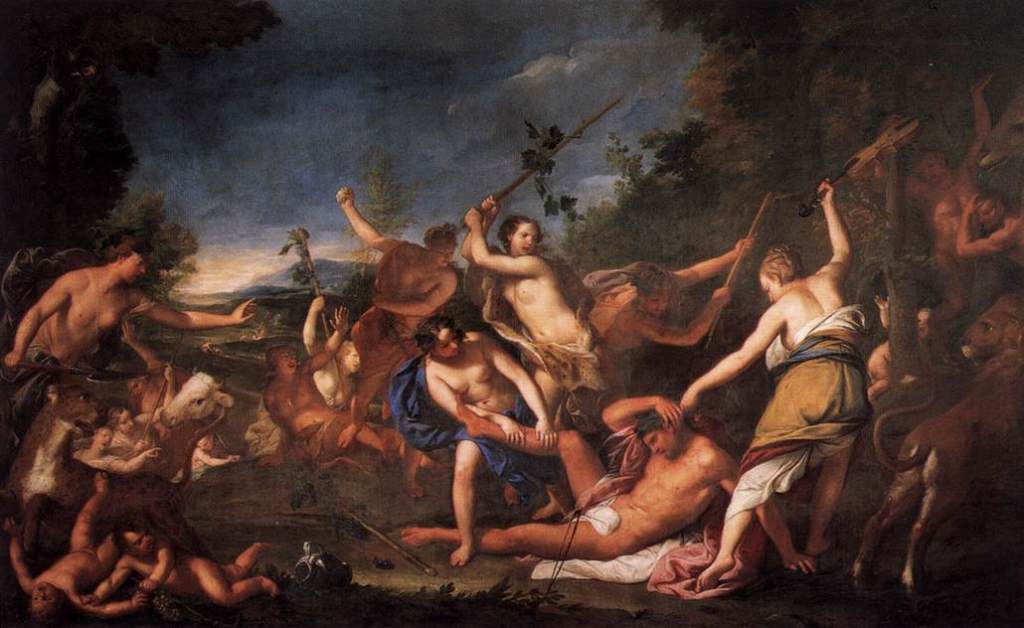
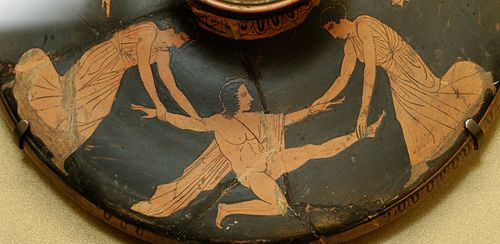
Pentheus being torn apart by Agave and Ino, Attic red-figure vase painting, c. 450-425 BC
The story of King Pentheus, who, by wanting to banish all sensuality, comes into conflict with Dionysus and his adepts and is ultimately torn apart by his own mother, serves as a metaphor for the conflict between Eros and Ratio.
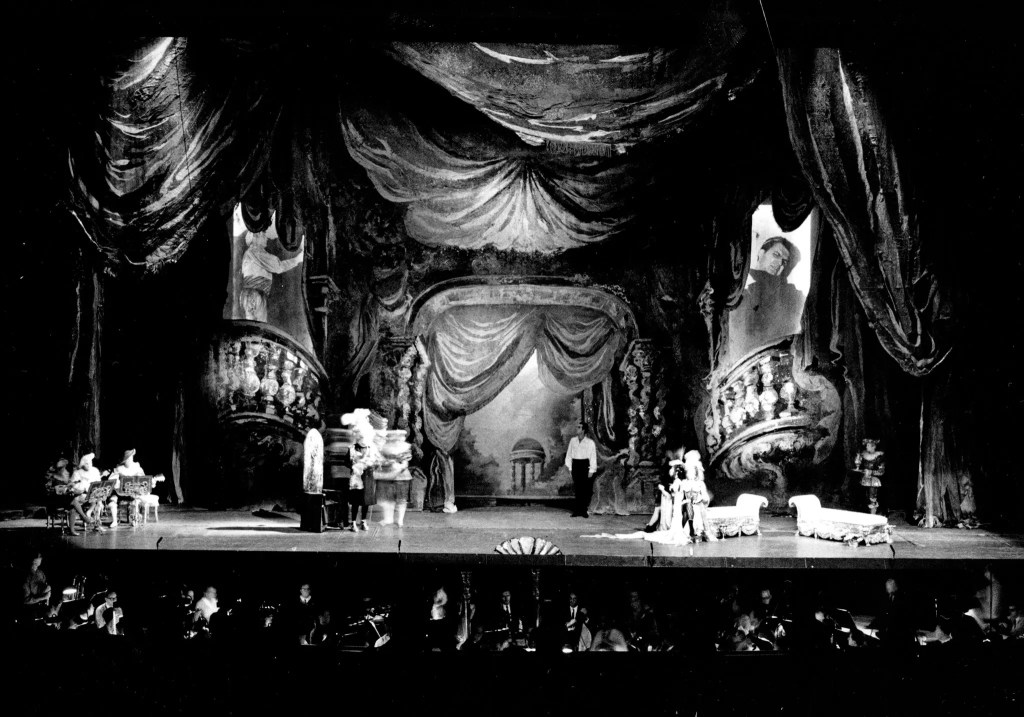
The opera premiered (in the German translation) at the Salzburg Festival in August 1966. It became a huge success, even prompting one of the reviewers to cry that Richard Strauss had finally got a successor. Henze laughingly and rightly dismissed this with a simple “where are the man’s ears?!”
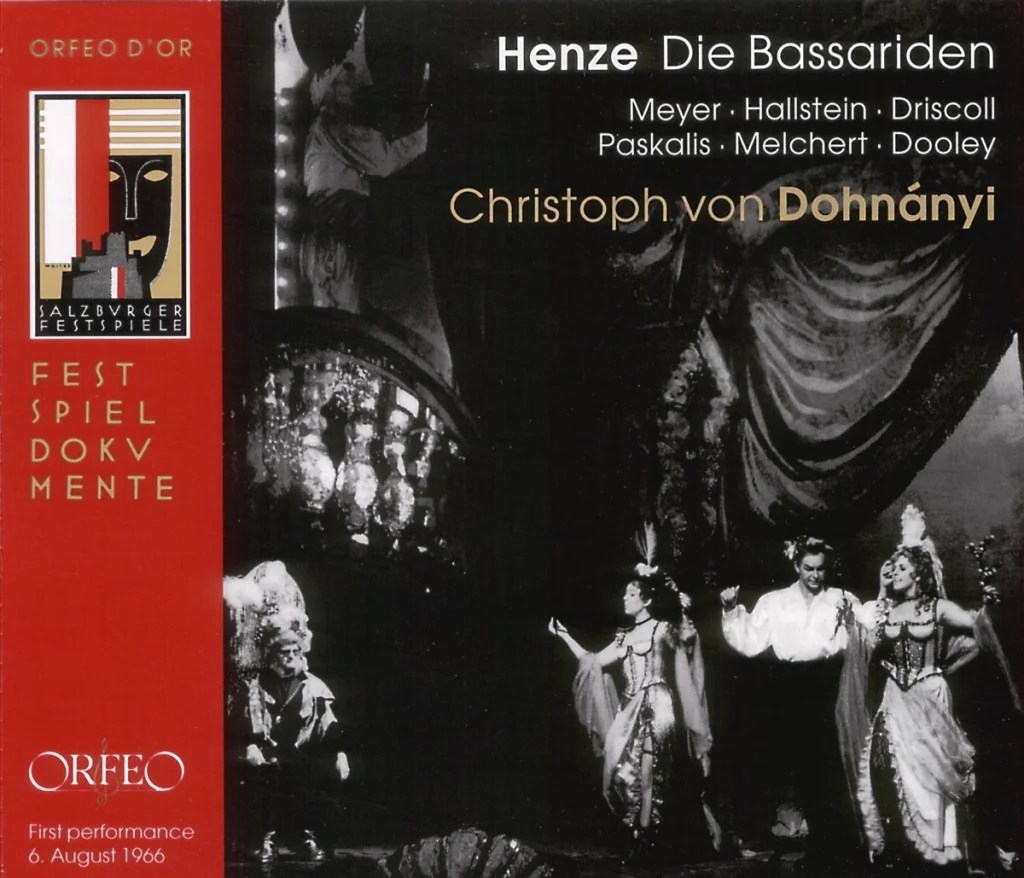
A few years ago, the live-recorded premiere performance (in German translation) was released by Orfeo (C 605 032 1). The highly emotional playing of the Wiener Philharmoniker, under the inspired direction of Christoph von Dohnányi, reaches unprecedented heights.
Kostas Paskalis is very credible in his role of Pentheus and Kerstin Meyer moves as Agave.It’s just a pity no libretto was included, after all, it’s not everyday fare.
[Editorial: A later performance of the English Language version was released on the Musica Mundi label, conducted by Gerd Albrecht, but this revised edition omits the interlude]
Das Urteil der Kalliope, interlude from Die Bassariden :
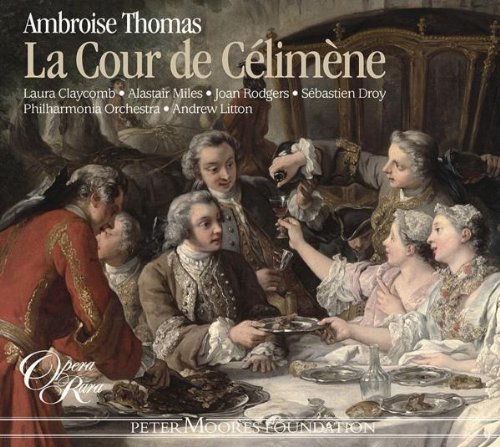
Ever heard of La Cour de Célimène by Ambroise Thomas? No, neither have I. Such a pity because that opera really is not to be sneezed at! It is a delightful, erotically tinged comedy in which a young, wealthy widow pits no less than fourteen (!) of her admirers against each other to eventually enter into a marriage of convenience with an old commander.
In between, we also get a duel, as Célimènes latest recruit, the Chevallier (brilliant Sébastien Droy) is hot-tempered, but it all works out and in exchange for a comfortable life in her manor, the commander is only too willing to accept all his wife’s lovers.
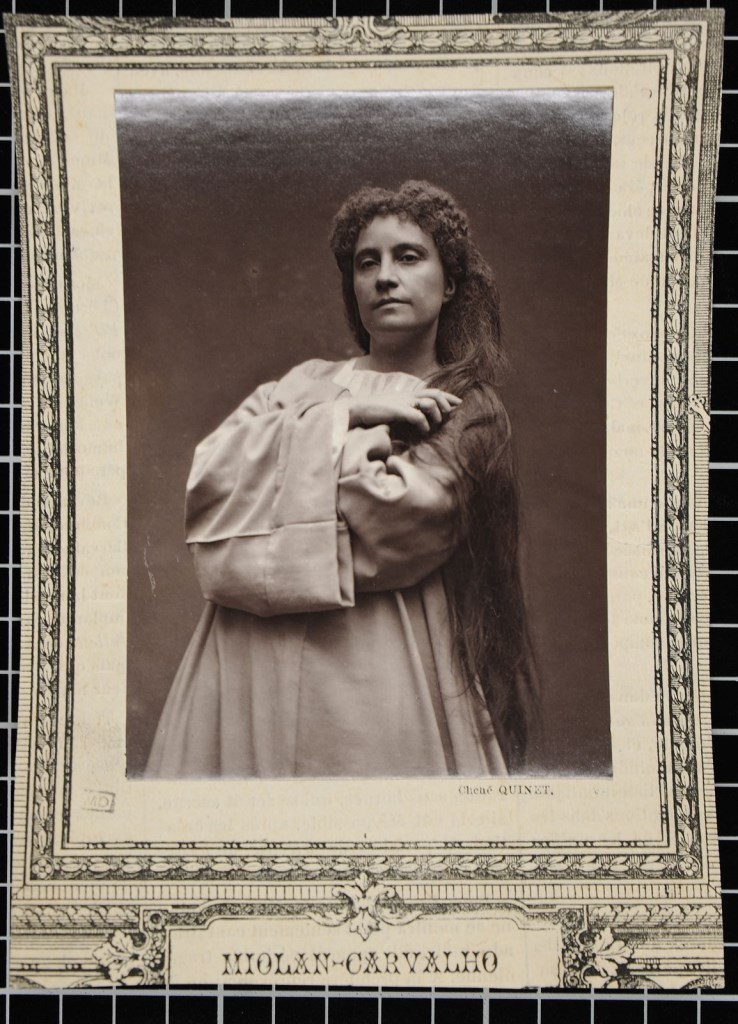
La Comtesse (a role written for the legendary colouratura soprano, Marie Miolan-Carvalho) is beautifully sung by a very virtuoso Laura Claycomb. Joan Rodgers counters her as her more serious sister and Alastair Miles is truly delightful as the Commander.
It’s entertainment of the highest order and the sparkling music is wonderful. What a treat! (ORC 37)



 Basia con fuoco