Tulio_Serafin

Tutto nel mondo è burla… tutti gabbati…. Falstaff!

“Tutto nel mondo è burla… tutti gabbati!” Or in other words, “Everything in the world is a joke… we are all deceived.” It’s a bit of a tile saying, but old Verdi and his librettist Boito knew very well what they were doing.

In Falstaff, they show a world where everyone cheats everyone else. But that’s the way it is; we just have to accept it. So let’s laugh about it… This is how one of the best operas ever ends: with a smile and a big wink.

HERBERT VON KARAJAN
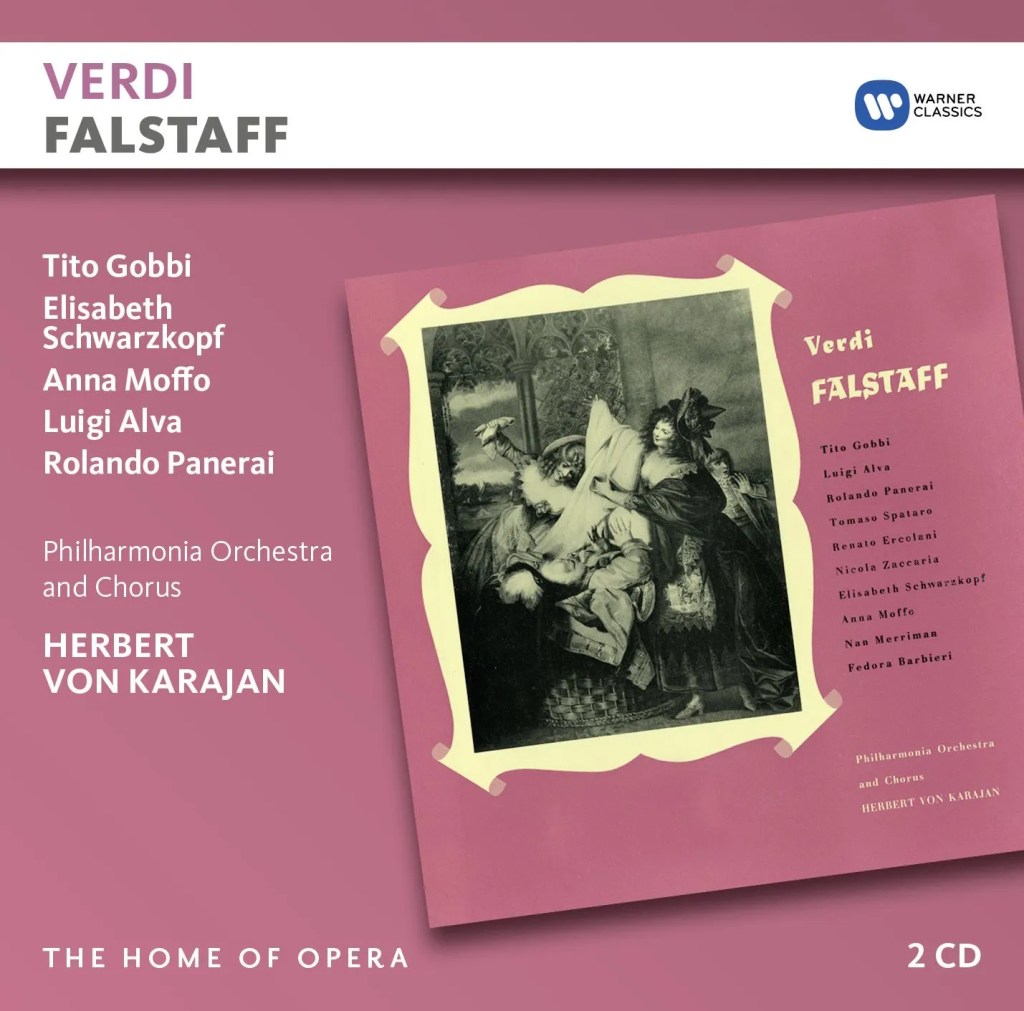


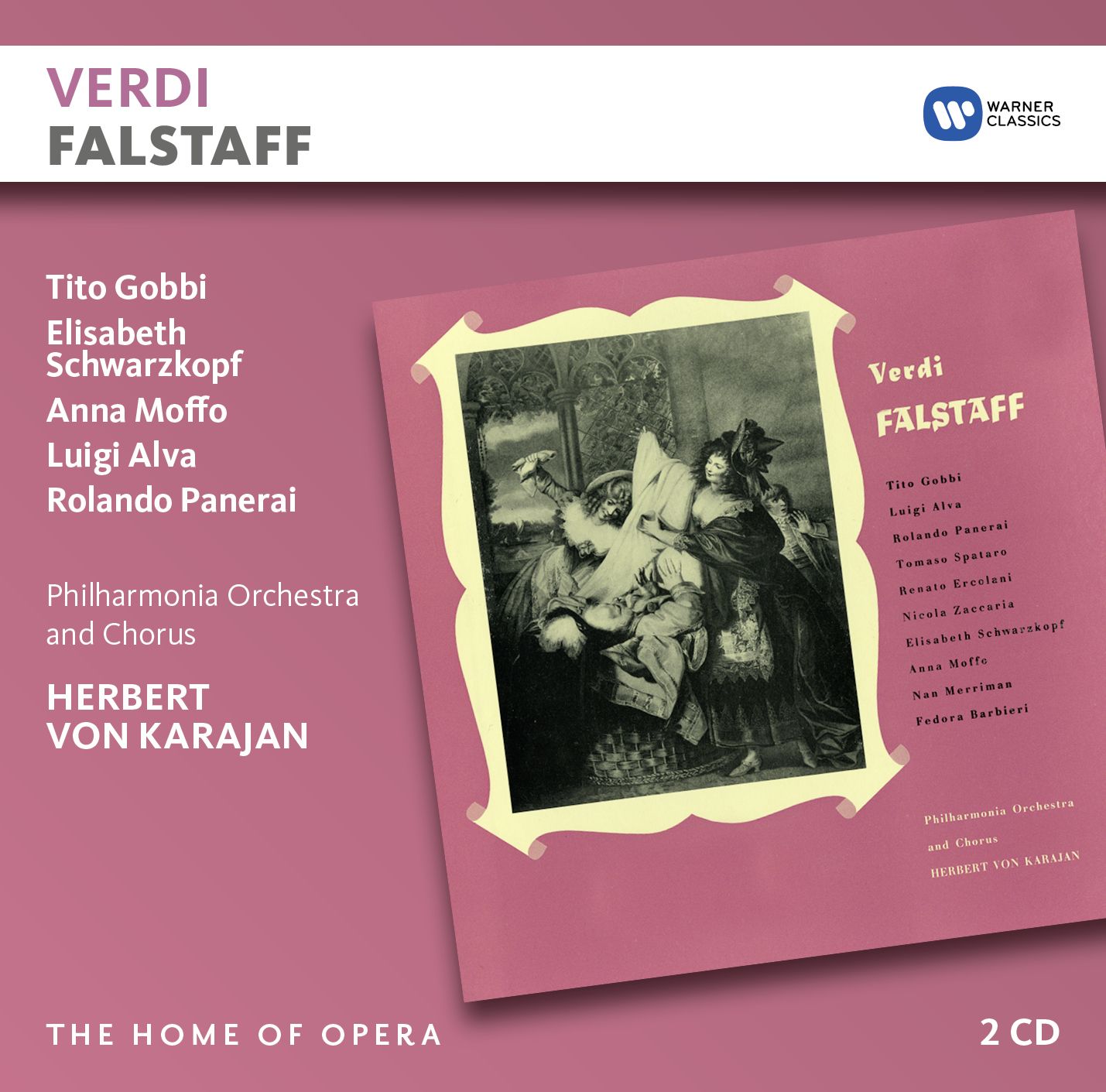
Recordings of Falstaff are legion on CD as well as DVD. One you absolutely can’t do without is the interpretation from Herbert von Karajan from 1956 (Warner 0190295935092). Under the supervision (direction?) of Walter Legge, the recording immediately became legendary and so it has remained.

Karajan had access not only the absolute best singers, but also a fantastic studio and recording director, the likes of which are no longer found. Titto Gobbi was born to sing Falstaff and a more beautiful Fenton than Luigi Alva simply doesn’t exist. I find the mannerisms of Elisabeth Schwarzkopf not always to my liking, but she is a convincing Alice, while Ford is sung by Rolando Panerai, who completely fits the bill. And then also Fedora Barbieri as Quickly… delicious.

COLIN DAVIS

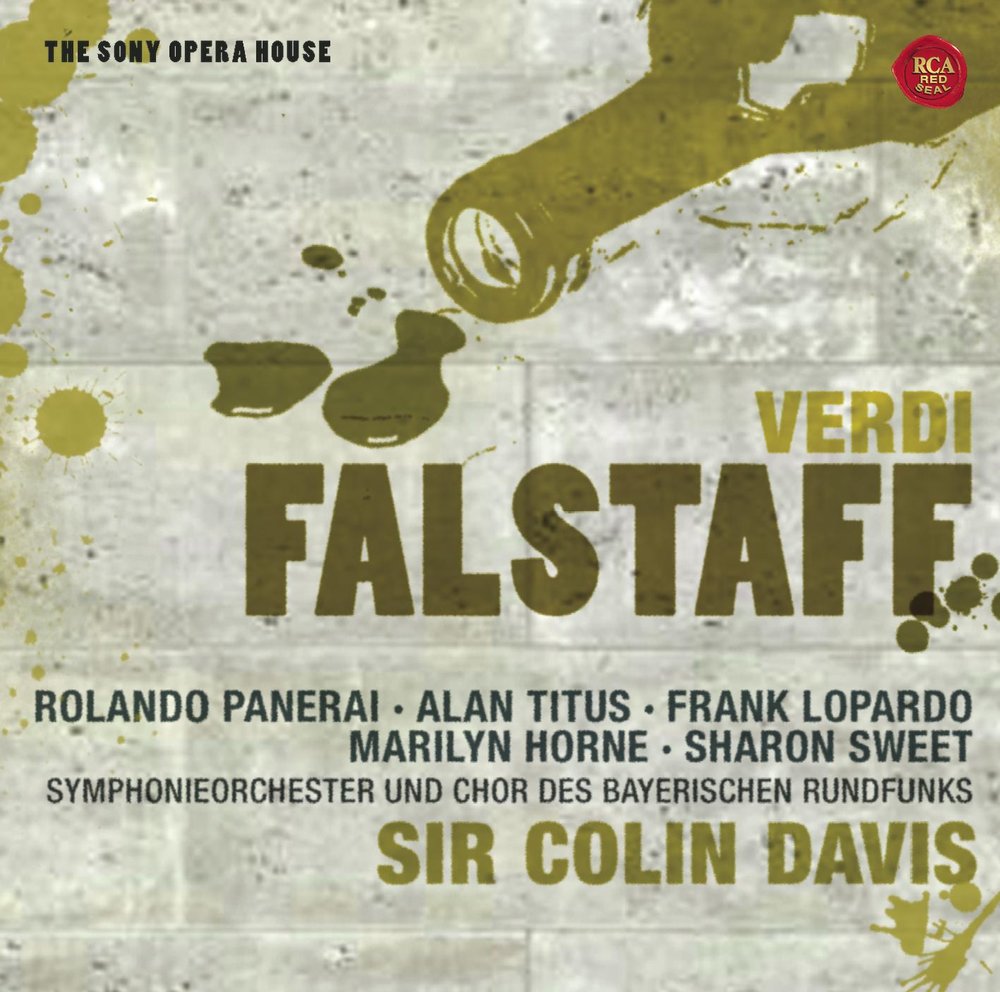
Colin Davis’ 1991 recording for RCA (now Sony 8869745801-2) came pretty close, but does not quite match Karajan. This is partly down to the Bayerischen Rundfunks orchestra, but also to the recording quality.

Davis’ vocal ensemble is particularly strong, certainly by today’s standards, but apart from Marylin Horne, who can easily match Barbieri, the cast is still a rung lower. Rolando Panerai, with Karajan a Ford out of thousands, does less well as the ‘cosy fat man’, especially when compared to Gobbi.

Fantastic, on the other hand, are the supporting roles: with Piero de Palma (Dr Cajus), Davis brought in one of the best comprimari ever. In the small role of Pistola, we hear none other than Francesco Ellero d’Artegna.

JAMES LEVINE
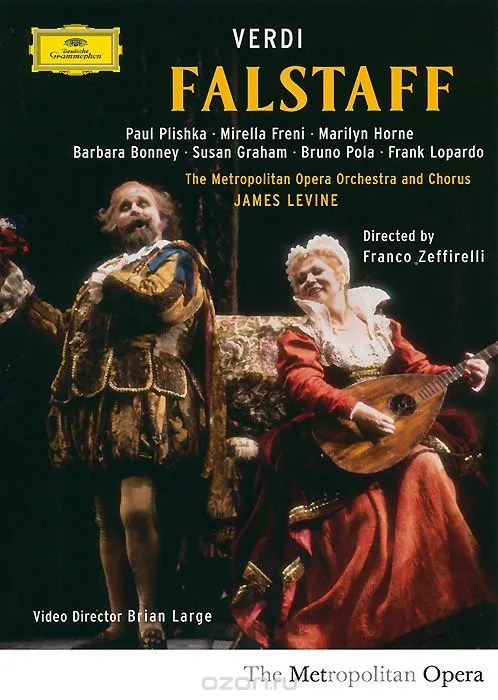
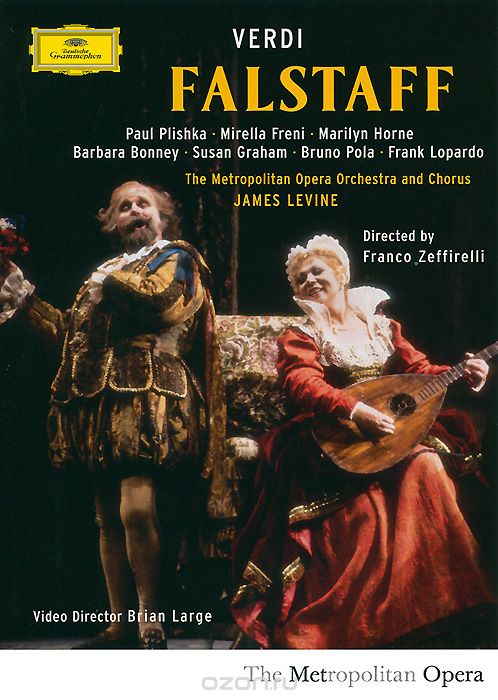
Frank Lopardo, Marylin Horne and Piero de Palma feature not only with Colin Davis, but also in the Zeffirelli production recorded in 1992 at the Metropolitan Opera in New York (DG 0734532). A dazzling performance!

Young Levine steers the music in all directions; it is as if there were not one, but four conductors in front of the orchestra. So much energy makes you gasp.

Paul Plishka is a delightful Falstaff and the rest of the cast just makes you crow for joy: Mirella Freni is Alice, as Meg we hear the very young Susan Graham and Marylin Horne is a Quickly in thousands. Add to that the truly delightful singing young lovers (Barbara Bonney and Frank Lopardo) and don’t forget the two comprimari: the inimitable Di Palma (Dr Cajus) is joined here by another great, Anthony Laciurra (Bardolfo). And whatever you think of Zefirelli: watching his productions is always a treat!

Below finale of the opera:

TULIO SERAFIN

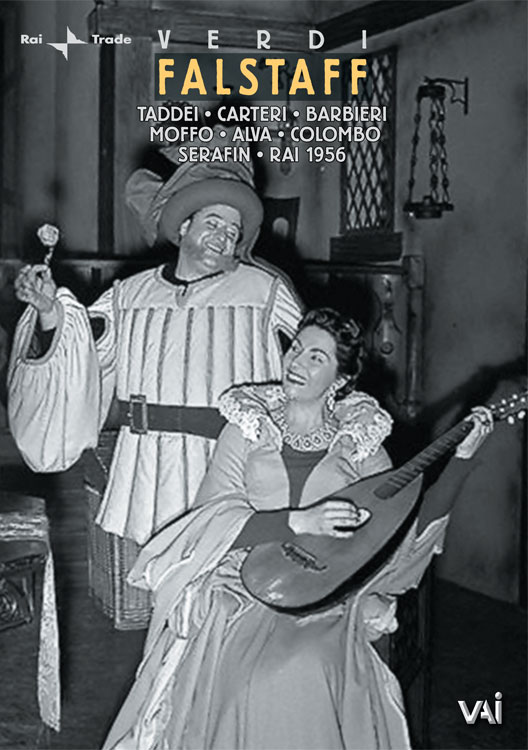
One look at the cast is enough to make an opera lover’s mouth water. The cast is almost identical to von Karajan’s, but now, with added visuals, it is simply not to be dismissed.

Falstaff was Giuseppe Taddei’s star role, with which he achieved the greatest successes all over the world. His powerful, dark baritone, enormous empathy, extraordinary acting talent and great sense of humour made him a fantastic Falstaff, still inimitable and now legendary.

In the 1956 RAI production (VAI 4333), he was surrounded by the very best colleagues in the Italian opera profession. Rosanna Carteri was a beautiful, hot-blooded Alice, Scipio Colombo a virile Ford and Fedora Barbieri an impressive Mrs Quickly. Anna Moffo and Luigi Alva provided the most beautiful lyrical moments, and all this was conducted by none other than Tulio Serafin.

Anna Moffo sings ‘Sul fil d’un soffio etesio’

BERNARD HAITINK
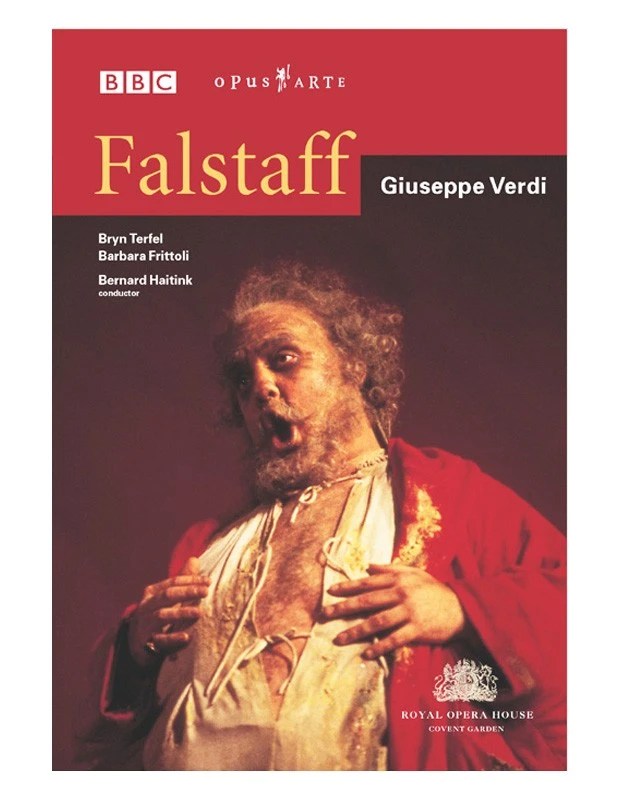
Graham Vick’s production (Opus Arte OA 0812 D) ushered in the revamped Covent Garden in 1999, and neither money nor effort was spared to make it as enjoyable as possible. The costumes are truly dazzling, the scenery witty, and though the whole thing looks a bit like the theatre of laughter (e.g. Falstaff “wears” a yellow-green striped codpiece under his belly), you forget the whole world around you.

Barbara Frittoli shines in the role of Alice Ford and the rest of the cast is also unquestionably good. The lead role is sung by the then 34-year-old (!) Bryn Terfel, who really does everything to convince us that he can portray the perfect Falstaff. Did he succeed? Yes and no. Terfel is (and even then was) undoubtedly one of the best singers and actors of our time. His facial expressions, his movements, everything is perfected to the extreme. And with the help of the grime and costume department, he manages quite well to look like a fat old, goat. But his youthful hubris and eye gaze betray his age and that is a pity

Haitink may not be my first choice, for me he conducts a little too stately, but it all sounds really great.

VLADIMIR JUROWSKI

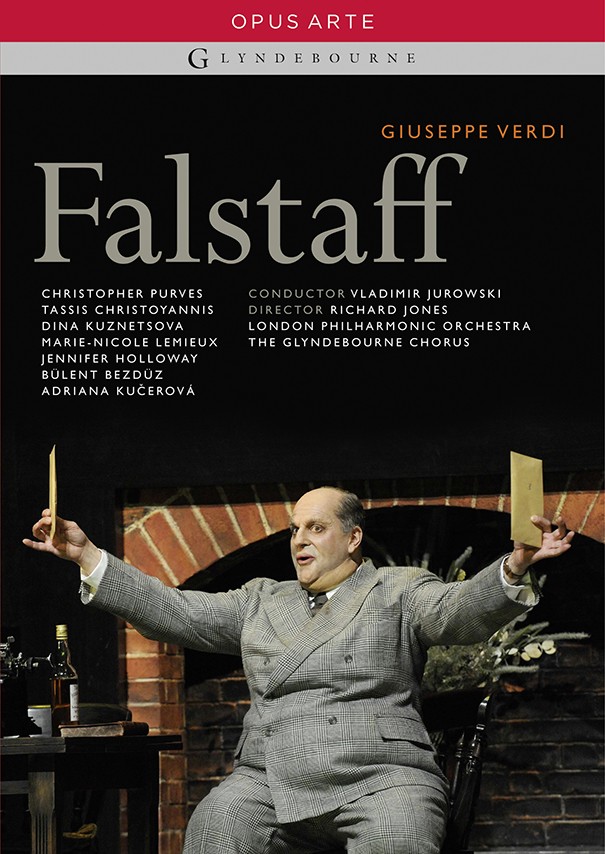
Old nobility versus nouveau riche, that’s also partly what Falstaff is about. Even before the first bars of ‘Falstaff’ (Opus Arte OA 1021 D), recorded in Glyndebourne in 2009, have sounded, you already know which direction the director is going to take you. A gigantic tapestry hangs, with the necessary cross-stitches yet to be embroidered on it.

Richard Jones places the action in the 1940s, right after the war. There are still soldiers walking around (Fenton is an American GI), scouts and annoying housewives. The Fords and their neighbours are the nouveau riche. Their houses are neat and giant vegetables grow in their gardens – neatly lined up.

Falstaff is fantastically sung by Christopher Purves. He not only impresses with his voice, his whole performance is beyond amazing. Marie-Nicole Lemieux (Mistress Quickly) is also a delight. In her guise as a plump scout leader, she gets plenty of laughs.

The rest of the cast is variable. Adriana Kučerova is a lovely Nannetta and Bülent Bezdüz a sweet Fenton, but Tassis Christoyannis is not macho enough for Ford. If you like English humour (think series like ‘ Dad’s Army’ or ‘Keeping up Appearences’), this Falstaff is definitely for you.

Below Christopher Purves and Marie-Nicole Lemieux:ntastic.sio’

And as a bonus ‘Quando ero paggio’ sung by seven different baritones:


Conversations with Maria Callas

Callas gesprekken

The talk show with (and about) Maria Callas, broadcast on French television in April 1969, is simply fascinating. Callas, clearly inspired by Jackie O., looks very sophisticated and sweet in her elegant dress. She accepts all compliments with confident modesty, and she doesn’t seem to be bothered by the cigarette smoke that is blown in her face.

With Luchino Visconti she muses about acting, and discusses her latest project: Medea in a film by Passolini in which he acts as well. Captivated she watches the filmed conversation with Elvira de Hidalgo, who, chain-smoking, puts her former pupil in the limelight.

We hear her say what we have always secretly known: she loves Norma and Violetta because of their selflessness. She finds Tosca ridiculous and Carmen horrible: she has no interest in promiscuous women, they do not fit in with her ideal world view.

The conversation is interspersed with fragments and scenes from various operas and concerts. Most of the material is well known, but remains fascinating.


The Callas Conversations – Volume II: L’invitée du dimanche (1969)
Le Monde de la Musique
EMI Classics DVB 38845799


 Holland Festival 1959 or La Divina in Amsterdam

Gesprekken met Maria Callas

Callas gesprekken

De talkshow met en rondom Maria Callas, op de Franse televisie in april 1969 uitgezonden is ronduit fascinerend.

Callas, duidelijk geïnspireerd door Jackie O. ziet er zeer sophisticated en lief uit in haar elegante jurk. Alle complimenten neemt ze aan met een zelfverzekerde bescheidenheid, en ze lijkt zich niet te storen aan de sigarettenrook die in haar gezicht wordt uitgeblazen.

Er wordt met geen woord over haar privéleven gerept, haar stem klinkt zacht en straalt een serene kalmte uit.  Af en toe reageert zij uitgelaten, net een klein meisje.  Met Francesco Siciliani haalt ze herinneringen op aan hoe hij haar, geholpen door Tulio Serafin, ontdekt had en haar haar eerste belcanto rollen liet zingen.

Met Luchino Visconti mijmert ze over acteren, en neemt haar nieuwste project: Medea in een film van Passolini met hem door. Vertederd kijkt ze naar het gefilmde gesprek met Elvira de Hidalgo, die, kettingrokend, haar voormalige leerlinge in het zonnetje zet.

Wij horen haar zeggen, wat we heimelijk altijd al wisten: zij houdt van Norma en Violetta vanwege hun opofferingsgezindheid. Tosca vindt ze belachelijk en Carmen verschrikkelijk: zij heeft niets met de promiscue vrouwen, ze passen niet in haar ideale wereldbeeld.

Het programma is gelardeerd met fragmenten en scènes uit verschillende opera’s en concerten. Het meeste materiaal is goed bekend, maar het blijft boeien.

The Callas Conversations – Volume II: L’invitée du dimanche (1969)
Le Monde de la Musique
EMI Classics DVB 38845799

Falstaff van Verdi in zes opnamen

Falstaff

“Tutto nel mondo è burla… tutti gabbati!” Oftewel: “Alles in de wereld is een grap… we zijn allemaal bedrogen.” Het is een beetje een tegelspreuk, maar de oude Verdi en zijn librettist Boito wisten heel goed wat ze deden.

In Falstaff laten ze een wereld zien waarin iedereen iedereen bedriegt. Maar zo is het nu eenmaal; we hebben het maar te accepteren. Laten we er daarom maar om lachen… Zo eindigt één van de beste opera’s ooit: met een glimlach en een vette knipoog.

HERBERT VON KARAJAN

Falstaff Karajan

De opnamen van Falstaff zijn legio, zowel op cd als op dvd.

Waar u absoluut niet zonder kunt is de lezing van Herbert von Karajan uit 1956 (Warner 0190295935092). De onder de supervisie van Walter Legge gemaakte opname was meteen al een legende en legende is het gebleven. Karajan had de beschikking niet alleen over de allerbeste zangers die er toen waren, maar ook over een fantastische studio en een opnameleider zoals ze niet meer gemaakt worden. Titto Gobbi werd geboren om Falstaff te zingen en een mooiere Fenton dan Luigi Alva bestaat gewoon niet. Ik vind de maniertjes van Elisabeth Schwarzkopf niet altijd leuk, maar zij is een overtuigende Alice en als Ford is Rolando Panerai helemaal op zijn plaats. En dan nog Fedora Barbieri als Quickly…. Heerlijk.


COLIN DAVIS

falstaff-panerau-colin-davis

De opname die Colin Davis in 1991 voor RCA heeft gemaakt (tegenwoordig Sony 8869745801-2) kwam best dichtbij, al heeft hij de Karajan niet kunnen evenaren. Het ligt deels aan het orkest van Bayerischen Rundfunks, maar ook aan de opnamekwaliteit.

Davis’ zangersensemble is bijzonder sterk, zeker naar de huidige maatstaven, maar op Marylin Horne na, die zich zonder meer met Barbieri kan meten, is de cast toch een maatje kleiner. Rolando Panerai, bij Karajan een Ford uit duizenden, doet het als de ‘gezellige dikkerd’ minder goed, zeker als je hem vergelijkt met Gobbi

Fantastisch daarentegen zijn de bijrollen: met Piero de Palma (dr.Cajus) haalde Davis één van de beste comprimari ooit in huis. In de kleine rol van Pistola horen we niemand minder dan Francesco Ellero d’Artegna.

JAMES LEVINE

Falstaff Levine

Frank Lopardo, Marylin Horne en Piero de Palma zijn niet alleen van de partij bij Colin Davis, maar ook in de Zeffirelli-productie die in 1992 werd opgenomen bij de Metropolitan Opera in New York (DG 0734532). Een spetterend voorstelling!

Jonge Levine stuurt de muziek alle kanten uit, het is alsof er niet één, maar vier dirigenten voor het orkest staan. Zoveel energie doet je naar adem happen.

Paul Plishka is een kostelijke Falstaff en de rest van de bezetting doet je gewoon kraaien van plezier: Mirella Freni is Alice, als Meg horen wij de piepjonge Susan Graham en Marylin Horne is een Quickly uit duizenden. Tel daar de werkelijk heerlijk zingende jonge geliefden (Barbara Bonney en Frank Lopardo) bij op en vergeet de twee comprimari niet: de onnavolgbare Di Palma (Dr. Cajus) wordt hier bijgestaan door een andere grootheid, Anthony Laciurra (Bardolfo). En wat je ook van Zefirelli vindt: het is altijd een feest om naar zijn producties te kijken!

Hieronder finale van de opera:

TULIO SERAFIN

Falstaff Taddei vai

Eén blik op de bezetting is al voldoende om een opera liefhebber te doen watertanden. De cast is vrijwel identiek aan die van von Karajan, maar nu, met beeld erbij is het gewoon niet te versmaden.

Falstaff was Giuseppe Taddei’s glansrol, waarmee hij overal ter wereld de grootste successen boekte. Zijn krachtige, donkere bariton, zijn enorme inlevingsvermogen, een buitengewoon acteertalent en een geweldig gevoel voor humor maakten van hem een fantastische Falstaff, nog steeds onnavolgbaar en inmiddels legendarisch.

In de RAI productie uit 1956 (VAI 4333) werd hij omringd door de allerbeste collega’s uit het Italiaanse operavak. Rosanna Carteri was een mooie, warmbloedige Alice, Scipio Colombo een viriele Ford en Fedora Barbieri een imponerende Mrs. Quickly. Anna Moffo en Luigi Alva zorgden voor de mooiste lyrische momenten, en dat alles werd gedirigeerd door niemand minder dan Tulio Serafin.

Anna Moffo zingt ‘Sul fil d’un soffio etesio’:

BERNARD HAITINK

Falstaff Terfel

De productie van Graham Vick (Opus Arte OA 0812 D) luidde in 1999 de vernieuwde Covent Garden in en er werd noch geld noch moeite gespaard om het zo leuk mogelijk te maken. De kostuums zijn werkelijk oogverblindend, het decor geestig, en al lijkt het geheel een beetje op het theater van de lach (zo “draagt” Falstaff een geelgroen gestreepte penis onder zijn buik),  je vergeet de hele wereld om je heen.

Barbara Frittoli schittert in de rol van Alice Ford en ook de rest van de cast is zonder meer goed. De hoofdrol wordt gezongen door de toen 34-jarige (!) Bryn Terfel, die werkelijk alles doet om ons te overtuigen dat hij de perfecte Falstaff kan neer zetten. Is het hem gelukt? Ja en nee. Terfel is (en was toen al) zonder meer één van de beste zangers en acteurs van onze tijd. Zijn mimiek, zijn bewegingen, alles is tot in het uiterste geperfectioneerd. En met de hulp van de grime- en kostuumafdeling lukt het hem aardig om op een oude, dikke bok te lijken. Maar zijn jeugdige overmoed en oogopslag verraden zijn leeftijd en dat is jammer

Haitink is misschien niet mijn eerste keuze, voor mij dirigeert hij iets te statig, maar het klinkt allemaal toch echt fantastisch.

VLADIMIR JUROWSKI

Falstaff Glyndebourne

Oude adel versus nouveau riche, daar gaat Falstaff ook een beetje over. Nog voordat de eerste maten van de in Glyndebourne in  2009  opgenomen ‘Falstaff’ (Opus Arte OA 1021 D) hebben geklonken, weet je al welke richting de regisseur je gaat sturen. Er hangt een gigantisch wandtapijt, waar de nodige kruissteken nog op geborduurd moeten worden.

Richard Jones plaatst de handeling in de jaren veertig, direct na de oorlog. Er lopen nog soldaten rond (Fenton is een Amerikaanse GI), er zijn scouts en zich vervelende huisvrouwen. De Fords en hun buren zijn de nieuwe rijken. Hun huizen zijn keurig en in hun tuintjes groeien reusachtige groenten – netjes op een rij.

Falstaff wordt fantastisch gezongen door Christopher Purves. Hij imponeert niet alleen met zijn stem, zijn hele optreden is meer dan geweldig. Ook Marie-Nicole Lemieux (Mistress Quickly) is een feest. In haar gedaante als een plompe scoutleidster krijgt ze de lachers op haar hand.

De rest van de cast is wissellend. Adriana Kučerova is een mooie Nannetta en Bülent Bezdüz een lieve Fenton, maar Tassis Christoyannis is niet macho genoeg voor Ford. Als u van de Engelse humor (denk aan de series zoals ‘ Dad’s Army’  of ‘Keeping up the appearance’) houdt, dan is deze Falstaff zeker iets voor u.

Hieronder Christopher Purves en Marie-Nicole Lemieux:

En als uitsmijter ‘Quando ero paggio’  gezongen door zeven verschillende baritons: