
Król Roger in Teatr Wielki in Warsaw, 1926. Act 1.
© Jan Malarski / „Tygodnik Ilustrowany”
Not so long ago ago, one of the leading Dutch music critics (no, I’m not going to name names) wrote:
“Karol Szymanowski, a composer from whom few pieces have held repertoire, still experienced his Król Roger being put on in the 1920s. Later, his semi-destillates from Nietzsche’s Geburt der Tragödie, Euripides’ Bacchants and Shakespeare’s Lear, disappeared from view altogether. One cannot ultimately blame the great eclectic Szymanowski, maybe only the fact that he wanted an opera so badly.”
He was not alone in this: because his works betrayed a variety of influences, Szymanowski was long mistaken for an eclectic, an insult at the time.
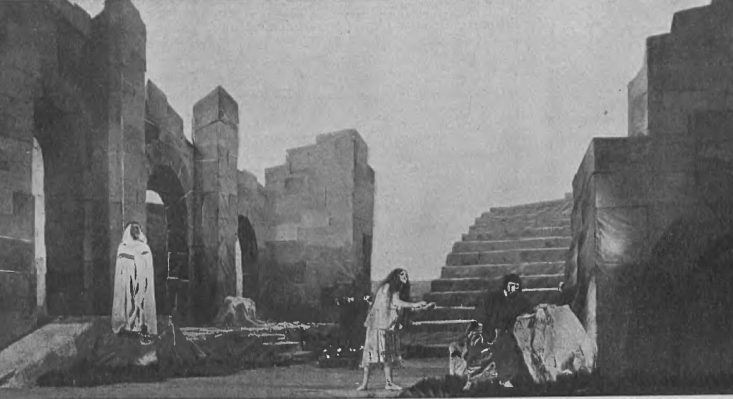
Król Roger in Teatr Wielki in Warsaw, 1926. Act 2.
© Jan Malarski / „Tygodnik Ilustrowany”
Times are changing. Szymanowski is now counted among the greatest composers of the early twentieth century and his works are always being performed on concert stages and recording studios.
His Król Roger, a poetic opera full of symbolism and perfumed with myrthe has – rightly – achieved true cult status. Take the opening chorus alone! The softly emerging “Hagios, Kyrios, Theos Sabaoth”, sung by the immense choir, with the added high voices of the boys’ choir, rivals Verdi’s Requiem.
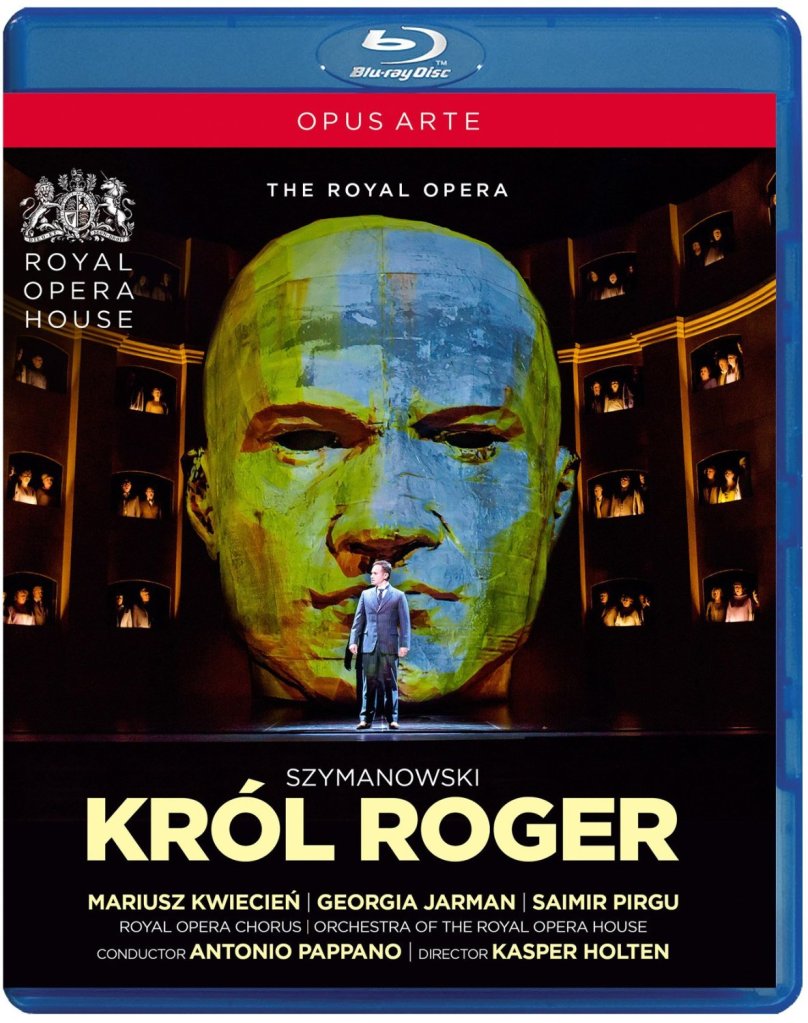
The performance at Covent Garden, directed by Kasper Holten and conducted by Antonio Pappano was a true triumph for all involved. Holten depicted the opera as a kind of journey of the protagonist into the deeps of his psyche. Figuratively, but also literally. Everything takes place in Roger’s head, so it is a huge head that dominates the stage and also acts as his palace if necessary.
It made me speechless.
That the opera is enigmatic is rather obvious. The libretto by Jaroslaw Iwaszkiewicz is rather pompous and the text is, even for Poles, difficult to understand and unpronouncable. Big kudos to the Polish coach (Marek Ruszczyński) who made all the singers sound as if they were native speakers.
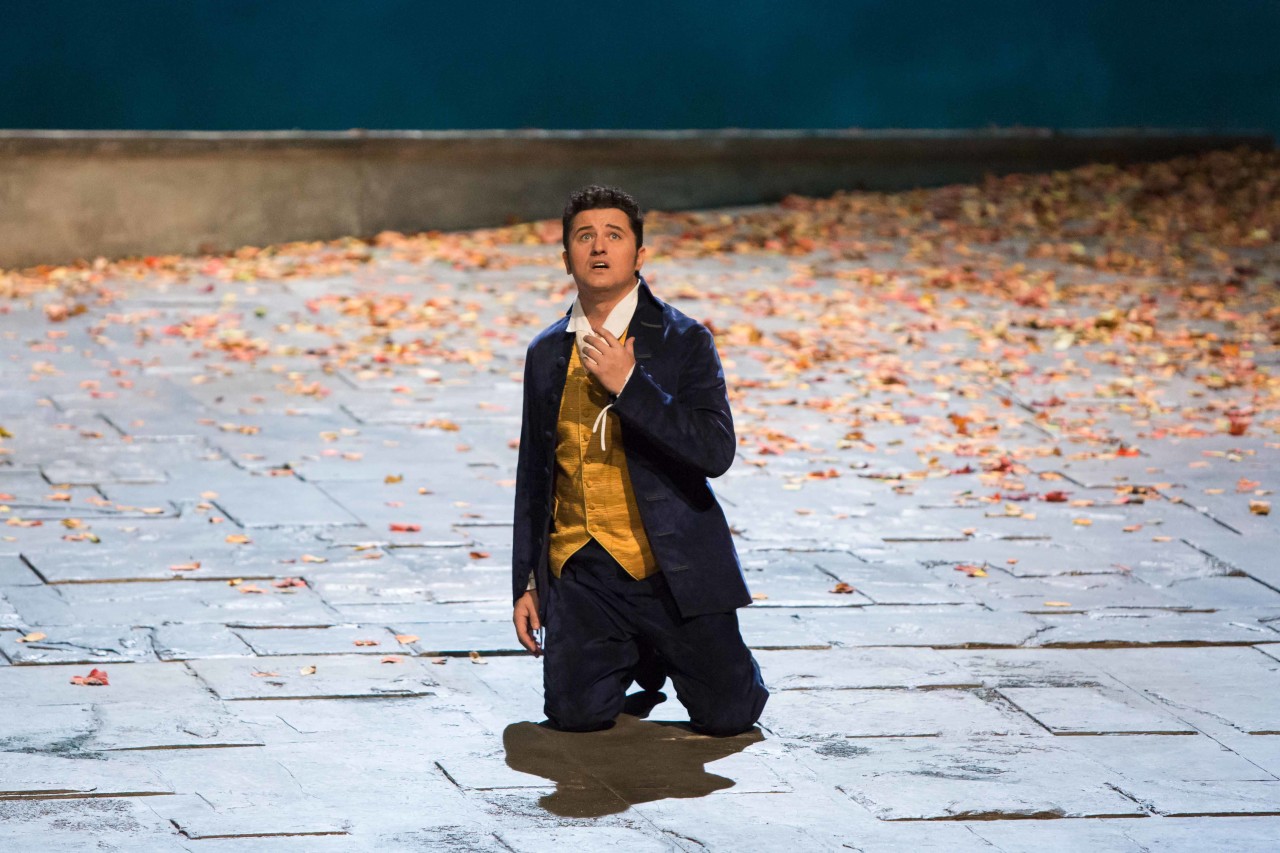
Saimir Pirgu (Pasterz) was the biggest surprise of the evening for me. His voice sounded cultured and seductive and his entire performance was a delight to the ear and to the eye,
Georgia Jarman was a very good Roxana: her cantilena in the first act went deeply into my heart.
Roxana’s Song:
Mariusz Kwiecień was one of the best Roger’s of our time. It is a role he has made his own and which no one can take away from him. In fact, I am struck by how differently he performs the role in different productions!
Kim Bagley was an excellent Edrisi and Agnes Zwierko is a luxurious choice for Dyakonissa. Highly recommended, this recording!
Below is an introduction to the opera:
One of the best recordings of the opera from Teatr Wielki in Warsaw dated 23.11.1965
—




 Basia con fuoco