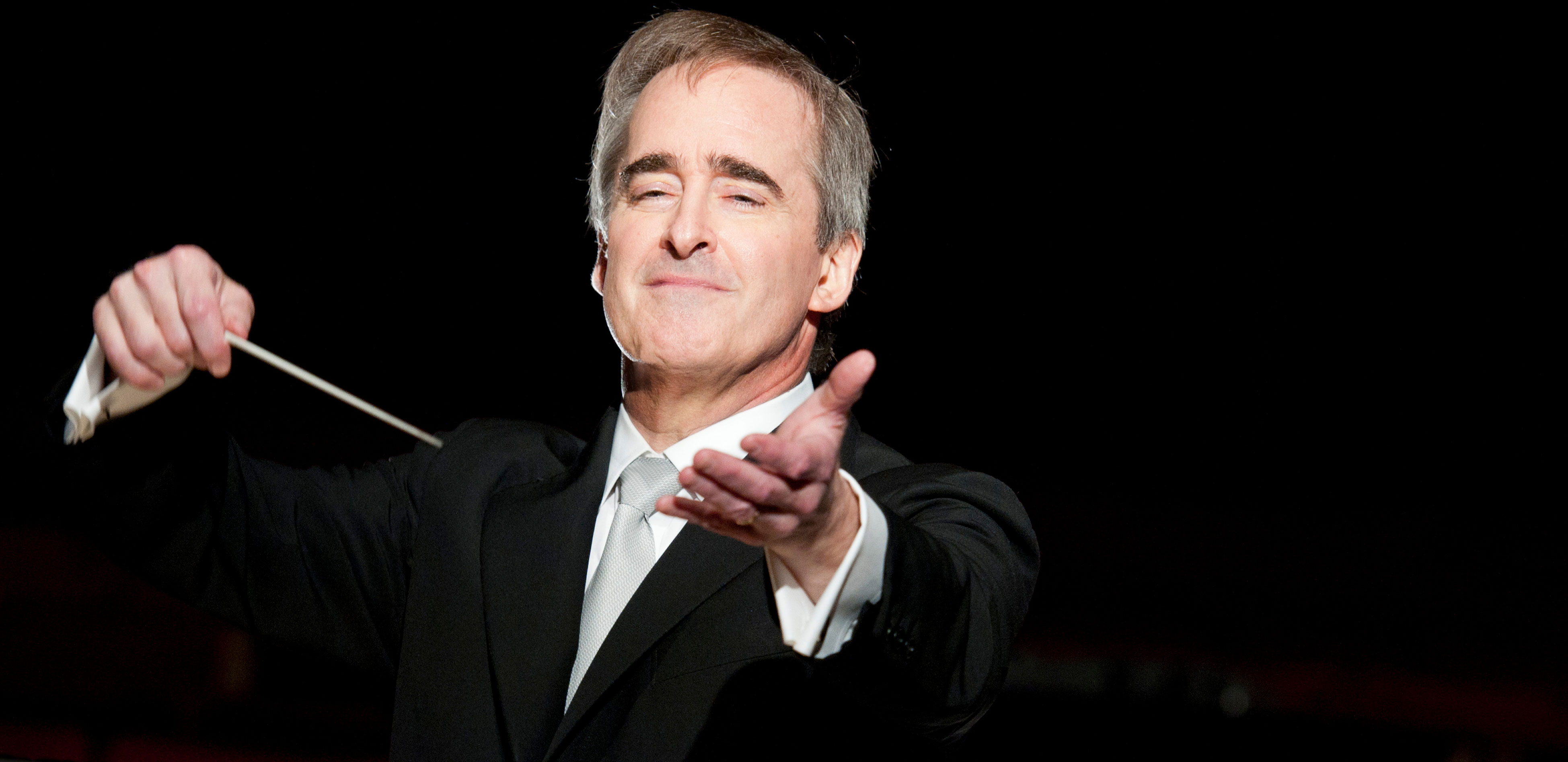
Antony_Beaumont

Der Köning Kandaules or the lesson not to share your happiness with everyone

In 1938, Zemlinsky fled to New York. In his suitcase was the unfinished opera Der Köning Kandaules. Once in New York, he hoped it would be performed at the Metropolitan Opera.
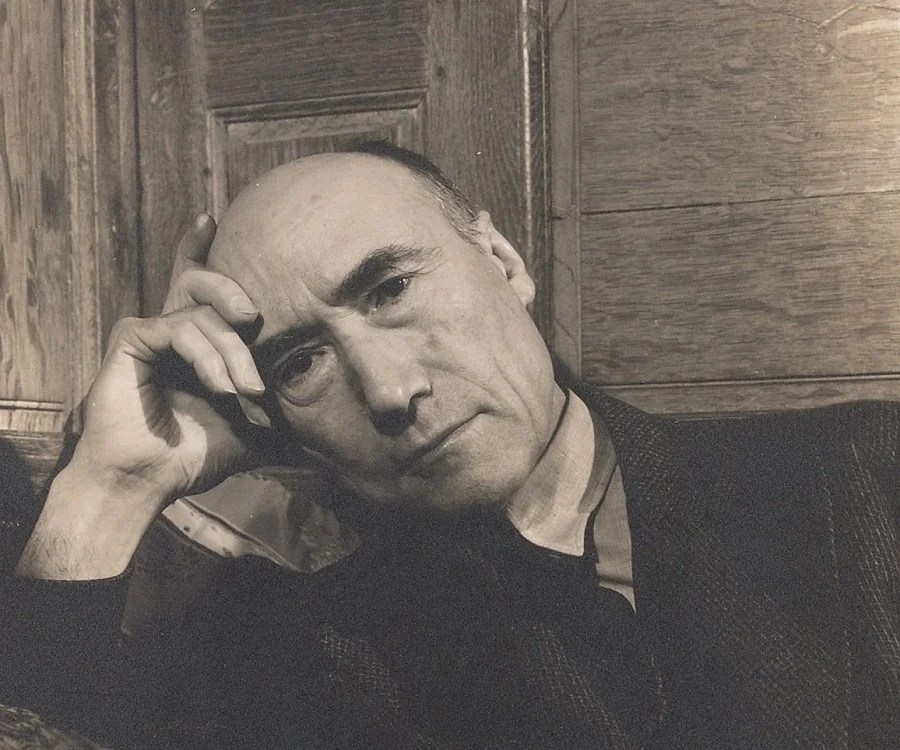
André Gide


The libretto, based on André Gide’s play, was about a sex scandal that shook an entire royal house and meant the end of an entire dynasty. According to the Greek historian Herodotus, it happened in Lydia in the 7th century BC, when King Kandaules widely spread the word of his wife’s utter beauty as he wanted to share his happiness and also his wife’s loveliness with everyone.
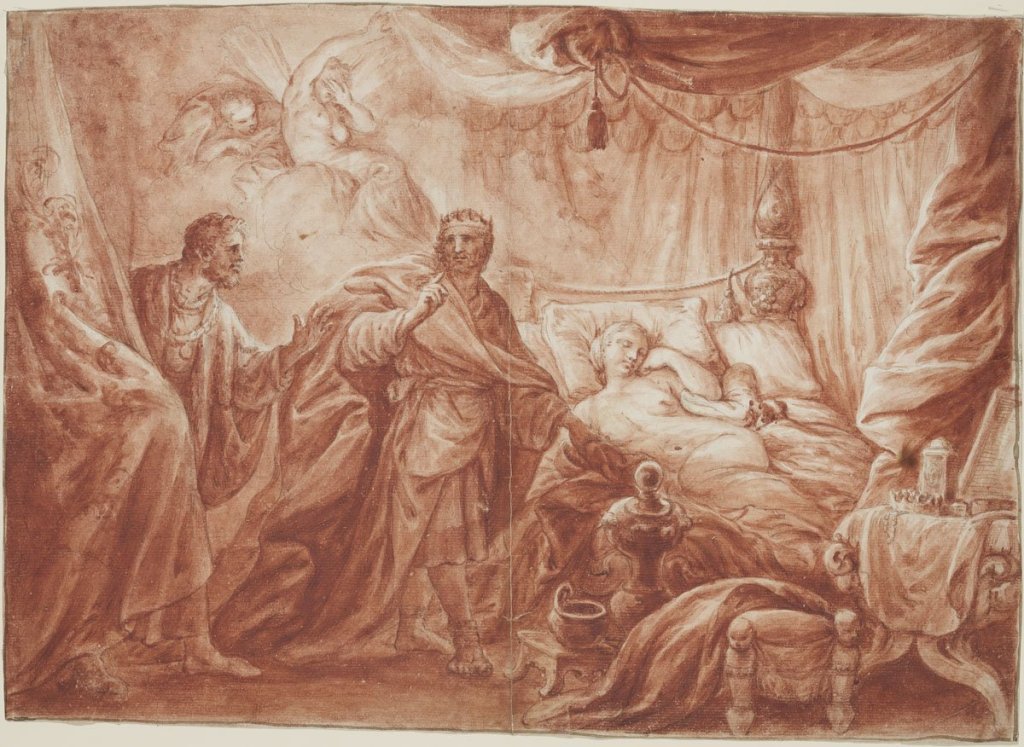


Encouraged by the king and aided by an invisibility ring, Gyges, his beloved bodyguard spends a night with the queen. When she finds out the true facts, she urges Gyges to kill the king after which he himself is crowned king.


Herodotus:

“Gyges,” The queen said, as soon as he presented himself, “there are two courses open to you, and you may may take your choice between them. Kill Candaules and seize the throne, with me as your wife; or die yourself on the spot, so that never again may your blind obedience to the king tempt you to see what you have no right to see. One of you must die: either my husband, the author of this wicked plot; or you, who have outraged propriety by seeing me naked.” (Livius.org)
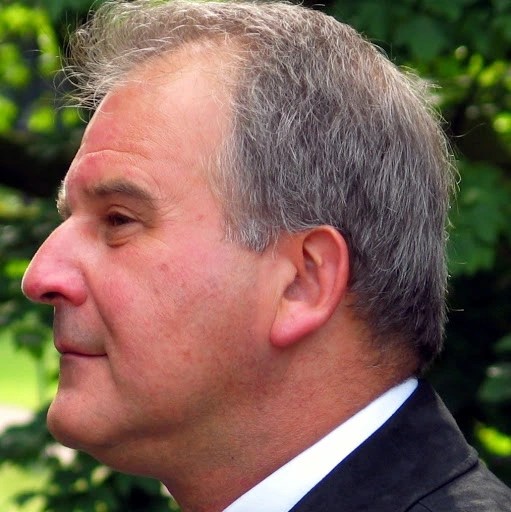
Antony Beamont


The libretto proved too daring for American audiences, and when Zemlinsky died in 1942, his opera was still unfinished.

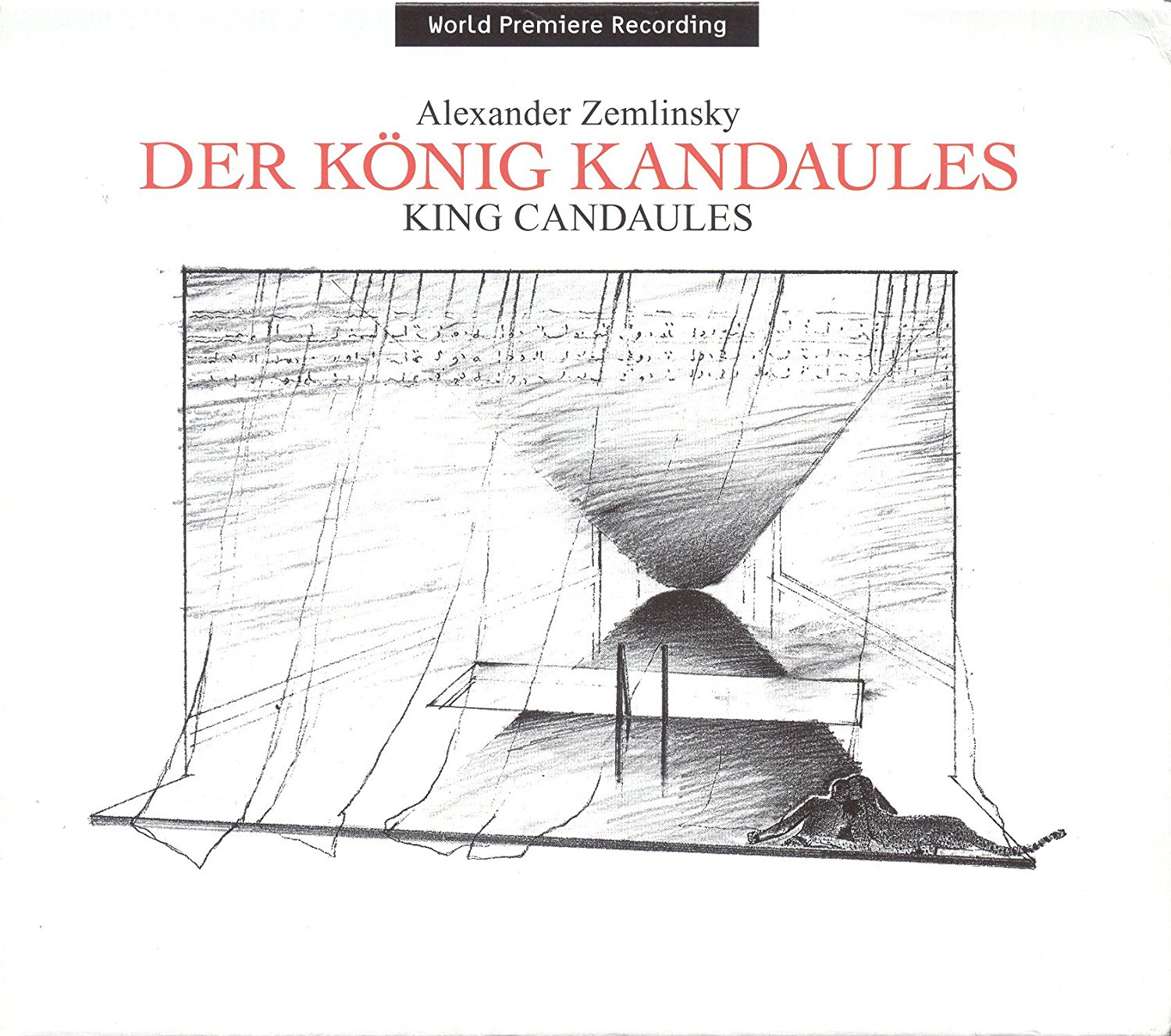
Much later the English musicologist and Zemlinsky biographer Antony Beaumont completed the score. In October 1996, the opera was performed in Hamburg, with enormous success. The performance was recorded live and released on the Capriccio label (600712).


The performance conducted by Gerd Albrecht is undoubtedly excellent, and the leading roles are very adequately cast with James O’Neal (Kandaules), Monte Pederson (Gyges) and Nina Warren (Nyssia). In the minor role of Nicomedes, we hear a young debutant, Mariusz Kwiecień.
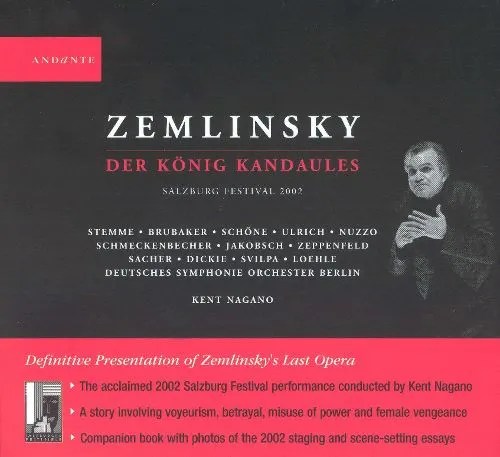


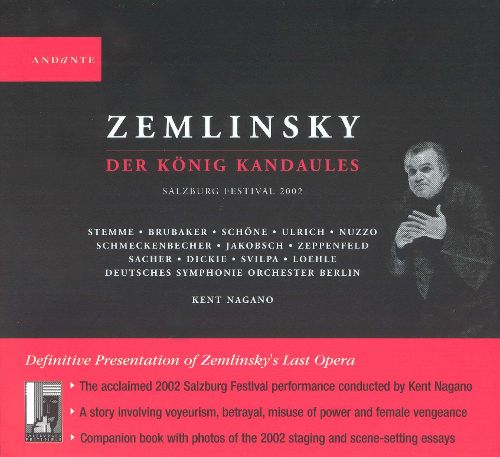
Salzburg staged the opera in 2002 and the phenomenally cast, live-recorded, performance was released in a very well-crafted edition on 2 CDs (Naïve 3070). The role of Kandaules was sung assiduously by Robert Brubacker and Wolfgang Schöne   was an excellent Gyges. Sweden’s Nina Stemme, then still in the lyrical ˜fach”, sang a fine Nyssia. The Deutsche Symphonie Orcherst conducted by Kent Nagano sounds very exciting.

Part 1:


Part 2:


Our unsurpassed Saturday Matinee performed the opera concertante in November 2007, unfortunately no recording of it exists. A pity, because the conductor Bernhard Kontarsky conducted with great abandon and Stuart Skelton and Jeanne- Michèle Charbonnet were unforgettable as the royal couple.

Gyges (or was it Zemlinsky himself?): ˜Der, der ein Glück hält, soll sich gut verstecken! Und besser noch, sein Glück vor Andern”.


Alexander Zemlinsky. Part 2: ‘Du bist mein Eigen.’

Zemlinsky LS partituur

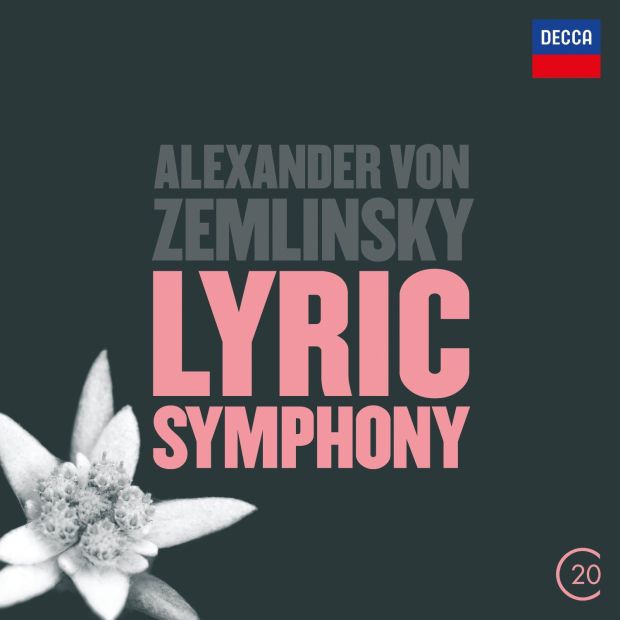
It is very hard to believe, but the first post-war performance of the Lyrische Symphonie dates from the late 1970s. This absolute masterpiece was composed between 1922-23 and premiered in Prague on 4 June 1924. Like Mahler’s Das Lied von der Erde, it is a kind of cross between an orchestral song cycle and a symphony.

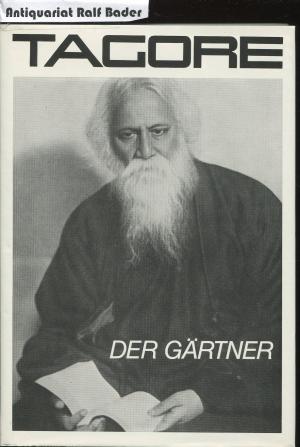
Zemmlinsky Rabindranath-Tagore+Der-Gärtner

Zemlinsky wrote the work on the text of the Bengal poet Rabindranath Tagore ‘The Gardener’, in a German translation by Hans Effenberger. The seven love poems are cast in the form of a dialogue between a prince (baritone) and a girl in love (soprano). Many musicologists consider the work to be autobiographical and there is certainly an element of truth in that.

Or was it the (still?) raw break with Alma Schindler, as some critics would have us believe? I don’t think so, I’m much more inclined to believe Antony Beaumont (the Zemlinsky connoisseur and biographer) that the work was about his relationship with Louise Sachsel, which had just begun at the time.

Zemlinsky Berg en Fuchs

Alban Berg and Hanna Fuchs

Seen in this context, it is perhaps interesting to know that Alban Berg quoted the third movement of the symphony (‘Du bist mein Eigen’) in the ‘Adagio Apassionato’ of his Lyrical Suite for string quartet. As you know, Berg had a secret love affair at the time with Hanna Fuchs, for whom he composed the work.

Below is the Adagio appassionato performed by the Galimir String Quartet. The recording dates from 1935:

There are quite a few performances of Zemlinsky’s once so mercilessly forgotten but now best-known and most frequently performed work. Two by James Conlon and Riccardo Chailly immediately stand out.

Zemlinsky LS Chailly

Chailly wins, mainly because of the unparalleled sound of the RCO, but in the fourth movement Conlon manages to elicit such sweet tones from the orchestra that I am totally won over by his performance.

Recording under Riccardo Chaillly:


Zemlinsky LS Conlon

The soloists are also better for Conlon. Bo Skovhus convinces me much more than Håkan Hagegård. The latter has a warm, round baritone with something soothing in his timbre and I find that a disadvantage here. The restlessness in the voice of Skovhus gives his words more impact.

I also find Skovhus’s interpretation more transparent and his pronunciation better. Listen how he sings the words “Du bist mein Eigen, mein Eigen, du, die meinen endlosen Träumen wohnt”… !

Soile Isokoski is also preferable to Chailly’s soprano, Alexandra Marc, however beautifully she sings.

Recording with James Conlon:


Bo Skovhus has always been an artist with a more than warm heart for ‘Entartete Musik’. He showed this by, among other things, the choices he made for the works he sang.

Lyrische Symphonie was often featured in his concert programmes all over the world, including in Amsterdam (March 2007, with Hillevi Martinpelto and the Royal Concertgebouw Orchestra conducted by Donald Runnicles). In addition to the EMI recording with Conlon, Skovhus recorded the work also for RCA, this time with the incredibly beautiful lyrical soprano Luba Orgonasova.

Zemlinsky LS Flor

The conducting of Claus Peter Flor is a bit unbalanced, but the six extra songs, sung by Skovhus and beautifully accompanied on the piano by Helmut Deutsch, make up for a lot.

Below is a recording with Bo Skovhus, Maria Bengtsson and the Staatskapelle Berlin conducted by Kirill Petrenko, recorded in the Berlin Philharmonic on 30 December 2011:

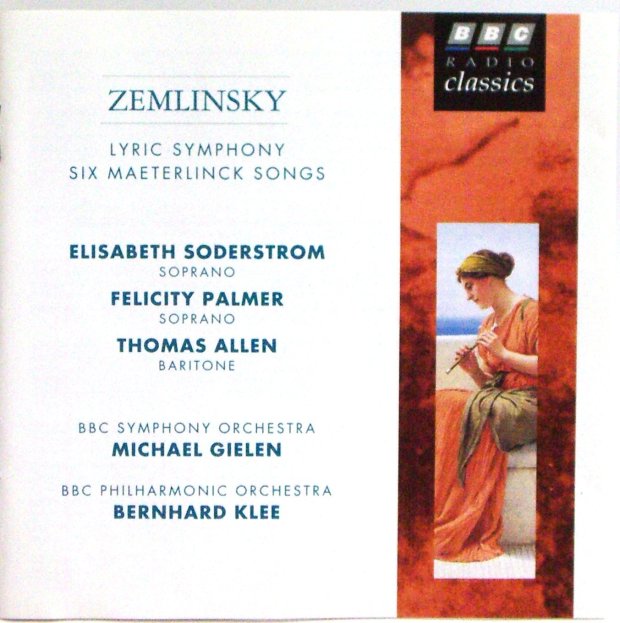
In the recording on BBC Classics from 1996 the vocal parts are sung with great understanding and even more nuances by Thomas Allen and Elisabeth Söderström. Michael Gielen shows an enormous affinity for the score.

Zemlinsky LS Allen

ALEXANDER ZEMLINSKY. Part 1: The Man

Alexander Zemlinsky. Part 3: dreams and the happiness that needs to be hidden

Alexander Zemlinsky. Part 4: ‘Warum hast du mir nicht gesagt…’

In Dutch: EINE (AUTO)BIOGRAFISCHE TRAGÖDIE: ALEXANDER ZEMLINSKY. Deel 2: ‘Du bist mein Eigen’

EINE (AUTO)BIOGRAFISCHE TRAGÖDIE: ALEXANDER ZEMLINSKY. Deel 3: dromen en het geluk dat verborgen dient te worden

DER ZWERG

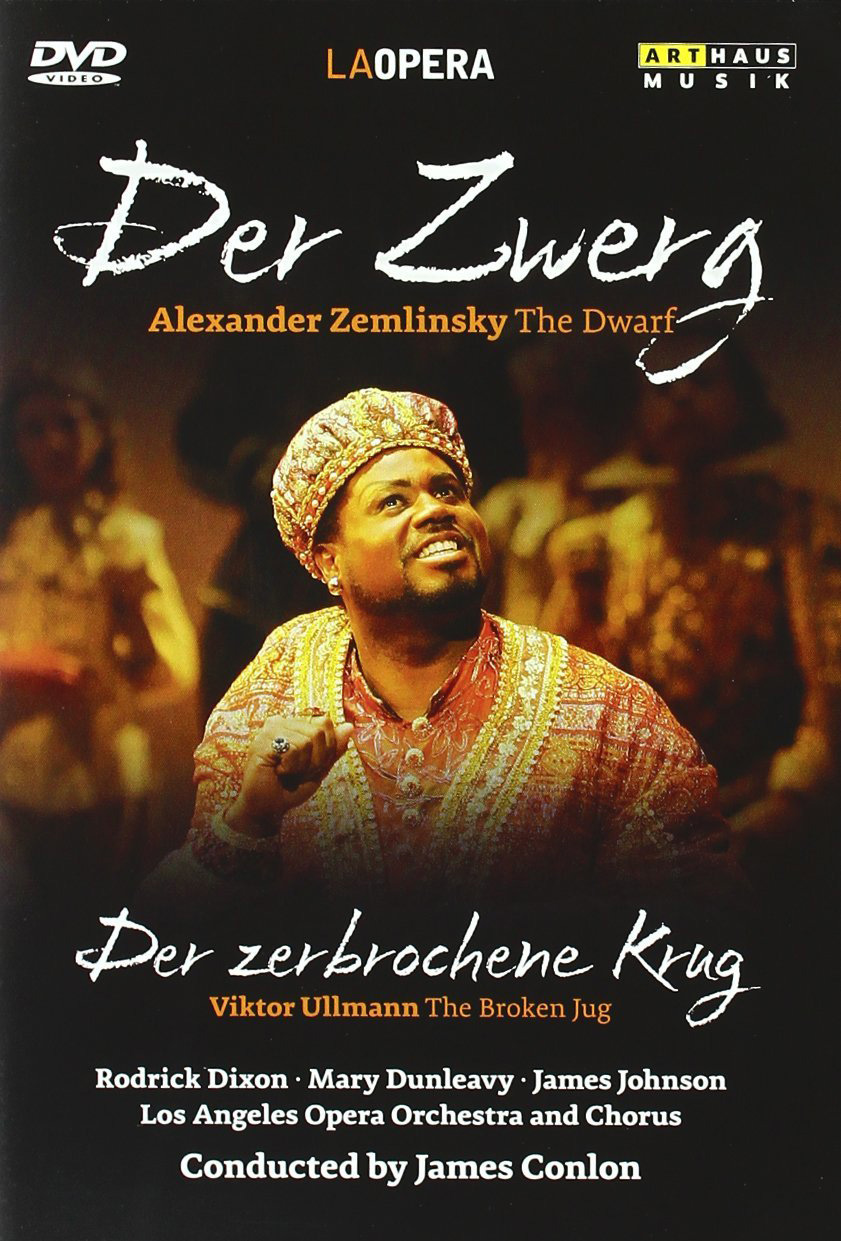
Zemlinsky Zwerg dvd


Als geen andere dirigent van naam is James Conlon al sinds jaren een vurig pleitbezorger van de ‘Entartete-componisten’. In zijn Keulse jaren (hij was tussen 1989 en 2002 chef dirigent van de Gürzenich-Orchester en  artistiek leider van de opera) heeft hij vrijwel alle orkestrale en vocale werken van Zemlinski uitgevoerd en opgenomen. De opnamen op EMI (de meeste zijn helaas niet meer in de handel) koester ik als de grootste schat, wat het waarschijnlijk ook is.

Zemlinsky James Conlon

James Conlon

In 2006 werd Conlon aangesteld als de muzikale leider van de opera van Los Angeles en één van zijn eerste projecten was een serie ‘Recovered Voices: A Lost Generation’s Long-Fortgotten Masterpieces’. De serie is in 2008 gestart met een double-bill van Ullmann’s Der zerbrochene Krug en Zemlinsky’s Der Zwerg. (Arthaus Music 101 528)

Het idee om een opera te componeren over een lelijke man die verliefd is op een schoonheid heeft Zemlinsky zijn hele leven vervolgd, zo kwam hij ook bij Oscar Wilde en zijn The Birthday of the Infanta terecht.

Zemlinsky zwerg kostuum

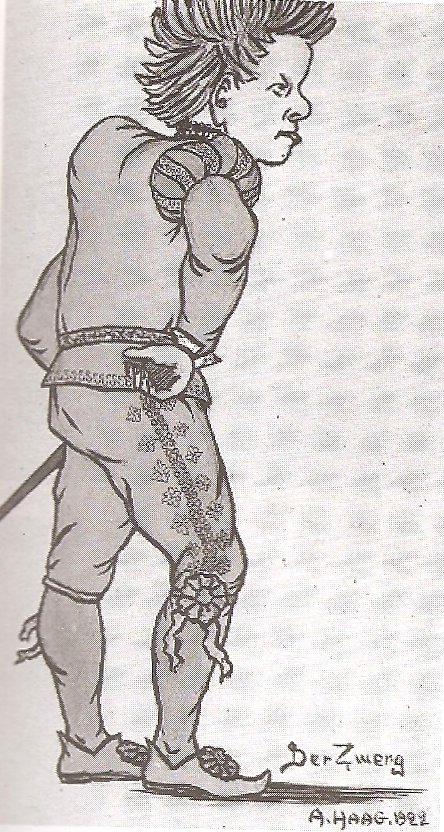
Kostuumontwerp voor ‘Der Zwerg’ door August Haag, Köln 1922

Op haar achttiende verjaardag ontvangt Donna Clara een merkwaardig geschenk: een dwerg, die bovendien afzichtelijk lelijk is. Een heerlijk speeltje voor de infante, zeker ook omdat de dwerg het van zichzelf niet weet – hij heeft nog nooit zijn eigen spiegelbeeld gezien.. Donna Clara maakt hem verliefd en laat hem in de waan dat ze ook van hem houdt, waarna ze hem voor spiegels zet. Hij overleeft het niet, maar dat kan de verwende prinses niet boeien.

Zemlinksy velazquez.meninas

Diego Velázques: Las Meninas

De zeer traditionele en naturalistische setting is buitengewoon mooi en de kostuums zijn oogverblindend. Je waant je daadwerkelijk aan het Spaanse hof. Het geheel ziet er als een schilderij van Velazques uit, adembenemend.

Adembenemend is ook de uitvoering. James Johnson zingt en acteert een voortreffelijke Don Esteban. Mary Dunleavy heeft alles in huis om de verwaande infante te vertolken: zij is mooi en capricieus. Haar stem is zilverkleurig en kinderlijk licht. Ook als actrice weet ze te overtuigen.

De hoofdrol wordt hier op een onnavolgbare wijze gezongen door Rodrick Dixon. De enige die ik ooit beter vond, was Douglas Nasrawi, die ik de rol hoorde zingen tijdens de ZaterdagMatinee.

James Conlon over de door hem gedirigeerde Der zerbrochene Krug van Ullmann gekoppeld aan Zemlinsky’s Der Zwerg:

DER TRAUMGÖRGE

Zemlinsky Traumgorge “De sprookjes moeten werkelijkheid worden”, zingt Görge, nadat zijn droom door de boeren en zijn verloofde Grete is uitgelachen. En zie maar: Görge vindt zijn gedroomde prinses in de gedaante van de door de boeren uitgestotene Gertraud en zijn droom komt uit.
Het verhaal van Görge de dromer en zijn zoektocht naar het onbereikbare ideaal werd door Zemlinski van muziek van ontroerende schoonheid voorzien. Sehnsucht, zinderende erotiek, symboliek …. Noem het maar op en je vindt het. Het werk doet mij sterk aan Król Roger van Szymanowski denken, dezelfde lange, uitgesponnen lijnen in de sopraan-aria, dezelfde overweldigende koorpartijen, opzwellende orkest. Ik vind het prachtig.

Der Traumgörge (libretto van Leo Feld, naar het sprookje ‘Vom unsichtbaren Königreich’van Richard von Volkmann-Leander en het gedicht van Heine ‘Der arme Peter’) werd door Zemlinsky bedoeld als hulde aan zijn toenmalige geliefde Alma. Door omstandigheden werd de opera nooit bij zijn leven uitgevoerd, de eerste – behoorlijk ingekorte – uitvoering vond pas in 1980 plaats.

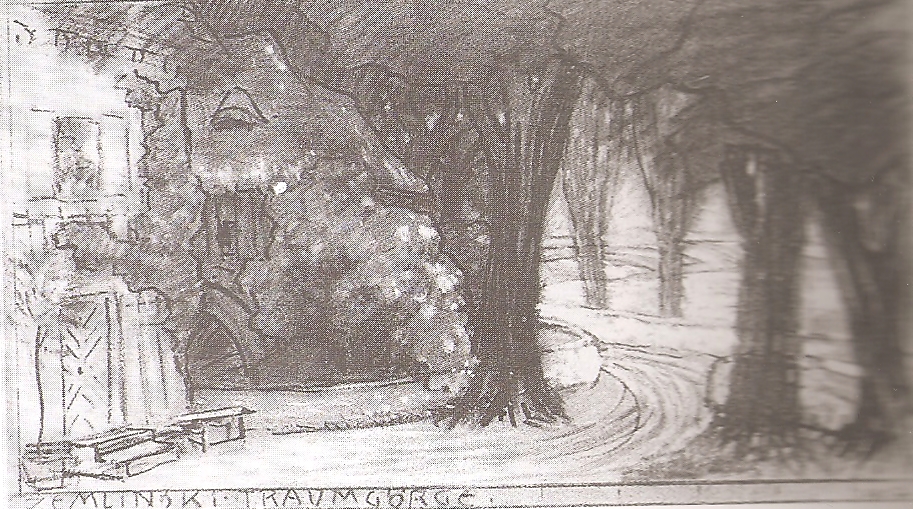
Zemlinsky Traumgorge decor

Decorontwerp van Alfred Roller voor ‘Der Traumgörge’. Weense Hofoper 1907

Dat het niet aan de muziek ligt, bewijst de eerste volledige opname uit 1999. Het Keulse orkest onder leiding van James Conlon alleen al verdient een tien met een griffel en de solisten zijn absoluut subliem.

David Kuebler zet met een stralende hoogte een schitterende Görge neer. Zijn stem vermengt de juiste dosis metaal met sottovoce, wat nodig is voor deze rol.

Patricia Racette, toen nog een grote onbekende is onwerkelijk mooi als Gertraud (de fluwelen tonen in ‘Och! Ich wil zu dir in die Welt’ zijn van een Korgoldiaanse schoonheid) en  Andreas Schmidt boers genoeg voor Hans. De liveopname klinkt uitstekend.


DER KÖNIG KANDAULES 

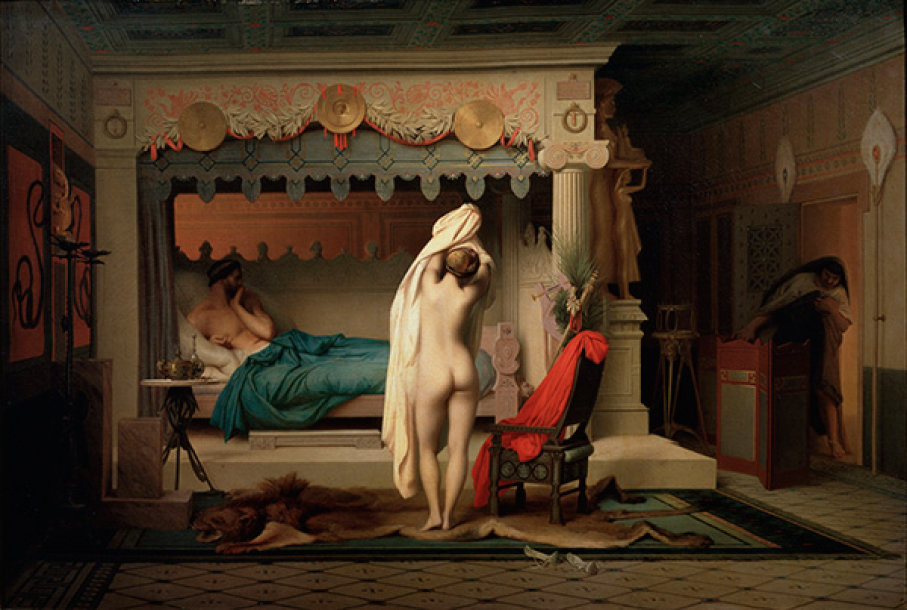
Zemlinsky KK Gerome

Jean-Léon Gérôme (1824-1904): ‘King Candaules’

In 1938 vluchtte Zemlinsky naar New York. In zijn koffertje bevond zich de onvoltooide opera Der könig Kandaules. Eenmaal in New York, hoopte hij op de uitvoering in de Metropolitan Opera.

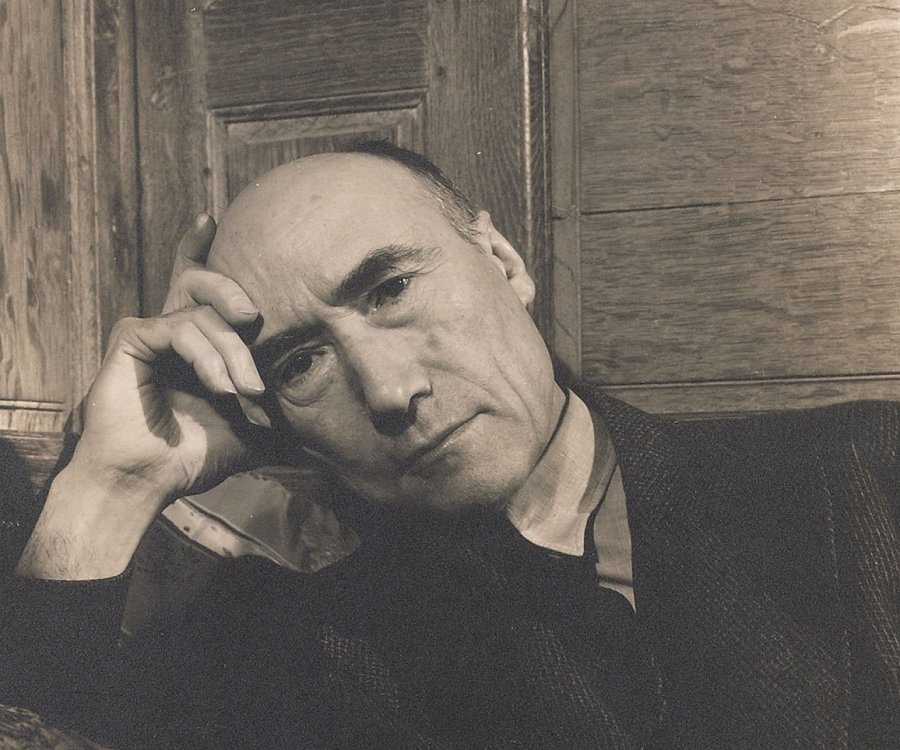
Zemlinsky Andre Gide

André Gide

Helaas voor hem was het op het toneelstuk van André Gide gebaseerde libretto (koning Kandaules wil zijn geluk en [de schoonheid van] zijn vrouw met iedereen delen. Door de koning aangemoedigd en door een onzichtbaar makende ring geholpen, brengt Gyges een nacht door met de koningin. Als zij achter de ware toedracht komt, spoort zij Gyges aan om de koning te vermoorden waarna hijzelf tot koning wordt gekroond), te gewaagd voor het Amerikaanse publiek. Toen Zemlinsky in 1942 stierf, was zijn opera nog steeds onvoltooid.

Zemlinsky Beaumont

Antony Beaumont

Het was pas de Engelse musicoloog én Zemlinsky-biograaf Antony Beaumont die het partituur voltooide. In oktober 1996 werd de opera in Hamburg uitgevoerd, met enorm veel succes. De uitvoering werd live opgenomen en op het label Capriccio (600712) uitgebracht.

Zemlinsky KK Capriccio

De uitvoering onder leiding van Gerd Albrecht is zonder meer uitstekend en de hoofdrollen zijn met James O’Neal (Kandaules), Monte Pederson (Gyges) en Nina Warren (Nyssia) zeer adequaat bezet. In de kleine rol van Nicomedes horen we een jonge debutant, Mariusz Kwiecień.


Zemlinsky KK Nagano

In 2002 heeft Salzburg de opera op het programma gezet en de live opgenomen – fenomenaal beztte – uitvoering werd in een zeer verzorgde uitgave op 2 cd’s uitgebracht (Naïve 3070). De rol van Kandaules werd vol overgave gezongen door Robert Brubacker en Wolfgang Schöne was een uitstekende Gyges. De Zweedse Nina Stemme, die toen nog in het lyrische ‘fach’ zat, zong een mooie Nyssia. Het Deutsche Symphonie Orcherst onder leiding van Kent Nagano klinkt zeer spannend.

Onze onvolprezen ZaterdagMatinee heeft de opera in november 2007 concertante uitgevoerd, helaas bestaat er geen opname van. Jammer, want de dirigent Bernhard Kontarsky dirigeerde met veel overgave en Stuart Skelton en Jeanne-Michèle Charbonnet waren onvergetelijk als de koningspaar.

Gyges (of was het Zemlinsky zelf?):  „Der, der ein Glück hält, soll sich gut verstecken! Und besser noch, sein Glück vor Andern“.

Deel 1: EINE (AUTO)BIOGRAFISCHE TRAGÖDIE: ALEXANDER ZEMLINSKY. Deel 1: de man

Deel 2: EINE (AUTO)BIOGRAFISCHE TRAGÖDIE: ALEXANDER ZEMLINSKY. Deel 2: LYRISCHE SYMPHONIE

Deel 4: EINE (AUTO)BIOGRAFISCHE TRAGÖDIE : ALEXANDER ZEMLINSKY. Deel 4: ‘Warum hast du mir nicht gesagt..’