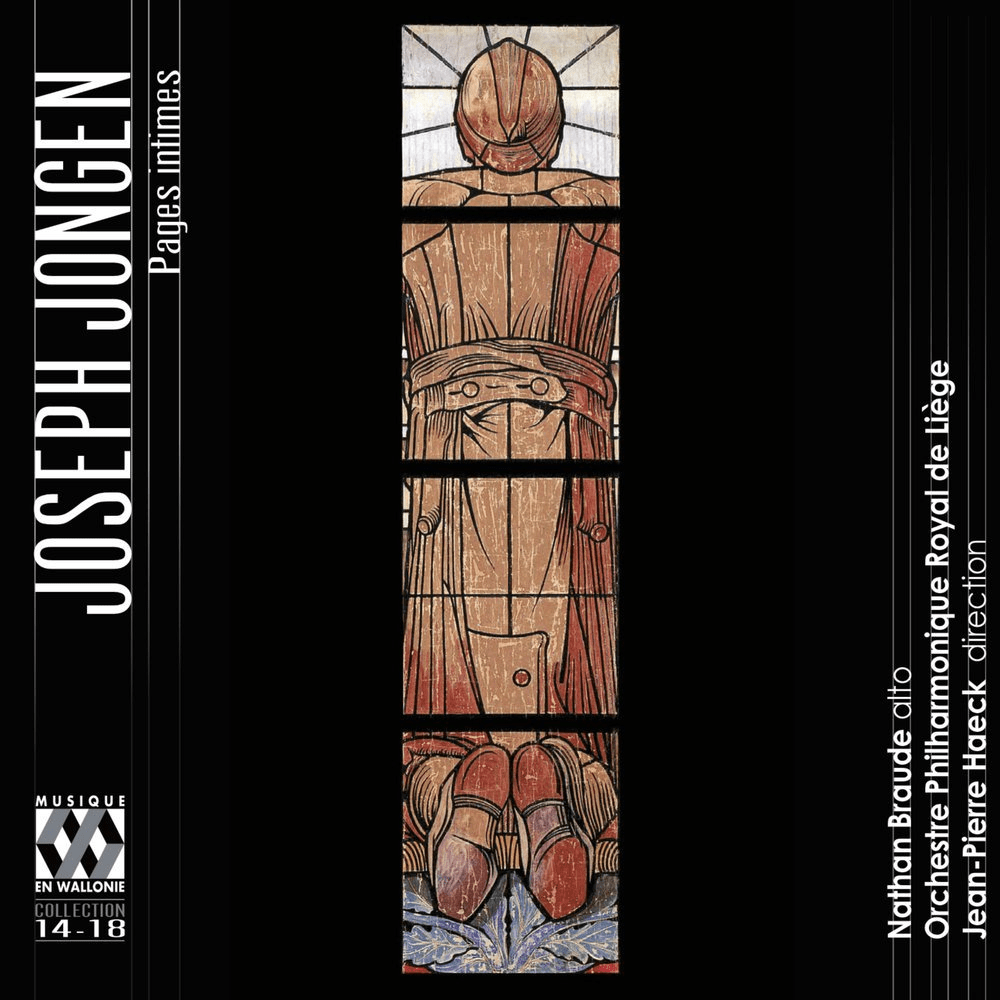
Take a virtually forgotten composer, next put an unknown conductor in front of an orchestra that is virtually unknown outside Belgium, and then add a violist whom most people have never heard of. A sure-fire recipe for total failure, you might say. Wrong! The result is so breathtakingly beautiful that I simply cannot (and do not want to!) get the CD out of my player.
The highly descriptive and evocative Tableaux pittoresques are very Debussy-esque, but that is true of almost all the music on the CD. You don’t even need to know the titles of the individual movements to know
what they are about. I know that some people look down on this kind of “visual art”in music but I like it.
It gives a sense of calm and the feeling that time stands still for a moment and that the outside world has ceased to exist, at least for a short while.
Admitted; Sarabande Triste is no more than a bit of light fluff and the Pages Intimes are justmore of the same”, but I actually find it very pleasant to listen to. But what really makes the CD irresistible is the “Suite pour alto etorchestre”. I must confess, to my shame, that I didn’t know it and I do not even know why not. It layed too rarely? Is it not complicated enough?
This CD was released as part of the 14-18 series, the years relating tothe First World War. How and why do you compose music in turbulenttimes? In the introduction, I read: ‘Music that sprang from a period in which art sometimes seemed meaningless and vain, but which nevertheless succeeded […] in offering comfort.’
It is no different in the turbulent years of the 21st century. But it is not a thing for lovers of the dissonant and uncomfortable.
In 1991, Hyperion launched a new, exceptionally enjoyable, project, the Romantic Piano Concerto.
The series opened with a recording of Moszkowski’s piano concerto, which was, in those days, considered to be his only piano concerto.
At the time, no one knew that another, earlier concerto existed; it was only discovered in 2008.
Is it any good? Yes and no. It’s actually a bit of fluff, but how beautiful it is! Really something to listen to with your eyes closed, preferably in the garden in the sun (in front of the burning stove in winter is also fine), your mind switched off and… sweet dreams will come.
With its almost 54 minutes, the concerto is quite long and part four, allegro sostenuto, should really have been left out, but hey… sometimes it’s nice not to have to think and just surrender to pure romance.
Very little is known about Adolf Schulz-Ever; even his name is spelled in different ways. The Pole, who was a student of Stanislaw Moniuszko, must have been an extraordinary piano virtuoso, because his eleven-minute work really needs a master pianist. But also one who just knows how to tease out the famous “Russian soul” (the work is not called Russian Rhapsody for nothing!) and how to fill it with unabashed longing.
The Bulgarian Ludmil Angelov can do that. Together with the BBC Scottish Symphony Orchestra conducted by Vladimir Kiradjiev, he makes my heart beat a little faster.
Thank you, Hyperion. I will cherish this CD as a beautiful memory.
Slowly, much too slowly and actually much too late, but the music world is waking up. One gap after another is finally being filled and the (consciously or unconsciously) ‘forgotten’ composers are at long last coming to our CD players.
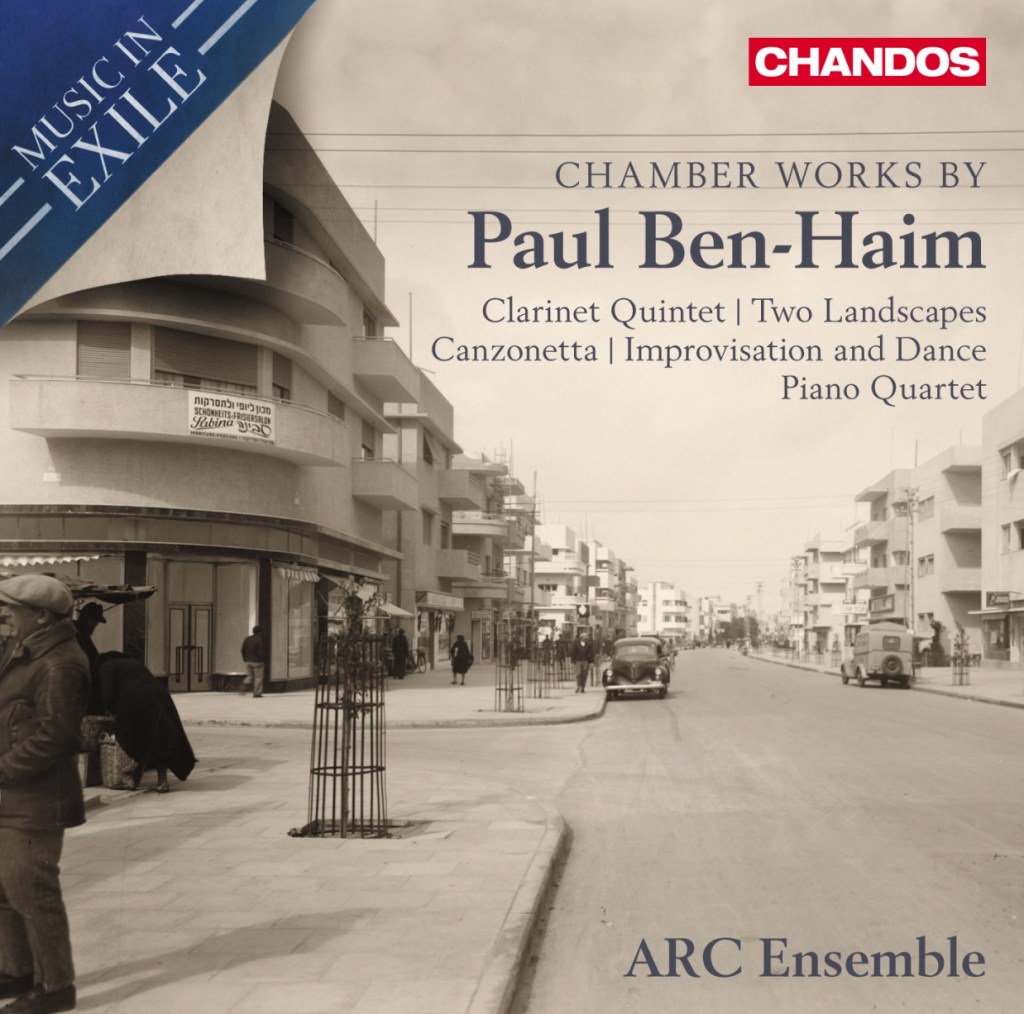
Who among you has ever heard of Paul Ben-Haim? If not, why not? The composer was born as Paul Frankenburger in Munich in 1897 and died in Tel Aviv almost 90 years later. And he left behind a really spectacular oeuvre.
Many vocal works, orchestral pieces, chamber music…. What not, actually? Most of his works are influenced and inspired by Jewish, Israeli and Arab melodies, so you may call his music “nationalistic”. Nothing wrong with that word.
Just take the opening of his 1941 clarinet quintet! The dancing clarinet part reminds one of swinging klezmer, but in a Brahmsian way.
The ARC Ensemble perform the opening movement of Paul Ben-Haim’s Clarinet Quintet at the Enav Center, Tel Aviv:
This is even more pronounced in his “Two Landscapes” for viola and piano, in which he sings the praises of his new homeland’s beauty.
Steven Dann and Dianne Werner prepare to record The Landscapes for viola and piano:
The “Improvisation and Dance”, dedicated to Zino Francescati, betrays influences from Yemeni folklore and only his oldest work on the CD, the Piano Quartet from 1920, does not yet have its own “face”.
The (very infectious playing!) members of the Canadian ARC Ensemble all work at the Glenn Gould Conservatory in daily life. A CD to cherish.
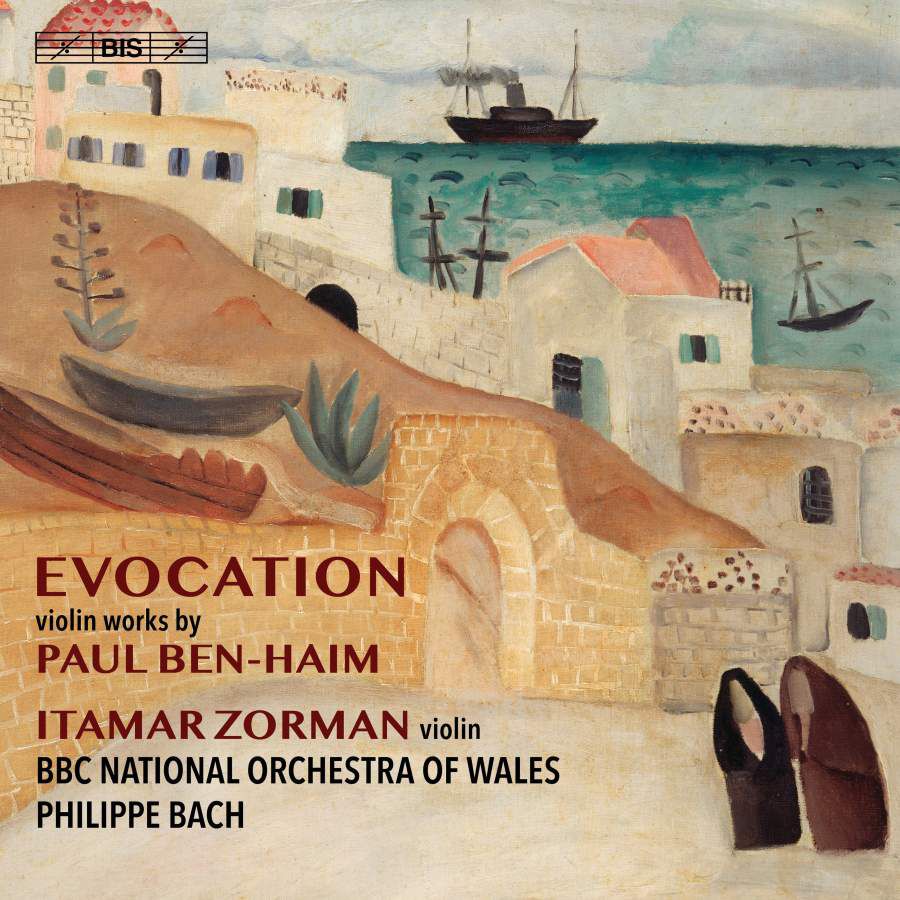
Evocation
Paul Ben -Haim, who was born in Munich in 1897 as Paul Frankenburger and died almost 90 years later in Tel Aviv, remains a great unknown to many music lovers. This is a great pity, because the oeuvre of this sadly forgotten composer is very diverse and most exciting. At one time he was totally immersed in the German Romantic tradition before he almost radically broke with it when he left his native country in 1933.
He began his new life composers life in what was then known as the British Mandate of Palestine by changing his name, after which he also adapted his compositions to his new homeland. Starting in 1933, most of his works were influenced and inspired by Jewish, Israeli and Arabic melodies.
Between 1939 and 1949 Ben-Haim accompanied the at that time extremely famous folk singer Bracha Zefira. Zefira, who was of Yemeni origin, had a great influence on the musical life in what was then Palestine. It was for her that he composed the Berceuse Sfaradite, a song which had become one of her greatest successes.
Bracha Zefira:
The Violin Concerto, which dates from 1950, is probably Ben-Haim’s best-known composition, in no small part as a result of the great recording by Itzhak Perlman. The CD is still on the market, I believe, but as far as I know the Concerto is only rarely performed. Why?
Three Studies for Solo Violin is Ben-Haim’s last violin composition, dedicated to Yehudi Menuhin in 1981. Splendid. But I was most struck by the completely unknown Evocation from 1942, a work which has its premiere here and which really gave me goose bumps. Wow.
Evocation live:
Itamar Zorman, the young Israeli violinist who won the 2011 prize in the Tchaikovsky competition, has immersed himself in the composer and his work. Thanks to him, this album was compiled and released. He plays these works as if his life depends on them. He believes in them and he communicates that belief more than convincingly.
Zorman about Ben-Haim:
The accompaniment by Amy Yang (piano) and the BBC National Orchestra of Wales conducted by Philippe Bach is first-rate as well
Works for violin
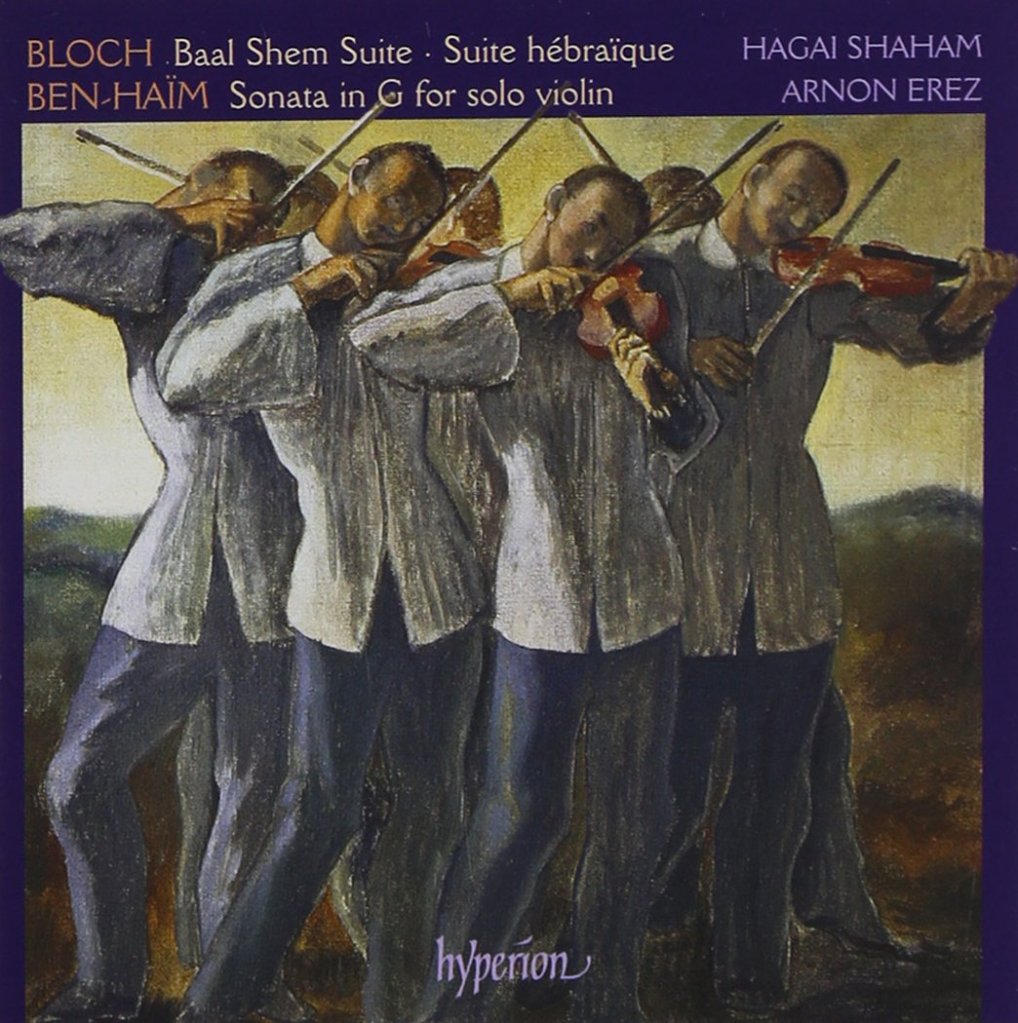
The Berceuse Sfaradite is based on a Sephardic lullaby. In Hagai Shaham’s hands, the piece sounds sultry and reassuring at the same time. And the two tone poets’ violin solo suites, composed at Yehudi Menuhin’s request, turn into forgotten masterpieces in his hands. Wonderful.
More works by Ben-Haim
Psalm from Symphony no. 1:
Whole symphony:
From Israel
Sonata for two mandolins, guitar, harpsichord, harp and string orchestra:
Het is op voorhand al afgezaagd om het te hebben over Jaap van Zweden als terugkerende Hollander. Gelukkig valt – anders dan er nog een cliché aan te voegen door te schrijven dat hij Der Fliegende Holländer naar een veilige haven dirigeerde – te concluderen dat hij ons bij voorkeur dwars door elke storm en bijna tegen elke klip door de partituur loodste. Zoals past bij dit hyper romantisch werk van de jonge Wagner, geschreven vol jeugdige branie, maar waarin hij later nog geregeld aanpassingen aanbracht met wat hij inmiddels van Tristan und Isolde tot en met De Ring had opgestoken.Want als Van Zweden één ding duidelijk maakte is het dat Der Fliegende Holländer, zeker in deze versie, in orkestrale pracht helemaal niet zo ver af ligt van de Götterdämmerung.
Wagners laatste modificaties stammen dan ook uit 1880, drie jaar voor de dood van de componist. De complete Ringcyclus was al in 1876 in Bayreuth in première gegaan en Wagner vond nog steeds dat Der Fliegende Holländer niet thuishoorde in de Festspiele. Daar werd het werk voor het eerst pas opgevoerd in 1901, dus achttien jaar na de dood van de componist. Overigens, Wagners nog vroegere Rienzi zal in 2026 ook worden uitgevoerd als onderdeel van de Festspiele.
Dit naar Meyerbeers grand opéras gemodelleerde werk was daar volgens de wens van de componist al helemaal nooit toegelaten, ook al identificeerde Hitler zich naar verluidt met de protagonist van deze opera. Katharina Wagner, de huidige festivaldirecteur en achterkleindochter van de componist, zou het machtige gebod van haar overgrootvader willen tarten, ter gelegenheid van het 150-jaar bestaan van de Festspiele. Ze zou het werk misschien buiten het Festspielhaus kunnen laten opvoeren. Dan pleegt ze toch geen heiligschennis.
Nergens in Wagners vroege opera’s wordt zijn onderscheidend gebruik van gemoedelijke, ‘Biedermeier’ en zelfs wat tuttige melodieën en harmonieën voor ‘burgerlijke’ karakters en harmonisch spannend materiaal voor zijn getormenteerde, tragische protagonisten duidelijkere dan in Der Fliegende Holländer. John Adams heeft niet zonder rede een muziekstuk geschreven genaamd Must the Devil have all the good Tunes? En van Zweden gaat hier lekker mee te keer, alle dominant septiem akkoordreeksen en overig clustermatieraal uitvergrotend, fortissimo als het moet, om dan overigens telkens als het nodig is in te binden om de zangers de ruimte te geven.
Eigenlijk heeft Wagner in een aantal opera’s als de Holländer nog een derde categorie personages toegevoegd; in feite tragische personages, die, anders dan al die getormenteerde protagonisten als de Holländer tot en met Alberich zelf weinig in te brengen hebben in wat hen overkomt, maar die wel worden meegesleurd in de gebeurtenissen. Kurwenal en in feite ook Melot in Tristan und Isolde, Gutrune in de Götterdämmerung, en in Der Fliegende Holländer zitten er ook twee, de Steuermann en Mary. Wat zal er van hen worden, als de protagonisten hun noodlotsperikelen hebben laten uitrazen?
Met name de Steuermann krijgt enkele fraaie én voor de plot cruciale passages toegemeten. Al in zijn eerste optreden bezingt hij in een soort mini-opera de gevaren van de zee, waarvan het besef alleen wordt goedgemaakt door het verlangen naar zijn liefje in zijn thuisstad. Hij staat op wacht op het moment dat het schip van de Hollander aanmeert, ook al is de lieverd in slaap gevallen. In een iets ander spookschip-verhaal, zoals in Nosferatu, was hij al dood geweest. Matthew Swensen geef zijn Steuermann een fraaie tragische dimensie, met een intussen uitermate welluiden klaroenstem. Hij moet nog dan over best flink wat orkestgeluid in de hogere registers heen zingen en er gebeurt dan nog heel wat in het orkest onder hem. Swensen ging hier fraai mee om, geholpen door Jaap van Zweden die heel gedetailleerd de dynamische overgangen tussen piano en forte aanbracht.
Iris van Wijnen (Mary) en Benjamin Bruns (Erik)
Mary is eigenlijk een Brangäne in de dop, raadgeefster en hoedster van Senta, net als Isolde vastbesloten op weg naar haar noodlot/lotsbestemming. Ik ben al een tijd fan van Iris van Wijnen, die zoals ze zelf in een radio-interview zei met korte maar zangtechnisch niet te onderschatten rollen als Mary gestaag op weg is naar inderdaad bijvoorbeeld Brangäne.
Benjamin Bruns kenden we hier al als Max in de opvoering van Der Freischütz en hij zingt ook Florestan in Fidelio en Tamino in Der Zauberflöte. In zekere zin altijd net zulke goedzakken als Erik, die hij nu zingt. En ook hij krijgt toch een paar van die ‘good’ d.w.z. Wagneriaans-ambivalente ‘tunes’ waarop John Adams doelde, als hij Senta in de tweede akte de droom vertelt waarin Senta’s vader van zee terugkeert met een mysterieuze vreemdeling, namelijk de Holländer. Erik voorziet het hele drama en kan er niets meer aan doen, maar in zijn dromen heeft hij dus wel contact met duistere krachten. Hier kreeg Benjamin Bruns ook een kans om zich dramatisch te profileren.
Senta’s vader, Daland, werd gezongen door de relatief jonge Andreas Bauer Kanabas. Blijkens zijn interessant getitelde album Love and Despair richtte hij zich tot nu toe ook op veelal Verdi’s grote basrollen, maar zijn zoetgevooisde en lenige basstem is ook een aanwinst in de Wagnerwereld. Ook als personage stond zijn Daland als een huis, inclusief zijn kruiperigheid tegenover de Hollander, maar ook zijn mildheid tegenover de Steuermann als die in slaap blijkt te zijn gevallen en zijn vaderlijkheid tegenover Senta.
Andreas Bauer Love and Despair:
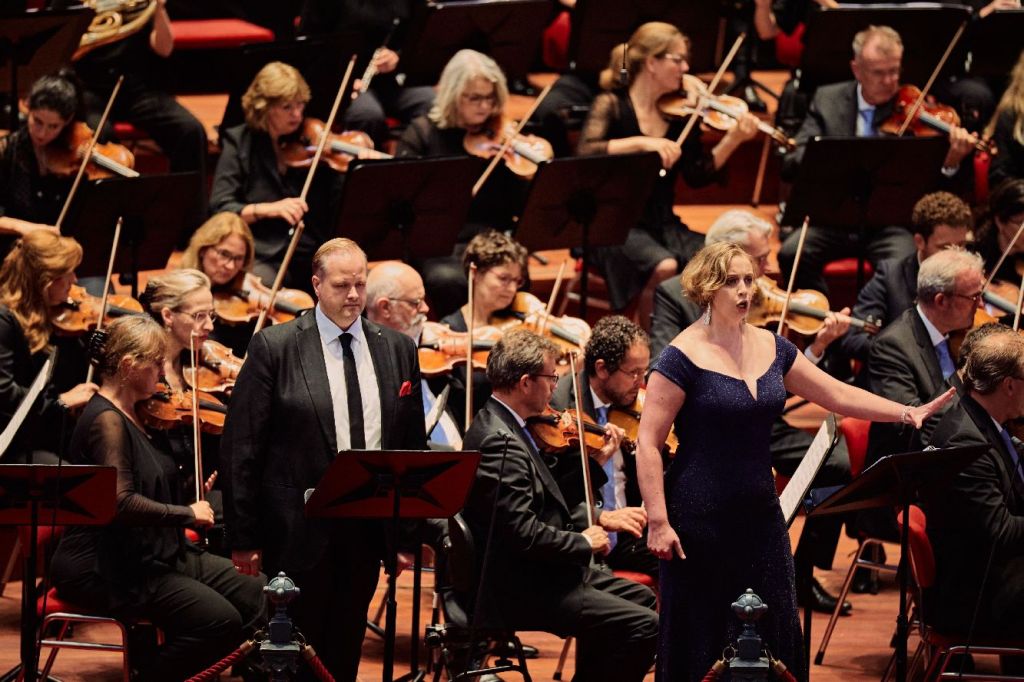
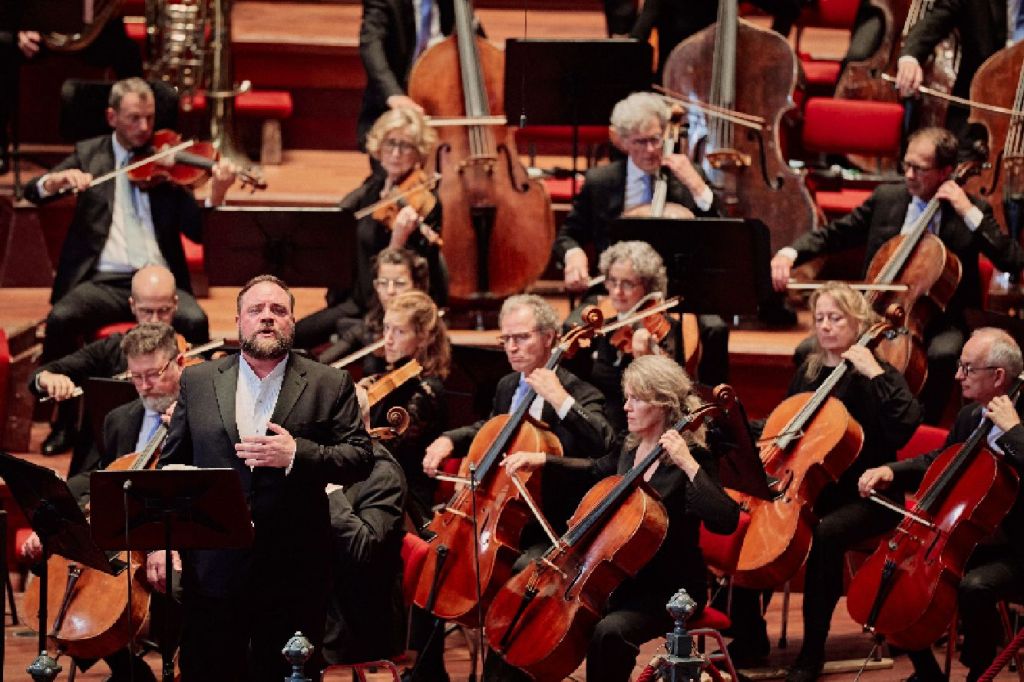
Hoewel het een concertante uitvoering was, namen de uitvoerende geregeld de ruimte om hun personages ook theatraal te profileren. Wat dat betreft leek bariton Brian Mulligan als Holländer niet zoveel te hoeven doen behalve ijzig voor zich uit te staren, maar dat overtuigend doen zodat het ook op het balkon zichtbaar blijft is ook een kunst. Door subtiele wendingen in blik en gebaren kon hij het obsessieve en tegelijkertijd wanhopige van zijn personage laten doorschemeren. Misschien was hij ook een beetje wit geschminkt, of minder naturel donker geschminkt dan de anderen. En als een sociale zombie kijk hij niemand van de mede-passages ooit aan. Zelfs Senta niet. Ook dat duidelijk maken moet je kunnen.
Mulligan was na afloop te gast bij Hans Haffmans in de radio-uitzending en bleek een joviale, warme spreker. Hij is ook een formidabele zanger, die ook de relatief hoge passages in zijn rol fraai ten gehore bracht. Bij de Nationale Opera zong hij eerder Jochanaan in Salome en Golaud in Pelléas et Mélisande. Die rollen komen wel zo’n beetje overeen, zangtechnisch en karakterologisch.
Senta werd gezongen door Ricarda Merbeth, die inviel voor de ziek geworden Miina-Liisa Värelä. Die is wat jonger, maar als ik haar opnamen beluister via haar website zou ook in haar geval een Senta-probleem hebben bestaan. In leeftijd is Senta waarschijnlijk de jongste vrouwelijke Wagner-protagoniste die eigenlijk nog maar nauwelijks uit de puberteit is gekomen. Maar de vertolkster moet binnen de kortste keren Senta’s grote ballade zingen, waarvoor een fikse stemomvang en dito stemvolume nodig zijn.
Wagner-veterane Merbeth stortte zich vol goede moed op de ballade, en na een paar maten met volumeproblemen, kwam ze goed op dreef. Maar ze is dan meer een Walküre, en de stem wappert bovendien wat. Tegenover dit alles stond dat Merbeth precies weet wat de rol inhoudt. Fraai bleef ze met haar ogen gefixeerd op een plek achterin boven in de zaal, alsof daar inderdaad dat portret hangt waarvan Senta al sinds haar kindertijd idolaat is. Theatraal is ze ook soeverein in haar rol. Zonder dat Merbeth daar veel voor hoeft te gebaren is duidelijk dat Senta vindt dat ze van een andere wereld is dan de andere meisjes in het naaiatelier. Van een andere wereld dan Mary en Erik, die ze niet eens aankijkt, dan zelfs van haar vader.
Het koor heeft ook een groot aandeel in deze opera, de matrozen, de meisjes die in het naaiatelier werken, de bemanning van het spookschip. Het Groot Omroepkoor was voor de gelegenheid aangevuld met Cappella Amsterdam. Of die binnen het geheel een speciale rol hadden heb ik niet kunnen nagaan. Het zou kunnen zijn dat mannen van Cappella Amsterdam de partijen van de bemanning van het spookschip zongen. Ook dit alles werd door dirigent Van Zweden tot een formidabele eenheid gesmeed.
Gezien 7 september 2024
NTR ZaterdagMatinee Radio Filharmonisch Orkest Jaap van Zweden (dirigent) Benjamin Goodson (koordirigent)
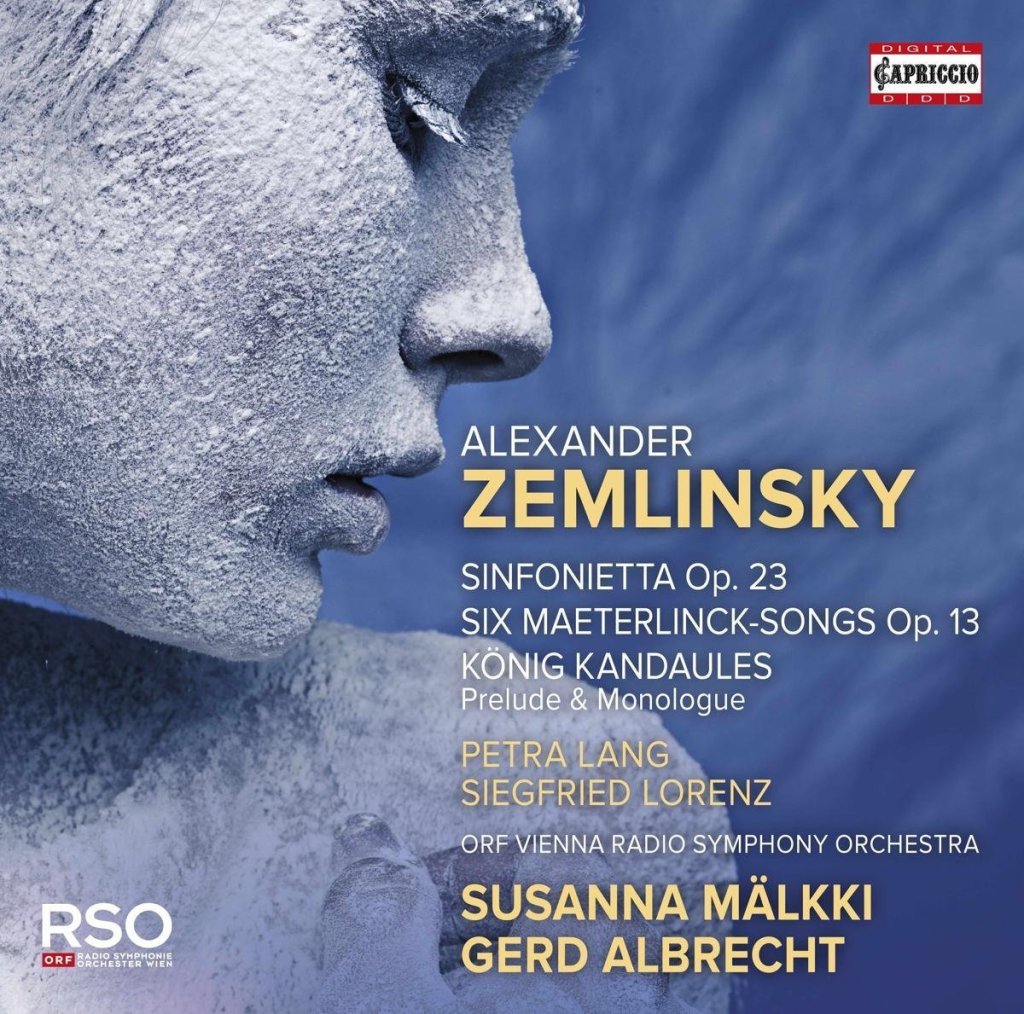
Don’t be alarmed! It is not a rather weird performance of – or a variation on – Beethoven’s fifth symphony but the beginning of Zemlinsky’s 1934 Sinfonietta, a work in which the composer is barely recognizable. I read somewhere that he wanted to prove to his greatest critics that, in the symphonic genre, he was not inferior to the three big Bs: Beethoven, Brahms and Bruckner.
Zemlinsky’s Sinfonietta played Gürzenich-Orchester Köln/ James Conlon
Total nonsense, of course, because his greatest appeal greatly depends on his very own idiom: a sultry, barely-there erotic tension. And the Sinfonietta lacks, precisely, those essential elements. I had not heard the work before and I don’t think I will often listen to it again, but that is not down to the excellent performance: Finnish conductor Susanna Mälkki clearly has an affinity with it.
Unfortunately, the performance of the “Sechs Maeterlinck Gesänge” is not on the same level. This is mainly because of Petra Lang. I have never been a big fan of hers but here she sounds, how shall I put it… anything but erotic? Too bad.
And for ˜dessert” we get the prelude and monologue from the third act of ” König Kandaules”, an opera Zemlinsky never finished. The monologue is very impressively sung by Siegfried Lorenz and the orchestra conducted by Gerd Albrecht, who died in 2014, sounds simply heavenly. The recording dates from 1992.
Alexander Zemlinsky Sinfonietta, op. 23, Six Maeterlinck-Songs Op. 13 Petra Lang (soprano) ORF Vienna Radio Symphony Orchestra olv Susanna Mälkki
Der König Kandaules (two excerpts) Siegfried Lorenz (baritone), ORF Vienna Radio Symphony Orchestra conducted by Gerd Albrecht
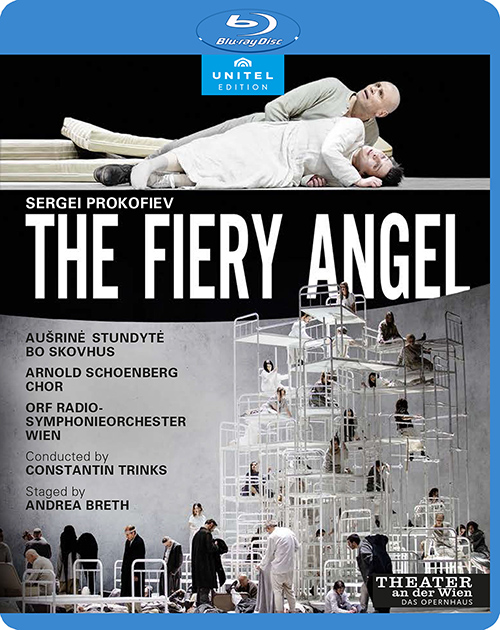
In het voorjaar van 2021 ging in Theater an der Wien een nieuwe productie van Prokofjevs opera The fiery angel in een enscenering van Andrea Breth. Unitel heeft hiervan recent een opname op Blu-ray uitgebracht.
Sergej Prokofjev baseerde het libretto van zijn opera op de gelijknamige roman van Valeri Brjoesov uit 1908. Hij werkte er met tussenpozen van 1919 tot 1929 aan maar tot een opvoering kwam het tijdens zijn leven niet. De scenische wereldpremière vond pas plaats op 29 september 1955 in het Teatro La Fenice.
De vuurengel vertelt het verhaal van een vrouw die als kind is bezocht door een schitterende verschijning, die ze voor een engel hield. Ze kon het goed met hem vinden en elke keer als hij terugkwam, speelden ze gezellig allerlei spelletjes.
Maar als het meisje Renata een jonge vrouw wordt, wil ze meer dan dat. Ze wil zich lichamelijk met deze geestverschijning verenigen. De engel weigert dit, maar belooft dat hij over enige tijd zal terugkeren in de gedaante van een gewone man die aan haar wens zal voldoen.
In graaf Heinrich meent Renata haar engel te herkennen, maar na een jaar verlaat hij haar zonder ooit nog iets van zich te laten horen. Dat brengt haar volledig uit haar evenwicht, ze begint te zwerven en schreeuwt voortdurend in haar slaap. Een passant die toevallig met haar in een zelfde herberg logeert trekt zich haar lot aan en raakt gaandeweg geheel verstrengeld met Renata en haar onoplosbare problemen.
Deze Ruprecht helpt bij het zoeken naar Heinrich, maar probeert feitelijk Renata ertoe te brengen die hersenschim op te geven en voor hem te kiezen. De handeling voltrekt zich vervolgens in Keulen, waar ze samen Heinrich proberen te vinden. Daar wordt ook de metafysicus Doktor Agrippa von Nettesheim geraadpleegd. Uiteindelijk komt Renata in een nonnenklooster terecht waar ze door een inquisiteur wordt berecht.
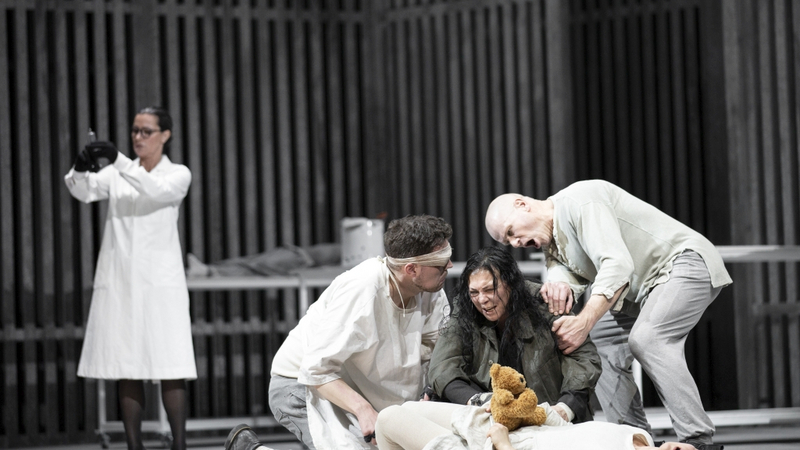
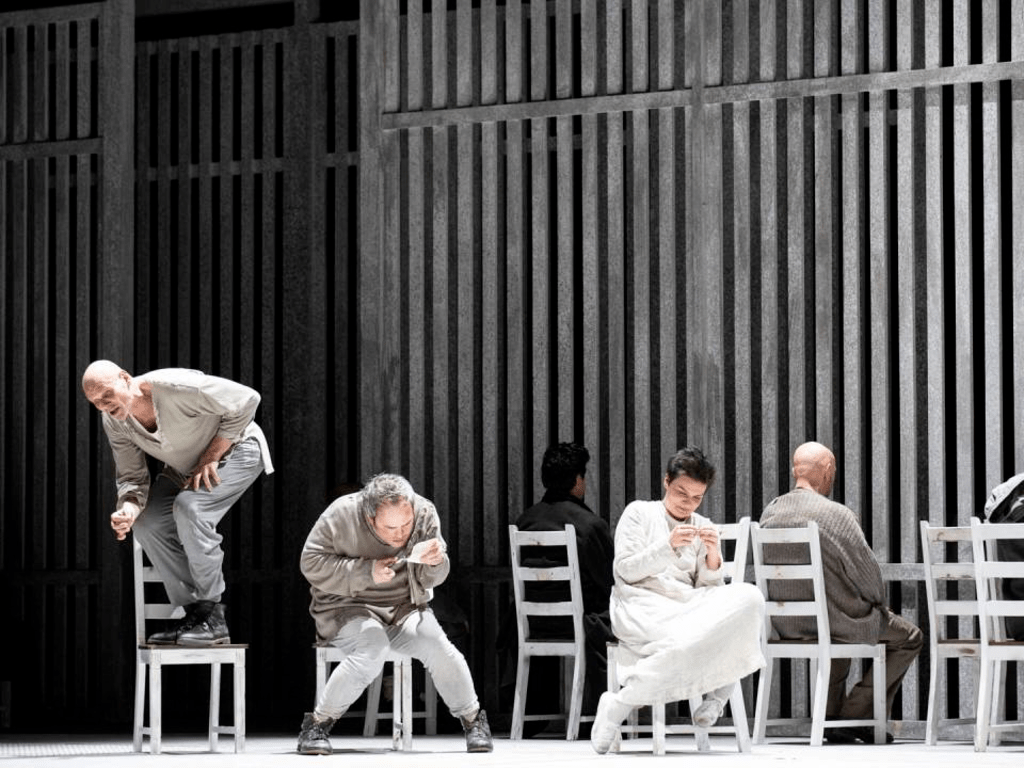
De grens tussen waanbeelden en werkelijkheid is in het verhaal flinterdun, er gebeuren de meest vreemde dingen als Agrippa ten tonele verschijnt en later maken ook Faust en Mephistofeles nog hun opwachting. Breth heeft daarom gekozen voor een psychiatrische inrichting als plaats van handeling. De personages die in het libretto worden benoemd zijn hier allemaal aanwezig waarbij de toeschouwer zich kan afvragen of er wezenlijk onderscheid gemaakt kan worden tussen patiënten en medisch personeel.
Door de handeling zo nadrukkelijk te beperken tot een kliniek haalt Brett feitelijk de angel uit het stuk. De toeschouwers weten zich veilig, het zijn de anderen die van het pad zijn, niet zijzelf. Volgt men het libretto wat nauwkeuriger dan ontstaan er meer mogelijkheden om het publiek te ontregelen.
In dat opzicht was de benadering van regisseur Immo Karaman in zijn productie voor Deutsche Opera am Rhein beter geslaagd. Daarin werd voortdurend gesuggereerd dat bepaalde scènes zich op andere locaties afspelen, maar steeds blijkt de toeschouwer op een dwaalspoor te zijn gebracht en bevindt iedereen zich nog steeds in een sanatorium.
Prokofjev beoogde naar verluidt de vierde wand ten minste gedeeltelijk te slechten zodat het publiek zich kon gaan afvragen of het deel uitmaakte van die wereld die uit zijn voegen was geraakt. Bij Brett is daar van meet af aan geen sprake van, het blijft bij aapjes kijken.
Deze instelling wordt getoond als een krankzinnigengesticht in de benadering van een griezelfilm. Er zijn sjofele, rond schuifelende stakkers te zien, die schokkende bewegingen maken en ongecontroleerde geluiden uitstoten. Renata koestert een knuffelbeer die ze voor haar Heinrich houdt en lijkt bij vlagen delirisch. Geen cliché wordt geschuwd, ook een kringgesprek zoals in One flew over the cuckoos nest ontbreekt niet.
Het decor bestaat grotendeels uit ijzeren ziekenhuisbedden die in de slotscène aan elkaar gelast een hoge toren vormen waarin de nonnen (ook patiënten) zich aan duivelse extase mogen overgeven. Eigenlijk is het toneelbeeld tamelijk onaangenaam om naar te kijken, wit, grijs, kil, afstotend.
Renata komt voor rekening van Ausrine Stundytre, een rol die haar op het lijf geschreven is. Ze is een absoluut theaterdier dat beslist tegen een stootje kan. En dat komt hier heel goed van pas. Haar zang en acteren zijn geheel in lijn, ze zet een geestelijk ontspoorde vrouw neer en je twijfelt er geen moment aan of ze is dat ook werkelijk. Van haar Elektra in Salzburg en Heliane in Gent was ik veel minder onder de indruk, Renata geeft haar de kans echt uit te blinken.
Ruprecht wordt vertolkt door Bo Skovhus, eveneens een veeleisende rol die hij een geloofwaardige invulling weet te geven.
Nikolai Schukoff speelt Agrippa en Mephistofeles alsof het een en dezelfde persoon is, niet vreemd natuurlijk voor een patiënt in een inrichting die is opgenomen vanwege een gespleten persoonlijkheid en mogelijk nog veel ernstiger problemen. Je ziet bijna de waanzin in zijn ogen en zijn zang is uitstekend verzorgd.
Natasha Petrinsky loopt rond in witte jas en hanteert achteloos een injectiespuit. Formeel speelt ze de herbergierster en de abdis maar hier is ze het enige personage dat herkenbaar niet tot de patiënten behoort. Met ook nog eens strak achterover gebonden haar en een bril boezemt haar verschijning angst in, mooi gedaan. Ze heeft niet veel te zingen maar doet dat adequaat. Dat geldt ook voor de overige bijrollen.
We horen het ORF Radio-Symphonieorchester Wien en het Arnold Schoenberg Chor. Constantin Trinks heeft de muzikale leiding.
Vooral door toedoen van Stundyte, Schukoff en Skovhus de moeite van het bekijken waard.
Curious man, that Henze. Once flirting with communism and dreaming of a world revolution, he was also an aesthete and an erudite which – in part – made him decide to bid farewell to Germany and move to Italy in 1953.
His music has always been highly theatrical: he never liked the strict rules of serialism and felt a close connection with opera, which, unlike the hardliners of the avant-garde at the time, he had never labelled as obsolete. His discography therefore lists more than 20 musical theatre works, performed with great regularity.
DIE BASSARIDEN
Die Bassariden is among Henze’s finest and most important compositions. The English Language libretto, after ‘The Bacchantes’ by Eurypides, was written by W.H.Auden (does anyone remember the ‘Funeral Blues’ from Four Weddings and a Funeral?) and Charles Kallman.
It became a massive, through-composed score, anchored in the Wagnerian tradition (it is whispered that the librettists insisted that Henze, before turning to composing, study the ‘Götterdammerung’) and constructed as a four-movement symphony with voices.
The story of King Pentheus, who, by wanting to banish all sensuality, comes into conflict with Dionysus and his adepts and is ultimately torn apart by his own mother, serves as a metaphor for the conflict between Eros and Ratio.
The opera premiered (in the German translation) at the Salzburg Festival in August 1966. It became a huge success, even prompting one of the reviewers to cry that Richard Strauss had finally got a successor. Henze laughingly and rightly dismissed this with a simple “where are the man’s ears?!”
A few years ago, the live-recorded premiere performance (in German translation) was released by Orfeo (C 605 032 1). The highly emotional playing of the Wiener Philharmoniker, under the inspired direction of Christoph von Dohnányi, reaches unprecedented heights.
Kostas Paskalis is very credible in his role of Pentheus and Kerstin Meyer moves as Agave.
It’s just a pity no libretto was included, after all, it’s not everyday fare.
[Editorial: A later performance of the English Language version was released on the Musica Mundi label, conducted by Gerd Albrecht, but this revised edition omits the interlude]
Das Urteil der Kalliope, interlude from Die Bassariden :
L’UPUPA
Almost forty years later, a new (and also the last, the then almost 80-year-old composer claimed) [Ed: He would produce two more after this, in spite of ill health] opera by Henze was performed in Salzburg: L’Upupa und der Triumph der Sohnesliebe. It was a commissioned work by the Salzburg Festival, and its premiere at the Kleines Festspielhaus in August 2003 was recorded live for DVD (EuroArts 2053929).
The libretto, a fairy tale based on Syrian-Persian tales, was written by Henze himself. The three sons of The Old Man go in search of L’Upupa (a hop), a bird lost by the man with the golden feathers. The two eldest drop out immediately and amuse themselves by drinking and playing cards. The youngest, Kasim (an excellent role by Mattias Goerne), assisted by a Papageno-like ‘Demon’ endures all kinds of adventures, including an attempt on his life by his brothers. But he finds the bird and, in passing, a lover in the guise of a Jewish Princess (Laura Aikin) and returns to his old father. Only to leave again immediately, this time to fulfil a promise made. An open-ended ending, then, that also makes for beautiful imagery and moving music.
The text is at times very comic, but also very poetic. Jürgen Rose’s sets and costumes are truly dazzling, and Dieter Dorn’s direction very intelligent. There is also more than excellent singing and acting, especially by the truly inimitable John Mark Ainsley as the Demon.
DER PRINZ VON HOMBURG
On Arthaus Musik (100164) you will find another superb opera by Henze: Der Prinz von Homburg. It was recorded at Bayerischer Staatsoper in Munich in 1994 and Nikolaus Lehnhoff’s direction is truly inimitable.
The story of a daydreaming prince, who fails to follow orders properly during the war and is sentenced to death but is exonerated as soon as he accepts his punishment, is based on a play by Heinrich von Kleist.
François Le Roux seems cut out for the lead role, but the rest of the cast: William Cochran, Helga Dernesch, and Marianne Häggander is also particularly strong.
MEMOIRS OF AN OUTSIDER
I also warmly recommend the documentary about Henze made by Barrie Gavin in 1994 (Arthaus Musik 100360). It features – apart from the composer himself and his Italian friend – Simon Rattle and Oliver Knussen, who candidly confesses that his own music would never have become anything without Henze’s influence. All this is interspersed with music excerpts and with beautiful archive footage. As an encore, you get a stunning performance of Henze’s absolute masterpiece, his Requiem.
The older you get the more you think about the good old days. At least I do. Once I had fled the communist paradise (it is not the right word because I was thrown out) I could not marvel enough at everything the world and life had to offer. Marvel is the right word, because I could only sigh with longing at the overflowing shops: the clothes, the shoes and the music shops with LPs I couldn’t even dream of before.
So my very first scholarship was entirely spent in those shops. On day one, I bought Nocturnes by Chopin with Rubinstein, Christmas Oratorium by Schütz (because I had never heard of it before) and Beethoven’s Violin Concerto with David Oistrach. And a packet of Marlboro which literally put me in other realms that night.
And now for what it’s all about:
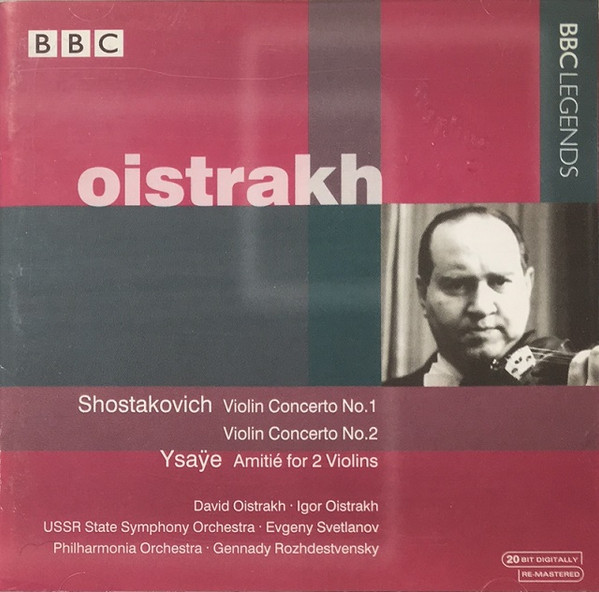
There are those compositions that are always mentioned in the same breath with one particular performer: the cello concertos by Elgar and Jacqueline du Pré, for instance. Or the violin concertos by Dmitri Shostakovich and David Oistrach.
Both Shostakovich concertos were dedicated to the violinist (he received the second as a present for his 60th birthday) and it was Oistrach who performed them at their world premiere. The first, already written in 1947, but not premiered until two years after Stalin’s death, is a very personal work and bears the composer’s ‘stamp’. In the first movement, he used his own initials DSCH, something he did more often; for instance in the seventh string quartet and in the tenth symphony.
Both the violinist and the composer, who was close friends with Benjamin Britten, were welcome guests in England, where Shostakovich’s music was also very popular. So it is not surprising that the live recordings of both concerts from 1962 and 1968 respectively and dedicated to Oistrach, appeared on the BBC Legends label.
The audience is clearly present, coughing and sighing, but it is not really disturbing and their enthusiasm is infectious. I do have to warn you about the quality ot the sound though, as it is not very good.
Dmitri Shostakovich Violinconcerto No.1 Philharmonia Orchestra olv Gennady Rozhdestvensky; Violinconcerto No.2 USSR State Symphony Orchestra olv Evgeny Svetlanov
Eugene Ysaÿe Amitié op. 26 for 2 violins London Philharmonia Orchestra olv Sir Malcolm Sargent David & Igor Oistrach BBCL 4060-2
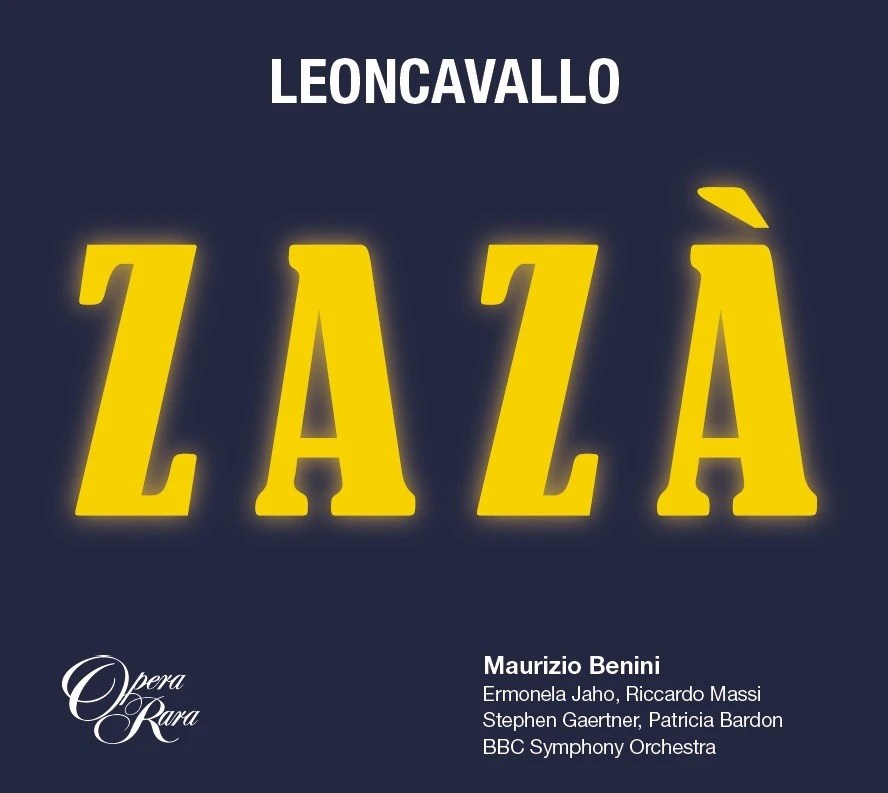
Admittedly. It is a dragon of a story with a high “crying gypsy boy” content. And yet…
In a way, Zazá is reminiscent of Cilea’s Adriana Lecouvreur. The heroine is a celebrated singer who starts a complicated relationship with a man she does not know is married.
Like Adriana, she is faithfully assisted by an older colleague who was once her lover and who still loves her. But unlike Adriana, it doesn’t kill her, at least if you don’t take deadly grief too literally.
Faced with her lover’s daughter (handkerchief at hand?), she makes a proud decision and leaves the crook, but first she confronts her slippery lover with the real facts of his character. No murder, no suicide, but a drama brimming with silent tears.
Ermonella Jaho (Zazá) has a light soprano voice with silver overtones: beautiful and very belcanto like. Too much, actually, because personally I would have preferred a bit more volume.
Stephaen Gaertner is a fine Cascart: he sings his big hit Zazá , piccola zingara with great empathy and warmth, although he cannot not make me forget his illustrious colleagues.
Renato Zanelli:
Riccardo Massi may not sing beautifully, but he seems to have verismo in his blood and he gives Milio a real face.
The BBC Symphony Orchestra plays beautifully, but for me it is all too neat and too well-be
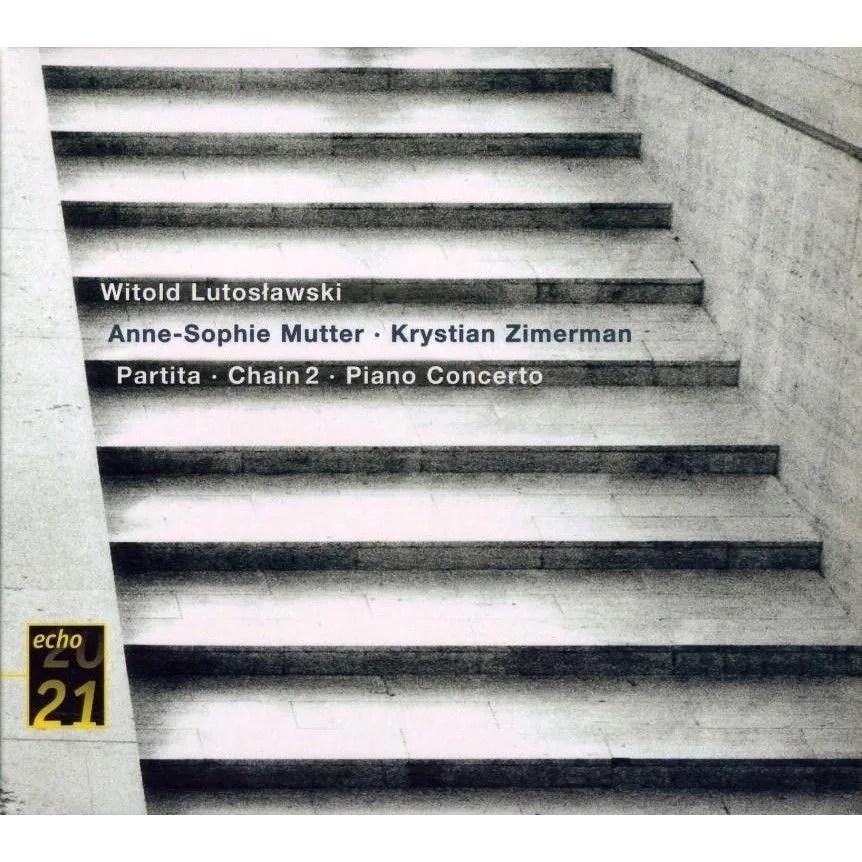
Witold Lutoslawski may undoubtedly be counted as one of the very greatest composers of the 20th century. His oeuvre is not particularly large but all the more impressive and the piano concerto occupies a prominent place in it. Lutoslawski composed it in 1987, it was commissioned by the Salzburg Festival and he dedicated it to Krystian Zimerman, who indeed premiered it there a year later, conducted by the composer himself.
It is a very lyrical, but also a very expressive composition that really nails you to your seat. Its four movements flow into each other like a chain, without interruption. Extremely impressive and unprecedentedly exciting, but also, and this is very important to me, the concerto is also very accessible to the inexperienced listener.
Music that flows together like a chain… No it’s not really anything new, certainly not for Lutoslawski. Back in 1986, he composed three works under the title Chain. One of them, Chain 2 for violin and orchestra was then performed so impressively by Anne-Sophie Mutter that the composer decided to rework his Partita for violin and piano (once composed for Pinchas Zuckerman) for her and dedicate it to her.
Chain III:
These are not new recordings, but who cares? The music is magnificent and the performances nothing short of phenomenal.
















 Basia con fuoco