Leo_Smit_Stichting

De duivel in de nacht

Tekst: Neil van der Linden
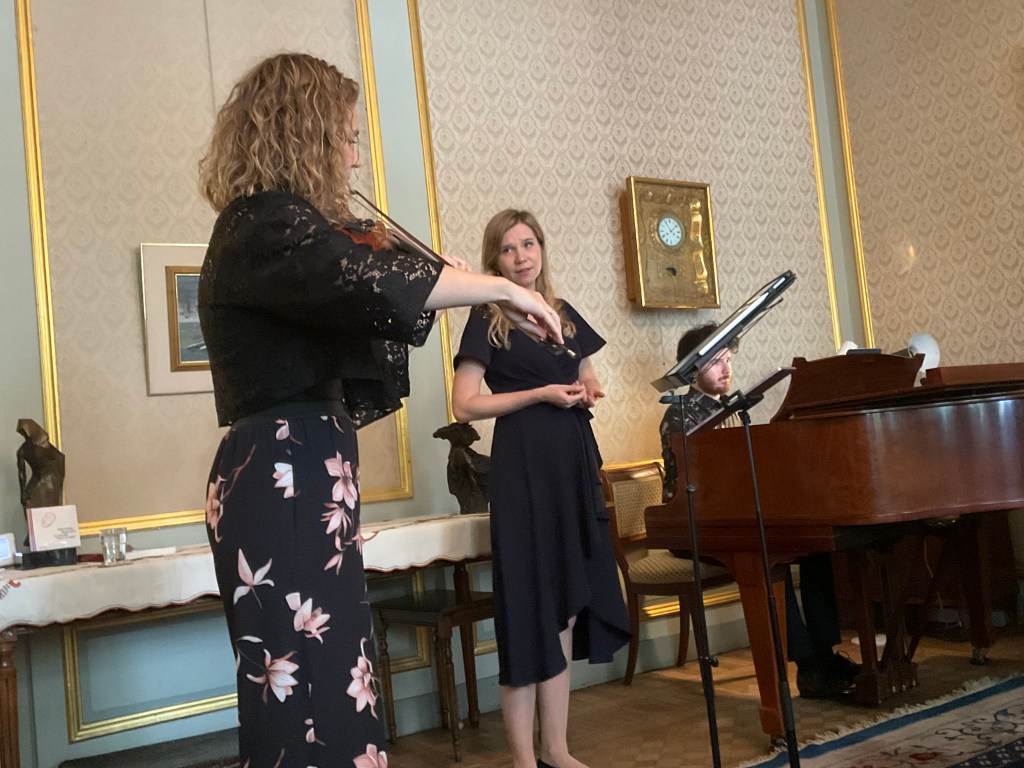
In de serie Voix Étouffées, Missing Voices presenteerde de Leo Smit Stichting een CD met werken van Henriëtte Bosmans (1895-1952). De serie heet zo omdat, net zoals zoveel componisten waaraan de Leo Smit Stichting aandacht besteed, en zoveel anderen, Henriëtte Bosmans, met een Joodse moeder, slachtoffer werd van de Nazipraktijken. In 1941 werd haar (volgens de Joodse leer dus Joods, maar volgens de Nazis ‘maar’ half-Joods) optreden als pianist verboden, ook omdat ze weigerde lid te worden van de Nederlandsche Kultuurkamer.
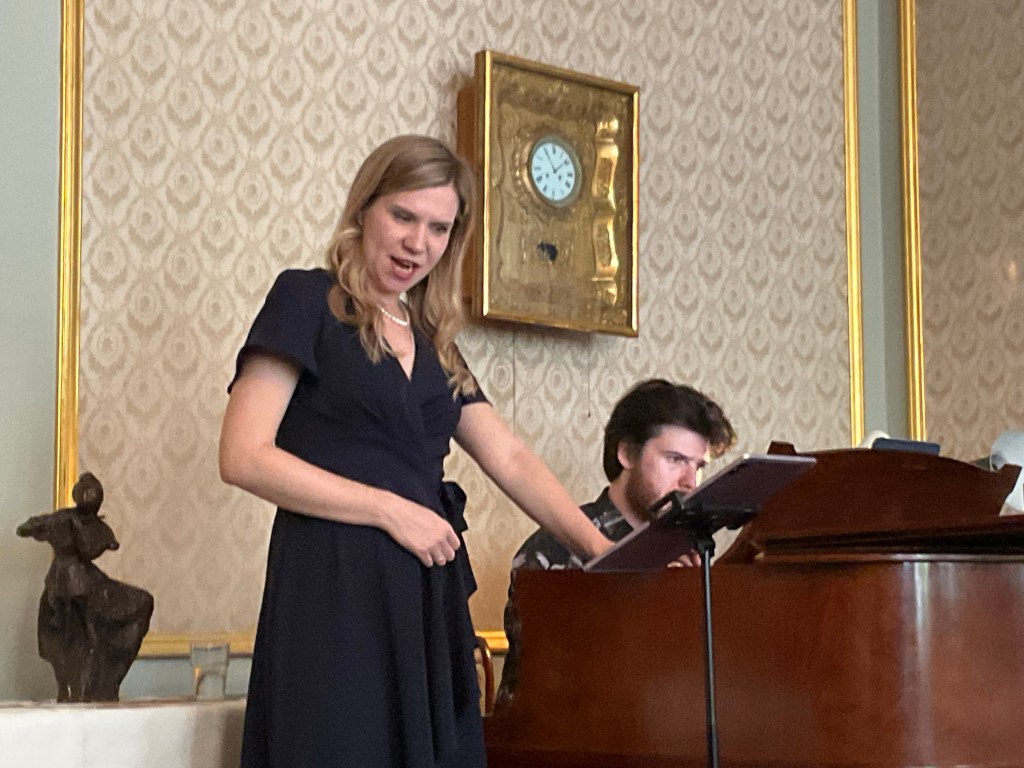
Maar ze heeft de oorlog overleefd. Anders dan de andere componist die deze middag op het programma stond, Daniel Belinfante (1893-1945) die naar een werkkamp bij Auschwitz was gedeporteerd en daar de dag voordat het kamp werd bevrijd stierf (toen de Duitsers terwijl Russische troepen naderden) de barak waar hij doodziek was ondergebracht in brand hadden gestoken. Van hem klonk zijn prachtig grimmige, maar deels ook lyrische Sonatine uit 1939.
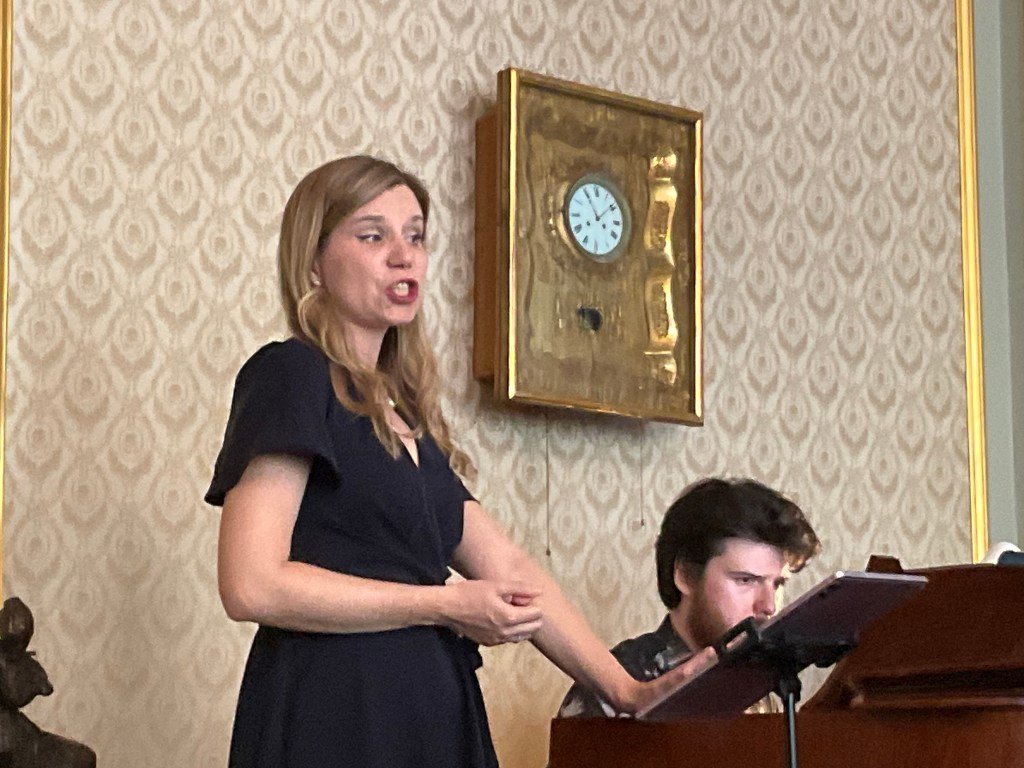
In een vergelijkbaar concert vorig jaar november van sopraan Elizaveta Agrafenina en pianist Dimitri Malignan stond naast Bosmans ook werk van Daniel Belinfante op het programma. Malignan bereid inmiddels een CD helemaal gewijd aan werk van Belinfante voor. Daniel Belinfante was trouwens een neef van celliste Frieda Belinfante, Bosmans’ levensgezellin gedurende de jaren twintig.
De eerste drie liederen van deze middag klonken de vorige keer ook. “Lead, kindly light” uit 1945 op tekst van de Engelse kardinaal Newman is geschreven voor Jo Vincent, die het in de orkestversie zong met het Concertgebouworkest onder Adrian Boult. Newman had ook de tekst voor Elgar’s The Dream of Gerontius geschreven. Bosmans was in die jaren bevriend met Britten. Het lied werd nu uitgevoerd in de versie voor piano, maar met een fraaie extra toegevoegde vioolpartij (bewerking Elizaveta Agrafenina), gespeeld door Sarah Bayens.
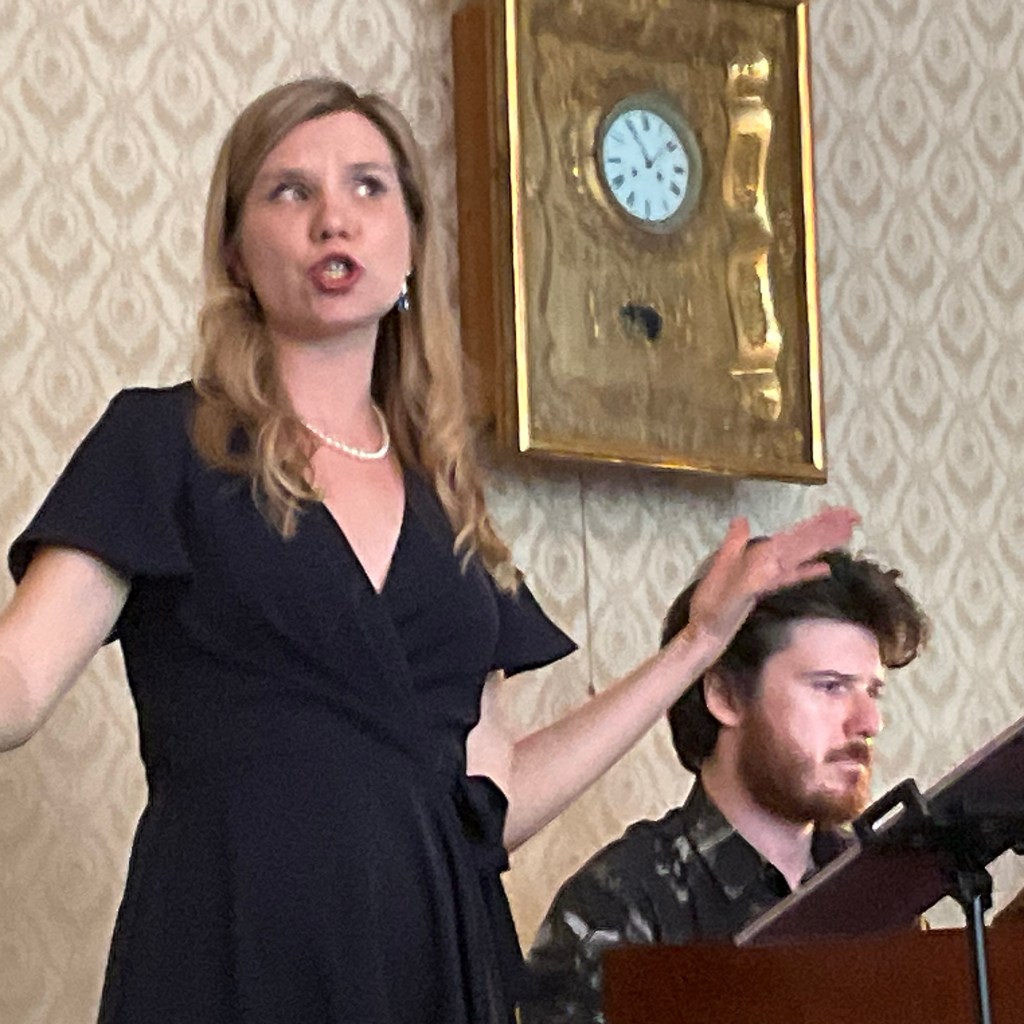
“La chanson des marins hâlés” (Het lied van de gebruinde zeelieden) uit 1949 was wat zonniger, burlesker. Maar het gaat ook over de rusteloosheid van het leven, van mensen als zeelieden die overal en nergens thuis zijn.

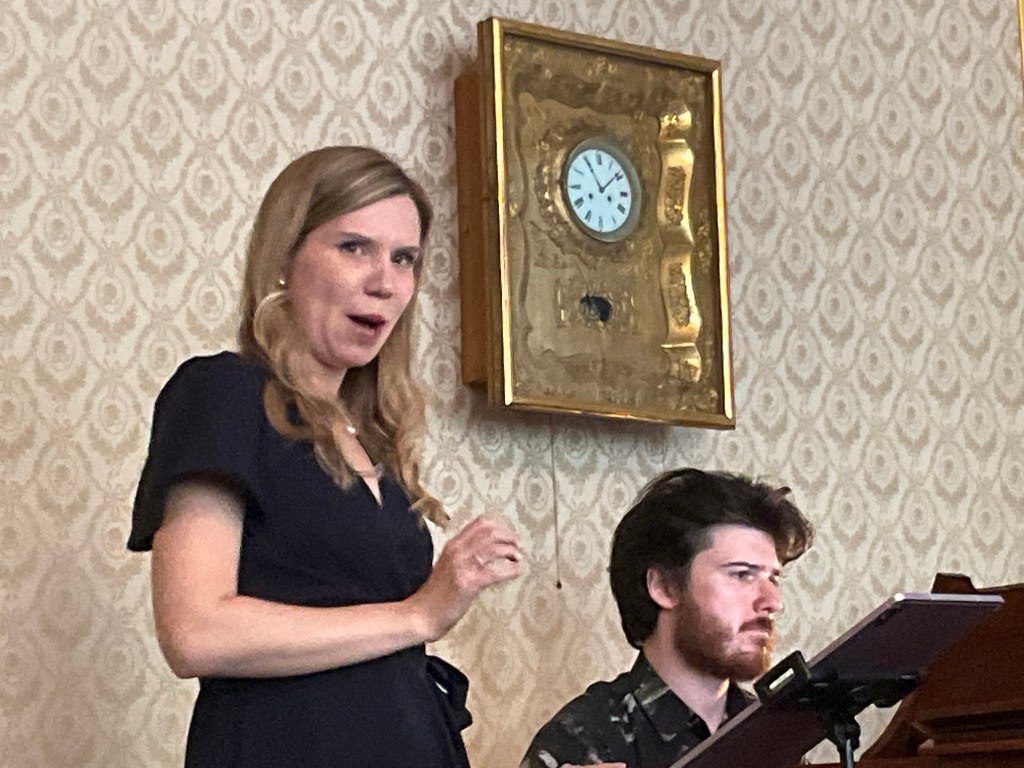
Het derde lied, “Le diable dans la nuit” uit 1935, waarnaar de middag vernoemd was, onderstreept de lugubere sfeer van die tijd. Het lied zit vol extreme kleuringen, in de zang en de pianopartij, fraai naar boven gehaald door Agrafenina en Malignan.

De eerste regel uit het gedicht van Paul Fort uit 1895 luidt “Le diable court dans la nuit”, “De duivel rent de nacht in”, maar in 1935 moest er eerst nóg weer een Satan komen.
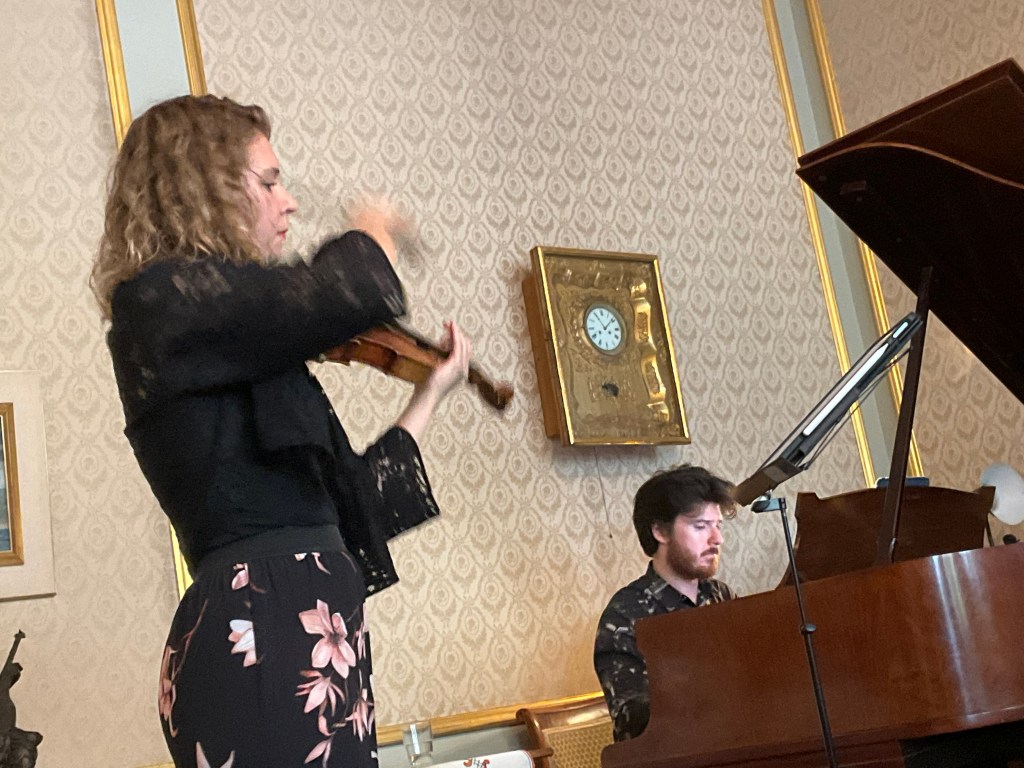
Bosmans’ vier liederen die na Belinfantes Sonatine werden uitgevoerd stonden de vorige keer niet op het programma. “Complainte du petit cheval blanc” uit 1949, heeft door de combinatie van de speelse pianopartij en de tekst van Paul Fort, over een levenslustig ronddravend wit paard dat bliksem en donder tart, maar uiteindelijk door de bliksem wordt getroffen, wel iets Mahler-Wunderhorn-achtigs, ook in de Mahleriaanse harmonieën en ritmen die het beeld van het ronddravende paard oproepen.

“Pieusement” is een relatief vroeg werk, uit 1921, fraai devoot. Ik meen er ook kerkklokken ergens in een landschap in te horen, op zijn impressionistisch, zoals in werken met kerklokken als thema van Debussy en Ravel.

Het contrast met “Chanson” kon bijna niet groter zijn. In dit lied uit 1952, Bosmans’ laatste levensjaar, is ze mondain, een echt-Franse chanson, die misschien Piaff niet zou hebben misstaan, aldus Agrafenina.

Nog een contrast is er met “Daar komen de Canadezen” uit 1945 behoort tot haar Nederlandstalige liederen. Het is ook geschreven voor Jo Vincent. Ondanks dat er een satire op marsmuziek in doorklinkt, is het een ode aan het geallieerde bevrijdingsleger (en misschien is gekozen voor de Canada als bevrijdingsmacht met de minst imperialistische aspiraties).

Na een fraaie uitvoering door Sarah Bayens en Dimitri Malignan van Bosmans’ vioolsonate voegde Elizeveta Agrafenina zich voor de laatste keer bij hen voor “Gebed” uit 1945, van dezelfde tekstdichter als van “Daar komen de Canadezen”, Fedde Schurer, en een meditatiever oorlogslied: ‘Heer, zegen Gij ons dierbaar vaderland
En laat ons nimmer, nimmer slaven worden.
Gelijk de blinde, teugellooze horden
Die ons verheerden lang met moord en brand.’ Het lied, waarin op de piano ook weer kerkklokken doorklinken, eindigt met een ‘Amen’.

Henriëtte Bosmans (1895-1952)

  • Lead Kindly light (arr. met viool) 1945 J.H. Newman
  • La chanson des marins hâlés 1949 Paul Fort 
  • Le diable dans la nuit 1933 Paul Fort 

Daniel Belinfante (1893-1945) Sonatine 1939

Henriëtte Bosmans

  • Complainte du petit cheval blanc 1949, Paul Fort  
  • Pieusement (1921, second song she wrote after Beau Chevalier.. first work was already 1914.) I only spoke from lieder perspective, a bit like with Schubert.. his first song was Erlkonig…. op.1 (Poet: Verhaeren)
  • Chanson 1952 Fernard Mazade 
  • Daar komen de Canadezen. 1945-1946, Fedde Schurer 

Henriëtte Bosman Sonate voor viool en piano 1918

Henriëtte Bosmans

-Gebed (arr.met viool) 1945 Fedde Schurer 

De hele CD staat op Spotify:

Er zijn nog veel meer liederen van Bosmans. Hopelijk gaan Agrafenina en Malignan die ook opnemen. Hopelijk komt het ook van opnamen van Bosmans’ liederen met orkest. In elk geval bestaat er een youtube opname van de orkestversie van “Lead, kindly light” met Elizaveta Agrafenina als solist.

Afgelopen juni en juli verschenen bij CPO twee fraaie CDs met onder meer de cellosonate en de twee celloconcerten van Bosmans, met cellist Raphael Wallfisch en Ed Spanjaard als pianist en dirigent.

­

­

Foto’s: © Neil van der Linden
MUSIC OF ANOTHER WORLD: SZYMON LAKS


Laks archief André Laks

Szymon Laks © Archiv André Laks


How many music lovers, even seasoned ones, have heard of Szymon Laks? Let alone of his music? Fate has been unkind to the Polish-French composer. Laks survived the hell of Auschwitz thanks to music: after he was taken captive, he was appointed conductor of the concentration camp’s orchestra.

Laks book

Laks wrote a book about his time in the camp, after which he became known as the ‘kapellmeister of Auschwitz’. Extremely painful. Like his son André stated: it may be true his father survived the war thanks to music, it should never be forgotten he mainly lived for music as well.

Laks Klüger

Ruth Klüger © Kerrin Piche Serna, University Communications

Ruth Klüger, a famous author, Germanist and Holocaust survivor wrote about Auschwitz in her book ‘Still Alive: A Holocaust Girlhood Remembered’ : “The name itself has an aura, albeit a negative one, that came with the patina of time, and people who want to say something important about me announce that I have been in Auschwitz. But whatever you may think, I do not hail from Auschwitz, I come from Vienna.”

Laks Polska Orkiestra Radiowa

© Polska Orkiestra Radiowa

Szymon Laks did not hail from Auschwitz, he was born in 1901 in Warsaw. He left for Paris in 1926 to finish his musical studies there. He studied with Pierre Vidal and Henri Rabaud and soon became part of the “Paris School.” A group consisting mainly of young, Eastern European composers like Bohuslav Martinů and Marcel Mihalovici,  with composers like Honegger, Milhaud and Poulenc as central figures.

This French school with its formal structures and neoclassical lines was a great influence on Laks, especially in his earlier works, but his oeuvre was also strongly rooted in the Polish tradition. Polish music, both classical and folk music was his biggest inspiration.

Laks deportatie


In May 1941 Laks was arrested and interned in the French camp Pithiviers as a foreign Jew. On July 16th 1942 he was deported from there to Auschwitz. In 1944 he was transferred to Dachau. After his liberation he returned to Paris.

Laks document

Before the war Laks worked in cinemas as an accompanist of silent films, and also played the violin in cafés. After the war all he composed, with a few exceptions, was film music.  In 1962 he started to compose again, but this period did not last very long.

Laks with son

Szymon Laks with his son André © Archiv André Laks


In 1967 Laks stopped composing altogether. The Six-Day War played a role in that decision, as well as the huge antisemitic wave that followed it in Poland. He told his son that he felt composing music was no longer of any use at all. The events in the Middle-East and the antisemitic excesses in Poland meant to Laks that the existence of the Jewish people was under threat once again.

The exodus of the remaining Polish Jews in  1968 did not only embitter him, but also worsened his attacks of depression which had plagued him for a long time.

Szymon Laks was an assimilated Jew who always felt more Polish than Jewish. For this reason his pre-war works were not influenced by Jewish traditions, something which changed shortly after the war.  In 1947 Laks composed his song cycle ‘Huit chants populaires juifs’ followed soon afterwards by stage music for ‘Dem sjmiets techter’ by Peretz Hirschbein.


ARC ENSEMBLE

Laks

The Canadian ARC Ensemble has been working on a series “Music in Exile”  for several years now. After the first two volumes with music by Paul Ben-Haim and Jerzy Fitelberg (the latter was nominated for a Grammy) they have now dedicated volume three to the music of Szymon Laks.

This CD is worth buying for the Fourth String Quartet from 1962 alone. This rhythmical work shows strong jazz influences in a classicist form. Diverse styles are affectionately combined without actually merging. Almost like passersby in a park,  greeting each other warmly, exchanging a few words, and then continuing their way. Fascinating.

How different from his “Polish” Third String Quartet from 1945 which the Canadian Ensemble recorded in the version for Piano Quintet from 1967! The Quintet has a less serious tone, parts of it are nothing more than pure entertainment. Polish folk melodies are combined with dancing passages, with every now and then time standing still, allowing you to wipe away a tear.

‘Passacaille’ from 1945 is in fact a vocalise, originally composed for voice (or cello) accompanied by piano. Here the piece is performed by a clarinet, a choice I am not entirely happy with because a clarinet simply sounds less warm than a human voice.  Simon Wynberg, the artistic director of the ARC Ensemble, sees the work as Laks’s reaction on his concentration camp experiences, expressing them in his music. Can this be true? I would like to believe it.

Passacaille, in the version for cello and piano:

Almost all pieces get their CD premiere here, but other factors make this CD a real must have as well. The quality of this long neglected music is high, of course, as are the excellent performances by the musicians. Consider buying this CD as a late reparation to the composer, who was definitely more than “kapellmeister of Auschwitz.”

ARC Ensemble records works by Laks:

LEO SMIT ENSEMBLE

Laks Pameijer

In case you want to hear more by Szymon Laks: several years ago the Leo Smit Ensemble recorded a CD with works by Laks (Future Classics 111), which includes the “Huit chants populaires juifs.” The Passacaille is included as well, in the version for flute and piano, masterly performed by Eleonore Pamijer and Marcel Worms.


SZYMANOWSKI QUARTET

Laks Szymanowski

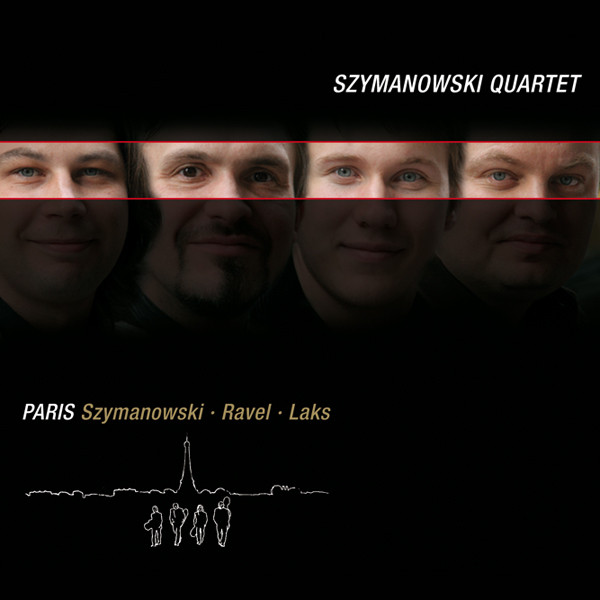
Much recommended as well is the recent recording by the Polish Szymanowski Quartet (Avi 8553158). In addition to the Third String Quartet on Polish themes by Laks from 1945 it includes the String Quartet by Ravel and the Nocturne & Tarantella op. 28 from 1915 by Karol Szymanowski. It is fascinating to compare their performance of the “Polish Quartet” with the adaptation for Piano Quintet by the ARC Ensemble.


A few years ago Apple Republic Films started a series of documentaries on Polish-Jewish composers: the Masters Revival Series. In 2012 they made a film on Szymon Laks in collaboration with the composer’s son:

English Translation Remko Jas

Dutch original:  SZYMON LAKS. Muziek uit een andere wereld

MIECZYSŁAW WEINBERG: ‘THE PASSENGER’. English traslation

Entartete Musik, Teresienstadt and Channel Classics

Voice in the Wilderness: music as salvation

BETWEEN TWO WORLDS

Het wordt tijd dat de wereld Leo Kok leert kennen. Om te beginnen in Nederland

Kok
 

Als je sterren zou kunnen geven voor het ‘belang’ van een cd, dan had deze cd met
Lieder und Kammermusik van Leo Kok (1893-1992 ) van mij ************** gehad.
De naam van de componist heb zelfs ik, een doorgewinterde Entartete Music  (of zo u  liever wilt ‘Verboden’of  ‘Vervolgde’ muziek) verzamelaar nog niet eerder gehoord.


leo-kok-portret.jpg

© Leo Smit Stichting

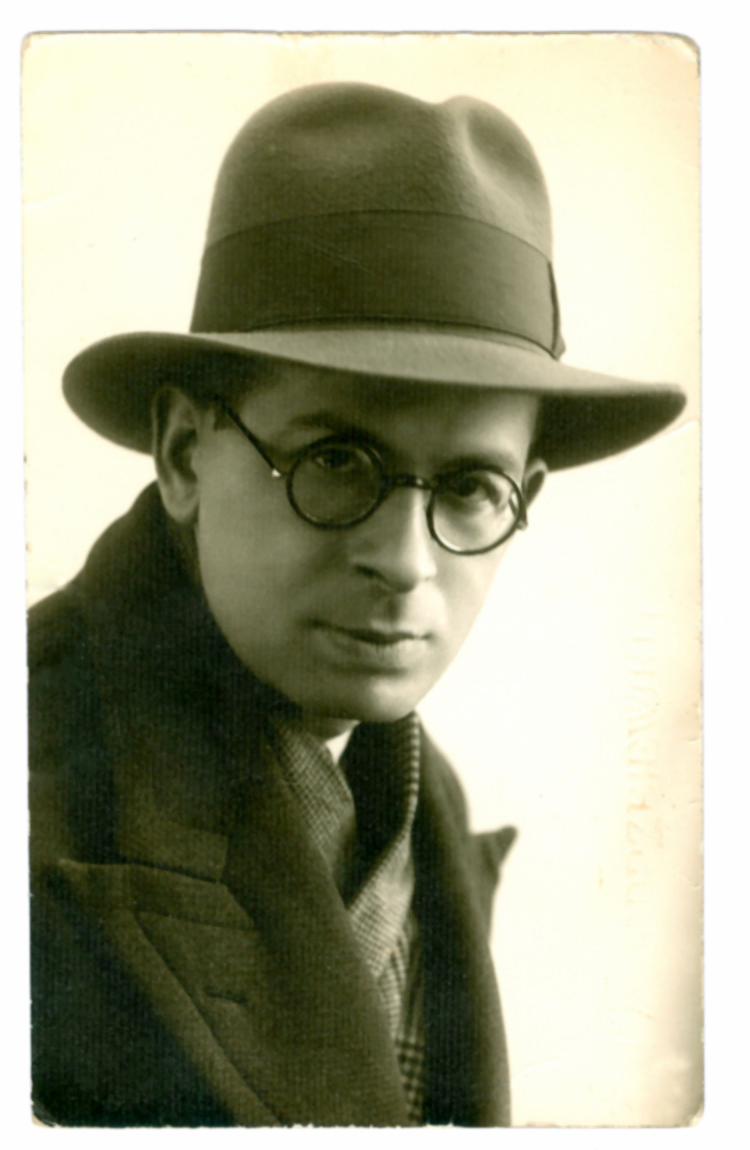
Het is aan de onvolprezen Leo Smit Stichting te danken dat, nadat de ene na de andere schat uit het donkere verleden werd geopenbaard ook de naam van Leo Kok terug tot het leven werd gewekt.

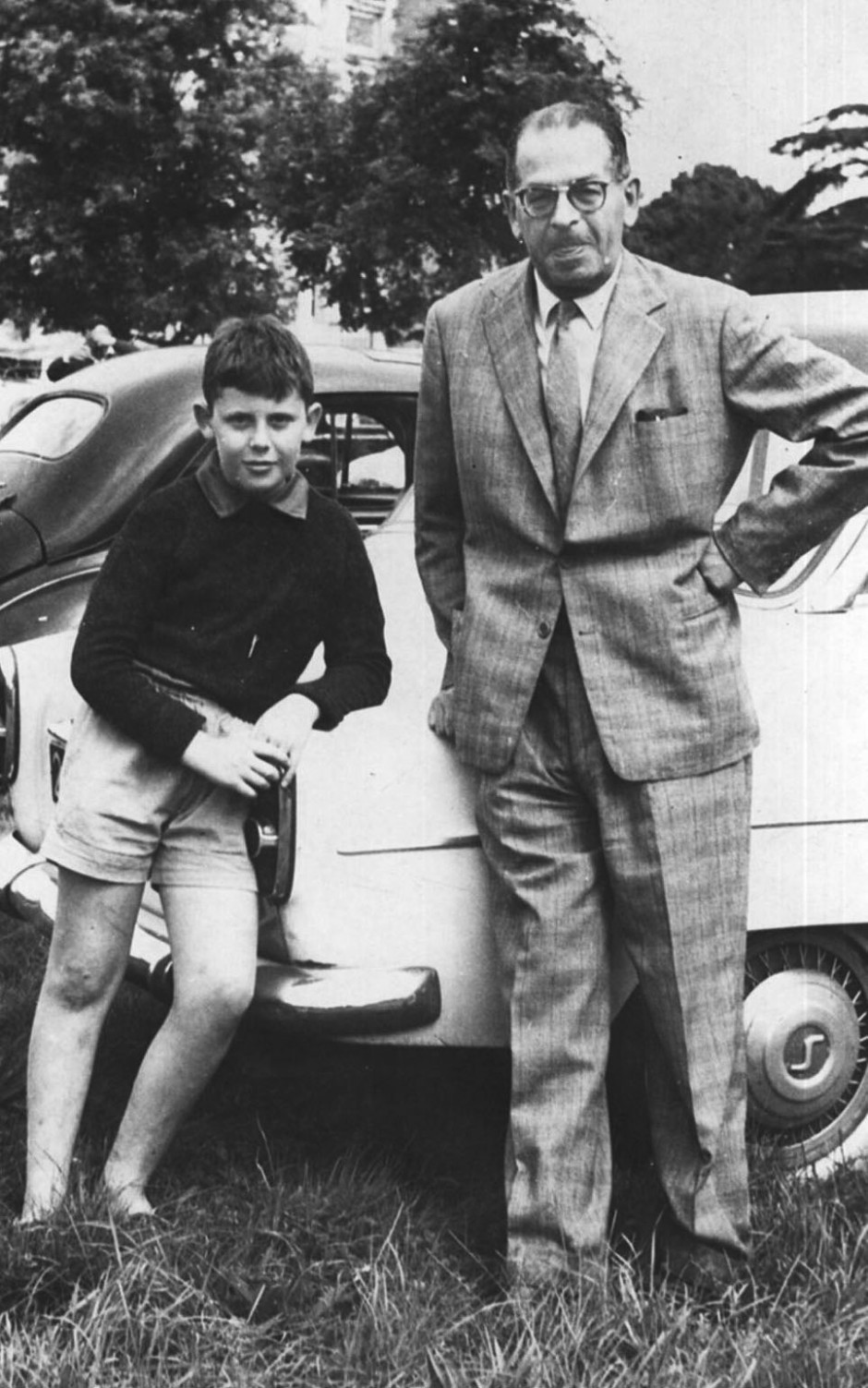
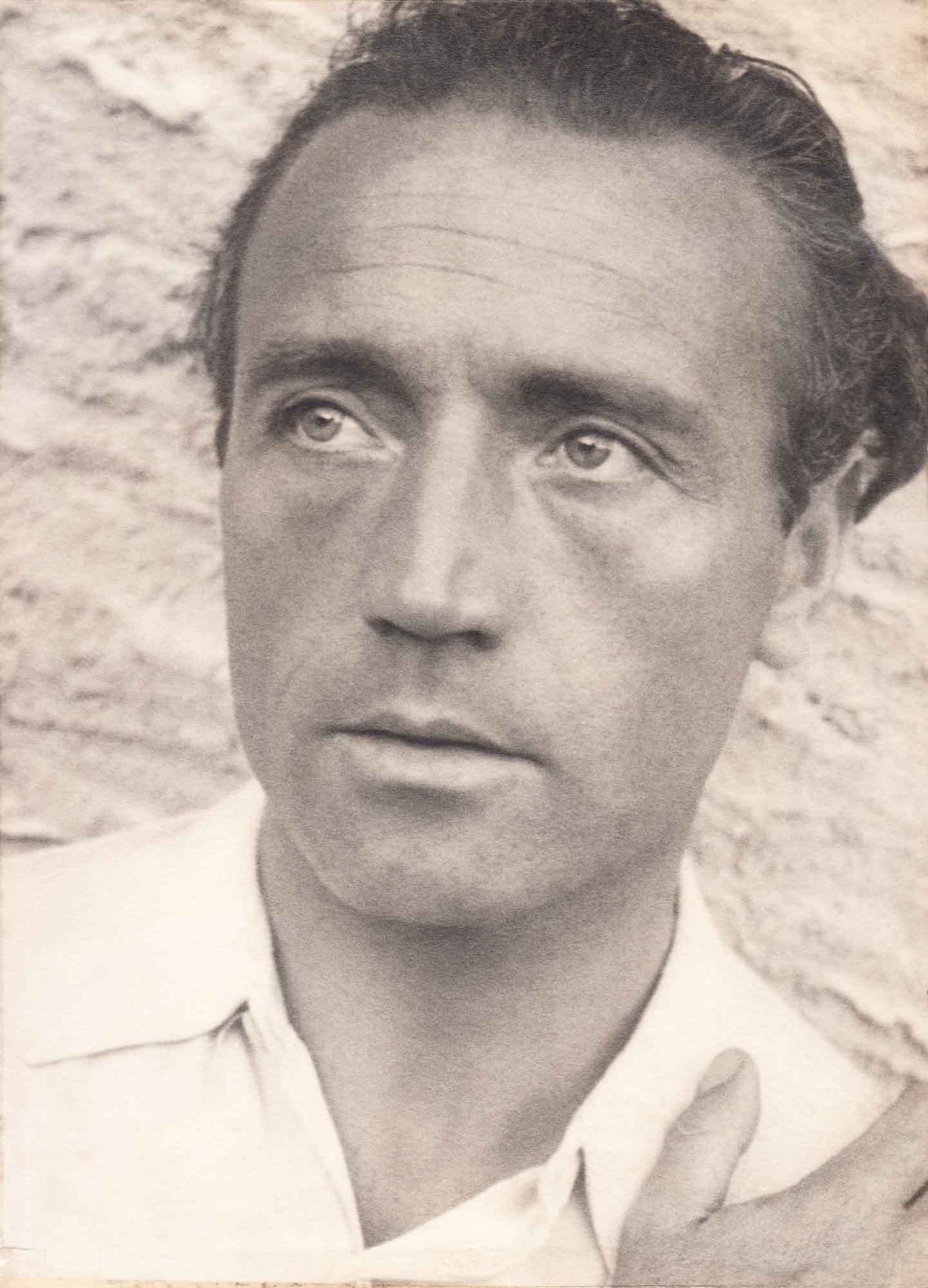
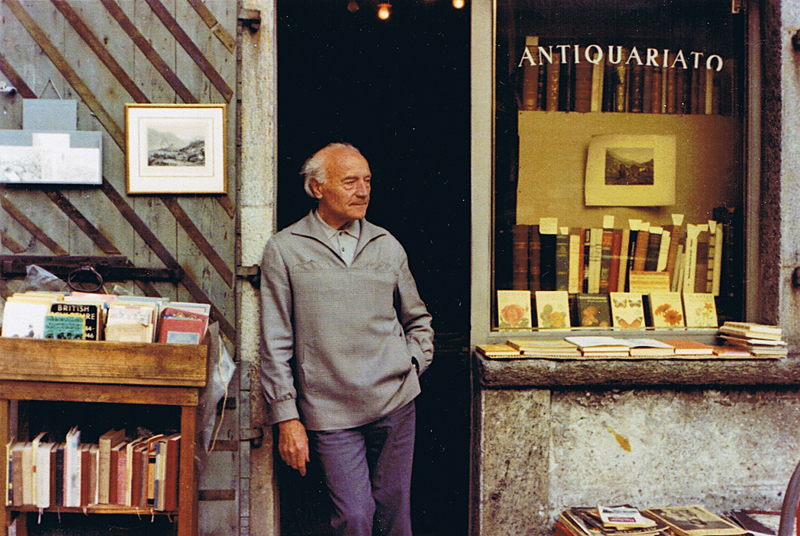
Kok verloor zijn beide ouders toen hij nog maar een kind was en werd grootgebracht door zijn oma. Hij speelde piano, componeerde en … voetbalde, alle drie als een prof. Hij zat in het verzet en overleefde de hel van Buchenwald. Na de oorlog vestigde hij zich in Ascona, waar hij een klein antiquariaat dreef.

Kok Libreria_della_Rondine_Ascona

Leo Kok voor zijn antiquariaat Liberia della Rondine in Ascone

Wat kan ik u nog meer vertellen? Dat zijn stijl eigenlijk geen stijl is, want hij was van alle markten thuis?  Dat de prachtige Mémoires uit 1935 onder de handen van Marcel Worms je aan een aquarel penseeltekening doen denken en dat de Trois Danses Exotiques het bloed in je aderen sneller doen stromen?

Marcel Worms Foto: Rivka Worms

Irene Maessen is een zeer overtuigende pleitbezorgster van zijn liederen, al had ik persoonlijk wat meer expressie willen horen.

Ursula Koch (viool) mist een beetje dat ‘smachtende’, maar is zeer ontroerend in de twee werkjes uit het Enfence -cyclus

Kok nfents

Alleen al het prachtige boekwerk met veel foto’s, muziekfragmenten, facsimile’s van de partituren, affiches en de begeleidende tekst in vier talen verdient meer dan lof. Op naar de winkel, zou ik zeggen. Deze uitgave mag niemand missen

Een kort documentaire over Leo Kok:

Leo Kok
Lieder und Kammermusik
Marcel Worms (piano), Irene Maessen (sopraan), Ursula Schoch (viool)
Deutschlandfunk gb 006 • 75’