
Of all Leoš Janáček’s pupils, Pavel Haas (Brno 1899 – Auschwitz 1944) managed best to combine his teacher’s influence with his very own musical language.
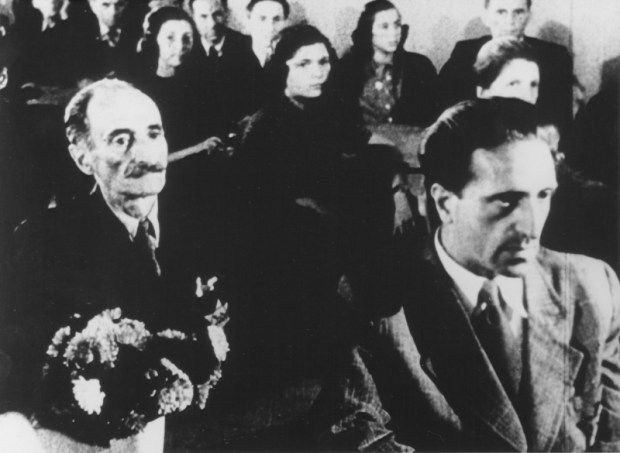 Still from the film ‘Der Fuehrer schenkt den Juden eine Stadt’. The man on the right is Pavel Haas, who is actually listening to his Study for Strings performed by the Ghetto Orchestra © United States Holocaust Museum
© United States Holocaust Memorial Museum, courtesy of Ivan Vojtech Fric
Haas was a big jazz fan and he also composed a lot of theatre and film music. The latter partly under the influence of his brother, a well-known film actor. His greatest love, however, was Moravian folk music.
The second string quartet, nicknamed ‘From the Monkey Mountains’, is an open declaration of love to Moravia. The music is programmatic, meaning that without using words, something (in this case the beauty of nature) is described in a narrative way.
Parts one and three are extremely melodious and agonizingly beautiful. In the second and fourth movements, a certain dissonance can be detected and they strongly remind me of Janáček’s Second String Quartet, composed three years later.
Haas originally composed the fourth movement for a jazz band, but the reviews of the premiere made him decide to change it. On these recordings, two percussionists were added to the string quartet. A masterstroke.
The third string quartet, already composed in 1938, was performed for the first time in January 1946, two years after the composer’s death.
Here is the string quartet in the version of the Pavel Haas Quartet:
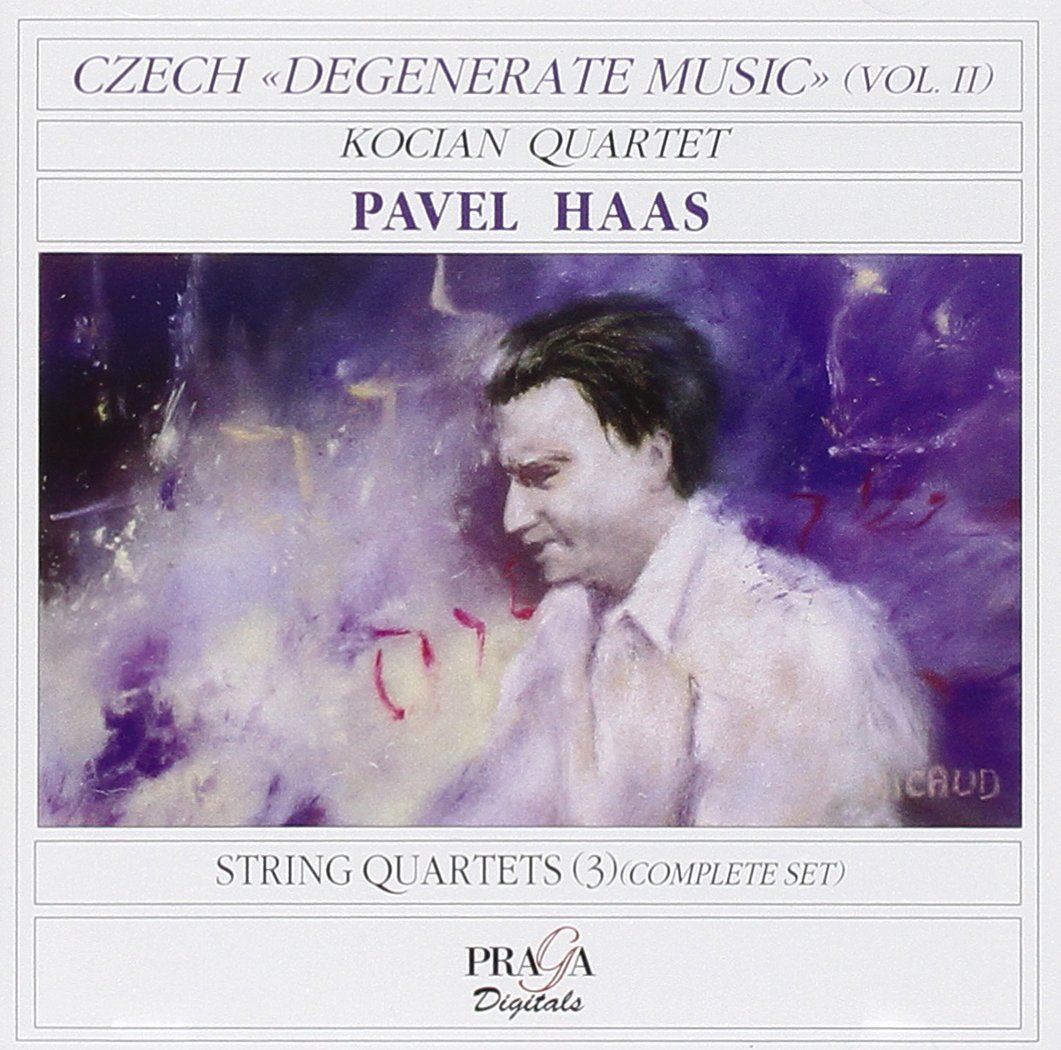
The performance by the Kocian Quartet is very expressive, sparkling, and where necessary, wistful. This recording is almost twenty years old, but still unsurpassed. Not that they have much competition…….If only I could convince all chamber music lovers that they should buy this wonderful CD!

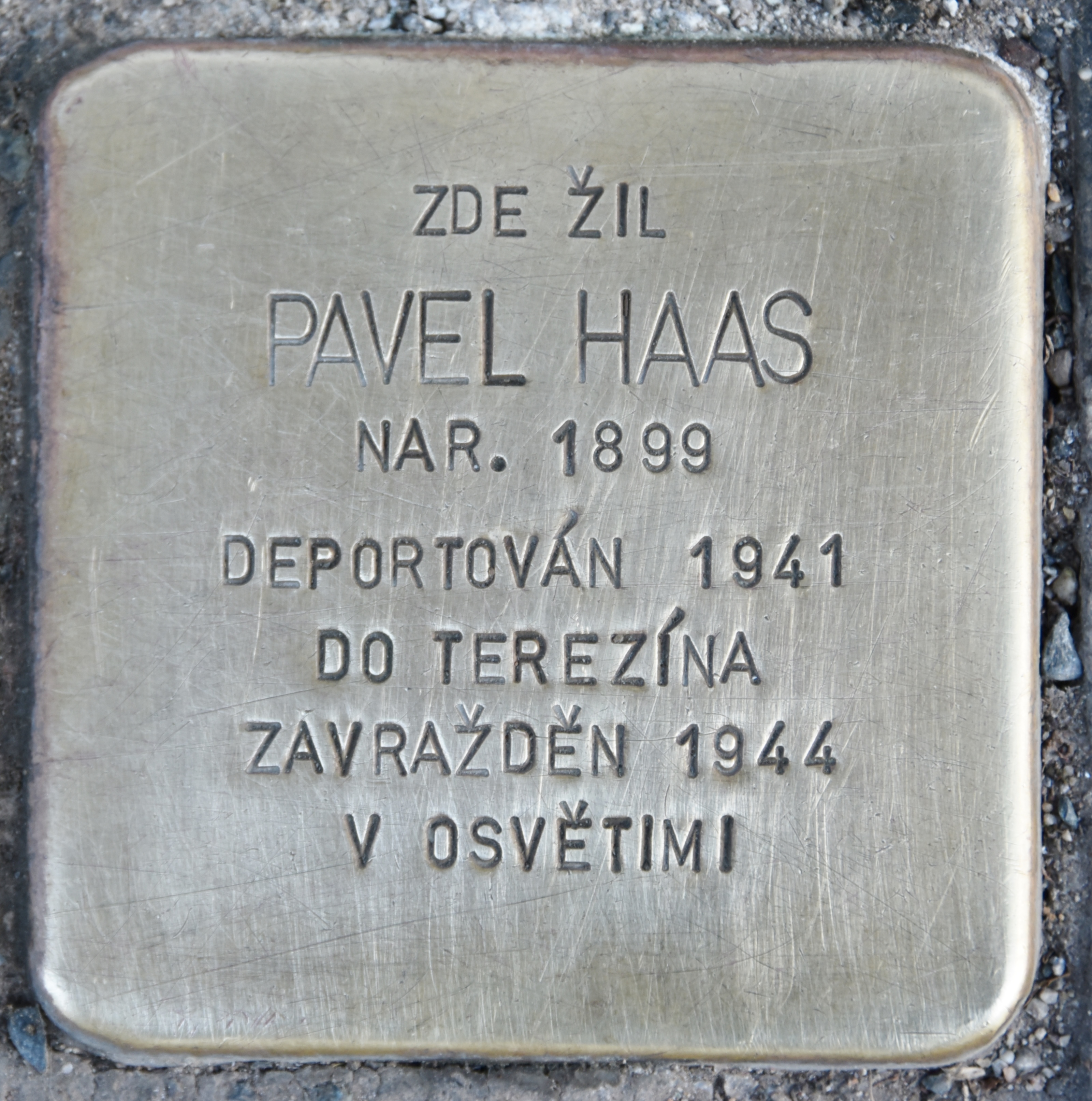
Stolperstein for Pavel Haas in Brno
Pavel Haas
String quartets nrs. 1-3 (complete)
Kocian Quartet
Praga PRD 250 118
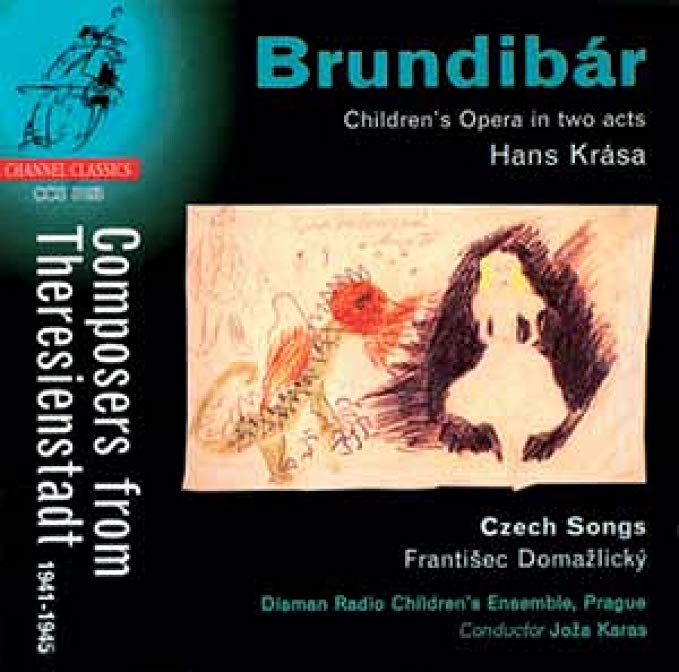
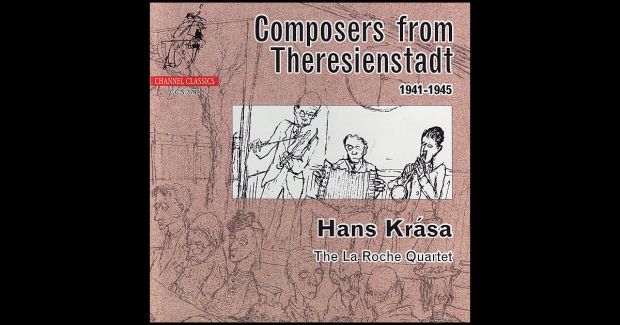
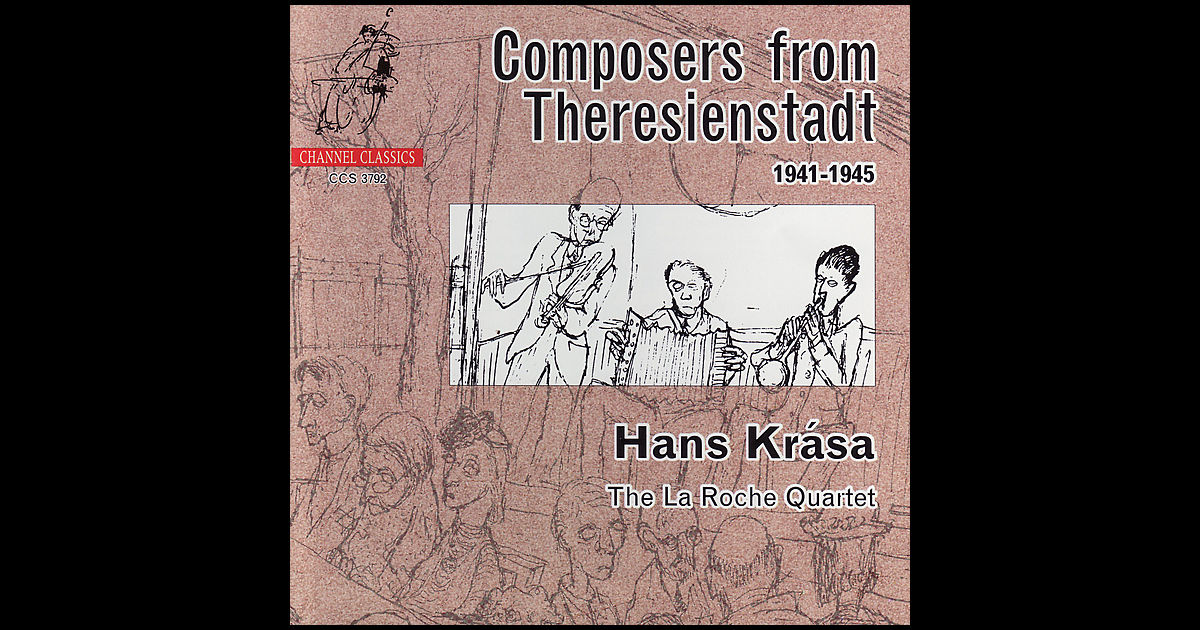
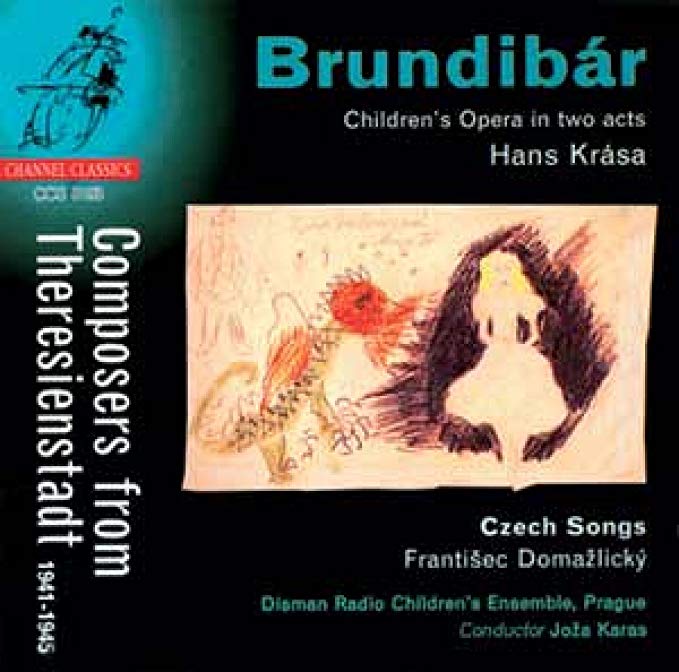
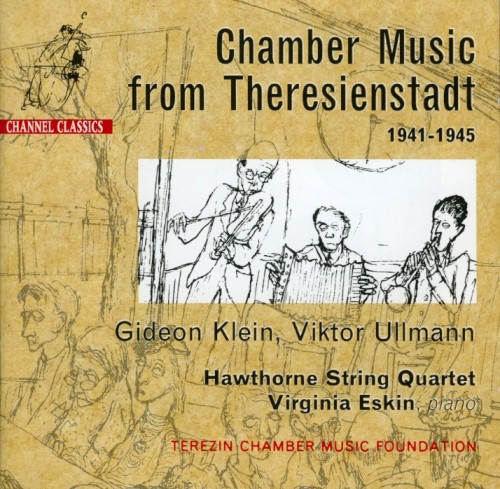
Entartete Musik, Teresienstadt and Channel Classics
Rudolf Karel, a hardly known ‘Theresienstadt composer’
“Ich möcht so gern nach Haus!”: Anne Sofie von Otter sings songs by ‘Theresienstadt composers’

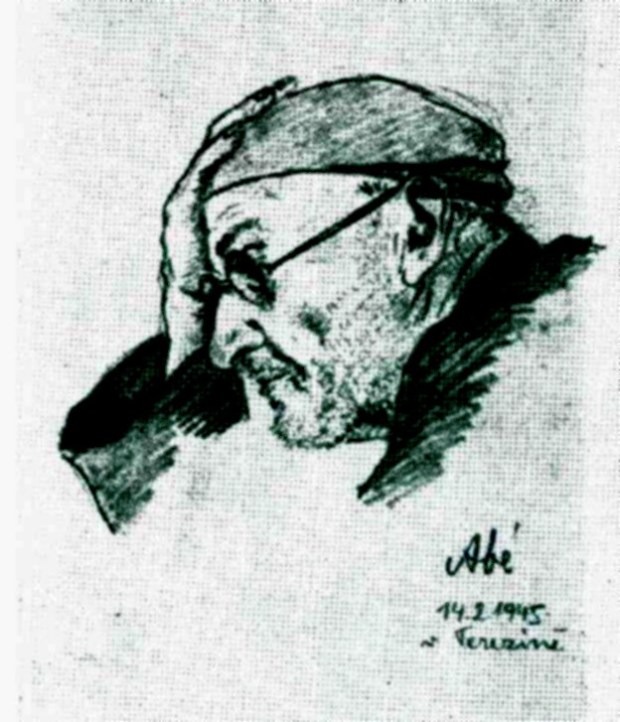
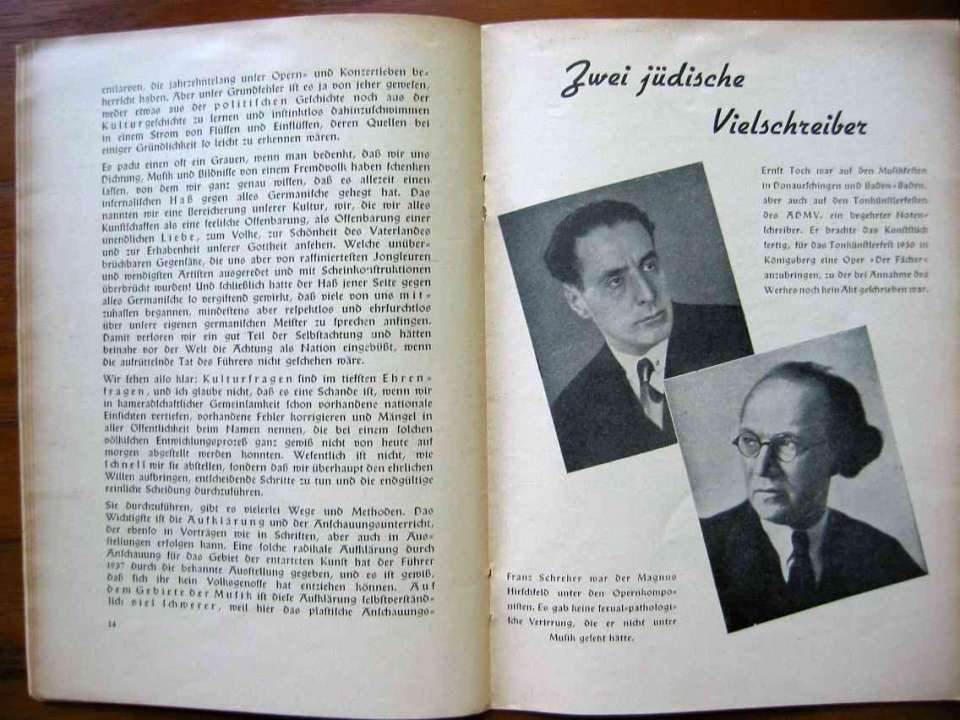
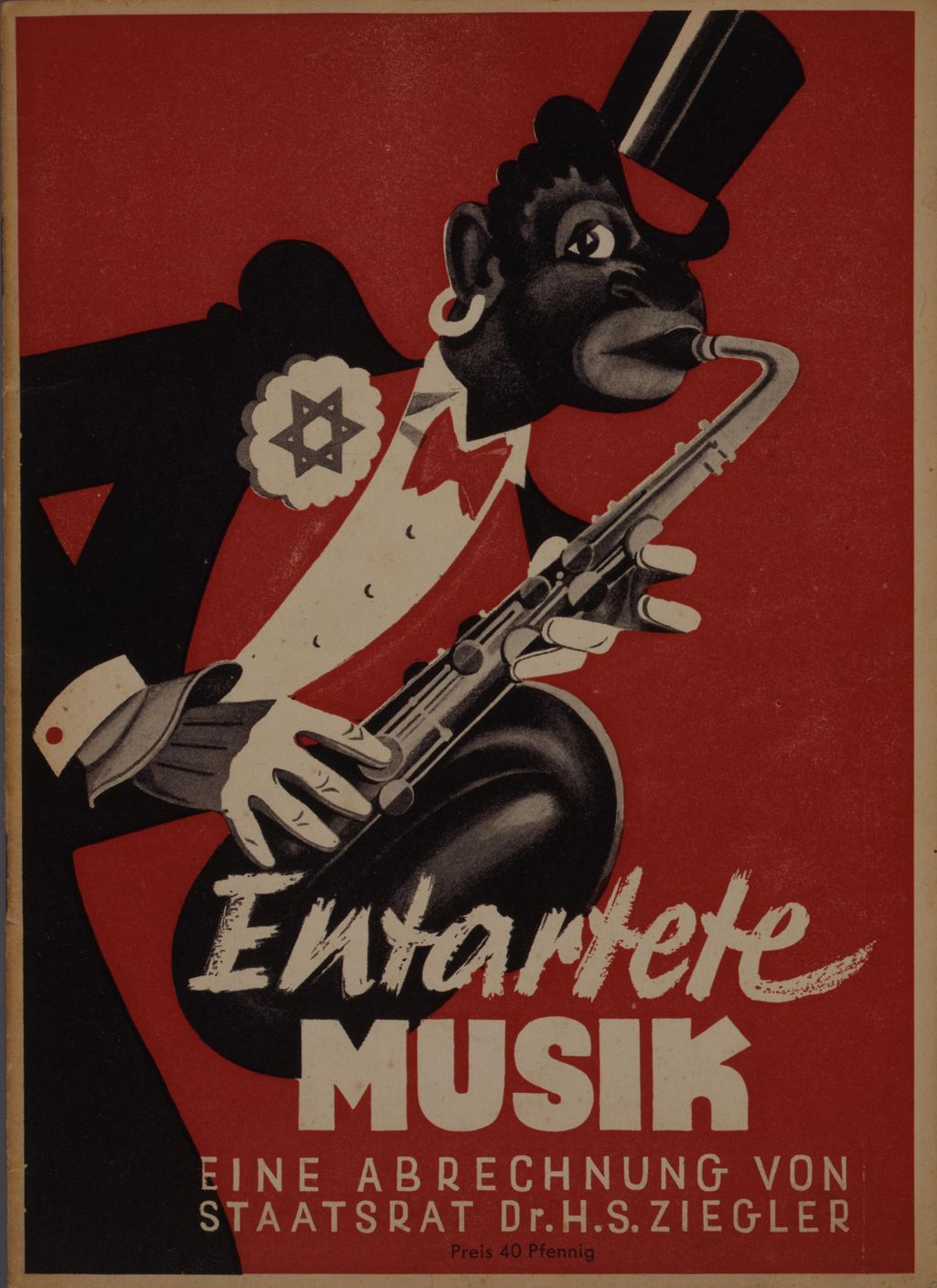 At the end of the 1980s the music-loving world (and here I mean not only listeners, but also publicists, reviewers and music experts) found out that there was more between heaven and earth, or, since we are talking about music: between Strauss and Stockhausen. People began to realise that an entire generation of composers had been deleted from the history books and concert halls. Just like that. And it was not _only_ the fault of the Nazis.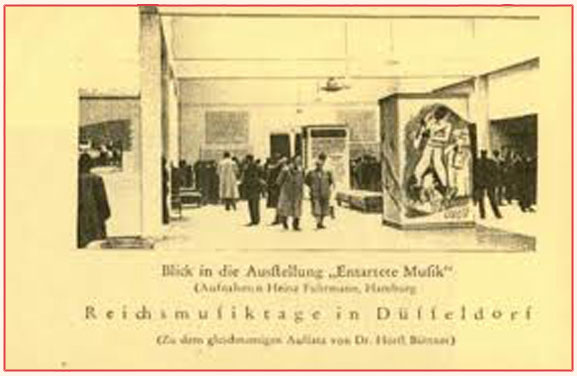











 Basia con fuoco