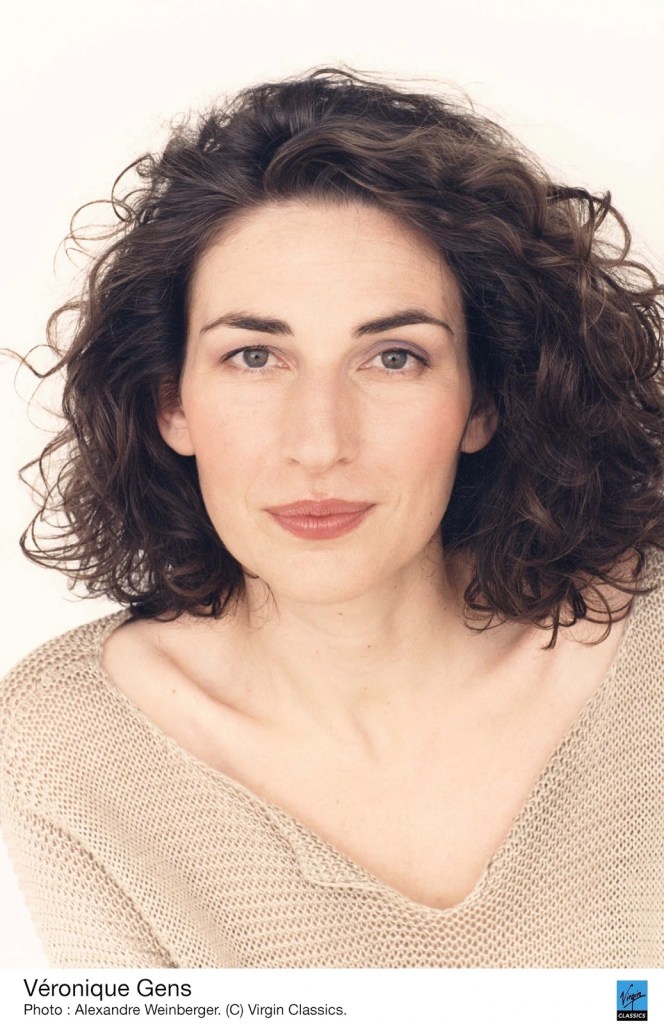
In 1999, Véronique Gens was named singer of the year by the French ‘Victoires de la Musique’, but her career began 13 years earlier, when she was introduced to William Christie.
Her voice was not yet trained and that was exactly what he was looking for. In 1986, she made her debut as a member of his famous baroque ensemble Les Arts Florissants. Very quickly she became an established singer of baroque music and she worked with the biggest names in the circuit: Marc Minkowski, Philippe Herreweghe, René Jacobs, Christophe Rousset and Jean-Claude Malgoire.
Gens sings ´Ogni vento´ from Hàndel’s Agrippina, conducted by Malgoire
It was Malgoire who gave her her first Mozart roles: Cherubino (Le Nozze di Figaro) and Vitellia (La Clemenza di Tito), but if anyone had predicted to her 20 years ago that she would one day sing the Contessa from Le Nozze or Elvira (Don Giovanni), she would surely not have believed it.
Véronique Gens as Donna Elvira in Barcelona:
She always wanted to sing, but her family of almost exclusively doctors and pharmacists didn’t like it. No steady income, no pension… So she studied English in her hometown Orléans, and then at the Sorbonne.
Since then, she has made hundreds of recordings – many of them award-winning – and her repertoire is constantly expanding: after Mozart came Berlioz – she sang the role of Marie in L’enfance du Christ, for instance – and for her recording of Les Nuits d’été she was chosen as the ´Editor’s Choice´ by English Gramophone.
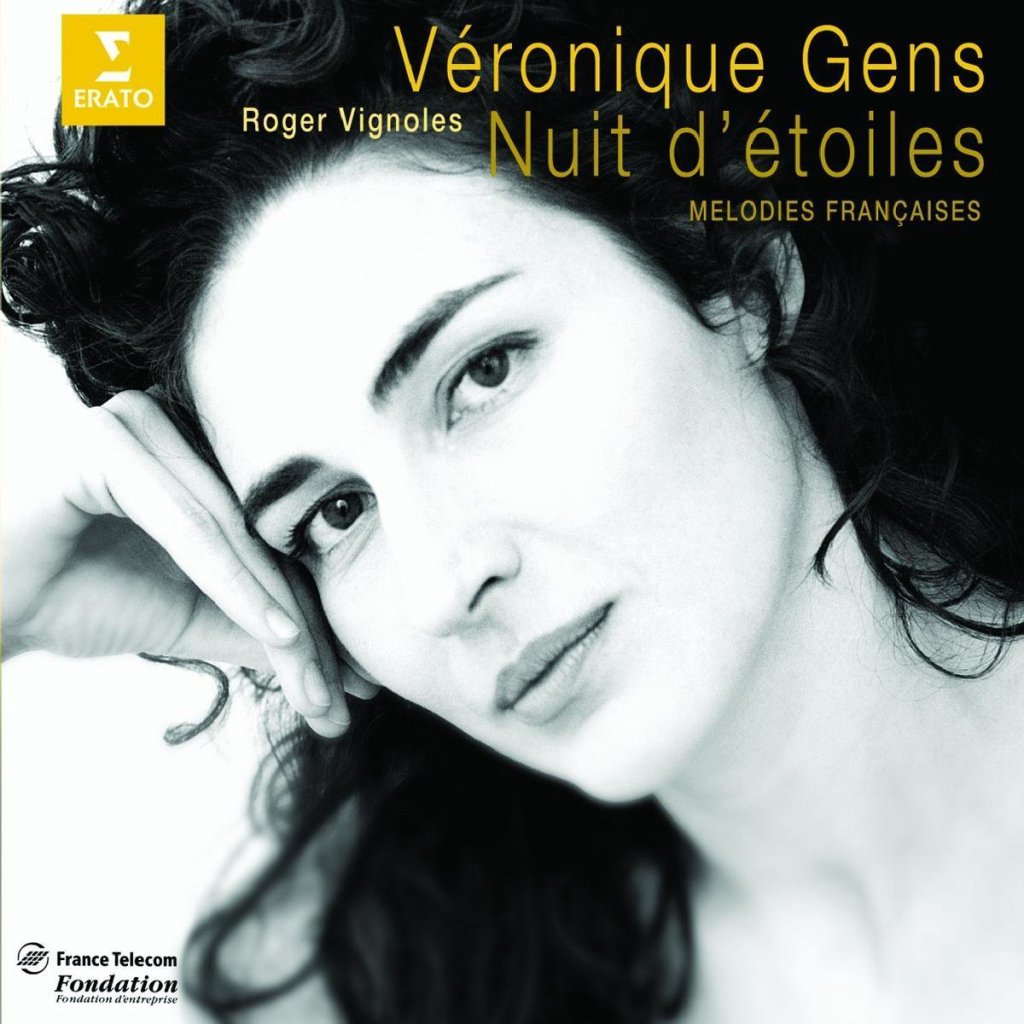
Her CD titled Nuit d’étoiles with songs by Fauré, Poulenc and Debussy was also very enthusiastically received everywhere.
Tragédiénnes
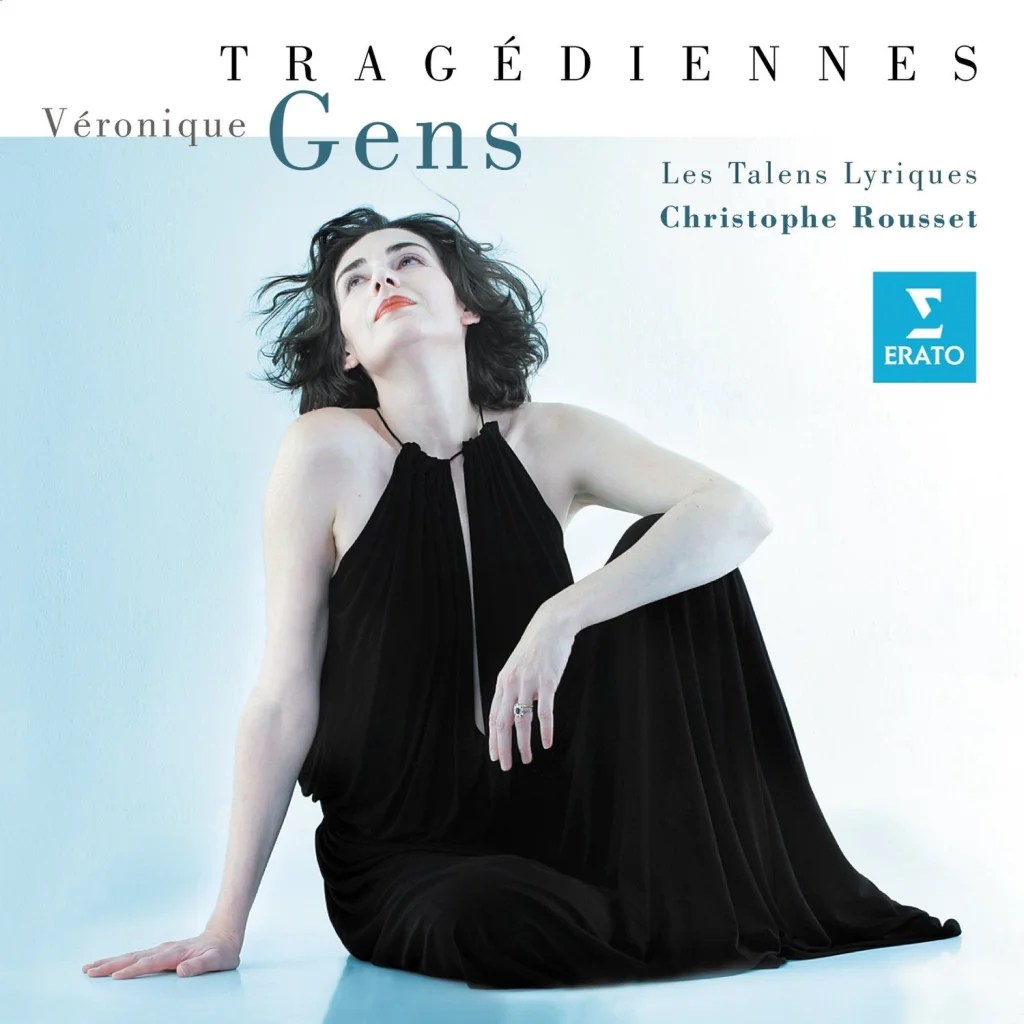
For Virgin, she had embarked on a voyage of discovery through the mostly unknown treasures of the French Baroque in 2006, and the result is quite something.
Accompanied by the Ensemble Les Talens Lyriques, conducted by Christophe Rousset, she recorded arias from the operas of Lully, Campra, Rameau, Leclair, de Mondonville, Royer and Gluck. The so-called “tragédie-lyrique” was inspired by the great classical plays, in which the tragic element was considered the most important. It also contained long dramatic scenes, which allowed the divas of the time to display the whole range of emotions.
It fits her all like a glove. She takes us on a journey of discovery, in which a lot of forgotten gems provide immense pleasure. But however wonderful they all are, she reaches the absolute climax in ‘Dieux puissants que j’atteste…’, Clytamnestra’s poignant cry of the heart for her daughter, from Gluck’s Iphigénie and Aulide.
There she soars with the speed of a rollercoaster to enormous heights, leaving the listener gasping and palpitating. Brava.
Tragédiennes
Arias from early French operas by Lully, Campra, Rameau, Mondonville, Leclair, Royer, Gluck; Les Talens Lyriques conducted by Christophe Rousset. Virgin 346.762
Néère
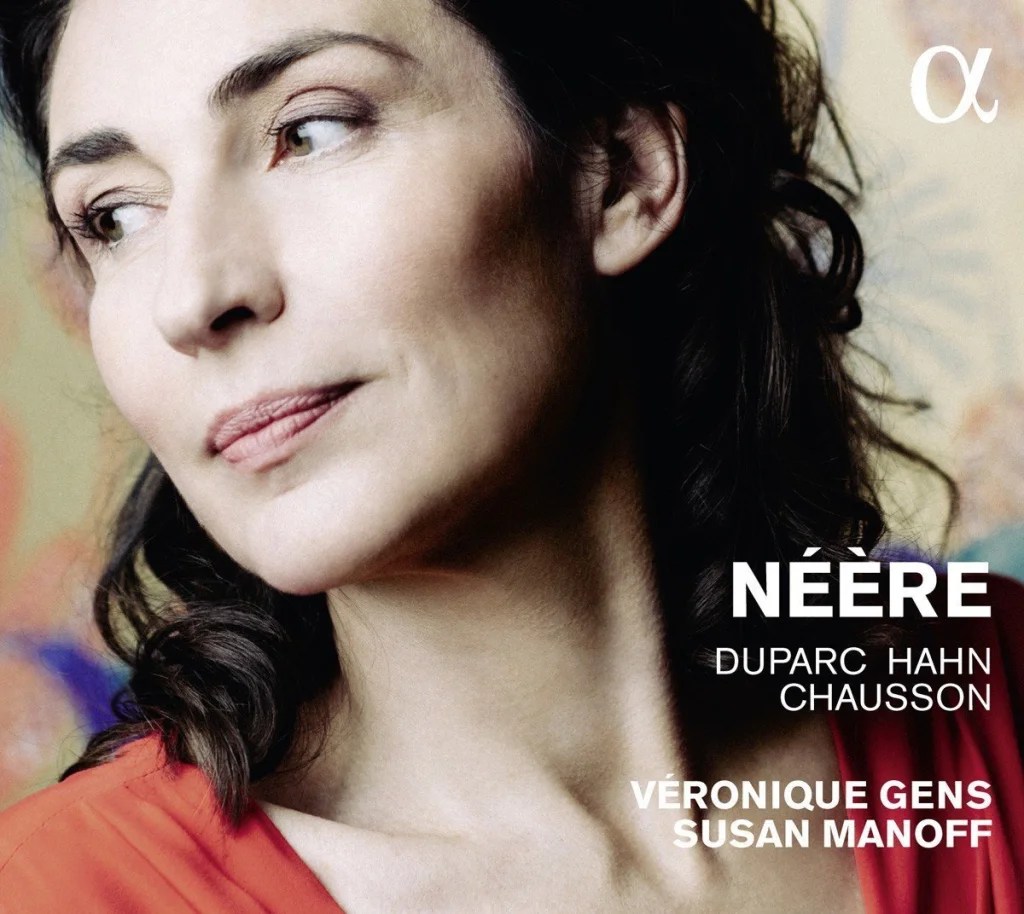
For her album Néère, named after the title of Reynaldo Hahn’s opening song, Veronique Gens has made a more than brilliant selection of the most beautiful songs by Reynaldo Hahn, Henri Duparc and Ernest Chausson.
They cannot be called cheerful: they all exude a very wistful and melancholic atmosphere and are – how could it be otherwise when the French talk about ‘amour’? – all ‘tristesse’.
The beautiful mélodies fit Gens’s dark-toned and slightly-veiled voice with its sensual undertones like a velvet glove.
Trailer:
Nothing but praise too for the pianist. Susan Manoff plays more than sublime and in her accompaniment she sounds like Gens’ twin sister: the perfection with which she manages to transpose the rich colours so present in the singer’s voice (and there are many!) to the keys is truly unimaginable.
Rare beauty.
Néère; Songs by Reynaldo Hahn, Henri Duparc and Ernest Chausson, Alpha 215
Visions
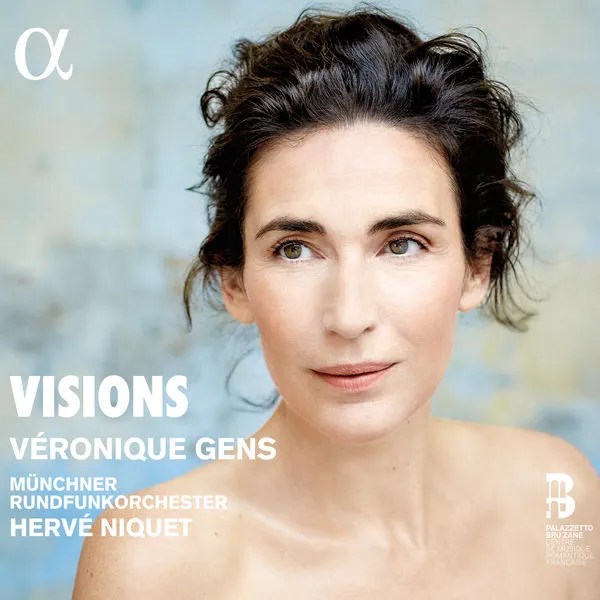
No one can possibly ignore this CD. Palazetto Bru Zane is long overdue for a fame that transcends all countries and borders! Just look at their programming and all their releases! They are so very special!
Not only is their repertoire extremely rare and extraordinarily fascinating, their releases are done to perfection. Something that deserves not just kudos but the highest awards.
Their latest project, Visions, also exceeds all expectations and desires. At least mine. The CD is bursting with unknown arias from unknown operas and oratorios by largely lesser-known and/or forgotten composers. All the pieces collected here have the motto ‘religious visions’ and exude an atmosphere bordering on sanctuary and martyrdom but served up with the extremely grand gesture that only opera can offer.
Trailer of the recording:
Véronique Gens sings the arias with a great élan and an enormous empathy. Her delivery is dramatic, sometimes even a tad too much. That the arias call for a healthy dose of hysteria is rather obvious, but a little more devotion and piety would have made the result even better, even more impressive.
There is no point in speculating what a singer like Montserrat Caballé could have done with all this material: first, she has never sung it (apart from Massenet’s La Vierge) to my knowledge, and second, singers of her calibre really don’t exist anymore.
Montserrat Caballé sings ‘Rêve infini, divine ecstasy’ from Massenet’s La Vierge:
In this context, Véronique Gens is more than up to the task. Not only because of her exemplary diction and intelligibility, but also because her voice has developed into a true ‘Falcon soprano’ and has reached a level that more than lends itself to this repertoire.
Visions; Arias from the operas by Alfred Bruneau, César Franck, Louis Niedermeyer, Benjamin Godard, Félicien David, Henry Février, Camille Saint-Saëns, Jules Massenet, Frometal Halévy, Georges Bizet; Munich Radio Orchestra conducted by Hervé Niquet; Alpha 279


 Basia con fuoco