Armide

Armide: Christoph Willibald Gluck considered it his best work.

Do you agree?

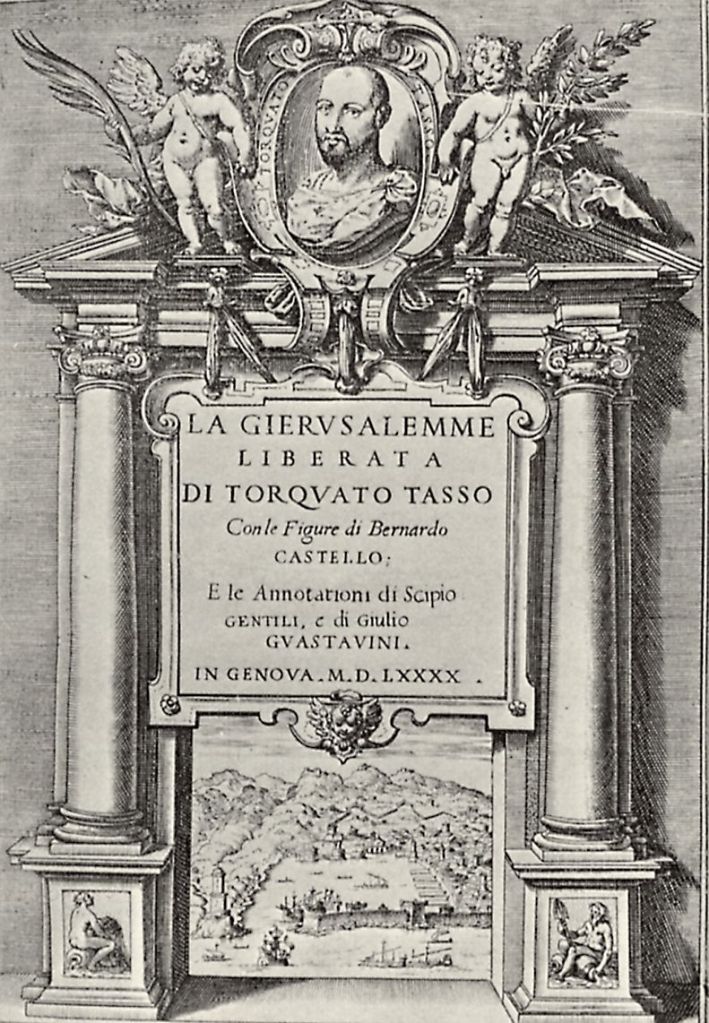
Agostino Carracci (su disegno di Bernardo Castello), Frontespizio della prima edizione illustrata della Gerusalemme Liberata, Genova, 1590


One might wonder why Torquato Tasso’s Gerusalemme liberata has inspired so many different composers from so many centuries. And not the entire epic, but specifically the Armida episode. Is it because of the magical-realistic story full of undisguised hatred, revenge, anger and passion? With characters (human or witch) torn apart by their conflicting feelings, their inner struggle between love and duty? I cannot say. Can you?


The first Armida that remains known to the general public was composed by
Jean-Baptiste Lully, based on the libretto by Philippe Quinault. Gluck used the same libretto a hundred years later for his fifth “French” opera. He himself considered Armide to be his very best work, but the public (and history) thought otherwise.


I myself have never been particularly fond of it either. But the longer I have been involved with opera, the more I have come to appreciate it.
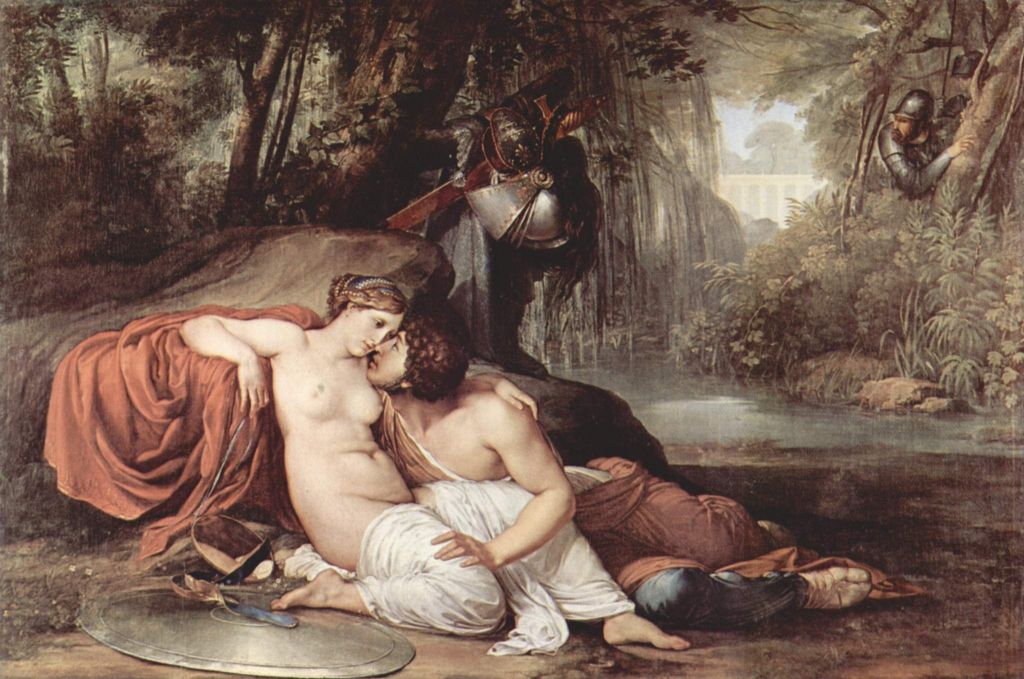
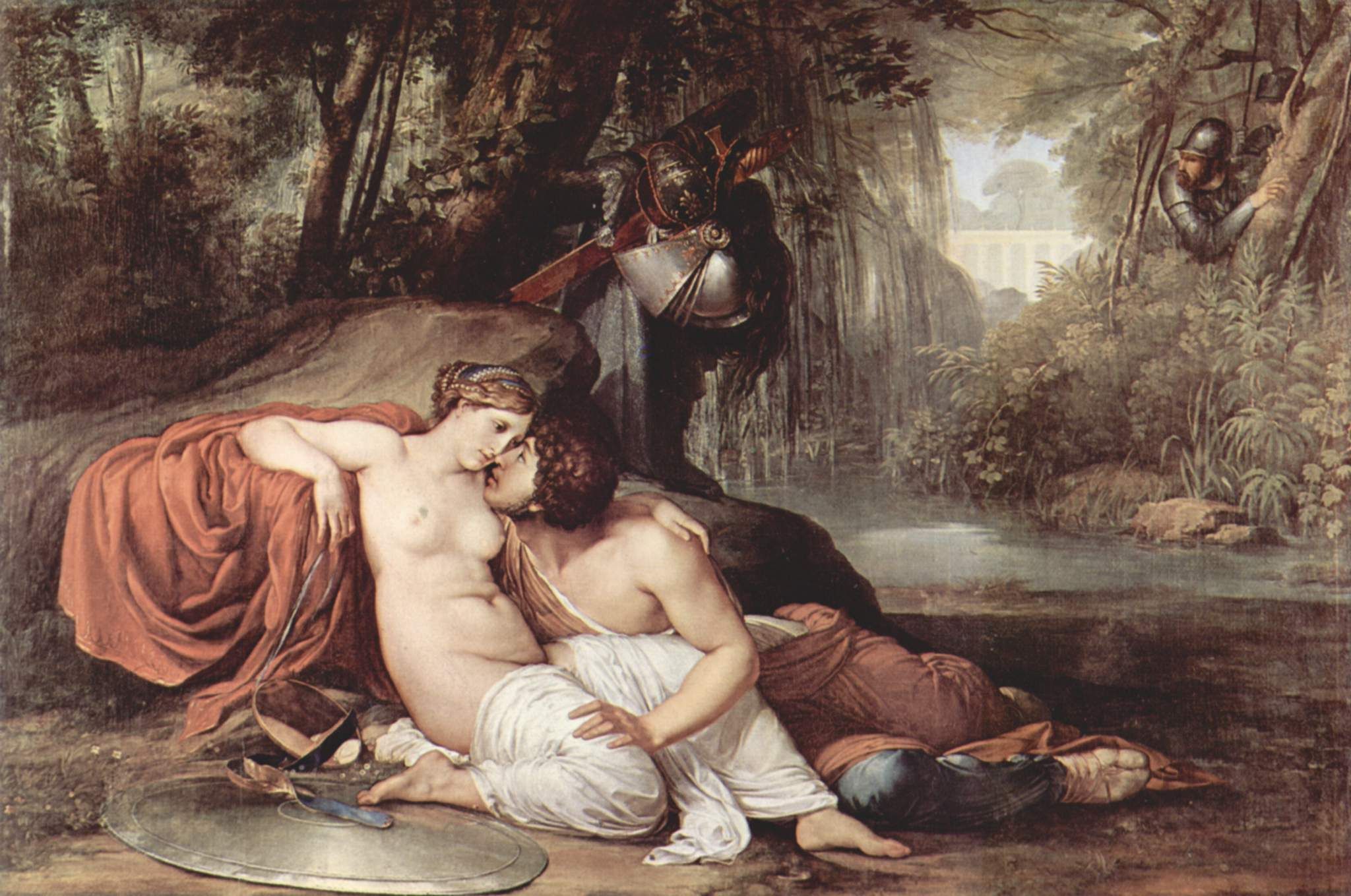
Francesco Hayez, “Rinaldo en Armida”


The opera has some magnificent arias and ensembles, with the heart-rending ‘Enfin, il est en ma puissance’ as an absolute highlight. It is a hysterical cry from the heart of the furious sorceress Armide, who has fallen in love.

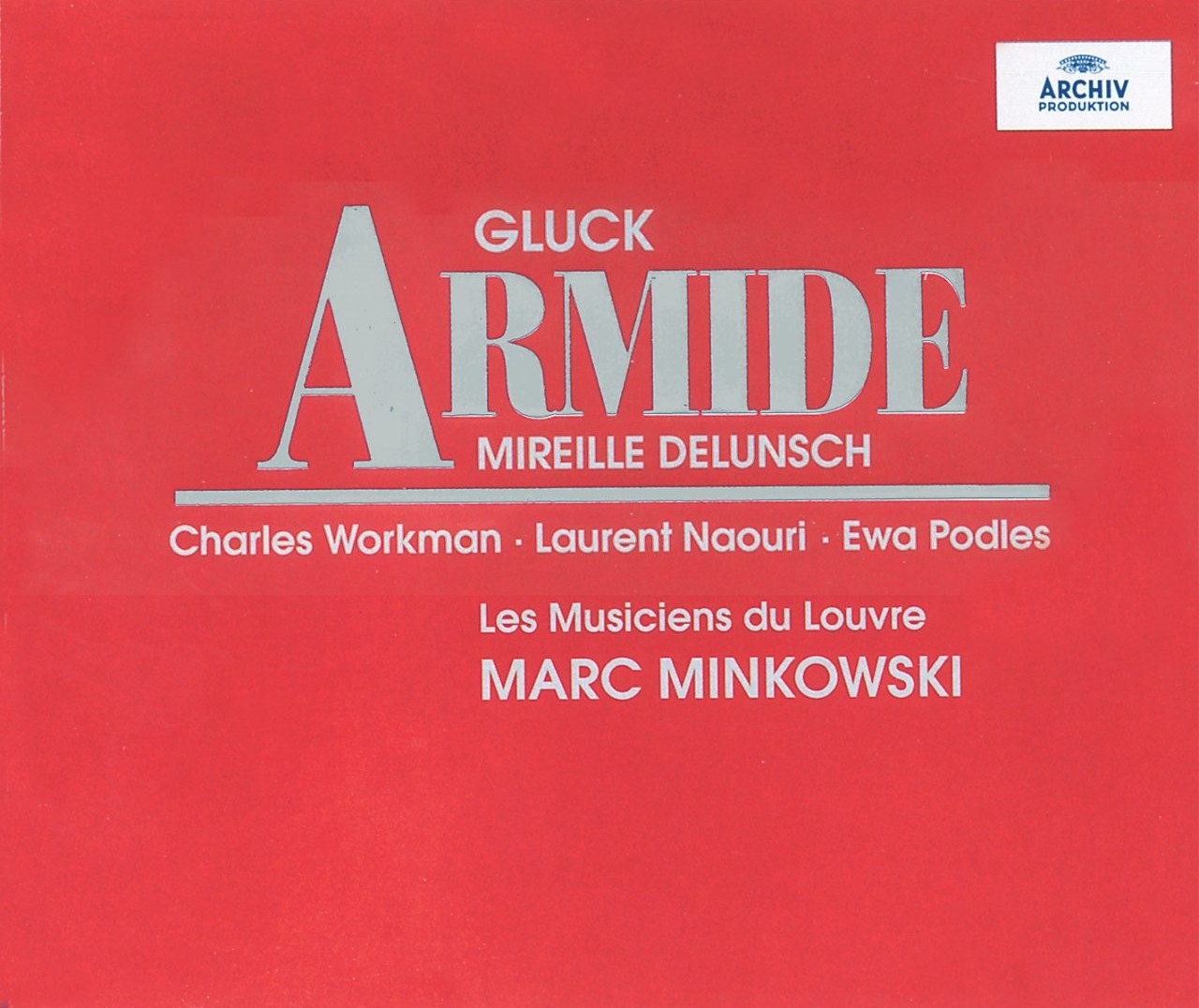
I know of only two complete recordings of Gluck’s work: one conducted by ichard Hickox on EMI (6407282) and one conducted by Marc Minkowski on Archiv (4596162). This is remarkable, considering that the opera is being erformed quite often these days.
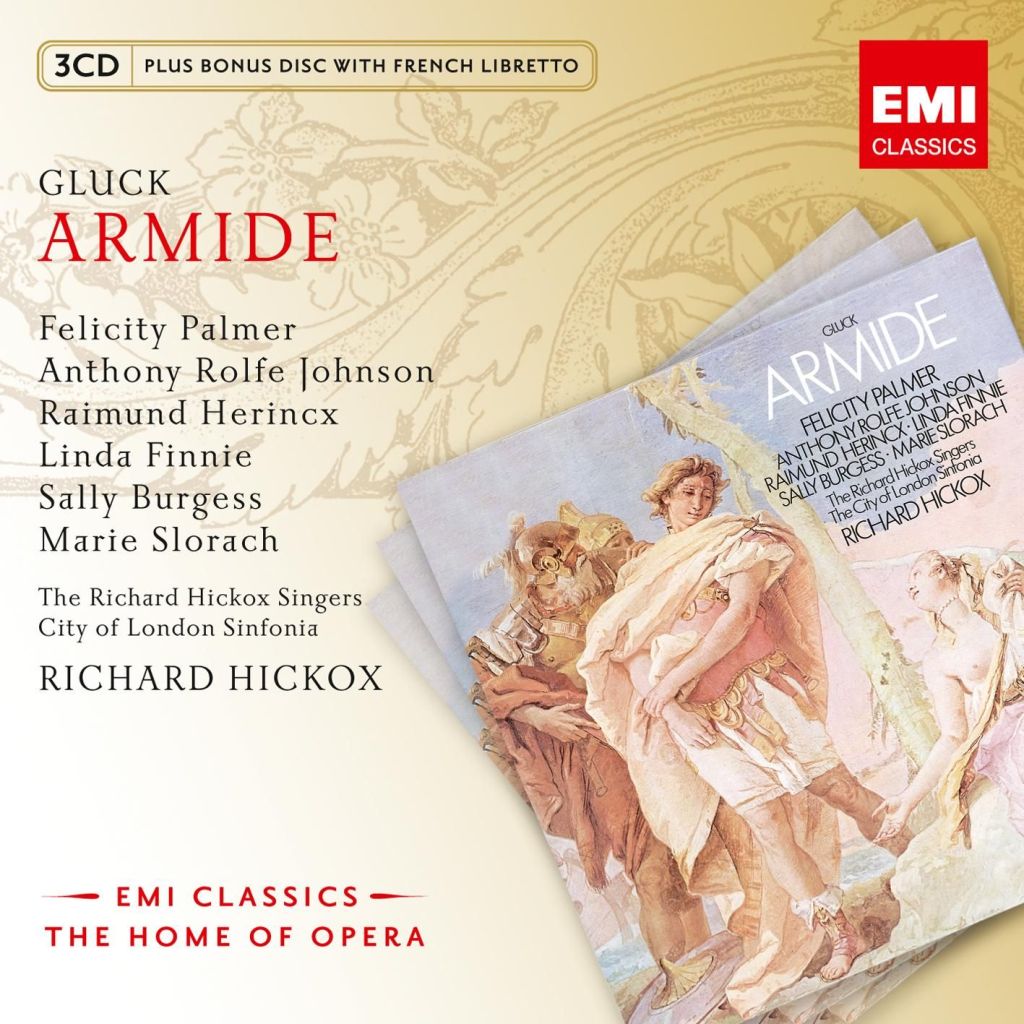


Hicox’s recording (3 CDs) is over 26 minutes longer than Minkowski’s. I don’t know the opera well enough to be able to say whether Minkowski has made any cuts, but to be honest, I don’t think so. His tempi are simply on the fast side – except for the overture, where he is proceeds with some caution.


Hickox’s sluggishness becomes quite irritating after a while and I simply dozed off a few times. The thirty-year-old recording still sounds beautiful, although the sound does not match the clarity and
transparency of Minkowski’s.
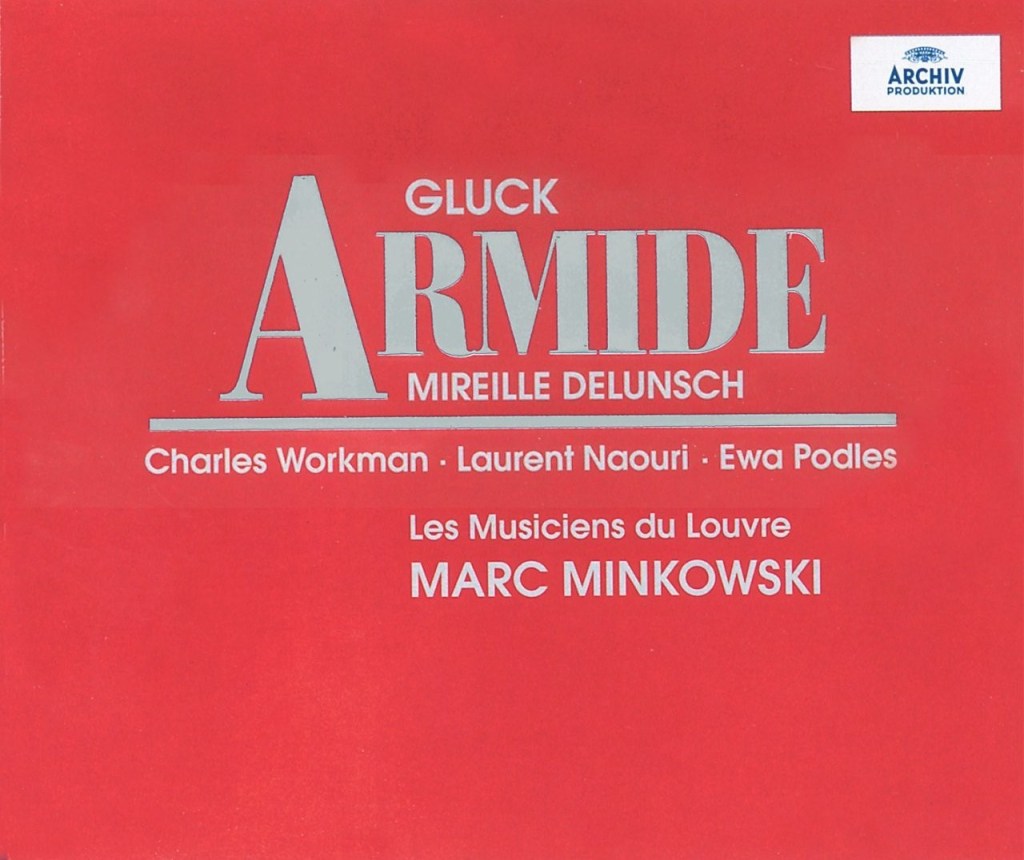

When it comes to the singers, the Frenchman easily beats his English colleague. I’m not a big fan of Mireille Delunsch, and I think her “Enfin il est en ma puissance” on Minkowski’s recording falls short of the interpretations by, for example, Véronique Gens or Anna Catarina Antonacci (why was the performance with Antonacci never officially recorded?). Nevertheless, despite her perfect diction and impeccable understanding of the text, Felicity Palmer (Hickox’s recording) is nomatch for her.


Charles Workman (Renaut) strikes a perfect balance between the heroic and the more lyrical – even my beloved Anthony Rolfe Johnson cannot compete with that.

Laurent Naouri is a very macho Hidraot, but what gives Minkowski’s recording that “superplus” is Ewa Podles’ performance in the small role of La Haine (Hate). Her voice and delivery will make your head spin. She is without peers: an alto with such a deep sound, with all the high notes at her disposal and she will leave you speechless with her interpretation!

HIckox:

Minkowski:


And a curiosity: a complete Armide from Madrid, 1985, with Montserrat ArmideCaballé:

Armide. Christoph Willibald Gluck vond het zelf zijn beste werk. U ook?

Armida Agostino_Carracci,_Frontespizio_della_prima_edizione_illustrata_della_Gerusalemme_Liberata,_1590


Agostino Carracci (su disegno di Bernardo Castello), Frontespizio della prima edizione illustrata della Gerusalemme Liberata, Genova, 1590

Men kan zich afvragen waar het aan ligt dat juist Gerusalemme liberata van Torquato Tasso zo veel verschillende componisten uit zo veel eeuwen heeft geïnspireerd. En dan niet het hele epos, maar specifiek de Armida-episode. Ligt het aan het magisch-realistische verhaal vol onverholen haat, wraak, woede en passie? Met personages (mens of heks) die verscheurd worden door hun tegenstrijdige gevoelens, hun innerlijke strijd tussen liefde en plicht? Ik zou het niet durven zeggen. U?

Armida 7dd1839cd61799f99af3d9a583eaa105

Francesco Hayez, “Rinaldo en Armida”

De eerste bij het grote publiek bekend gebleven Armida werd gecomponeerd door Jean-Baptiste Lully, op het libretto van Philippe Quinault. Hetzelfde libretto heeft Gluck een kleine honderd jaar later gebruikt voor zijn vijfde ‘Franse opera’ Hijzelf beschouwde Armide als zijn allerbeste werk, maar het publiek (en de geschiedenis) dachten er iets anders over.

Zelf ben ik er ook nooit zo van gecharmeerd geweest. Maar hoe langer ik mij met de opera heb beziggehouden, hoe meer ik hem heb leren te waarderen.  De opera kent een paar schitterende aria’s en ensembles, met als een absoluut hoogtepunt het hartverscheurende ‘Enfin, il est en ma puissance’, een hysterische hartenkreet van de verliefd geworden furieuze tovenares Armide.

Armide-EMI

Ik ken maar twee complete opnamen van Glucks werk: onder Richard Hickox op EMI (6407282) en onder Marc Minkowski op Archiv (4596162). Merkwaardig eigenlijk als je bedenkt dat de opera tegenwoordig best vaker wordt uitgevoerd.

De opname van Hicox (3 cd’s) duurt ruim 26 minuten langer dan Minkowski. Ik ken de opera niet zo goed om te kunnen constateren of er bij Minkowski coupures zijn aangebracht, maar dat denk ik eerlijk gezegd niet. Zijn tempi zijn simpelweg behoorlijk aan de snelle kant – behalve de ouverture dan, daar is hij behoedzaam in.

Armide-Minkowski

Dat slepende van Hickox is op den duur behoorlijk irritant en ik ben een paar keer gewoon ingedut. De dertig jaar oude opname klinkt wel nog steeds mooi, al haalt de klank het heldere en transparante van Minkowski niet.

Ook wat de zangers betreft wint de Fransman het ruimschoots van zijn Engelse collega. Nou ben niet zo’n fan van Mireille Delunsch en ik vind haar ‘Enfin il est en ma puissance’ op Minkowski’s opname behoorlijk achterblijven bij de interpretaties van bijvoorbeeld Véronique Gens of Anna Catarina Antonacci (waarom is de voorstelling met Antonacci nooit officieel opgenomen?) Niettemin is Felicity Palmer (Hickox’ opname) ondanks haar perfecte dictie en onberispelijk tekstbegrip geen match voor haar.

Charles Workman (Renaut) weet een perfecte balans tussen de heldhaftige en de meer lyrische vinden – daar kan zelfs mijn geliefde Anthony Rolfe Johnson niet tegen op.

Laurent Naouri is een zeer macho Hidraot, maar wat de opname van Minkowski dat ‘superplus’ geeft, is het optreden van Ewa Podles in de kleine rol van La Haine (de Haat). Van haar stem en voordracht gaat het u duizelen. Vind maar eens een alt met een diepere klank, één die ook nog eens alle hoge noten paraat heeft en je met haar interpretatie sprakeloos achterlaat!

Hickox:


Minkowski:


En hieronder een curiositeit: een complete Armide uit Madrid, 1985, met Montserrat Caballé: