Luc_Bondy

SALOME – A DANGEROUS SEDUCER OR … ?


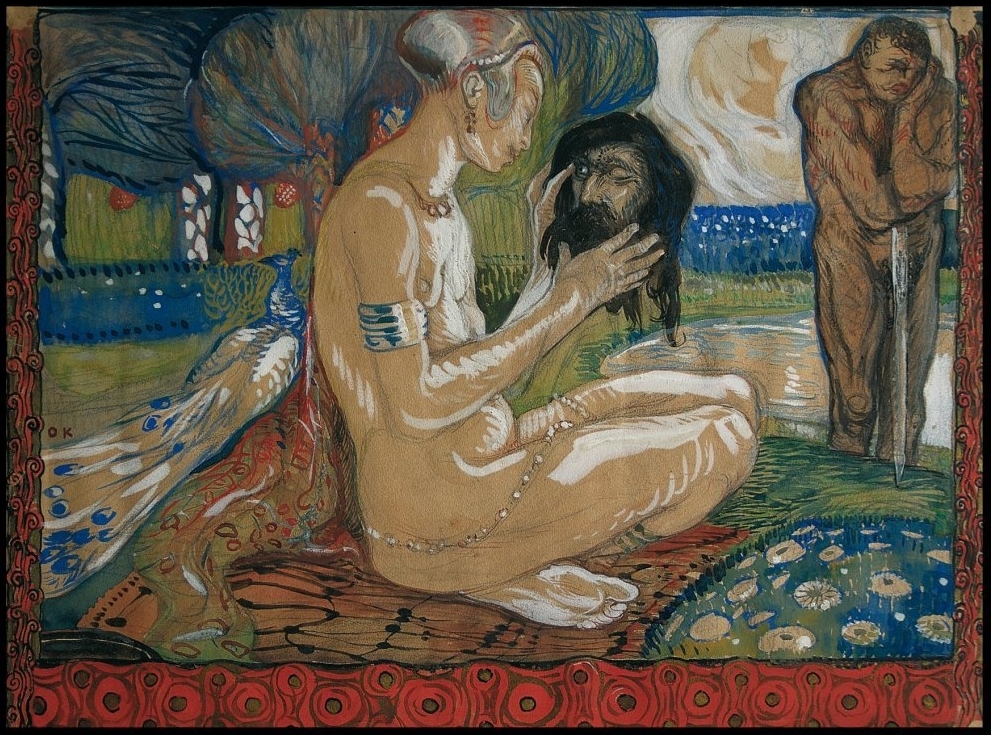
There are certain operas that demand a great deal of the imagination from their audiences. Salome, for example. The adolescent heroine is only 15 years old, but Strauss gives her some very intense notes to sing. You need to have a voice like Isolde’s, but you also have to be able to convince the audience that you are a very attractive and very young thing.
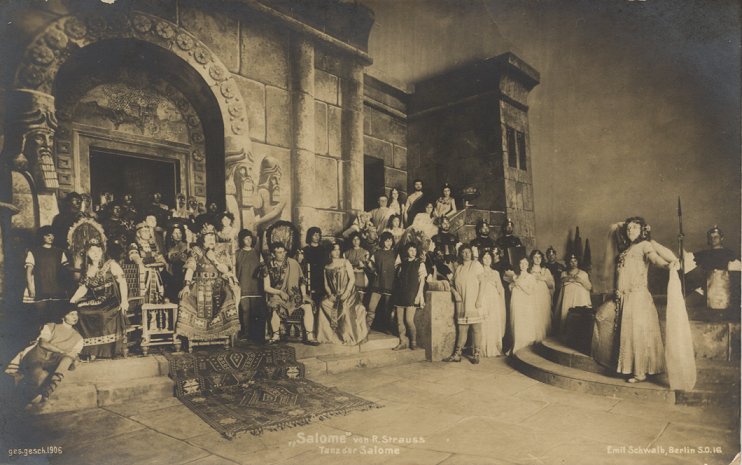


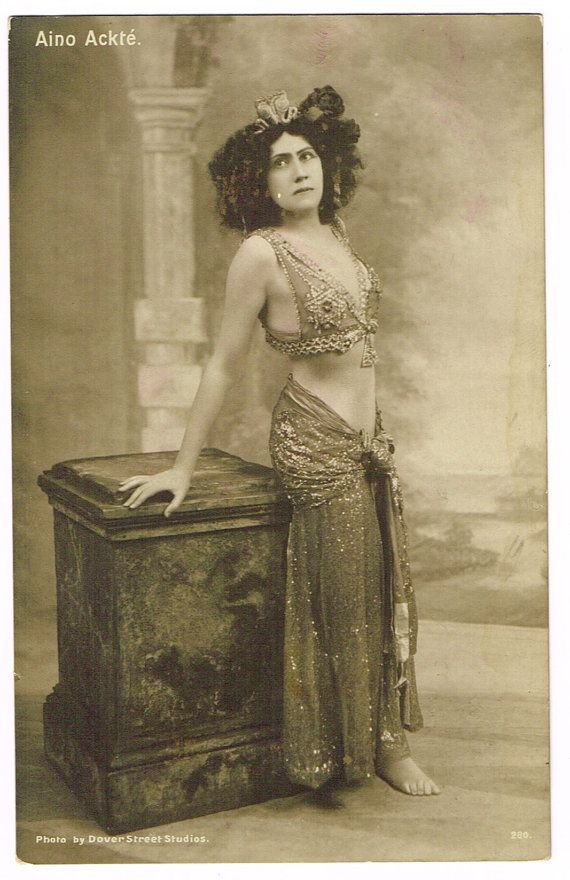
Strauss did not initially require all this – his very first Salome, who sang the premiere in Dresden(1905), Marie Wittich, was rather overweight. But Aino Ackté, a very popular Finnish soprano at the time and a very attractive woman, managed to convince Strauss that she was the only real Salome. She took ballet lessons and prepared for the role with the composer himself.
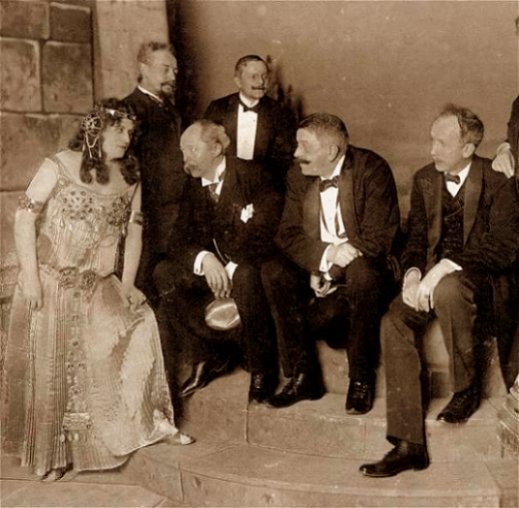


She sang her first Salome in Leipzig in 1907, becoming the first singer in history to perform the “Dance of the Seven Veils” herself. London (1910, under Beecham), Paris and Dresden (under Strauss) followed, and she set a standard that few singers would be able to match. Not that she performed the striptease in its entirety: under the veils she wore a flesh-coloured bodysuit, which suggested nudity.


The very first to emerge completely naked from under the veils, at least on stage, was probably Josephine Barstow, in 1975, first at Sadler’s Wells in London. Shortly afterwards, she repeated the role at the Deutsche Staatsoper in Berlin, in Harry Kupfer’s production, which was also performed at the DNO in Amsterda


Another problem that many directors (and the actress playing the lead role!) may struggle with, is the character herself. Is Salome really a dangerous seductress and sex-crazed nymphomaniac? Perhaps she is just a normal teenager looking for love and affection?

A spoilt girl who grows up in a loveless environment, where people care more about money and appearances than anything else? A victim of the lustful urges of her horny stepfather, who has great difficulties dealing with her own burgeoning sexuality? She, in her naivety, may believe that the “holy” man, with his mouth full of “norms and values”, can actually help her, but then she is brutally rejected. Causing her to seek revenge? Difficult.
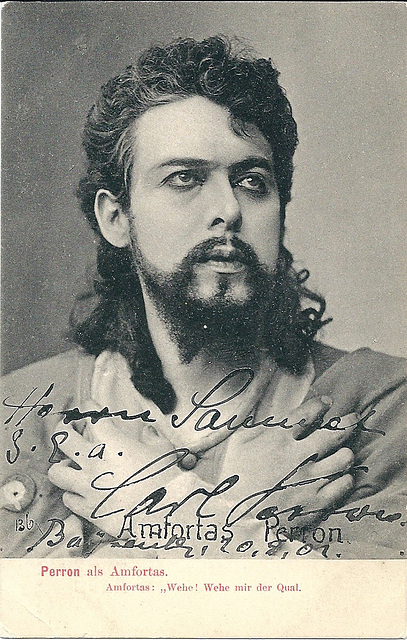


And what to do with Jochanaan? The libretto explicitly states that he must be young and attractive, but try finding a bass/baritone with a big voice and an authoritative presence who also has enough appeal for a beautiful princess, who herself is the object of intense admiration and desire. It remains a dilemma.


CDs


CHRISTEL GOLTZ (1954)
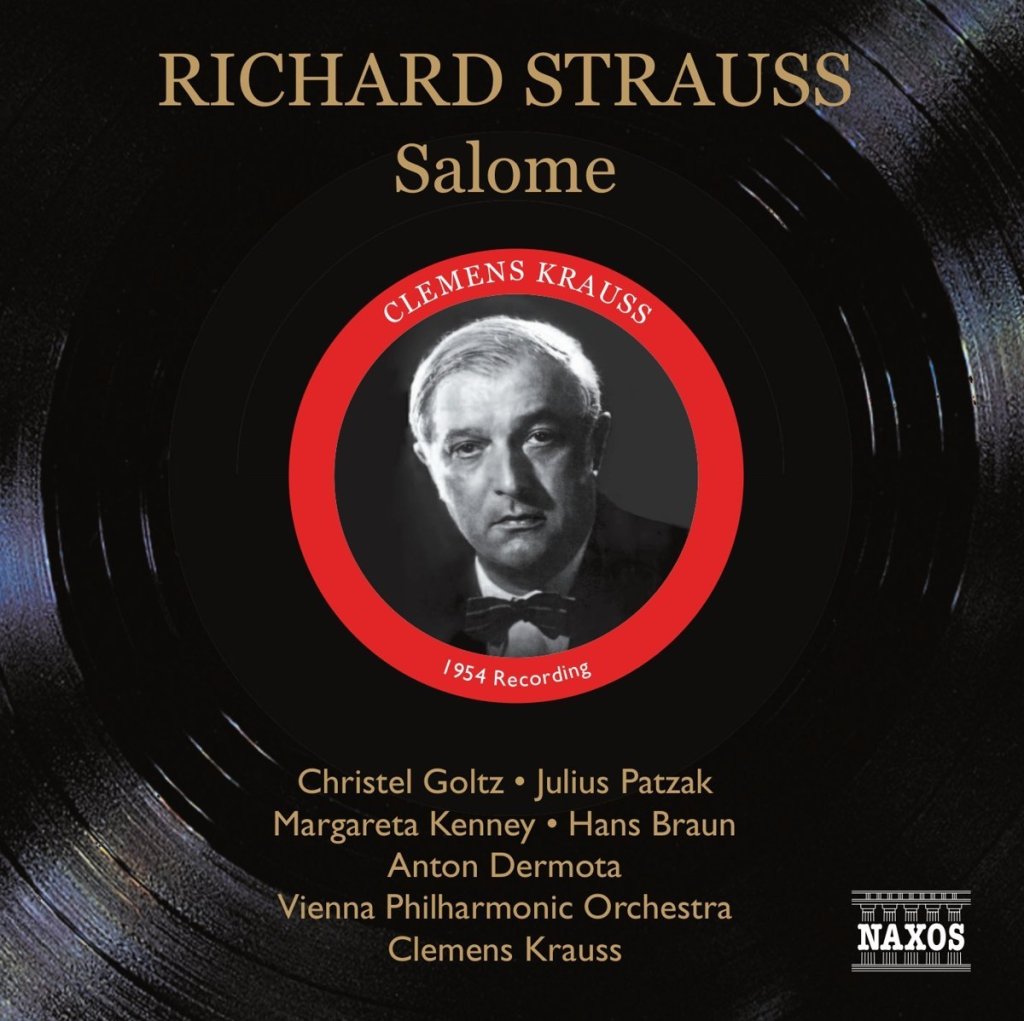

This recording may not be one of the best Salomes in history, but it is certainly special. Once you get used to the sharp mono registration, a whole new world of sound opens up to you, one that is unparalleled. The richness and colours of the Vienna Philharmonic at its best – I could
listen to this for hours. For that alone, I wouldn’t want to forgo this recording! Clemens Krauss belonged to Strauss’s inner circle; he also conducted the premieres of a few of his operas, and you can really hear that.

Christel Goltz is an excellent Salome. Self-aware, not very naive, really powerful,
and what a voice! Julius Patzak (Herod), Margareta Kenney (Herodias) and Hans Braun (Jochanaan) are not particularly remarkable, but Anton Dermota’s soulful and tearful Narrabothmakes up for it (Naxos 8111014-15).

.


BIRGIT NILSSON (1962)
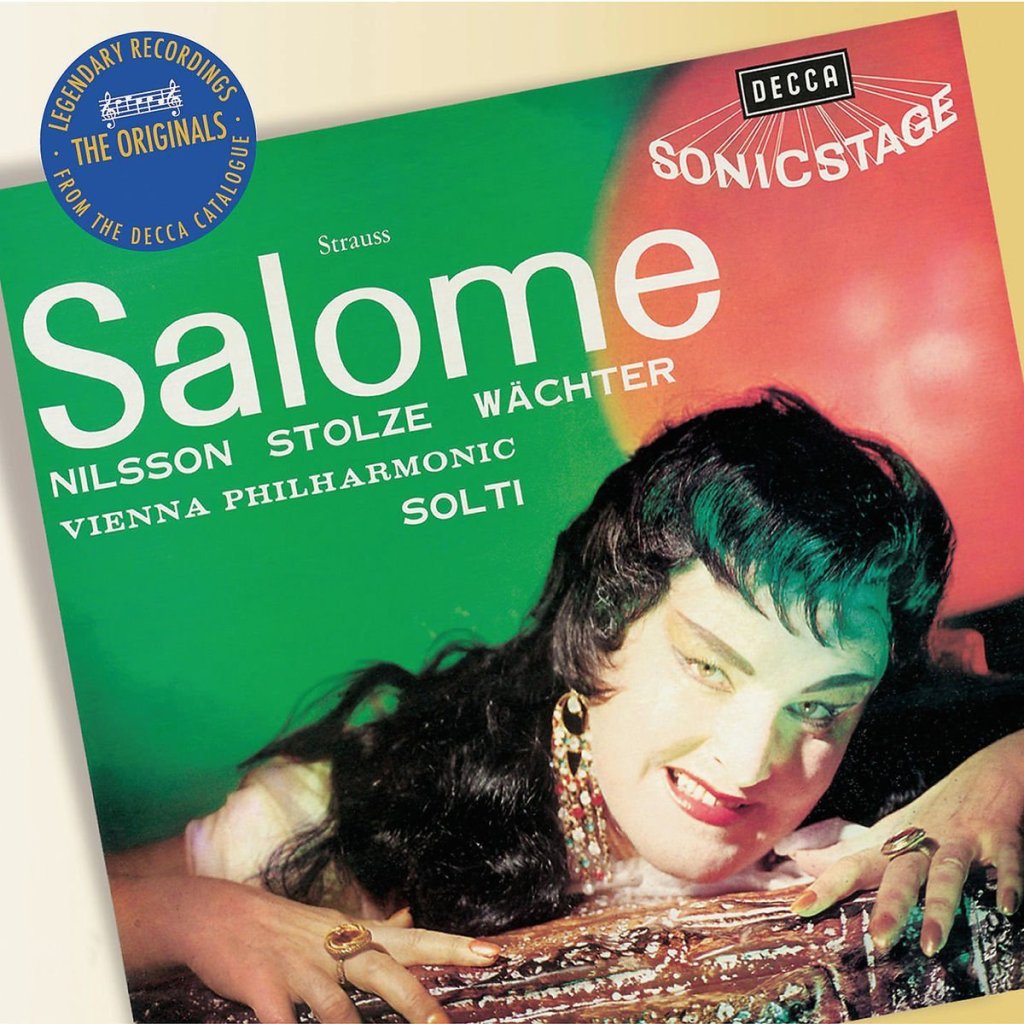

This recording is considered legendary, but it has never appealed to me. Nor have I ever been impressed by Birgit Nilsson’s interpretation of the title role. Nilsson has a powerful voice, but she is neither seductive, nor erotic or naive.

Eberhard Wächter shouts himself hoarse as Jochanaan and Waldemar Kmennt as Narraboth is nothing short of a huge mistake. What remains is Georg Solti’s exciting conducting

(Decca 4757528).


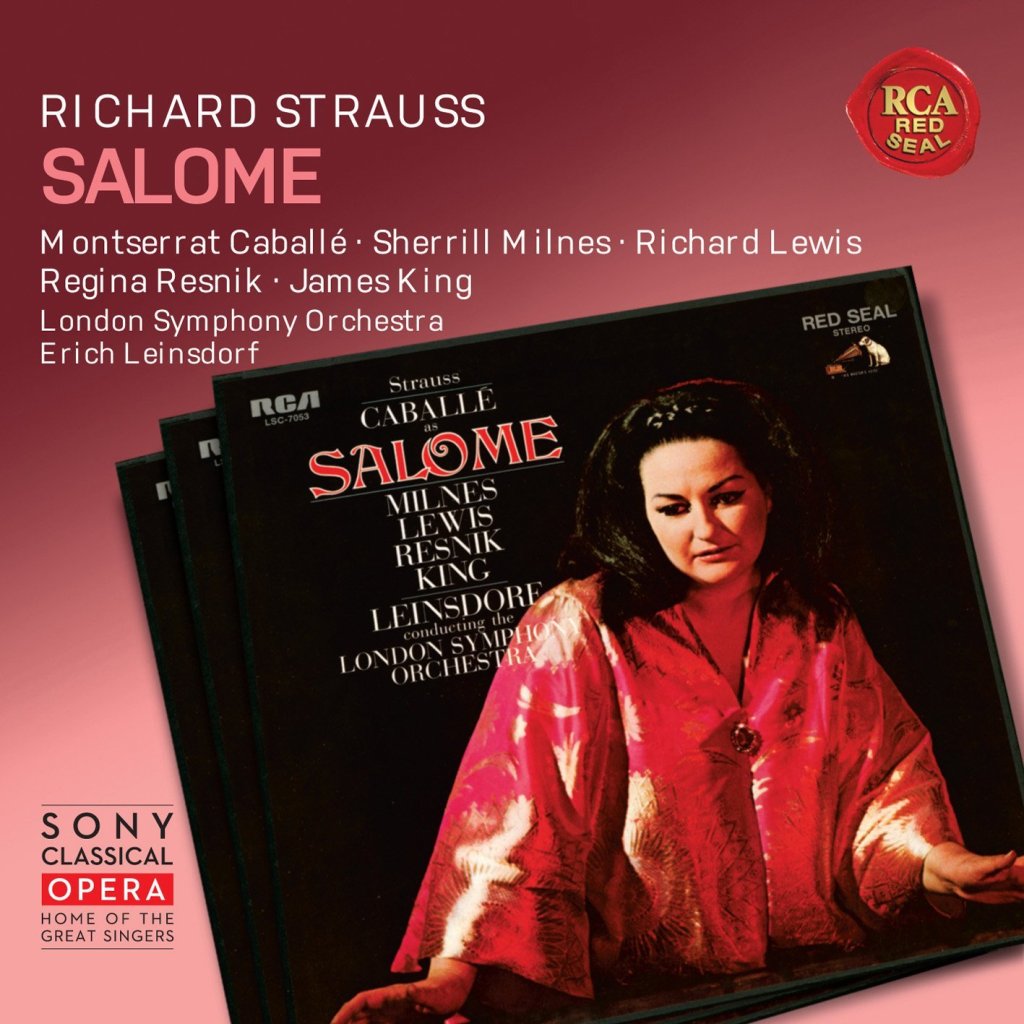
MONTSERRAT CABALLE (1969)


Montserrat Caballé? Really? Yes, really. Caballé sang her first Salome in Basel in 1957, when she was only 23 years


Salome was also the first role she sang in Vienna in 1958, and I can assure you that she was one of the very best Salomes ever. Certainly on the recording she made in 1969 under the thrilling baton of Erich Leinsdorf. Her beautiful voice, with its whisper-soft pianissimi and velvety high notes, sounded not only childlike but also very deliberately sexually charged, like a true Lolita.

Sherrill Milnes’s very charismatic Jochanaan has the aura of a fanatical cult leader, and Richard Lewis (Herod) and Regina Resnik (Herodias) complete the excellent cast

(Sony 88697579


Caballé as Salome in 1979:


HILDEGARD BEHRENS (1978)
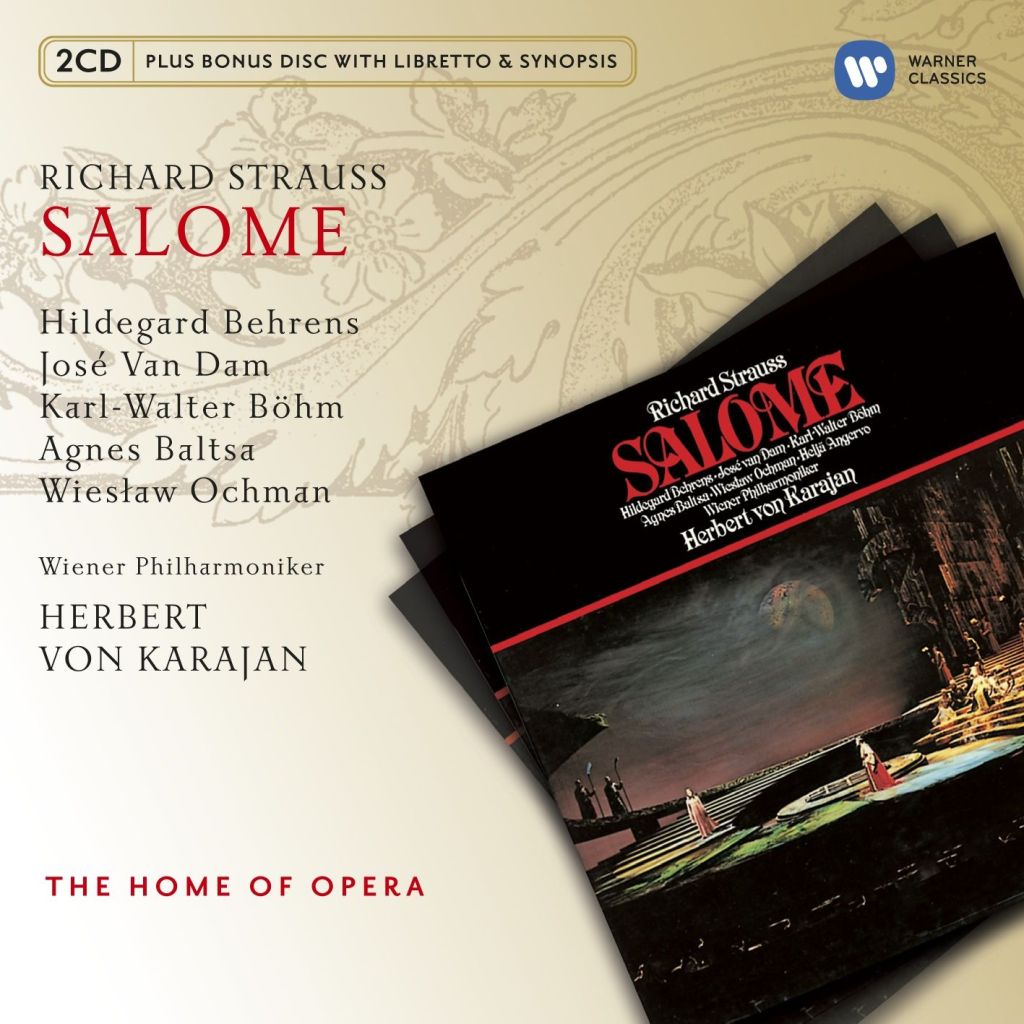

This recording is worth buying mainly because of Narraboth. Wieslaw Ochman sounds so madly in love and so terribly desperate that you really feel sorry for him. Agnes Baltsa’s Herodias is also wonderful: her interpretation of the role is one of the best I know. José van Dam is a very authoritarian Jochanaan: a true preacher and missionary, with very little appeal.

I find Hildegard Behrens’ Salome not very erotic. With her then still slightly lyrical voice, she sounds more like a spoilt child who gets angry when she doesn’t get her way. There is something to be said for his, especially since Behrens is an incredibly good voice actress and
everything she sings can be followed literally. You don’t need a libretto here.

But the real eroticism can be found in the orchestra pit: Herbert von Karajan conducts very sensually

(Warner Classics 50999 9668322).


CHERYL STUDER (1991)
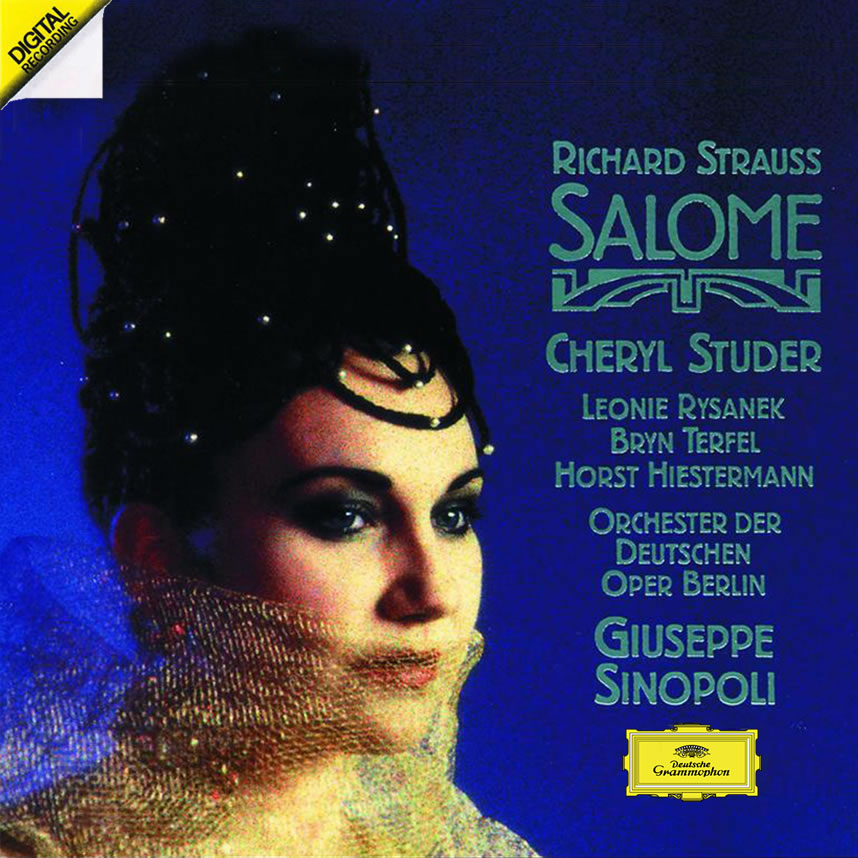

I realise that many of you will disagree with me, but for me Cheryl Studer is the very best Salome of the last fifty years. At least on CD, because she never sang the role in its entirety on stage

(DG 4318102).


Like few others, she knows how to portray the complex character of alome’s psyche. Just listen to her question “Von wer spricht er?”, after which she realises that the prophet is talking about hermother and sings in a surprised, childishly naive way: “Er spricht von meiner Mutter”. Masterful.

Bryn Terfel is a very virile, young Jochanaan (I think it was the first time he sang the role), but the most beautiful thing is Giuseppe Sinopoli erotic connductING


MARIA EWING (1992)
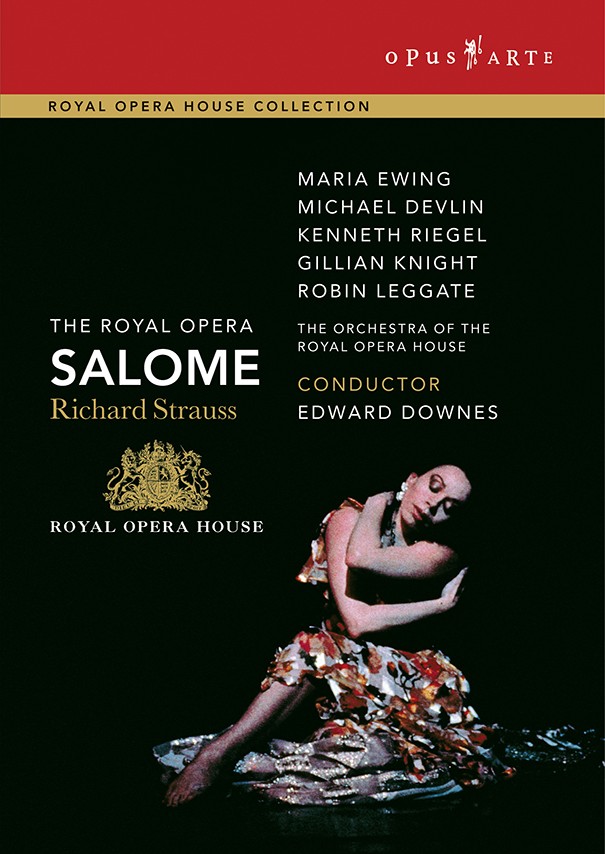

Maria Ewing also is a very good Salome. She too has the looks, and with her aggrieved expression, pouting mouth and wide-open eyes, she could easily be mistaken for a teenager. And she can sing too.

Jochanaan is sung by a very attractive American baritone, Michael Devlin, dressed only in tiny briefs. I am particularly impressed by his muscles, less so by his voice. Nevertheless, the erotically charged tension between him and Salome is palpable – that’s theatre!

Kenneth Riegel is perhaps the best Herod in history. His looks are lecherous and his voice sounds lustful, but his fear of the prophet is also almost physically palpable. Breathtaking.


NADJA MICHAEL (2007 & 2008)
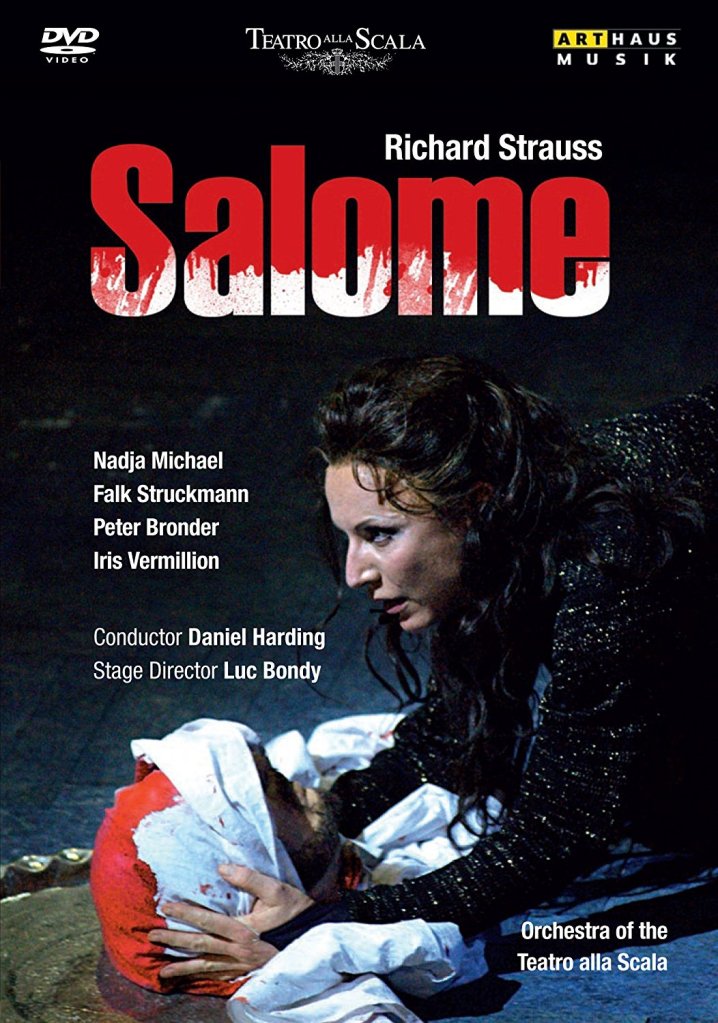

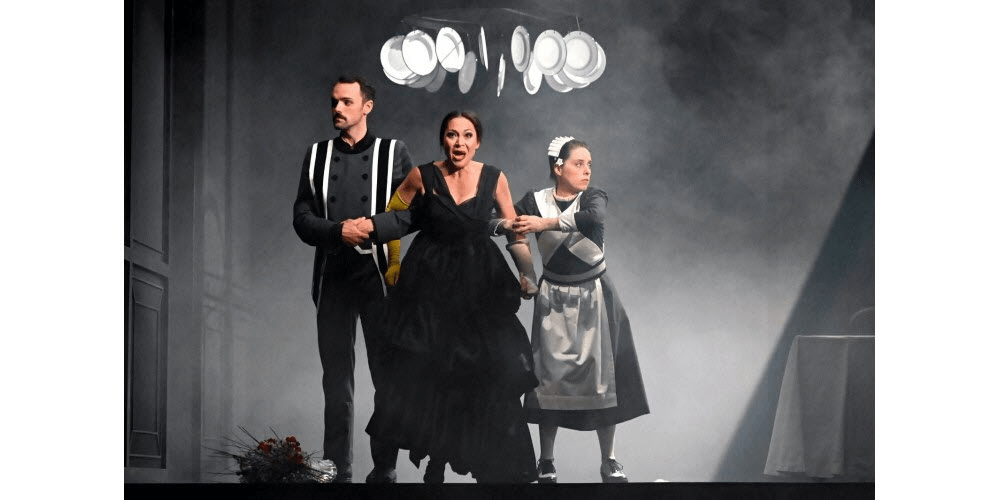
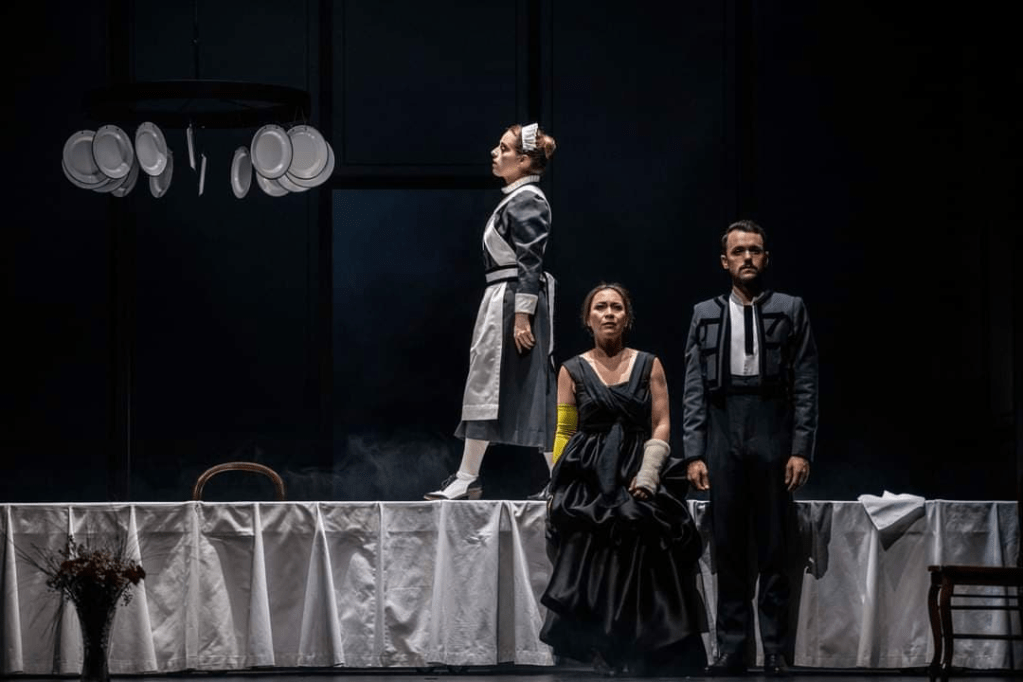
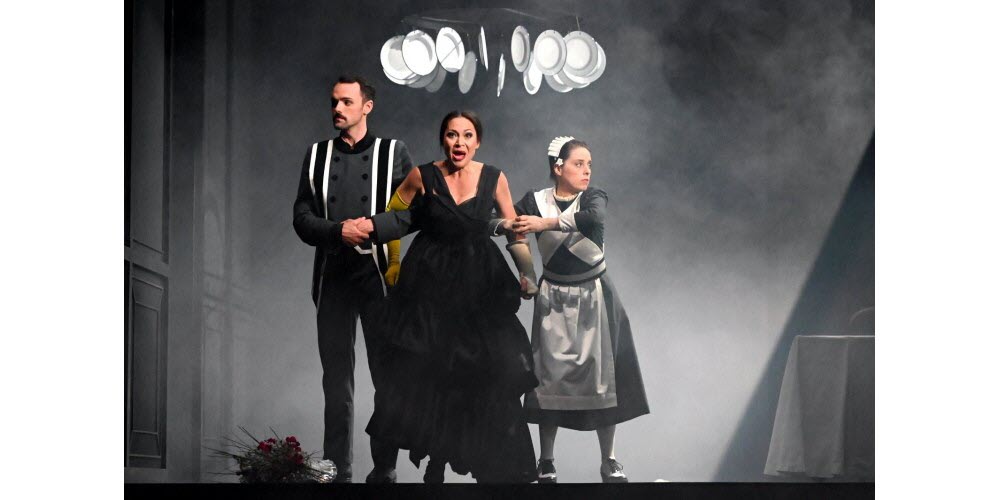
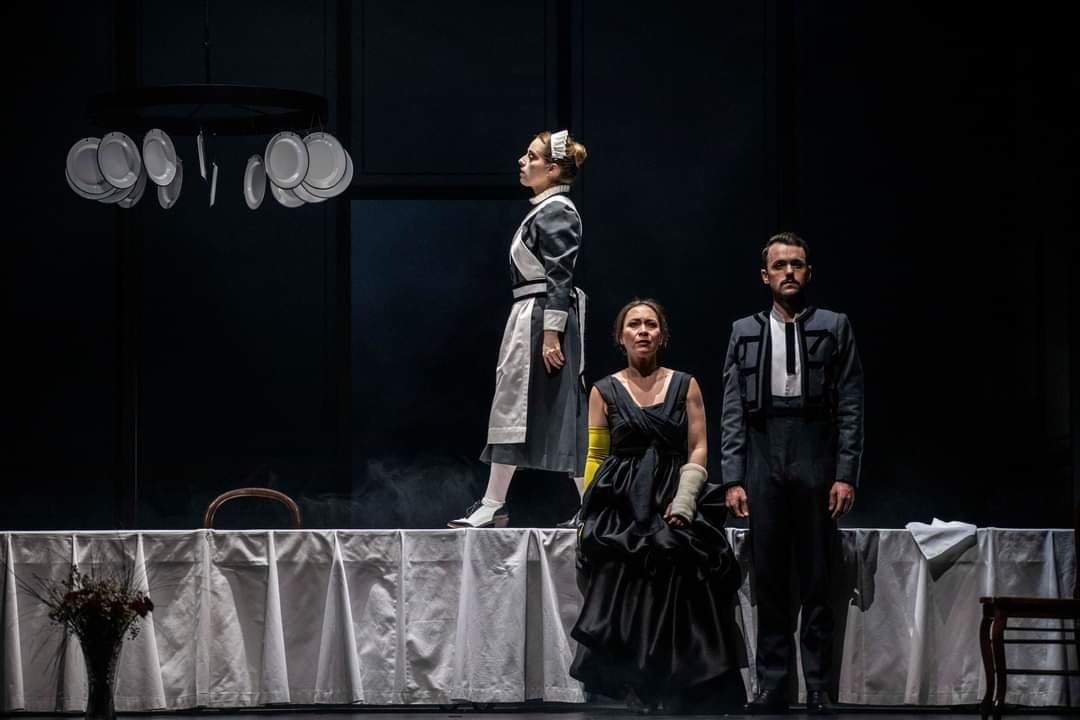
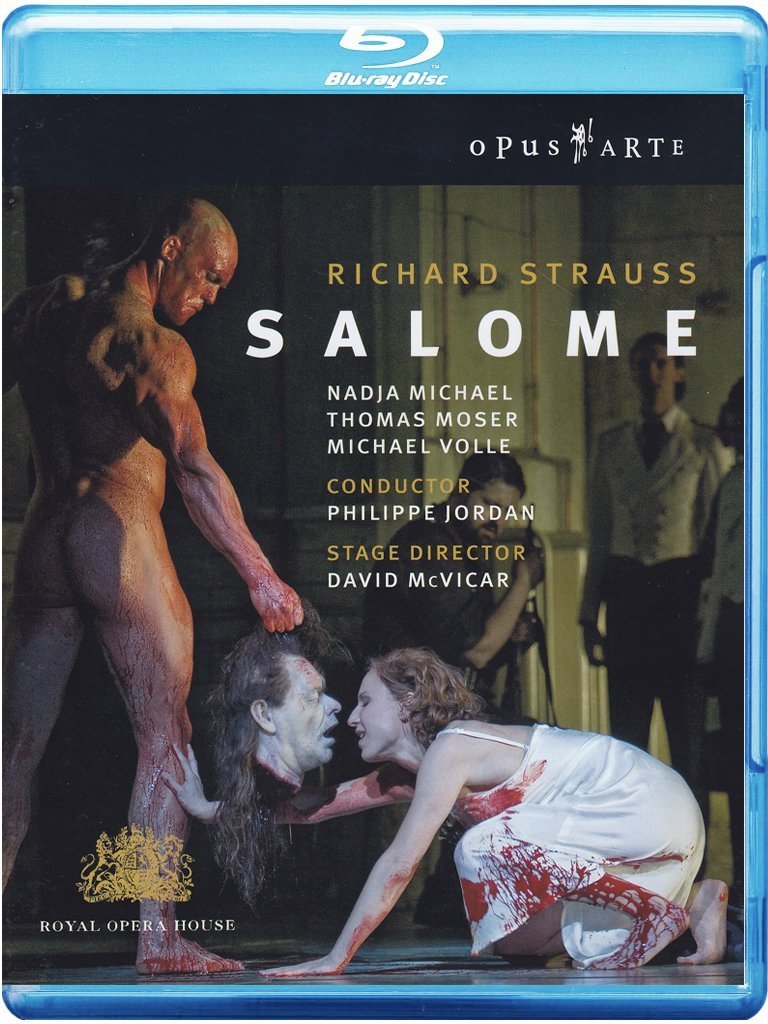
No fewer than two different DVDs starring Nadja Michael have recently been released: from La Scala (2007, directed by Luc Bondy) and from Covent Garden (2008, directed by David McVicar). Both productions are undoubtedly good, although I personally find McVicar’s version much more
exciting. good, although I personally find McVicar’s version much more exciting.


Luc Bondy’s direction (Arthaus Musc 107323) is rather traditional and actually very simple. His setting is minimalist, the colours dark, but the light shining in from the ever-present moon is simply beautiful. Iris Vermillion is a very attractive Herodias, both vocally and visually, and Herod
(a truly excellent Peter Bronder) is portrayed as a really small and miserable little man. Falk Struckmann (Jochanaan) certainly impresses with his voice, but looks too old and too sluggish.


Ljuba Welitch (1949)
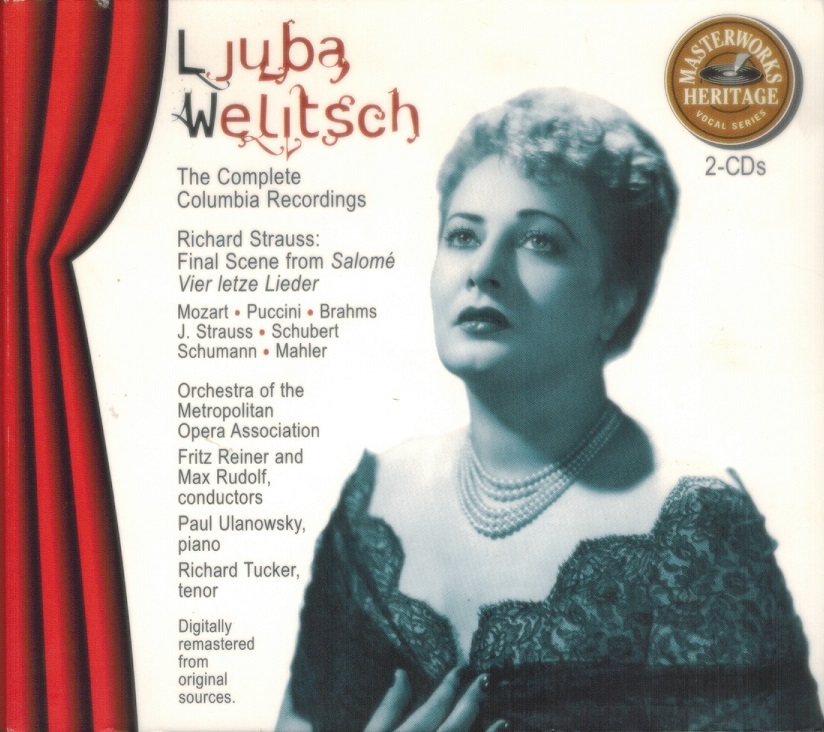

Whichever Salome you choose, there is one you absolutely cannot ignore:
Ljuba Welitsch. The recording she made in 1949 under Fritz Reiner,
immediately after her sensational debut at the MET in the role (Sony MHK
262866), has never been equal


On YouTube, you can also hear Welitsch in the final scene of the opera
in the 1944 recording under Lovro von Matacic




Memories of Philippe Boesmans

REIGEN


Peter Franken:

In 1999 I saw Boesmans’ opera Reigen in the production of the Reisopera. The opera is based on a work by Arthur Schnitzler from 1897 which was not released until 1920. It is a controversial play with provocative sexual themes. Schnitzler explores the sexual morality and class ideology of his time through successive encounters between characters.

The action is set in 1890s Vienna. The dramatic structure is determined by ten interlocking scenes between love couples. Each character appears in two successive scenes, with the whore from the first scene returning in the last.

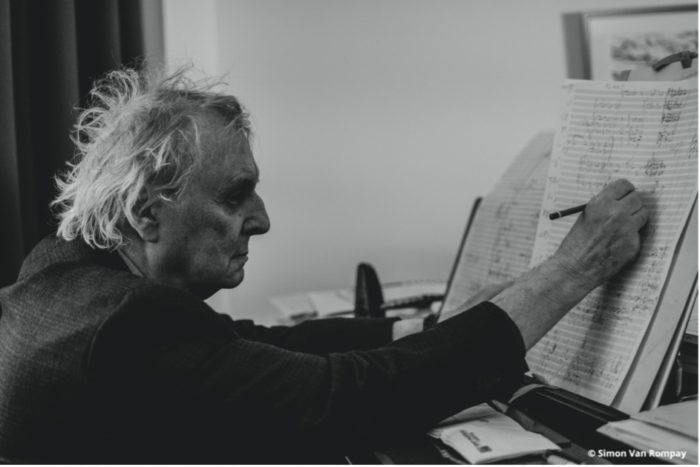
Luc Bondy adapted the play into a libretto for the opera of the same name, which premiered at La Monnaie in Brussels in 1993. The play, and also the opera, offers a disconcerting picture of the pursuit of sexual pleasure and the hangover that must surely follow. The cold, cold lust and the hunt for empty sex are mercilessly dissected.

In the Reisopera production, the act is set on a turntable with only sketchy locations: a lamppost representing a street scene and a scene in a park between a whore and a soldier, and between that soldier and a chambermaid; then a door turns as if to separate the sultry thoughts exchanged between the chambermaid and the young gentleman of the house.

The Count, a well-characterised presentation by baritone Roger Smeets, meets the whore (Janny Zomer) who was already seen in the beginning and who now is the last character in the round dance, or Reigen. In between we met Ellen van Haaren as the singer, Annelies Lamm as the chambermaid and Kor Jan Dusseljee as the soldier.


Ellen van Haaren, the ‘singer’ in the production of the Netherlands Opera:

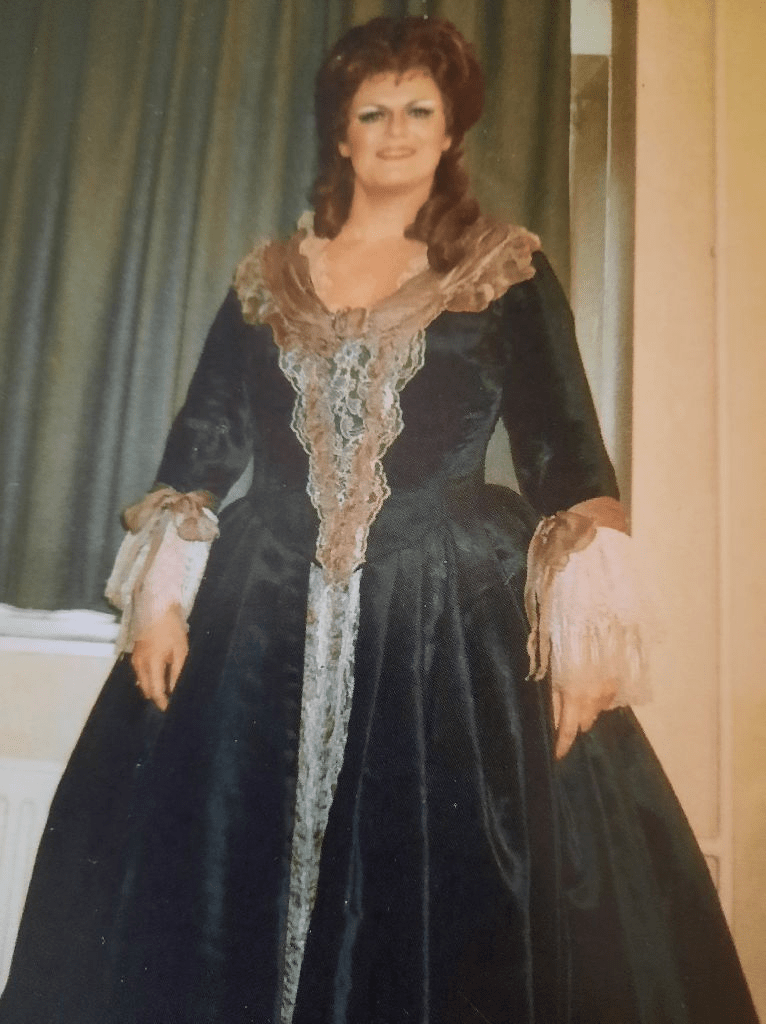
Ellen van Haarden als Amelia in Ballo in Maschera


I was preparing for a rehearsal when Louwrens Langevoort approached me with a book/piano excerpt of the new modern opera Reigen by Philippe Boesmans, which they wanted to perform with the Reisopera. “Here, go and have a look, this is a great part for you! “

I spent the next few days thinking that this was nót for me. And, however honoured I felt, I gave it back. I really didn’t think it was for me! Some time passed; I was rehearsing Die Lustige Witwe at the time and there was Louwrens again, with the book!

” Listen”, he said, “I can’t find anyone who could do it better! You can do it, this part is perfect for you”. And I thought, o.k., this I cannot and will not refuse. It was very short notice, I think five or six weeks before the premiere. All right, I said, I’ll do it, but with whom can I rehearse it? “With Aldert Vermeulen. And the composer, Boesmans, is also coming to watch, he wants to be present at the rehearsals.


OMG ..it was so scary!!! The next day came with learning, still more learning, memorizing, and singing it through.  And the thing I had been so afraid of, not being able to meet everyone’s expectations, shrank away bit by bit. It became more and more familiar to me, it became a part of myself and maestro Patrick Davin soon joined in. And we also had a connection straight away!

And suddenly there was Philippe Boesmans, the genius! The creator of this special opera. So calm and modest and friendly and encouraging. Through him I knew and felt…I can do this. He gave me the confidence! And from that day on, it was as if the sun broke through. The adventure I had embarked on became very enjoyable, it was really great fun! We laughed a lot at the rehearsals, about little things that Andrea ( xxxx the director BJ) and I had thought up… He was so happy and satisfied. That sweet modest man with his subtle humour!

Elen van Haaren met Janny Zomer in Reigen


And now this fine man and fantastic composer is no more. Thank you very, very much for the wonderful, special, beautifully catchy music! And thank you for the wonderful and fantastic memories of Reigen! R.I.P.


JULIE

Lisa Mostin, Kristin in Julie in the production of the Opéra National de Lorraine:

Dean Murphy, Irene Roberts et Lisa Mostin, le trio de chanteurs qui interprète « Julie », sous la direction d’Emilio Pomarico, dans la mise en scène de Silvia Costa. Photo ER /Cédric JACQUOT


“I met him for the first time in the corridors of the Nancy opera house after the Orkesterhauptprobe (Orchestra stage rehearsal). He didn’t recognise me as one of the singers without my makeup on, because it looked so different and sinister.

© Jean-Louis Fernandez


He let us do it all by ourselves during the production process. He never came to say how he wanted a certain line. He always said in interviews that once an opera is written, he wants to let go of the piece and he accepts how the world will treat it. He did not only say this, he also did it, out of a wonderful feeling of acceptance and letting go, but I personally think also because he wanted to be surprised. Just as if you send your child out into the world and then, when they return from their wanderings, you will see what they have learned on their path of growing independence.

After the dress rehearsal, he came on the stage and realised for the first time that I was the one singing Kristin and that I was a Belgian singer. He first started in French and when he heard that I had a Flemish accent, like a true Brussels- born, he immediately switched to Dutch. It was extraordinary that two Belgians met like that in France. He said he hadn’t known there was an Antwerp coloratura soprano singing Kristin and said he would like to write another piece for me. I would have loved to sing whatever he would have composed for me, but unfortunately it is not going to happen in this world.

© Jean-Louis Fernandez


All the rest is not easily put into words, he had something that all the greats have. An energy that touches you and an unconditional love that radiates from him, I think that is what has stayed with me the most. An enormously amiable person.”


Meeting between Philippe Boesmans and Silvia Costa, who handled the production:


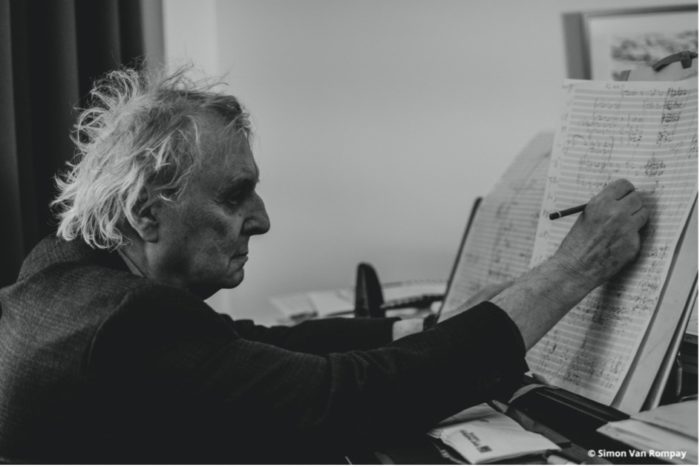
Philippe Boesmans died on Sunday 10 April 2022. His operas are performed regularly and both Julie(2004), after the play Fröken Julie by August Strindberg, and Reigen, after a play by Arthur Schnitzler, belong to the standard repertoire in opera houses all over the world.


Scene from Reigen performed by Operastudio Nederland (Daphne Ramakers & Pascal Pittie)


Below Julie from the Fondanzione teatro Comunale e Auditorium Bolzano directed by Manfred Schweigkofler:

Herinneringen aan Philippe Boesmans

REIGEN

Peter Franken:

Van Boesmans zag ik in 1999 de opera Reigen in de productie van de Reisopera. De opera is gebaseerd op een werk van Arthur Schnitzler uit 1897 dat echter pas in 1920 in première ging. Het is een controversieel toneelstuk met provocerende seksuele thema’s. Schnitzler onderzoekt daarin de seksuele moraal en klasse-ideologie van zijn tijd door opeenvolgende ontmoetingen tussen personages.

De handeling is gesitueerd in het Wenen uit de jaren 1890. De dramatische structuur wordt bepaald door tien in elkaar hakende scènes tussen liefdesparen. Elk personage treedt op in twee opeenvolgende scènes waarbij de hoer uit de eerste scène terugkeert in de laatste.

Luc Bondy werkte het toneelstuk om tot een libretto voor de gelijknamige opera van die in 1993 In de Brusselse de Munt in première ging. Het stuk biedt biedt een onthutsend beeld van de jacht op seksueel vertier en de kater die erop volgt. De kille, koude lust en de jacht naar lege seks worden genadeloos ontleed

In de  productie van de Reisopera speelde de handelin zich af op een draaiplateau met schetsmatig aangeduide locaties: een lantaarnpaal voor een straat- en een parkscène tussen een hoer en een soldaat, en tussen die soldaat en een kamermeisje; daarna draait er een deur voor als scheiding tussen broeierige gedachten van dat kamermeisje en de jonge heer des huizes.

De graaf, een goed getypeerde voordracht van bariton Roger Smeets, ontmoet als laatste figuur in de estafette de hoer (Janny Zomer) uit het begin. Daartussenin kwamen we onder meer Ellen van Haaren tegen als de zangeres, Annelies Lamm als het kamermeisje en Kor Jan Dusseljee als de soldaat.

Ellen van Haaren, de ‘zangeres’ in de productie van de Nederlandse Reisopera:

Ik was me aan het voorbereiden op een repetitie, toen Louwrens Langevoort op me af kwam met een boek/piano uittreksel van de nieuwe moderne opera Reigen van Philippe Boesmans, die ze bij de Reisopera wilden gaan uitvoeren. ” Hier ga daar maar eens naar kijken, dit is een partij voor jou. ! “

Ik was er de volgende dagen mee bezig en ik dacht dat dit niets voor mij was. En hoe vereerd ook, ik gaf het weer terug. Ik dacht echt dat het niets voor mij was! Er is wat tijd voorbij gegaan, ik was bezig in de repetitieweek van Die Lustige Witwe en daar was Louwrens weer, met het boek!
” Luister”, zei hij, “ik kan niemand vinden, die het beter zou kunnen doen deze partij! Jij kunt het, het is geknipt voor jou”. En ik dacht dit kan en mag ik niet weigeren. . Het was kort dag, ik denk vijf tot zes weken voor de première. Oké, zei ik, ik doe het, maar met wie mag ik het instuderen ? “Met Aldert Vermeulen. En de componist Boesmans komt ook om te kijken, hij wilt bij de repetities aanwezig zijn”.


OMG ..het was zó eng.!!! De volgende dag begon het leren, leren, stampen, stampen, doorzingen..  En waar ik zo bang voor was, het niet kunnen voldoen aan de verwachtingen van iedereen schrompelde beetje voor beetje weg. Het ging meer en meer bij me horen, het werd een stukje van mezelf en maestro Patrick Davin kwam er al gauw bij. En dat klikte ook heel goed!

En opeens was daar Philippe Boesmans, het genie.!! De schepper van deze bijzondere opera. Zo rustig en bescheiden en vriendelijk, en bemoedigend. Door hem wist en voelde ik…ik kan dit. Hij gaf me het vertrouwen! En vanaf die dag was het alsof de zon doorbrak. Het avontuur dat ik was aangegaan werd heel fijn leuk en fantastisch.!! Veel gelachen ook bij de repetities om dingetjes die Andrea ( xxxx de regisseur BJ) en ik hadden bedacht… zó blij en tevreden was hij. Die lieve bescheiden man met z’n fijnzinnige humor.!!


En nu is deze fijne man en fantastische componist er niet meer. Heel, heel veel dank voor de prachtige, bijzondere, mooie pakkende muziek! En dank voor de heerlijke en fantastische herinneringen aan Reigen!! R.I.P.

JULIE

Lisa Mostin, Kristin in Julie in de productie van Opéra National de Lorraine:


“Ik ontmoette hem voor de eerste keer in de wandelgangen van de opera van Nancy na de Orkesterhauptprobe (Orchestra stage rehearsal). Hij herkende me die dag niet als één van de zangers zonder mijn maquillage omdat die zo anders en luguber was.

Hij liet ons tijdens het productieproces helemaal doen. Nooit kwam hij zeggen hoe hij een bepaalde lijn wenste. Dat zei hij ook altijd in interviews dat eens de opera geschreven is, hij het stuk wil loslaten en accepteert hoe de wereld ermee zal omgaan. Dat zei hij niet alleen dat deed hij ook, vanuit een prachtig gevoel van acceptatie en loslaten maar ik denk persoonlijk ook omdat hij graag verrast wilde worden. Net alsof je je kind de wereld instuurt en dan mag aanschouwen wanneer die terugkomt van zijn/haar omzwervingen wat die zoon of dochter allemaal op dat pad van groeiende zelfstandigheid heeft geleerd.

Na de generale repetitie kwam hij op het podium en realiseerde hij zich dus voor de eerste keer dat ik Kristin zong en een Belgische zangeres was. Hij begon eerst in het Frans en toen hij hoorde dat ik een Vlaams accent had, schakelde hij gelijk een echte Brusselaar direct om naar het Nederlands. Het was typisch dat twee Belgen zich op die manier in Frankrijk ontmoet hebben. Hij zei dat hij niet wist dat er een Antwerpse coloratuursopraan rondliep die Kristin zong en zei dat hij graag nog een stuk voor me wilde schrijven. Ik zou zo graag gezongen hebben wat hij nog gecomponeerd zou hebben maar dat zal helaas niet meer voor deze wereld zijn.

Al de rest laat zich niet in woorden uitdrukken, hij had iets wat alle groten hadden. Een energie die je raakt en een onvoorwaardelijke liefde die van hem uitstraalde, ik denk dat dat me nog het meeste is bijgebleven. Een enorm aimabele person.”

Ontmoeting tussen Philippe Boesmans en Silvia Costa, die de productieverzorgde:

Philippe Boesmans is op zondag 10 april 2022 overleden. Zijn opera’s worden regelmatig uitgevoerd en zowel Julie als Reigen behoren tot een standaard repertoire in operahuizen overal ter wereld.

Scène uit Reigen uitgevoerd door operastudio Nederland (Daphne Ramakers & Pascal Pittie)

Hieronder Julie uit de Fondanzione teatro Comunale e Auditorium Bolzano in de regie  van Manfred Schweigkofler: