Adriana_Lecouvreur

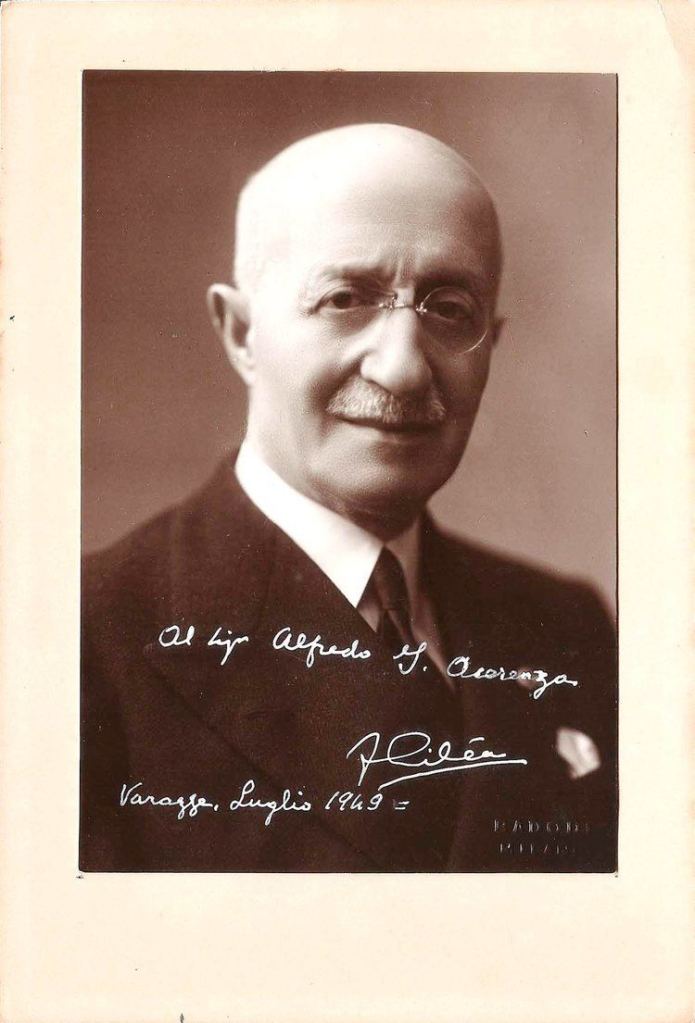
For Francesco Cilea on his birthday

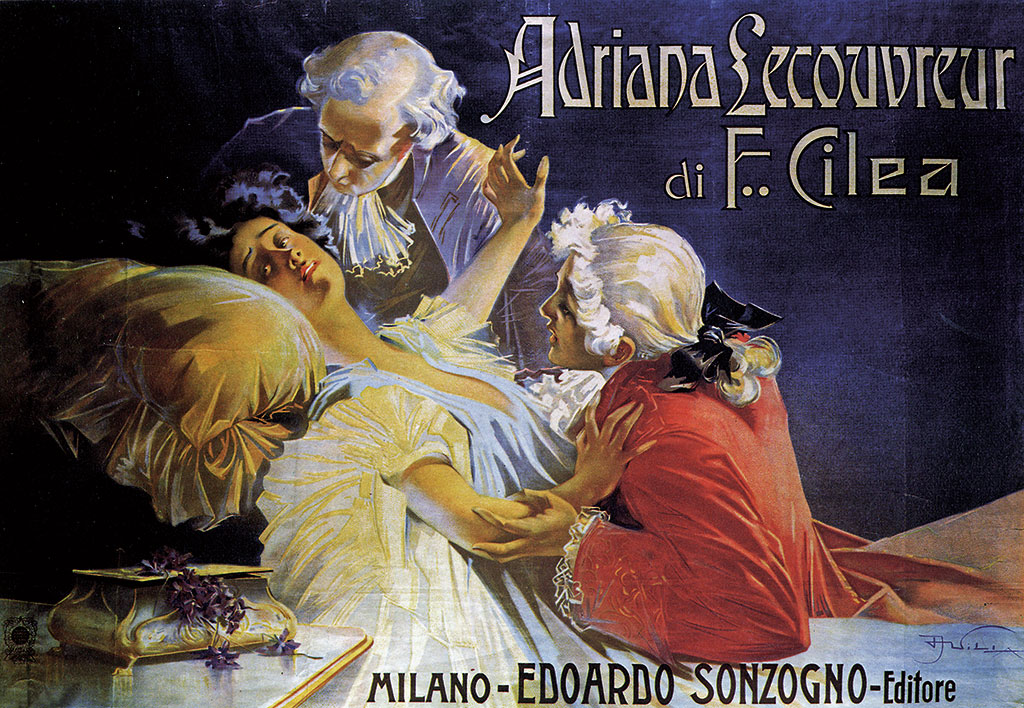
Adriana Lecouvreur

Aleardo_Villa

Daniela Dessì
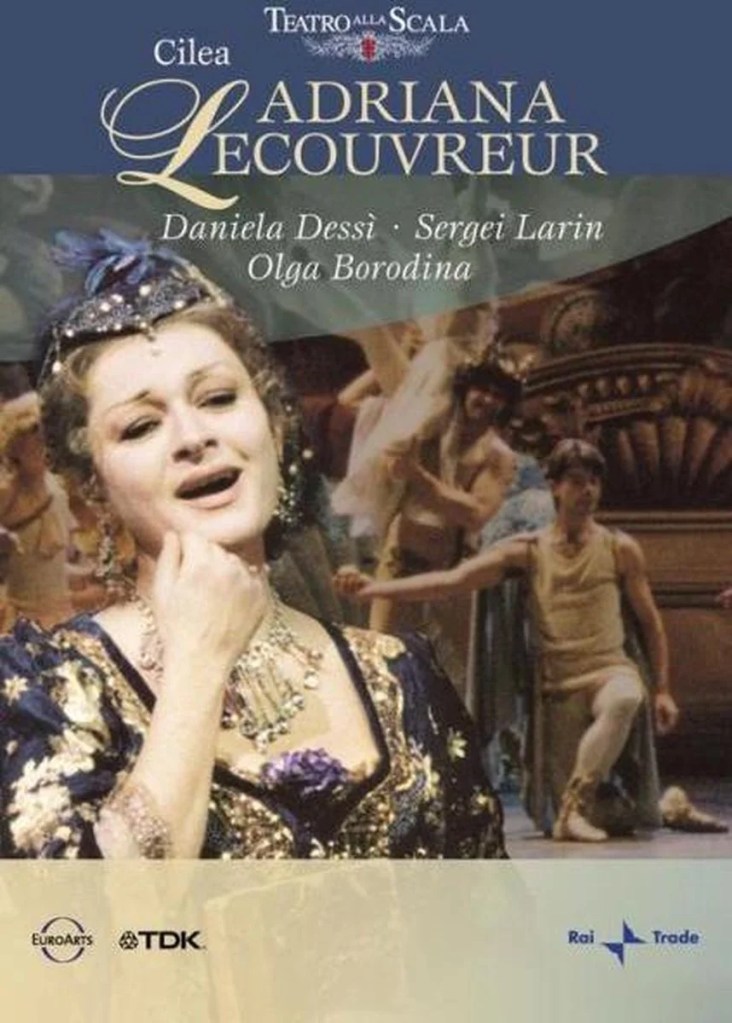


‘Poveri fiori’ (poor flowers), Adriana sings in one of the most moving arias in the history of opera, smelling the bunch of wilted violets. If only we could warn her, because those violets are poisoned, you can smell the contamination even from your armchair in front of the TV. And indeed they prove fatal. She launches into a big monologue, and that was it! Tutto e finito.

The orchestra plays a few more bars, and then there is the final chord. Pian-pianissimo, and so movingly beautiful that my tears, which had already begun to flow at the beginning of the last act, turn into a veritable flood.
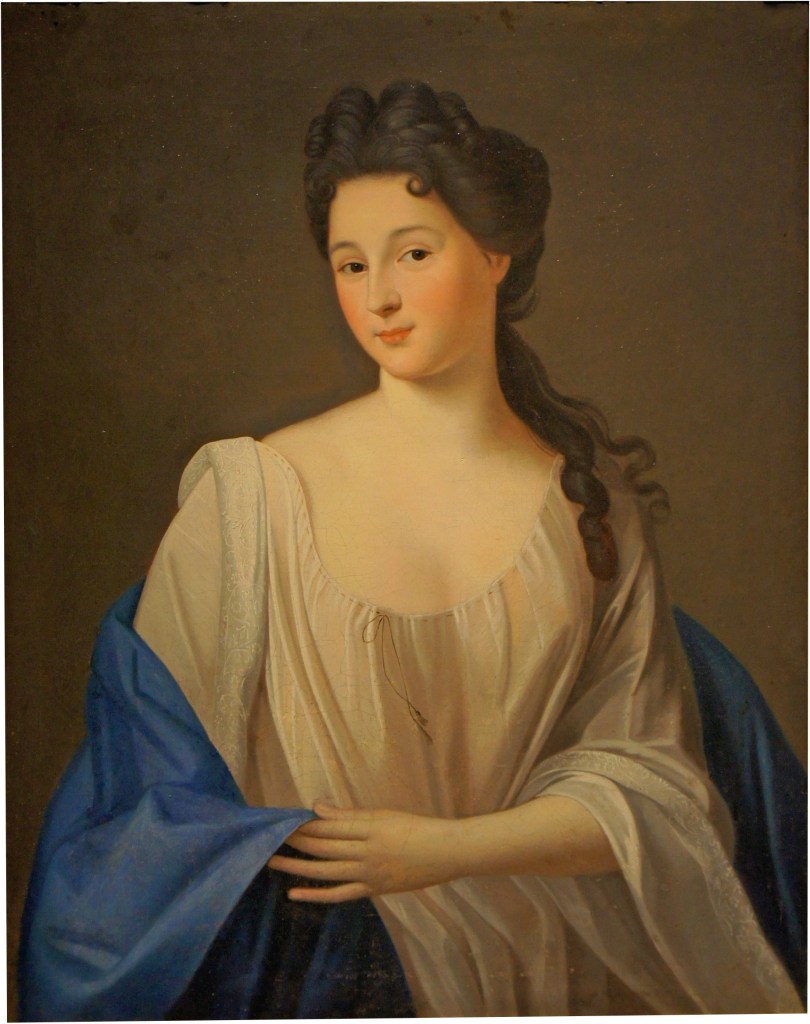
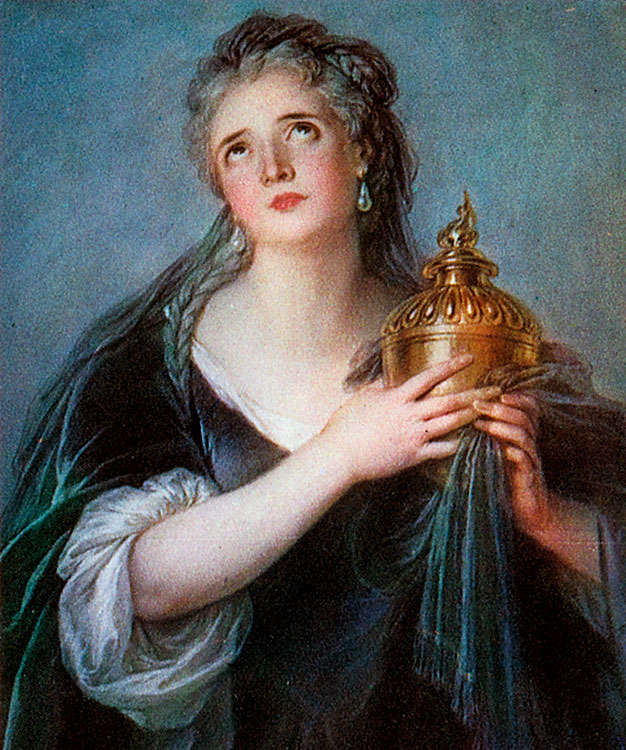
Portrait of Lecouvreur (ca. 1725), by anonymous artist, based on her first appearance at the Comédie-Française, and located in the Musée des Beaux-Arts, Châlons-en-Champagne


The real Adriana, a star of the Comédie Française, died in Voltaire’s arms in 1730. Eugene Scribe made her immortal by creating a play about her life and her role was played by the greatest actresses of the time: Sarah Bernhardt, Eleonora Duse, Helena Modjeska.
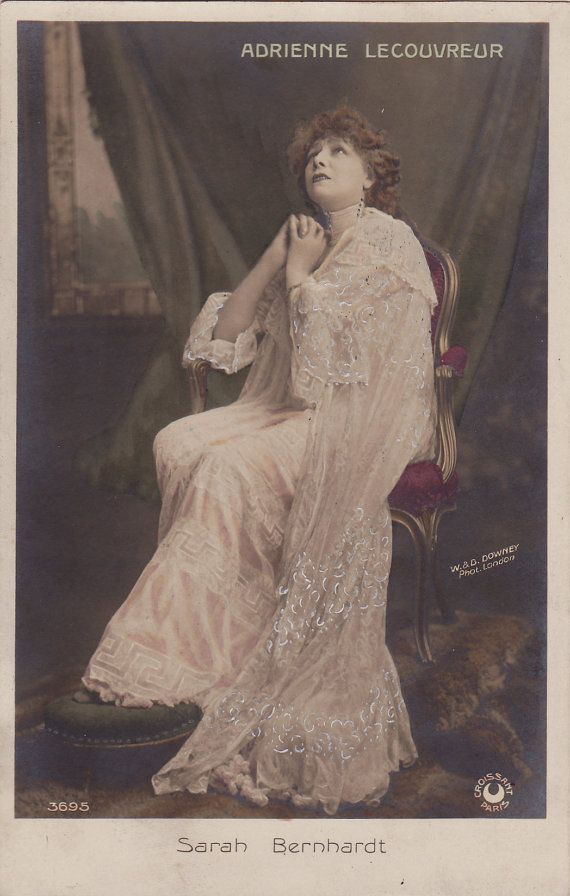


The opera, which Francesco Cilea based on the play, thus requires a singer with the greatest acting skills, such as a Mafalda Favero, Magda Olivero or Renata Scotto.


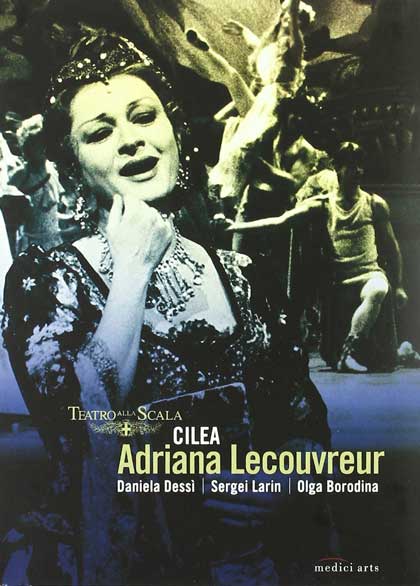
Daniela Dessi, by the way, can do both the singing and the acting. 21 years ago (the recording was made at La Scala in January 2000), her sound was still lyrical, but already well developed dramatically. A true lirico-spinto, even if it was still a bit ‘in spe’ then.


Maurizio was one of Sergei Larin’s favourite roles, he also sang it in 2006 in Amsterdam (Saturday Matinee) alongside Nelly Miricioiu. The much-lamented Latvian tenor (he died in January 2008 at the age of 51) presents a beautiful and elegant sound, not devoid of passion, but still without the ‘roar’ that marred his last performances.


Olga Borodina is a deliciously mean Principessa di Bouillon and Carlo Guelfi a sonorous Michonnet, although his voice lacks ‘that certain something’, that made Sherrill Milnes one of the best interpreters of the role.


Roberto Rizzi Brignoli elicits from the orchestra all the colours of the rainbow and then some more. Here he is at the very beginning of his career (I once wrote: remember that name, we will be hearing more from him). Now he has become one of the greatest.

For those who appreciate it: the direction and the stage setting are traditional.


Dessì and Borodina in the finale of the third act:

EuroArts 2050098

Mafalda Favero:

Magda Olivero:

Renata Scotto:

L’Arlesiana (rediscovered!)


There are more operas that derive their fame from just one aria: just think of La Wally. Or even Andrea Chenier or La Gioconda. But there can only be one winner and that is undoubtedly Cilea’s L’Arlesiana.


The aria “E’ la solita storia del pastore”, better known as Lamento di Federico is among the most beautiful and best-loved tenor arias in all opera history. Just about every tenor sings it; it is also very often found on compilation CDs or opera recitals. No wonder: who among us can keep dry eyes listening its languorous tones? And: who among us actually knows what it is about? And who has ever heard the opera in its entirety?

L’Arlesiana is still performed only sparsely, even its recordings are scarce. Strange really, but the intendants of most opera houses don’t like verism. Is there too little honour to be gained for directors?

Not that L’Arlesiana is a masterpiece. That the opera is unbalanced, Cilea himself knew that very well. He also continued to tinker with it from its premiere in 1897 until his death in 1950. He went from four acts to three, and his finest and best move was undoubtedly adding the famous interlude “La notte di Sant’Egilio”, in 1937.


Curiously, the heroine, the girl from Arles, is not even present in the opera. Well, not fysically. She is being talked about, gossiped about also and she is the cause of the ensuing drama, of which she is probably not even aware, we will never know it.


Clearly present, though, is Rosa Mamai, Federico’s mother. I read somewhere that if Santuzza (Cavalleria rusticana) had ever left Sicily and started a family of her own, she would surely have become Rosa Mamai. I was reminded of this when listening to Iano Tamar’s fantastic, highly dramatic Rosa Mamai.
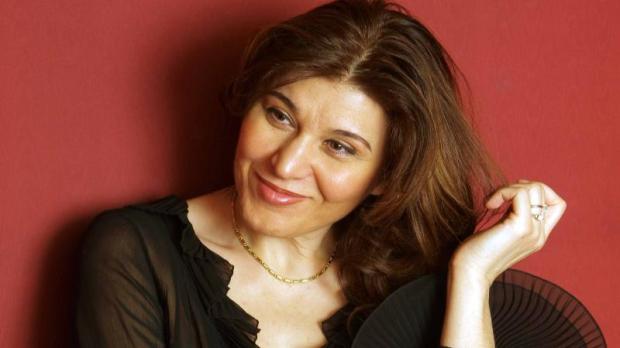
arlesiana-tamar

Iano Tamar. Foto: Picus online


In her own “lamento” (‘Esser madre è un inferno’), she defies the limits of beautiful singing, but nowhere crosses them and she really makes us share her grief.  In doing so, she proves what we actually already knew: the opera is not about silly shepherd Federico and his desperate love for the adulterous Arlesienne. No, it is about the boundless love of a mother who wants to save her son from a fatal fate at any cost and who even goes so far as to give her consent to the marriage with “the bitch”. To no avail: in a moment of madness, Frederico plunges himself from the hayloft

arlesiana-filianotti

Foto: Arielle Doneson


Giuseppe Filianotti has the ideal timbre for Federico: beautifully lyrical, but with enough power to meet the heavy demands of the complex role, with its many changes of mood. I truly would not know who else, perhaps apart from Beczala or Fabiano, could sing the role with as much feeling and languor. It is a real “Caruso role”; lyricism alone would not be enough.

Mirella Buonoaica’s light and agile soprano is sometimes like quicksilver: bouncy and fascinatingly beautiful. But her Vivetta also possesses enough power: should the need arise, the girl is ready to fight. It is not her fault that her lover has gone mad, remember Micaela!

Francesco Landolfi is a beautiful Baldassare, authoritarian but also very fatherly. His ‘Come due tozzi accesi’ moves me greatly. He phrases with a perfection you don’t often come across anymore and his messa di voce is astounding..

All the minor roles are also more than adequately cast and the orchestra under Fabrice Bollon plays very animatedly.

But this recording has even more to offer. It contains a lost aria by Federico: a “Una mattina m’apriron nella stanza”. We owe the discovery to Giuseppe Filianotti, who found the piece at the Museo Francesco Cilea, in a manuscript belonging to the composer. “Una mattina” was heard for the first time during this performance in Freiburg.

The original 1897 version of Lamento di Federico (note the end):


The rediscovered aria “Una mattina m’apriron nella stanza”:


CPO 7778052; recorded live juli 2012 in Freiburg


Bonus: Tito Schipa sings Il Lamento di Federico


A pleasant introduction to Cilea’s piano works
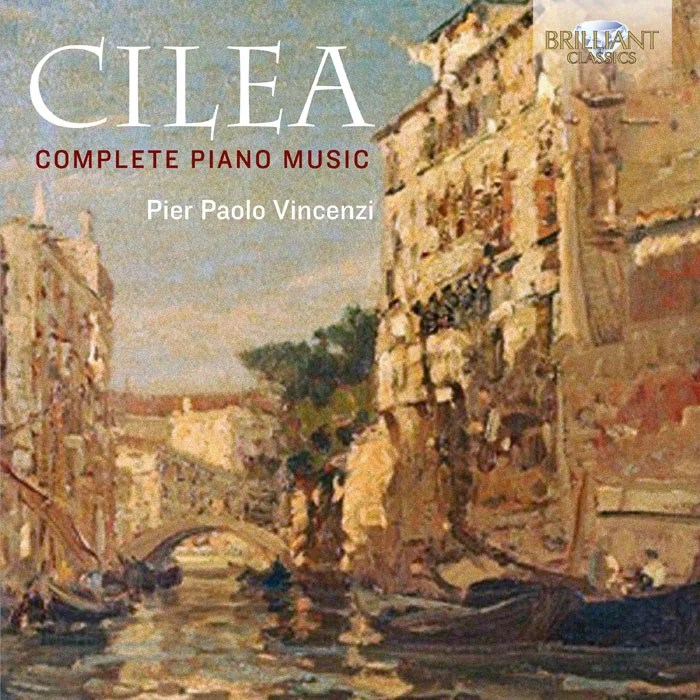
Francesco Cileais today particularly known for his opera’s Adriana Lecouvreur and L’Arlesiana, but did you know that he, himself a great pianist also composed for the piano?

I didn’t. Not that I think I missed much. It’s all very pleasant, no more. Wonderful to have in the background but the music has too little going for it. It does not sink in.

And yet I am glad someone took the trouble to record the music. It sheds a totally different light on the composer and takes him out of the shadows in which (music) history has cast him. No, Puccini he was not, and in his day piano music was already much more than just an entertaining ‘salon music’, but fair is fair: I must confess that I found it an extremely  enjoyable introduction. Not least because of pianist Sandro De Palma’s very strong advocacy of his music.

In the very Schubertian-looking sonata for cello and piano, De Palma is assisted by the not particularly virtuoso Ferdinando Calcaviello.
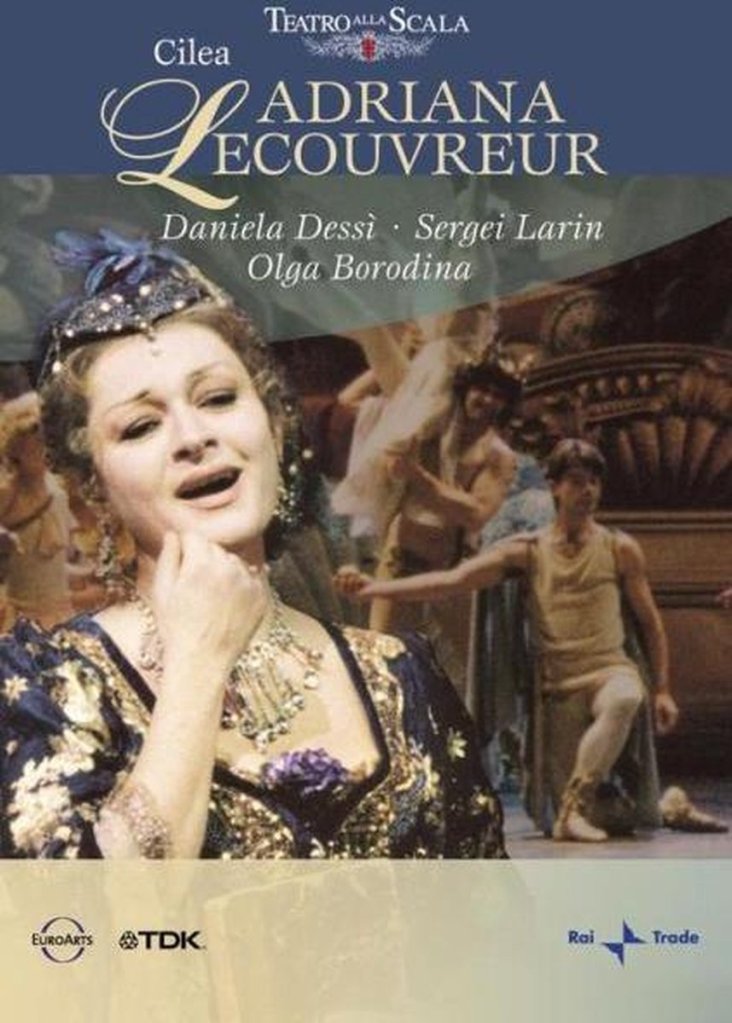



Daniela Dessì shines as Adriana Lecouvreur

Poveri fiori’ (poor flowers), Adriana sings in one of the most moving arias in the history of opera, smelling the bunch of wilted violets. If only we could warn her, because those violets are poisoned, you can smell the contamination even from your armchair in front of the TV. And indeed they prove fatal. She launches into a big monologue, and that was it! Tutto e finito.

The orchestra plays a few more bars, and then there is the final chord. Pian-pianissimo, and so movingly beautiful that my tears, which had already begun to flow at the beginning of the last act, turn into a veritable flood.

The real Adriana, a star of the Comédie Française, died in Voltaire’s arms in 1730. Eugene Scribe made her immortal by creating a play about her life and her role was played by the greatest actresses of the time: Sarah Bernhardt, Eleonora Duse, Helena Modjeska.

The opera, which Francesco Cilea based on the play, thus requires a singer with the greatest acting skills, such as a Mafalda Favero, Magda Olivero or Renata Scotto.


Daniela Dessi, by the way, can do both the singing and the acting. 21 years ago (the recording was made at La Scala in January 2000), her sound was still lyrical, but already well developed dramatically. A true lirico-spinto, even if it was still a bit ‘in spe’ then.


Maurizio was one of Sergei Larin’s favourite roles, he also sang it in 2006 in Amsterdam (Saturday Matinee) alongside Nelly Miricioiu. The much-lamented Latvian tenor (he died in January 2008 at the age of 51) presents a beautiful and elegant sound, not devoid of passion, but still without the ‘roar’ that marred his last performances.
Olga Borodina is a deliciously mean Principessa di Bouillon and Carlo Guelfi a sonorous Michonnet, although his voice lacks ‘that certain something’, that made Sherrill Milnes one of the best interpreters of the role.

Roberto Rizzi Brignoli elicits from the orchestra all the colours of the rainbow and then some more. Here he is at the very beginning of his career (I once wrote: remember that name, we will be hearing more from him). Now he has become one of the greatest. For those who appreciate it: the direction and the stage setting are traditional.

Dessì and Borodina in the finale of the third act:

Francesco Cilea
Adriana Lecouvreur
Daniela Dessì, Sergei Larin, Olga Borodina, Carlo Guelfi e.a.
Orchestra e Coro del Teatro alla Scala olv Roberto Rizzi Brignoli

Gedenkwaardige Adriana Lecouvreur uit de Met

In de serie Live from the Met werd zaterdag 12 januari Cilea’s Adriana Lecouvreur uitgezonden. Met een topcast in een klassieke productie werd het een gedenkwaardige avond. Peter Franken doet verslag.

adriana_lecouvreur aleardo_villa_-_

Francesco Cilea is een van die operacomponisten die hun bekendheid danken aan een enkel werk, in zijn geval Adriana Lecouvreur. De opera ging op 26 november 1902 in Milaan in première. In 1904 was er een reeks opvoeringen in Londen. Na een onderbreking van een eeuw stond de opera aldaar in 2010 weer op het affiche met Angela Gheorghiu en Jonas Kaufmann. Het betrof een coproductie van ROH, Wenen, San Francisco, Liceu en Bastille. Later heeft de Met zich daar nog bijgevoegd waar de productie dit seizoen première heeft. Het wachten is nu uiteraard op DNO om deze rij compleet te maken.

Adriana is een mooi voorbeeld van een bijna vergeten opera die plotseling in de belangstelling komt te staan doordat meerdere huizen zich er over ontfermen. Uiteraard is dat geen artistiek altruïsme maar veeleer een tactiek om de kosten te drukken en het risico te spreiden.

adriana freni

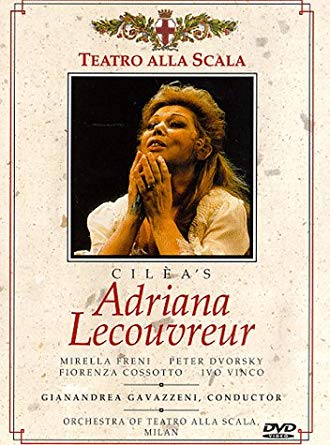
Dat wil overigens niet zeggen dat het werk nooit eens ergens te zien was. La Scala heeft het al decennia op het repertoire en bij tijd en wijle wordt het weer eens ten tonele gevoerd. Zo ook in 2007 met Daniela Dessi en Fabio Armilliato in de hoofdrollen. Deze productie uit de jaren ’80 is op dvd verkrijgbaar met Mirella Freni in de titelrol. Het was mijn eerste bezoek aan La Scala en ik heb er mooie herinneringen aan.

Uiteraard was Adriana ook te horen in de ZaterdagMatinee. In 1965 vertolkte Magda Olivero de titelrol en zelfs op cd is te horen hoe prachtig ze kon acteren dat ze dood ging.

adriana magda

Magda Olivero als Adriana

En in 2006 stond Nelly Miricioiù als Adriana op het toneel, haar revanche na de mislukte Norma bij DNO het jaar daarvoor.

adriana nelly

DE OPERA

adriana schilderij

Charles Antoine Coypel: Adrienne Lecouvreur en Cornélie (1726)

Adriana Lecouvreur is een gevierd actrice aan de Comédie Francaise, zo rond 1700. Zij is verliefd op een officier uit het gevolg van de graaf van Saksen, die in werkelijkheid de graaf zelf is. Deze probeert zich tot koning van Polen te laten kronen en heeft daar Franse hulp bij nodig. Daartoe maakt hij de invloedrijke Prinses van Bouillon het hof.

De Prins van Bouillon heeft zo zijn eigen besognes, hij is regelmatig aan de Comédie vanwege zijn maîtraisse Duclos, een collega van Lecouvreur. Verder is hij een gevorderd amateur chemicus die een vluchtig poeder heeft weten te maken dat bij inademing delirium en een snelle dood tot gevolg heeft.

Gaandeweg komt Adriana achter de ware identiteit van haar officier en ontdekt de prinses dat ze haar aanbidder moet delen met een ander, en nog wel een actrice. Dat geeft uiteraard problemen en die leiden uiteindelijk tot Adriana’s dood. De gimmick in het verhaal is een bosje viooltjes. Adriana geeft het aan Maurizio, deze geeft het op zijn beurt aan de Prinses. In de laatste akte ontvangt Adriana een kistje met daarin de verlepte viooltjes. Deze zijn vergiftigd met het poeder dat de Prinses van haar echtgenoot heeft ‘geleend’. Als Adriana  deze aan haar lippen brengt, wordt ze onwel en sterft kort daarna.

Kort na het begin van de handeling zingt Adriana Io sono l’umile ancella waarin zij aangeeft slechts de nederige dienares van de kunst te zijn. De muzikale lijn van deze aria vormt zo ongeveer de enige pijler waarop de rest van het werk rust.

Cilea heeft zeer pakkende muziek gecomponeerd die de handeling uitstekend ondersteunt, maar melodisch is het niet zeer gevarieerd. Aan het einde zingt Adriana nog de tweede hit waar de opera om bekend staat, Poveri fiori als ze de verlepte viooltjes aanschouwt en zodoende wordt herinnerd aan het verlies van haar minnaar Maurizio. Adriana Lecouvreur staat daarom ook wel bekend als de opera met de twee hits.


DE UITVOERING

adriana-lecouvreur-43
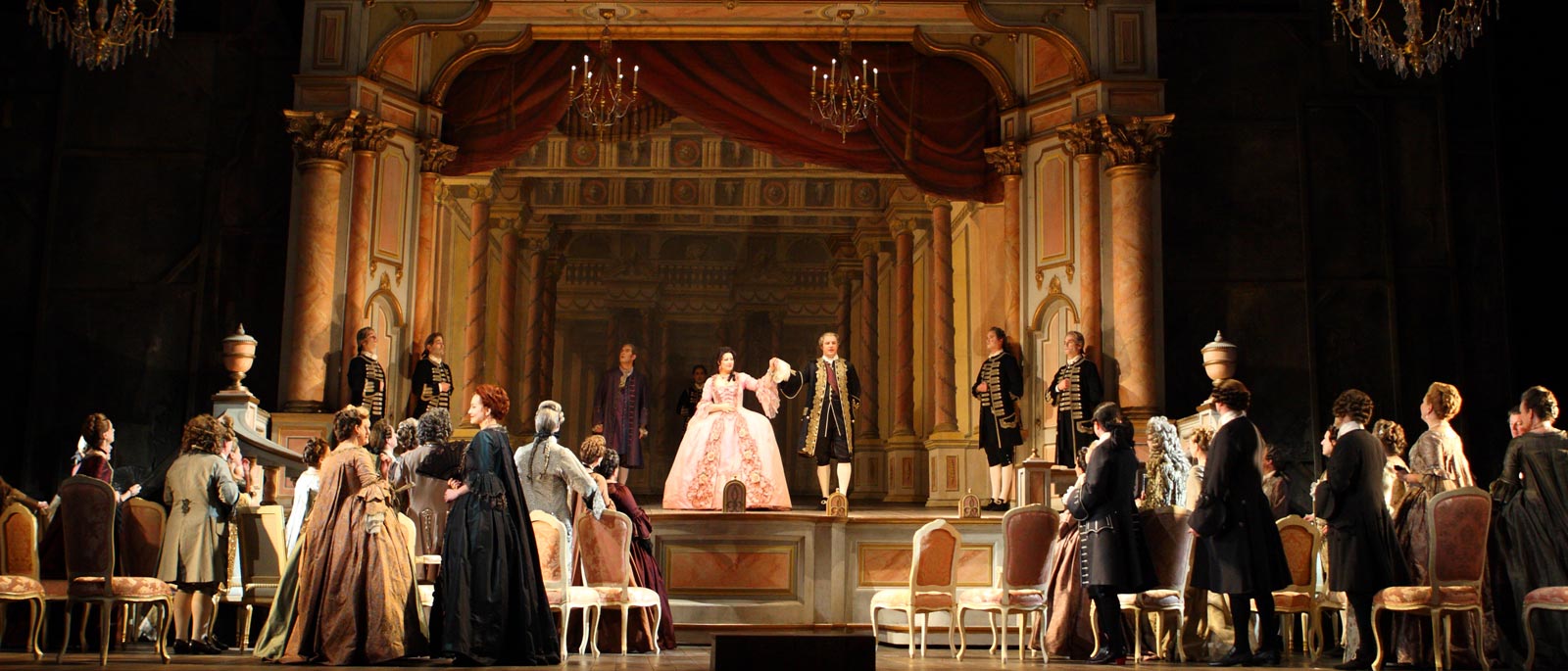
De productie van David McVicar is uiterst conventioneel, een kostuumdrama geheel volgens het libretto. Dat lijkt de kant te zijn die McVicar meer en meer op gaat, zeker ook getuige zijn Anna Bolena en Maria Stuarda in de Met. Toch wel tamelijk verrassend als je terugdenkt aan zijn eerdere werk zoals Glyndebourne’s Giulio Cesare (de “Bollywood productie”) en ROH’s Salome. Nou kan Adriana het wel hebben, dat kostuumdrama, aangezien er sprake is van een toneel (Comédie Francaise) op het operatoneel en dat werkt beter als de acteurs niet van kostuum hoeven te wisselen als ze van het ene toneel op het andere stappen.

Het ballet in de derde akte is muzikaal niet echt een hoogtepunt en zou wat mij betreft wel geschrapt mogen worden. Het werd uitgevoerd als een parodie op klassiek ballet met een hoop gedoe met linten en draden. Voor de verhaallijn is het niet essentieel, de confrontatie van Adriana met de Prinses wordt er slechts door onderbroken zonder dat er iets aan wordt toegevoegd.

adriana-confrontation

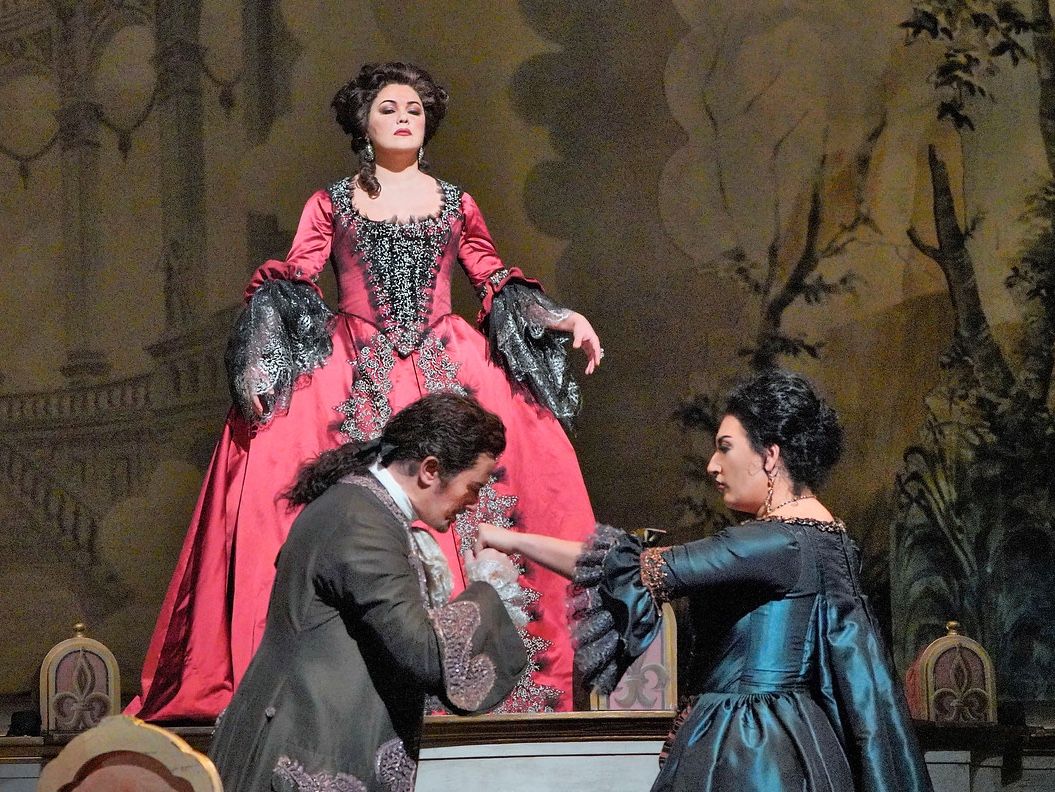
Anna Netrebko looks on jealously at Piotr Beczała kissing Anita Rachvelishvili’s hand in Adriana Lecouvreur.
(© Ken Howard)

Piotr Beczala  gaf een uitstekende vertolking van Maurizio, gevangen in een conflict tussen zijn ambitieuze manipulerende publieke kant en zijn naar echte liefde verlangend private zijde.

adriana anna

© Ken Howard

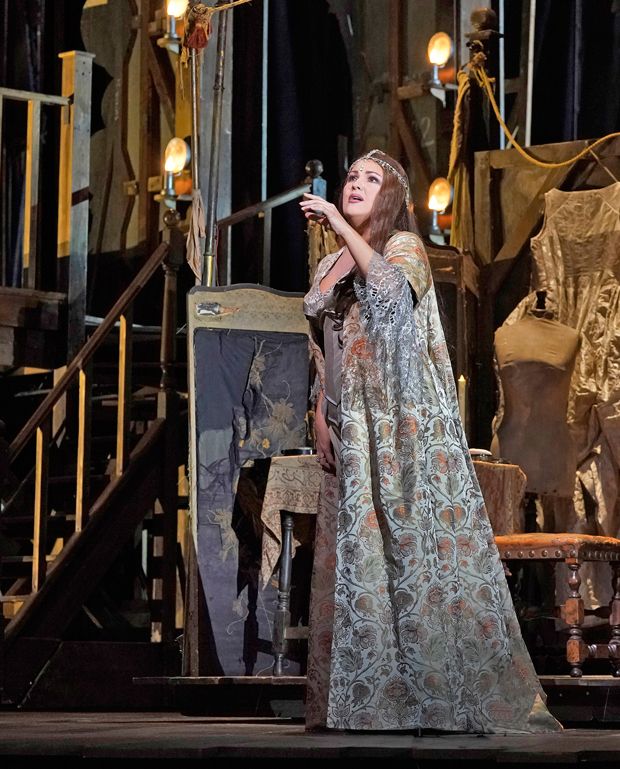
Anna Netrebko overtuigde als Adriana, haar acteren was van grote klasse en haar twee hits voldeden geheel aan mijn verwachtingen. Anita Rachvelishvili is haar ideale tegenspeelster. Eerder dit seizoen stonden beide dames elkaar in Aida ook al naar het leven als rivalen in de liefde, als respectievelijk Aida en Amneris. Ook nu was het vuurwerk tijdens hun vocale en verbale uitwisselingen. De typering  catfight was hier zeker op zijn plaats.

Hieronder Anna Netrebko (Adriana) en Anita Rachvelishvili (Prinses van Bouillon) in een fragment uit de tweede acte, gefilmd tijdens de final dress rehearsal:

Rachvelishvili gaf zeer geloofwaardig gestalte aan de invloedrijke vrouw die behalve de obligate abt als cicibeo ook nog een serieuze aanbidder heeft en daarbij berekening verwart met liefde.

adriana2

Ambrogio Maestri (center) plays stage manager Michonnet, and Patrick Carfizzi (left) plays Quinault in Adriana Lecouvreur.
(© Ken Howard)

Nog niet genoemd is de figuur van Michonnet, de oudere regisseur die net als Hans Sachs voor Eva een “vaderlijke” belangstelling heeft voor zijn jonge protegée Adriana en tegen het einde zichzelf moet overtuigen van het feit dat hij toch echt te oud voor haar is. Ambrogio Maestri was een mooie typecast in deze rol.

Maurizio Murano als Prins van Bouillon en Carlo Bosi als de abbé zorgden voor comic relief in de eerste akte met hun optreden als duo List en Bedrog. In de derde akte vervulde de abbé meer de rol van het doorratelende speeltje van de Prinses culminerend in de scène waarin ze hem haar waaier in de mond propt om hem het zwijgen op te leggen. Mooi detail.

adriana-act-last

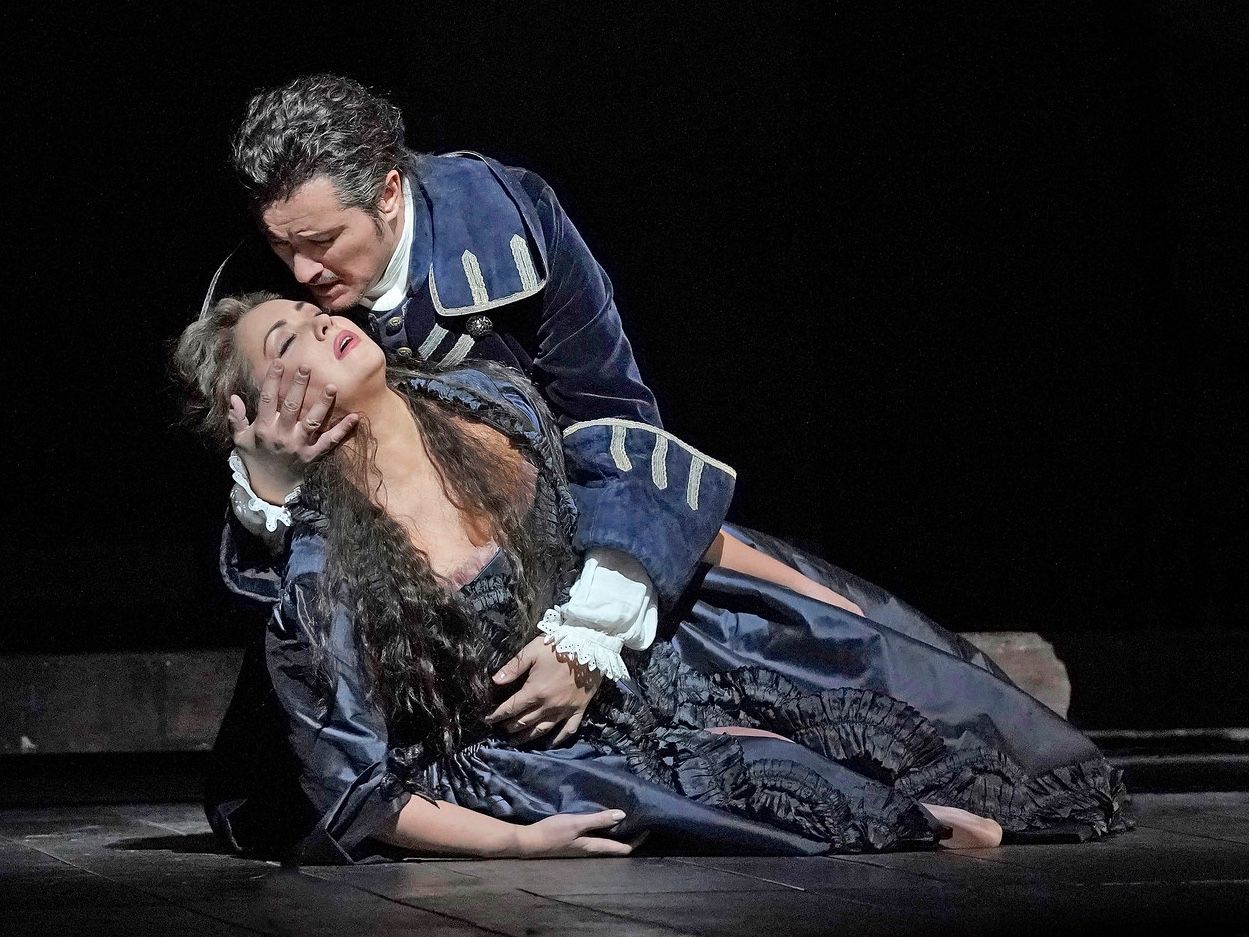
Anna Netrebko and Piotr Beczała, The final scene (© Ken Howard)

De muzikale leiding was in handen van Gianandrea Nosedo die kan terugkijken op een buitengewoon geslaagde voorstelling. Het moet een waar genoegen zijn om te kunnen werken onder deze omstandigheden: een uitstekend orkest en een gedroomde cast. Het is te hopen dat er een video opname beschikbaar komt volgende jaar. Deze Adriana verdient het om bewaard te worden voor komende generaties operaliefhebbers.

Beczala en Netrebko:

Tekst: Peter Franken

Daniela Dessì schittert als ADRIANA LECOUVREUR

Daniela Dessì schittert als Adriana Lecouvreur

Adriana-Lecouvreur

‘Poveri fiori’ (arme bloemen) zingt Adriana in één van de ontroerendste aria’s uit de operageschiedenis en ruikt aan het bosje verlepte viooltjes. Konden we haar maar waarschuwen, want die viooltjes zijn vergiftigd, dat ruik je zelfs op je luie stoel voor de TV. En inderdaad. Ze heft nog een grote monoloog aan, en dat was dat. Tutto e finito.

Het orkest speelt nog een paar maten, en dan is er het slotakkoord. Pian-pianissimo, en zo ontroerend mooi, dat mijn tranen, die al aan het begin van de laatste acte begonnen te vloeien, in een heuse stortvloed veranderen.

De echte Adriana, een ster aan de Comédie Française, stierf in de armen van Voltaire  in 1730. Eugene Scribe maakte haar onsterfelijk door een toneelstuk over haar leven te maken en haar rol werd vertolkt door de grootste actrices uit die tijd: Sarah Bernhardt, Eleonora Duse, Helena Modjeska.

Ook de opera, die Francesco Cilea op het toneelstuk baseerde vereist een zangeres met het grootste acteervermogen, zoals een Mafalda Favero, Magda Olivero of Renata Scotto.

Daniela Dessì kan het. Zingen trouwens ook. Zestien jaar geleden (de opname is in januari 2000 in La Scala gemaakt) was haar geluid nog steeds lyrisch, maar al goed dramatisch ontwikkeld. Een echte lirico-spinto, al was het toen nog een beetje ‘in spe’.

Maurizio was één van de lievelingsrollen van Sergei Larin, hij zong hem ook in 2006 in Amsterdam (Matinee op vrije Zaterdag) naast Nelly Miricioiu. De zeer betreurde Letse tenor  (hij stierf in januari 2008 op 51-jarige leeftijd) laat een mooi en elegant geluid horen, niet gespeend van passie, maar nog zonder dat brullerige, wat zijn laatste optredens zal ontsieren.

Olga Borodina is een lekker gemene Principessa di Bouillon en Carlo Guelfi een welluidende Michonnet, al mis ik in zijn stem dat ‘kleine etwas’, wat Sherrill Milnes tot de beste vertolkers van de rol maakte.

Roberto Rizzi Brignoli ontlokt aan het orkest alle kleuren van de regenboog en nog een paar meer. Toen nog aan het begin van zijn carrière (ooit heb ik geschreven: onthoudt die naam,  daar gaan we nog meer van horen), inmiddels behoort hij tot de allergrootsten. Voor wie daar prijs op stelt: de regie en aankleding zijn traditioneel.

Dessì en Borodina in de finale van de derde acte: