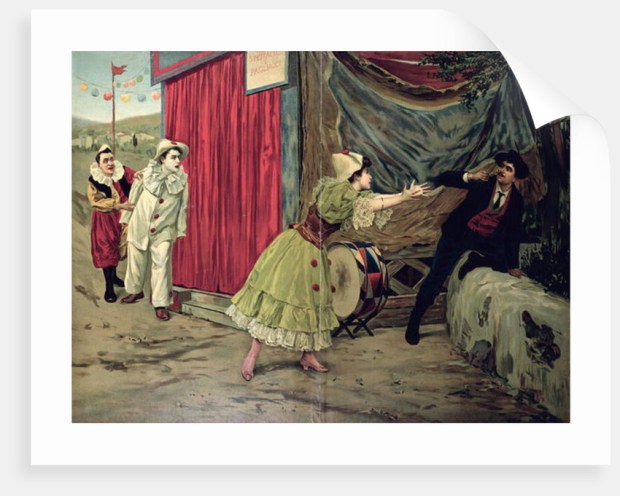
©Bibliotheque de l’Opera Garnier
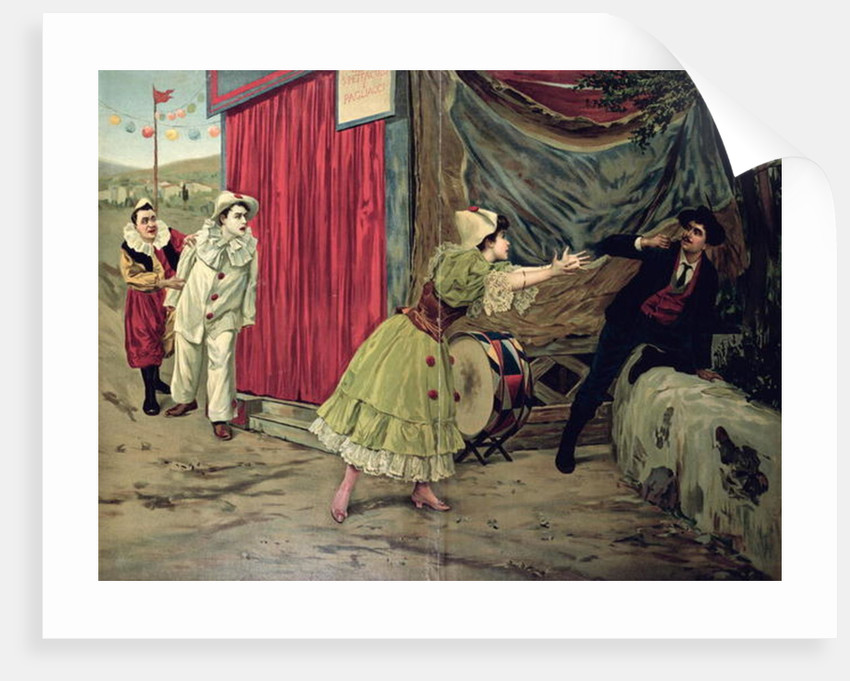
Pagliacci by Ruggiero Leoncavallo is almost always paired with Mascagni’s Cavalleria Rusticana, and has been for over a hundred years. Not that it was ever intended to be, but it makes sense. Both (short) operas were written by two very gifted young composers who were at the very beginning of their careers. Both works were created at the same time- but independently of each other – and both are set in the scorching heat: Pagliacci in Calabria and Cavalleria in Sicily. In both regions love is unconditional and adultery is punishable by death.
Even in the studios, the operas were often recorded together and presented as duo packages, many times with the same singers, which did not always turn out well.
CD’s
RENATO CELLINI
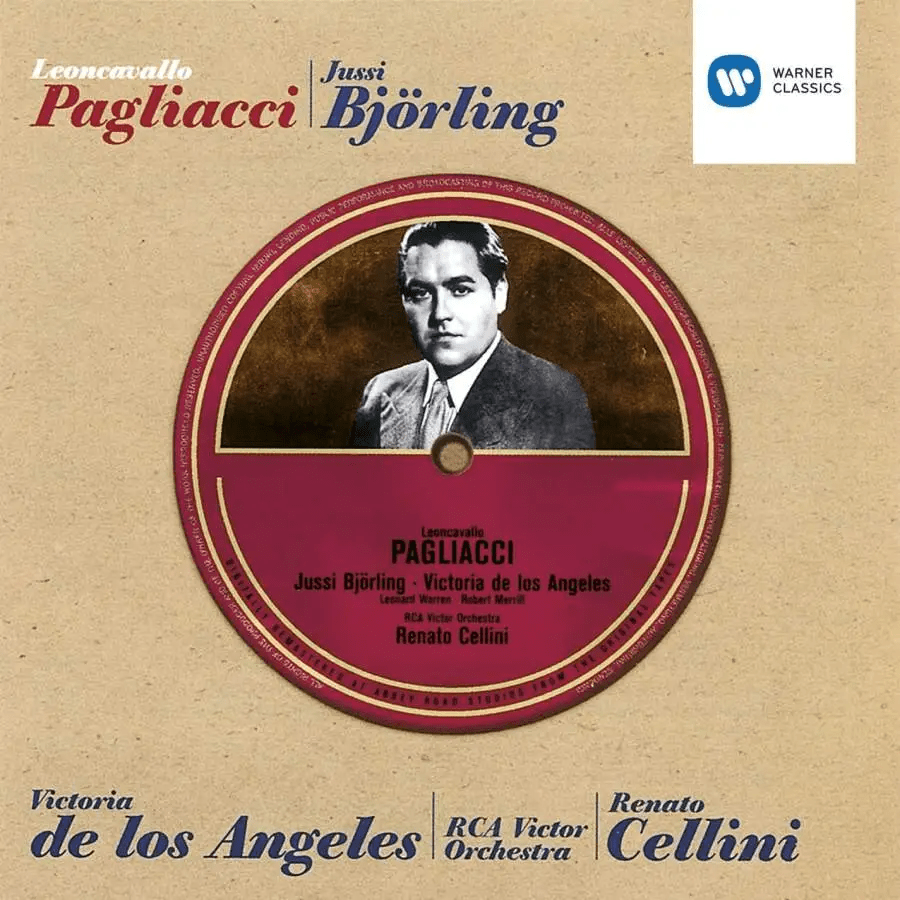
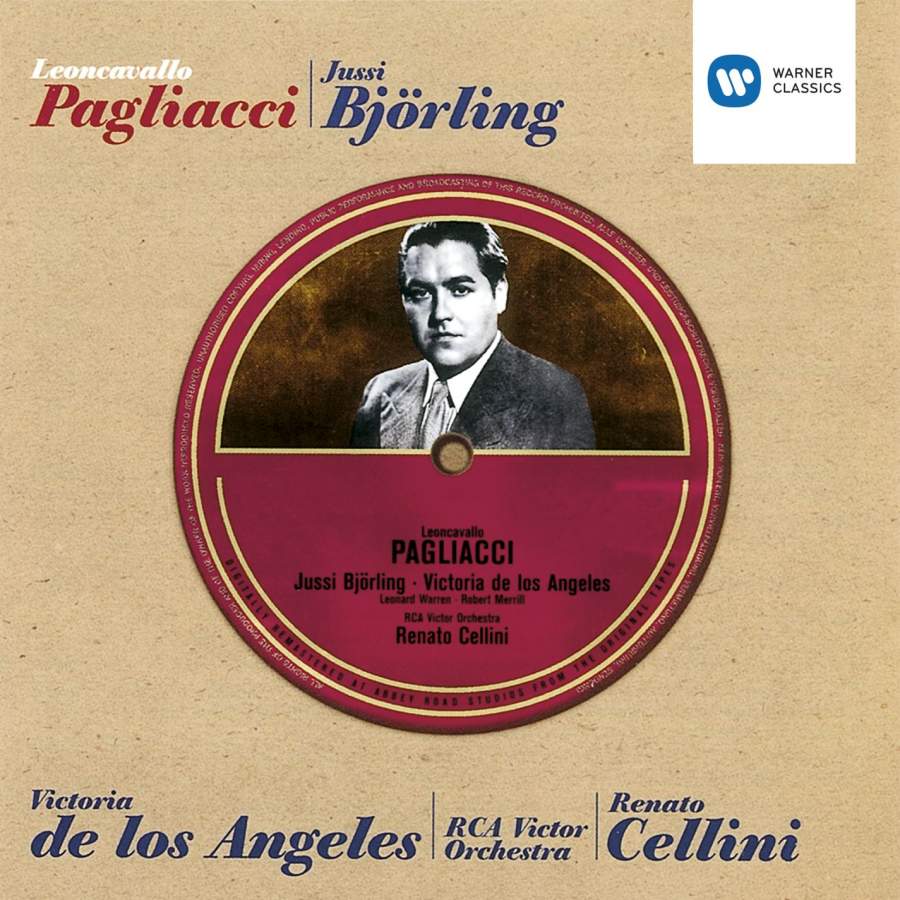
On the 1953 recording conducted by Renato Cellini (Warner Classics 5856502), Jussi Björling sings a memorable Canio and Victoria de los Angeles is a lovely, although not quite adequate Nedda. What makes the recording really special is the contribution of both baritones: Lenard Warren (Tonio) and Robert Merrill (Silvio). Just listen to Warren’s ‘Si pui…’ It makes me cry… How beautiful!
—
TULIO SERAFIN
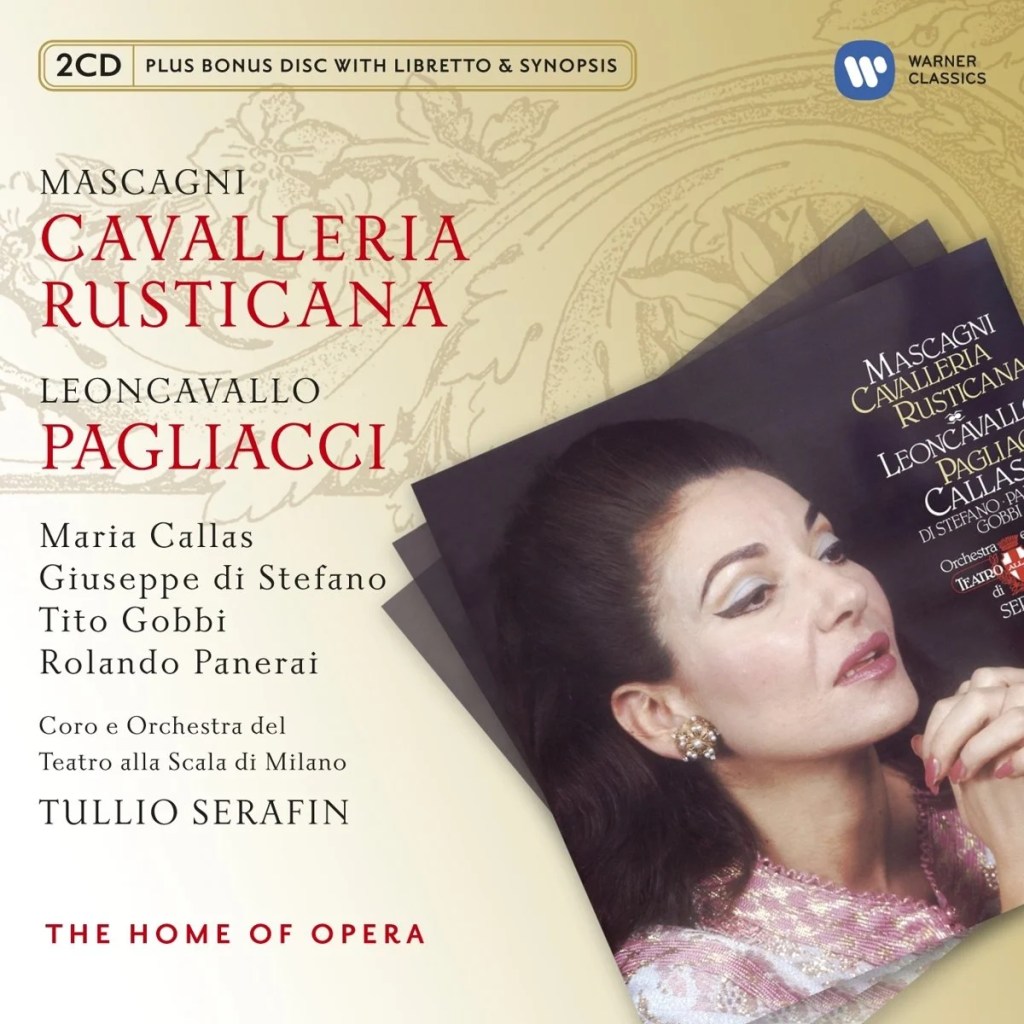
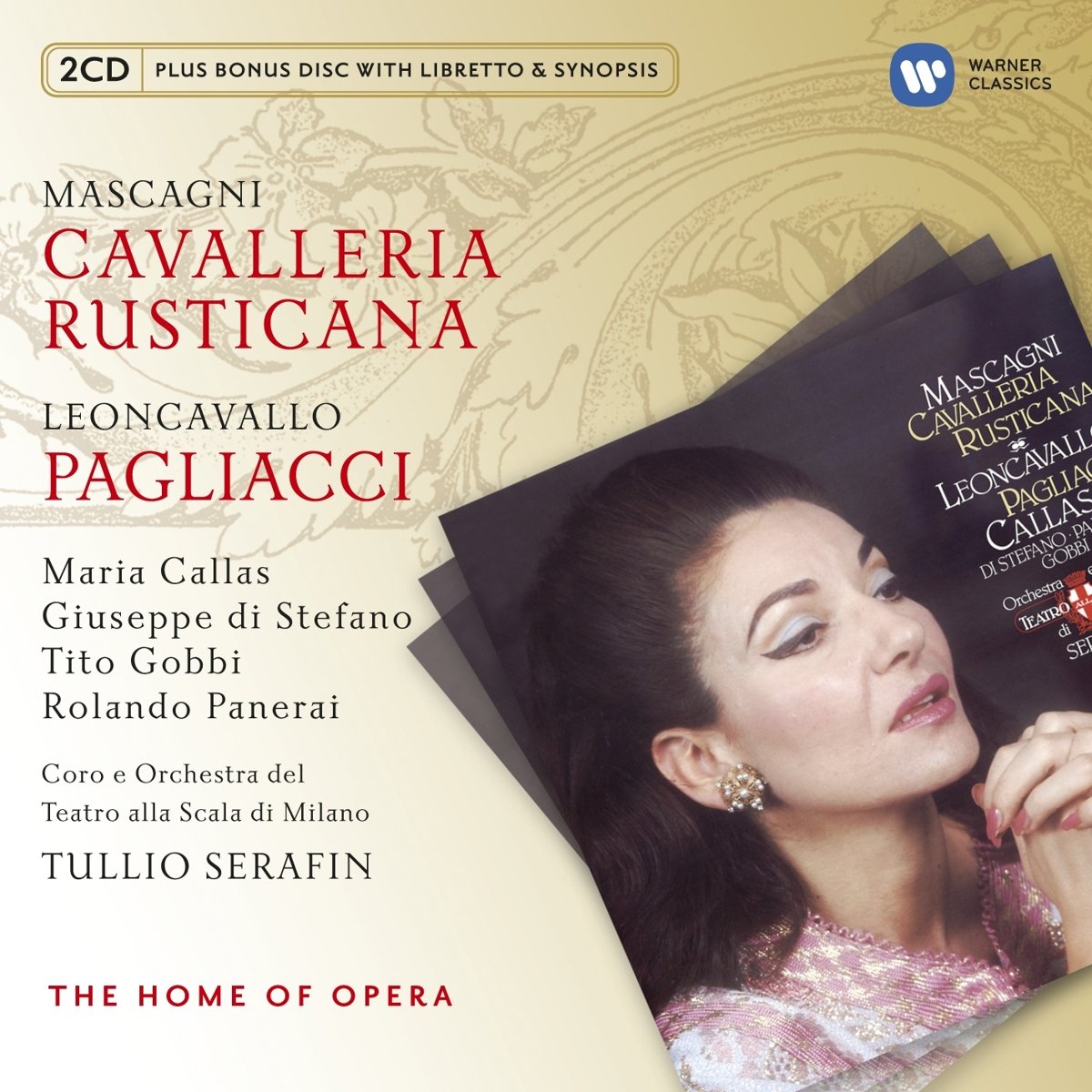
In 1955, Maria Callas recorded the roles of Santuzza and Nedda. As always, she is irresistible, although I find her Santuzza slightly more successful than her Nedda. With the latter she has audibly less affinity, which is not just down to the coloraturas. Then again, she was not particularly fond of adulterous women. As her Canio (and Turiddu) we hear Giuseppe di Stefano. Beautifully sung that is, but for me far too light and with too little profile. Tito Gobbi (Tonio), on the other hand, is nothing short of brilliant. legendary even. Tulio Serafin makes it into a real drama, his direction is very exciting.
RICCARDO MUTI
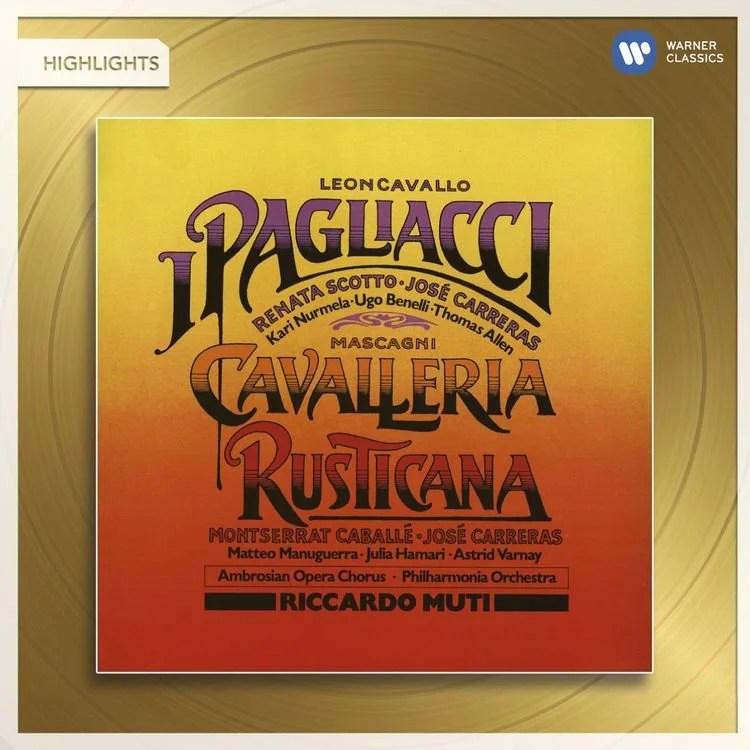
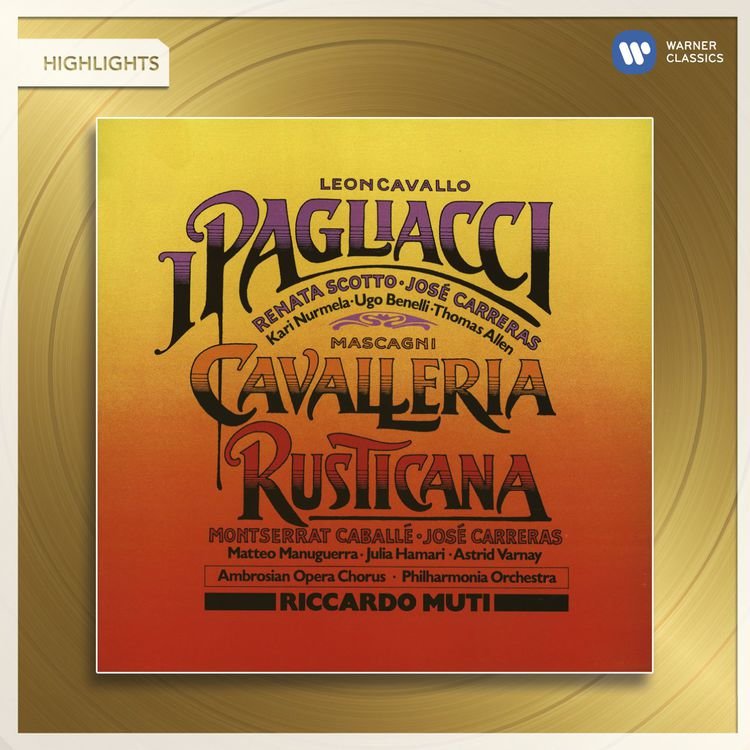
In Riccardo Muti’s recording from 1987 (EMI 7636502) José Carreras is the star connecting the two operas. I find him too light for both roles, but his interpretation of especially Canio is well thought through and believable. Montserrat Caballé is a beautiful Santuzza and Renata Scotto a ditto Nedda, though both fail to fully convince me. Kari Nurmela (Tonio) and Matteo Manuguerra (Alfio) are just boring, but Thomas Allen is an outstanding Silvio. Riccardo Muti’s direction is detached and understated.
RICCARDO CHAILLY
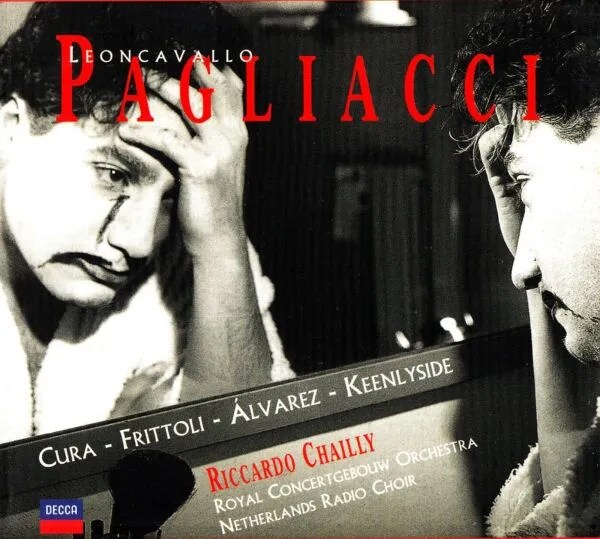
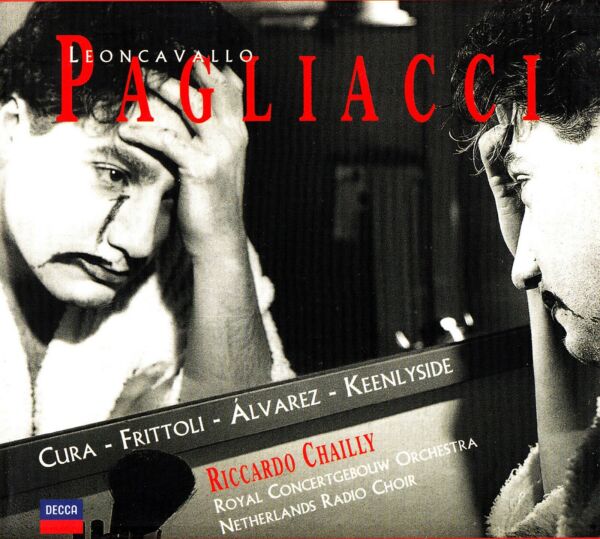
Do not forget the recording Riccardo Chailly (Decca 4670862) made during the Christmas matinee in the Concert Gebouw in 1999. José Cura was still very promissing then and his Canio was really good. The rest of the cast (Barbara Frittoli as Nedda, Carlos Ãlvarez as Tonio en especially Simon Keenlyside as Silvio) was also very strong.
DVD
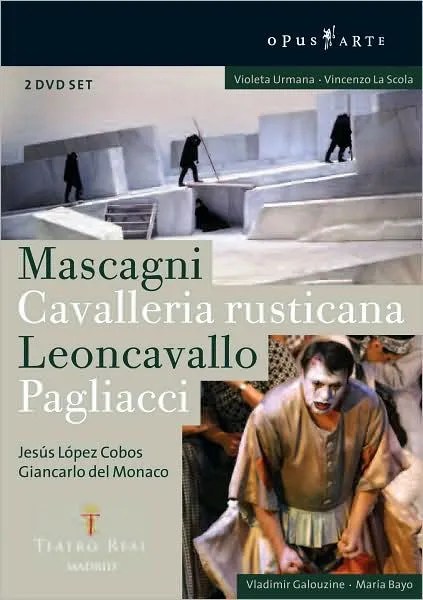
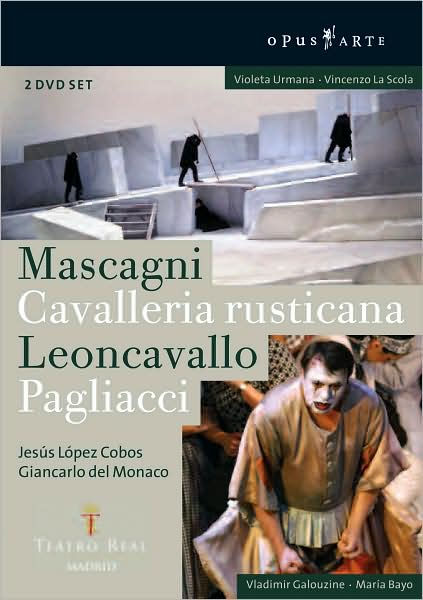
One does not immediately expect innovation, modernisation or concepts from Giancarlo del Monaco, but with the staging of ‘Cav/Pag’ filmed in Madrid in February/March 2007, he manages to surprise everyone. Not that it is that daring: Pagliacci is fairly traditional, although he had moved the action to the 1950s/60s. The life-size posters from ‘La Dolce Vita’ and all the busy activity evoke the atmosphere of a film set, which is del Monaco’s intention; it is his homage to Fellini.
Truly innovative is the presentation of both one-acts: del Monaco sees them as intertwined Siamese twins, forever united with each other. The performance thus begins with the prologue from Pagliacci; according to del Monaco the manifesto of verism, which then flows seamlessly into Cavalleria Rusticana. The last and first scenes of both operas also blend together: among the crowd, that had first come out to greet the comedians, Turiddu’s body is being carried. The black and white Cavalleria does contrast greatly with the colourful and sensual ‘Pagliacci’. The performance is nice, but no more than that.
FILM
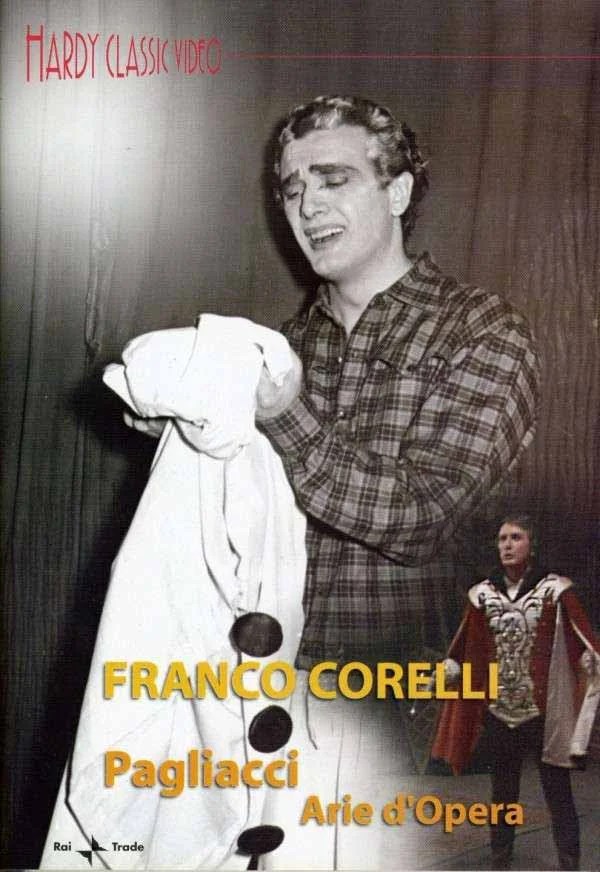
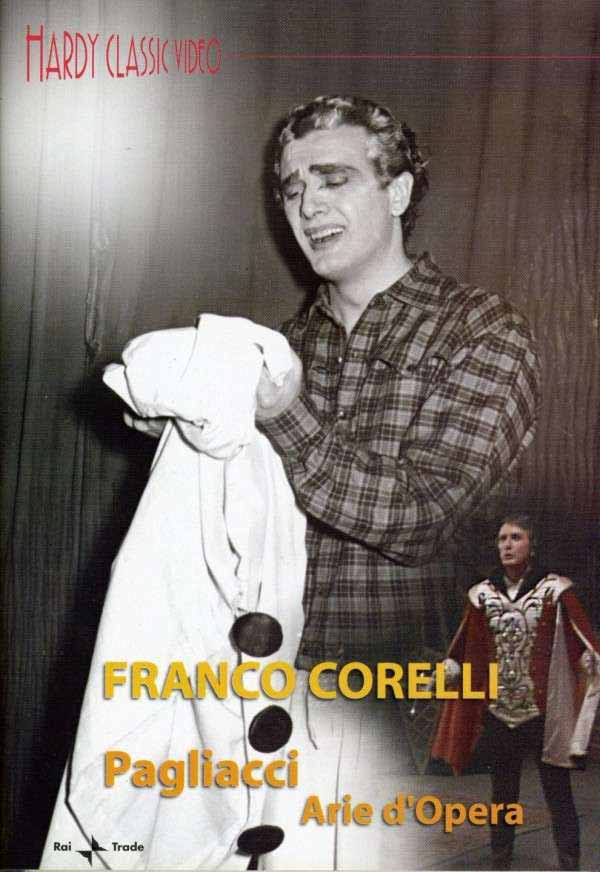
Canio was not Franco Corelli’s favourite role. He sang it for the first time in 1954, in the studio of Italian Television. The performance was taped there in that year and was released on DVD some time ago (Hardy Classics HCD 4016). His looks work somewhat against him (too handsome, too young), but then again his interpretation will leave only a heart of stone unmoved. Mafalda Micheluzzi is, also optically, a very good Nedda and with Tito Gobbi we get not only a singer and actor, but also a real Miracle Man presenting a thousand different faces.
Pagliacci’s story in which reality and theatre intertwined and also influenced each other was apparently strong enough to be of interest to the film industry. Leoncavallo himself wrote his libretto, which, by his own admission, was inspired by a real event he witnessed when he was a child,
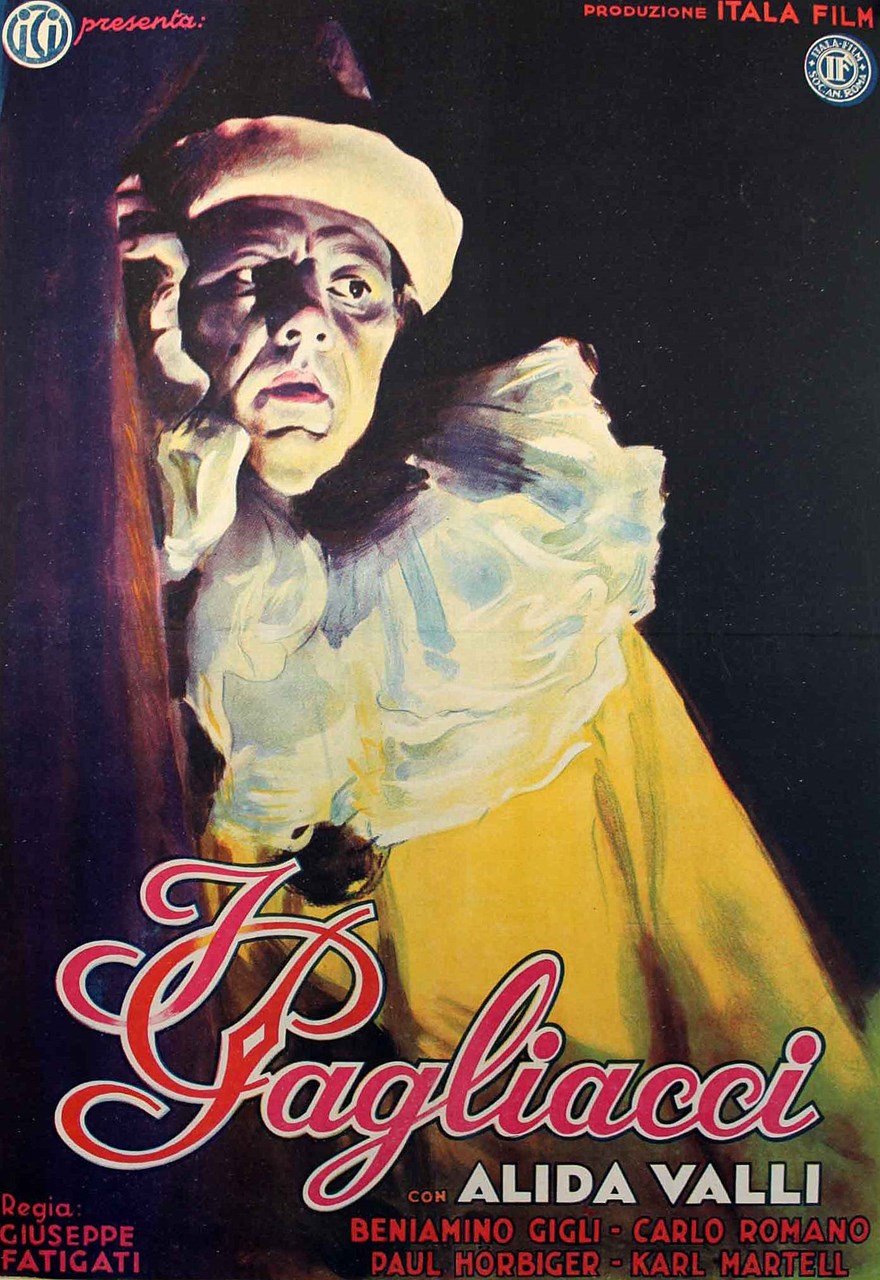
In 1942, the story was filmed (directed by Giuseppe Fatigati) as part of another story: Canio is released from prison, goes in search of his daughter and tells his life story to a young composer, who then promptly turns it into an opera.
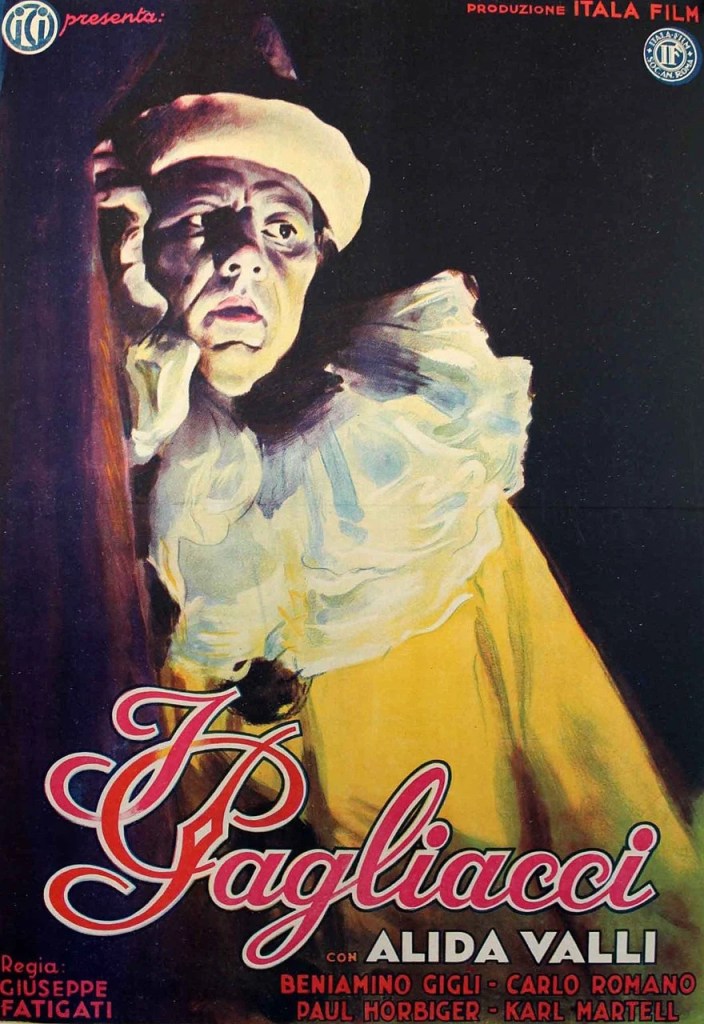
The ‘real’ Canio is played by Paul Hörbiger and his operatic alter ego by Beniamino Gigli. Alida Valli, then an Italian sex symbol is Nedda. It was released on DVD about 20 years ago (BCS D0513), in black and white and with English subtitles, but a little knowledge of Italian won’t hurt – the subtitles are not always easy to see.
VARIA
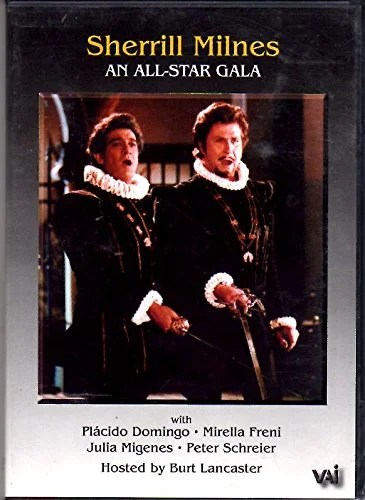
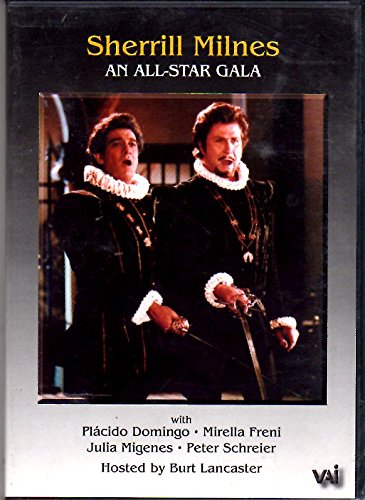
Years ago, when classical music was not yet a taboo on television and programmes about opera singers were as popular as those about pop stars, a German TV team made a portrait of American baritone Sherrill Milnes. The whole thing was commented upon by Burt Lancaster and a few fellow singers also participated: Plácido Domingo, Mirella Freni, Peter Schreier and Julia Miguenes. It began very symbolically with the prologue from Pagliacci, and ended with the Credo from Otello, two of the best roles of this great singer-actor’s career (VAI 4355)
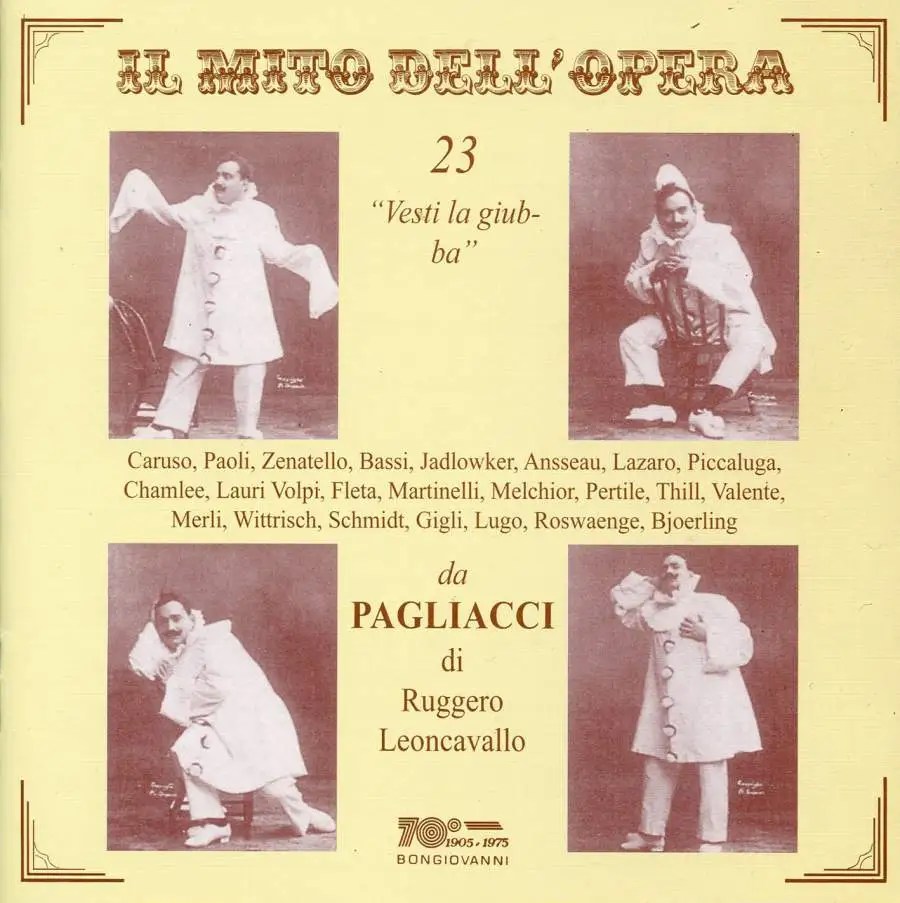
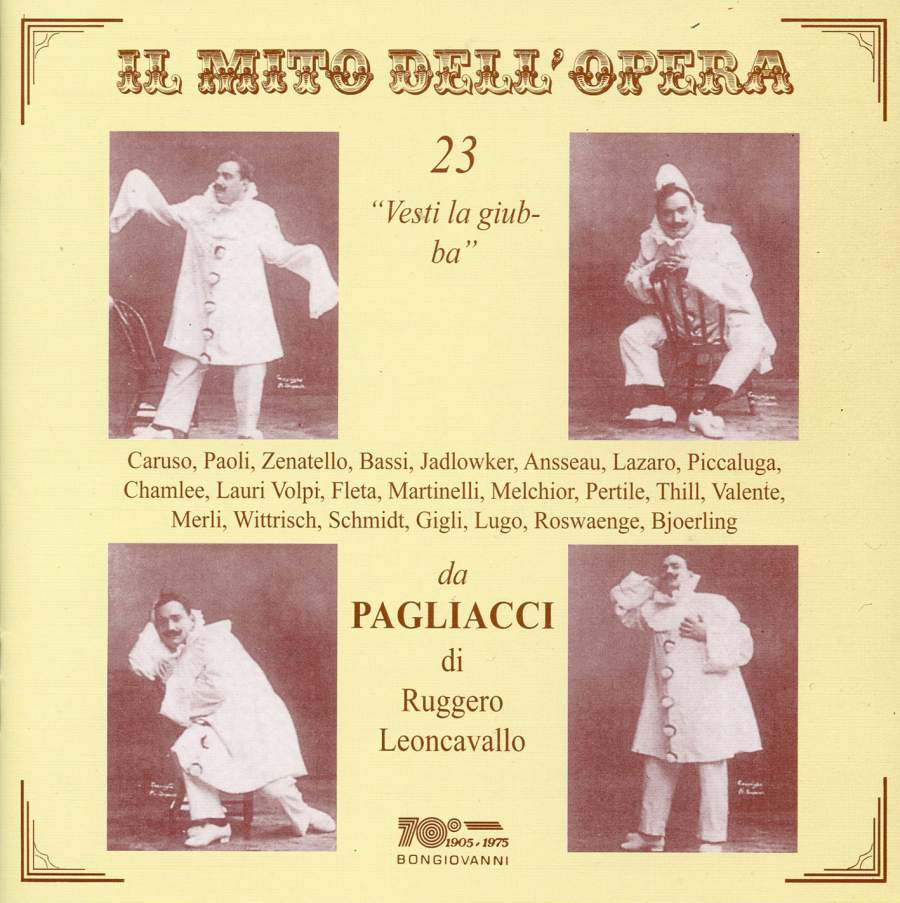
Of ‘Vesti la giubba’, the tenor aria of all time, the performances are uncountable. Most charming is a CD by Bongiovanni (GB 1071-20) on which 23 tenors give their take on it. The very first recording dates from 1907 (Antonio Paoli, the original Canio, plus Enrico Caruso), the last is from 1944 (Jussi Björling). There is singing in several languages and it is more than fun to hear who is and who is not sobbing. Note: Paoli is!
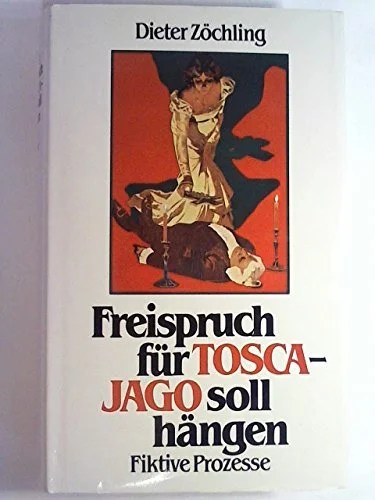
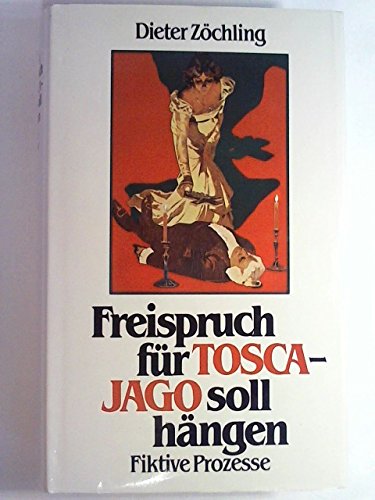
About 25 years ago, German judge and a great opera connoisseur Dieter Zöchling wrote a book about fictional trials of murderers on the operatic stage. All the major characters from the operas in question appear before the witness stand, providing additional background stories, insanely funny. Canio was sentenced to 20 years in prison!
Dieter Zöchling; Freispruch für Tosca – Jago soll hängen. Fiktive Prozesse.
ISBN 3784421288
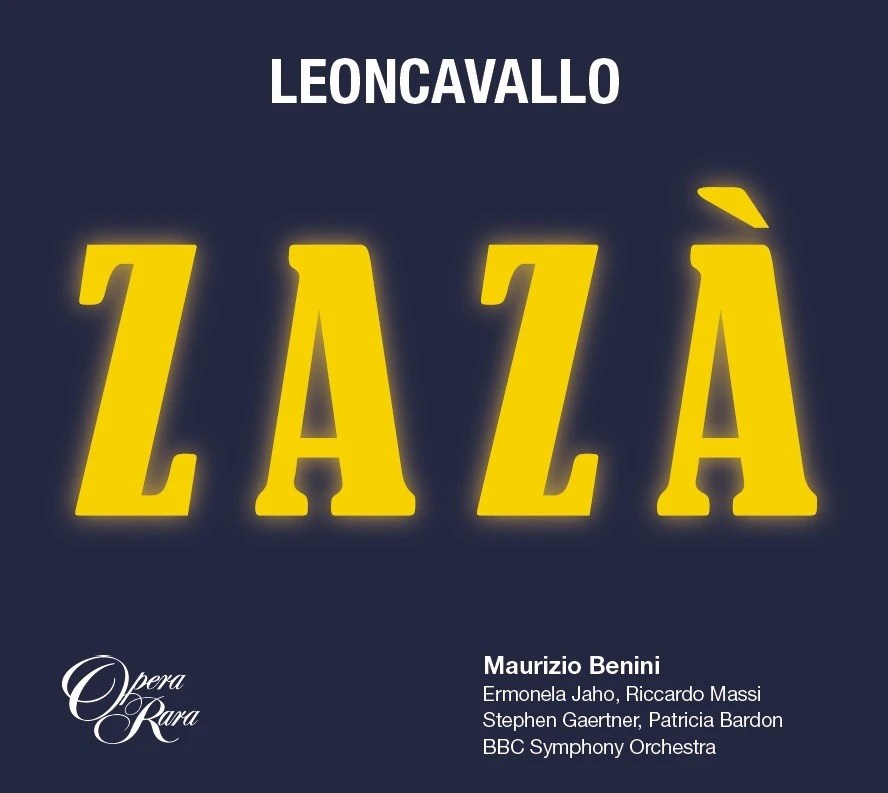
 Basia con fuoco