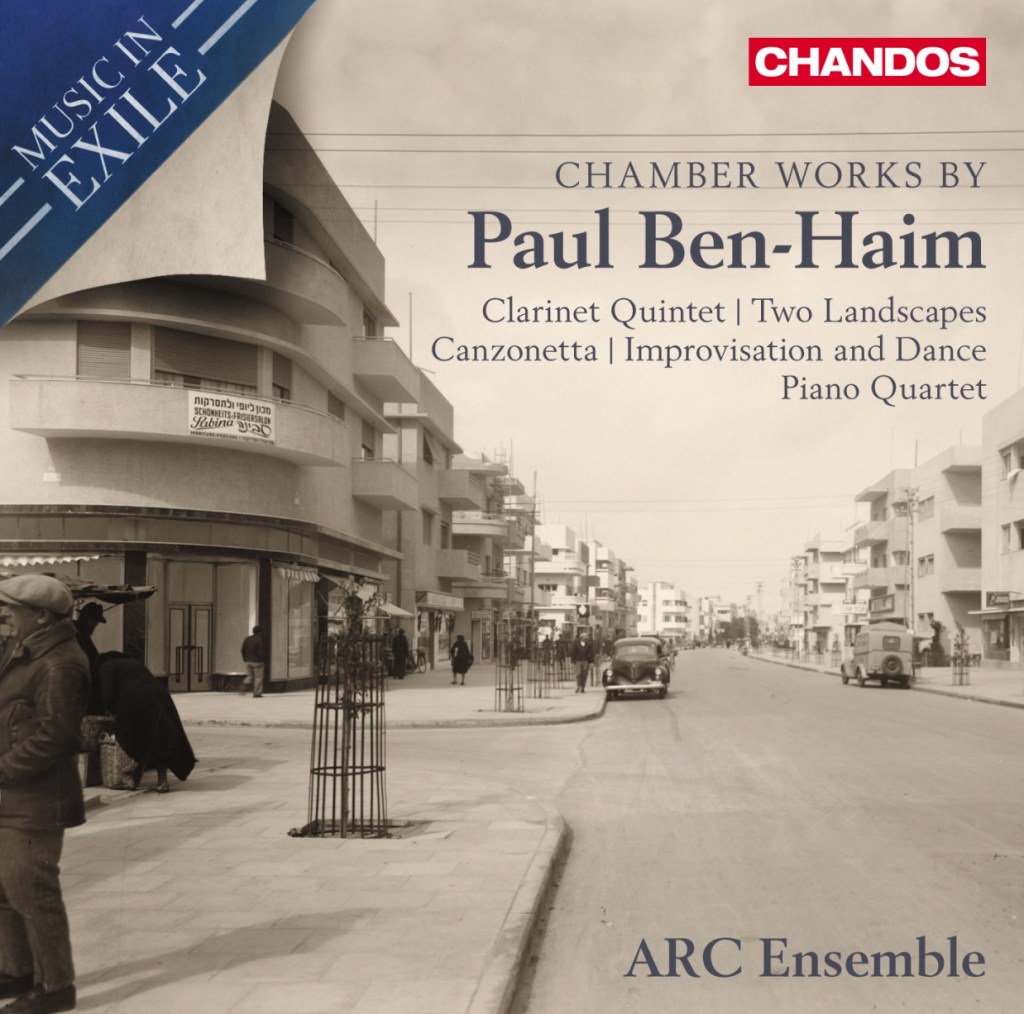
Chamber works
Slowly, much too slowly and actually much too late, but the music world is waking up.
One gap after another is finally being filled and the (consciously or unconsciously) ‘forgotten’ composers are at long last coming to our CD players.
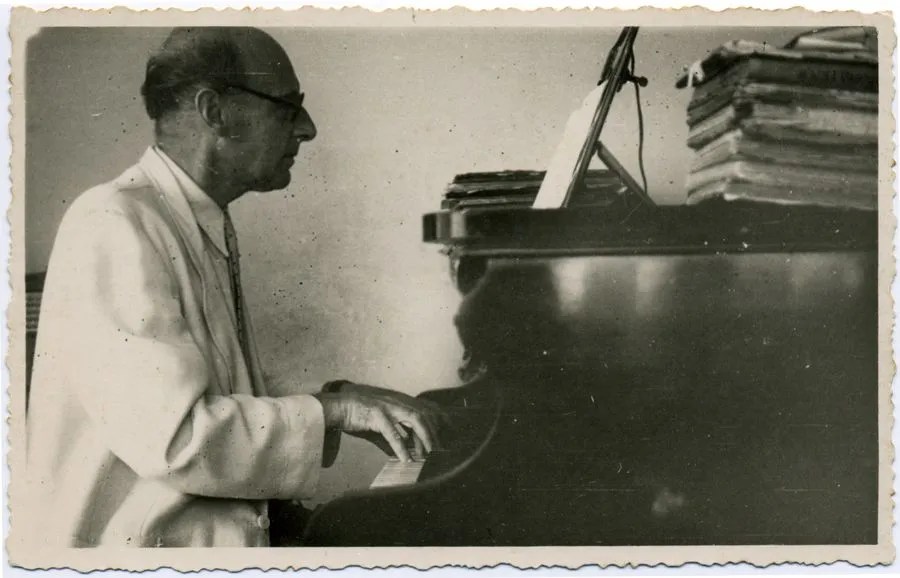
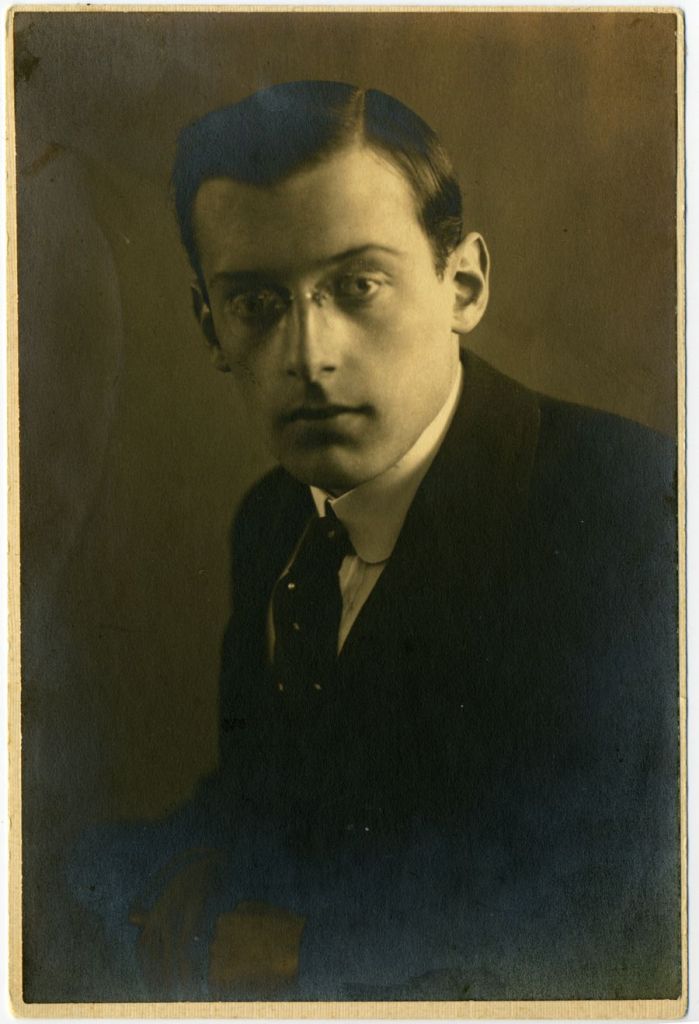
Who among you has ever heard of Paul Ben-Haim? If not, why not?
The composer was born as Paul Frankenburger in Munich in 1897 and died in Tel Aviv almost 90 years later. And he left behind a really spectacular oeuvre.
Many vocal works, orchestral pieces, chamber music…. What not, actually?
Most of his works are influenced and inspired by Jewish, Israeli and Arab melodies, so you may call his music “nationalistic”. Nothing wrong with that word.
Just take the opening of his 1941 clarinet quintet! The dancing clarinet part reminds one of swinging klezmer, but in a Brahmsian way.
The ARC Ensemble perform the opening movement of Paul Ben-Haim’s Clarinet Quintet at the Enav Center, Tel Aviv:
This is even more pronounced in his “Two Landscapes” for viola and piano, in which he sings the praises of his new homeland’s beauty.
Steven Dann and Dianne Werner prepare to record The Landscapes for viola and piano:
The “Improvisation and Dance”, dedicated to Zino Francescati, betrays influences from Yemeni folklore and only his oldest work on the CD, the Piano Quartet from 1920, does not yet have its own “face”.
The (very infectious playing!) members of the Canadian ARC Ensemble all work at the Glenn Gould Conservatory in daily life. A CD to cherish.
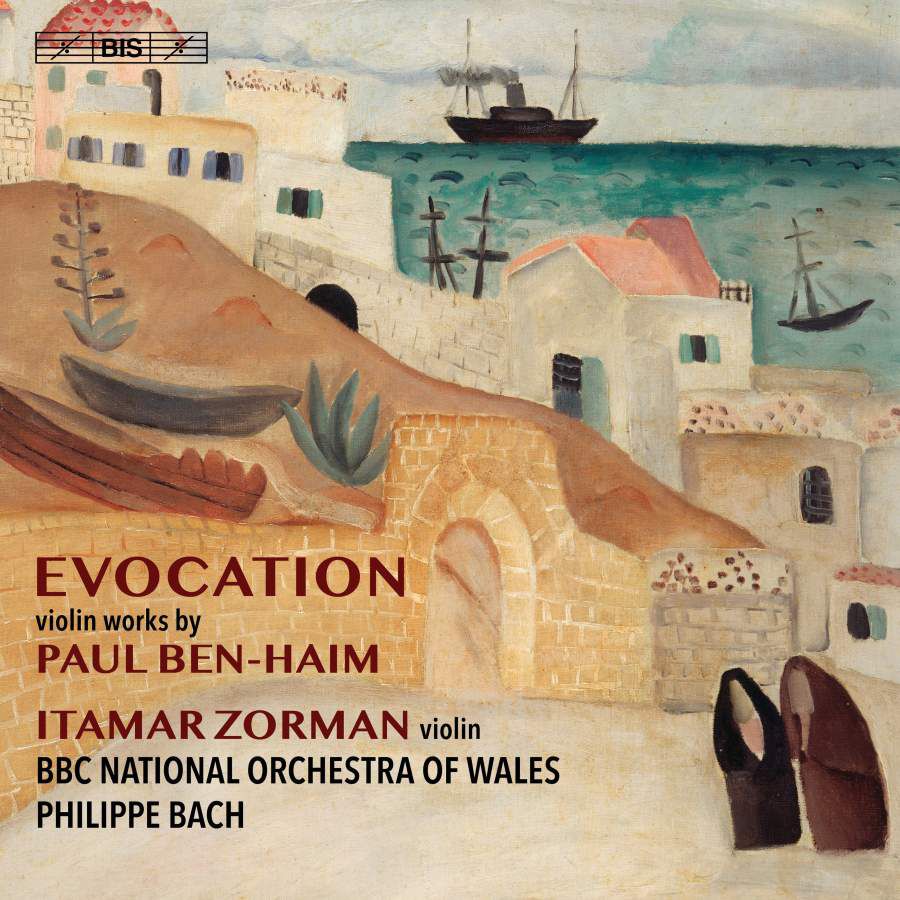
Evocation
Paul Ben -Haim, who was born in Munich in 1897 as Paul Frankenburger and died almost 90 years later in Tel Aviv, remains a great unknown to many music lovers. This is a great pity, because the oeuvre of this sadly forgotten composer is very diverse and most exciting. At one time he was totally immersed in the German Romantic tradition before he almost radically broke with it when he left his native country in 1933.
He began his new life composers life in what was then known as the British Mandate of Palestine by changing his name, after which he also adapted his compositions to his new homeland. Starting in 1933, most of his works were influenced and inspired by Jewish, Israeli and Arabic melodies.
Between 1939 and 1949 Ben-Haim accompanied the at that time extremely famous folk singer Bracha Zefira. Zefira, who was of Yemeni origin, had a great influence on the musical life in what was then Palestine. It was for her that he composed the Berceuse Sfaradite, a song which had become one of her greatest successes.
Bracha Zefira:
The Violin Concerto, which dates from 1950, is probably Ben-Haim’s best-known composition, in no small part as a result of the great recording by Itzhak Perlman. The CD is still on the market, I believe, but as far as I know the Concerto is only rarely performed. Why?
Three Studies for Solo Violin is Ben-Haim’s last violin composition, dedicated to Yehudi Menuhin in 1981. Splendid. But I was most struck by the completely unknown Evocation from 1942, a work which has its premiere here and which really gave me goose bumps. Wow.
Evocation live:
Itamar Zorman, the young Israeli violinist who won the 2011 prize in the Tchaikovsky competition, has immersed himself in the composer and his work. Thanks to him, this album was compiled and released. He plays these works as if his life depends on them. He believes in them and he communicates that belief more than convincingly.
Zorman about Ben-Haim:
The accompaniment by Amy Yang (piano) and the BBC National Orchestra of Wales conducted by Philippe Bach is first-rate as well
Works for violin
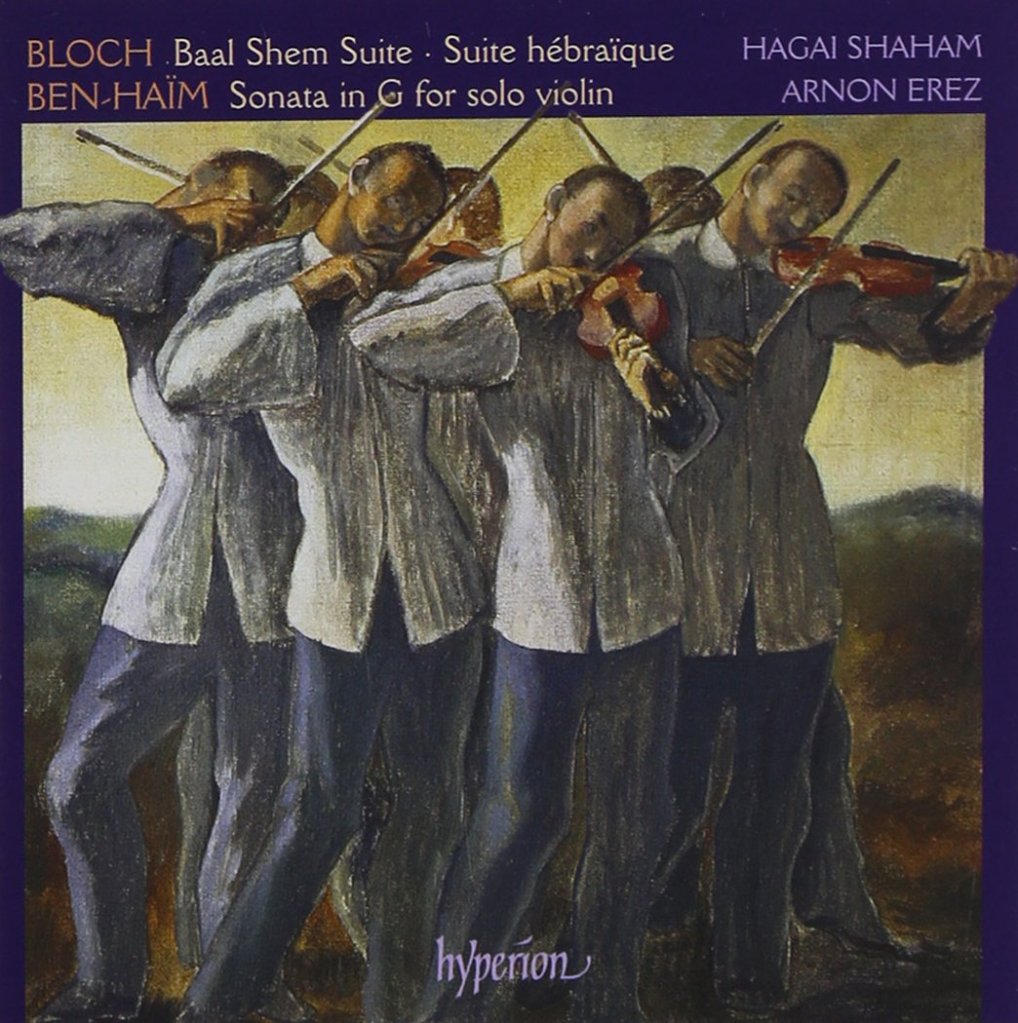
The Berceuse Sfaradite is based on a Sephardic lullaby. In Hagai Shaham’s hands, the piece sounds sultry and reassuring at the same time. And the two tone poets’ violin solo suites, composed at Yehudi Menuhin’s request, turn into forgotten masterpieces in his hands. Wonderful.
More works by Ben-Haim
Psalm from Symphony no. 1:
Whole symphony:
From Israel
Sonata for two mandolins, guitar, harpsichord, harp and string orchestra:
Sweet Psalmist of Israel. David before Saul.:


 Basia con fuoco