Grigory_Kalinovsky

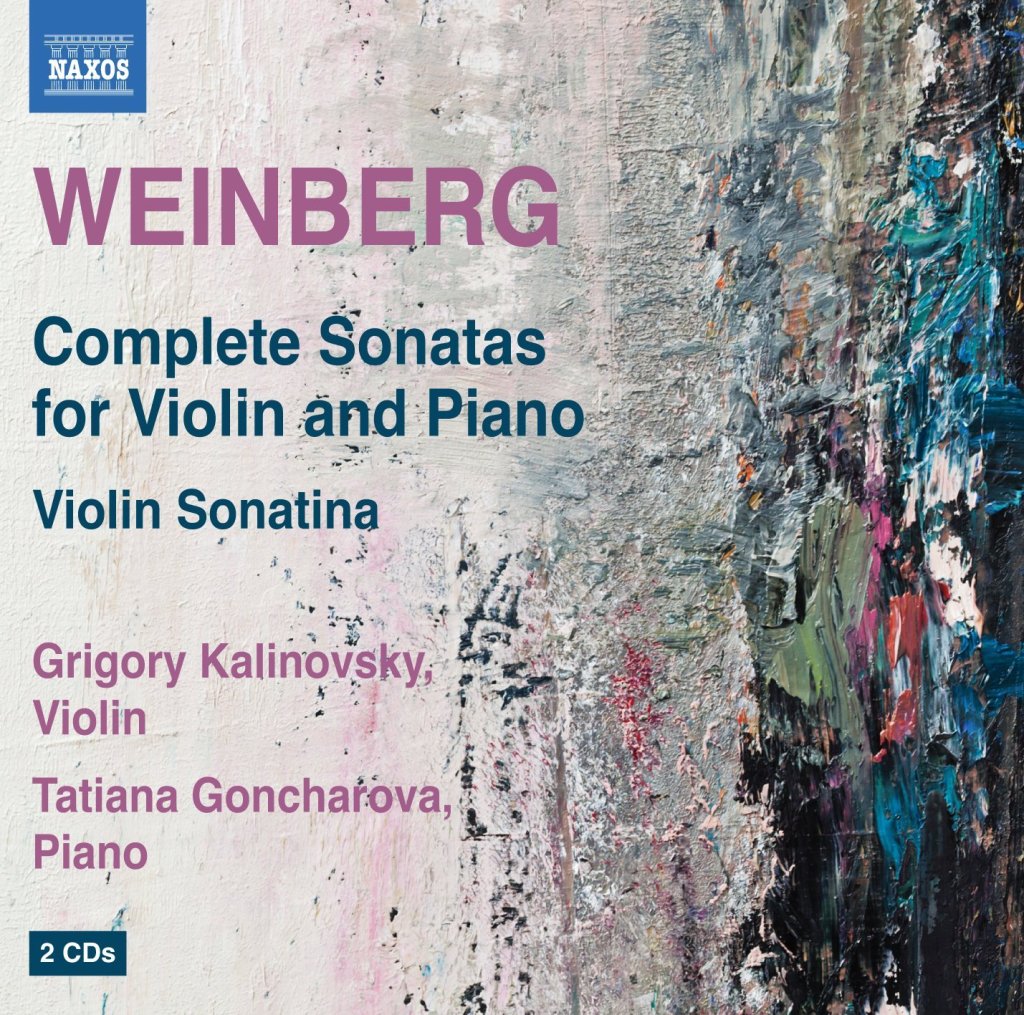
MIECZYSŁAW WEINBERG: Complete Sonatas for Violin and Piano

I know the risk of my umpteenth ultimate praise for a ‘new Weinberg’, but believe me: I have no choice.

Not that I didn’t have my doubts. Especially on the first time listening; I had a bit of trouble with the violinist, because to say that his violin really sings… well, no.

I found his playing too fierce, too straightforward . . violent at times. The singing came mainly from the piano, at least it seemed so at first, because the more I listened to the CDs the more layers I discovered in the renditions of – both – soloists.

Just take the moving Lento in the second sonata, here time stood still for a moment. This also because the work reminded me most of film music. Black-and-white images from ‘The Cranes are Flying’ automatically loomed before my eyes. It is one of the most moving films ever, for which Weinberg composed music.


And what a difference with the Lento from the 1947 third sonata! Here you can already see Shostakovich lurking around the corner, smiling approvingly. And here it was that I finally heard Kalinovsky sing on his violin as I was, again, marvelling at Goncharova’s beautiful touch.

The first four sonatas were created between 1943 and 1947 and, despite the major Shostakovich influences, they are rather conservative in nature. Especially number four, for me, the least interesting of these first four pieces: despite the passionate plea of both soloists, I noticed that somewhere along the way my attention had waned.

Only in the fifth sonata from 1953 does the true genius Weinberg reappear: it was the first composition that he completed after being released from prison. Listen to the Allegro moderato in which he manages to forge totally different themes into one whole.

His sixth sonata is a bit of an odd one out.  Weinberg composed it in 1982; it was not premiered until 2007, eleven years after his death.


MIECZYSŁAW WEINBERG: Complete Sonatas for Violin and Piano

Weinberg vioosonatas

Ik weet wat ik riskeer door een ‘nieuwe Weinberg’ alweer de hemel in te prijzen, maar gelooft u mij maar: ik kan niet anders.

Niet dat ik niet twijfelde. Zeker bij de eerste beluistering had ik een beetje moeite met de violist, want om te zeggen dat zijn viool zingt.. nou, nee. Ik vond zijn spel te fel, te recht voor zijn raap.. . gewelddadig soms.

Het zingen kwam voornamelijk vanuit de piano, althans op het eerste gehoor, want hoe meer ik naar de cd’s luisterde hoe meer lagen ik in de vertolking van de – beide – solisten ontdekte.

Neem alleen al de ontroerende Lento in de tweede sonate, hier stond de tijd even stil. Ook, omdat het werk mij het meest aan filmmuziek deed denken. Als vanzelf doemden zwartwit beelden uit ‘Als de kraanvogels overvliegen’ voor mijn ogen, één van de ontroerendste films ooit, waar Weinberg muziek voor heeft gecomponeerd.

En wat een verschil met de Lento uit de derde sonate uit 1947! Hier zie je Sjostakovitsj al om de hoek kijken en toestemmend glimlachen. En hier was het dat ik Kalinovsky op zijn viool hoorde zingen en mij alweer over de prachtige aanslag van Goncharova verwonderde.

De eerste vier sonates zijn ontstaan tussen 1943 en 1947 en zijn, ondanks de grote Sjostakovitsj invloeden nogal behoudend van aard. Zeker nummer vier, voor mij de minst interessante van het viertal: ondanks het vurige pleidooi van beide solisten merkte ik dat ergens gaandeweg mijn aandacht verslapte.

Pas in de vijfde sonate uit 1953 komt de echte genie Weinberg weer te voorschijn: het was zijn eerste compositie dat hij voltooide nadat hij uit de gevangenis werd ontslagen. Luister naar het Allegro moderato waarin hij totaal verschillende thema’s tot één geheel weet te smeden.

Zijn zesde sonate is een beetje een buitenbeentje. Weinberg componeerde het in 1982, de première vond pas in 2007 plaats, elf jaar na zijn dood.


MIECZYSŁAW WEINBERG
Complete Sonatas for Violin and Piano
Grigory Kalinovsky (viool), Tatiana Goncharova (piano)
Naxos 857320-21  • 129’ (2cd’s)