Benjamin Grosvenor: fabulous and virtuoso

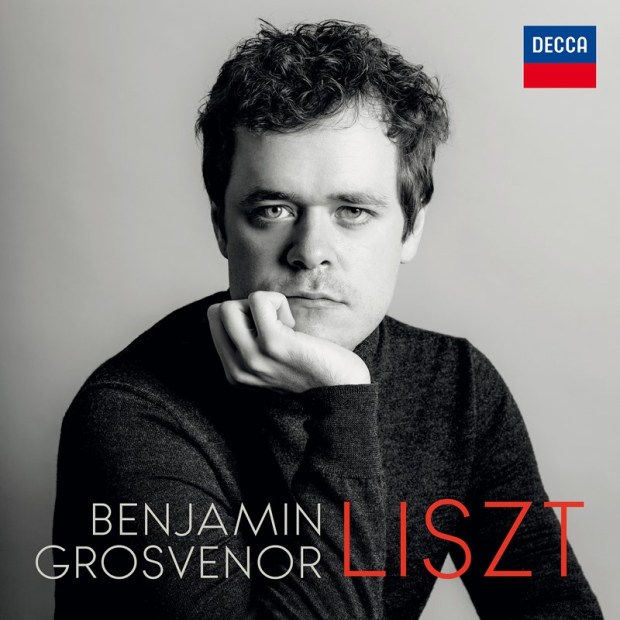
On one of his latest, already his seventh, recording for Decca, Benjamin Grosvenor has taken care of Liszt. That he did so very carefully, even meticulously, he told candidly in the interview he gave to the New York Times. ‘I almost feel like you should know the notable recordings of a work like this’ he said, referring to the piano sonata. So he studied just about every possible performance of the work: Lupu, Cherkassky, Horowitz, you name it.
https://www.nytimes.com/2021/02/15/arts/music/benjamin-grosvenor-piano-liszt-classical-music.html?ref=oembed
Whether it also influenced his own interpretation? Undoubtedly. We, humans, we are influenced even if we don’t notice it. And yet his reading of the sonata is completely his own. Virtuoso, mainly. So much so that I was breathless by just listening to it. His technique is fabulous. What I admire even more is his, how shall I put it, “acting” skills. Acting, as it were, on the piano and building the tension with only the keys at your disposal
I am slightly less charmed by the other pieces on the CD. Mainly the three Petrarch Sonets from the second book of “Années de Pèlerinage”, which I have heard more beautiful and lyrical: Arrau, Lazar Berman… And no one can really match Michael Rudy’s interpretation. In my opinion, then.
Boris Giltburg: matchless

Wow, how great is that CD! Whereas Giltburg’s performance of Rachmaninoff’s Third Concerto disappointed me a little (I thought it was too forceful and too rushed), now I just have to admit that I may have been wrong about him.
Just take the “Rigoletto paraphrases” with which he opens his recital: mamma mia! The first bar already made me sit up because this is how it should be, this way and no other. It splashes out of the boxes, but more importantly: Giltburg takes ample time to bring out Liszt’s poetic, salon-like, if you will, side. I am very much impressed..
But it’s obviously all about the 12 Études d’exécution transcendante, works previously considered unplayable and which only the all-time great master pianists dared to try.
Giltburg plays them – all of them – naturally, decidedly, as if they are nothing at all. Well; his attaque may still be fierce, but he also knows how to conjure breathtaking, enchanting, pianissimi from the keys. And those glissandi!
 Basia con fuoco