A_Village_Rome-and_Julliet

Romeo and Juliet in Switzerland. And in Amsterdam

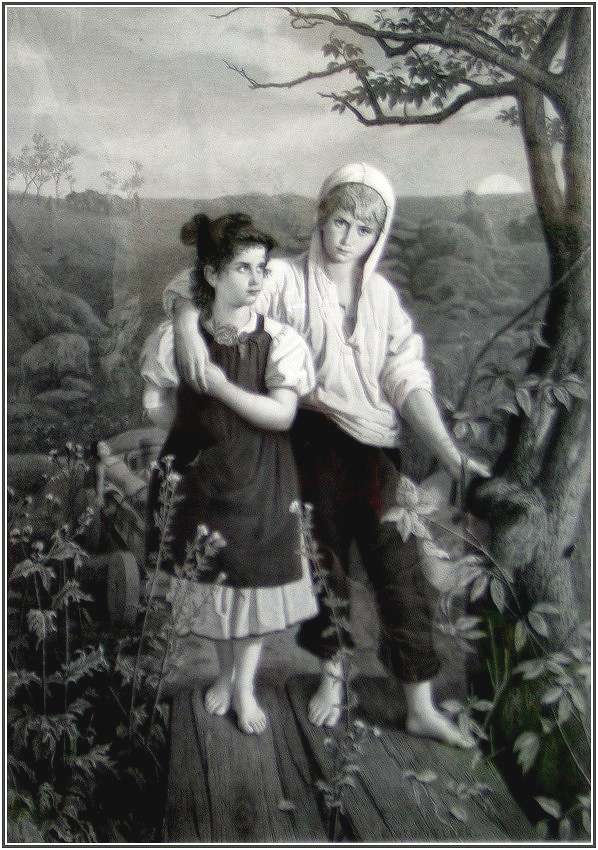
Ernst Stückelberg, Szene aus Gottfried Kellers «Romeo und Julia auf dem Dorfe», Original: Öl auf Leinwand. Reproduktion: Kupferstich von Franz Dinger, 1865 und 1867

Today, Frederick Delius is considered one of the most important English composers, but was he? English, I mean? He was born in England, sure, but his parents were German immigrants. At twenty-two, he took the boat to Florida, where he took lessons in music theory, and a year and a half later he moved to Virginia. There he became acquainted with the music of black Americans. In 1886, he enrolled at the conservatory in Leipzig, where he became friends with Grieg and Sinding. Both composers were of great influence, not only on his works, but also on his life: Delius fell in love with Norway and visited that country often. After completing his studies, he moved to Paris, the city where he lived most of his life. See here the true cosmopolitan! He himself, following Nietsche who was his idol, considered himself to be a ˜good European”.
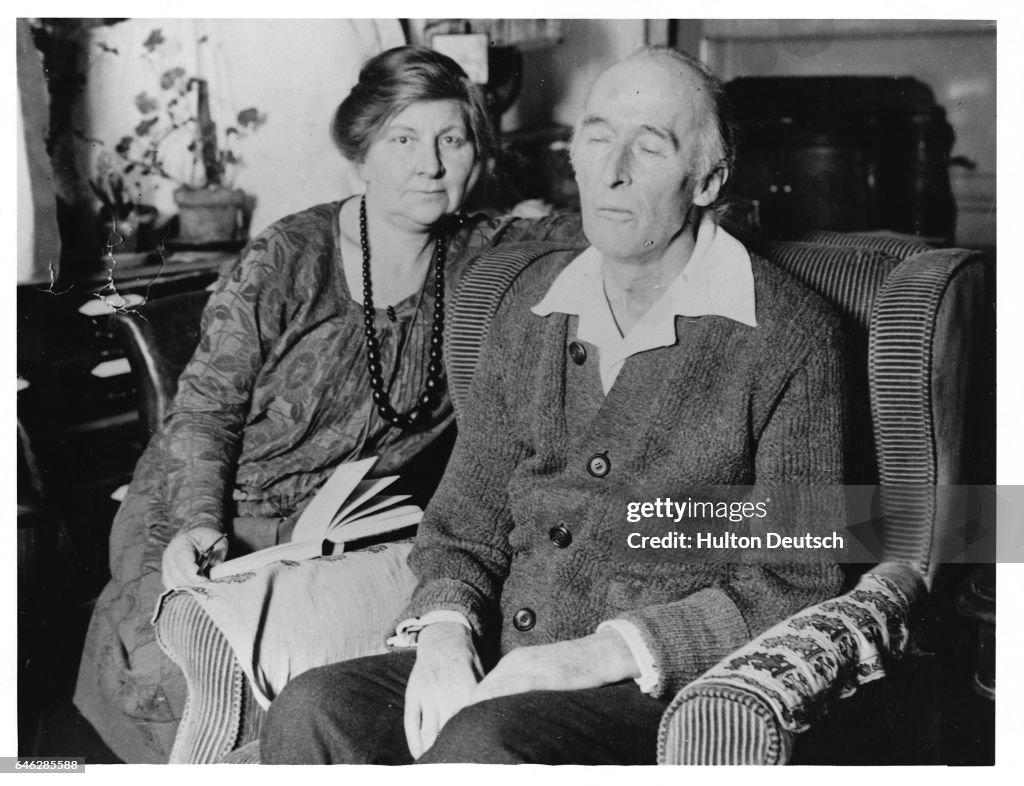
The painter Jelka Rosen reads to her husband, the English composer Frederick Delius (1862-1934), who became paralysed and blinded in 1924, at their home in France. | Location: Cros Sur Loing, Fontainbleau, France. (Photo by © Hulton-Deutsch Collection/CORBIS/Corbis via Getty Images)


A Village Romeo and Juliet had its premiere in 1907 at the Berlin Komische Oper, with the title Romeo und Juliet auf dem Dorfe, in German. The opera is unjustly not performed very often, and the Netherlands even had to wait until 15 December 2018 to become acquainted with Delius and his moving music, which is neither English, German nor French. Personally, I find the Scandinavian influences strongest, but the opera is like the composer himself: cosmopolitan and impossible to pigeonhole.
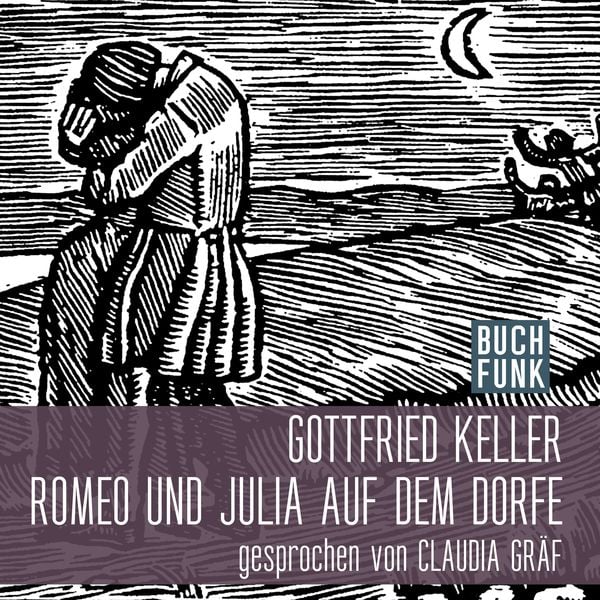


The libretto (by Delius himself and his wife Jelka) is based on Gottfried Keller’s novella, but its origins lie in a news report from the Zürcher Freitagszeitung about the suspicious deaths of young lovers whose parents would not allow them to marry.

https://www.zurichstories.org/tanja-rickert-julia-ohne-romeo/index.html
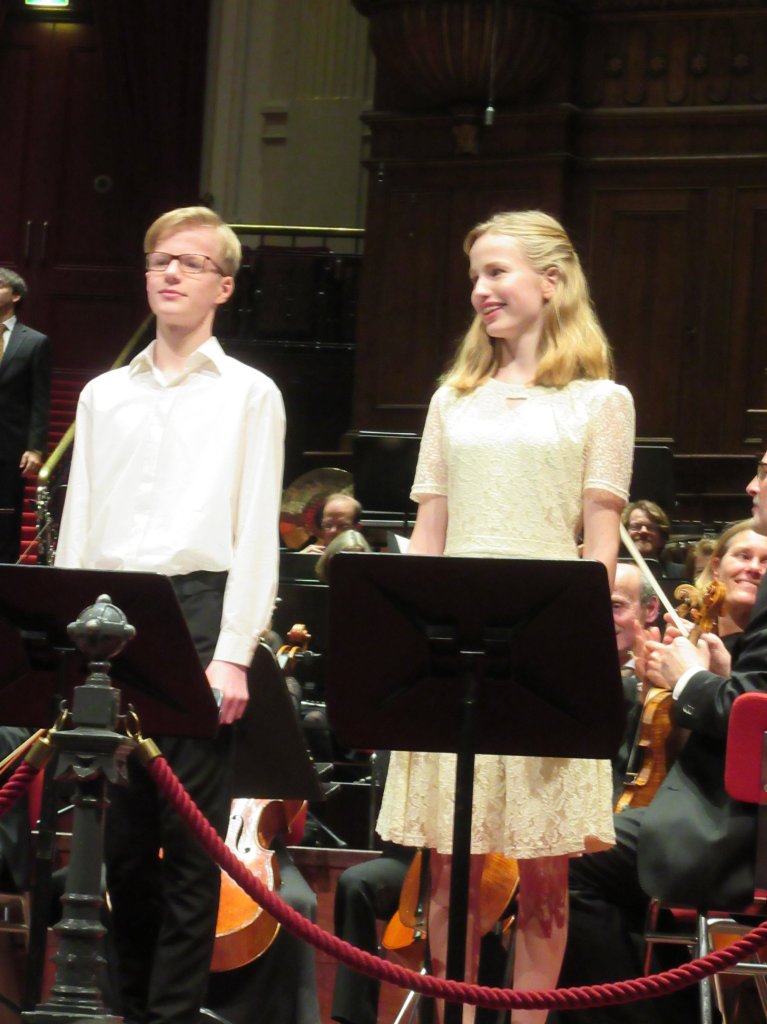
Rik de Jong (Sali) and Lotte Cornel (Vreli) © Lodi Lamie


The performance presented to us by the Saturday Matinee 15 December 2018 was of a very high standard. First of all, I was very struck by the interpretation of the roles of young Sali and Vreli by 13-year-old boy soprano Rik de Jong and a barely two years older Lotte Cornel. Both singers not only brought their beautiful voices, but showed tremendous musicality and artistry. They were the only ones singing without a sheet (kudos!!!), also acting out their roles. BRAVI.
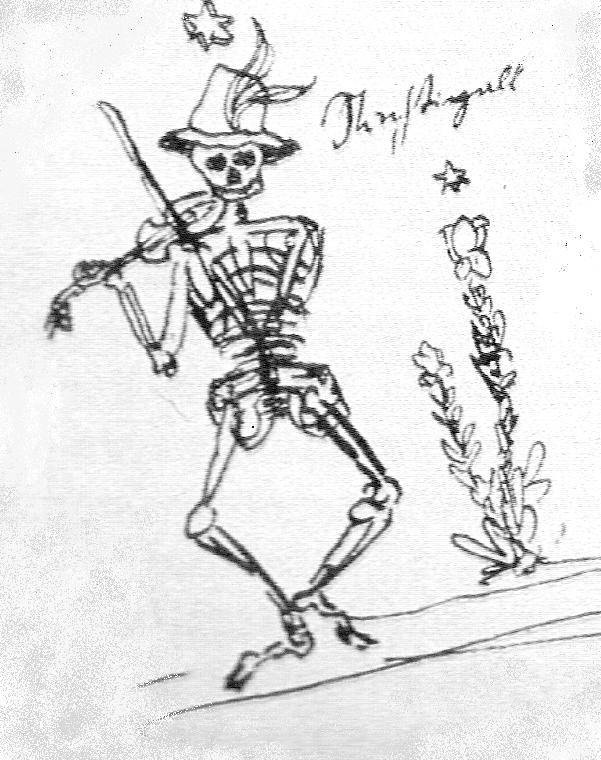
Der Tod as Geiger mit Stern, Mohn und dem Schriftzug Nachtigall. Federzeichnung auf KellerBerliner Schreibunterlage


The black fiddler, a hard-to-define figure who – to me – is somewhere between a kind of Mephisto, a hippie and a man bent on revenge (all three elements are represented) was fantastically performed by the baritone David Stout. He had the right charisma for the role and knew how to show absolutely everything. His dark baritone sounded very seductive but also ominous.

The fathers of the young lovers were excellently portrayed by baritone Tim Kuypers (Manz) and bass Callum Thorpe (Marti). Their quarrel was convincingly life-like.

One slight difficulty I had with the lead actors. Vreli was sung by soprano Marina Costa-Jackson. She looked beautiful (what a dress!) and she sang excellently, but I would have liked a little more passion. Something that was also missing from tenor Matthew Newlin (Sali). Beautiful voice, sure, but he lacked charisma.

On the other hand, _all_ the small roles were really superbly performed by young Dutch singers: Aylin Sezer, Jeannette van Schaik, Nina van Essen, Raoul Steffani, Leon van Liere, Martijn Sanders, Martin Mkhize and Lucas van Lierop. How lucky we are to have so much talent! But if I had to name one person it would be Raoul Steffani! What a voice! What a performance! Go, go, Raoul, you really are on the right way!

The Groot Omroepkoor (rehearsal: Benjamin Goodson) was, as always, irresistibly good. But what I loved most of all was the Radio Philharmonic Orchestra who, under the direction of Sir Mark Elder, provided us with a truly unforgettable afternoon. The orchestral interludes in which you can hear nature, as it were: the fields, the woods, the wind … I heard everything in their playing. Impressionistic, a little Debussy-like, but oh so very much Delius! Just think of the “Walk to the Paradise Garden” placed between the fifth and sixth scenes, perhaps the most famous thing Delius composed, and which had taken on a life of its own.

But it was mainly the ending, the almost ‘Tristan und Isolde’-like Liebestod moved me to tears. Thanks Saturday Matinee


Closing applause © Ron Jacobi

A tip for those not familiar with the opera: 

it is a film by Czech director Petr Weigl with playback actors; only Thomas Hampson (the black fiddler) plays his part himself. The film is beautiful and the soundtrack, recorded by Decca olv Charles Mac

Romeo en Julia in Zwitserland

Delius

Frederick Delius wordt tegenwoordig beschouwd als één van de belangrijkste Engelse componisten, maar was hij het wel? Engels, bedoel ik? Hij werd geboren in Engeland, dat wel, maar zijn ouders waren Duitse immigranten. Op zijn tweeëntwintigste nam hij de boot naar Florida, waar hij lessen in muziektheorie volgde en anderhalf jaar later verhuisde hij naar Virginia. Daar heeft hij kennisgemaakt met de muziek van de zwarte Amerikaanse bevolking. In 1886 schreef hij zich in aan het conservatorium in Leipzig, waar hij bevriend raakte met Grieg en Sinding. Beide componisten waren van grote invloed niet alleen op zijn eigen werken maar ook op zijn leven: Delius werd verliefd op Noorwegen en bezocht dat land vaak. Na zijn opleiding trok hij naar Parijs, de stad waar hij het grootste deel van zijn leven woonde. Zie hier de echte kosmopoliet! Hijzelf, in navolging van Nietsche van wie hij idolaat was, beschouwde zich als een ‘goede Europeaan’.

A Village Romeo and Juliet beleefde zijn première in 1907 in de Berlijnse Komische Oper, toen nog onder de titel Romeo und Julia auf dem Dorfe, in het Duits. De opera wordt ten onrechte niet zo vaak uitgevoerd en Nederland moest zelfs tot 15 december 2018 wachten om kennis te kunnen maken met Delius en zijn ontroerende muziek, die noch Engels, noch Duits, noch Frans is. Zelf vind ik de Scandinavische invloeden het sterkst, maar de opera is als de componist zelf: kosmopolitisch en niet in een hokje te plaatsen.

Delius picture

Ernst Würtenberger (1868-1934)“Schweizerland”, vol.5 Nr. 9/10, 1919
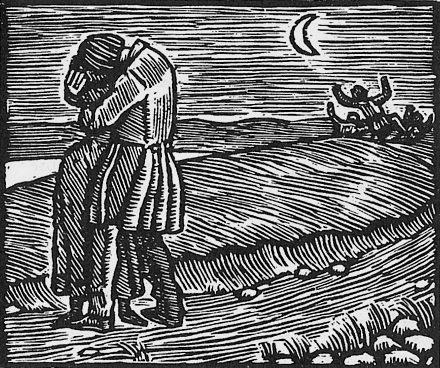
Sali und Vrenchem am Fluss

Het libretto (van de hand van Delius zelf en zijn vrouw Jelka) is gebaseerd op de novelle van Gottfried Keller, maar zijn oorsprong ligt in een nieuwsbericht uit de Zürcher Freitagszeitung over de verdachte dood van jonggeliefden die van hun ouders niet mochten trouwen.

Delius jonge paar

Rik de Jong (Sali) en Lotte Cornel (Vreli) © Lodi Lamie

De uitvoering die de ZaterdagMatinee ons presenteerde was van een zeer hoog niveau. Allereerst werd ik zeer getroffen door de invulling van de rollen van de jonge Sali en Vreli door de 13-jarige jongenssopraan Rik de Jong en de amper twee jaar oudere Lotte Cornel. Beide zangers brachten niet alleen hun prachtige stemmen mee, maar gaven blijk van een enorme muzikaliteit en artisticiteit. Ale enigen zongen ze zonder blad (hulde!!!), waarbij zij hun rollen ook nog eens acteerden. BRAVI!

Delius Schwarzer_Geiger_Federzeichnung_Gottfried_Kellers

Der Tod als Geiger mit Stern, Mohn und dem Schriftzug Nachtigall. Federzeichnung auf Kellers Berliner Schreibunterlage

De zwarte vedelaar, een moeilijk te duiden figuur die het – voor mij – een midden houdt tussen een soort Mefisto, een hippie en een op wraak beluste verbitterde man (alle drie de elementen zitten er in) werd fantastisch vertolkt door de bariton David Stout. Hij had de juiste uitstraling voor de rol en wist er alles uit te halen wat er uit te halen was. Zijn donkere bariton klonk zeer verleidelijk maar ook onheilspellend.

De vaders van de jonggeliefden werden prima vertolkt door de bariton Tim Kuypers (Manz) en de bas Callum Thorpe (Marti). Hun ruzie was overtuigend levensecht.

Delius Julia

Een beetje moeite had ik met de hoofdrolvertolkers. Vreli werd gezongen door de sopraan Marina Costa-Jackson. Zij zag er prachtig uit (wat een jurk!) en ze zong uitstekend, maar ik wenste mij wat meer passie. Iets wat ook bij de tenor Matthew Newlin (Sali) miste. Mooie stem, dat wel, maar er ontbrak hem aan charisma.

Daarentegen werden _alle_ kleine rollen werkelijk voortreffelijk ingevuld door jonge Nederlandse zangers: Aylin Sezer, Jeannette van Schaik, Nina van Essen, Raoul Steffani, Leon van Liere, Martijn Sanders, Martin Mkhize en Lucas van Lierop. Wat boffen we toch met zo veel talent! Maar als ik er één iemand moest noemen dan is het Raoul Steffani! Wat een stem! Wat een voordracht! Go, go, Raoul, je wordt het echt!

Het Groot Omroepkoor (instudering: Benjamin Goodson) was zoals altijd onweerstaanbaar goed. Maar het aller- allermooist vond ik het Radio Filharmonisch Orkest dat onder de leiding van Sir Mark Elder voor een werkelijk onvergetelijke middag hebben gezorgd. De orkestrale tussenspelen waarin je als het ware de natuur kan horen: de velden, de bossen, de wind… Alles heb ik in hun spel gehoord. Impressionistisch, een beetje Debussy-achtig, maar o zo Delius-eigen! Denk alleen maar aan de tussen de vijfde en zesde scene geplaatste ‘Walk to the Paradise Garden’, wellicht het bekendste wat Delius heeft gecomponeerd en die zijn eigen leven ging leven.

Maar het was voornamelijk het eind, de bijna ‘Tristan und Isolde’-achtige Liebestod heeft mij tot de tranen toe geroerd. Bedankt ZaterdagMatinee!

Het slotapplaus © Ron Jacobi

Voor wie de opera niet kennen: een tip. In de jaren tachtig heeft de Tsjechische regisseur Petr Weigl de opera verfilmd. Het is een film met playbackende acteurs, alleen Thomas Hampson (de zwarte vedelaar) speelt zijn rol zelf. De film is mooi en de soundtrack, door Decca opgenomen olv Charles Mackerras zonder meer uitstekend.

De uitzending is hier terug te beluisteren:

https://www.nporadio4.nl/gids-gemist/2018-12-15