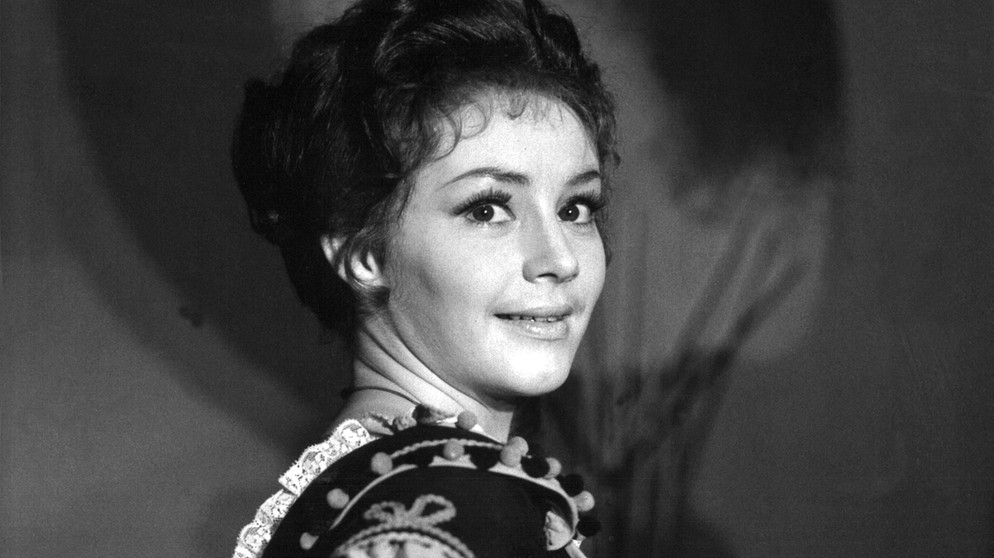
© picture-alliance / dpa
Hilfe, Hilfe Die Globolinks (Emily)
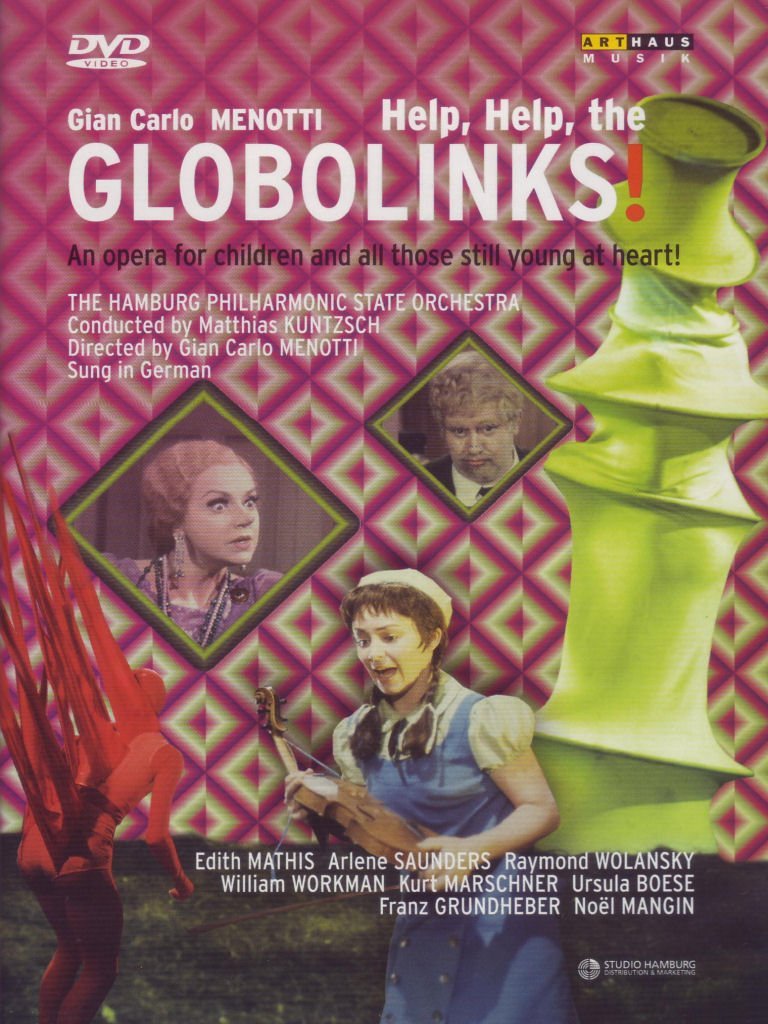
Especially for Hamburg, the Italian-American composer and director Gian Carlo Menotti composed Hilfe, Hilfe Die Globolinks!, an opera ‘for children and for those who love children’. The premiere took place in 1968 and a year later it was filmed in the studio.
I must confess that I’m not a big fan of children’s operas, but I’ve been shamelessly enjoying this one. It is an irresistible fairy tale about aliens (Globolinks) who are allergic to music and can only be defeated by means of music.
The images are very sensational for that period, full of colour and movement and the forest little Emily (the irresistible Edith Mathis) has to go through with her violet to get help is really frightening. The aliens are a bit of a let-down according to modern standards, but that doesn’t matter, it gives the whole a cuddly shine. The work is bursting with humour and irony; musical barbarians are lashed out at: the school principal who doesn’t like music turns into an alien himself.
There are also a lot of one-liners (“music leads you to the right path” or “when music dies, the end of the world is near”). It is incomprehensible a work like this is not performed all the time in every school (and I don’t mean just for the children), the subject is (and remains) very topical.
None of the roles, including the children, could be better cast, and this once again proves the high standard of the Hamburg ensemble. In which other city would you find so many great singers/actors who can perform so many different roles on such a high level?
Ariodante (Ginevra)
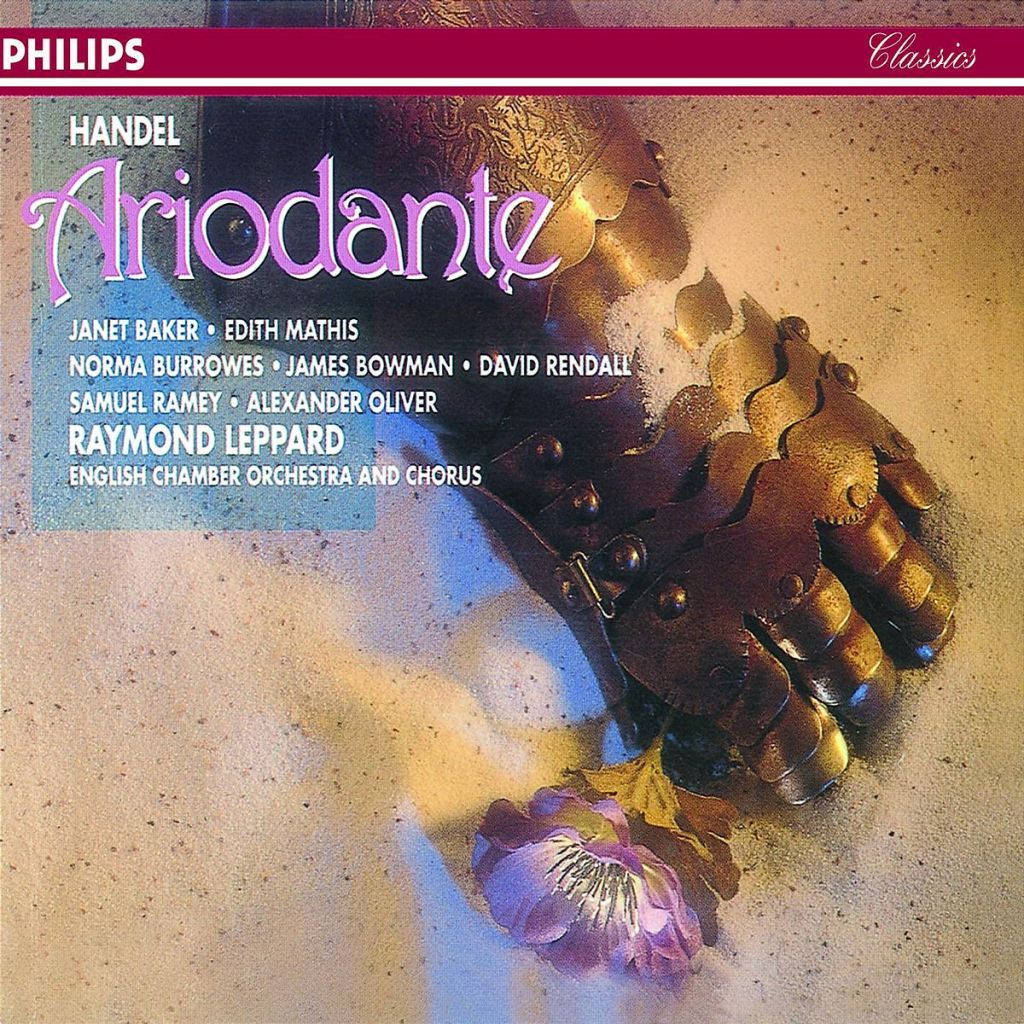
Listening to Janet Baker is always a feast. Her Ariodante sounds old-fashioned heartwarming.
Warm-blooded too. And sopranos Edith Mathis (Ginevra) and Norma Burrowes (Dalinda) are a pure joy to listen to.
Edith Mathis sings “Si, morrò, ma l’onor mio”:
Nozze di Figaro (Susanna)
This reconstructed production of Die Hochzeit des Figaro (yes, it is sung in German) is of great historical value. But it has more to offer; the production is magnificent, the orchestra of the Hamburg Opera under conductor Hans Schmidt-Isserstedt is excellent and the singers are all idiomatic.
The American baritone Heinz Blankeburg is a droll Figaro and as Susanna, Edith Mathis is simply wonderful. I would actually like to shout it from the rooftops: this is how Susanna is meant to be! The young Tom Krause is a more than delightful Count and Arlene Saunders as the Countess, is a real match for him (and his timbre).
Cherubino
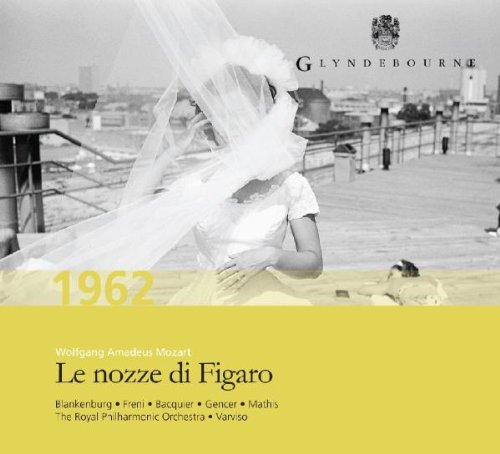
From 1960 on, all operas performed at Glyndebourne were recorded live. The more-than-valuable archive began to be polished off and transferred to CDs in 2008.
It was no coincidence that it was precisely Figaro’s Wedding that inaugurated the new series: after all, that opera gave the go-ahead to the new festival in 1934, which is now among the most prestigious in the whole world.
Gabriel Bacquier does not immediately associate you with Almaviva, and the Contessa is not the role you think of in connection with Leyla Gencer, but they both sing beautifully, with a great sense of nuance. The rest of the cast is also fantastic, headed by Mirella Freni (Susanna), then still at the beginning of her career, and the very young Edith Mathis as the ideal soprano-Cherubino
Salzburg Festival 1966 directed by Karl Böhm:
Rosenkavalier (Sophie)
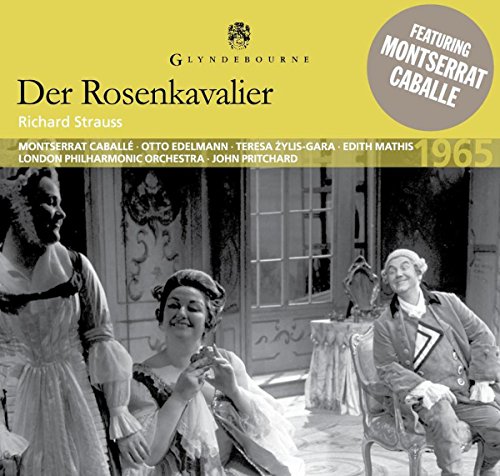
Montserrat Caballé (Marschallin) is a beautiful, young and spirited Marschallin, who enriches the role ‘at his Caballés’ with the most beautiful pianissimos and legatos.Teresa Zylis-Gara is a wonderfully light-sounding Octavian and Edith Mathis a Sophie who sounds like a 15-year-old girl. Otto Edelmann (Ochs) completes the fantastic recording
Edith Mathis as Sophie, here with Tatiana Troyanos (Octavian) in Salzburg 27 July 1969:
Zauberflöte (Pamina)
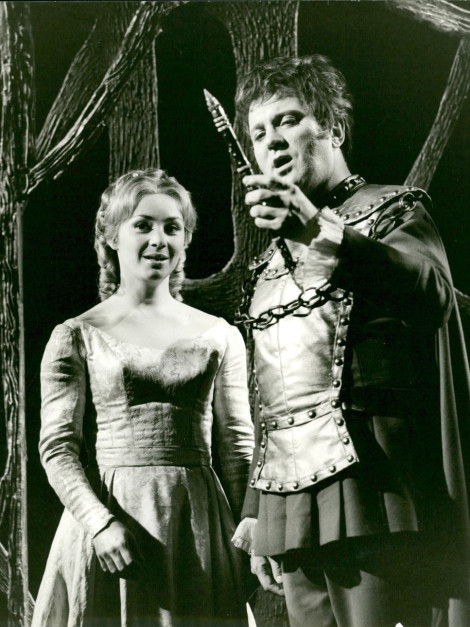
I think it’s one of the most important Magic Flutes ever, especially because of the singers! Shall I name them? Nicolai Gedda, Hans Sotin, the young Franz Grundhebber, Edith Mathis, Kurt Moll; Fischer-Dieskau, Kurt Moll , the very underrated William Workman and ….. last but not least! YES! Our ‘own’ Deutekom in her parade role.
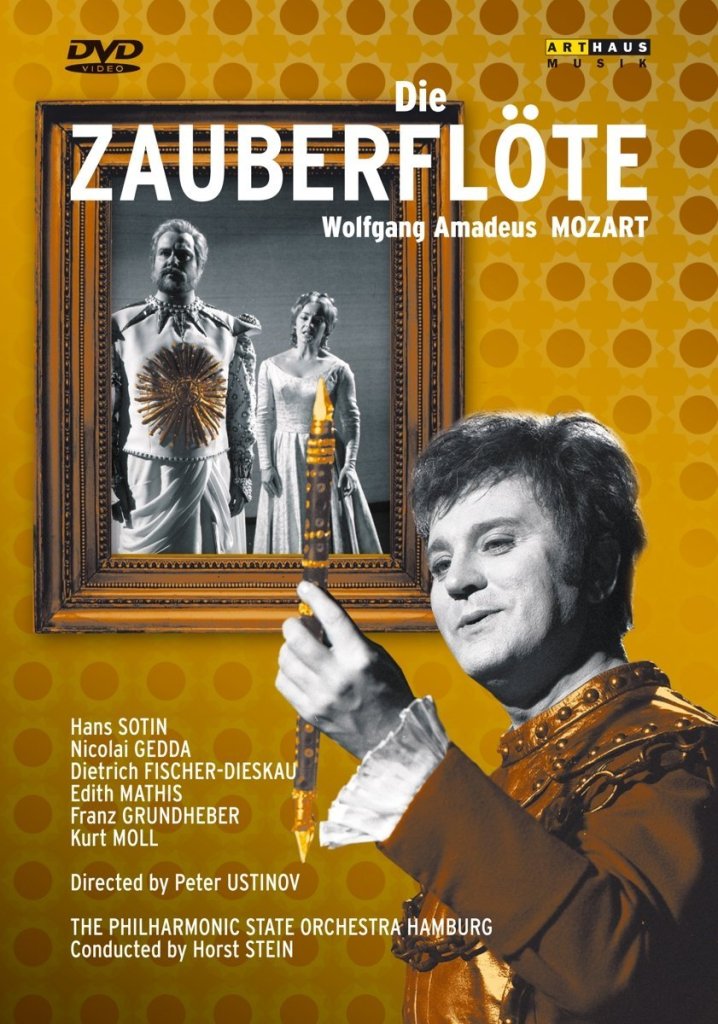
Edith Mathis & Nicolai Gedda in „Mein, o welch ein Glück!’
Edith Mathis died 9 Februari 2025, only three days before her 86th birthday
Rest in Peace Grandiosa!
 Basia con fuoco
Correction: Edith Mathisa died three days before her 87th birthday!
Born February 11 1938 – Death February 9 2025.
LikeLike