José Vianna da Motta

José Vianna da Motta: a Portuguese Schuman?

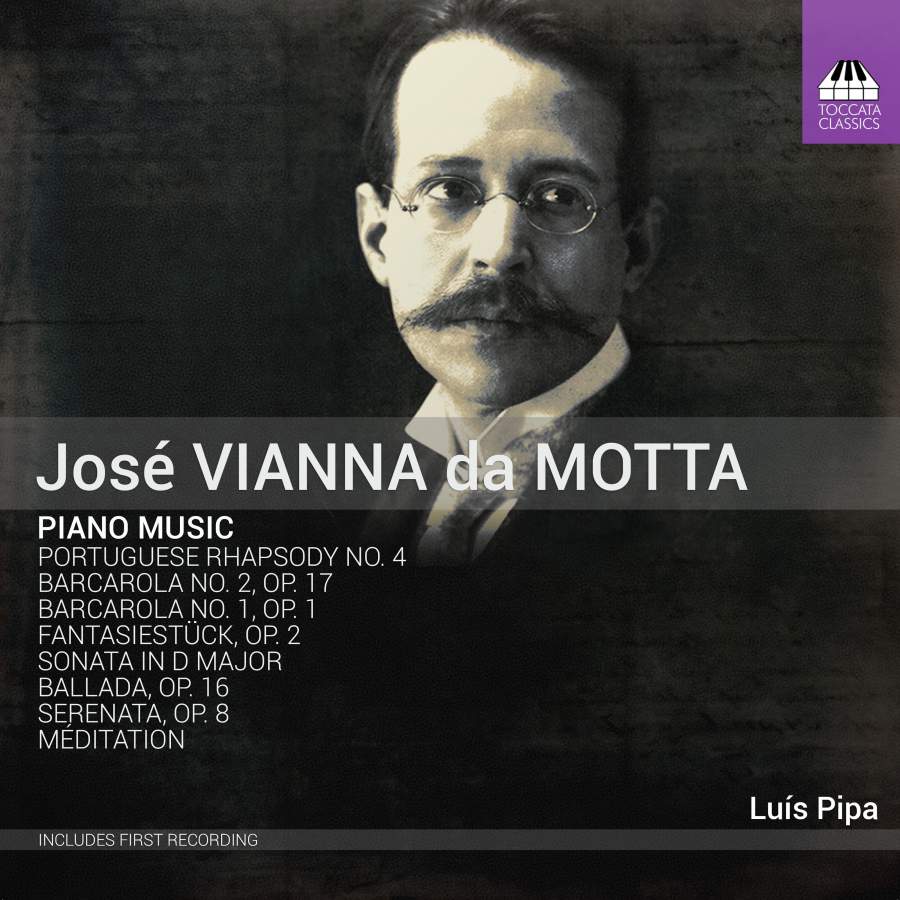
A Portuguese Schumann he is sometimes called. How unfair and how wrong! Born in 1868 on the island of SãoTomé e Principe in the Gulf of Guinea, José Vianna da Motta is really quite different. Less heavy-handed, more cheerful, more carefree. Say: more southern.


Schumann was a brilliant borderliner with a kind of ˜switch in his head” that made him balance between genius and banality and that eventually landed him in the Rhine. You can hear it in his music but this is totally absent from Vianna da Motta.
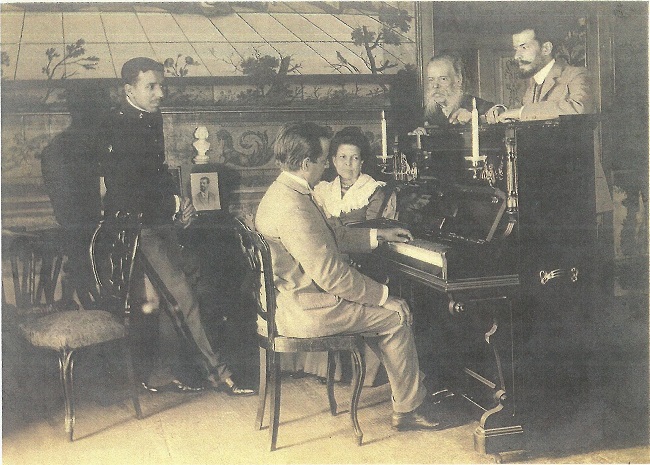
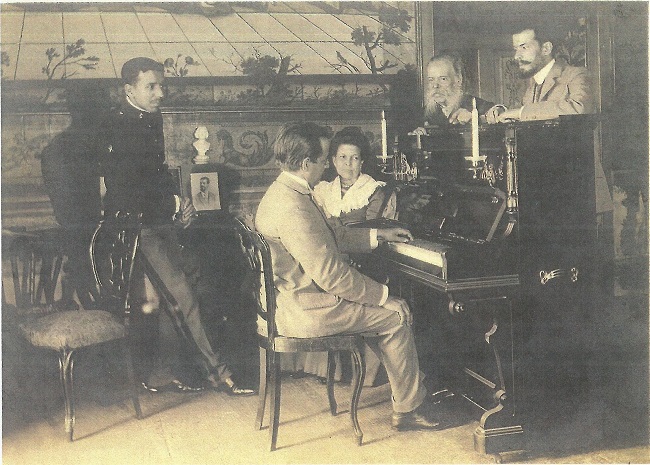
José Vianna da Motta first studied in Berlin with the brothers Xaver and Philipp Scharwenka and in 1885 he joined Franz Liszt in Weimar. By 1927, he was already playing Beethoven’s 32 piano sonatas in a series of concerts, something to which he mainly owes his fame.


His works are anything but progressive. They are undoubtedly a lot of fun but do not make much af an impact. After listening a couple of times, you know quite enough and then it becomes … how shall I put it: a bit boring? Because eventually you only hear a ˜carpet of sound”.


Luís Pipa is a pianist of the grand gesture and overwhelming sounds. Perhaps that’s why?


Over José Vianna da Motta en zijn pianowerken

Jose Vianna da Motta

Een Portugese Schumann wordt hij wel eens genoemd. Hoe onterecht en hoe verkeerd! De in 1868 op het eiland São Tomé e Principe in de Golf van Guinee geboren José Vianna da Motta is anders. Minder zwaar op de hand, vrolijker, onbekommerder. Zeg maar: zuidelijker.

Schumann was een geniale borderliner met een soort ‘knop in zijn hoofd’ die hem deed balanceren tussen genialiteit en banaliteit en die hem uiteindelijk in de Rhijn deed belanden. Dat hoor je in zijn muziek en dat gegeven is bij Vianna da Motta totaal afwezig.

Jose Vianna

© José Eduardo Martins

José Vianna da Motta studeerde eerst in Berlijn bij de broers Xaver en Philipp Scharwenka en in 1885 kwam hij bij Franz Liszt in Weimar terecht. In 1927 speelde hij al Beethovens 32 pianosonaten in een reeks concerten, iets waar hij zijn naamsbekendheid voornamelijk aan heeft te danken.

Zijn werken zijn alles behalve vooruitstrevend. Ze zijn zonder meer heel erg leuk maar beklijven doen ze niet. Na twee keer luisteren weet je het allemaal wel en dan wordt het … hoe zal ik het zeggen: een beetje saai? Want op den duur hoor je alleen maar een ‘klanktapijt’.

Luís Pipa is een pianist van het grote gebaar en overweldigende klanken. Wellicht ligt het daar ook aan?


JOSÉ VIANNA DA MOTTA
Portugese Rhapsody No.4; Barcarolla no.2, op 17; Barcarolla no.1, op 1; Fantasiestück op.2; Sonata in D Major; Ballada, op.16; Serenata, op.8; Méditation
Luís Pipa (piano)
Toccata Classics TOCC 0481