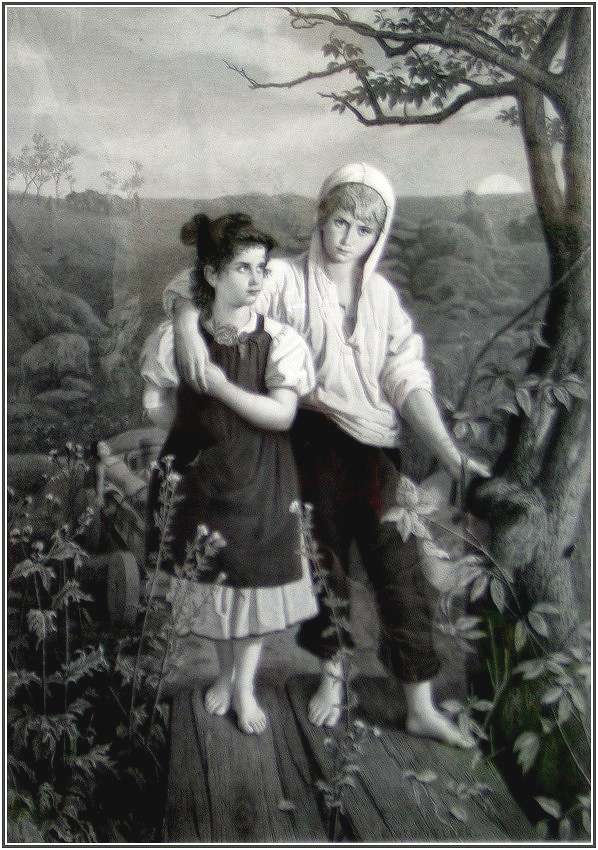
Ernst Stückelberg, Szene aus Gottfried Kellers «Romeo und Julia auf dem Dorfe», Original: Öl auf Leinwand. Reproduktion: Kupferstich von Franz Dinger, 1865 und 1867
Today, Frederick Delius is considered one of the most important English composers, but was he? English, I mean? He was born in England, sure, but his parents were German immigrants. At twenty-two, he took the boat to Florida, where he took lessons in music theory, and a year and a half later he moved to Virginia. There he became acquainted with the music of black Americans. In 1886, he enrolled at the conservatory in Leipzig, where he became friends with Grieg and Sinding. Both composers were of great influence, not only on his works, but also on his life: Delius fell in love with Norway and visited that country often. After completing his studies, he moved to Paris, the city where he lived most of his life. See here the true cosmopolitan! He himself, following Nietsche who was his idol, considered himself to be a ˜good European”.
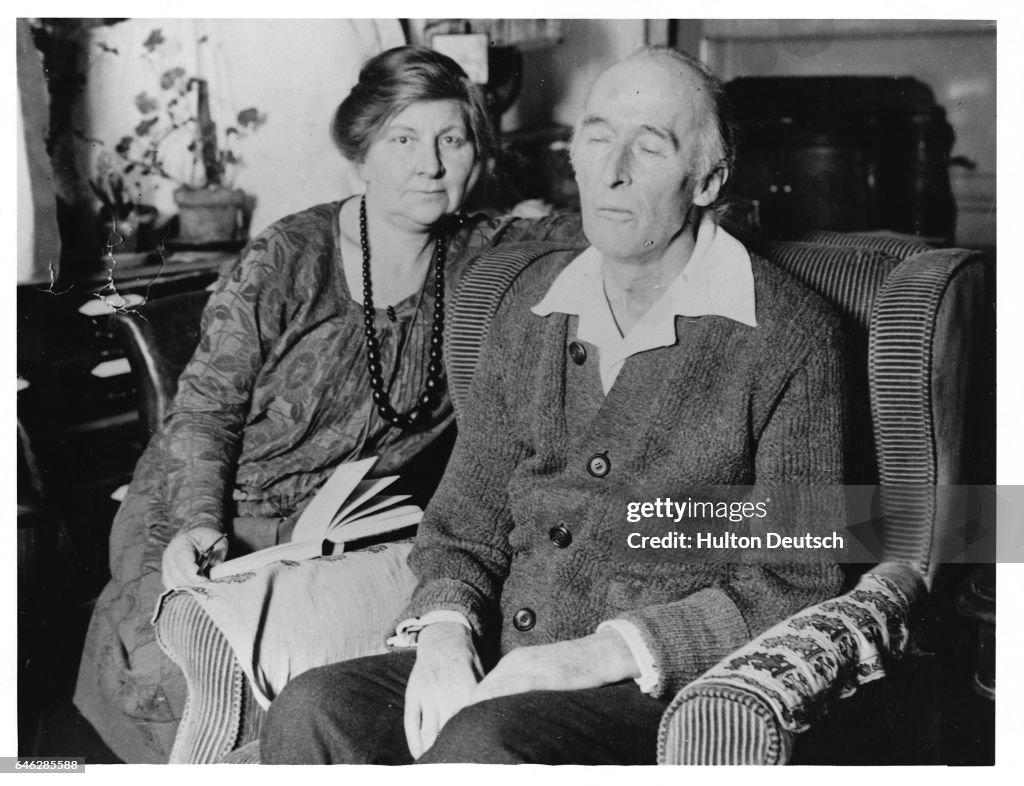
A Village Romeo and Juliet had its premiere in 1907 at the Berlin Komische Oper, with the title Romeo und Juliet auf dem Dorfe, in German. The opera is unjustly not performed very often, and the Netherlands even had to wait until 15 December 2018 to become acquainted with Delius and his moving music, which is neither English, German nor French. Personally, I find the Scandinavian influences strongest, but the opera is like the composer himself: cosmopolitan and impossible to pigeonhole.
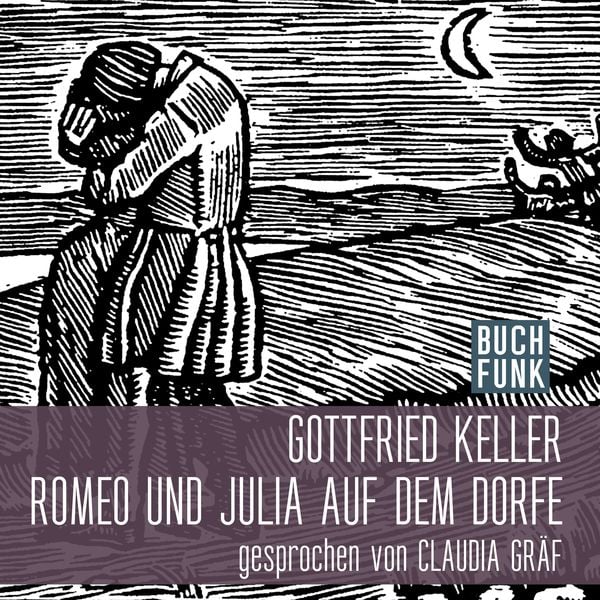
The libretto (by Delius himself and his wife Jelka) is based on Gottfried Keller’s novella, but its origins lie in a news report from the Zürcher Freitagszeitung about the suspicious deaths of young lovers whose parents would not allow them to marry.
https://www.zurichstories.org/tanja-rickert-julia-ohne-romeo/index.html
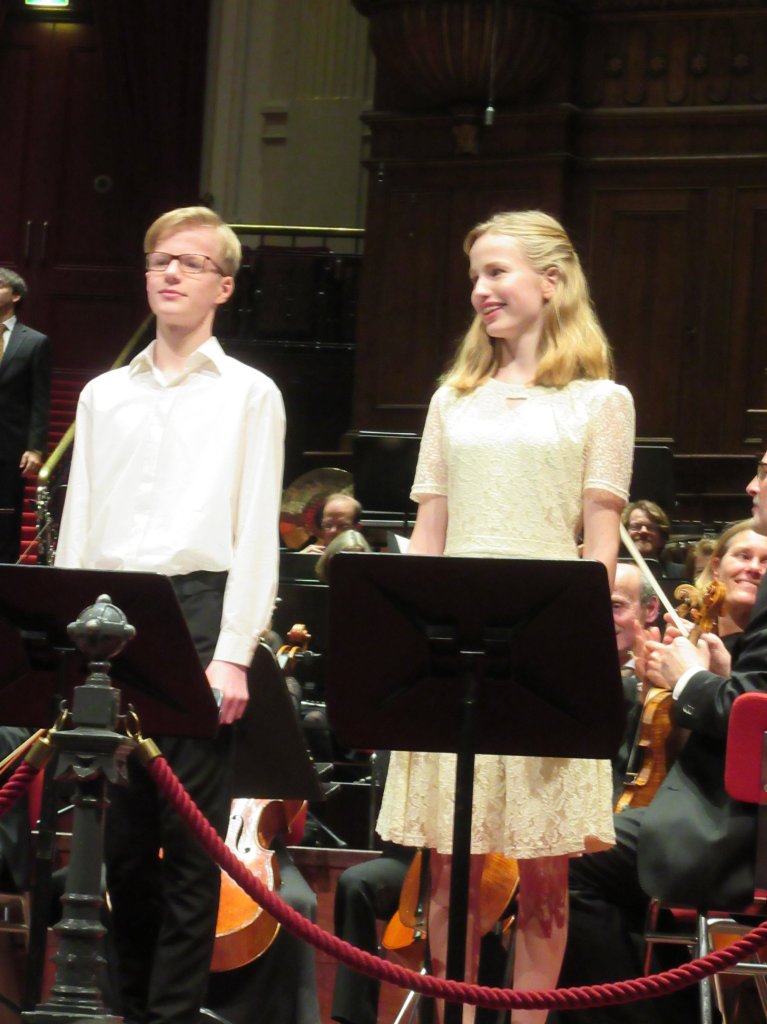
Rik de Jong (Sali) and Lotte Cornel (Vreli) © Lodi Lamie
The performance presented to us by the Saturday Matinee 15 December 2018 was of a very high standard. First of all, I was very struck by the interpretation of the roles of young Sali and Vreli by 13-year-old boy soprano Rik de Jong and a barely two years older Lotte Cornel. Both singers not only brought their beautiful voices, but showed tremendous musicality and artistry. They were the only ones singing without a sheet (kudos!!!), also acting out their roles. BRAVI.
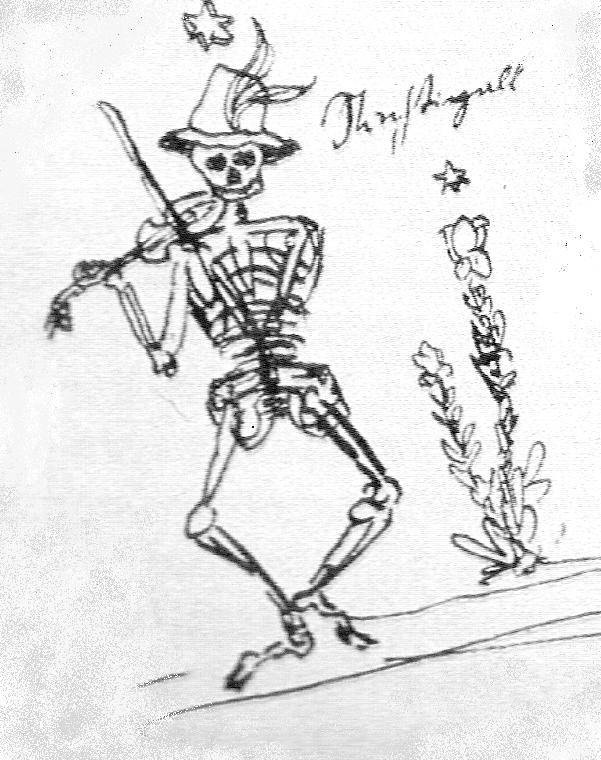
Der Tod as Geiger mit Stern, Mohn und dem Schriftzug Nachtigall. Federzeichnung auf KellerBerliner Schreibunterlage
The black fiddler, a hard-to-define figure who – to me – is somewhere between a kind of Mephisto, a hippie and a man bent on revenge (all three elements are represented) was fantastically performed by the baritone David Stout. He had the right charisma for the role and knew how to show absolutely everything. His dark baritone sounded very seductive but also ominous.
The fathers of the young lovers were excellently portrayed by baritone Tim Kuypers (Manz) and bass Callum Thorpe (Marti). Their quarrel was convincingly life-like.
One slight difficulty I had with the lead actors. Vreli was sung by soprano Marina Costa-Jackson. She looked beautiful (what a dress!) and she sang excellently, but I would have liked a little more passion. Something that was also missing from tenor Matthew Newlin (Sali). Beautiful voice, sure, but he lacked charisma.
On the other hand, _all_ the small roles were really superbly performed by young Dutch singers: Aylin Sezer, Jeannette van Schaik, Nina van Essen, Raoul Steffani, Leon van Liere, Martijn Sanders, Martin Mkhize and Lucas van Lierop. How lucky we are to have so much talent! But if I had to name one person it would be Raoul Steffani! What a voice! What a performance! Go, go, Raoul, you really are on the right way!
The Groot Omroepkoor (rehearsal: Benjamin Goodson) was, as always, irresistibly good. But what I loved most of all was the Radio Philharmonic Orchestra who, under the direction of Sir Mark Elder, provided us with a truly unforgettable afternoon. The orchestral interludes in which you can hear nature, as it were: the fields, the woods, the wind … I heard everything in their playing. Impressionistic, a little Debussy-like, but oh so very much Delius! Just think of the “Walk to the Paradise Garden” placed between the fifth and sixth scenes, perhaps the most famous thing Delius composed, and which had taken on a life of its own.
But it was mainly the ending, the almost ‘Tristan und Isolde’-like Liebestod moved me to tears. Thanks Saturday Matinee
Closing applause © Ron Jacobi
A tip for those not familiar with the opera:
it is a film by Czech director Petr Weigl with playback actors; only Thomas Hampson (the black fiddler) plays his part himself. The film is beautiful and the soundtrack, recorded by Decca olv Charles Mac
 Basia con fuoco